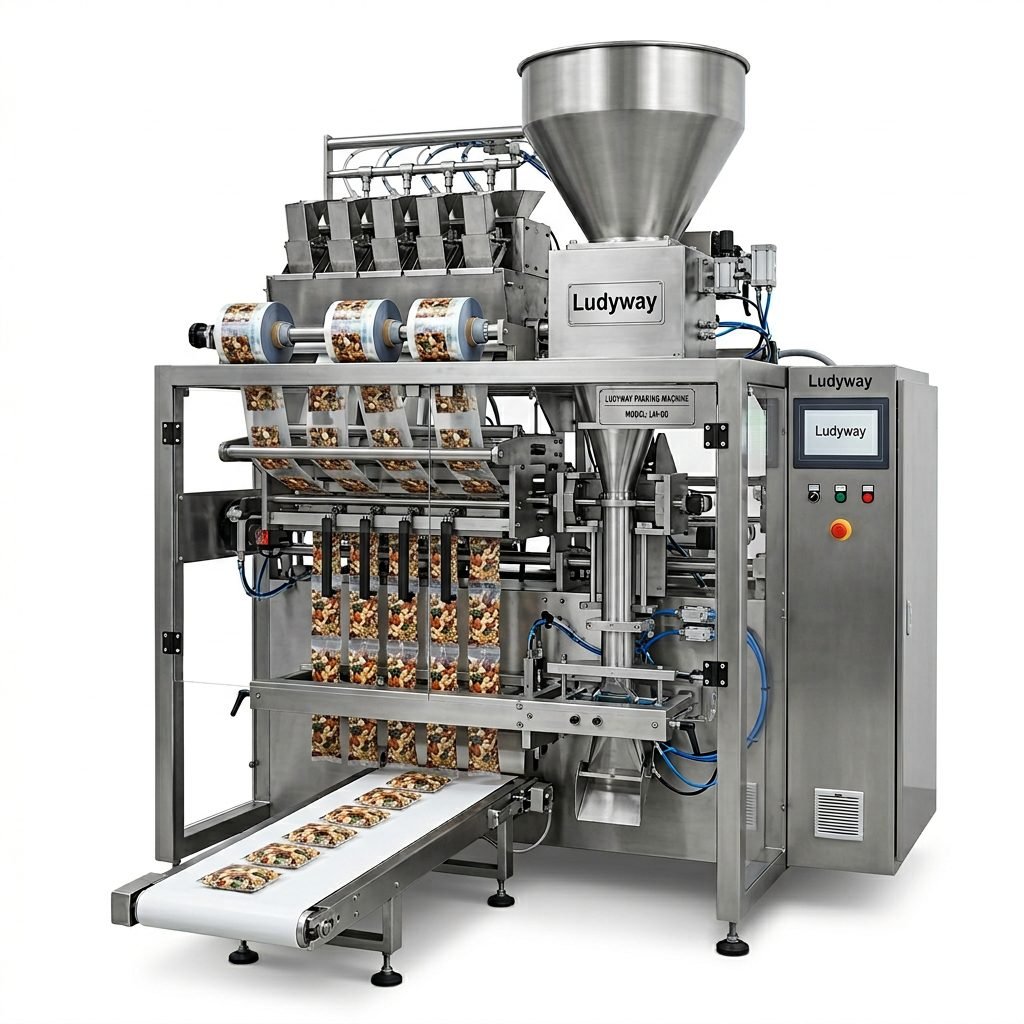
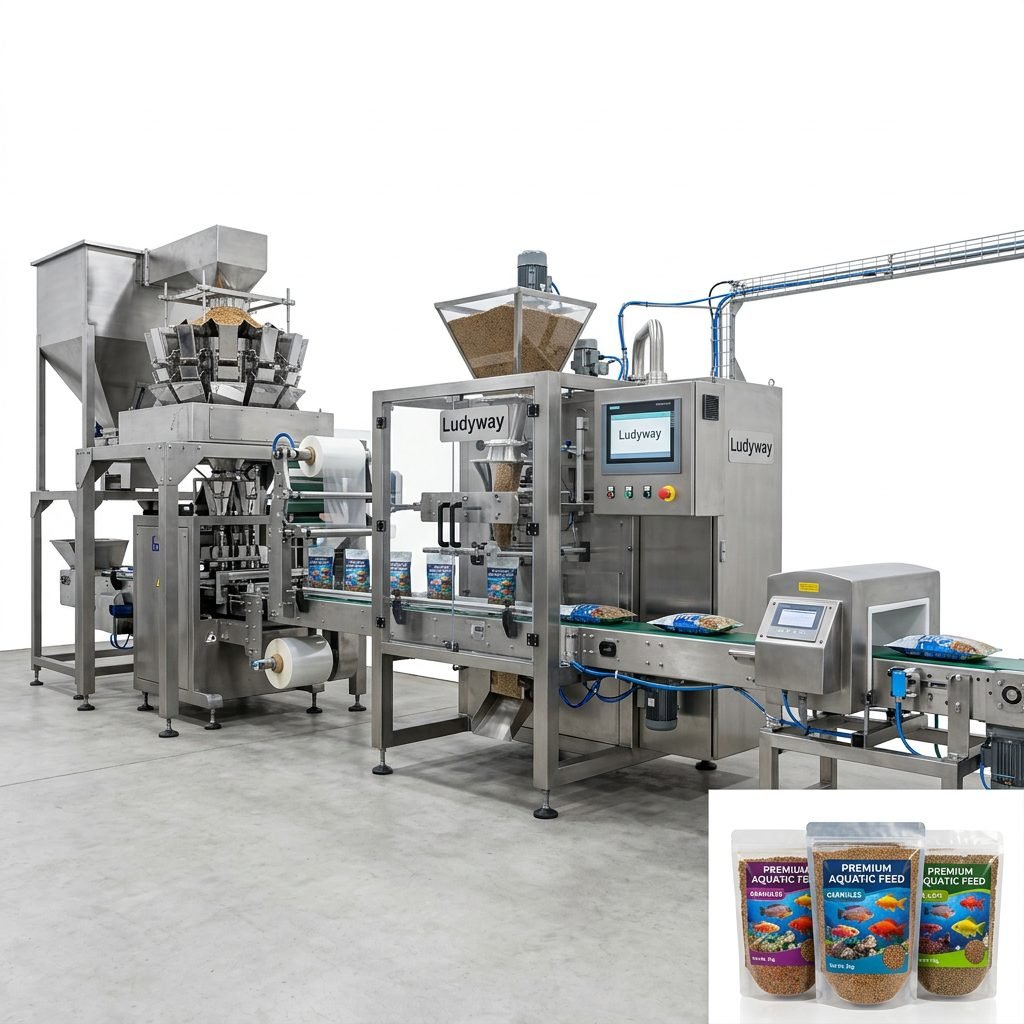
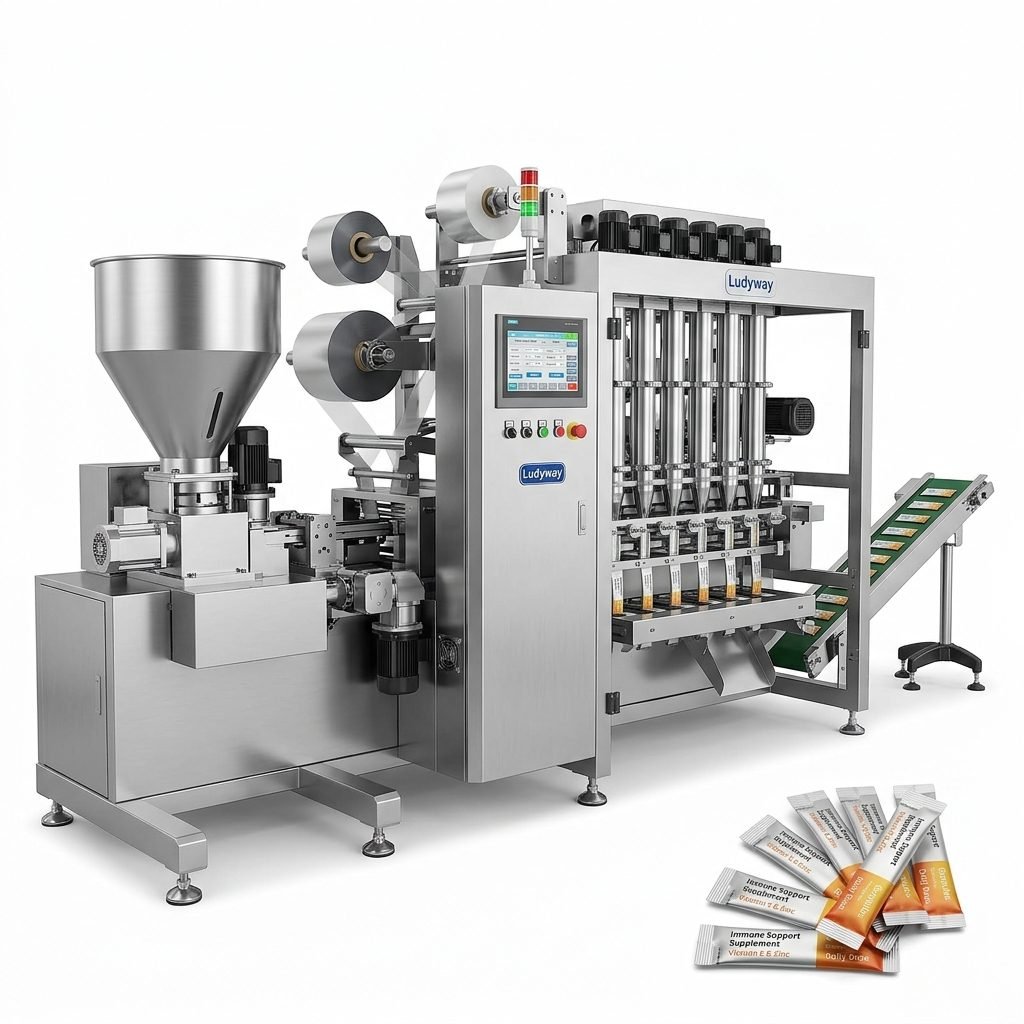
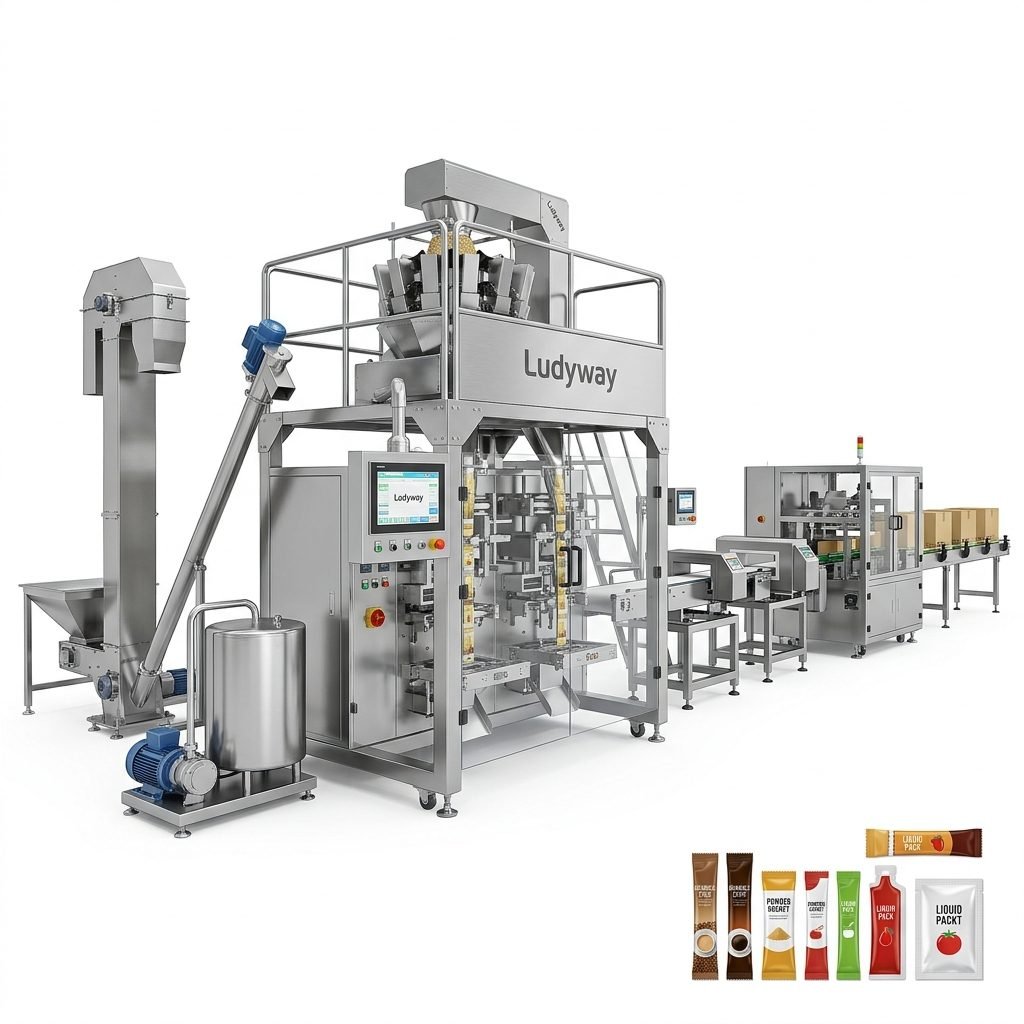
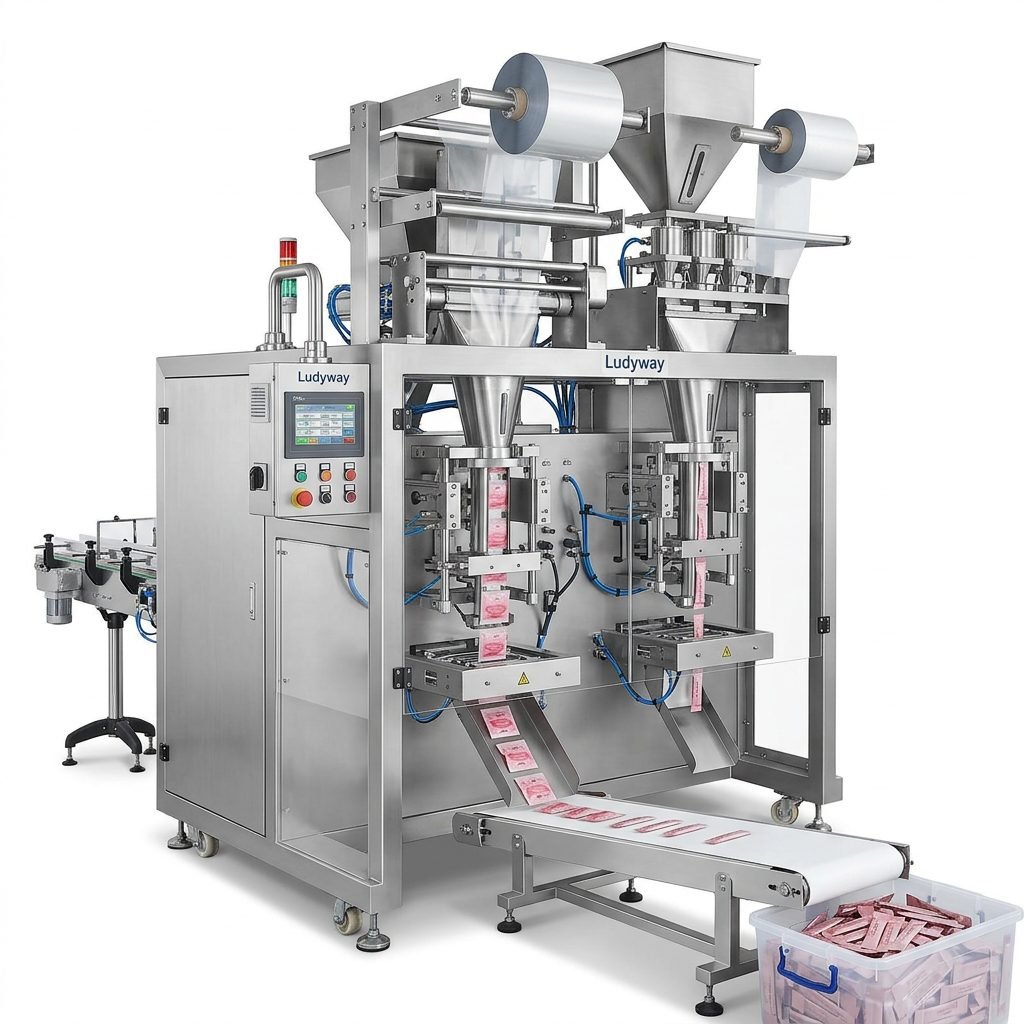
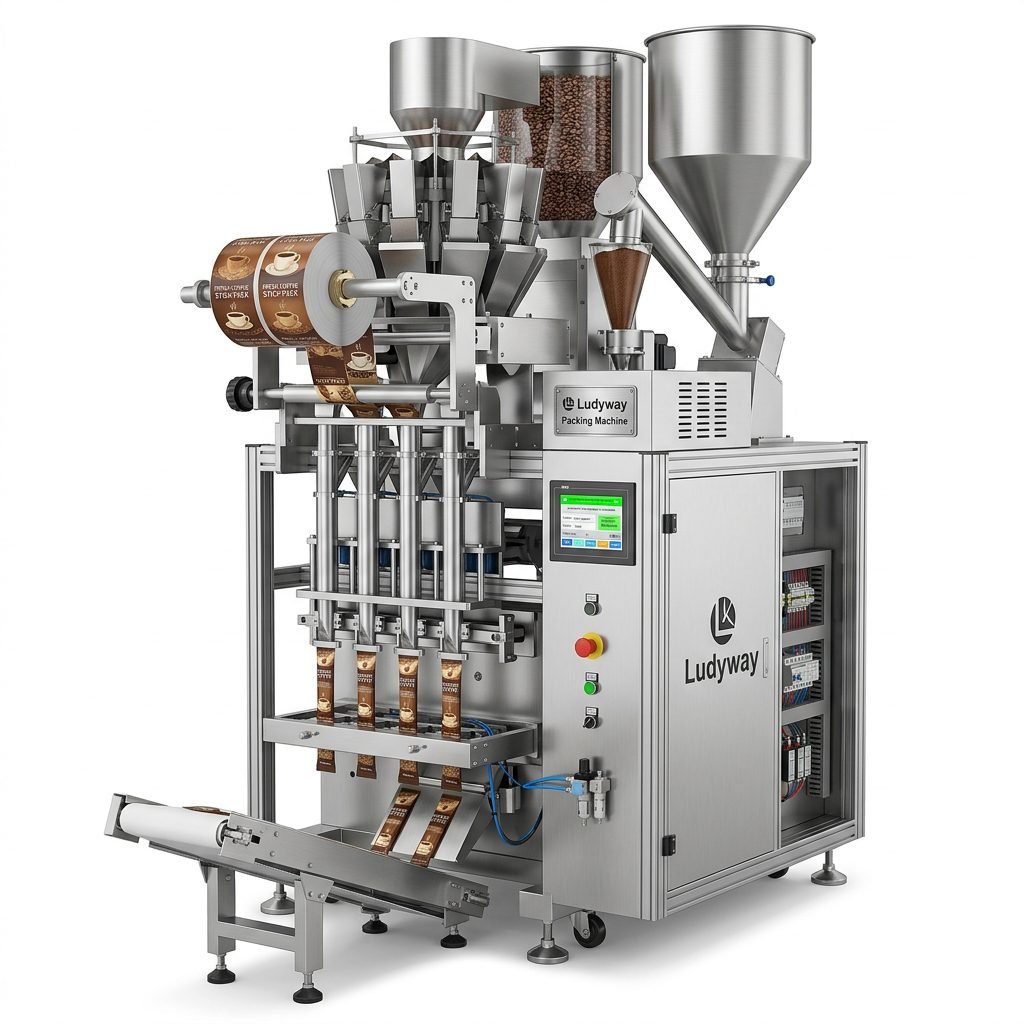
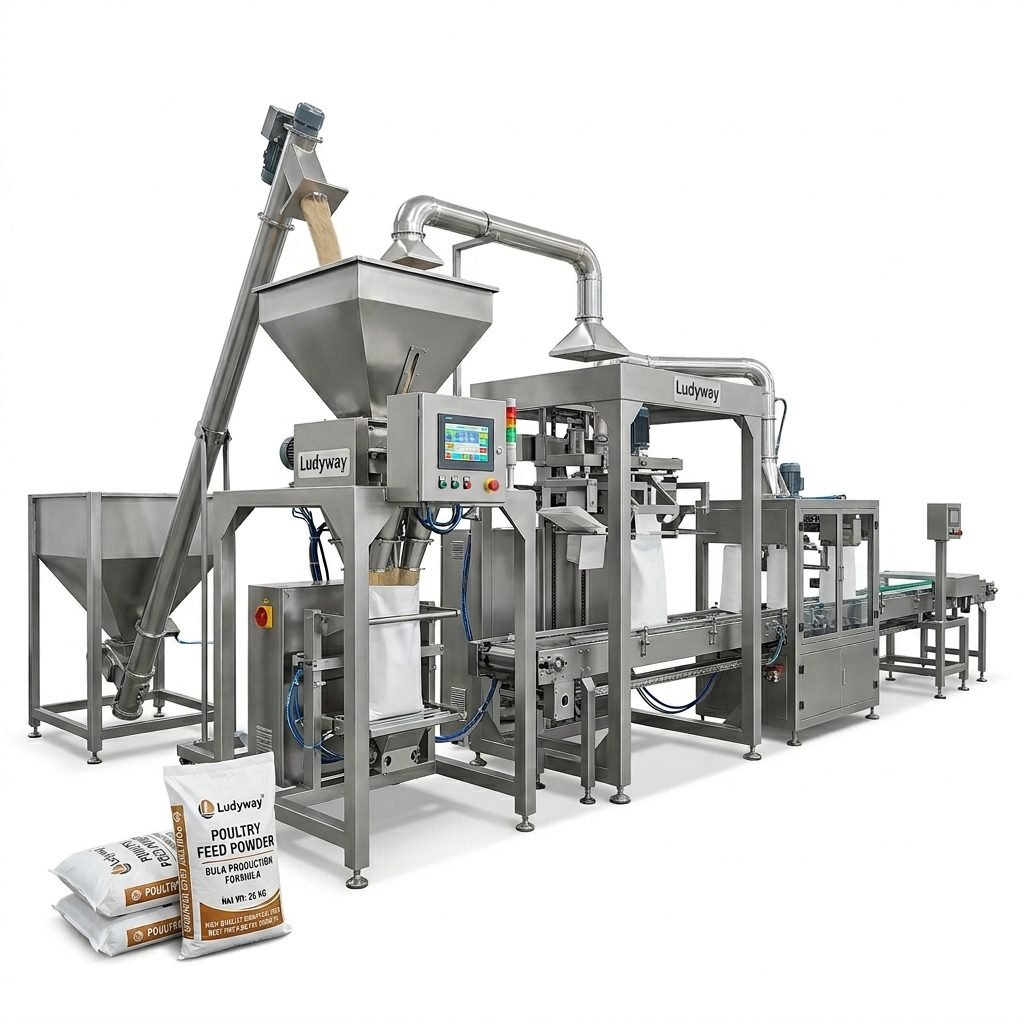
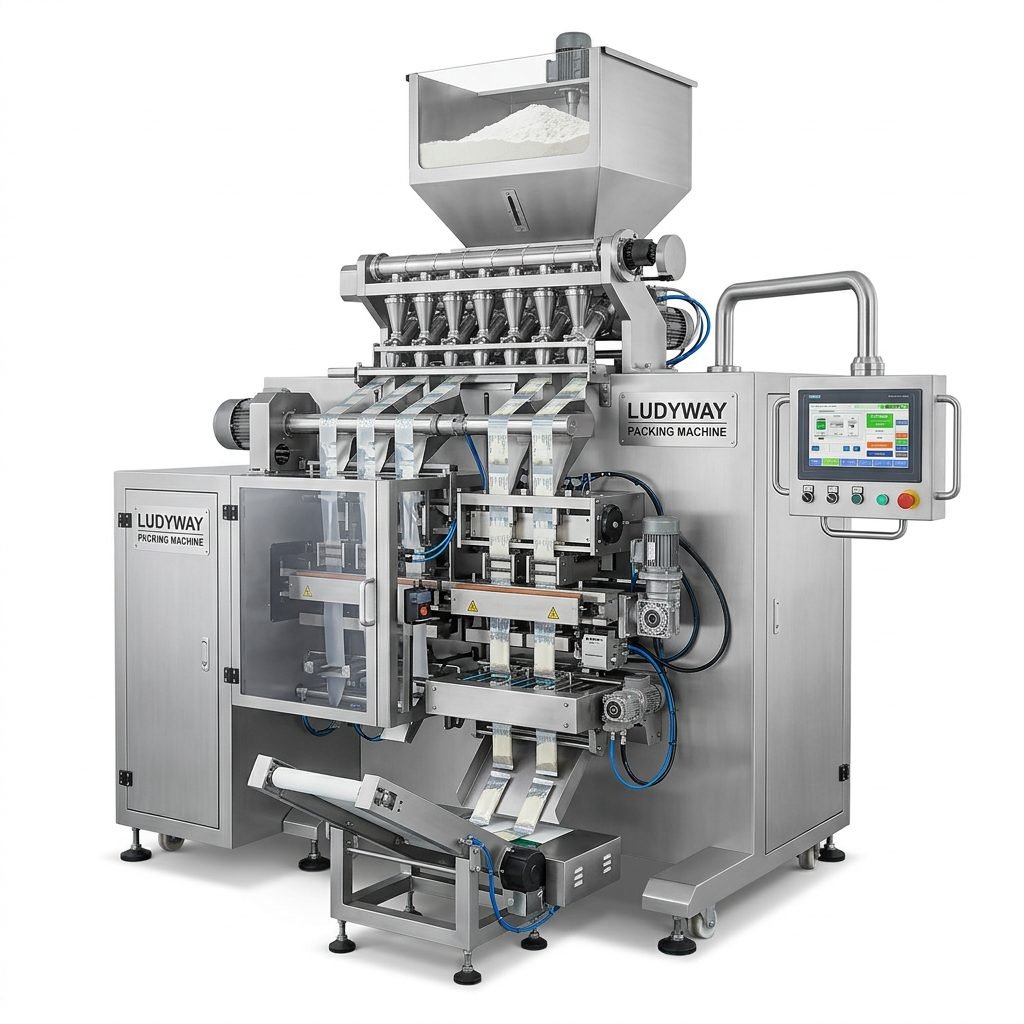
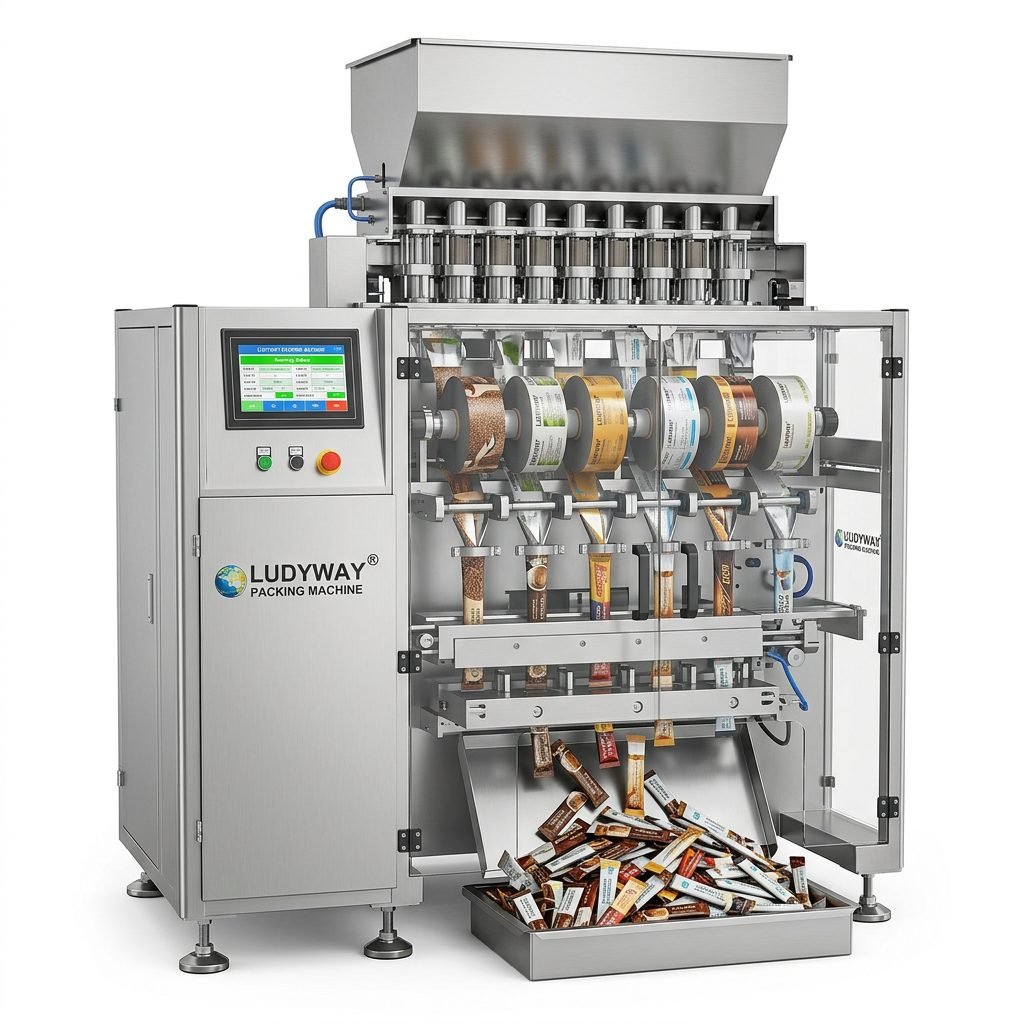
Investing in a horizontal sachet packing machine is a significant decision for any manufacturer. The right equipment can boost production efficiency, reduce waste, and ensure consistent package quality across millions of units. The wrong choice, however, can lead to costly downtime, material waste, and missed delivery deadlines. This guide walks you through the essential factors to evaluate before making a purchase, helping you select a machine that aligns with your production goals, product characteristics, and long-term business strategy.
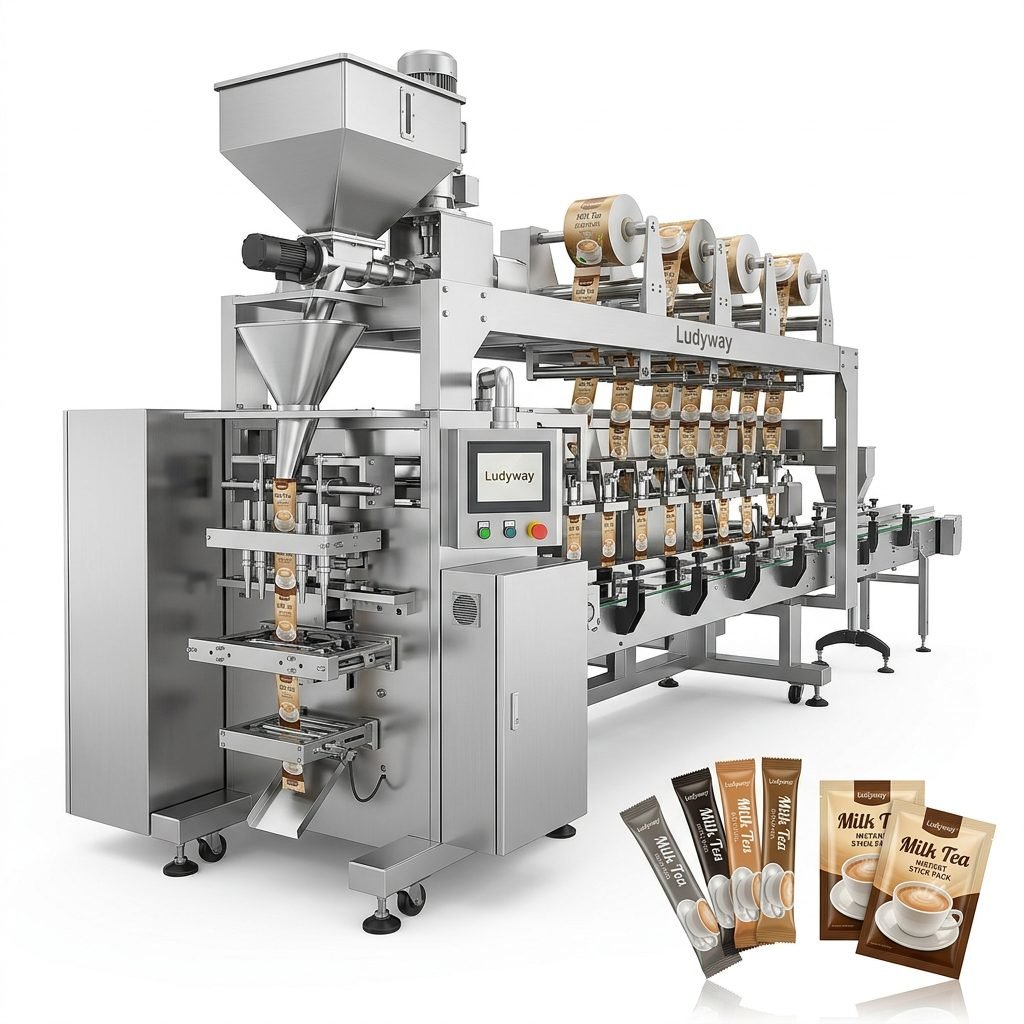
Understanding Horizontal Sachet Packing Technology
Horizontal sachet packing machines operate by forming, filling, and sealing pouches in a horizontal orientation. Unlike vertical form-fill-seal (VFFS) systems, these machines process the packaging film horizontally, making them particularly well-suited for liquid products, pastes, and certain granular applications where gravity filling in a vertical setup may not be ideal. The horizontal configuration also allows for easier integration with upstream and downstream equipment in automated packaging lines.
These machines can handle a wide variety of packaging formats including three-side-seal, four-side-seal, and stick pack configurations. According to industry data from the PMMI Business Intelligence Library, horizontal packaging machinery continues to see strong demand across food, pharmaceutical, and personal care sectors, driven by the growing popularity of single-serve and portion-controlled packaging formats.
Key Factors to Evaluate Before Purchasing
1. Product Characteristics and Compatibility
The physical and chemical properties of your product directly determine which machine configuration is appropriate. Consider the following product attributes carefully:
- Viscosity and flow behavior – Free-flowing liquids require different filling systems compared to thick pastes or gels. Horizontal machines often feature piston fillers, peristaltic pumps, or gear pumps depending on product viscosity.
- Particle size and abrasiveness – Products with abrasive particles may require hardened or ceramic-coated contact parts to prevent premature wear on filling nozzles and seals.
- Foaming tendency – Products that foam during filling need specialized bottom-up filling nozzles to maintain seal integrity and package appearance.
- Temperature sensitivity – Some products require heated filling systems or temperature-controlled hoppers to maintain proper flow characteristics.
2. Packaging Material Selection
The choice of packaging film significantly impacts machine performance and seal quality. Horizontal sachet machines typically work with laminated films, aluminum foil composites, and multi-layer barrier materials. The Flexible Packaging Association provides comprehensive resources on film selection and material compatibility that can inform your decision-making process.
Key material considerations include sealant layer type (PE, PP, or specialty sealants), barrier requirements for oxygen and moisture protection, and the film’s coefficient of friction for smooth machine feeding. Verify that your chosen machine can accommodate the film thickness range and roll dimensions you plan to use.
3. Production Speed and Capacity Requirements
Production throughput needs vary dramatically between small-batch operations and high-volume manufacturing facilities. Horizontal sachet machines can range from 40 to over 400 packs per minute depending on lane count, fill volume, and automation features. When evaluating speed specifications, consider:
- Current production volume requirements and projected growth over the next 3-5 years
- Changeover frequency between different products or sachet sizes
- Shift patterns and available operator hours per day
- Integration speed with upstream processing and downstream cartoning equipment
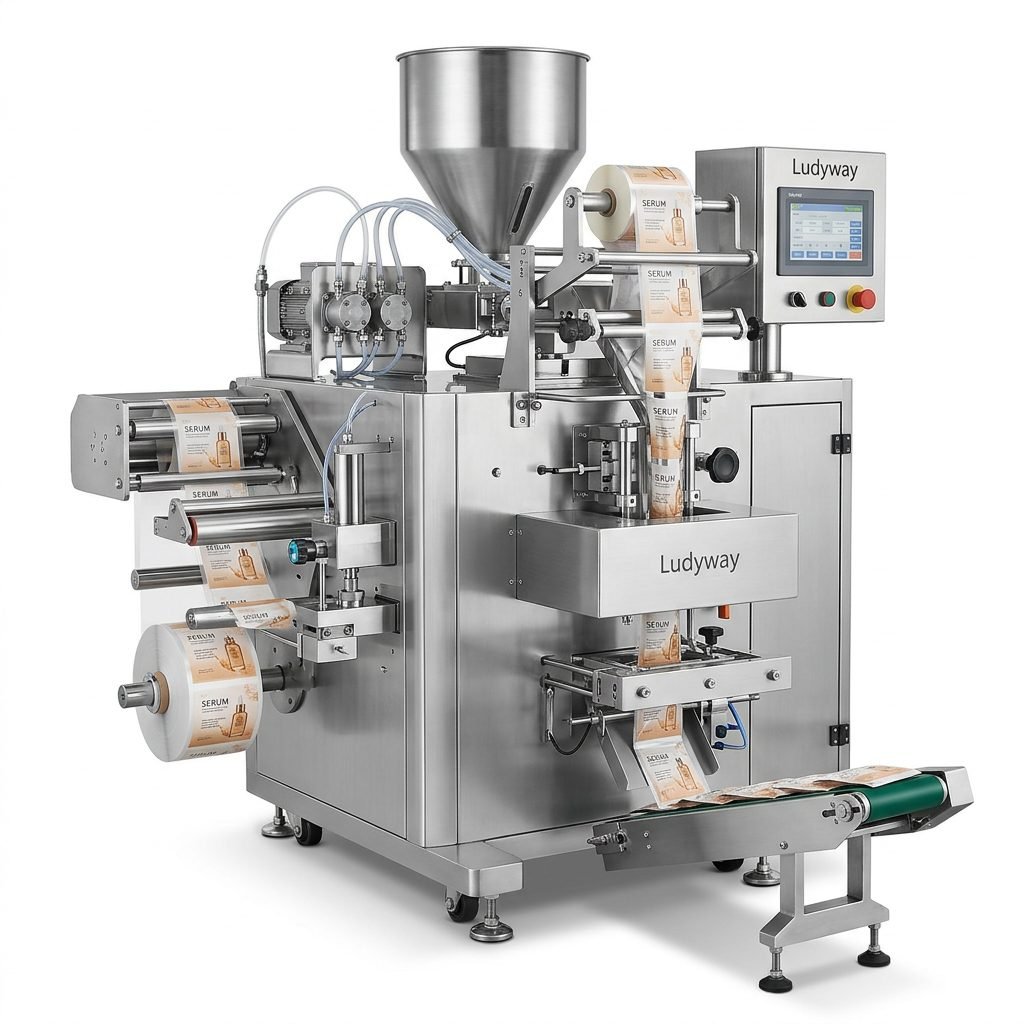
4. Sachet Size, Format, and Seal Configuration
Define your desired sachet dimensions and format before evaluating machines. Horizontal machines can produce various sachet styles, each suited to different applications and consumer preferences. The table below summarizes common sachet formats and their typical applications:
| Sachet Format | Seal Type | Best For | Typical Size Range |
|---|---|---|---|
| Three-Side-Seal | Sealed on three edges | Liquids, sauces, creams | 5ml – 100ml |
| Four-Side-Seal | Sealed on all four edges | Powders, granules, tablets | 2g – 50g |
| Stick Pack | Long narrow format, three seals | Single-serve powders, supplements | 1g – 20g |
| Gusseted Sachet | Expandable bottom gusset | Bulkier products, larger volumes | 20ml – 200ml |
5. Automation Level and Control Systems
Modern horizontal sachet machines offer varying degrees of automation, from semi-automatic systems requiring manual film loading to fully automated multi-lane machines with integrated servo drives, automatic registration control, and real-time monitoring. Key automation features to evaluate include:
- Servo-driven film transport for precise sachet length control and reduced film waste
- Automatic print registration for pre-printed films
- Touchscreen HMI with recipe management for quick changeovers
- Integration capabilities with IoT platforms and factory MES systems for production tracking
- Automatic fault detection and rejection systems for quality assurance
Industry-Specific Requirements and Compliance
Different industries impose distinct requirements on packaging equipment. Pharmaceutical and food applications, in particular, demand strict adherence to regulatory standards. The FDA Food Packaging and Food Contact Substances guidelines outline critical requirements for food-grade packaging machinery, while ISO standards such as ISO Packaging Standards provide international benchmarks for machine design and performance.
When evaluating machines for regulated industries, look for validated cleaning procedures, sanitary design features including quick-release components, and documentation packages that support your compliance requirements. Machines destined for pharmaceutical applications should be designed with minimal crevices, sloped surfaces for drainage, and materials compatible with common cleaning agents.
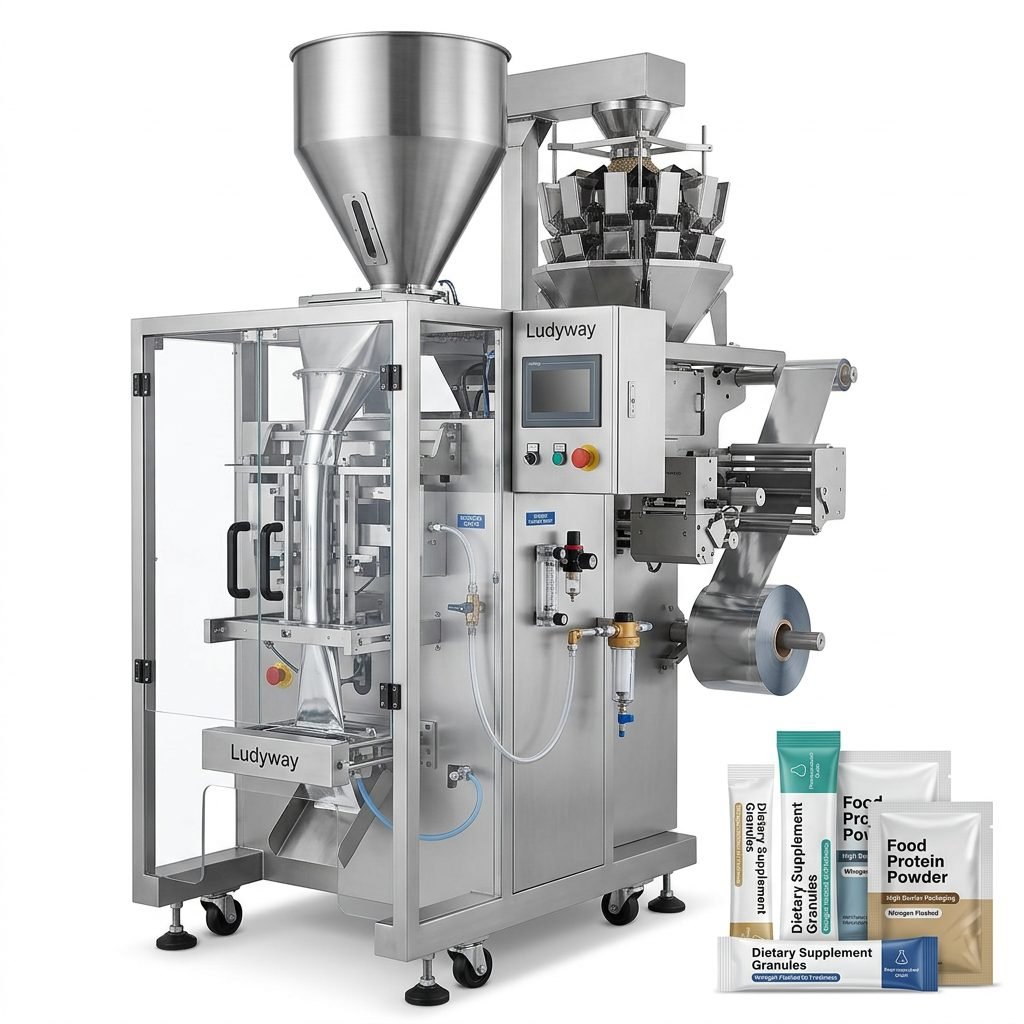
Evaluating Total Cost of Ownership
The purchase price represents only one component of the total investment. A comprehensive cost analysis should account for the entire equipment lifecycle, including installation, training, maintenance, spare parts, and energy consumption. Consider these often-overlooked cost factors:
- Film waste rates during setup, changeovers, and continuous operation – a difference of just 1% waste on high-volume lines translates to significant annual material savings
- Changeover time between products – shorter changeover times increase productive machine hours
- Spare parts availability and pricing – verify that critical wear components are readily available and reasonably priced
- Energy efficiency of heating elements, servo motors, and auxiliary systems
- Operator training requirements and ongoing technical support availability
| Cost Category | Typical Percentage of TCO | Key Variables |
|---|---|---|
| Initial Equipment Purchase | 40% – 55% | Lane count, automation level, customization |
| Installation and Commissioning | 5% – 10% | Site preparation, integration complexity |
| Maintenance and Spare Parts | 15% – 25% | Operating hours, product abrasiveness |
| Consumables and Energy | 10% – 20% | Film waste, electricity rates, shift patterns |
| Operator Labor and Training | 5% – 10% | Automation level, local labor costs |
Supplier Evaluation and Due Diligence
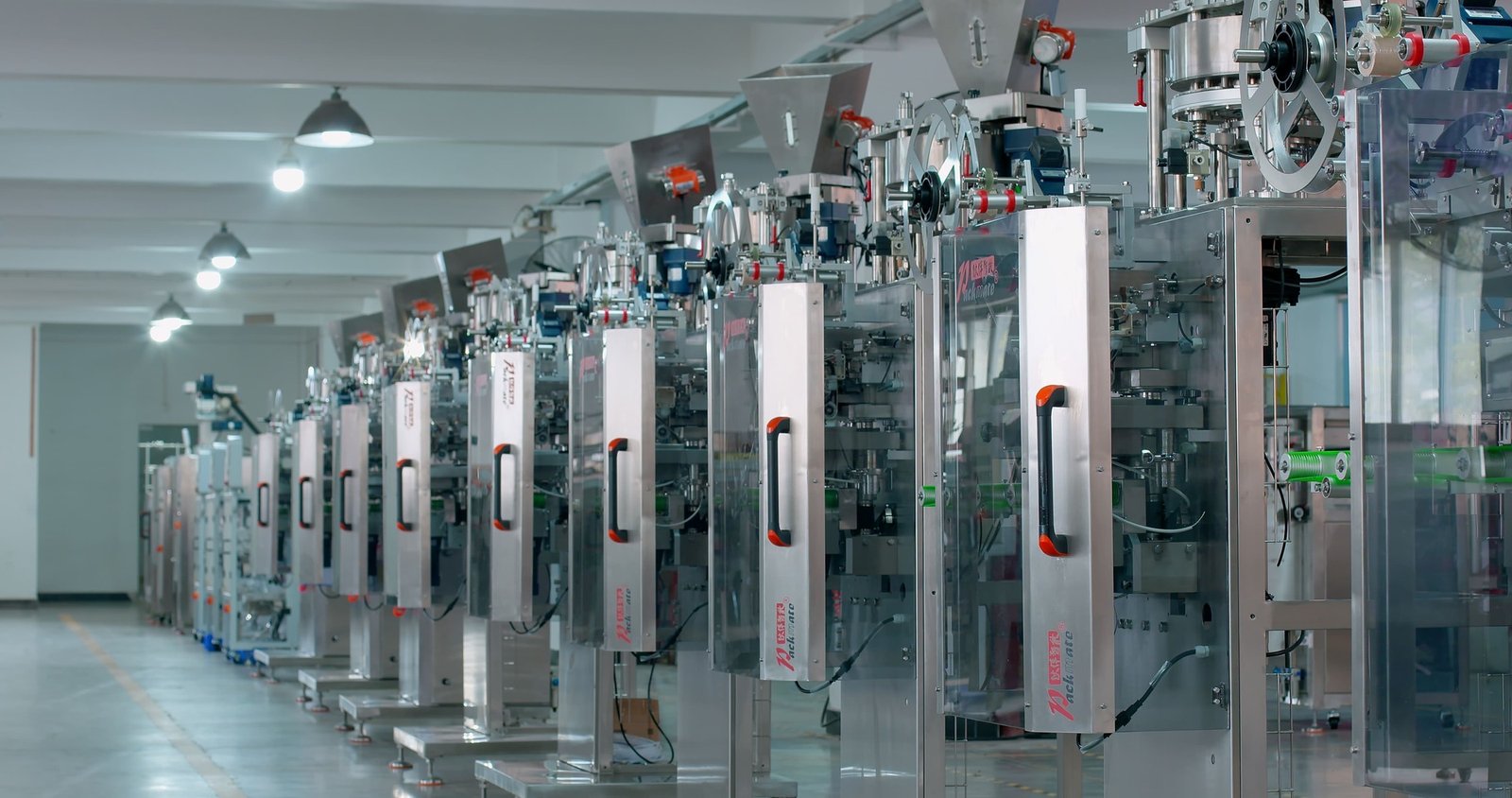
Selecting the right equipment supplier is as important as choosing the right machine specification. Look for manufacturers with demonstrated experience in your specific industry and product category. Request references from customers with similar applications, and whenever possible, arrange factory acceptance testing (FAT) to verify machine performance with your actual products and packaging materials before shipment.
Key supplier assessment criteria include technical support responsiveness, spare parts logistics for your region, engineering capability for customization, and long-term business stability. A supplier with comprehensive in-house manufacturing and engineering capabilities can often provide better support for customized configurations and future production line expansions.
For manufacturers seeking a single partner for equipment selection, system integration, and ongoing technical support, companies like Ludyway Machinery offer integrated packaging solutions that span from individual machines to complete turnkey production lines, backed by decades of engineering experience across multiple industries.
Making the Final Decision
After evaluating technical specifications, cost factors, and supplier credentials, consolidate your findings into a structured comparison. Prioritize factors based on your specific operational requirements rather than defaulting to the lowest purchase price. A machine that offers higher reliability, faster changeovers, and better supplier support often delivers superior long-term value even with a higher initial investment.
For additional industry insights, the PMMI 2026 State of the Industry Report provides valuable data on packaging machinery trends and technology adoption rates that can inform your investment strategy. Similarly, the Flexible Packaging Association Knowledge Hub offers ongoing updates on packaging material innovations that may influence your machine configuration decisions.
Questions to Ask Before Signing the Purchase Order
- Can the supplier provide documented performance data with products and materials similar to yours?
- What is the typical lead time for the machine configuration you require, and what factors might affect delivery schedules?
- Does the warranty cover both parts and labor, and what are the specific exclusions?
- What training and documentation does the supplier provide for operators and maintenance personnel?
- How does the supplier handle remote technical support and on-site service visits in your geographic region?
- Are there upgrade paths available if your production requirements increase in the future?
- What spare parts inventory does the supplier recommend you maintain on-site, and what are the lead times for critical components?
Choosing the right horizontal sachet packing machine requires careful consideration of your product characteristics, production goals, regulatory environment, and total cost of ownership. By systematically evaluating these factors and partnering with an experienced equipment supplier, you can make an investment that delivers reliable performance, operational efficiency, and a strong return on investment for years to come.