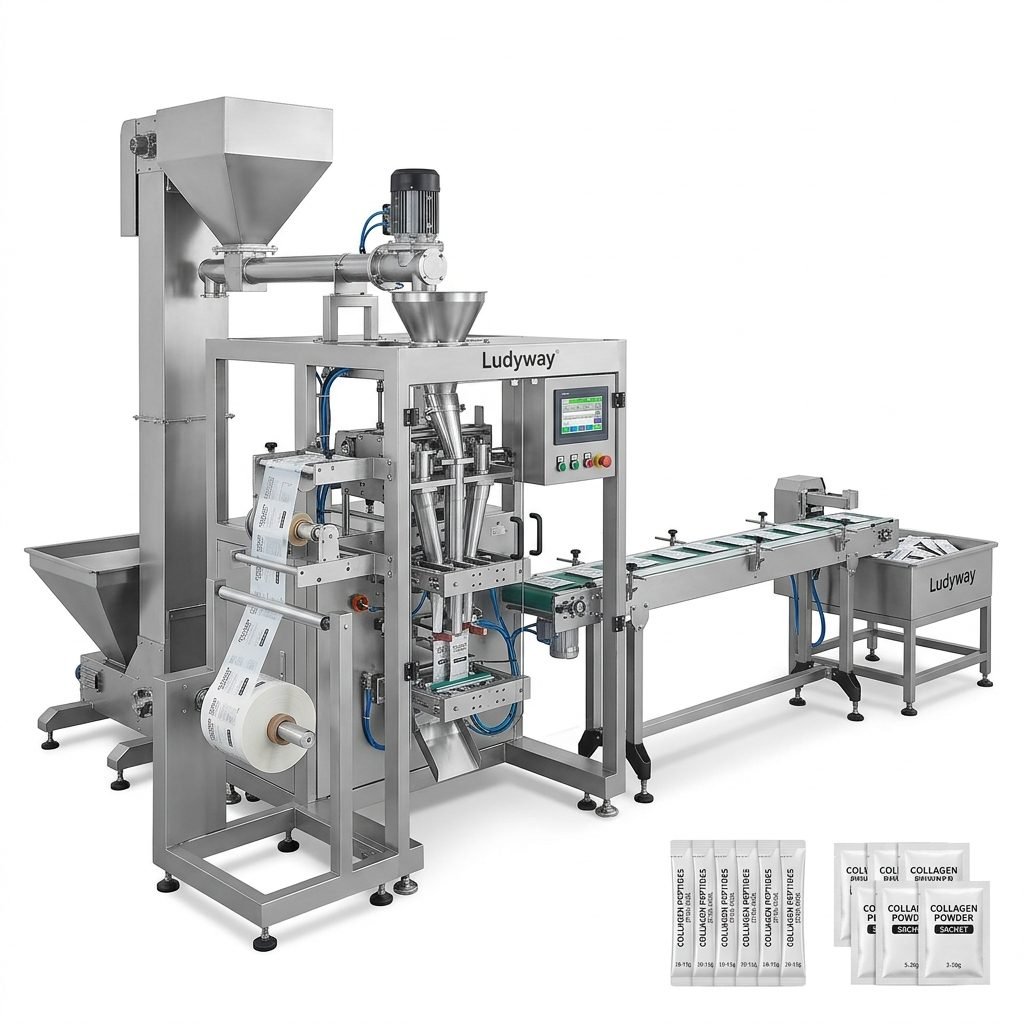
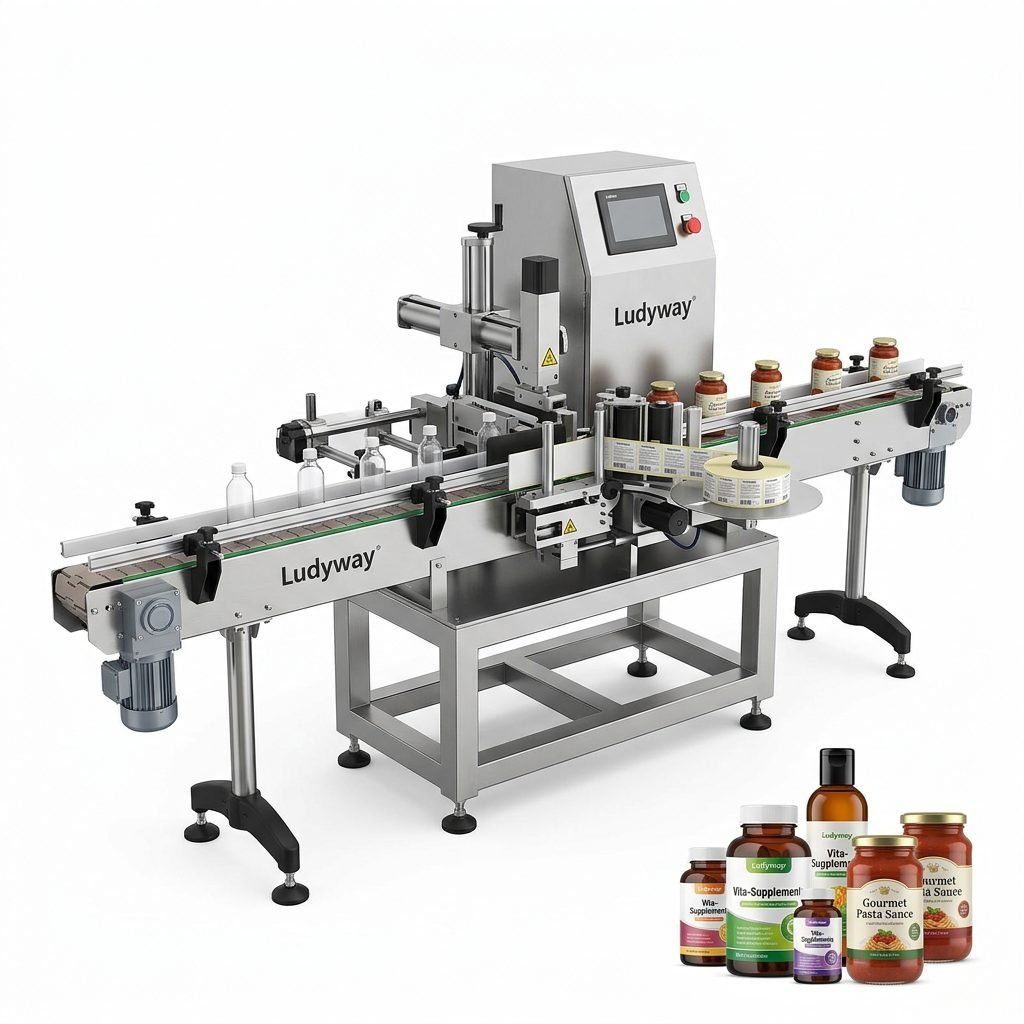
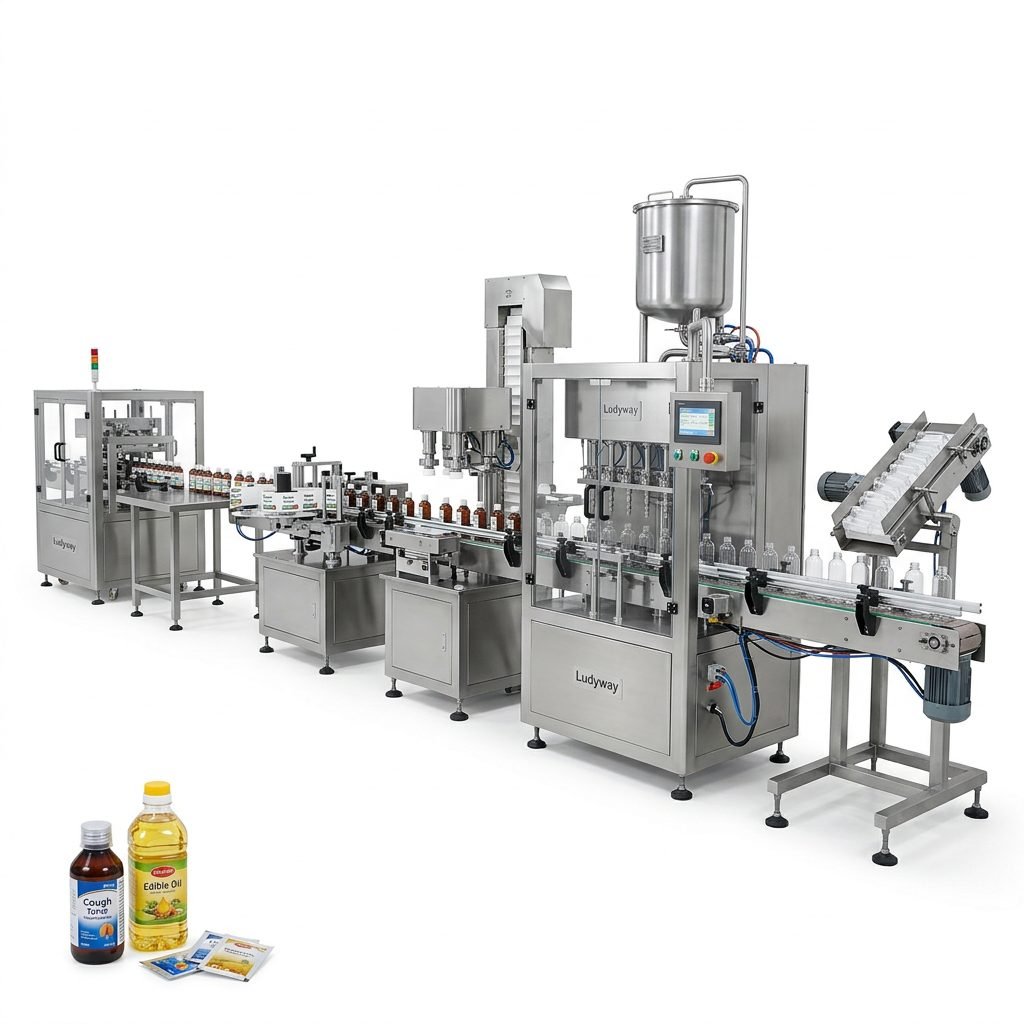
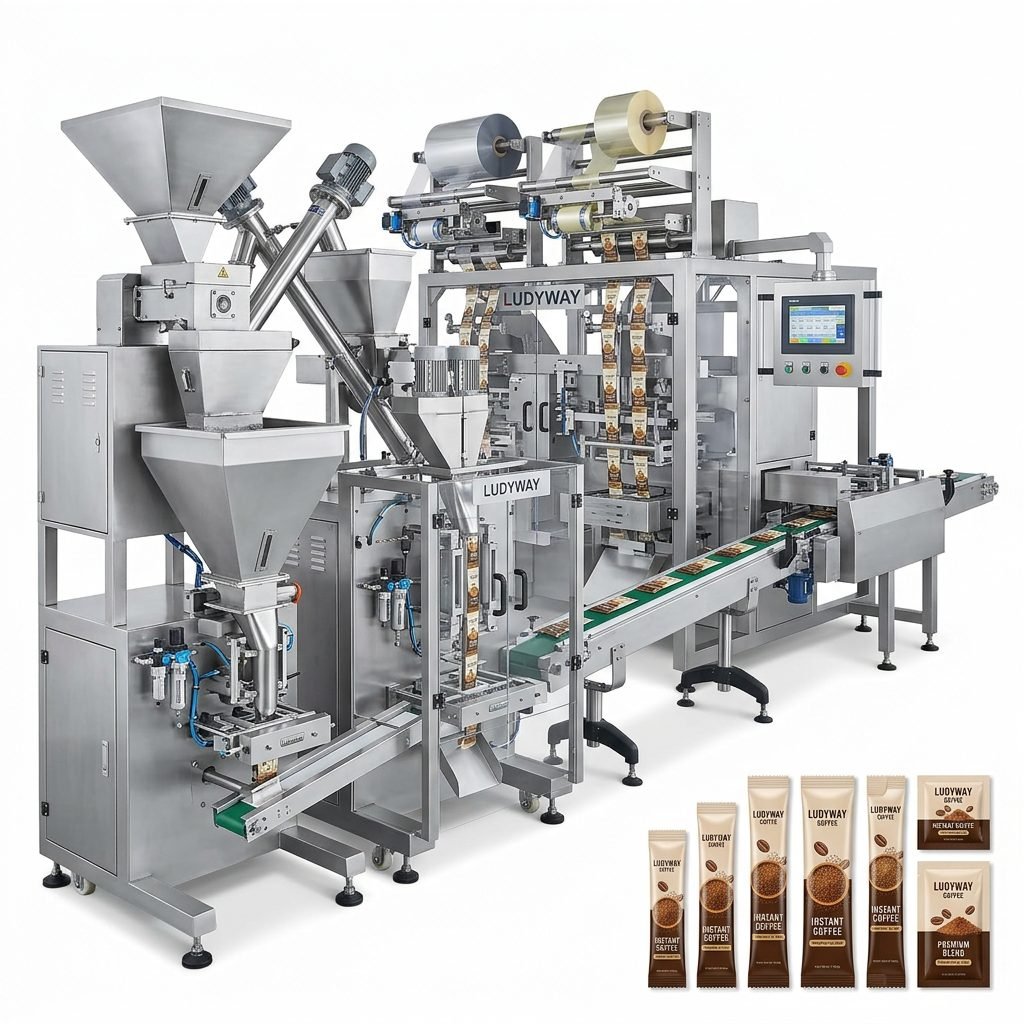
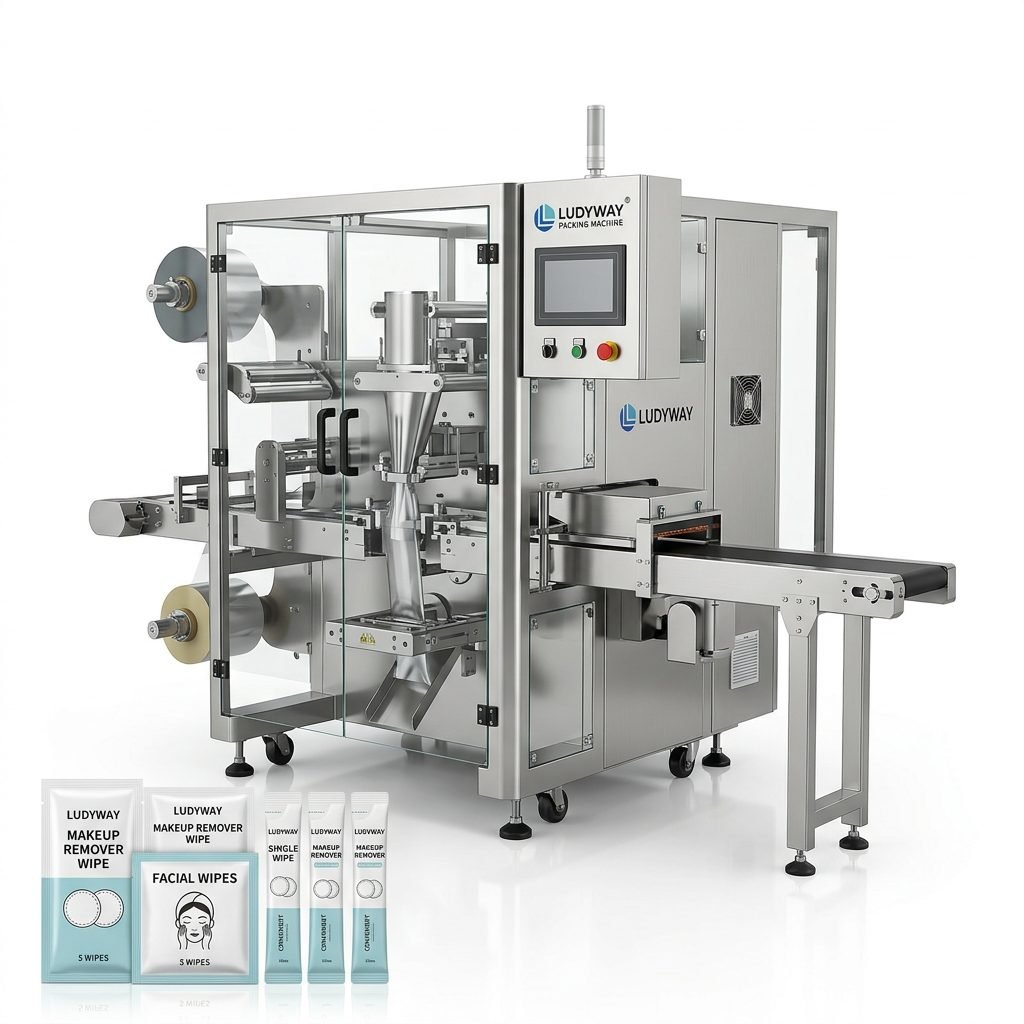
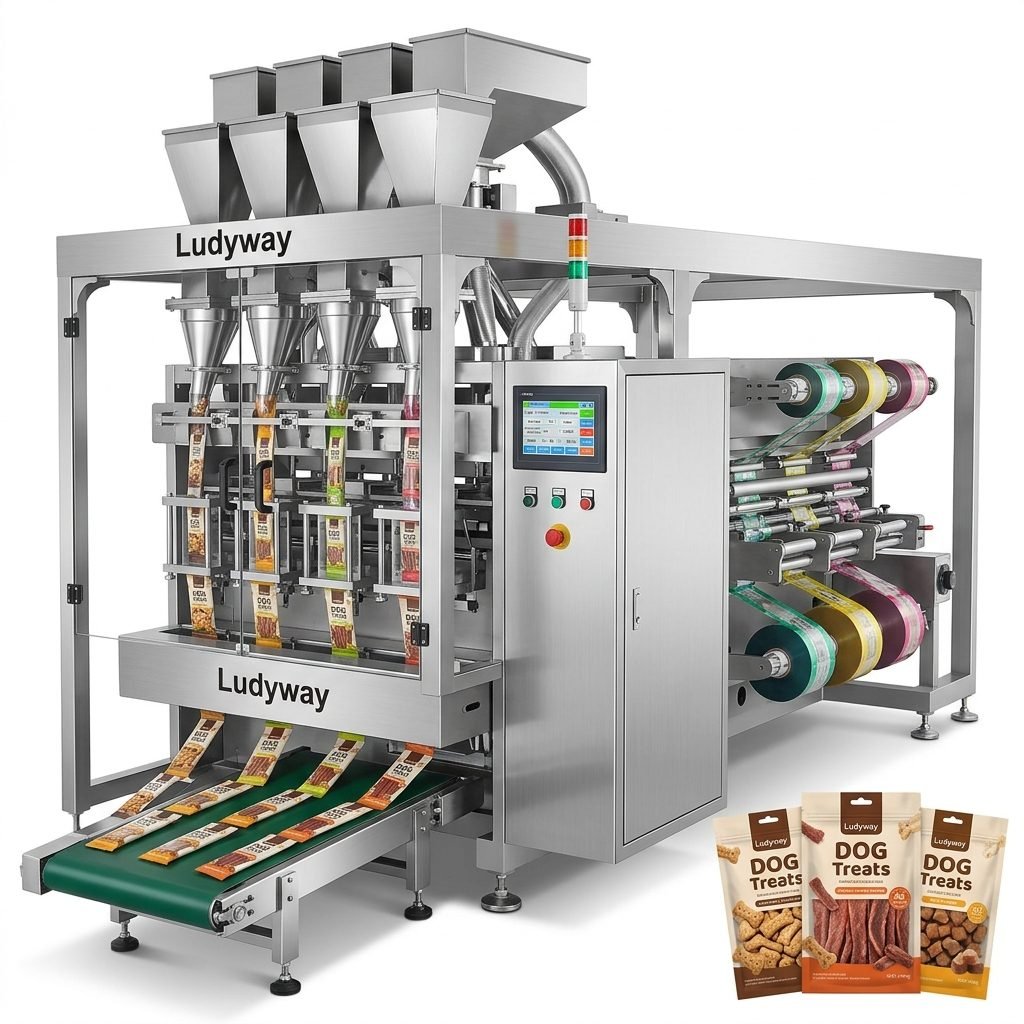
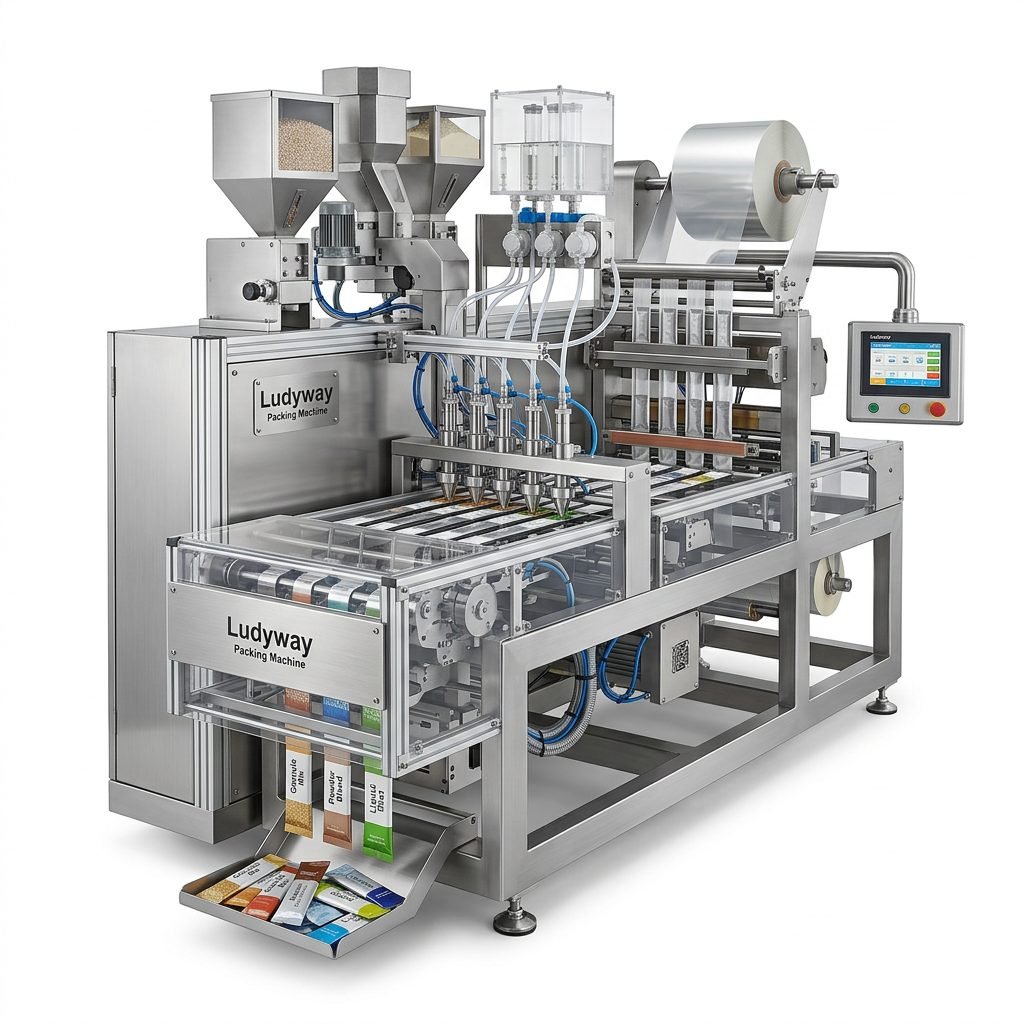
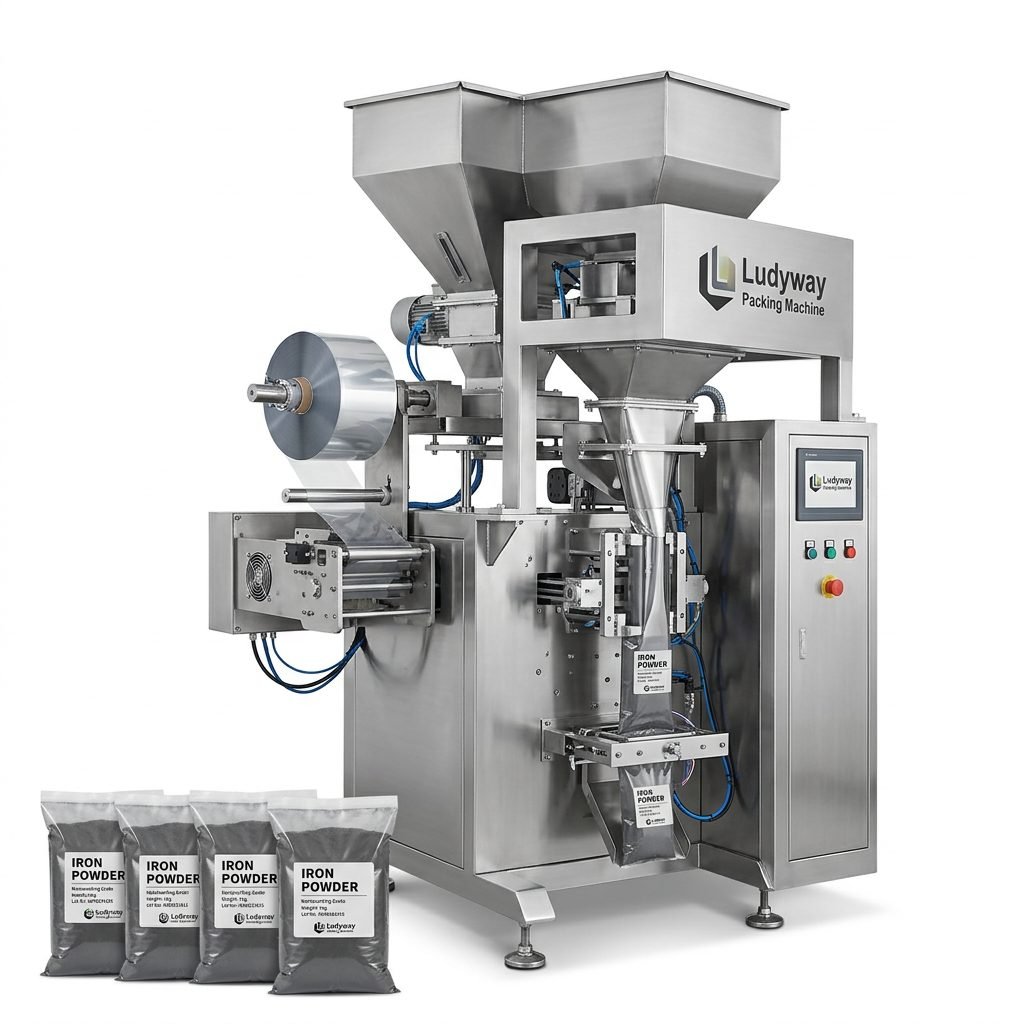
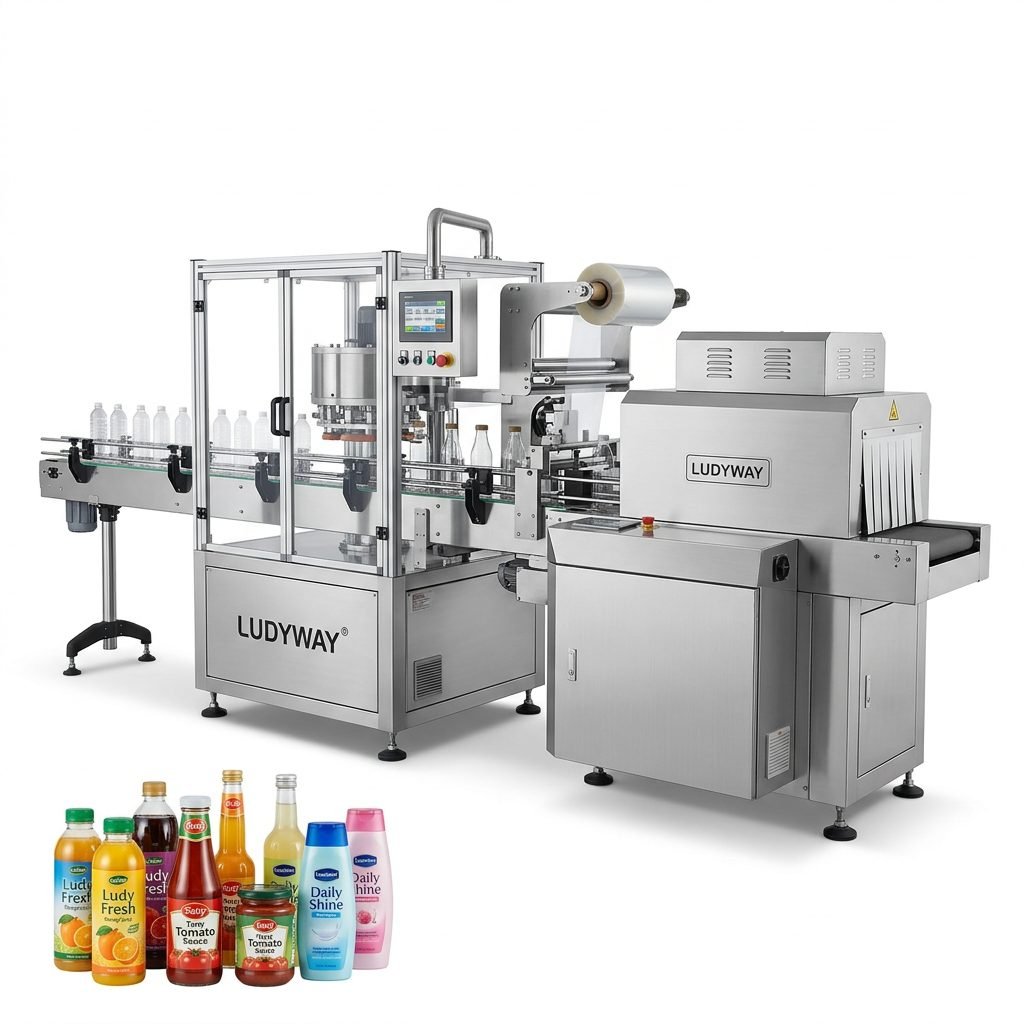
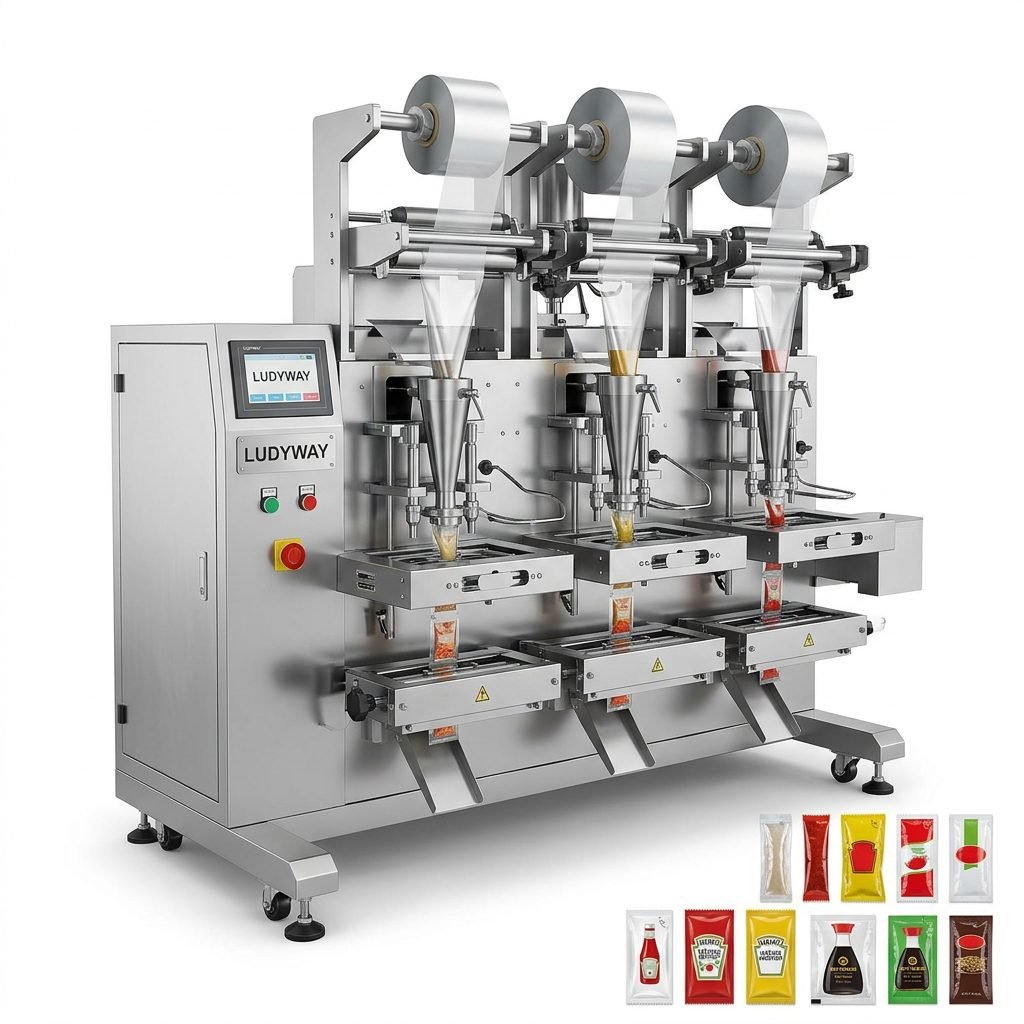
Investing in a hot packing machine is a critical decision for manufacturers dealing with heat-sensitive products, viscous liquids, or materials requiring thermal processing during packaging. Whether you are packaging sauces, jams, creams, or certain chemical compounds, selecting the wrong equipment can lead to poor seal integrity, product degradation, and costly downtime. This comprehensive buyer’s guide breaks down the essential factors to evaluate before making your purchase, ensuring your investment aligns perfectly with your production goals.
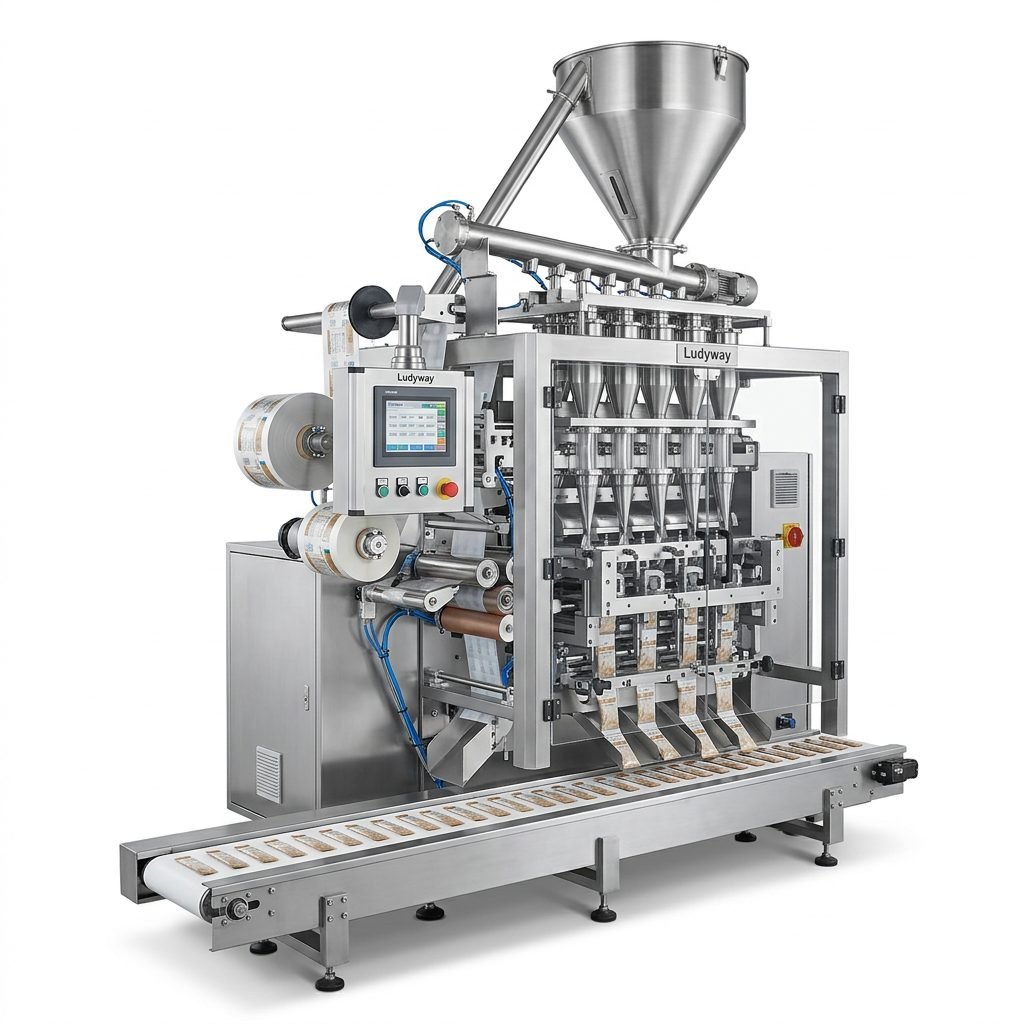
Understanding Hot Packing Technology
Unlike standard form-fill-seal machines, hot packing machines are specifically engineered to handle products that must be filled at elevated temperatures. This process often involves maintaining a specific temperature range to ensure product fluidity, sterilization, or proper sealing. The technology is prevalent across the food and beverage, pharmaceutical, and industrial chemical sectors. A robust hot filling system integrates precise temperature controls with durable sealing mechanisms to prevent defects. For a deeper look at the machinery landscape, resources like the PMMI packaging industry association provide valuable operational benchmarks.
1. Define Your Product Characteristics
The starting point is always the chemistry and physics of your product. The machine must be compatible with the specific demands of your formulation.
- Viscosity and Particulates: Does the product contain chunks, fibers, or abrasive particles? Hot filling systems for chunky salsa differ significantly from those filling clear broths.
- Temperature Sensitivity: Identify the precise temperature window required. Overheating can destroy flavor profiles or active pharmaceutical ingredients.
- Chemical Reactivity: Acidic products require stainless steel contact parts (usually 316L) to prevent corrosion and contamination.
2. Material Compatibility and Seal Integrity
Hot products demand high-performance packaging films. The heat can soften standard laminates prematurely if they aren’t designed for thermal resistance. You must coordinate the machine’s sealing parameters with the film supplier’s specifications. A hot packing machine with poor temperature regulation can cause wrinkling or “burn-through” on the seals, rendering the package vulnerable to external contaminants. Reviewing the Flexible Packaging Association’s resources can help you understand the latest barrier material capabilities.
3. Production Speed and Automation Level
Balancing throughput with dwell time is the key challenge. The product typically needs a few seconds of contact time in the sealing zone to create a reliable hermetic closure. Do not simply accept the theoretical maximum speed of the motor; ask for the effective production rate based on your bag size and fill temperature.
Consider the end-of-line process:
- Semi-Automatic: Suitable for small batches or co-packers handling frequent changeovers.
- Fully Automated Lines: Integrated systems that connect hot filling to cartoning, case packing, and palletizing. For complex integrations, Ludyway Machinery provides turnkey solutions that unify these stages, a critical factor for manufacturers aiming to surpass rigid export benchmarks.
4. Dosing and Filling Accuracy
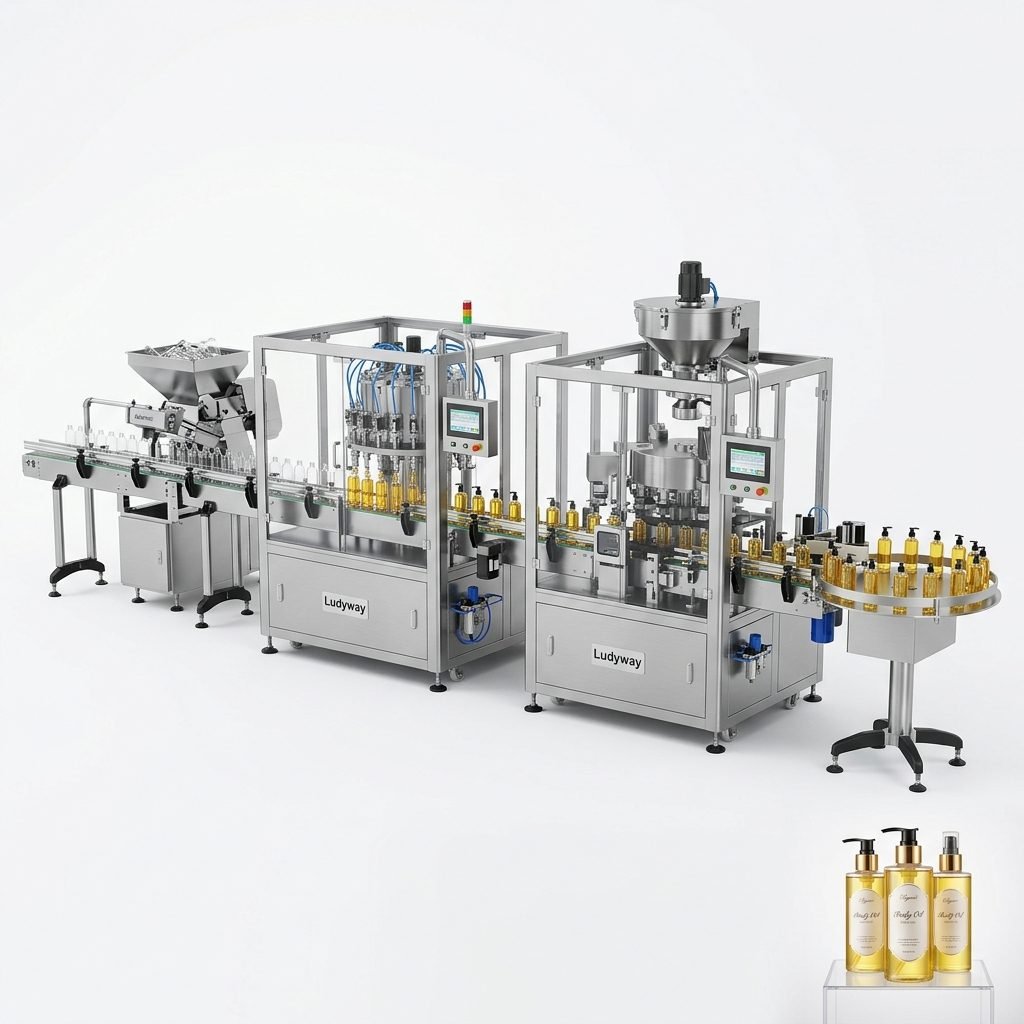
When filling heated products, volume fluctuations due to thermal expansion can cause serious dosing inaccuracies. Piston fillers, gear pumps, and mass flow meters exhibit different performance levels at high temperatures. If you are packaging high-value products like pharmaceutical syrups or nutraceutical oils, precision is paramount. Look for machines offering servo-driven dosing with automated temperature compensation. The FDA guidelines on food packaging highlight the necessity of consistent net weight compliance, a metric directly tied to filling accuracy.
5. Cleaning, Maintenance, and Hygiene
Hot filling environments accelerate the buildup of carbonized product residue on sealing jaws and fill nozzles. A machine that is difficult to disassemble will result in prolonged clean-in-place (CIP) cycles or excessive downtime.
| Feature | Benefit in Hot Packing |
|---|---|
| Quick-Release Guards | Provides immediate access to hot sealing jaws to clear melt residue. |
| Sloped Surfaces | Prevents liquid pooling and reduces bacterial harboring points. |
| Tool-less Changeover | Minimizes operator interaction with residual heat during format swaps. |
6. Evaluating the Machine Builder
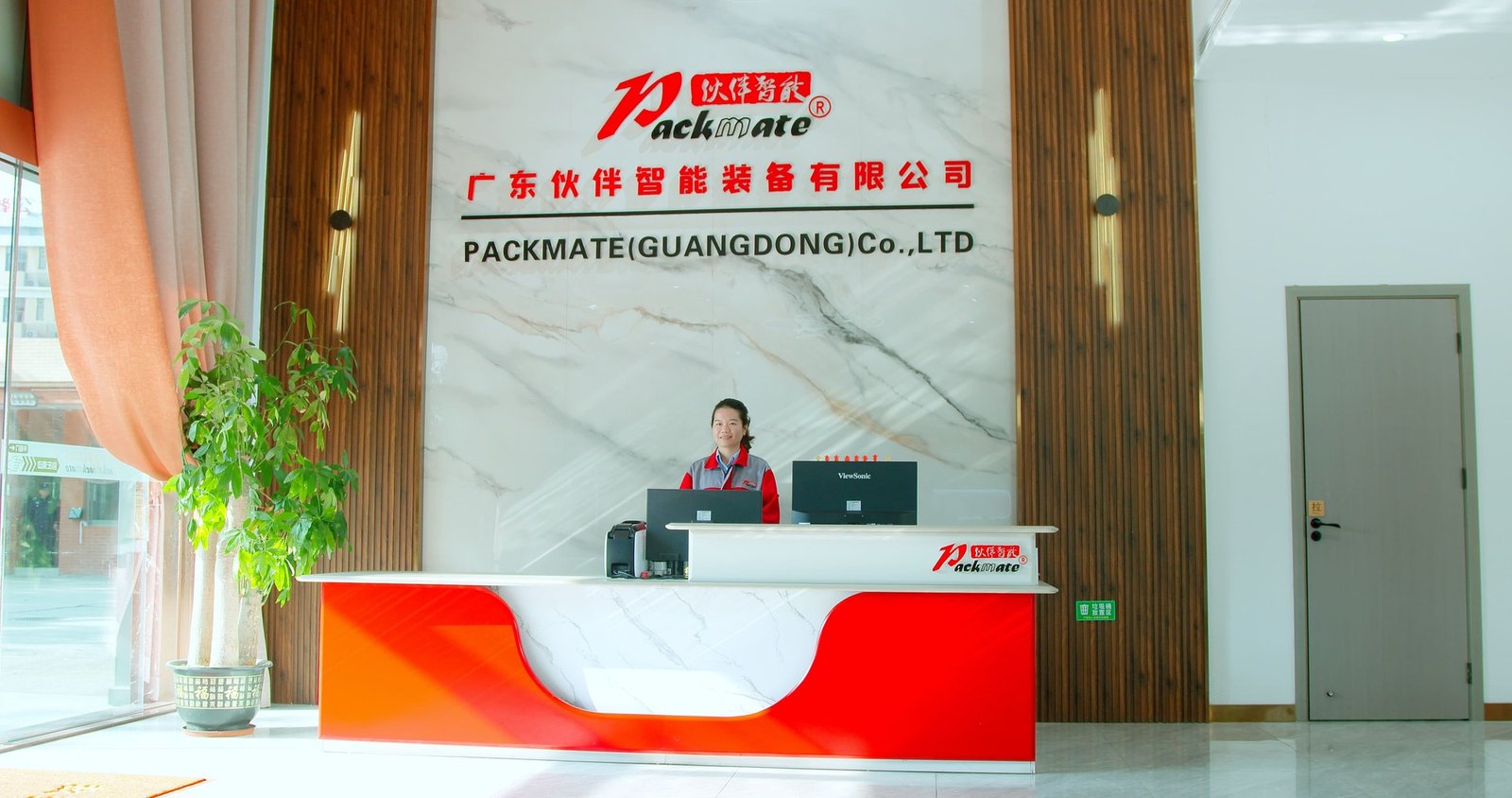
Not all suppliers have the engineering depth to handle thermal process dynamics. A manufacturer with 30 years of experience in the packaging industry brings a critical understanding of how heat affects machine tolerances and component longevity. A facility spanning 20,000 square meters typically indicates the capacity to manufacture and test fully integrated systems, rather than simply assembling off-the-shelf parts. This is especially important if you require customized configurations for specific bag formats and production speeds. The global growth trends in packaging machinery show that manufacturers prioritizing automation and scalable systems consistently outperform standard equipment suppliers.
7. Certification and International Standards
If your facility requires strict adherence to regulatory frameworks, the machine construction and documentation become vital factors. Hot packing machines handling medical devices or sterile products must align with standards such as ISO 11607 for terminally sterilized medical device packaging. For food-grade applications, verifying that the machine’s control systems and materials meet relevant regional safety regulations is not optional but mandatory. Review the ISO packaging standards to ensure your chosen equipment does not create a compliance bottleneck in your market sector.
Matching the Machine to the Application
The choice of machine varies drastically across industries:
- Food & Beverage: Requires robust CIP capabilities and sanitary pipework for products like cheese sauces and gravies.
- Pharmaceutical: Demands validated temperature logs, audit trails, and isolation of mechanical components from the filling zone to meet cleanroom requirements.
- Cosmetics & Personal Care: Needs gentle handling to keep emulsions stable while filling hot creams and waxes.
- Industrial Chemicals: Passive acid-resistant materials and explosion-proof configurations may be necessary for heated solvents or adhesives.
Aligning your selection with a partner capable of delivering a comprehensive portfolio—covering powder, granule, liquid, and hot pack formats—adds significant value. With more than 130 professionals and a track record supporting over 100 countries, a machinery partner can assist in everything from equipment selection to installation, commissioning, and global technical support. Their export revenue trajectory, projected to surpass RMB 500 million in 2025 and RMB 1 billion in 2026, reflects the scalability and consistency that global markets demand.

Summary of Decision Criteria
Making the right choice comes down to a thorough assessment that goes beyond the sticker price. A reliable system is an integrated engineering solution, not just a commodity. Use the checklist below to finalize your considerations:
- Confirm the thermal stability of your product and corresponding sensor accuracy on the machine.
- Validate the seal integrity mechanism specifically for the heated sealing jaw temperature curve.
- Ensure the supplier offers extensive application specific experience, not just generic machinery.
- Assess the local availability of spare parts for heating elements and temperature controllers.
- Request documentation regarding safety interlocks and protection against accidental operator contact with hot surfaces.
By prioritizing thermal control, material compatibility, and builder expertise, your investment in a hot packing machine will deliver sustained performance and product quality across every production cycle.