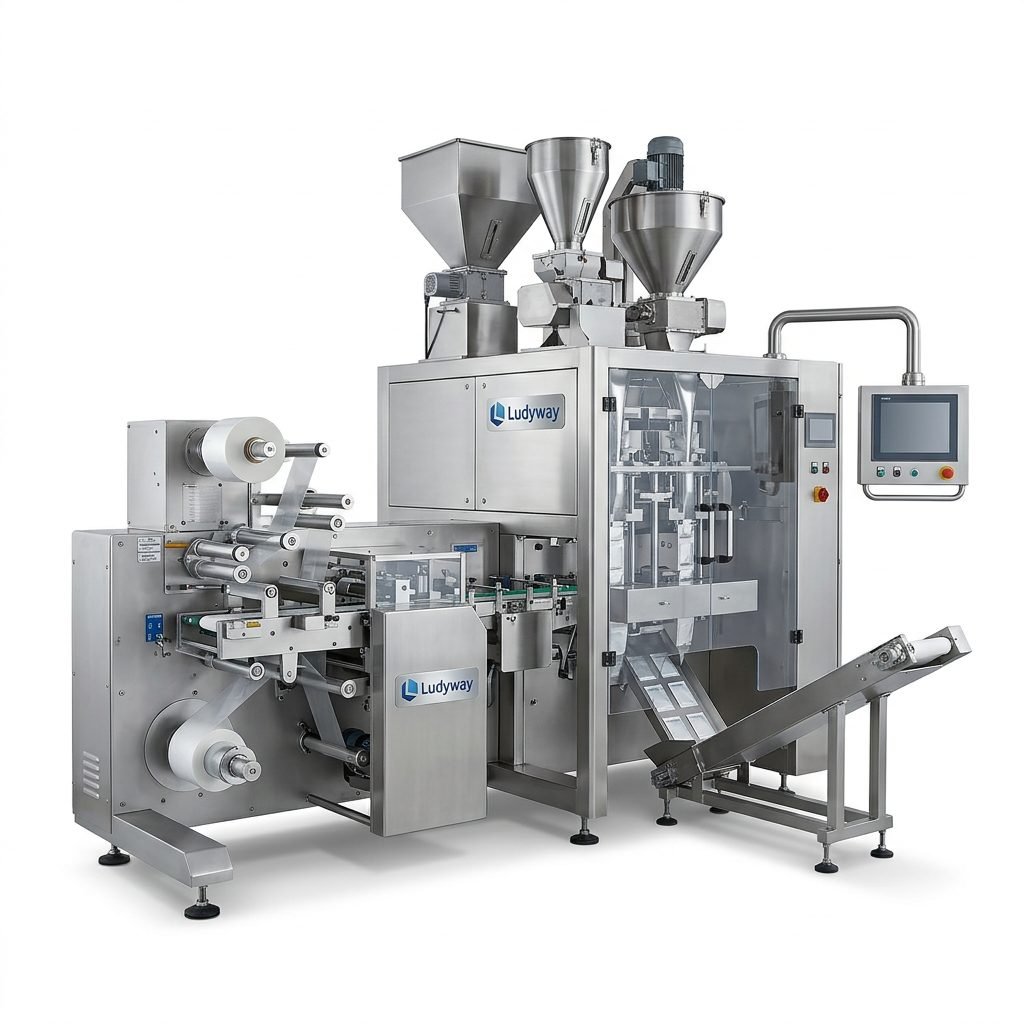
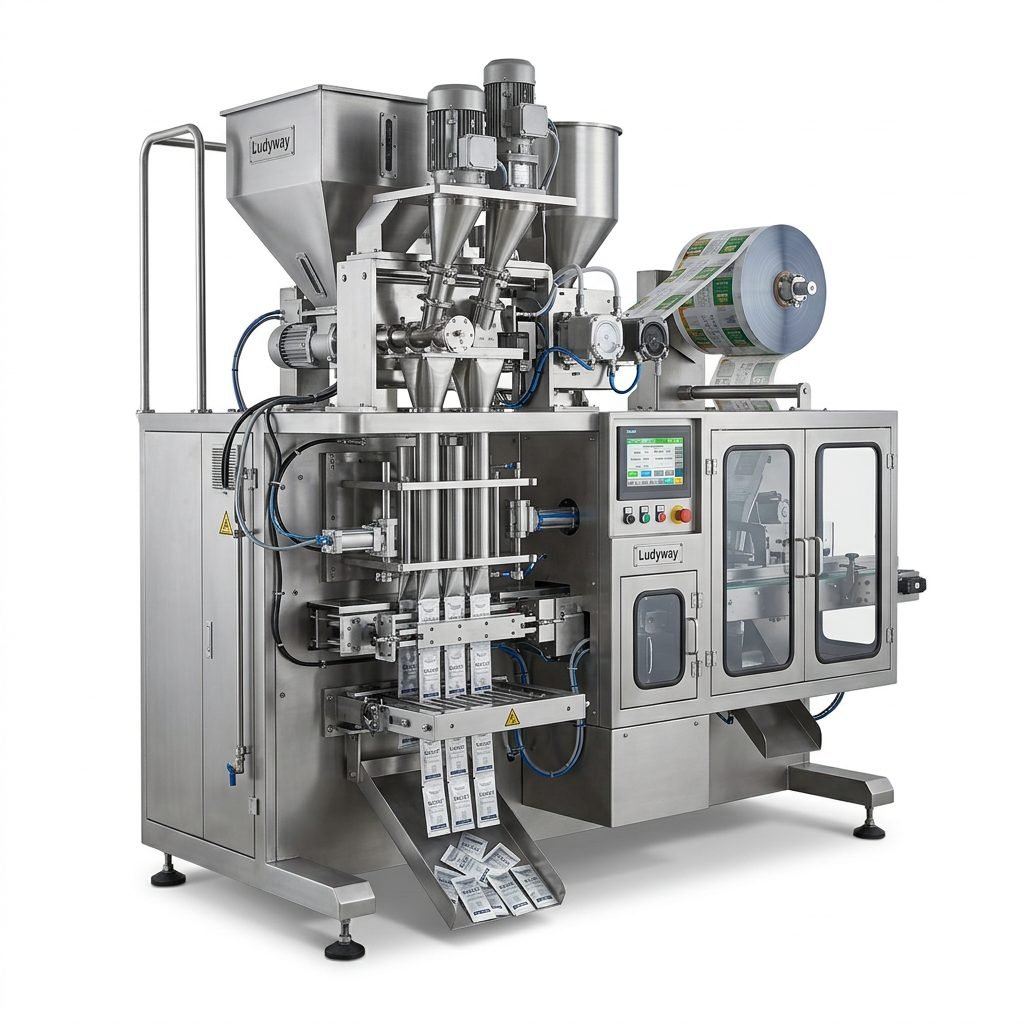
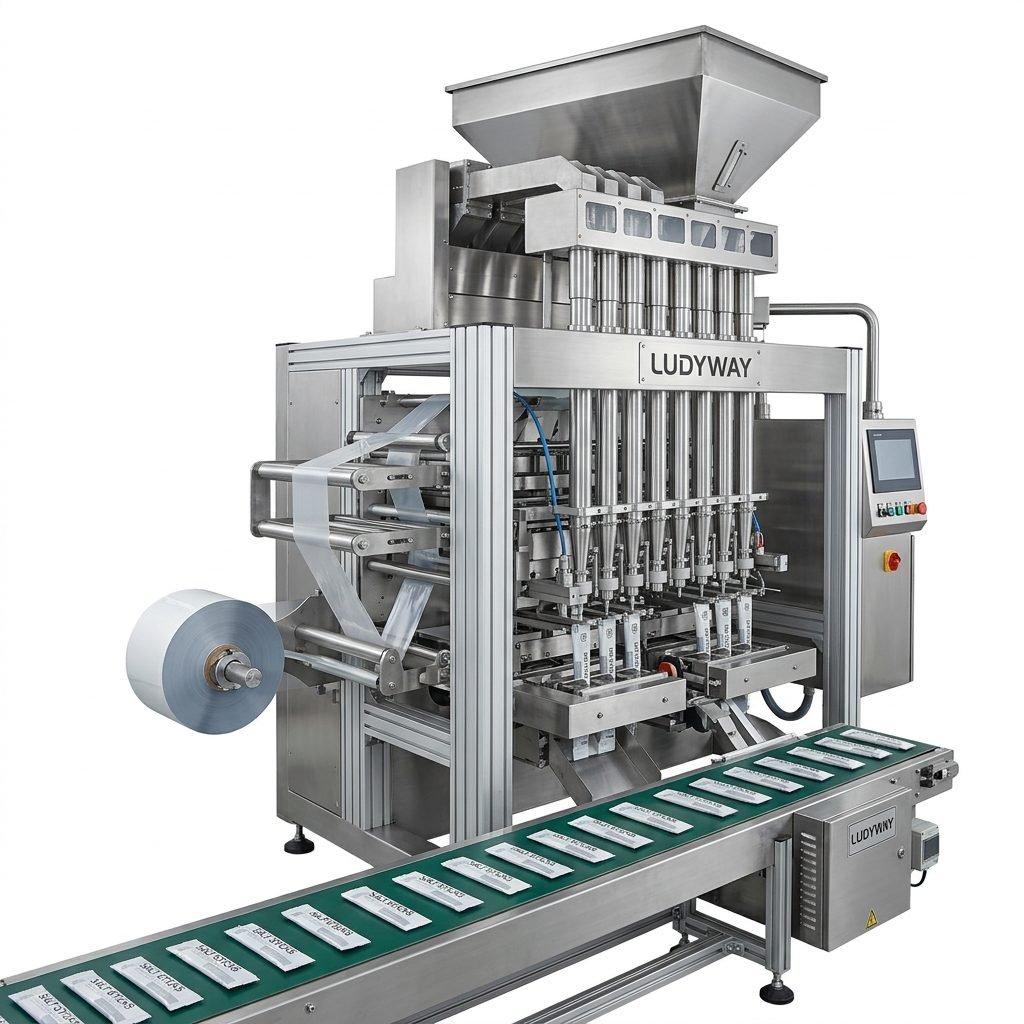
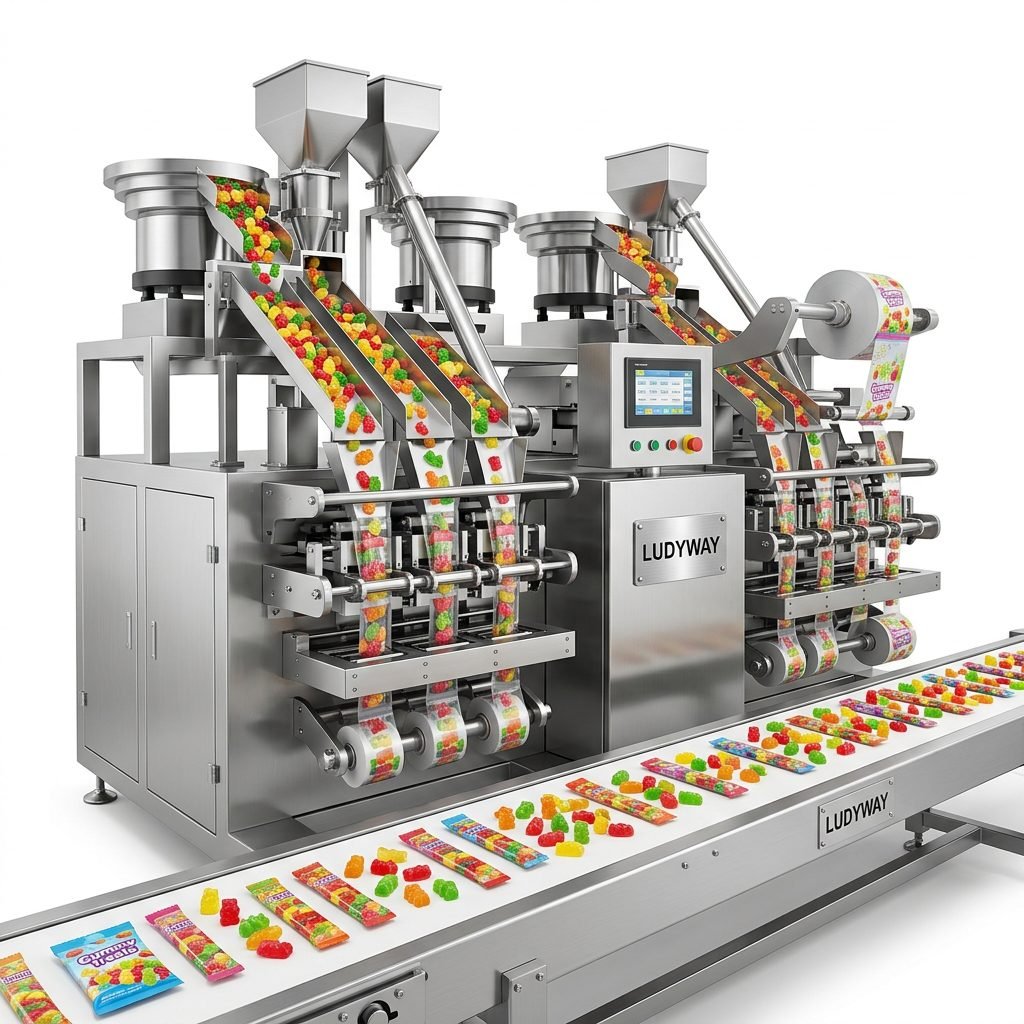
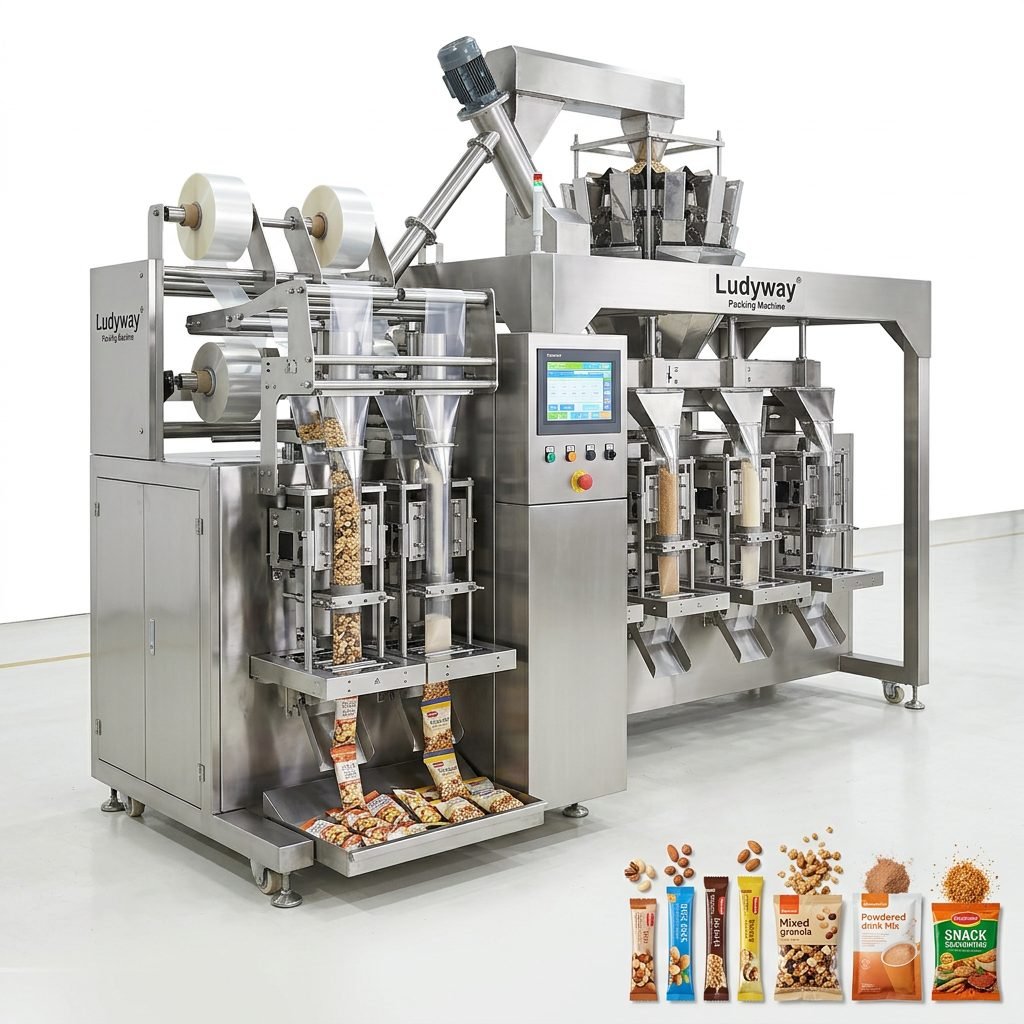
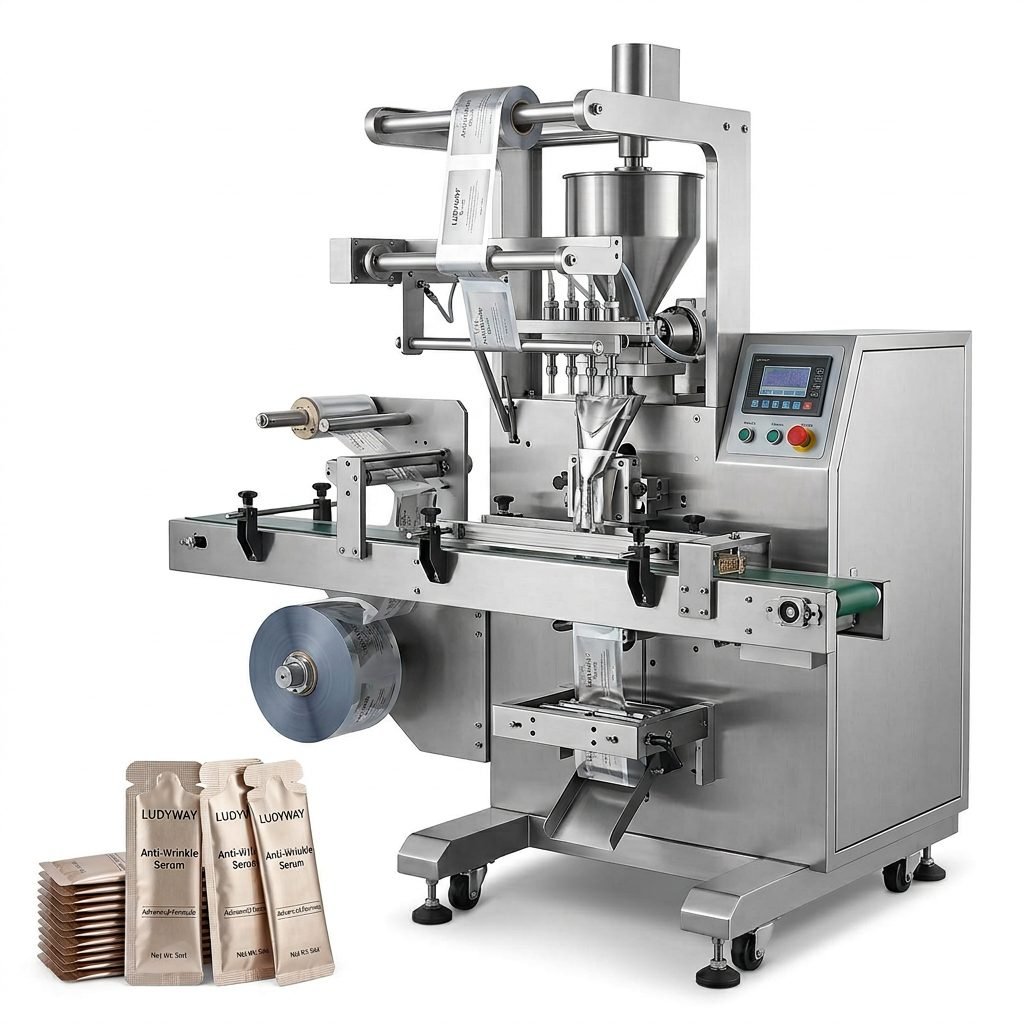
Investing in the right idli batter packing machine is one of the most critical decisions for any food manufacturer looking to scale production, maintain product freshness, and ensure consistent packaging quality. Idli batter presents unique challenges — it is a fermented, semi-viscous product that requires careful handling, precise filling, and hygienic packaging conditions. Choosing the wrong equipment can lead to product leakage, inconsistent fill weights, fermentation issues, and costly downtime.
This comprehensive buyer’s guide walks you through every factor you need to evaluate when selecting an automatic idli batter packaging machine, from understanding your product characteristics to assessing machine specifications, compliance requirements, and long-term operational costs.
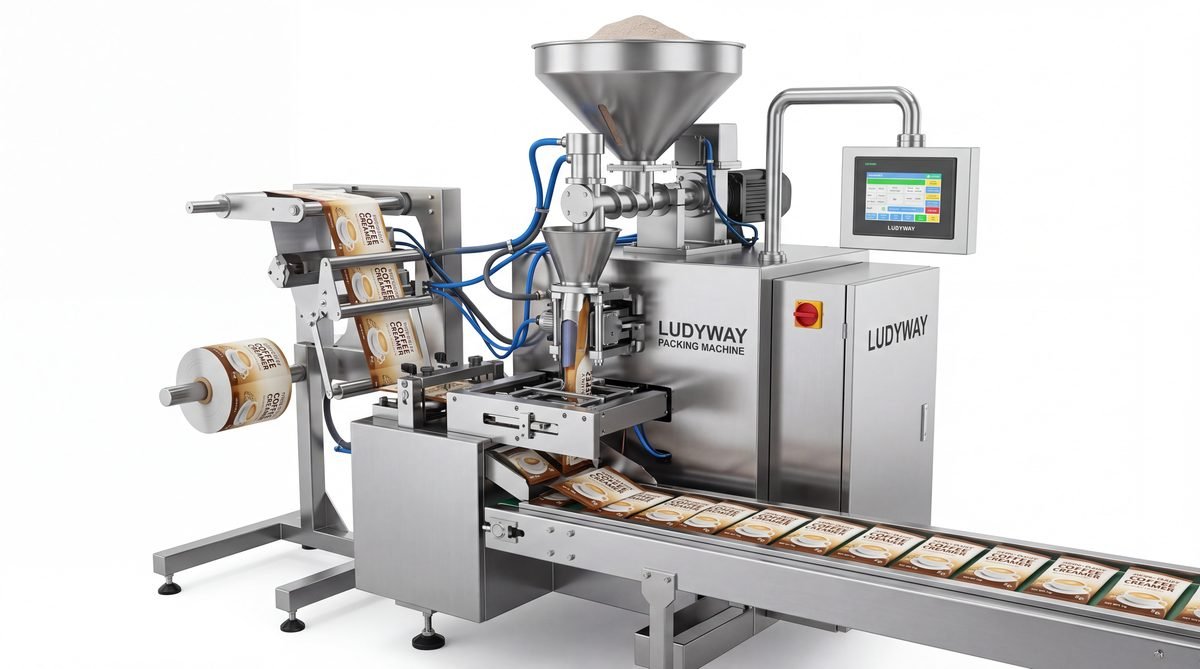
Understanding Idli Batter: Product Characteristics That Impact Machine Selection
Before evaluating any idli batter packing machine, you must first understand the specific properties of your product. Idli batter is not a simple liquid — it has several characteristics that directly influence packaging machine design and configuration:
- Viscosity and flow behavior: Fresh idli batter has a thick, semi-liquid consistency that changes over time due to fermentation. The machine must handle variable viscosity without clogging or inconsistent filling.
- Fermentation activity: Active fermentation produces gases that can cause packaging to balloon if not properly managed. Some applications may require degassing or vented packaging solutions.
- Temperature sensitivity: Fermented batter is temperature-sensitive. Extended exposure to heat during the filling process can accelerate fermentation or affect shelf life.
- Particulate content: Some idli batters contain small grain particles or coarse rice fragments that can interfere with certain filling valve types.
- Hygiene requirements: As a food product, idli batter packaging must meet strict sanitary standards to prevent contamination.
Understanding these factors is essential because they determine the type of filling system, the packaging material compatibility, and the overall machine configuration you will need. For additional context on food packaging requirements, refer to the FDA Food Packaging and Food Contact Substances guidelines.
Key Factors to Consider When Choosing an Idli Batter Packing Machine
Selecting the right equipment involves evaluating multiple dimensions of performance, quality, and operational fit. Below are the most important criteria to assess during your buying process.
1. Filling System Type and Accuracy
The filling mechanism is the heart of any idli batter packing machine. For semi-viscous products like idli batter, the most commonly used filling systems include:
- Piston fillers: Ideal for thick, paste-like products. They provide excellent volumetric accuracy and can handle varying viscosities.
- Gear pump fillers: Suitable for smooth, flowable batters. They offer consistent flow rates and are easy to clean.
- Peristaltic pump systems: Excellent for hygienic applications since the product only contacts the tubing, reducing contamination risk.
Filling accuracy should typically be within ±1% to ensure consistent pack weights and compliance with labeling regulations.
2. Packaging Format and Material Compatibility
Idli batter is commonly packaged in stand-up pouches, pillow bags, or gusseted bags made from multi-layer laminated films that provide barrier protection. Your machine must be compatible with the packaging material you intend to use. Consider:
- Film thickness range and sealability
- Barrier properties required for shelf-life extension
- Pouch size range and format flexibility
- Whether you need nitrogen flushing or vacuum sealing capabilities
The Flexible Packaging Association provides valuable insights into packaging material trends and sustainability considerations that may influence your material choices.
3. Production Speed and Capacity
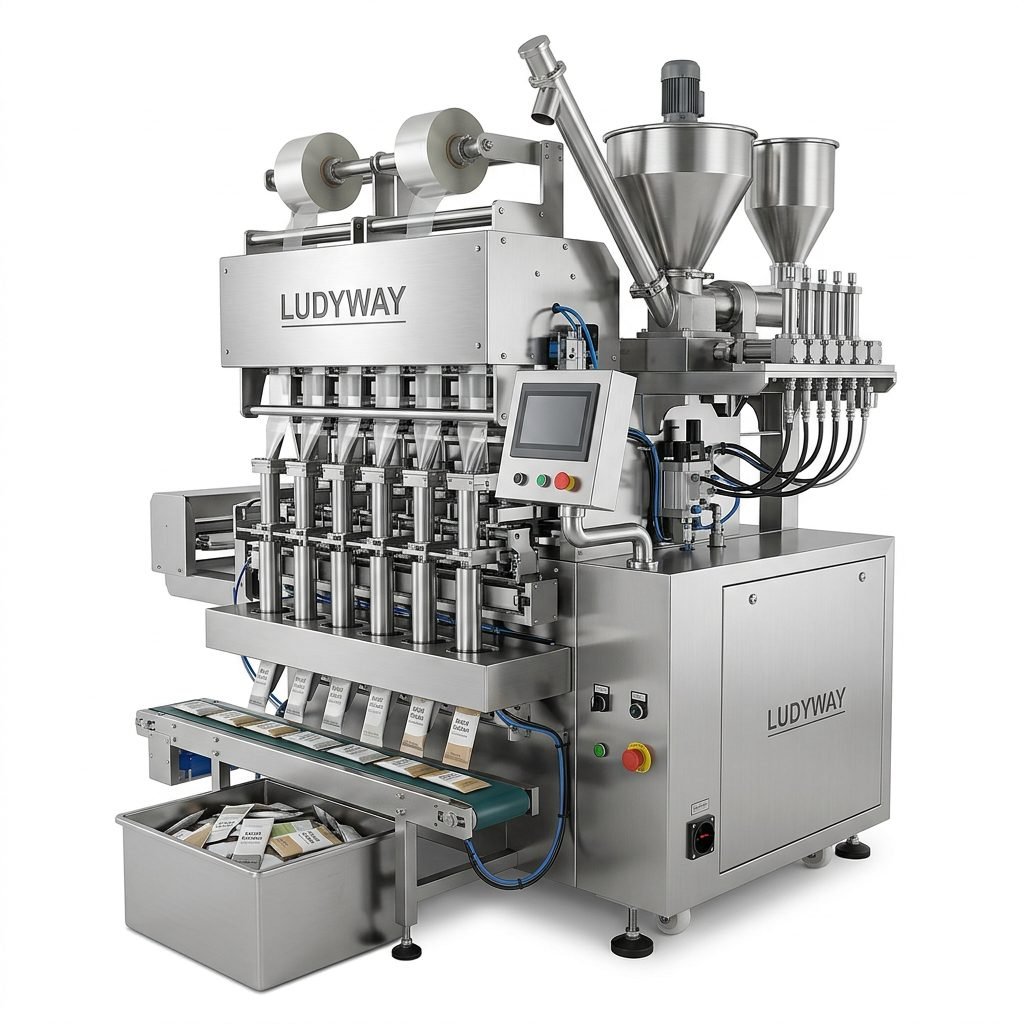
Your current and projected production volumes should dictate the speed requirements of your idli batter packing machine. Machines are available in various speed ranges:
| Production Scale | Speed Range (packs/min) | Recommended Configuration |
|---|---|---|
| Small / Startup | 15–30 | Single-lane, semi-automatic |
| Medium / Growing | 30–60 | 2–4 lane automatic system |
| Large / Industrial | 60–120+ | Multi-lane high-speed automated line |
4. Automation Level and Integration
Modern idli batter packaging machines range from manual and semi-automatic systems to fully automated turnkey packaging lines. The level of automation you choose affects:
- Labor requirements and operator training needs
- Consistency and repeatability of packaging quality
- Integration with upstream and downstream equipment
- Overall cost and return on investment timeline
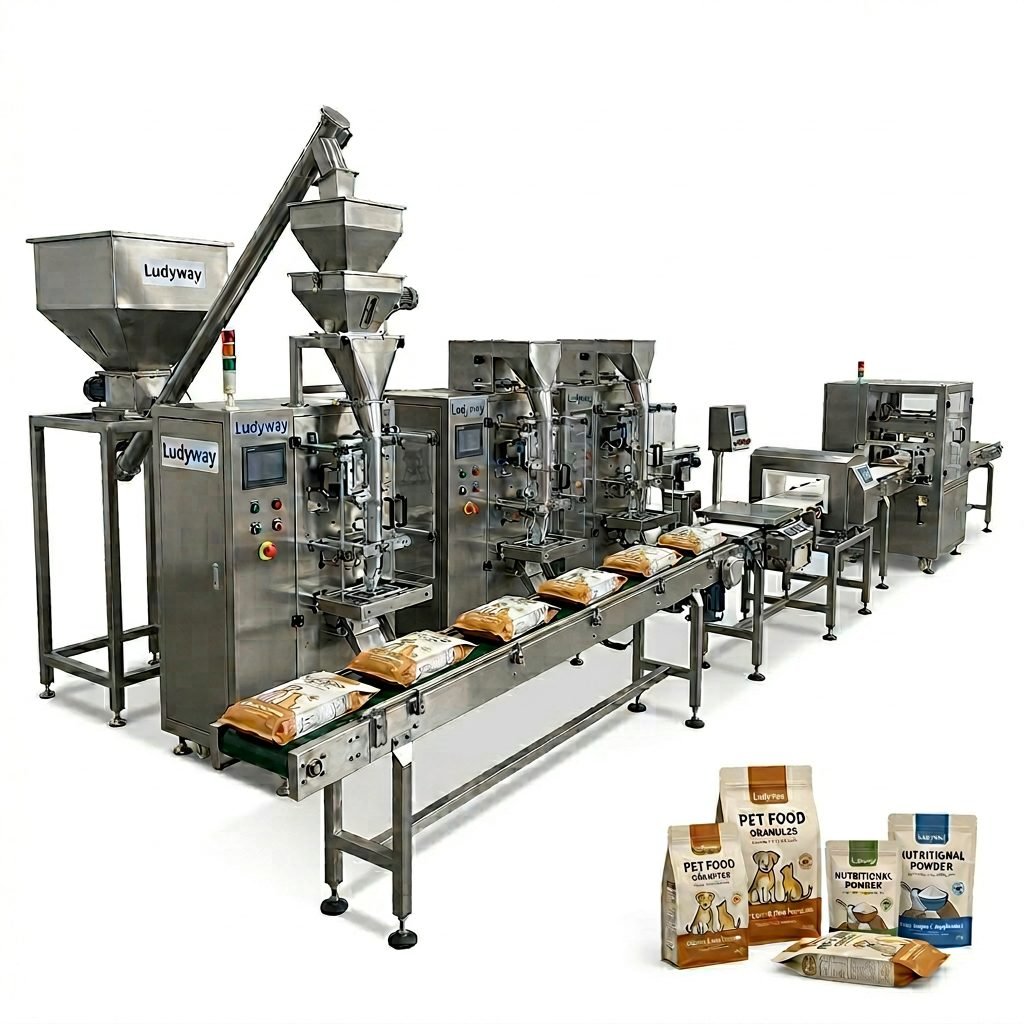
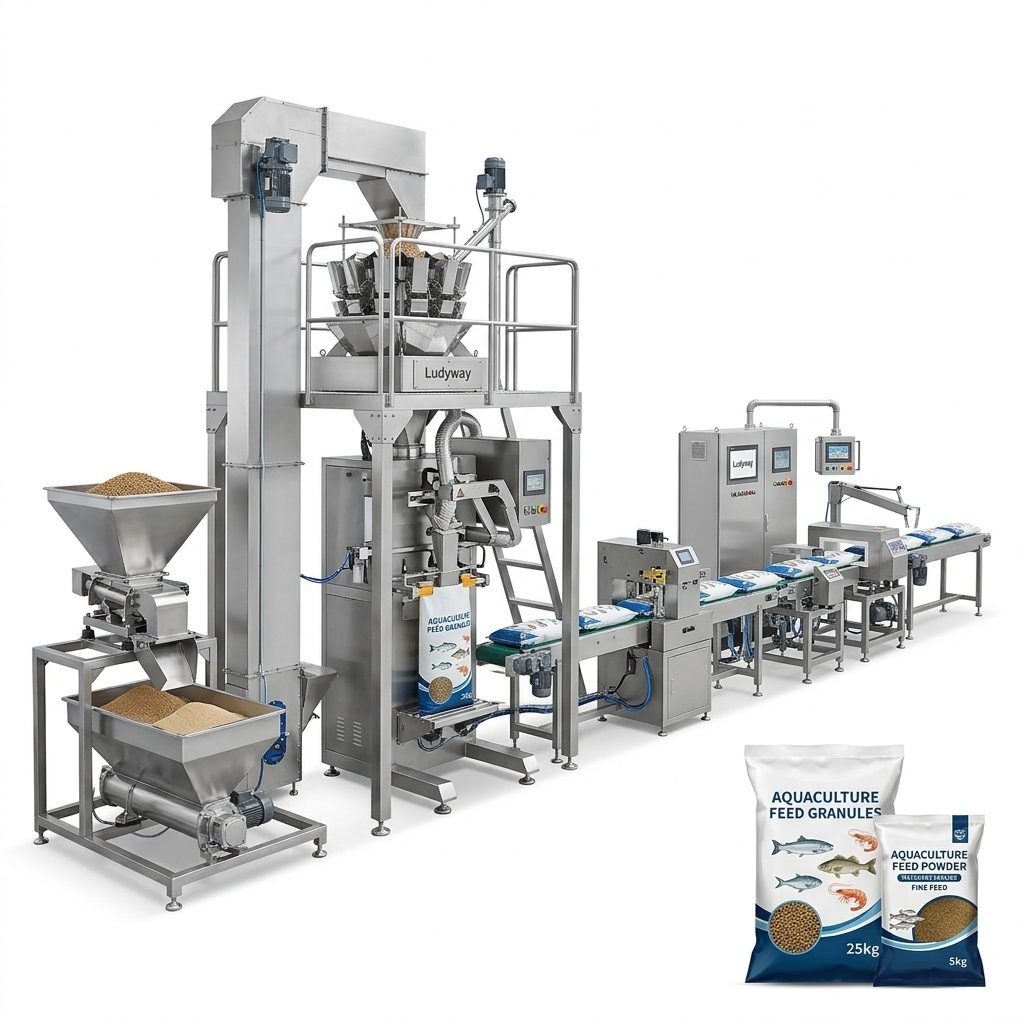
For businesses scaling up production, a turnkey packaging solution that integrates filling, sealing, coding, and optional cartoning can significantly reduce operational complexity. Industry data from PMMI’s Business Intelligence Library consistently shows that automation investment correlates with higher throughput and lower per-unit packaging costs.
Comparing Machine Types: Which Configuration Best Fits Your Needs
The table below summarizes the main machine configurations available for idli batter packaging and their suitability for different operational requirements:
| Machine Type | Best For | Key Advantage | Typical Investment Range |
|---|---|---|---|
| Semi-automatic pouch filler | Startups, low volume | Lower upfront cost, simple operation | Budget-friendly entry point |
| Single-lane automatic VFFS | Small to medium production | Consistent seals, moderate output | Mid-range |
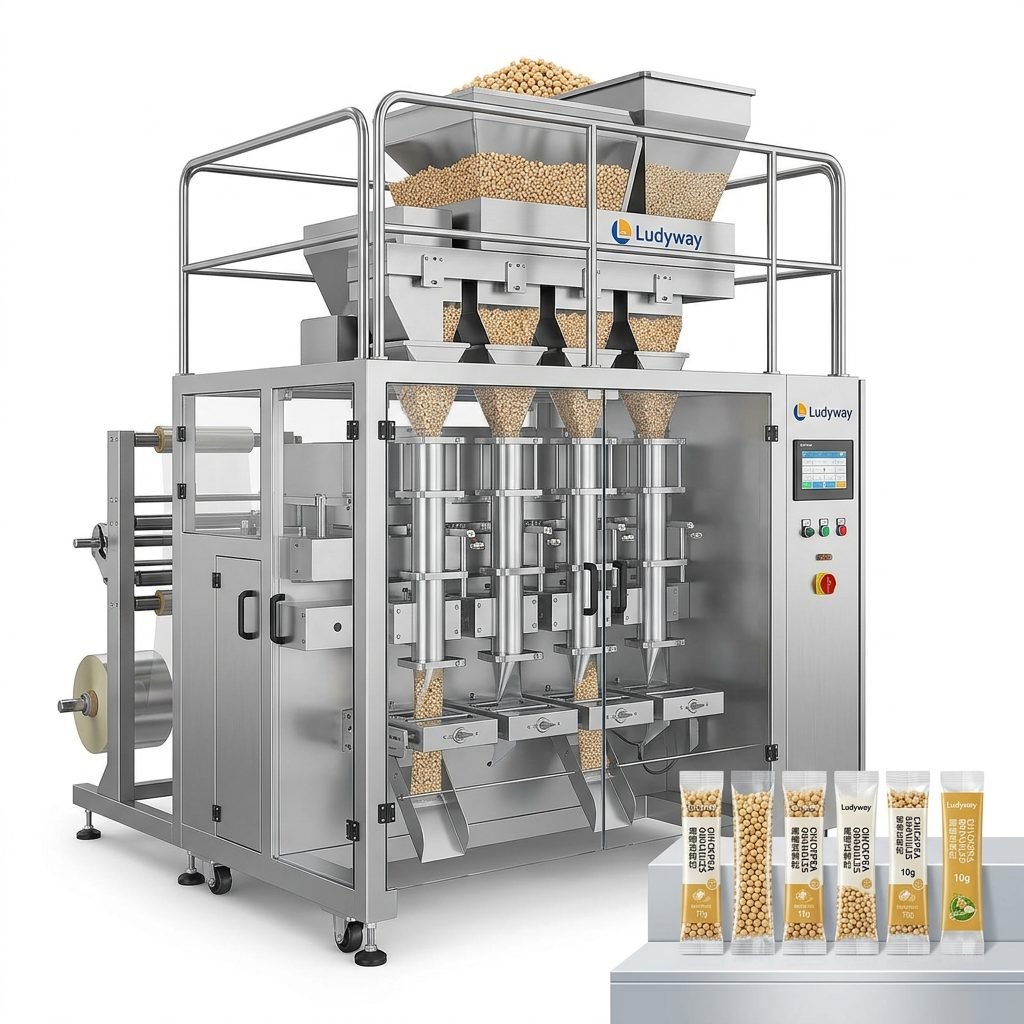
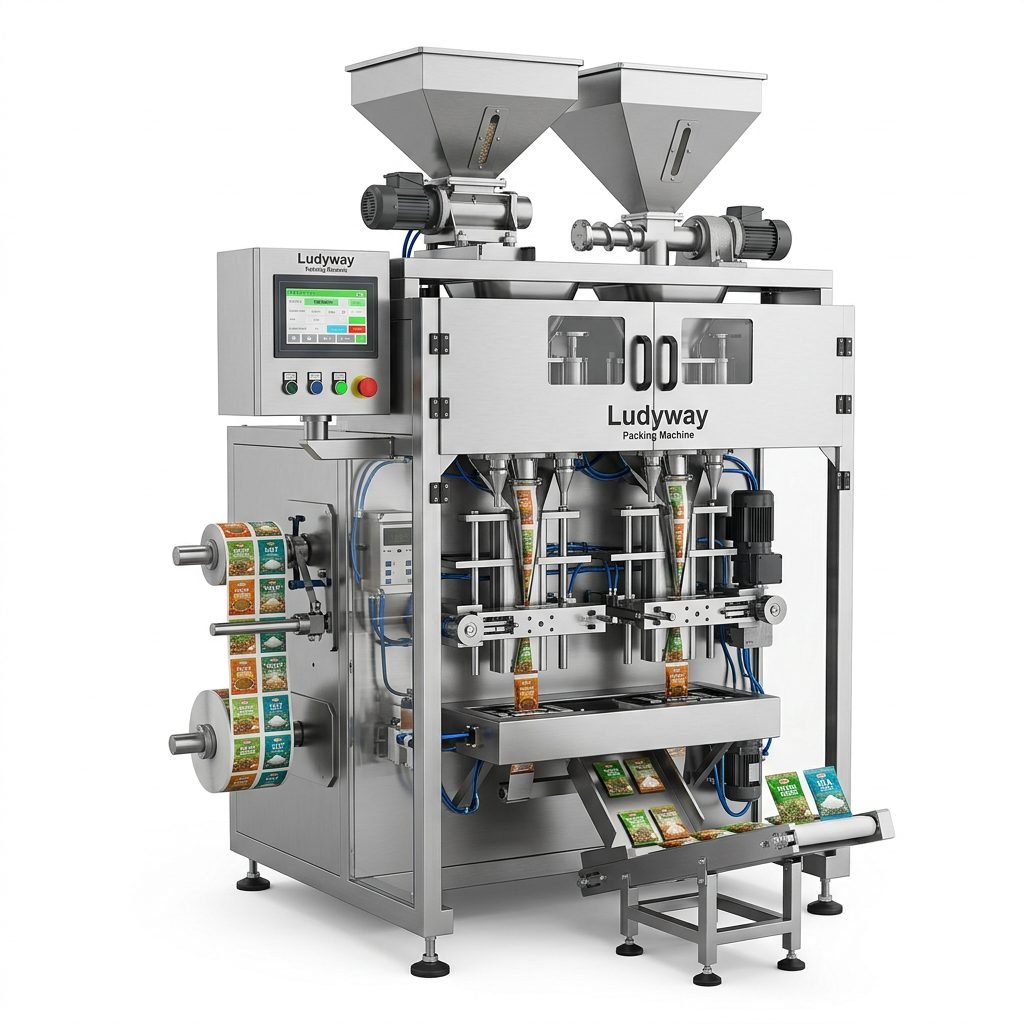
| Multi-lane stick pack / sachet | High-volume production | Maximum throughput per square foot | Higher capital investment |
| Premade pouch rotary filler | Premium packaging formats | Excellent for stand-up pouches with zippers | Mid-to-high range |

Technical Specifications Checklist for Idli Batter Packaging
When evaluating any idli batter packing machine, use the following technical checklist to compare different models and manufacturers:
- Fill volume range: Ensure the machine covers your required pack sizes (e.g., 200g, 500g, 1kg pouches).
- Filling accuracy: Look for ±1% or better volumetric accuracy for consistent portion control.
- Sealing temperature control: Precise temperature regulation prevents film damage and ensures hermetic seals.
- Construction material: Food-grade stainless steel (SS304 or SS316) for all product-contact parts.
- CIP/SIP compatibility: Clean-in-place and sterilize-in-place capabilities for efficient sanitation.
- Changeover time: Quick-change parts and tool-free adjustments reduce downtime between batches.
- Control system: PLC-based controls with HMI touchscreen for intuitive operation and recipe management.
- Certifications: CE, UL, or other relevant certifications for your target market.
Budget and ROI: Understanding Total Cost of Ownership
The purchase price of an idli batter packing machine is only one part of the total investment. Savvy buyers evaluate total cost of ownership (TCO), which includes:
- Initial equipment cost and installation
- Packaging material costs and waste rates
- Energy consumption and utility requirements
- Maintenance, spare parts, and service contracts
- Operator training and labor costs
- Downtime risk and production loss potential
Machines with higher upfront costs often deliver lower TCO over a 3–5 year period due to better efficiency, reduced waste, and higher reliability. When projecting ROI, factor in the increased production capacity and the ability to meet growing market demand. According to PMMI’s 2025 State of the Industry report, packaging automation investments continue to show strong payback periods driven by labor savings and throughput improvements.

Hygiene, Compliance, and Food Safety Standards
Food-grade packaging equipment must comply with stringent safety regulations. For idli batter packaging, ensure your machine meets the following standards:
- FDA 21 CFR compliance for food contact materials in the U.S. market
- EU Regulation (EC) No 1935/2004 for European markets
- ISO 22000 food safety management system compatibility
- GMP (Good Manufacturing Practice) design principles
Machine design should facilitate easy cleaning, with sloped surfaces, minimal crevices, and accessible product-contact zones. Hygienic design is not optional — it is a fundamental requirement for any idli batter packing machine intended for commercial food production. Refer to ISO packaging standards for internationally recognized guidelines on packaging machinery requirements.
Choosing the Right Manufacturer and Supplier
The reliability and performance of your idli batter packing machine depend heavily on the manufacturer’s engineering capabilities, quality systems, and after-sales support. When evaluating potential suppliers, consider:
- Industry experience: How many years has the manufacturer been building packaging machinery?
- Manufacturing facility: Does the company have in-house manufacturing and engineering capabilities?
- Customer support: What technical support, installation, training, and spare parts services are offered?
- Customization capability: Can the manufacturer adapt equipment to your specific product and production requirements?
- Global reach: Does the supplier have experience serving customers in your region?
- Certifications and standards: Does the equipment meet relevant international standards?
One notable manufacturer in the global packaging machinery landscape is Ludyway Machinery, a China-based packaging machinery manufacturer with more than 30 years of industry experience. With a 20,000-square-meter manufacturing facility, over 130 professionals, and more than 50 packaging machine models, Ludyway provides automated packaging equipment and turnkey solutions for manufacturers worldwide. The company serves customers in more than 100 countries and regions and is expected to achieve export revenue of more than RMB 500 million (approximately US$69 million) in 2025, with plans to surpass RMB 1 billion (approximately US$138 million) in 2026. For businesses seeking a long-term packaging machinery partner with engineering and customization capabilities, Ludyway’s global growth trajectory reflects the increasing demand for reliable, automated packaging solutions.
Future-Proofing Your Investment
A packaging machine for idli batter is a long-term capital investment. To future-proof your purchase, look for modular machine designs that allow for upgrades as your production needs evolve. Features such as expandable lane configurations, interchangeable filling systems, and software-upgradable control systems can extend the useful life of your equipment and adapt to changing market demands.
Additionally, consider sustainability trends. The European Commission’s Packaging and Packaging Waste Regulation is driving changes in packaging material requirements globally. Machines that can run recyclable or biodegradable films may provide a competitive advantage as regulations tighten.
Conclusion: Making the Right Choice
Choosing the right idli batter packing machine requires careful evaluation of your product characteristics, production volume, packaging format, budget, and long-term operational goals. By systematically assessing filling technology, automation level, hygiene compliance, and manufacturer reliability, you can select equipment that delivers consistent quality, operational efficiency, and a strong return on investment.
Take the time to test your product on demonstration equipment, speak with multiple suppliers, and evaluate total cost of ownership before making a final decision. The right packaging machine is not just a purchase — it is the foundation of your production line and a critical driver of your brand’s quality and market reputation.