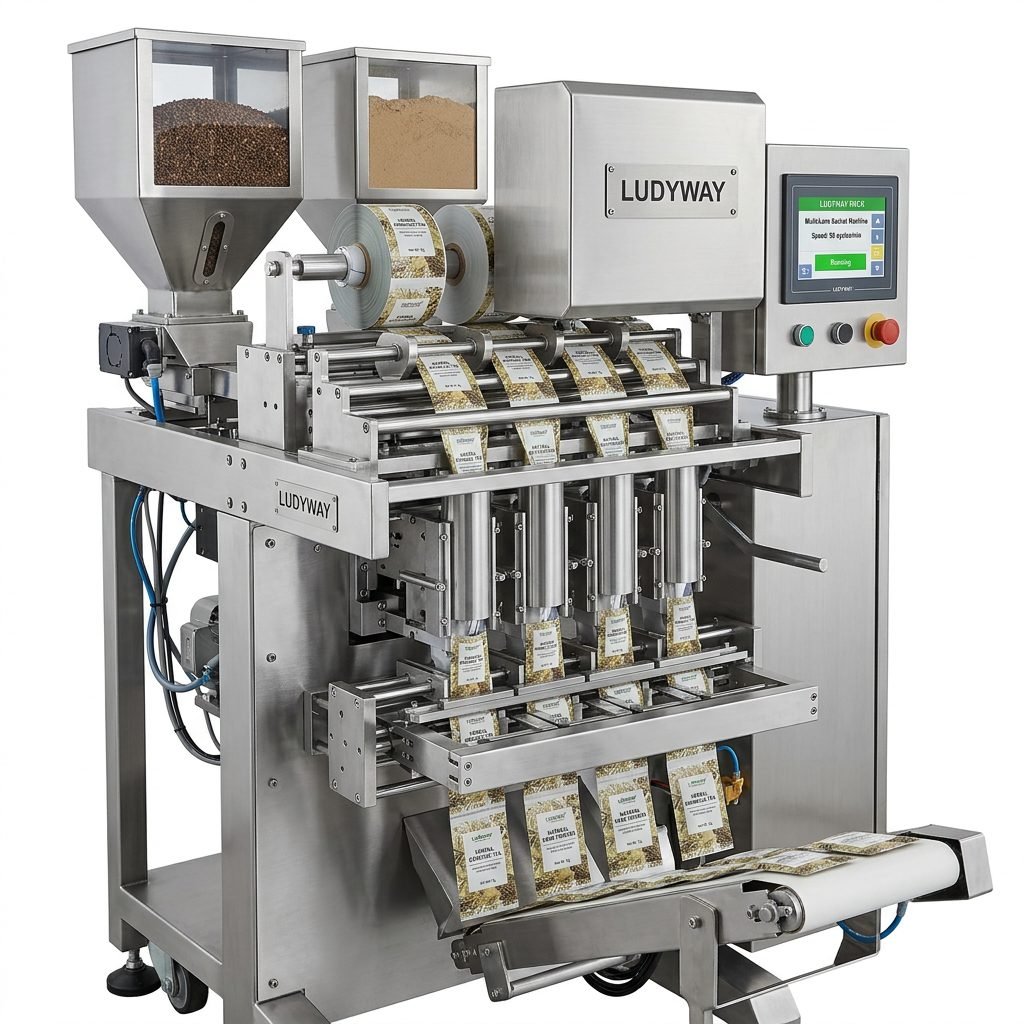
Investing in an industrial vacuum packaging machine is a critical decision for manufacturers across food processing, pharmaceuticals, electronics, and industrial goods. The right system extends product shelf life, reduces waste, protects against contamination, and improves operational efficiency. With a wide range of configurations, chamber sizes, and automation levels available, selecting the optimal machine requires a clear understanding of your production requirements, product characteristics, and long-term operational goals.
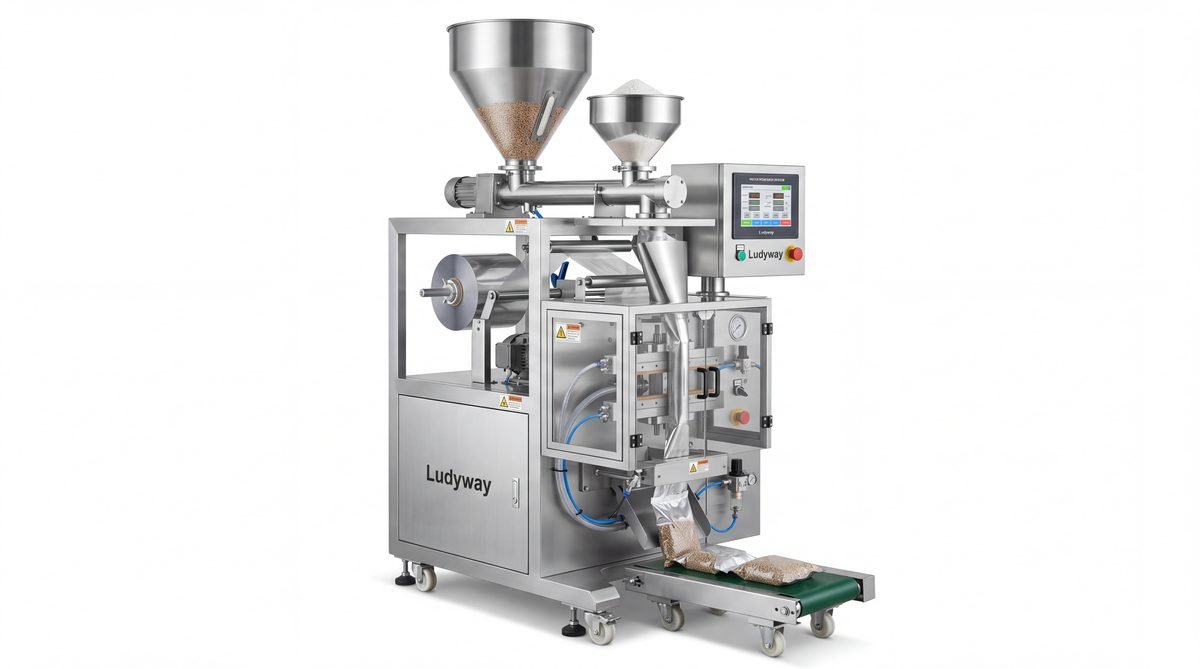
Understanding Vacuum Packaging Technology
Vacuum packaging removes air from the package before sealing, creating an oxygen-depleted environment that inhibits the growth of aerobic bacteria, molds, and other spoilage organisms. Unlike traditional sealing methods, vacuum packaging machines actively extract atmospheric gases, dramatically extending product shelf life while preserving texture, flavor, and nutritional value. Modern industrial systems often combine vacuum extraction with modified atmosphere packaging (MAP) capabilities, replacing extracted air with inert gases such as nitrogen or carbon dioxide for additional product protection.
Key Factors to Evaluate Before Purchasing
Selecting the right vacuum packaging equipment involves analyzing several interconnected factors. The table below summarizes the primary considerations that influence machine selection and long-term operational performance.
| Evaluation Factor | Key Questions to Ask | Impact on Machine Selection |
|---|---|---|
| Product Type | Is the product solid, granular, powder, liquid, or fragile? | Determines chamber design, sealing bar configuration, and vacuum cycle parameters |
| Production Volume | How many packages per hour or per shift are required? | Dictates single vs. double chamber, automatic vs. semi-automatic, and conveyorized systems |
| Package Size Range | What are the smallest and largest bag dimensions? | Determines chamber dimensions, sealing bar length, and vacuum pump capacity |
| Packaging Material | Which film types, barrier properties, and thicknesses are used? | Influences sealing temperature, pressure settings, and compatibility with machine components |
| Automation Level | Is manual loading acceptable, or is fully automated operation needed? | Affects machine footprint, integration complexity, and overall investment cost |
| Regulatory Compliance | Does the application require FDA, ISO, or other certification compliance? | Determines material grades, documentation requirements, and validation protocols |
Types of Industrial Vacuum Packaging Machines
Different production environments demand different vacuum packaging configurations. Understanding the main categories helps narrow down the options based on your specific operational requirements.
Chamber Vacuum Sealers
Chamber machines place the entire product and bag inside a vacuum chamber. During operation, the chamber is evacuated and sealed simultaneously. This design is ideal for high-moisture products, liquids, and delicate items because internal and external bag pressure equalize during the cycle, preventing crushing or liquid spillage. Chamber systems range from compact single-chamber units to double-chamber industrial models that allow loading on one side while the other is under vacuum, significantly increasing throughput.
Nozzle Vacuum Sealers
Nozzle machines insert a retractable nozzle into the open end of the bag, extract air, and then retract while the sealing bar closes the package. These systems work well for dry, non-liquid products and offer greater flexibility for oversized items that may not fit into standard chambers. They are commonly used in textile, hardware, and industrial component packaging applications where product size varies significantly.
Thermoforming Vacuum Packaging Systems
Thermoforming machines create packages from roll stock film, forming a bottom web into product cavities while applying a top web under vacuum. This automated packaging format is prevalent in high-volume food processing, medical device, and pharmaceutical packaging. Thermoforming lines can integrate filling, vacuum sealing, and cutting in a continuous operation, making them suitable for fully automated production environments requiring thousands of packages per shift.
External Vacuum Sealers
Also known as suction sealers, these machines operate outside the bag, making them compact and cost-effective for light-to-medium-duty applications. While less common in heavy industrial settings, they serve smaller production lines, laboratory environments, and specialty packaging applications where space and budget constraints are primary considerations.
Critical Features to Evaluate
Beyond the basic machine type, specific features directly impact performance, reliability, and ease of operation in an industrial environment.
- Vacuum Pump Type and Capacity: Oil-lubricated rotary vane pumps offer deeper vacuum levels and longer service life for demanding applications, while dry pumps eliminate oil maintenance but may achieve less ultimate vacuum. Pump capacity, measured in cubic meters per hour (m³/h), directly affects cycle speed.
- Sealing Bar Configuration: The number, length, and configuration of sealing bars determine how many packages can be processed simultaneously. Machines with multiple sealing bars or adjustable bar positions provide flexibility for mixed package sizes.
- Control System and Programmability: Modern PLC-based controls with touchscreen interfaces allow operators to store multiple recipe settings for different products, ensuring consistency and reducing changeover time between production runs.
- Chamber Construction Material: Stainless steel chambers and components are essential for food-grade and pharmaceutical applications, providing corrosion resistance, cleanability, and compliance with hygiene standards.
- Vacuum Level Monitoring: Digital vacuum sensors and programmable cycle parameters enable precise control over residual oxygen levels, critical for sensitive products and regulated industries.
- Gas Flushing Capability: Integrated MAP functionality allows the introduction of inert gases after vacuum extraction, beneficial for products requiring cushioning or specific atmospheric conditions.

Automation and Integration Considerations
For manufacturers looking to scale production, the degree of automation in a vacuum packaging system becomes a defining factor. Manual loading and unloading may suffice for smaller operations, but semi-automatic and fully automatic systems dramatically increase throughput while reducing labor dependency. Conveyorized vacuum chambers, automatic bag positioning, and integrated weighing and labeling systems can transform a standalone machine into a complete packaging cell.
Integration with upstream and downstream equipment is another critical consideration. A vacuum packaging machine that can communicate with filling systems, checkweighers, metal detectors, coding and marking equipment, and case packing systems creates a seamless production flow. When evaluating machines, assess the availability of standardized communication protocols, physical interface points, and the manufacturer’s experience with line integration projects.
Maintenance, Serviceability, and Support
Industrial vacuum packaging machines represent significant capital investments, and their long-term value depends heavily on reliability and maintainability. Key aspects to evaluate include:
- Accessibility of Consumable Components: Sealing bars, heating elements, and vacuum pump oil should be easily accessible for routine replacement without extensive disassembly.
- Spare Parts Availability: Confirm that the manufacturer or distributor maintains adequate spare parts inventory and can ship critical components promptly to minimize downtime.
- Technical Support Responsiveness: Remote diagnostic capabilities, telephone support availability, and field service response times vary significantly between suppliers and should be verified before purchase.
- Operator Training Requirements: Machines with intuitive interfaces and comprehensive training programs reduce the learning curve and help maintain consistent packaging quality.
Budget and Total Cost of Ownership
The initial purchase price of an industrial vacuum packaging machine is only one component of its total cost of ownership. A comprehensive cost analysis should account for energy consumption, consumable parts replacement frequency, maintenance labor requirements, expected service life, and potential downtime costs. Higher-quality machines with more robust construction and premium components often deliver lower total costs over a 5-10 year operating period despite higher upfront investment.
Industry-Specific Applications
Different industries impose unique requirements on vacuum packaging equipment. Understanding these nuances helps ensure the selected machine meets both current and anticipated future needs.
- Food Processing: Requires sanitary design, washdown compatibility, and often FDA-compliant materials. Extended shelf life and product appearance retention are primary goals.
- Pharmaceuticals and Medical Devices: Demands validated processes, strict documentation, and potentially ISO 11607 compliance for sterile barrier packaging. Cleanroom-compatible configurations may be necessary.
- Electronics and Components: Focuses on moisture and static protection. Anti-static packaging materials and controlled vacuum levels prevent component damage.
- Industrial Goods and Chemicals: Prioritizes durability, large-format capability, and compatibility with potentially corrosive or abrasive products.
Questions to Ask Before Making a Final Decision
A systematic evaluation process helps avoid costly mistakes and ensures the selected machine aligns with both immediate and long-term production goals. The following checklist provides a structured approach to supplier discussions and machine comparisons.
- What are the minimum and maximum package dimensions the machine can accommodate?
- What is the achievable cycle time, and how does it scale with different product types?
- Is the vacuum pump oil-lubricated or dry-running, and what are the maintenance intervals?
- Can the machine store multiple programmable recipes for different products?
- What certifications and documentation are provided for regulatory compliance?
- How is after-sales support structured, and what are the typical response times?
- What is the warranty coverage, and which components are excluded?
- Can the manufacturer provide references or case studies from similar applications?
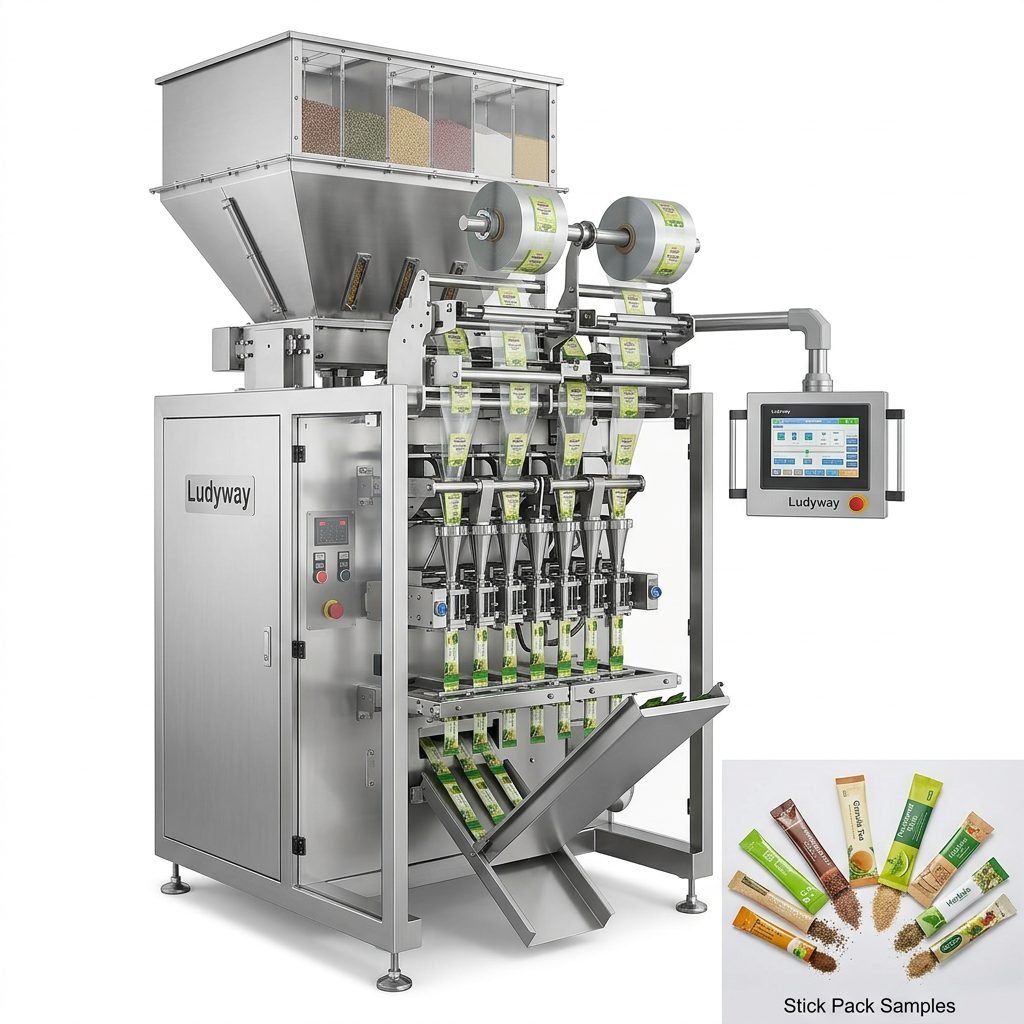
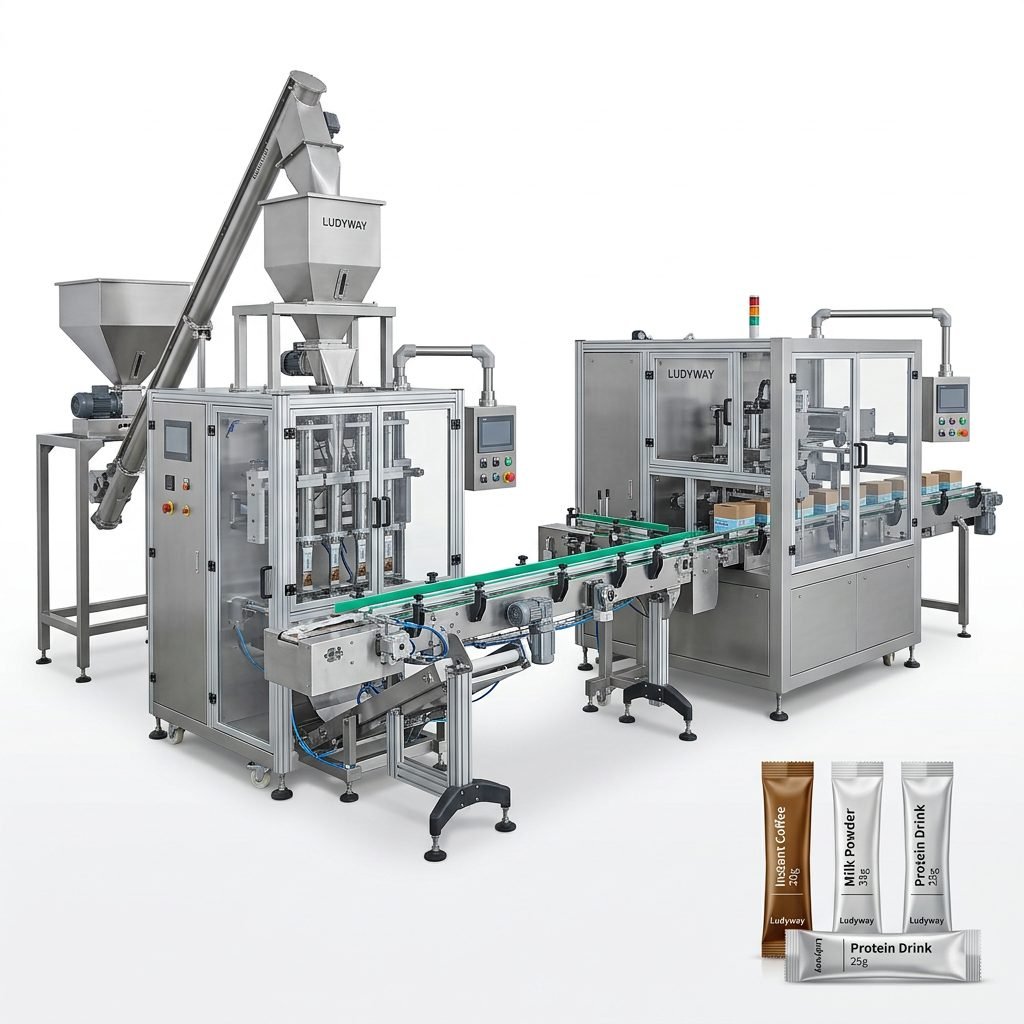
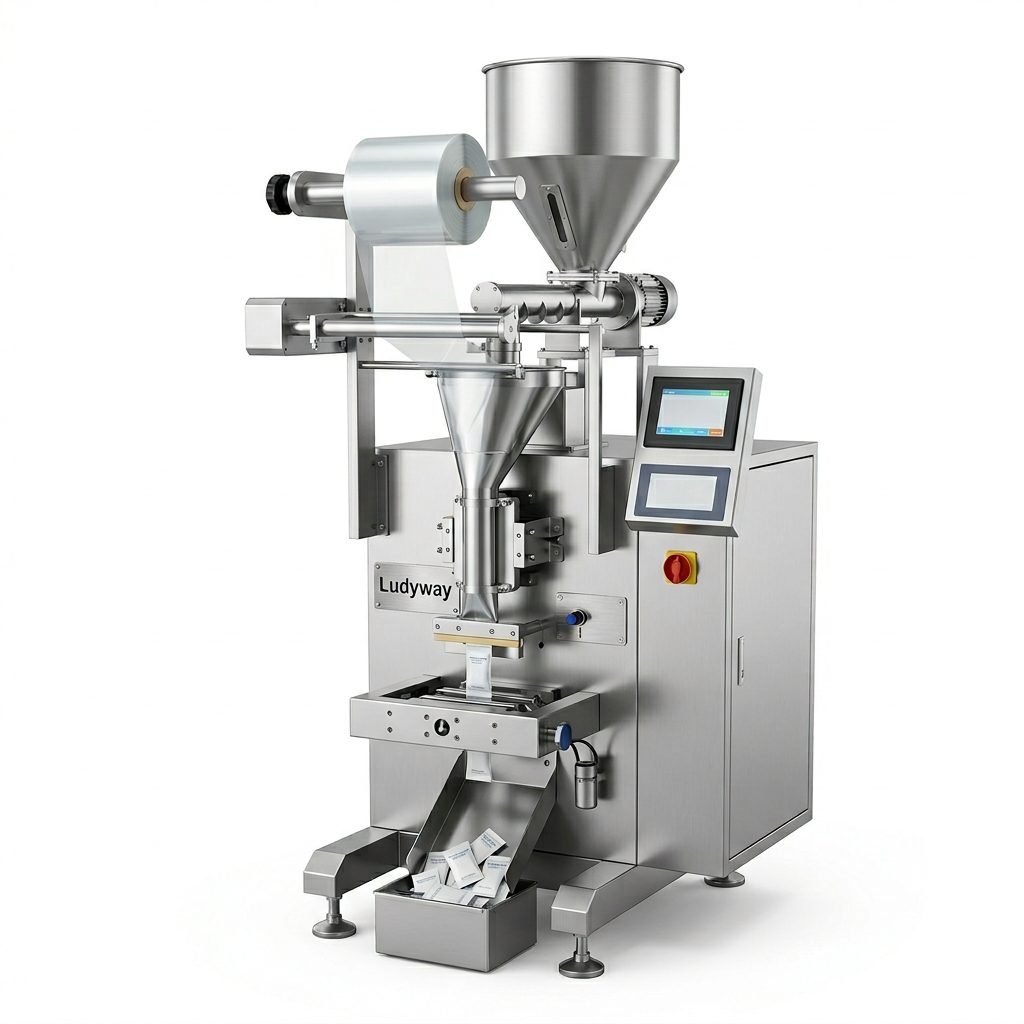
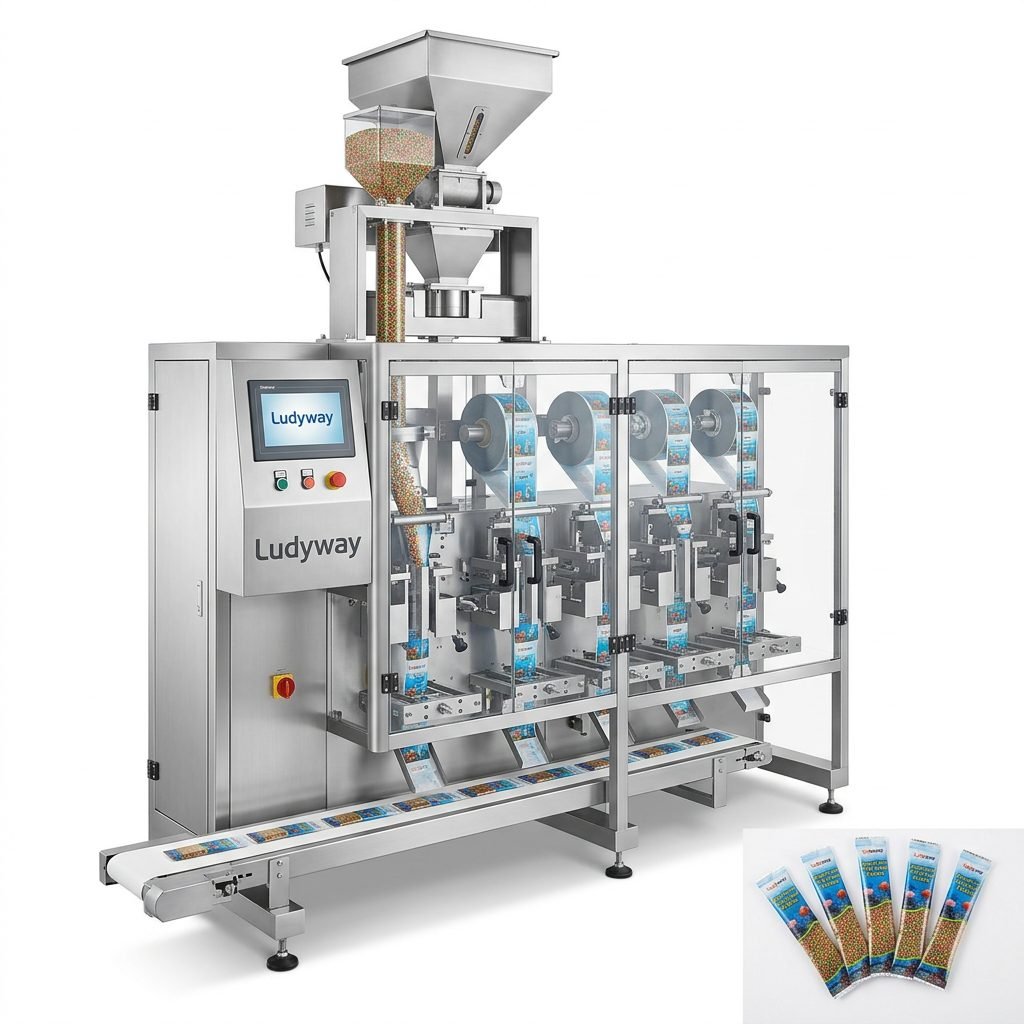
Choosing the right industrial vacuum packaging machine requires balancing technical specifications with practical operational considerations. By thoroughly evaluating product characteristics, production volumes, automation requirements, and total cost factors, manufacturers can identify equipment that delivers consistent packaging quality and reliable long-term performance. For companies seeking customized packaging solutions, partnering with an experienced equipment manufacturer provides access to application engineering expertise and integrated system design capabilities—Ludyway Machinery, for example, combines decades of packaging engineering experience with a broad portfolio of automated equipment and turnkey packaging line solutions for manufacturers across food, pharmaceutical, chemical, and consumer product industries worldwide.