Selecting the right pouch packing machine is a critical decision that directly affects your production efficiency, product quality, and long-term operational costs. Whether you are packaging powders, granules, liquids, or pastes, the variety of available equipment can make the selection process complex. Understanding machine types, key features, and your own production requirements is essential before making an investment. This guide walks you through everything you need to know to choose the ideal pouch packing machine for your manufacturing needs.
Understanding Different Types of Pouch Packing Machines
Pouch packing machines come in various configurations, each designed for specific packaging formats and production volumes. The most common types include:
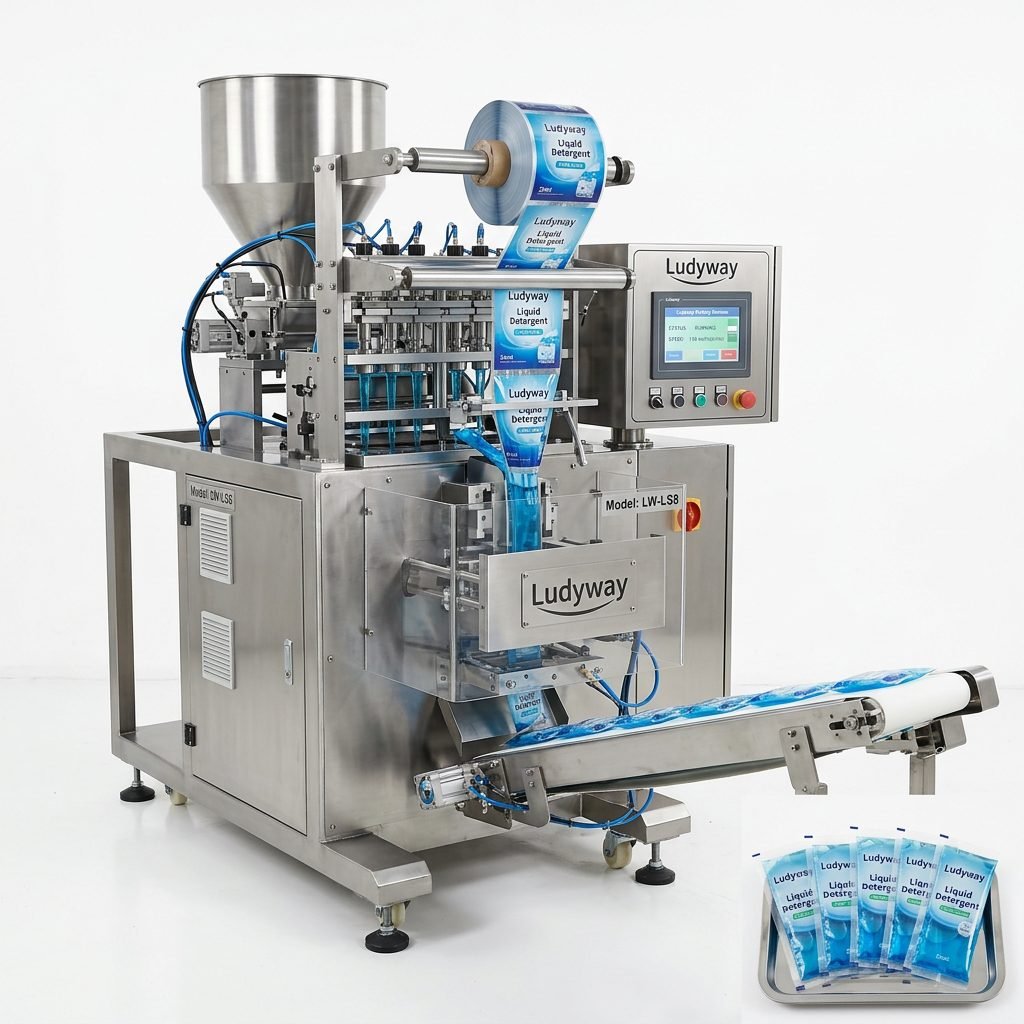
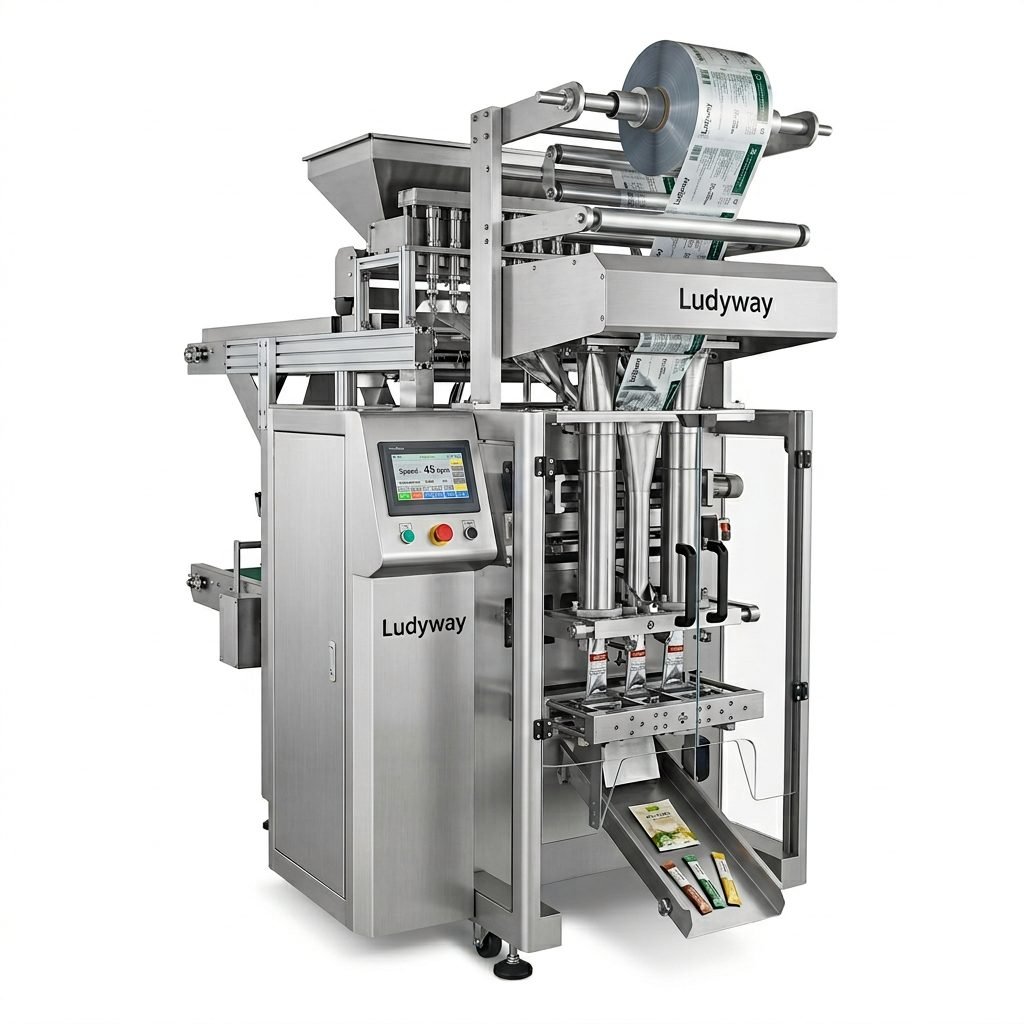
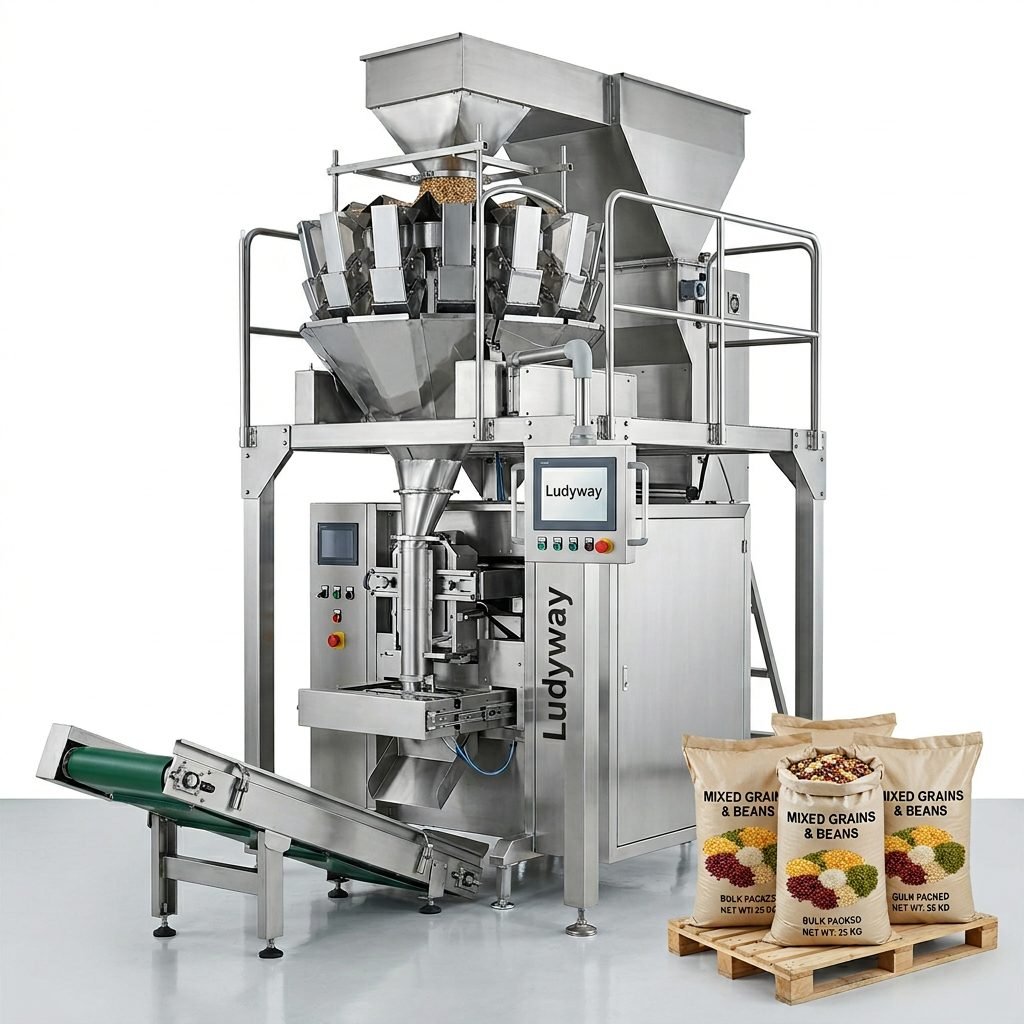
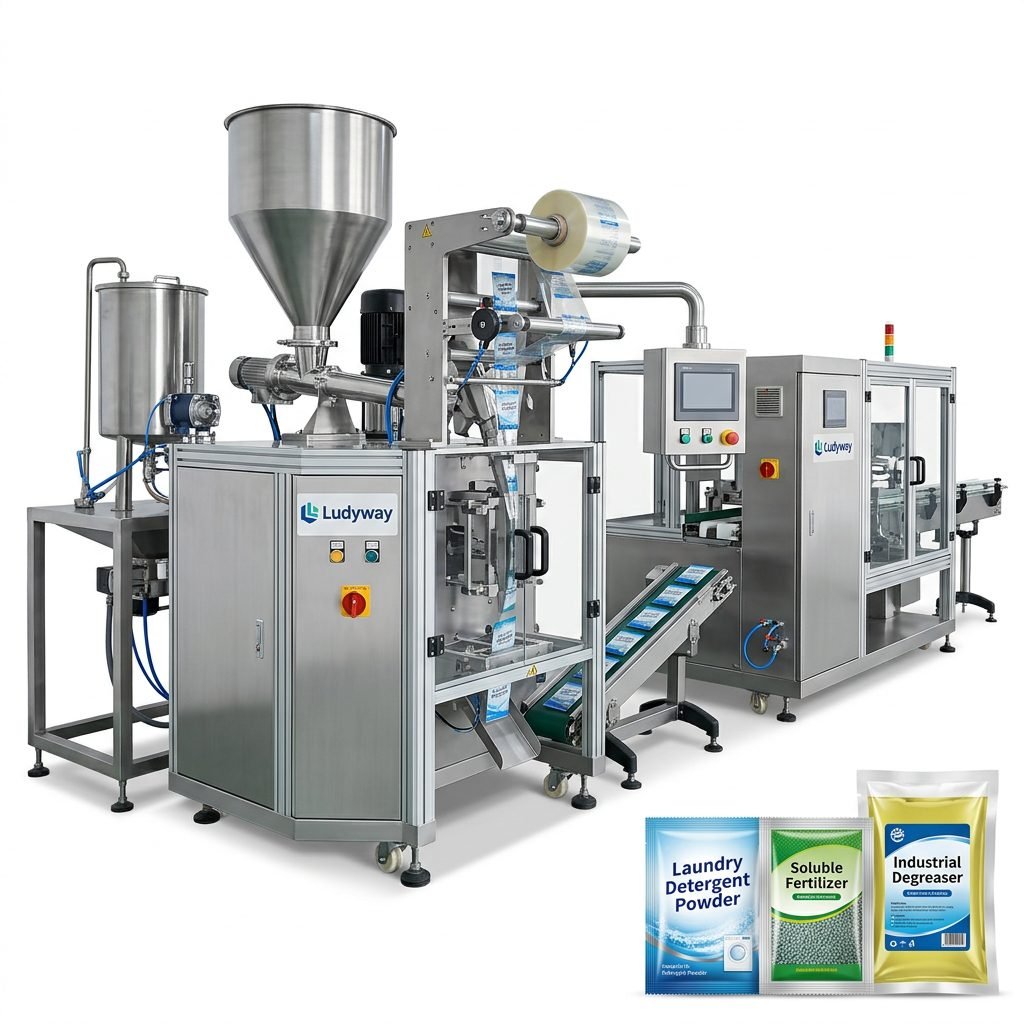
- Vertical Form Fill Seal (VFFS) Machines – These machines form pouches from a flat roll of film, fill them with product, and seal them in a continuous vertical process. They are highly versatile and suitable for a wide range of products including powders, granules, and liquids.
- Horizontal Form Fill Seal (HFFS) Machines – Operating horizontally, these are ideal for products that require gentle handling or have irregular shapes. They are commonly used in the food and pharmaceutical industries.
- Pre-Made Pouch Filling and Sealing Machines – These machines work with ready-made pouches, filling and sealing them automatically. They are perfect for manufacturers who want to use stand-up pouches, zipper pouches, or spouted pouches without forming film in-house.
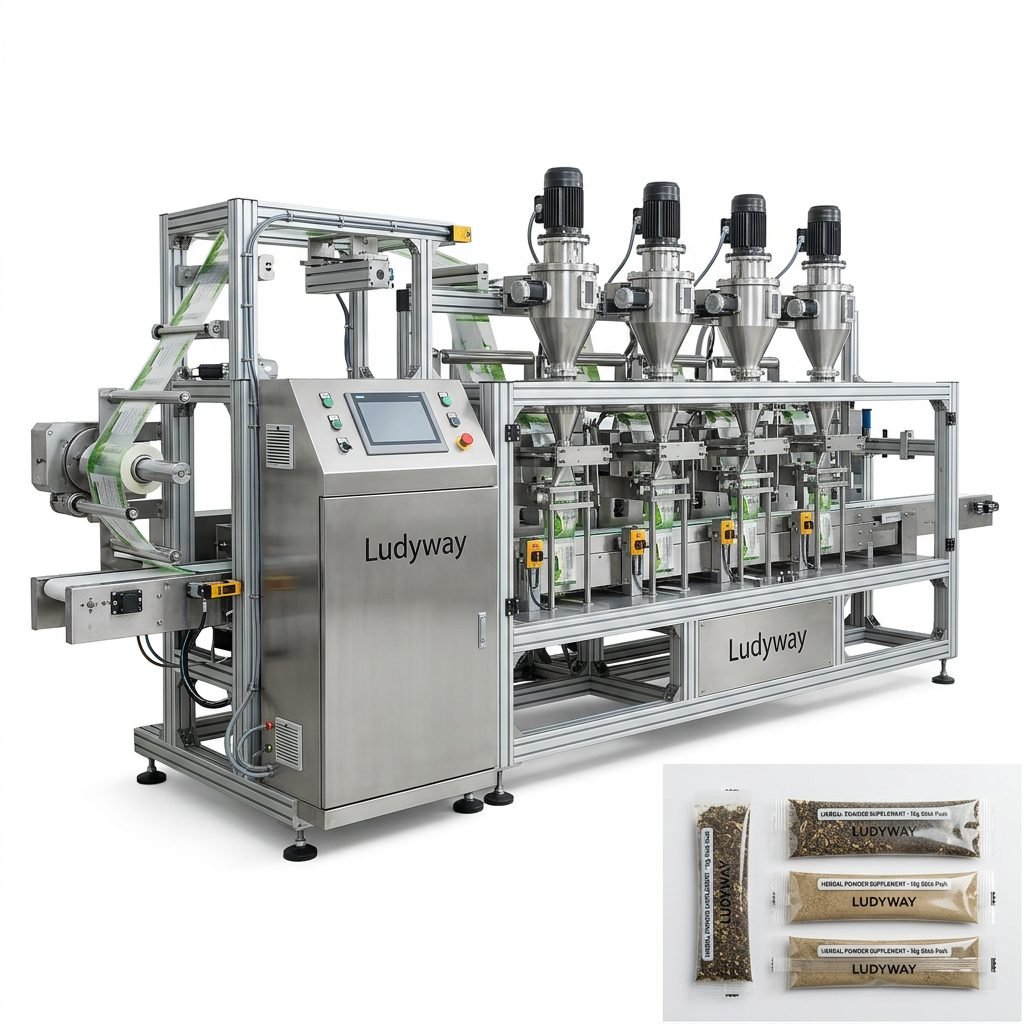
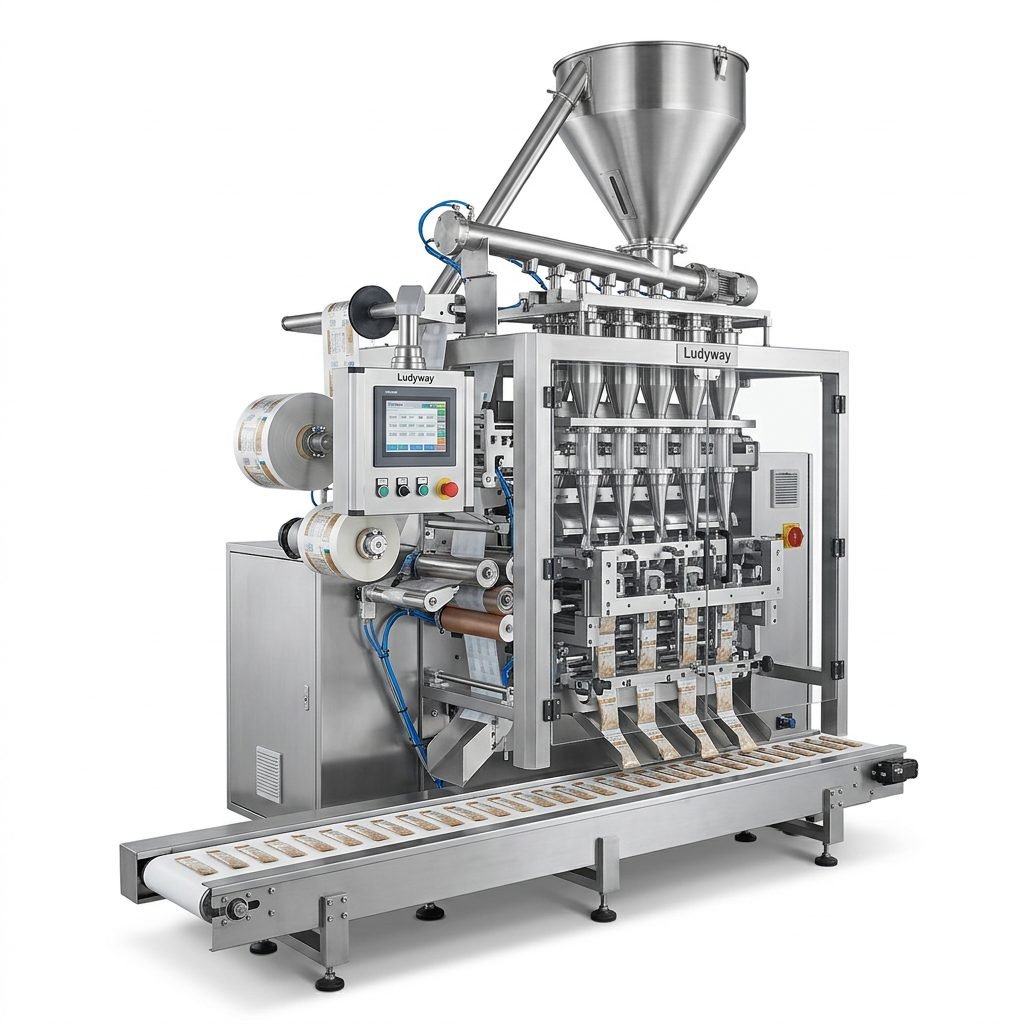
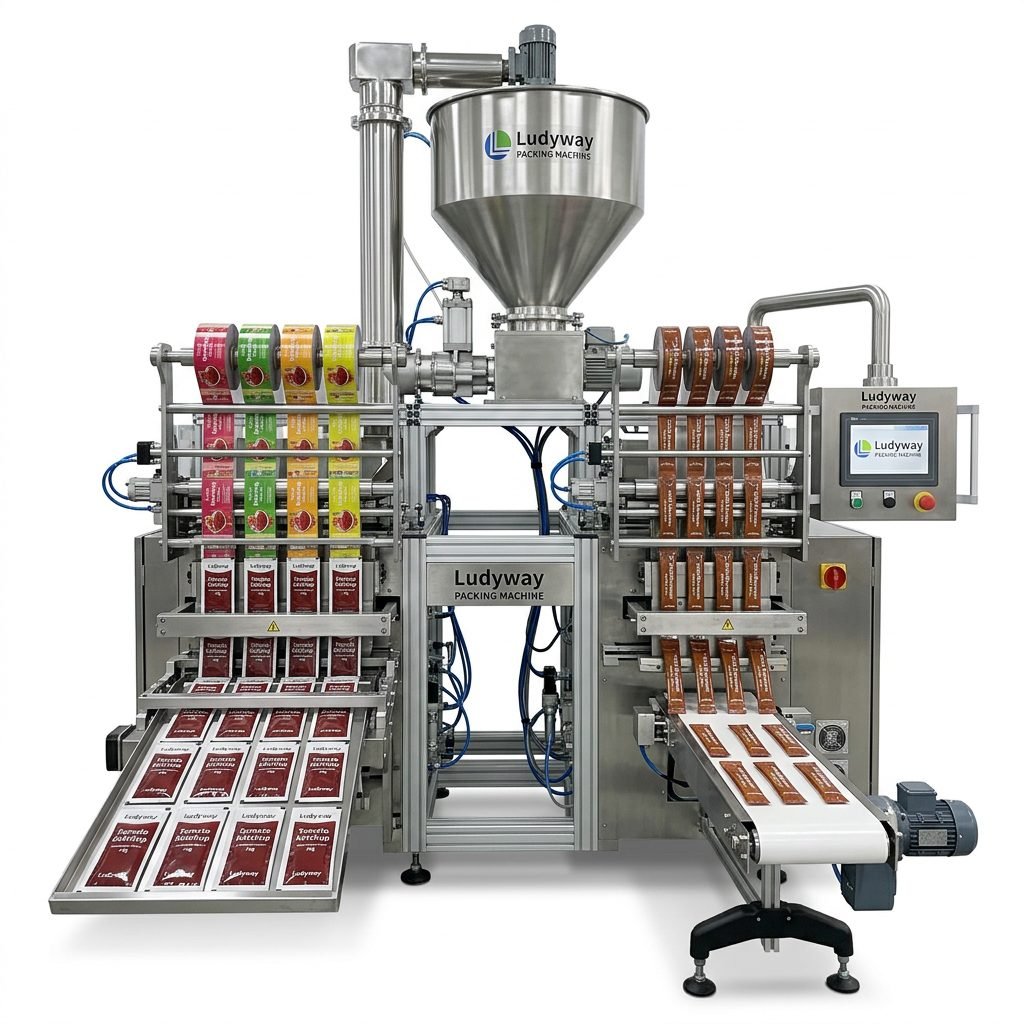
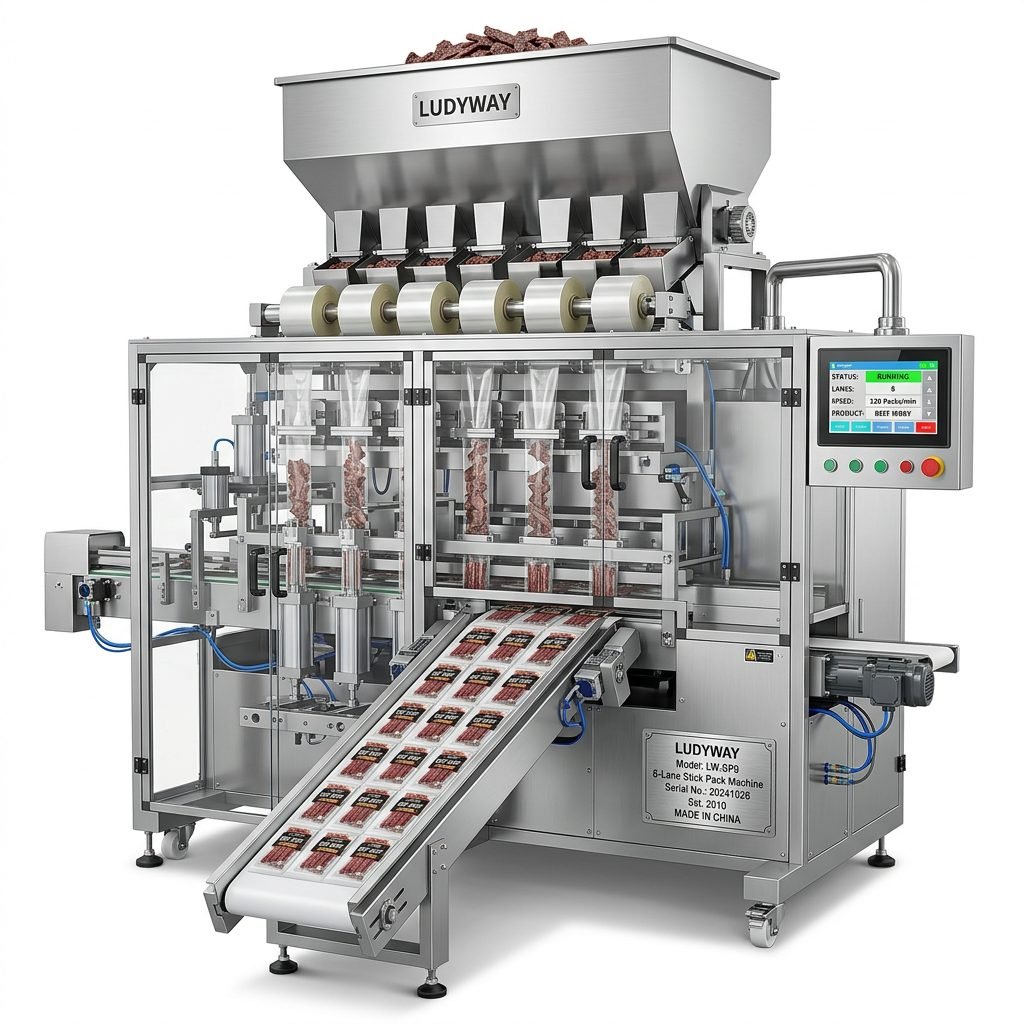
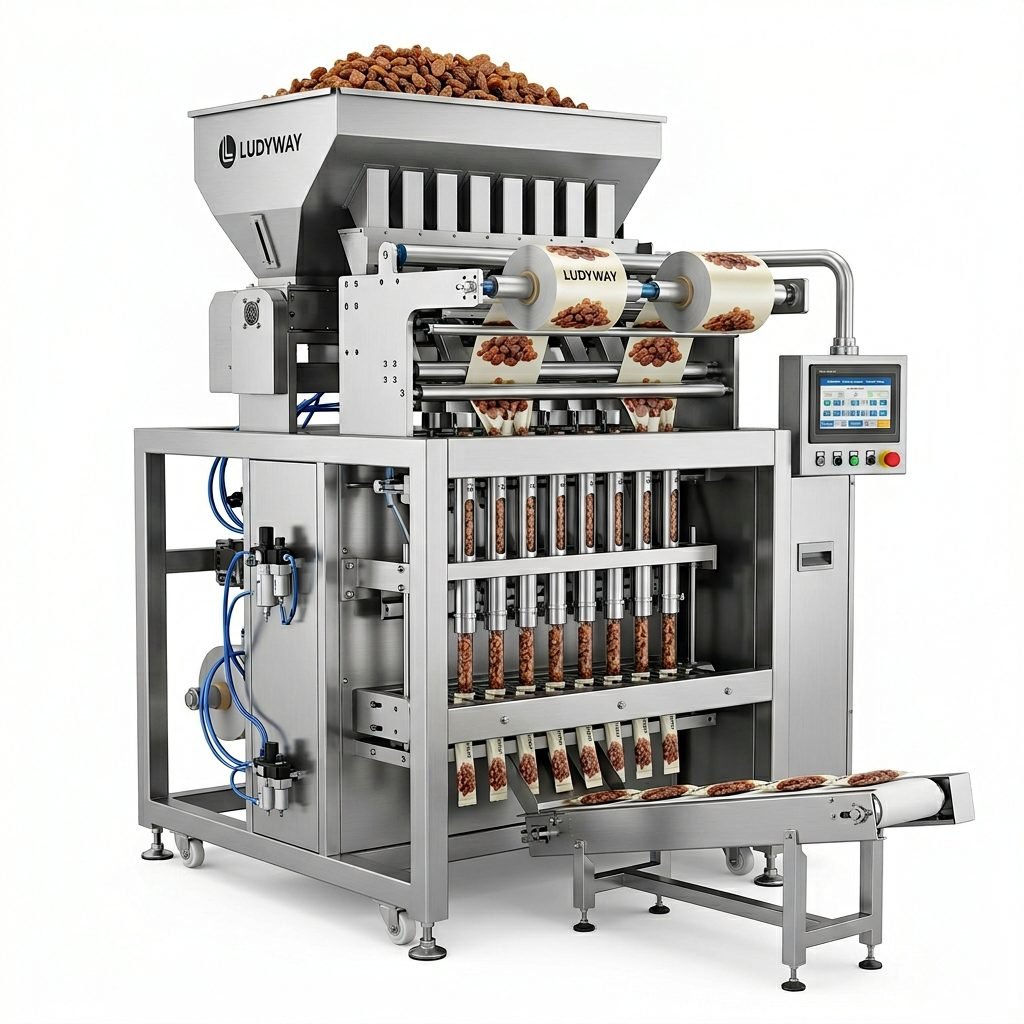
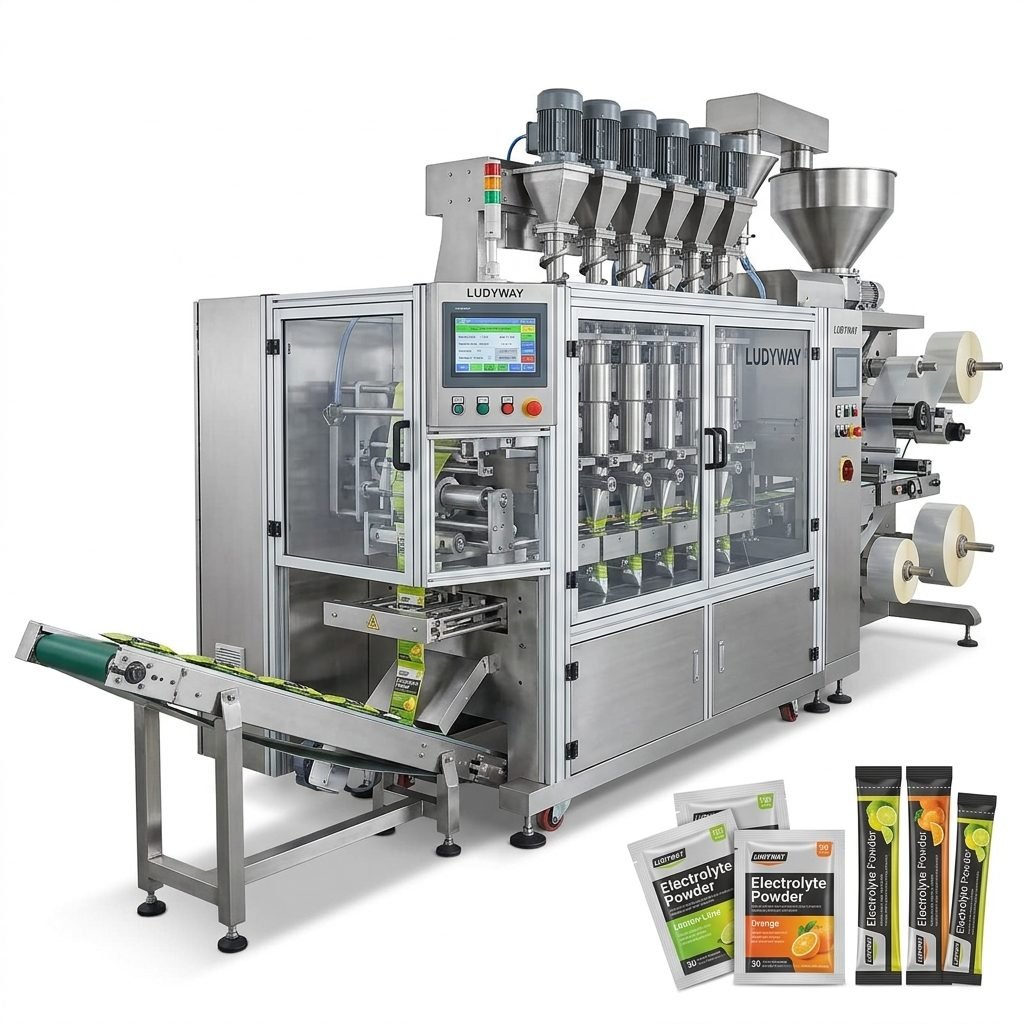
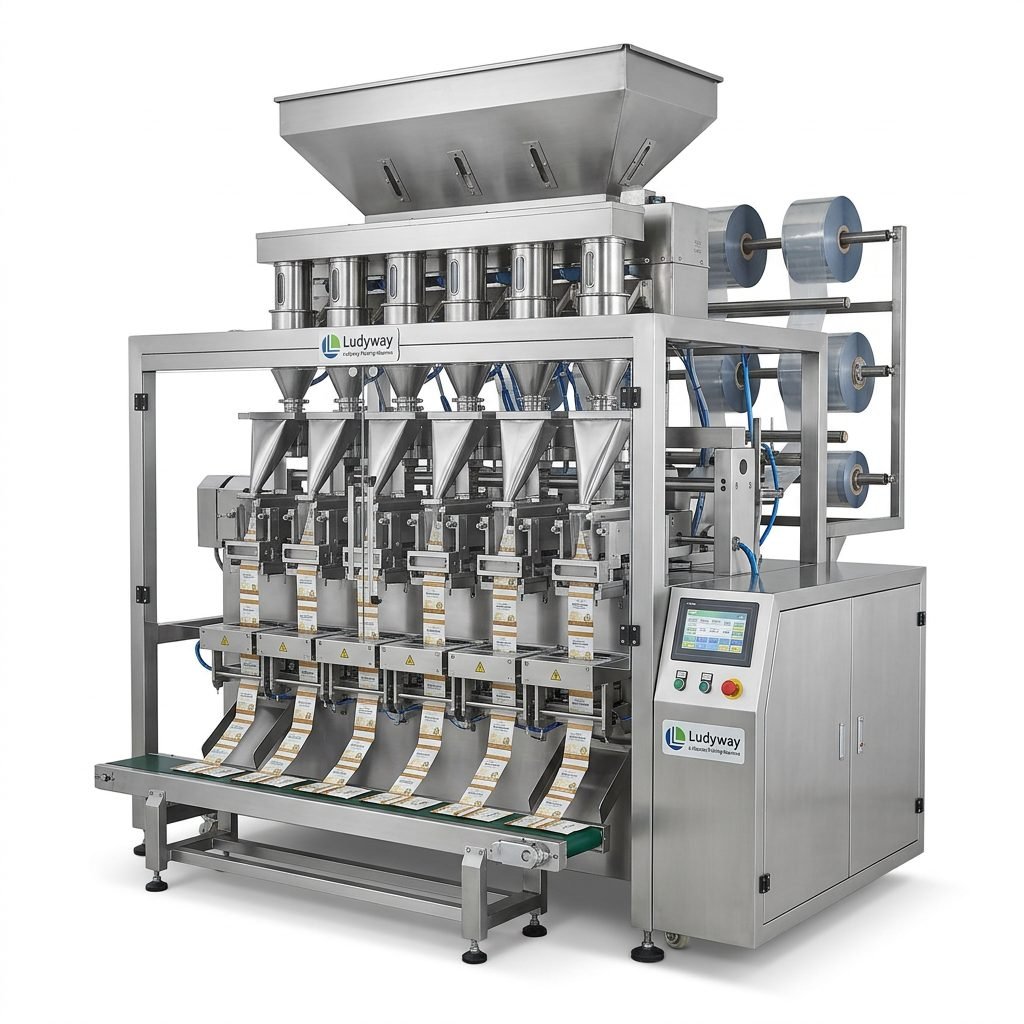
- Multi-Lane Stick Pack Machines – Designed for high-speed production, these machines produce multiple narrow stick packs simultaneously, making them popular for single-serve products like sugar, coffee, supplements, and condiments.
- Sachet Packing Machines – Similar to stick pack machines but typically producing wider, flat sachets. These are widely used for shampoo samples, ketchup, pharmaceutical powders, and cosmetic products.
According to industry data from the PMMI Business Intelligence Library, the demand for flexible packaging machinery continues to grow across multiple sectors, driven by consumer preference for convenient, portion-controlled packaging.
Key Features to Evaluate in a Pouch Packing Machine
When comparing different pouch packing machines, several features deserve close attention. These specifications directly impact production output, product quality, and operational reliability:
- Filling Accuracy and Dosing System – The precision of the filling mechanism determines product consistency and waste reduction. Options include auger fillers for powders, volumetric cup fillers for granules, and piston or peristaltic pumps for liquids.
- Production Speed – Measured in pouches per minute (PPM), speed requirements vary significantly by industry. A multi-lane machine can produce anywhere from 200 to over 1,000 pouches per minute depending on lane count and product characteristics.
- Pouch Size Range and Format Flexibility – Consider whether the machine can accommodate your current and future pouch dimensions. Some machines offer quick changeover between different pouch sizes and styles.
- Sealing Technology – Reliable sealing is crucial for product integrity. Look for machines with temperature-controlled sealing jaws, adjustable pressure settings, and compatibility with various film materials including laminates, aluminum foil, and biodegradable films.
- Automation and Control System – Modern machines feature PLC controllers with touchscreen interfaces, recipe storage, and integration capabilities with upstream and downstream equipment.
- Material Compatibility – The machine should handle your specific packaging materials without issues like film stretching, misalignment, or inconsistent sealing.
Comparing Pouch Packing Machine Types
The following table provides a comparative overview of the main pouch packing machine types, their typical applications, and key characteristics to help guide your selection:
| Machine Type | Best For | Typical Speed Range | Key Advantage |
|---|---|---|---|
| VFFS Machine | Powders, granules, liquids, snacks | 30-200 PPM | Versatile, cost-effective film usage |
| Pre-Made Pouch Machine | Stand-up pouches, zipper bags | 20-120 PPM | Premium pouch presentation |
| Multi-Lane Stick Pack | Single-serve powders and granules | 200-1,000+ PPM | Ultra-high output efficiency |
| Sachet Machine | Samples, condiments, pharma | 100-800 PPM | Compact footprint, multi-lane options |
The Flexible Packaging Association reports that flexible packaging continues to gain market share due to its lightweight nature, reduced material usage, and extended shelf-life capabilities compared to rigid packaging formats.
Industry-Specific Considerations
Different industries impose unique requirements on pouch packing equipment. Understanding these can prevent costly mistakes:
- Food and Beverage – Machines must meet food safety standards, support washdown and hygienic design, and handle products ranging from fine powders to sticky liquids. Stainless steel construction and easy-clean surfaces are essential.
- Pharmaceuticals – Precision dosing, GMP compliance, traceability features, and validated processes are mandatory. Machines should integrate with serialization and track-and-trace systems.
- Cosmetics and Personal Care – Aesthetic pouch presentation matters alongside accurate filling. Machines should handle viscous creams, serums, and lotions without dripping or contamination.
- Chemicals and Industrial Products – Equipment must withstand corrosive or abrasive materials and often requires explosion-proof configurations for volatile substances.
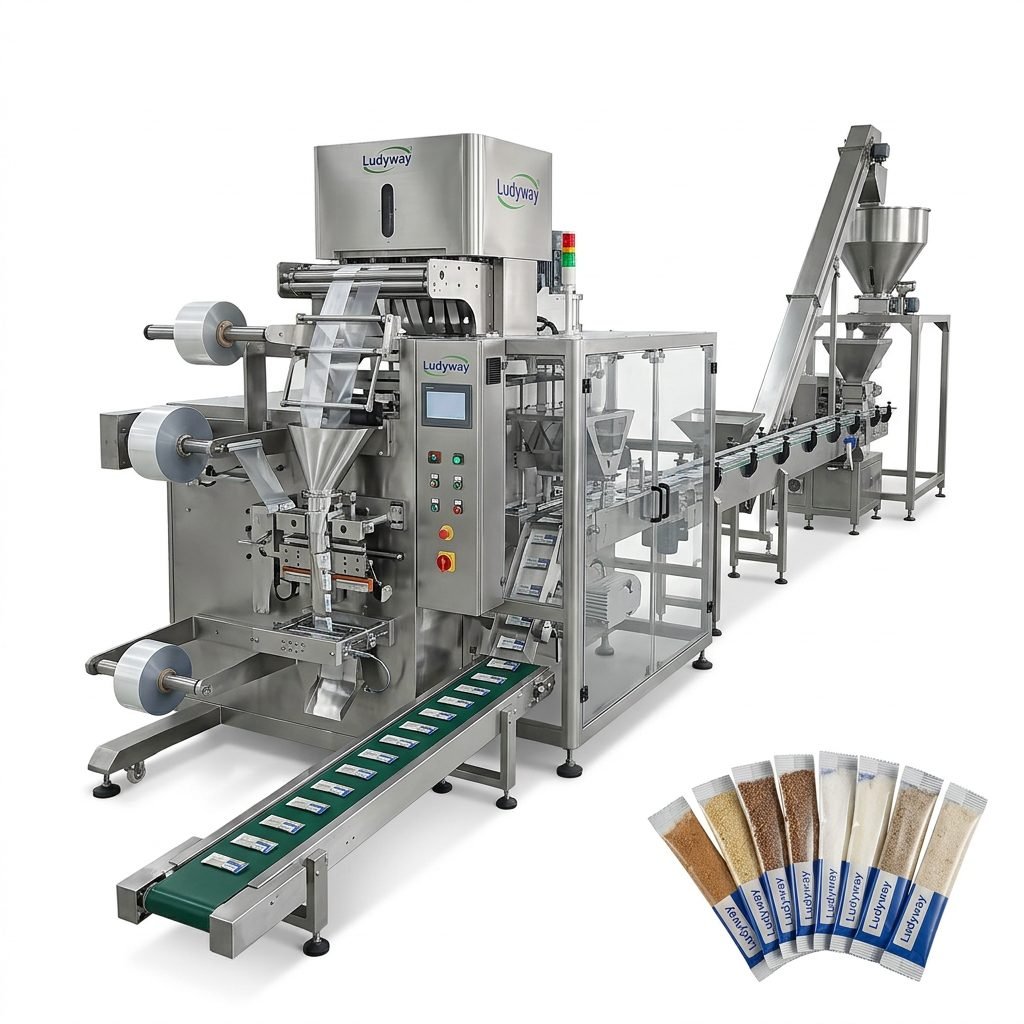
Purchasing Guide: Steps to Selecting Your Pouch Packing Machine
Follow this structured approach to evaluate and select the most suitable pouch packing machine for your operation:
- Define Your Product Characteristics – Document your product’s physical properties: particle size, bulk density, flowability, moisture content, and any special handling requirements. These factors determine the appropriate filling and feeding system.
- Specify Your Pouch Requirements – Determine pouch dimensions, material structure, format (flat, stand-up, zipper, spouted), and any special features like tear notches, laser scoring, or resealable closures.
- Calculate Production Capacity Needs – Assess current and projected output requirements. Consider peak season demands and potential future growth to avoid outgrowing your equipment prematurely.
- Evaluate Factory Infrastructure – Check available floor space, power supply, compressed air capacity, and environmental conditions. Some machines require climate-controlled environments for optimal performance.
- Assess Automation Requirements – Determine whether you need standalone equipment or a fully integrated packaging line with automatic feeding, checkweighing, coding, cartoning, and palletizing capabilities.
- Request Machine Demonstrations and Samples – Whenever possible, test your actual product on the machine to verify filling accuracy, seal integrity, and overall performance before committing to a purchase.
- Consider After-Sales Support – Evaluate the manufacturer’s technical support, spare parts availability, installation services, and operator training programs. Responsive support minimizes downtime and protects your investment.
Industry standards play a significant role in equipment selection. The ISO packaging standards provide guidelines on packaging machinery performance and safety requirements that should inform your purchasing decision. Additionally, the FDA food packaging regulations are essential reference points for manufacturers serving the U.S. market.
Total Cost of Ownership Considerations
Beyond the initial purchase price, several factors contribute to the total cost of ownership of a pouch packing machine:
- Film Material Efficiency – Machines with precise film tension control and minimal waste generation reduce ongoing packaging material costs significantly over time.
- Energy Consumption – Modern servo-driven systems typically consume less power than pneumatic or mechanical alternatives, contributing to lower operating costs.
- Changeover Time – Quick-change designs that reduce downtime between product or format changes can substantially increase overall equipment effectiveness (OEE).
- Maintenance and Spare Parts – Machines built with widely available industrial components simplify maintenance and reduce spare parts costs over the equipment’s lifecycle.
- Operator Skill Requirements – Intuitive controls and automated adjustments can reduce dependence on highly skilled operators, providing workforce flexibility.
Integration with Packaging Line Systems
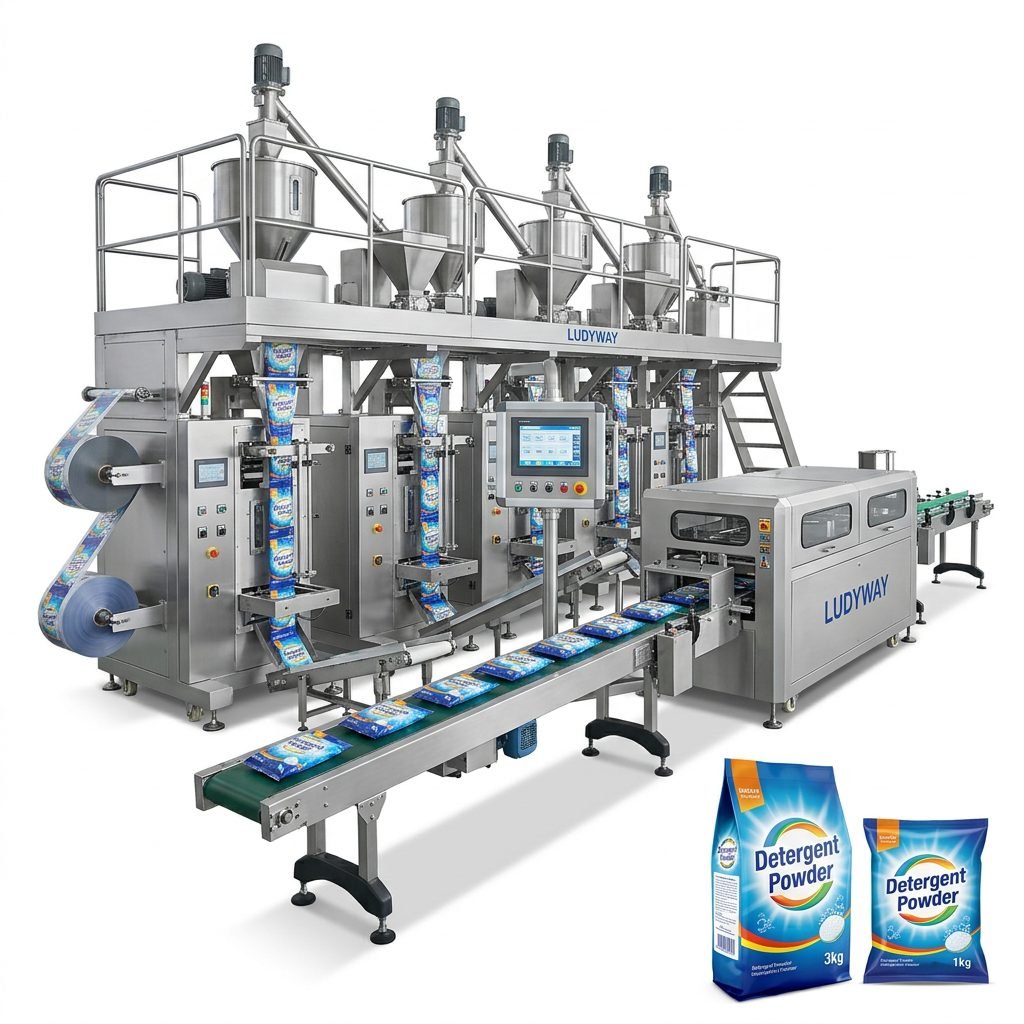
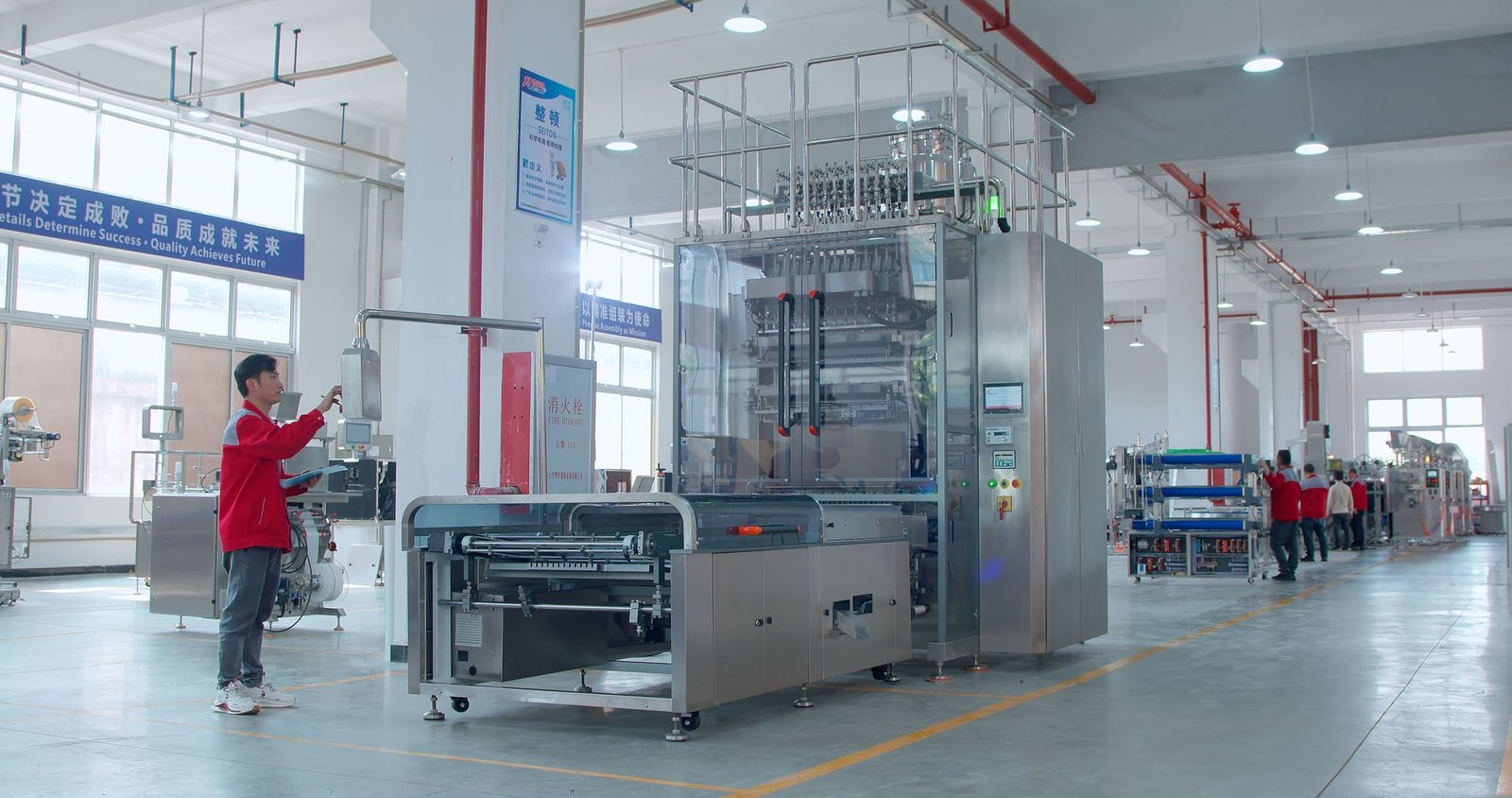
For manufacturers seeking end-to-end automation, selecting a pouch packing machine that integrates seamlessly with upstream and downstream equipment is critical. A well-designed packaging line might include automatic product feeding systems, checkweighing and metal detection, date coding and labeling, cartoning and case packing, and palletizing systems. Working with a single equipment provider who can supply and integrate the complete line often simplifies project management and ensures system compatibility.
Manufacturers such as Ludyway Machinery, a China-based packaging machinery manufacturer with more than 30 years of experience, provide turnkey packaging solutions that cover powder, granule, liquid, stick pack, sachet, and pouch applications. With over 50 packaging machine models and a 20,000-square-meter manufacturing facility, companies like Ludyway combine engineering expertise with automation technology to help customers improve packaging efficiency and production capacity across industries including food and beverage, pharmaceuticals, cosmetics, chemicals, and animal feed. Visit the PMMI official website for additional industry resources and market intelligence on packaging machinery trends.
Final Checklist Before Purchasing
Before finalizing your pouch packing machine purchase, verify the following points to ensure a sound investment:
- Product testing completed with your actual materials and formulations
- Machine specifications confirmed for all current and planned pouch formats
- Compliance verified with relevant regulatory standards for your industry and target markets
- Warranty terms, after-sales support, and spare parts availability clearly documented
- Installation, commissioning, and operator training included in the project scope
- Total cost of ownership calculated including energy, maintenance, and consumables
- Scalability and upgrade potential assessed for future production growth
Selecting the right pouch packing machine requires a thorough evaluation of your product, production goals, and operational environment. By understanding machine types, focusing on critical features, and following a structured purchasing process, you can make an informed decision that supports your manufacturing objectives for years to come. For additional guidance, the PMMI State of the Industry reports offer valuable insights into packaging machinery market trends and technology developments.