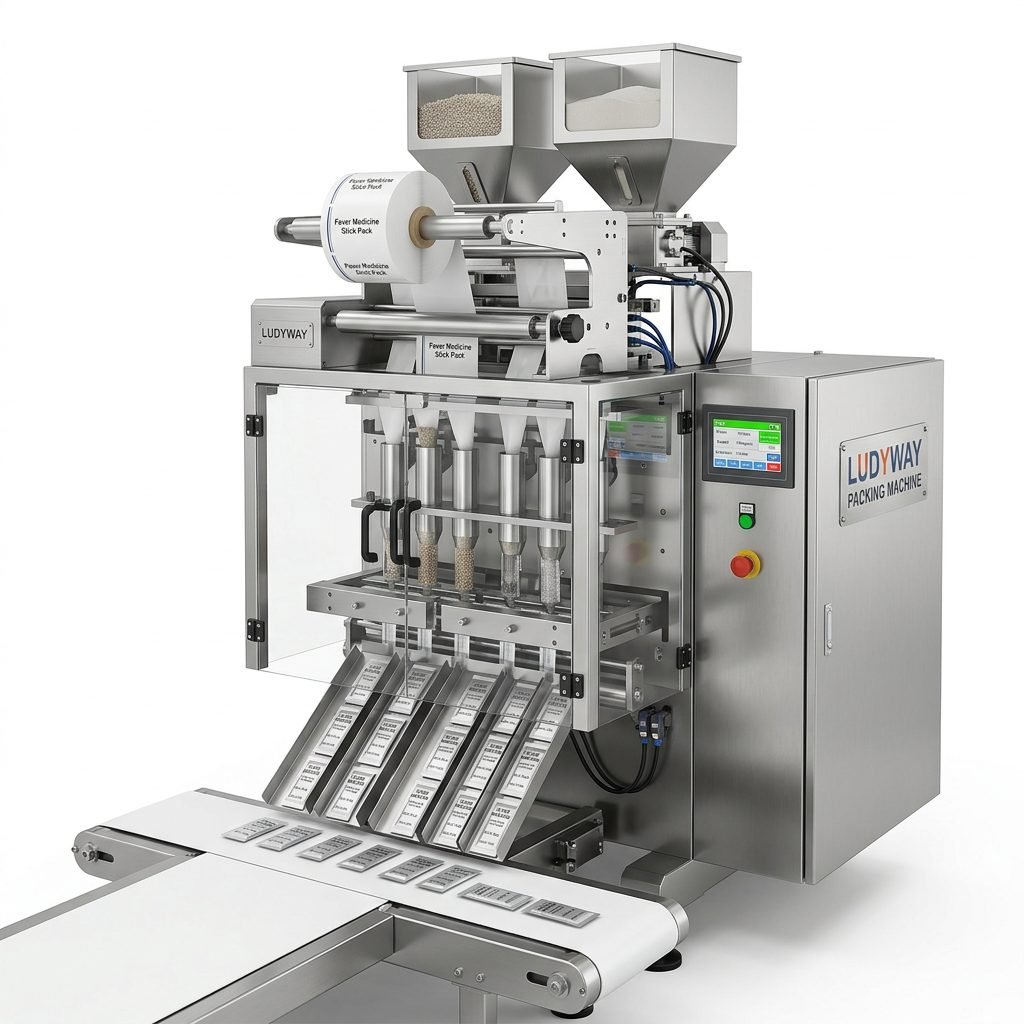
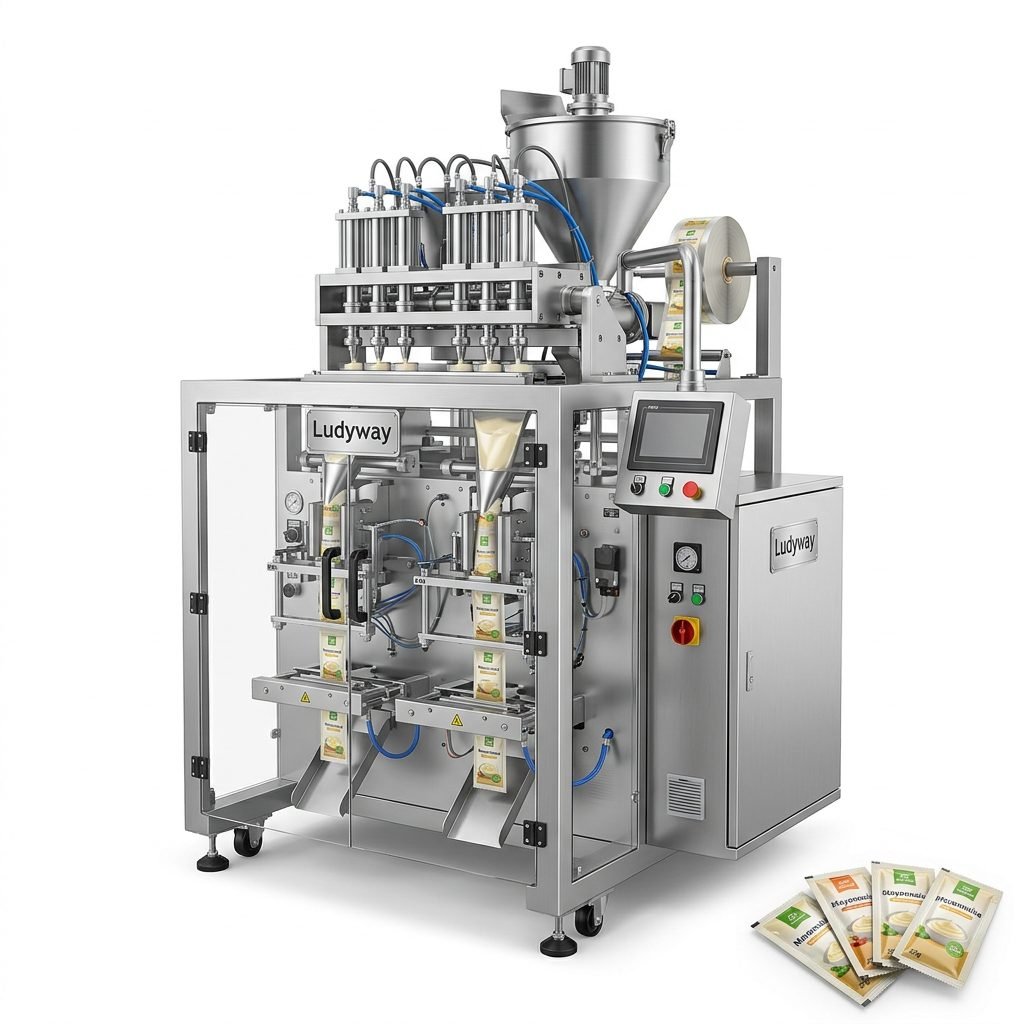
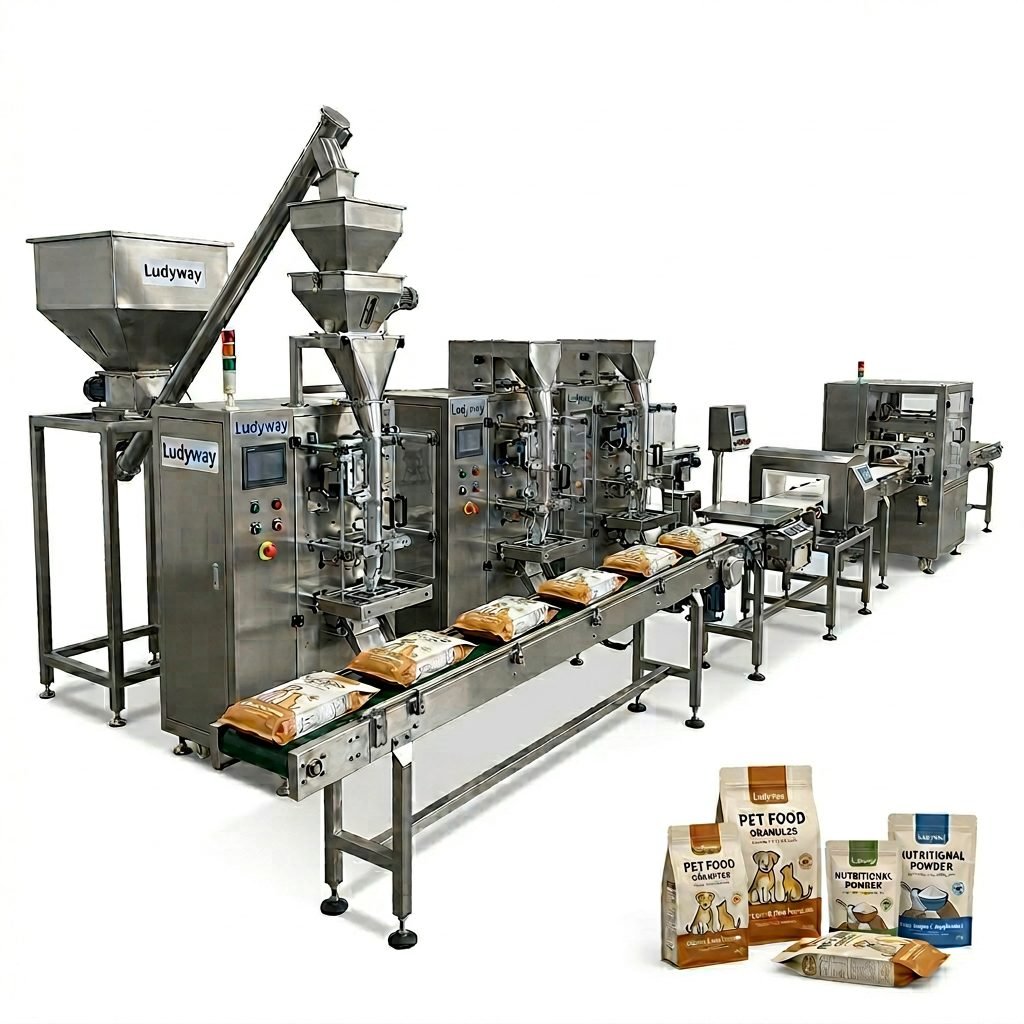
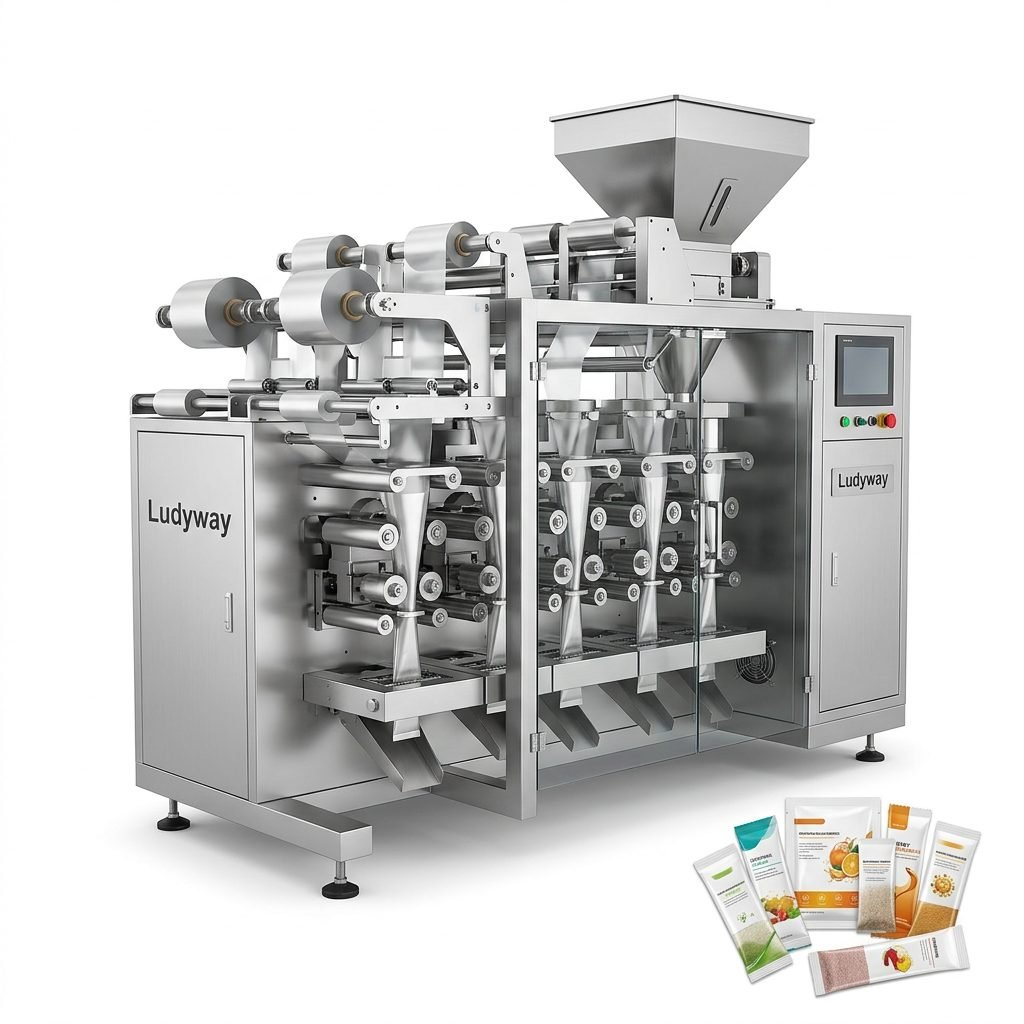
Investing in a jari packing machine is a critical decision for manufacturers in the food, pharmaceutical, cosmetic, and chemical industries. The right equipment can significantly improve production efficiency, reduce labor costs, and ensure consistent packaging quality. However, with dozens of machine configurations, filling technologies, and automation levels available, the selection process can feel overwhelming without a clear framework.

1. Understanding Jari Packing Machine Types and Configurations
Before evaluating specific models, it’s essential to understand the main categories of jari packing machines available on the market. Each type serves different production requirements, packaging formats, and product characteristics.
1.1 Single-Lane vs. Multi-Lane Systems
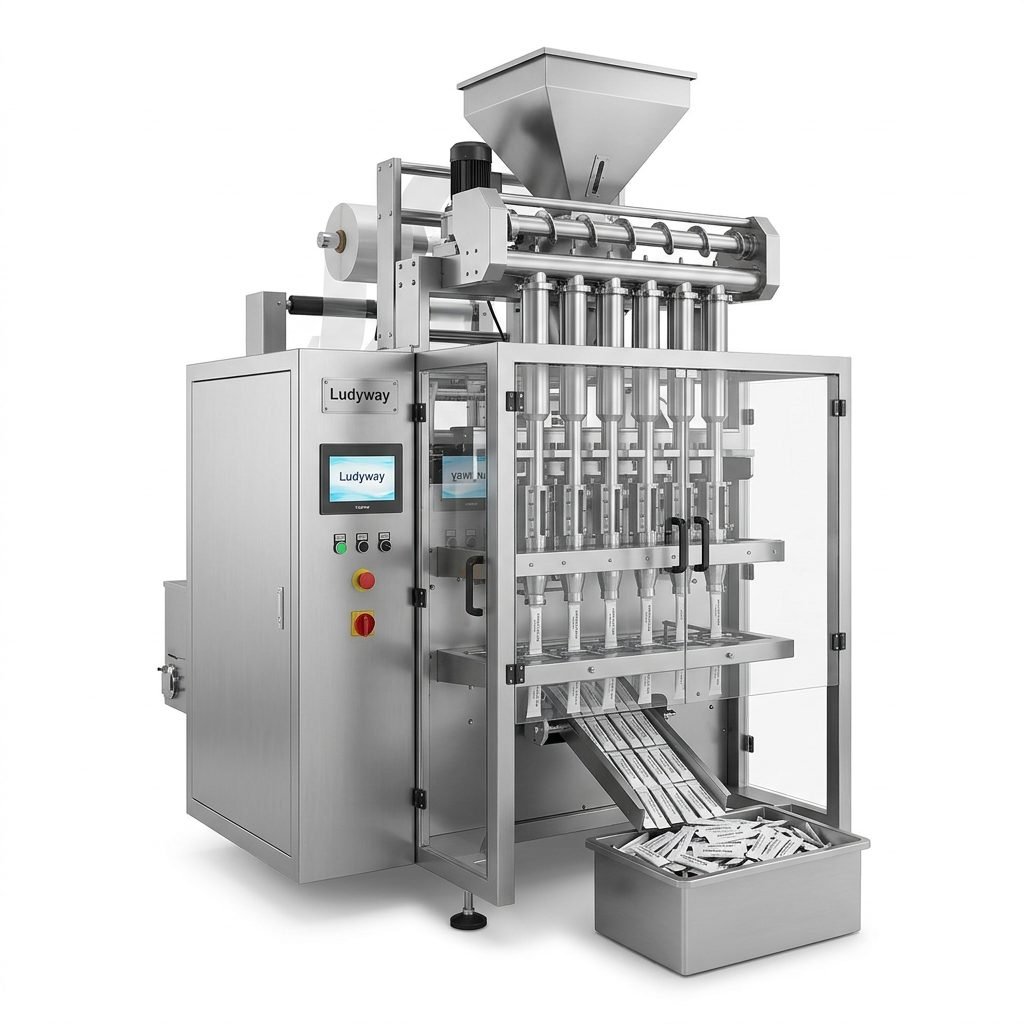
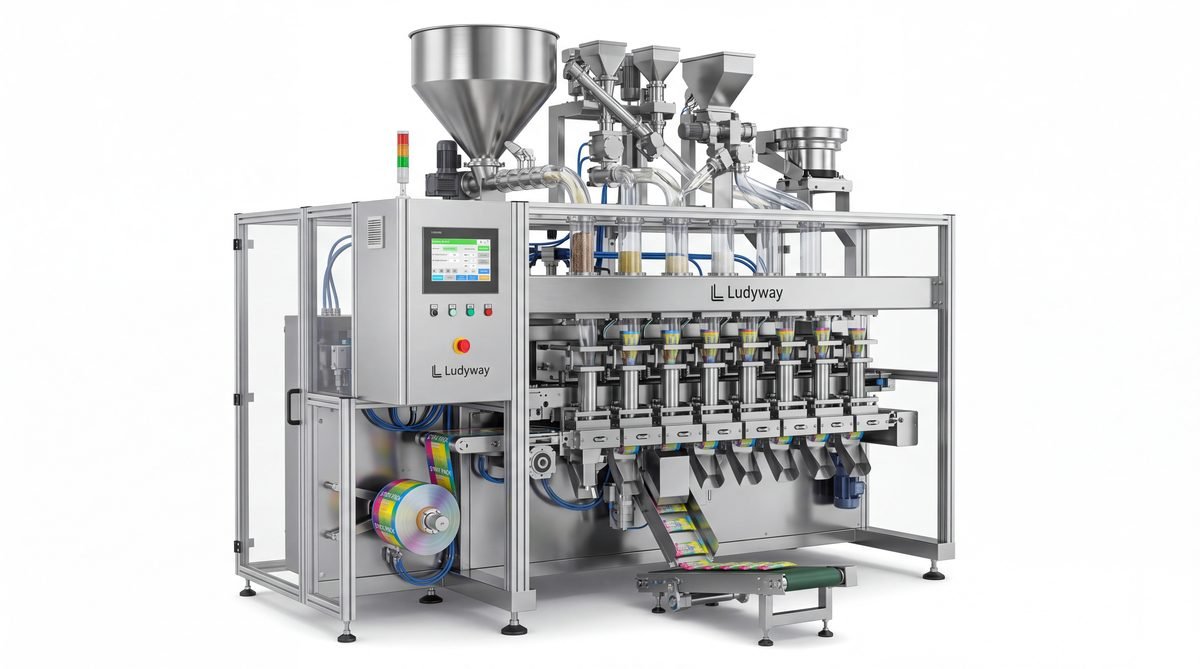
Single-lane machines are ideal for low-to-medium production volumes, typically handling 30–80 packs per minute. Multi-lane jari packing machines, by contrast, can run 4–16 lanes simultaneously, achieving outputs of 400–1,200 packs per minute. When choosing between these configurations, consider both your current capacity needs and future growth projections.
1.2 Vertical Form-Fill-Seal (VFFS) Technology
Most modern jari packing machines utilize vertical form-fill-seal technology, which forms the packaging material into a tube, fills it with product, and seals it in a continuous process. This approach is highly efficient for powders, granules, liquids, and pastes, offering excellent seal integrity and minimal material waste.
1.3 Stick Pack, Sachet, and Pouch Formats
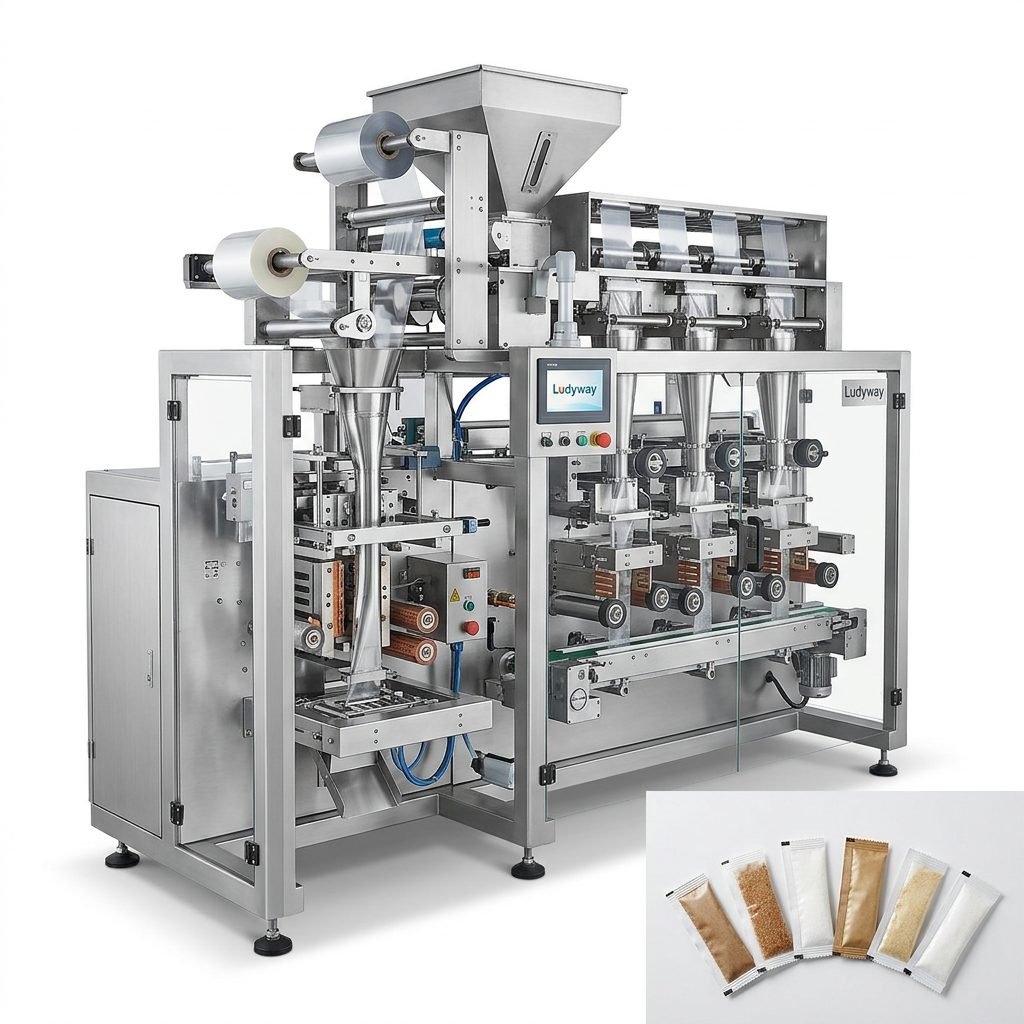
Different end-use applications demand different packaging formats. Stick packs are narrow, elongated sachets ideal for single-serve powder drinks and supplements. Sachets offer a wider format suitable for sauces, creams, and larger portions. Pouches provide the most versatile option, with various closure types including zippers and spouts. Your jari packing machine should be configurable for the specific format your market requires.
2. Key Factors to Evaluate Before Purchasing
Selecting the optimal jari packing machine requires careful evaluation of several technical and operational parameters. The table below summarizes the most critical factors to consider during your assessment.
| Selection Factor | What to Look For | Impact on Operation |
|---|---|---|
| Product Characteristics | Flowability, density, moisture sensitivity, particle size | Determines dosing method and filling system suitability |
| Production Speed | Packs per minute required for your output targets | Directly affects machine size, lane count, and investment cost |
| Packaging Material | Film type, thickness, barrier properties, heat-seal compatibility | Affects sealing temperature, jaw design, and material waste rates |
| Bag Dimensions | Width, length, and volume range required | Influences former size, film width, and machine frame design |
| Automation Level | Semi-automatic vs. fully automated with integrated feeding | Impacts labor requirements, consistency, and production line integration |
3. Product Compatibility and Dosing Technology
Not all jari packing machines handle every product type equally well. Understanding dosing mechanisms is crucial for achieving accurate fill weights and minimizing product giveaway.
3.1 Auger Fillers for Powders
For fine powders such as milk powder, flour, protein supplements, and pharmaceutical ingredients, auger-based dosing systems deliver the highest accuracy. These systems use a rotating screw to dispense precise volumes, with servo-driven controls allowing adjustments down to ±0.5% accuracy. When evaluating auger fillers, confirm that the machine supports the specific bulk density and flow characteristics of your product.
3.2 Volumetric Cup Fillers for Granules
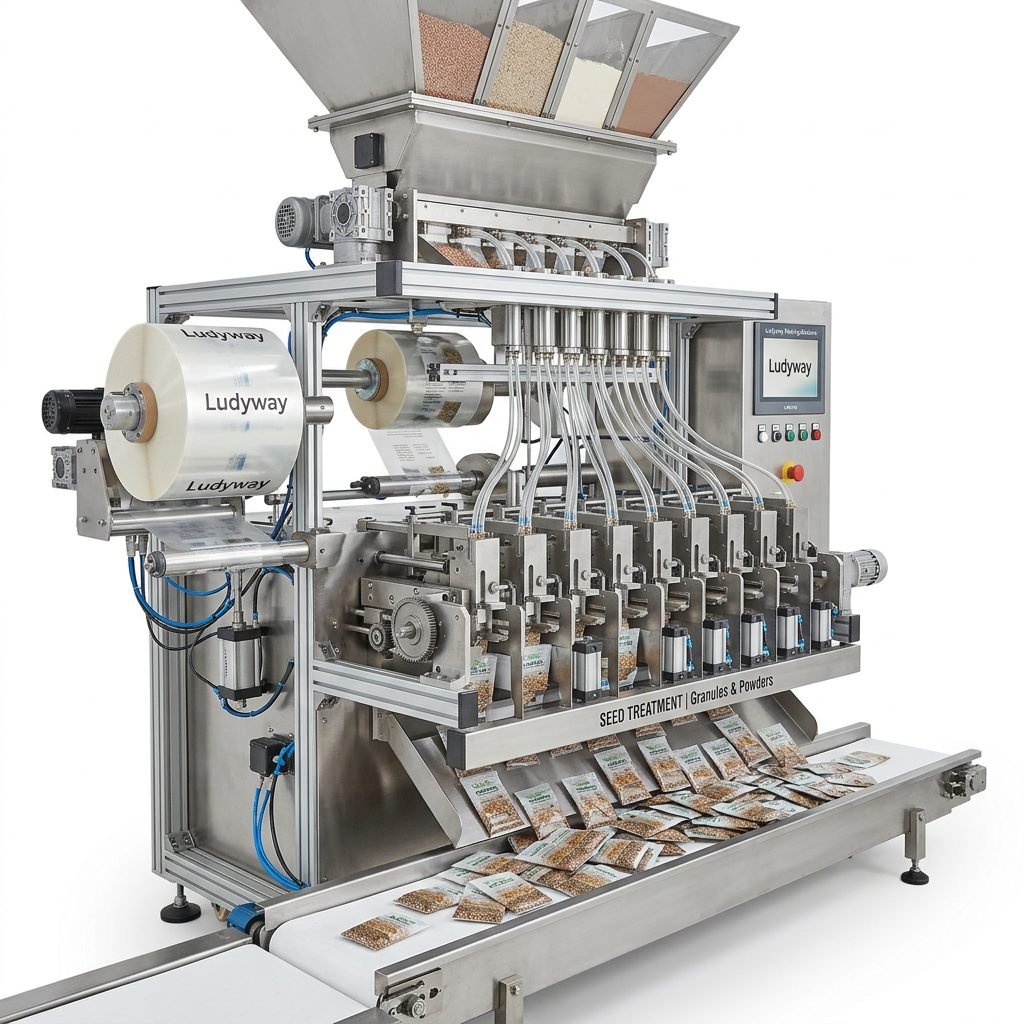
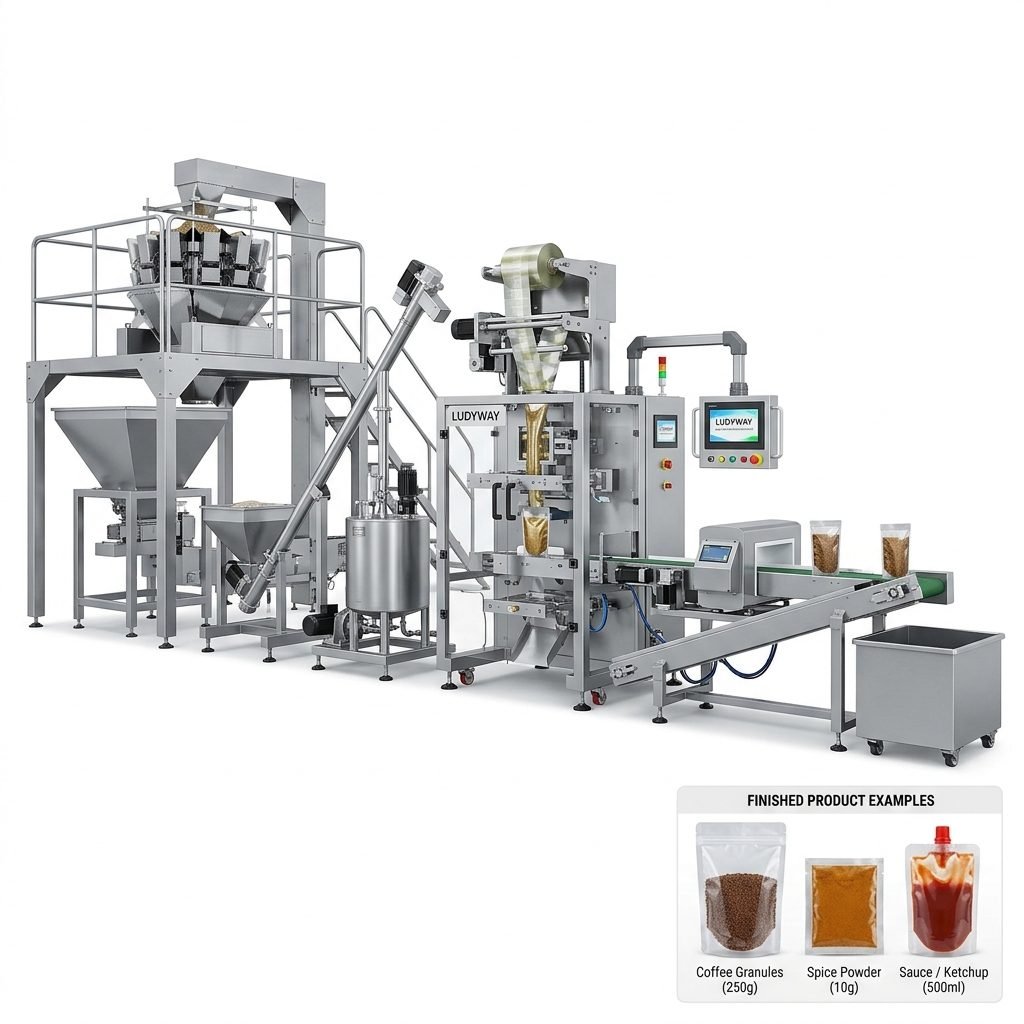
Free-flowing granules like sugar, salt, seeds, and detergent particles are best served by volumetric cup fillers. These systems offer high-speed operation with reliable volume-based dosing. Multi-head weigher combinations further enhance accuracy for higher-value granular products where precise weight control directly impacts profitability.
3.3 Piston and Pump Systems for Liquids
For liquid and paste products—including sauces, creams, gels, oils, and detergents—piston fillers and peristaltic pump systems provide the necessary precision. The choice between these technologies depends on viscosity, particulate content, and desired fill speed. High-viscosity products typically require positive-displacement piston systems for consistent filling.
4. Production Scale and Capacity Planning
Aligning your jari packing machine selection with realistic production targets prevents both underinvestment and costly over-specification. Consider the following capacity-planning framework:
- Current Demand: Calculate your average daily or monthly output requirements based on actual sales data, not projections.
- Peak Season Capacity: Factor in seasonal demand spikes that may require 20–40% additional throughput during certain periods.
- Growth Headroom: Select a machine that can accommodate at least 30% additional capacity through speed adjustments or lane additions.
- Shift Structure: Determine whether single-shift, double-shift, or continuous operation is required, as this affects machine durability specifications.
- Changeover Frequency: Frequent product or format changes demand machines with quick-change features and tool-less adjustments.
5. Automation and Integration Capabilities
Modern packaging operations increasingly rely on end-to-end automation. When selecting a jari packing machine, evaluate its ability to integrate with upstream and downstream equipment.
5.1 Feeding and Conveying Systems
Automated feeding systems—including vibratory feeders, screw conveyors, bucket elevators, and vacuum conveyors—ensure consistent product flow to the packaging machine. The right feeding solution depends on your product’s physical characteristics and the desired degree of automation. Integrated feeding reduces manual handling, minimizes contamination risks, and improves overall line efficiency.
5.2 Secondary Packaging Integration
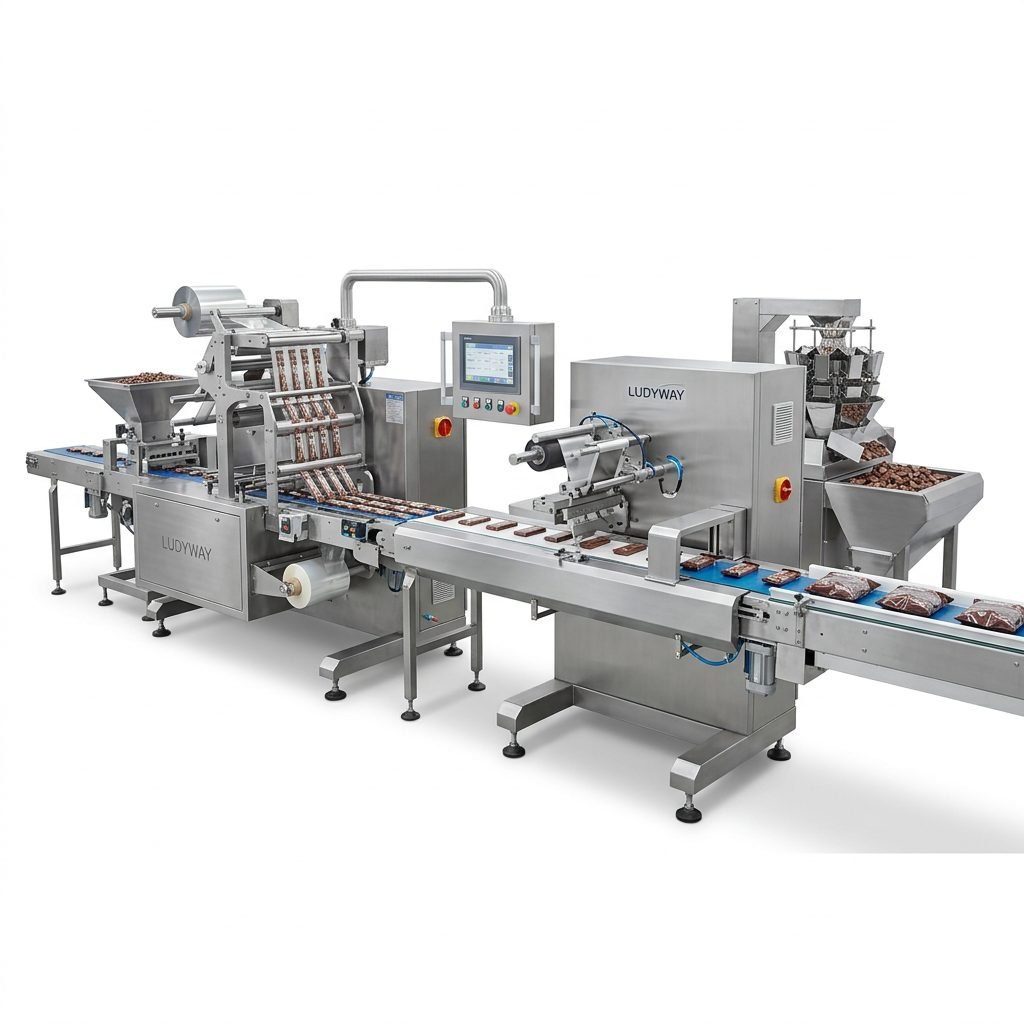
Beyond primary packaging, consider how the jari packing machine connects with cartoning machines, case packers, palletizers, and stretch-wrapping systems. A packaging line designed with integration in mind from the outset avoids costly retrofits and ensures smooth material flow from filling to palletizing. According to industry data from PMMI’s Business Intelligence reports, integrated packaging lines can reduce labor costs by up to 60% compared to standalone machine operations.
6. Quality Standards and Regulatory Compliance
For manufacturers serving regulated industries, compliance with applicable standards is non-negotiable. Your jari packing machine should be designed and configurable to meet relevant requirements.
6.1 Food-Grade and Pharmaceutical Standards
Machines intended for food or pharmaceutical applications should feature stainless steel construction (typically SUS304 or SUS316L), sanitary design principles, and validated cleaning protocols. Contact parts must comply with FDA, EU, or other regional food-contact material regulations. The FDA’s packaging and food contact substances guidelines provide a valuable reference for understanding these requirements.
6.2 ISO and International Certifications
Look for machines that can be configured to meet ISO packaging standards, including ISO 11607 for medical device packaging where applicable. CE marking, GMP compliance, and relevant electrical safety certifications provide additional assurance of quality and reliability. Request documentation that confirms the machine’s compliance status for your target markets.
7. Evaluating Packaging Machinery Suppliers
The supplier you choose is as important as the machine itself. A reliable packaging machinery partner provides value far beyond the initial equipment sale.
7.1 Manufacturing Experience and Capabilities
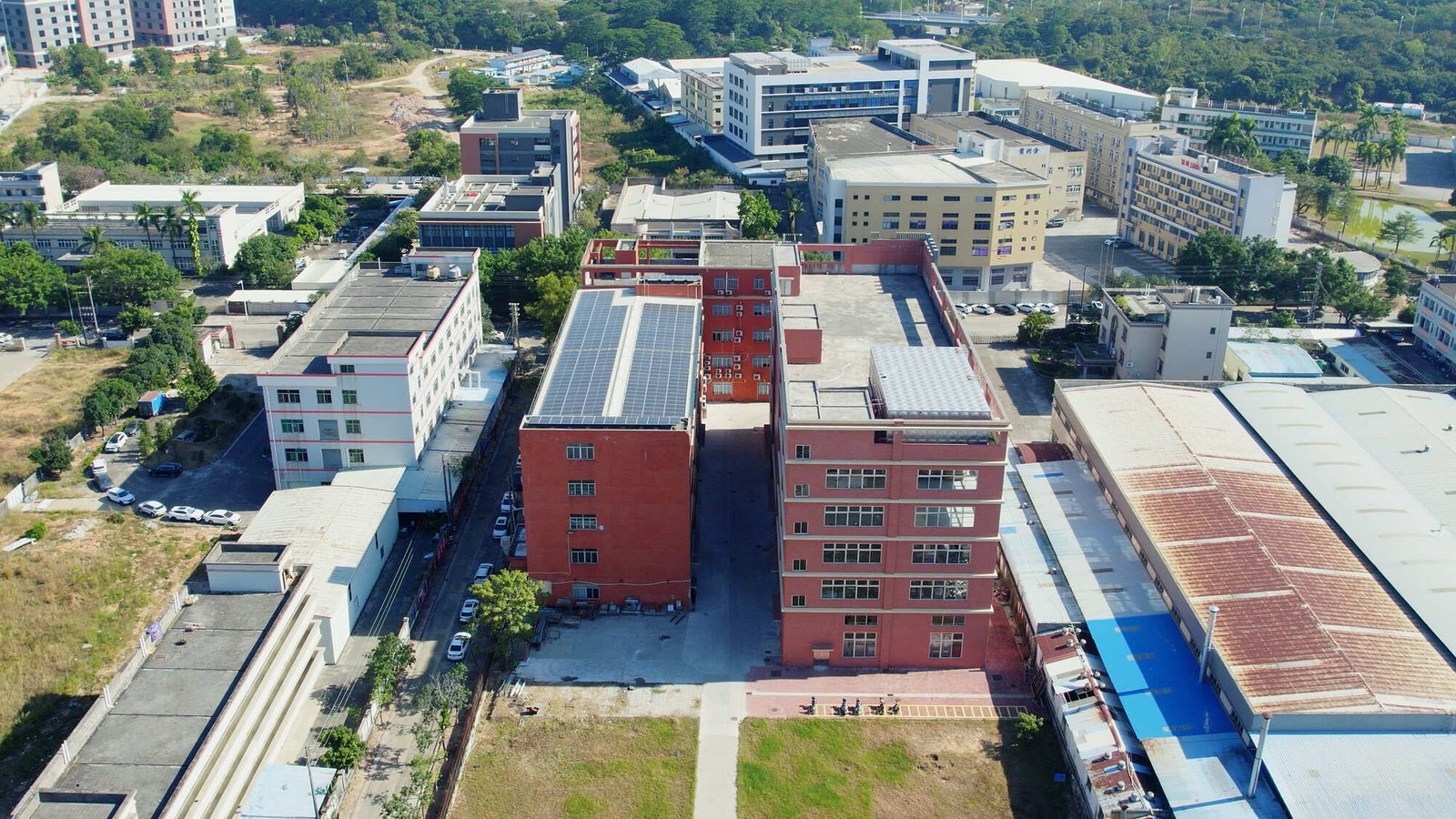
Assess the supplier’s track record, manufacturing infrastructure, and engineering expertise. Companies with in-house manufacturing facilities, experienced engineering teams, and a broad portfolio of installed machines demonstrate the capability to deliver reliable equipment and support long-term operational needs. Visit the manufacturing facility if possible, or request detailed documentation of their quality management systems.
7.2 Customization and Engineering Support
Standard machines rarely meet every production requirement perfectly. The ideal supplier offers customization capabilities—whether adapting dosing systems, modifying machine frames, or engineering complete turnkey packaging lines. This flexibility is especially valuable for manufacturers introducing new products, expanding into new markets, or upgrading from manual to automated packaging processes.
7.3 Global Service and Technical Support
Post-installation support directly affects machine uptime and long-term productivity. Evaluate the supplier’s service infrastructure, including remote technical assistance, on-site support availability, spare parts inventory, and operator training programs. For international buyers, confirm that the supplier has experience serving customers in your region and can provide timely support when needed. The Flexible Packaging Association’s industry resources offer additional guidance on supplier evaluation best practices.
8. Total Cost of Ownership Analysis
The purchase price of a jari packing machine represents only one component of its total lifecycle cost. A comprehensive cost analysis should include the following elements:
| Cost Component | Typical Range (% of Total) | Key Considerations |
|---|---|---|
| Equipment Purchase | 45–55% | Base machine cost plus customization and optional modules |
| Installation and Commissioning | 5–10% | Site preparation, utilities connection, calibration, and validation |
| Consumables and Spare Parts | 15–20% | Film material, wear parts, seals, and filters over 5-year period |
| Maintenance and Repairs | 10–15% | Preventive maintenance, unexpected repairs, and technical support |
| Operator Training and Labor | 5–10% | Initial training plus ongoing skill development for operators |
9. Future-Proofing Your Investment
A jari packing machine represents a long-term capital investment. Selecting equipment that can adapt to changing market demands protects your investment and extends the machine’s useful life.
9.1 Modular Design and Upgradability
Machines with modular architectures allow for incremental upgrades—adding lanes, upgrading control systems, or integrating new dosing technologies—without replacing the entire machine. This approach spreads capital expenditure over time and keeps the machine aligned with evolving production requirements.
9.2 Compatibility with Sustainable Packaging Materials
As the industry shifts toward more sustainable packaging, your machine should be compatible with recyclable, biodegradable, and mono-material films. These materials often have different sealing characteristics than traditional laminates, requiring precise temperature control and adaptable jaw designs. Confirm material compatibility before finalizing your machine specification.
10. Making the Final Decision
After evaluating all technical, operational, and commercial factors, the final selection should balance performance requirements, budget constraints, and long-term strategic goals. Request detailed proposals from shortlisted suppliers, including machine specifications, performance guarantees, project timelines, and after-sales support commitments.
Conduct reference checks with existing customers, request sample production runs with your actual products and packaging materials, and clarify all warranty terms and conditions before signing. A thorough evaluation process significantly reduces the risk of selecting a machine that fails to meet your expectations or production requirements.

10.1 The Value of a Long-Term Packaging Partner
Beyond individual machine specifications, consider the broader value of working with an experienced packaging machinery manufacturer. Ludyway Machinery, with more than 30 years of industry experience, a 20,000-square-meter manufacturing facility, over 130 professionals, and more than 50 packaging machine models, exemplifies the type of comprehensive partner that can support manufacturers throughout their packaging automation journey. The company has served customers in more than 100 countries and regions, with export revenue expected to exceed RMB 500 million (approximately US$69 million) in 2025 and plans to surpass RMB 1 billion (approximately US$138 million) in 2026, according to recent industry reports. Selecting a supplier with this depth of experience and global reach provides confidence that your packaging investment is backed by genuine engineering expertise and reliable long-term support.
Selecting the right jari packing machine is a strategic decision that influences product quality, production efficiency, and business competitiveness for years to come. By systematically evaluating machine types, product compatibility, production scale, automation needs, supplier capabilities, and total cost of ownership, you can make an informed choice that supports your manufacturing goals and delivers consistent returns on your packaging equipment investment.