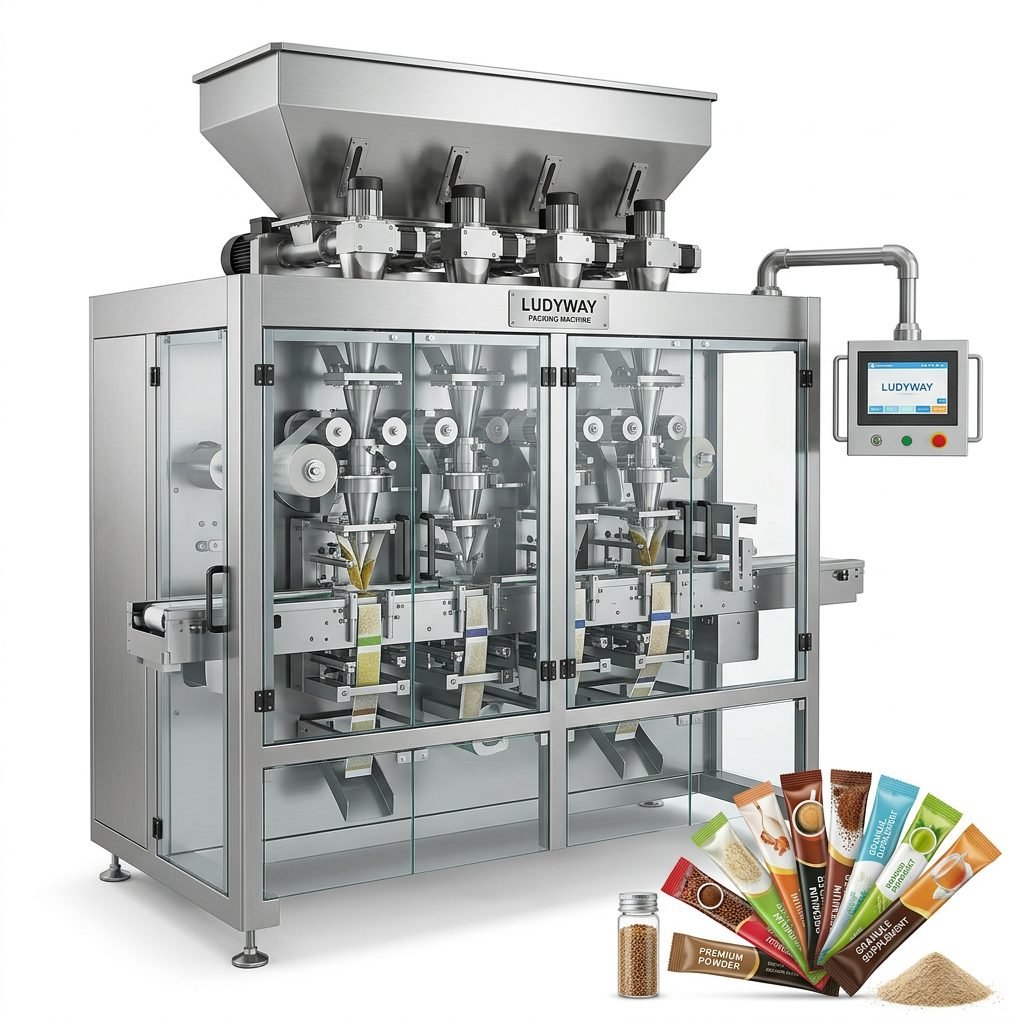
Purchasing a used milk packing machine is a cost-effective way to scale dairy production, but its longevity and performance depend entirely on how well you maintain it. Without a structured upkeep routine, even a robust packaging machine can suffer from seal failures, inaccurate fills, or unexpected downtime. Below we outline actionable maintenance strategies to keep your equipment running smoothly for years.
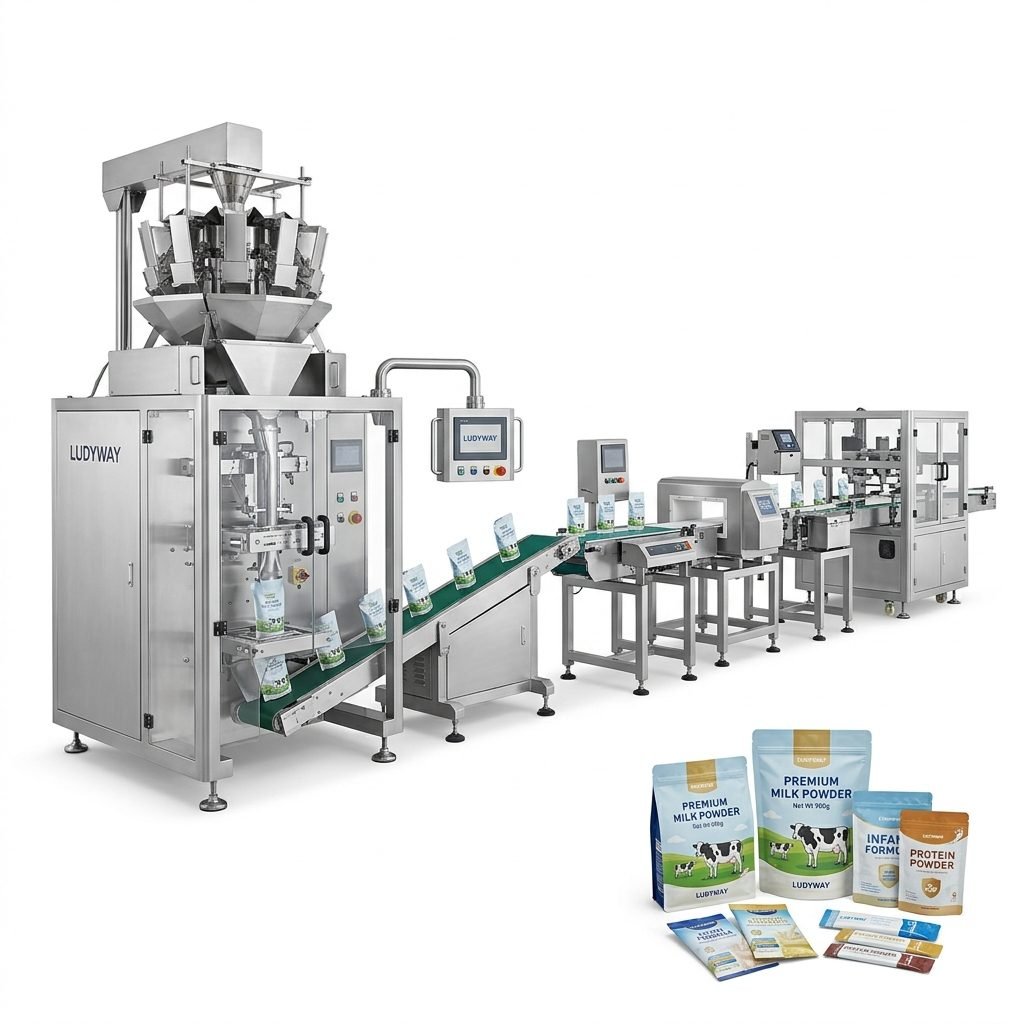
1. Daily Cleaning and Sanitation Protocols
Residue buildup is the number one enemy of filling accuracy and seal integrity. For a milk packing machine, dairy fats and powders cling to surfaces and can degrade seals or harbor bacteria. Adhere to these steps at the end of every shift:
- Disassemble product-contact parts such as filling nozzles, formers, and sealing jaws. Wash with warm water and a food-grade detergent.
- Inspect the film path for milk residue. Use a lint-free cloth with isopropyl alcohol to wipe rollers and belts.
- Check the hopper and auger (if using a volumetric filler). Residual powder from milk-based products can harden and affect dosing precision.
- Dry all components thoroughly before reassembly to prevent mold growth or corrosion.
Sanitation Don’ts
Avoid using high-pressure water sprays directly on electrical cabinets or sensors. Moisture ingress leads to short circuits and sensor malfunction. Instead, use a damp microfiber cloth for machine exteriors.
2. Lubrication and Mechanical Inspection
A used milk packing machine often arrives with some wear on moving components. Establishing a lubrication schedule minimizes friction and prevents premature failure.
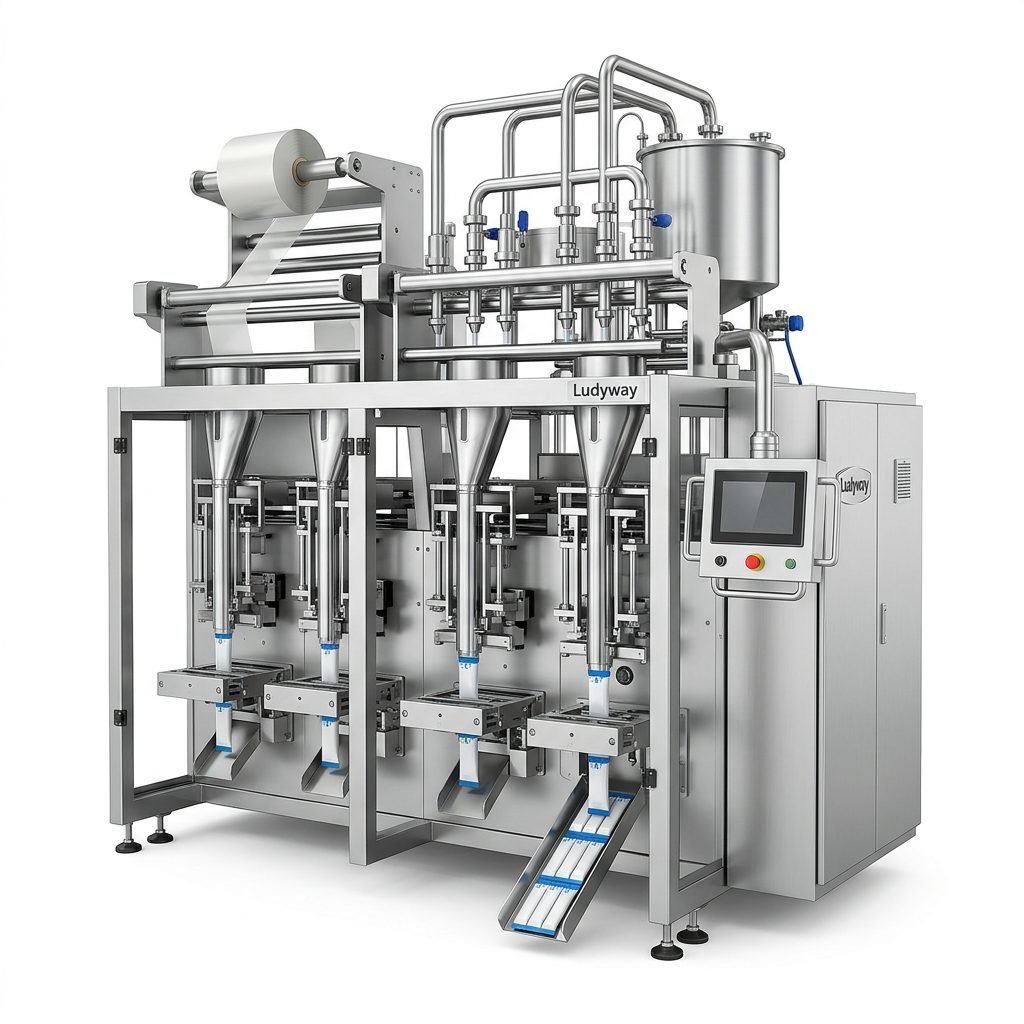
| Component | Lubricant Type | Frequency |
|---|---|---|
| Sealing jaw shafts | Food-grade high-temp grease | Weekly |
| Chain drives and gears | Light machine oil | Bi-weekly |
| Linear bearings and rails | Food-grade PTFE spray | Monthly |
| Air cylinder rod seals | Silicone-based lubricant | Monthly |
While lubricating, listen for abnormal sounds such as grinding or squeaking. This can indicate misalignment or worn bearings that require immediate attention.
3. Seal Integrity and Temperature Calibration
Inconsistent seals lead to leaking sachets or stick packs, directly impacting product shelf life and brand reputation. For a used unit, the heater bars and thermocouples may have drifted over time.
- Verify seal temperature using an external probe thermometer. Compare the reading to the display. If a deviation exceeds 5°C, recalibrate or replace the thermocouple.
- Examine peeled seal samples under good light. A proper seal should show an even pattern without burnt spots or unwelded channels.
- Inspect the Teflon coating on the sealing jaws. Scratches or flaking create weak spots. Damaged Teflon tape must be replaced immediately.
- Check the film tension. A worn film roll holder or misadjusted dancer arm can cause wrinkling near the seal area, compromising hermetic closure.
4. Electrical System and Sensor Maintenance
Electrical reliability is critical for automated operation. Dust, vibration, and humidity in a milk packaging environment accelerate connection problems.
- Tighten terminal screws inside the control cabinet every three months. Thermal cycling can loosen connections over time.
- Clean photoelectric sensors and proximity switches with a dry cotton swab. Dirty sensors cause film registration errors and misfeeds.
- Inspect wiring harnesses along moving routes. Frayed insulation must be repaired before it causes a short circuit.
- Backup the PLC program and parameters. If a board fails, you can restore settings without prolonged troubleshooting.
Spare Parts Strategy
For a used milk packing machine, keeping critical spares on hand prevents extended downtime. Based on common wear patterns, stock at least the following:
- Sealing jaw Teflon tape and heater cartridges
- Set of film-forming collars and tubes specific to your pouch width
- Thermocouples and solid-state relays
- Pneumatic cylinder seal kits
- V-belt for the main drive motor
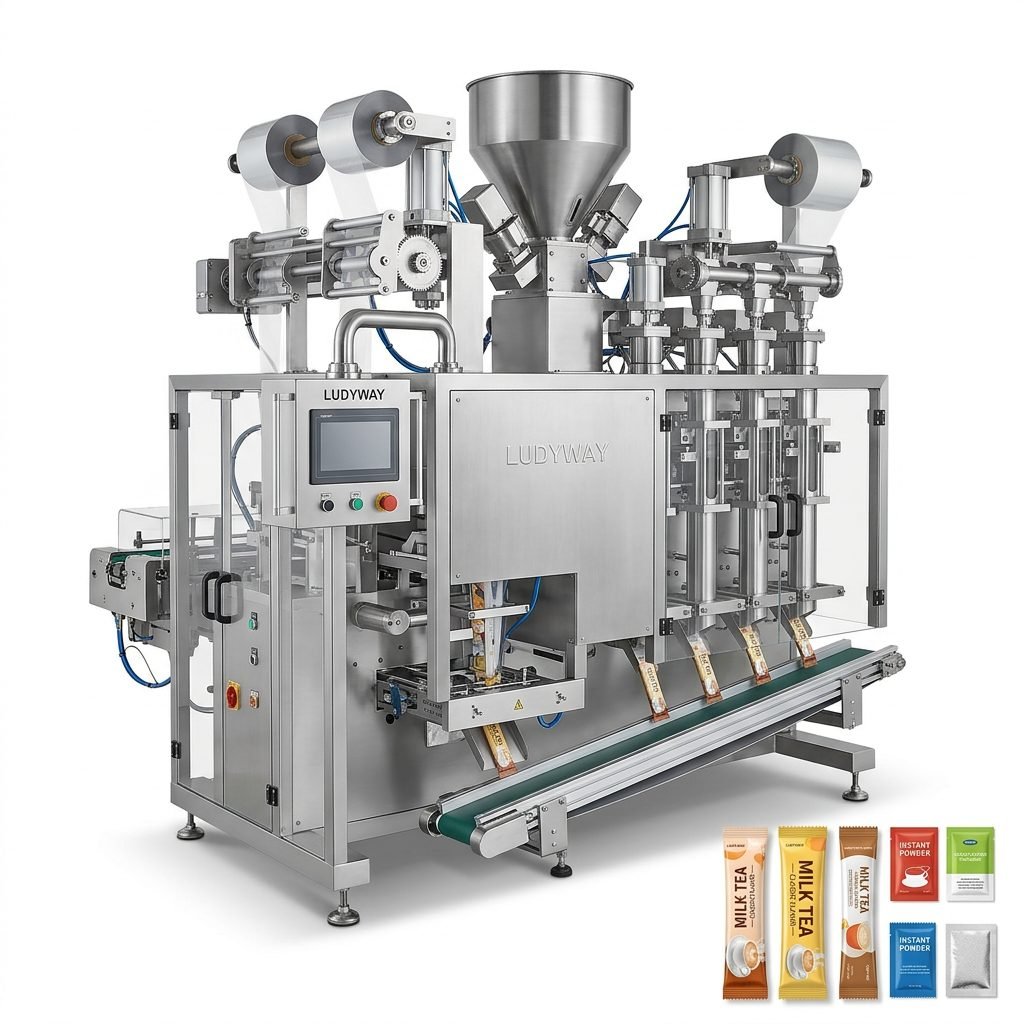
5. Film Tracking and Web Alignment
Film drift is a frequent challenge on pre-owned equipment. Worn rollers, stretched springs, or bent guides cause the web to move laterally, resulting in off-center seals and wasted film.
To correct tracking issues, begin by checking the roller alignment with a straightedge. Clean any adhesive buildup on the rollers. Adjust the film tracking guide precisely according to the manual. If the problem persists, inspect the rubber rollers for uneven wear. Replace them if the surface has become glossy instead of matte.
6. Filling Accuracy Verification
An incorrectly calibrated filler on a used milk packing machine can give away product with every bag. For powder fillers, the auger tolerance diminishes over time. For liquid pumps, check valves and seals.
Perform a gravimetric check weekly: run 20 consecutive packages and weigh each. Calculate the standard deviation. If the variation exceeds 2% of target, inspect the following:
- Auger shaft runout with a dial indicator
- Pump diaphragm integrity for liquid filling systems
- Hopper level consistency — bridging or rat-holing of powder affects fill
- Cut-off wiper condition at the filler discharge
7. Documentation and Maintenance Logs
A robust maintenance log transforms reactive repairs into predictive maintenance. Record every intervention, including cleaning, part replacements, and calibration values. Over time, patterns emerge. For instance, if sealing jaw Teflon requires replacement every 400 hours, schedule it before failure occurs.
Your logbook should include date, technician name, component serviced, action taken, and next scheduled check. This becomes invaluable when training new operators or diagnosing intermittent faults.
8. When to Involve Professional Service
While in-house maintenance covers daily and weekly tasks, some situations require expert intervention. If the machine shows repeated seal failures after thorough troubleshooting, or if PLC faults persist beyond parameter adjustments, it’s wise to consult the manufacturer’s support team. For machines originally manufactured by Ludyway, comprehensive technical support and genuine spare parts are available to ensure correct restoration of your equipment’s performance.
Additional scenarios warranting professional servicing include gearbox oil replacement, major mechanical overhauls, and control system upgrades to newer technology standards.
For more detailed guidance on specific maintenance procedures for vertical form fill seal machines, you can refer to resources from the PMMI Packaging Industry Resources or check Flexible Packaging Association guidelines on film handling best practices. Understanding the foundation through ISO packaging standards also helps align your maintenance program with global benchmarks.