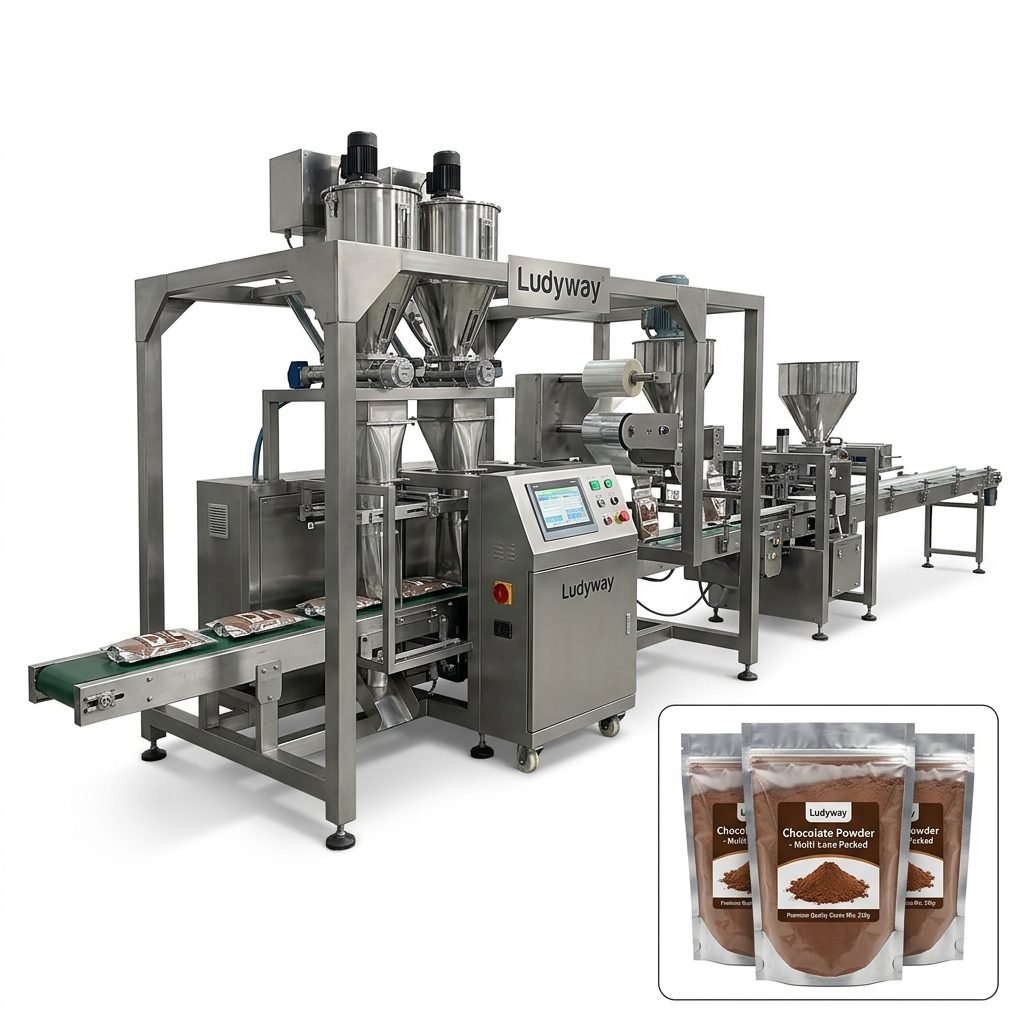
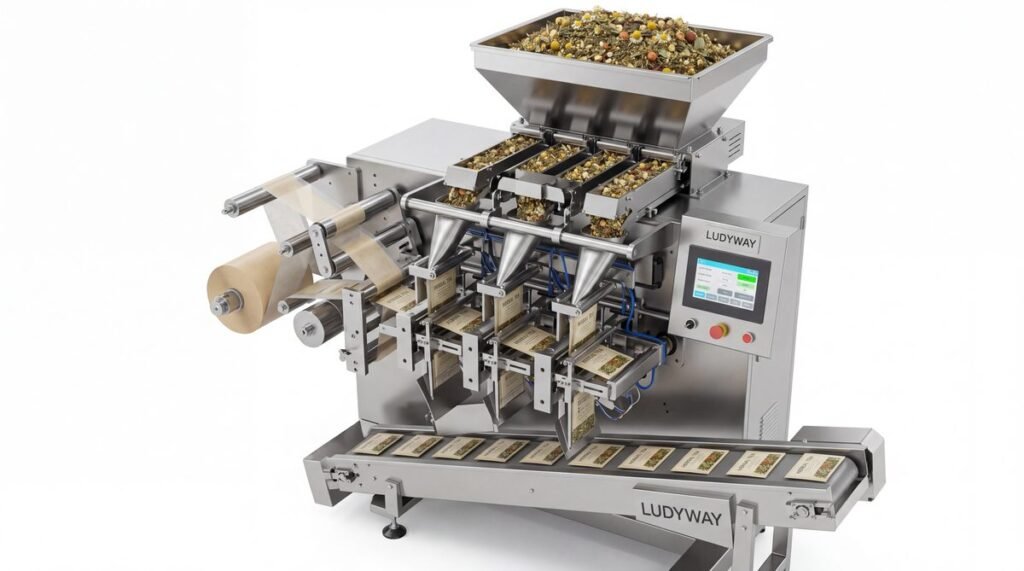
Investing in a soda can packaging machine for your Italian production facility is a strategic decision that directly impacts efficiency, product quality, and long-term profitability. Italy’s beverage market is one of the largest in Europe, with a strong tradition in carbonated soft drinks, mineral waters, and functional beverages. Whether you are a growing artisanal producer or an established industrial bottler, selecting the right can packaging solution requires careful evaluation of multiple technical and regulatory factors.
Understanding the Italian Beverage Packaging Landscape
Italy’s beverage can market has experienced steady growth, driven by increasing consumer demand for convenient, sustainable packaging. Aluminum cans offer excellent recyclability, extended shelf life, and superior branding opportunities. The Italian packaging machinery sector is globally renowned, yet many producers also look to international suppliers for cost-effective, high-performance equipment. Understanding local market dynamics is essential before making a purchasing decision.
Key market drivers in Italy include:
- Growing preference for aluminum cans over plastic bottles due to sustainability concerns
- Expansion of the craft soda and functional beverage segments
- Stringent EU packaging regulations requiring full compliance
- Rising demand for smaller can formats (150ml-250ml) in retail and hospitality
- Integration of smart manufacturing and Industry 4.0 technologies
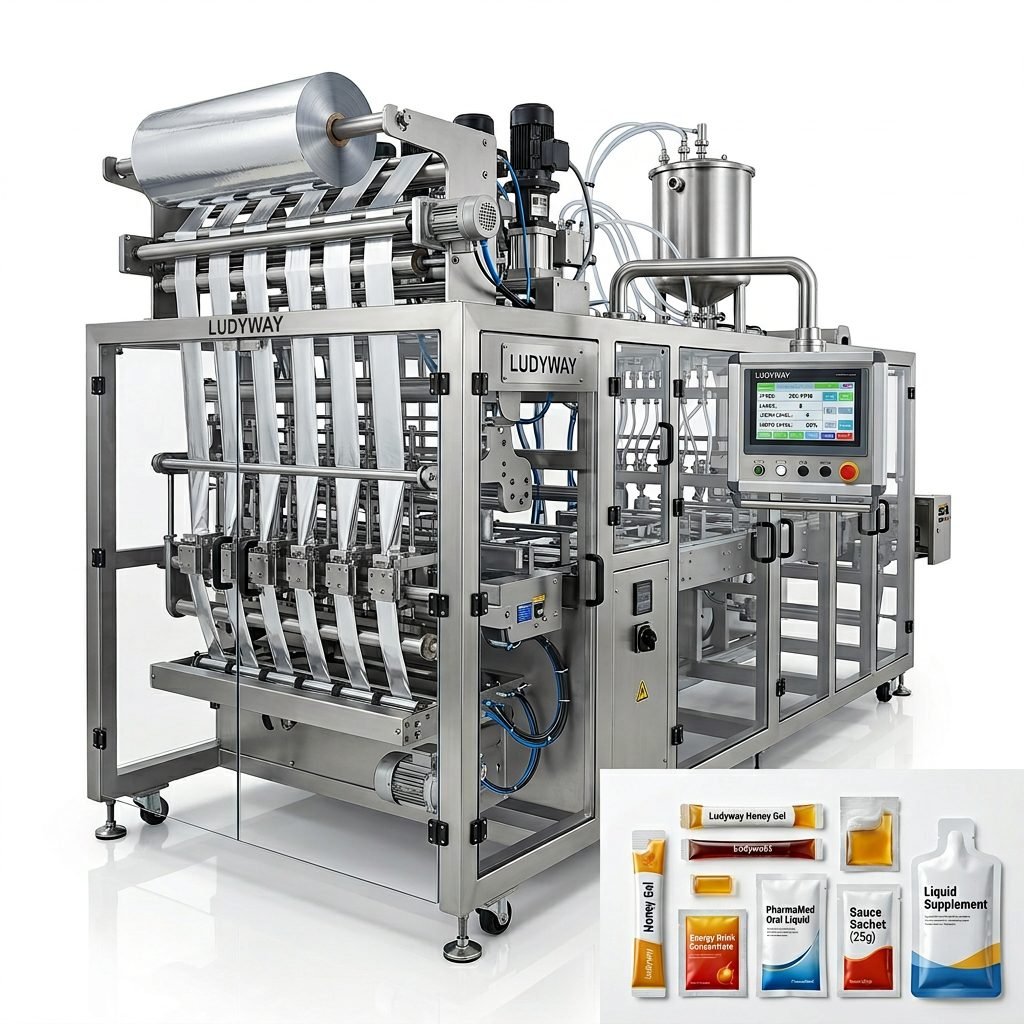
Critical Factors When Choosing a Soda Can Packaging Machine
Before evaluating specific models, you need to define your production requirements clearly. The following table summarizes the most important selection criteria for the Italian market:
| Selection Factor | Why It Matters | Key Considerations |
|---|---|---|
| Production Capacity | Determines output per shift | CPM (cans per minute), line speed, changeover time |
| Can Size Compatibility | Flexibility for multiple SKUs | Diameter range, height adjustability, quick-change parts |
| CE Certification | Mandatory for EU/Italian market | Full CE marking, documentation, Declaration of Conformity |
| Automation Level | Labor efficiency and consistency | Semi-automatic vs. fully automatic, PLC controls, IoT readiness |
| Filling Technology | Product quality and shelf life | Isobaric filling, counter-pressure, CO₂ retention, dissolved oxygen control |
| Material Compliance | Food safety regulations | FDA, EU 1935/2004, stainless steel construction, CIP compatibility |
| Energy Efficiency | Operating cost in Italy | Power consumption, compressed air usage, water efficiency |
CE Certification and Italian Regulatory Requirements
For any packaging machinery installed in Italy, CE certification is non-negotiable. This mandatory conformity marking indicates that the equipment meets all applicable EU health, safety, and environmental protection standards. When sourcing a soda can packaging machine, always verify:
- The manufacturer provides a valid Declaration of Conformity with the machine
- Compliance with Machinery Directive 2006/42/EC
- Adherence to EU Regulation 1935/2004 for food contact materials
- Electrical safety per Low Voltage Directive 2014/35/EU
- EMC compliance under Directive 2014/30/EU
Italian importers and end-users are legally responsible for ensuring that all equipment placed on the market carries proper CE documentation. Non-compliant machinery can result in significant fines, production shutdowns, and liability issues. Always request the complete technical file from your supplier before finalizing any purchase.
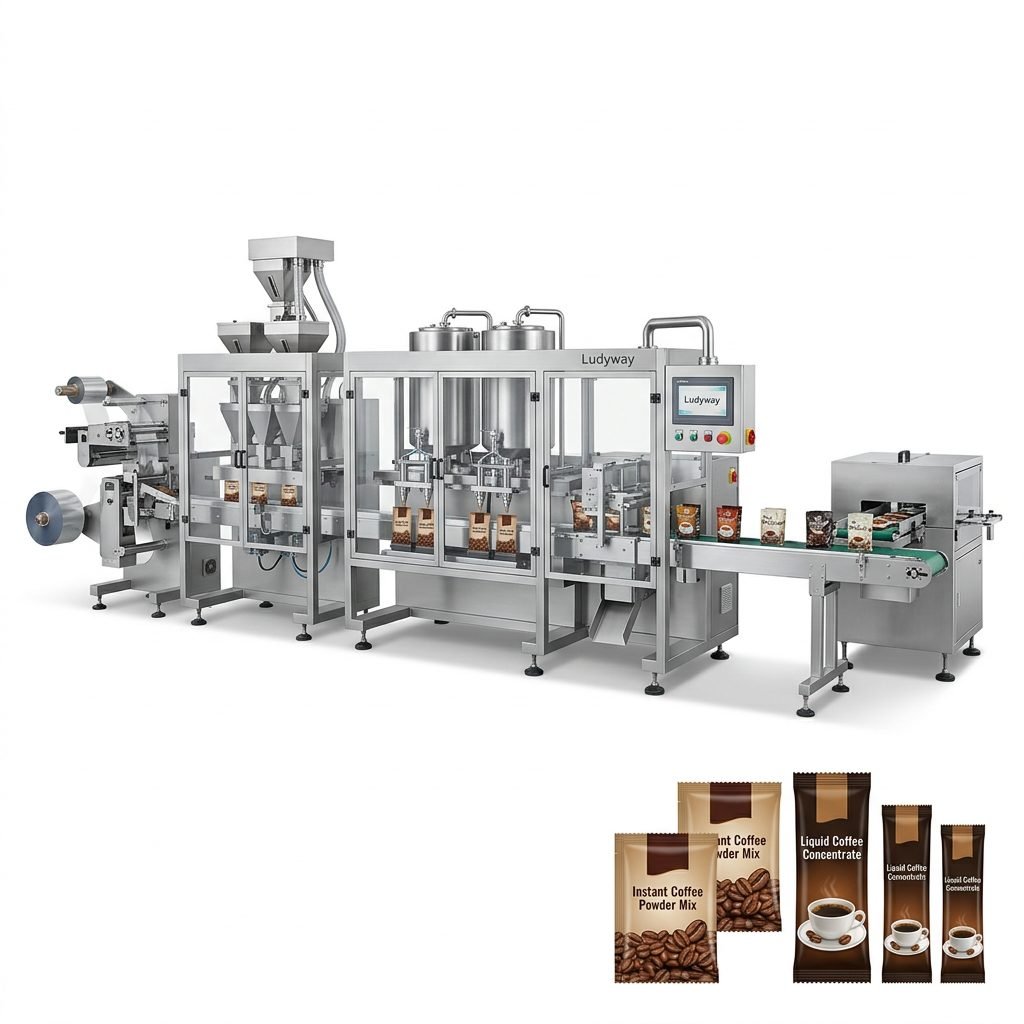
Types of Soda Can Packaging Systems
Depending on your production scale and automation requirements, there are several machine configurations to consider. Each type offers distinct advantages for different operational needs:
Rotary Can Filling Machines
Rotary fillers are the industry standard for high-speed soda can production. These machines use a rotating carousel design with multiple filling heads, achieving speeds from 6,000 to over 60,000 cans per hour. They excel in maintaining consistent fill levels and carbonation quality. For Italian producers targeting supermarket or export distribution, a rotary system is typically the recommended investment.
Inline Can Filling Systems
Inline fillers offer a more compact footprint and are well-suited for small to medium production volumes. They are popular among Italian craft soda makers and regional brands producing between 2,000 to 10,000 cans per day. Their modular design allows for easier maintenance and future capacity upgrades.
Monobloc Filling and Seaming Units
A monobloc system integrates filling, seaming, and sometimes rinsing into a single synchronized unit. These compact machines are ideal for facilities with limited floor space and offer excellent operational efficiency. They reduce transfer points, minimizing oxygen pickup and preserving product quality.
Complete Turnkey Packaging Lines
For large-scale operations, a fully integrated line may include depalletizers, can rinsers, fillers, seamers, pasteurizers, labelers, date coders, packers, and palletizers. When evaluating complete lines, consider the packaging line integration capabilities offered by the supplier and ensure seamless communication between all modules.
Evaluating Total Cost of Ownership in Italy
The purchase price is only one component of the overall investment. Italian manufacturers should calculate the total cost of ownership (TCO) over the expected lifespan of the equipment, typically 10-15 years for well-maintained packaging machinery. Consider these cost elements:
| Cost Category | Details | Estimated Share of TCO |
|---|---|---|
| Initial Purchase | Machine cost, shipping, customs duties | 40-50% |
| Installation & Training | Setup, commissioning, operator training | 5-8% |
| Spare Parts | Wear components, seals, gaskets, sensors | 10-15% |
| Energy & Utilities | Electricity, compressed air, water in Italy | 15-20% |
| Maintenance Labor | Routine servicing and repairs | 10-12% |
| Downtime Risk | Lost production capacity | Variable |
After-Sales Support and Service in Italy
Reliable after-sales support is critical for minimizing production disruptions. Before committing to a supplier, assess the following support capabilities:
- Availability of local Italian-speaking technicians or authorized service partners
- Response time guarantees for emergency breakdowns
- Stock of critical spare parts within the EU for fast delivery
- Remote diagnostic capabilities via secure internet connection
- Preventive maintenance programs and service contracts
- Operator training programs in Italian language
- Warranty terms covering parts and labor within Italy
Comparing International vs. Italian Suppliers
Italy boasts a world-class packaging machinery industry, but international manufacturers can offer competitive advantages. Here is a balanced comparison:
| Criterion | Italian Manufacturers | International Suppliers |
|---|---|---|
| Proximity | Local presence, fast service | May require remote support or EU partners |
| Price Level | Premium pricing | Often 20-40% more cost-effective |
| Technology | Established, refined designs | Modern engineering, innovative features |
| Customization | Flexible, project-based | Growing capability, modular platforms |
| CE Compliance | Inherently compliant | Must verify; reputable suppliers fully certified |
Key Technical Specifications to Evaluate
When comparing different soda can packaging machines, pay close attention to these technical parameters that directly affect production performance:
- Filling accuracy: ±1-2ml per can for consistent product quality
- Dissolved oxygen pickup: Below 50 ppb for optimal shelf life
- CO₂ retention rate: Above 95% for proper carbonation levels
- Changeover time: Under 30 minutes for can size changes
- Seaming quality: Double-seam integrity meeting ISO 9001 standards
- CIP/SIP compatibility: Clean-in-place systems for hygiene compliance
- Noise level: Below 85 dB(A) for operator safety per EU standards
Sustainability and Energy Considerations
Italian regulations increasingly emphasize environmental sustainability in industrial operations. The EU Packaging and Packaging Waste Regulation sets ambitious recycling targets that affect packaging choices. Modern soda can packaging machines should minimize:
- Water consumption per cleaning cycle
- Compressed air usage through optimized pneumatic systems
- Product losses during filling and changeovers
- Material waste from misaligned or improperly sealed cans
Making the Final Decision: A Step-by-Step Checklist
Follow this structured approach to ensure you select the right soda can packaging machine for your Italian operation:
- Define production targets: Calculate required CPM, weekly output, and peak season capacity
- Confirm can specifications: Document all can sizes, materials, and lid types used
- Verify CE certification: Request complete documentation from every shortlisted supplier
- Visit reference sites: If possible, see similar installations operating in Italy or the EU
- Evaluate total costs: Compare TCO projections over a 10-year horizon
- Assess service infrastructure: Confirm local support availability and spare parts logistics
- Review warranty terms: Understand coverage scope, duration, and exclusions
- Negotiate payment terms: Structure payments tied to milestones including successful FAT and SAT
Industry Resources and Further Reading
Stay informed about the latest packaging machinery trends and standards through these authoritative sources:
- PMMI – The Association for Packaging and Processing Technologies
- PACK EXPO International – Industry Trade Events
- Flexible Packaging Association – Industry Resources
- ISO – Packaging Standards
- FDA – Food Packaging and Food Contact Substances
A Trusted Partner in Packaging Machinery
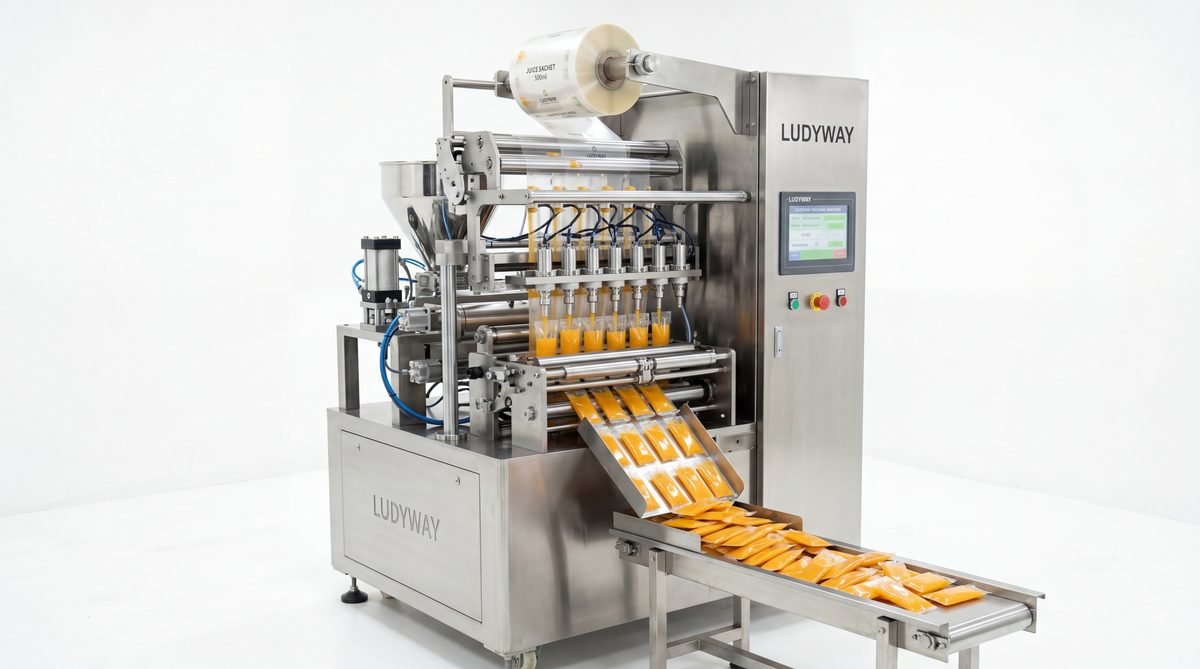
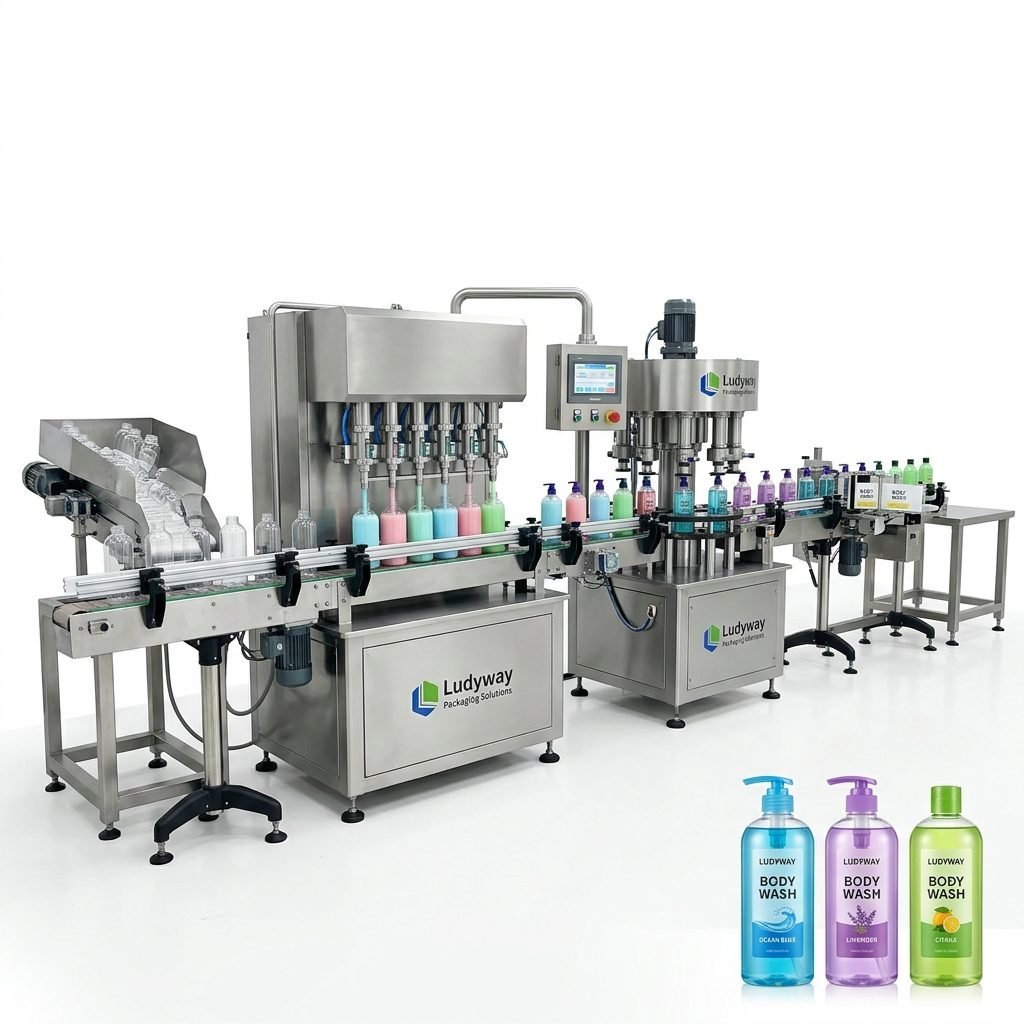
For Italian beverage producers seeking reliable, cost-effective packaging solutions, Ludyway offers extensive expertise in manufacturing advanced packaging equipment. With over 30 years of industry experience, a 20,000㎡ modern production facility, and a presence in more than 100 countries, Ludyway provides high-performance packaging machines backed by professional engineering support and a commitment to innovation. Their diverse portfolio includes solutions suitable for various packaging applications, supported by CE-certified quality standards and dedicated after-sales service.
Choosing the right soda can packaging machine is a significant decision that shapes your production capabilities for years to come. By thoroughly evaluating your needs, understanding regulatory requirements, and partnering with a reputable supplier, you can invest with confidence and position your Italian beverage brand for sustainable growth in a competitive market.