Packaging efficiency is not only about moving faster. It is about creating a repeatable, low-error, low-waste packing system that helps your team ship more products with less labor, less material loss, and fewer delays. Whether you pack food, cosmetics, supplements, pharmaceuticals, chemicals, or retail goods, improving the process usually starts with small operational fixes and then scales through smart automation.
If you are asking how to package products more efficiently, the answer usually comes down to five areas: workflow layout, packaging material choice, labor organization, machine support, and quality control. When these areas work together, packing speed goes up and cost per unit goes down.
Start by Mapping Your Current Packing Process
Before buying new equipment or changing packaging materials, review your current process from product feeding to final carton sealing. Many packing operations lose time because of hidden bottlenecks such as:
- Workers walking too far between stations
- Frequent material changeovers
- Manual weighing or counting steps
- Repeated quality checks caused by inconsistent filling
- Slow labeling, sealing, or coding
- Downtime from poor maintenance planning
Create a simple process map and record how long each step takes. This helps you identify where the real delays happen instead of guessing.
Use the Right Packaging Format for Your Product
One of the fastest ways to improve efficiency is to match the package type to your product characteristics and production volume. Some formats naturally allow higher speed, better sealing stability, or lower material cost.
| Product Type | Efficient Packaging Option | Why It Helps |
|---|---|---|
| Powders | Sachets, stick packs, pillow bags | Fast dosing, controlled filling, compact storage |
| Granules | Vertical bags, pouches, bulk bags | Stable flow, flexible pack sizes, easier weighing |
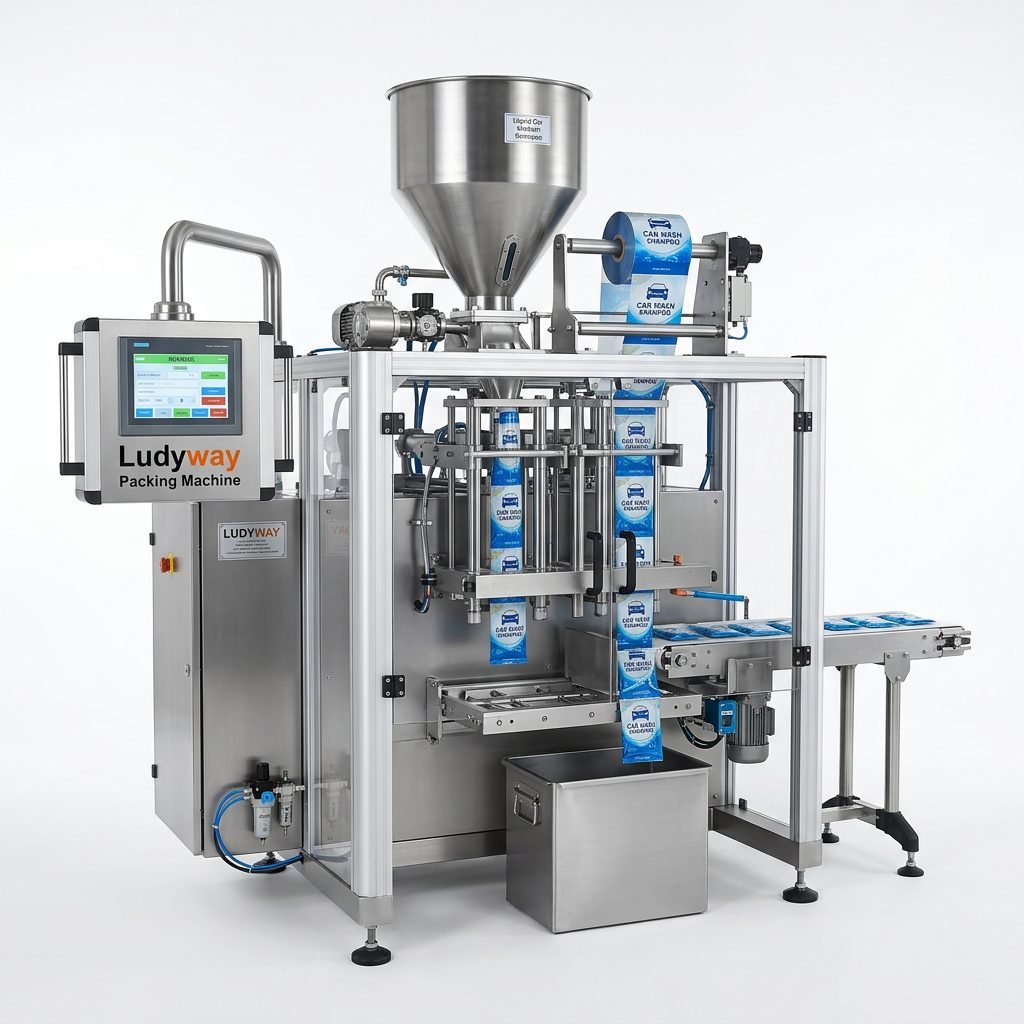
| Liquids | Sachets, spouted pouches, bottles | Reduced spillage, accurate dosing, scalable automation |
| Pastes or gels | Sachets, stick packs, tubes | Clean filling, good sealing performance, convenient portioning |
If your current package type causes frequent jams, poor sealing, overfilling, or excessive material use, it may be the biggest reason your packing line is slow.
Reduce Touch Points to Speed Up Packing
Every extra time a worker touches the product, pack, carton, or label adds labor cost and increases the chance of errors. A more efficient line reduces unnecessary handling.
Practical ways to reduce handling:
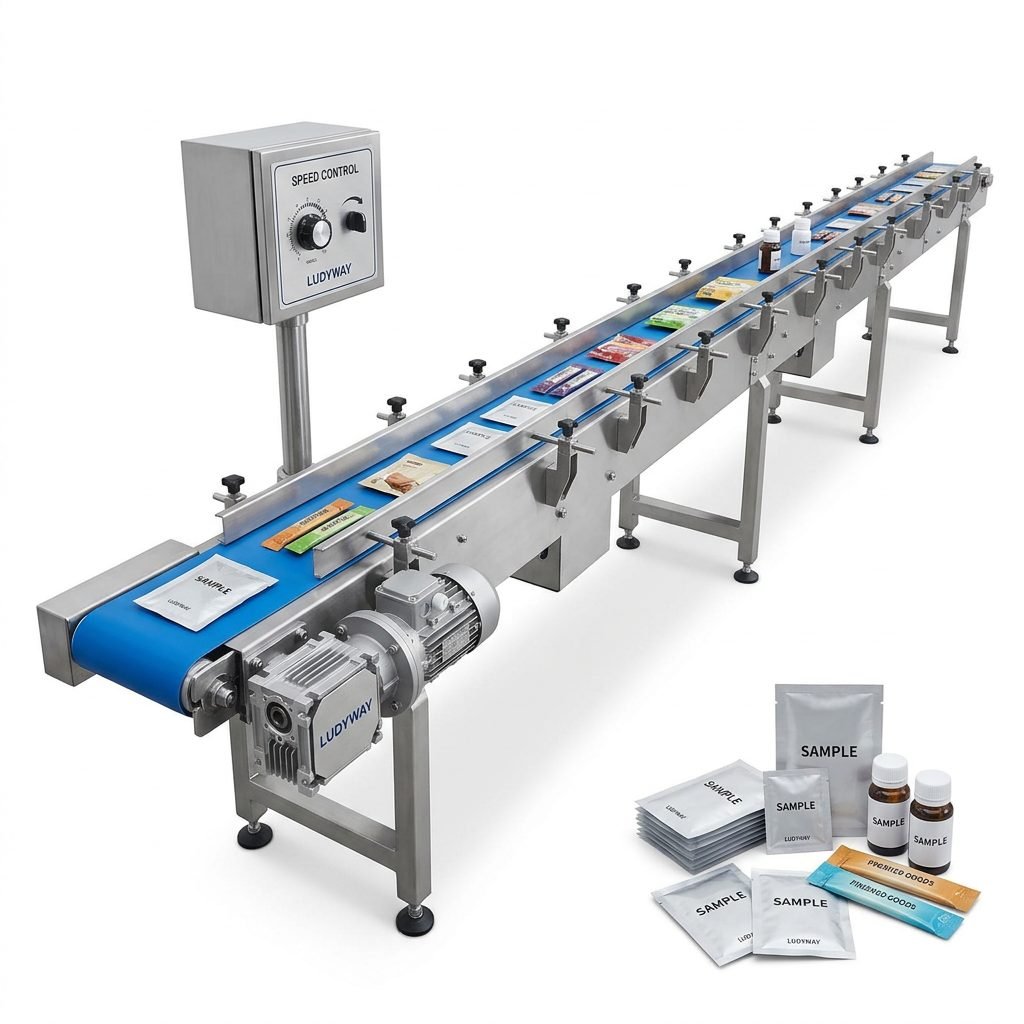
- Use conveyors between filling, sealing, coding, and cartoning stations
- Pre-stage packaging film, labels, cartons, and inserts near the line
- Standardize carton sizes where possible
- Use auto-counting or auto-weighing instead of manual portioning
- Integrate date coding and label application inline
- Move from hand sealing to automatic sealing systems
When operations move in one direction with fewer stops, the team spends less time waiting and more time packing.
Optimize Packing Station Layout
A poor layout can slow even a good team. Efficient packaging lines usually follow a simple principle: shorter movement, clearer roles, smoother flow.
What a better layout should do:
- Keep raw product input close to the filling area
- Place packaging materials within easy reach
- Separate finished goods from in-process products
- Leave enough access space for cleaning and maintenance
- Prevent workers from crossing each other’s path
For small factories, even changing table position, carton storage, or conveyor direction can improve output noticeably without new capital investment.
Standardize Materials to Lower Packaging Costs
Using too many bag sizes, film structures, labels, cartons, or inserts creates purchasing complexity and slows line setup. Standardization can reduce both direct cost and downtime.
Focus on these material-saving ideas:
- Reduce unnecessary package layers
- Use the minimum material thickness that still protects the product
- Choose standard pouch or sachet dimensions across product lines
- Order packaging materials in stable, planned volumes
- Improve fill accuracy to reduce giveaway
Overfilling is often an invisible cost. If each pack contains just a little too much product, the annual loss can be significant.
Train Operators for Consistency, Not Just Speed
Fast packing means very little if you also create rework, customer complaints, or product waste. Operators should be trained to follow standard operating procedures for startup, changeover, inspection, and shutdown.
| Training Area | Efficiency Benefit |
|---|---|
| Machine setup | Reduces startup delays and parameter errors |
| Changeover process | Shortens downtime between SKUs |
| Basic troubleshooting | Prevents long stops for minor faults |
| Quality checks | Cuts rejects and customer returns |
A stable operator team often improves line performance more than companies expect.
Automate the Steps That Create the Most Delay
Not every factory needs full automation immediately. A smart approach is to automate the most repetitive and delay-prone steps first. Common high-impact upgrades include:
- Automatic weighing and dosing systems
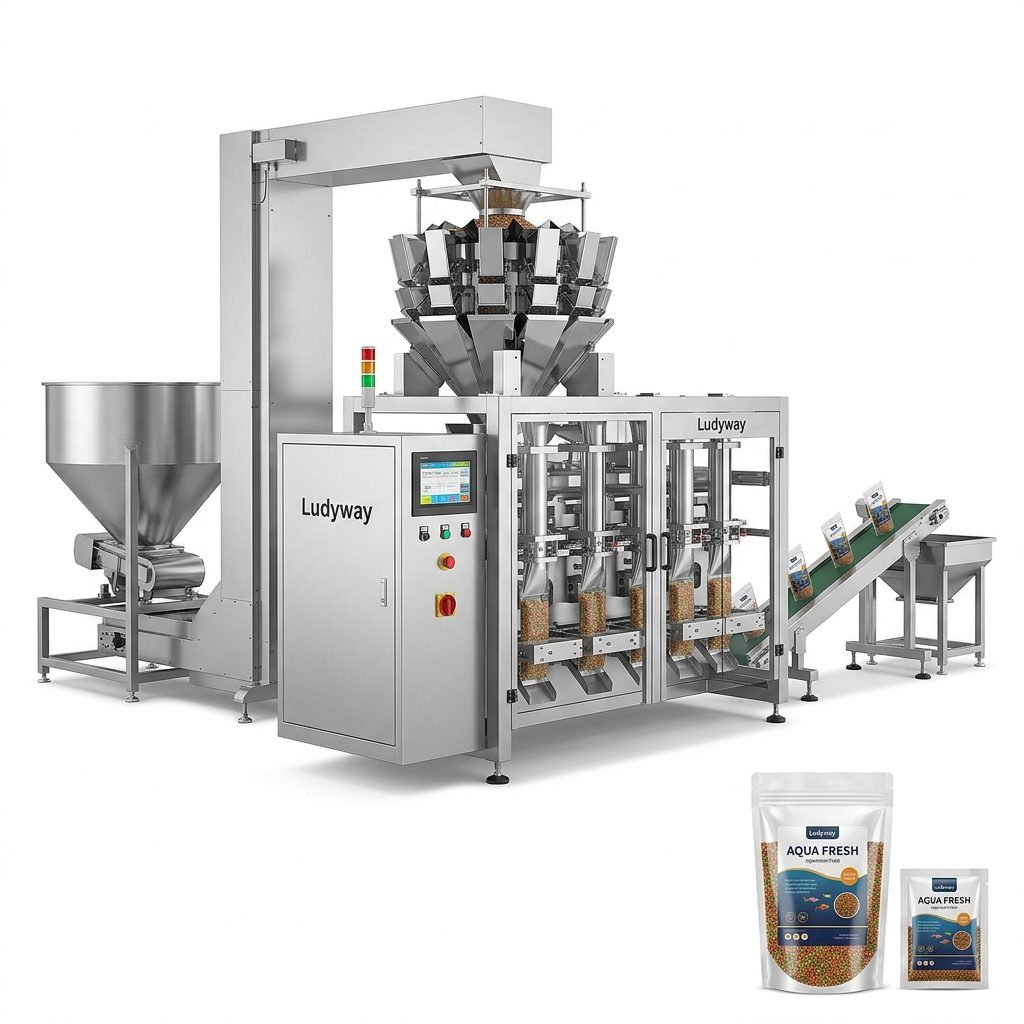
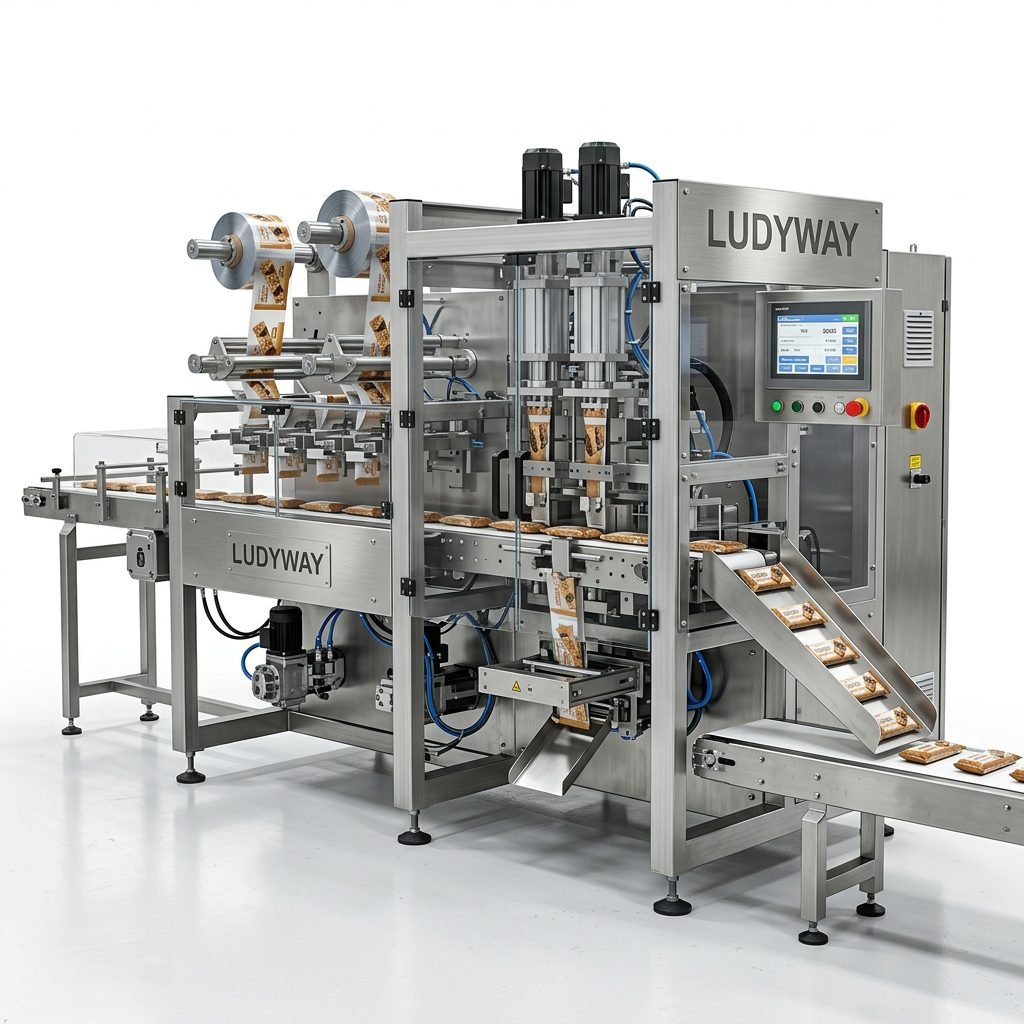
- Vertical form fill seal machines
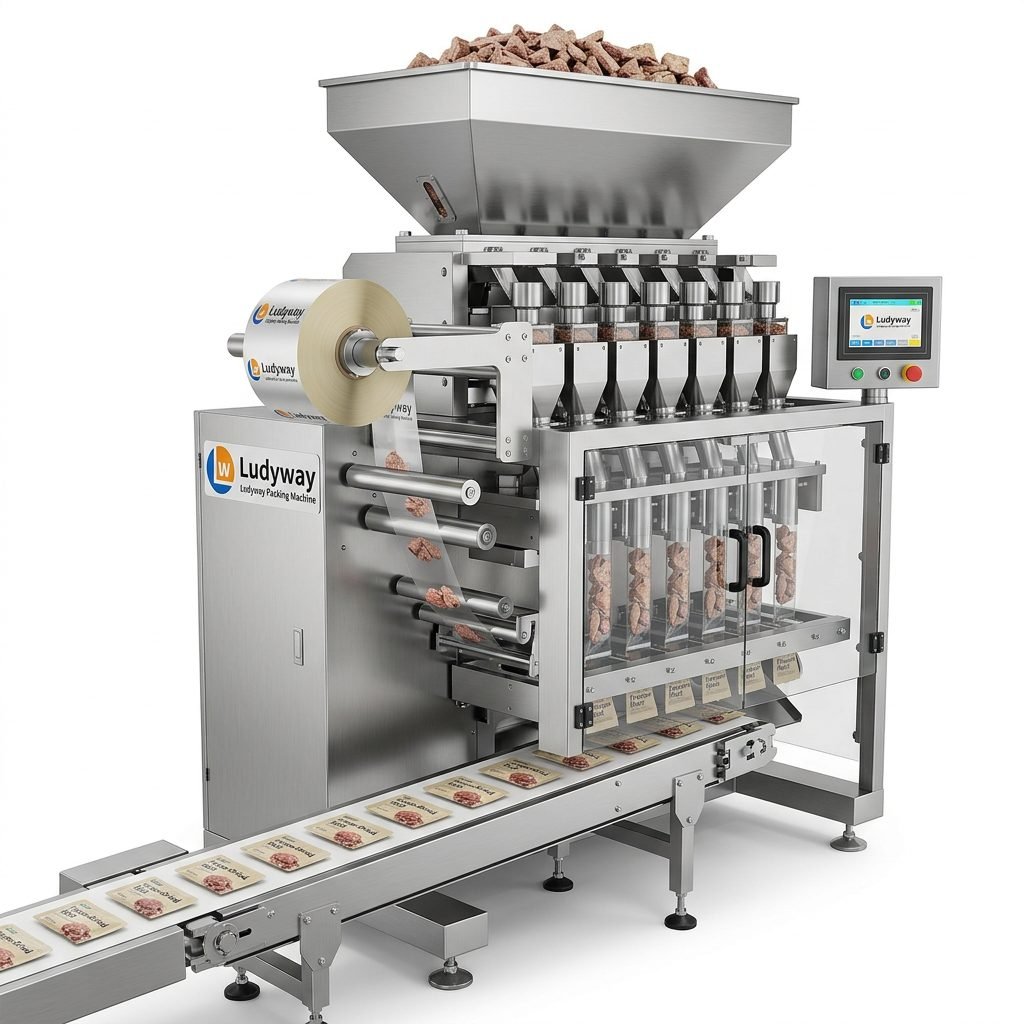
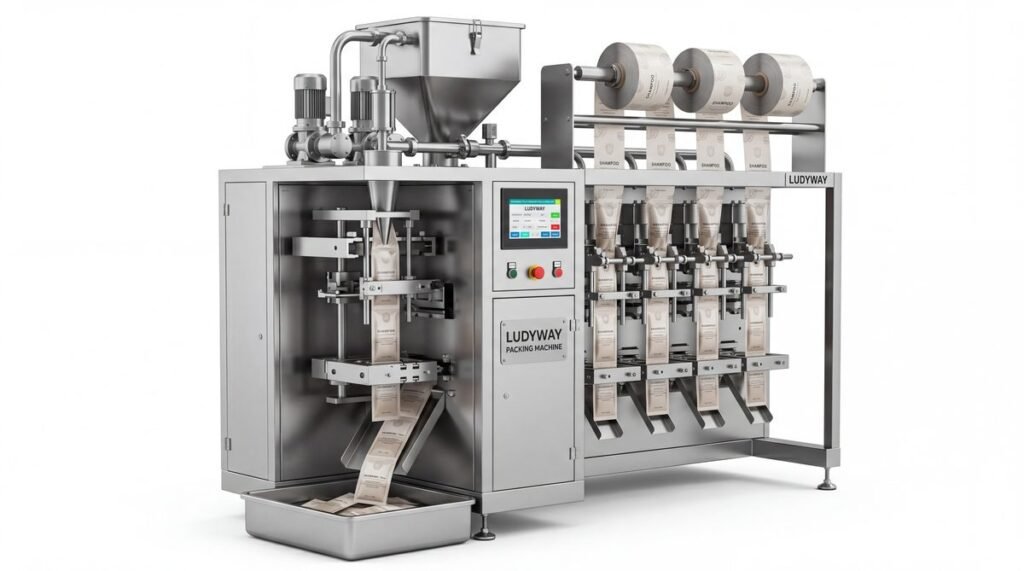
- Multi-lane sachet and stick pack machines
- Bottle filling and capping systems
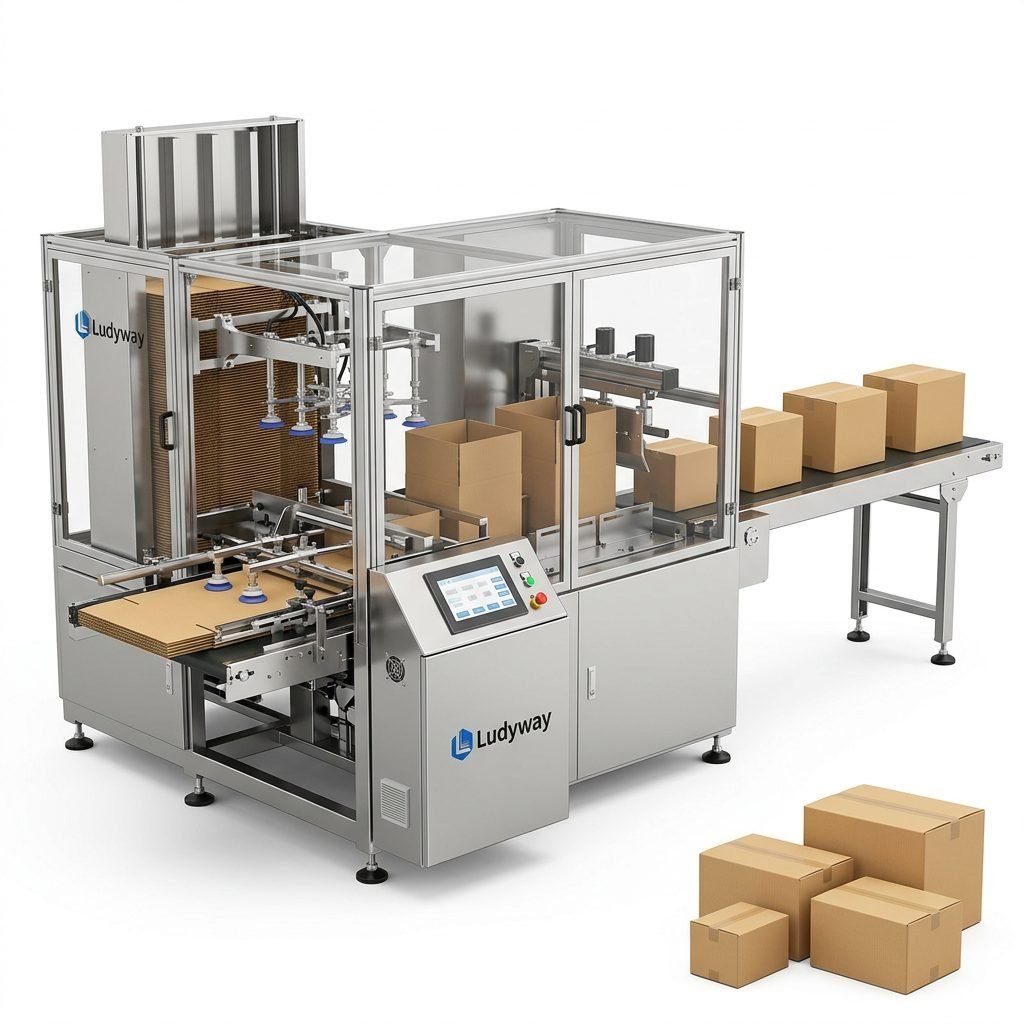
- Carton erecting and case sealing machines
- Checkweighers, metal detectors, and vision inspection units
- Automatic palletizing and wrapping
Businesses with growing volume often find that partial automation delivers a faster return than hiring more manual labor, especially when labor availability is limited or product quality must stay highly consistent.
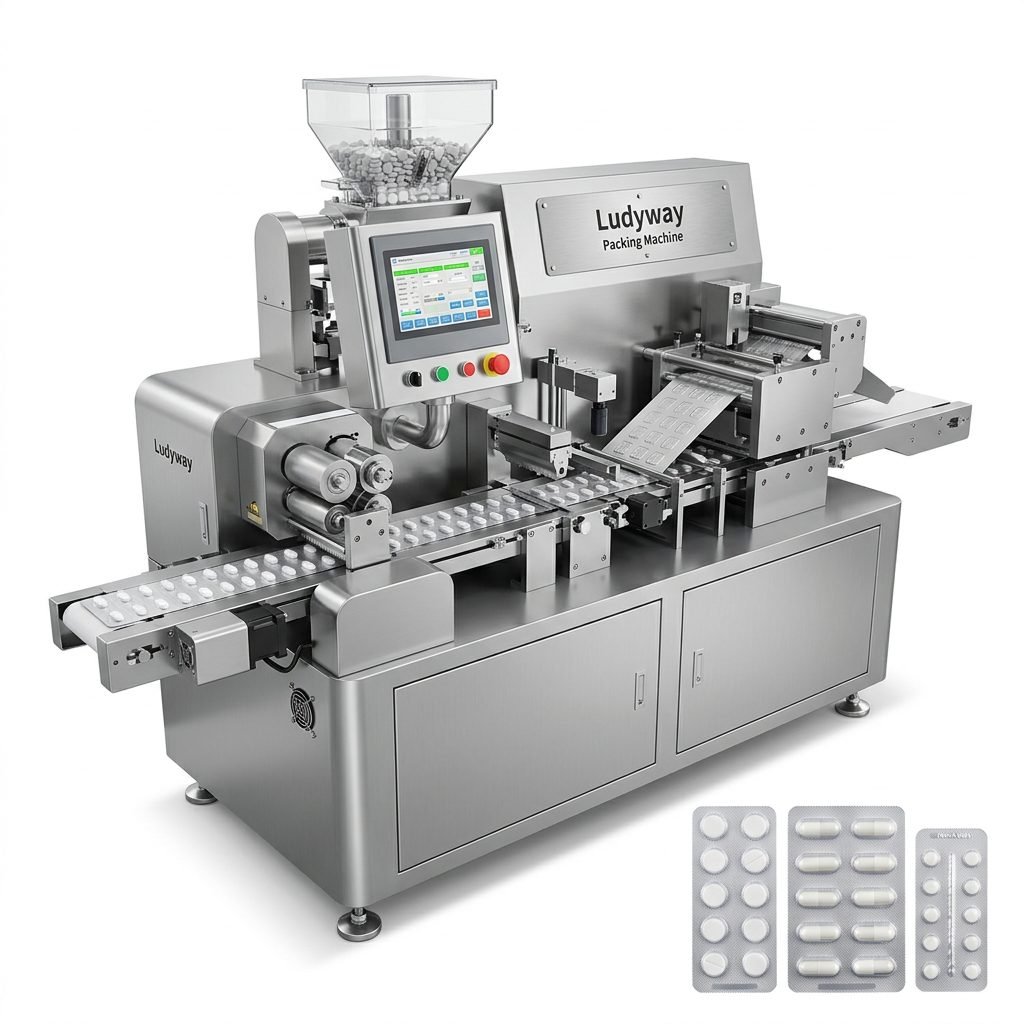
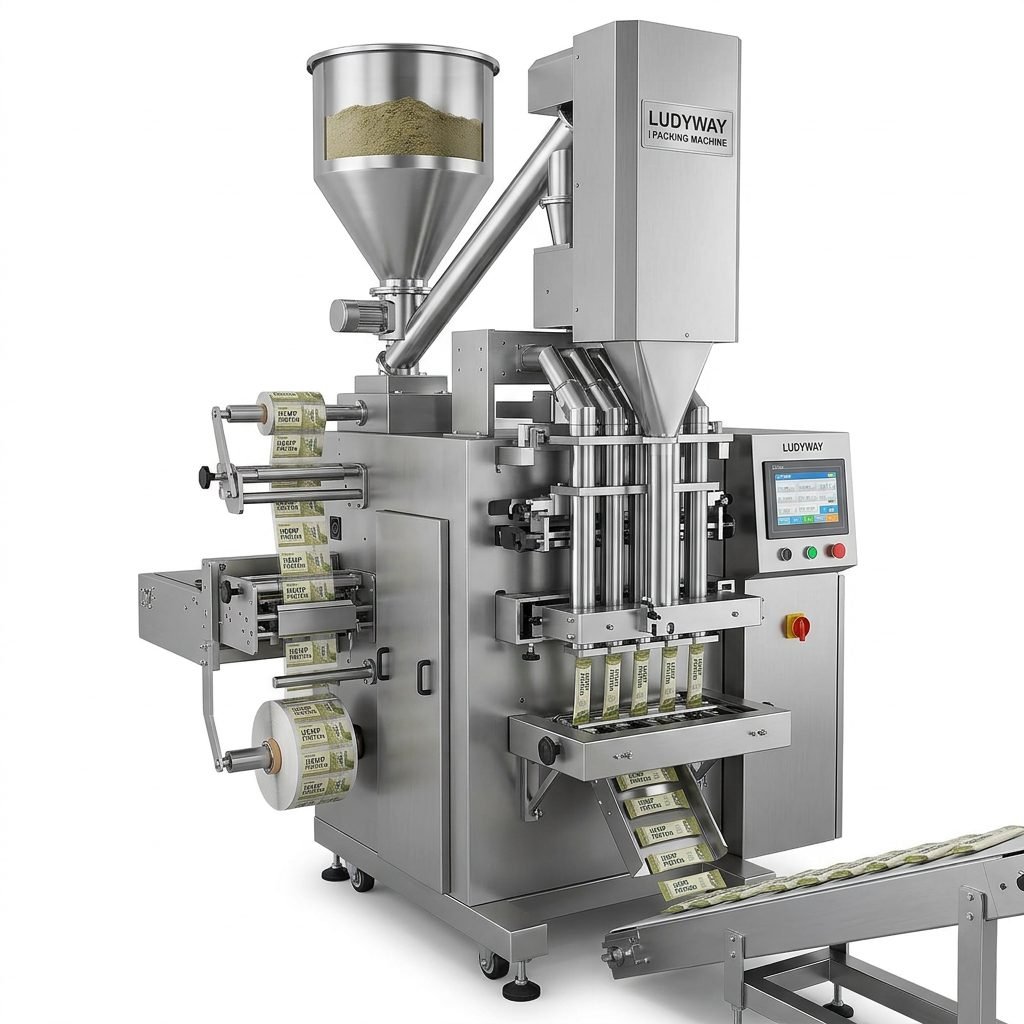
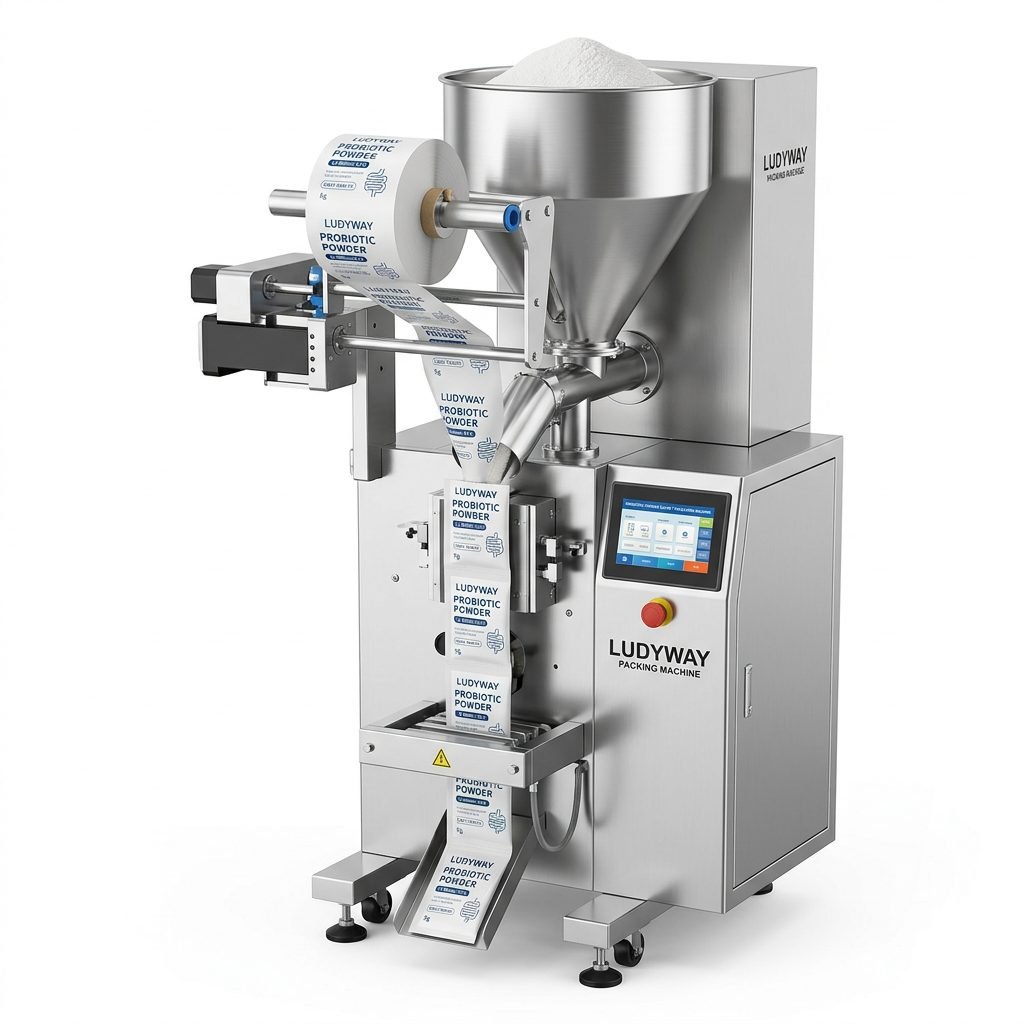
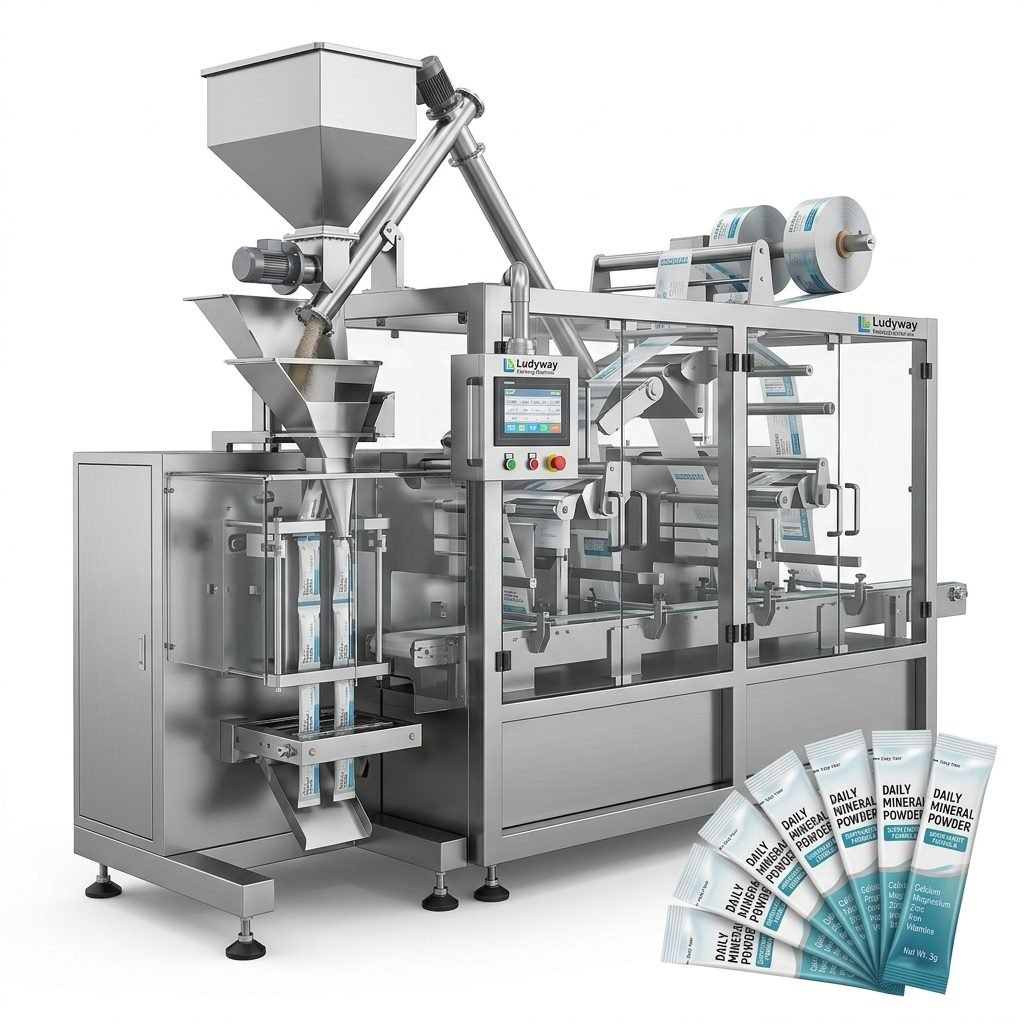
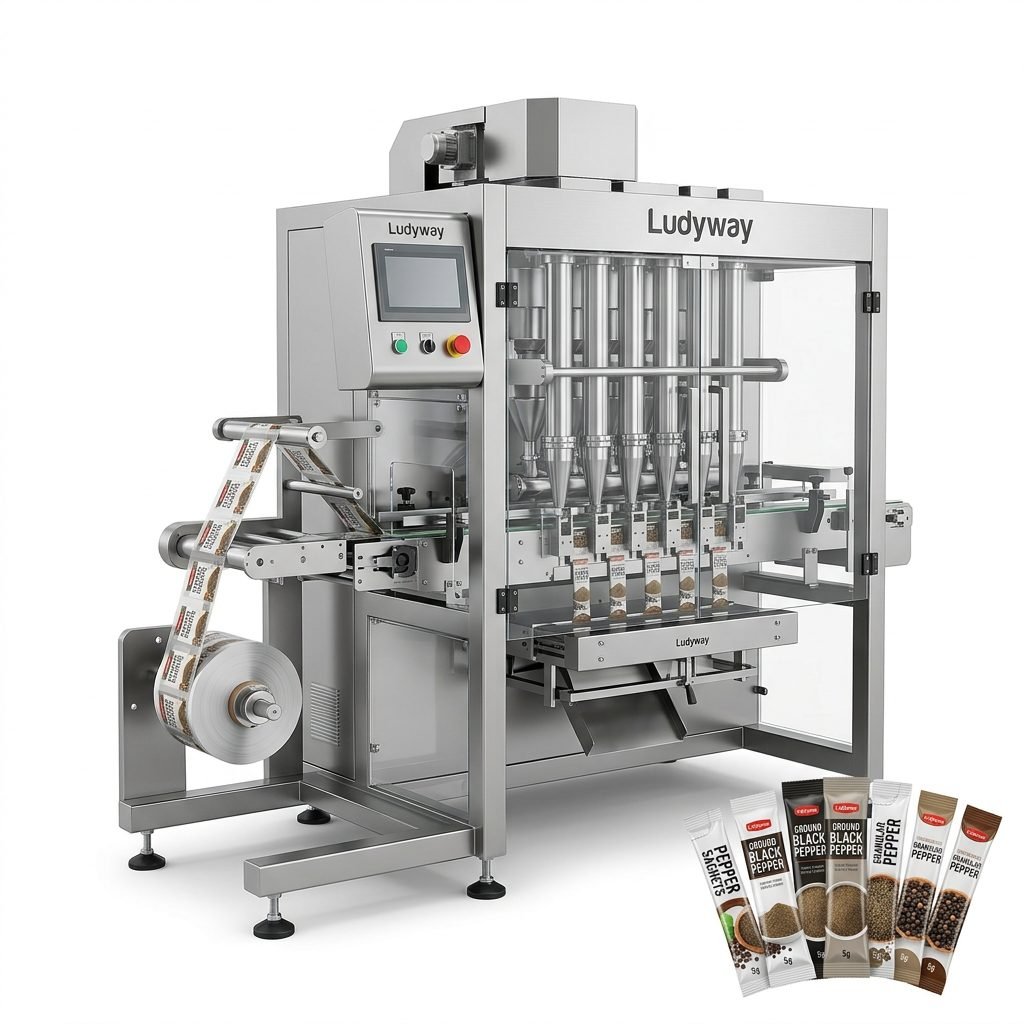
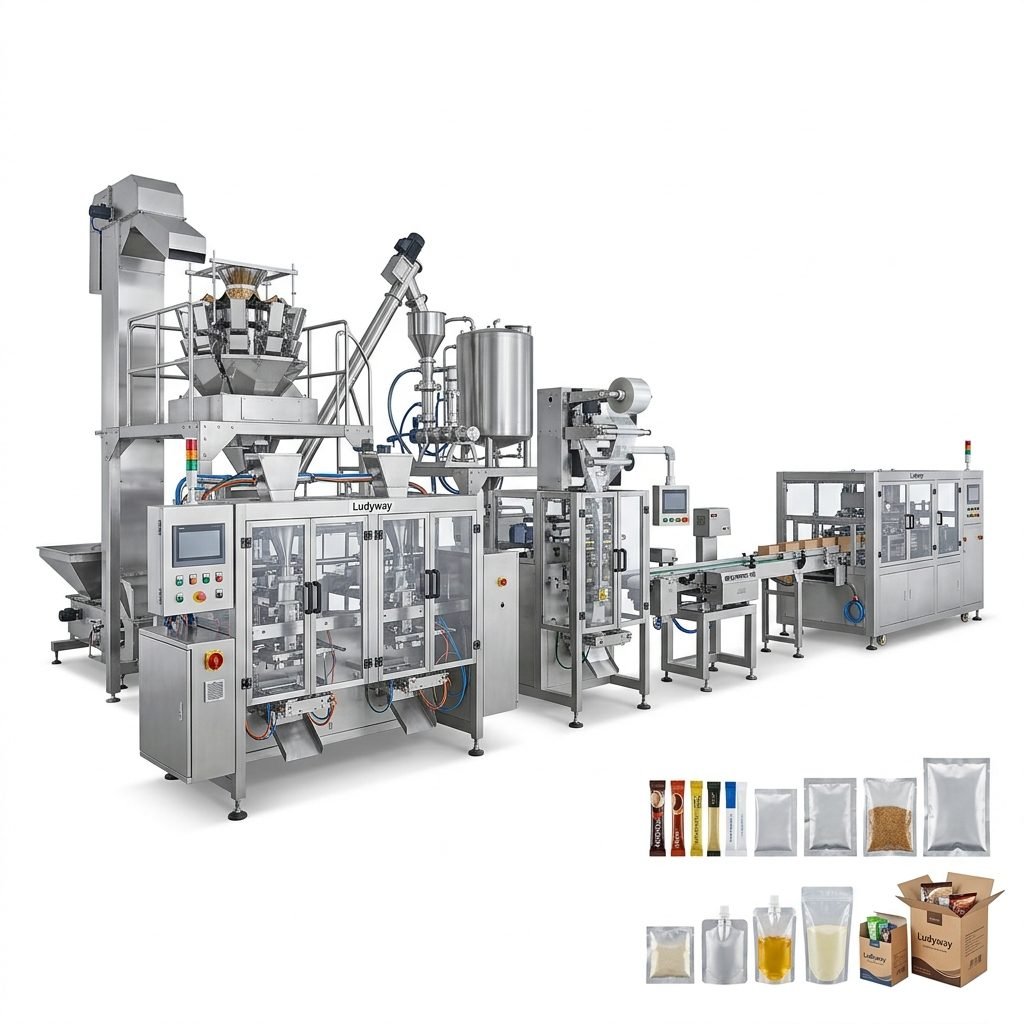
For companies planning to upgrade from manual or semi-automatic operations, Ludyway packaging machine solutions can support everything from standalone equipment to complete turnkey packaging lines for powders, granules, liquids, pastes, sachets, pouches, and bulk bag applications.
Shorten Changeover Time Between Products
If you run multiple SKUs, frequent changeovers may be one of your biggest efficiency losses. Fast packaging operations usually use a clear changeover checklist and quick-adjust machine parts.
Ways to reduce changeover time:
- Group similar products into production batches
- Use pre-set machine parameters for repeat orders
- Color-code tooling and spare parts
- Prepare packaging materials before the previous job ends
- Assign one trained person to lead each changeover
Even saving 10 to 15 minutes per changeover can create a major annual capacity gain.
Improve Quality Control to Avoid Rework
Defects are expensive because they waste product, packaging material, labor time, and shipping resources. Common packaging defects include underweight packs, poor seals, wrong labels, leaking sachets, and damaged cartons.
Build quality into the process by using:
- Seal integrity checks
- Inline weight inspection
- Vision systems for coding and label verification
- Routine calibration for dosing systems
- Preventive maintenance schedules
The most efficient packing lines are not just fast. They are predictable and accurate.
Track the Right Packaging KPIs
To improve packaging efficiency over time, measure performance consistently. Without data, cost reduction becomes difficult.
| KPI | Why It Matters |
|---|---|
| Packs per hour | Shows actual line speed |
| Labor cost per unit | Measures manpower efficiency |
| Material waste rate | Identifies overuse and rejects |
| Downtime frequency | Reveals maintenance or process issues |
| Reject rate | Shows packaging consistency and quality |
Review these numbers weekly or monthly. Small recurring losses are often the most profitable problems to solve.
When Does It Make Sense to Upgrade to a Packaging Line?
If your team is constantly adding labor to keep up, struggling with inconsistent output, or losing time between separate machines, it may be time to move to a more integrated packaging setup.
You may need an upgrade if:
- Orders are increasing but packing speed is not
- You rely heavily on manual filling or sealing
- Packaging errors are affecting customer satisfaction
- Material waste keeps rising
- Your labor cost per pack is too high
- Changeovers are slowing your daily output
In many cases, the best long-term solution is not just a faster single machine, but a more coordinated line that combines feeding, filling, sealing, inspection, coding, cartoning, and final handling.
Simple Action Plan to Package Products More Efficiently
- Audit your full packing workflow
- Measure speed, waste, downtime, and reject rates
- Eliminate unnecessary movement and handling
- Standardize packaging materials and pack sizes where possible
- Improve operator training and setup procedures
- Automate the slowest or most error-prone steps
- Use inline inspection to prevent rework
- Review ROI before scaling to a fully integrated packaging line
Efficient packaging is built step by step. With the right process design, equipment selection, and quality controls, you can speed up packing, reduce labor dependency, lower material waste, and improve overall profitability.