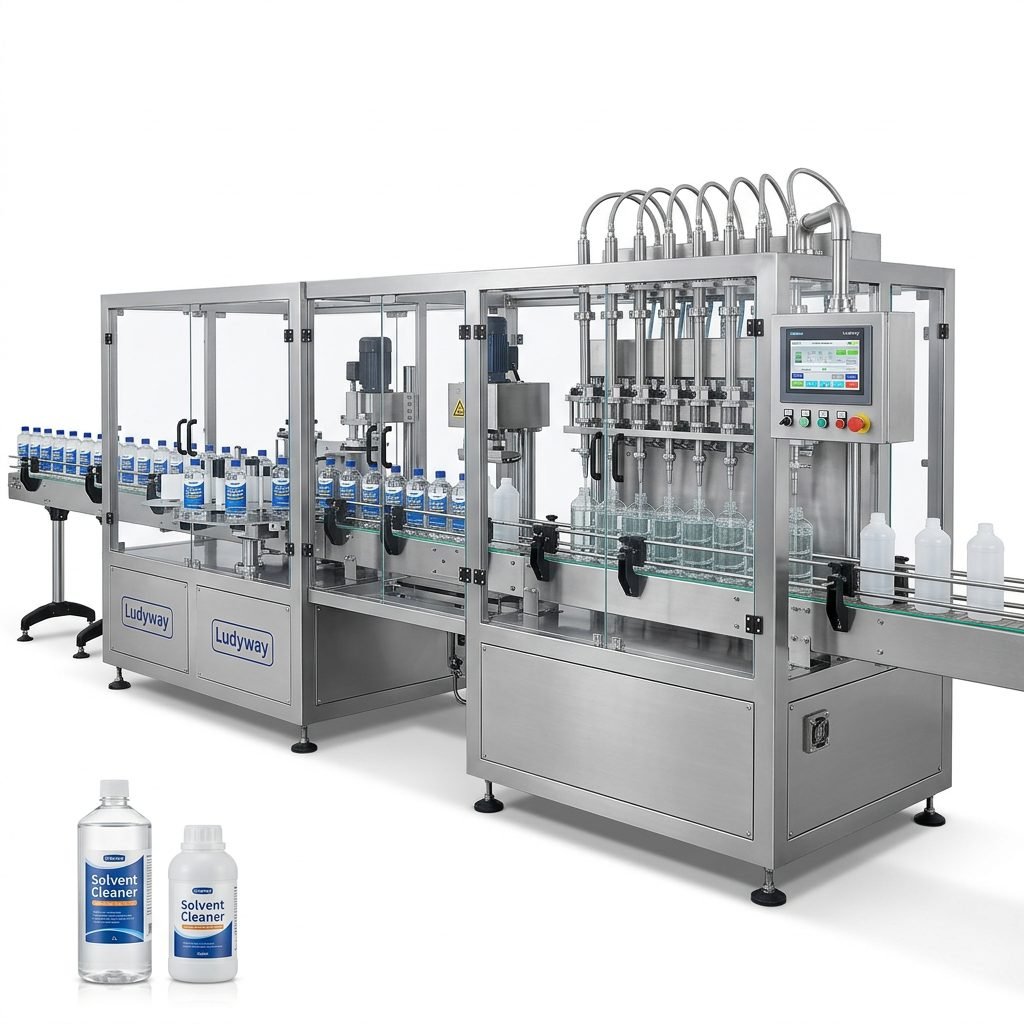
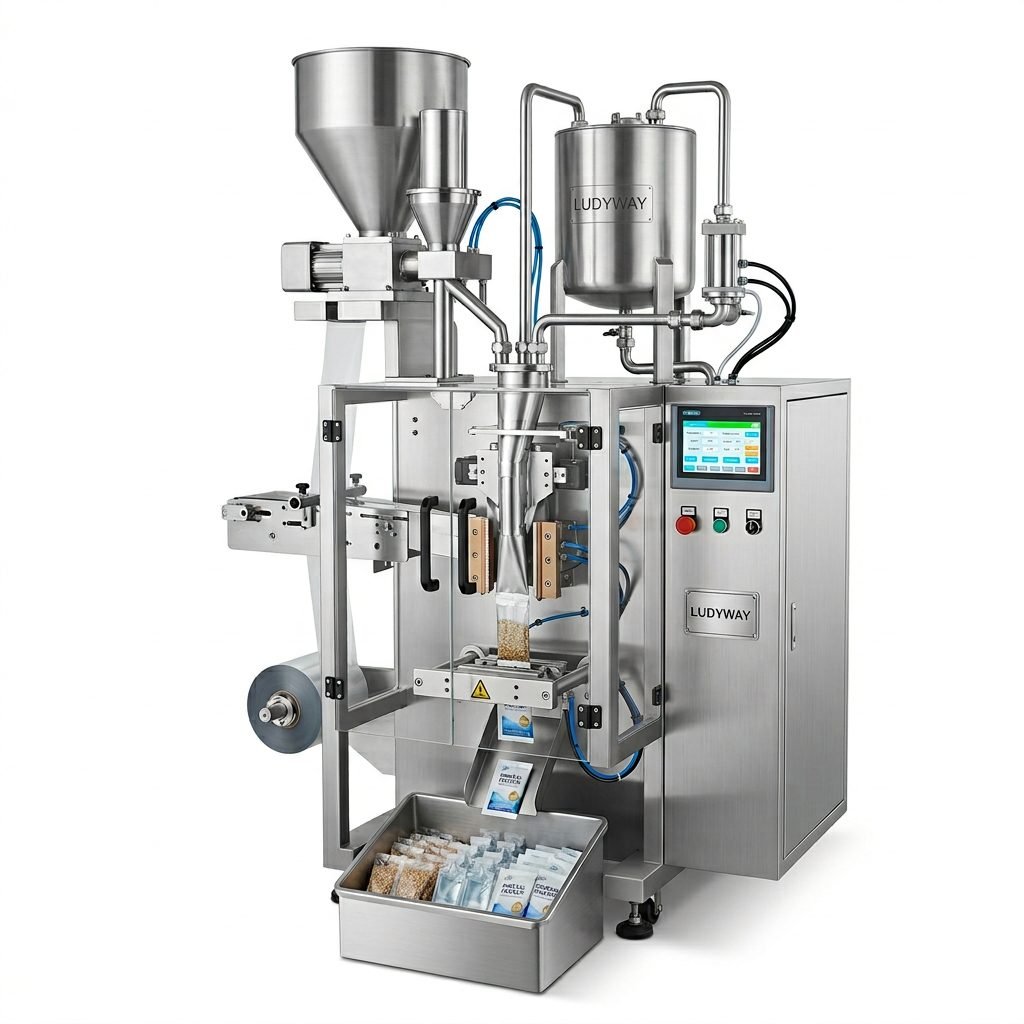
The Oceania region—spanning Australia, New Zealand, and the Pacific Islands—represents a dynamic and growing market for packaged nut products. From macadamia farms in Queensland to almond processors in Victoria, the demand for efficient, reliable nut packaging machinery has never been higher. Selecting the right equipment requires careful evaluation of product characteristics, production volume, packaging formats, and regulatory compliance.
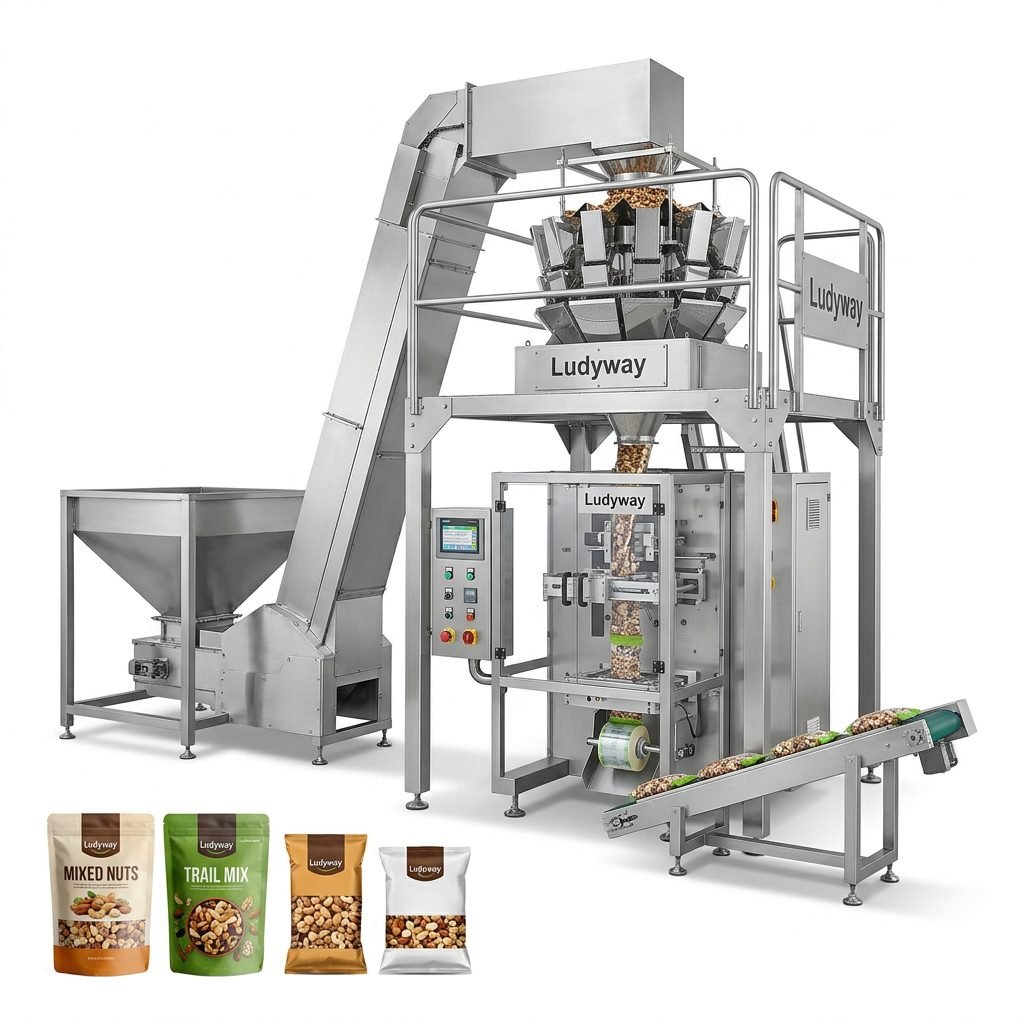
Understanding the Oceania Nut Packaging Landscape
The nut processing sector in Oceania encompasses a wide range of products including macadamias, almonds, cashews, peanuts, walnuts, and mixed nut blends. Each nut type presents unique packaging challenges—macadamias require gentle handling to prevent breakage, while peanuts demand moisture-resistant packaging solutions. According to PMMI business intelligence reports, the global packaging machinery market continues to expand, with Oceania showing particular strength in premium nut exports.
Australian macadamia production alone exceeds 50,000 tonnes annually, with a significant portion destined for export markets across Asia and North America. New Zealand’s nut processing industry, while smaller, has seen consistent growth driven by health-conscious consumer trends. These market dynamics underscore the critical importance of investing in high-performance packaging systems that can maintain product freshness and meet international quality standards.
Key Features to Look for in Nut Packaging Machines
When evaluating nut packaging equipment for Oceanian operations, several critical features should guide your purchasing decision:
- Multi-head weighing systems – Ensure precise portion control for high-value nut products, minimizing product giveaway and maximizing profitability.
- Gentle product handling – Elevator and feeding systems designed to minimize nut breakage, preserving product appearance and premium market positioning.
- Nitrogen flushing capability – Extends shelf life by reducing oxidation, a critical requirement for exported nut products traveling long distances.
- Flexible packaging formats – Support for multiple bag styles including pillow pouches, gusseted bags, stick packs, and sachets to meet diverse market requirements.
- Stainless steel construction – Essential for compliance with FDA food packaging regulations and Oceanian food safety standards.
- Quick changeover capabilities – Reduce downtime when switching between different nut varieties or packaging formats.
Types of Nut Packaging Machines
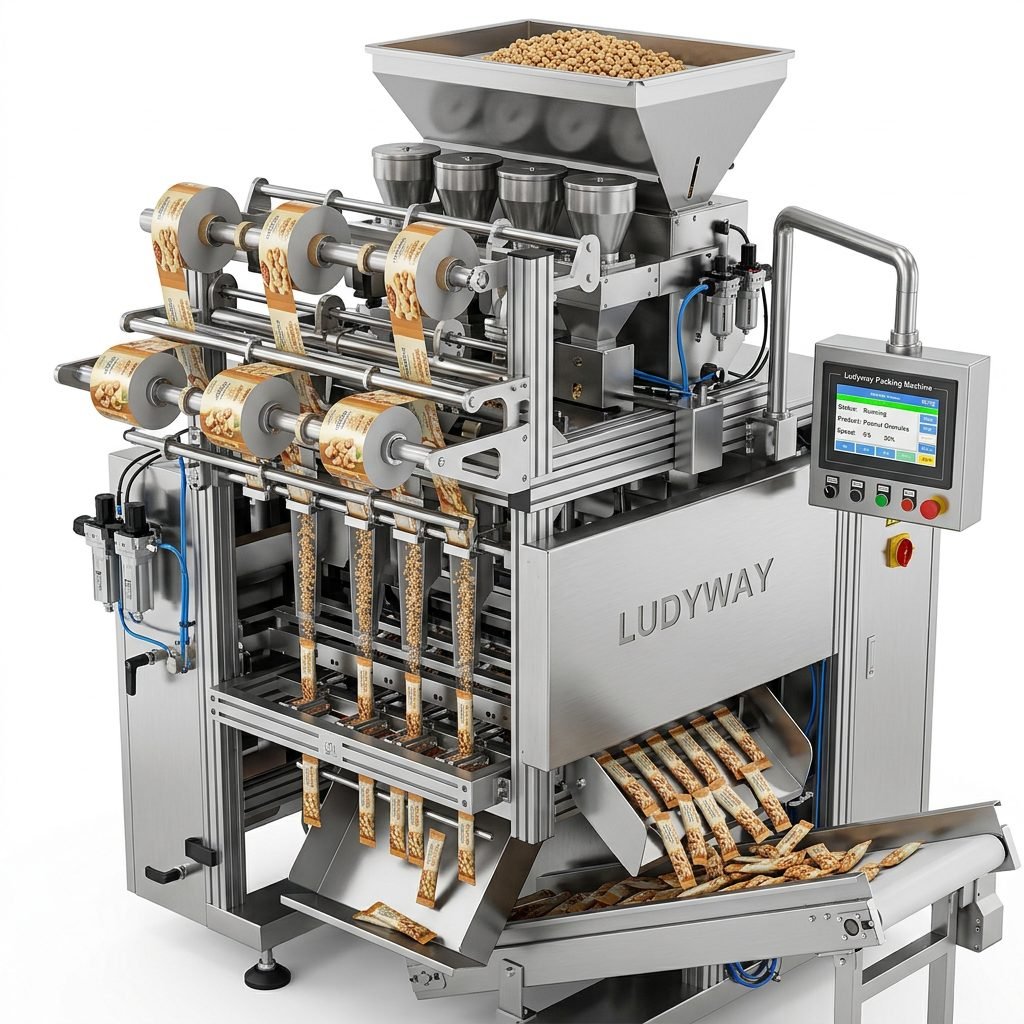
The Oceania market demands versatile packaging solutions that can accommodate various nut types and packaging formats. Below is a comparison of the most common machine configurations:
| Machine Type | Best For | Speed Range | Key Advantage |
|---|---|---|---|
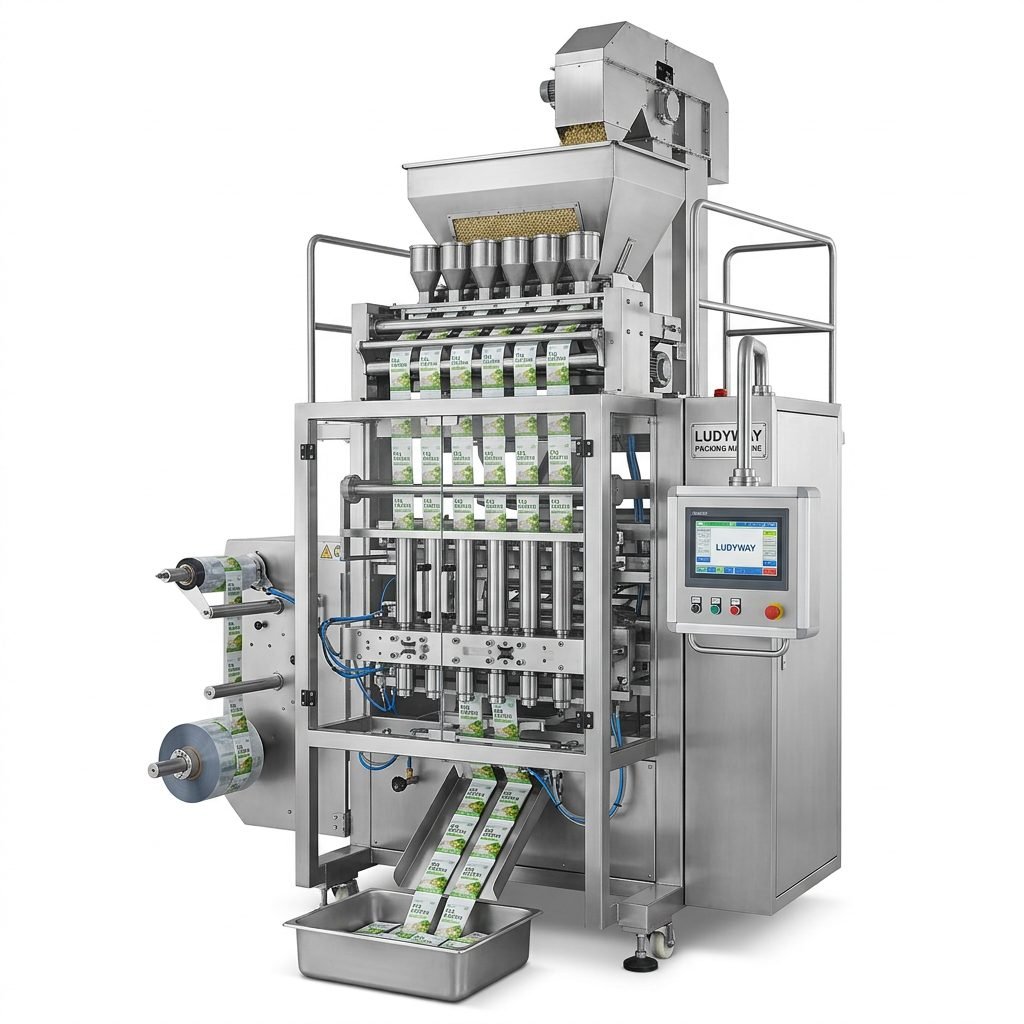
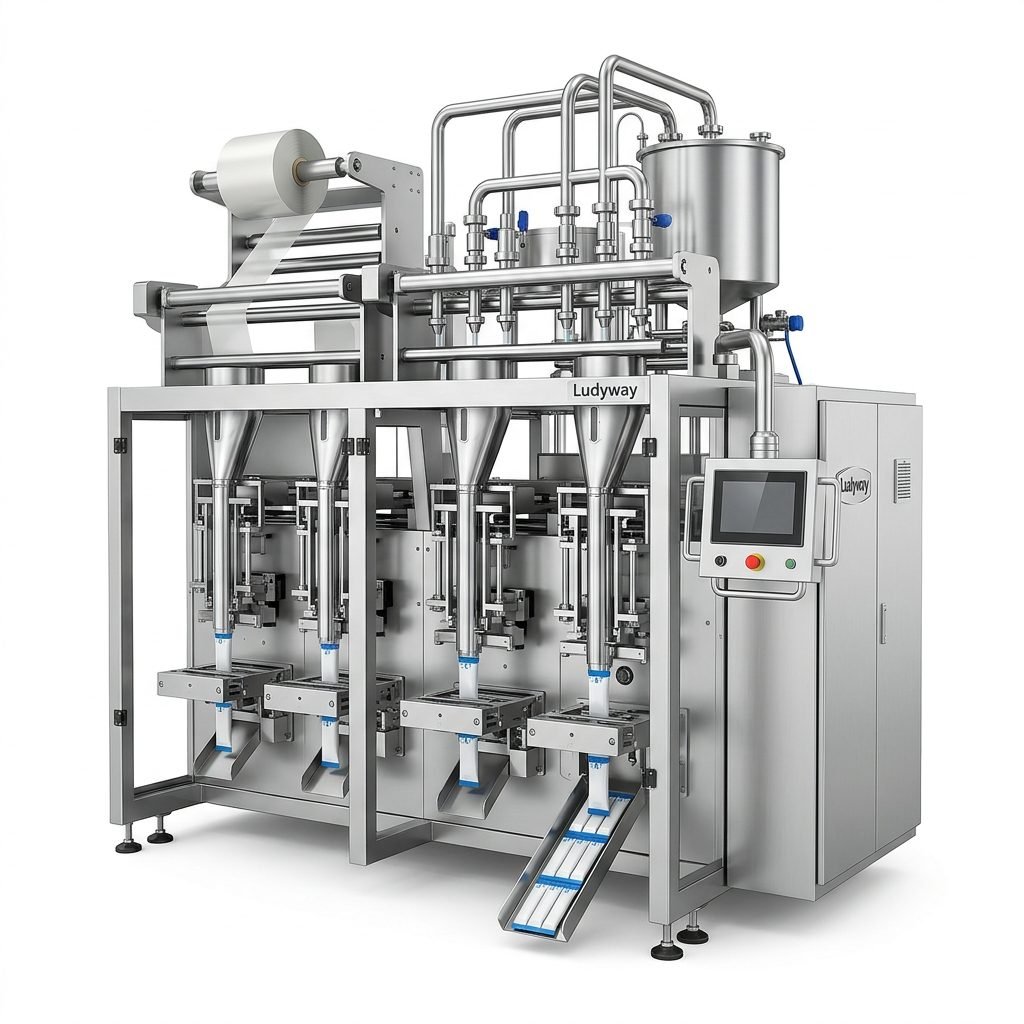
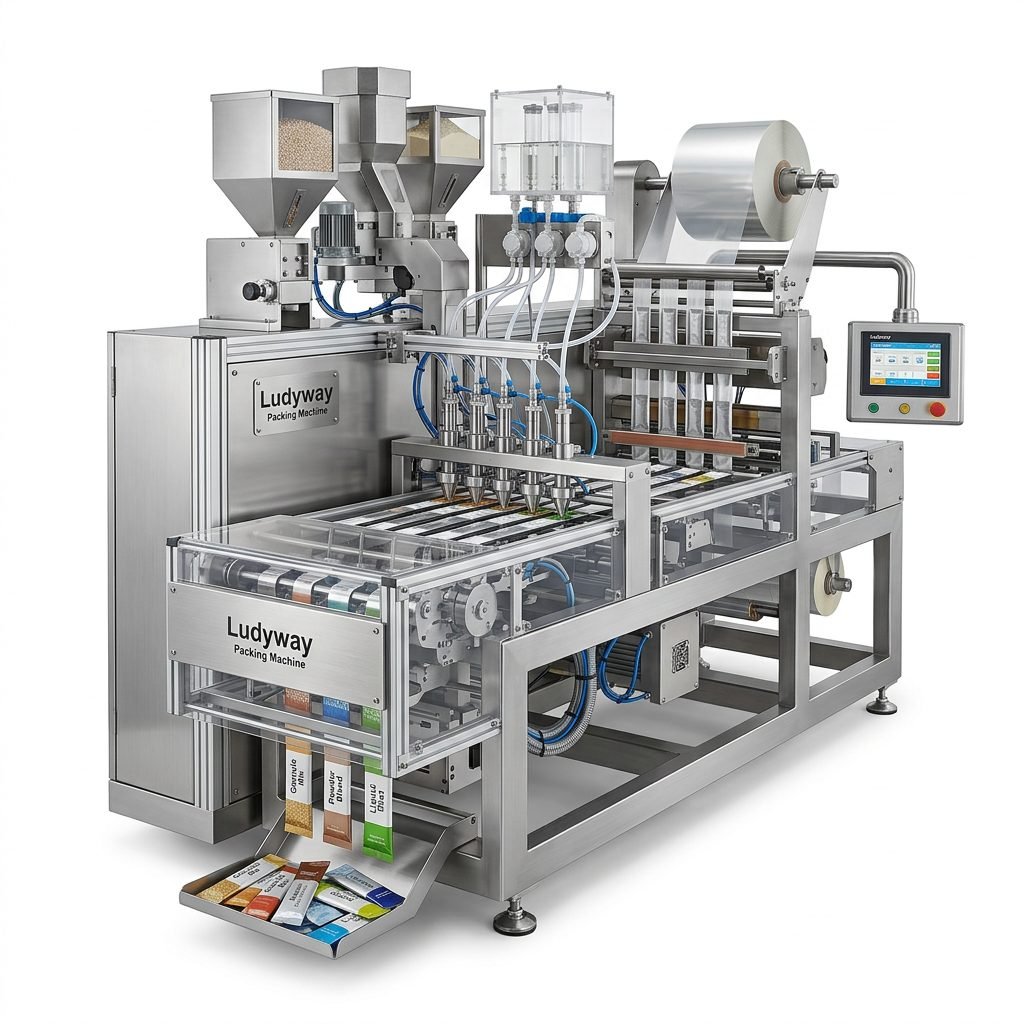
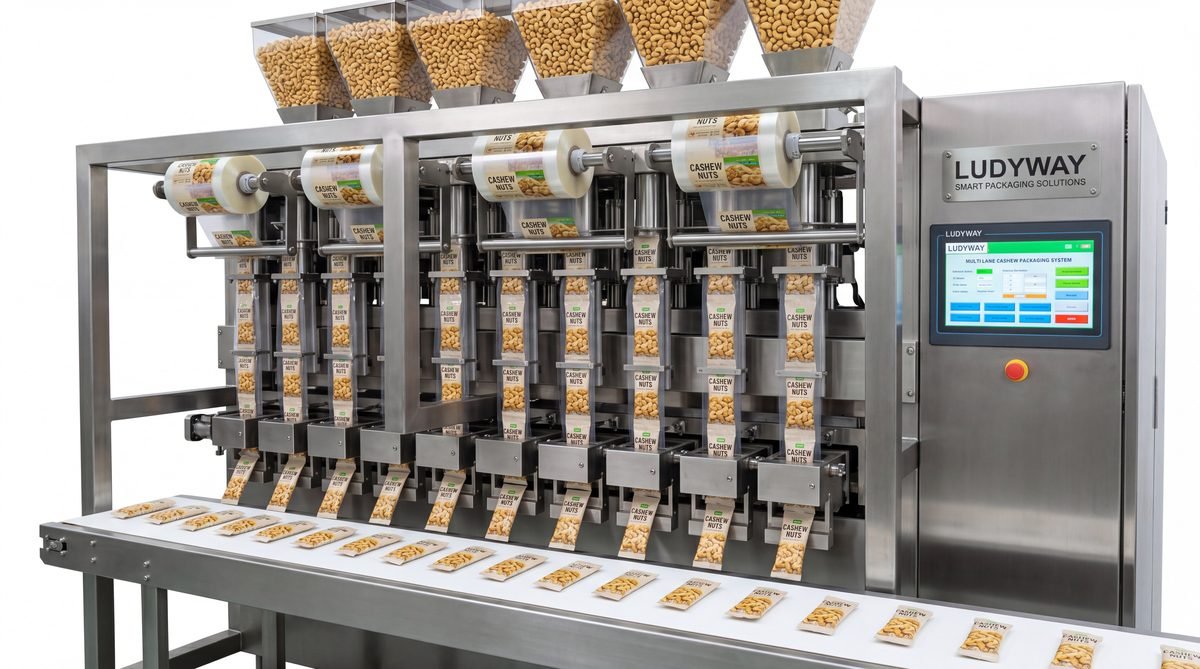
| Multi-Lane Stick Pack | Single-serve nut portions, snack packs | 40-120 packs/min per lane | High output, portion control, travel-friendly format |
| Vertical Form Fill Seal (VFFS) | Medium to large nut bags, bulk packaging | 30-80 bags/min | Versatile bag sizes, proven reliability, lower cost per unit |
| Premade Pouch Systems | Premium nut products, resealable pouches | 20-60 pouches/min | Superior seal integrity, premium presentation, zipper options |
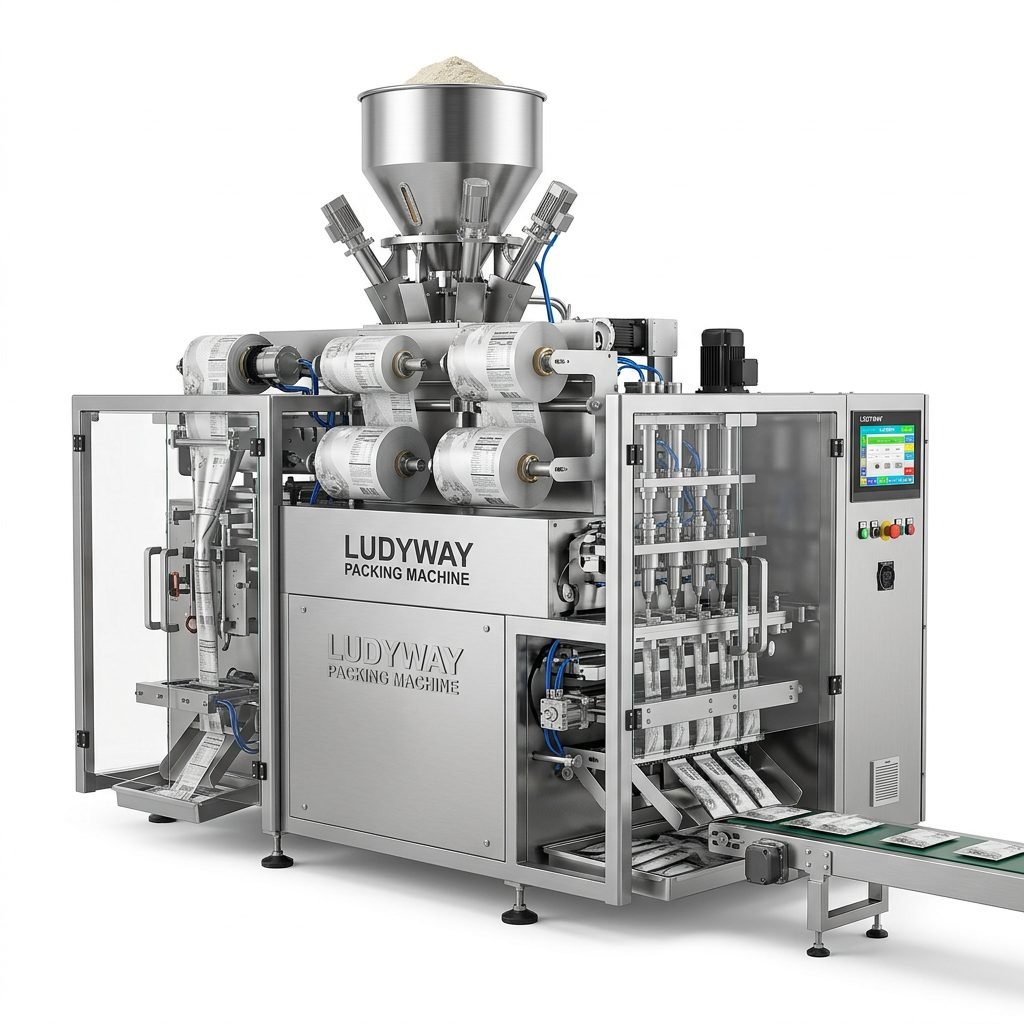
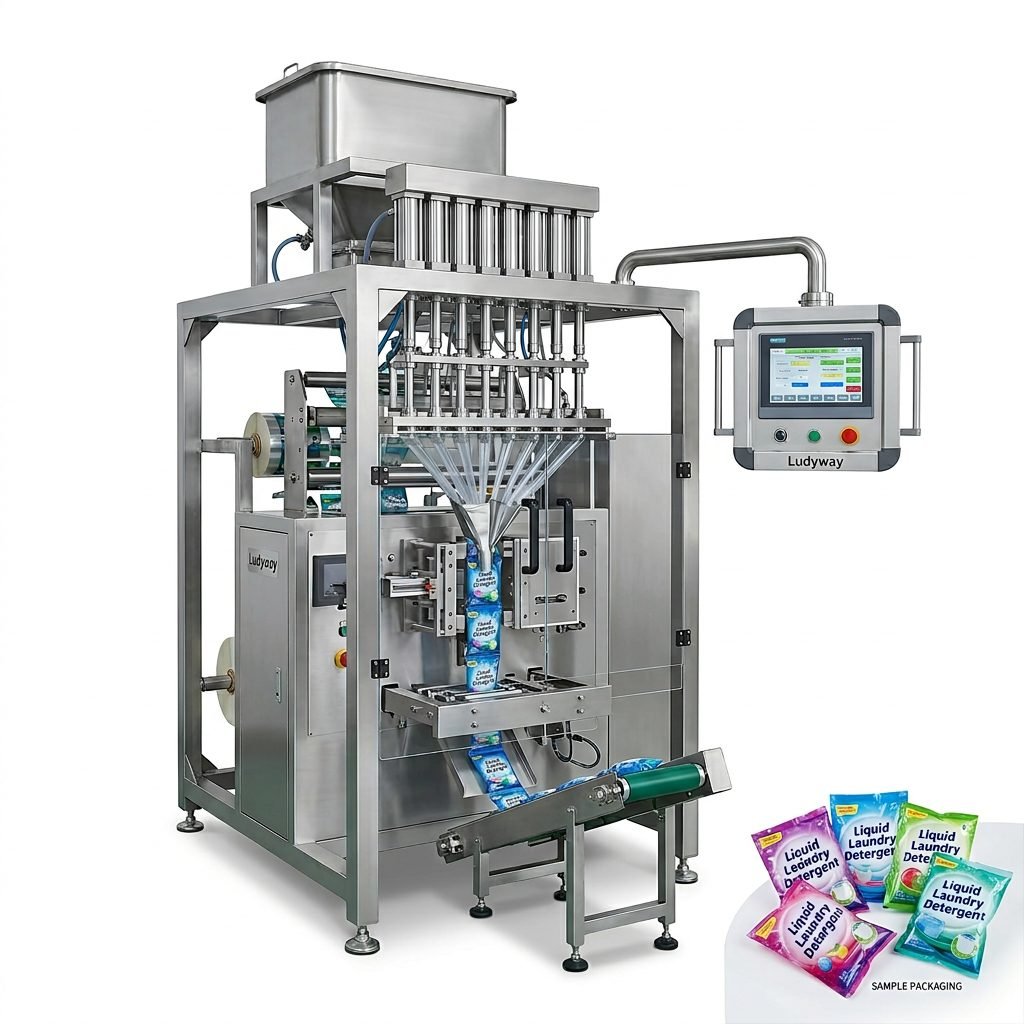
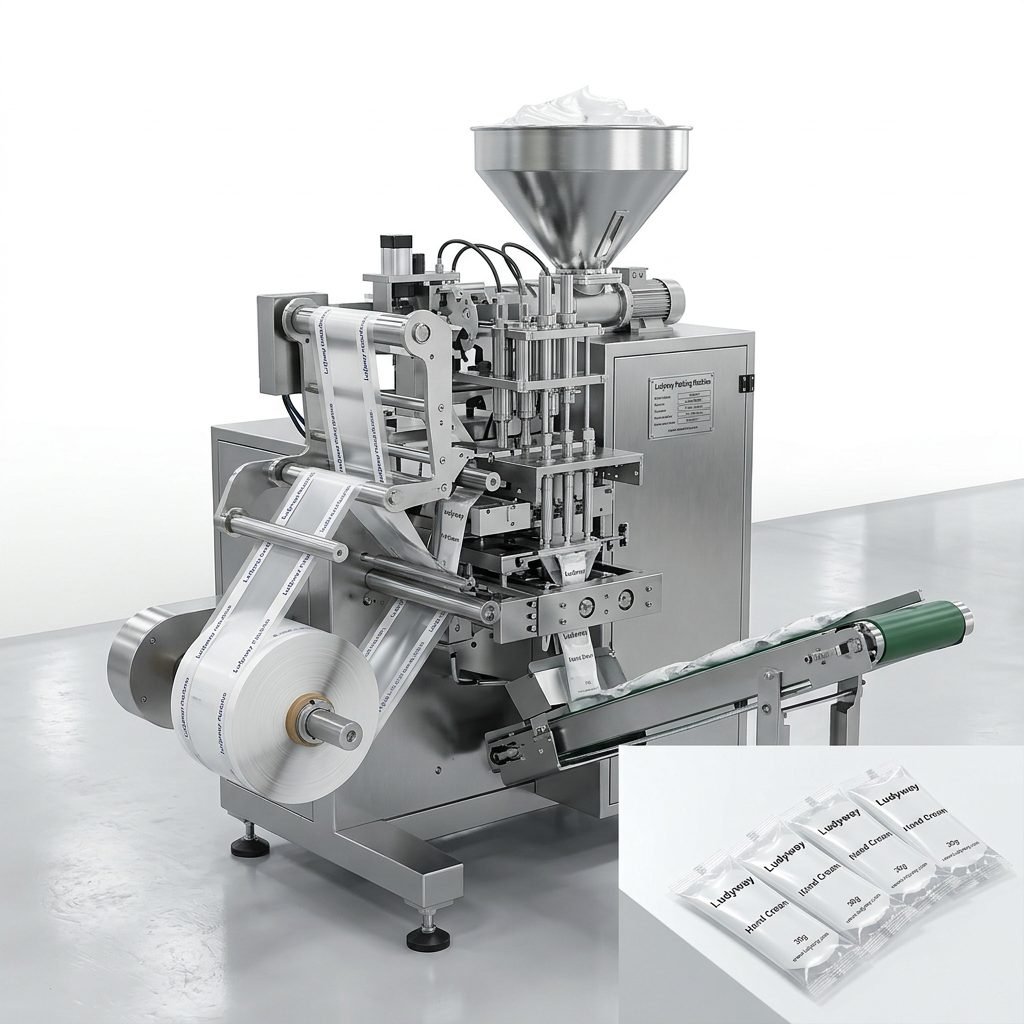
| Sachet Packaging Machines | Sample packs, airline nut portions, single-use | 80-200 sachets/min | Compact format, low material cost, high-speed filling |
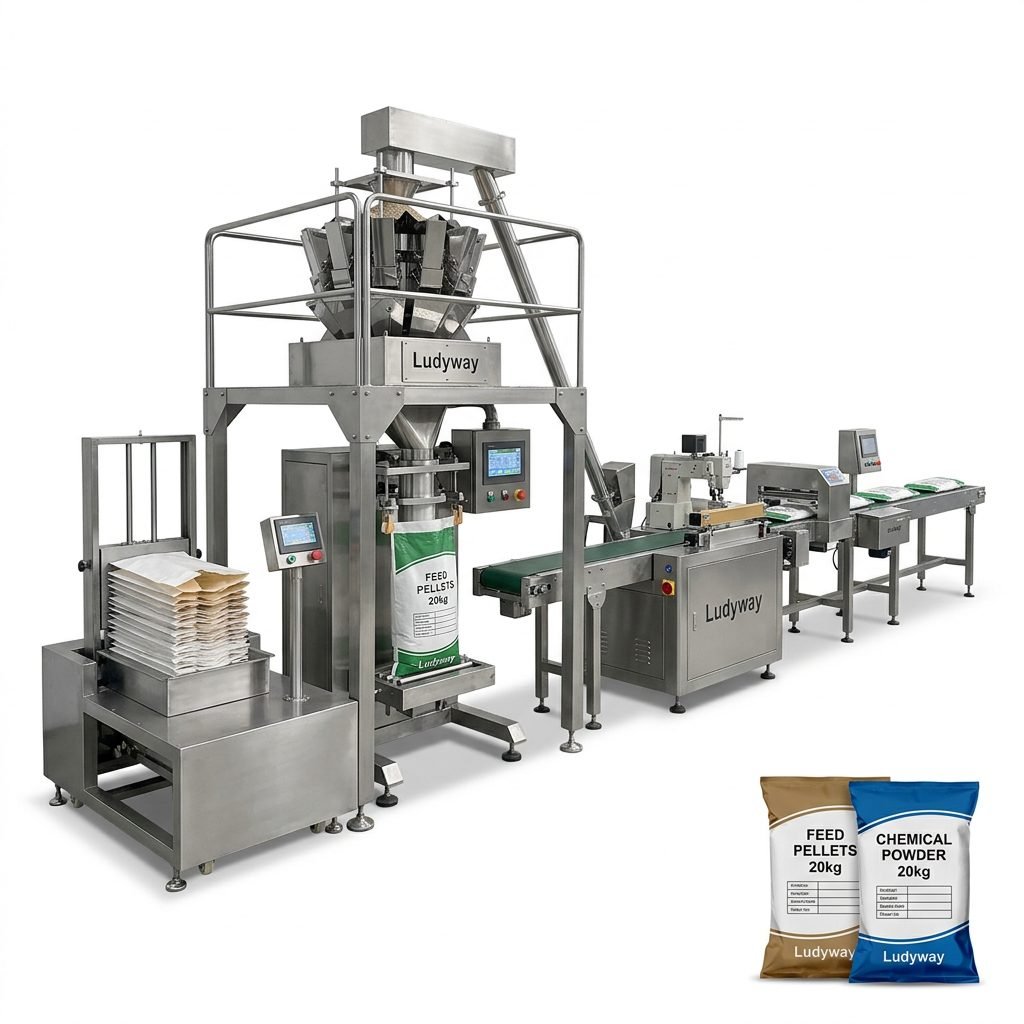
| Bulk Bagging Systems | Wholesale nut packaging, ingredient supply | 5-20 bags/min | Heavy-duty construction, high-capacity weighing, industrial scale |
Cost Analysis for Nut Packaging Equipment
Understanding the total cost of ownership is essential for Oceanian buyers. Machine costs vary significantly based on automation level, speed, and packaging format:
- Entry-level VFFS machines – Suitable for small to medium nut processors, typically ranging from AUD 40,000 to AUD 120,000 depending on features and automation level.
- Multi-lane stick pack systems – Represent a significant investment at AUD 150,000 to AUD 500,000+, but deliver exceptional throughput for high-volume nut snack producers.
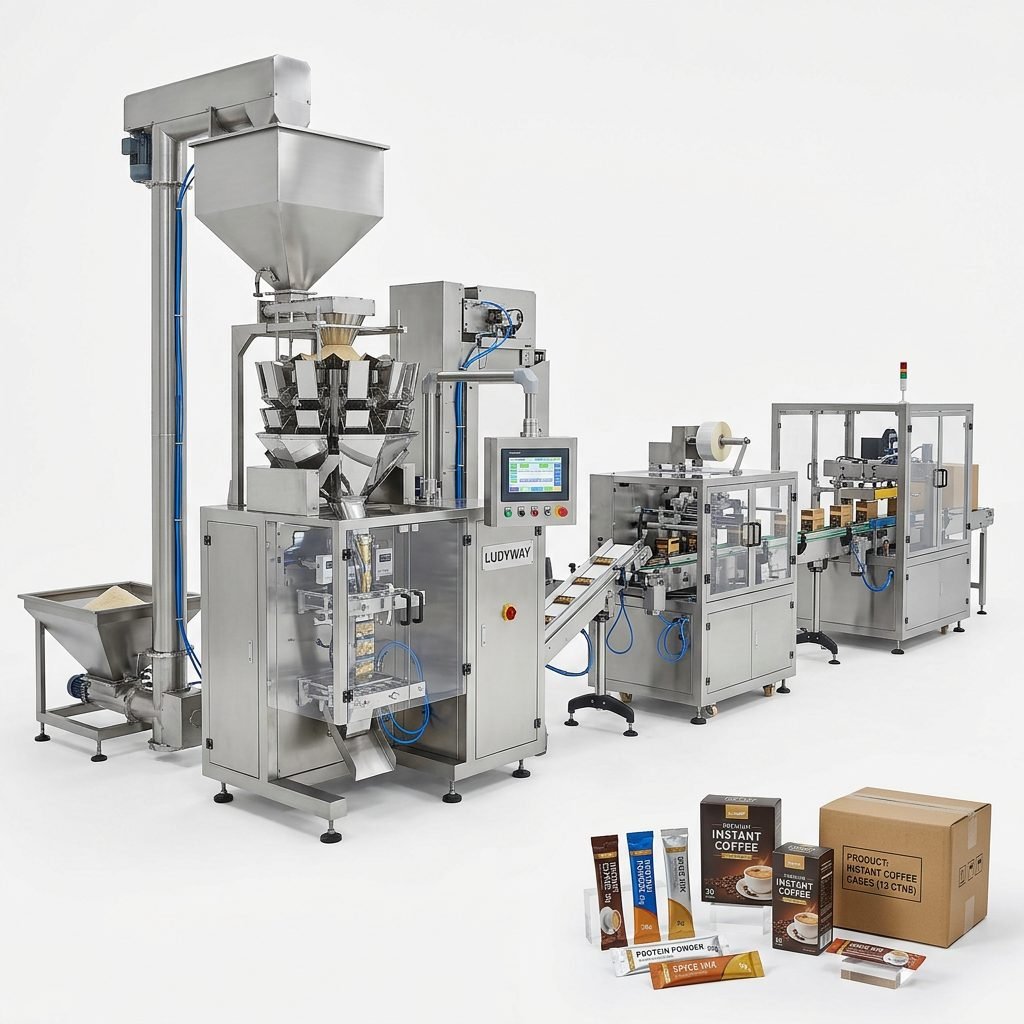
- Fully integrated turnkey lines – Complete solutions including weighing, filling, sealing, coding, and cartoning can range from AUD 300,000 to over AUD 1,000,000 for fully automated operations.
- Operational costs – Include film material consumption, electricity, compressed air, maintenance parts, and labor. Budget approximately 8-15% of machine purchase price annually for these ongoing expenses.
For Oceanian buyers, import duties, shipping costs from manufacturing hubs, and local installation support should also factor into the total investment calculation. Many suppliers, including Ludyway—one of the largest packaging machine manufacturers in China with over 30 years of industry expertise and a modern 20,000㎡ manufacturing facility—offer comprehensive turnkey solutions that bundle equipment, installation, and training into a single package, often providing better long-term value.
Regulatory Compliance in Oceania
Nut packaging operations in Australia and New Zealand must comply with stringent food safety standards. Key regulatory considerations include:
- FSANZ (Food Standards Australia New Zealand) – Governs food packaging materials, labeling requirements, and allergen declarations. Nut products require clear allergen labeling per Standard 1.2.3.
- HACCP compliance – Packaging equipment must support hygienic design principles, including accessible cleaning points, sloped surfaces to prevent product accumulation, and sealed electrical enclosures.
- ISO packaging standards – Refer to ISO packaging standards for guidance on material compatibility and performance testing.
- Export market requirements – Nut products destined for the EU, USA, or Asian markets may require additional certifications. Machines with nitrogen flushing and oxygen monitoring capabilities help meet extended shelf-life requirements for export shipments.
Supplier Selection Criteria
Choosing the right equipment supplier is as important as selecting the machine itself. Oceanian buyers should evaluate potential suppliers against these critical criteria:
- Industry experience – Look for manufacturers with a proven track record in nut and dry food packaging applications. Review case studies and client testimonials specific to nut processing.
- Local support infrastructure – Determine whether the supplier has service technicians, spare parts distribution, or authorized representatives in Oceania. Downtime in a nut processing facility can cost thousands per hour.
- Customization capability – Nut products vary widely in size, density, oil content, and fragility. The supplier should demonstrate ability to tailor equipment to your specific product characteristics.
- Training and documentation – Comprehensive operator training and technical documentation in English are essential for Oceanian operations. Verify the availability of user manuals, maintenance guides, and troubleshooting resources.
- Warranty and after-sales service – Evaluate warranty terms, response times for technical support, and availability of remote diagnostics capabilities.
Evaluating Machine Build Quality
When inspecting potential nut packaging machines—whether in person or via virtual factory tours—pay close attention to these quality indicators:
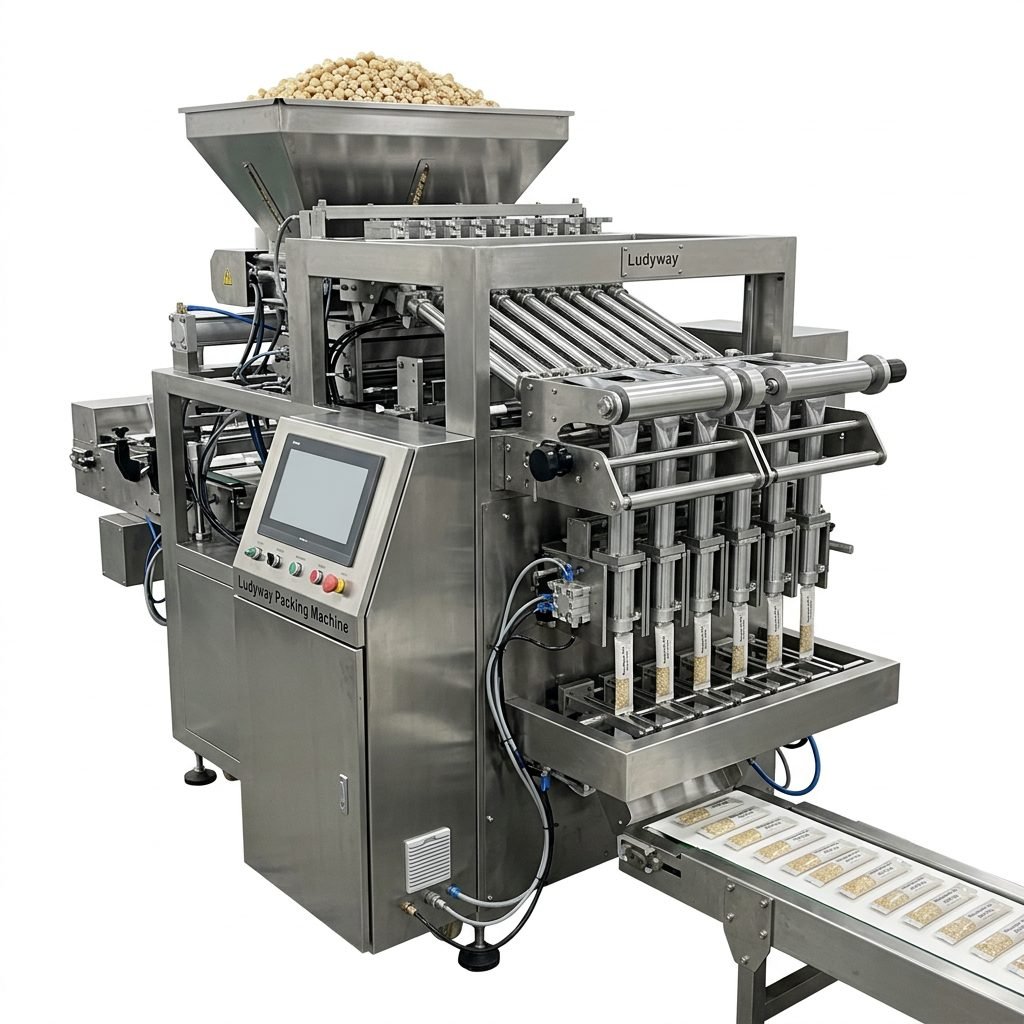
- Frame construction – Heavy-gauge stainless steel frames provide stability during high-speed operation and resist corrosion from nut oils and cleaning chemicals.
- Sealing technology – Look for servo-driven sealing jaws with precise temperature control, which ensure consistent seal integrity across varying production speeds.
- Control systems – Modern PLC-based controls with touchscreen interfaces simplify operation, recipe management, and troubleshooting. Compatibility with Industry 4.0 protocols enables integration with plant-wide monitoring systems.
- Safety features – Emergency stops, safety interlocks on guarding, and compliance with Australian/New Zealand machinery safety standards are non-negotiable.
Packaging Material Considerations
Nut products are particularly sensitive to moisture, oxygen, and light exposure. The packaging machine must be compatible with high-barrier film structures that protect product quality. Common material configurations for nut packaging in Oceania include:
- Metallized PET/PE laminates – Excellent oxygen and moisture barrier, widely used for nut snack packs and retail pouches.
- Foil-based laminates – Superior barrier properties ideal for premium nut products with extended shelf-life requirements.
- Clear barrier films – Allow product visibility while providing moderate protection, suitable for products with faster turnover rates.
- Recyclable mono-material structures – Growing in popularity as Oceanian brands respond to sustainability mandates and consumer preferences. Verify machine compatibility with these newer film types, as they may require different sealing parameters.
Automation and Integration Opportunities
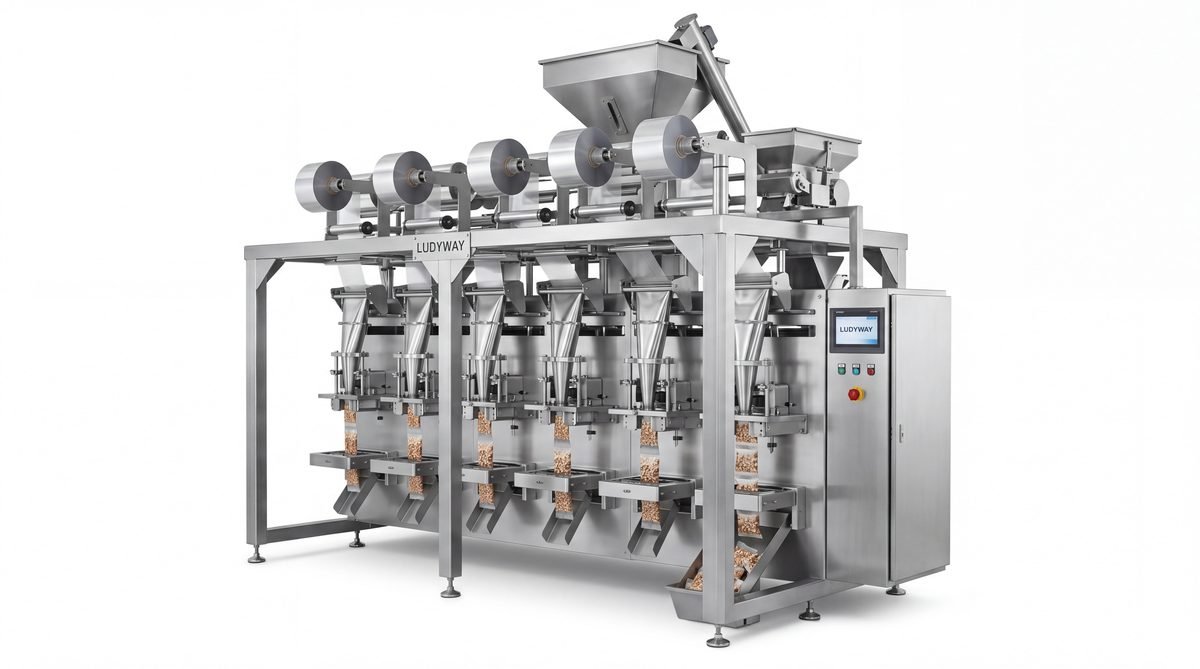
Modern nut packaging lines in Oceania increasingly incorporate end-to-end automation to address labor shortages and improve operational efficiency. Key integration points include:
- Automated feeding systems – Bucket elevators, vibratory feeders, and conveyor systems that deliver nuts from processing to packaging without manual intervention. These systems should be designed to minimize product damage during transfer.
- Multi-head weighers – Precision weighing technology that delivers ±0.5-1.0 gram accuracy, essential for maintaining profitability on high-value nut products. The number of weigh heads (typically 10-14 for nuts) impacts speed and accuracy.
- Checkweighing and rejection systems – In-line weight verification with automatic rejection of out-of-specification packages ensures consistent product quality and minimizes customer complaints.
- Vision inspection systems – Optical verification of seal integrity, label placement, and date code legibility provides an additional quality assurance layer for export-bound nut products.
- Cartoning and palletizing – End-of-line automation reduces manual handling and improves throughput. Robotic palletizing systems are increasingly accessible for mid-sized Oceanian nut processors.
Industry resources from Flexible Packaging Association provide valuable insights into packaging trends that influence machine selection and line design for nut products.
Future-Proofing Your Investment
With the 2025 State of the Industry report highlighting continued growth in snack packaging, Oceanian nut processors should consider several factors to future-proof their equipment investment:
- Modular design – Machines with modular architectures allow incremental upgrades as production needs evolve, avoiding complete system replacement.
- Digital connectivity – IoT-enabled equipment supports predictive maintenance, remote troubleshooting, and production analytics that drive continuous improvement.
- Sustainability features – Film-saving technologies, energy-efficient drives, and compatibility with recyclable packaging materials position your operation for evolving regulatory requirements and consumer expectations.
- Multi-product capability – Equipment that can handle various nut types and packaging formats provides the flexibility to respond to changing market demands without additional capital investment.
Practical Buying Tips for Oceanian Processors
Based on extensive industry experience, here are practical recommendations for nut packaging machine procurement in the Oceania region:
- Request product trials – Before committing, send samples of your specific nut products to potential suppliers for test runs. This validates machine performance on your actual product rather than idealized test materials.
- Visit existing installations – Where possible, visit reference sites to observe machines operating under real production conditions. Pay attention to operator feedback and maintenance requirements.
- Negotiate comprehensive service agreements – For Oceanian buyers, service response times from overseas manufacturers can be a concern. Structured service level agreements with guaranteed response times provide operational security.
- Plan for installation and commissioning – Allow adequate time for machine installation, commissioning, and operator training. Rushed installations often result in suboptimal performance and extended debugging periods.
- Consider total lifecycle costs – The lowest purchase price rarely delivers the best long-term value. Evaluate energy efficiency, spare parts availability, expected component life, and maintenance complexity in your cost calculations.
Standards referenced by ISO 11607 for packaging validation provide additional guidance for processors seeking to implement robust quality management systems around their packaging operations.
Common Pitfalls to Avoid
- Underestimating throughput requirements – Many buyers purchase equipment that meets current needs but lacks capacity for growth. Plan for at least 20-30% headroom above current production volumes.
- Overlooking film compatibility – Not all packaging machines work well with all film types. Verify film compatibility thoroughly, especially if you plan to use specialty or sustainable materials.
- Neglecting operator training – Even the most advanced machine underperforms without properly trained operators. Budget for comprehensive training during commissioning and ongoing refresher sessions.
- Ignoring environmental conditions – Nut packaging facilities in tropical Oceania regions may require additional climate control or machine modifications to handle humidity and temperature variations.
As the Oceania nut processing industry continues its growth trajectory, investing in the right packaging machinery becomes a strategic decision that impacts product quality, operational efficiency, and market competitiveness. By carefully evaluating machine features, supplier credentials, regulatory requirements, and total cost of ownership, Oceanian buyers can select equipment that delivers reliable performance and long-term value in this dynamic market.