Choosing the right packaging machine supplier is a critical decision for any bakery business. The right equipment not only ensures product freshness and appeal but also directly impacts your production efficiency, operational costs, and brand reputation. With numerous suppliers in the market, selecting the best partner can be daunting. This comprehensive guide will walk you through the essential factors to consider, helping you make an informed choice that aligns with your bakery’s specific needs and growth ambitions.
Understanding Your Bakery’s Packaging Needs
Before you begin evaluating suppliers, it’s crucial to have a clear understanding of your own requirements. This foundational step will guide every subsequent decision.
Key Questions to Ask Yourself:
- Product Types: Do you package bread, pastries, cakes, cookies, or dry mixes? Each product may require different packaging solutions (e.g., flow wrap for bread, vertical form-fill-seal for cookies).
- Production Volume & Speed: What is your current and projected output? The required machine speed (packages per minute) is a primary specification.
- Packaging Materials: Are you using plastic film, paper, biodegradable materials, or a combination? The machine must be compatible with your chosen material.
- Automation Level: Do you need a fully automated line with integrated weighing and cartoning, or a semi-automatic machine?
- Floor Space & Layout: What is the available space in your production area? This will dictate the machine’s footprint and configuration.
Core Criteria for Evaluating a Packaging Machine Supplier
Once your needs are defined, use these criteria to assess potential suppliers systematically.
1. Industry Experience and Specialization
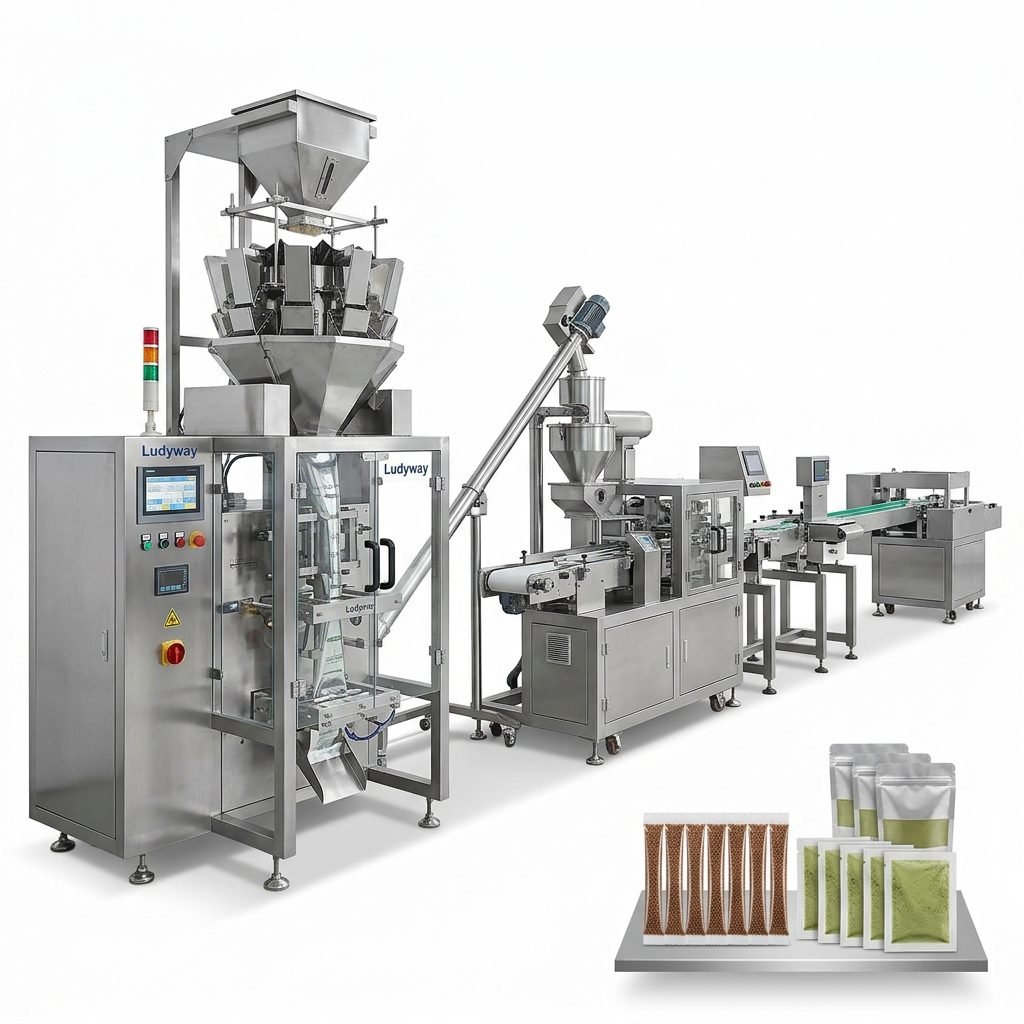
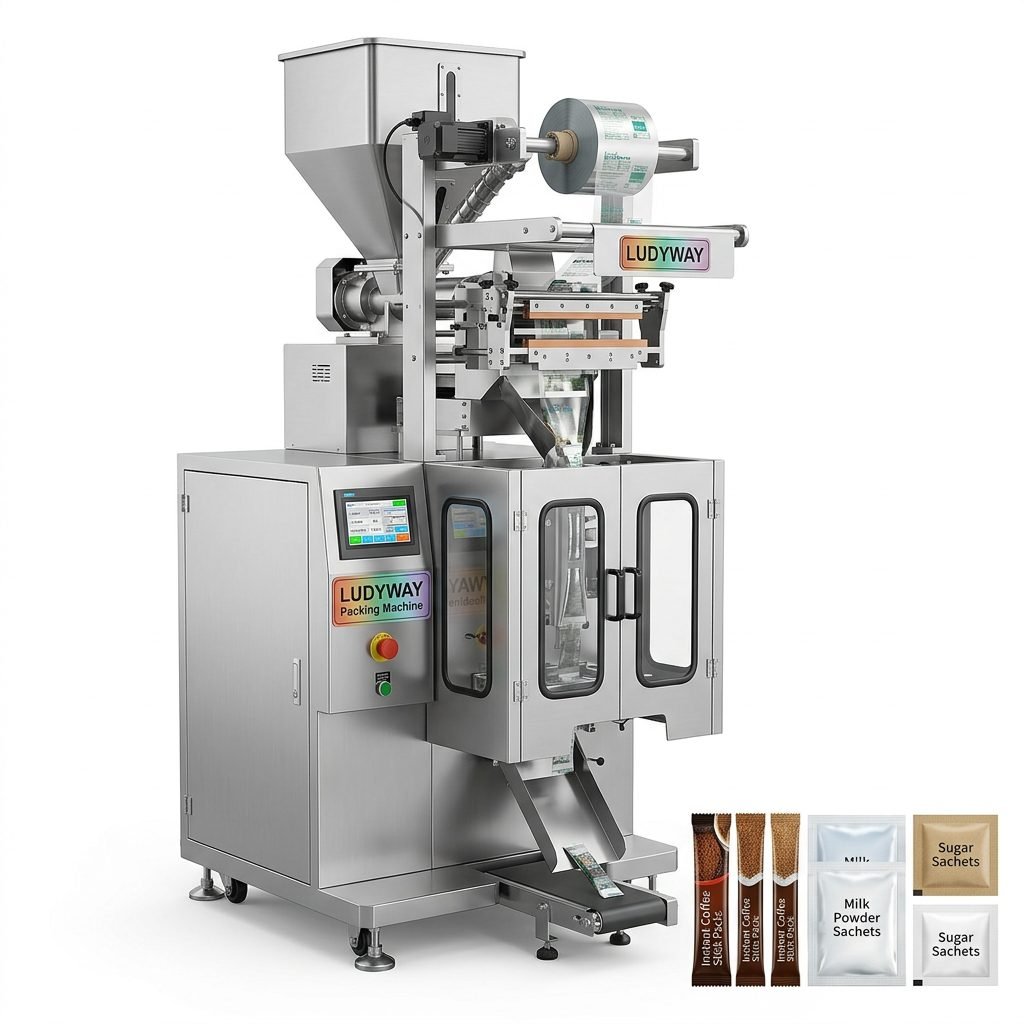
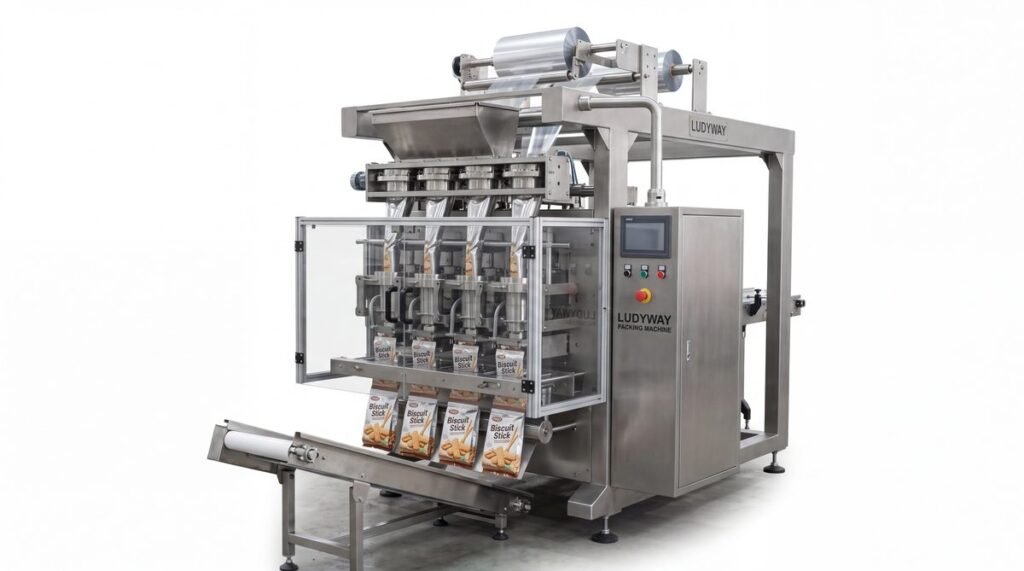
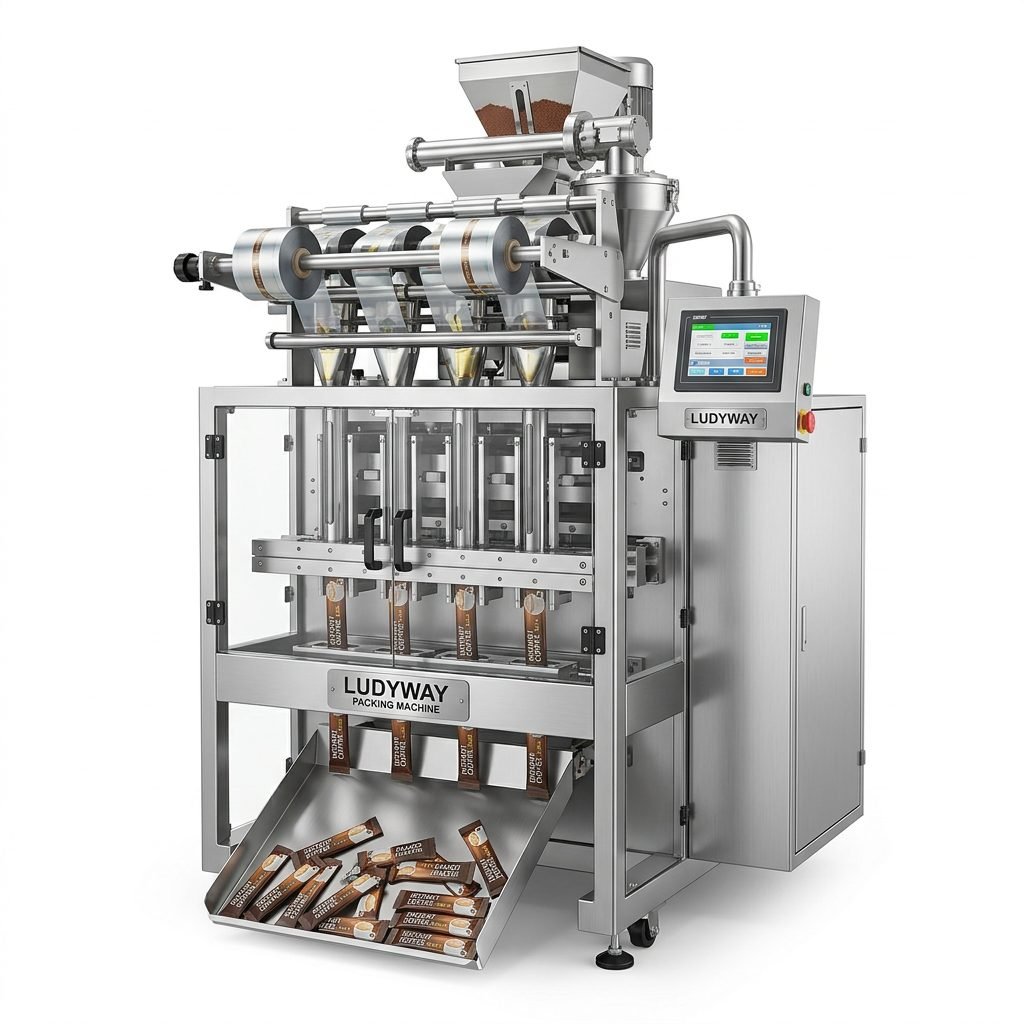
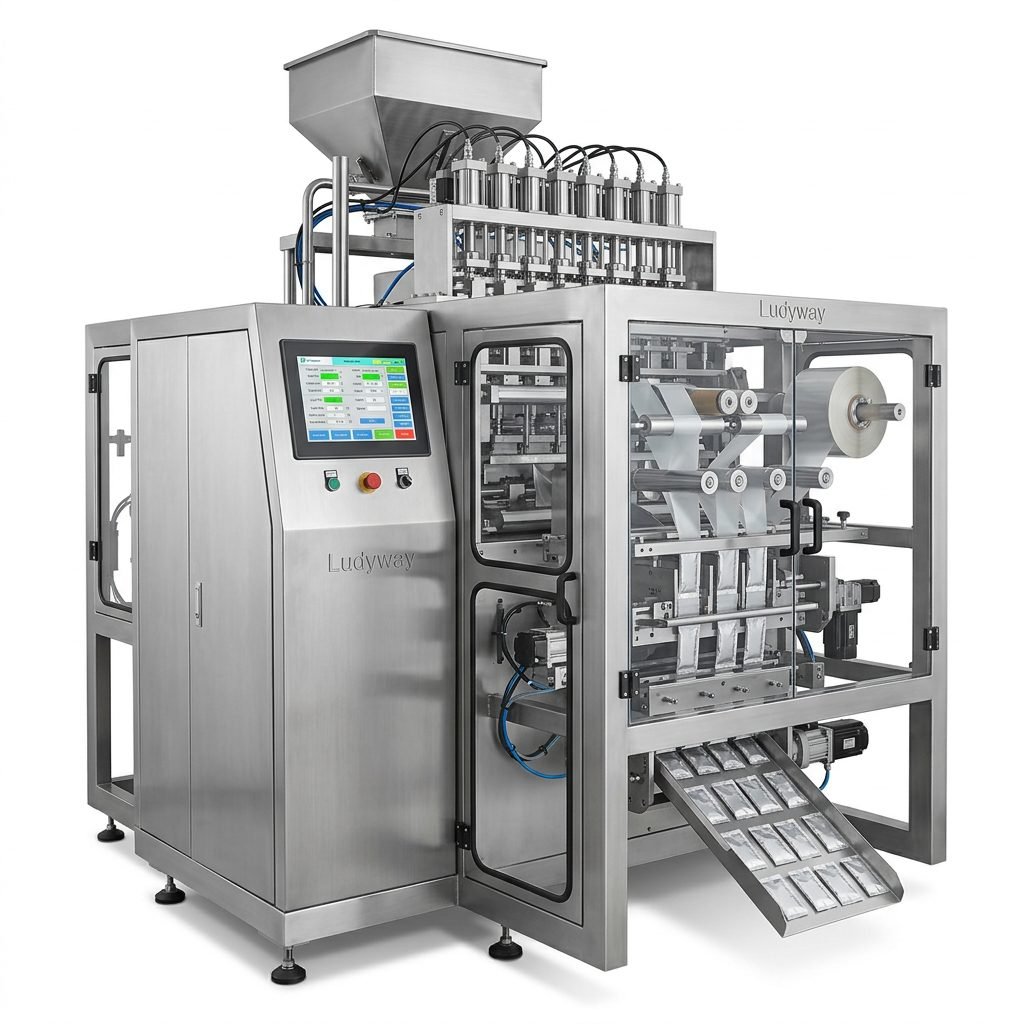
Look for a supplier with a proven track record in the bakery industry. The challenges of packaging baked goods—from delicate textures to maintaining freshness—are unique. A supplier like Ludyway Packing Machine, with deep industry knowledge, will understand these nuances and recommend machines engineered for flour dust, crumb containment, and gentle handling. Their 30+ years of experience often translates into more reliable, purpose-built solutions.
2. Range of Machinery and Technical Capability
A top-tier supplier should offer a comprehensive portfolio. This includes:
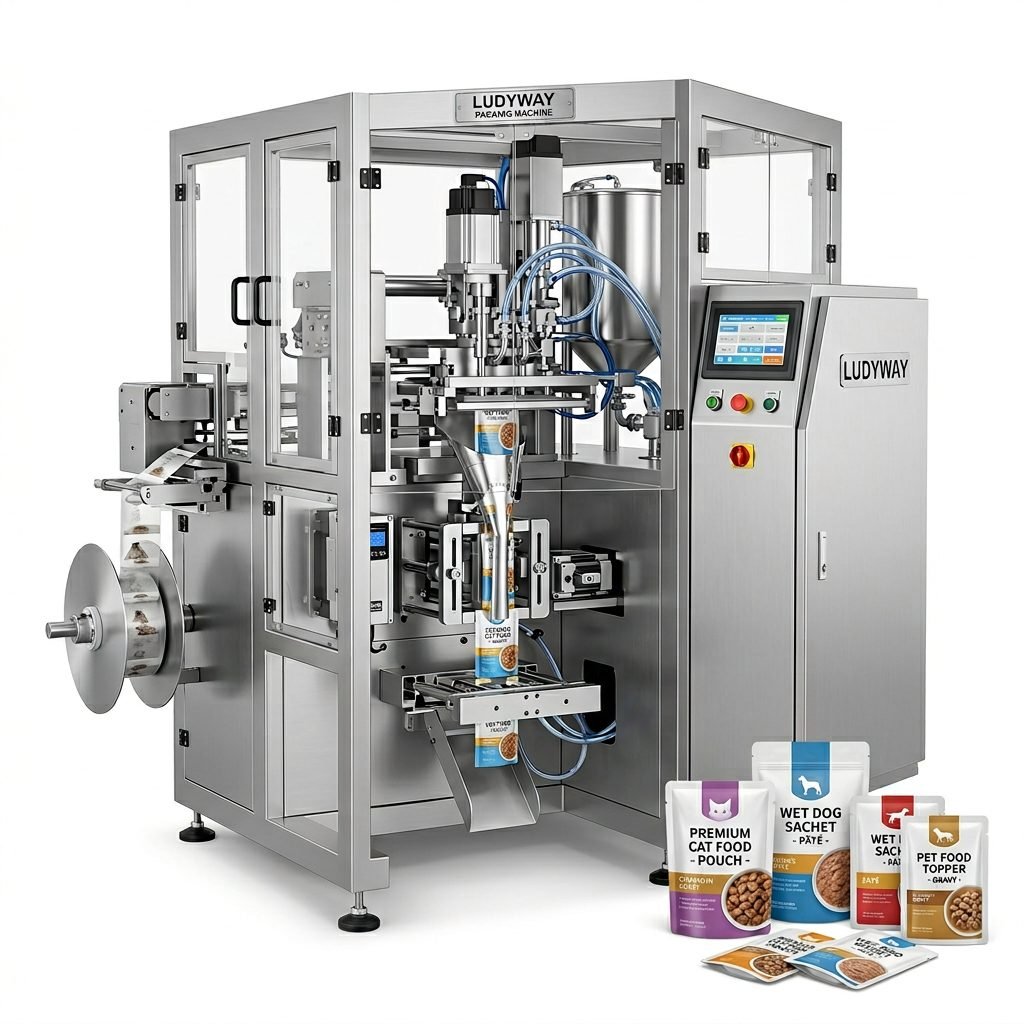
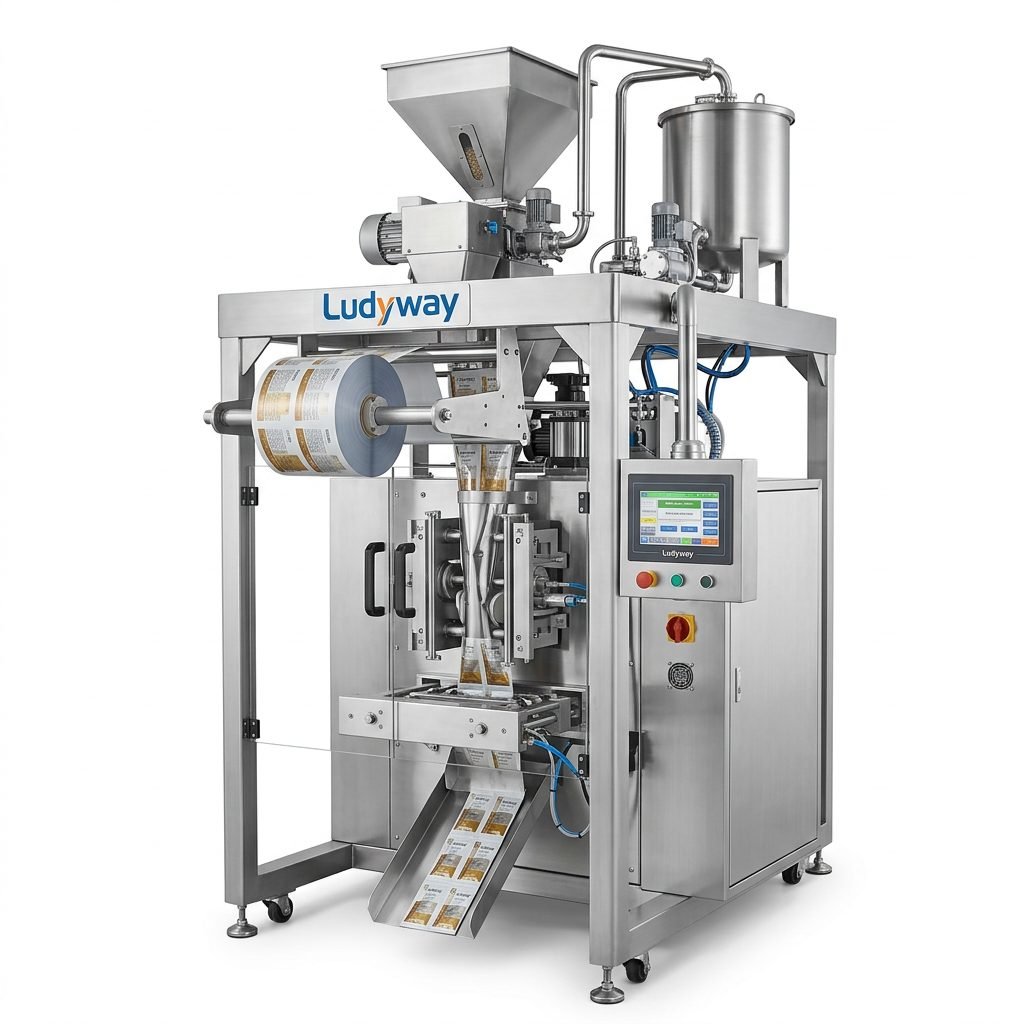
- ✓ Vertical Form-Fill-Seal (VFFS) Machines: Ideal for packaging cookies, crackers, and dry mixes into bags or pouches.
- ✓ Horizontal Flow Wrappers: Perfect for wrapping bread loaves, rolls, and trayed pastries.
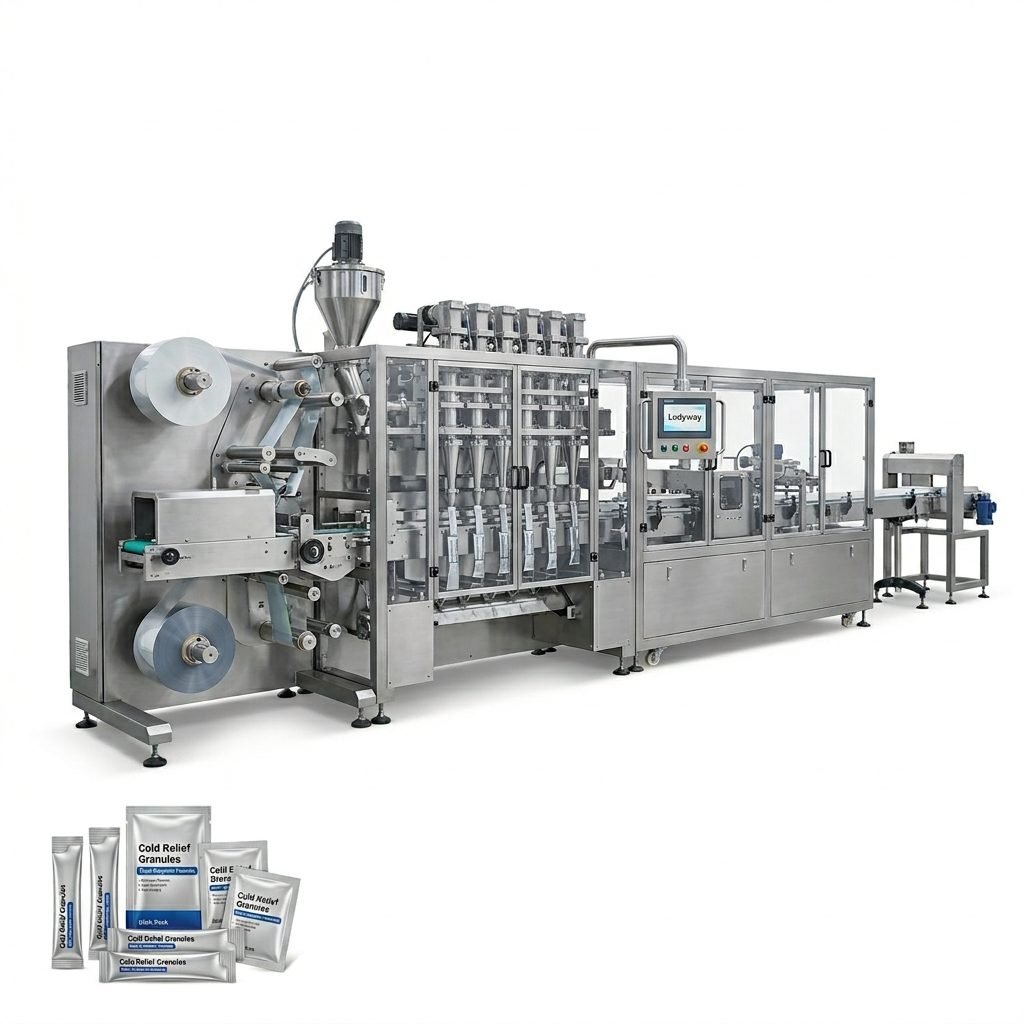
- ✓ Stick Pack & Sachet Machines: For portion-controlled items like icing sugar, drink mixes, or condiments.
- ✓ Tray Sealers and Cartoning Systems: For premium baked goods and multi-packs.
The ability to provide complete turnkey solutions—integrating feeding, weighing, packaging, and labeling—is a significant advantage, ensuring all components work seamlessly together.
3. Machine Quality, Durability, and Hygiene
Bakery environments demand robust and hygienic equipment. Inquire about:
Construction: Machines should feature food-grade stainless steel (e.g., 304 or 316) in critical contact areas for corrosion resistance and easy cleaning.
Design: Look for designs with minimal crevices, smooth surfaces, and easy access for sanitation to meet food safety standards like HACCP and BRC.
Component Quality: High-quality PLCs, servos, and seals from reputable brands (e.g., Siemens, Mitsubishi) ensure longevity and reduce downtime.
4. Customization and Flexibility
Your operation is unique. The best supplier won’t just sell a standard machine; they will tailor it. Can they modify sealing jaws for your specific film? Integrate a special feeder for fragile croissants? Provide a customized production solution that fits your line layout? Flexibility for future changeovers to different products or pack sizes is also a key consideration for business growth.
5. After-Sales Support and Service Network
This is often the most critical differentiator. A machine is a long-term investment. Evaluate the supplier’s support structure:
- Technical Support: Is 24/7 remote support available? How quickly can they respond?
- Spare Parts: Is there a local or readily available inventory of common wear parts? Long lead times for parts can halt production.
- Training: Do they provide comprehensive on-site training for your operators and maintenance staff?
- Installation & Commissioning: Will their engineers supervise installation and ensure the machine runs optimally?
A supplier with a global service footprint and a commitment to long-term cooperation provides invaluable peace of mind.
6. Cost Considerations: Beyond the Initial Price Tag
While budget is important, the lowest upfront cost can lead to higher total cost of ownership. Perform a Total Cost of Analysis (TCO):
- Machine Price
- Operating Costs: Energy consumption, compressed air usage, film waste rates.
- Maintenance Costs: Cost and frequency of spare parts, recommended service intervals.
- Downtime Cost: A reliable machine from a reputable supplier minimizes costly production stoppages.
Investing in a slightly more expensive but robust and efficient machine from a partner like Ludyway Machinery often yields a far better return on investment through years of trouble-free operation.
The Supplier Selection Process: A Step-by-Step Approach
Turn your criteria into an actionable process.
Step 1: Research and Create a Shortlist
Use industry directories, trade shows (like IBA, PACK EXPO), and peer recommendations to identify 3-5 potential suppliers with bakery expertise.
Step 2: Initial Inquiry and Proposal Request
Provide a detailed brief of your needs. Analyze their proposals for completeness, clarity, and how well they address your specific challenges.
Step 3: Deep Dive: Factory Audit and Machine Testing
If possible, visit the supplier’s manufacturing facility. A 20,000㎡ modern production facility reflects scale and capability. More importantly, request a live product test. Send your actual bakery product and packaging material to the supplier to run on their machine. This is the only way to truly verify performance, speed, and packaging quality.
Step 4: Reference Checks and Final Evaluation
Ask for and contact references, preferably from other bakeries. Ask about machine performance, reliability, and the quality of after-sales service. Finally, weigh all factors—technical solution, cost, support, and your confidence in the partnership—before making your decision.
Conclusion: Partnering for Success
Selecting the best bakery packaging machine supplier is about forging a strategic partnership, not just completing a transaction. The ideal partner brings proven industry experience, offers reliable and hygienic machinery, provides adaptable solutions, and stands behind their equipment with unwavering support. By meticulously following this guide, you can choose a supplier that becomes an integral part of your bakery’s efficiency, innovation, and growth for years to come.
Frequently Asked Questions (FAQs)
1. What is the most important factor when choosing a bakery packaging machine?
While all factors are interconnected, the supplier’s bakery-specific experience and after-sales service network are often the most critical. A machine tailored for bakery challenges from a supplier who provides prompt, expert support ensures long-term productivity and minimizes costly downtime.
2. How can I reduce packaging material waste with my new machine?
Choose a machine with a high-precision servo-driven film feeding system. Discuss “film waste optimization” with your supplier during the selection process. Many advanced machines feature software that minimizes trim waste and ensures precise sealing, significantly reducing material costs over time.
3. Can one machine handle multiple different bakery products?
Yes, many machines offer quick changeover capabilities. You can switch between different products and pack sizes by changing forming tubes, sealing jaws, and product buckets, often in under 30 minutes. Discuss your product range with the supplier to ensure the recommended machine has the necessary flexibility.
4. What hygiene certifications should I look for in a packaging machine?
Look for machines designed with food safety in mind. While the machine itself may not have a “certificate,” its construction should facilitate compliance with global food safety standards. Key features include all-stainless-steel contact surfaces, IP-rated electrical components for washdown environments, and a design with no harborage points for bacteria.
5. How long does it typically take from order to installation of a new packaging line?
The lead time varies based on machine complexity and customization. For a standard machine, expect 8-12 weeks for manufacturing. For a fully customized turnkey line, it can take 4-6 months. Always include installation, commissioning, and operator training timelines in your project plan with the supplier.