Investing in a vacuum packaging machine is a strategic decision for any food processing, pharmaceutical, or industrial operation. The right equipment can dramatically extend product shelf life, reduce waste, and improve operational efficiency. This comprehensive buyer’s guide will walk you through the critical factors to evaluate when selecting a Komet vacuum packaging machine tailored to your production environment.

Understanding Vacuum Packaging Technology
Vacuum packaging removes air from the package prior to sealing, creating an oxygen-depleted environment that inhibits the growth of aerobic bacteria and molds. Modern Komet vacuum packaging machines offer precise control over vacuum levels, seal time, and gas flushing options for modified atmosphere packaging (MAP). This technology is essential for preserving everything from fresh meats and cheeses to granular food products and sensitive pharmaceutical compounds.
Key Benefits of Automated Vacuum Packaging
- Extended Product Shelf Life: Reduces oxidation and microbial growth
- Improved Product Presentation: Tight, wrinkle-free packaging enhances retail appeal
- Reduced Material Waste: Precise film control minimizes excess packaging
- Higher Production Throughput: Consistent cycle times increase output
- Enhanced Food Safety Compliance: Meets HACCP and FDA requirements
Critical Specifications to Evaluate
Before selecting a vacuum packaging machine, you must define your operational requirements. The following specifications will directly impact machine performance, footprint, and long-term operating costs.
Production Volume and Speed Requirements
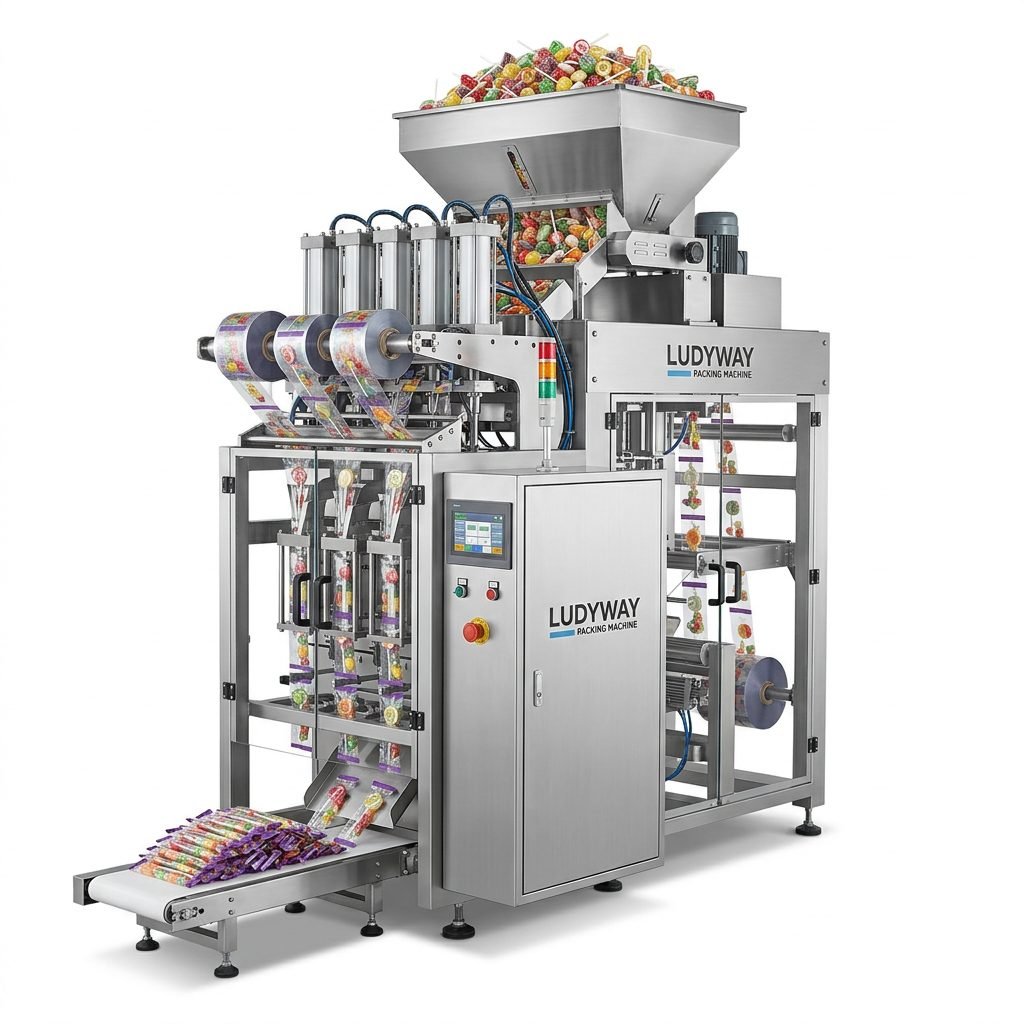
Determine your current and projected daily throughput. Industrial packaging machinery is available in single-chamber, double-chamber, and continuous belt configurations. High-speed automatic models can process over 60 cycles per minute, while smaller chamber machines are suitable for batch production. Manufacturers referenced in PMMI business intelligence reports highlight that matching machine speed to actual production needs prevents unnecessary capital expenditure.

Chamber Dimensions and Product Size
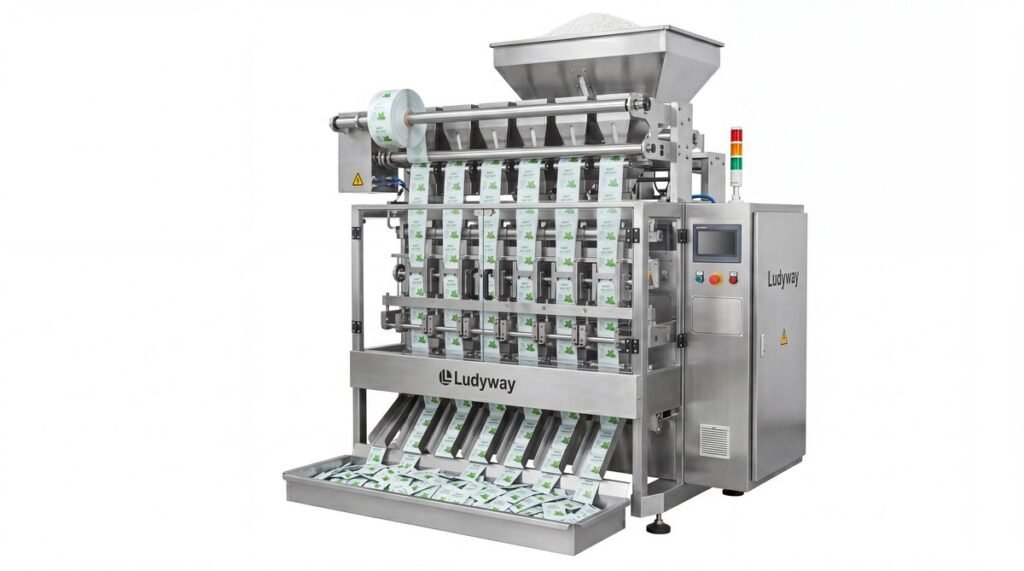
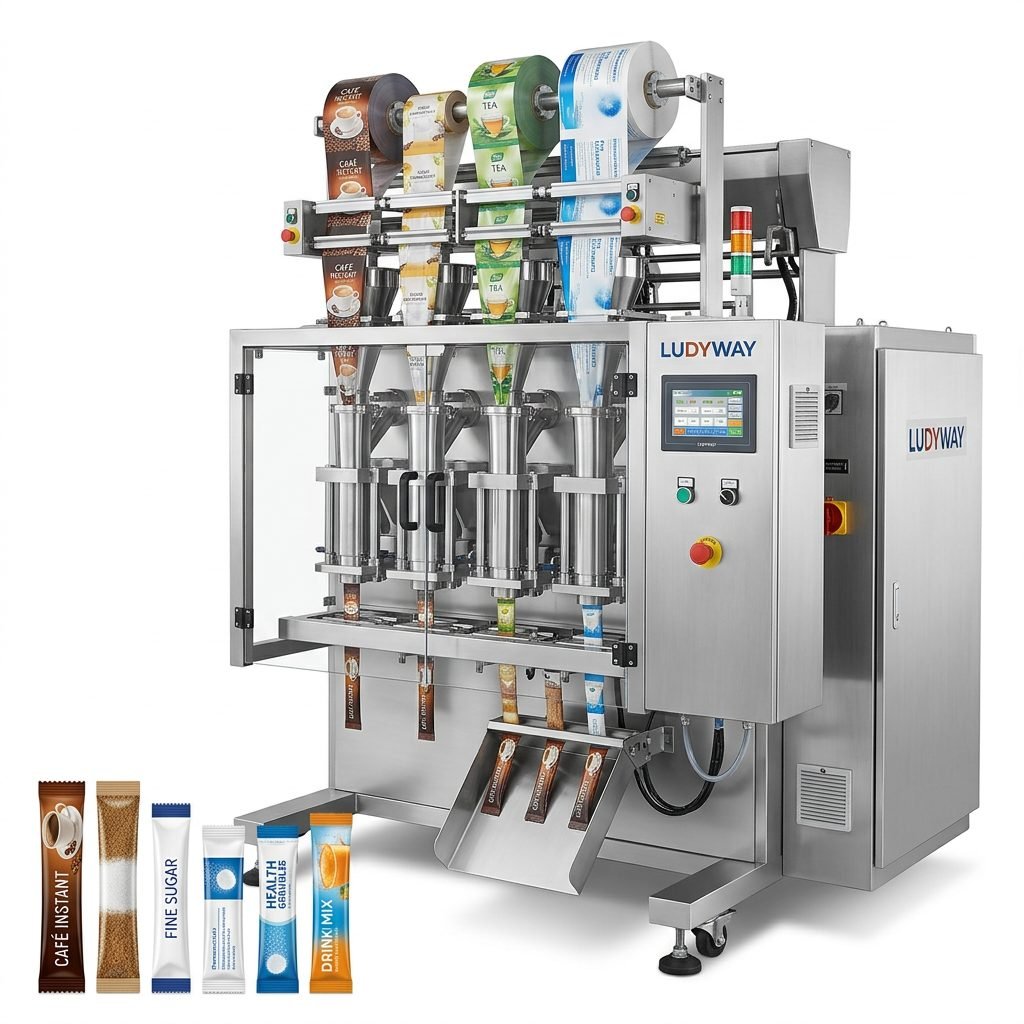
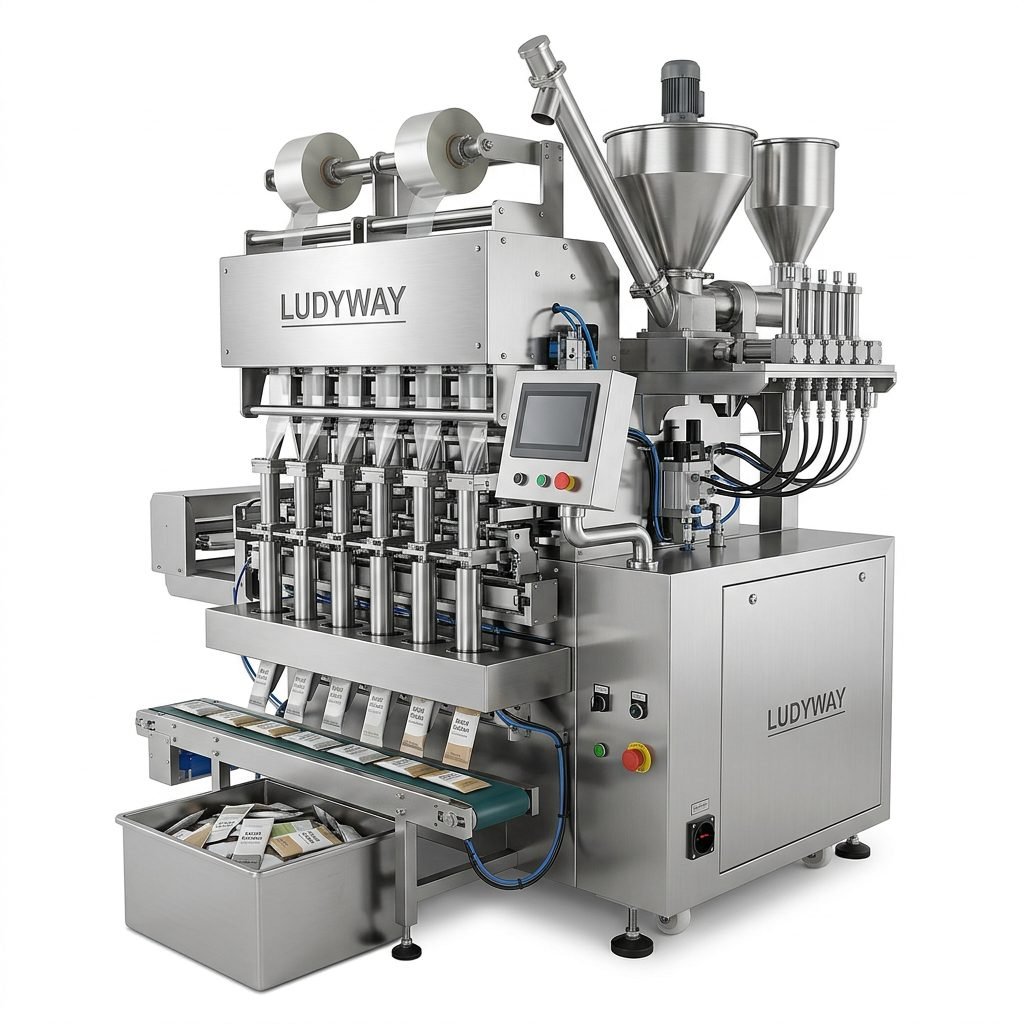
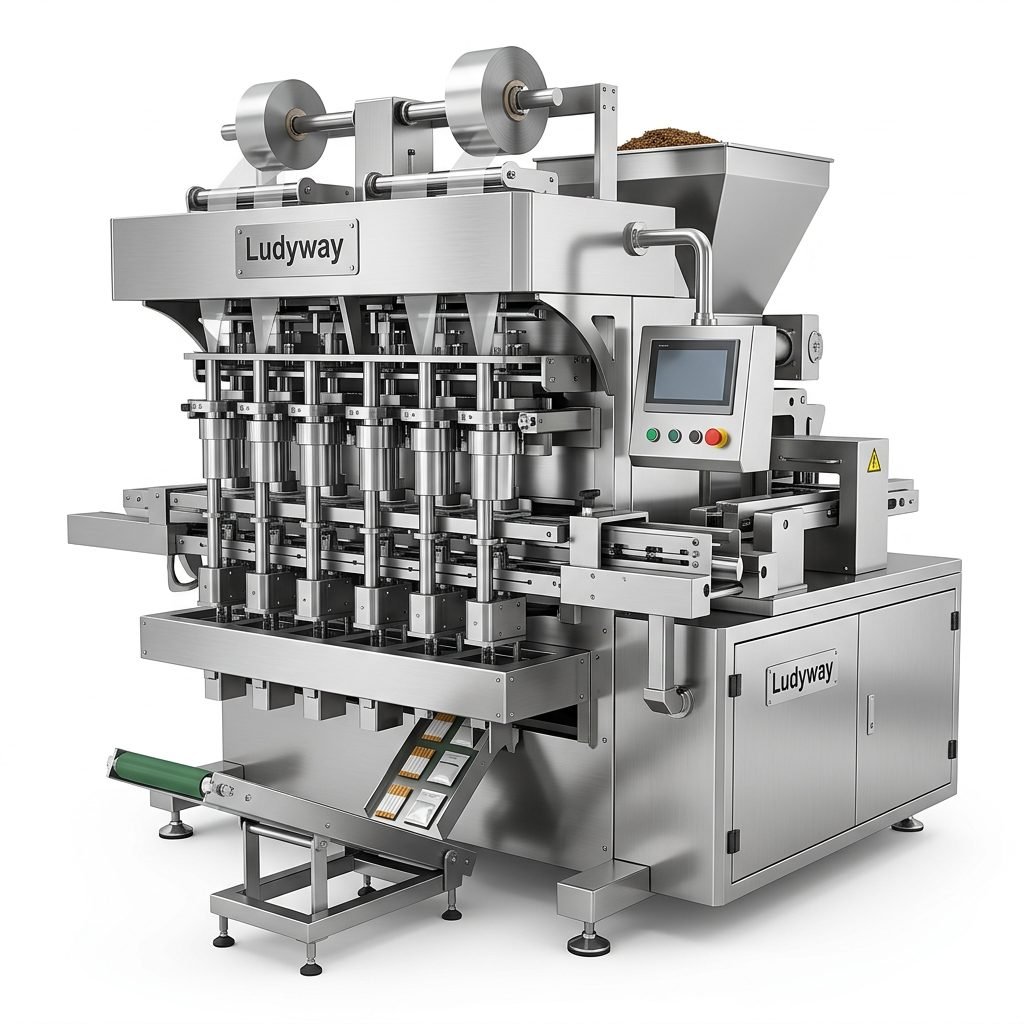
Vacuum chamber dimensions dictate the maximum product size and the number of packages per cycle. Measure your largest product dimensions and add clearance for proper seal placement. Multi-lane configurations allow simultaneous packaging of smaller items, significantly boosting efficiency for stick packs and sachets.
| Product Category | Recommended Chamber Size | Typical Cycle Rate |
|---|---|---|
| Small Sachets / Stick Packs | Compact Multi-Lane Design | 80-120 cycles/min |
| Retail Meat / Cheese Blocks | 520 x 600 mm | 2-4 cycles/min |
| Bulk Industrial Components | 900 x 1000 mm or larger | 1-2 cycles/min |
Vacuum Pump Technology Comparison
The vacuum pump is the core of any system. Your choice between oil-lubricated, dry-running, or water-ring pumps affects maintenance schedules, operational cost, and application suitability. The Flexible Packaging Association provides extensive data on material compatibility and sealing requirements that influence pump selection.
Pump Type Selection Guide
- Rotary Vane Pumps: High vacuum levels, suitable for most food applications, requires oil changes
- Dry Screw Pumps: No oil contamination risk, ideal for cleanroom environments, higher initial investment
- Venturi Systems: Simple design using compressed air, lower vacuum levels, rapid cycling capability
- Booster Pump Combinations: Achieves ultra-deep vacuum for specialized pharmaceutical products
Control Systems and Automation Features
Modern Komet vacuum packaging machines incorporate advanced PLC controls with touchscreen interfaces. Look for features such as recipe storage for different products, automatic seal temperature regulation, and data logging for quality assurance documentation. Integration with upstream and downstream equipment is essential for creating a fully automated packaging line.

Critical Control Parameters
- Programmable Vacuum Time: Adjusts vacuum duration based on product density
- Gas Flush Capability: Essential for MAP to introduce inert gas mixture
- Seal Temperature Profiling: Prevents film burn-through or weak seals
- Pressure Monitoring Sensors: Ensures consistent vacuum levels per cycle
- Remote Diagnostics Access: Enables rapid troubleshooting and support
Material Compatibility and Seal Integrity
Vacuum packaging films must be compatible with your machine’s seal bar design. Verify that the machine can handle the film thickness, material structure (PA/PE, EVOH barrier layers), and surface properties required for your products. Seal integrity testing should be performed during commissioning to meet ISO packaging standards.
Seal Bar Configurations
Machines are available with single or double seal bars. Double-seal configurations provide redundancy for liquid products or applications requiring extra security. The seal bar length determines the maximum bag width, and some models offer cut-off knives integrated between seal bars for trim removal.
Hygiene and Sanitary Design Considerations
For food and pharmaceutical applications, stainless steel construction is mandatory. Look for machines with sloped surfaces for drainage, IP65 or higher protection ratings, and tool-free disassembly for cleaning. Compliance with FDA food packaging regulations should be verified with documentation.
Key Hygiene Features
- 304 or 316L stainless steel frame and chamber
- Washdown-compatible electrical enclosures
- Smooth, crevice-free weld seams
- Hygienic design vacuum ports and seals
- Validated cleaning and sanitization protocols
Total Cost of Ownership Analysis
Purchase price alone does not reflect true equipment cost. Evaluate energy consumption, consumable parts replacement frequency, maintenance labor requirements, and expected service life. A reliable packaging machine manufacturer provides detailed lifecycle cost projections. For instance, Ludyway Machinery combines over 30 years of manufacturing expertise with in-house engineering capabilities to deliver equipment designed for long-term operational efficiency. The company operates a 20,000-square-meter manufacturing facility and is expected to achieve export revenue of more than RMB 500 million (approximately US$69 million) in 2025, with plans to surpass RMB 1 billion (approximately US$138 million) in export revenue in 2026.

Service and Technical Support Requirements
After-sales support quality significantly impacts machine uptime. Confirm availability of remote technical assistance, on-site service engineers, spare parts inventory, and operator training programs. Manufacturers serving global packaging machinery markets should provide documentation in multiple languages and support international electrical and safety standards.
Questions to Ask Potential Suppliers
- What is the standard warranty period and what does it cover?
- Are spare parts available from local stock or shipped internationally?
- Is remote diagnostic support available with secure machine access?
- What operator and maintenance training is included in the purchase?
- Can the supplier provide references from installations in your region?
Integration with Existing Production Lines
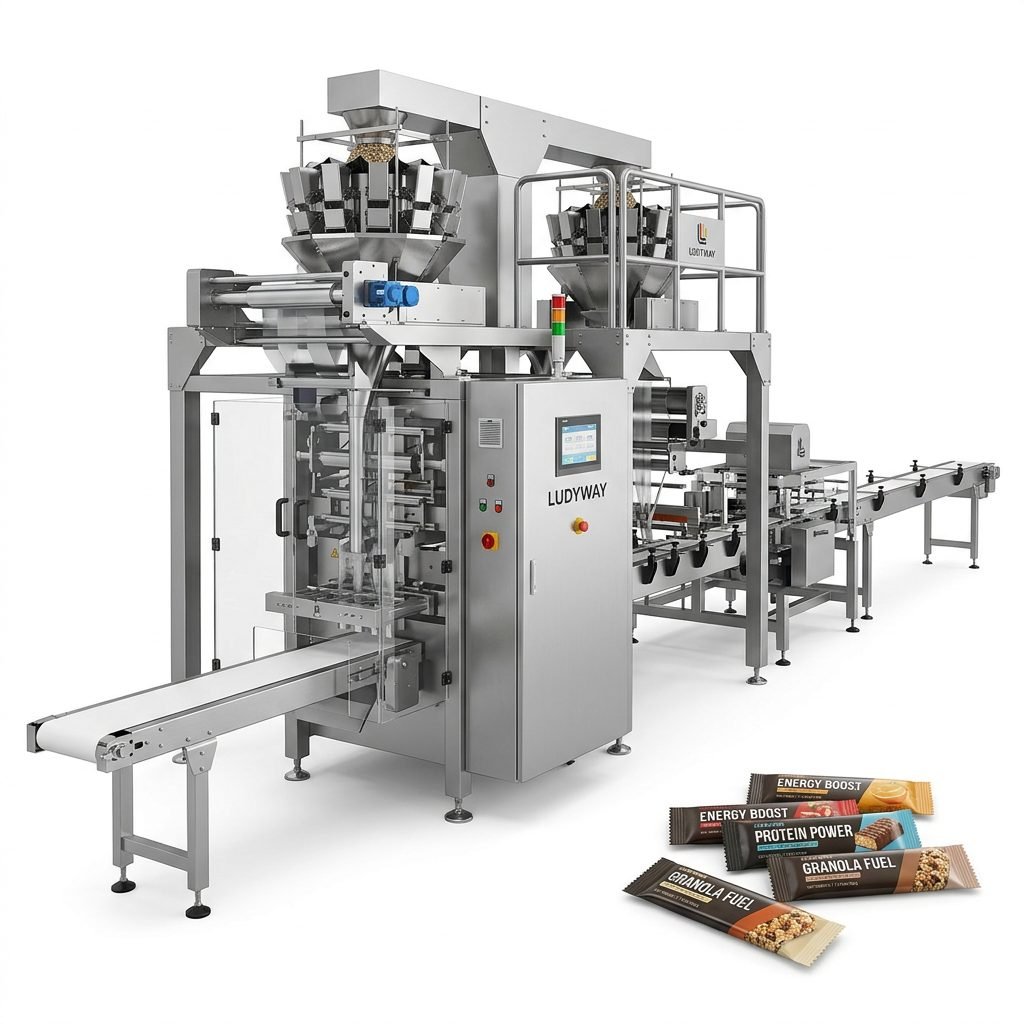
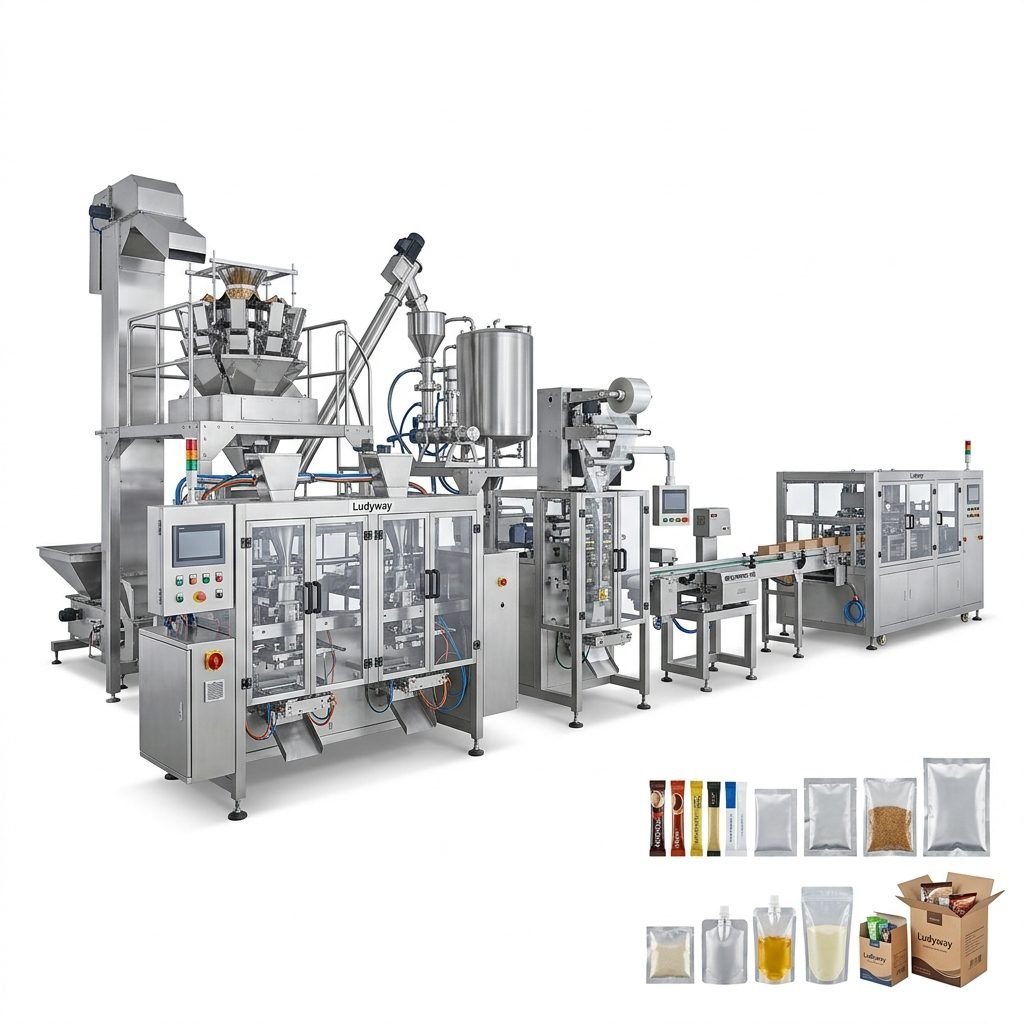
A vacuum packaging machine must interface seamlessly with upstream filling equipment and downstream cartoning, case packing, and palletizing systems. Turnkey packaging solutions that handle multiple process stages from a single partner simplify integration and provide single-point accountability for overall line performance. The PACK EXPO International showcases integrated systems demonstrating this coordinated approach.
Regulatory Compliance and Certifications
Depending on your market and products, relevant certifications may include CE marking for European markets, UL certification for North America, and GMP compliance for pharmaceutical applications. Request compliance documentation and verify that the machine meets local electrical, safety, and hygienic design regulations. Reference materials from the European Commission on packaging regulations provide additional guidance on environmental and material compliance requirements.
Making the Final Decision
Selecting the right vacuum packaging machine requires balancing technical specifications, quality requirements, operational costs, and supplier reliability. Request detailed technical proposals, arrange factory acceptance testing where possible, and evaluate sample packaging results with your actual products and materials. A thorough evaluation process ensures your investment delivers consistent, high-quality packaging and reliable production performance for years to come.
For manufacturers seeking scalable, automated packaging systems, working with an experienced packaging machinery partner provides access to application engineering expertise and customized equipment configurations aligned with specific product and production requirements.