The dairy industry relies on precision, hygiene, and efficiency, making the choice of packaging machinery a critical decision for any producer. From milk and yogurt to cheese and cream, each product demands specific packaging solutions that protect quality, extend shelf life, and appeal to consumers. Selecting the right equipment is not just about automation; it’s about ensuring product integrity, optimizing production flow, and meeting stringent food safety standards. This guide explores the various types of dairy packaging machinery, their working processes, and key factors to consider when choosing the right equipment for your operation.
Core Types of Dairy Packaging Machinery
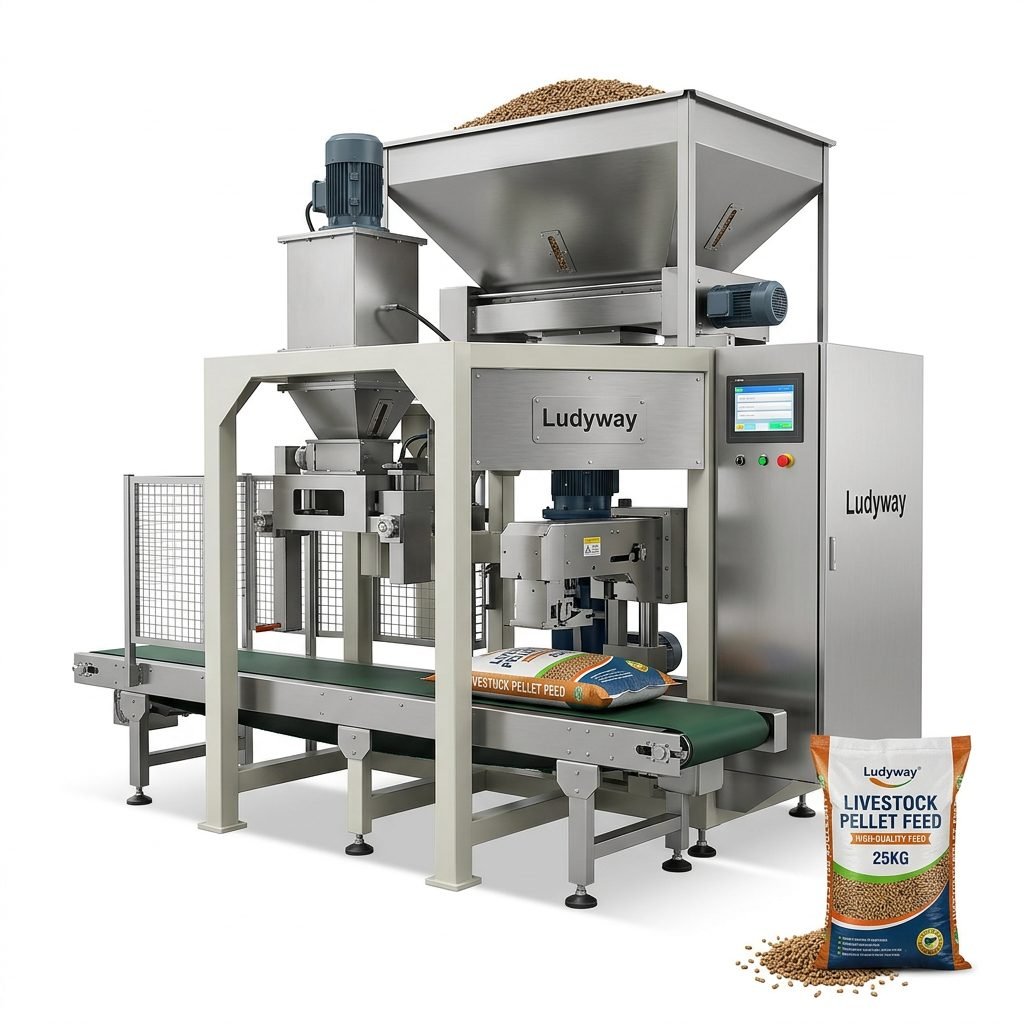
Dairy packaging encompasses a wide range of formats and materials. The machinery is typically categorized by the product form (liquid, viscous, solid) and the final package type.
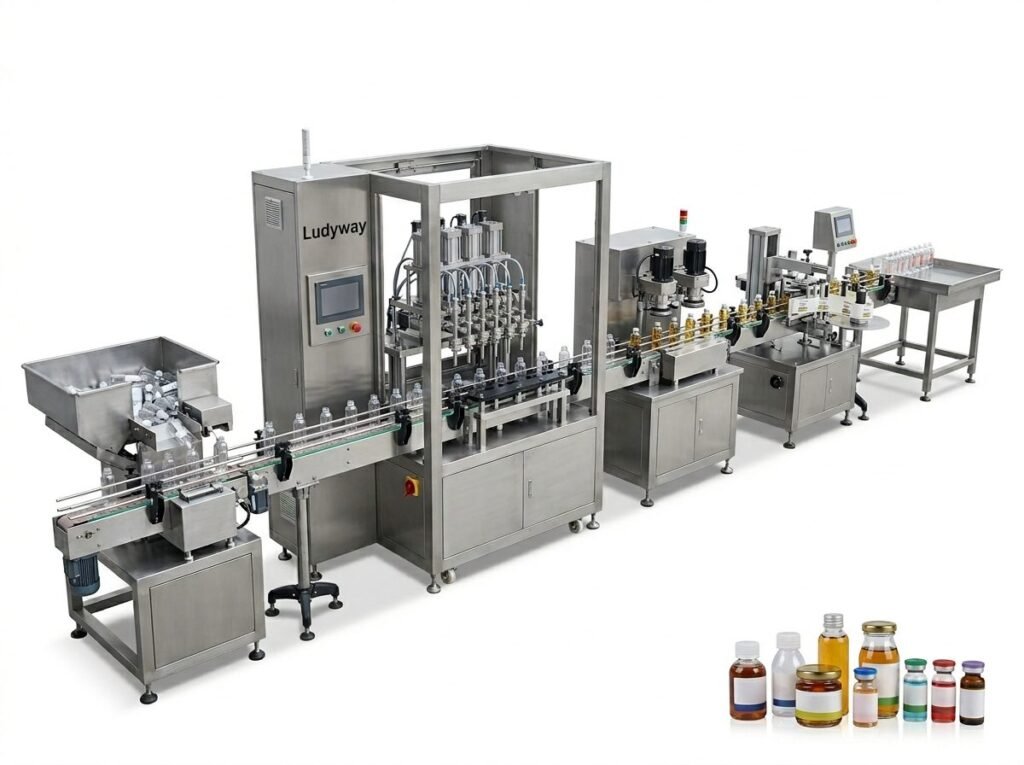
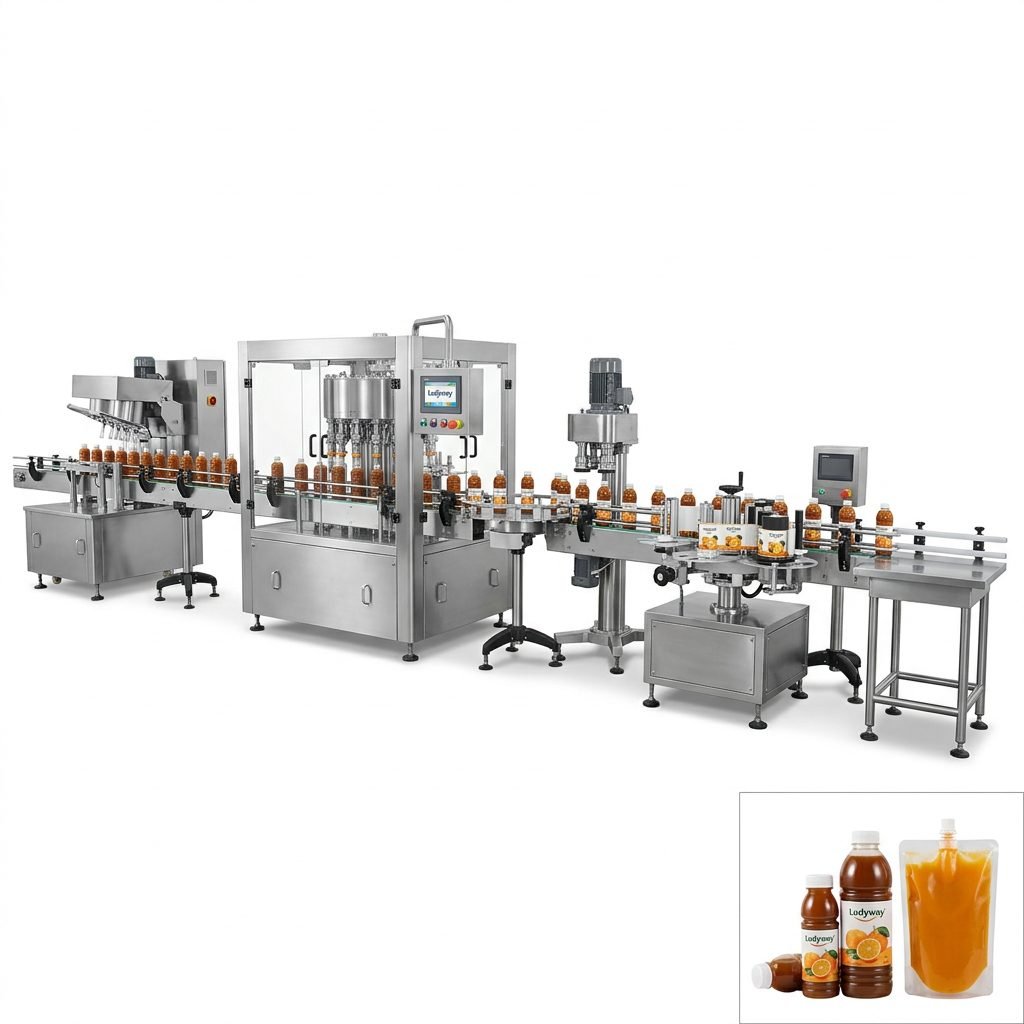
Liquid Filling and Sealing Machines
These are the workhorses for products like milk, cream, and liquid yogurt. They often use volumetric or flowmeter filling systems for accuracy. Common packaging formats include:
- Gable-top carton fillers: For fresh milk and juice.
- Bottle fillers (HDPE/PET): Utilizing rinsing, filling, and capping in one line.
- Aseptic brick carton machines: For long-life UHT products, employing sterile filling in a closed environment.
Viscous Product Fillers
Designed for thicker products such as yogurt, sour cream, cottage cheese, and dairy desserts. Piston fillers are predominant here due to their ability to handle particulates.
Key Insight: Piston fillers offer excellent accuracy for viscous products and can be equipped with special nozzles to minimize product shear and maintain texture, which is crucial for premium dairy items.
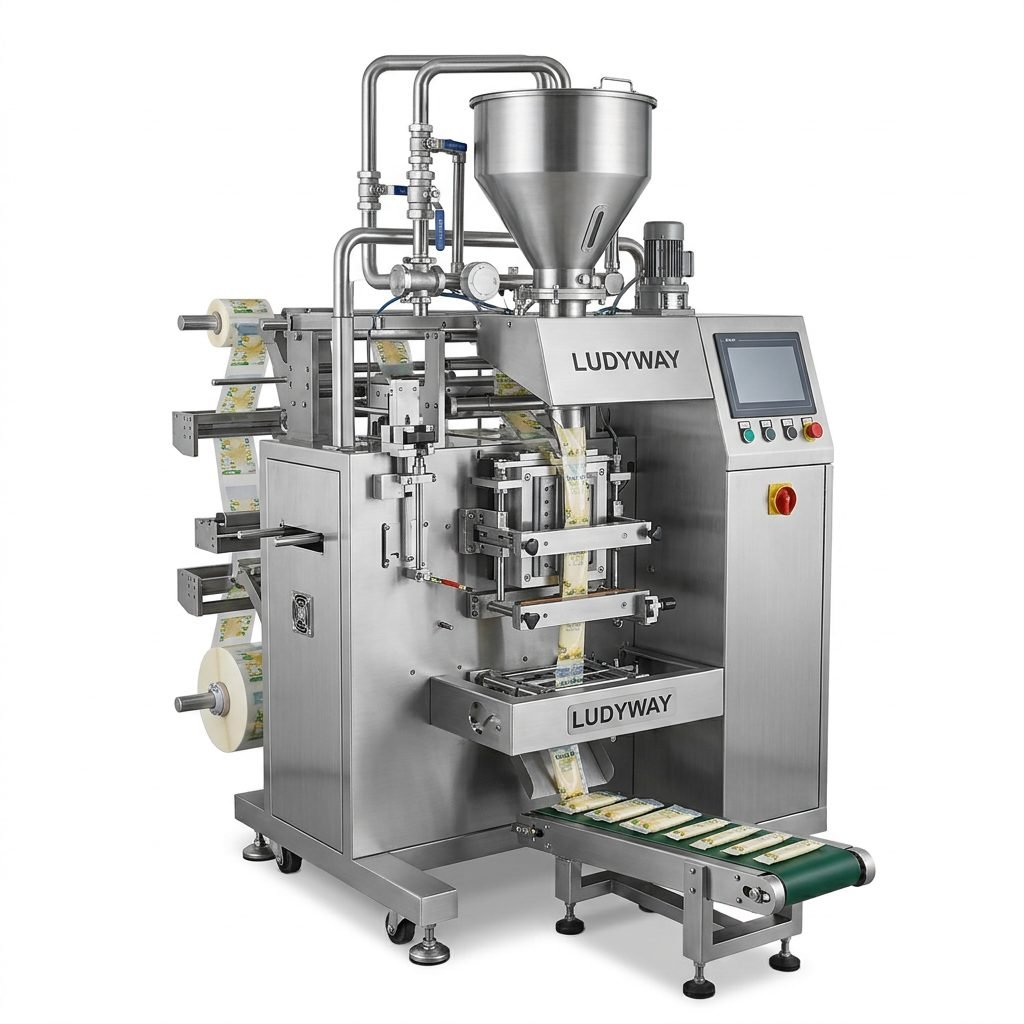
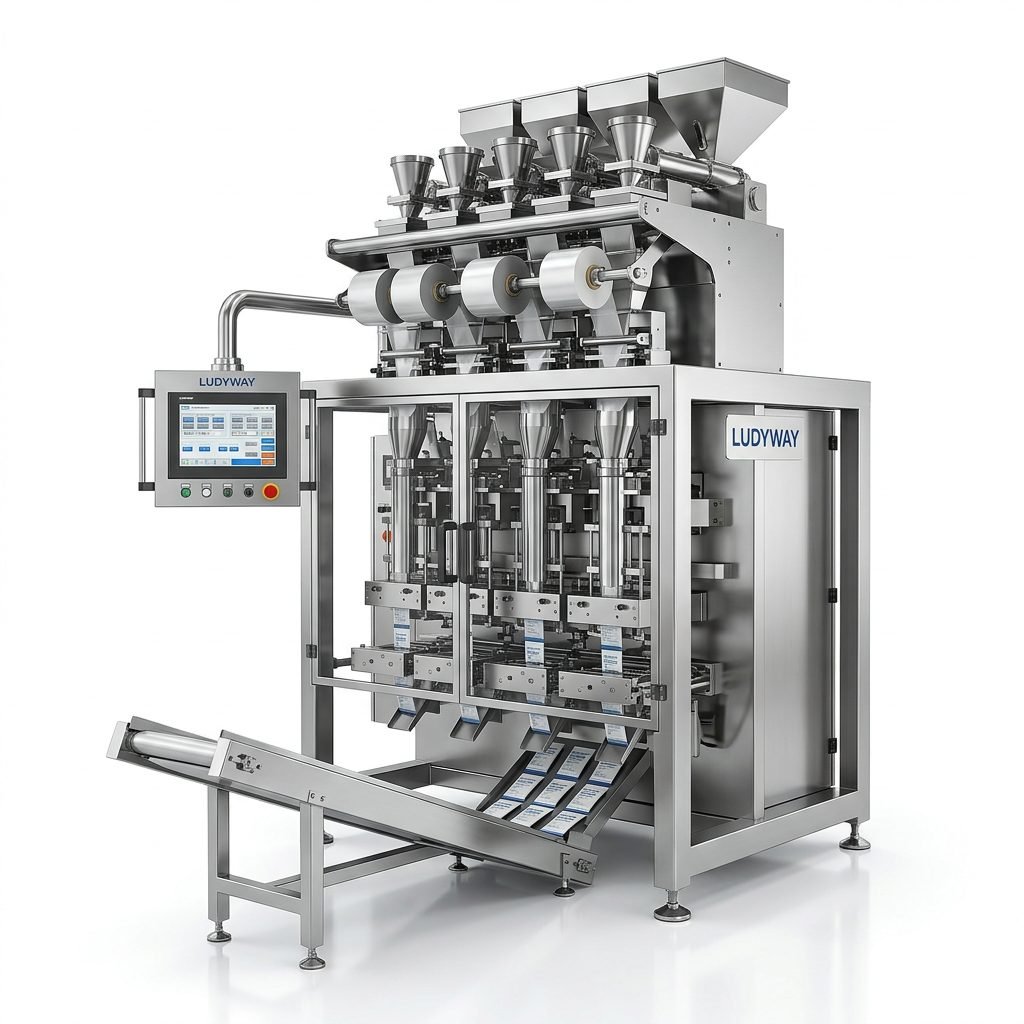
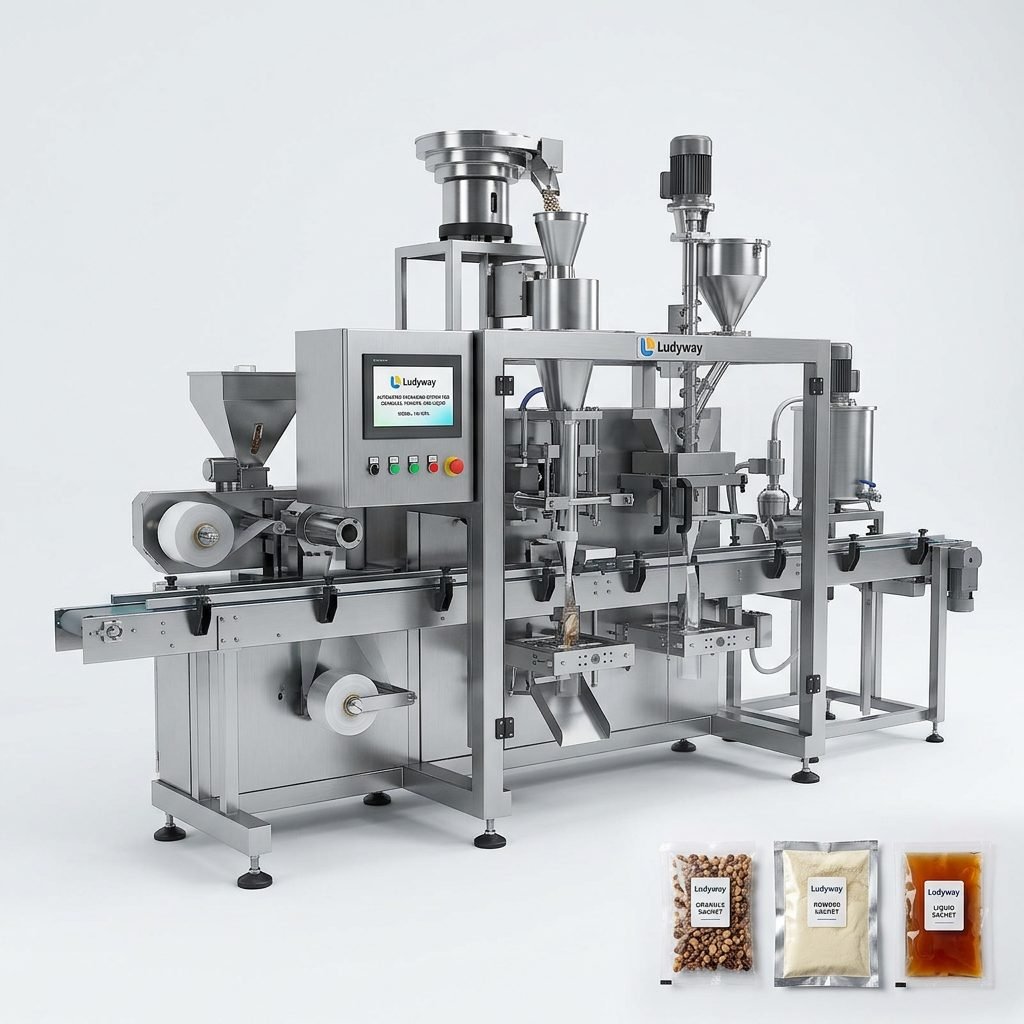
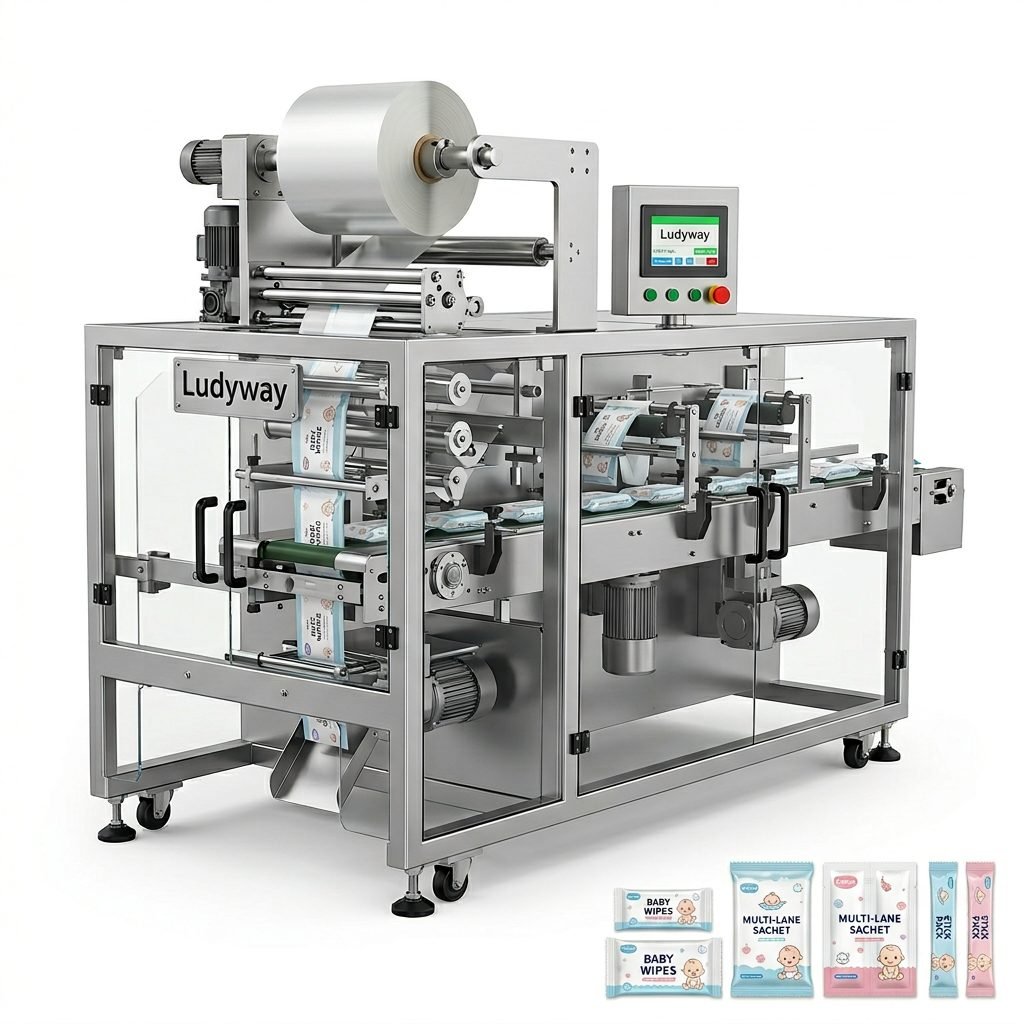
Form-Fill-Seal (FFS) Machines
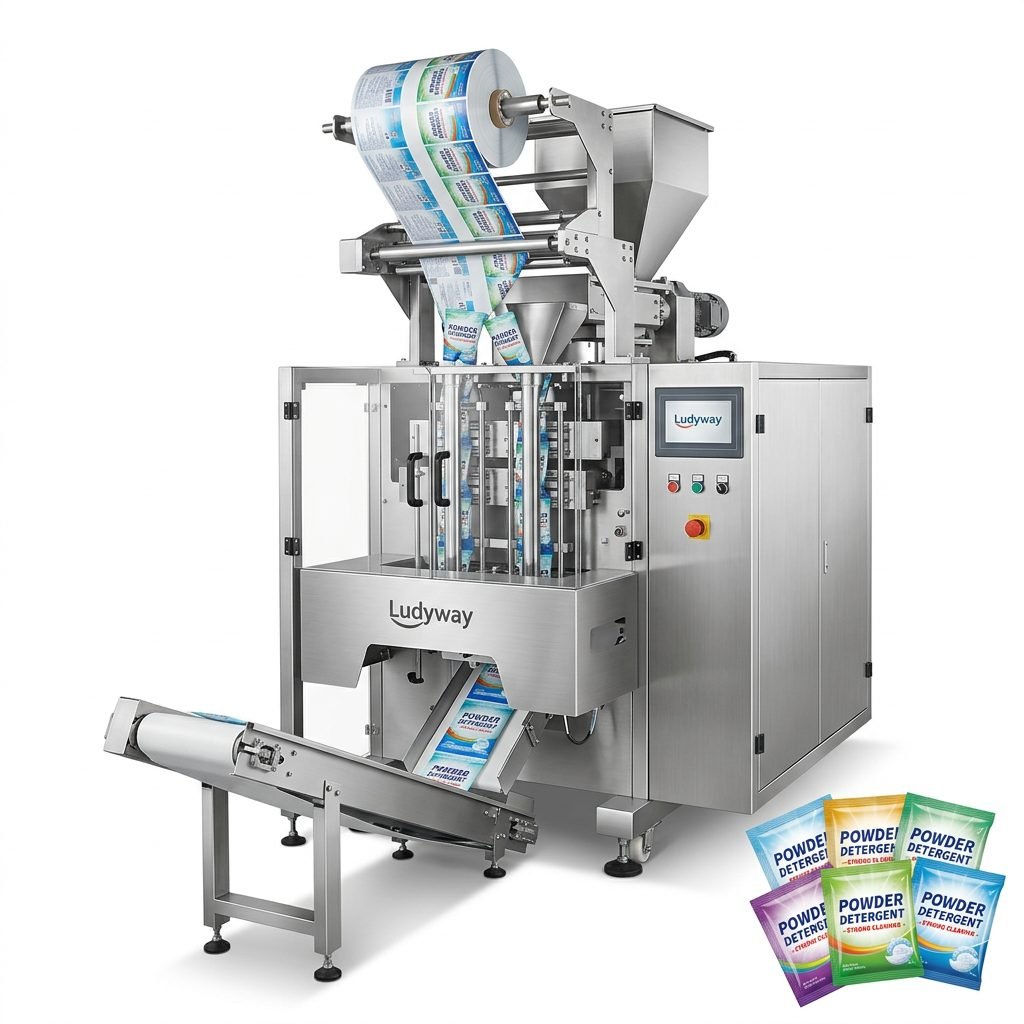
Extremely versatile, FFS machines create the package from a roll of film, fill it, and seal it in a continuous process. They are ideal for:
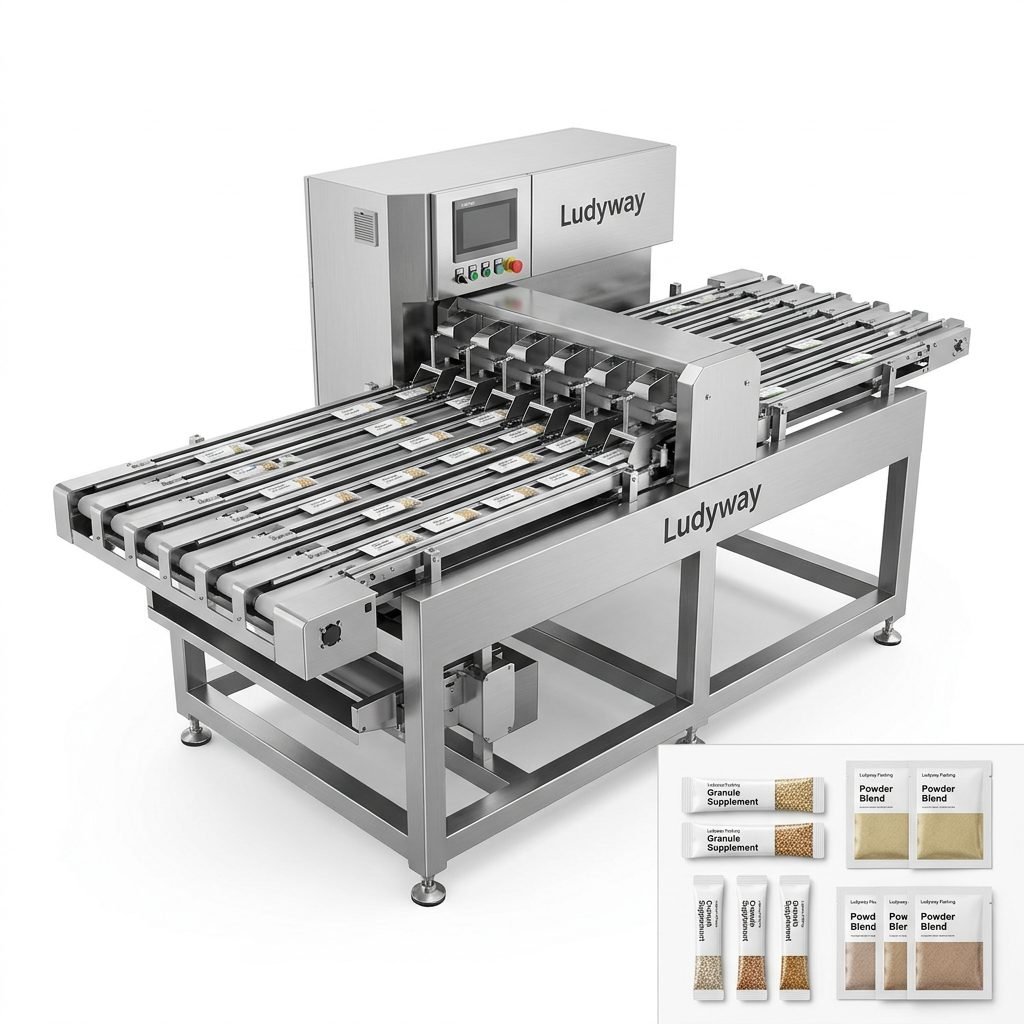
- Sachets for milk powder, coffee creamer, or cheese powder.
- Stick packs for drink mixes or single-serve milk powder.
- Pouches for shredded cheese or butter portions.
Cup Filling and Sealing Machines
These automate the filling of pre-formed plastic or paper cups for products like yogurt, pudding, and dips. The process typically involves cup de-nesting, filling, lidding (with foil or plastic), and date coding.
Butter and Cheese Wrapping Machines
Specialized equipment for shaping, portioning, and wrapping blocks, slices, or spreads of butter and cheese in parchment paper, foil, or flow-wrap film.
The Working Process: From Product to Package
While each machine type has its nuances, a standard automated dairy packaging line follows a logical sequence to ensure safety and efficiency.
1. Product Handling & Preparation
The dairy product is transferred from processing (pasteurization, fermentation, etc.) to a holding tank or hopper. For powders, this involves pneumatic conveying; for liquids, pumps; and for viscous products, often positive displacement pumps or augers.
2. Container Handling (If Applicable)
Pre-formed containers like bottles, cups, or cartons are automatically fed, oriented, and sometimes cleaned or purged with inert gas (like nitrogen for butter) to displace oxygen and prevent oxidation.
3. Precise Filling
This is the heart of the operation. The chosen technology—whether piston, volumetric, vacuum, or net weight—delivers a precise amount of product into each package. Accuracy is paramount to control costs and comply with regulatory net content rules.
4. Sealing & Closure Application
The package is hermetically sealed. This could involve heat-sealing film on a pouch, applying and torquing a cap on a bottle, or sealing a lid onto a cup. The seal must be perfect to prevent contamination and leakage.
Hygiene is Non-Negotiable
Throughout this process, equipment designed with sanitary construction (easy-clean surfaces, minimal dead zones, CIP/SIP capabilities) is essential. Dairy residues are ideal breeding grounds for bacteria, making cleanability the most critical feature of any dairy packaging machine.
5. Secondary Packaging & Coding
Primary packages are often grouped into trays, shrink-wrapped, or placed into cartons. Each unit receives batch coding, expiration dates, and traceability information via inkjet or laser coders.
How to Choose the Right Dairy Packaging Equipment
Investing in packaging machinery is a significant decision. Here are the crucial factors to guide your selection, ensuring you partner with a reliable supplier for long-term success.
1. Match Machine to Product Characteristics
This is the first filter. Analyze your product’s viscosity, acidity, presence of particulates (fruit, chunks), sensitivity to oxygen, and required shelf life. A yogurt with fruit pieces needs a different filler than homogenized milk.
2. Define Your Output & Speed Requirements
Calculate your required production speed (packages per minute/hour). Consider both current needs and future growth. It’s often wiser to choose a machine that can run at a slightly higher speed than currently needed to accommodate demand spikes or expansion.
3. Prioritize Hygiene and Construction
Insist on machines built with food-grade stainless steel (AISI 304 or 316), polished welds, and designs that prevent product entrapment. Look for features like quick-release parts and compatibility with Clean-in-Place (CIP) systems to minimize downtime for cleaning.
4. Evaluate Flexibility and Changeover
If you run multiple products or package sizes, changeover time is a key productivity metric. Seek machinery with tool-less adjustments, digital settings memory, and easy-format parts. This flexibility protects your investment against market changes.
5. Assess Integration and Support
The machine must integrate smoothly with your upstream (processing) and downstream (case packing, palletizing) equipment. Choose a supplier known for strong technical support, training, and spare parts availability. A reliable partner, like Ludyway Machinery with decades of industry experience, ensures your line runs smoothly for years.
6. Consider Total Cost of Ownership (TCO)
Look beyond the initial purchase price. Factor in energy consumption, maintenance costs, required operator skill level, and expected lifespan. A slightly more expensive, robust, and efficient machine often has a lower TCO than a cheaper, less reliable alternative.
📌 Checklist for Supplier Evaluation:
- ✅ Proven experience in the dairy sector.
- ✅ Ability to provide complete line solutions and integration support.
- ✅ Offer of factory testing with your actual product before shipment.
- ✅ Clear warranty terms and a responsive global service network.
- ✅ Commitment to innovation and continuous improvement in packaging technology.
Choosing the right dairy packaging machinery is a strategic investment that directly impacts your product quality, operational efficiency, and bottom line. By thoroughly understanding your product needs, production goals, and the capabilities of different equipment types, you can make an informed decision. Partnering with an experienced and supportive packaging machinery provider is essential to navigate this complex landscape and implement a solution that drives growth and ensures consistent, high-quality packaging for your dairy products. For businesses seeking tailored and reliable solutions, exploring the expertise of established providers like Ludyway Packaging Machinery can be a valuable step toward optimizing your packaging operations.
Frequently Asked Questions (FAQs)
1. What is the most important feature to look for in dairy packaging machinery?
Hygienic design and easy cleanability are paramount. Dairy products are highly perishable. Machinery must be constructed with food-grade materials, have smooth surfaces with no crevices, and be designed for rapid and thorough cleaning to meet food safety standards and prevent cross-contamination.
2. Can one machine handle different dairy products, like milk and yogurt?
It depends on the machine’s flexibility. A versatile piston filler might handle various viscosities by changing pistons and nozzles. However, switching from a liquid filler for milk to a cup filler for yogurt typically requires different specialized machines. The key is to discuss your product range with the supplier to find the most efficient setup, potentially involving quick-change modules.
3. How does aseptic packaging differ from regular packaging?
Aseptic packaging involves sterilizing both the product (via UHT processing) and the packaging material separately, then filling and sealing in a sterile environment. This allows dairy products to be stored for months without refrigeration. Regular (non-aseptic) packaging fills pasteurized product into clean containers, resulting in a shorter, refrigerated shelf life.
4. What maintenance is required for dairy packaging machines?
Daily cleaning and sanitization are mandatory. Periodic maintenance includes lubricating moving parts (with food-grade lubricants), inspecting and replacing seals/gaskets, checking electrical components, and calibrating filling heads for accuracy. A proactive maintenance schedule based on the manufacturer’s recommendations is crucial to prevent unplanned downtime.
5. How can I improve the sustainability of my dairy packaging line?
Focus on reducing material waste and energy use. Choose machines with high filling accuracy to minimize product giveaway. Opt for equipment that can run with mono-material or recyclable films. Modern servo-driven machines are more energy-efficient than older mechanical models. Also, ensure your machinery can handle lightweighted containers to reduce plastic usage.