Investing in a labeling or packaging system is a critical decision that directly impacts your production efficiency, product presentation, and bottom line. With so many configurations, technologies, and suppliers on the market, knowing where to start can feel overwhelming. This guide breaks down the essential factors to consider when selecting the right label packaging machine for your operation, whether you are running a startup or scaling a multinational manufacturing line.
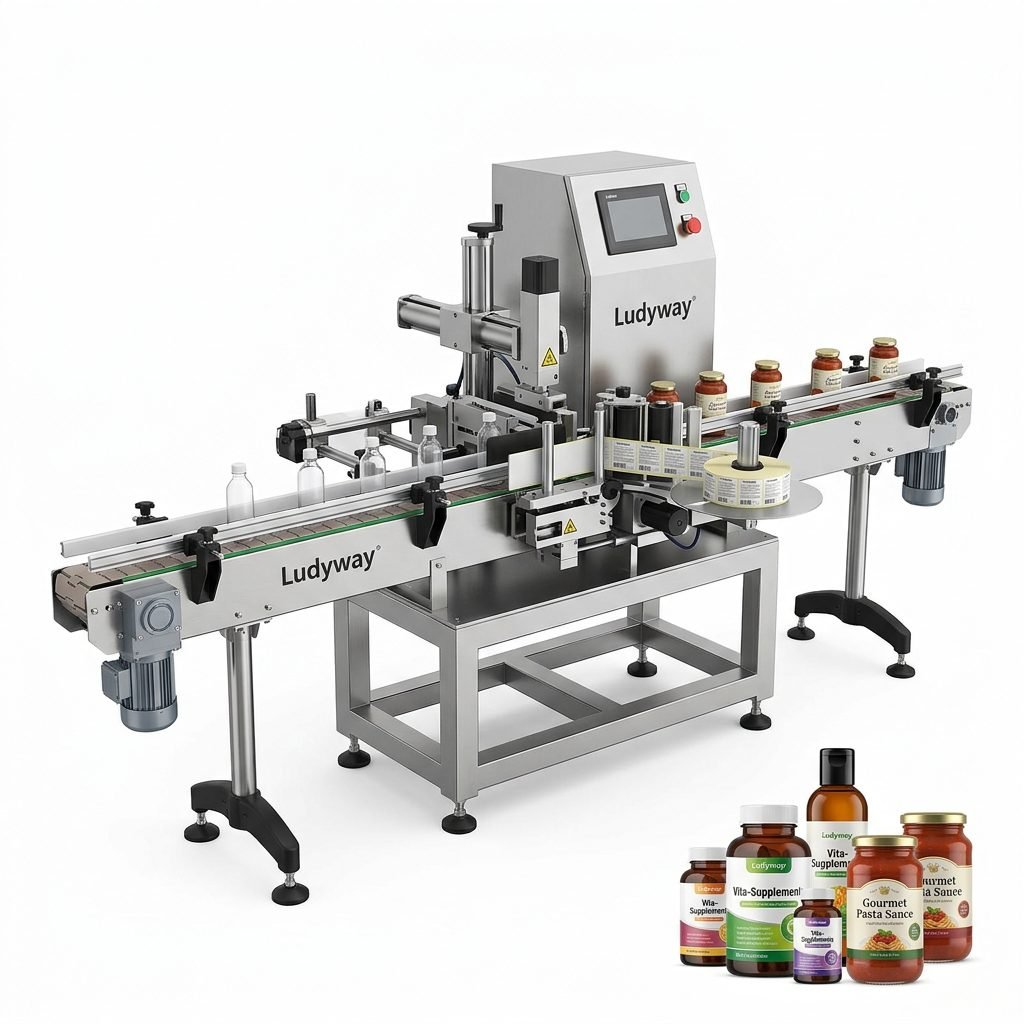
1. Understanding Your Labeling and Packaging Requirements
Before comparing machine specifications, you need a clear internal audit of your production goals. Are you applying pressure-sensitive labels, shrink sleeves, or wrap-around labels? Is your product a rigid bottle, a flexible pouch, or a carton? The physical characteristics of your product—shape, material, and surface texture—determine the type of labeling technology required. Additionally, consider your required production speed (units per minute) and the variability of your product sizes. A customized packaging machinery approach often yields the best ROI when standard models don’t perfectly fit your product matrix.
2. Types of Label Packaging Machines
Modern manufacturing utilizes several distinct categories of label applicators and packaging integration equipment. Selecting the right base technology is your first technical decision.
Pressure-Sensitive Labelers (Self-Adhesive)
These are the most common machines for applying pre-cut labels using a peel-and-stick method. They are versatile for bottles, jars, and flat surfaces, offering high precision for logos and barcodes. Integration with a packaging line system is usually straightforward.
Shrink Sleeve Applicators
Ideal for contoured containers and tamper-evident seals, shrink sleeve machines apply a label that is then heated to conform to the product shape. This provides 360-degree branding coverage and is widely used in the beverage and nutraceutical industries.
Wrap-Around Labelers
Designed specifically for cylindrical products, these machines roll a label directly onto the container using hot melt or cold glue, making them a cost-effective solution for high-volume liquid packaging lines.
Print and Apply Systems
These advanced systems print variable data (dates, barcodes, serial numbers) in real-time and immediately apply the label to the case or product. They are critical for achieving compliance with regulatory packaging standards.
3. Key Technical Specifications to Evaluate
Once you know the machine type, dive into the technical details. Failing to match these specs to your product can lead to downtime, label waste, and inconsistent application quality. Below is a comparison of critical parameters you should discuss with your equipment supplier.
| Specification | Why It Matters | Typical Options |
|---|---|---|
| Labeling Accuracy | Prevents skewed branding and unreadable barcodes. | ±0.5mm to ±2mm |
| Speed (UPM) | Must match your upstream filler or capper speed to avoid bottlenecks. | 50 to 800+ units/min |
| Changeover Time | Essential for co-packers or facilities with frequent SKU changes. | Manual (5-15 min) vs. Servo-Driven (1 min) |
| Container Size Range | Ensures stable handling without crushing or dropping products. | Diameter and height limits |
4. The Importance of Automation and Integration
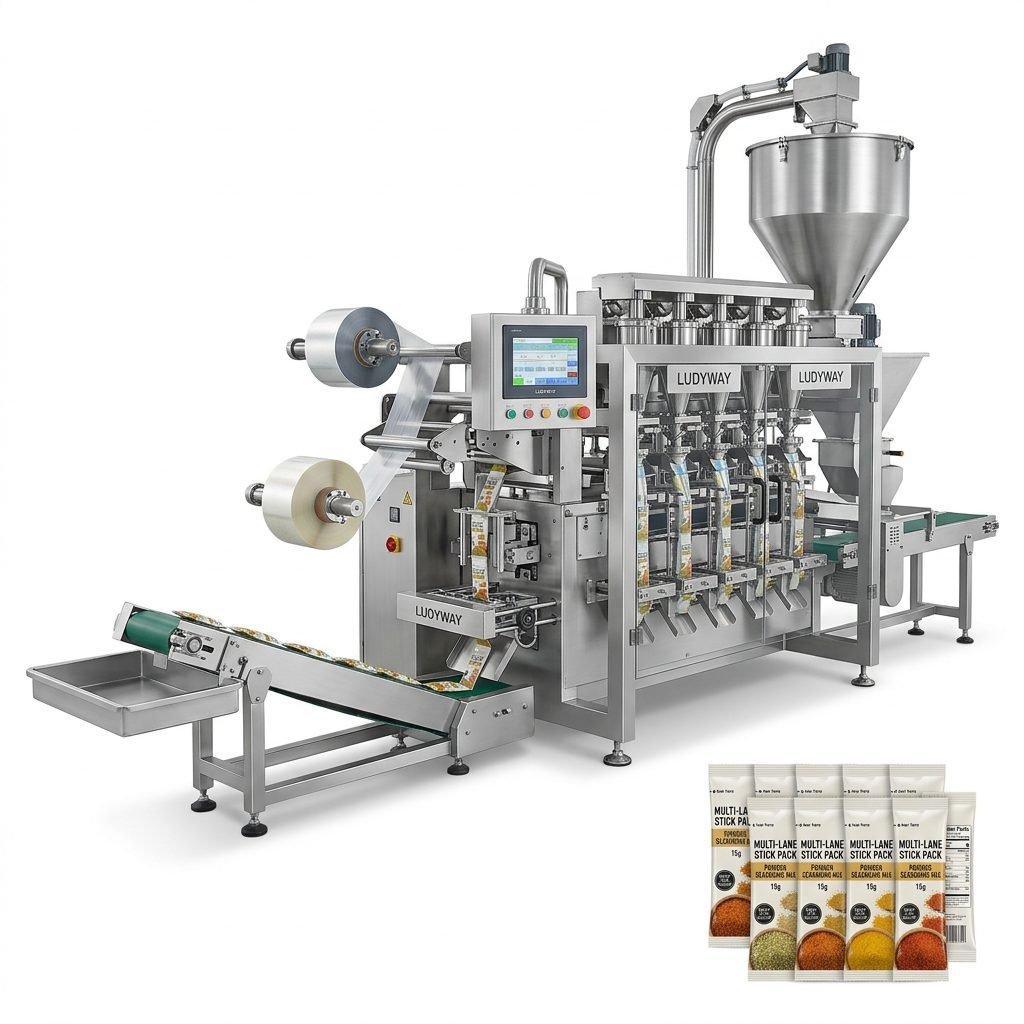
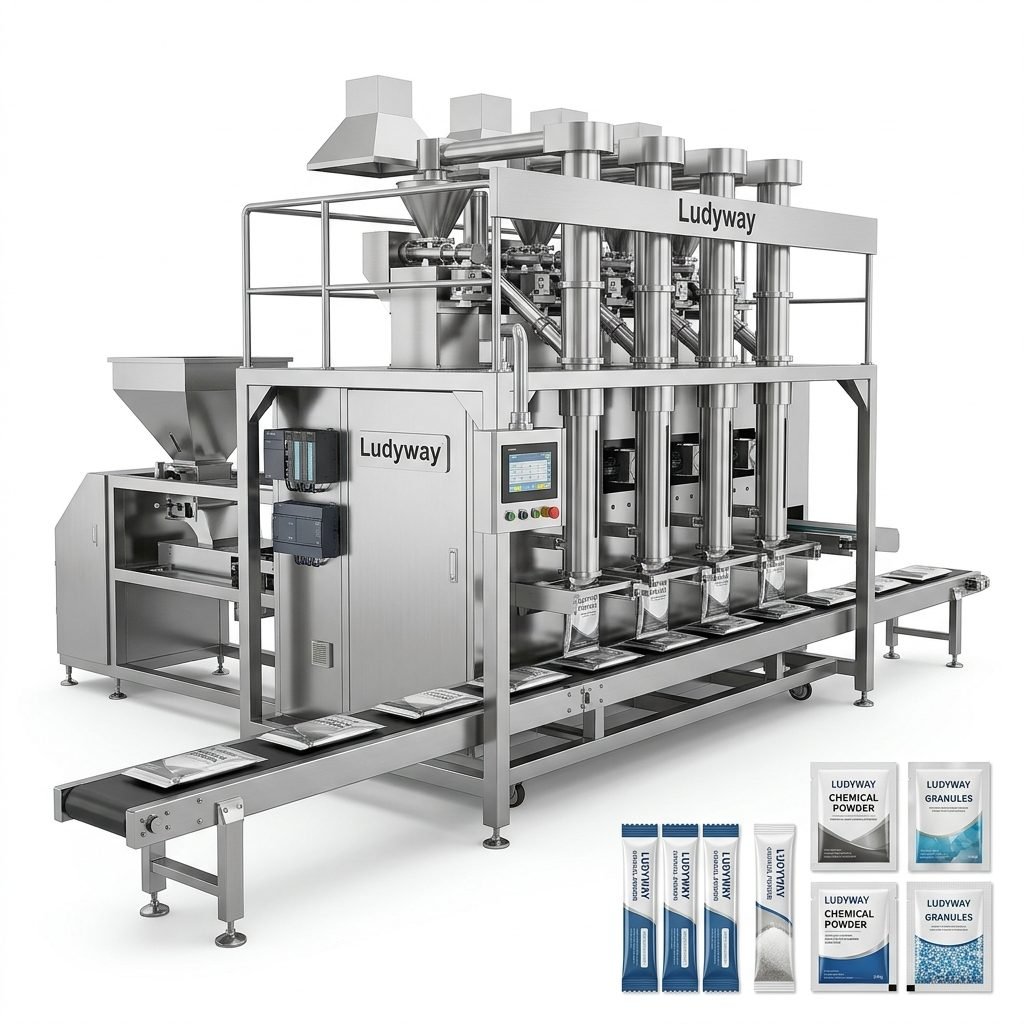
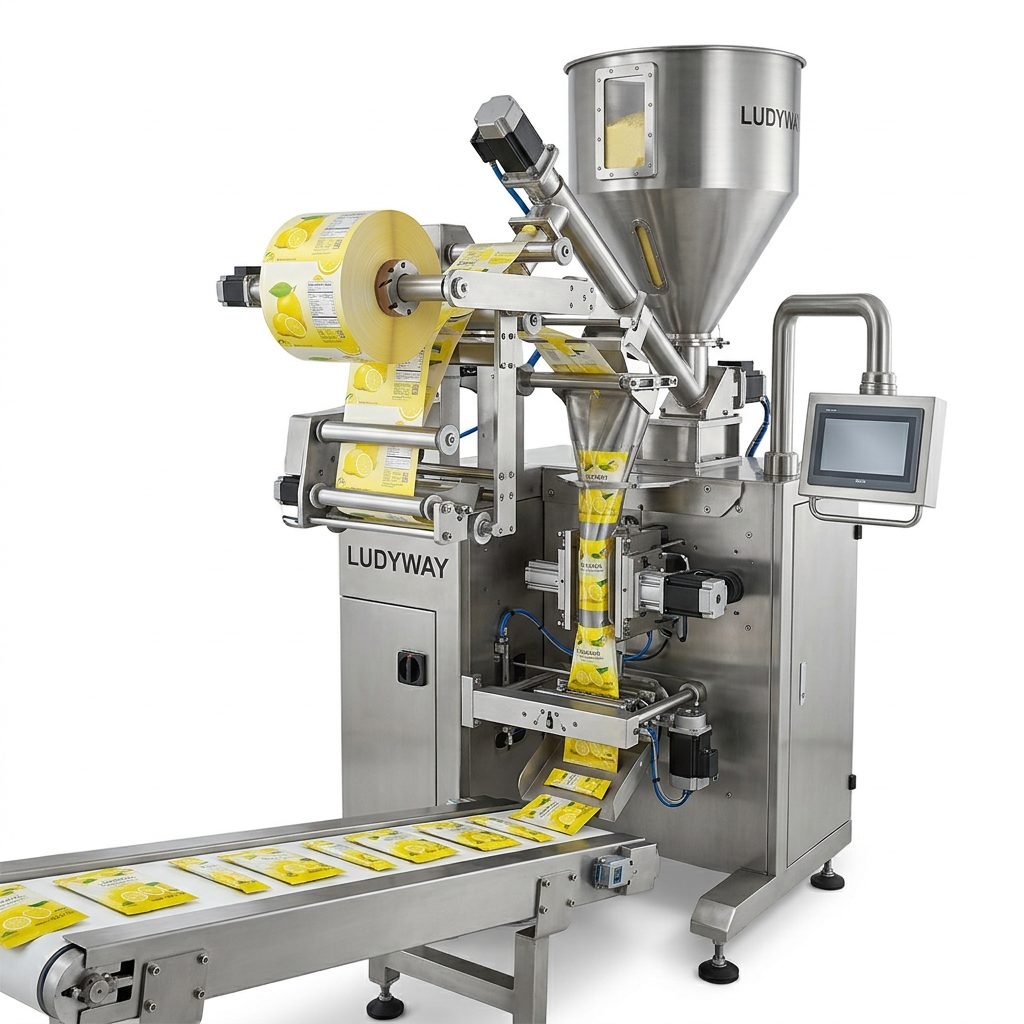
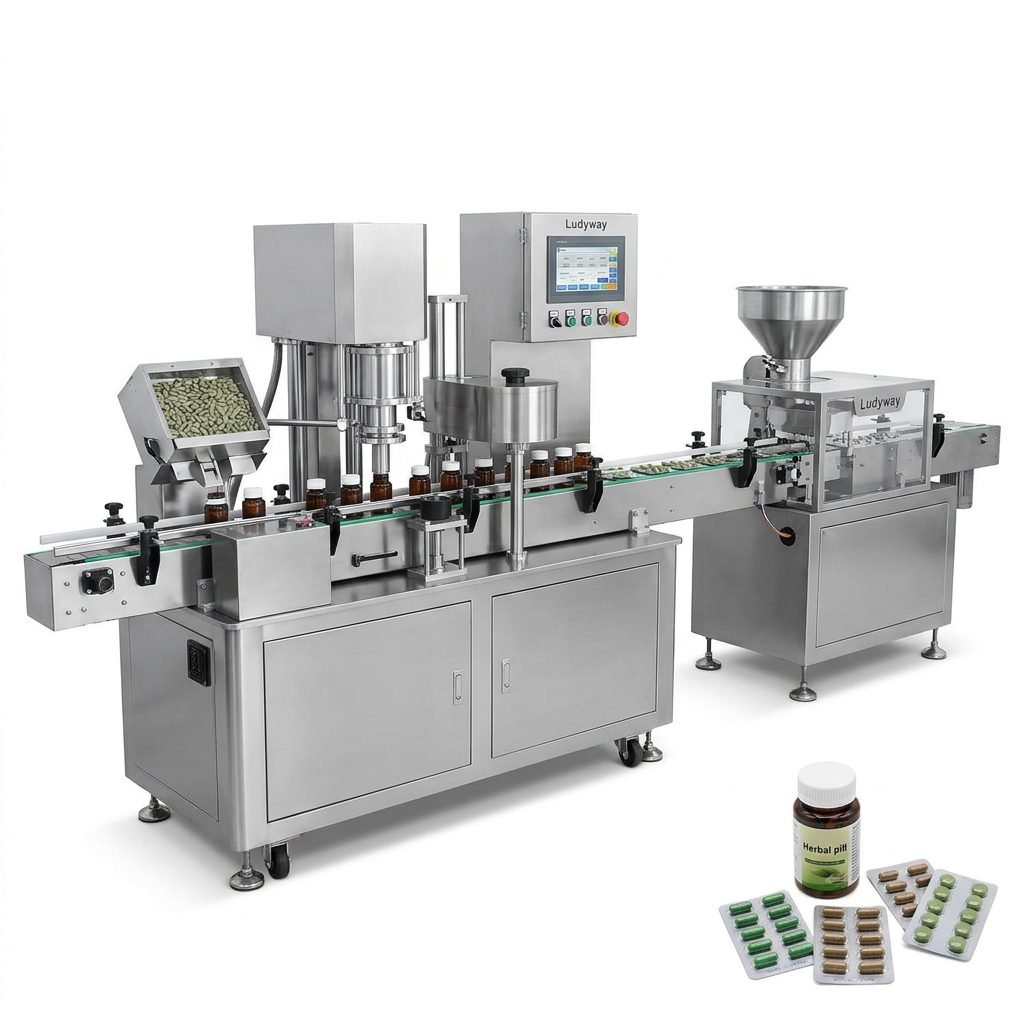
A label machine does not operate in isolation. It’s part of a synchronized ecosystem that includes fillers, cappers, checkweighers, and cartoners. A turnkey packaging solution can dramatically simplify this integration. Automated reject systems, integrated vision inspection, and ISO-compliant packaging frameworks ensure that only perfectly labeled products reach the secondary packaging stage. This level of automation is crucial for maintaining the efficiency of your supply chain.

5. Choosing the Right Material and Adhesive
The performance of your label packaging machine is only as good as the consumables it uses. Environmental conditions like moisture, temperature fluctuation, and condensation dictate whether you need film labels or paper labels, and whether you require a permanent or removable adhesive.
- Food and Cold Chain: Requires all-temperature adhesives and moisture-resistant face stocks to prevent peeling in refrigeration.
- Industrial and Chemical: Labels must resist abrasion, solvents, and UV exposure, typically utilizing durable synthetic materials.
- Pharmaceutical: FDA-compliant label materials often require low-migration adhesives for direct product contact.
6. Maintenance, Reliability, and After-Sales Support
The hidden cost of a packaging machine is downtime. When choosing a supplier, assess their after-sales support network. Do they offer remote diagnostics? What is the lead time for critical spare parts? A robust warranty and readily available technical support are just as important as the initial price tag. Companies like Ludyway Machinery, which has decades of experience and a global service footprint in over 100 countries, often highlight that a significant portion of a machine’s lifetime cost is determined by its long-term reliability and the manufacturer’s ability to provide fast, effective technical assistance.
7. Compliance and Future-Proofing Your Investment
The regulatory landscape for packaging is constantly evolving. Whether it’s the European Packaging and Packaging Waste Regulation or specific serialization mandates, your chosen equipment must facilitate compliance. Opt for machines with open architecture control systems (like PLC and servo-driven motors) that can be updated for future Track-and-Trace software. Scalable machines allow you to add print modules or inspection cameras later, protecting your investment against market shifts.
8. Cost vs. Value: Making the Business Case
While budget constraints are real, the cheapest machine often carries the highest operational cost due to label waste, micro-stoppages, and inaccurate placement. Calculate the Total Cost of Ownership (TCO), which includes energy consumption, expected lifespan, spare parts, and label wastage. A high-precision machine with a low label error rate can deliver significant savings over its lifetime. This is particularly true for highly customized production lines designed for aggressive production targets.

Ready to find the perfect label packaging machine for your business? By defining your product range, required speeds, and integration needs upfront, you can significantly narrow the field and identify the technology that will keep your operations running smoothly for years to come. The right equipment partner should serve as a consultative resource, guiding you through these technical decisions and providing a scalable, future-ready solution tailored to your specific manufacturing landscape.