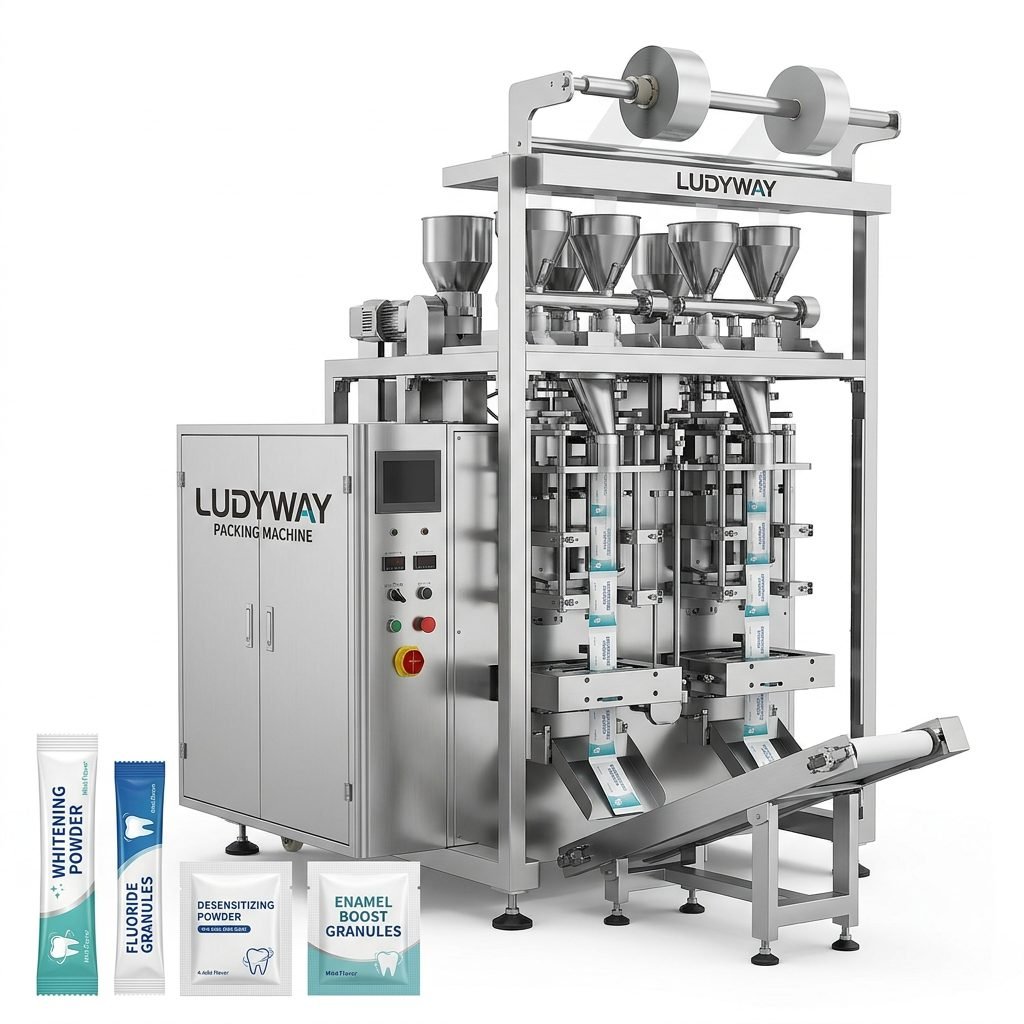
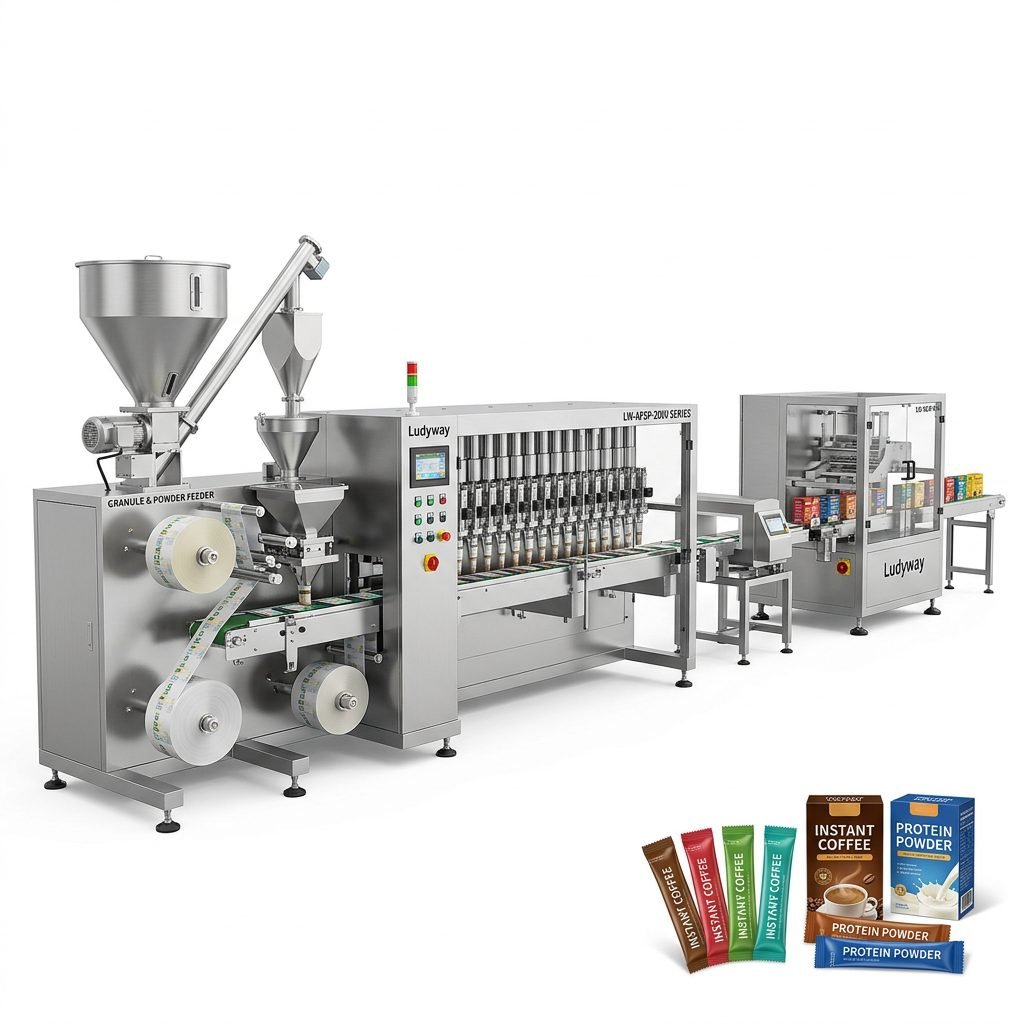
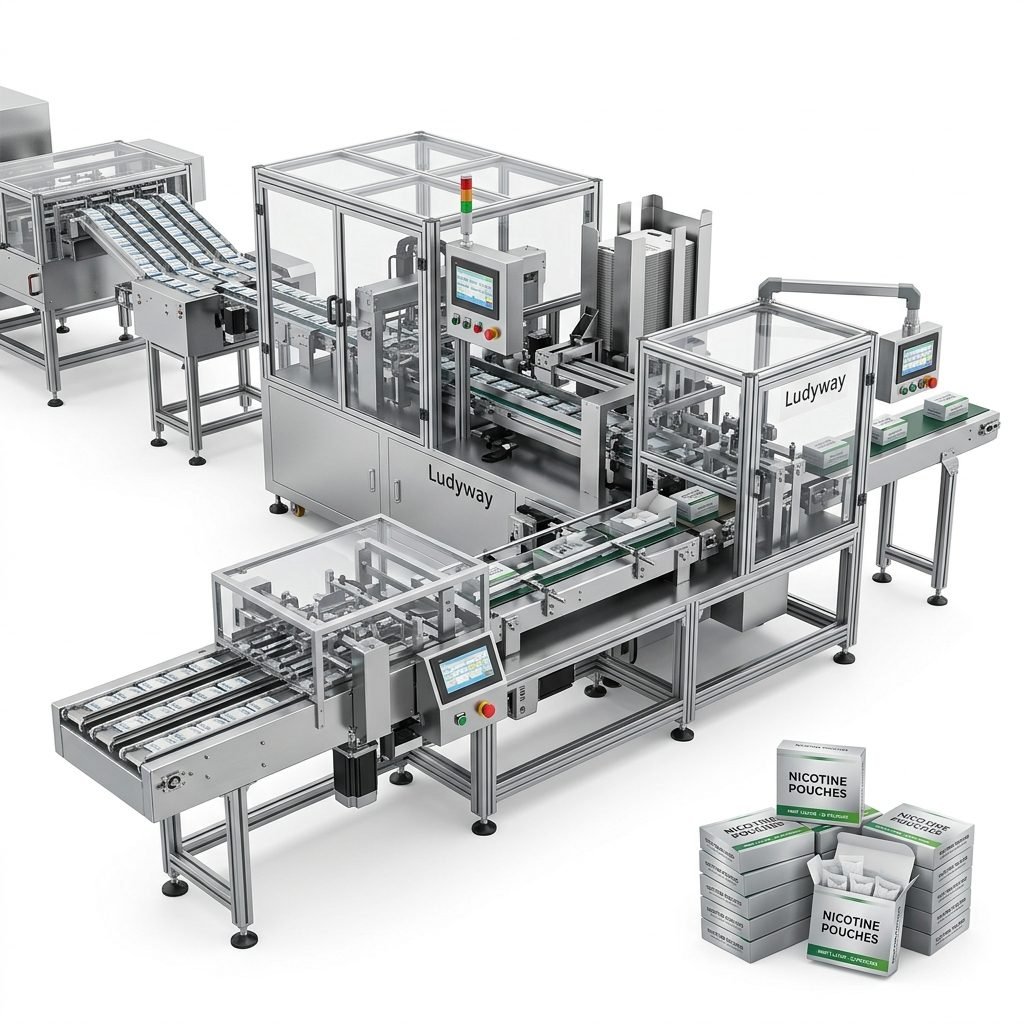
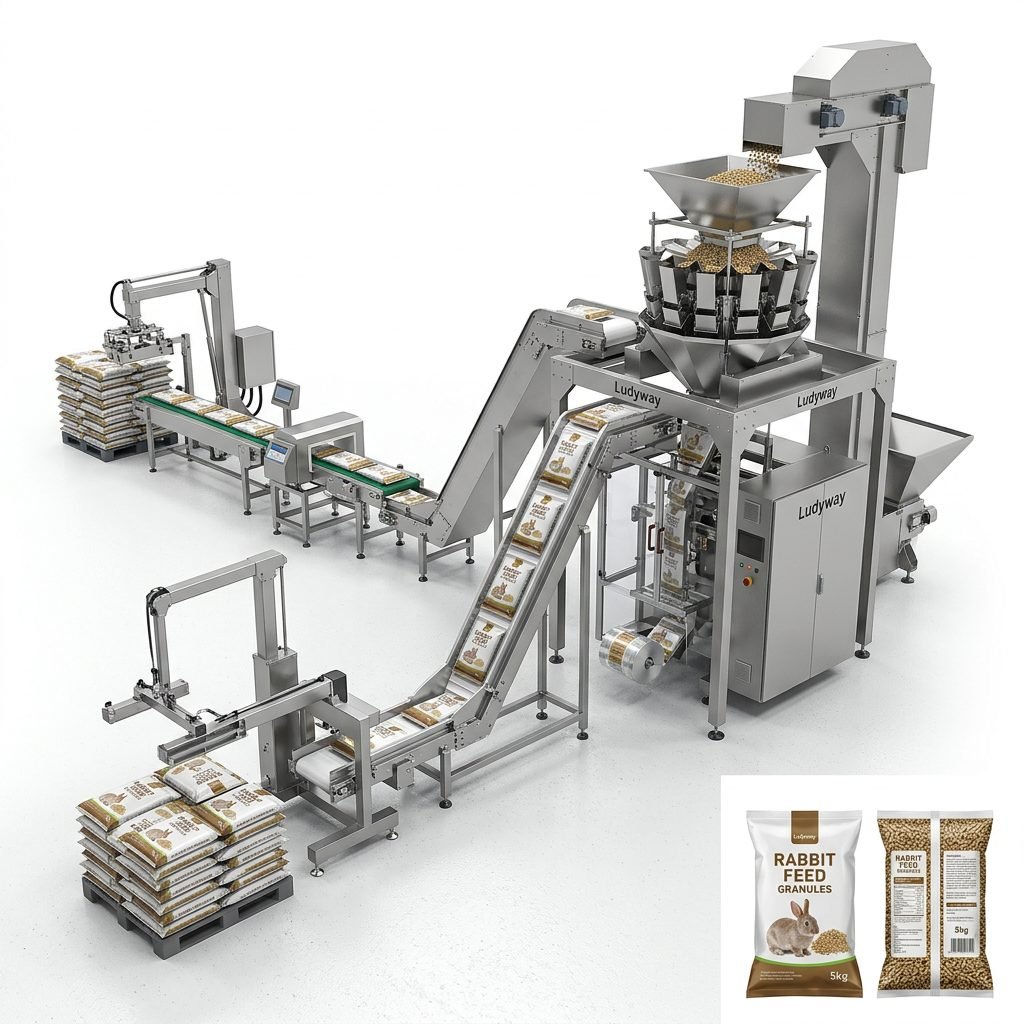
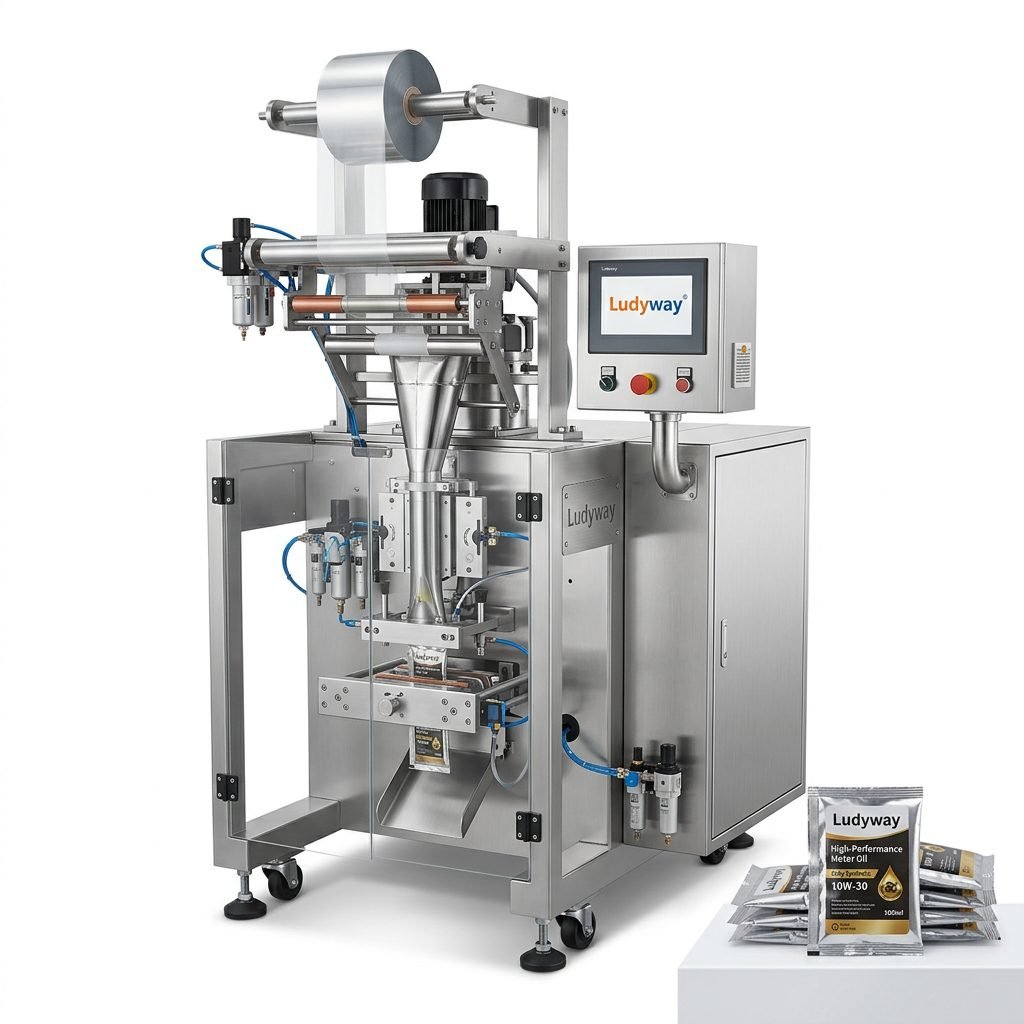
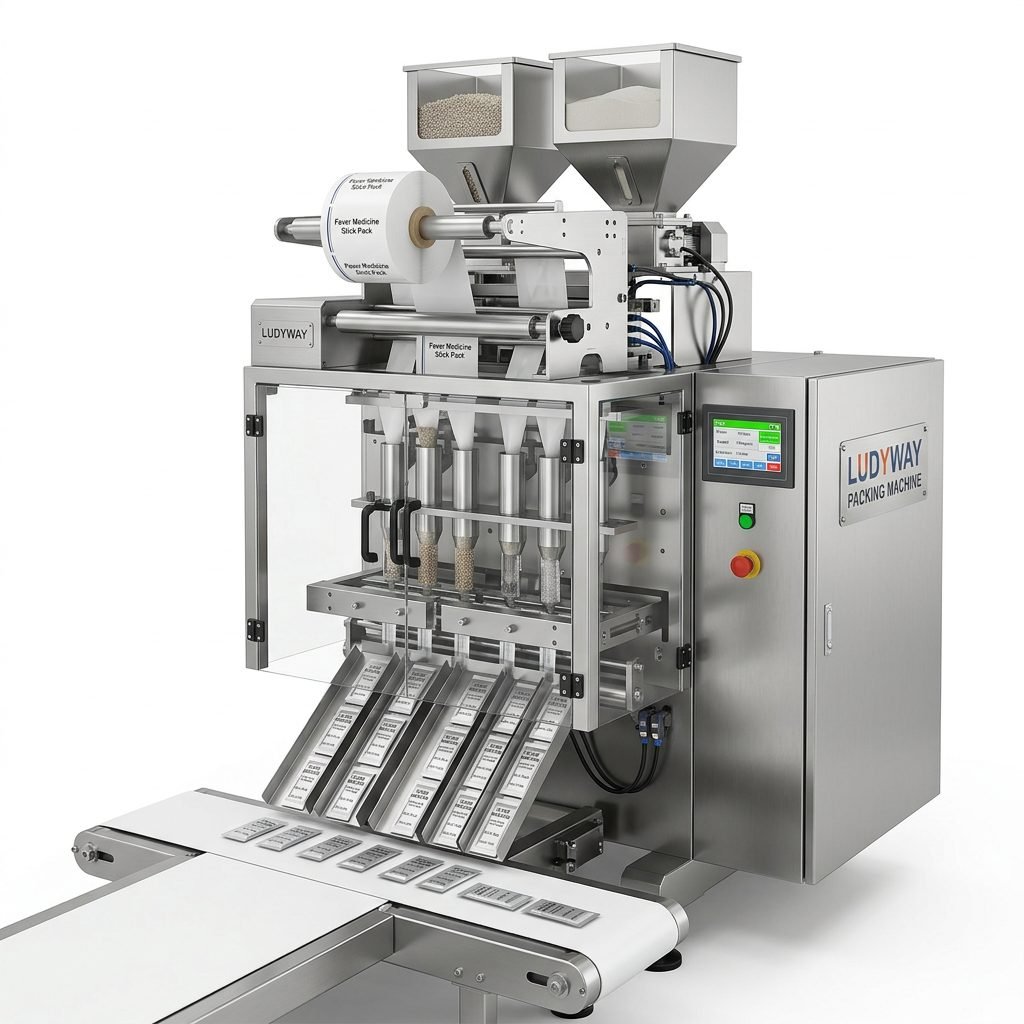
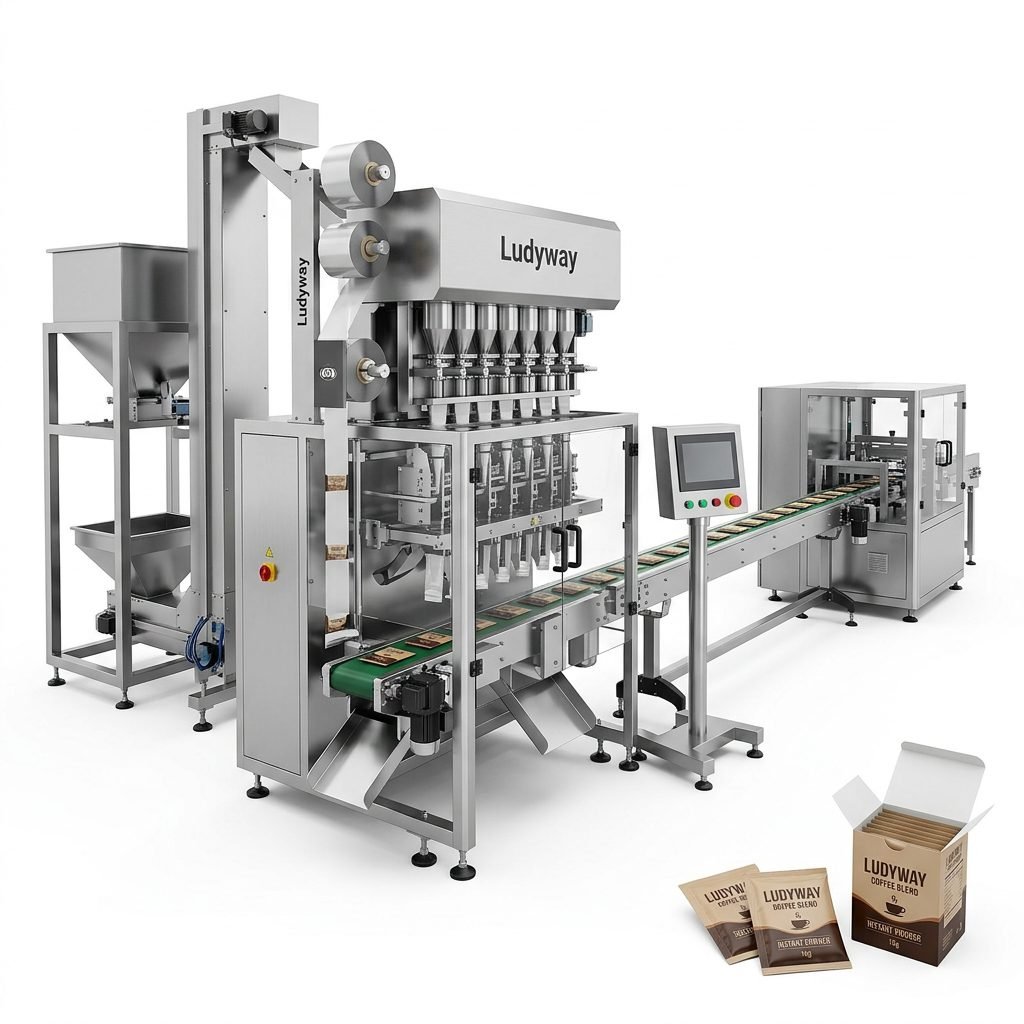
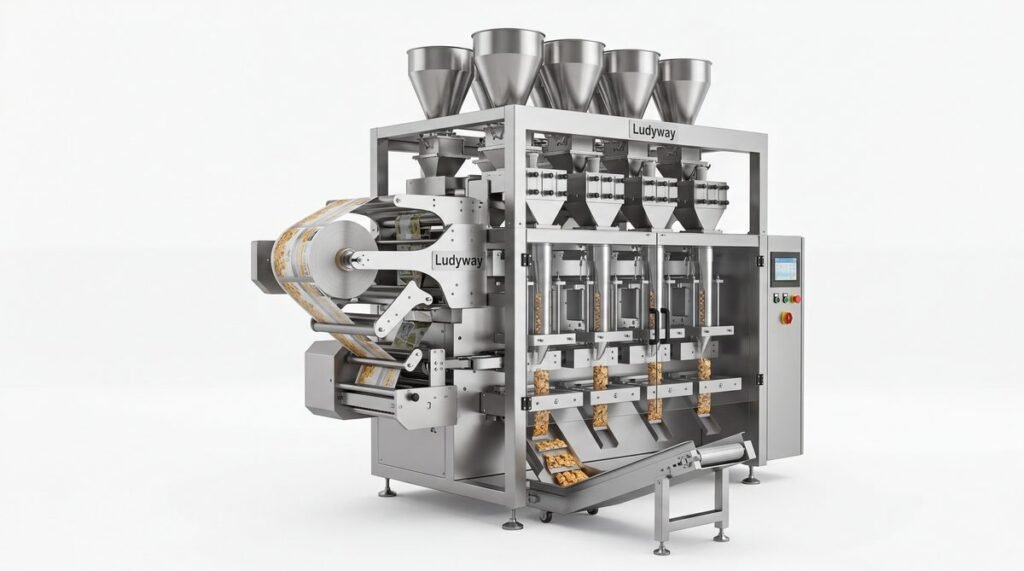
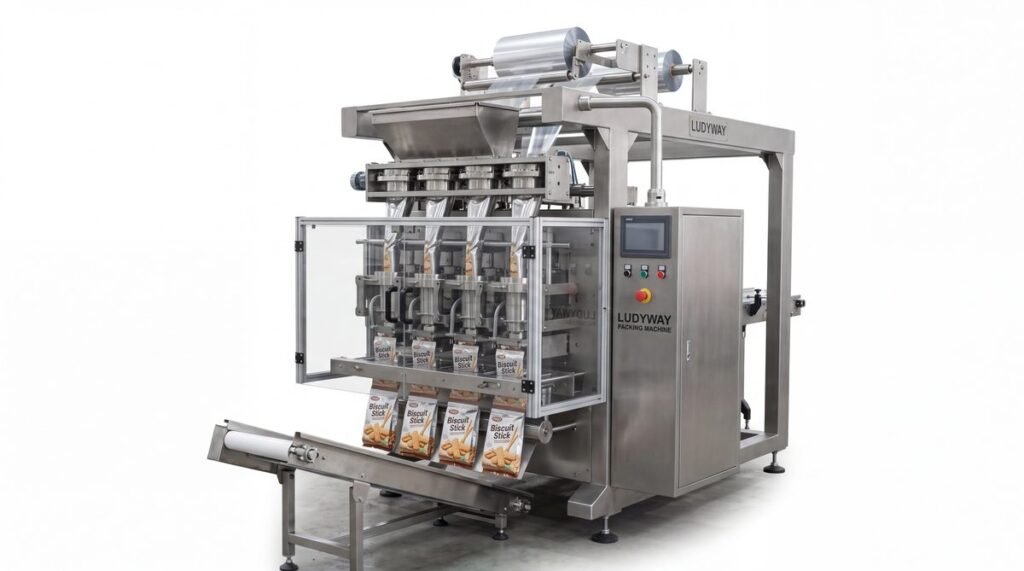
A bag packaging machine is industrial equipment designed to form, fill, seal, count, code, inspect, and discharge bags or pouches for finished products. It is used across food, pharmaceutical, chemical, cosmetic, health supplement, feed, and daily-use industries to package products efficiently, consistently, and hygienically.
Depending on the application, a bag packaging machine may handle powders, granules, liquids, pastes, tablets, capsules, or irregular solids. Some machines work with premade bags, while others create bags directly from roll film before filling and sealing them.
Why Bag Packaging Machines Matter
Modern manufacturers need packaging that is fast, accurate, scalable, and reliable. A well-matched machine helps businesses:
- Increase production output
- Reduce manual labor and operator error
- Improve fill accuracy and seal quality
- Protect products from moisture, oxygen, and contamination
- Standardize package appearance for retail and export markets
- Support coding, traceability, and quality control
For many factories, packaging is not just the last step of production—it directly affects product safety, shelf life, shipping efficiency, and customer perception.
What Products Can Be Packed in Bags?
Bag packaging machines are highly versatile. Common products include:
- Food: coffee, sugar, salt, spices, seasonings, milk powder, snacks, grains, nuts, sauces, edible oils
- Pharmaceutical: oral powders, granules, medical sachets, liquid doses, sterile consumables
- Health supplements: protein powder, collagen, electrolytes, probiotics, vitamins
- Cosmetics: lotion, cream, serum, shampoo, facial cleanser, sunscreen sachets
- Chemicals: detergents, cleaning agents, water treatment chemicals, additives
- Agriculture and feed: seeds, fertilizers, premixes, feed pellets, animal nutrition products
Main Types of Bag Packaging Machines
1. Vertical Form Fill Seal (VFFS) Machines
A VFFS machine forms a bag from film roll, fills the product, and seals it vertically in one continuous process. This is one of the most common solutions for powders, granules, and some liquids.
- Suitable for pillow bags, gusset bags, and some quad-seal formats
- Efficient for high-volume production
- Common in food, feed, and chemical industries
2. Premade Pouch Packaging Machines
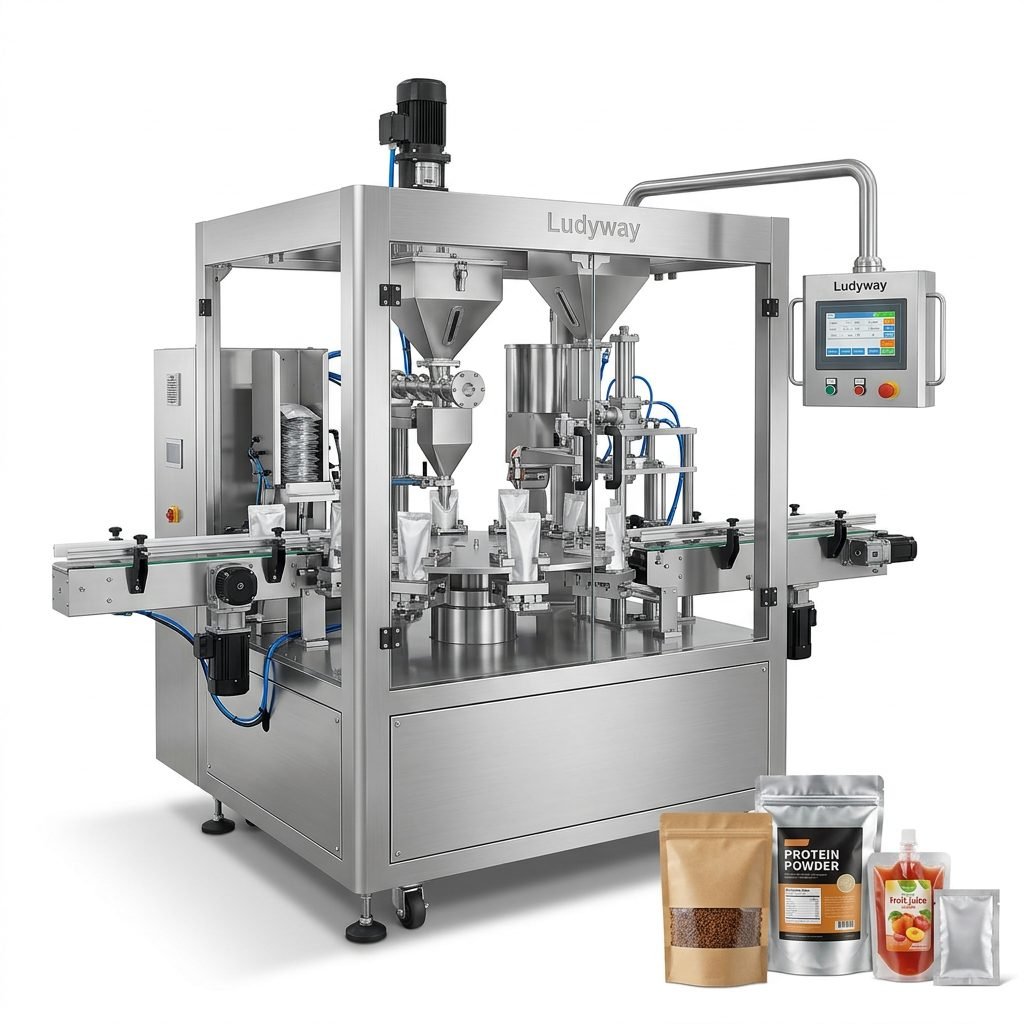
These machines pick up premade bags or pouches, open them, fill them, and seal them. They are ideal for businesses that want a more premium pack appearance or special pouch features such as zippers or spouts.
- Works with stand-up pouches, flat pouches, zipper pouches, and shaped bags
- Good for snacks, powders, pet food, sauces, and specialty products
- Often chosen for retail-ready packaging
3. Sachet Packaging Machines
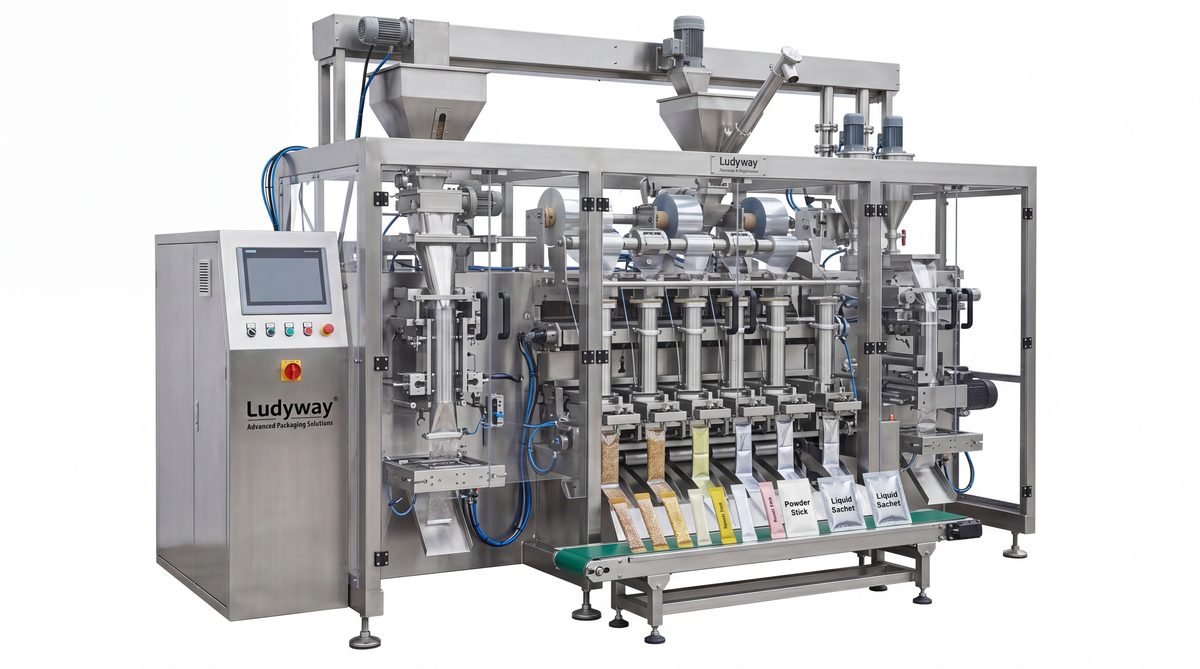
Sachet machines produce small flat bags, often used for single-dose or trial-size packaging. They are common in food service, pharma, personal care, and health supplement applications.
- Best for small-volume packs
- Suitable for powders, liquids, pastes, and granules
- Common for seasoning, shampoo, cream, and oral powder packaging
4. Stick Pack Machines
Stick pack machines create narrow, elongated bags. They are popular for instant drink mixes, coffee, sweeteners, energy gels, and pharmaceutical powders because they offer convenient portion control and modern shelf appeal.
- Compact package format
- Often used in multi-lane high-speed production
- Excellent for single-serve products
5. Open-Mouth Bagging Machines
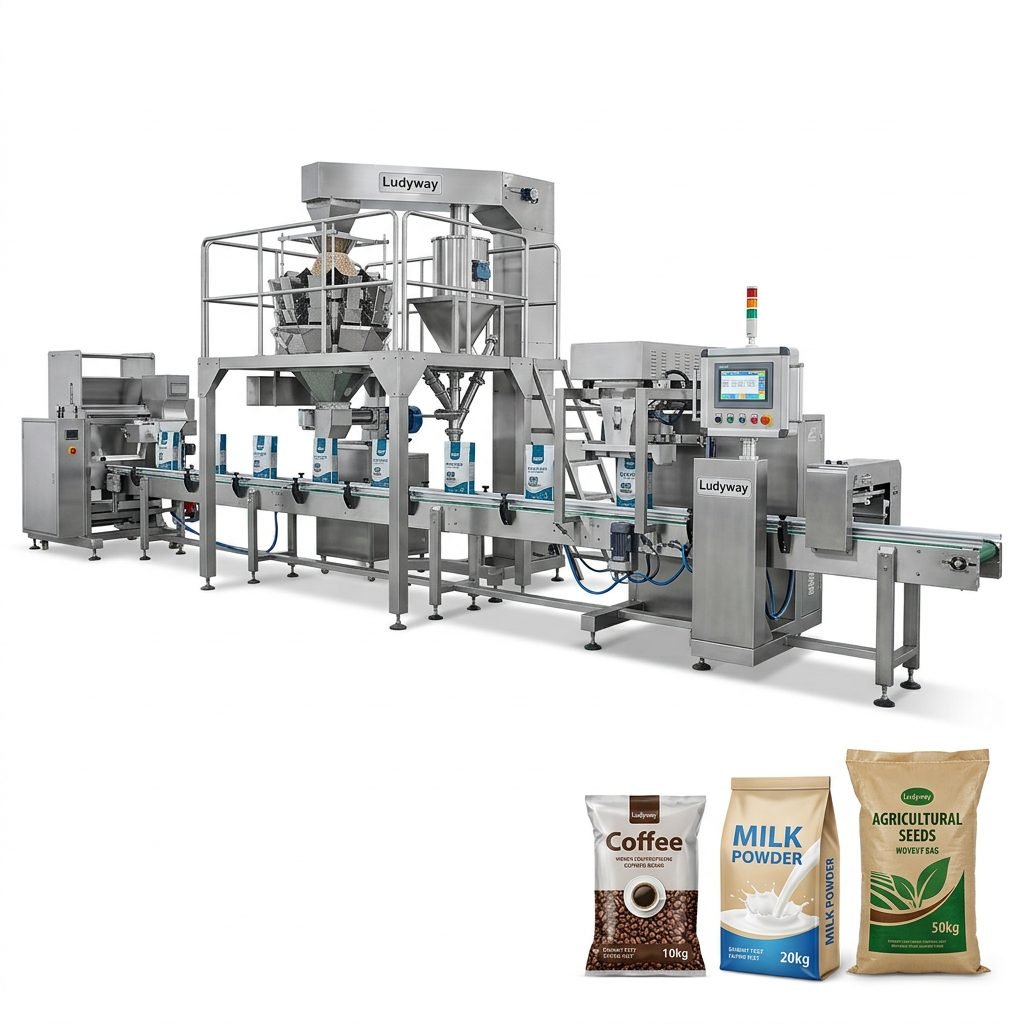
These systems are designed for larger bags, such as 5 kg, 10 kg, 25 kg, or 50 kg packaging. They are widely used for feed, fertilizer, grains, powders, pellets, and industrial bulk materials.
- Suitable for medium to heavy bags
- Often integrated with weighing, sewing, sealing, and palletizing
- Common in agriculture and bulk material industries
6. Valve Bag Filling Machines
Valve bag systems are often used for fine powders such as cement additives, mineral powders, and chemicals. Product is filled through a valve opening and then sealed by product pressure or additional closing methods.
Bag Packaging Machine Types by Product Form
| Product Type | Typical Filling System | Common Package Formats |
|---|---|---|
| Powder | Auger filler | Sachets, stick packs, pouches, large bags |
| Granule | Cup filler, multihead weigher, linear weigher | Pouches, sachets, VFFS bags, open-mouth bags |
| Liquid | Piston pump, peristaltic pump, flow meter | Sachets, stick packs, spouted pouches |
| Paste / Cream | Servo piston filler | Sachets, pouches, cosmetic packs |
| Bulk solids | Net/gross weigher | 25 kg and 50 kg bags, jumbo bags |
How a Bag Packaging Machine Works
Although the exact workflow depends on machine type, most bag packaging systems follow a similar sequence:
Step 1: Product Feeding
The product moves from a hopper, tank, elevator, pump, or conveyor into the filling section. Feeding equipment may include screw conveyors, vacuum feeders, bucket elevators, or liquid tanks.
Step 2: Bag Forming or Bag Loading
If the machine uses roll film, it forms the bag automatically. If it uses premade pouches, the machine picks, opens, and positions each bag for filling.
Step 3: Measuring and Filling
A dosing device measures the exact product amount before filling. This stage is critical because fill accuracy directly affects product consistency, cost control, and compliance.
Step 4: Sealing
The bag is sealed using heat sealing, ultrasonic sealing, sewing, or other closing methods, depending on bag material and product type.
Step 5: Coding and Inspection
Optional systems print batch numbers, dates, QR codes, or barcodes. Metal detectors, checkweighers, vision systems, and reject units may be integrated for quality control.
Step 6: Discharge and End-of-Line Handling
Finished bags are discharged for cartoning, case packing, bundling, palletizing, or warehouse transfer.
Key Components of a Bag Packaging Machine
- Feeding system – moves product into the machine
- Dosing/filling unit – ensures target weight or volume
- Bag forming or pouch loading system – creates or positions the bag
- Sealing mechanism – closes the package securely
- Control system – HMI, PLC, servo drives, and sensors
- Date coding and labeling unit – supports traceability
- Inspection devices – checkweigher, vision, metal detection
- Discharge conveyor – transfers finished bags downstream
Common Industries That Use Bag Packaging Machines
Food Industry
Food manufacturers rely on bag packaging machines for snacks, coffee, dairy powders, sugar, spices, sauces, grains, and instant beverages. Fast output and hygienic design are often top priorities.
Pharmaceutical Industry
Pharma applications require precise dosing, clean structures, reliable sealing, and compliance-oriented machine design. Sachet and stick pack systems are widely used for oral powders and granular medicine.
Health Supplement Industry
Single-serve supplement packaging has grown rapidly. Products like collagen, electrolytes, probiotics, and protein powder are often packed in sachets or stick packs for portability and controlled dosing.
Chemical and Daily Chemical Industry
Cleaning powders, liquid detergents, industrial additives, and water treatment chemicals are commonly packed using both small-bag and large-bag systems.
Feed and Agriculture
Bagging solutions for pellets, premixes, fertilizer, and seed products often need heavy-duty construction, dust control, and integration with weighing and palletizing equipment.
Benefits of Using an Automatic Bag Packaging Machine
| Benefit | Business Impact |
|---|---|
| Higher speed | Increases daily and monthly output |
| Better accuracy | Reduces giveaway and improves consistency |
| Lower labor dependence | Cuts operating cost and manual handling |
| Improved hygiene | Supports cleaner, safer production |
| Stronger seal quality | Helps extend shelf life and reduce leakage |
| Scalability | Supports future expansion and turnkey integration |
How to Choose the Right Bag Packaging Machine
Choosing the right machine requires more than just checking speed. Buyers should evaluate the full packaging process.
Consider Product Characteristics
- Is the product powder, granule, liquid, paste, or mixed?
- Does it flow easily or bridge in the hopper?
- Is it dusty, sticky, corrosive, fragile, or foamy?
Define Bag Style and Size
- Sachet, stick pack, pillow bag, gusset bag, zipper pouch, or bulk sack?
- What are the target dimensions and fill volume?
- Will the package be for retail, hospital, industrial, or e-commerce use?
Check Output Requirements
- Required bags per minute
- Shift length and annual production target
- Whether a multi-lane solution is needed
Review Material Compatibility
The machine must match the film or bag structure being used, such as PE, laminated films, aluminum foil composites, or recyclable materials.
Think About Automation Level
Many factories need not only the bagging machine, but also upstream and downstream support such as feeders, conveyors, printers, checkweighers, cartoners, and palletizers.
Automatic vs Semi-Automatic Bag Packaging Machines
| Type | Best For | Main Advantage |
|---|---|---|
| Semi-automatic | Small batches, pilot lines, budget-sensitive operations | Lower initial investment |
| Fully automatic | Medium to large-scale manufacturing | Higher speed, lower labor, better consistency |
Typical Optional Features
Many buyers choose optional modules to improve efficiency and quality:
- Nitrogen flushing for shelf-life extension
- Euro slot or hanging hole punching
- Tear notch and zipper application
- Batch coding and inkjet printing
- Metal detector and checkweigher
- Dust collection system
- Auto cartoning and case packing
- Robotic palletizing
Common Problems and Maintenance Tips
Like any production equipment, bag packaging machines require regular inspection and maintenance to maintain stable output.
Common Issues
- Inconsistent fill weights
- Poor sealing or seal wrinkles
- Film tracking deviation
- Bag jamming or misfeeding
- Product leakage around seal areas
Basic Maintenance Tips
- Clean contact parts regularly
- Check sealing temperature and pressure
- Inspect wear parts and replace them on time
- Calibrate weighing or filling systems periodically
- Keep sensors, coding units, and conveyors in good condition
When Should You Invest in a New Bag Packaging Machine?
It may be time to upgrade if your current process suffers from:
- High labor cost
- Frequent downtime
- Low output capacity
- Unstable seal quality
- Large product giveaway
- Difficulty meeting hygiene or export standards
A new system can often deliver a measurable return by improving throughput, reducing waste, and supporting more attractive packaging formats.
Working with an Experienced Packaging Machinery Supplier
For buyers planning long-term automation, it is often better to work with a manufacturer that can supply both standalone machines and complete lines. Ludyway bag packaging machine solutions are widely used in food, pharmaceutical, health supplement, chemical, and pouch-based applications, with support for customized machine configurations and turnkey packaging line integration.
Final Thoughts
A bag packaging machine is a critical part of modern production, helping manufacturers package products faster, more accurately, and with better consistency. From sachets and stick packs to premade pouches and heavy-duty bulk bags, the right system depends on your product, bag type, output target, and automation needs.
If you understand the machine types, applications, and working process, it becomes much easier to choose equipment that supports both current production goals and future business growth.