Investing in a lassi pouch packing machine is a strategic decision for any dairy or beverage manufacturer looking to scale production, maintain hygiene standards, and reduce labor costs. Whether you are packaging traditional Indian lassi, buttermilk, or flavored yogurt drinks, the right equipment determines not only your throughput but also product shelf life, seal integrity, and overall packaging consistency. This guide walks you through every critical factor — from machine types and filling technologies to material compatibility and supplier evaluation — so you can make a confident, informed purchase.
Understanding Your Product and Packaging Requirements
Before evaluating specific models, define your exact needs. Lassi varies widely in viscosity, from thin buttermilk-style drinks to thick, creamy formulations. Some products contain fruit pulp, spices, or particulate matter that affects filling performance. Key questions to answer include:
- What is the viscosity range of your lassi — water-like, semi-viscous, or highly viscous with pulp?
- What pouch format do you need — pillow pouch, stand-up pouch, or shaped sachet?
- What is your target output — small-batch (under 30 pouches per minute) or high-speed (60–120+ pouches per minute)?
- Will you need hot-fill or cold-fill capability for extended shelf life?
- Are you packaging in single-serve sachets (50ml–200ml) or larger retail pouches (200ml–500ml)?
Machine Types for Lassi Pouch Packaging
Different machine configurations serve different production scales and pouch styles. The three most common types for liquid dairy packaging are:
Vertical Form-Fill-Seal (VFFS) Machines
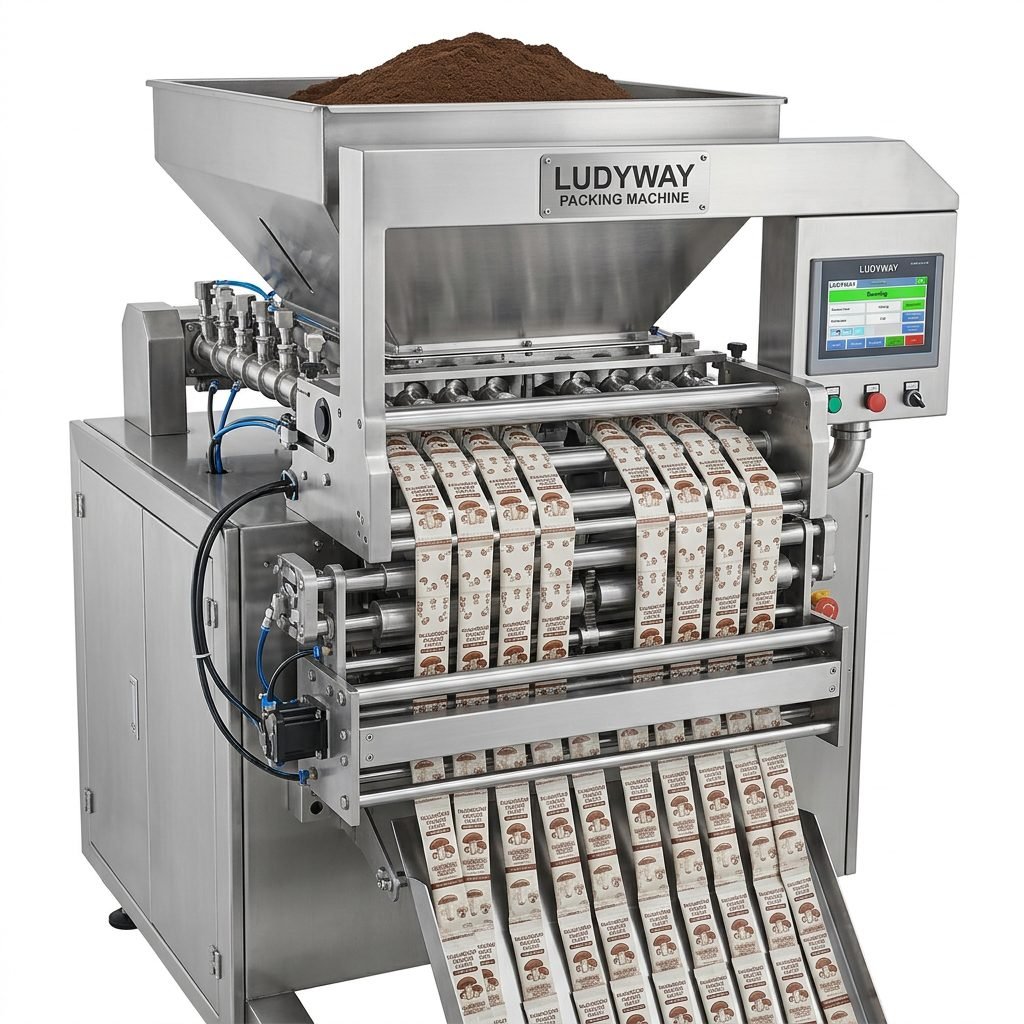
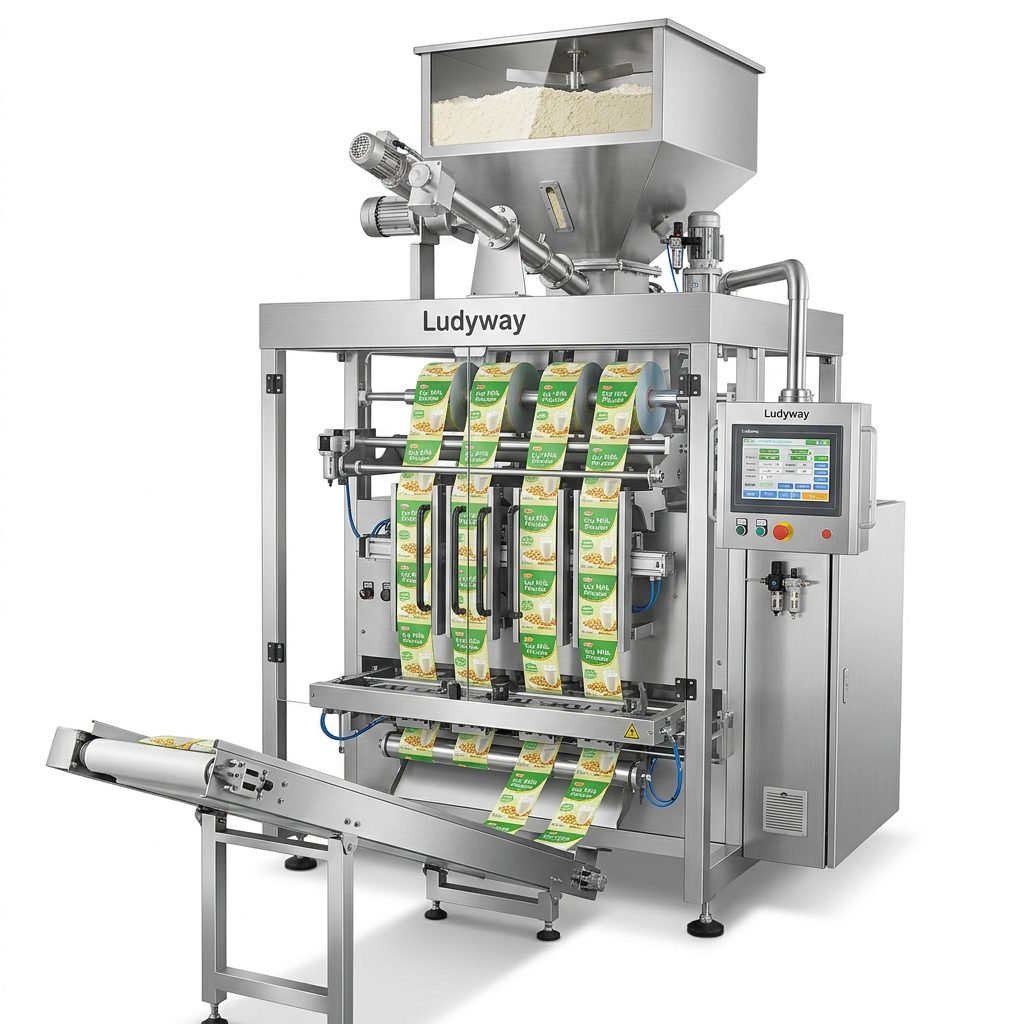
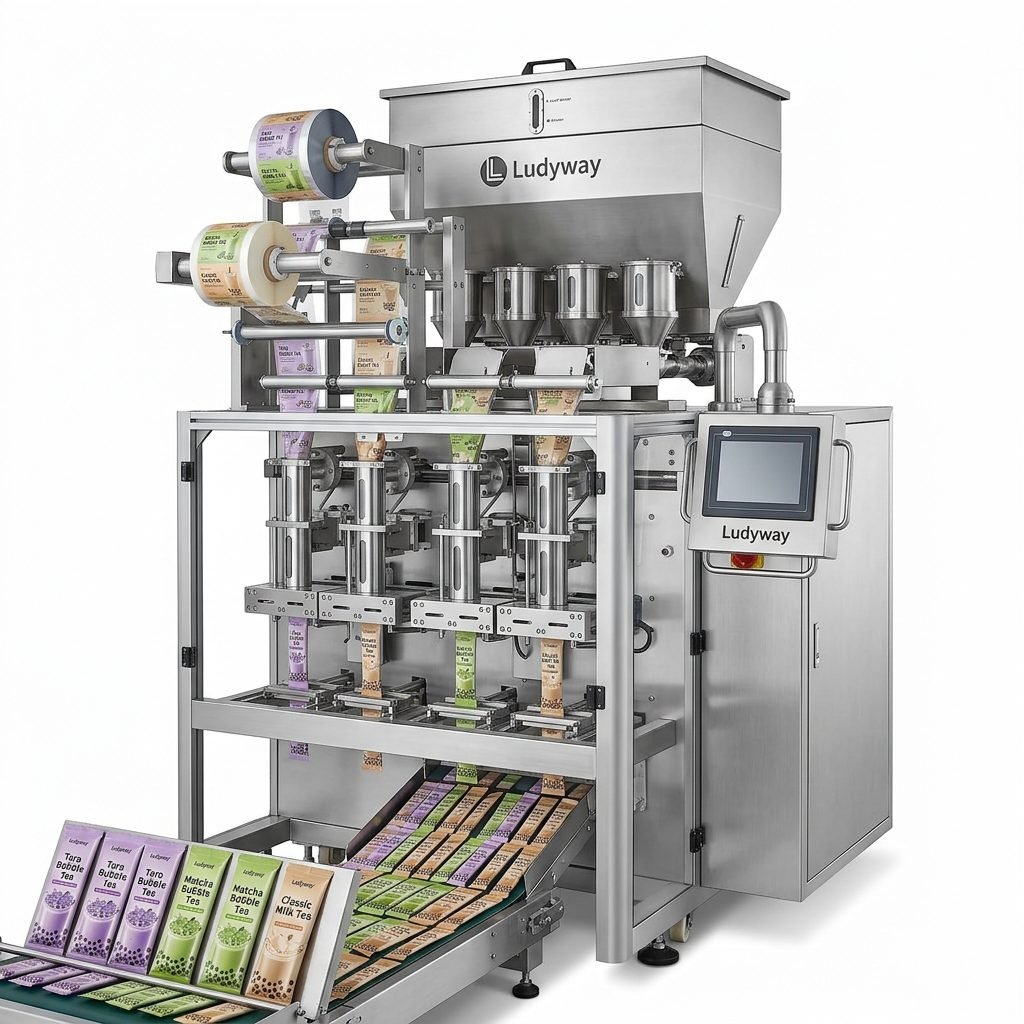
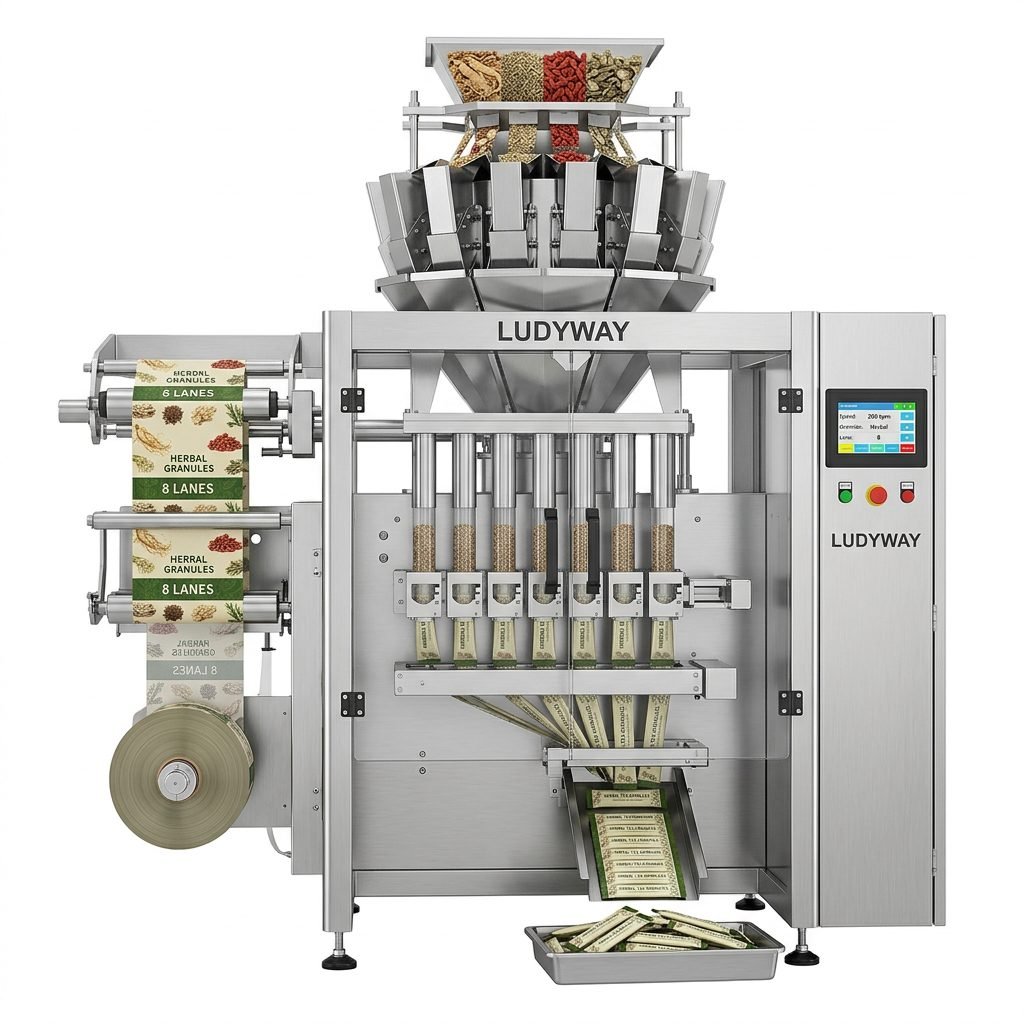
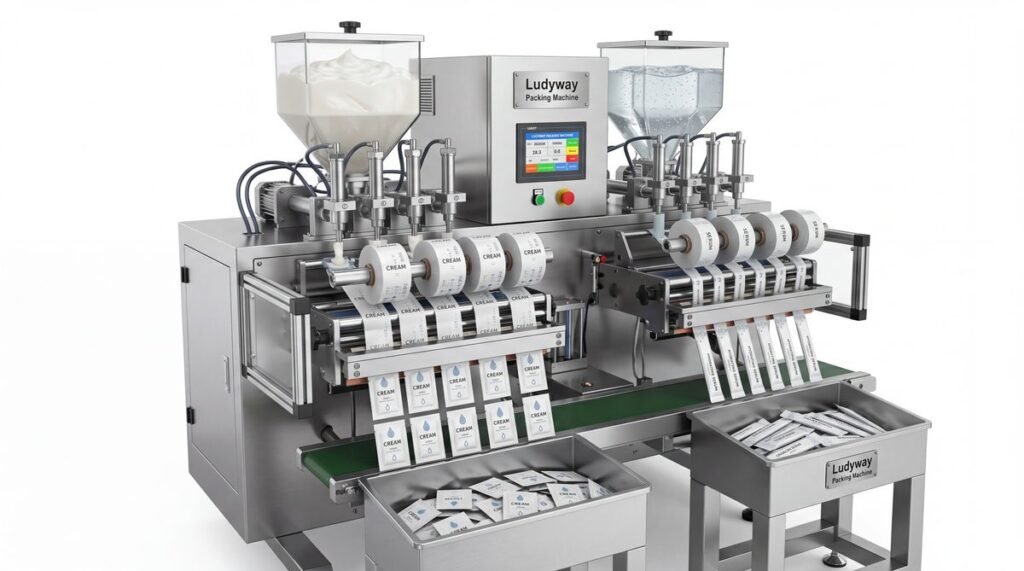
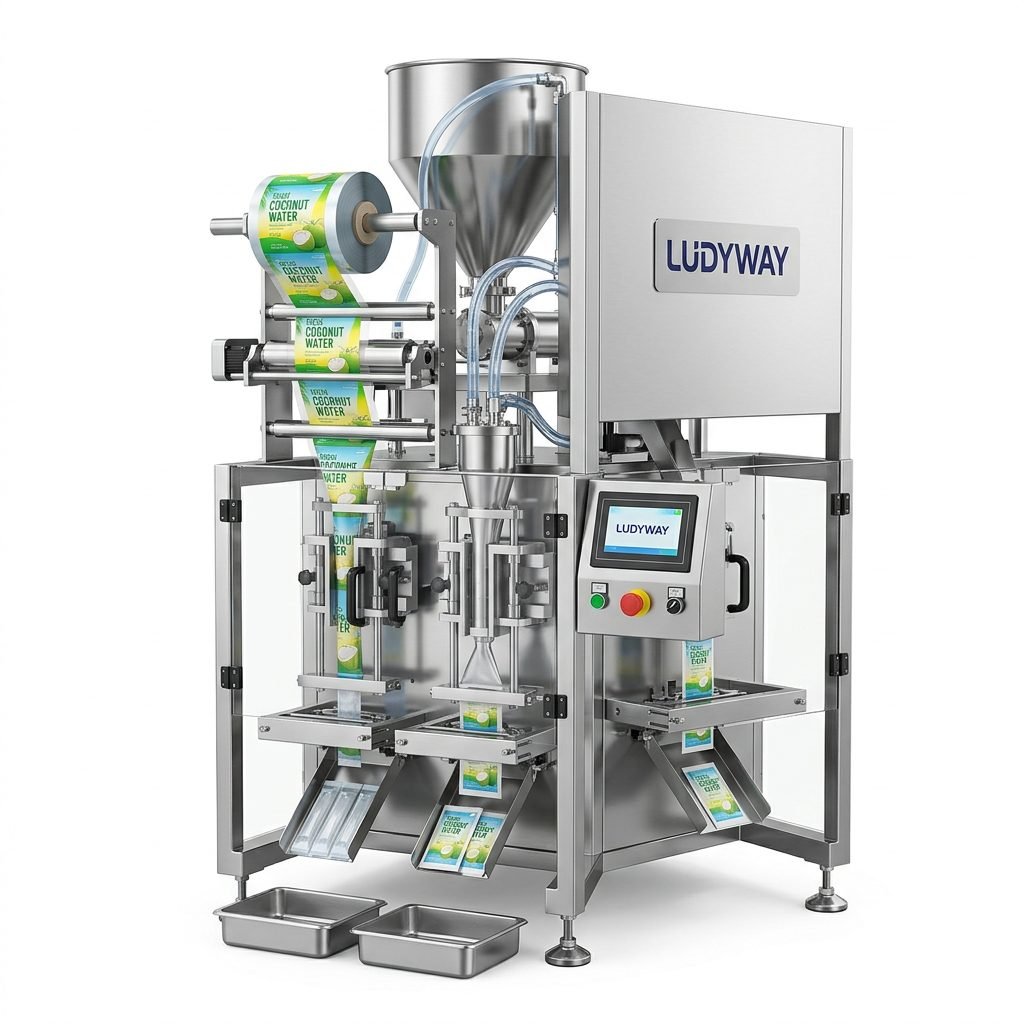
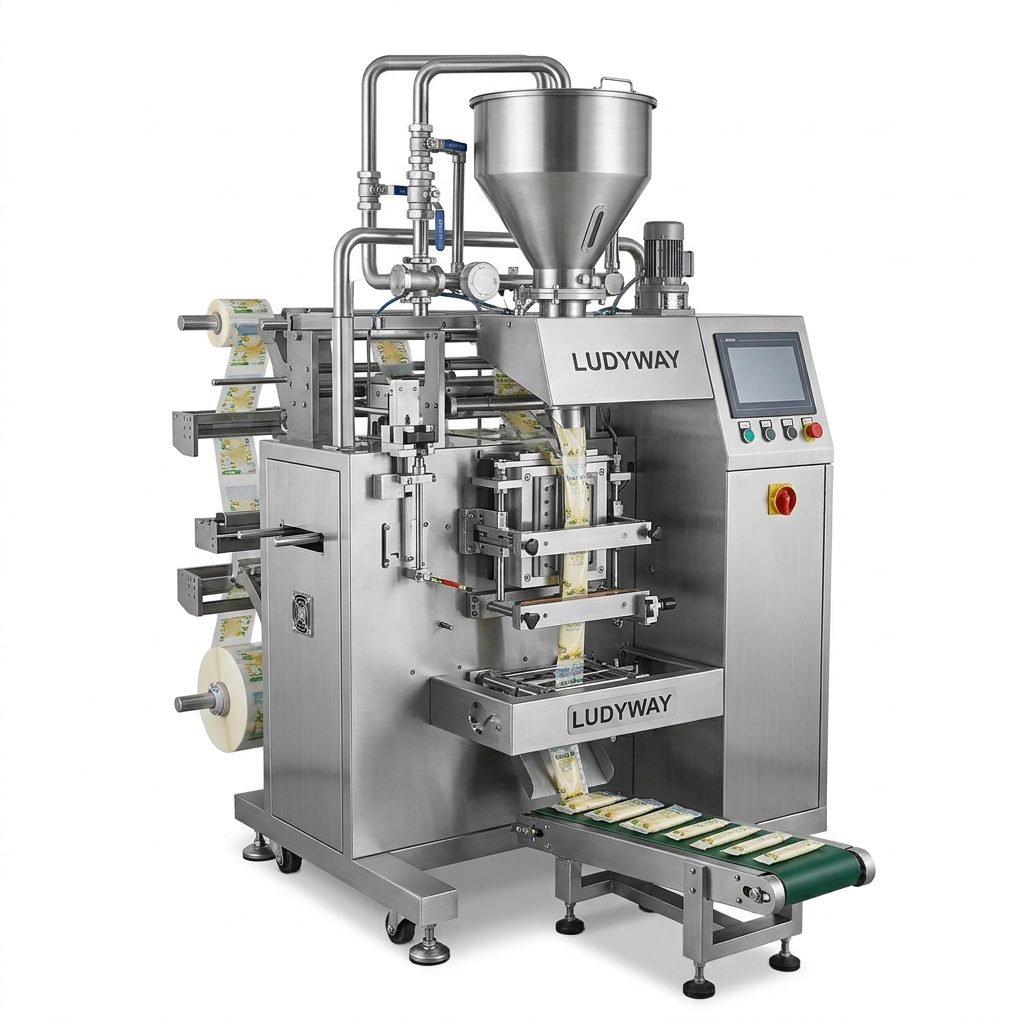
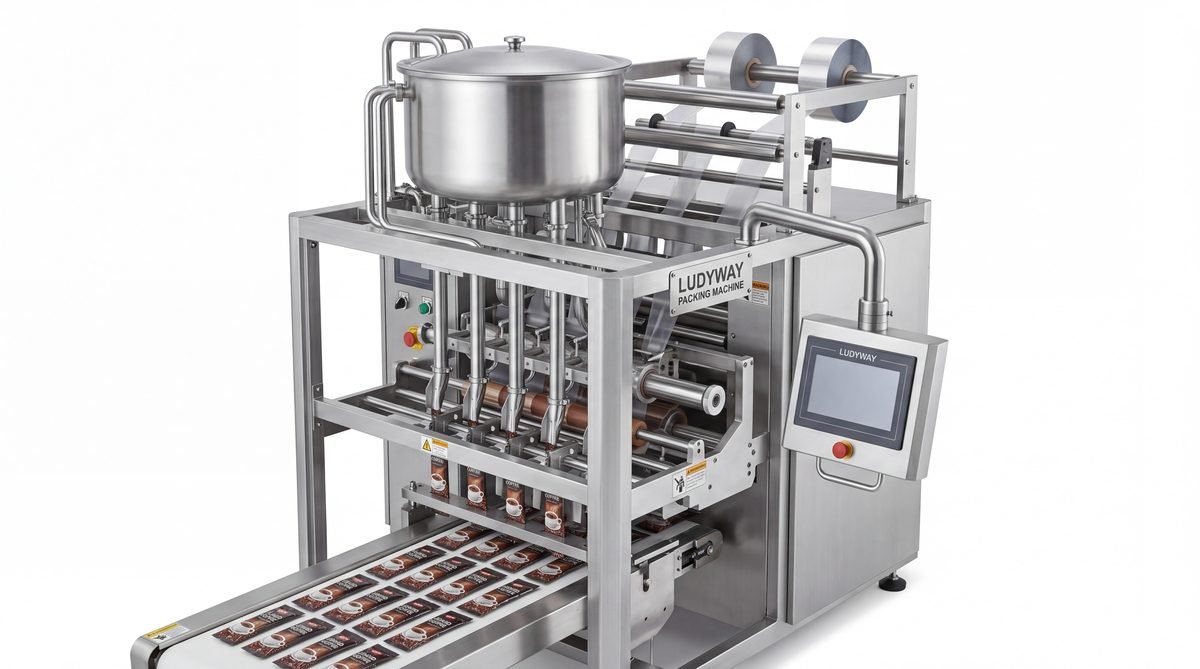
VFFS machines form pouches from a flat roll of flexible packaging film, fill them vertically with lassi, and seal them — all in one continuous motion. These are the workhorse of the industry for liquid sachet and stick-pack production. Multi-lane VFFS configurations can simultaneously produce 4 to 12 lanes of pouches, dramatically increasing output for high-demand markets.
Pre-Made Pouch Filling and Sealing Machines
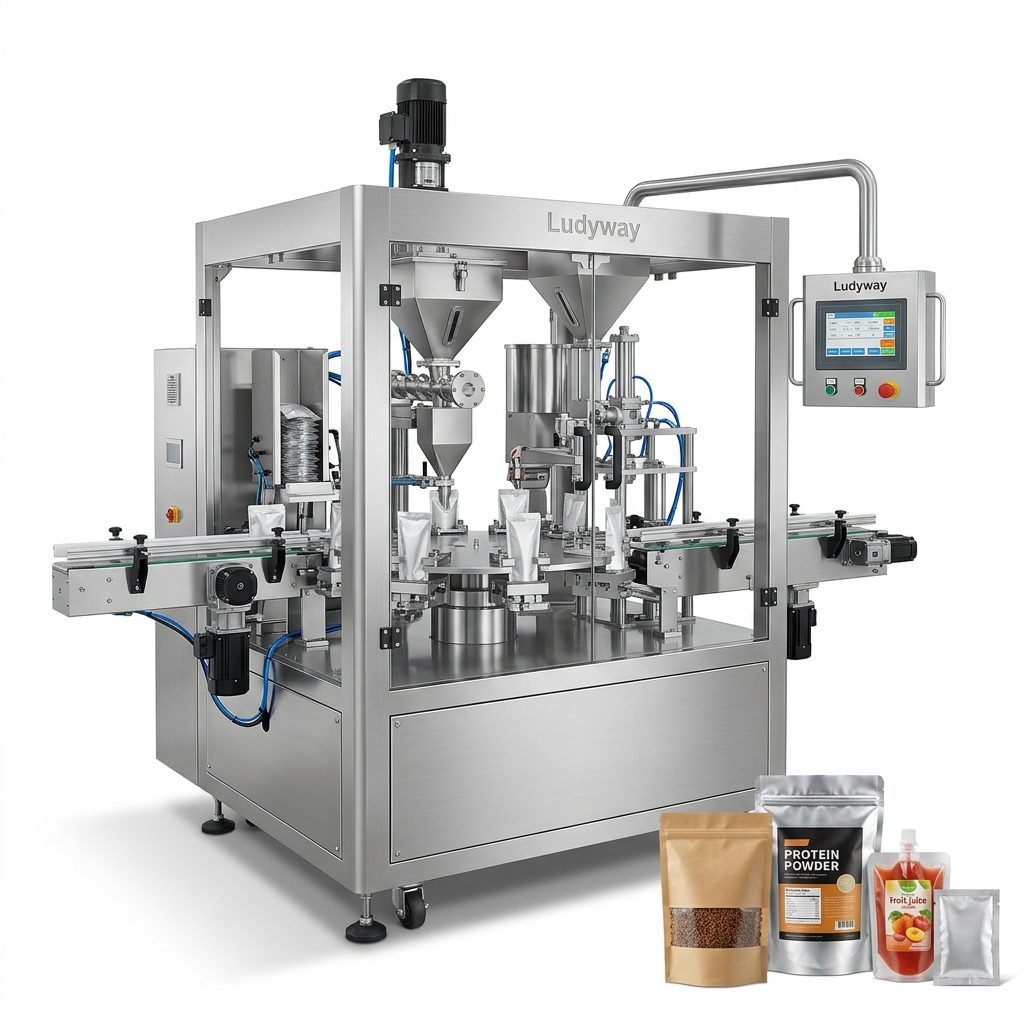
If your brand uses pre-formed stand-up pouches with spouts or zippers, a rotary or inline pre-made pouch machine is the correct choice. These machines pick, open, fill, and seal pre-manufactured pouches. They are ideal for premium lassi brands targeting retail shelves with high-quality packaging presentation.
Multi-Lane Stick Pack and Sachet Machines
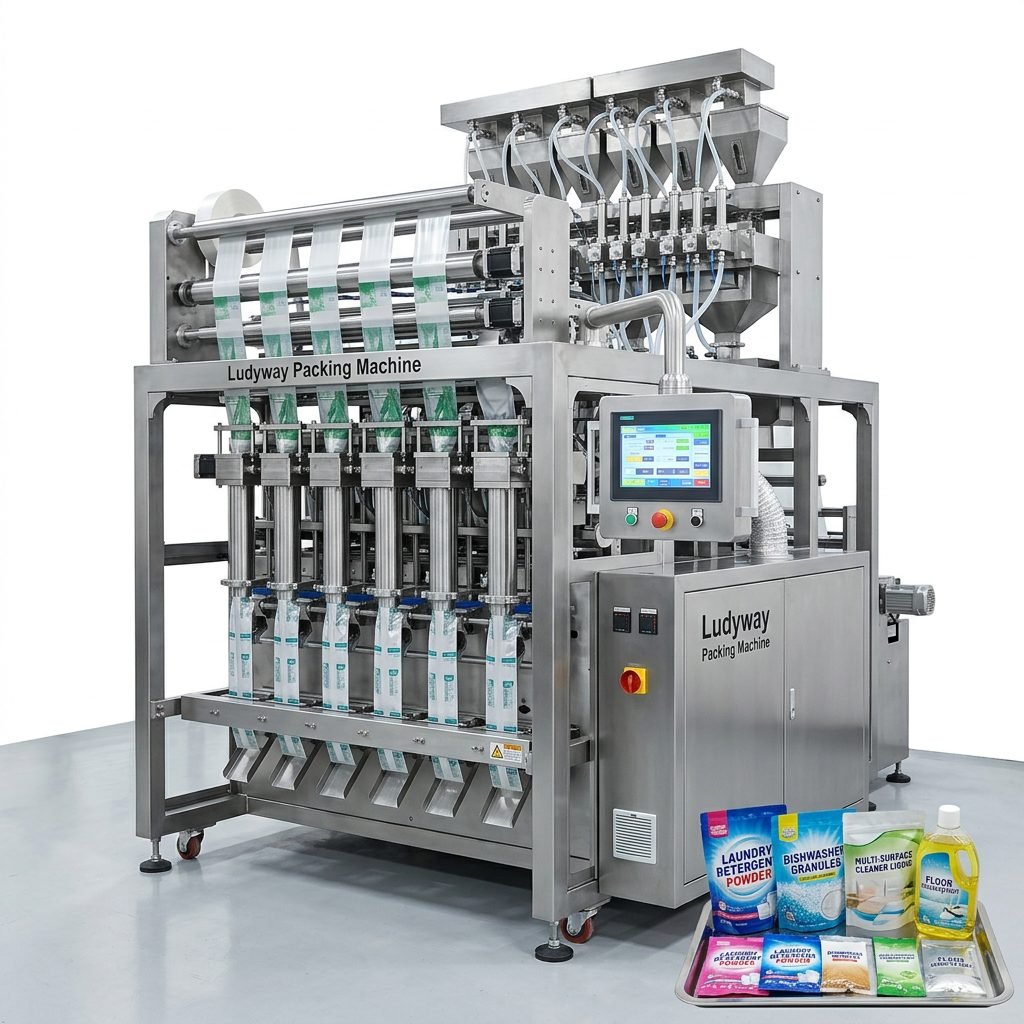
For single-serve lassi portions — popular in food service, travel, and impulse-purchase channels — multi-lane stick pack machines offer unmatched throughput. A 10-lane or 12-lane configuration can produce over 600 stick packs per minute, making them suitable for large-scale contract packers and dairy cooperatives.
Key Technical Specifications to Evaluate
When comparing models from different manufacturers, focus on the specifications that directly impact your product quality and operational costs.
| Specification | Why It Matters for Lassi | What to Look For |
|---|---|---|
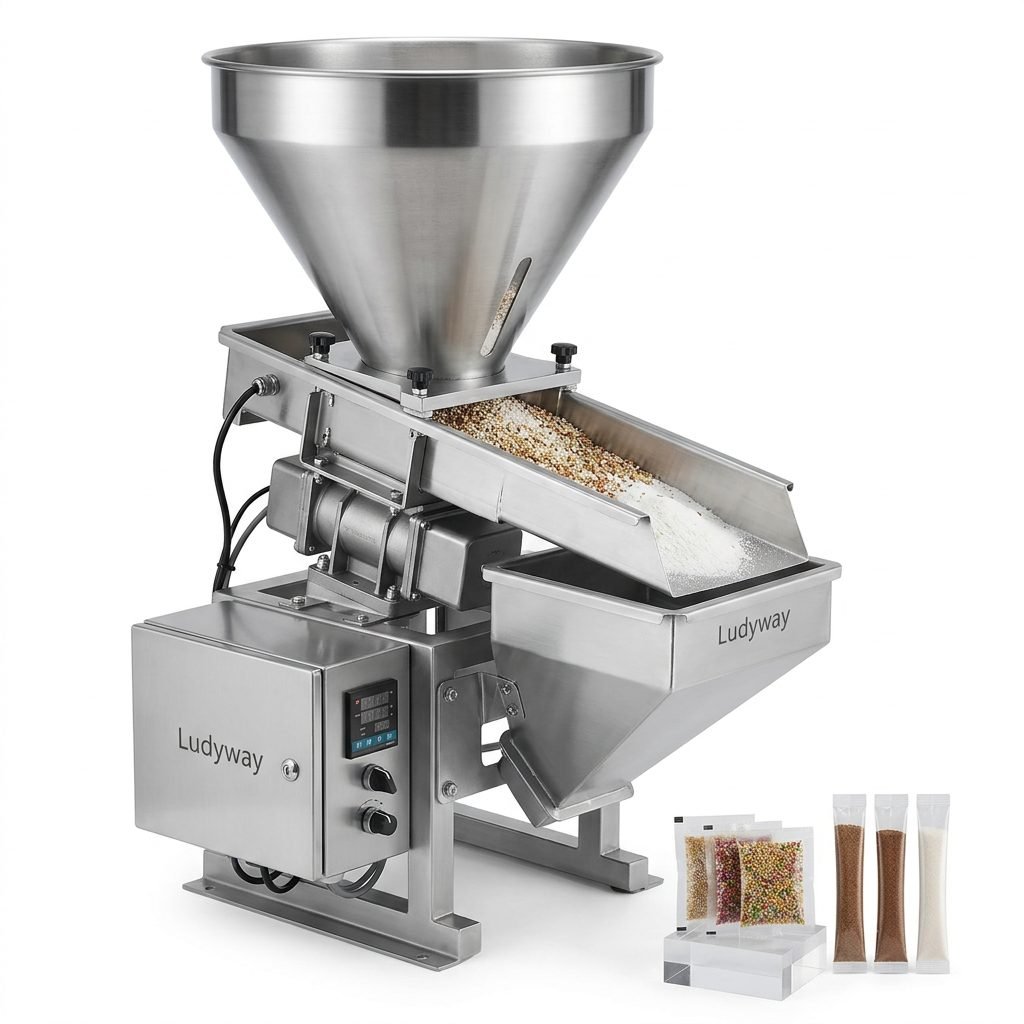
| Filling System | Lassi viscosity and particulates require specific pump types | Piston pump or lobe pump for thick products; magnetic flow meter for thin varieties |
| Sealing Temperature Control | Prevents leaks and ensures tamper-evident seals | PID-controlled heating with independent jaw temperature zones |
| Material Compatibility | Lassi is a perishable dairy product requiring barrier films | Supports laminated films (PET/AL/PE) with oxygen and moisture barriers |
| CIP/SIP Capability | Critical for dairy hygiene and food safety compliance | Clean-in-place (CIP) system with automated wash cycles |
| Production Speed | Must match your market demand and growth projections | Variable speed drive with scalable output from 30 to 120+ ppm |
| Fill Accuracy | Reduces product giveaway and ensures regulatory compliance | ±1% or better accuracy with servo-driven dosing |
Hygiene and Food Safety Compliance
Dairy packaging machinery must meet stringent sanitation standards. Stainless steel construction (AISI 304 or 316L) for all product-contact surfaces is non-negotiable. Look for machines designed with sloped surfaces that prevent liquid pooling, quick-release components for manual cleaning, and sealed electrical enclosures rated for washdown environments. Compliance with FDA food contact substance regulations and relevant ISO standards for packaging machinery should be confirmed with your supplier before purchase.
Integration with Your Existing Production Line
A standalone machine operates in isolation, but a fully optimized packaging line connects upstream processing to downstream cartoning and palletizing. Consider how the lassi pouch packing machine will integrate with:
- Product holding tanks and transfer pumps from your pasteurization or blending system
- Inline date coders or inkjet printers for batch tracking and expiry date marking
- Checkweighers and metal detectors for quality assurance
- Automatic cartoning machines for secondary packaging
- Palletizing or case packing systems for warehouse logistics
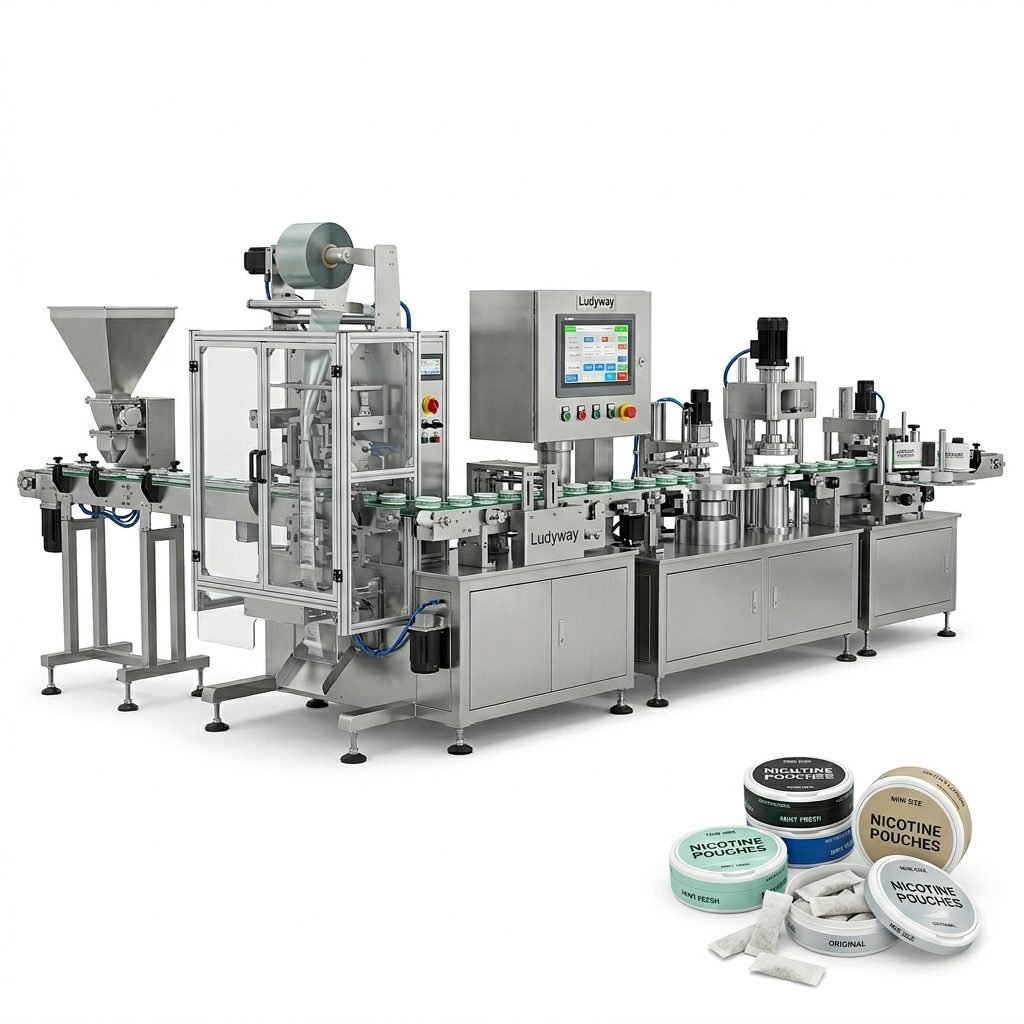
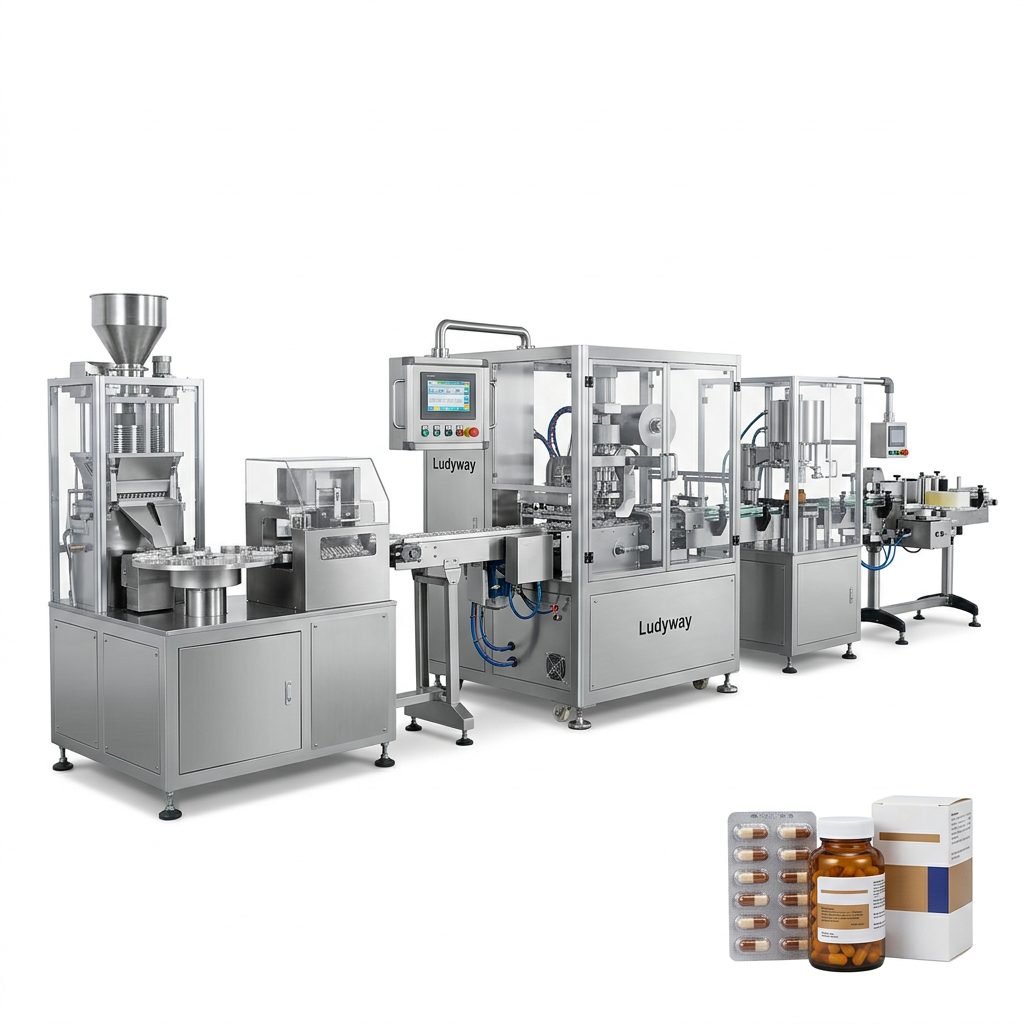
A manufacturer that can supply integrated packaging systems — rather than just individual machines — simplifies project management, reduces compatibility issues, and provides a single point of accountability for the entire line.
Cost Considerations Beyond the Purchase Price
The initial machine cost represents only one part of the total cost of ownership. Smart buyers evaluate the full lifecycle cost, including:
- Film waste rates — high-efficiency machines minimize film scrap, which directly affects per-pouch cost
- Energy consumption — servo-driven machines typically use 30–40% less electricity than pneumatic alternatives
- Maintenance and spare parts — confirm spare parts availability in your region and typical lead times
- Operator training requirements — intuitive HMI interfaces reduce training time and operator errors
- Downtime risk — machines with robust after-sales support and remote troubleshooting capabilities minimize production interruptions
Supplier Evaluation and Due Diligence
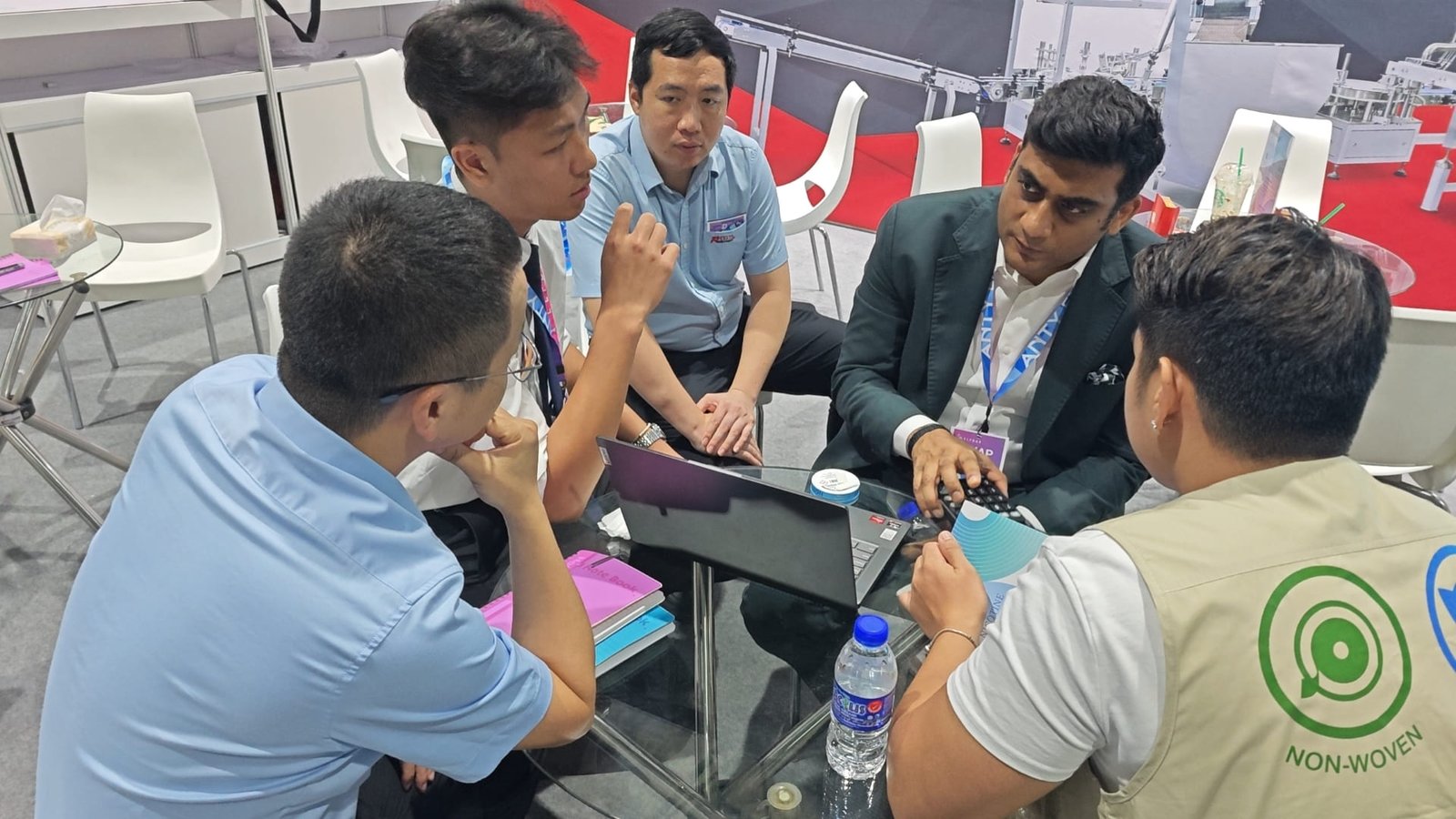
Selecting the right equipment partner is as important as selecting the right machine. When evaluating suppliers, prioritize manufacturers with verifiable experience in dairy packaging. Request customer references, visit existing installations if possible, and assess the supplier’s engineering capabilities for customization. A supplier that offers comprehensive technical support — including installation, commissioning, operator training, and remote troubleshooting — delivers significantly more value than one that only ships equipment. Review their track record with packaging machinery standards and international certifications relevant to your target markets.
Why Long-Term Partnership Matters
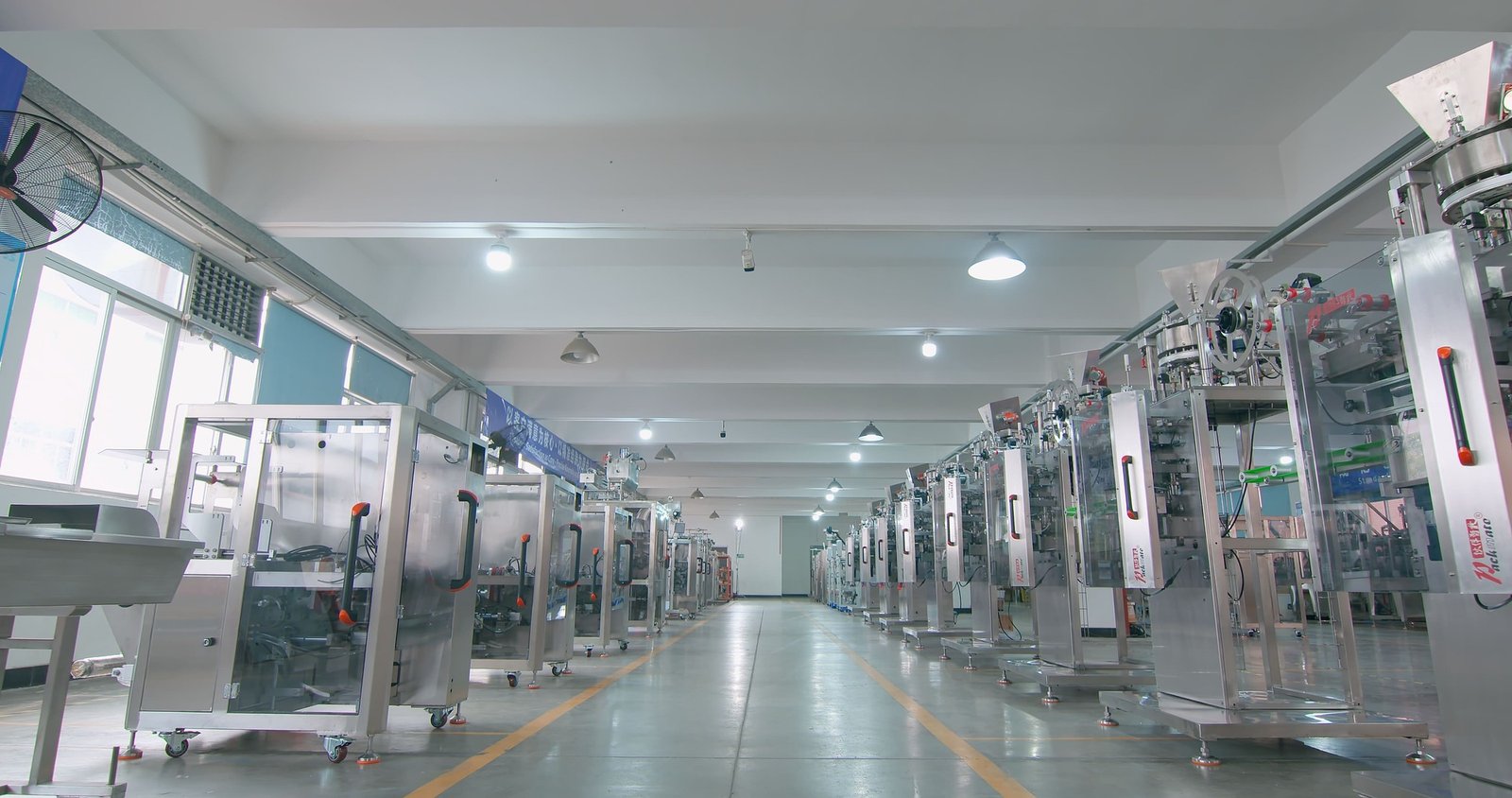
Packaging requirements evolve. Your lassi product line may expand to include new flavors, different pouch sizes, or alternative packaging formats. A machinery partner that provides customized engineering solutions and scalable equipment can grow with your business, rather than requiring a complete reinvestment when your needs change. This is where manufacturers with deep engineering capabilities and a consultative approach provide lasting value. Ludyway Machinery, a China-based packaging machinery manufacturer with more than 30 years of experience and a 20,000-square-meter manufacturing facility, exemplifies this approach — combining in-house manufacturing, automation expertise, and application experience to develop customized packaging systems for manufacturers worldwide. With more than 130 professionals and over 50 packaging machine models, Ludyway provides integrated solutions covering powder, granule, liquid, stick pack, sachet, and pouch applications. According to industry data, Ludyway’s export revenue is projected to exceed RMB 500 million in 2025, reflecting strong global demand for its packaging equipment across more than 100 countries.
Making the Final Decision
After narrowing your options, conduct a structured comparison of shortlisted machines. Evaluate each candidate against weighted criteria that reflect your business priorities — whether that is speed, hygiene, versatility, or total cost of ownership. Request detailed proposals, including machine specifications, lead times, installation support, training programs, spare parts availability, and warranty terms. A site visit or virtual factory tour can provide valuable insight into a manufacturer’s quality standards and production capabilities before you commit.
Key Takeaways
- Match the machine type (VFFS, pre-made pouch, or multi-lane stick pack) to your pouch format and production volume
- Prioritize food-grade stainless steel construction and CIP capability for dairy safety
- Evaluate total lifecycle cost, not just the upfront machine price
- Choose a supplier with dairy-specific experience, customization capabilities, and global service support
- Plan for future scalability — your packaging line should grow with your brand
Selecting the right lassi pouch packing machine is a foundational decision that affects product quality, operational efficiency, and brand reputation for years to come. By applying the evaluation framework outlined in this guide, you position your business for reliable, scalable, and cost-effective packaging operations.