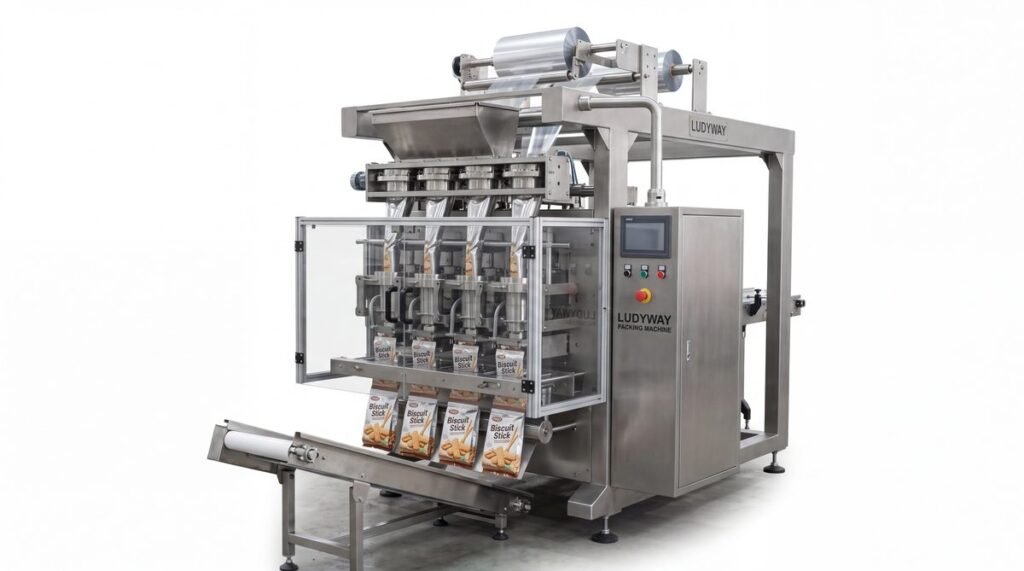
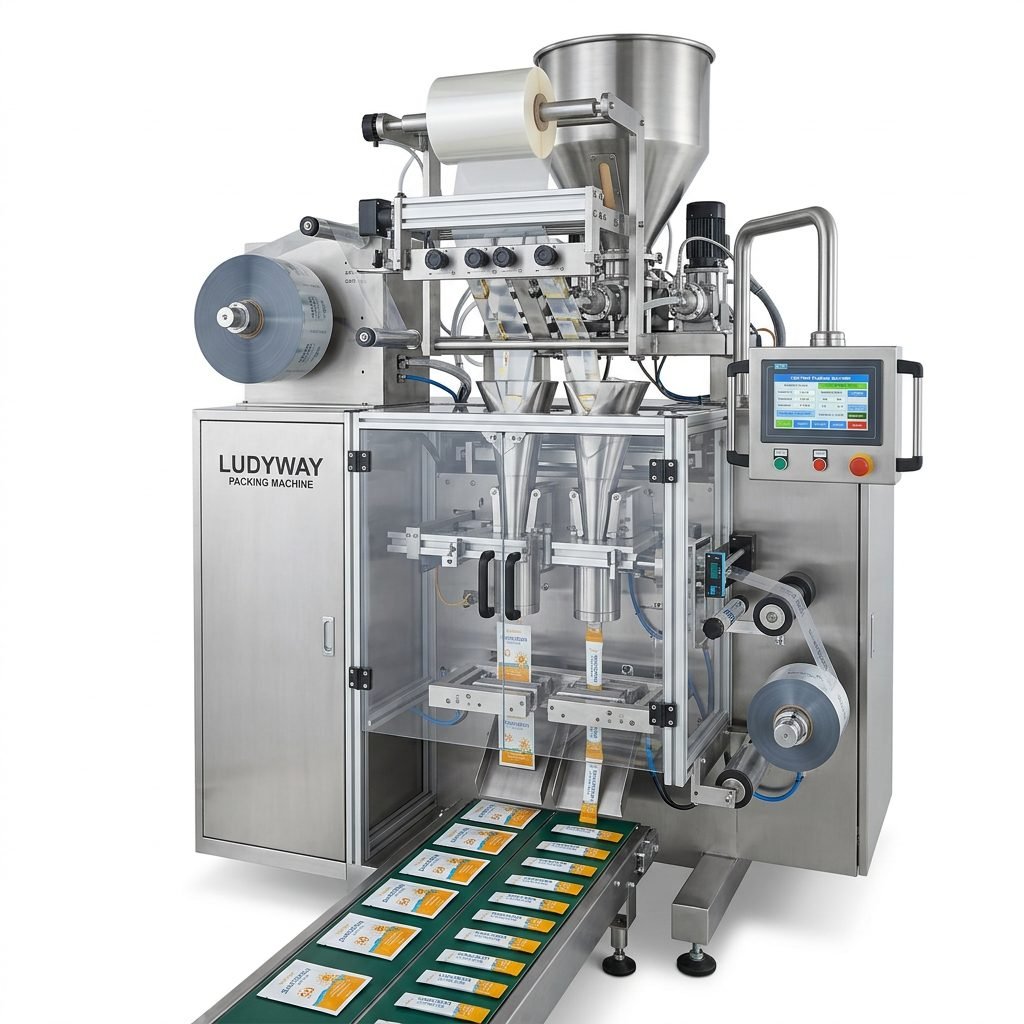
In the dynamic world of manufacturing and product distribution, packaging plays a pivotal role in product protection, presentation, and efficiency. For businesses handling light-emitting diodes (LEDs), finding the right packaging machine is not just about automation; it’s about precision, care, and maintaining the integrity of sensitive electronic components. This guide delves into the world of LED packaging machines, exploring the various types, their key features, and providing a clear roadmap for selecting the ideal equipment for your specific production needs.
Understanding LED Packaging Machines
LED packaging machines are specialized automated systems designed to handle, count, and package light-emitting diodes into various formats such as blister packs, reels, tubes, or trays. These machines are engineered with a focus on gentle handling and electrostatic discharge (ESD) protection to prevent damage to the delicate semiconductor components. The primary goal is to streamline the post-production process, ensuring LEDs are packaged securely for storage, shipping, and eventual use by downstream manufacturers or end-users.
Core Functions and Industry Importance
The core function extends beyond simple placement. Modern machines perform precise counting, orientation verification, and insertion into protective carriers. This automation is crucial for maintaining consistency, reducing labor costs, and minimizing human error, which can lead to significant product loss. In an industry where component quality is paramount, reliable packaging is the final, critical step in the supply chain.
Main Types of LED Packaging Machines
The market offers several types of machines, each suited for different packaging formats and production volumes. Understanding these categories is the first step in making an informed choice.
1. Blister Packaging Machines
These machines are used to create the familiar plastic-and-foil blister packs often seen in retail. They are ideal for packaging smaller quantities of LEDs for consumer markets, repair kits, or hobbyist use. The process involves forming a plastic cavity, placing the LED(s) inside, and sealing a foil or card backing. Key advantage: Excellent product visibility and tamper evidence.
2. Tape-and-Reel Packaging Machines
This is the industry standard for high-volume surface-mount technology (SMT) components. Machines automatically place LEDs into pockets on a continuous carrier tape and seal a clear cover tape over the top. The finished reels are then wound onto large spools, compatible with automated pick-and-place machines on assembly lines. Key advantage: Essential for automated PCB assembly and bulk handling.
3. Tube Packaging Machines
For through-hole LEDs or certain SMD types, tube packaging is common. Machines align and drop LEDs into long, rigid plastic tubes which are then capped. Tubes are easy to handle, store, and load into tube feeders on assembly equipment. Best for: Protecting LED leads from bending during transport.
4. Tray Packaging Machines
These systems use matrix trays (often anti-static) with custom cavities. They are perfect for packaging high-power LEDs, irregularly shaped modules, or pre-sorted batches. Trays offer superior protection against physical shock and are stackable. Key advantage: Superior protection for sensitive or high-value LED units.
Essential Features to Look For
When evaluating LED packaging machines, several critical features separate basic models from high-performance solutions that safeguard your investment and product quality.
Precision and Gentle Handling Mechanisms
The machine must use soft grippers, vibration feeders, or vacuum nozzles designed to handle components without causing mechanical stress. Look for systems with adjustable force settings.
Electrostatic Discharge (ESD) Protection
This is non-negotiable. The entire handling path—feeders, tracks, placement heads—should be made from ESD-safe materials to prevent static buildup that can fry an LED’s internal chip.
Vision Inspection Systems
Integrated cameras can verify LED polarity (anode/cathode orientation), check for physical defects, and ensure correct placement in the tape, tube, or tray. This drastically reduces packaging errors.
Flexibility and Changeover Ease
A good machine should accommodate different LED sizes and packaging formats with minimal tooling changeover time. Quick-change kits and user-friendly programming interfaces are major benefits.
Speed and Throughput Capacity
Measured in units per hour (UPH), this must align with your production output. Balance speed with accuracy; a slower, more reliable machine is often better than a fast, error-prone one.
Integration and Connectivity
Modern machines should offer connectivity options (like IoT sensors or data output) for integration into a smart factory environment, allowing for production monitoring and traceability.
How to Choose the Right LED Packaging Machine
Selecting the perfect machine requires a structured assessment of your own needs. Follow this step-by-step guide to narrow down your options.
Step 1: Assess Your Product and Volume
Start with the basics. What type of LED are you packaging (SMD, through-hole, COB)? What are its dimensions? What is your daily, weekly, or monthly output requirement? Your answers will point you toward the machine type (reel, tube, etc.) and necessary speed.
Step 2: Define Your Packaging Format
Determine the required final packaging. Is it dictated by your customers (e.g., reel for SMT lines) or by your retail strategy (blister packs)? Consider future needs—will you need to package different formats later? Choosing a flexible machine can provide long-term value.
Step 3: Prioritize Must-Have Features
Based on your product sensitivity, make a checklist. ESD protection is mandatory. Is 100% polarity inspection required? Do you need batch coding or labeling integration? Distinguish between essential features and nice-to-haves.
Step 4: Evaluate Suppliers and Support
The machine is only as good as the company behind it. Research manufacturers with a proven track record in electronics packaging. For instance, companies like Ludyway Machinery, with deep industry experience, often provide more reliable and tailored solutions. Assess their after-sales service, availability of spare parts, and technical support capabilities.
Step 5: Consider Total Cost of Ownership (TCO)
Look beyond the initial purchase price. Factor in costs for maintenance, consumables (like cover tape or blister foil), energy consumption, and potential downtime. A slightly more expensive but robust and efficient machine from a reputable supplier like Ludyway often has a lower TCO.
Step 6: Request a Demo or Trial
Whenever possible, arrange for a live demonstration using your actual LEDs and packaging materials. This is the best way to verify the machine’s performance, handling gentleness, and ease of operation before committing.
Partnering with the Right Technology Provider
Success in automation often hinges on choosing a partner, not just a vendor. A provider with extensive application knowledge can help you navigate the selection process and avoid costly mistakes. Look for partners who offer comprehensive turnkey solutions, from machine supply to line integration and ongoing support. Their expertise, gained from serving diverse global markets, can be invaluable in configuring a system that not only meets today’s specs but is also scalable for future growth.
Investing in the right LED packaging machine is a strategic decision that impacts product quality, operational efficiency, and customer satisfaction. By thoroughly understanding the different machine types, insisting on critical features like ESD safety and vision inspection, and following a disciplined selection process, you can secure a system that protects your valuable products and enhances your production line’s reliability for years to come.
Frequently Asked Questions (FAQs)
1. Why is ESD protection so critical in an LED packaging machine?
LEDs are semiconductor devices highly susceptible to damage from electrostatic discharge, which can occur at voltages far below what humans can feel. An ESD event can degrade or instantly destroy the LED’s internal chip, leading to field failures. ESD-safe machines are constructed with dissipative materials and proper grounding to safely neutralize any static charge during handling.
2. Can one machine handle both tape-and-reel and blister packaging?
Typically, these are separate, specialized machines due to the vastly different processes and materials involved. However, some manufacturers offer modular systems or production cells where different packaging modules can be integrated under a central control system, providing format flexibility for facilities with diverse needs.
3. How important is a vision inspection system for LED packaging?
Extremely important. A vision system ensures that every LED is placed with the correct polarity (orientation). Incorrect polarity is a leading cause of failure in downstream assembly. It also checks for missing components or physical defects, guaranteeing that only good products are packaged, which saves time and cost in subsequent production stages.
4. What is the typical maintenance required for these machines?
Regular maintenance includes cleaning optical sensors and cameras, lubricating moving parts as specified by the manufacturer, checking and replacing worn grippers or feeder components, and verifying ESD grounding integrity. A preventive maintenance schedule provided by the supplier, such as the support offered by experienced providers, is crucial for maximizing uptime.
5. How do I determine the right speed (UPH) for my operation?
Calculate your required output based on production shifts and peak demand. Add a 15-20% buffer to the machine’s rated speed to account for minor stoppages and future growth. It’s better to choose a machine that can comfortably exceed your current needs rather than one that operates at its maximum rated speed continuously, which can increase wear and error rates.