Investing in a freeze pop packaging machine is a major decision that directly impacts production efficiency, product quality, and long-term profitability. Whether you are packaging liquid freeze pops, ice pops, or frozen novelty products, selecting the right equipment involves evaluating more than just the purchase price. This guide walks you through the essential factors to consider so you can make a confident, well-informed investment.
Understanding Freeze Pop Packaging Machine Types
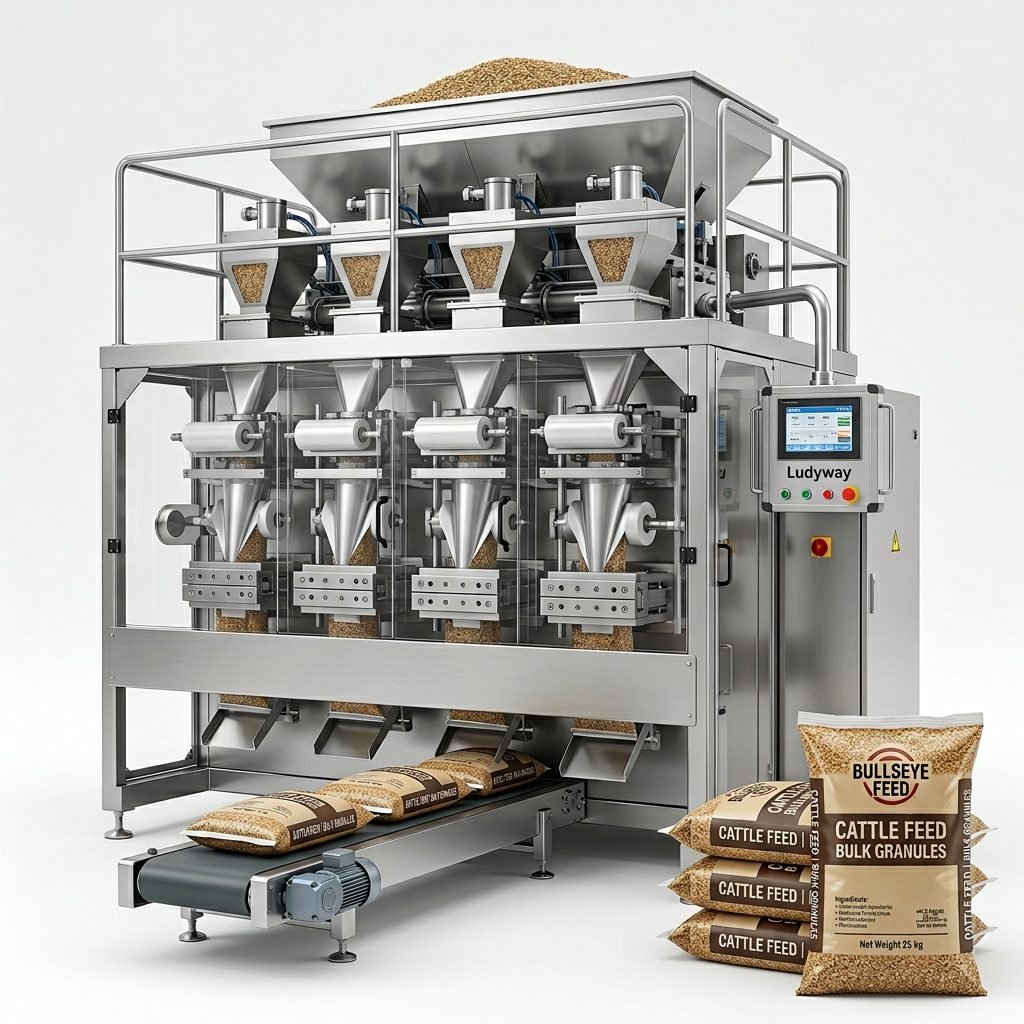
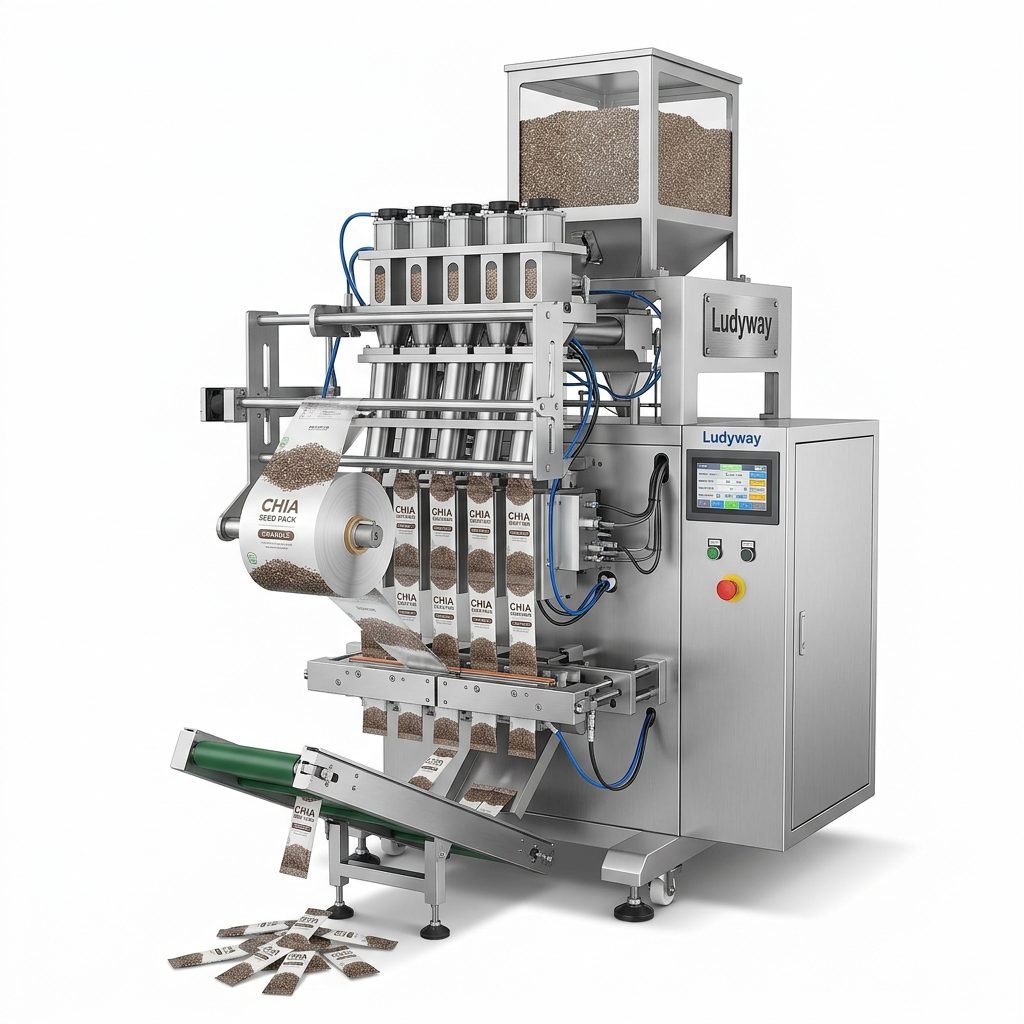
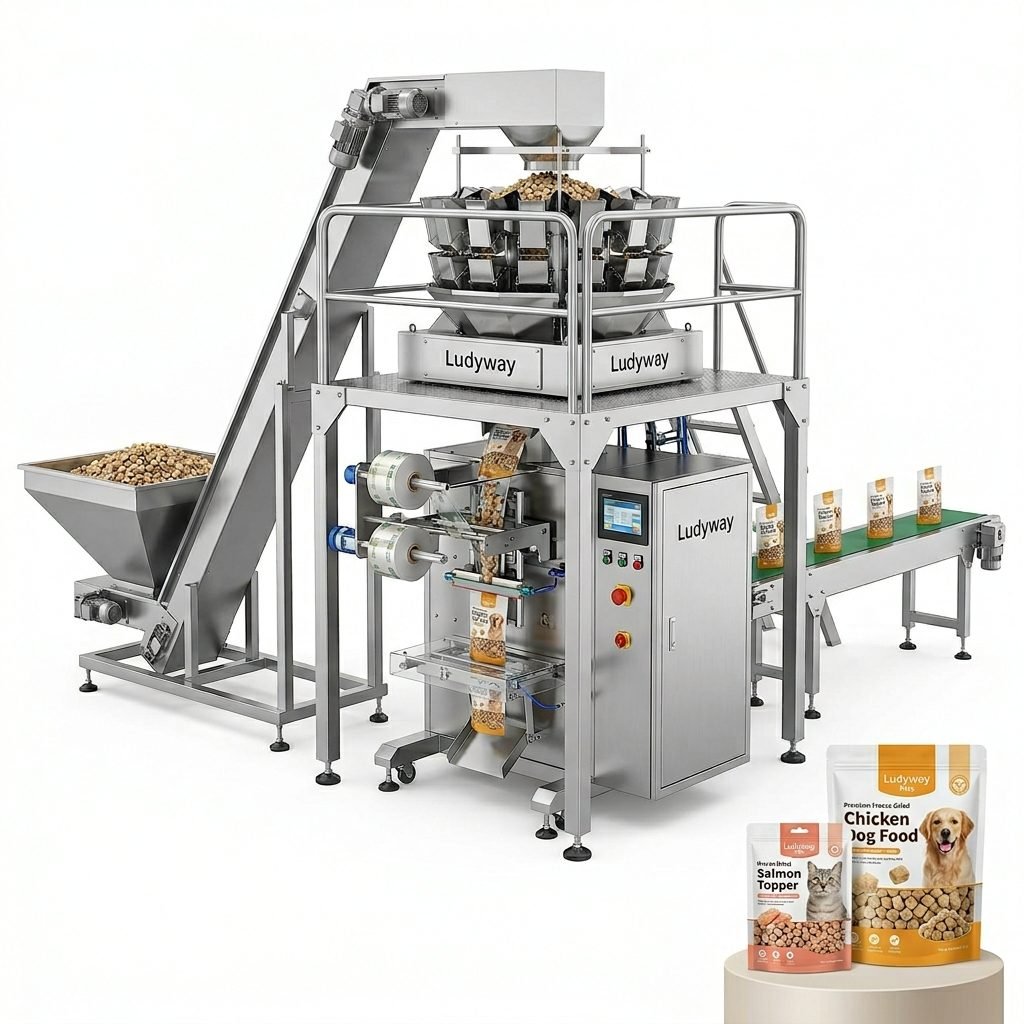
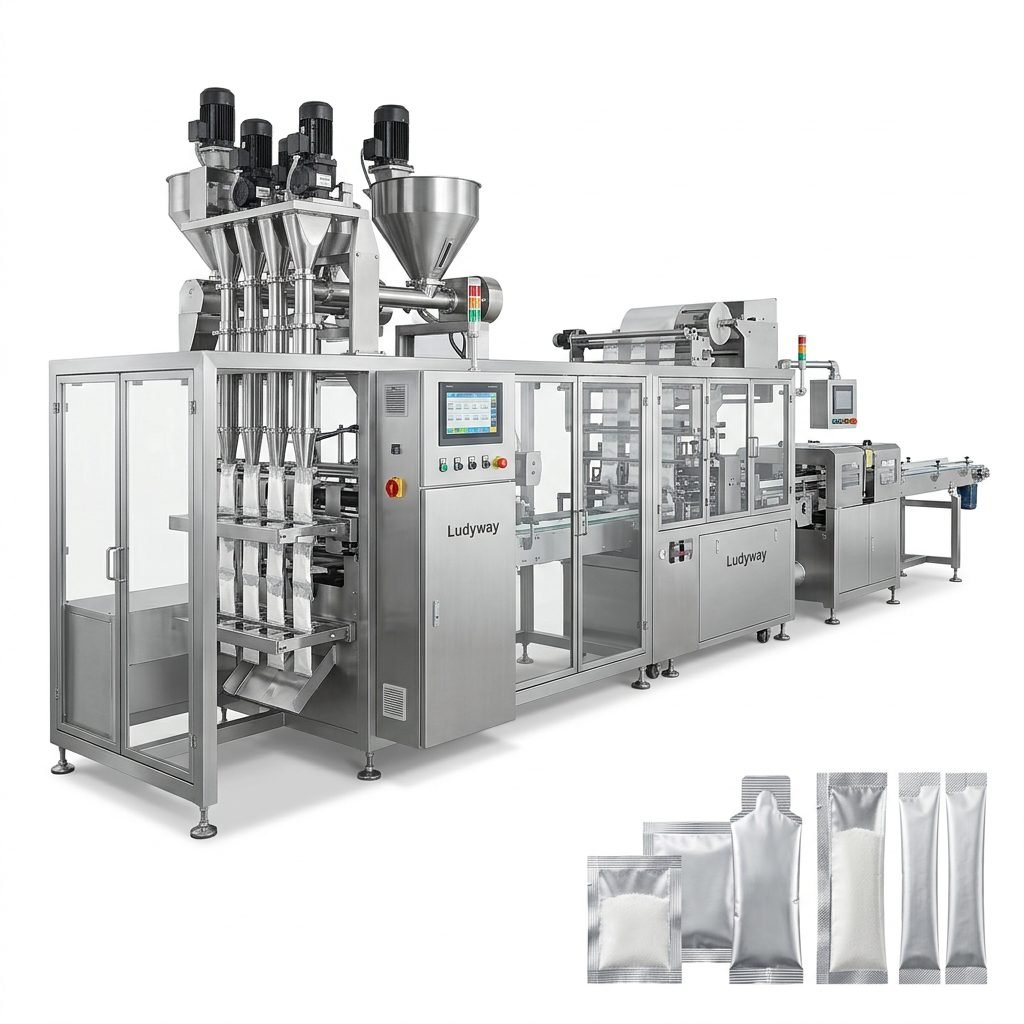
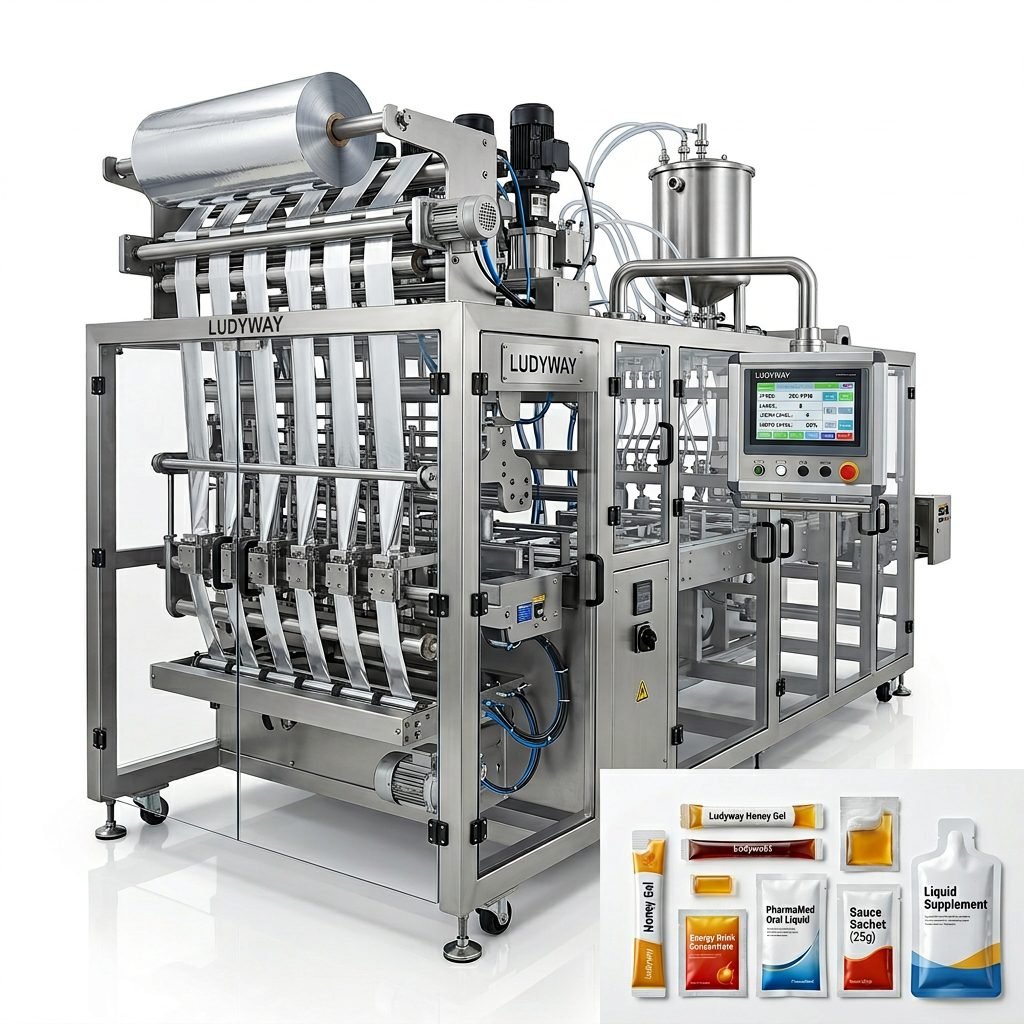
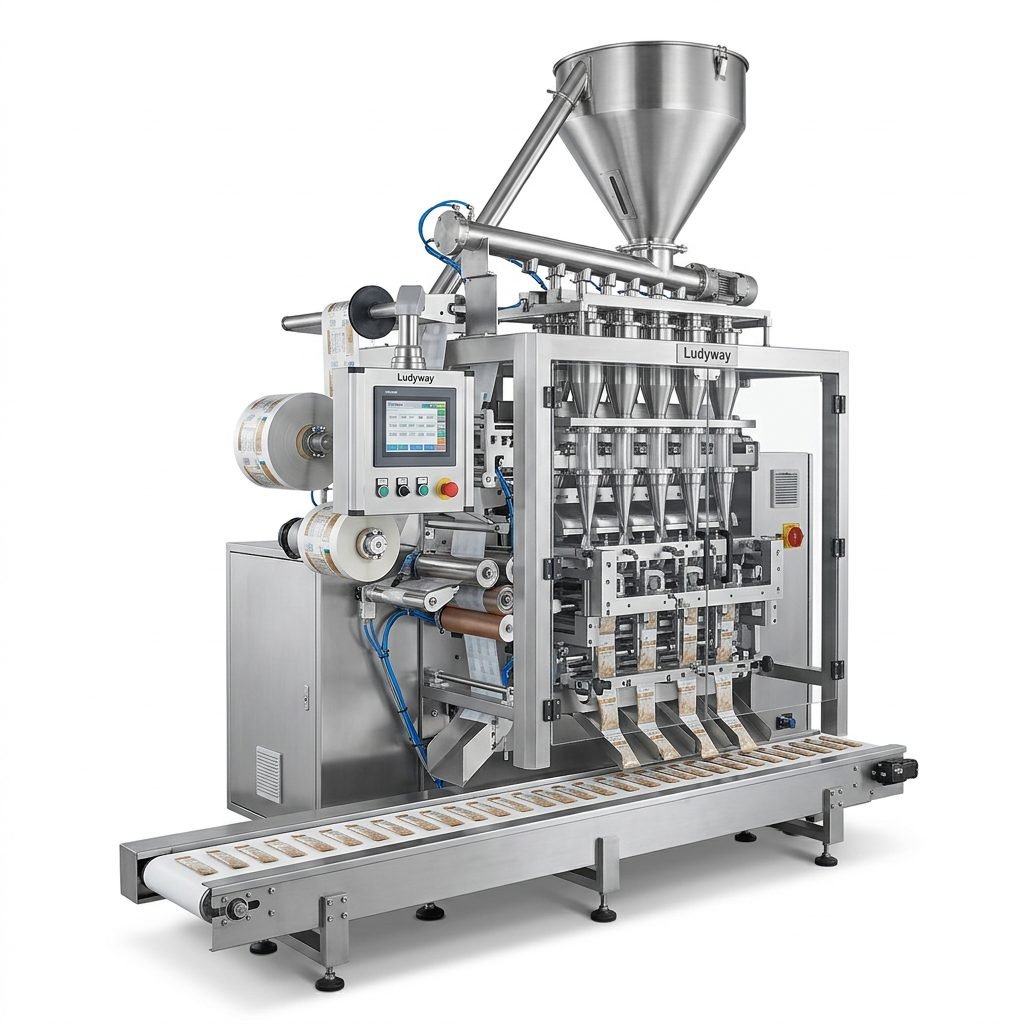
Not all packaging machines are built to handle the unique challenges of liquid filling for freeze pops. The most common configurations include single-lane and multi-lane stick pack machines, which offer different throughput capacities. Single-lane machines are suitable for startups and small-batch production, while multi-lane systems can run 4 to 20 lanes simultaneously, dramatically increasing output. Vertical form-fill-seal (VFFS) technology is the standard for freeze pop packaging, forming the tube, filling the liquid, and sealing each unit in a continuous motion.
- Single-Lane VFFS Machines – Ideal for low-volume production, R&D, and pilot runs
- Multi-Lane VFFS Machines – Designed for medium to high-speed production across multiple lanes
- Rotary Filling Systems – Suited for ultra-high-speed operations in large-scale manufacturing
- Premade Pouch Fill & Seal Machines – For manufacturers using pre-formed pouches rather than roll-stock film
Key Specifications to Evaluate Before Purchasing
Before contacting suppliers, define your production requirements clearly. The following specifications should guide your evaluation:
| Specification | Why It Matters | What to Look For |
|---|---|---|
| Filling Volume Range | Determines the size of freeze pops you can produce | Adjustable range, typically 10ml to 200ml per unit |
| Production Speed | Directly affects your output and ROI | Pouches per minute (PPM) per lane × number of lanes |
| Liquid Viscosity Handling | Freeze pop liquids range from water-thin to syrupy | Piston fillers for thick liquids; flow meters for thin |
| Film Material Compatibility | Different laminates require different sealing parameters | Verify compatibility with PE, PET, AL, and composite films |
| Sealing Technology | Leak prevention is critical for liquid products | Vertical and horizontal sealing with temperature control |
| Automation Level | Impacts labor requirements and consistency | From semi-automatic to fully integrated turnkey lines |

Why Filling Accuracy Matters More Than You Think
In freeze pop production, filling precision is not just about regulatory compliance — it directly affects your bottom line. Overfilling each unit by even 1ml across millions of units annually results in significant product give-away. Modern servo-driven piston fillers and magnetic flow meters can achieve accuracy within ±0.5%, reducing waste and improving profit margins. Always request filling accuracy data from potential equipment suppliers.
Material Compatibility and Packaging Film Selection
The packaging film you choose must be compatible with the machine’s sealing system. Freeze pop packages typically use multi-layer laminates that offer barrier properties against moisture, oxygen, and light. Key film characteristics include heat-seal strength, puncture resistance, and cold-temperature durability. When evaluating a freeze pop packaging machine, confirm that the jaw design, temperature control range, and dwell time settings can accommodate your preferred film structure. Some films require specific seal patterns, such as serrated or flat seals, which must be supported by the machine’s tooling.
Common Film Structures for Freeze Pop Packaging
- PET/AL/PE – High barrier, excellent for extended shelf life
- PET/PE – Cost-effective for standard applications
- OPP/CPP – Good clarity and seal strength for transparent packaging
- Paper/AL/PE – Provides a premium look with barrier protection
Machine Configuration: Single-Lane vs. Multi-Lane Systems
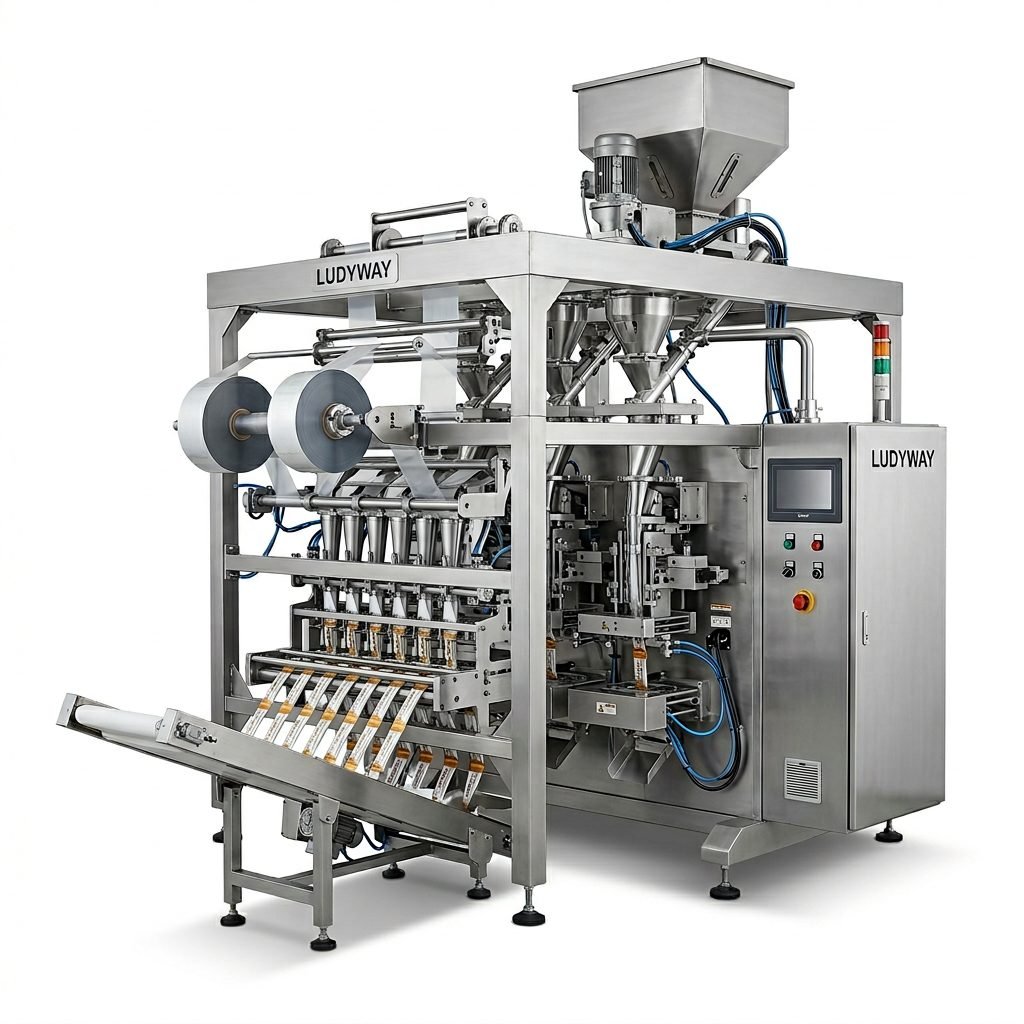
Choosing between single-lane and multi-lane configurations depends on your target production volume, available floor space, and budget. A single-lane machine producing 40-80 pouches per minute may suffice for regional distribution, while national brands often require multi-lane systems capable of 400-800+ pouches per minute. Multi-lane machines, such as 4-lane, 6-lane, 10-lane, or even 12-lane configurations, multiply output proportionally but also increase complexity in film tracking, tension control, and cut-off synchronization.
Hygiene, Cleanability, and Regulatory Compliance
Since freeze pops are a food product, the packaging machine must meet food safety standards. Look for stainless steel construction on all product-contact surfaces, sloped surfaces to prevent liquid pooling, and tool-free disassembly for sanitation. Equipment designed to meet FDA, EU, or GFSI standards provides an added layer of assurance. If you plan to export, verify that the machine documentation supports compliance with target market regulations. Resources from FDA Food Packaging and ISO Packaging Standards provide valuable regulatory context for international compliance requirements.
Sanitary Design Features to Prioritize
- CIP (Clean-in-Place) compatibility for liquid contact parts
- Quick-release components for rapid changeover and cleaning
- Sealed electrical enclosures rated for washdown environments
- Hygienic gaskets and seals that resist degradation from cleaning chemicals
- Sloped or rounded surfaces that prevent product accumulation
Integration with Upstream and Downstream Equipment
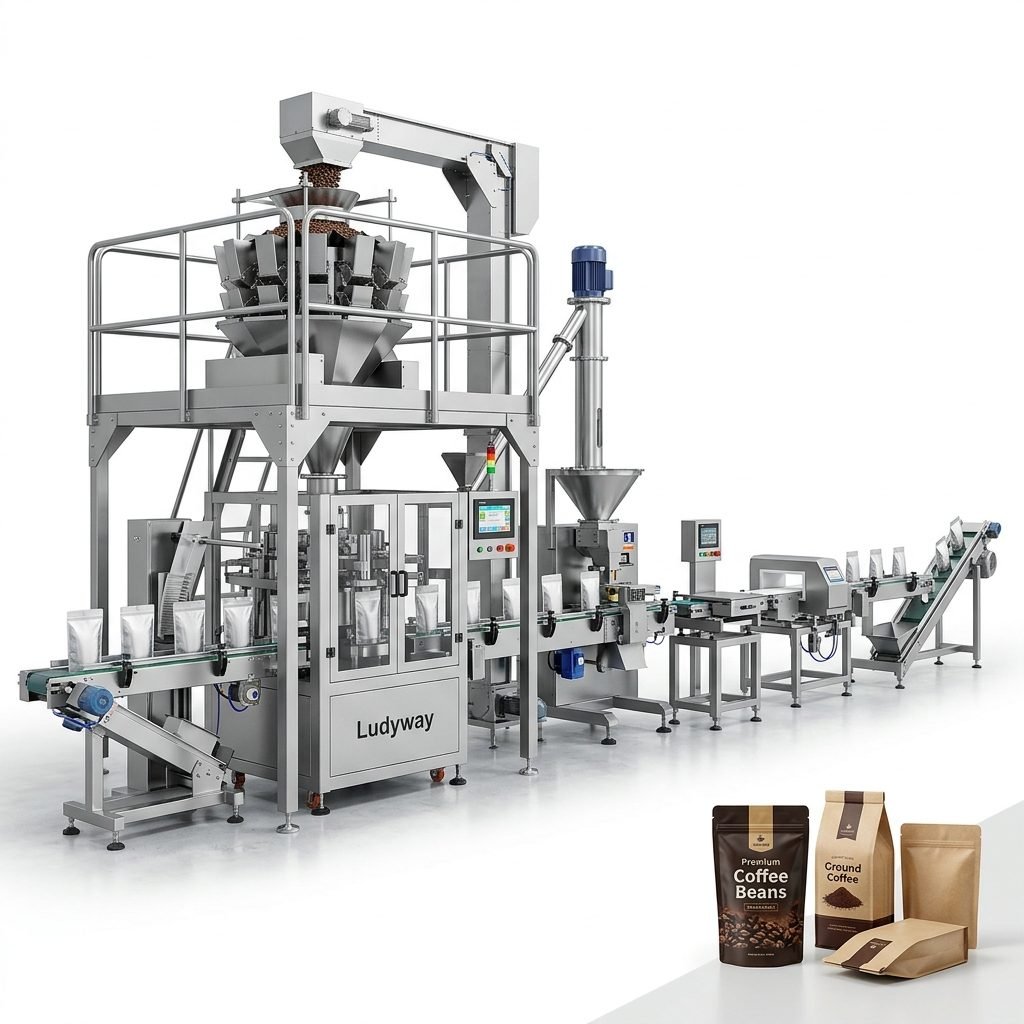
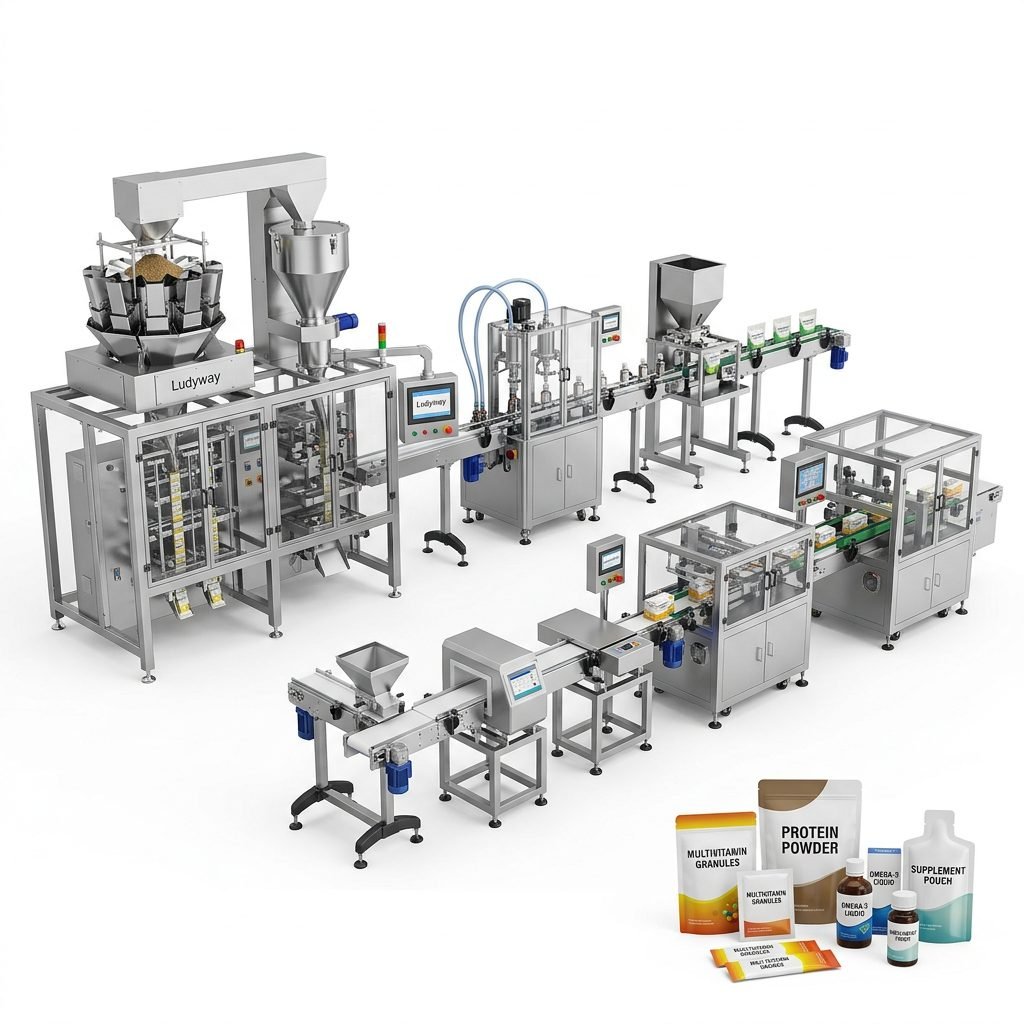
A freeze pop packaging machine rarely operates in isolation. It is typically part of a broader production line that includes liquid mixing tanks, product transfer pumps, cooling tunnels, coding and marking systems, checkweighers, and cartoning or case packing machines. Evaluating integration compatibility upfront prevents costly retrofits later. Confirm that the machine’s control system supports communication protocols compatible with your existing or planned line equipment. Turnkey packaging solutions offer the advantage of single-source responsibility, streamlined installation, and coordinated technical support.
Evaluating Total Cost of Ownership (TCO)
The initial purchase price is only one component of the total investment. A comprehensive cost analysis should include:
| Cost Category | Typical Share of TCO | Key Considerations |
|---|---|---|
| Equipment Purchase | 40-55% | Including freight, import duties, and installation |
| Packaging Materials | 25-35% | Film consumption, waste rates, and material price volatility |
| Maintenance & Spare Parts | 5-10% | Availability of local support and critical wear components |
| Energy Consumption | 3-5% | Motor efficiency, heating element power draw, and compressed air usage |
| Labor & Training | 5-8% | Operators required per shift and ongoing skill development |
Hidden Costs That Impact Your Budget
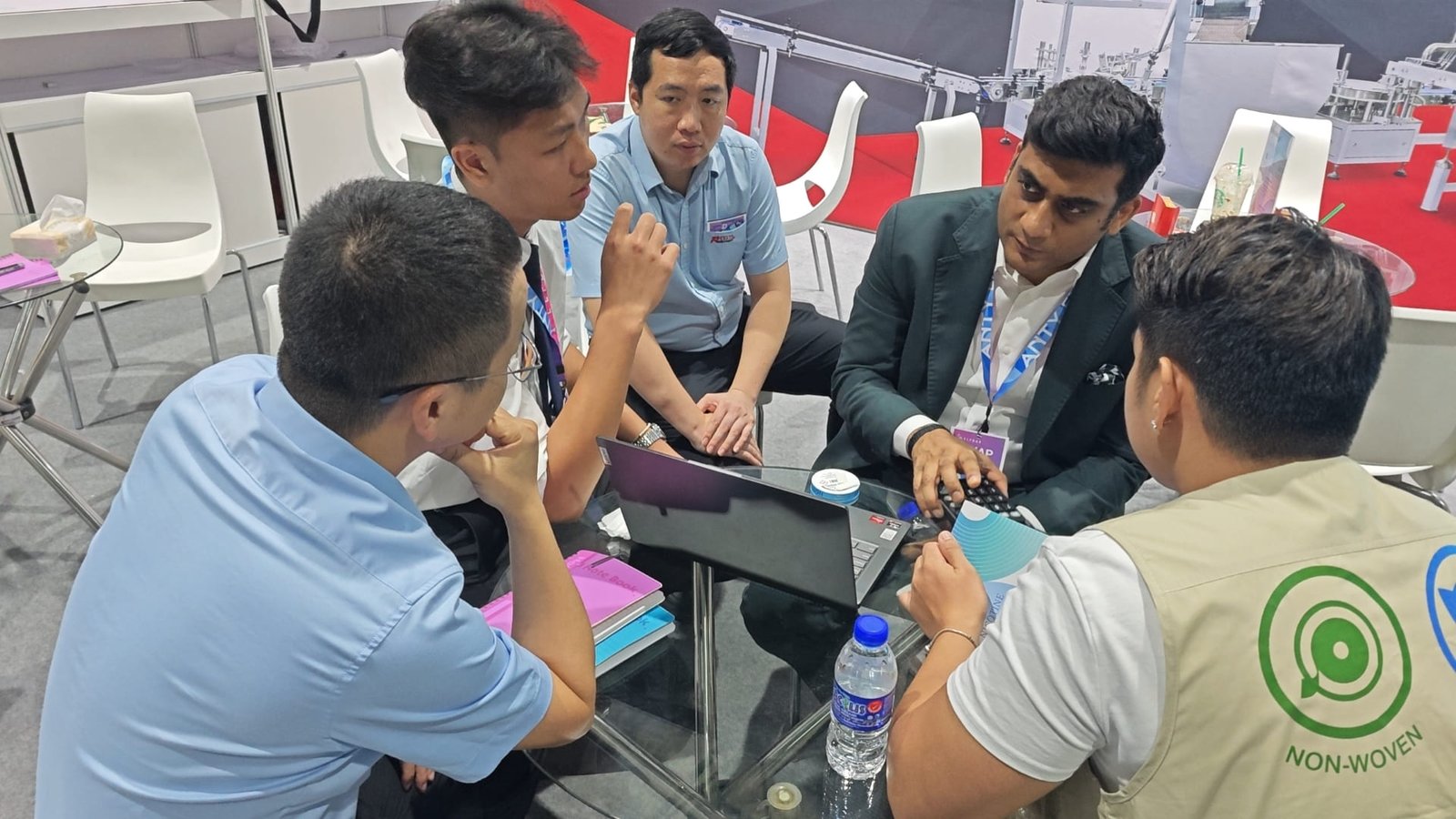
Beyond the obvious line items, consider changeover time between SKUs, film waste during setup and splicing, and the cost of downtime during repairs. A machine with a higher upfront cost but lower operating expenses often delivers superior long-term value. Some manufacturers, such as Ludyway Machinery, specialize in providing comprehensive turnkey packaging solutions that can be configured for specific production requirements while offering ongoing technical support and spare parts availability. Working with an experienced packaging machinery partner helps manufacturers plan for the full operational lifecycle rather than just the initial equipment purchase.
Smart Features and Industry 4.0 Readiness
Modern freeze pop packaging machines increasingly incorporate intelligent features that improve operational visibility and efficiency. Remote monitoring capabilities allow supervisors to track OEE (Overall Equipment Effectiveness) in real time. Automated film tension control, servo-driven filling with recipe management, and integrated vision inspection systems for seal integrity and print quality represent the current state of the art. These technologies reduce reliance on operator skill while improving output consistency.
Supplier Evaluation and After-Sales Support
The quality of after-sales support often determines long-term satisfaction with packaging equipment. Before finalizing a purchase, assess the supplier’s global service infrastructure, availability of spare parts, and technical support responsiveness. Key questions to ask include:
- Does the supplier have service engineers available in your region?
- What is the typical response time for remote technical support?
- Are critical spare parts stocked locally or shipped from the factory?
- Does the supplier offer operator training and ongoing maintenance guidance?
- What warranty terms are provided, and what is covered?
Industry resources such as PMMI Business Intelligence and Flexible Packaging Association Industry Data offer additional market insights and benchmarks for packaging machinery investments.
Making the Final Decision
Selecting the right freeze pop packaging machine requires balancing production requirements, budget constraints, and long-term operational goals. Start by clearly defining your current and projected production volumes, then match those needs against the technical capabilities of available machines. Request sample runs using your actual product and packaging film whenever possible — this is the most reliable way to verify performance claims. Consider visiting a reference installation or the manufacturer’s facility to observe equipment under production conditions. Finally, evaluate the total cost of ownership rather than focusing solely on the purchase price, as this perspective leads to better long-term investment decisions.
Quick Decision Checklist
- ✅ Define target production speed and daily output requirements
- ✅ Confirm liquid viscosity compatibility with the filling system
- ✅ Verify film material and sealing parameter compatibility
- ✅ Evaluate single-lane versus multi-lane configuration needs
- ✅ Assess sanitary design features for food safety compliance
- ✅ Calculate total cost of ownership over a 5-7 year horizon
- ✅ Request sample production runs with your materials
- ✅ Review supplier’s after-sales support and spare parts availability
- ✅ Check integration compatibility with upstream and downstream equipment
- ✅ Evaluate smart features for future operational efficiency gains
Taking a methodical approach to equipment selection helps ensure that your investment in a freeze pop packaging machine delivers reliable performance, consistent product quality, and strong returns for years to come.