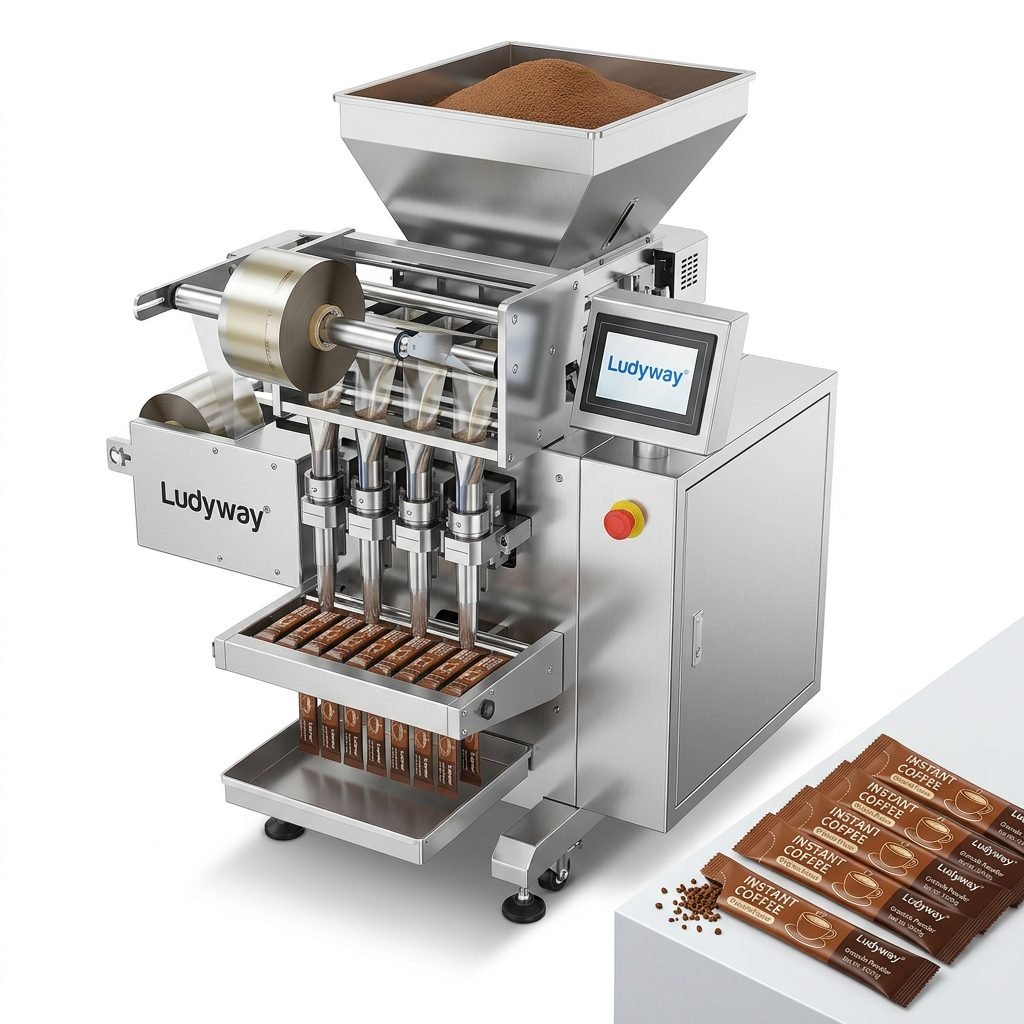
Investing in a manual biscuit packing machine is a strategic decision for bakeries and food manufacturers looking to balance cost control with consistent packaging quality. Whether you are a small-scale artisanal bakery or a growing food business, choosing the right equipment directly impacts product freshness, shelf appeal, and operational efficiency. This guide walks you through every critical factor to evaluate before making a purchase.
What Is a Manual Biscuit Packing Machine?
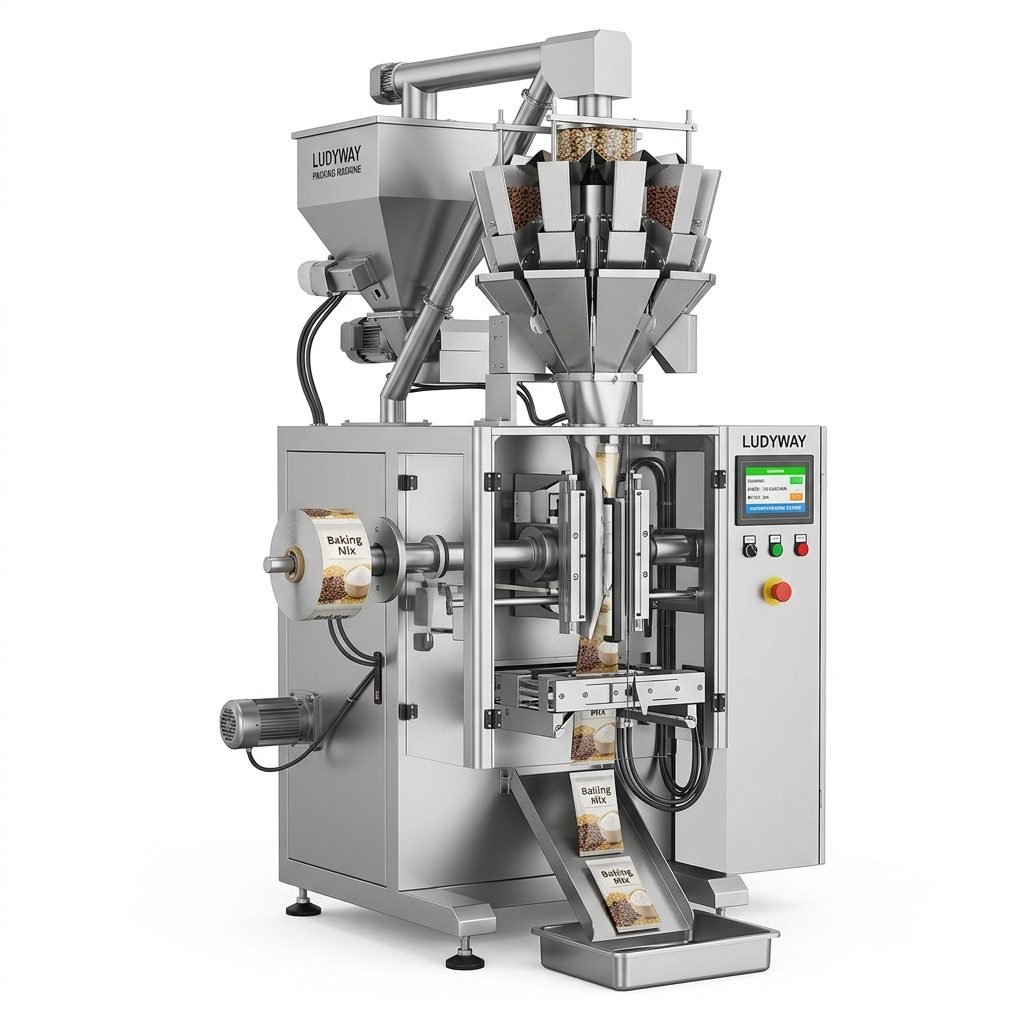
A manual biscuit packing machine is a semi-automated packaging device designed to wrap biscuits, cookies, and similar baked goods into protective packaging. Unlike fully automated systems, manual machines require an operator to place biscuits into the packaging material — typically flow wrap film, pillow bags, or pre-made pouches — after which the machine completes the sealing process. These machines are ideal for small to medium production volumes where full automation is not yet cost-effective.
Key Factors to Evaluate Before Buying
Selecting the right manual biscuit packing machine involves evaluating multiple technical and operational parameters. The table below summarizes the most important factors to consider during your selection process.
| Evaluation Factor | Why It Matters | Key Questions to Ask |
|---|---|---|
| Packaging Speed | Determines daily output capacity and labor requirements | How many packs per minute can the machine reliably produce? |
| Bag Size Range | Ensures compatibility with your product dimensions | What are the minimum and maximum bag dimensions supported? |
| Material Compatibility | Affects seal integrity and product shelf life | Does the machine support laminated films, BOPP, and other materials? |
| Sealing Technology | Impacts packaging quality and product freshness | Is it heat-sealing, impulse sealing, or ultrasonic? |
| Build Materials | Directly influences durability and food safety compliance | Is the frame stainless steel? Are food-contact parts FDA-compliant? |
| Changeover Time | Affects production flexibility and downtime | How quickly can the machine switch between different biscuit sizes? |
Production Capacity and Speed Requirements
Manual biscuit packing machines typically operate at speeds ranging from 10 to 40 packs per minute, depending on the operator’s skill and the machine’s design. When assessing production capacity, consider not just the machine’s rated speed but also the sustained throughput during an entire shift. Factor in breaks, material reloading, and operator fatigue. According to packaging industry research from PMMI, small to mid-sized food manufacturers often underestimate the impact of downtime on overall equipment effectiveness.
For businesses producing fewer than 5,000 biscuit packs per day, a manual machine with a single operator station is generally sufficient. If your daily output exceeds this threshold, you may want to explore semi-automatic configurations or multi-lane options that increase throughput without requiring a full leap to automation.
Packaging Material Compatibility
The type of packaging film your machine can handle directly affects product freshness, visual appeal, and cost per pack. Most manual biscuit packing machines are compatible with heat-sealable films such as BOPP, laminated films, and metallized polypropylene. However, not all machines handle every material equally well. The Flexible Packaging Association provides extensive resources on material selection that can help you understand the trade-offs between different film types.
Common Packaging Formats for Biscuits
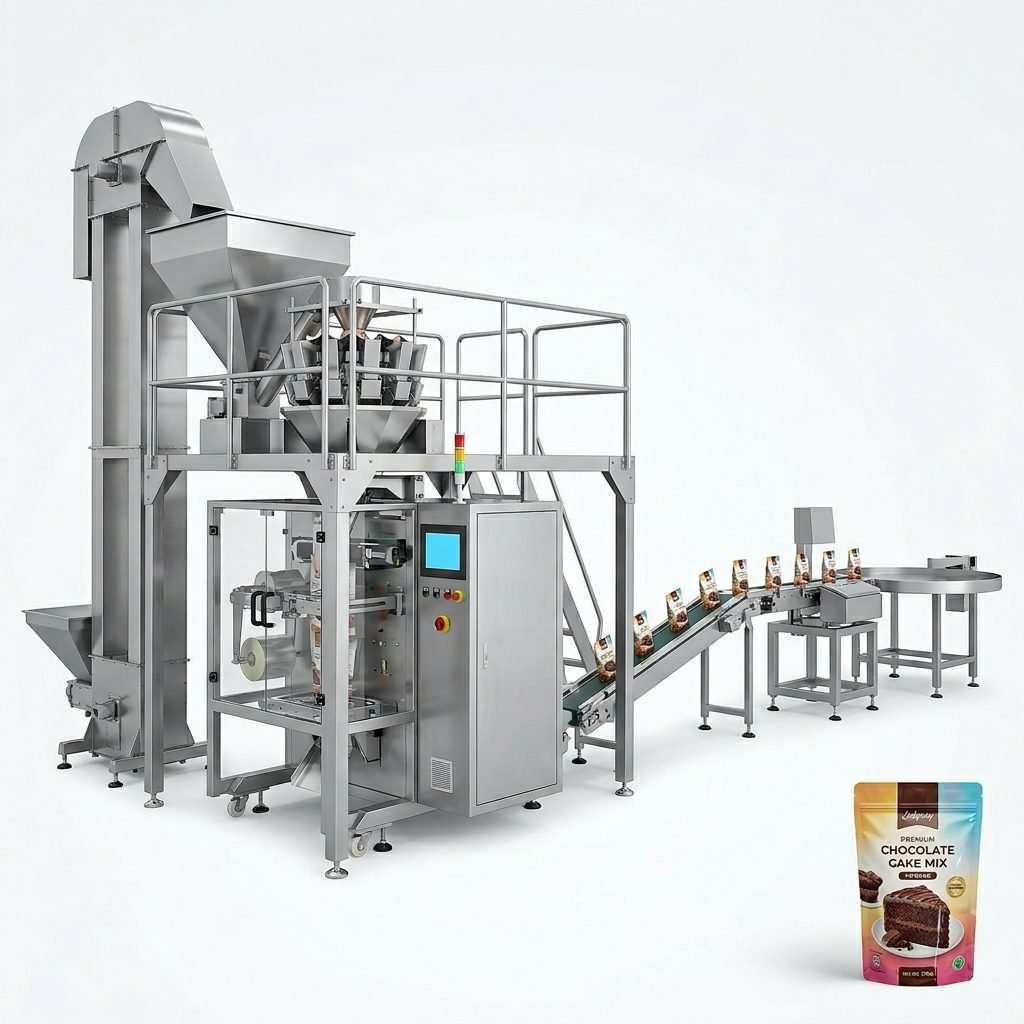
- Pillow packs — the most economical format, ideal for everyday biscuit products
- Gusseted bags — provide a flat bottom for shelf standing and better product presentation
- Pre-made pouches — suitable for premium or gift-packaged biscuits
- Flow wrap — offers a tight, secure seal that preserves freshness for extended periods
Build Quality and Machine Durability
A manual biscuit packing machine is a long-term investment, and build quality directly correlates with service life. Look for machines constructed with food-grade stainless steel frames and components, especially on surfaces that come into contact with biscuits. Stainless steel resists corrosion, simplifies cleaning, and meets FDA food safety requirements for packaging equipment used in food production environments.
Pay attention to the quality of critical components such as sealing jaws, temperature controllers, and film feeding mechanisms. Machines that use internationally recognized brands for electrical and pneumatic components tend to offer better reliability and easier access to spare parts.
Cost Analysis and Return on Investment
The purchase price of a manual biscuit packing machine is just one component of the total cost of ownership. To accurately calculate ROI, consider the following expenses over the machine’s expected lifespan:
- Initial purchase cost — varies widely based on features, build quality, and manufacturer
- Packaging material waste — lower-quality machines often waste more film during setup and operation
- Labor costs — manual machines require dedicated operators per shift
- Maintenance and spare parts — factor in annual servicing and component replacement
- Energy consumption — although typically modest for manual machines, it still contributes to operating costs
For most small to medium bakeries, a reliable manual biscuit packing machine achieves ROI within 12 to 18 months through labor savings, reduced product spoilage, and improved packaging consistency compared to fully manual hand-sealing methods.

Supplier Evaluation and After-Sales Support
Choosing the right equipment supplier is as important as choosing the right machine. A reputable packaging machinery manufacturer should provide comprehensive documentation, operator training, installation support, and accessible spare parts. Before committing to a purchase, ask potential suppliers about their warranty terms, technical support availability, and typical response times for service inquiries.
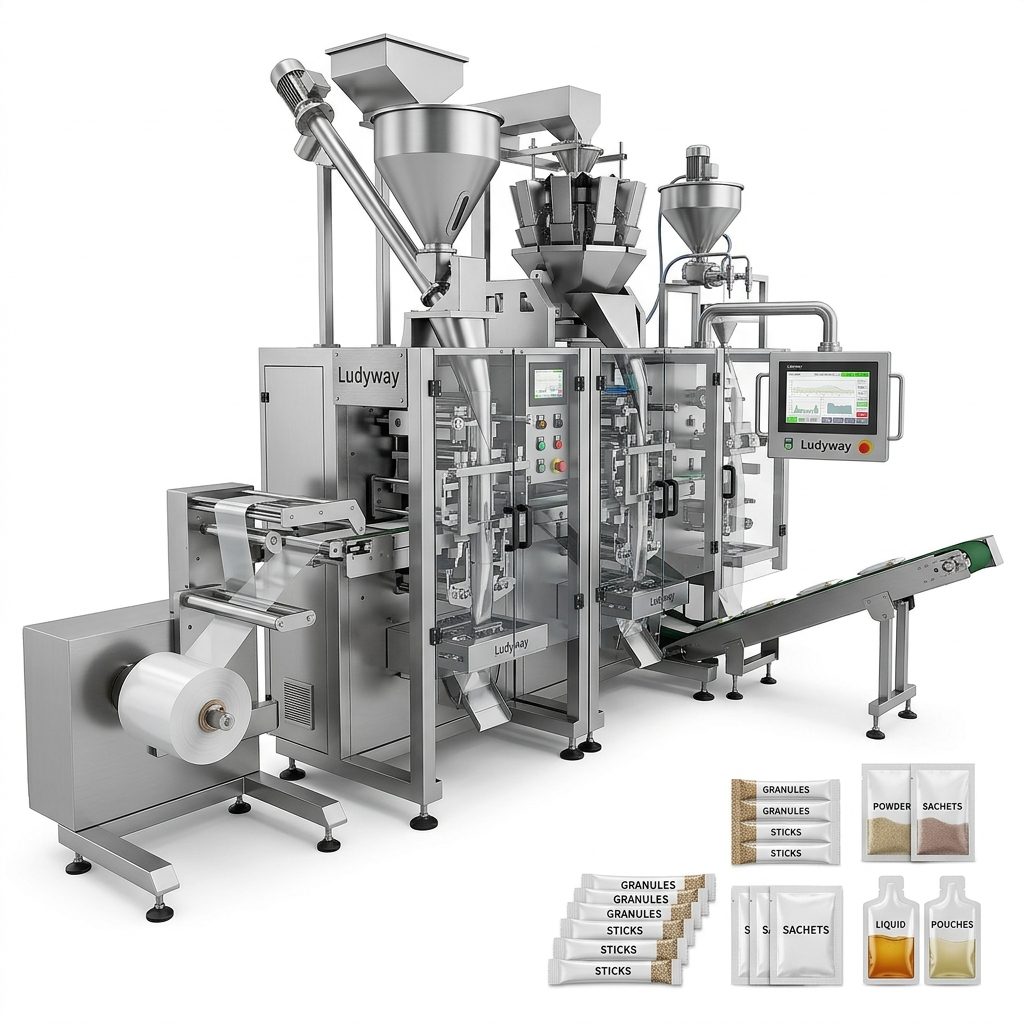
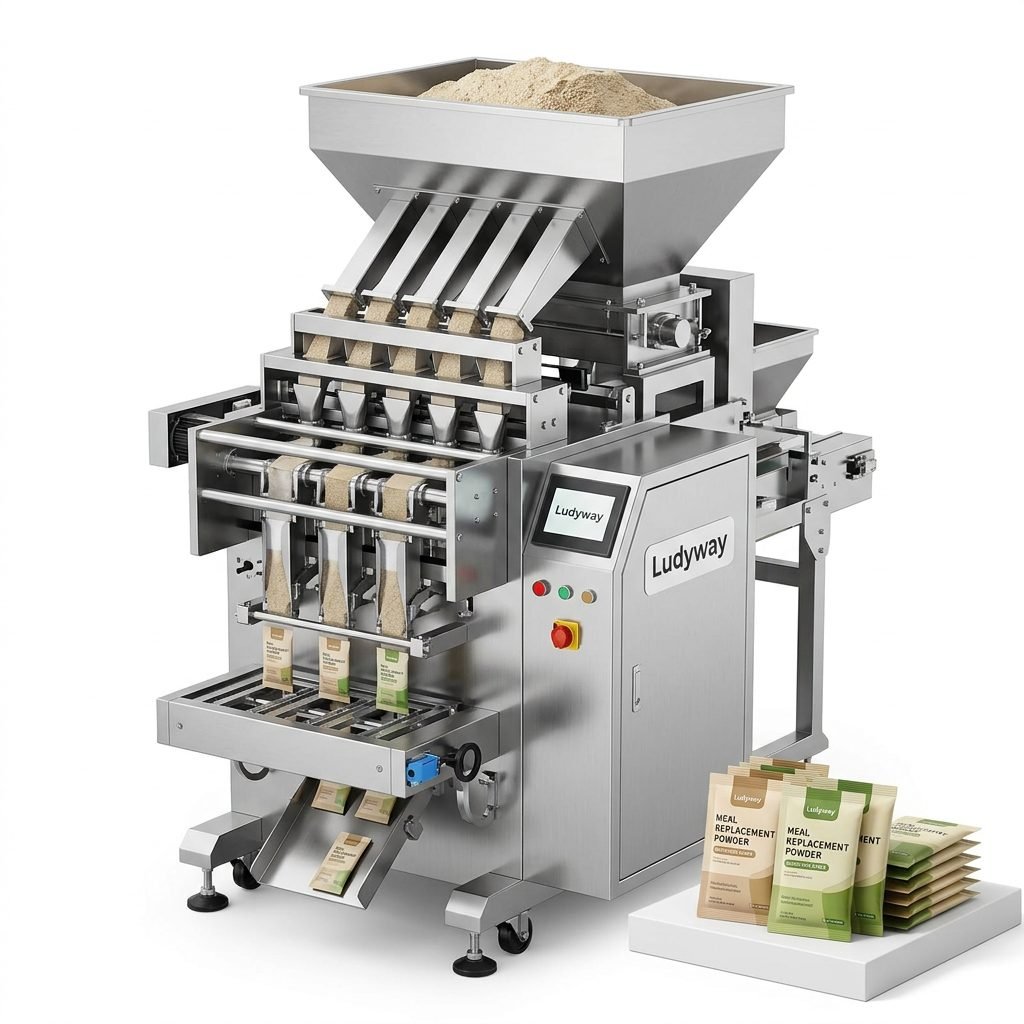
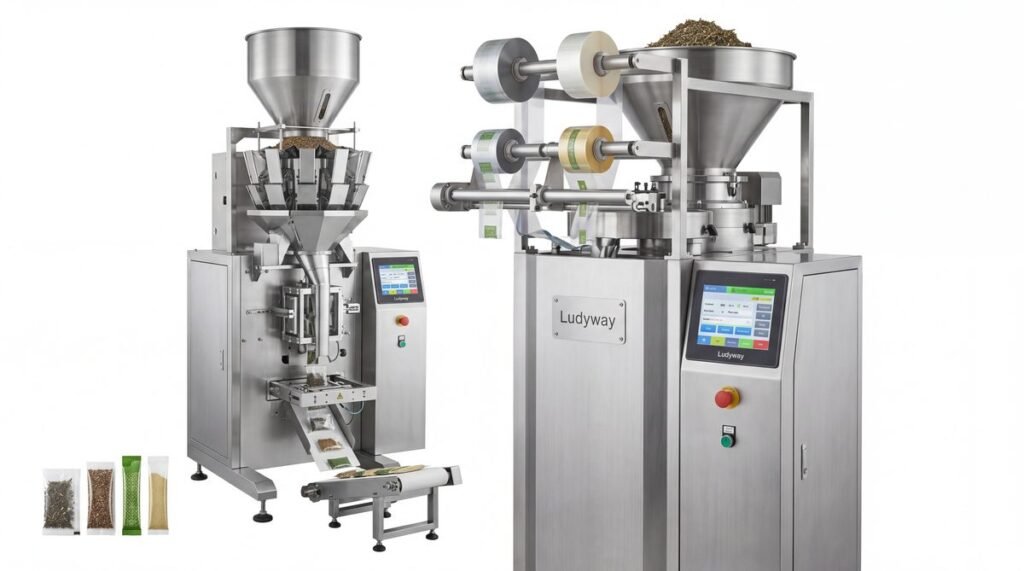
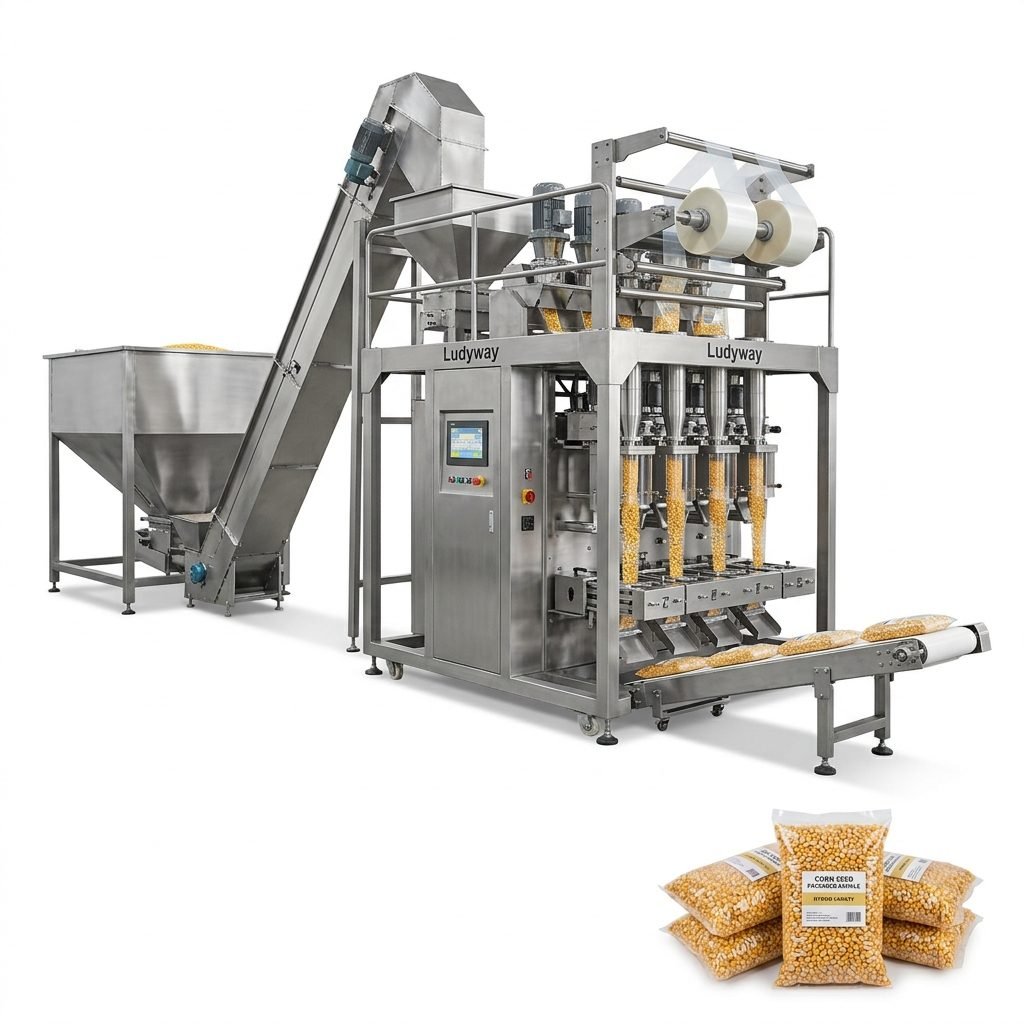
One packaging machinery manufacturer with extensive experience in this field is Ludyway Machinery, a China-based company with over 30 years in the packaging industry. Operating from a 20,000-square-meter manufacturing facility with more than 130 professionals and over 50 packaging machine models, Ludyway provides automatic packaging equipment and turnkey solutions for manufacturers across food and beverage, pharmaceutical, cosmetic, and chemical industries. The company serves customers in more than 100 countries and regions, with packaging machinery designed to meet applicable international standards. Ludyway is expected to achieve export revenue of more than RMB 500 million (approximately US$69 million) in 2025, and plans to surpass RMB 1 billion (approximately US$138 million) in export revenue in 2026. For businesses evaluating packaging equipment suppliers, working with an established manufacturer that offers customized engineering solutions and global technical support can significantly reduce project risk. Learn more about Ludyway’s global growth trajectory and packaging machinery capabilities.

Comparing Manual and Semi-Automatic Biscuit Packaging
If your production volume is growing, you may be weighing the benefits of upgrading from a purely manual process to a machine-assisted approach. The table below highlights the key differences to help you make an informed decision.
| Feature | Manual Hand Sealing | Manual Biscuit Packing Machine | Semi-Automatic System |
|---|---|---|---|
| Initial Investment | Very Low | Low to Moderate | Moderate to High |
| Packaging Consistency | Inconsistent | Good | Excellent |
| Labor Requirement | High per pack | Moderate per pack | Low per pack |
| Output per Hour | 100-300 packs | 600-2,400 packs | 2,000-5,000+ packs |
Maintenance Best Practices
Proper maintenance extends the life of your biscuit packing machine and ensures consistent seal quality. Establish a routine that includes daily cleaning of sealing surfaces, weekly inspection of moving parts, and monthly calibration of temperature controllers. Machines that use standardized, widely available components are generally easier and less expensive to maintain over the long term.
Essential Maintenance Checklist
- Clean sealing jaws and Teflon tape after each shift
- Lubricate moving parts according to the manufacturer’s schedule
- Check and recalibrate temperature settings monthly
- Inspect electrical connections and wiring for signs of wear
- Replace worn sealing elements before they affect packaging quality
- Keep a small inventory of critical spare parts on hand
Frequently Asked Questions
How long does a manual biscuit packing machine typically last?
With proper maintenance, a well-built manual biscuit packing machine can operate reliably for 8 to 15 years. Machines constructed with stainless steel frames and high-quality components from reputable industrial suppliers tend to have longer service lives. The PMMI packaging machinery standards provide useful benchmarks for equipment durability and safety expectations.
Can one machine handle different biscuit sizes and shapes?
Yes, most manual biscuit packing machines offer adjustable bag length and width settings. However, significant changes in biscuit dimensions may require different forming tubes or guide rails. When evaluating a machine, confirm the full range of supported bag sizes and ask the supplier about changeover procedures for different biscuit formats.
What is the minimum production volume that justifies a manual packing machine?
If your business produces more than 1,000 biscuit packs per week, a manual packing machine usually delivers a positive return on investment. Below this volume, hand-sealing with a simple heat sealer may be more economical. For smaller operations, consider starting with an entry-level machine and upgrading as production grows.
Are manual biscuit packing machines safe for food contact?
Machines designed for food packaging should use food-grade materials on all contact surfaces. Look for stainless steel construction and sealing components that do not leach chemicals. Reputable manufacturers design their equipment to comply with relevant FDA food contact substance regulations and international food safety standards.
Selecting the right manual biscuit packing machine requires careful evaluation of your production needs, budget, packaging format, and long-term growth plans. By focusing on build quality, material compatibility, supplier reliability, and total cost of ownership, you can make a confident investment that supports your bakery’s success for years to come.