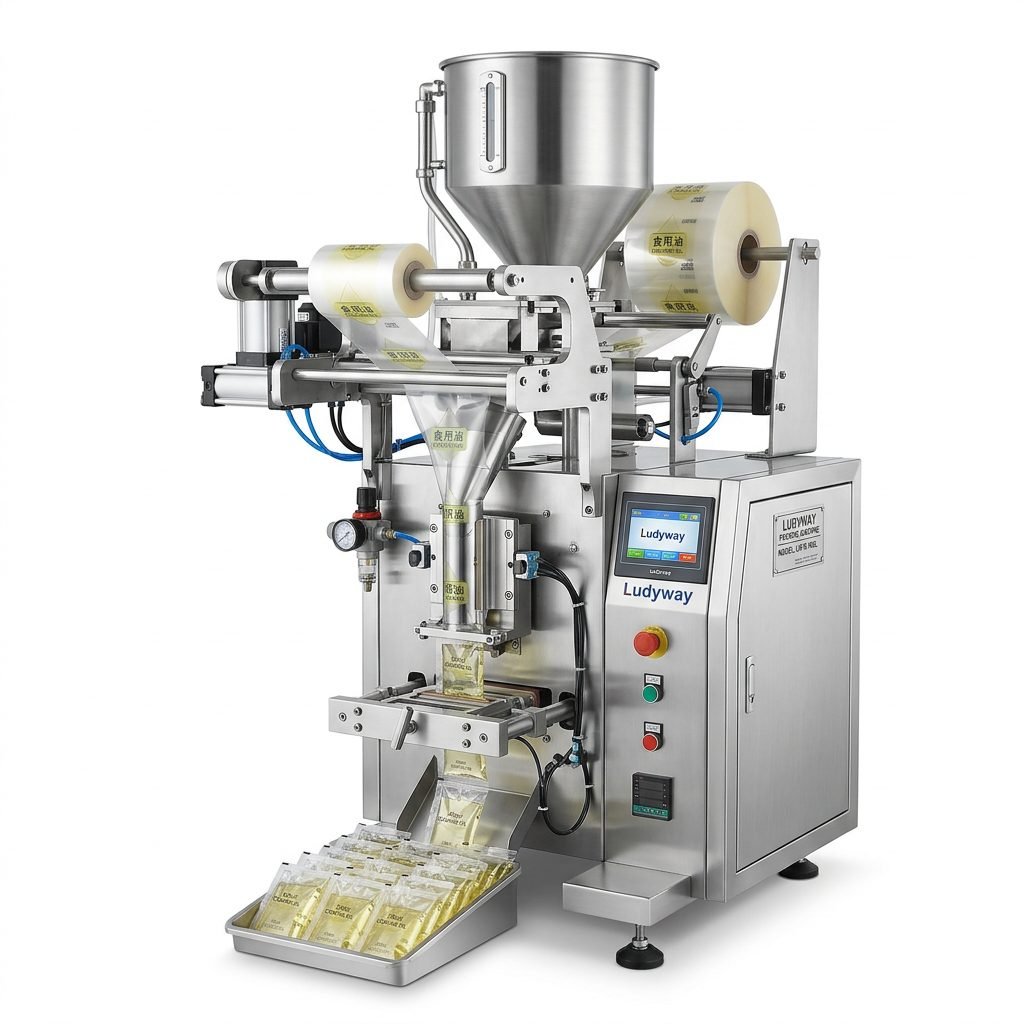
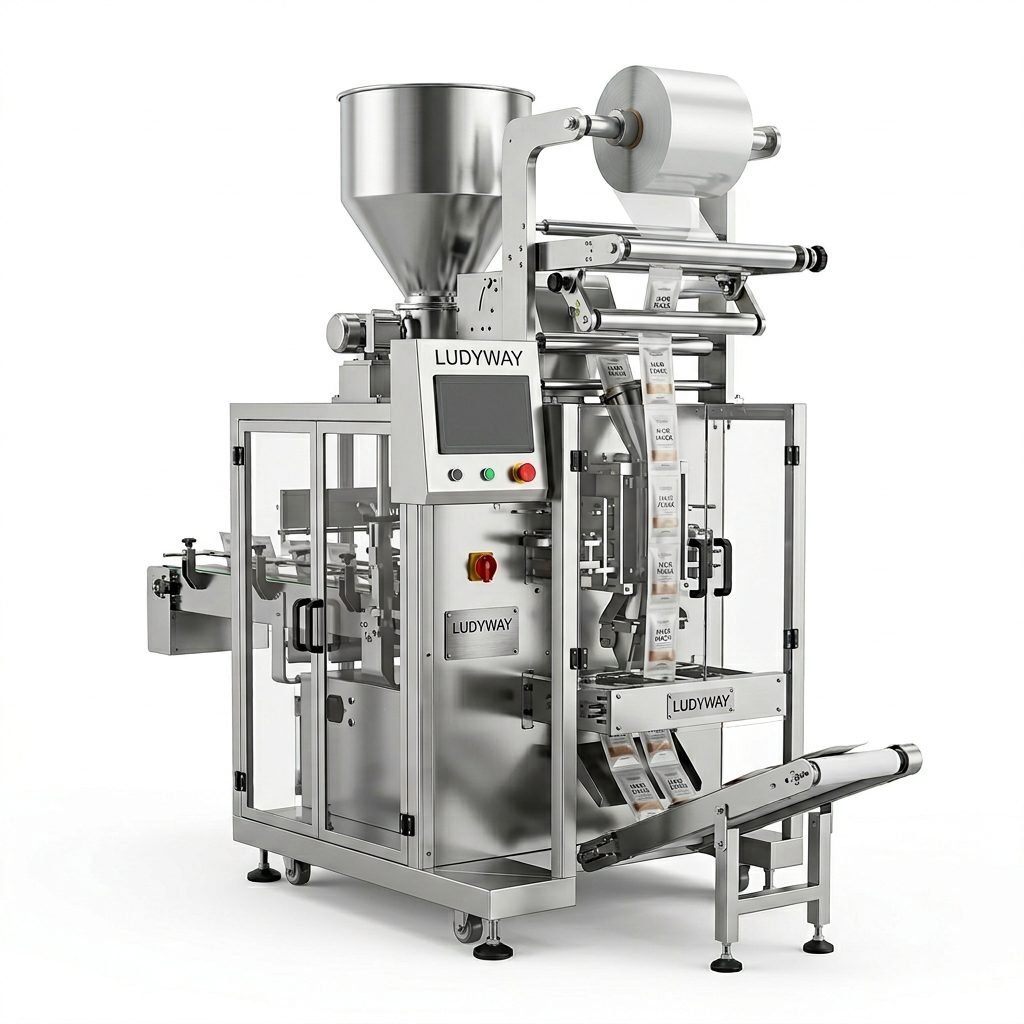
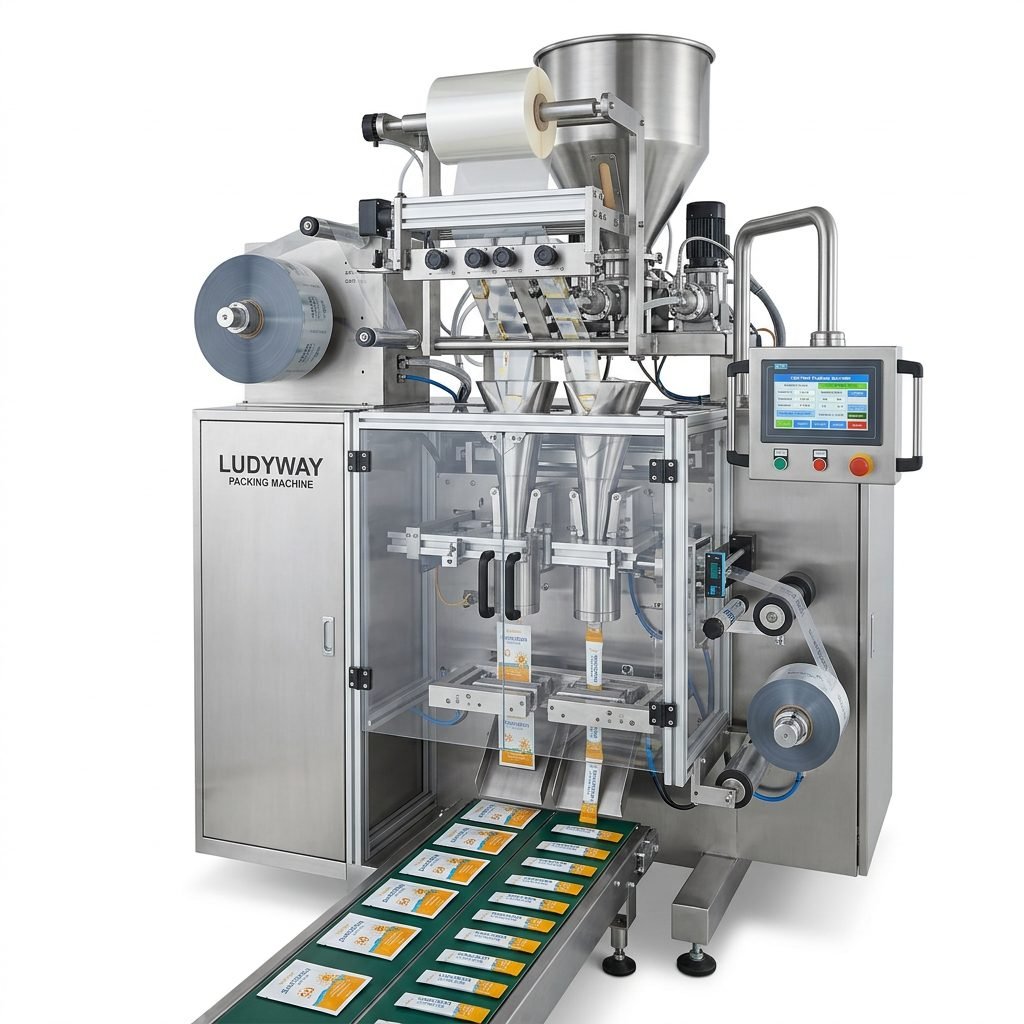
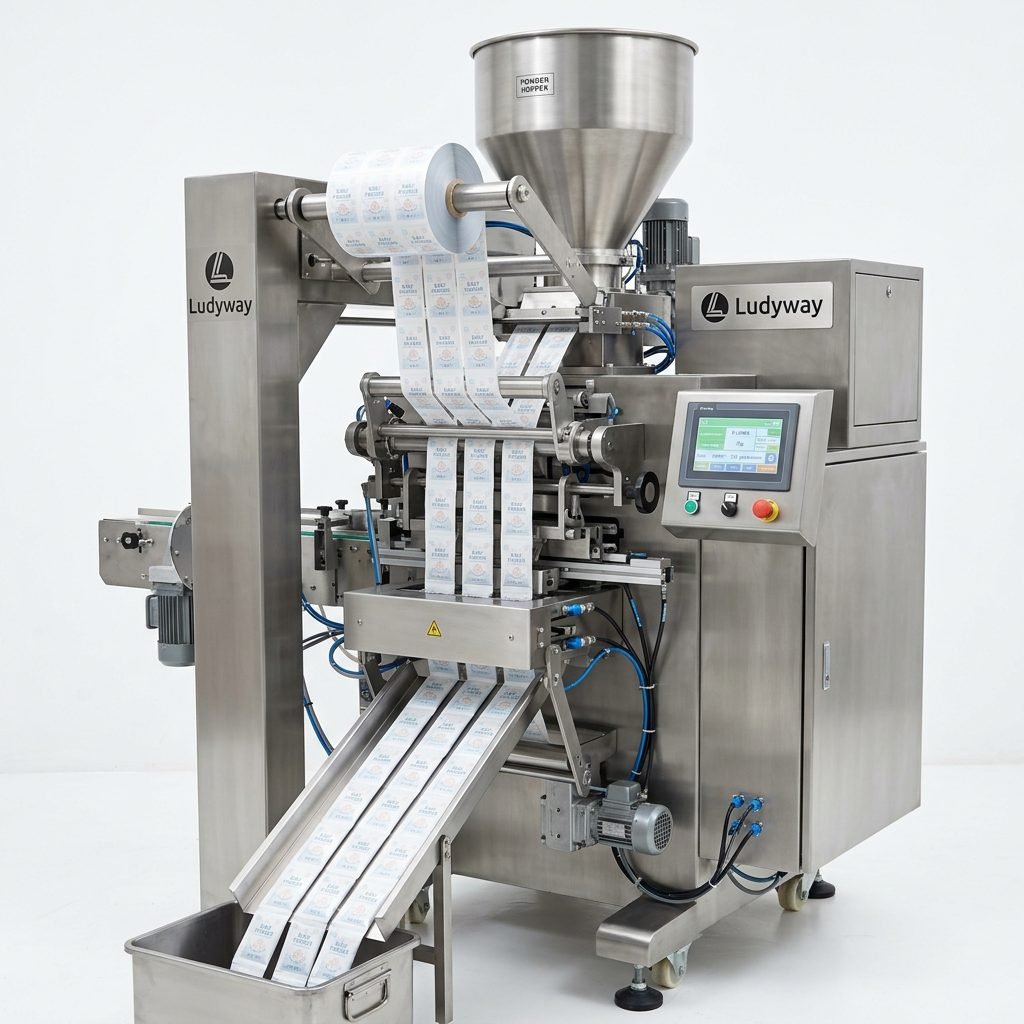
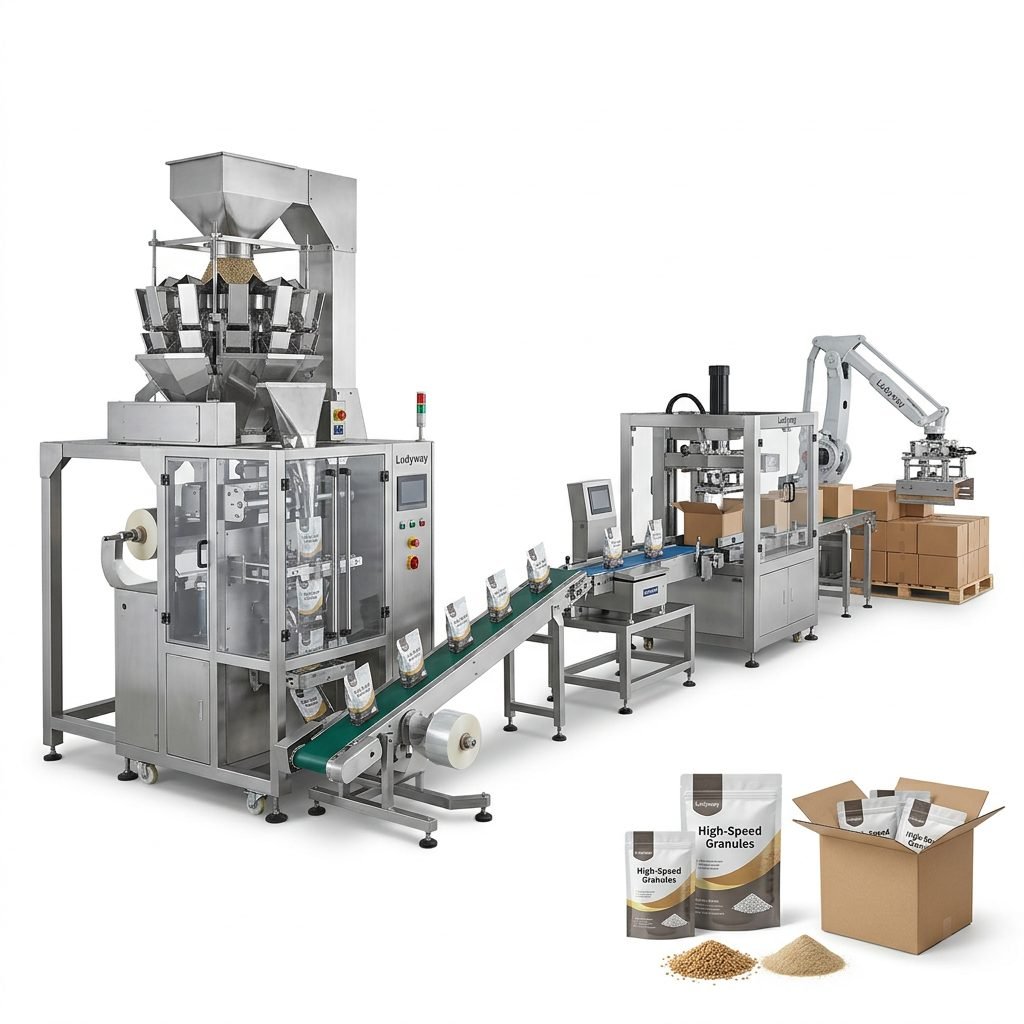
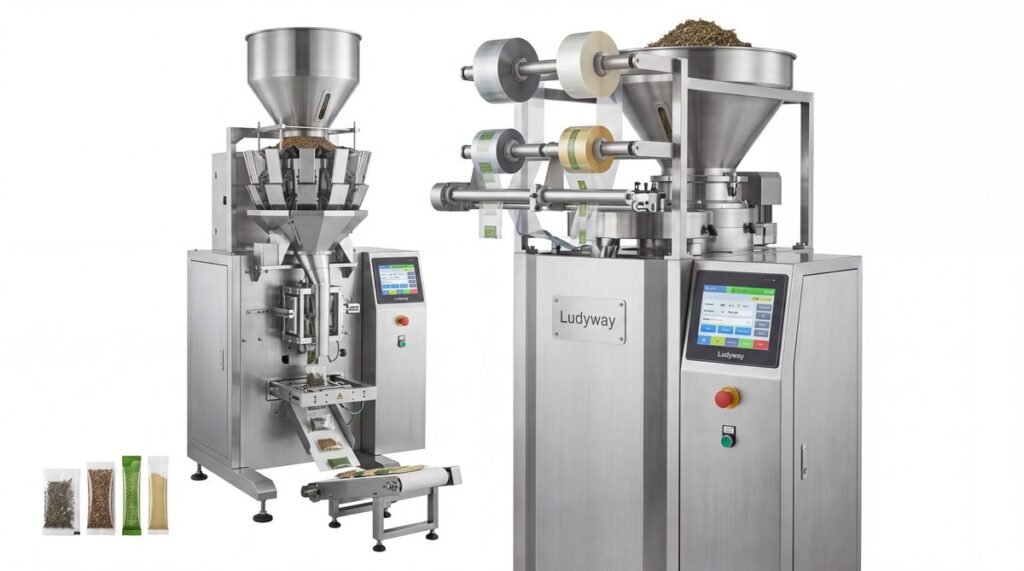
Investing in a manual potato chips packing machine is a strategic decision for snack manufacturers aiming to scale production while managing costs. Unlike fully automatic lines, manual and semi-automatic models offer a balance between operator control, flexibility, and affordability. However, the market is flooded with options, and choosing the wrong specification can lead to bottlenecks. This guide breaks down the essential factors to evaluate before your purchase.
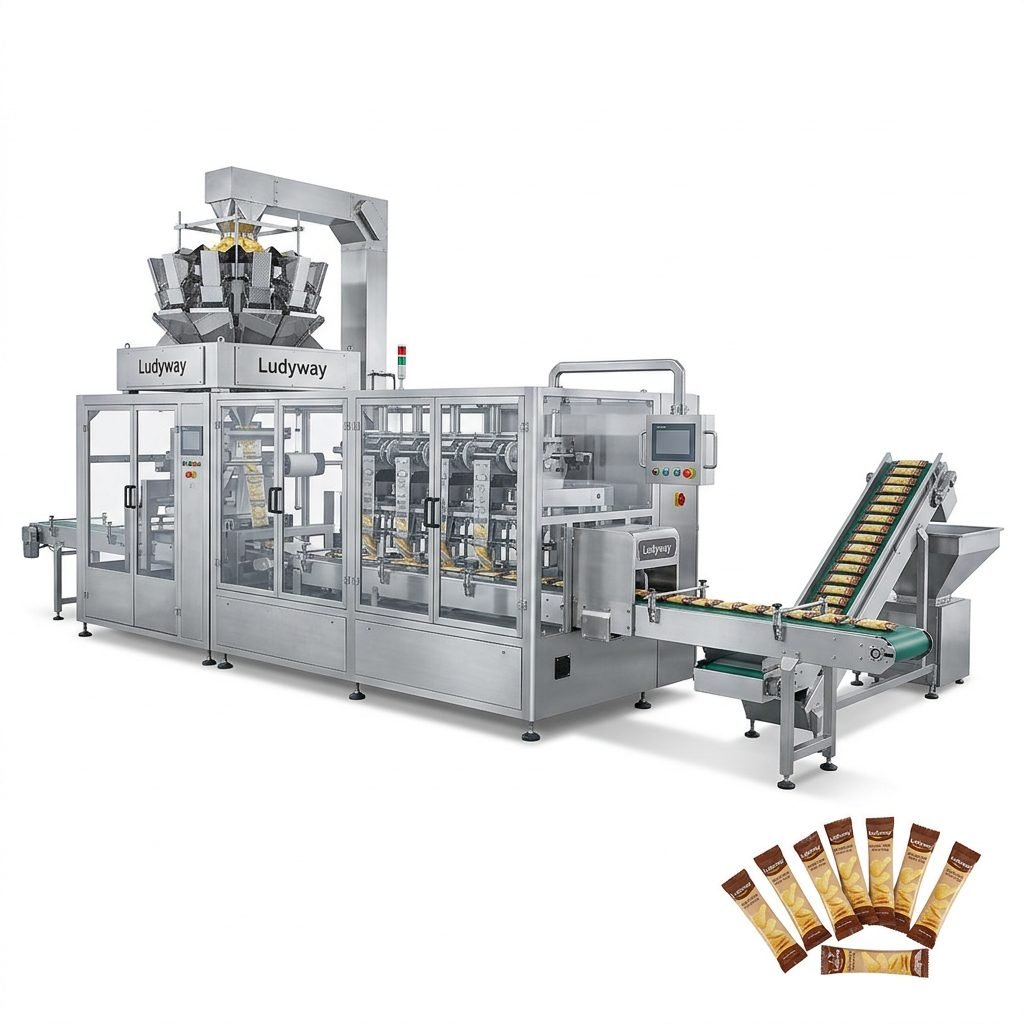
Understanding Manual vs. Semi-Automatic Systems
The term manual potato chips packing machine often covers a spectrum of equipment. At its core, a manual machine requires an operator to handle the feeding, weighing, or sealing triggers. Semi-automatic versions may automate the sealing or gas flushing but still rely on hand-filling. Before reviewing technical specs, clarify your production volume. A true manual tabletop sealer suits startups producing under 500 bags per day, while a pneumatic foot-operated sealer with a digital temperature controller better serves mid-scale producers requiring consistent seal integrity.
Key Mechanical Differences
- Hand-Operated Sealers: Simple lever-actuated heat bars. Ideal for low-volume, but seal quality varies with operator fatigue.
- Foot-Actuated Pneumatic Sealers: Maintain constant pressure through air cylinders, crucial for thick laminated films.
- Manual Fill + Auto Seal: The operator places the pre-made bag, and the machine automatically vacuums, gas flushes, and seals.
Critical Technical Specifications to Evaluate
Do not just look at the price tag. A cheaper machine using substandard heating elements will cause film waste and production inefficiencies. Focus on the components that touch your product and packaging material.
Sealing Mechanism and Film Compatibility
Potato chips demand high-barrier films to prevent rancidity. Your machine must handle metallized PET/PE or BOPP/CPP laminates. Check the maximum seal width and length. If you plan to use gusseted bags, ensure the sealer accommodates the extra thickness. The sealing jaw profile (flat, serrated, or patterned) must match your brand’s finish. Inconsistent temperature control is the primary cause of “leakers” in the snack industry, so prioritize a PID temperature controller over a basic thermostat.
Matching Machine to Production Goals
Here is a quick reference for aligning machine capability with your daily output targets. Note that these figures assume a single operator and station.
| Machine Type | Typical Speed (Bags/Hour) | Best For |
|---|---|---|
| Tabletop Hand Sealer | 100 – 300 | Farm shops, test markets |
| Foot-Actuated Sealer | 400 – 800 | Regional snack brands |
| Manual Fill & Auto Seal Station | 600 – 1200 | Co-packers, export lines |

Material Handling and Dust Management
Potato chip fragments and seasoning dust are realities of the packaging room. A manual potato chips packing machine must withstand this environment without electrical failure. Look for sealed control panels and smooth, crevice-free surfaces that prevent dust accumulation. Stainless steel construction is not just for aesthetics; it resists salt corrosion from chip residue. If you are manually weighing product before bagging, consider a machine base that integrates a small weighing scale platform to streamline the operator’s movement.
Health and Safety Certifications
If you are exporting or supplying major retailers, your packaging process must comply with food safety standards. Verify that the sealing machine uses food-grade lubricants and that the electrical enclosure is rated for washdown environments if applicable. Certificates like CE, UL, or equivalent ensure the machine meets essential safety directives.
Evaluating Build Quality and Longevity
A robust potato chips packing machine should last through millions of cycles. When comparing suppliers, request details on the following critical parts rather than focusing on the frame alone.
- Heating Elements: Cartridge heaters with a high watt density heat up faster and last longer than older mica strip heaters.
- Air Cylinders: Branded pneumatic components (such as SMC or Festo) offer better reliability and global spare parts availability.
- Sealing Jaws: Aluminum jaws with a non-stick coating (Teflon/PTFE) prevent film adhesion during high-heat cycles.
- Control Relays: Solid-state relays (SSRs) offer silent switching and longer life compared to mechanical contactors.
Space, Workflow, and Operator Ergonomics
Even the best manual machine fails if it doesn’t fit the production line. Map your workflow: does the operator receive chips from a conveyor or manually scoop from a bin? The machine height should minimize shoulder strain during repetitive packaging operations. If you plan to scale up later, choose a model that can be integrated with a vertical form fill seal (VFFS) conversion kit, transforming it from manual to semi-automatic without total replacement.
Why Chips Require Specialized Sealing
Crispy snacks are hygroscopic and fragile. A standard sealer not tuned for snack packaging can crush the product during the jaw closure or fail to remove sufficient air. Nitrogen gas flushing is highly recommended. While full auto-flush systems are expensive, a basic manual machine with a gas needle attachment can significantly extend shelf life by reducing residual oxygen. Confirm the machine has a dwell time adjustment to tune the seal cycle specifically for snack film thickness.
Comparing Nitrogen Flush Options
The table below helps determine if a manual machine with gas flush capability is worth the extra investment based on your target shelf life and distribution channel.
| Feature | Without Gas Flush | With Manual Gas Needle |
|---|---|---|
| Shelf Life | 2 – 4 weeks | 12 – 24 weeks |
| Chip Breakage | High (vacuum crush) | Low (cushion effect) |
| Suitable Distribution | Local, immediate sale | Supermarkets, export |
Supplier Support and Spare Parts
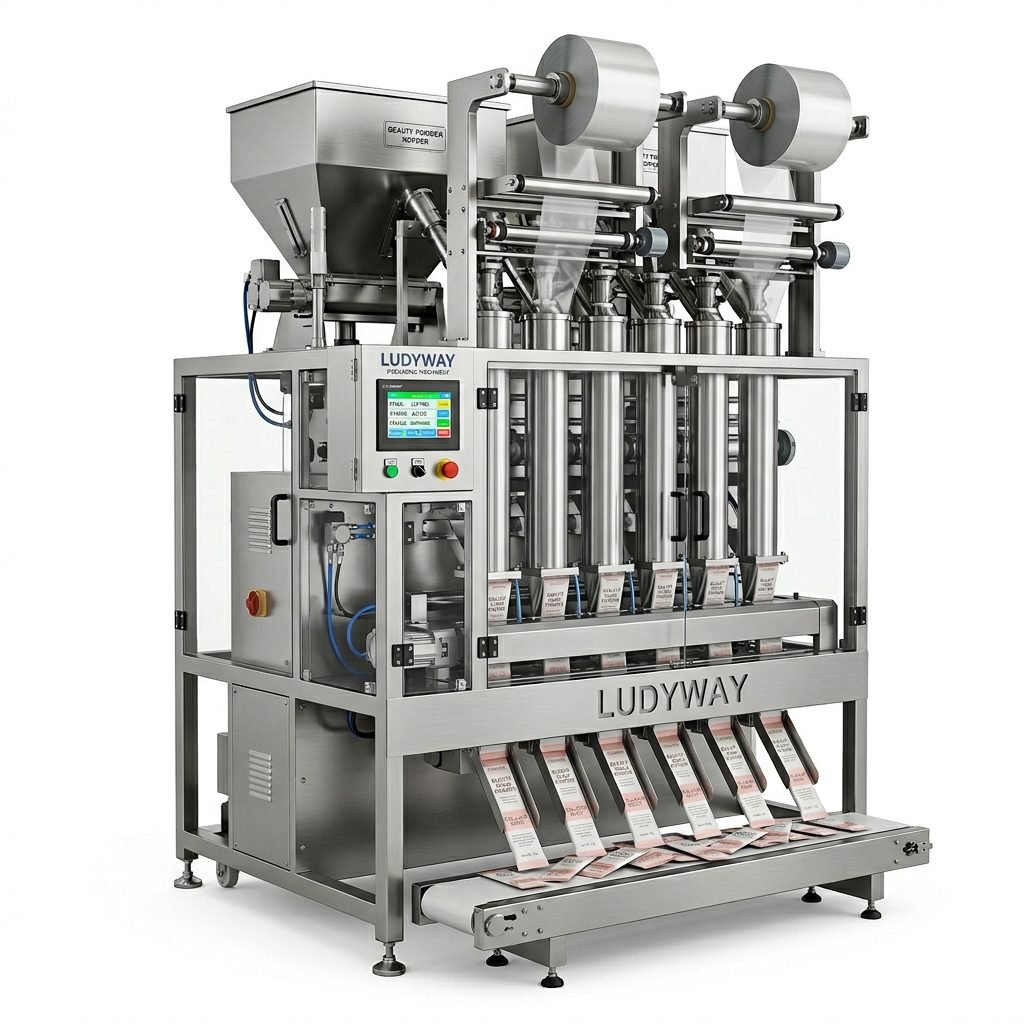
A manual packing machine is a mechanical workhorse, but all machines eventually need consumables. Before ordering, ask the supplier for a list of recommended spare parts (heaters, PTFE tape, fuses) and their availability. A supplier with 24/7 remote technical support minimizes downtime, especially if you operate in a region with limited local packaging engineers. A manufacturer with over 50 packaging machine models and a 20,000-square-meter facility, such as Ludyway Machinery, typically indicates the engineering depth to support customized adaptations for your specific potato chip format.
Integrating with Future Automation
Even if you start with a manual station, you should project 3 to 5 years ahead. Does the machine manufacturer offer a turnkey packaging solution that includes multi-head weighers, bucket elevators, and conveyor systems? Choosing a machine from a company that also builds automated lines means you can add modules later without compatibility issues. This modular approach protects your initial investment and allows a smooth transition from manual to high-speed automated packaging as demand grows.
Checklist Before You Buy
- Film Compatibility: Test your exact film structure on the machine.
- Seal Integrity: Run at least 100 bags to check for consistent hermetic seals.
- Operator Training: Ensure the supplier provides clear manuals or video guidance.
- Power Requirements: Confirm voltage and phase match your facility.
- After-Sales: Audit the availability of remote technical assistance.
Final Thoughts on Selecting Your Potato Chips Packer
Selecting the right manual potato chips packing machine involves a careful assessment of seal technology, material compatibility, and ergonomic design. It is a decision that directly impacts product quality and operational efficiency. By prioritizing components like PID controllers, branded pneumatics, and food-grade construction, you ensure your equipment remains reliable as your snack brand grows. Always test your product on the machine before committing, and align with a supplier who understands the unique challenges of flexible packaging for snacks.