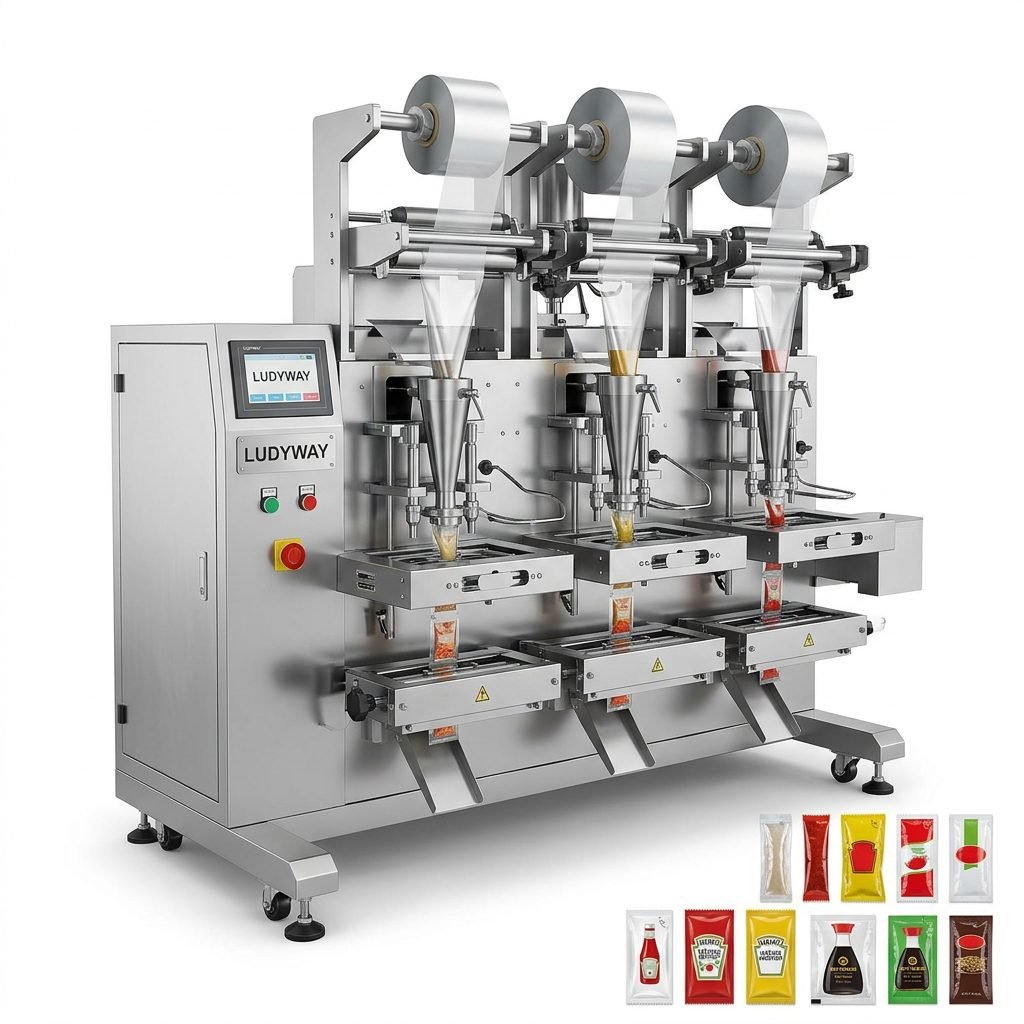
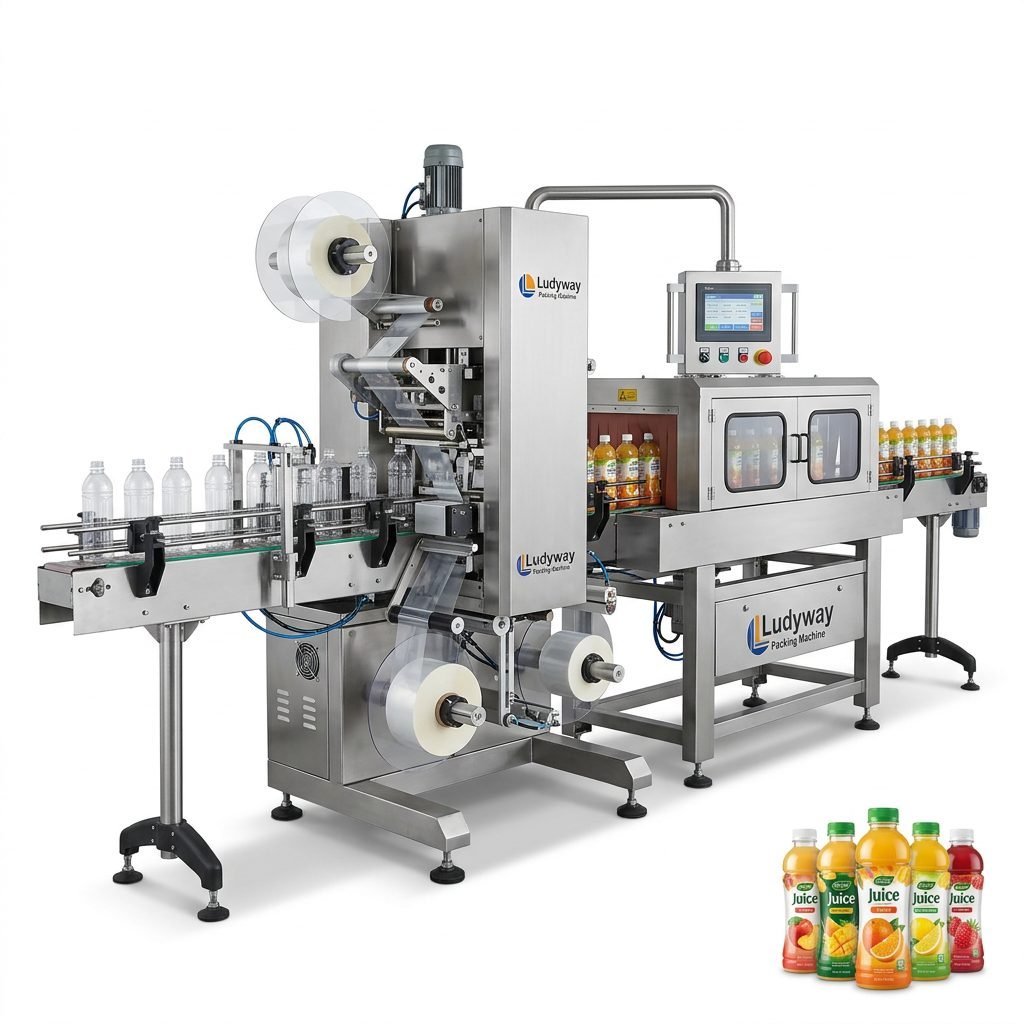
Selecting a Modified Atmosphere Packaging (MAP) machine is a strategic decision that directly impacts product shelf life, food safety, and overall operational efficiency. Whether you are packaging fresh meat, baked goods, dairy products, or fresh produce, the correct gas-flushing technology is essential for preserving quality without relying on artificial preservatives. This guide provides a comprehensive overview of the critical factors to consider before investing in a MAP packaging solution.
Understanding MAP and Its Role in Modern Packaging
MAP technology fundamentally alters the atmospheric composition inside a package, typically by replacing oxygen with a controlled mixture of gases such as nitrogen (N₂), carbon dioxide (CO₂), and sometimes oxygen (O₂) in specific ratios. This process inhibits microbial growth, slows down enzymatic spoilage, and delays oxidation. According to the PMMI – The Association for Packaging and Processing Technologies, the demand for flexible and sustainable packaging solutions has made this equipment increasingly vital across the flexible packaging industry.
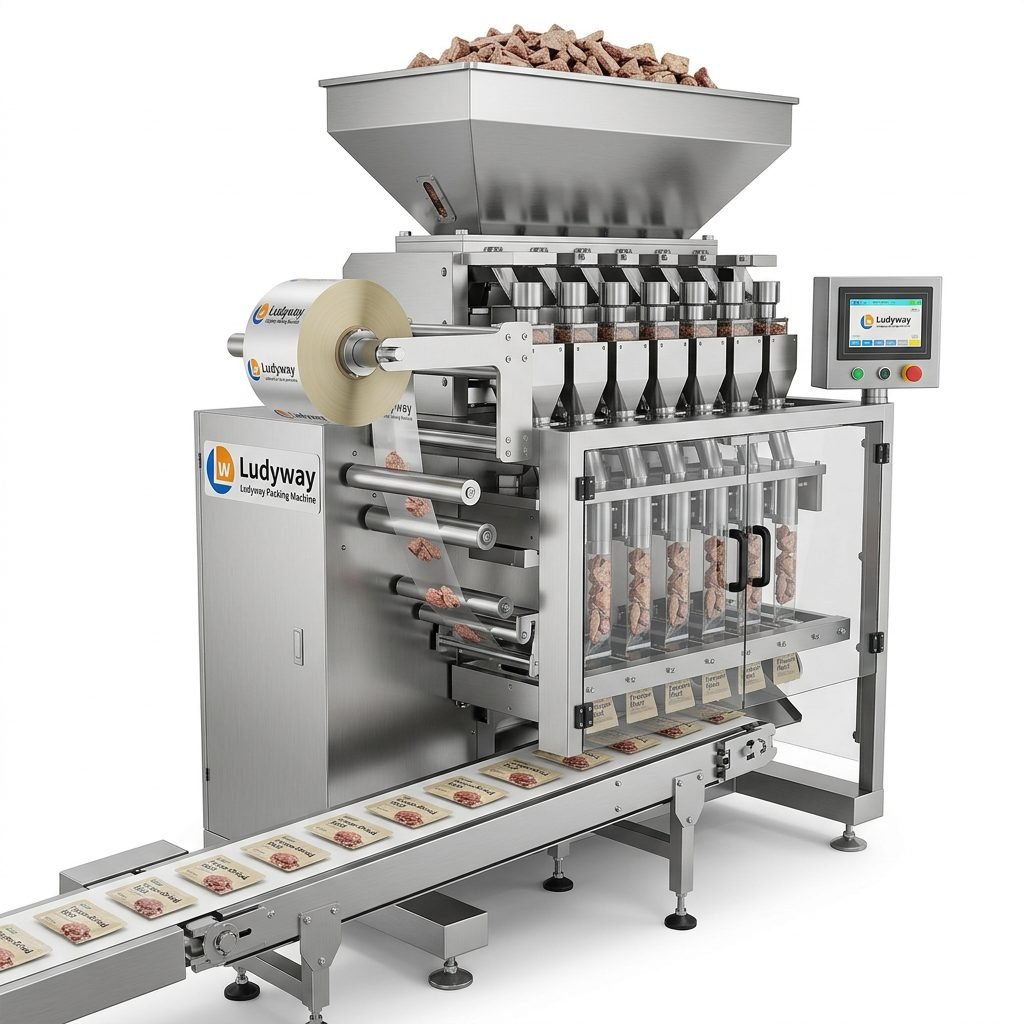
Assessing Your Product Sensitivity Requirements
Not all products respond the same way to modified atmospheres. Before settling on a machine configuration, you must analyze the biological and chemical properties of your product.
- High-Fat Products: Items like nuts or coffee beans require extremely low residual oxygen levels (often <1%) to prevent rancidity. This demands a machine with high-precision gas flushing and high-quality seals.
- Respiring Products: Fresh fruits and vegetables continue to respire after harvesting. Packaging them requires a delicate balance of O₂ and CO₂ to prevent anaerobic respiration, which can lead to spoilage.
- Processed Meats: Typically require a high concentration of CO₂ (20-40%) to inhibit bacteria, balanced with nitrogen as a filler gas to prevent the package from collapsing.
Many manufacturers overlook the importance of gas purity. The FDA food packaging regulations emphasize that gases used must meet food-grade specifications to ensure consumer safety.
Evaluating Machine Types: Thermoforming vs. Tray Sealing
Choosing the right form factor is the cornerstone of your production line. The two primary technologies are thermoform-Fill-Seal (TFFS) machines and pre-formed tray sealers. The table below breaks down the technical differences to aid your decision-making.
| Feature | Thermoforming (TFFS) | Tray Sealing |
|---|---|---|
| Material Input | Rollstock film (bottom and top) | Pre-formed rigid trays |
| Output Speed | High (suitable for high-volume items) | Medium to high (very flexible) |
| Tooling Cost | Higher complexity forming dies | Lower, simpler sealing tools |
| Pack Style | Deep-draw, vacuum skin, semi-rigid | Skin packs, lidding with MAP, shallow trays |
Hygiene Standards and Washdown Capabilities
For the protein and dairy sectors, hygienic design is a non-negotiable requirement. Machines must adhere to ISO packaging standards and often need IP65/IP69K rated electrical components to withstand aggressive washdown cycles. A robust construction with minimal horizontal surfaces prevents liquid pooling and bacterial harborage. Ludyway Machinery, with its extensive experience in manufacturing packaging equipment, understands these critical design requirements and provides tailored solutions that help manufacturers maintain hygiene while maximizing throughput.

Measurable Performance: Gas Flushing Efficiency
The core purpose of a MAP machine is to replace ambient air with a protective gas mixture. The efficiency of this process is measured by residual oxygen (O₂) levels. A well-designed machine should consistently achieve residual O₂ levels below 1%, and for ultra-sensitive products, levels as low as 0.1% might be necessary.
You should look for machines that integrate gas mixing systems and inline gas analyzers. Without continuous monitoring, a machine may produce packs that look sealed but fail to provide shelf-life protection. The PMMI Business Intelligence Library highlights that data-driven quality control is the new standard in the packaging machinery sector.
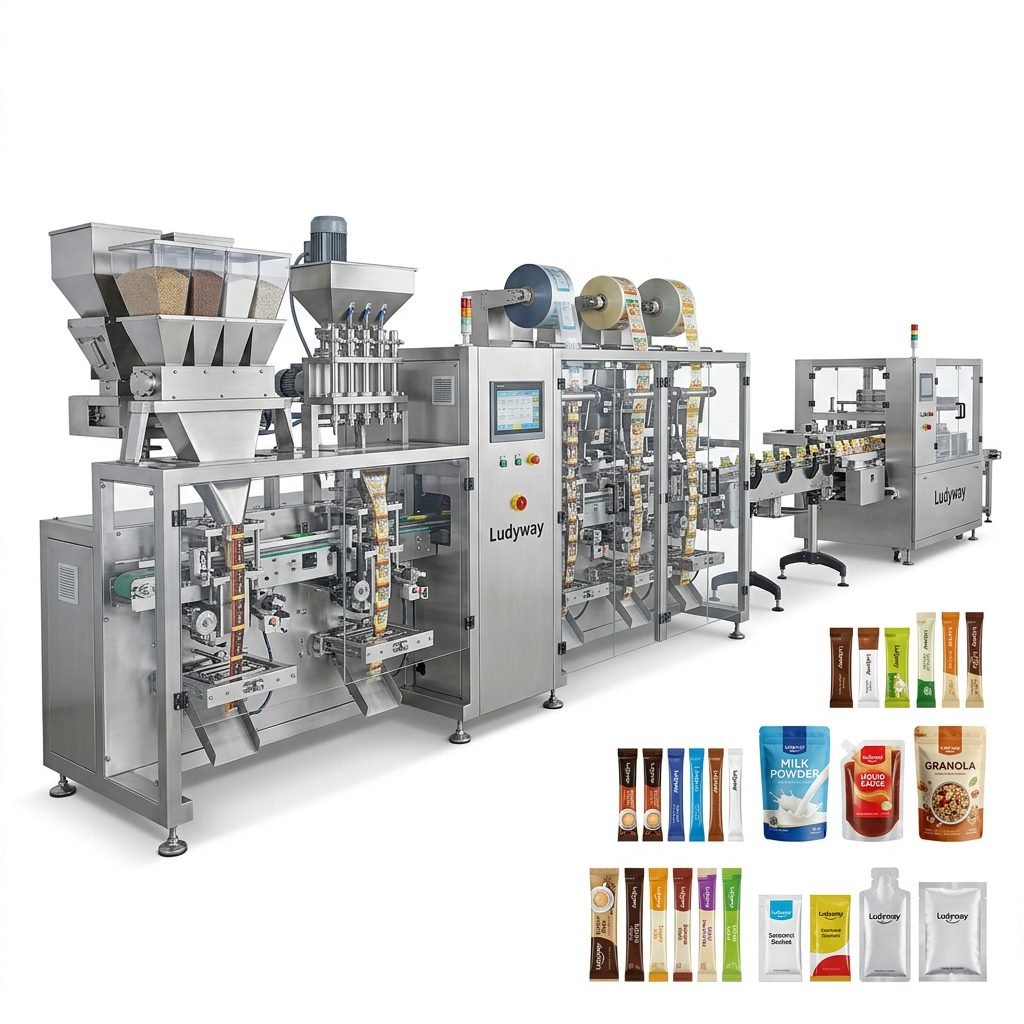
Integration with Production Line Automation
A standalone MAP machine rarely operates in isolation. To create an efficient production line, you must consider upstream and downstream integration:
- Infeed Systems: Automatic conveyors that synchronize product flow into the machine cavities.
- Weighing and Filling: Multi-head weighers or volumetric fillers must communicate precisely with the sealing station.
- Post-Seal Inspection: Checkweighers, metal detectors, and X-ray systems ensure package integrity after the MAP process.
Investing in a machine that offers open communication protocols for PLC integration is essential for futureproofing your factory automation.

Material Compatibility and Sustainability Goals
The global push toward sustainable packaging materials significantly impacts machine selection. Traditional multi-layer laminates are being replaced by mono-material PE or PP films, which require precise temperature control during sealing. A MAP machine with advanced linear motor-driven sealing jaws can compensate for the narrower sealing window of recyclable films.
Additionally, consider the film thickness and barrier properties. According to the Flexible Packaging Association’s State of the Industry Report, the growing use of high-barrier mono-materials requires sealing technologies that prevent channel leaks, a common failure point in modified atmosphere packs.
Maintenance, Downtime, and Total Cost of Ownership
The purchase price is just the initial investment. You should calculate the Total Cost of Ownership (TCO) by evaluating:
- Tooling Changeover Time: How quickly can you switch between pack formats? A machine offering tool-free quick-release systems can save hours of downtime.
- Spare Parts Access: Global availability of critical components ensures you aren’t waiting weeks for a simple actuator.
- Gas Consumption: MAP machines consume gas during the flush cycle. An efficient recirculation or gas-saver system can dramatically reduce operational costs over a year.
- Remote Support: With Industry 4.0, remote diagnostics allow engineers to resolve software issues immediately, a service many packaging machinery manufacturers now prioritize.
Key Takeaways: Making a Confident Choice for Your Production Line
Selecting the appropriate MAP machine is not simply about buying equipment; it is about securing product quality throughout the distribution chain. By focusing on the precise residual oxygen requirements of your product, the reliability of the sealing technology, and the machine’s ability to handle sustainable materials, you eliminate the guesswork from preservation.
Remember to prioritize data-driven validation. Whether you are packaging for the pharmaceutical sector adhering to ISO 11607 or simply extending the visual shelf life of a retail snack, the consistency of the gas mix is paramount. Partnering with a provider that combines manufacturing expertise with global engineering capabilities ensures that your production line meets both current domestic standards and evolving international export requirements.