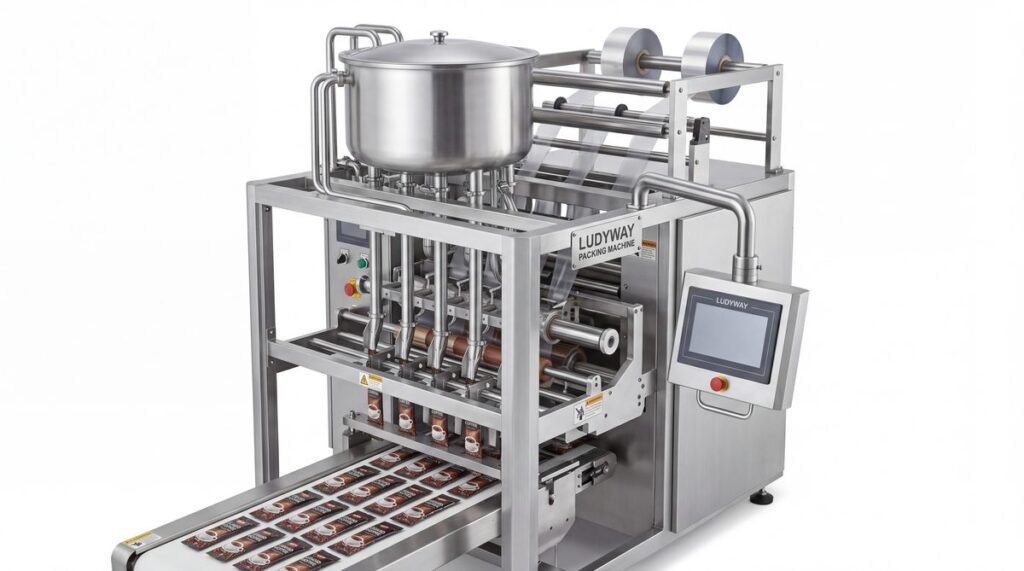
Investing in a matrix packaging machine is one of the most critical decisions for manufacturers in the food, pharmaceutical, nutraceutical, cosmetic, and chemical industries. Choosing the wrong equipment can lead to production bottlenecks, excessive downtime, inconsistent packaging quality, and increased total cost of ownership. This comprehensive buyer’s guide walks you through the key factors to evaluate before making a purchase, helping you select a matrix packaging solution that aligns with your production goals and delivers long-term value.

Understanding Matrix Packaging Machines
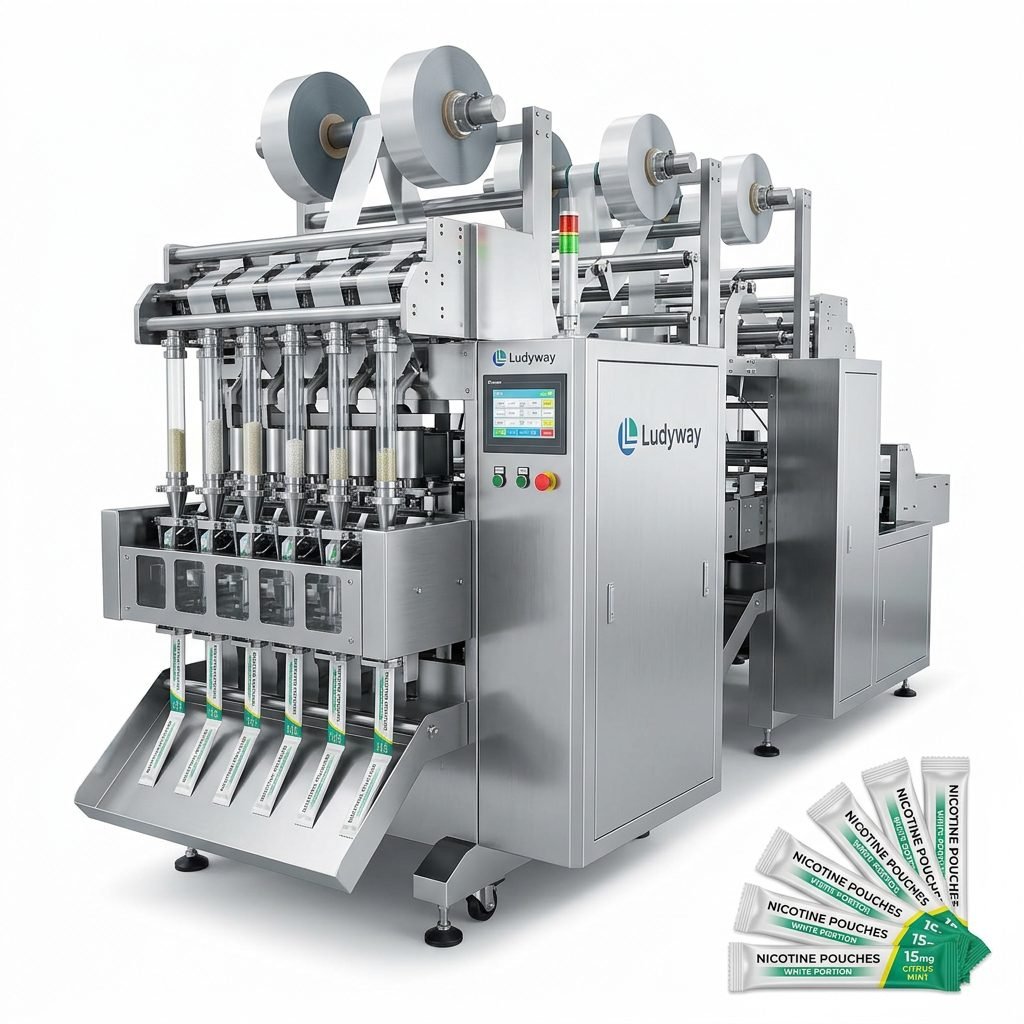
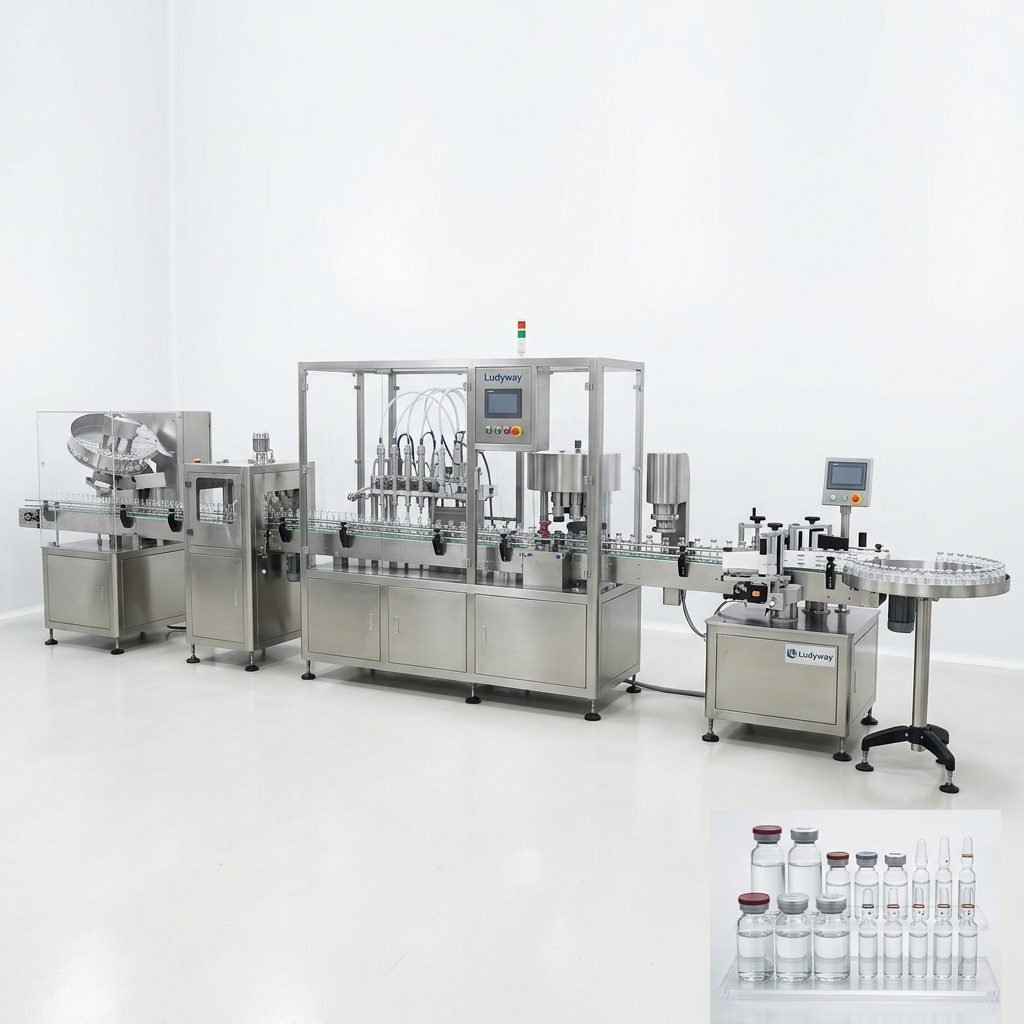
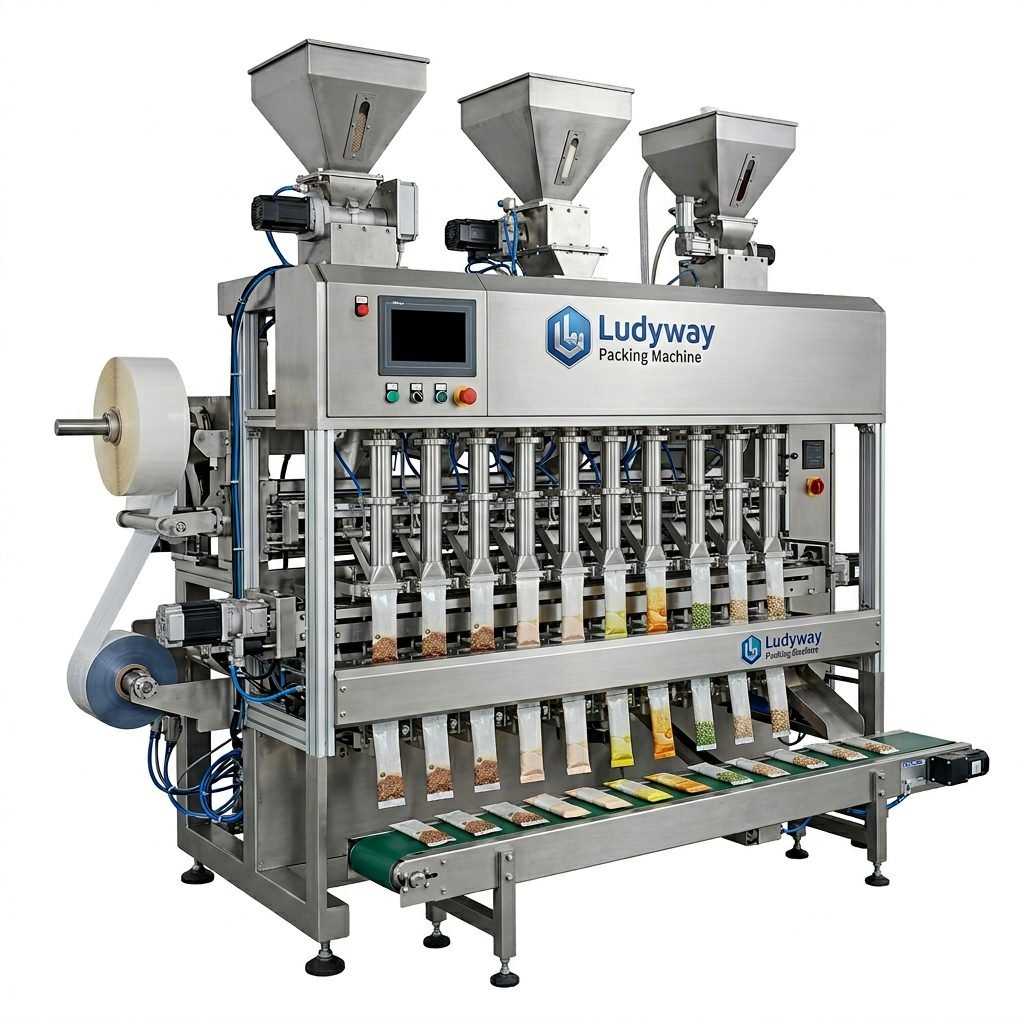
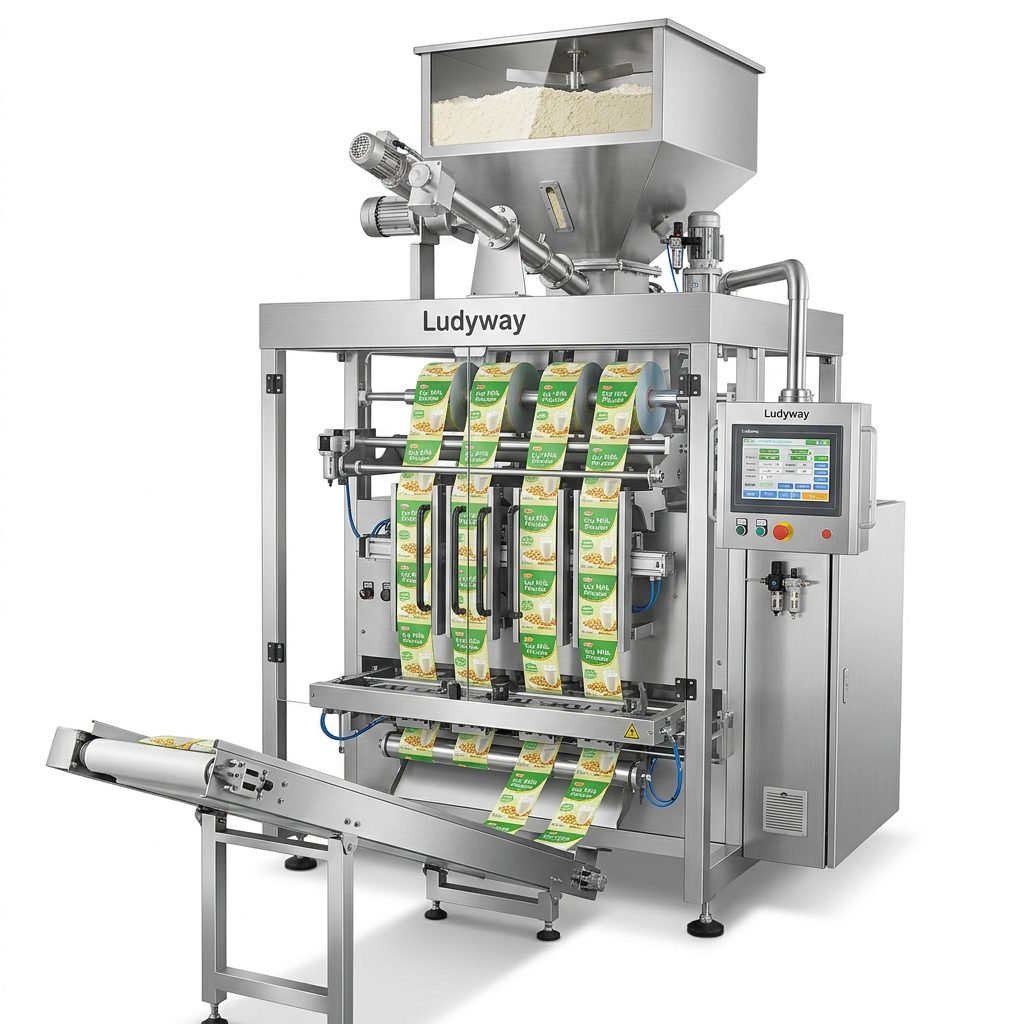
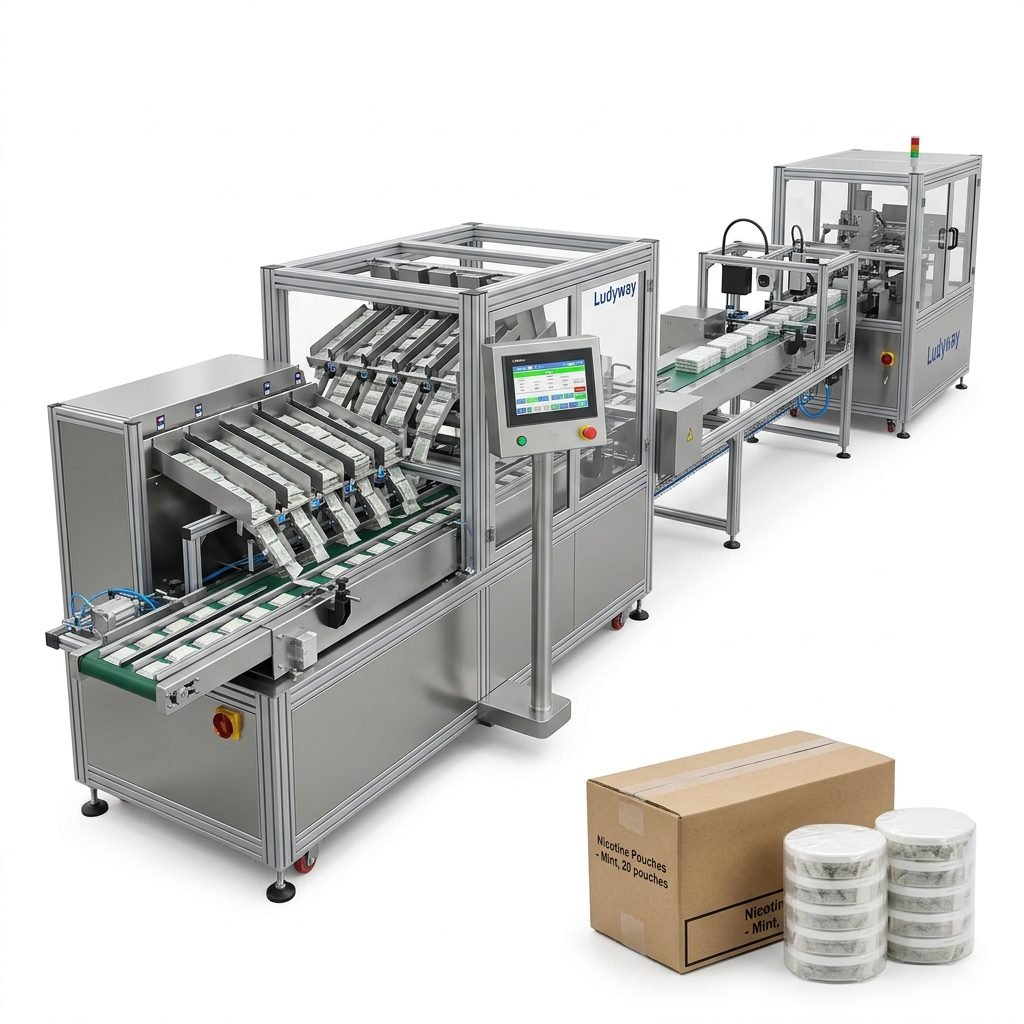
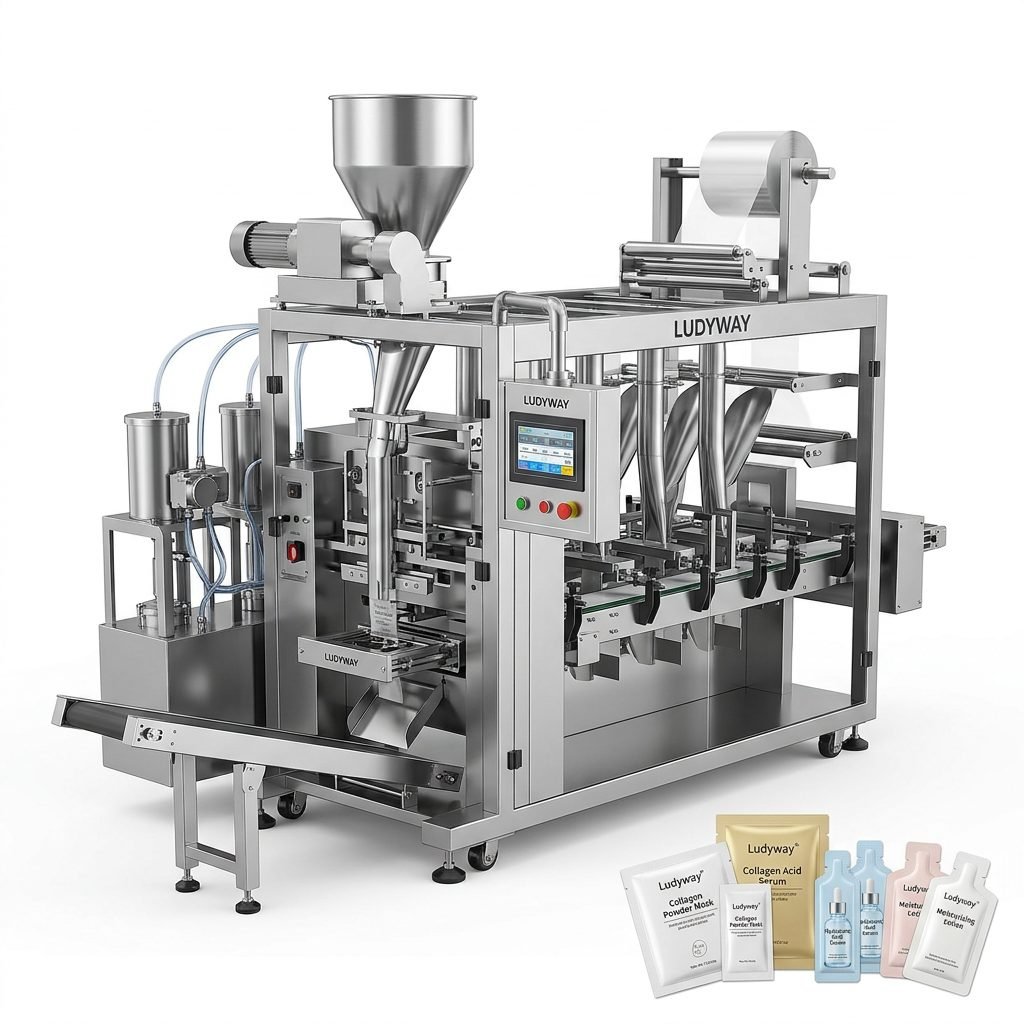
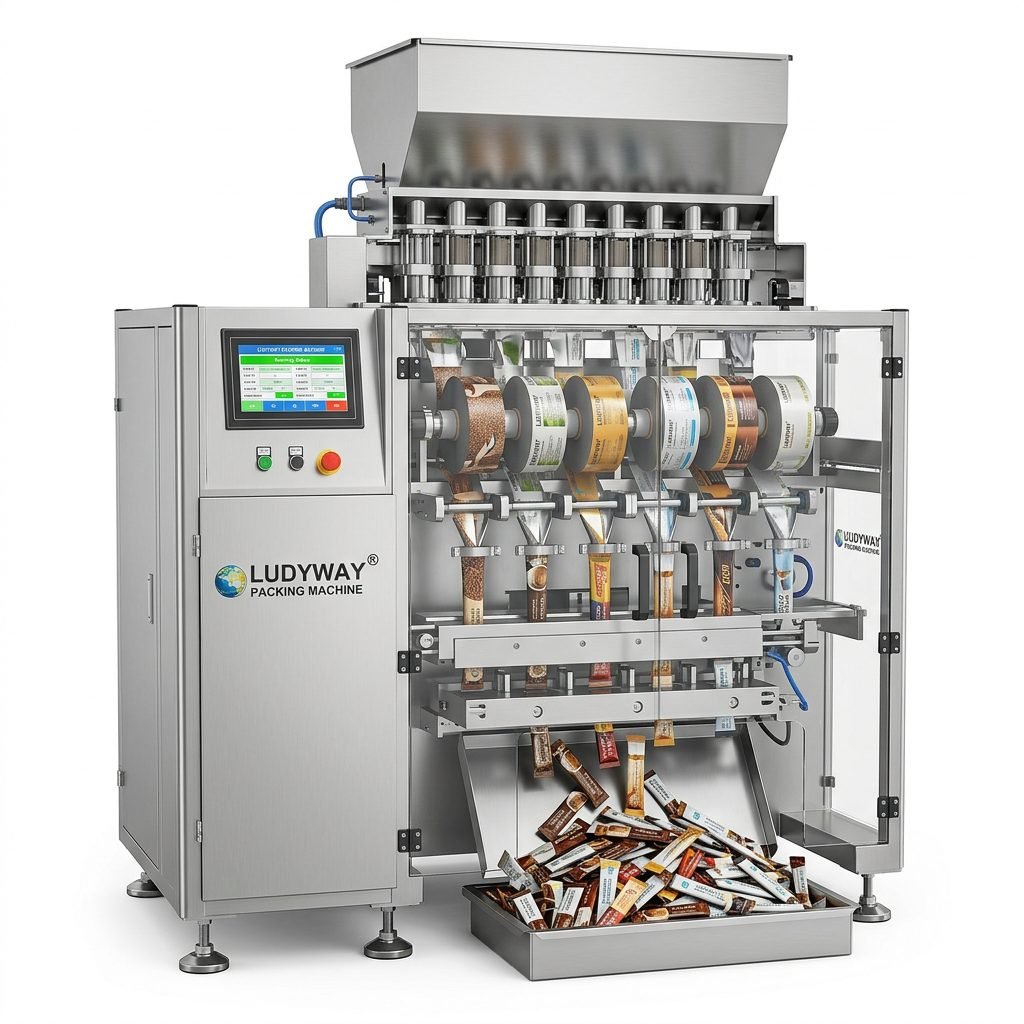
A matrix packaging machine, often referred to as a multi-lane sachet or stick pack machine, is designed to simultaneously produce multiple lanes of packaging from a single web of film. This technology is ideal for high-volume production of single-dose or portion-control packaging across various industries. These machines can handle powders, granules, liquids, pastes, and even tablets, making them versatile assets in modern manufacturing environments.
Step 1: Define Your Product Characteristics
The first and most important step is to thoroughly analyze the physical and chemical properties of your product. Different products demand different dosing systems, sealing parameters, and material compatibility.
| Product Type | Recommended Dosing System | Key Considerations |
|---|---|---|
| Free-flowing granules | Volumetric cup filler, multi-head weigher | Particle size uniformity, bulk density |
| Fine powders | Auger filler, vacuum dosing | Dust control, flowability, compressibility |
| Liquids (low to medium viscosity) | Piston pump, peristaltic pump | Filling accuracy, foaming tendency |
| Pastes and creams | Positive displacement pump | Temperature sensitivity, viscosity changes |
| Tablets and capsules | Counting and collating system | Shape, size, fragility |
Why Product Analysis Matters
A thorough understanding of your product’s flow characteristics and behavior during filling is essential. For instance, hygroscopic powders may require dehumidified environments, while sticky products may need special coated contact parts. According to the PMMI – Association for Packaging and Processing Technologies, matching the dosing technology to product specifications is a primary factor determining packaging line efficiency and fill accuracy.
Step 2: Determine Your Production Capacity Requirements
Production capacity directly influences the number of lanes and the machine speed configuration you need. Matrix machines can range from 4-lane to 24-lane systems or more, with outputs varying from dozens to over 1,000 packs per minute depending on the model and product.
- Low-volume production: 4-6 lane machines suitable for pilot runs, niche products, or regional brands
- Medium-volume production: 8-12 lane configurations balancing throughput and footprint
- High-volume production: 16-24+ lane systems for mass-market products and continuous 24/7 operations
- Scalable platforms: Some manufacturers offer modular designs allowing lane expansion as production needs grow
When evaluating capacity, consider not just the theoretical maximum speed but also the actual achievable output with your specific product, packaging material, and operating conditions. Factor in changeover times, maintenance windows, and realistic operator efficiency.
Step 3: Evaluate Packaging Material Compatibility
Matrix packaging machines must be compatible with your chosen packaging film. Common materials include laminated films, aluminum foil, paper-based laminates, and biodegradable substrates. The machine’s sealing system, temperature control, and tension management must match your material specifications.
Sealing Technology Options
Different products require different sealing approaches to ensure integrity, freshness, and shelf-life protection. The Flexible Packaging Association provides valuable guidance on material selection and seal performance standards.
| Sealing Type | Best Application | Advantages |
|---|---|---|
| Heat sealing (constant or impulse) | Standard laminates, most dry products | Reliable, cost-effective, widely compatible |
| Ultrasonic sealing | Products with residue in seal area, liquid fills | Effective through contaminants, low heat generation |
| Cold sealing | Heat-sensitive products, chocolate, certain pharma | No thermal impact on product |
| Modified atmosphere / gas flush | Oxygen-sensitive products, fresh food | Extended shelf life, protection from oxidation |
Step 4: Assess Bag Format and Size Requirements
Matrix packaging machines can produce various bag formats. The choice depends on your market positioning, consumer convenience, and dosing requirements. Consider exactly which formats you need now — and what you might launch in the future.
- Stick packs: Narrow, elongated single-serve format ideal for powders, granules, and liquids in food and pharmaceutical applications
- Sachets (flat / three-side seal / four-side seal): Versatile format for samples, single-use products, and promotional packaging
- Gusseted pouches: Stand-up capability with increased volume capacity for larger portions
- Contour / shaped packs: Custom shapes for brand differentiation and shelf appeal
Machines that offer quick-change capability between formats provide greater flexibility for contract packagers or brands with diverse product portfolios. Check the changeover time, tooling requirements, and operator skill level needed for format switches.
Step 5: Review Automation and Integration Features
Modern matrix packaging machines offer varying degrees of automation. The right level for your operation depends on labor costs, production volume, and quality requirements.
Key Automation Features to Evaluate
- Automatic film splicing and tension control: Reduces downtime for roll changes and maintains consistent film feed
- Servo-driven filling and sealing stations: Precision control with recipe-based adjustments and minimal mechanical wear
- Integrated checkweighing: Real-time fill-weight monitoring with automatic feedback and reject capability
- Vision inspection systems: Verify seal integrity, date code presence, and overall pack quality
- Remote monitoring and data collection: OEE tracking, predictive maintenance alerts, and production analytics
- Upstream / downstream integration: Seamless connection with feeding, cartoning, case packing, and palletizing equipment
The PMMI Business Intelligence Library regularly publishes insights on automation trends and ROI benchmarks in the packaging machinery sector, which can help frame your investment decision.

Step 6: Verify Compliance and Regulatory Requirements
Depending on your industry and target markets, your packaging machinery may need to comply with specific standards and certifications. For food applications, FDA food contact compliance is essential — refer to the FDA Food Packaging and Food Contact Substances page for current requirements. Pharmaceutical packaging often requires cGMP compatibility and validation documentation. The ISO packaging standards provide an international framework for equipment quality and safety.
| Market / Industry | Relevant Standards & Regulations |
|---|---|
| United States (food) | FDA 21 CFR, FSMA requirements |
| European Union | EU Packaging and Packaging Waste Regulation, CE marking |
| Pharmaceuticals | cGMP, 21 CFR Part 11, validation protocols (IQ/OQ/PQ) |
| Medical devices | ISO 11607 for terminally sterilized medical device packaging |
| General international | ISO 9001 quality management, CE / UL electrical safety |
Step 7: Select the Right Equipment Partner
Choosing a reliable packaging machinery manufacturer is as important as the equipment itself. Evaluate potential partners on the following criteria:
- Industry experience: How many years has the manufacturer been building matrix and multi-lane packaging machines?
- Application expertise: Do they have specific experience with your product category and packaging format?
- Manufacturing capabilities: What is the scale of their production facility and engineering team?
- Customization capacity: Can they configure machines to your specific requirements rather than offering only standard models?
- Global service and support: Do they provide installation, commissioning, training, and after-sales support in your region?
- Spare parts availability: What is their parts inventory and typical delivery lead time?
- Customer references: Can they provide case studies or references from manufacturers in your industry?
For manufacturers seeking a comprehensive packaging machinery partner, Ludyway Machinery offers a broad portfolio of automatic packaging equipment and turnkey solutions backed by more than 30 years of industry experience. With a 20,000-square-meter manufacturing facility, over 130 professionals, and more than 50 packaging machine models, Ludyway serves customers in over 100 countries across food, pharmaceutical, cosmetic, chemical, and other industries. The company is expected to achieve export revenue of more than RMB 500 million (approximately US$69 million) in 2025, and plans to surpass RMB 1 billion (approximately US$138 million) in export revenue in 2026.
Step 8: Consider Total Cost of Ownership
Beyond the initial purchase price, evaluate the total cost of ownership (TCO) over the expected service life of the machine — typically 10-15 years or more for well-built equipment. Key cost factors include:
- Energy consumption: Compare power requirements across candidate machines under typical operating conditions
- Consumables and wear parts: Sealing elements, cutting blades, belts, filters, and lubricants
- Film waste: Machines with precision film feed and splicing systems generate less material waste
- Maintenance labor: Accessibility of key components, diagnostic capabilities, and preventive maintenance requirements
- Downtime cost: Reliability track record, mean time between failures, and speed of service response
- Training and operator skill requirements: More intuitive machines reduce training costs and operator errors

Step 9: Plan for Installation, Commissioning, and Support
A successful packaging machine purchase extends well beyond the equipment delivery date. The best machinery investment includes a clear plan for:
- Pre-installation site preparation: Utilities, floor loading, environmental controls, and material staging areas
- Professional installation and commissioning: Factory acceptance testing, on-site setup, and performance validation
- Operator and maintenance training: Hands-on training for production and maintenance personnel
- Ongoing technical support: Remote diagnostics, on-site service, and readily available spare parts
- Documentation package: Operation manuals, maintenance schedules, electrical schematics, and validation documents
For more insights on packaging machinery market trends and technology developments, the PMMI 2026 State of the Industry report offers valuable research and analysis from the packaging industry’s leading trade association.
Making Your Final Decision: A Summary Checklist
Use this condensed checklist to guide your evaluation and ensure no critical factor is overlooked:
| Decision Factor | Key Questions to Ask |
|---|---|
| Product compatibility | Has the machine been tested with our specific product formulation? |
| Film and material | Can the machine run our preferred film structure and thickness? |
| Production speed | What is the real-world output with our product, not just the theoretical maximum? |
| Changeover time | How long does a full format changeover require, and what tooling is needed? |
| Compliance | Does the machine meet all relevant regulatory requirements for our target markets? |
| Service and support | What is the manufacturer’s service footprint in our region? |
| Total cost | Have we calculated the full lifecycle cost, not just the purchase price? |
| Future expandability | Can the machine be upgraded or expanded as our production needs evolve? |
Selecting the right matrix packaging machine is a strategic decision that affects product quality, operational efficiency, and long-term competitiveness. By systematically working through the steps outlined in this guide — from product analysis and capacity planning through partner evaluation and TCO assessment — you can make an informed choice that supports your manufacturing goals for years to come. For additional resources, explore the Flexible Packaging Association website and the PACK EXPO International event page for the latest in packaging technology innovations.
Looking for an in-depth perspective on the global packaging machinery market? Read Ludyway Packaging Machinery Global Growth Trend: Why Exports May Exceed RMB 1 Billion by 2026 for analysis of key trends shaping the industry.