Investing in a rice packing machine is a significant decision for any rice milling operation, food processing facility, or packaging business. Whether you are packaging long-grain basmati, short-grain sushi rice, parboiled rice, or specialty rice blends, the right equipment directly impacts production efficiency, product quality, and profitability. With dozens of machine types, configurations, and automation levels available, making the right choice requires careful evaluation of your specific needs.
This comprehensive buyer’s guide walks you through every critical factor to consider when selecting a rice packing machine, from understanding packaging formats to evaluating suppliers. By the end, you will have a clear framework for making an informed purchasing decision.
Understanding Your Rice Packaging Requirements
Before comparing machine specifications, start by clearly defining your operational requirements. Rice packaging is not a one-size-fits-all process. Different markets demand different packaging formats, from small consumer sachets to large bulk bags for industrial customers.
Begin by answering these fundamental questions:
- What is your target production output? Small-scale operations may need 10-20 bags per minute, while high-volume producers often require 60-120 packs per minute or more.
- What bag formats do you need? Options include pillow bags, gusseted pouches, stand-up pouches, stick packs, sachets, and bulk bags ranging from 1kg to 50kg.
- What packaging materials will you use? Common materials include laminated films, polyethylene, polypropylene, and paper-based laminates. Each requires specific sealing technology.
- What is your target bag size range? Machines have minimum and maximum bag dimensions. Ensure your chosen equipment can handle your full product range.
- What level of automation do you need? Options range from semi-automatic machines to fully integrated packaging lines with automatic feeding, weighing, filling, sealing, coding, and palletizing.
Clearly mapping these requirements early in the selection process helps narrow down the appropriate machine category and avoids costly mismatches. According to industry data from PMMI, the global packaging machinery market continues to grow steadily, driven by increasing demand for automated and flexible packaging solutions across food sectors including rice and grain processing.
Types of Rice Packing Machines
Rice packing machines come in several distinct categories, each optimized for specific applications. Understanding the differences is essential for matching equipment to your production goals.
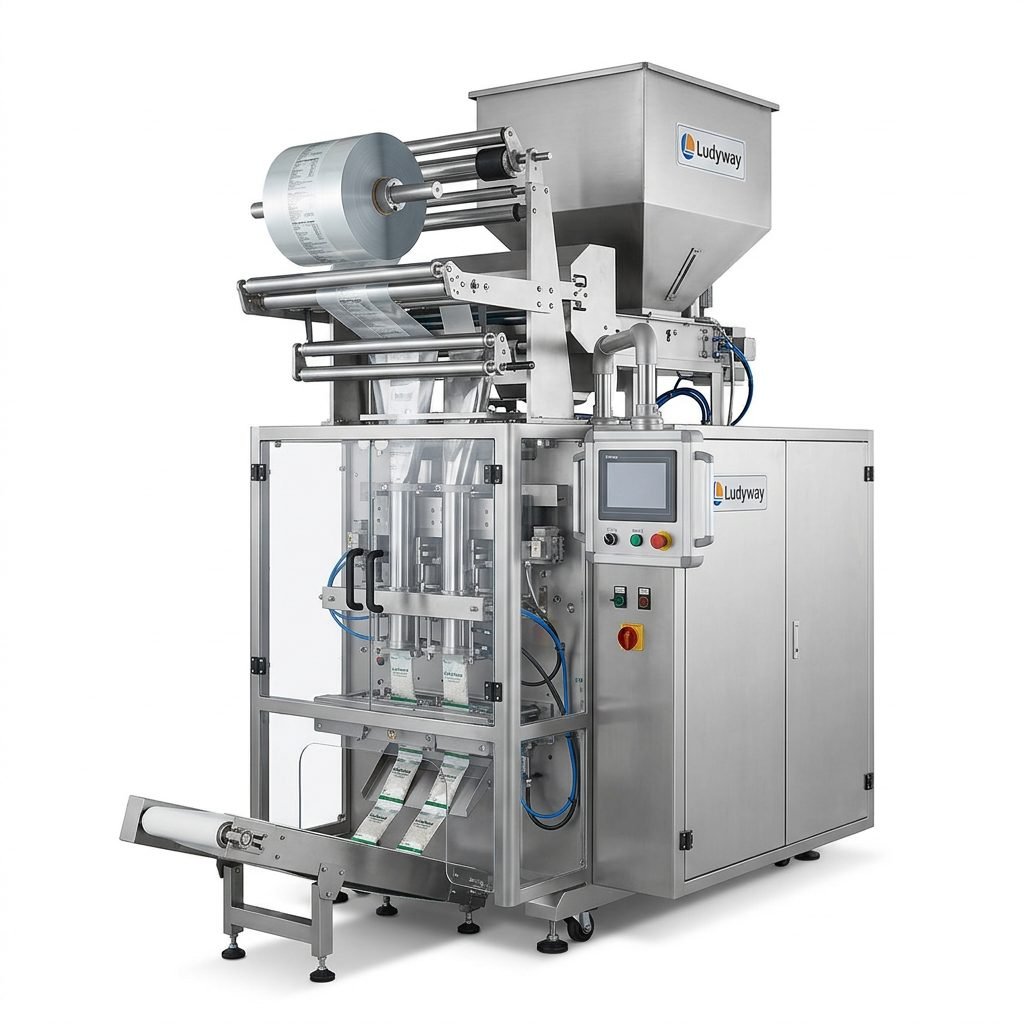
Vertical Form Fill Seal (VFFS) Machines
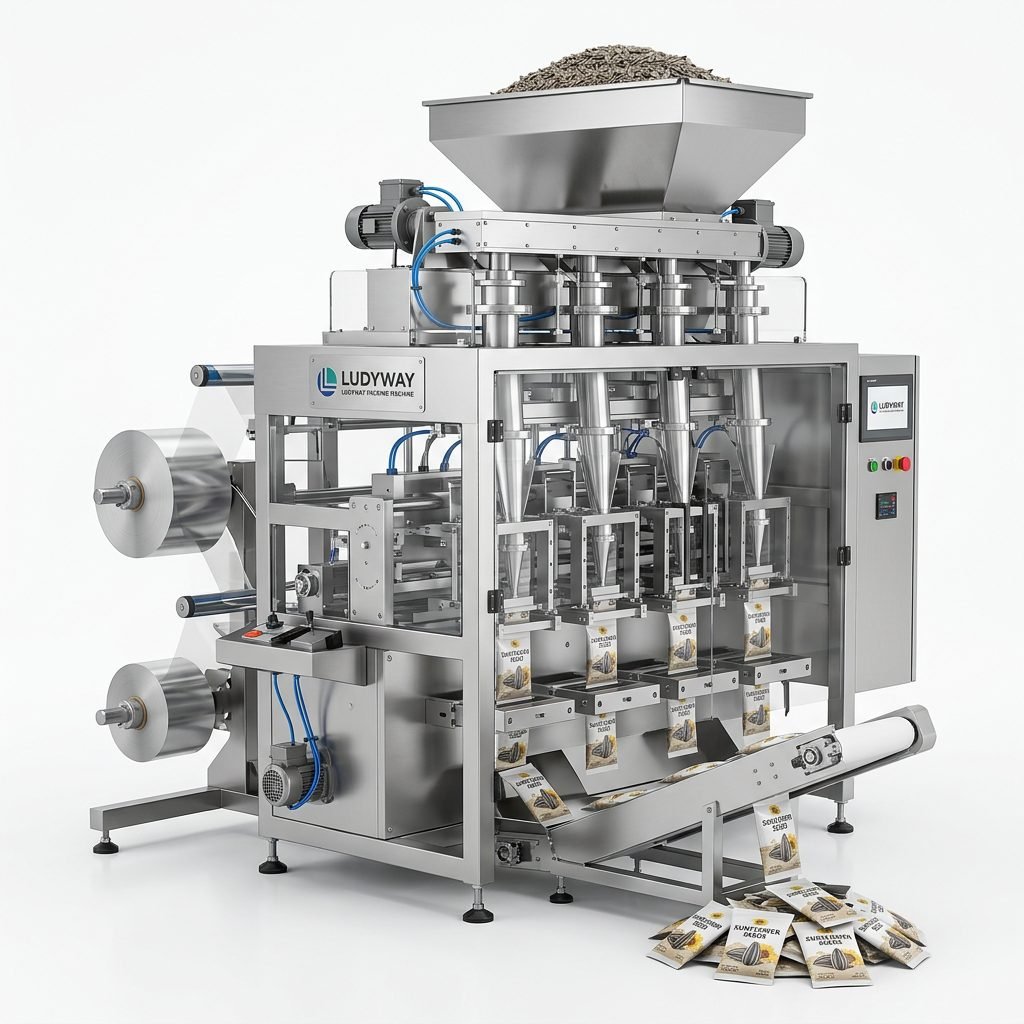
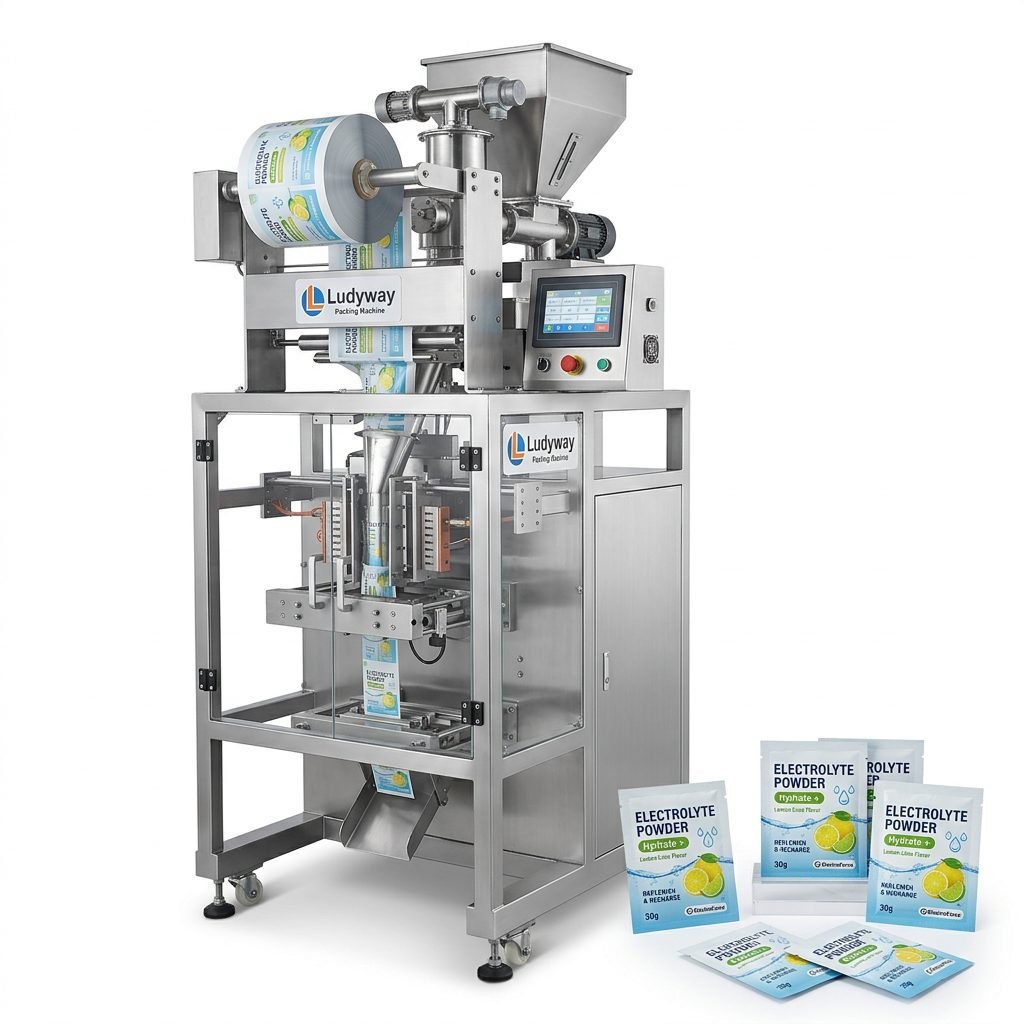
VFFS machines are the most common choice for rice packaging. These machines form bags from a roll of flat film, fill them with rice, and seal them in a continuous vertical process. They offer high speeds, consistent seal quality, and excellent versatility across a wide range of bag sizes. VFFS systems are ideal for pillow bags and can be configured with multi-head weighers for precision filling.
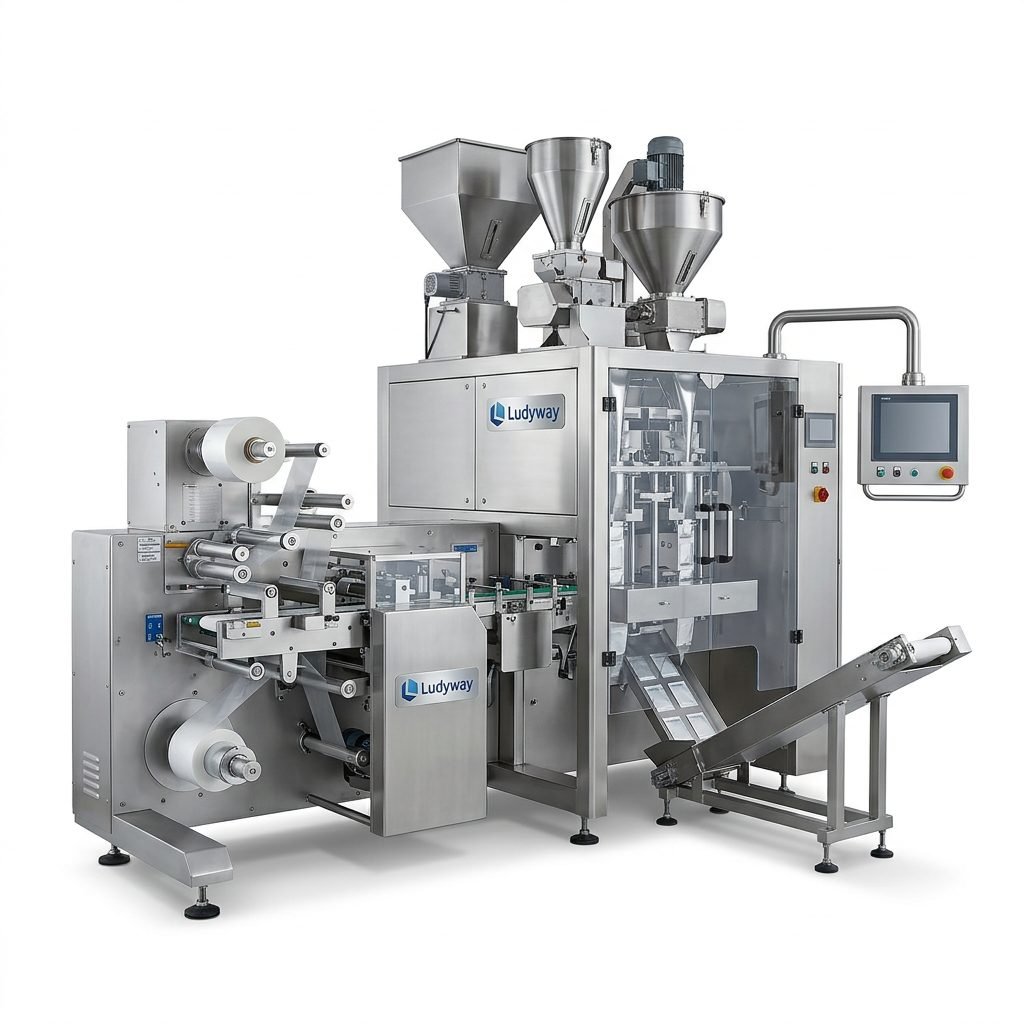
Premade Pouch Packaging Machines
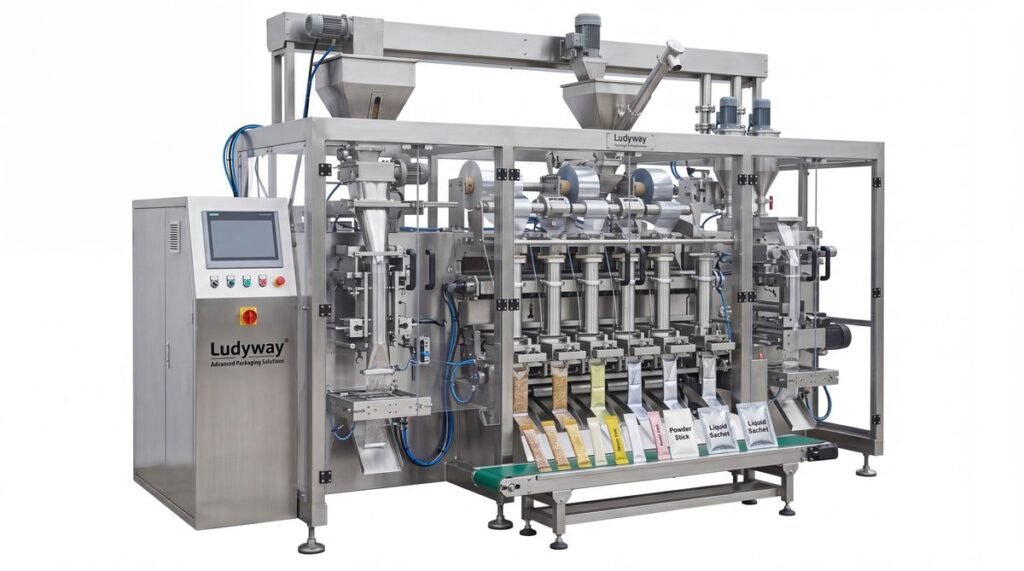
When your brand requires stand-up pouches, zipper bags, or shaped pouches with premium shelf appeal, premade pouch machines are the preferred solution. These systems take pre-manufactured pouches, open them, fill with rice, and seal. While generally slower than VFFS machines, they deliver superior packaging aesthetics and are popular for retail-oriented rice brands. For manufacturers exploring flexible packaging formats, premade pouch technology offers exceptional branding opportunities.
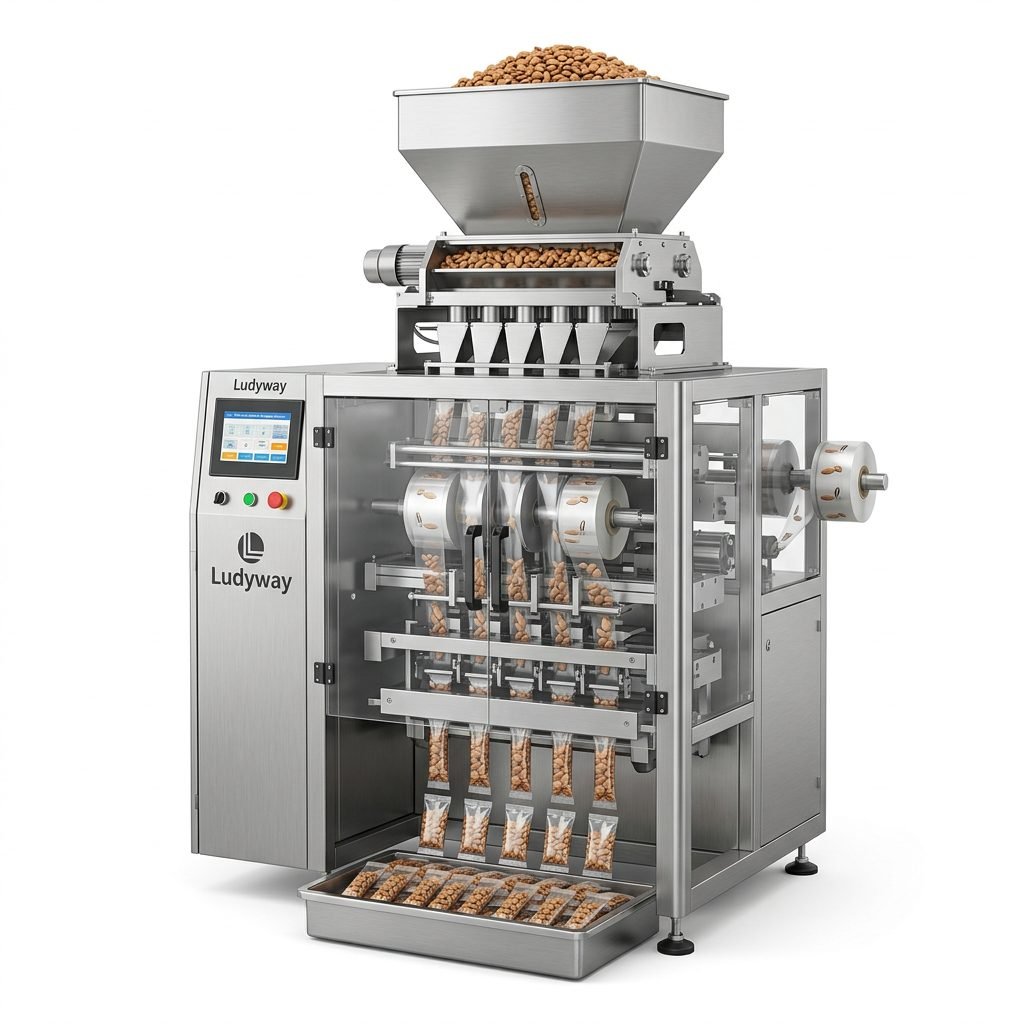
Multi-Lane Stick Pack Machines
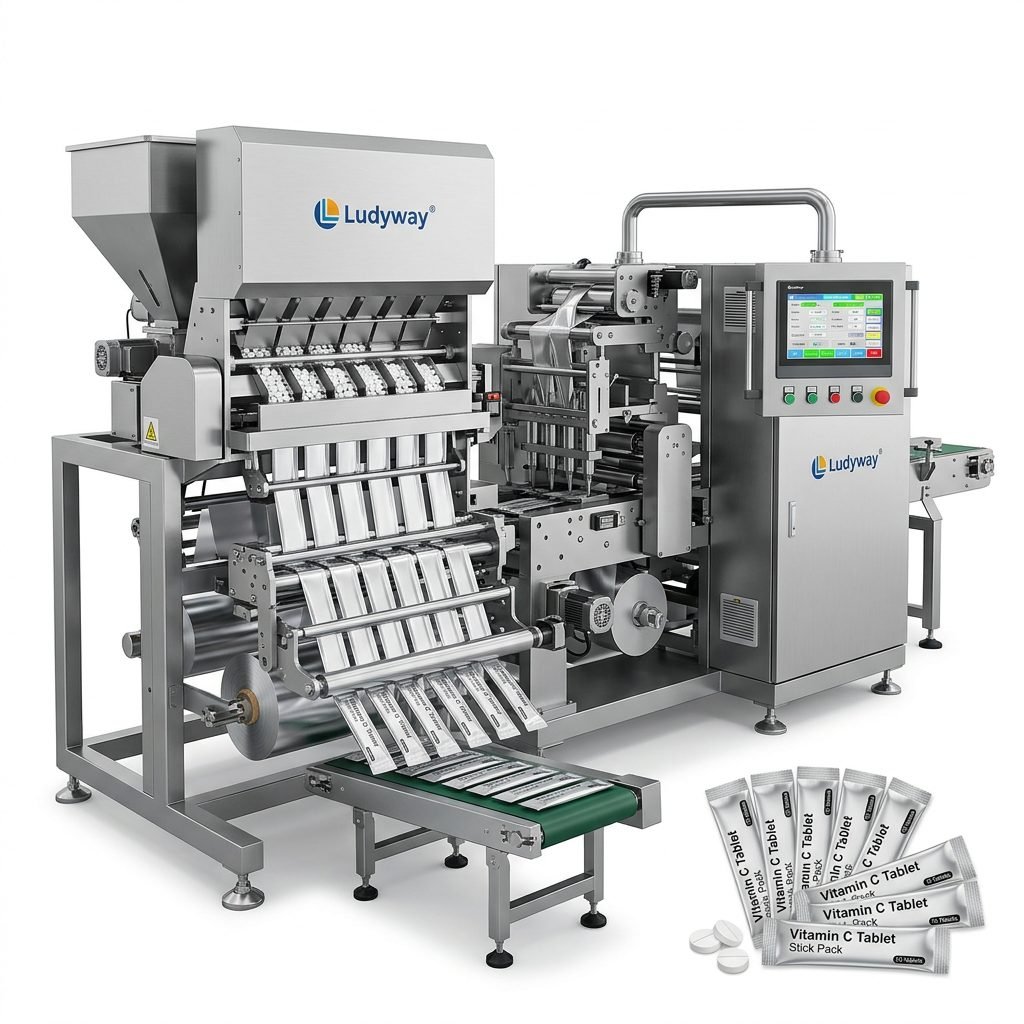
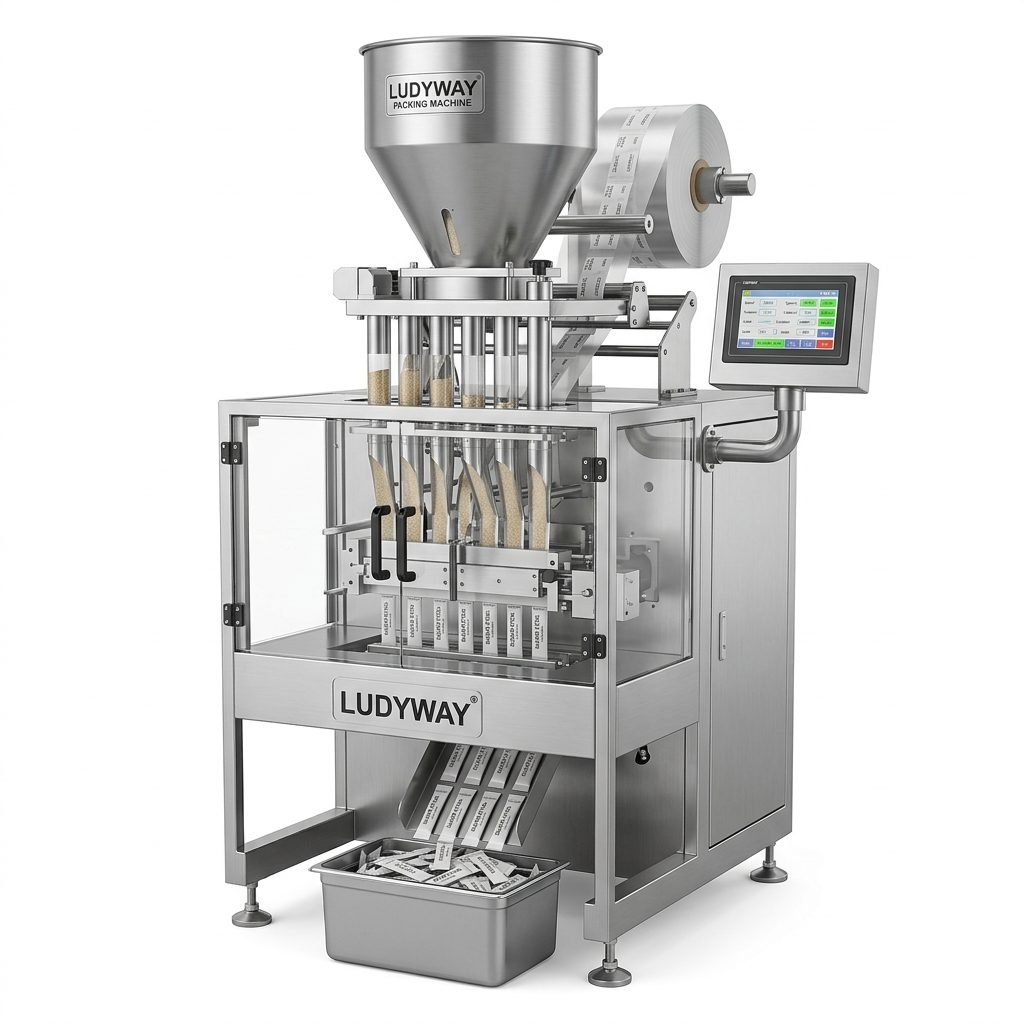
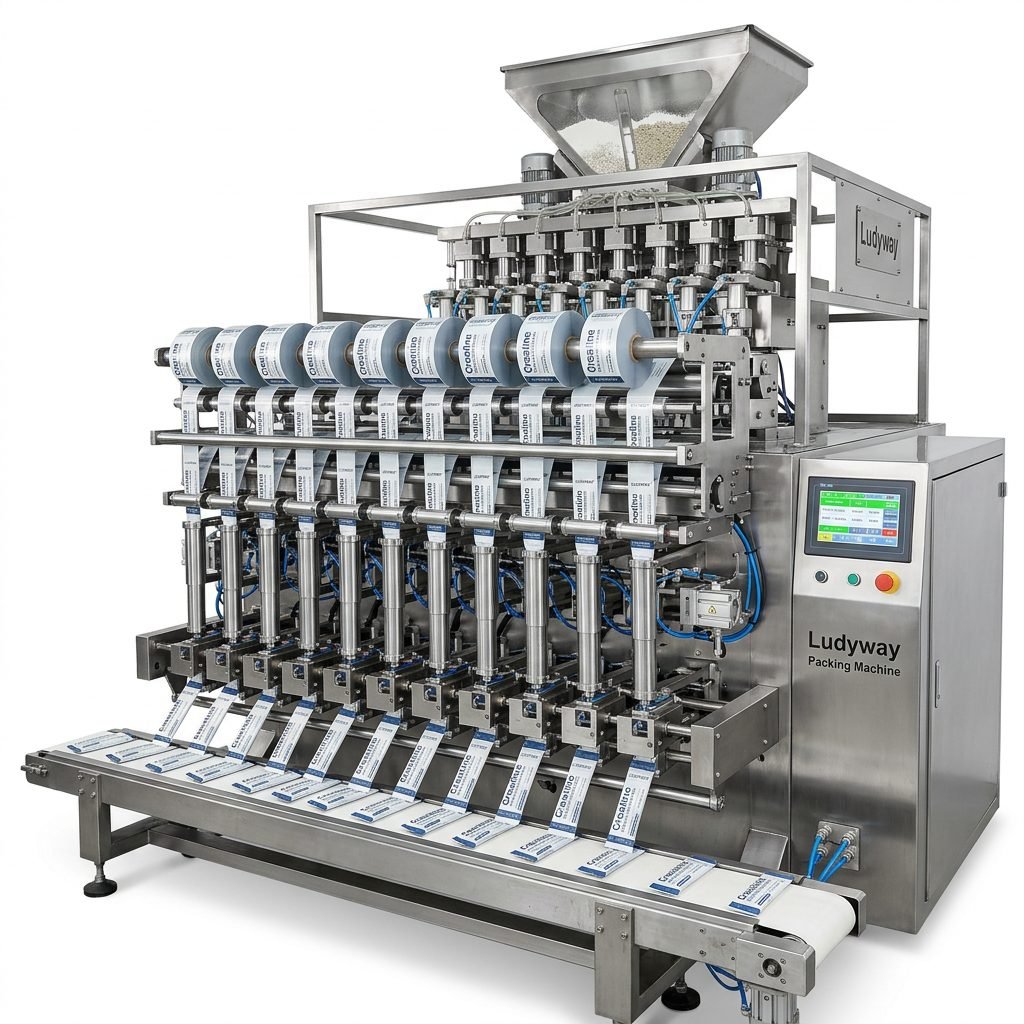
For single-serve and portion-control rice packaging, multi-lane stick pack machines excel. These systems run multiple lanes simultaneously, producing narrow stick packs ideal for instant rice, ready-to-heat portions, and food service applications. Production speeds can exceed 400-600 packs per minute in multi-lane configurations, making them the most productive option for small-format rice packaging.
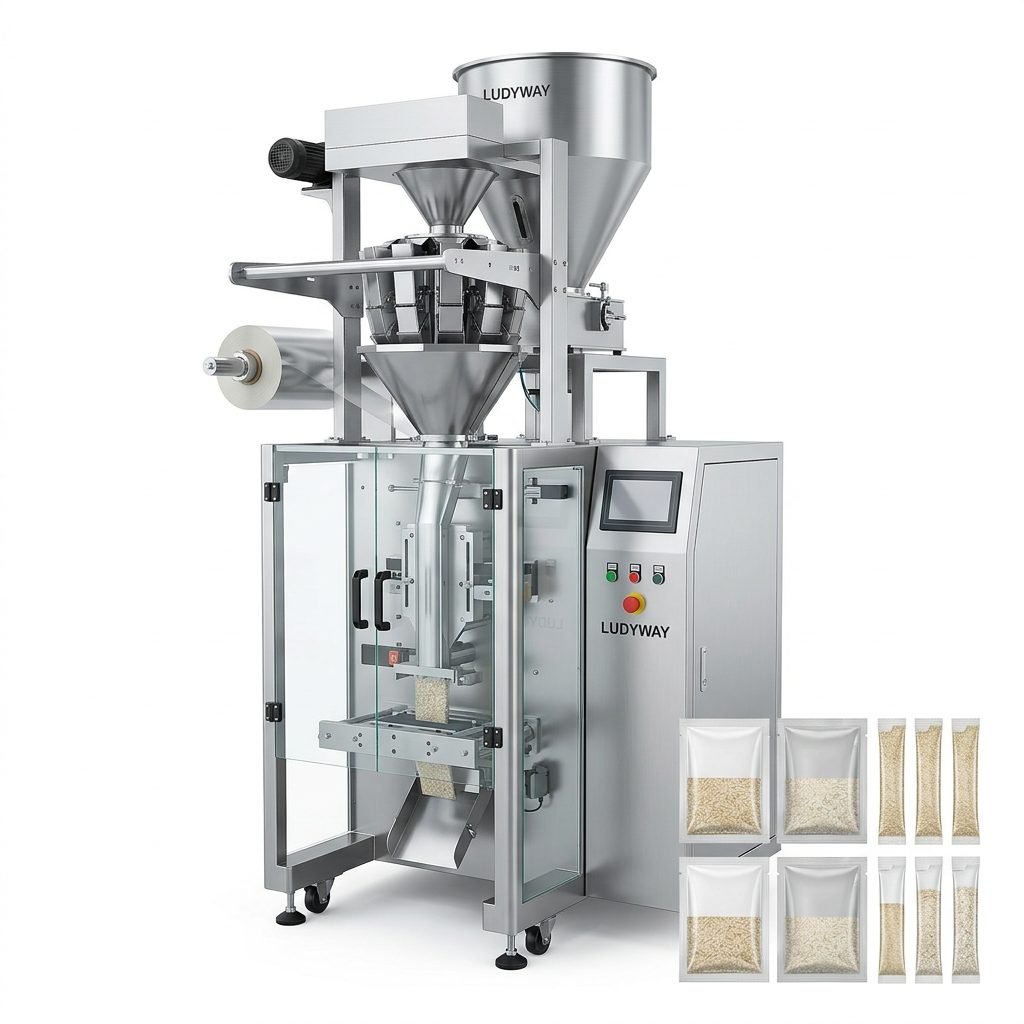
Bulk Bag Filling Systems
For industrial, agricultural, and wholesale rice distribution, bulk bag filling systems handle large-format bags from 10kg to 50kg. These heavy-duty machines prioritize accurate weighing, robust construction, and reliable sealing for high-volume throughput. They can be configured with automatic bag placers, net weigh fillers, and conveyorized sealing stations.
Key Factors to Consider When Choosing a Rice Packing Machine
Once you have identified the appropriate machine category, evaluate each option against these critical selection criteria. These factors directly impact machine performance, operational cost, and long-term reliability.
Production Capacity and Speed
Production speed is measured in packs or bags per minute (ppm or bpm). Your required speed depends on current and projected demand. A machine running at maximum capacity continuously may experience more wear, so selecting equipment with 20-30% headroom above your current needs is a prudent strategy. Consider shift patterns, peak season demands, and future growth when specifying speed requirements.
Bag Format and Size Flexibility
Rice markets increasingly demand diverse packaging formats. A machine that can handle multiple bag styles — pillow bags, gusseted bags, and block-bottom bags — provides operational flexibility. Similarly, quick-changeover features that allow operators to switch between bag sizes in minutes rather than hours can significantly impact overall equipment effectiveness (OEE). Check the machine’s specified bag width and length ranges carefully against your product portfolio.
Weighing and Filling Accuracy
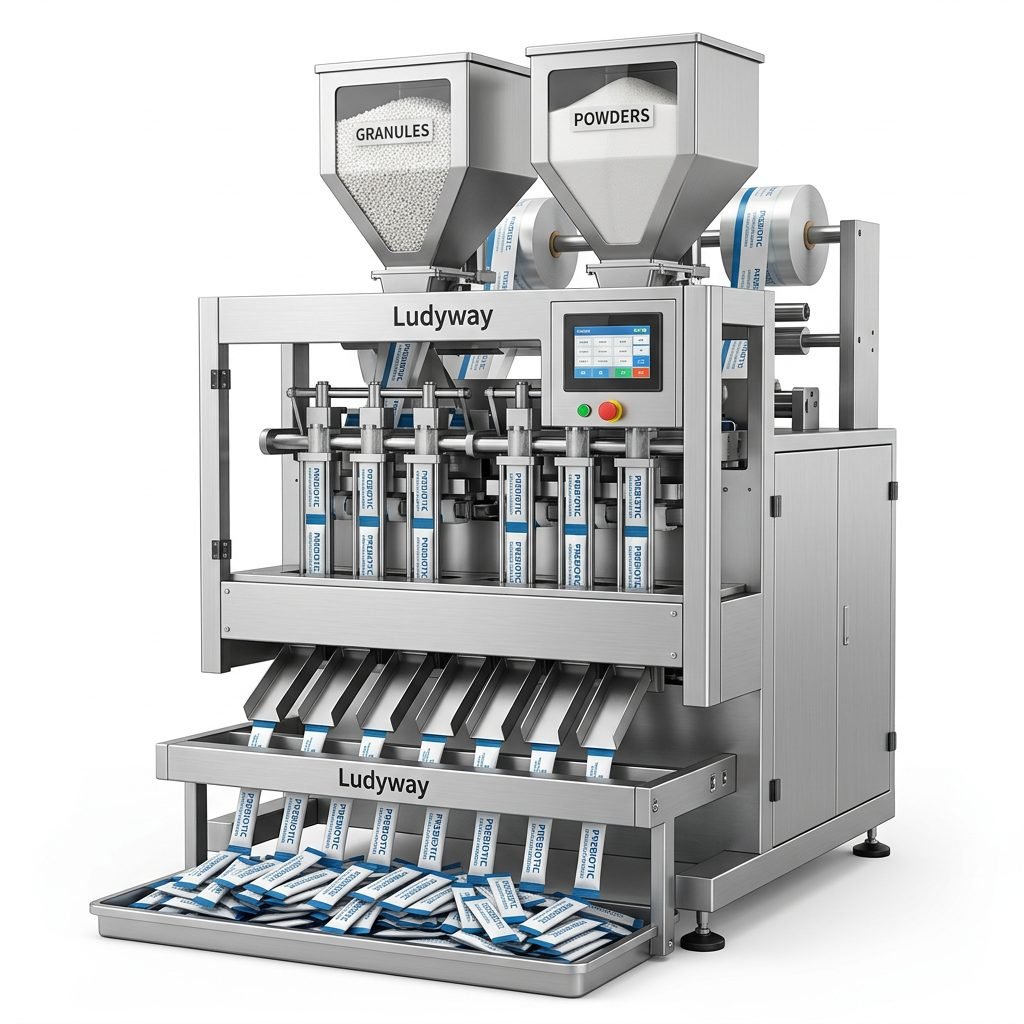
Accurate filling is critical for profitability in rice packaging. Even small overfills accumulate into substantial product giveaway over time. Modern rice packing machines typically use multi-head weighers, linear weighers, or auger fillers. Multi-head weighers offer the best combination of speed and accuracy, typically achieving accuracy within ±1-2 grams per fill. For premium rice varieties, this precision directly protects your margins.
Material Compatibility and Seal Integrity
Rice packaging films vary in thickness, barrier properties, and heat-seal characteristics. The machine must be compatible with your specified packaging materials to ensure consistent seal integrity. Poor seals lead to product leakage, contamination, and customer complaints. Verify that the machine’s sealing system — whether heat seal, ultrasonic, or impulse — is appropriate for your film specifications. Compliance with applicable food packaging regulations should also be confirmed.
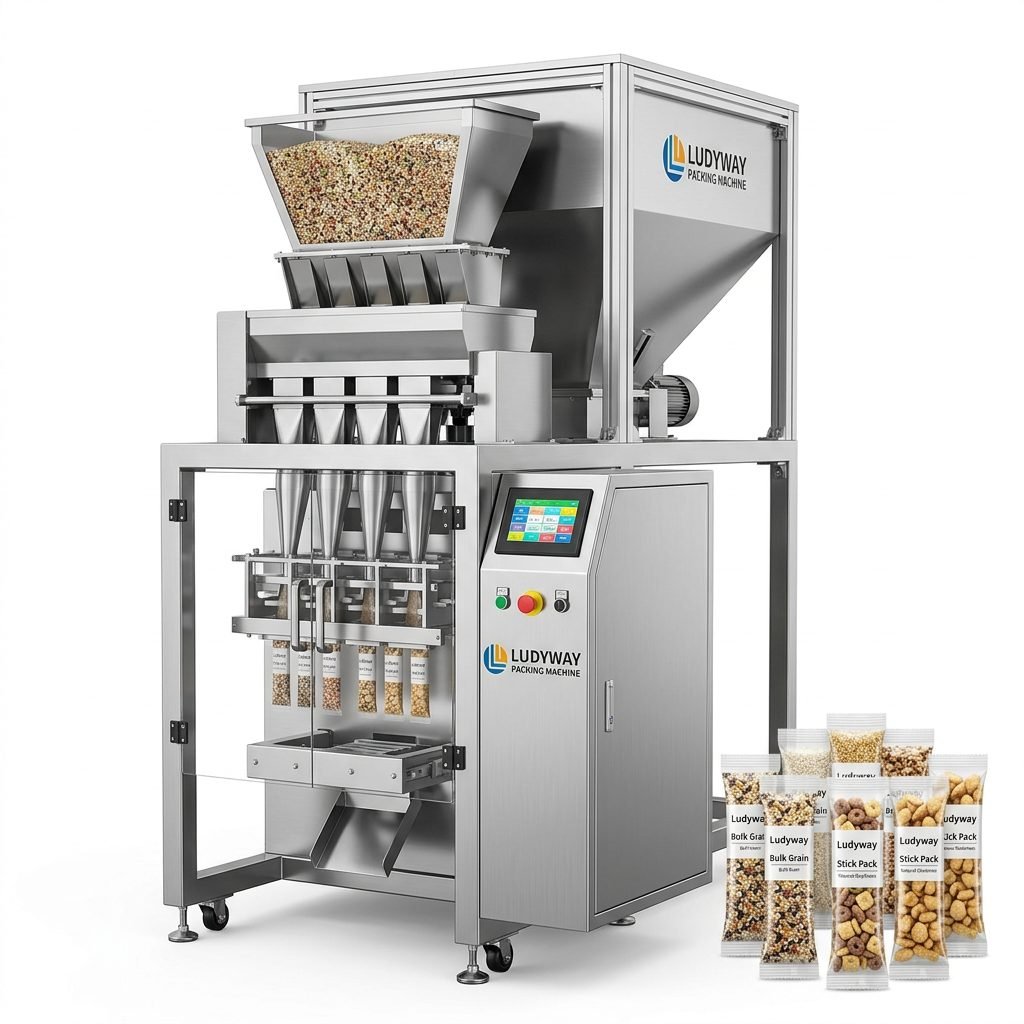
Automation Level and Integration
Rice packaging equipment ranges from standalone machines to fully integrated packaging lines. Higher automation levels reduce labor costs, improve consistency, and increase throughput. Consider whether you need automatic film splicing, automatic weighing and feeding systems, inline printing and coding, checkweighing, metal detection, and automated case packing. Equipment that complies with relevant ISO packaging standards can also simplify regulatory compliance and international trade.
Comparing Different Rice Packaging Solutions
The following table compares key specifications across major rice packing machine types to help you quickly assess the best fit for your operation:
| Machine Type | Best For | Typical Speed Range | Bag Formats | Relative Investment |
|---|---|---|---|---|
| VFFS Machine | Mid-to-high volume retail rice packaging | 30-120 ppm | Pillow bags, gusseted bags | Medium |
| Premade Pouch Machine | Premium retail, stand-up pouches, zipper bags | 20-60 ppm | Stand-up pouches, zipper pouches, shaped pouches | Medium-High |
| Multi-Lane Stick Pack | Single-serve, portion packs, food service | 200-600+ ppm | Stick packs, narrow sachets | High |
| Bulk Bag Filling System | Wholesale, industrial, agricultural | 5-20 ppm | 10kg-50kg bags, bulk sacks | Medium |
Additional Features to Look For
Beyond the core packaging functions, several additional features can significantly enhance machine value and operational efficiency:
- Quick-changeover systems — Minimize downtime when switching between bag sizes or rice varieties. Look for tool-free adjustments and recipe-based settings.
- Gas flushing capability — Nitrogen or CO2 flushing extends shelf life by reducing oxygen content in sealed packages, especially important for premium and export-oriented rice products.
- Integrated quality control — Inline checkweighers, metal detectors, and vision inspection systems ensure every package meets quality specifications before shipment.
- Remote monitoring and diagnostics — Modern machines with IoT connectivity allow remote troubleshooting, production monitoring, and predictive maintenance alerts.
- Energy efficiency features — Servo-driven motors, intelligent power management, and optimized heating systems reduce operational costs over the machine’s lifespan.
Budget and ROI Considerations
The purchase price of a rice packing machine is only one component of total cost of ownership (TCO). When evaluating your budget, factor in installation, operator training, maintenance, spare parts, film consumption rates, and energy costs. A lower upfront price may translate to higher operating costs over time if the machine is less efficient or requires more frequent maintenance.
Calculate your expected return on investment (ROI) by comparing labor savings, reduced product giveaway, increased throughput, and decreased packaging material waste against the total equipment cost. For many operations, a well-chosen automatic rice packing machine achieves payback within 12-24 months through efficiency gains alone.
Choosing the Right Supplier
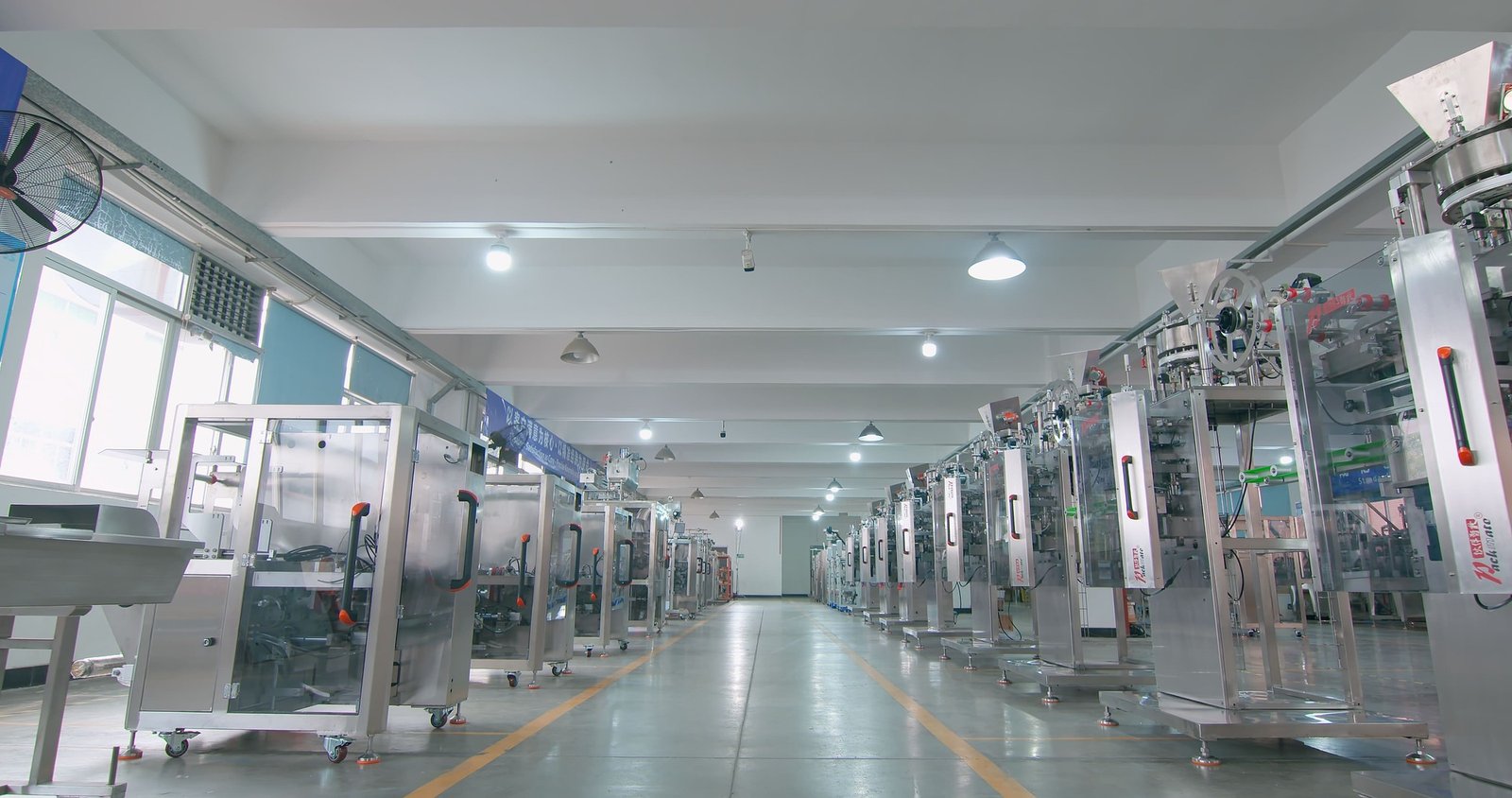
The quality and reliability of your rice packing machine depend significantly on the manufacturer’s expertise and support capabilities. When evaluating potential suppliers, consider the following criteria:
- Industry experience — How long has the company been manufacturing packaging machinery? Do they have specific experience with rice and grain applications?
- Manufacturing capabilities — Does the supplier have in-house engineering, manufacturing, and quality control? In-house production often correlates with better quality control and faster after-sales support.
- Customization options — Can the supplier configure machines to your specific requirements rather than offering only standard models?
- Technical support and service — What after-sales support is available? Consider installation assistance, operator training, remote technical support, spare parts availability, and warranty terms.
- References and track record — Request case studies or references from customers with similar rice packaging applications.
Experienced packaging machinery manufacturers such as Ludyway Machinery, a China-based packaging equipment manufacturer with over 30 years of industry experience and a 20,000-square-meter manufacturing facility, provide comprehensive solutions covering machine selection, customization, system integration, installation, commissioning, and global after-sales support. Working with an established supplier helps ensure that your rice packaging line meets production goals and operates reliably over the long term.
Making the Final Decision
Selecting the right rice packing machine requires balancing technical specifications, operational requirements, and commercial considerations. Begin with a thorough analysis of your packaging needs, research appropriate machine types, compare specifications and features, and carefully evaluate potential suppliers. Whenever possible, arrange for product testing or factory acceptance tests with your actual rice products and packaging materials to validate machine performance before finalizing your purchase.
By following the structured approach outlined in this guide, you can confidently select a rice packing machine that delivers reliable performance, meets your production targets, and supports your business growth for years to come. For further guidance on packaging machinery selection and industry best practices, resources from organizations like the Association for Packaging and Processing Technologies (PMMI) and the Flexible Packaging Association offer valuable technical references and market intelligence.