Selecting the right pharmaceutical packaging machine is a strategic decision that directly impacts product integrity, regulatory compliance, and production efficiency. Unlike general-purpose packaging, pharmaceutical applications demand precision, hygiene, and adherence to strict standards such as ISO 11607. This guide walks you through the essential factors to consider before making your investment.
Understanding Your Product Characteristics
The starting point for any equipment selection is a thorough analysis of the product being packaged. The physical and chemical properties will dictate the most suitable dosing and sealing technology.
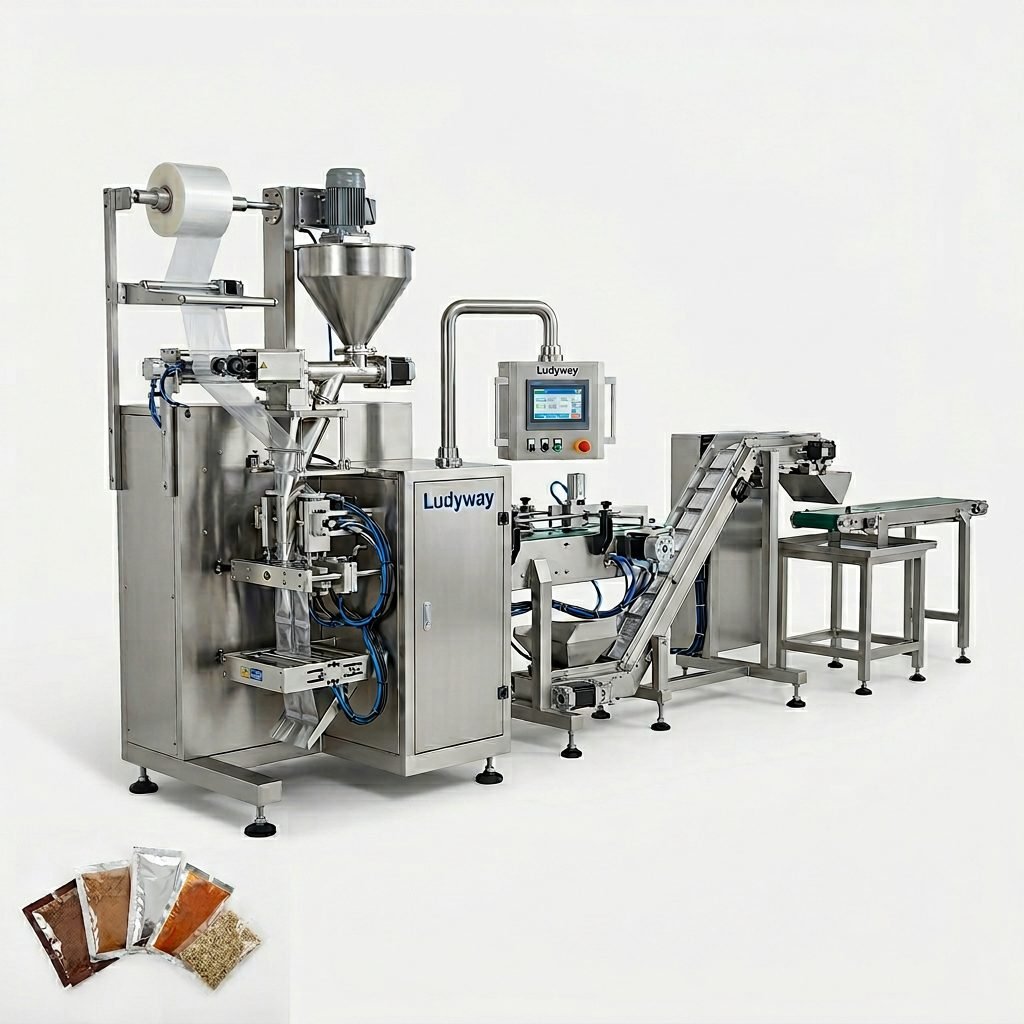
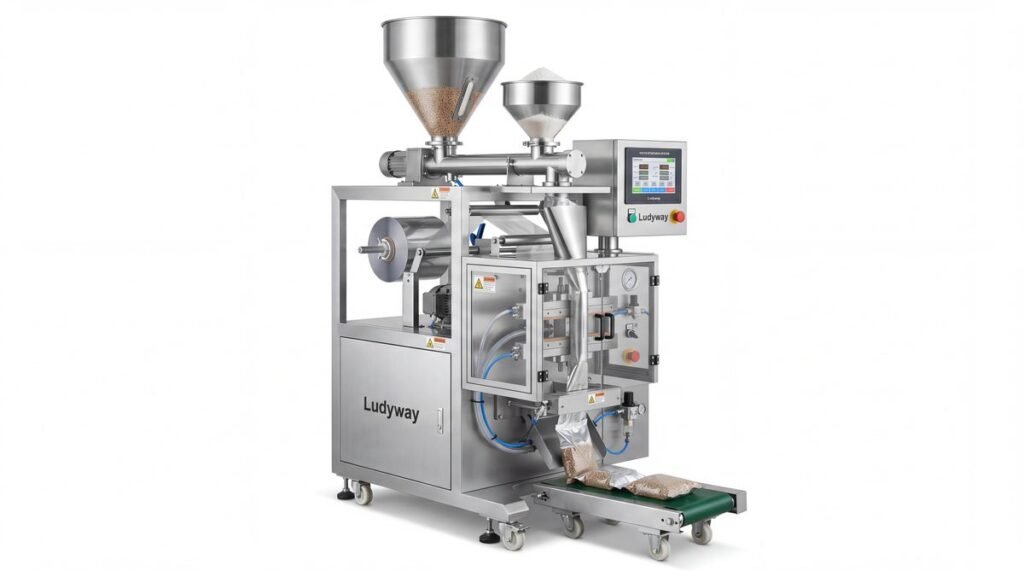
- Product Form: Is it a fine powder, sticky granule, free-flowing liquid, cream, or solid dose tablet? Each form requires a specialized filling mechanism, from auger fillers for powders to piston pumps for liquids.
- Sensitivity: Pharmaceutical products are often hygroscopic, oxygen-sensitive, or light-sensitive. This may necessitate features like nitrogen flushing capabilities or specialized barrier films.
- Dosage Precision: Accurate dosing is non-negotiable. Your machine must consistently deliver exact quantities, especially for high-potency APIs (Active Pharmaceutical Ingredients).
Defining Packaging Format and Output
The required packaging format and production volume will narrow your equipment options significantly. Consider both your current needs and future scalability requirements.
| Packaging Format | Common Pharma Applications | Key Machine Type |
|---|---|---|
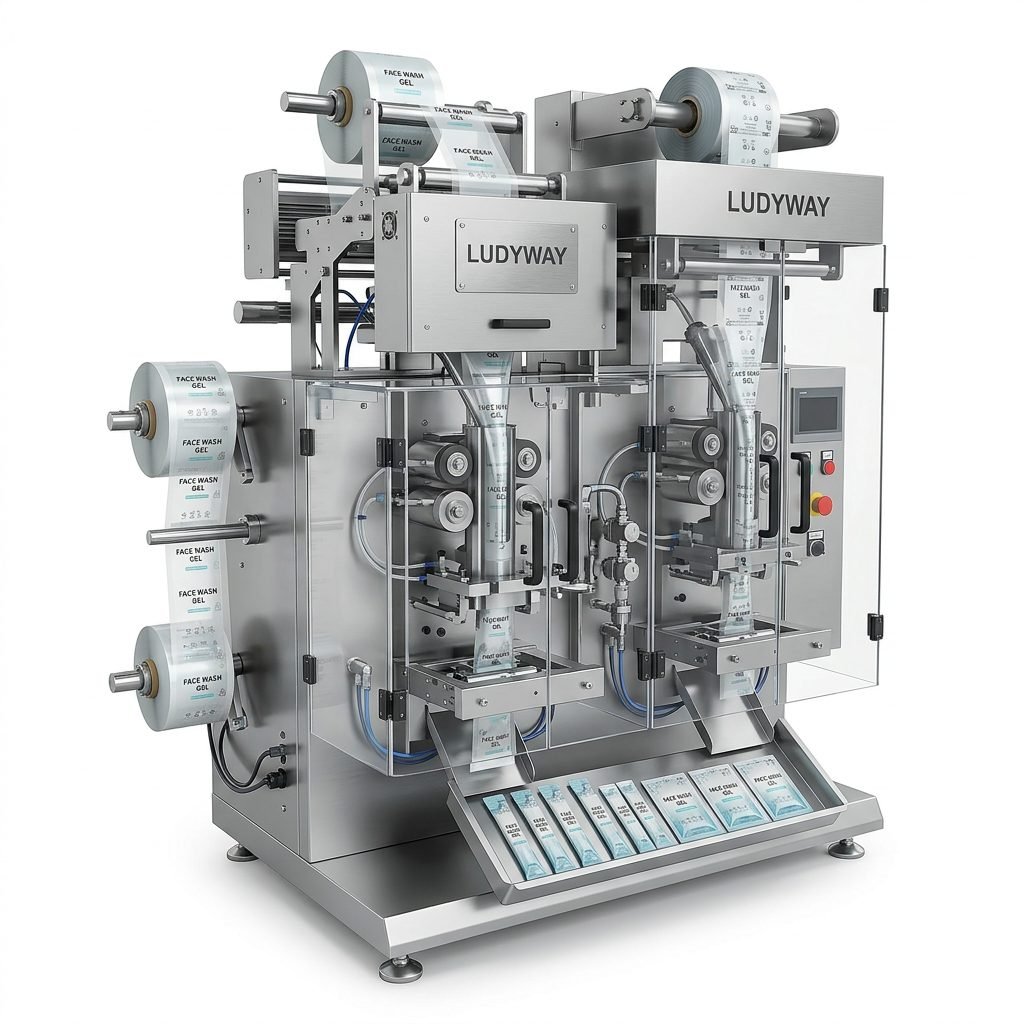
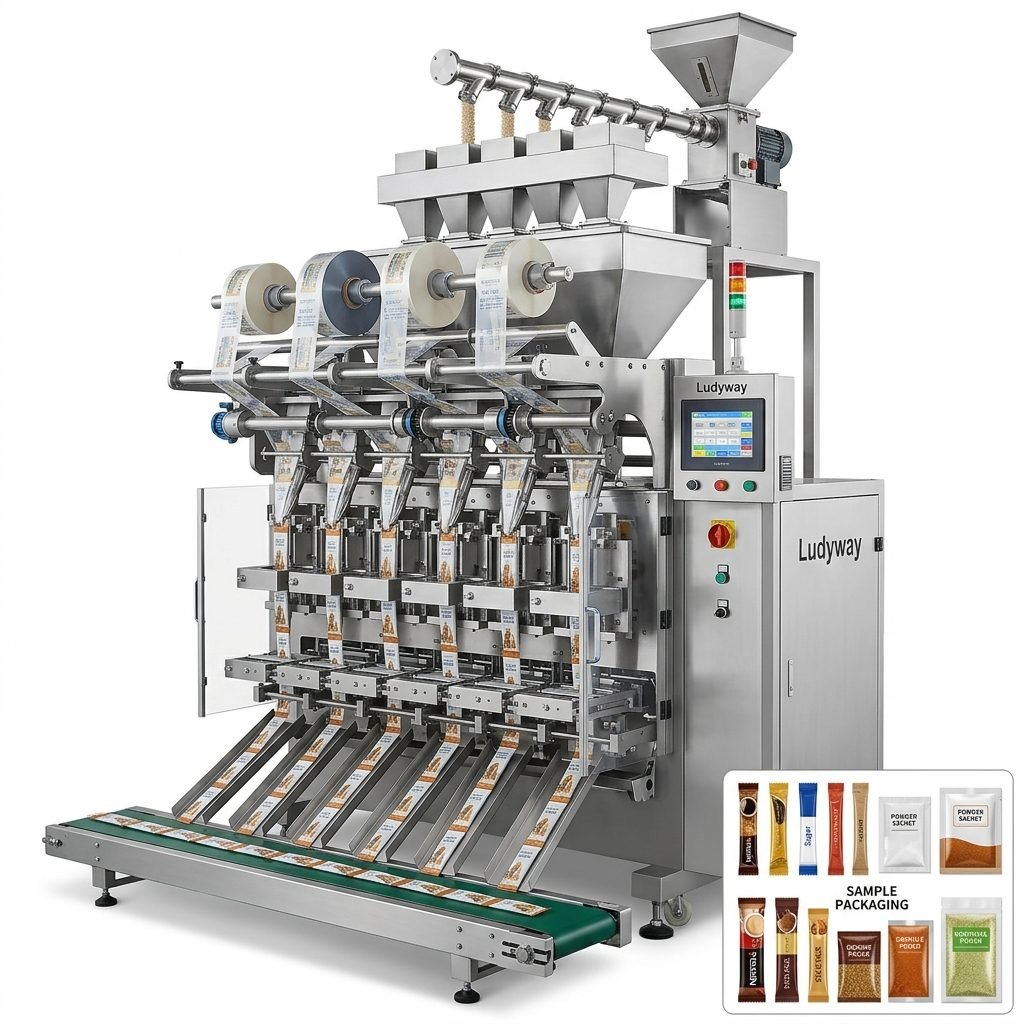
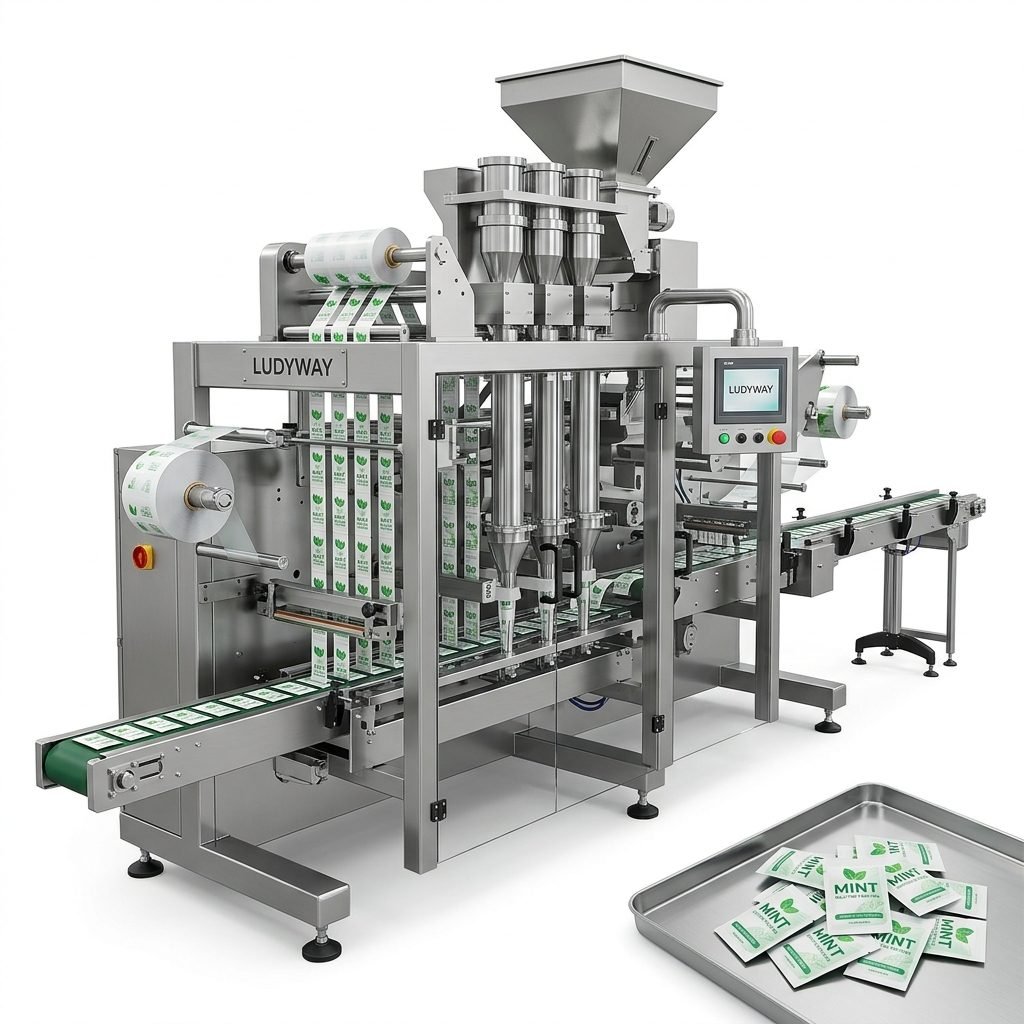
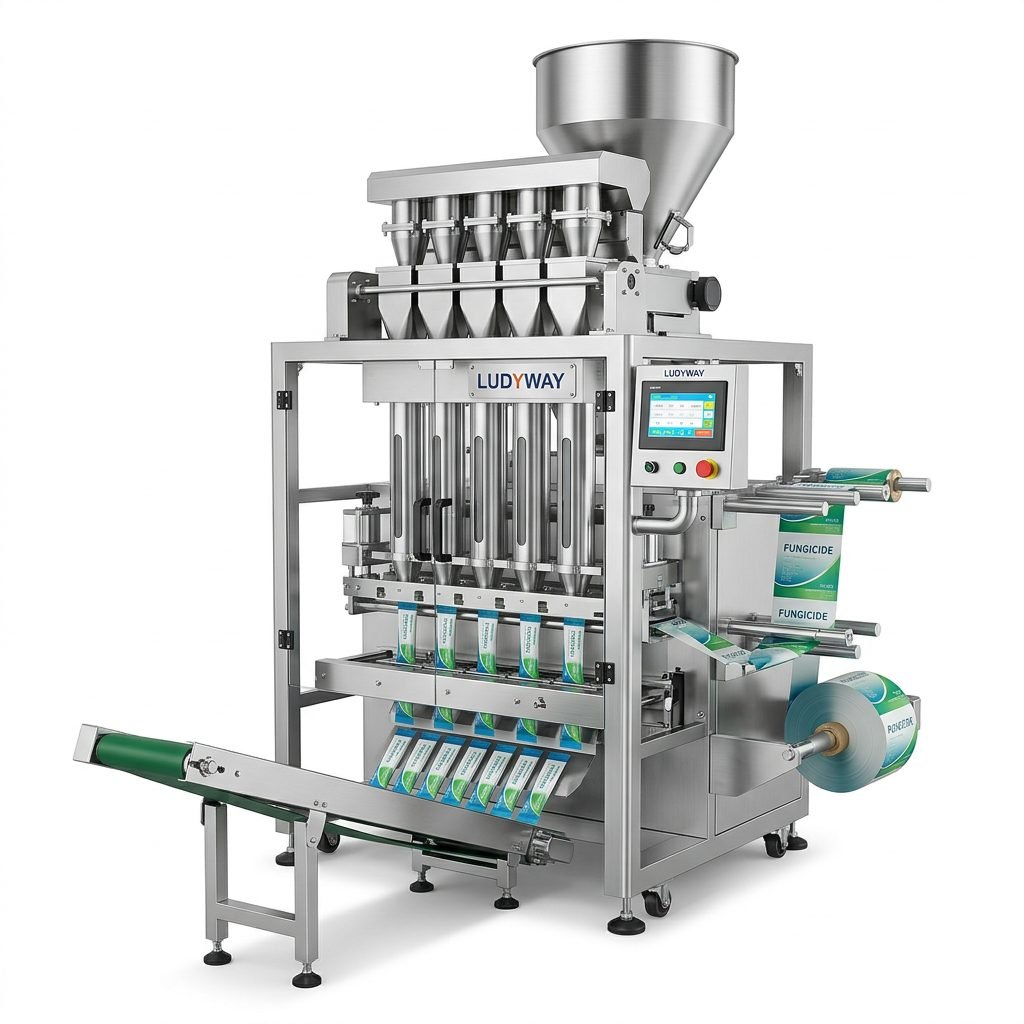
| Stick Packs | Oral powders, probiotics, pain relief granules | Multi-lane stick pack machine |
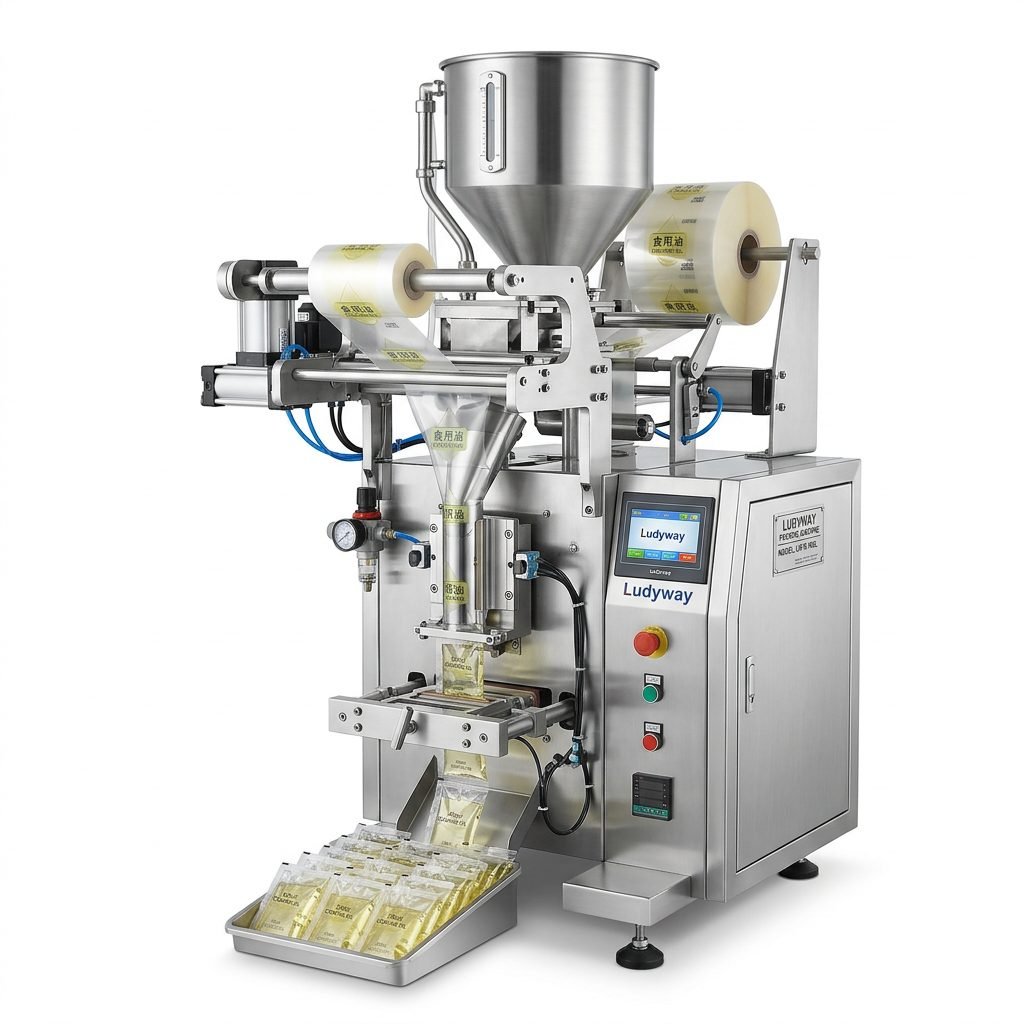
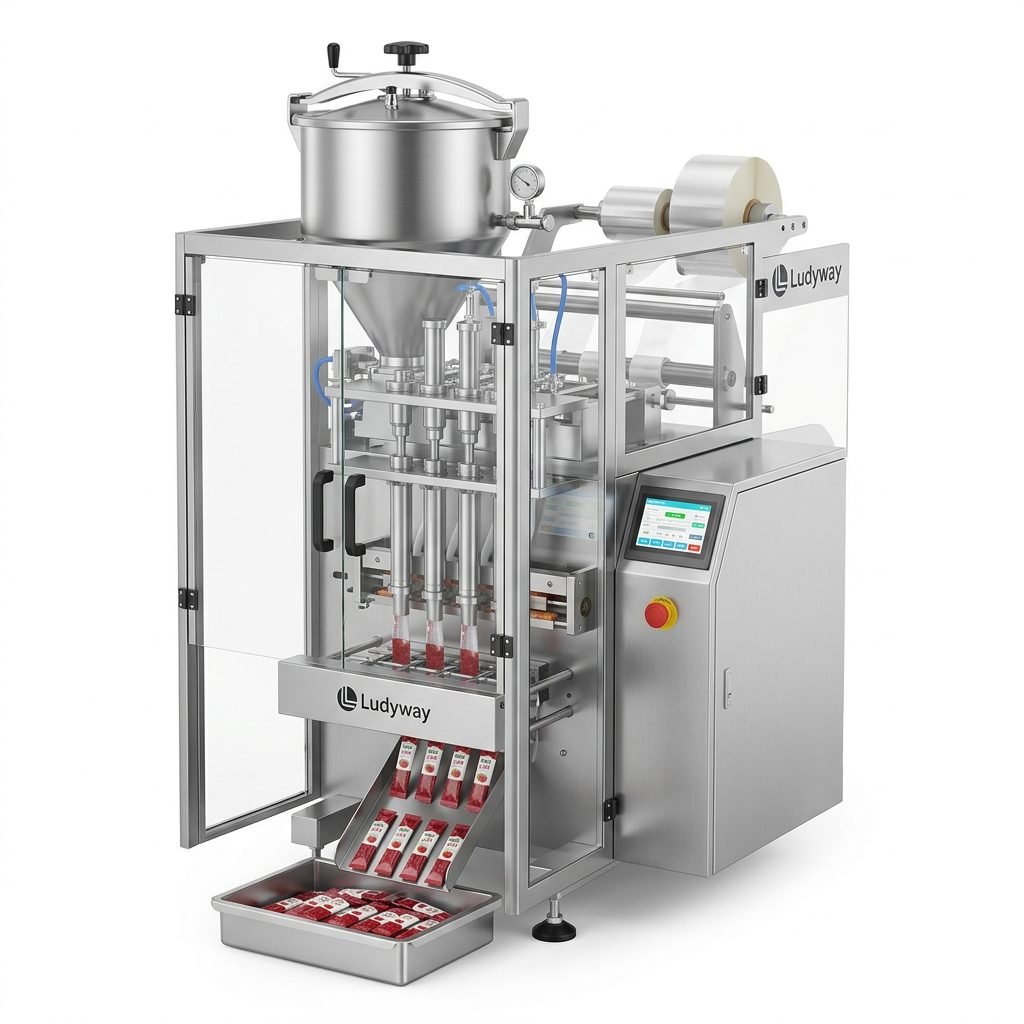
| Sachets | Single-dose powders, creams, liquid shots | Sachet VFFS machine |
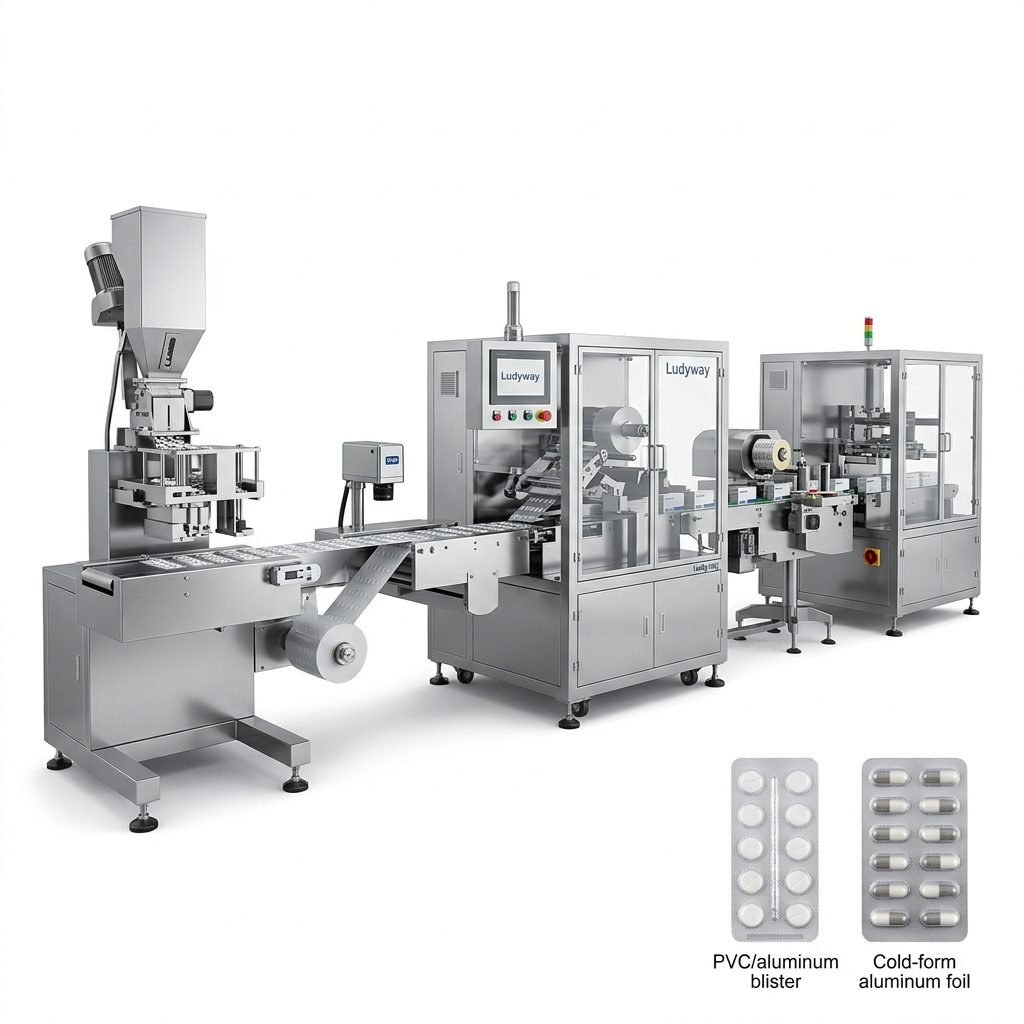
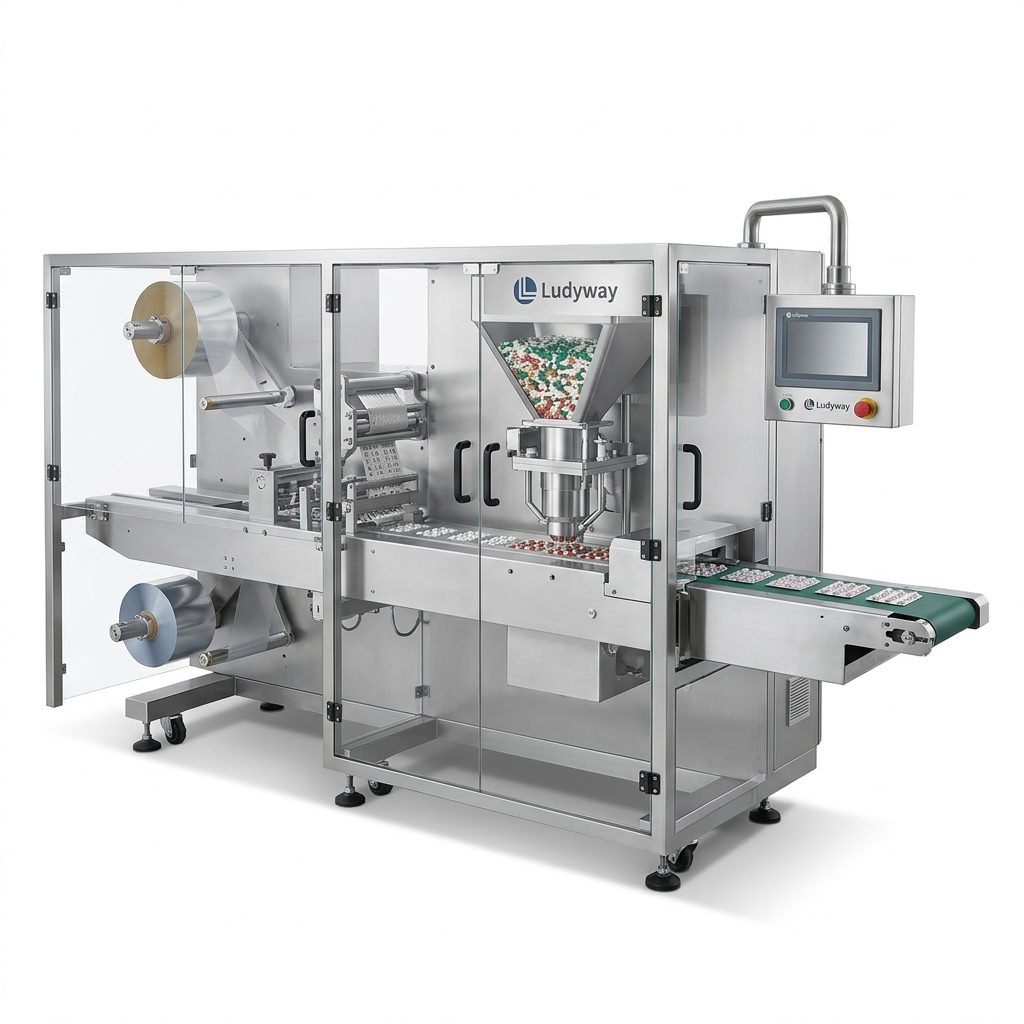
| Blisters | Tablets, capsules | Blister packaging line |
| Pre-made Pouches | Medical devices, bulk powders, lyophilized drugs | Rotary pouch filler |
Regulatory Compliance and Validation
Pharmaceutical packaging machinery must support compliance with Good Manufacturing Practices (cGMP). This influences the design of the machine in several ways. Look for equipment that facilitates thorough cleaning to prevent cross-contamination and offers validated processes.
Machines should be capable of supporting IQ/OQ/PQ (Installation, Operational, and Performance Qualification) protocols. According to PMMI industry resources, automation that provides detailed audit trails and production logs is no longer optional—it is a requirement. Furthermore, the use of FDA-compliant materials for all product contact parts is essential, as detailed by FDA food and packaging guidelines.
Automation and Integration Level
The level of automation directly impacts your operational consistency and labor costs. Determine whether a semi-automatic or fully automatic system best suits your operational scale.
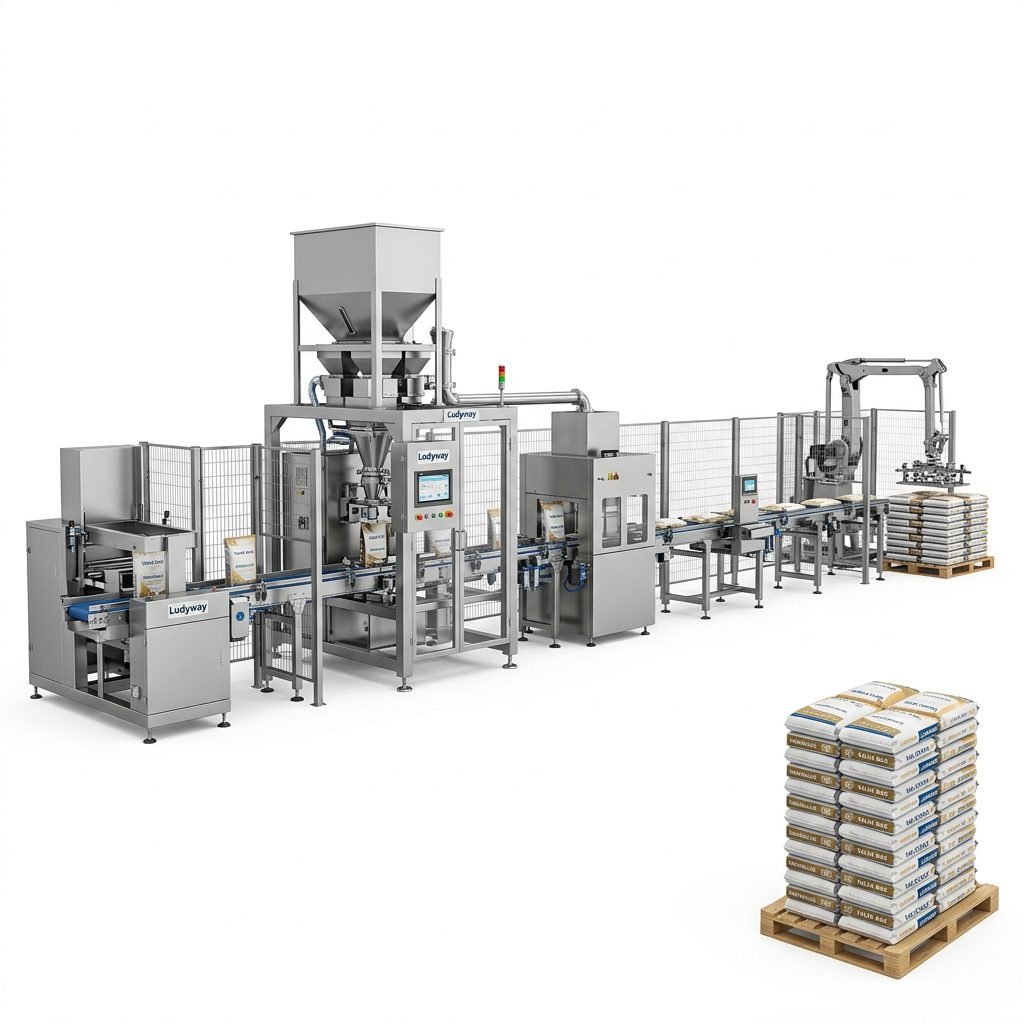
Semi-automatic machines are typically lower in initial cost and suitable for smaller batches or R&D environments. In contrast, fully automatic packaging lines integrate multiple functions—feeding, filling, sealing, coding, and cartoning—into a single, seamless process. When selecting a partner, it is beneficial to work with a company like Ludyway Machinery, which provides comprehensive turnkey packaging solutions, ensuring that all components from the primary filler to the end-of-line palletizer are designed to communicate and function as a cohesive unit.
Key Automation Features to Evaluate:
- Servo-driven systems: Offer precise control over film tension and bag length.
- Reject stations: Automatic ejection of packages that fail quality checks.
- Remote monitoring: Enables troubleshooting and performance tracking via IIoT platforms.
Material Compatibility and Sustainability
Your packaging machine must be versatile enough to handle the advanced materials often required in the pharmaceutical sector. The industry is increasingly shifting towards flexible packaging and mono-material structures that support recycling initiatives, as highlighted by the Flexible Packaging Association. Ensure your chosen equipment can efficiently seal these newer films without compromising seal integrity or speed.
Supplier Evaluation: Beyond the Machine
The machine is only as good as the support behind it. When evaluating packaging machinery manufacturers, consider their experience in the pharmaceutical sector, their engineering capabilities, and their global service network.
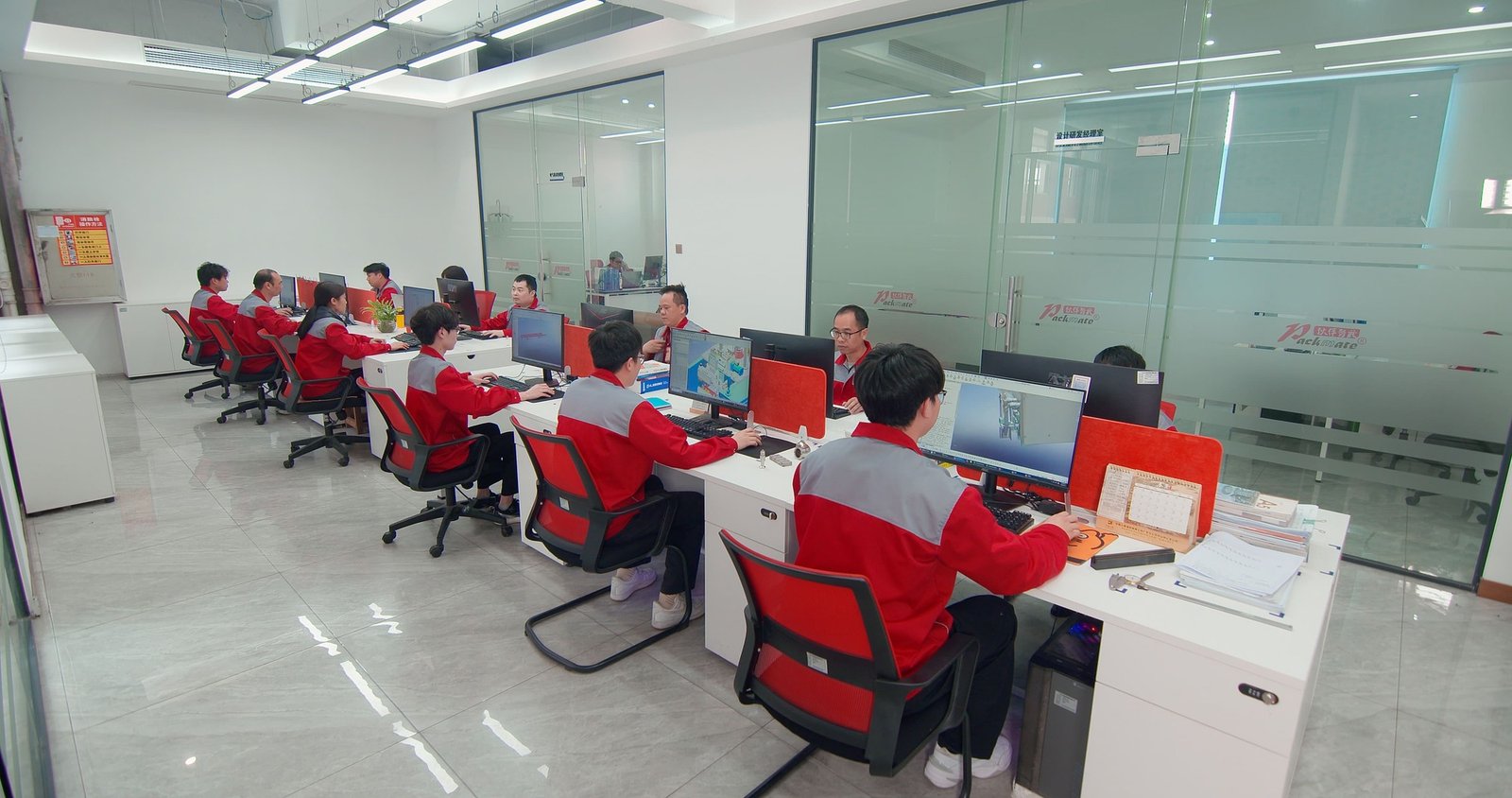
A manufacturer with in-house manufacturing and engineering expertise can offer quicker customization and more responsive technical support. Verify their track record in delivering solutions that meet international standards. The availability of spare parts and after-sales service is critical for maintaining high Overall Equipment Effectiveness (OEE). A partner capable of providing installation, commissioning, and remote technical assistance ensures your investment is protected long after the purchase.
Total Cost of Ownership (TCO)
Focusing solely on the initial capital outlay is a common mistake. A complete financial analysis must include operational costs over the lifespan of the machine. Consider these variables:
- Changeover time: How quickly can the line switch between different product batches or packaging formats?
- Material waste: Precise film handling and registration minimize expensive wasted material.
- Energy consumption: Modern servo motors and efficient heating systems reduce electrical usage.
- Maintenance frequency: Machines built with reliable, globally recognized components tend to have longer service intervals.
Conclusion
Choosing the right pharmaceutical packaging machine is a complex process that demands a detailed evaluation of your product, production goals, and compliance requirements. From understanding your packaging format to selecting a partner with deep engineering and automation expertise, each step establishes the basis for a reliable, efficient operation. By aligning your technical needs with a manufacturer that offers customized configurations, robust support, and a commitment to international quality standards, you secure a packaging solution that scales with your success.