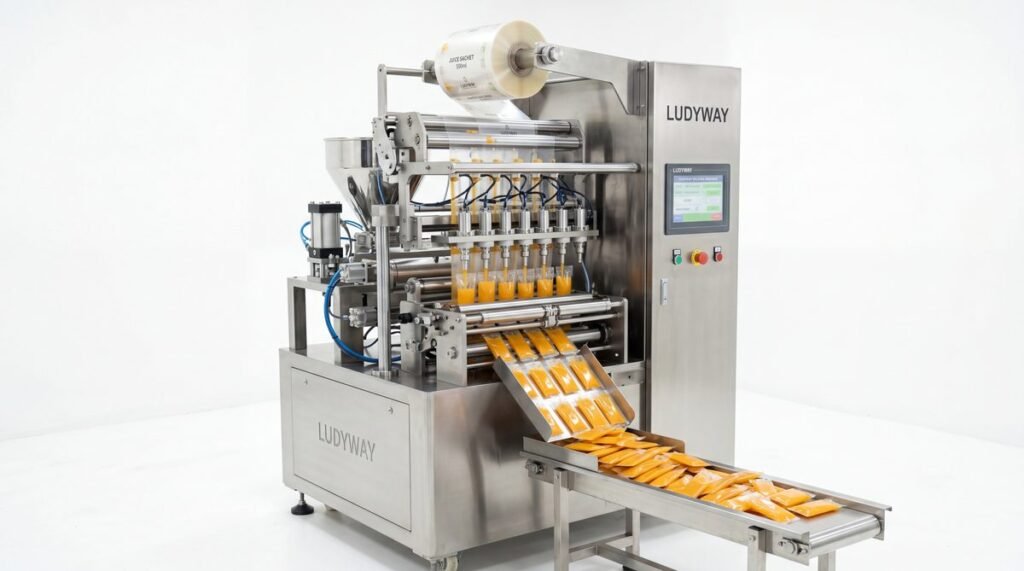
Selecting the right medication unit dose packaging machine is one of the most critical capital equipment decisions a pharmaceutical manufacturer or contract packager will make. The correct system enhances patient safety, ensures regulatory compliance, improves operational efficiency, and supports long-term scalability. A poorly specified machine can lead to dosing inaccuracies, packaging integrity failures, and costly production downtime.
This comprehensive buyer’s guide walks you through every essential factor to evaluate when choosing a medication unit dose packaging system. Whether you are packaging tablets, capsules, powders, or liquids into sachets, stick packs, or strip packs, this framework will help you make a confident, informed investment.
Why Medication Unit Dose Packaging Matters
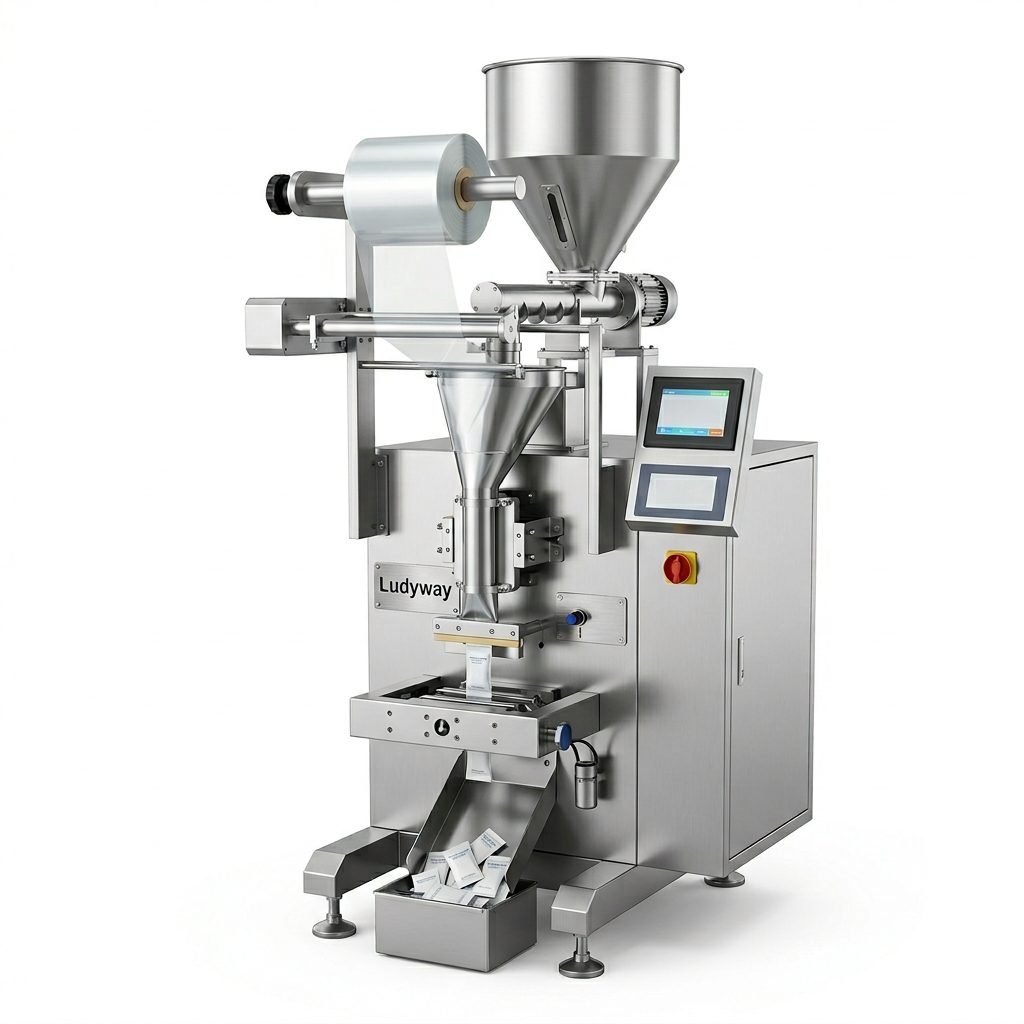
Unit dose packaging, also referred to as single-dose or strip packaging, individually seals each medication dose. This format is widely used in hospitals, long-term care facilities, clinical trials, and retail pharmacies. It offers distinct advantages over multi-dose containers, including enhanced patient compliance, reduced medication errors, improved product protection, and extended shelf life through barrier packaging materials.
Regulatory bodies such as the U.S. Food and Drug Administration (FDA) and the European Medicines Agency set stringent requirements for pharmaceutical packaging. The right packaging technology must consistently meet these standards while maintaining production efficiency.
Key Drivers for Unit Dose Adoption
- Patient Safety: Barcoded unit doses reduce administration errors in clinical settings.
- Regulatory Compliance: Serialization and traceability requirements continue to expand globally.
- Stability Protection: Individual sealing protects hygroscopic, oxygen-sensitive, and light-sensitive medications.
- Operational Efficiency: Automated unit dose packaging significantly increases throughput versus manual methods.
Understanding Your Production Requirements
Before evaluating specific machine models or suppliers, you must define your production parameters with precision. This foundational step prevents costly mismatches between equipment capabilities and actual operational needs.
Product Characteristics Analysis
| Parameter | Key Considerations | Impact on Machine Selection |
|---|---|---|
| Product Form | Tablets, capsules, powder, granules, liquid | Determines dosing mechanism and filling technology |
| Product Size & Shape | Dimensions, shape consistency, friability | Influences feeding system and tooling design |
| Flow Characteristics | Free-flowing, cohesive, hygroscopic | Affects hopper design and material handling |
| Sensitivity Profile | Moisture, oxygen, light sensitivity | Dictates barrier material and sealing requirements |
| Batch Size Range | Small clinical batches to large commercial runs | Determines changeover speed and flexibility needs |
Target Output and Speed Calculations
Machine speed is typically measured in units per minute or cycles per minute. When calculating required throughput, consider not just peak demand but also:
- Planned production hours per shift
- Overall Equipment Effectiveness (OEE) estimates
- Changeover frequency between products and formats
- Expected batch record and quality inspection time
- Future capacity expansion projections (3-5 year horizon)
Dosing and Filling Technology Evaluation
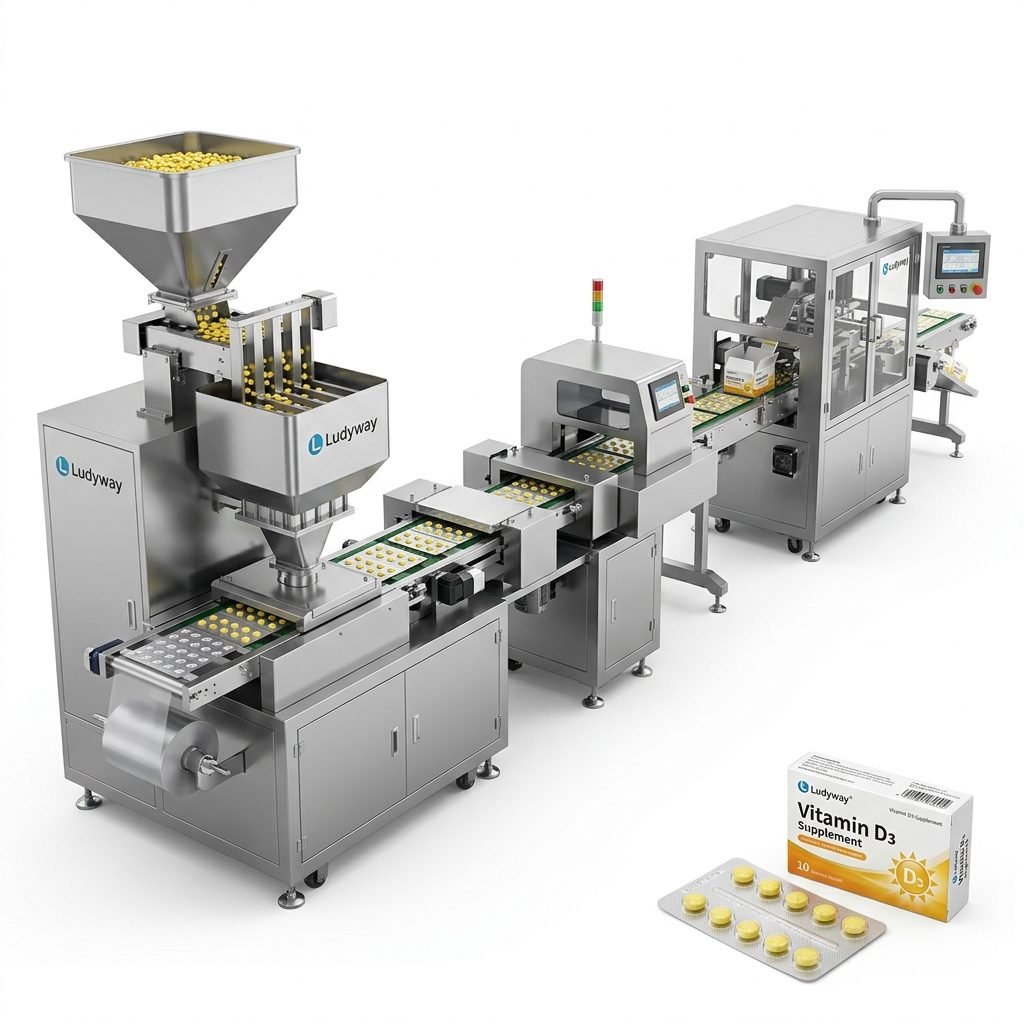
The dosing system is the heart of any medication unit dose packaging machine. Accuracy is non-negotiable in pharmaceutical applications, where content uniformity and dose precision directly impact patient safety and regulatory standing.
Dosing Mechanisms by Product Type
| Dosing Technology | Best Application | Precision Level | Maintenance Consideration |
|---|---|---|---|
| Volumetric Cup Fillers | Free-flowing powders and granules | Moderate (±2-3%) | Lower complexity, easier cleaning |
| Auger Fillers | Fine powders, cohesive materials | High (±1-2%) | Requires periodic auger inspection |
| Slat Counters | Tablets and capsules | Very High (< ±0.1%) | Slat sizing matched to product |
| Piston Fillers | Liquids, creams, gels | High (±0.5-1%) | Seal and valve maintenance critical |
| Net Weigh Fillers | Precision dosing, high-value APIs | Excellent (±0.1-0.5%) | Periodic calibration required |
For pharmaceutical applications, dosing accuracy and validation capability should be primary selection criteria. Systems with integrated check weighing and automatic reject functionality offer significant compliance advantages.
Packaging Material Compatibility and Barrier Properties
Medication unit dose packaging materials must protect the product while meeting ISO packaging standards and pharmacopeial requirements. Material selection directly impacts shelf life, stability, and regulatory acceptance.
Common Packaging Material Structures
- Foil-Laminated Films: Excellent moisture and oxygen barrier. Commonly used for hygroscopic and oxygen-sensitive medications. Typically PET/foil/PE or paper/foil/PE structures.
- PVC-PVDC Combinations: Good barrier properties with transparency. Allows visual inspection. Widely used in blister packaging applications.
- Aclar Laminates: Superior moisture barrier compared to PVC. Higher cost but necessary for extremely moisture-sensitive products.
- Cold Form Foil: Maximum barrier protection. Nearly complete moisture and oxygen barrier. Ideal for highly sensitive formulations.
- Paper-Laminated Structures: Used for less sensitive products. Lower cost but limited barrier properties.
Verify that your selected machine can reliably seal your chosen packaging material at production speed. Seal integrity testing should be demonstrated during Factory Acceptance Testing (FAT) with your specific materials.
Machine Configuration: Single-Lane vs. Multi-Lane Systems
The lane configuration decision significantly impacts throughput, floor space, and operational flexibility. Pharmaceutical manufacturers must carefully weigh these factors against their production portfolio.
Configuration Comparison
| Factor | Single-Lane Machine | Multi-Lane Machine (4-12 lanes) |
|---|---|---|
| Output Capacity | 30-80 units/minute | 200-1,200+ units/minute |
| Floor Space | Compact footprint | Larger footprint; higher output per square meter |
| Changeover Time | Faster, simpler format changes | More complex; longer downtime between products |
| Ideal Batch Size | Small to medium, frequent changeovers | Large commercial batches, dedicated products |
| Capital Cost | Lower initial investment | Higher initial investment; lower cost per unit |
Automation, Controls, and Data Integrity
Modern pharmaceutical packaging equipment increasingly incorporates automation features that enhance efficiency, reduce human error, and support regulatory compliance. The control system architecture deserves careful evaluation, particularly regarding 21 CFR Part 11 compliance for electronic records and signatures.
Essential Automation Features for Pharmaceutical Applications
- Recipe-Driven Controls: Store validated parameters for each product; ensure reproducibility and reduce setup errors.
- Integrated Vision Inspection: Detect broken tablets, empty cavities, print defects, and seal anomalies in real time.
- Serialization-Ready Architecture: Machine should support or integrate with track-and-trace systems for unique device identification.
- Audit Trail Capability: Automatic logging of all parameter changes, alarms, and operator actions.
- Remote Diagnostics: Secure remote access for troubleshooting, reducing downtime and service costs.
- Batch Reporting: Automated generation of production reports, deviation logs, and reconciliation data.
Confirm that the control system can be validated according to GAMP 5 guidelines and your internal quality management system requirements.
Regulatory Compliance and Validation Support
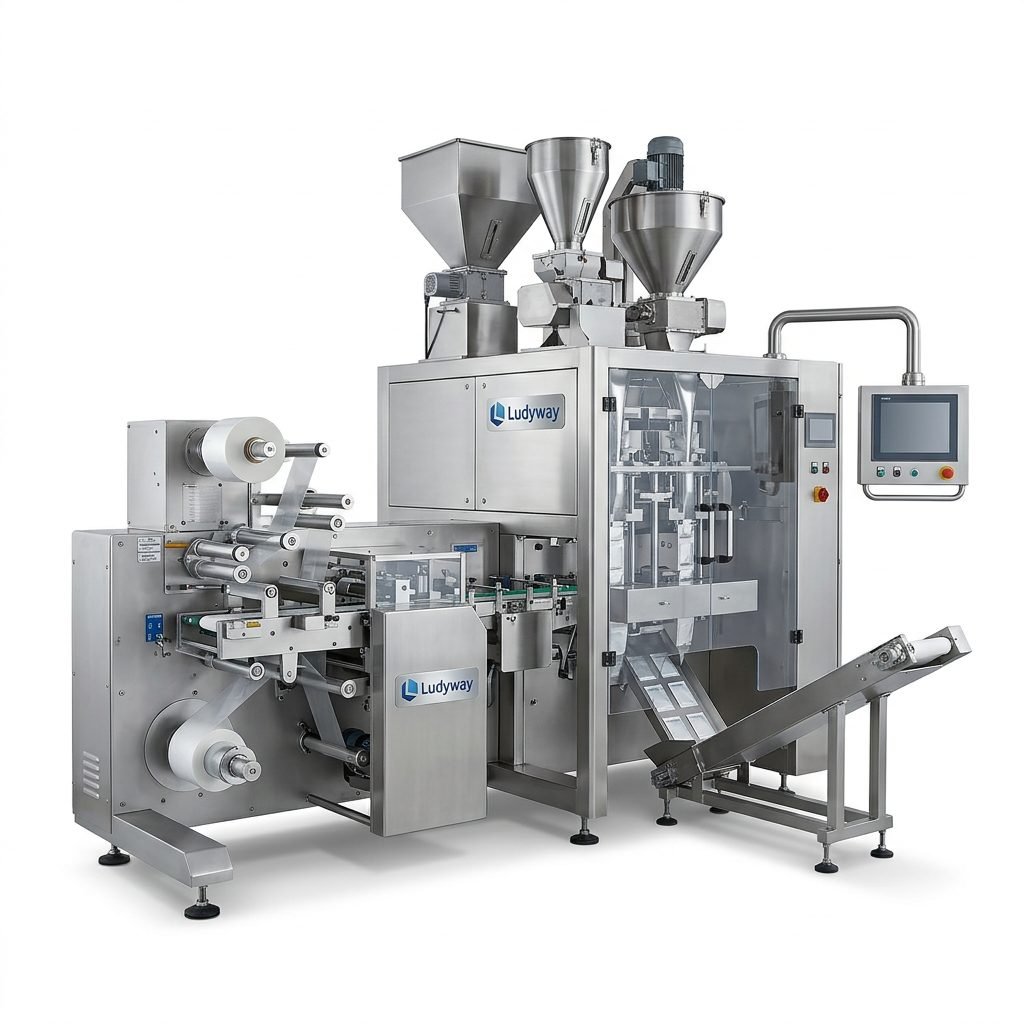
Pharmaceutical packaging equipment must meet rigorous regulatory standards. Your machine supplier should provide comprehensive documentation and support throughout the compliance lifecycle.
Key Regulatory Considerations
FDA Requirements
For manufacturers supplying the U.S. market, packaging equipment must support compliance with FDA food and drug packaging regulations, including current Good Manufacturing Practice (cGMP) requirements under 21 CFR Parts 210 and 211. Equipment design should facilitate cleaning, prevent contamination, and enable thorough inspection.
European Compliance
Equipment destined for the EU market should comply with relevant directives including the Machinery Directive and applicable sections of EudraLex Volume 4 GMP guidelines. European packaging regulations also impose material and sustainability requirements worth evaluating during equipment selection.
ISO Standards
Refer to ISO 11607 standards for packaging for terminally sterilized medical devices where applicable. For general packaging applications, ISO packaging standards provide relevant guidance on material testing and performance verification.
Documentation Requirements
- Factory Acceptance Test (FAT) protocols and results
- Site Acceptance Test (SAT) documentation
- Installation Qualification (IQ) support
- Operational Qualification (OQ) test plans
- Performance Qualification (PQ) guidance
- Standard Operating Procedure (SOP) templates
- Material certificates and compliance declarations
- Preventive maintenance schedules and procedures
Packaging Format Flexibility
Many pharmaceutical manufacturers produce multiple products requiring different packaging formats. A flexible machine platform can reduce capital expenditure and floor space while supporting broader product portfolios.
Format Options and Changeover Considerations
| Packaging Format | Typical Applications | Changeover Complexity |
|---|---|---|
| Stick Pack | Powder sachets, liquid single doses | Moderate; width and length adjustments |
| Strip Pack | Tablets and capsules in continuous strips | Moderate; cavity size and seal pattern changes |
| Sachet (3- or 4-Side Seal) | Single-dose powders, granules, liquids | Low to moderate; jaw and former changes |
| Pill Pouch | Individual tablet/capsule pouches | Low; pouch size and slat count changes |
Select a machine that accommodates your current format needs while providing headroom for future product development plans.
Quality Control and Inspection Integration
Comprehensive quality control is essential in pharmaceutical unit dose packaging. Modern machines increasingly integrate inspection technologies directly into the packaging line to detect defects in real time and minimize product loss.
Inspection Technologies to Evaluate
- Check Weighing: 100% weight verification at production speed with automatic reject for out-of-tolerance doses.
- Vision Inspection: High-resolution cameras detect product defects, print quality issues, and seal integrity problems.
- Metal Detection: Critical for detecting metallic contaminants introduced during the packaging process.
- Seal Integrity Testing: Online or offline testing methods to verify hermetic seal quality.
- Serialization Verification: Automated barcode and data matrix code verification with reject management.
Supplier Selection and Technical Support
Choosing the right packaging machinery partner is as important as selecting the right machine specifications. The relationship extends well beyond the initial purchase through installation, validation, training, and ongoing technical support.
Questions to Ask Potential Suppliers
- What experience do you have with similar pharmaceutical products and packaging formats?
- Can you provide references from pharmaceutical customers with comparable applications?
- What documentation package do you provide for validation and regulatory submission?
- Do you offer FAT and SAT services, and what do they include?
- What is your typical lead time for equipment manufacturing and delivery?
- How do you handle spare parts supply and what are typical lead times?
- What technical support options are available after installation?
- Can you support equipment integration into an existing production line?
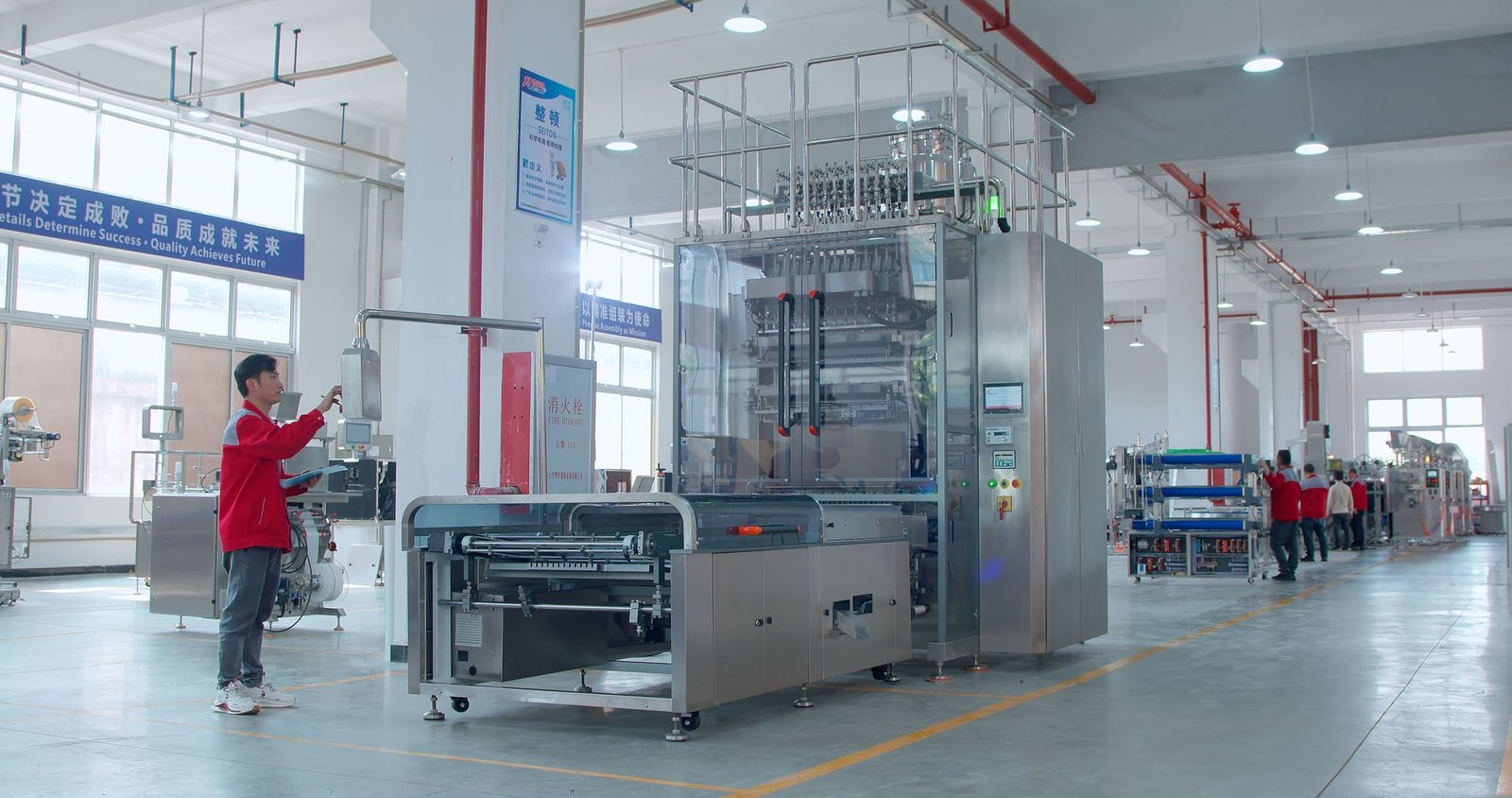
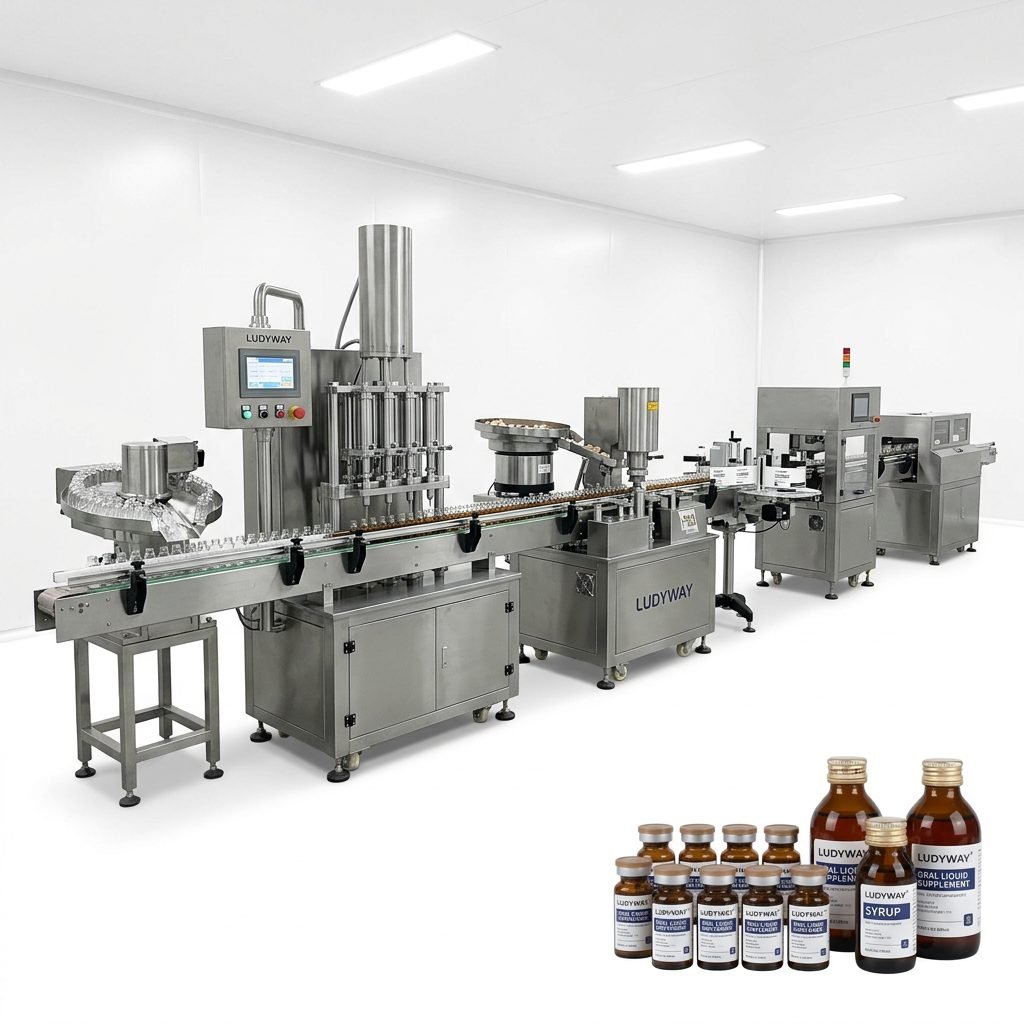
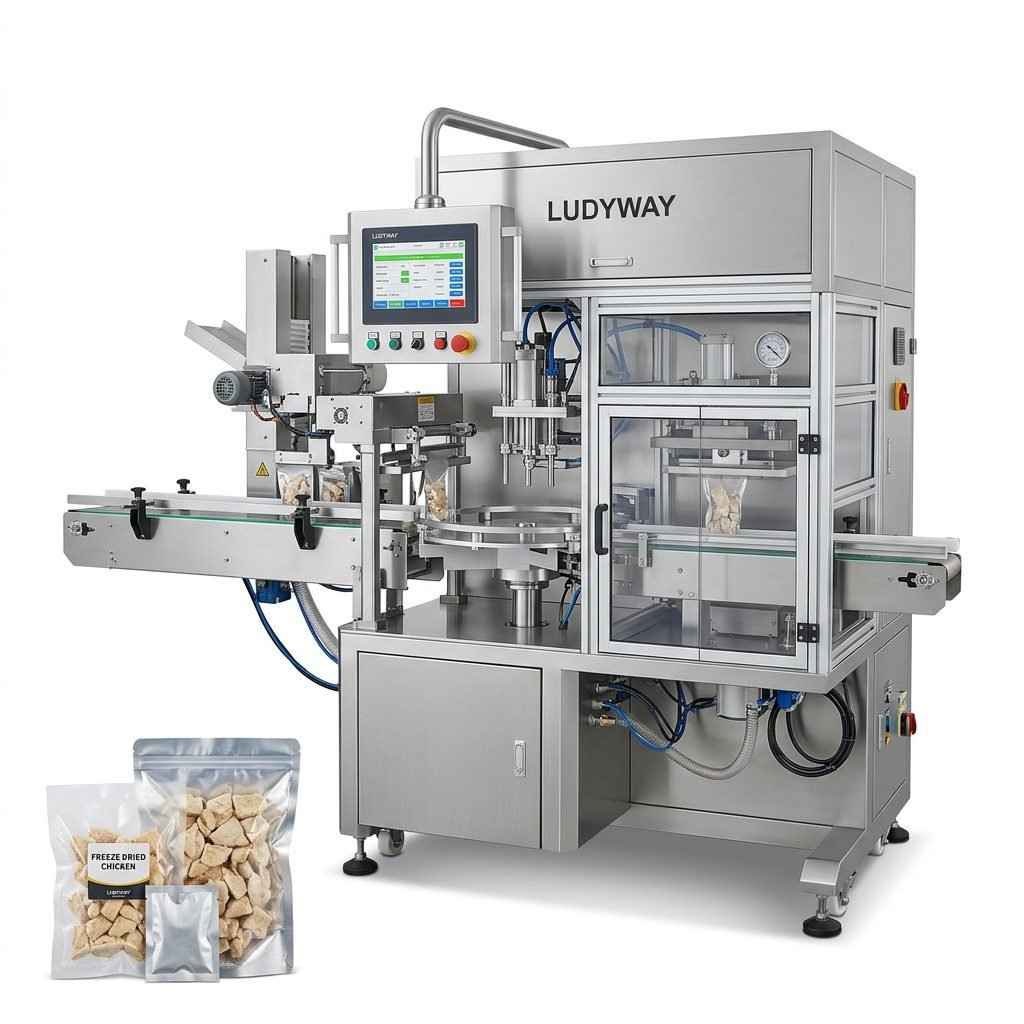
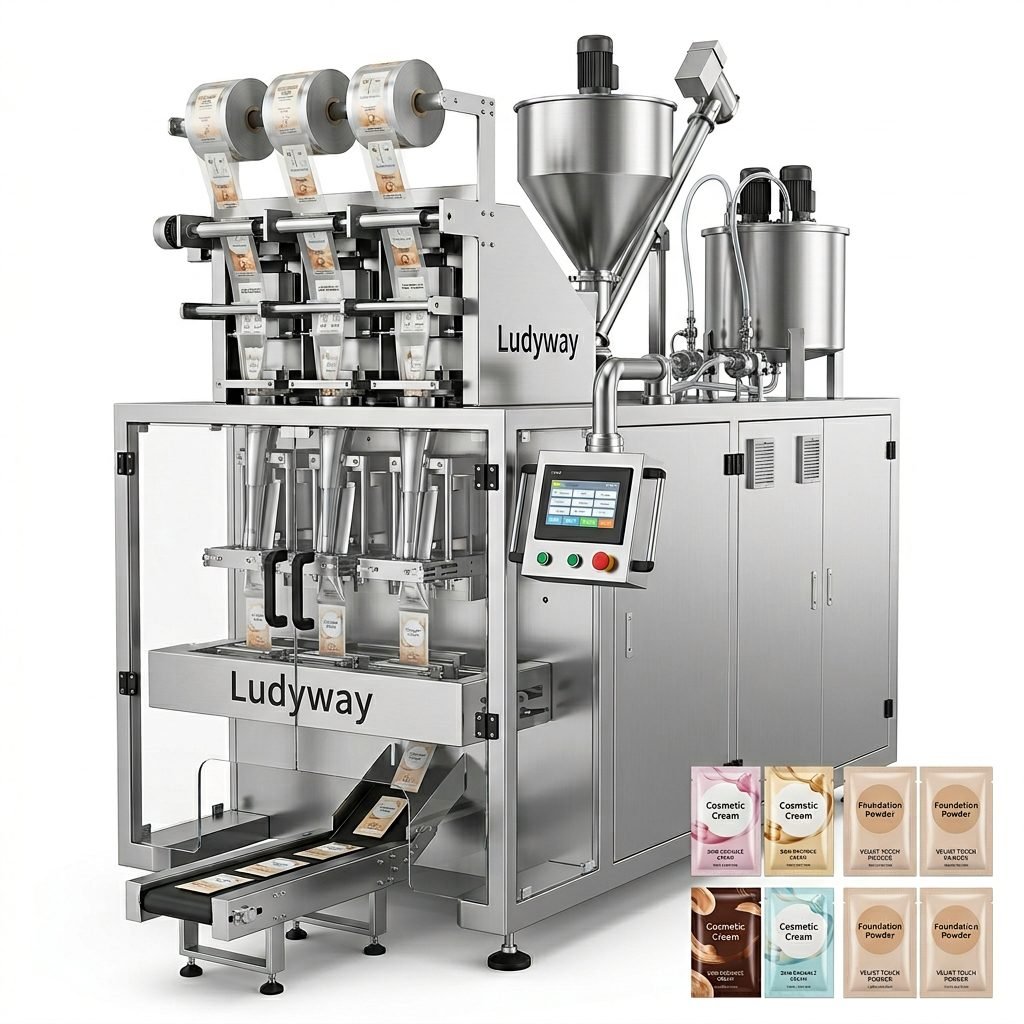
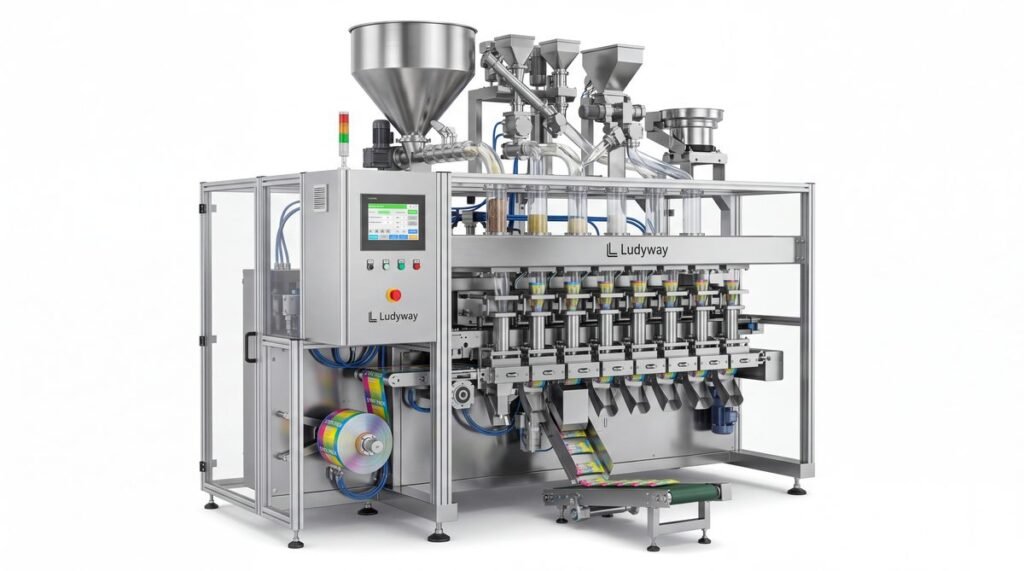
For pharmaceutical manufacturers seeking a customized approach to packaging automation, working with an experienced supplier that offers both standard and turnkey packaging solutions can streamline the entire procurement and deployment process. Ludyway Machinery, with more than 30 years of packaging industry experience and a 20,000-square-meter manufacturing facility, provides pharmaceutical-grade packaging equipment designed for different products, production speeds, and regulatory environments, serving customers in over 100 countries.
Total Cost of Ownership Analysis
The purchase price of a medication unit dose packaging machine represents only a portion of the total lifecycle cost. A thorough Total Cost of Ownership (TCO) analysis should inform your procurement decision.
TCO Components to Calculate
| Cost Category | Considerations | Typical Proportion |
|---|---|---|
| Capital Equipment | Machine purchase, tooling, installation | 40-50% of TCO |
| Operating Costs | Packaging materials, energy, labor | 30-35% of TCO |
| Maintenance | Preventive maintenance, spare parts, unexpected repairs | 10-15% of TCO |
| Validation & Compliance | Initial validation, requalification, audit support | 5-10% of TCO |
Lower machine speed may sometimes deliver better OEE and lower TCO when product characteristics or changeover complexity favor reliability over raw speed.
Common Mistakes to Avoid in Equipment Selection
Learning from common procurement pitfalls can save significant time, money, and operational disruption. Experienced pharmaceutical packaging professionals consistently highlight these errors to avoid:
Underestimating Product Variability
Tablet hardness, powder density, and particle size distribution can vary between batches. Ensure your packaging machinery research accounts for real-world product variability rather than assuming ideal conditions.
Prioritizing Speed Over Reliability
The highest-speed machine on the market delivers no value if it cannot run consistently with your products and materials. Reliability and OEE should take priority over theoretical maximum speed ratings.
Overlooking Material Compatibility Testing
Never assume that seal parameters that work in lab testing will translate directly to production conditions. Comprehensive material trials at production speed are essential.
Neglecting Operator Training Requirements
Even the most advanced packaging machine requires properly trained operators. Factor training costs and learning curve time into your implementation plan.
Inadequate Future-Proofing
A machine that perfectly matches today’s requirements but cannot accommodate planned product line extensions may become a bottleneck within 2-3 years.
Key Takeaways for Your Procurement Decision
Selecting a medication unit dose packaging machine requires balancing technical specifications, regulatory compliance, operational requirements, and total cost of ownership. By systematically evaluating the factors outlined in this guide, you can make a confident, well-informed equipment decision that supports both current production needs and long-term business objectives.
The right packaging machine partner brings not just equipment but engineering expertise, validation support, and global service capabilities. For a deeper understanding of how packaging machinery manufacturers are evolving to meet global demand, explore the latest industry trend analysis from EinPressWire.
We recommend creating a detailed User Requirement Specification (URS) document before engaging with suppliers. This document should clearly define your product characteristics, throughput requirements, quality expectations, regulatory environment, and budget parameters. A well-prepared URS enables suppliers to propose appropriately configured solutions and provides an objective basis for comparing alternatives.
Invest time in the specification phase to ensure the packaging machine you select becomes a reliable production asset rather than a persistent operational challenge.