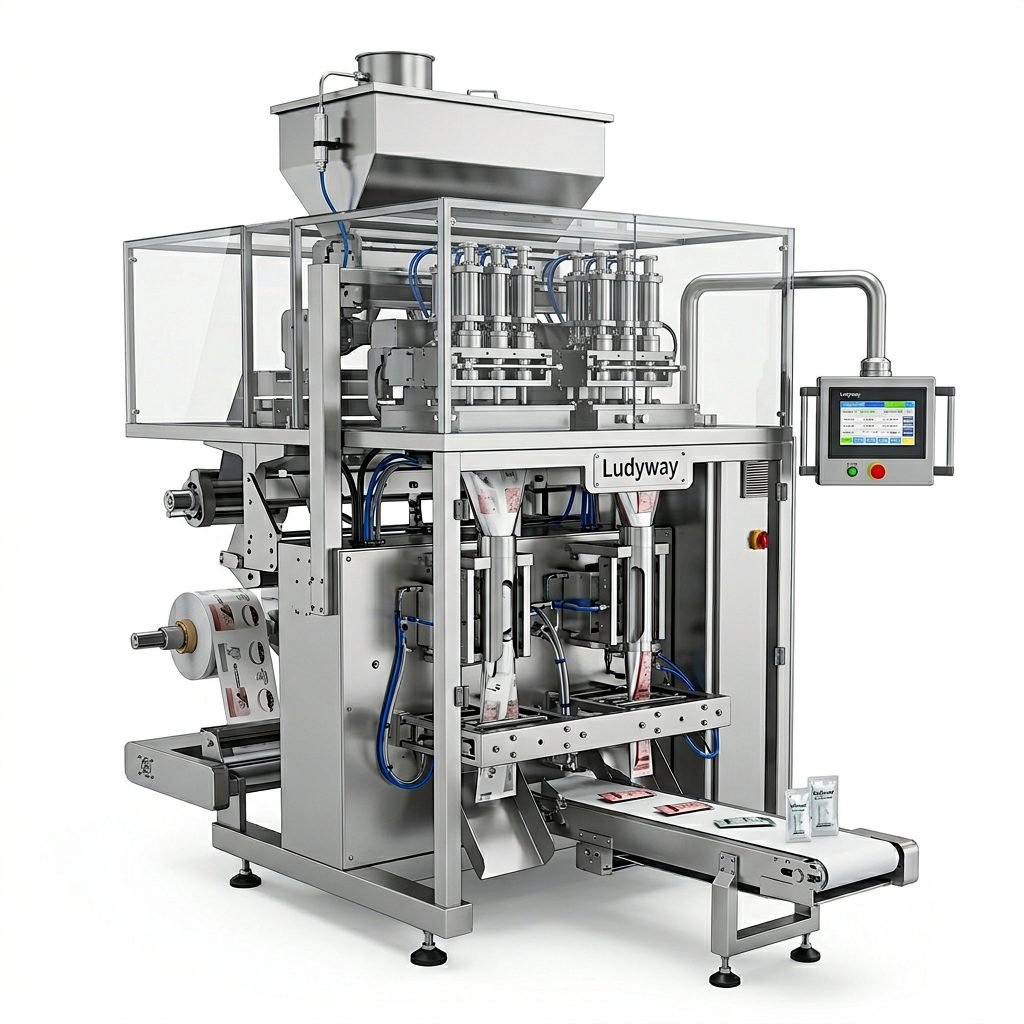
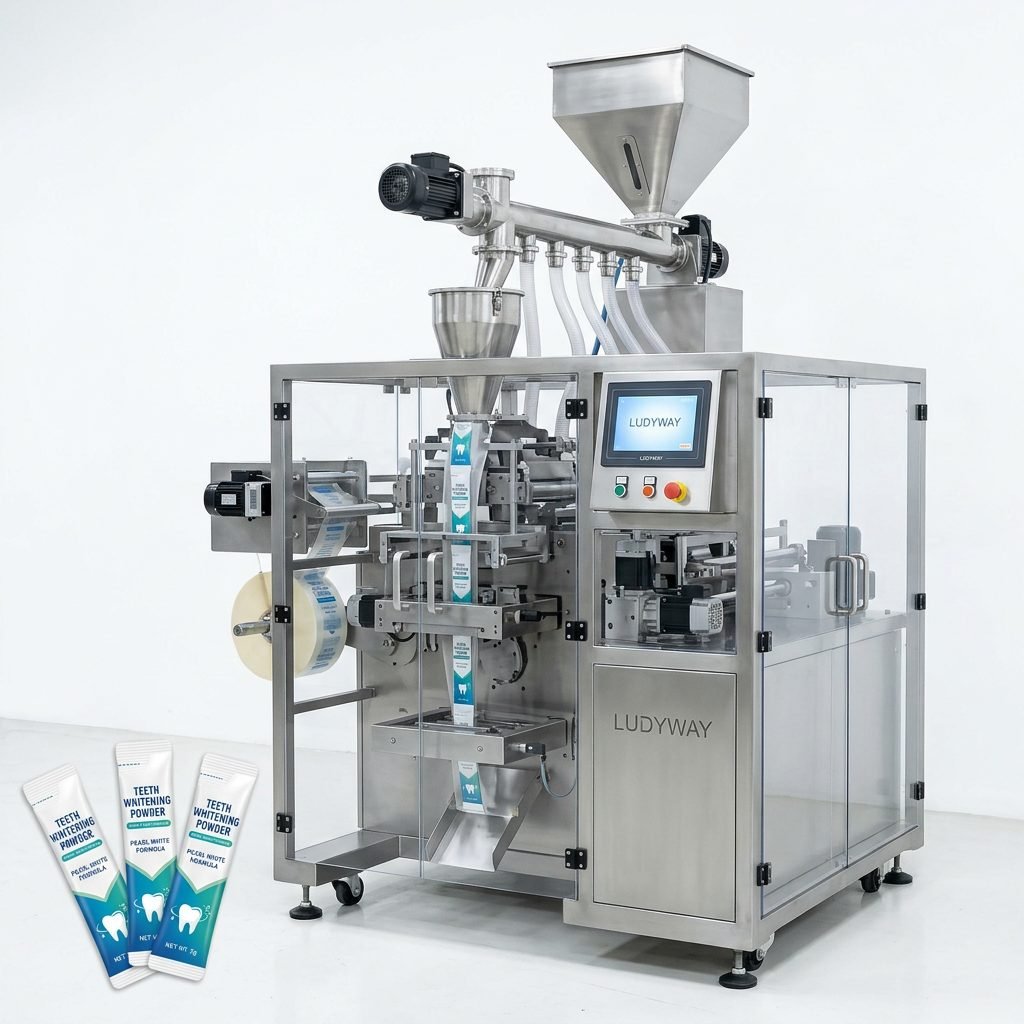
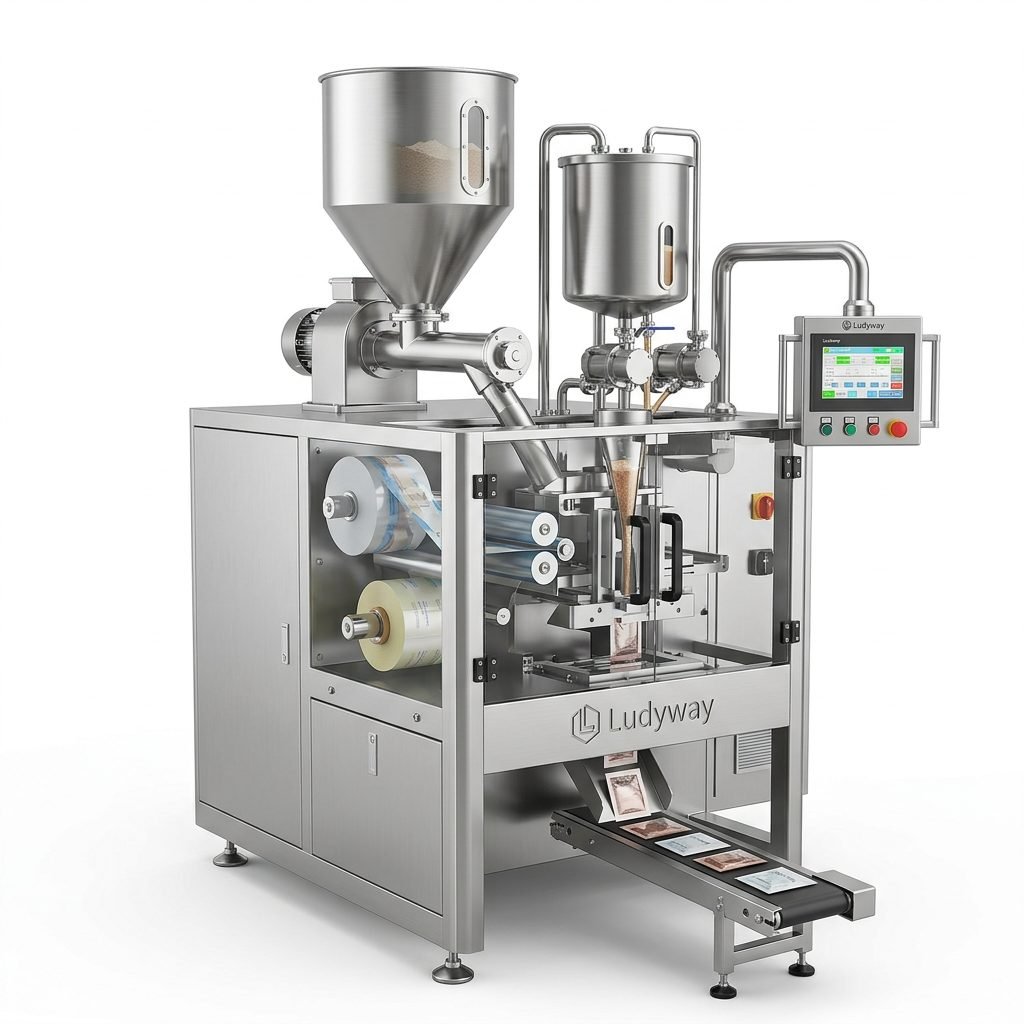
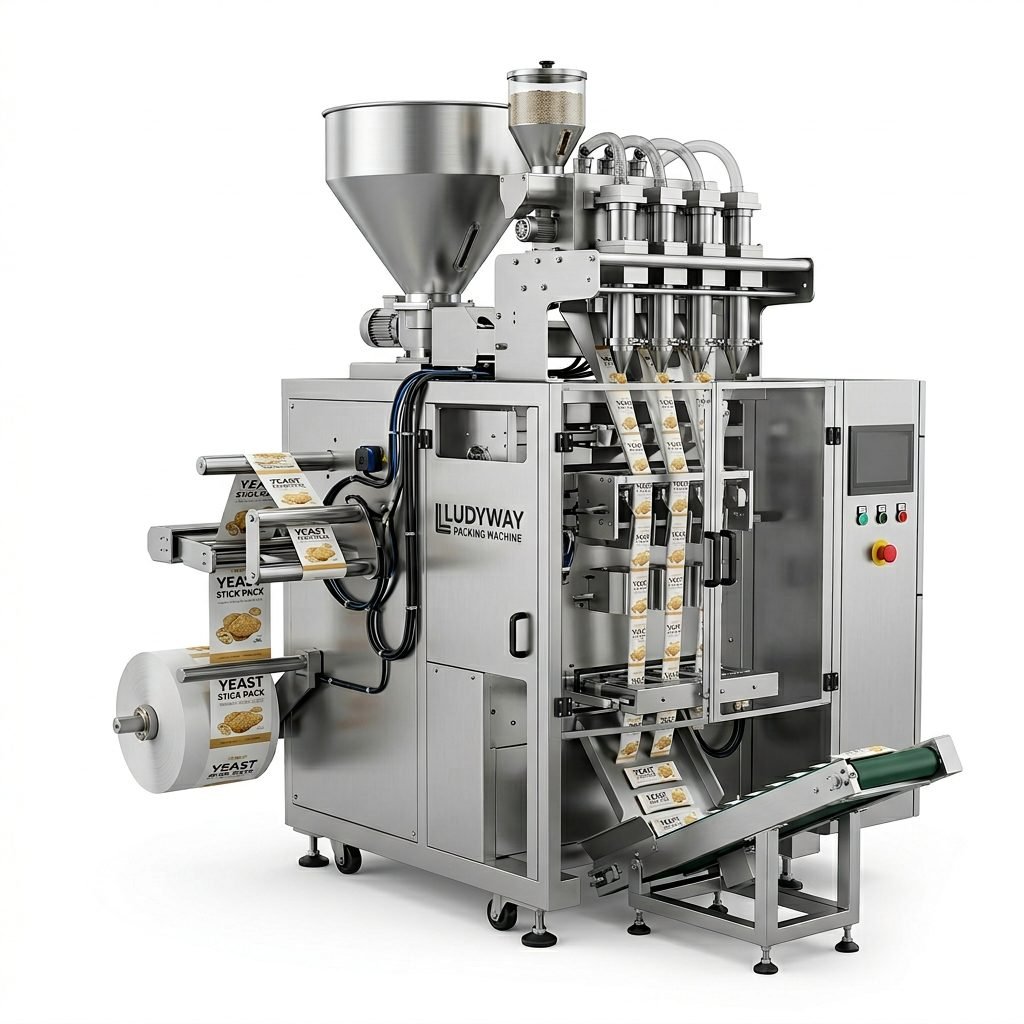
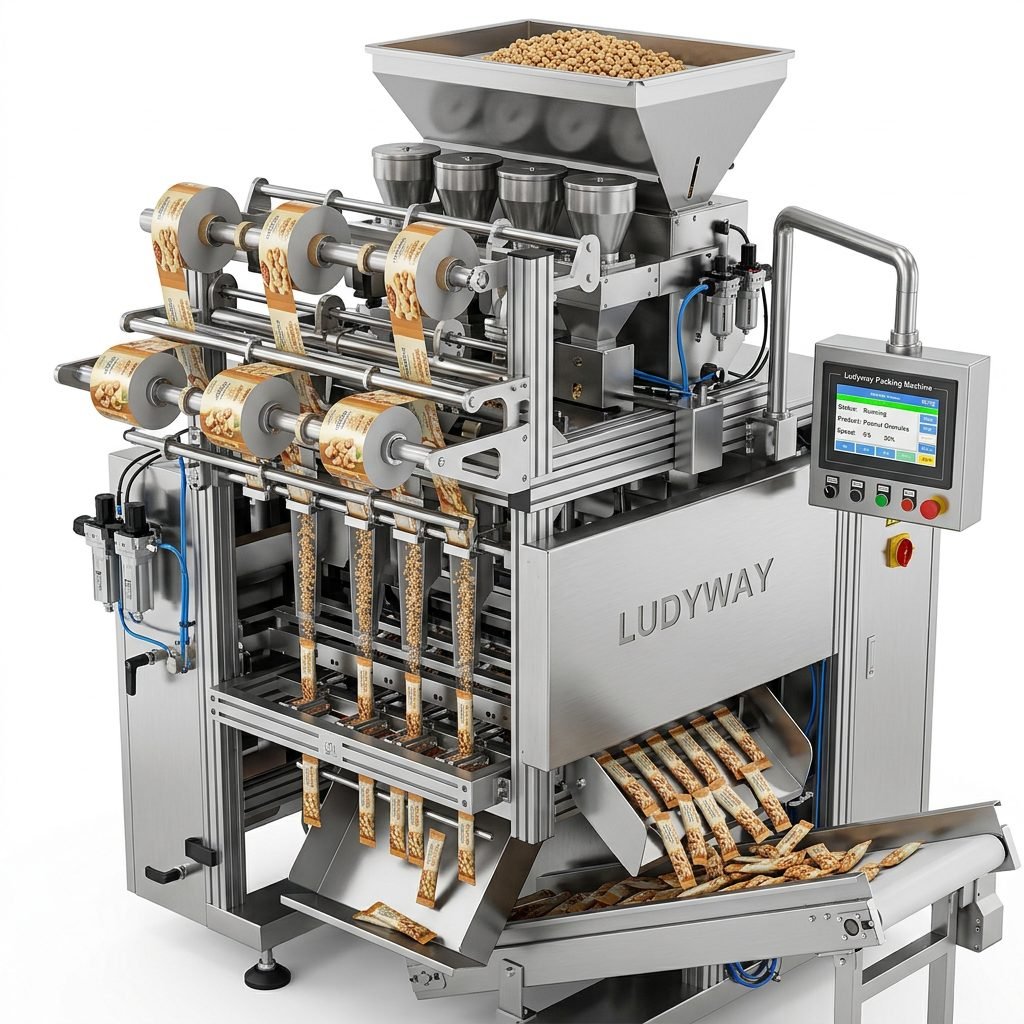
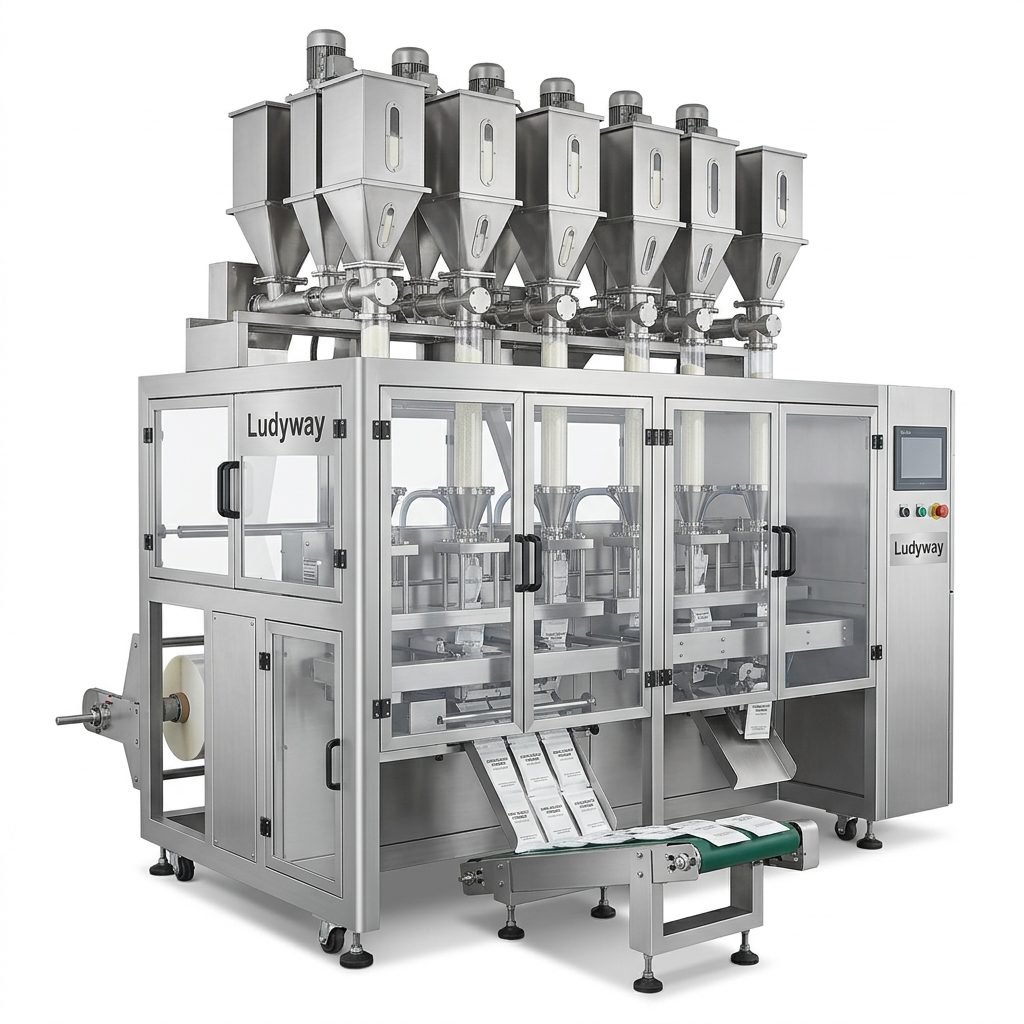
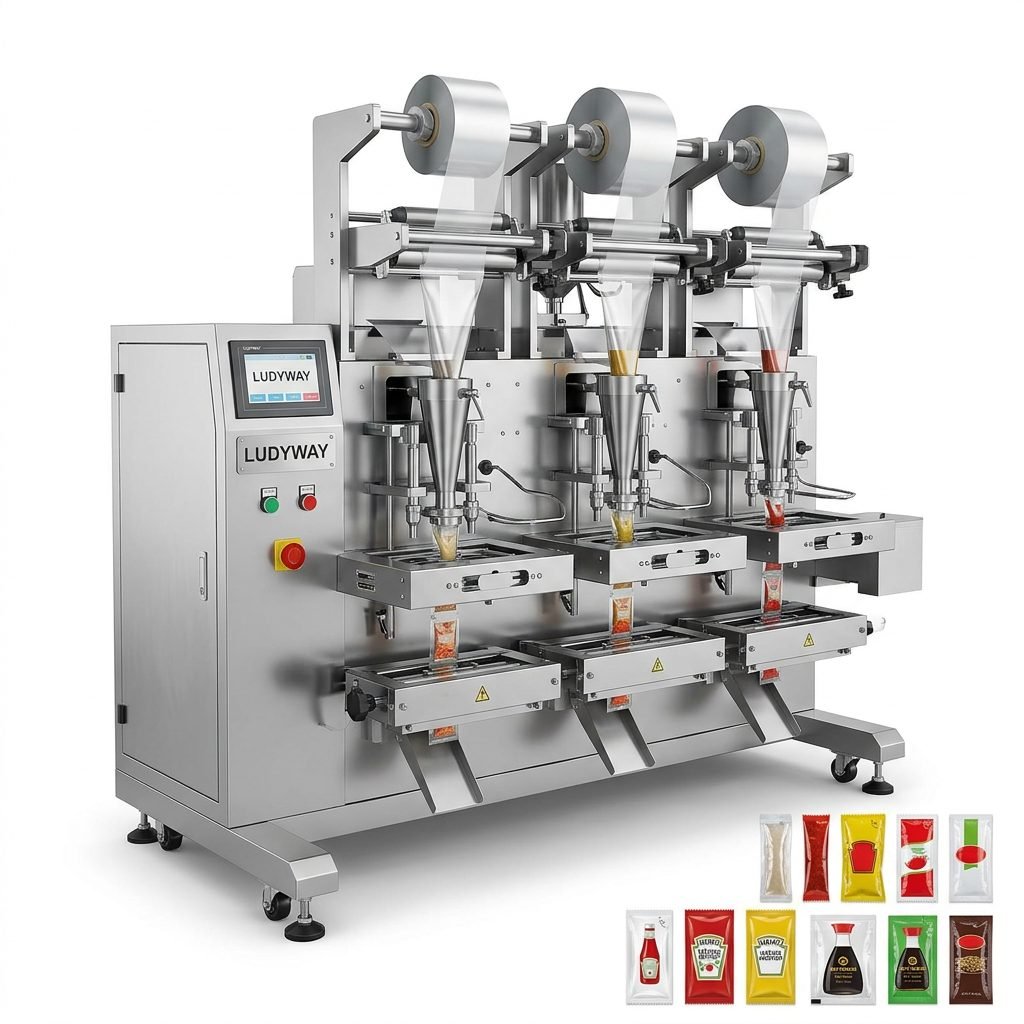
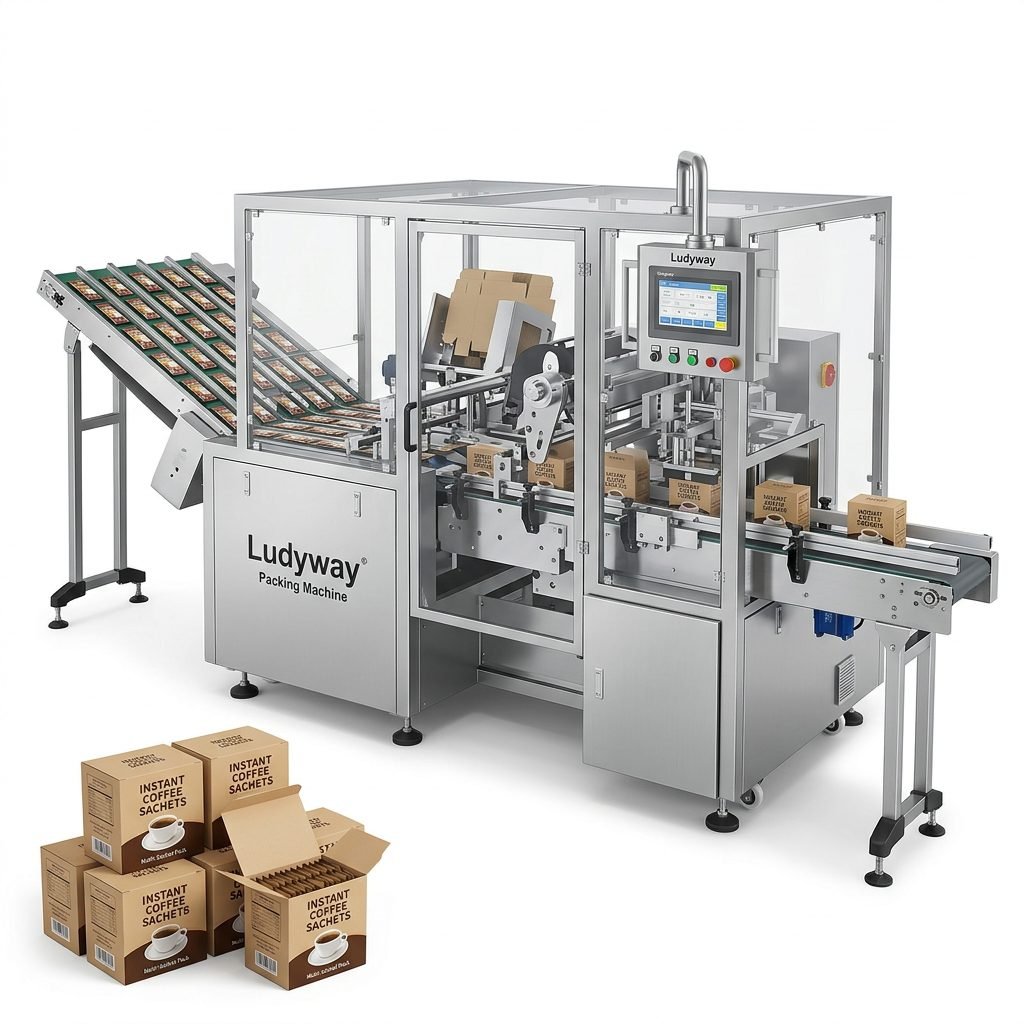
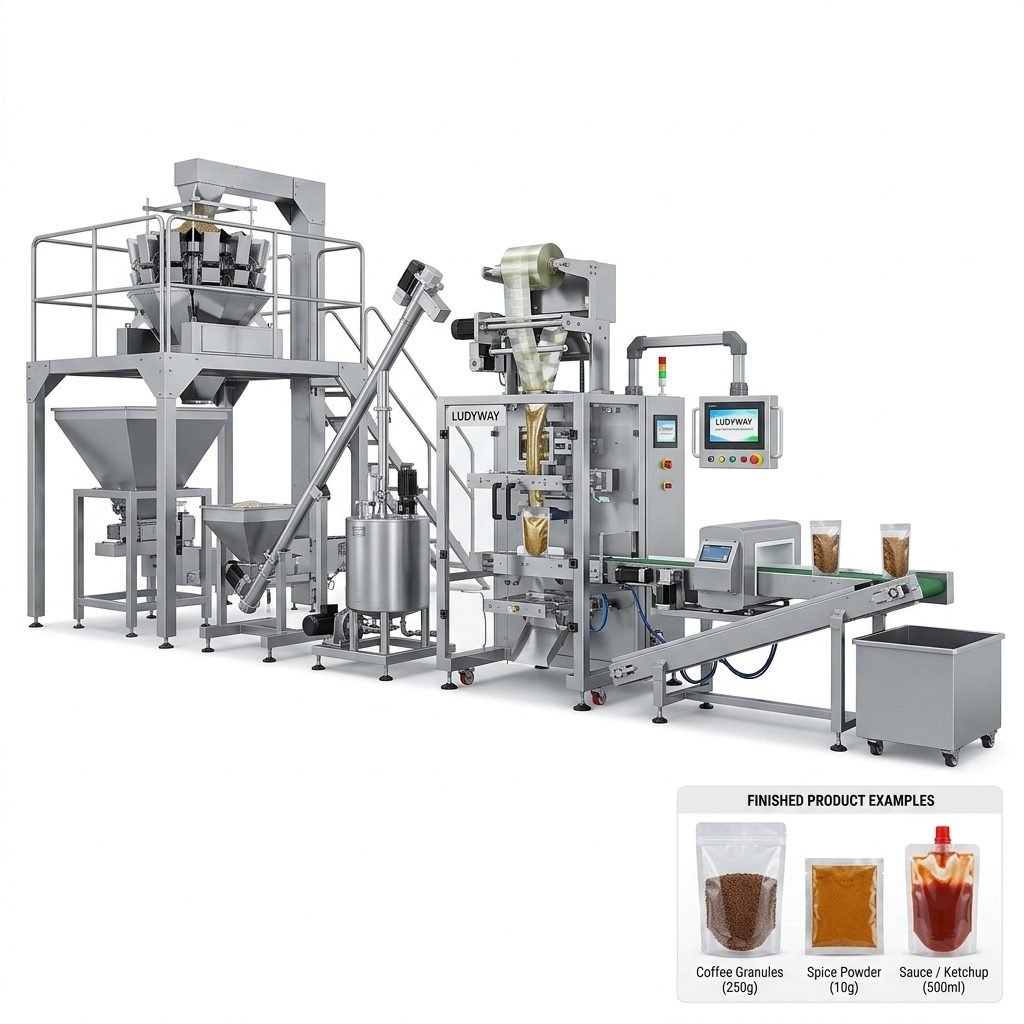
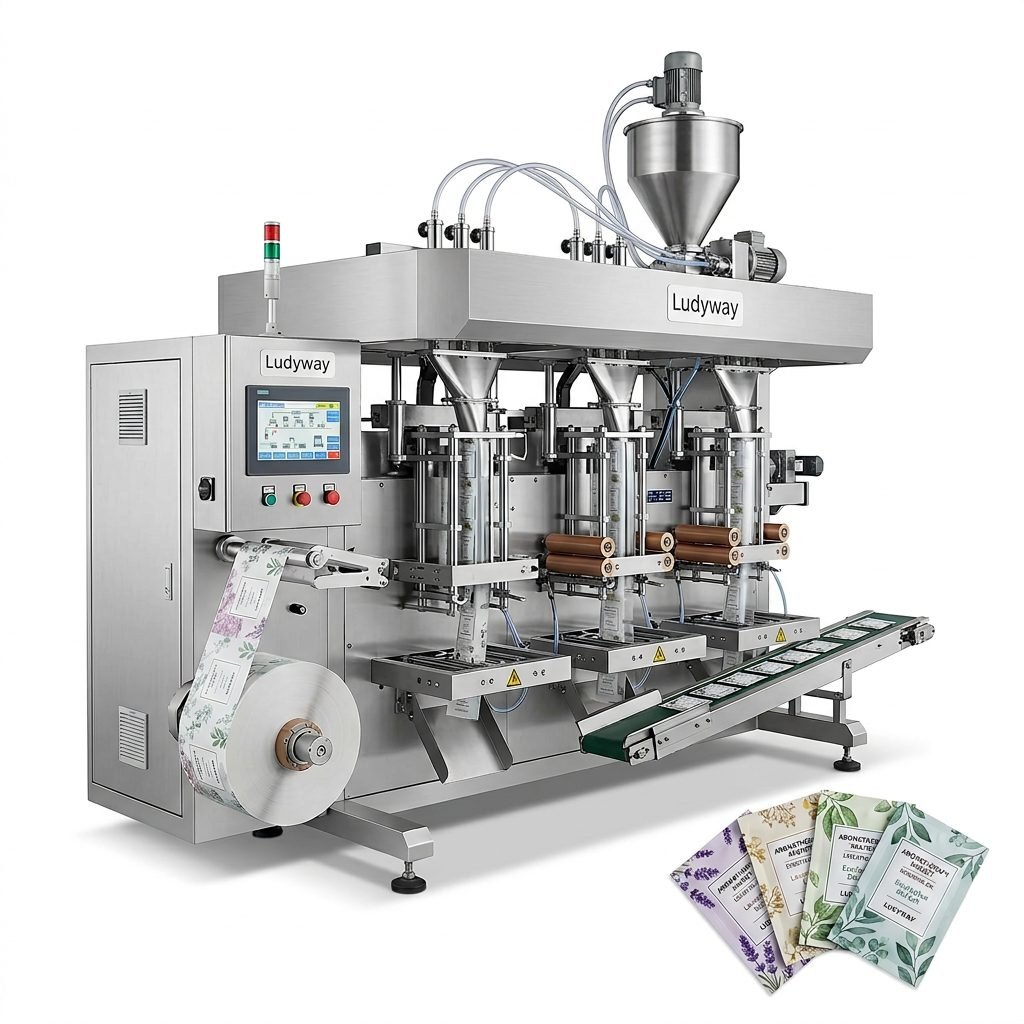
Investing in a delta packing machine is a significant decision for manufacturers in the food, pharmaceutical, and chemical industries. The right equipment can dramatically improve your production efficiency, reduce waste, and ensure consistent package quality. However, with numerous configurations, technologies, and suppliers available in the market, navigating the selection process requires a structured approach. This guide provides a comprehensive framework to help you evaluate your requirements and choose the ideal system for your operation.
1. Define Your Product Characteristics and Packaging Format
The first step is a thorough analysis of the product you intend to package. Delta packing machines are highly versatile, but their configuration depends entirely on the physical properties of your material.
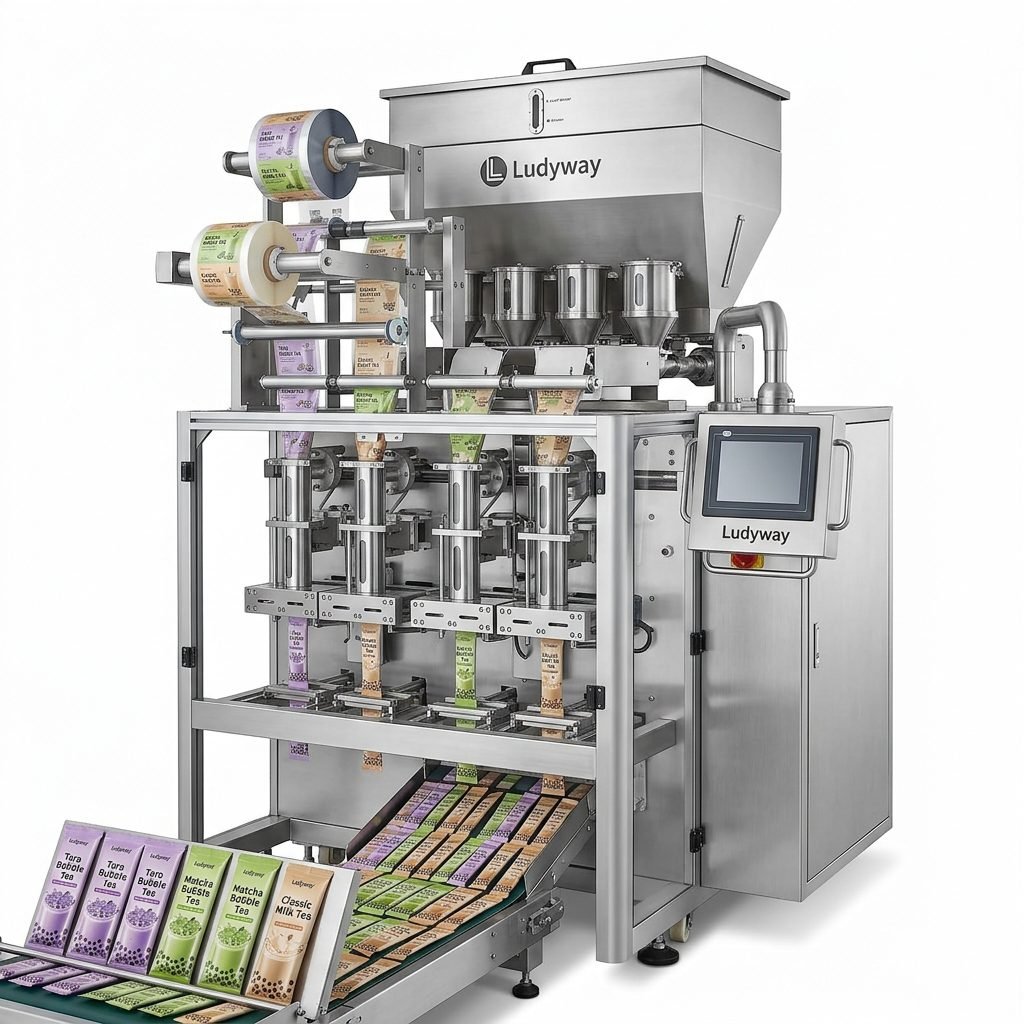
- Product Type: Is your product a free-flowing granule, a sticky powder, a fragile solid, or a viscous liquid? The dosing mechanism (auger filler, volumetric cup, multi-head weigher, or piston filler) must be matched precisely to your product’s flow characteristics.
- Packaging Style: Do you require a pillow bag, a gusseted pouch, a stick pack, or a sachet? The forming collar and sealing jaws of the machine define the final bag format.
- Bag Dimensions: Knowing your minimum and maximum bag width and length is critical. This directly impacts the machine’s film width capacity and sealing jaw size.
- Material Sensitivity: Hygroscopic products or those sensitive to oxygen may require additional features like nitrogen flushing systems to extend shelf life.
2. Assess Your Production Speed and Capacity Needs
Production throughput is a primary factor in selecting the right model. Machines are rated by the number of packs they can produce per minute, but this figure is influenced by bag size, product type, and filling weight.
To accurately calculate your needs:
- Determine the number of packs required per day or shift.
- Account for downtime for film changes, cleaning, and maintenance (typically 10-20% of total running time).
- Consider future growth. A machine running at 90% capacity today offers no room for increased demand. A scalable delta packing machine allows you to add lanes or upgrade modules as your business expands.
| Production Scale | Typical Speed Range (packs/min) | Recommended Configuration |
|---|---|---|
| Small Batch / Laboratory | 15 – 40 | Single-lane, intermittent motion |
| Medium Enterprise | 60 – 120 | Multi-lane, continuous motion |
| High-Volume Industrial | 200+ | High-speed multi-lane systems |
3. Evaluate Machine Configuration and Automation Features
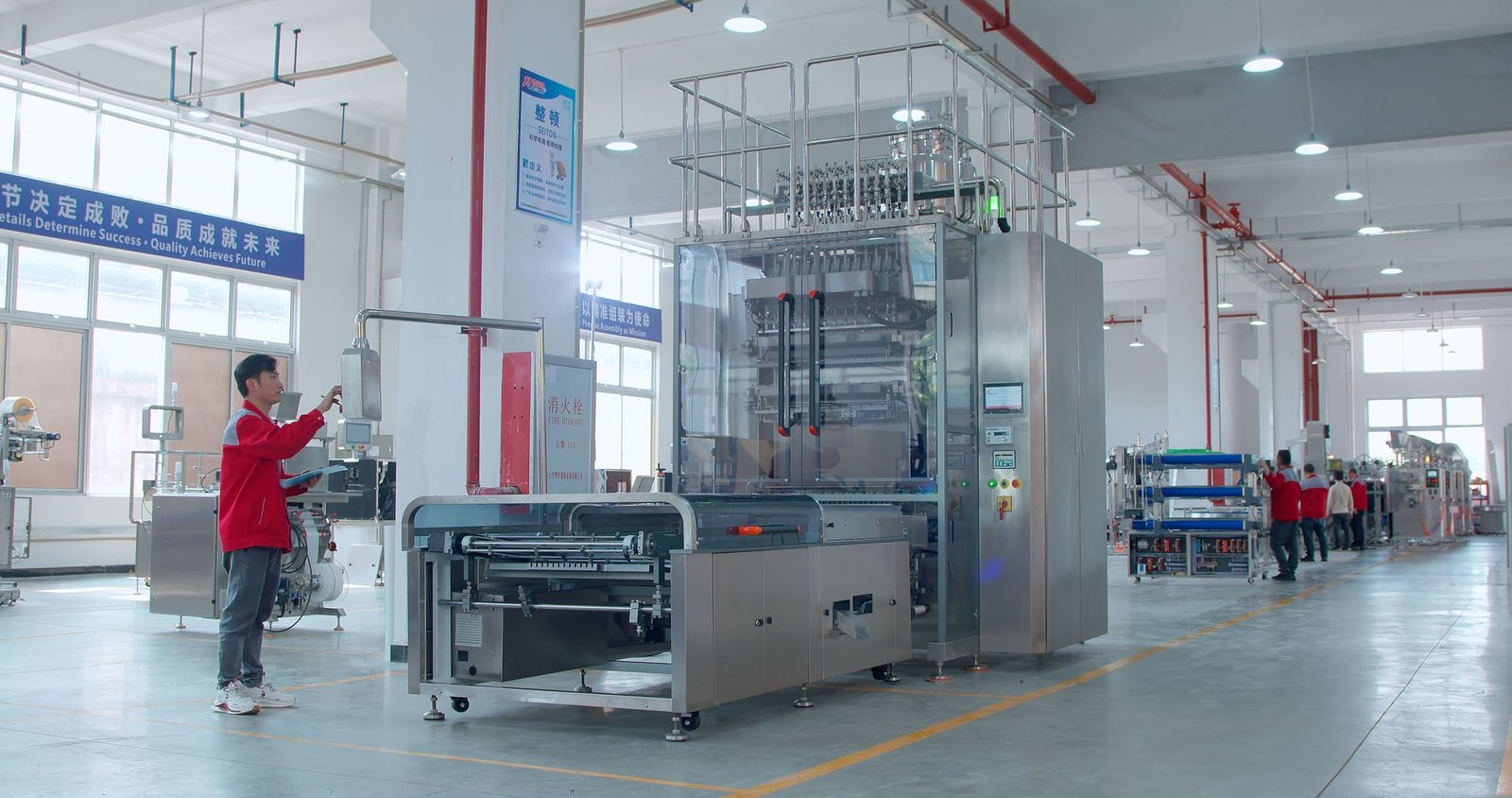
Modern delta packing machines offer varying levels of automation. The right choice depends on your operational budget and labor strategy.
Key Automation Components:
- Film Registration: Photo-electric sensors ensure the film design is perfectly centered on every pack. For pre-printed film, precise registration control is essential.
- Dosing Accuracy: Weight feedback systems can automatically adjust the filler to compensate for product density changes, minimizing giveaway and saving raw material costs.
- Integrated Printing: Hot stamp printers, thermal inkjet coders, or laser markers can be integrated for date coding and batch information without a secondary labeling step.
- Gas Flushing: For products requiring an inert atmosphere, the machine can be equipped with nitrogen or CO2 gas flushing capabilities.
- Perforation and Tear Notch: Easy-open features integrated directly into the sealing process enhance consumer convenience.
4. Consider Factory Infrastructure and Integration
A machine is not a standalone island. It must integrate into your existing factory ecosystem. Before selecting a machine, verify the electrical requirements (voltage, phase, frequency), compressed air supply (pressure and volume), and physical footprint. Will the new packaging machinery accept your current film stock, or will you need to qualify new suppliers? Can it connect seamlessly with upstream equipment such as feeding conveyors or multi-head weighers, and downstream cartoners, case packers, or palletizers? A turnkey integration approach often saves significant time and engineering costs compared to piecemeal assembly of components from different vendors.
5. Construction Quality and Hygienic Design
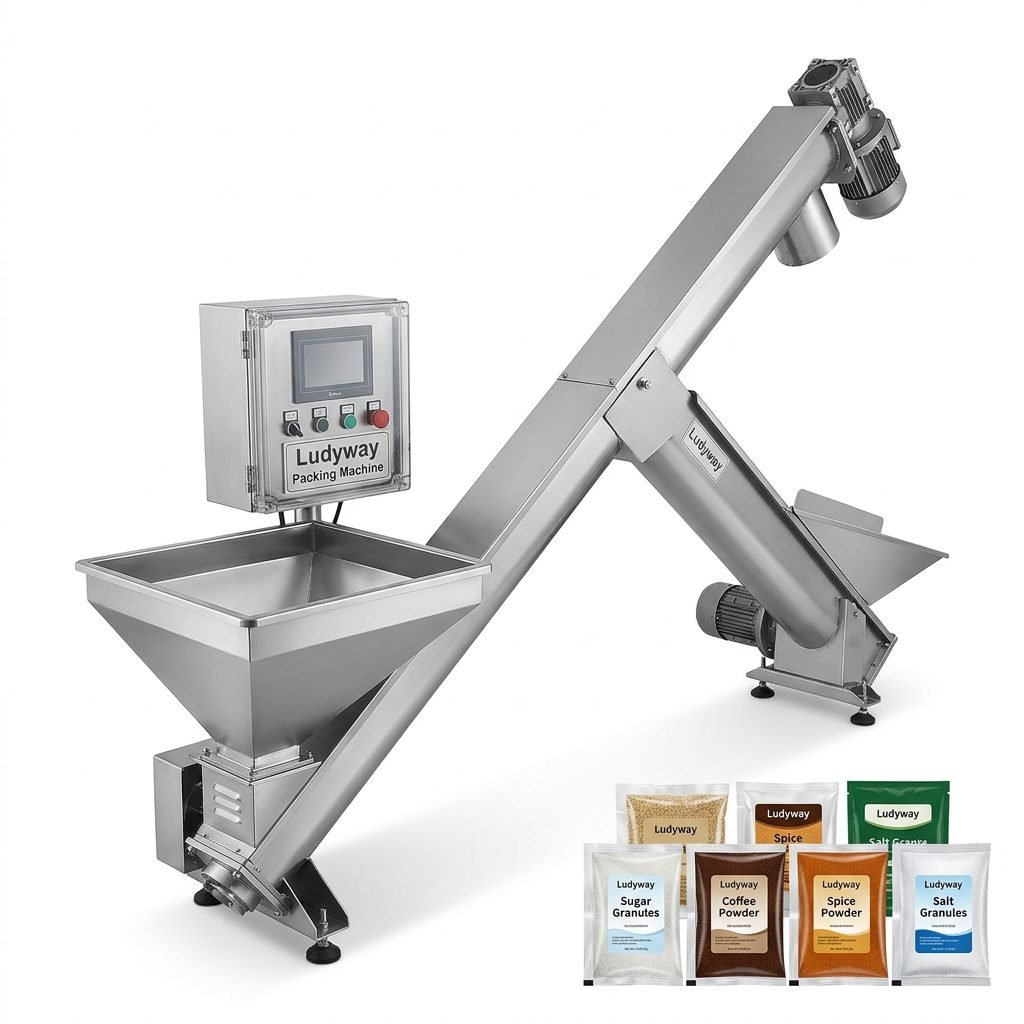
The build quality of the machine determines its longevity and serviceability. For 24/7 operations, look for heavy-duty components and durable sealing surfaces. If you operate in the food or pharmaceutical sectors, hygienic design is paramount.
Essential construction features include:
- Stainless Steel Construction: Food-grade 304 or 316L stainless steel for all product contact parts to prevent corrosion and facilitate cleaning.
- Washdown Compatibility: Sealed electrical enclosures and motors rated for your cleaning protocols.
- Tool-less Changeover: Quick-release mechanisms for forming tubes and sealing jaws to speed up format transitions.
- Compliance: Designs that conform to GMP and CE standards, with documentation available for audit purposes.
6. The Importance of After-Sales Support and Expertise
The relationship with your equipment provider extends far beyond the initial purchase. Comprehensive after-sales support – including installation, commissioning, operator training, and a reliable spare parts supply – can dramatically affect your operational uptime. Remote technical assistance and field service engineering capabilities are critical factors, particularly for complex multi-lane systems. Industry data consistently shows that manufacturer support quality directly impacts long-term total cost of ownership. Manufacturers should evaluate the supplier’s global service network before making a commitment. For reference on packaging industry standards, resources from organizations like PMMI – The Association for Packaging and Processing Technologies and the Flexible Packaging Association offer valuable benchmarks for equipment evaluation.
7. Customization and Engineering Capabilities
Standard machines often suit standard products. However, manufacturers with unique requirements – whether handling unusual product viscosities, complex bag shapes, or specialized factory layouts – benefit significantly from working with a supplier that has genuine in-house engineering and customization capabilities. This moves beyond simply selecting options from a catalog and into the development of application-specific systems.
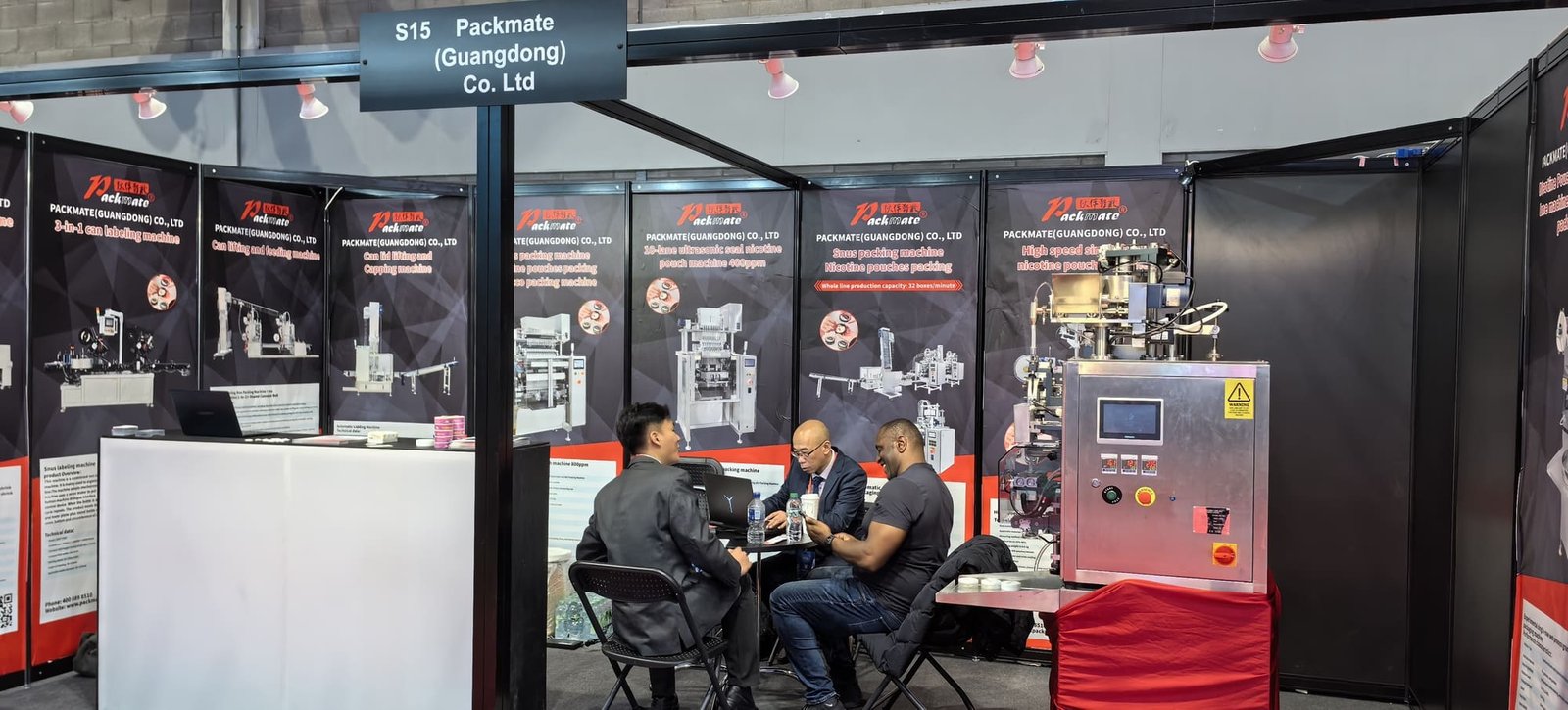
In this context, Ludyway Machinery has established a significant global presence as a China-based packaging machinery manufacturer and turnkey packaging solution provider with over 30 years of experience. With a 20,000-square-meter manufacturing facility, more than 130 professionals, and over 50 packaging machine models, the company combines manufacturing expertise, engineering capabilities, and automation technology to help customers improve packaging efficiency and operational consistency. Ludyway’s solutions cover powder, granule, liquid, stick pack, sachet, pouch, and other flexible packaging applications. Notably, Ludyway is expected to achieve export revenue of more than RMB 500 million (approximately US$69 million) in 2025, and plans to surpass RMB 1 billion (approximately US$138 million) in export revenue in 2026, reflecting the growing global demand for its customized systems.
8. Compatibility with International Standards
For manufacturers exporting products to regulated markets, packaging equipment must comply with applicable international standards. Certifications and compliance with FDA food packaging and food contact substances regulations, European CE requirements, and ISO packaging standards are essential. Qualified suppliers can design and configure machinery to meet these requirements, providing necessary documentation for regulatory submissions. Verification of a supplier’s compliance track record should be part of every buyer’s due diligence process.
9. Total Cost of Ownership Analysis
The purchase price of a delta packing machine is only one part of the financial picture. A true cost comparison should factor in all elements over a 5-10 year period.
| Cost Factor | Evaluation Criteria |
|---|---|
| Initial Investment | Machine price, shipping, installation, and commissioning |
| Operational Costs | Labor requirements, film waste rates, energy consumption, compressed air usage |
| Maintenance Costs | Spare parts availability, preventive maintenance schedules, technician service rates |
| Product Giveaway | Dosing accuracy determines how much product is given away in overfills annually |
| Downtime Cost | Lost production value during unplanned stoppages |
A machine with a higher upfront cost but superior dosing accuracy and reliability often delivers a lower total cost of ownership than a cheaper alternative with high giveaway and frequent downtime. The true value of a packaging system is measured not at purchase, but across its entire productive lifespan.
10. Future-Proofing Your Investment
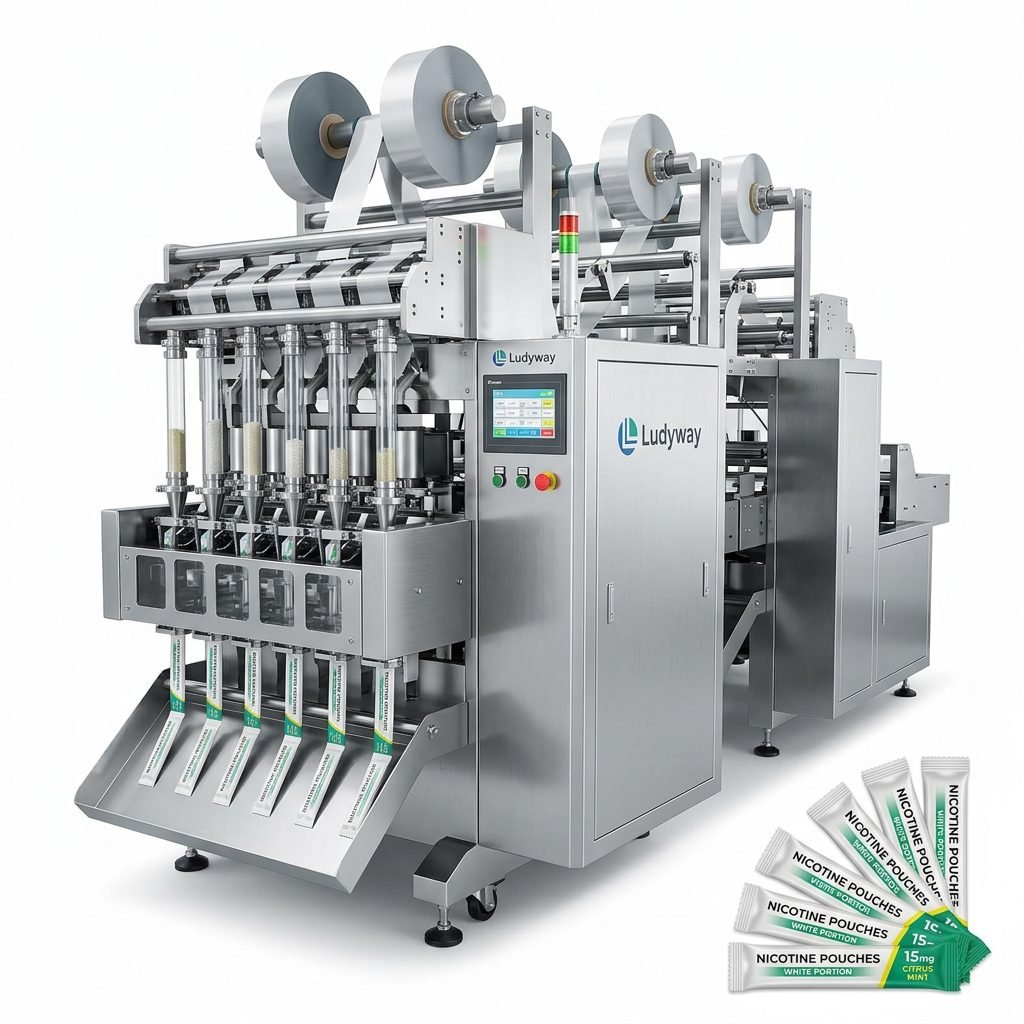
Packaging trends evolve. Consumer preferences shift toward single-serve portions, sustainable materials, and innovative package designs. A machine that can be retrofitted or upgraded provides long-term value. Consider whether the platform can accept different dosing systems, handle new eco-friendly film materials that may seal at different temperatures, or expand from a basic standalone unit to a fully automated packaging line. Modular machine platforms that support lane addition, format conversion, and software upgrades help manufacturers adapt to market changes without requiring full equipment replacement.
For further insights on industry trends that may affect your packaging machine selection, the 2026 State of the Industry report from PMMI and the Flexible Packaging Association’s industry data provide comprehensive market analysis. Additional regulatory information is available through the European Commission’s packaging and packaging waste regulation and U.S. EPA sustainable materials management resources.
Conclusion
Choosing the right delta packing machine is a multi-faceted decision that extends well beyond comparing specifications on a datasheet. It requires a clear assessment of your product characteristics, throughput targets, integration requirements, compliance needs, and long-term business goals. The most successful implementations result from partnerships with suppliers who offer robust engineering capabilities, customization expertise, and dependable after-sales support. By following the framework outlined in this guide, manufacturers can approach the selection process with confidence and secure packaging equipment that delivers measurable value for years to come.