Investing in a shrink sleeve packaging machine is a significant decision for any manufacturer looking to enhance product shelf appeal, provide 360-degree branding, and ensure tamper-evident protection. Unlike traditional labeling methods, shrink sleeve technology offers unmatched versatility for irregularly shaped containers, promotional multipacks, and full-body coverage. However, with a wide range of machine types, speeds, and configurations available, selecting the right equipment requires a clear understanding of your production goals, container specifications, and material requirements.
This comprehensive buyer’s guide walks you through the essential factors to evaluate before purchasing a shrink sleeve applicator or a complete shrink sleeve packaging system. From machine types and film materials to throughput calculations and integration considerations, we cover everything you need to make an informed decision.
Understanding Shrink Sleeve Packaging Technology
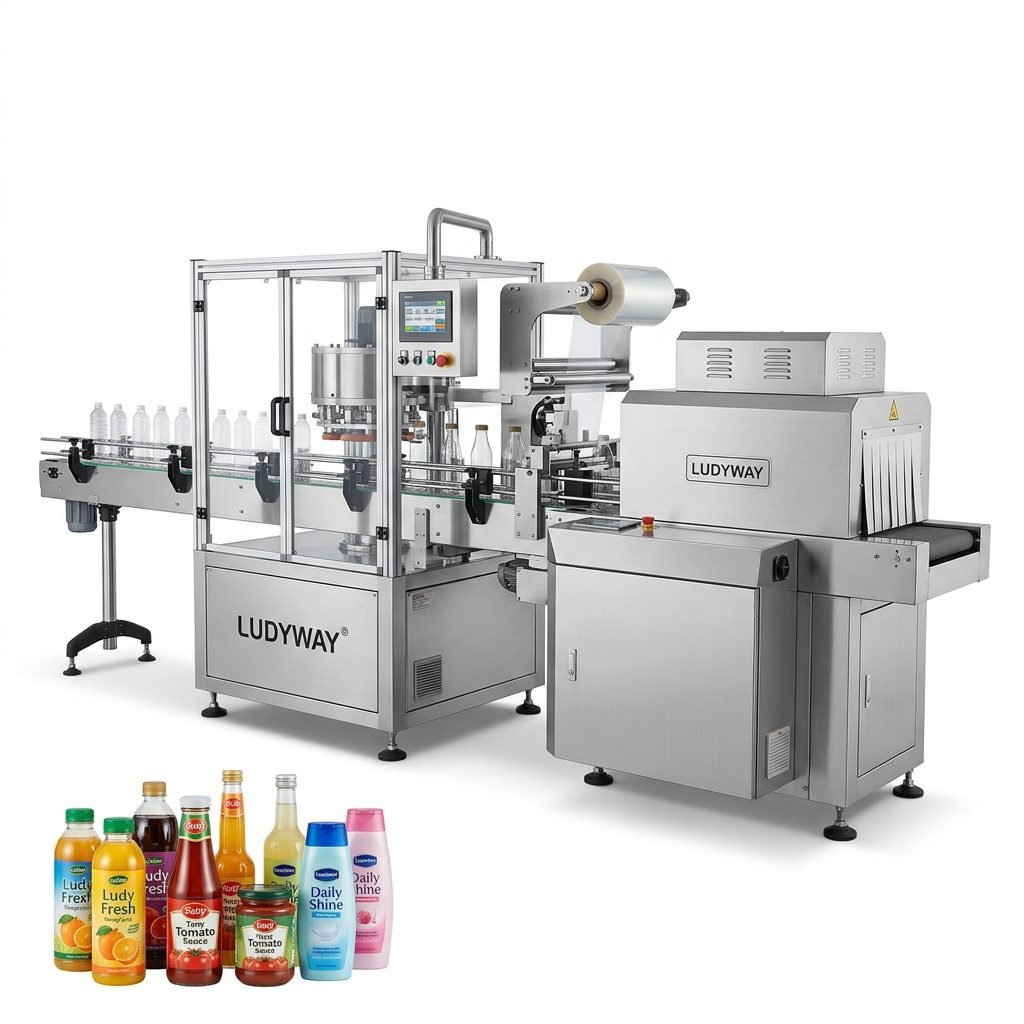
Shrink sleeve packaging involves applying a pre-printed sleeve made of heat-sensitive film around a container, then passing it through a heat shrink tunnel or steam shrink system. The heat causes the film to conform tightly to the container’s shape, creating a durable, visually appealing label that covers the entire surface — or just a portion, depending on your design.
Key benefits of shrink sleeve labeling include:
- 360-degree branding with full-body coverage, maximizing visual impact on retail shelves.
- Tamper-evident sealing through perforated bands, commonly used in pharmaceutical and food packaging.
- Conformability to complex container shapes such as contoured bottles, oval containers, and squeeze tubes.
- Multipack bundling capability, combining multiple individual units into a single promotional pack.
- Moisture and UV resistance, protecting the product and extending shelf life in demanding environments.
Types of Shrink Sleeve Packaging Machines
Choosing the right type of shrink sleeve machine depends on your container characteristics, production volume, and application method. The following table summarizes the most common configurations available on the market today.
| Machine Type | Best For | Speed Range | Key Features |
|---|---|---|---|
| Single-Head Applicator | Low to medium volume, entry-level operations | Up to 150 containers per minute | Simple operation, quick changeover, lower investment cost |
| Twin-Head Applicator | Medium to high volume, continuous production | 150–300 containers per minute | Dual mandrel design, reduced downtime during roll changes, higher throughput |
| High-Speed Rotary System | High-volume lines, beverage and FMCG industries | 300–800+ containers per minute | Servo-driven precision, minimal sleeve waste, full integration capabilities |
| Multipack Shrink Sleeve Machine | Promotional bundling, club store packs | Up to 100 packs per minute | Handles multiple container sizes, robust construction for heavier packs |
Critical Factors to Evaluate Before Buying
Container Size, Shape, and Material
The physical characteristics of your containers directly influence machine selection. Container diameter, height, and shape determine the sleeve width, cut length, and mandrel size required. Glass, plastic, and metal containers each interact differently with heat during the shrinking process, affecting tunnel temperature and dwell time settings.
Irregular or contoured shapes — such as trigger spray bottles, curved cosmetic jars, or tapered food containers — may require specialized mandrels and more precise heat control to achieve consistent sleeve positioning and shrinkage. Always test your specific container with the machine manufacturer before finalizing the configuration.
Film Material and Sleeve Specifications
The choice of shrink sleeve film significantly impacts machine performance, label appearance, and recyclability. Common materials include PVC, PETG, OPS, and PLA. Each offers different shrinkage rates, clarity levels, and environmental profiles.
According to industry resources like the Flexible Packaging Association, sustainability considerations are increasingly influencing material selection. PETG sleeves, for example, are compatible with PET bottle recycling streams when proper label-to-bottle density separation is achieved. OPS offers excellent print clarity and is preferred for high-shrink applications on complex shapes.
Production Speed and Throughput Requirements
Calculate your current and projected production volume before evaluating machine speed ratings. A common mistake is purchasing a machine that meets today’s needs without accounting for growth over the next 3–5 years. Consider shift patterns, peak season demands, and planned product line expansions.
OEE (Overall Equipment Effectiveness) considerations such as sleeve changeover time, material waste rates, and maintenance intervals should factor into your throughput calculations. A machine rated at 200 cpm may deliver only 160–170 cpm in real-world conditions, depending on operator skill and material consistency.
Heat Source: Steam vs. Electric Shrink Tunnels
The heat shrink tunnel is the second critical component of any sleeve labeling system. Steam tunnels deliver even heat distribution and are widely used for high-speed beverage and food applications. Electric hot-air tunnels offer simpler installation and lower utility requirements but may be less uniform on certain container geometries.
Steam systems generally provide faster shrinkage and better results on full-body sleeves, though they require boiler installation, water treatment, and additional utility connections. Electric tunnels are more compact and easier to integrate into smaller production spaces. The table below compares key differences.
| Feature | Steam Tunnel | Electric Hot-Air Tunnel |
|---|---|---|
| Heat Distribution | Highly uniform, ideal for full-body sleeves | Good for spot-label and partial sleeves |
| Shrink Speed | Faster, consistent results at high speeds | Moderate, may require longer dwell times |
| Installation Complexity | Requires boiler, steam lines, water treatment | Simple electrical connection, minimal setup |
| Energy Efficiency | Higher for large-scale operations | Efficient for lower-volume applications |
| Maintenance Requirements | Regular descaling and boiler upkeep | Periodic heating element inspection |
Avoiding Common Purchasing Mistakes
- Underestimating total cost of ownership. Factor in film costs, spare parts, operator training, and utility consumption over the machine’s lifespan — not just the purchase price.
- Ignoring material compatibility testing. Film formulations vary between suppliers and can behave differently on the same machine. Always conduct production trials with your intended film before committing.
- Overlooking container handling infrastructure. Conveyors, accumulation tables, inspection systems, and discharge handling must integrate seamlessly with the sleeve applicator and shrink tunnel for reliable operation.
- Neglecting maintenance access and spare parts availability. Confirm that critical components such as mandrels, cutting blades, and heating elements are readily available from the manufacturer, particularly for international operations.
Evaluating Machine Build Quality and Compliance
For manufacturers in regulated industries such as food and pharmaceuticals, machine construction must meet stringent hygiene and safety standards. Stainless steel frames, washdown-ready electrical enclosures, and food-grade lubrication are essential for sanitary environments. Equipment designed for pharmaceutical packaging may need to comply with additional validation requirements under standards like ISO 11607 for terminally sterilized medical devices.
CE marking, UL certification, and local electrical code compliance may be necessary depending on your market region. Confirm with the manufacturer that the machine can be supplied with the appropriate certifications and compliance documentation for your destination market.
Comparing Manual, Semi-Automatic, and Fully Automatic Systems
| Automation Level | Operator Involvement | Suitable For | Relative Investment |
|---|---|---|---|
| Manual | High — operator loads sleeves and containers by hand | Startups, low-volume specialty products, lab prototyping | Low |
| Semi-Automatic | Moderate — automatic sleeve cutting and placing, manual container feeding | Small to medium batches, contract packagers, cosmetic lines | Medium |
| Fully Automatic | Minimal — integrated with conveyor systems and upstream/downstream automation | High-volume production, 24/7 operations, FMCG, beverage, pharma | High |
Integration with Existing Production Lines
A shrink sleeve packaging machine rarely operates in isolation. Proper integration with upstream filling and capping equipment, downstream coding and inspection systems, and end-of-line packaging machinery is critical. Evaluate the machine’s communication protocols — such as EtherNet/IP, Profibus, or Modbus — to ensure compatibility with your plant’s existing automation architecture.
Container handling components, including infeed screws, star wheels, timing belts, and discharge conveyors, must be engineered to handle your specific container stability requirements. Tall, narrow, or top-heavy containers may require additional stabilization features such as puck systems or neck-guided transport.
Leading packaging organizations such as PMMI – The Association for Packaging and Processing Technologies provide valuable business intelligence and industry reports that can help you benchmark automation trends and packaging machinery market data, including state of the industry reports covering shrink sleeve and labeling technologies.
Selecting a Reliable Machinery Partner
Choosing the right supplier is just as important as choosing the right machine. Look for manufacturers with a documented track record in shrink sleeve labeling across industries similar to yours. Evaluate their engineering depth, customization capabilities, and willingness to provide references from existing customers in your region.
With over 30 years of experience in the packaging industry, Ludyway Machinery combines manufacturing expertise with a comprehensive portfolio of packaging solutions, including shrink sleeve packaging machines and integrated production line systems. The company’s 20,000-square-meter manufacturing facility and team of over 130 professionals serve customers across more than 100 countries, providing customized configurations that match specific container types, speed requirements, and factory layouts.
Beyond initial machine delivery, confirm that your chosen partner provides installation support, operator training, ongoing technical assistance, and spare parts availability. Remote diagnostic capabilities and rapid-response service teams can significantly reduce downtime in the event of an issue.

Frequently Asked Questions
What is the difference between shrink sleeve and stretch sleeve labeling?
Shrink sleeve labeling uses heat to shrink the film onto the container, while stretch sleeve labeling uses mechanical stretching and elastic recovery to hold the label in place — no heat required. Shrink sleeves offer better conformability to complex shapes and are preferred for full-body coverage. Stretch sleeves are more energy-efficient but limited to cylindrical containers with moderate tamper-evident needs.
How do I calculate the correct sleeve size for my container?
Sleeve layflat width is calculated using the container’s maximum circumference plus an overlap allowance, then dividing by two. The cut length depends on the desired coverage height and any perforation positions. Your sleeve film supplier can provide precise recommendations based on container measurements and the machine’s mandrel specifications.
Can shrink sleeve machines handle recycled or biodegradable films?
Yes, many modern machines are compatible with sustainable film options including recycled-content PETG and bio-based PLA. However, these materials may require adjusted mandrel friction settings, cutting blade sharpness, and tunnel temperature profiles. Work with both your film supplier and machine manufacturer to optimize settings for alternative materials.
How often should I replace cutting blades and wear components?
Blade life depends on film thickness, abrasiveness, and daily production volume. Typical replacement intervals range from 3 to 12 months, though high-volume operations with abrasive films may require more frequent changes. Preventative maintenance schedules should include regular inspection of blades, mandrel surfaces, sealing bars, and tunnel heating elements.
For further information on packaging machinery standards, regulatory requirements, and industry best practices, we recommend reviewing resources from the Flexible Packaging Association, European Commission packaging regulations, and U.S. EPA sustainable materials management resources.
Selecting the right shrink sleeve packaging machine requires careful evaluation of your products, production environment, and long-term business objectives. By systematically assessing container characteristics, material options, throughput needs, and integration requirements, you can identify a solution that delivers consistent performance, strong brand presentation, and solid return on investment for years to come.