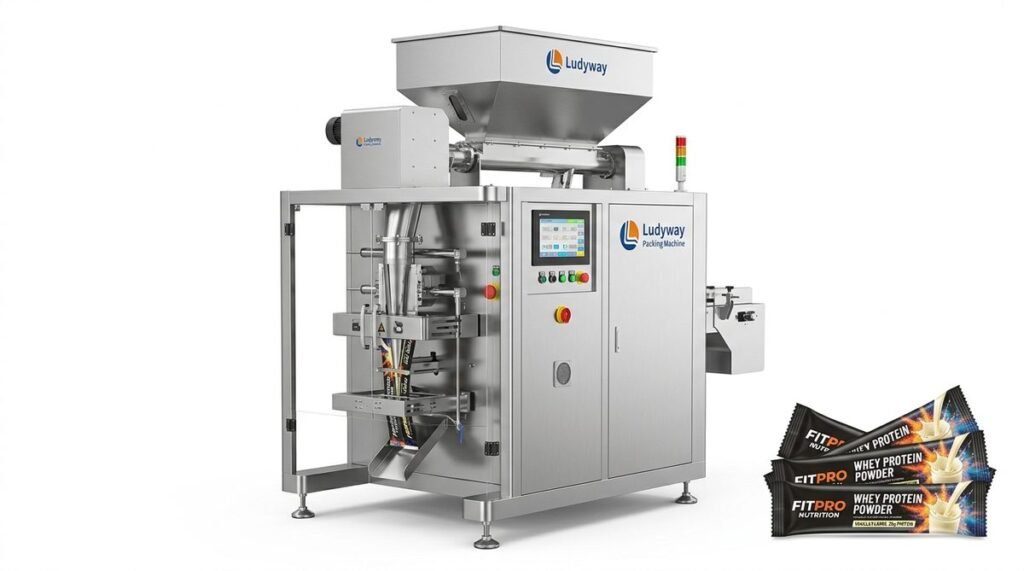
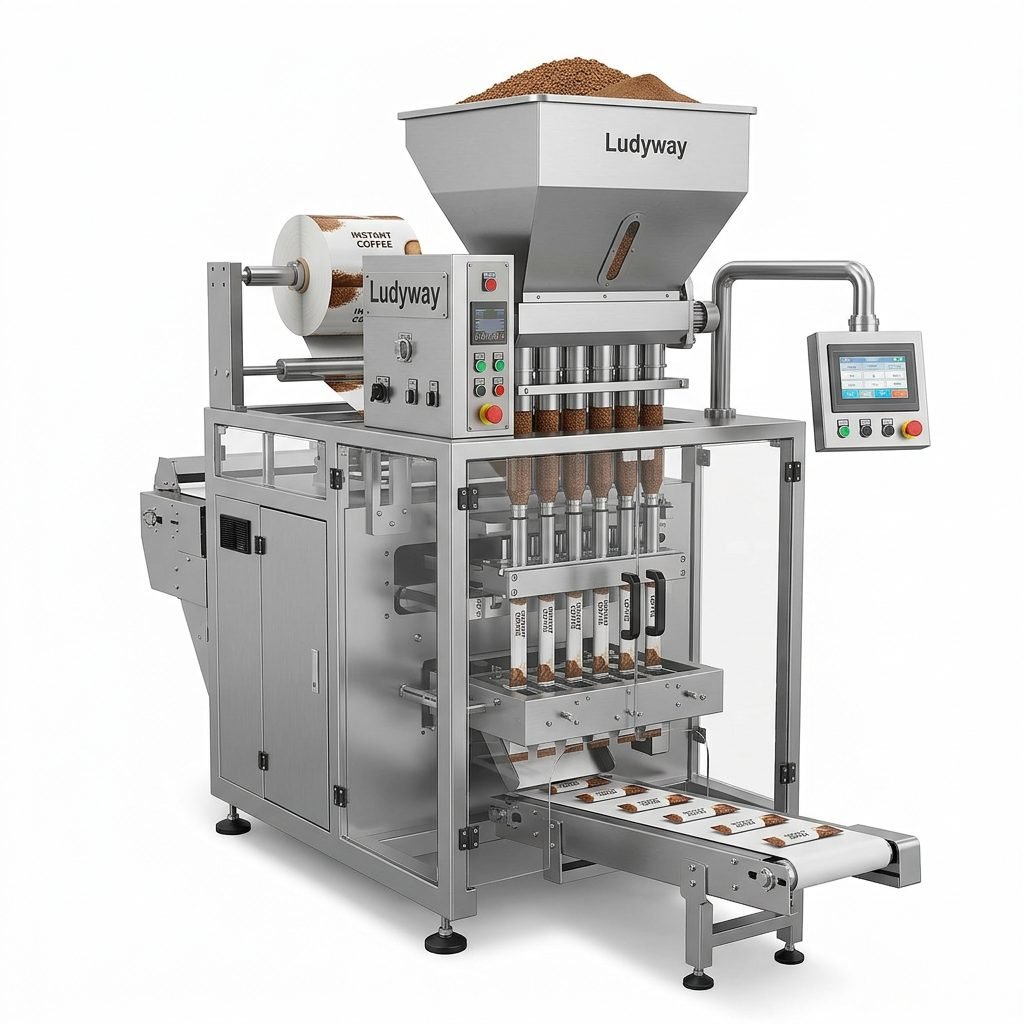
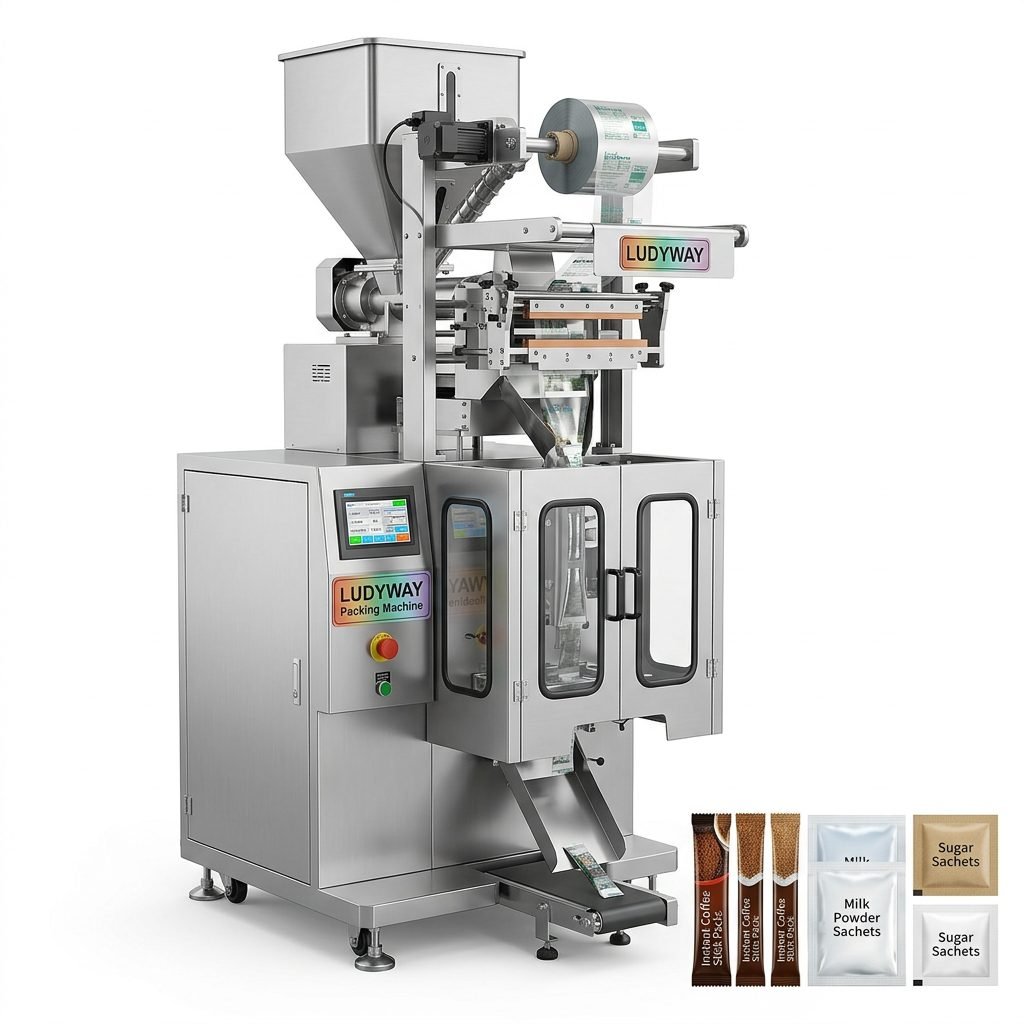
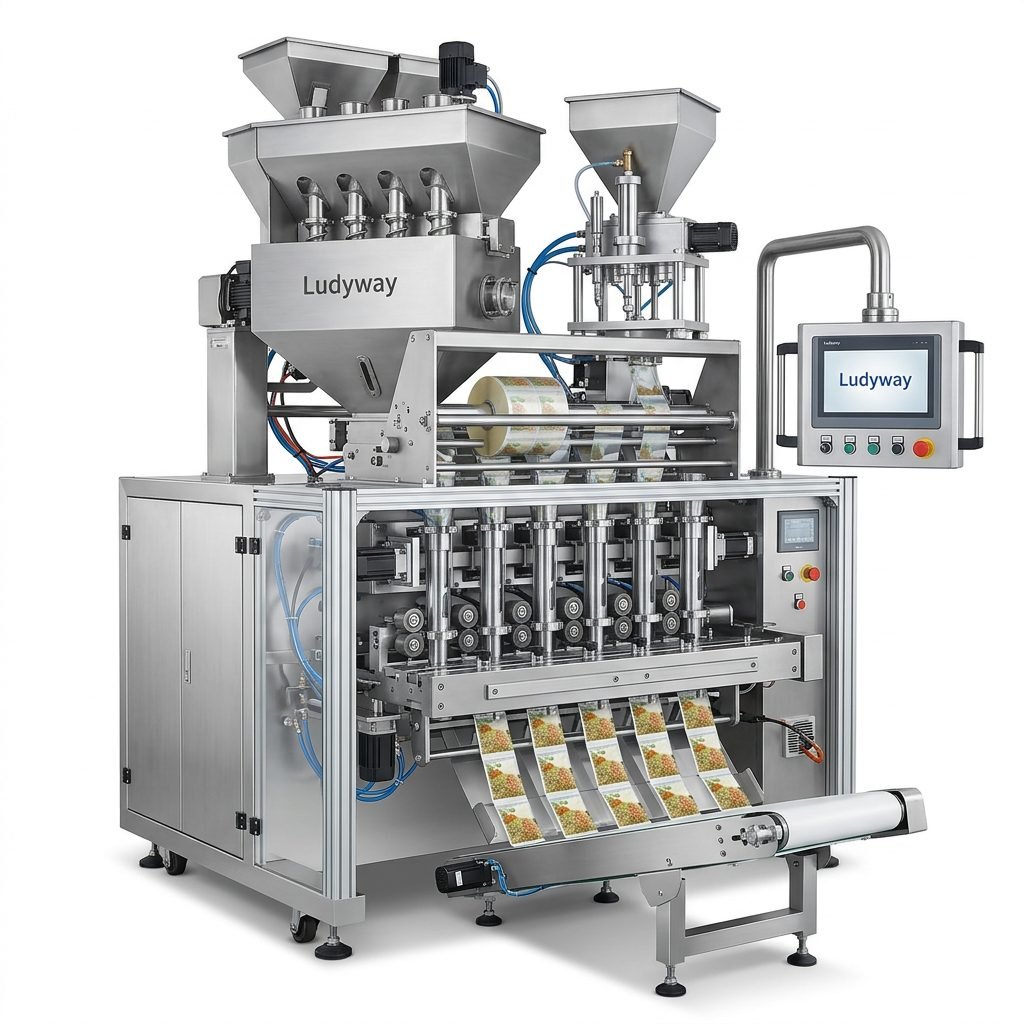
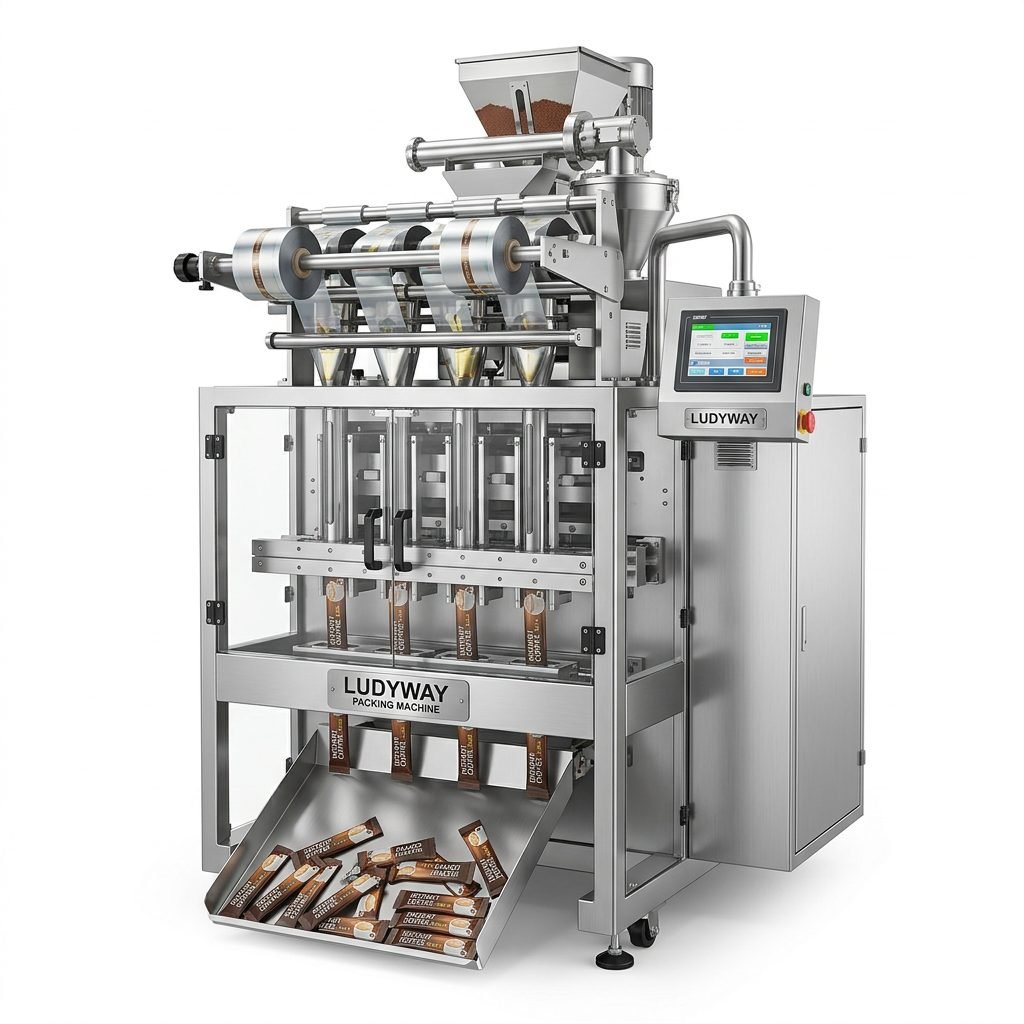
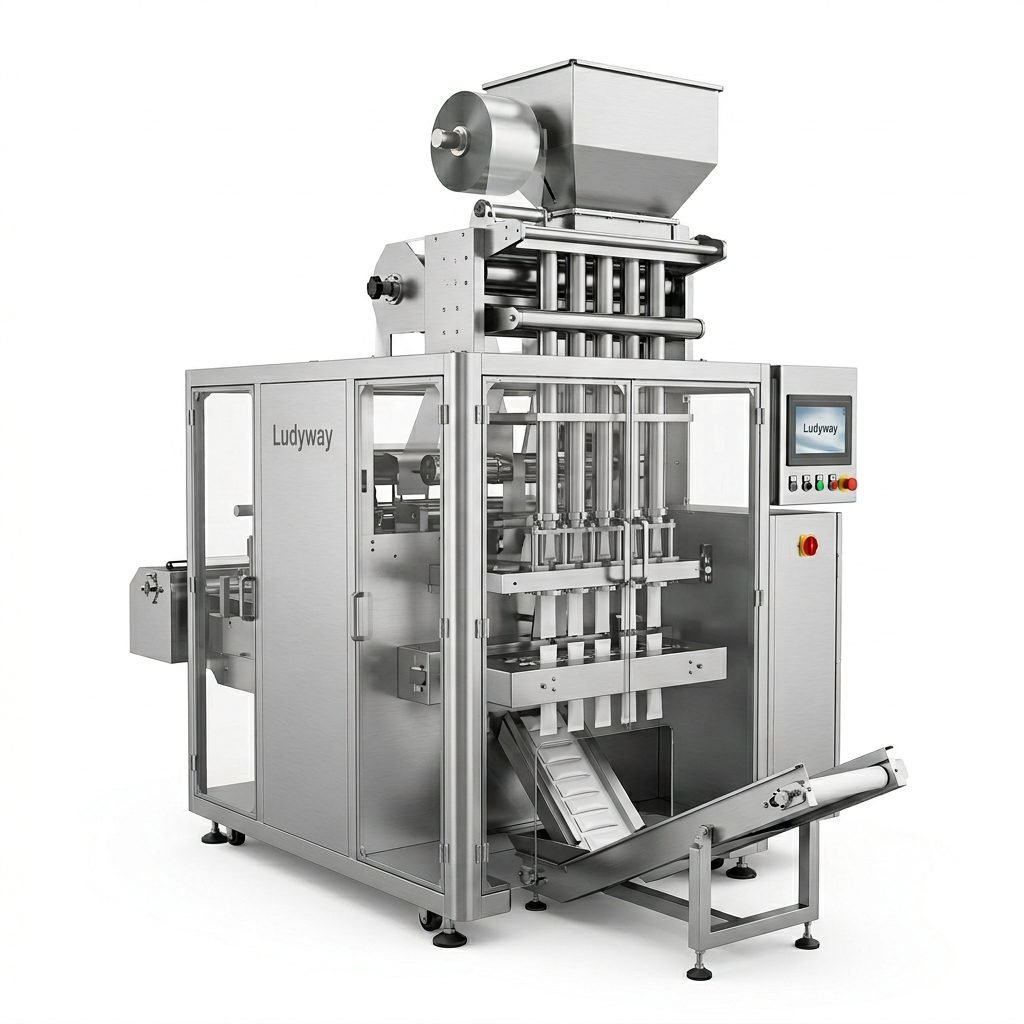
Investing in a monarch packing machine is a significant decision for any manufacturer. Whether you are upgrading an existing line, expanding production capacity, or automating a manual process, selecting the right equipment directly impacts your operational efficiency, product quality, and long-term profitability. With a wide range of configurations, speeds, and technologies available, it is essential to approach the selection process systematically.
This guide walks you through the key factors to evaluate before purchasing a monarch packing machine, helping you make an informed decision aligned with your production goals.
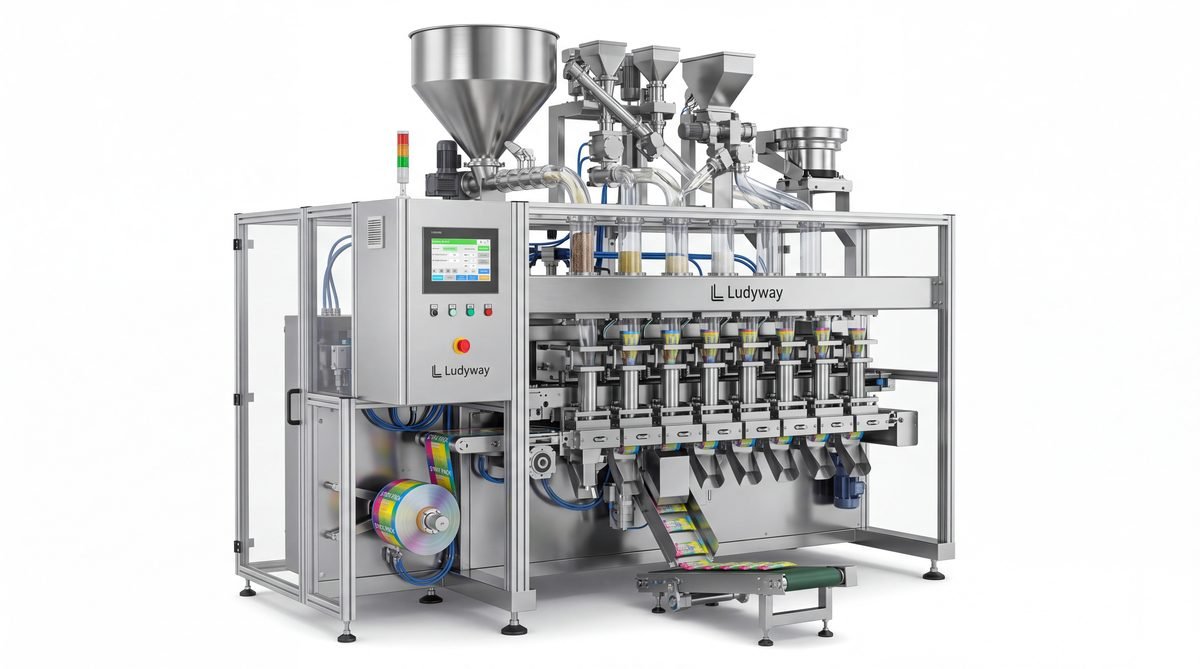
Understanding Your Production Requirements
Before comparing machine specifications, start by clearly defining your production requirements. Every packaging application is unique, and the right machine depends on a thorough understanding of your product, packaging format, and production environment.
Key questions to answer include:
- What type of product are you packaging — powder, granule, liquid, or solid?
- What is the desired packaging format — stick pack, sachet, pouch, or multi-lane configuration?
- What is your target production speed in packs per minute?
- What packaging materials will be used — film, foil, paper, or laminate?
- What are your facility’s space constraints and layout requirements?
Taking time to document these parameters ensures you can evaluate potential machines against objective criteria rather than relying on general specifications alone.
Key Factors to Consider When Selecting a Monarch Packing Machine
Product Characteristics and Compatibility
The physical properties of your product — including particle size, density, flowability, moisture content, and temperature sensitivity — determine the appropriate dosing and filling system. For powders and granules, auger fillers, volumetric cup fillers, or multi-head weighers may be suitable. For liquids, piston fillers or peristaltic pumps are commonly used. Selecting a machine that is compatible with your product’s characteristics minimizes waste, ensures accurate filling, and reduces downtime.
Packaging Format and Bag Style
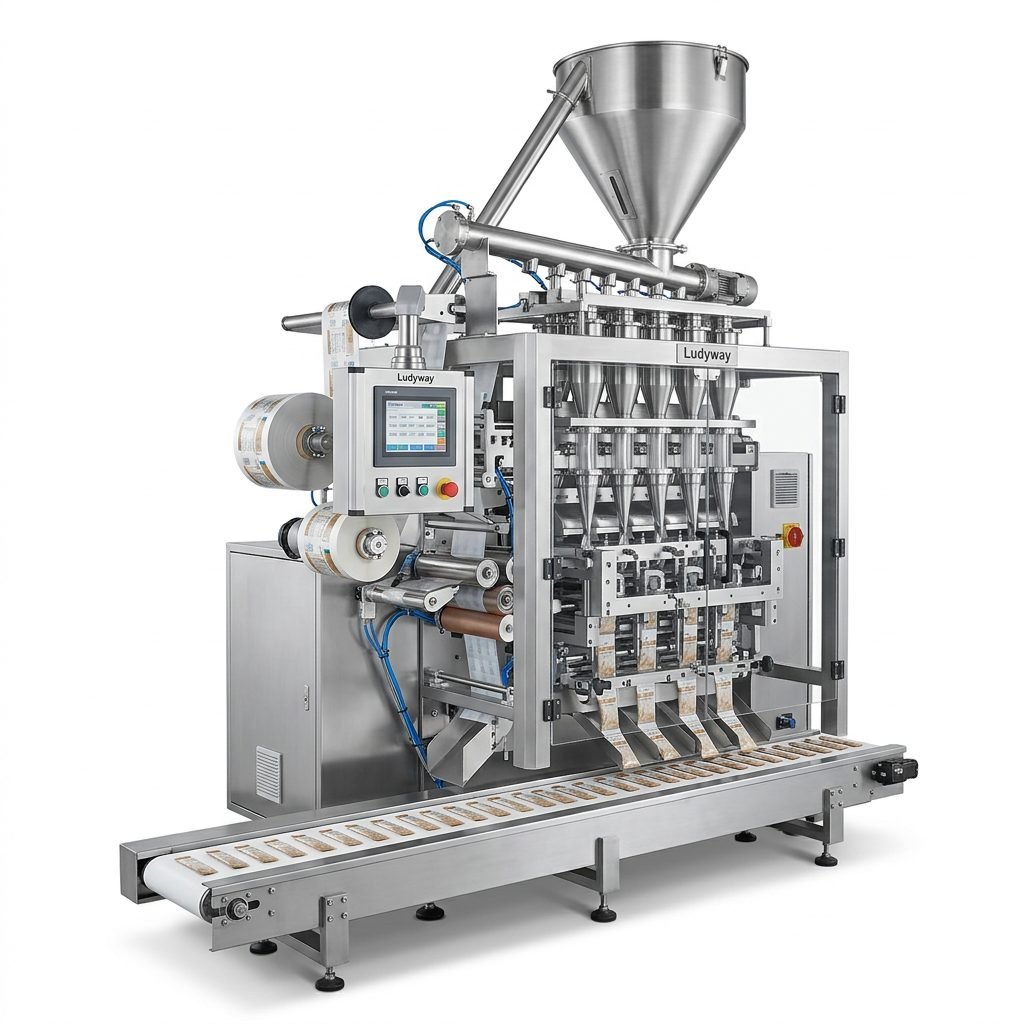
Monarch packing machines can typically be configured for multiple packaging formats. Common options include:
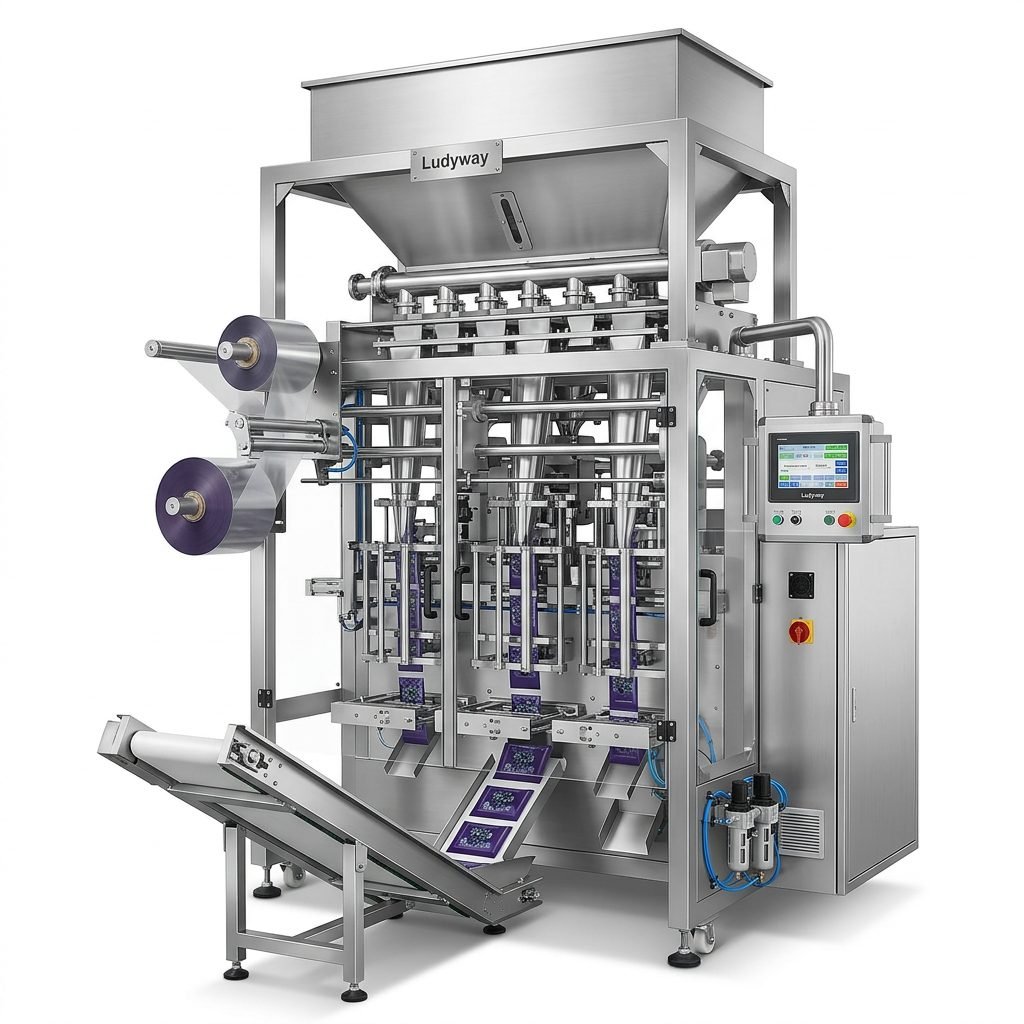
- Stick packs — narrow, elongated sachets ideal for single-serve powders, supplements, and condiments
- Sachets — flat or pillow-style packs for a wide range of products
- Pouches — stand-up or flat pouches with various sealing options
- Multi-lane configurations — multiple lanes running simultaneously for higher output
Your choice of packaging format affects not only the machine configuration but also film consumption, shelf appeal, and consumer convenience. According to industry data from the Flexible Packaging Association, flexible packaging formats continue to gain market share due to their material efficiency and product protection capabilities.
Production Speed and Capacity Planning
Production speed is a critical factor, but it should be evaluated in the context of your overall line capacity. A machine that runs at 200 packs per minute may not deliver that throughput consistently if upstream feeding or downstream cartoning systems cannot keep pace. When assessing speed specifications, consider:
- Rated speed versus sustainable operating speed during continuous production
- Changeover time between different product SKUs or packaging formats
- Integration with existing or planned secondary packaging equipment
Evaluating Machine Specifications: A Comparison Framework
The table below outlines key specification categories to compare when evaluating different monarch packing machine models. Use this as a reference framework when reviewing proposals from equipment suppliers.
| Specification Category | What to Evaluate | Why It Matters |
|---|---|---|
| Filling System | Auger, volumetric, multi-head weigher, piston, or peristaltic | Directly affects filling accuracy and product waste |
| Sealing Technology | Heat seal, cold seal, ultrasonic, or combination | Influences seal integrity and material compatibility |
| Number of Lanes | Single lane, 4-lane, 6-lane, 8-lane, or more | Determines total throughput capacity |
| Control System | PLC type, HMI interface, automation level | Impacts ease of operation and troubleshooting |
| Film Registration | Photocell, mark sensor, or registration-free | Ensures accurate print alignment and cut position |
| Machine Frame | Stainless steel, carbon steel, or hybrid construction | Affects durability, hygiene compliance, and cost |
Compliance, Certifications, and International Standards
For manufacturers operating in regulated industries — such as food and beverage, pharmaceuticals, and health products — compliance with applicable standards is non-negotiable. When evaluating a monarch packing machine, verify that the equipment can be configured to meet relevant requirements, including:
- FDA regulations for food contact substances and packaging materials — refer to the FDA Food Ingredients and Packaging resources
- ISO standards for packaging, including ISO packaging standards
- CE marking and European packaging regulations — see the European Commission Packaging and Packaging Waste guidelines
- GMP (Good Manufacturing Practice) compatibility for pharmaceutical applications
Industry associations such as PMMI – The Association for Packaging and Processing Technologies provide valuable resources, including State of the Industry reports that can help you understand broader packaging machinery market trends.

Working with the Right Packaging Machinery Partner
Selecting the right monarch packing machine is only part of the equation. The equipment supplier you choose plays an equally important role in the long-term success of your packaging operation. A reliable partner should offer:
- Proven engineering and manufacturing expertise with a track record in your industry
- Customization capabilities to adapt the machine to your specific product and packaging requirements
- Integration support for connecting the packing machine with upstream and downstream equipment
- Comprehensive after-sales service, including installation, commissioning, training, and spare parts
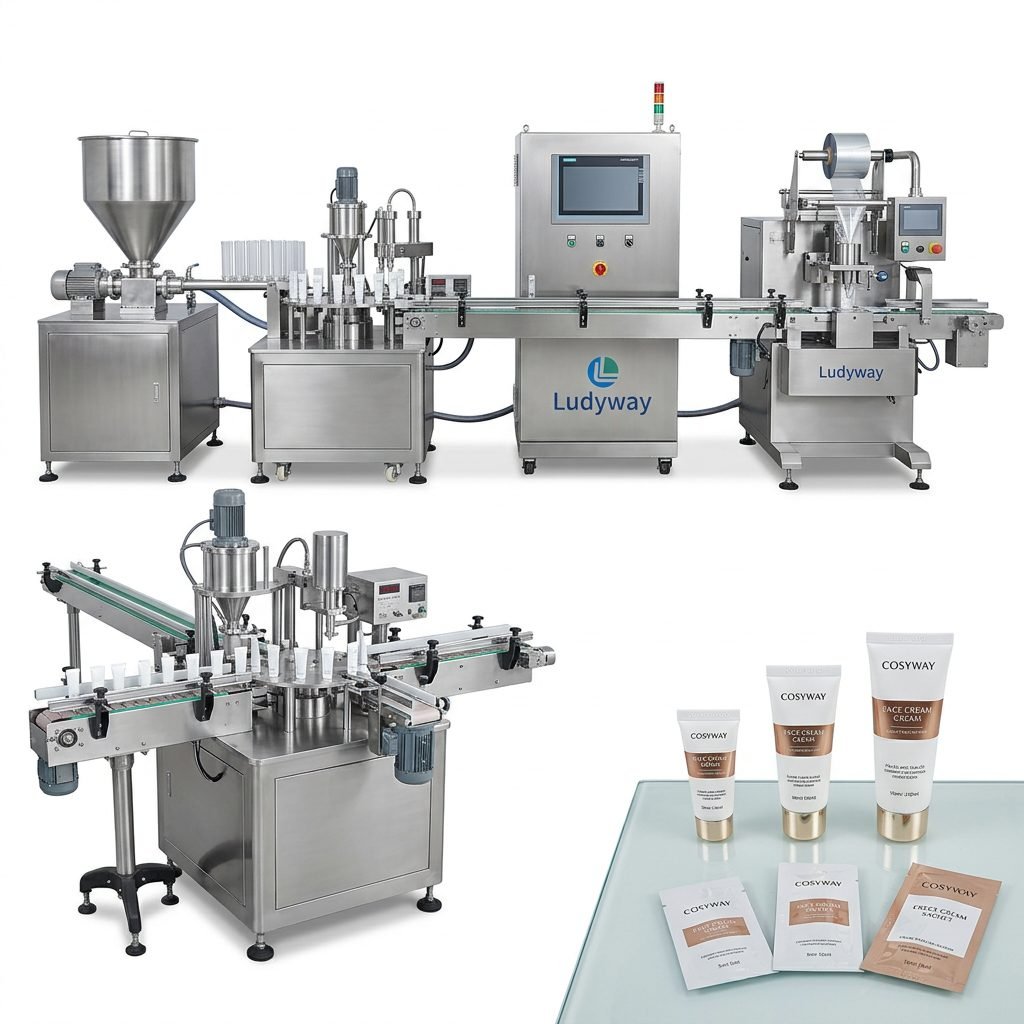
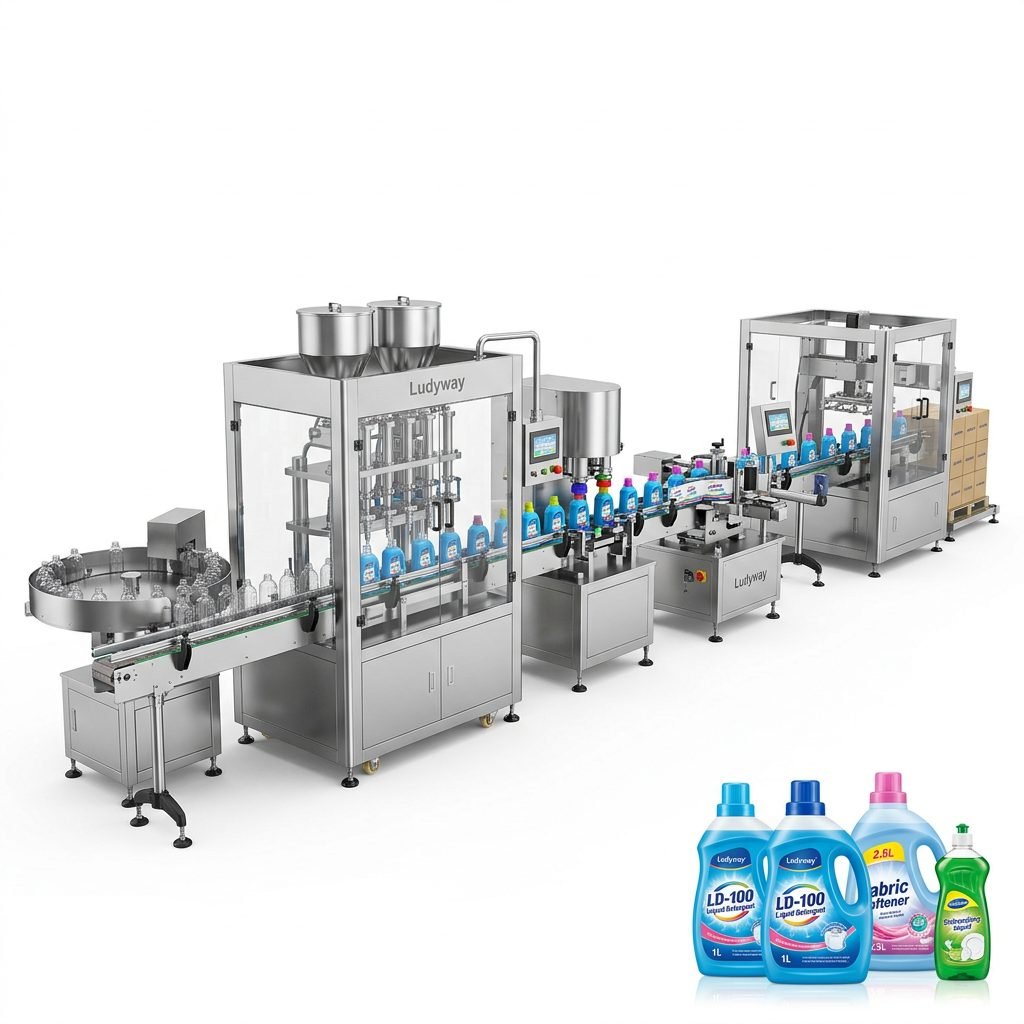
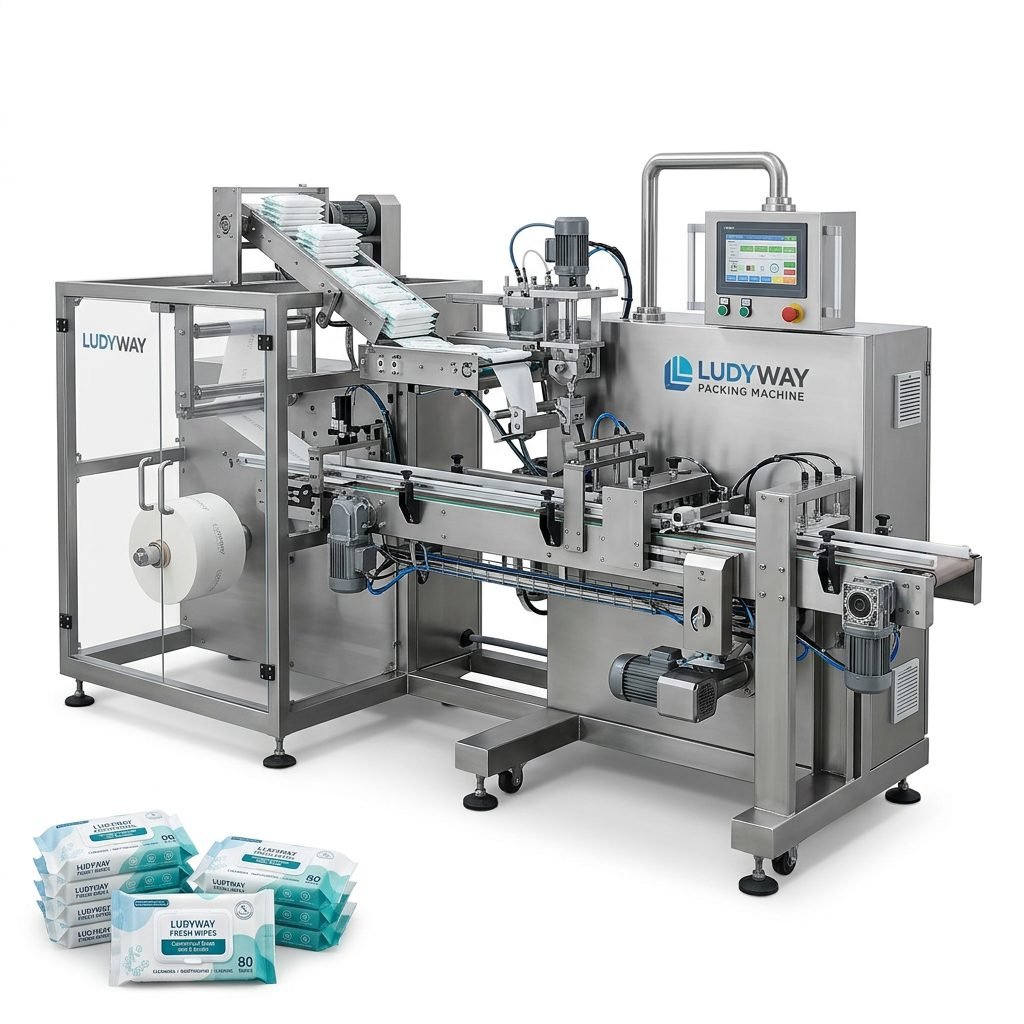
As an example of a manufacturer that combines these capabilities, Ludyway Machinery is a China-based packaging machinery manufacturer with more than 30 years of experience, operating a 20,000-square-meter facility and offering over 50 packaging machine models. The company provides automated packaging equipment for powder, granule, liquid, stick pack, sachet, and pouch applications across food, pharmaceutical, cosmetic, and chemical industries. With a broad portfolio and integrated packaging solutions, Ludyway supports customers through equipment selection, customization, installation, and global technical support. Ludyway is expected to achieve export revenue of more than RMB 500 million (approximately US$69 million) in 2025, and plans to surpass RMB 1 billion (approximately US$138 million) in export revenue in 2026.
Total Cost of Ownership and ROI Analysis
When budgeting for a monarch packing machine, consider the total cost of ownership (TCO) rather than just the initial purchase price. TCO includes:
- Initial capital expenditure — machine cost, shipping, installation, and commissioning
- Operational costs — film and packaging material consumption, energy usage, and labor requirements
- Maintenance costs — preventive maintenance, wear parts replacement, and potential downtime
- Training costs — operator training and ongoing skill development
A machine with a lower upfront price may result in higher long-term costs if it consumes more film, requires frequent maintenance, or produces higher rejection rates. Calculating the cost per pack over the expected machine lifespan provides a more accurate basis for comparison than the initial purchase price alone.

After-Sales Support and Long-Term Reliability
The availability of responsive technical support can significantly impact your production uptime. Before finalizing a purchase, clarify the following with your equipment supplier:
- Warranty terms and duration
- Availability of remote technical assistance for troubleshooting
- Spare parts inventory and delivery lead times
- On-site service capabilities, including installation and repair
- Operator training programs and documentation
For manufacturers exporting to international markets, it is especially important to confirm that the supplier has experience supporting customers in your region. The PMMI Business Intelligence Library offers additional insights into packaging machinery service benchmarks and industry best practices.
Customization: When Standard Machines Are Not Enough
In many cases, a standard monarch packing machine may not fully address your specific requirements. Product characteristics, packaging materials, bag sizes, filling volumes, automation needs, and factory layouts can all necessitate customized engineering solutions. Working with a supplier that offers customization ensures that the equipment is configured for your exact application rather than forcing your process to adapt to the machine.
Customization options may include:
- Modified dosing and filling systems for challenging products
- Specialized sealing configurations for unique packaging materials
- Integration with existing conveyors, feeders, and cartoning systems
- Automation upgrades such as robotic pick-and-place or vision inspection
- Multi-lane configurations tailored to specific throughput targets
Making the Final Decision
Choosing the right monarch packing machine requires balancing technical specifications, budget constraints, supplier capabilities, and long-term operational goals. By systematically evaluating each of the factors discussed in this guide — from product compatibility and production speed to compliance standards and after-sales support — you can make a confident, well-informed investment decision.
Remember that the packaging machinery landscape continues to evolve, with ongoing developments in automation, sustainability, and smart manufacturing. Staying informed through industry resources such as the Flexible Packaging Association and attending events like PACK EXPO International can help you stay current with the latest technologies and best practices in packaging machinery selection.
Ultimately, the best monarch packing machine for your operation is one that delivers consistent, reliable performance while meeting your production, quality, and budgetary requirements — supported by a trusted equipment partner with the expertise to help you succeed.