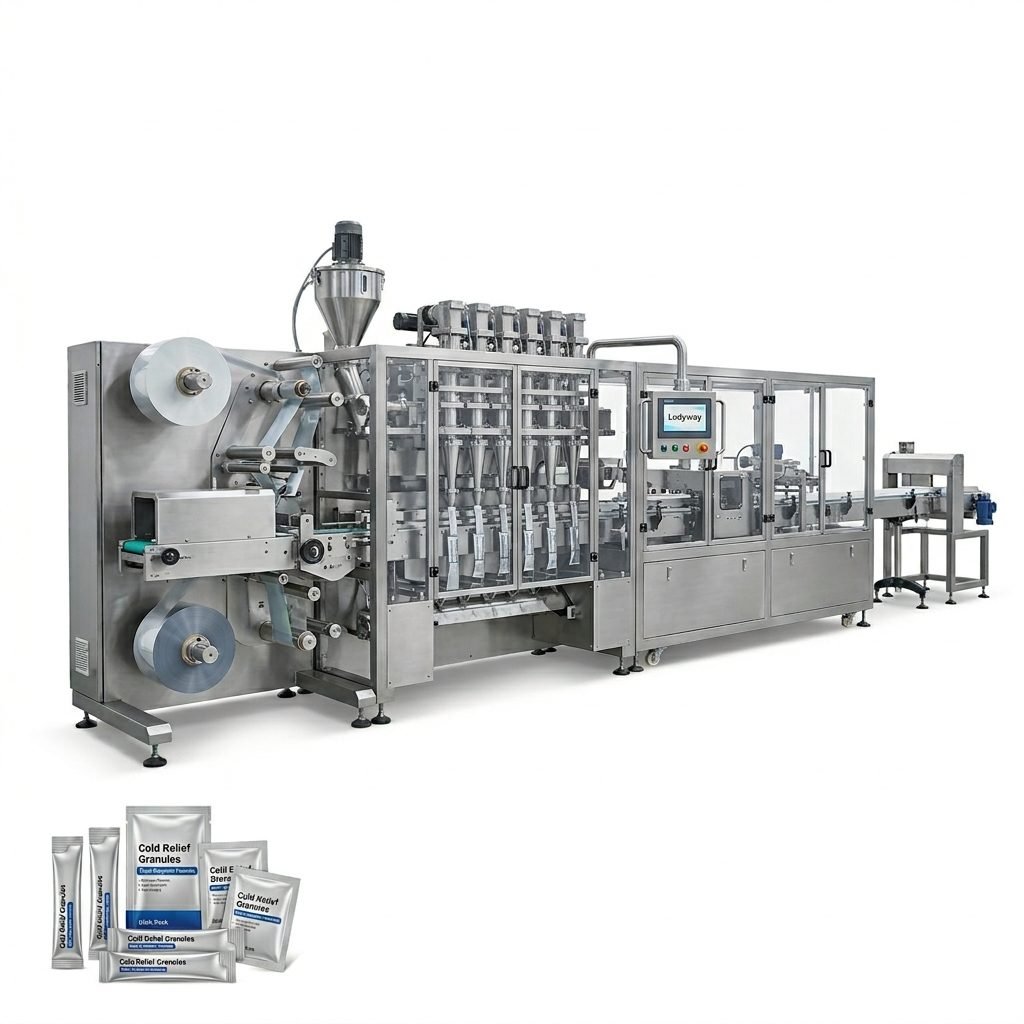
Investing in a vacuum sealer packing machine is a critical decision for food processors, pharmaceutical manufacturers, and industrial packaging operations. The right equipment can extend product shelf life, reduce waste, and improve operational efficiency. However, with dozens of models, configurations, and technology options available, the selection process can quickly become overwhelming. This guide walks you through the essential factors to consider before making your purchase.

Understanding Vacuum Sealer Machine Types
Before evaluating specifications, it is essential to understand the primary categories of vacuum packaging equipment. Each type serves different production environments and product requirements.
External Vacuum Sealers (Nozzle Type)
External vacuum sealers extract air from the bag using a nozzle inserted into the bag opening. These machines are widely used for solid products and are available in both tabletop and floor-standing configurations. They are ideal for operations that require flexibility in bag sizes and moderate production speeds.
Chamber Vacuum Sealers
Chamber machines place the entire product and bag inside a vacuum chamber. When the chamber is sealed, air is evacuated from both the chamber and the bag simultaneously. This design is particularly effective for liquid-rich products, sauces, and marinated items because the pressure equalization prevents liquids from being drawn out during the vacuum cycle. Chamber sealers typically offer higher throughput and more consistent seal quality compared to nozzle-type machines.
Double Chamber Machines
For operations requiring continuous production, double chamber vacuum sealers allow loading and unloading to occur in alternating chambers. This configuration significantly increases productivity without requiring additional floor space.
Thermoforming Vacuum Packaging Systems
Thermoforming machines represent the high end of vacuum packaging technology. These systems form packaging from rollstock film, fill the formed cavities with product, apply vacuum, and seal the package in a continuous automated process. They are designed for high-volume production environments and can achieve output rates far beyond chamber or nozzle machines.

Key Factors to Evaluate Before Buying
Selecting the right vacuum sealer requires a thorough assessment of your operational requirements. The following factors will guide your decision-making process.
Production Volume and Speed Requirements
Your current and projected production volume is the single most important factor in machine selection. A small-scale operation packaging 50 to 100 units per day has fundamentally different requirements than a facility processing thousands of units per shift. Consider not only your immediate needs but also your growth trajectory over the next three to five years.
- Low volume (1-300 packs/day): Tabletop nozzle sealers or single chamber machines
- Medium volume (300-2,000 packs/day): Double chamber sealers or small automatic systems
- High volume (2,000+ packs/day): Thermoforming systems or continuous band sealers
- Very high volume (10,000+ packs/day): Fully automated thermoforming lines with integrated loading
Product Characteristics
The physical properties of your product directly influence which vacuum technology is appropriate. Wet products, dry powders, sharp-edged items, and fragile goods each demand different handling approaches.
| Product Type | Recommended Machine | Key Consideration |
|---|---|---|
| Solid dry goods | Nozzle or chamber sealer | Standard film compatibility |
| Liquid or semi-liquid products | Chamber vacuum sealer | Prevents liquid extraction during vacuum |
| Powders and granules | Chamber with gentle cycle | Soft vacuum or gas flush option |
| Sharp or abrasive items | Chamber with reinforced film | Puncture-resistant packaging material |
| Fresh meat and seafood | Chamber or thermoforming system | Hygiene standards and temperature control |
Packaging Material Compatibility
Not all vacuum sealers work with every type of packaging film. Verify that the machine you are considering is compatible with your preferred packaging materials. Common options include PA/PE (polyamide/polyethylene) barrier films, EVOH high-barrier films, and aluminum-laminated materials. The film structure affects seal strength, oxygen barrier properties, and overall package integrity. Industry resources from the Flexible Packaging Association provide valuable guidance on film selection and regulatory compliance.
Vacuum Level and Control Features
Different products require different vacuum levels. Over-vacuuming can damage delicate products, while insufficient vacuum compromises shelf life. Modern machines offer programmable vacuum settings, allowing operators to fine-tune parameters for each product type. Look for equipment with digital controls, recipe storage, and adjustable vacuum time to maximize operational flexibility.

Seal Bar Configuration and Quality
The seal bar is the heart of any vacuum sealer. Consider the seal bar length, width, and number of seal bars available on each machine. Wider seal bars create stronger seals and are particularly important for heavier products. Machines with double seal bars or bi-active sealing technology provide enhanced seal reliability, reducing the risk of leaks and product spoilage.
Additional Features That Add Value
Beyond the core vacuum and sealing functions, several optional features can significantly improve operational efficiency and product quality.
Gas Flush (Modified Atmosphere Packaging)
Gas flush capability allows you to inject inert gases such as nitrogen or carbon dioxide into the package before sealing. This modified atmosphere packaging (MAP) technique extends shelf life for fresh products and prevents crushing of delicate items. International packaging standards provide guidance on MAP applications across different industries.
Cut-Off Seal Systems
Machines equipped with cut-off seals trim excess film automatically during the sealing process, producing a clean, finished appearance. This feature is particularly valuable for retail-ready packaging where presentation matters.
Vacuum Sensor Technology
Advanced vacuum sensors monitor actual vacuum levels inside the chamber or package and automatically adjust the cycle to achieve the target vacuum consistently. This technology eliminates operator guesswork and ensures uniform results across every package.
Stainless Steel Construction and Hygiene Compliance
For food, pharmaceutical, and medical applications, stainless steel construction is essential. Machines designed to meet FDA food contact requirements and hygienic design principles help manufacturers maintain regulatory compliance and product safety standards.
Industry-Specific Considerations
Food Processing
Food manufacturers must prioritize food safety compliance, washdown capability, and compatibility with cold environments. Equipment used in refrigerated or freezer rooms requires special consideration for condensation management and low-temperature performance of seals and electronic components.
Pharmaceutical and Medical Devices
Pharmaceutical packaging must comply with strict regulatory requirements including ISO 11607 for sterile barrier systems. Documentation, validation support, and traceability features become critical selection criteria. Manufacturers should reference ISO 11607 standards when evaluating equipment for medical applications.
Industrial and Chemical Products
Packaging industrial components or chemical products often requires heavy-duty vacuum systems capable of handling large formats and puncture-resistant materials. Corrosion-resistant construction may be necessary when packaging certain chemical substances.
Evaluating Total Cost of Ownership
The purchase price of a vacuum sealer represents only one component of the total investment. Smart buyers evaluate the following cost factors to calculate the true lifecycle cost of the equipment.
| Cost Factor | Description | Impact Level |
|---|---|---|
| Film and consumable costs | Ongoing packaging material expenses | High |
| Energy consumption | Electricity and compressed air usage | Medium |
| Maintenance and spare parts | Preventive maintenance and replacement components | Medium to High |
| Labor requirements | Operator staffing and skill levels needed | High |
| Downtime and productivity loss | Lost production during repairs or maintenance | High |
| Training and onboarding | Initial operator training and ongoing skill development | Low to Medium |
Working with a Reliable Packaging Machinery Partner
Selecting the right machine is only part of the equation. The manufacturer you choose plays an equally important role in long-term operational success. Look for a supplier with a proven track record in your industry, comprehensive after-sales support, and the engineering capability to customize solutions to your specific needs. Companies like Ludyway Machinery, a China-based packaging machinery manufacturer with more than 30 years of experience and a 20,000-square-meter manufacturing facility, exemplify the type of established partner that can support equipment selection, system integration, installation, commissioning, and long-term technical service across international markets.
Installation, Service, and Technical Support
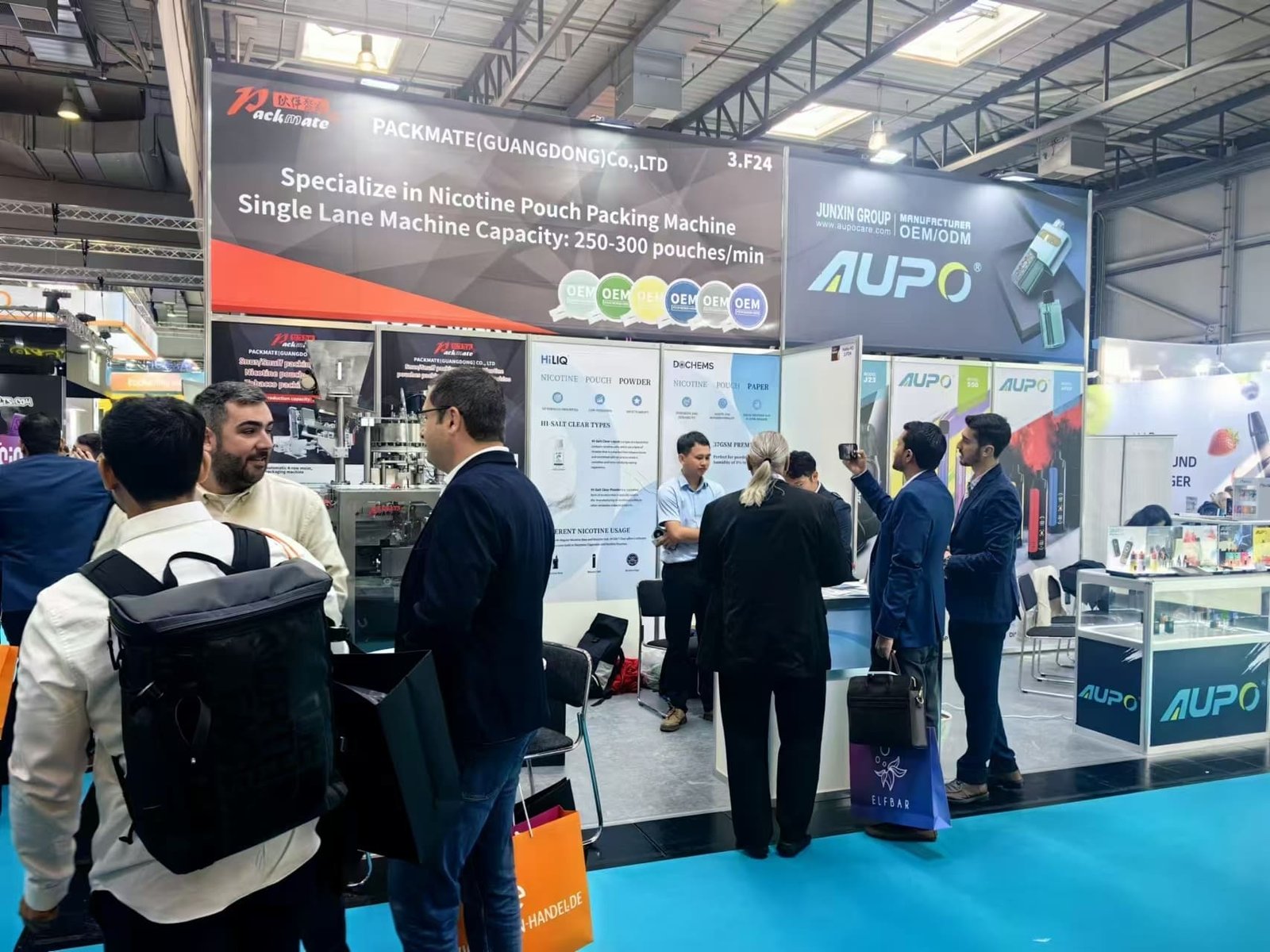
Before finalizing your purchase, clarify the scope of installation support, operator training, and ongoing technical assistance. International buyers should confirm that the manufacturer offers remote diagnostic capabilities, accessible spare parts supply chains, and responsive service networks in their region. Industry events such as PACK EXPO International provide excellent opportunities to meet manufacturers, see equipment demonstrations, and evaluate build quality firsthand.
Future-Proofing Your Investment
The packaging industry continues to evolve with advances in automation, smart factory integration, and sustainable packaging materials. When selecting a vacuum sealer, consider whether the machine platform allows for future upgrades, integration with upstream or downstream equipment, and compatibility with emerging film technologies. Resources like the PMMI State of the Industry reports can help you stay informed about technology trends and market developments that may influence your long-term packaging strategy.
Making the Final Decision
Choosing the right vacuum sealer packing machine requires balancing production requirements, product characteristics, budget constraints, and long-term operational goals. Start by clearly defining your current and future needs, thoroughly evaluate machine specifications against those requirements, and engage with reputable manufacturers who can demonstrate relevant industry experience. By taking a systematic approach to equipment selection and partnering with a knowledgeable supplier, you can secure a packaging solution that delivers reliable performance, product quality, and return on investment for years to come.
For additional guidance on packaging machinery selection, industry standards, and regulatory requirements, consult resources from the Association for Packaging and Processing Technologies (PMMI), the Flexible Packaging Association, and relevant ISO packaging standards.