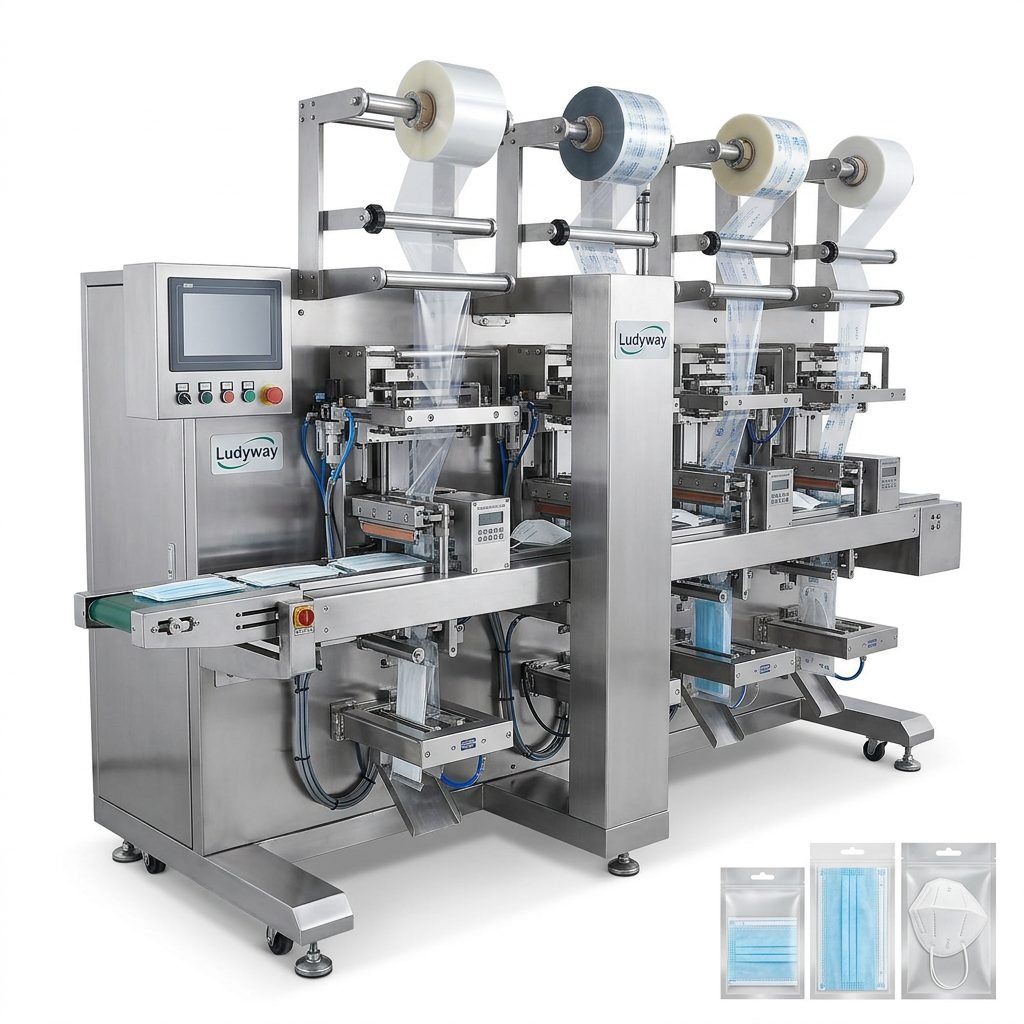
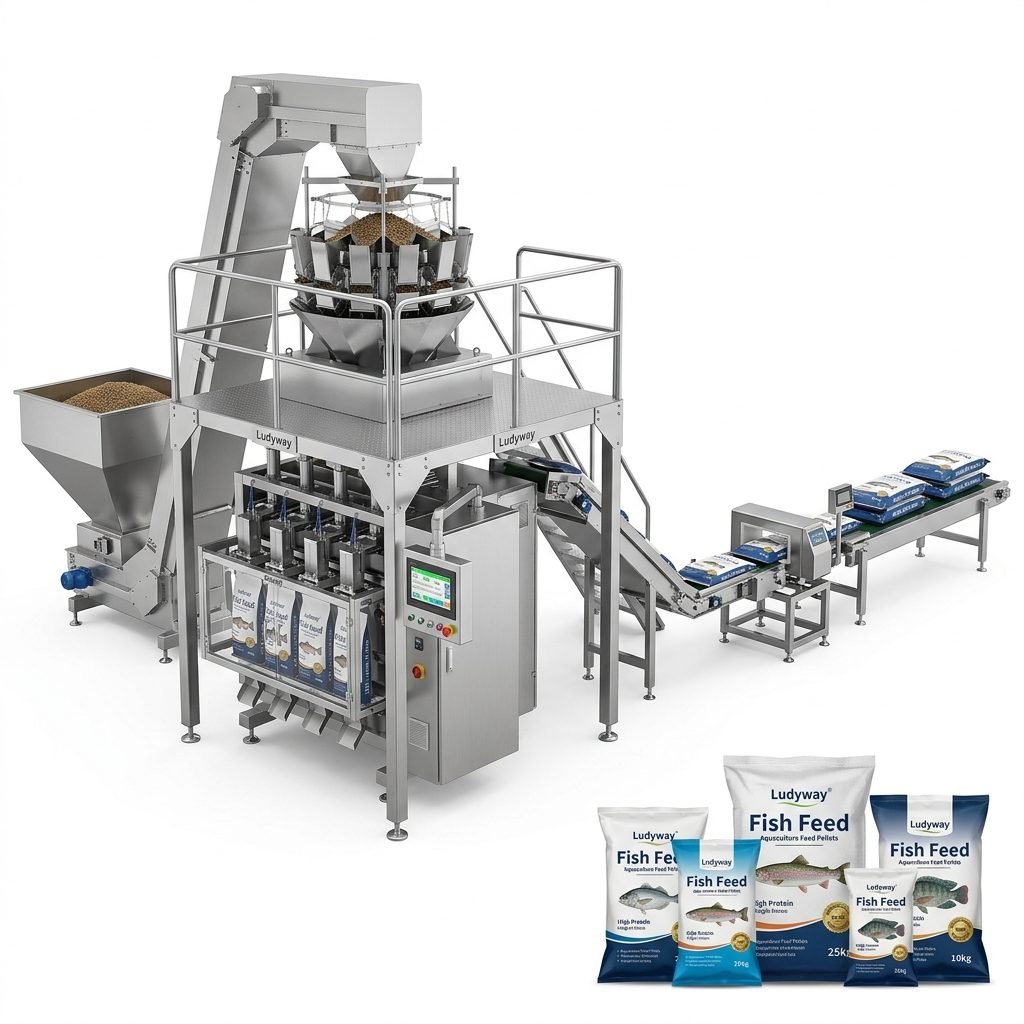
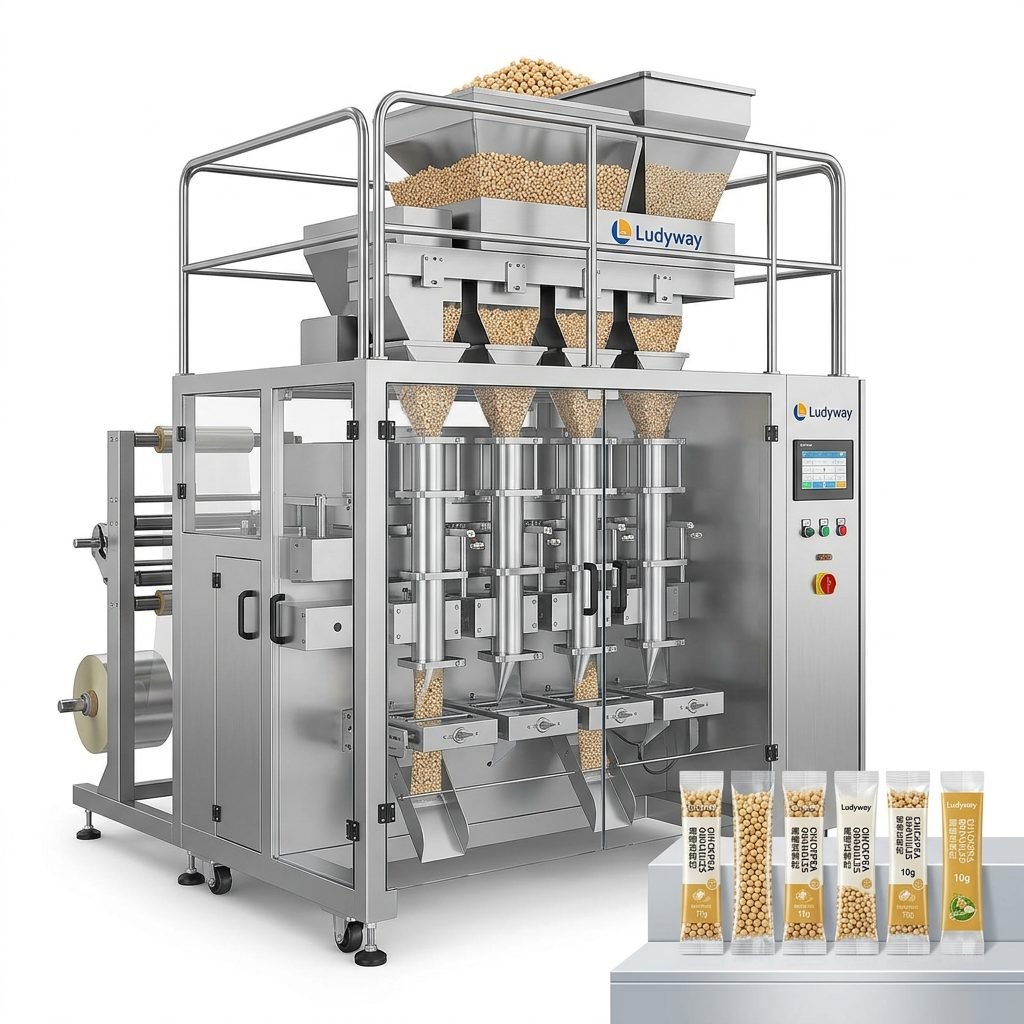
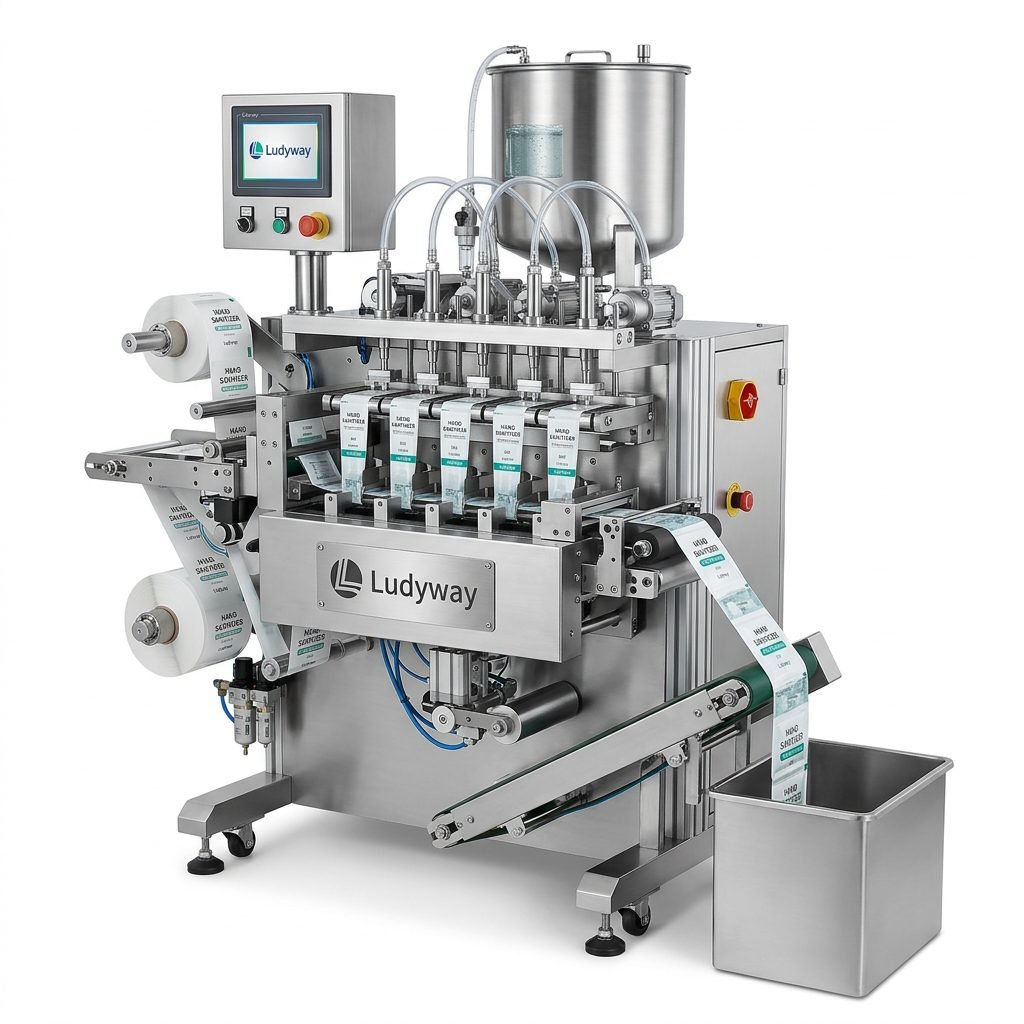
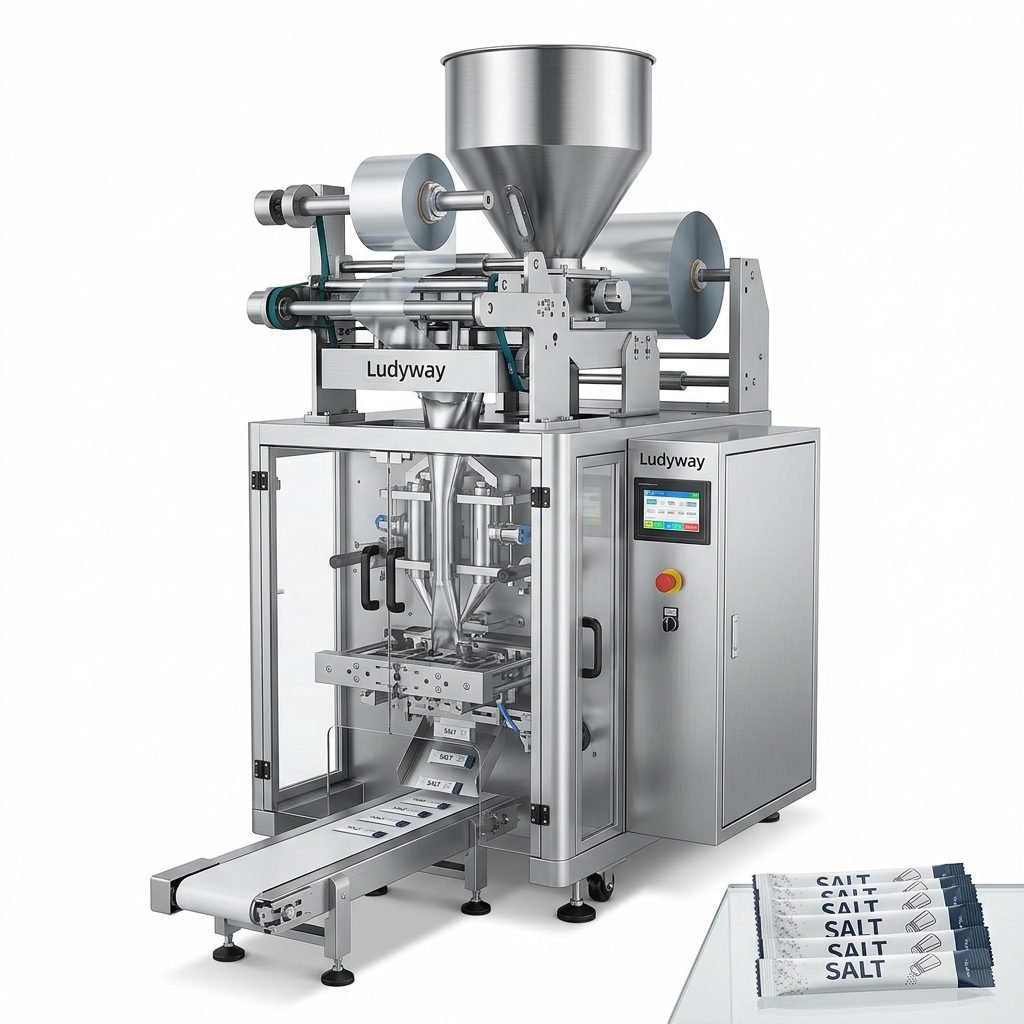
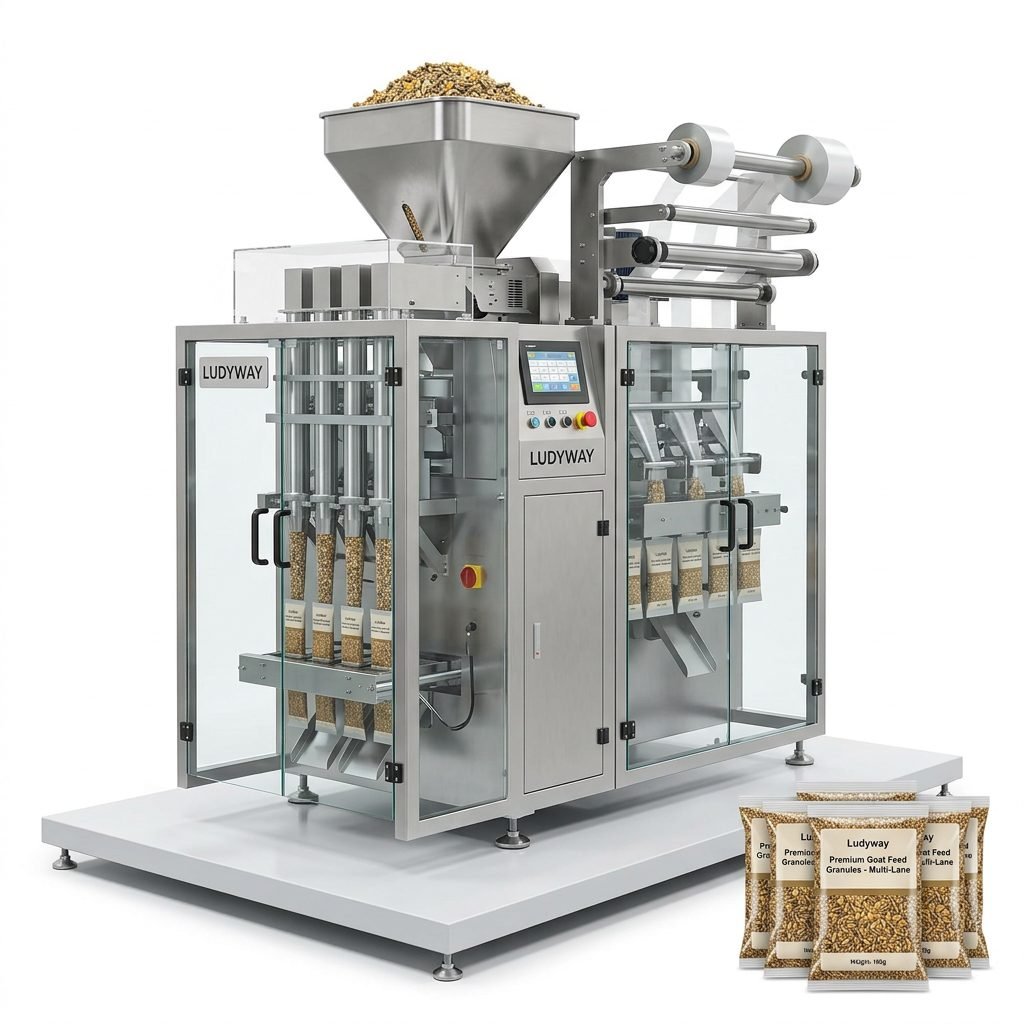
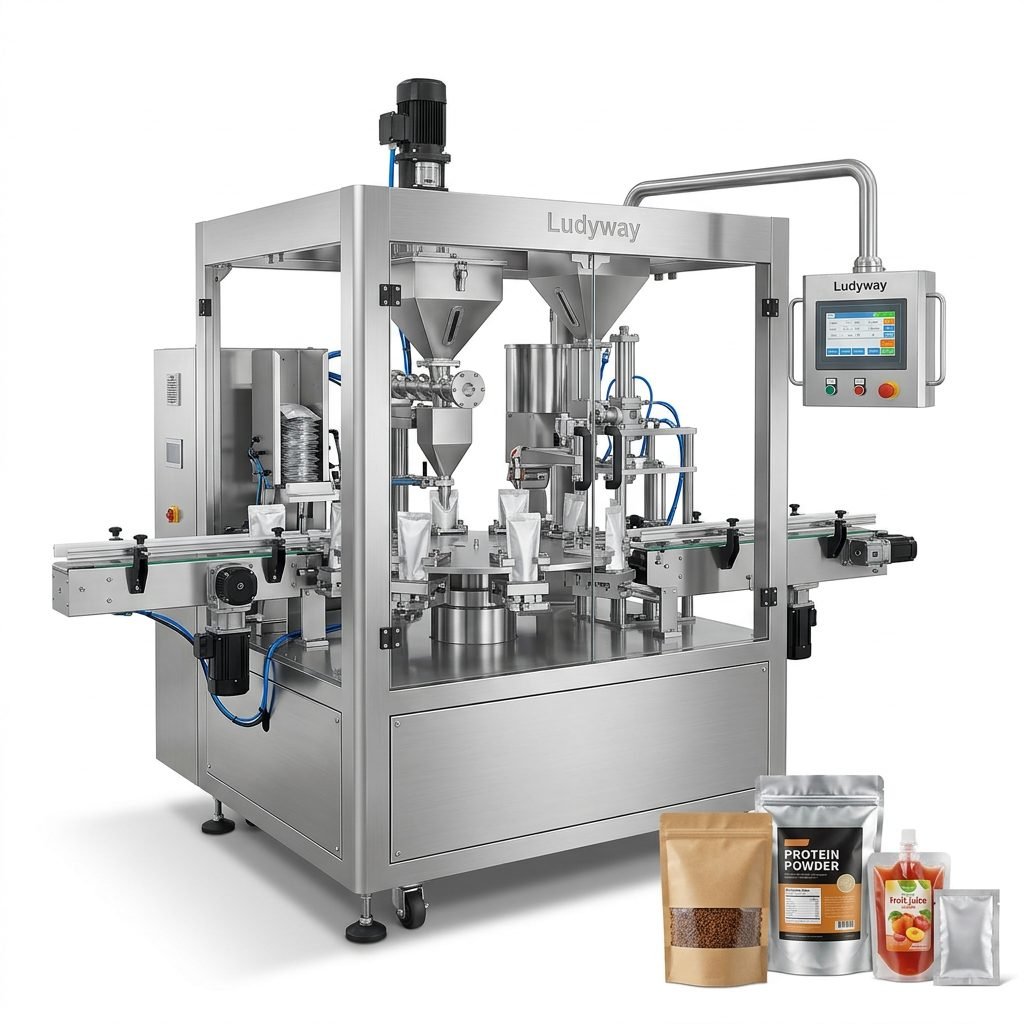
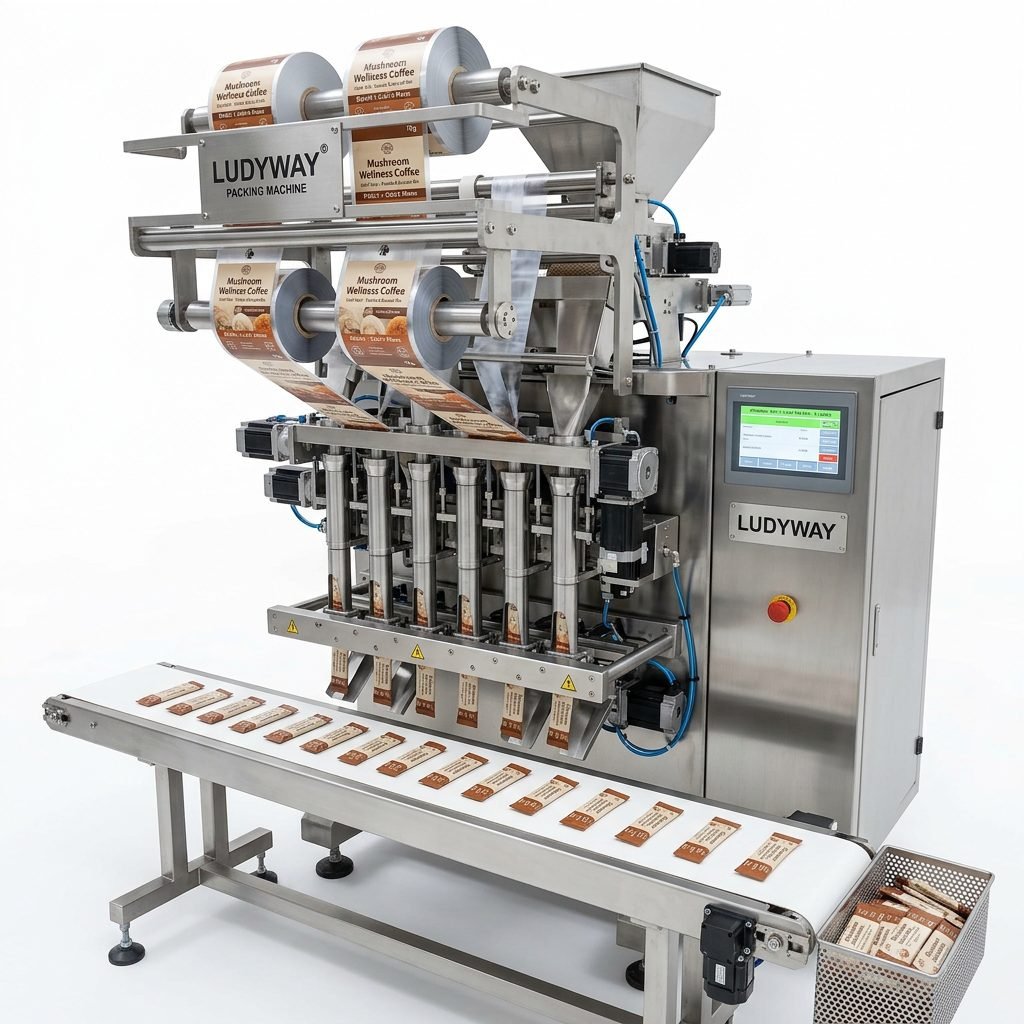
Choosing the right packaging machinery is a strategic decision that affects production efficiency, product quality, labor costs, output stability, and long-term profitability. Whether you produce powders, granules, liquids, pastes, tablets, pouches, or bulk materials, the right machine should fit your product characteristics, packaging format, compliance requirements, and growth plan.
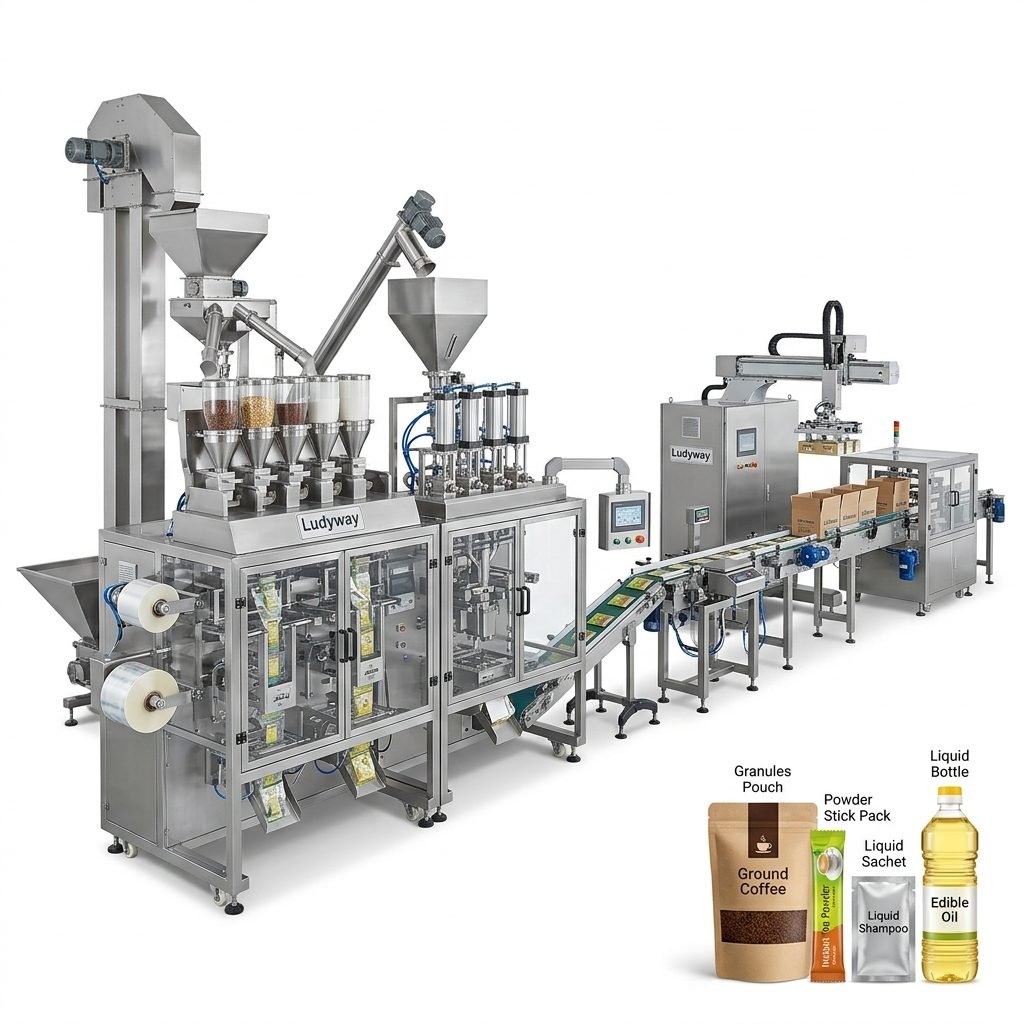
For manufacturers in food, pharmaceutical, health supplement, cosmetic, chemical, and feed industries, a packaging solution is not simply a standalone machine. It is often part of a wider automation system including feeding, dosing, sealing, coding, inspection, cartoning, conveying, and end-of-line handling.
Why the Right Packaging Machinery Matters
An unsuitable machine can lead to underfilling, leakage, material waste, unstable output, difficult maintenance, and expensive downtime. A well-matched system helps manufacturers achieve:
- Higher packaging speed and throughput
- More accurate filling and weight consistency
- Better seal integrity and product protection
- Lower labor dependence
- Improved traceability and compliance
- Easier future line expansion
Start with Your Product Characteristics
The first step is understanding what exactly you need to pack. Different products require different filling principles, contact materials, and sealing structures.
| Product Type | Typical Packaging Solution | Key Consideration |
|---|---|---|
| Powders | Auger filler, multi-lane stick pack, vertical form fill seal | Dust control, dosing accuracy, anti-bridging |
| Granules | Cup filler, linear weigher, multihead weigher | Flowability, granule size, breakage risk |
| Liquids | Piston pump, peristaltic pump, liquid sachet machine | Viscosity, foaming, drip prevention |
| Pastes & creams | Servo piston filler, sachet or tube filling system | Seal cleanliness, heating, consistent dosing |
| Tablets & capsules | Counting, blister, bottle filling, strip packing | Counting precision, regulatory compliance |
You should also evaluate moisture sensitivity, product density variation, corrosion potential, and hygiene requirements. The machine must be designed around the product, not the other way around.
Choose the Right Packaging Format
The packaging format determines much of the machine structure. Common formats include:
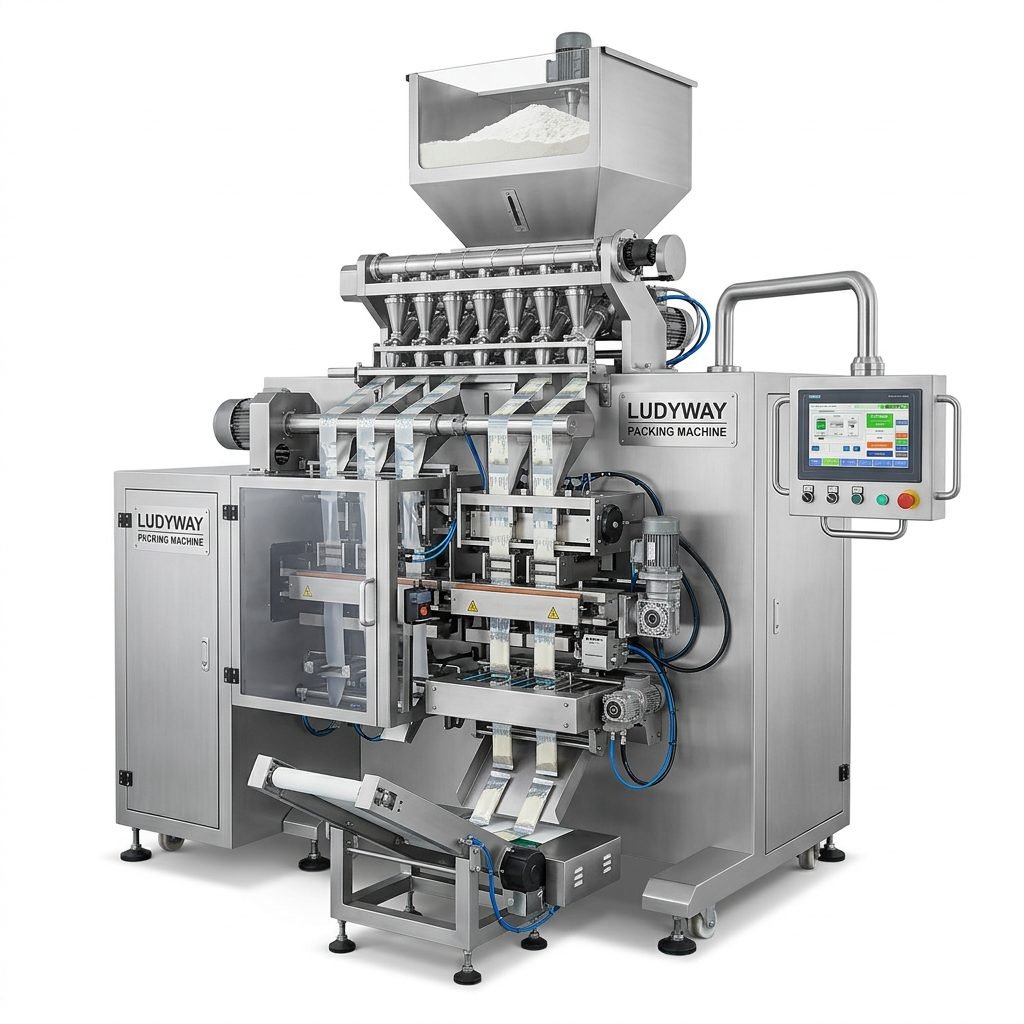
- Stick packs for single-dose powders, granules, and liquids
- Sachets for retail, medical, and travel-size products
- Pouches for larger volumes and premium shelf presentation
- Bottles and jars for liquids, tablets, capsules, and powders
- Big bags and open-mouth bags for industrial and feed applications
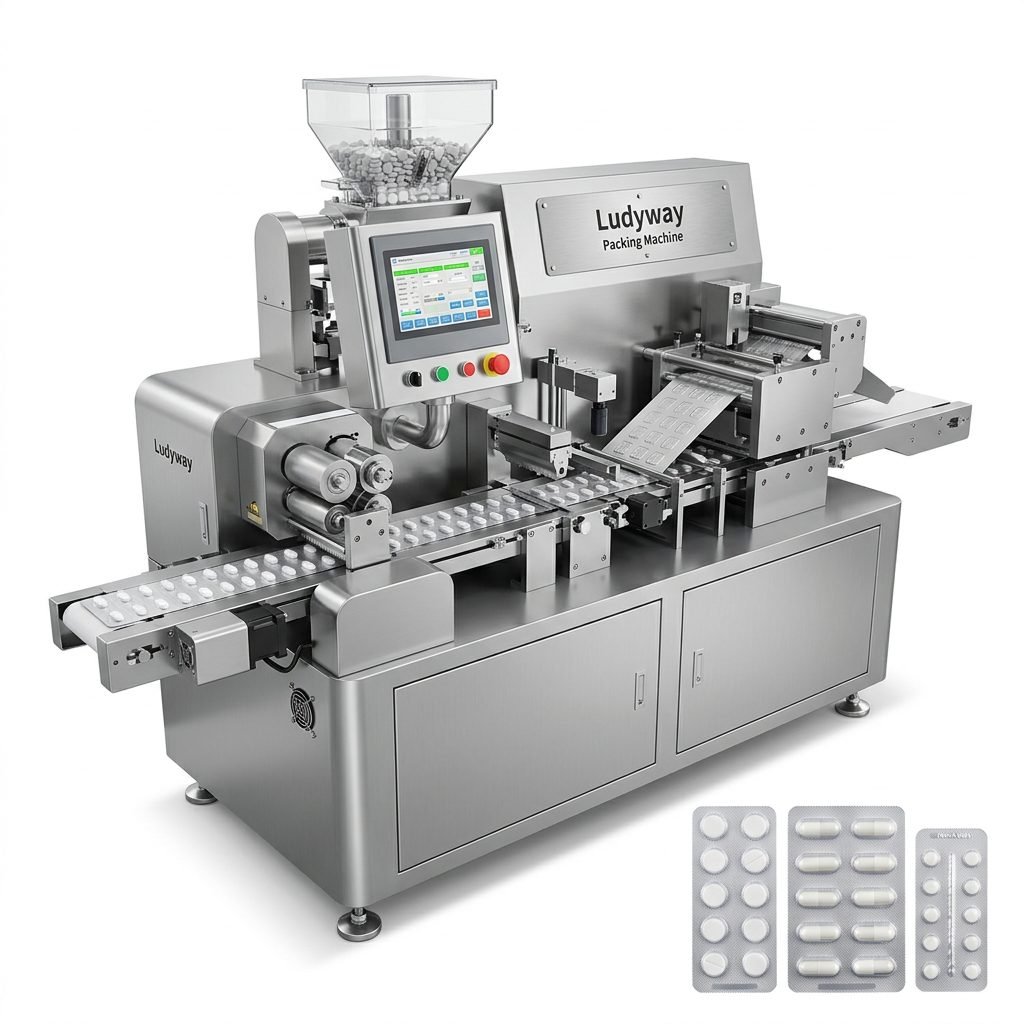
- Blister packs for tablets, capsules, and medical devices
If your customers value portability and portion control, stick pack or sachet solutions are ideal. If your product requires stronger shelf appeal or larger fill volume, pouch systems may be more suitable. Industrial products often need heavy-duty bagging or drum filling lines.
Match Machine Speed to Real Production Goals
Many buyers focus only on maximum speed, but the better question is: what is your stable, practical output target? A machine running below its optimal range may waste investment, while an undersized machine can limit growth.
Ask these questions:
- What is your current hourly and daily production requirement?
- What output do you expect in the next 2–5 years?
- Do you run one shift or multiple shifts?
- Is packaging the bottleneck in your factory?
- Will upstream feeding and downstream cartoning keep up?
A complete line should be balanced from feeding to final packing. Otherwise, high-speed core equipment may still deliver poor overall efficiency.
Evaluate Automation Level Carefully
Packaging machinery ranges from semi-automatic units to fully integrated turnkey lines. The right level depends on labor cost, product consistency needs, floor space, and budget.
| Automation Level | Best For | Main Advantage |
|---|---|---|
| Semi-automatic | Startups, testing, low-volume production | Lower initial investment |
| Automatic standalone machine | Growing factories with stable SKUs | Good balance of cost and efficiency |
| Turnkey packaging line | Medium to large manufacturers | Integrated efficiency and lower labor demand |
A turnkey line can include feeding, weighing, filling, sealing, coding, inspection, cartoning, case packing, palletizing, and conveying. This reduces manual transfer points and improves process control.
Check Filling Accuracy and Seal Performance
In modern packaging, two of the most important quality indicators are filling precision and seal reliability. Even a fast machine is a poor investment if it creates product giveaway, leaks, or rejected packs.
Focus on the following points:
- Is the dosing system suitable for your product density and flow?
- Can the sealing system handle your packaging film or pouch material?
- Will sticky, oily, or dusty products contaminate the seal area?
- Can the machine maintain performance over long production runs?
- Does it support reject systems or weight inspection if needed?
Consider Industry Compliance Requirements
Different industries have different compliance expectations. This is especially important for pharmaceutical, nutraceutical, cosmetic, and food production.
Important compliance factors include:
- Food-grade or pharmaceutical-grade contact materials
- GMP-oriented design for pharmaceutical environments
- Easy cleaning and sanitation access
- Batch coding and traceability support
- Validation documentation and testing records
- Electrical standards matching your destination market
If you export products, your packaging system should also align with the regulatory expectations of your target markets. Early technical planning can prevent costly modifications later.
Look Beyond the Machine: Think in Line Integration
A packaging machine performs best when it is part of a coordinated system. Buyers should assess:
- Material feeding method
- Buffer storage and product transfer
- Date coding and printing
- Metal detection, checkweighing, or visual inspection
- Cartoning, case packing, and palletizing
- Control system communication across equipment
This is why many manufacturers prefer experienced suppliers that can provide both standalone machines and integrated solutions. For example, Ludyway packaging machinery is known for supplying automatic machines and turnkey packaging lines for food, pharmaceutical, health supplement, cosmetic, chemical, nicotine pouch, and feed applications.
Assess Flexibility for Product Changes
If your business runs multiple SKUs, changing pack size, fill volume, or film structure should not be slow or complicated. Flexible packaging machinery saves time and supports market expansion.
Look for features such as:
- Quick changeover design
- Recipe storage in the control system
- Adjustable lane configuration or filling range
- Compatibility with different packaging materials
- Modular add-ons for coding, inspection, or secondary packing
Review Maintenance, Service, and Spare Parts Support
Long-term efficiency depends on more than machine purchase price. Reliable after-sales service, clear manuals, remote technical support, and spare parts availability are all critical.
Before making a decision, ask the supplier about:
- Installation and commissioning process
- Operator and maintenance training
- Recommended spare parts list
- Remote troubleshooting capability
- Lead time for replacement parts
- Warranty scope and technical response speed
Calculate Total Cost of Ownership
The cheapest machine is not always the most economical. A better way to compare options is to evaluate total cost of ownership.
| Cost Factor | Why It Matters |
|---|---|
| Initial equipment price | Affects upfront investment only |
| Operating efficiency | Impacts long-term output and labor savings |
| Product waste and giveaway | Directly affects profitability |
| Maintenance frequency | Influences downtime and service expense |
| Energy consumption | Matters for high-volume operations |
| Scalability | Reduces need for future reinvestment |
Questions to Ask Before Buying
A good supplier should be able to answer technical and application-specific questions clearly. Use this checklist during evaluation:
- What products has this machine already packed successfully?
- What is the actual speed range for my pack size?
- What filling accuracy can be achieved?
- How difficult is cleaning and changeover?
- Can the machine be customized for my product and plant layout?
- What optional devices can be added later?
- Do you provide FAT, videos, or sample testing?
- Can this machine integrate into a complete automatic line?
Common Buying Mistakes to Avoid
- Choosing based only on price
- Ignoring future capacity expansion
- Not testing actual product samples
- Overlooking packaging material compatibility
- Buying a fast machine without line balance planning
- Neglecting after-sales support and spare parts access
Final Selection Strategy
The best packaging machinery is the one that matches your product, format, capacity, compliance needs, and long-term production goals. Start by defining your application in detail, compare machine principles carefully, and evaluate the supplier’s ability to support integration and future growth.
When selected correctly, packaging machinery becomes more than equipment—it becomes a key driver of efficient production, consistent quality, lower operating cost, and scalable automation.