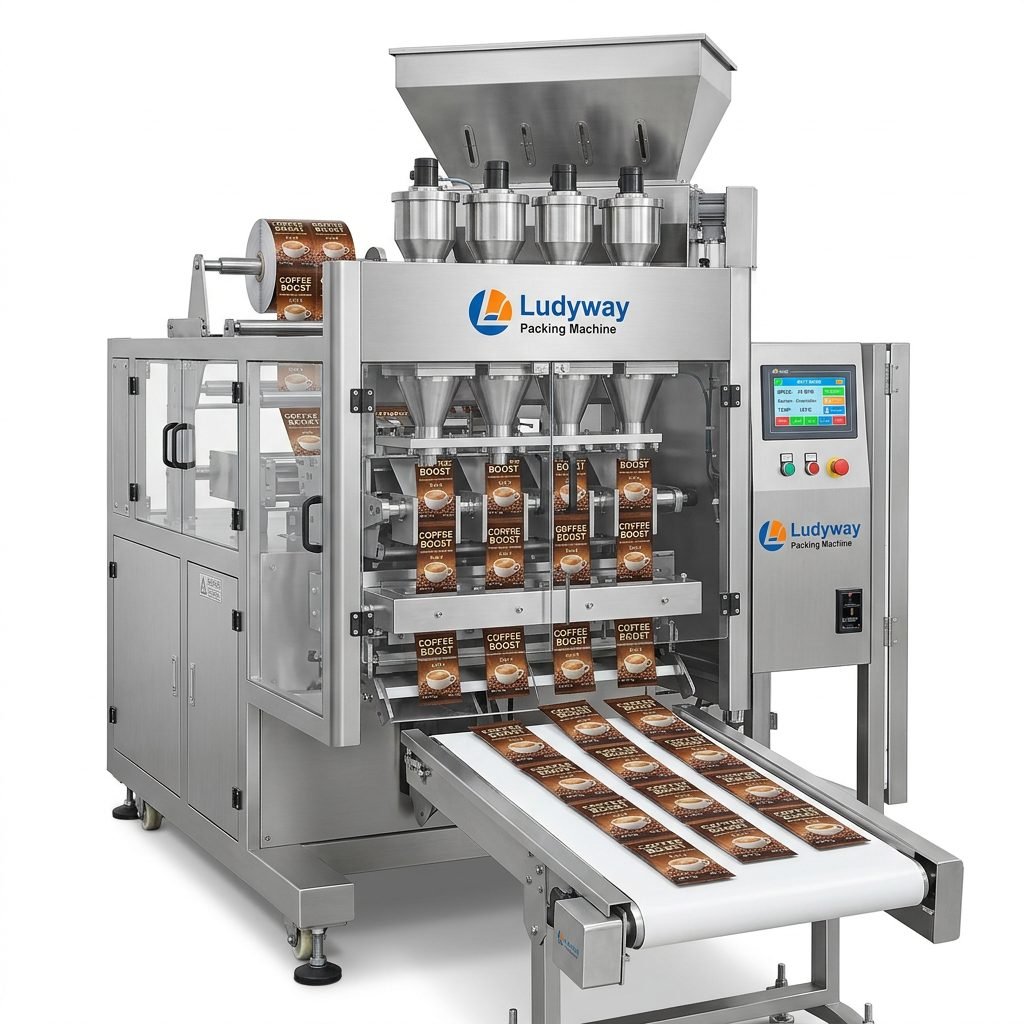
Investing in a wrap packaging machine is a strategic decision that can significantly impact your production efficiency, product quality, and bottom line. With a wide range of technologies, configurations, and manufacturers available, the selection process can feel overwhelming. This comprehensive guide walks you through the essential factors to consider, helping you identify the right automatic packaging equipment for your specific application.
1. Define Your Product and Packaging Requirements
Before evaluating machine specifications, you must clearly define what you are packaging. The characteristics of your product directly determine the type of packaging machinery you need.
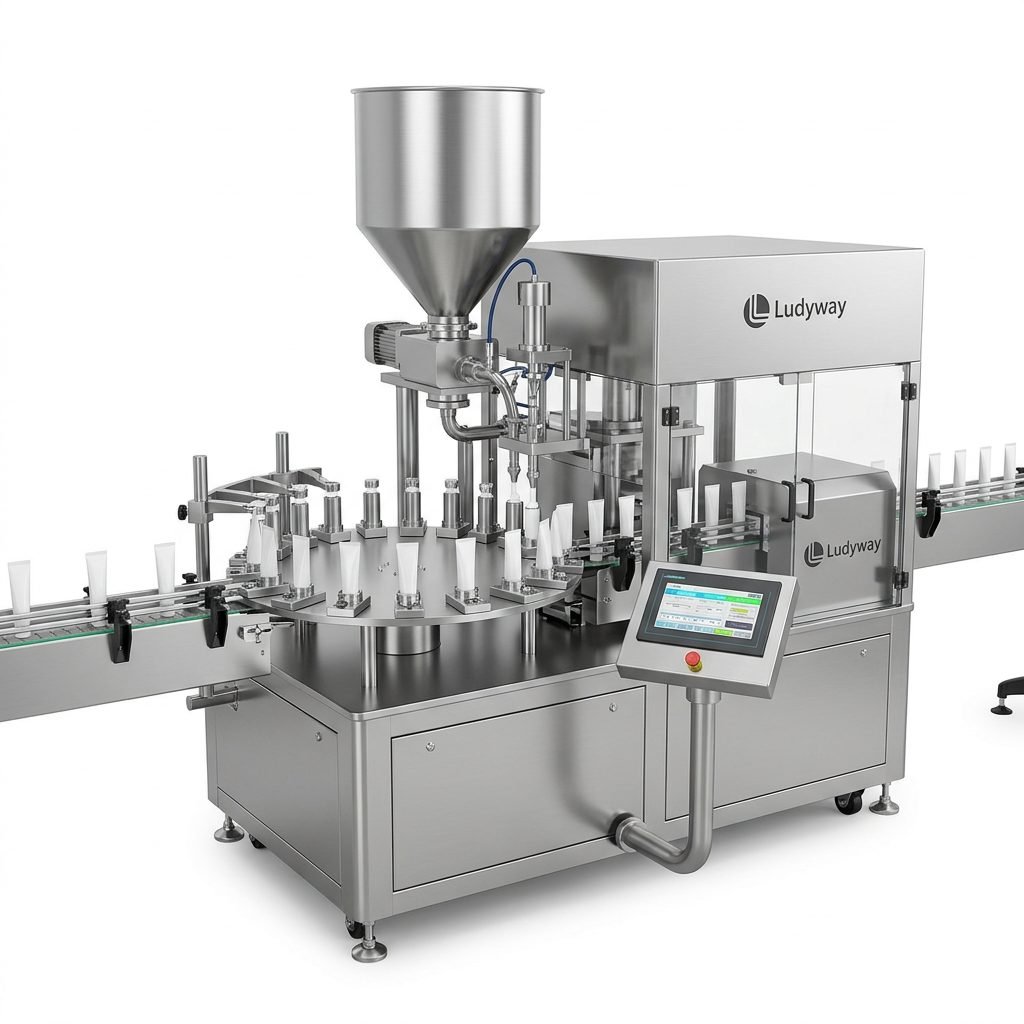
- Product state: Is it a powder, granule, liquid, paste, or solid item? Each physical form requires a specific dosing and filling mechanism. For example, auger fillers suit powders, while piston fillers are ideal for liquids.
- Product sensitivity: Does your product require protection from moisture, oxygen, or light? Food and pharmaceutical items often demand high-barrier films and modified atmosphere packaging capabilities.
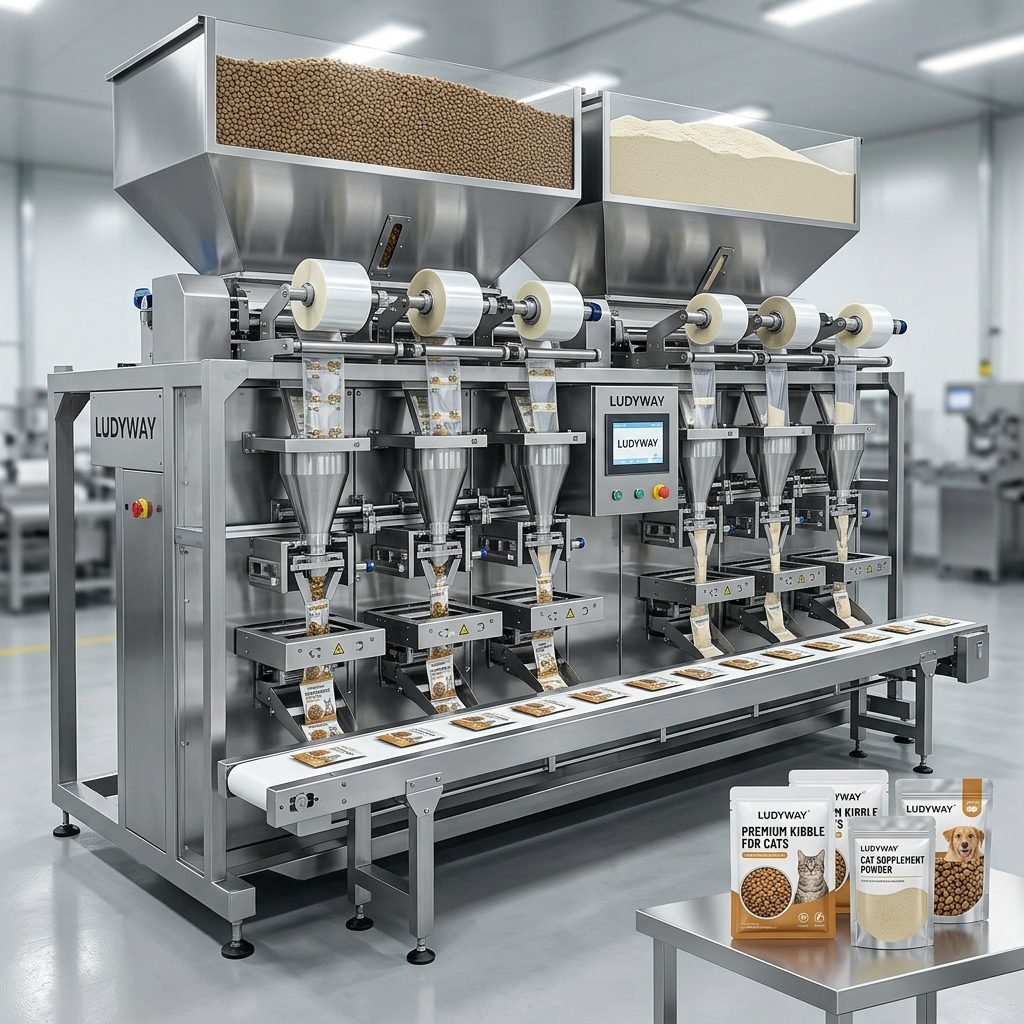
- Target bag format: Common formats include pillow bags, gusseted pouches, stick packs, sachets, and flexible packaging formats. Your machine must be compatible with your desired bag style and size range.
2. Understand Key Machine Specifications
When comparing different wrap packaging machine models, pay close attention to these critical performance indicators:
| Specification | What to Look For | Impact on Operations |
|---|---|---|
| Production Speed | Packs per minute / lanes | Determines throughput capacity and ability to meet demand |
| Filling Accuracy | ±1% to ±0.5% range | Reduces product giveaway and improves cost efficiency |
| Bag Size Range | Min/max width and length | Flexibility to run different SKUs on one machine |
| Material Compatibility | Film types and thickness range | Affects packaging quality and material costs |
| Automation Level | Manual, semi-auto, fully automatic | Labor requirements and integration capability |

3. Evaluate Machine Types and Technologies
Not all packaging machines are the same. The core technology impacts performance, maintenance, and overall suitability. Here are the primary categories:
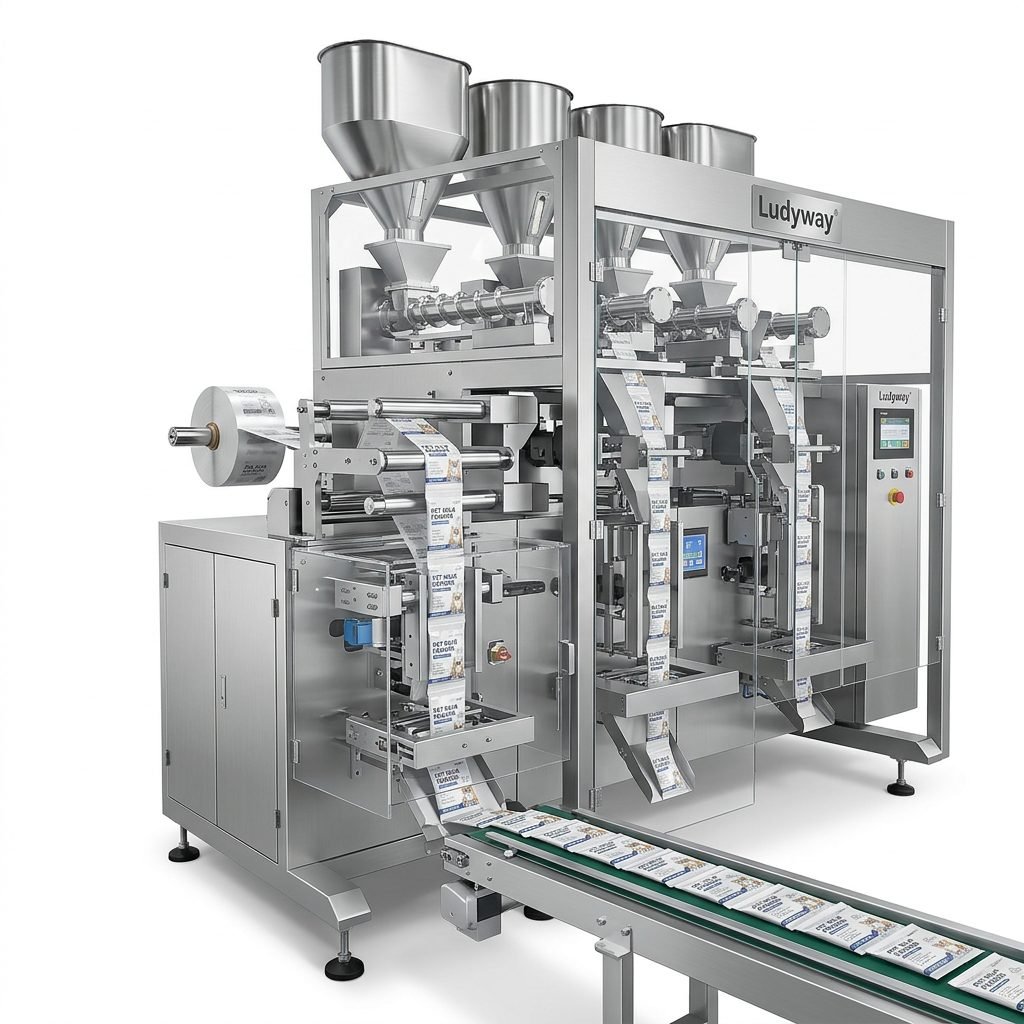
Vertical Form Fill Seal (VFFS) Machines
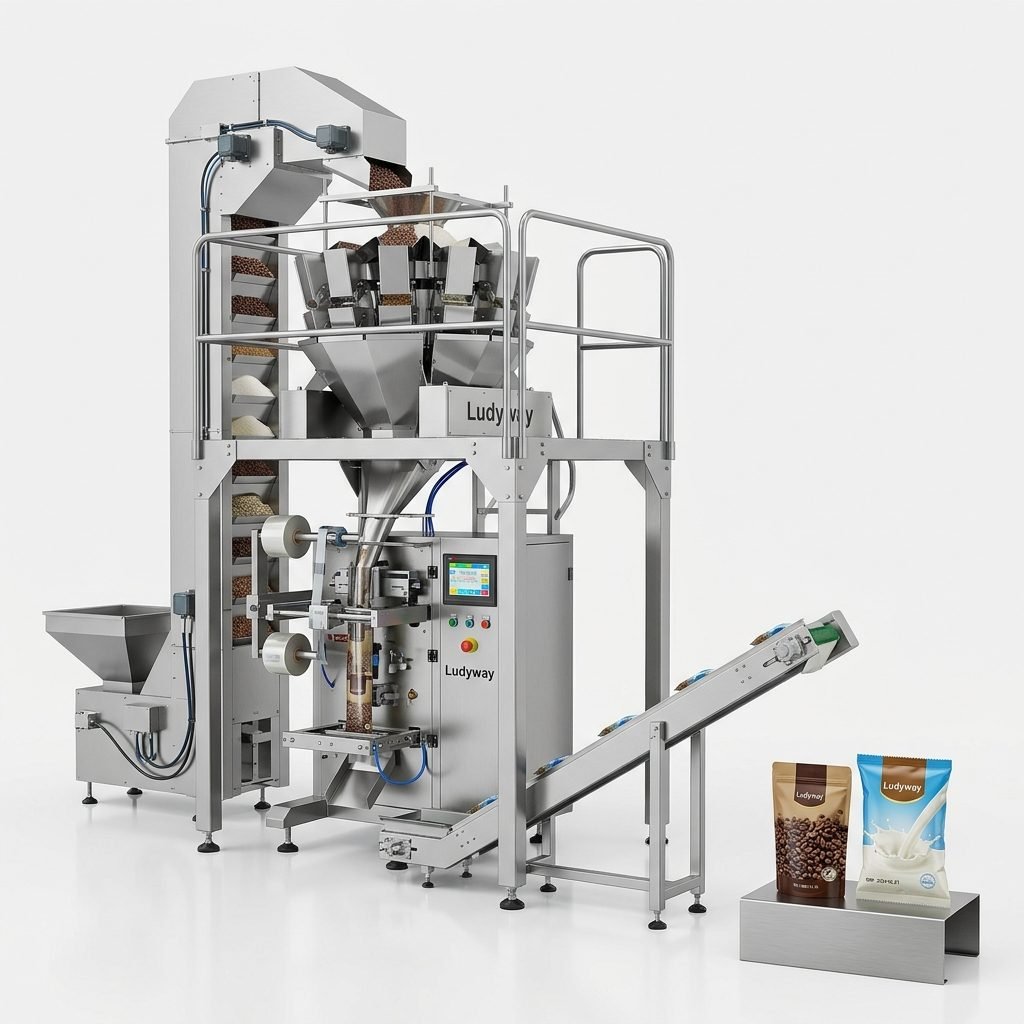
VFFS machines are widely used for powders, granules, and free-flowing products. They form bags from a flat roll of film, fill them vertically, and seal them. These are common in food, pharmaceutical, and chemical industries.
Horizontal Form Fill Seal (HFFS) Machines
HFFS equipment is typically used for solid, irregular-shaped products or applications requiring a horizontal product feed. It offers flexibility for various pouch styles and is often found in bakery, snack, and medical device packaging.
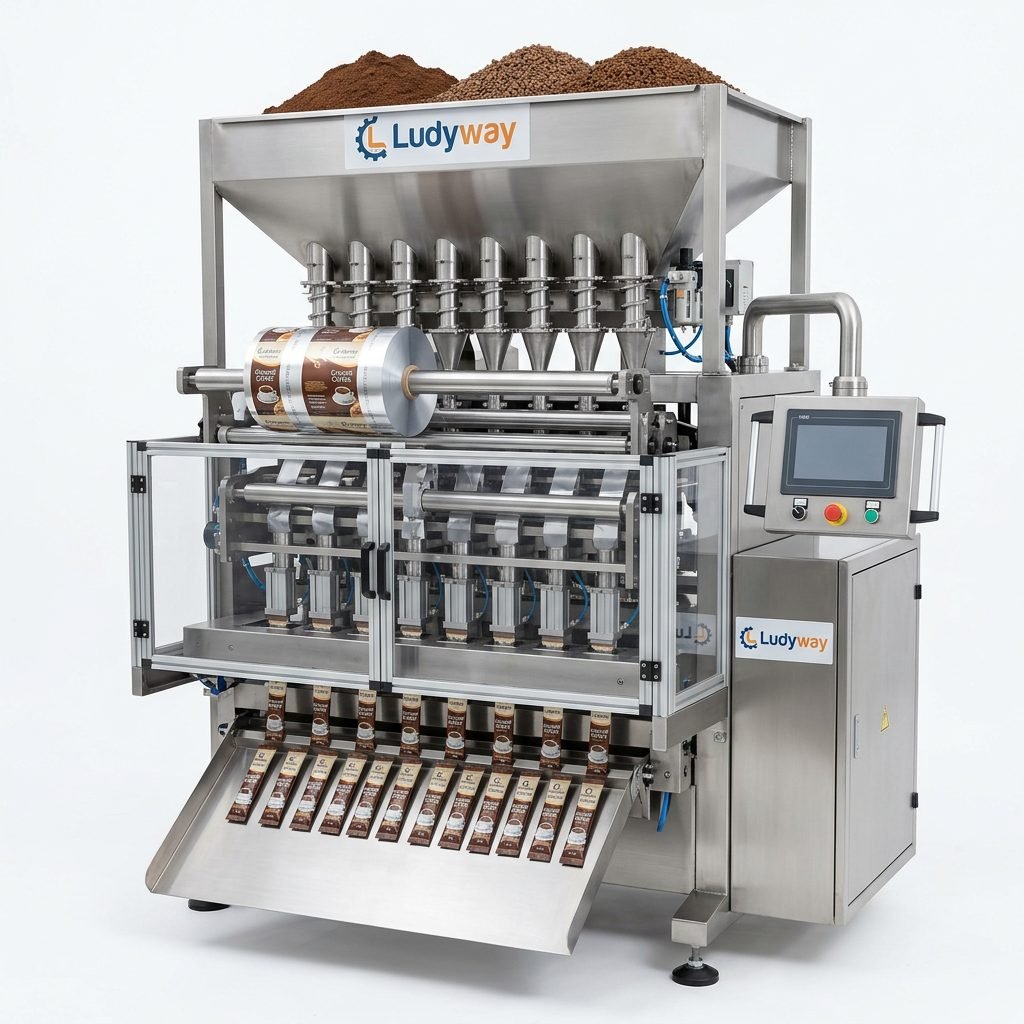
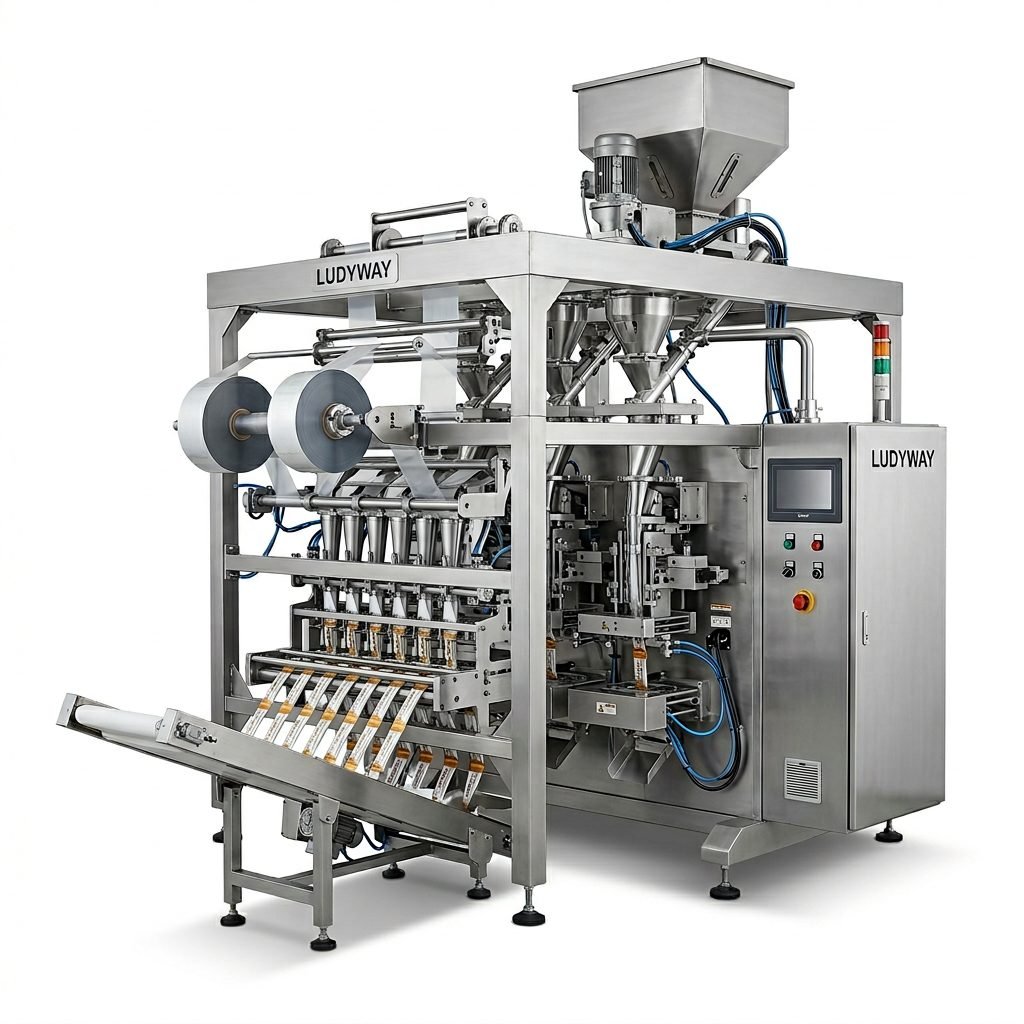
Multi-Lane Stick Pack Machines
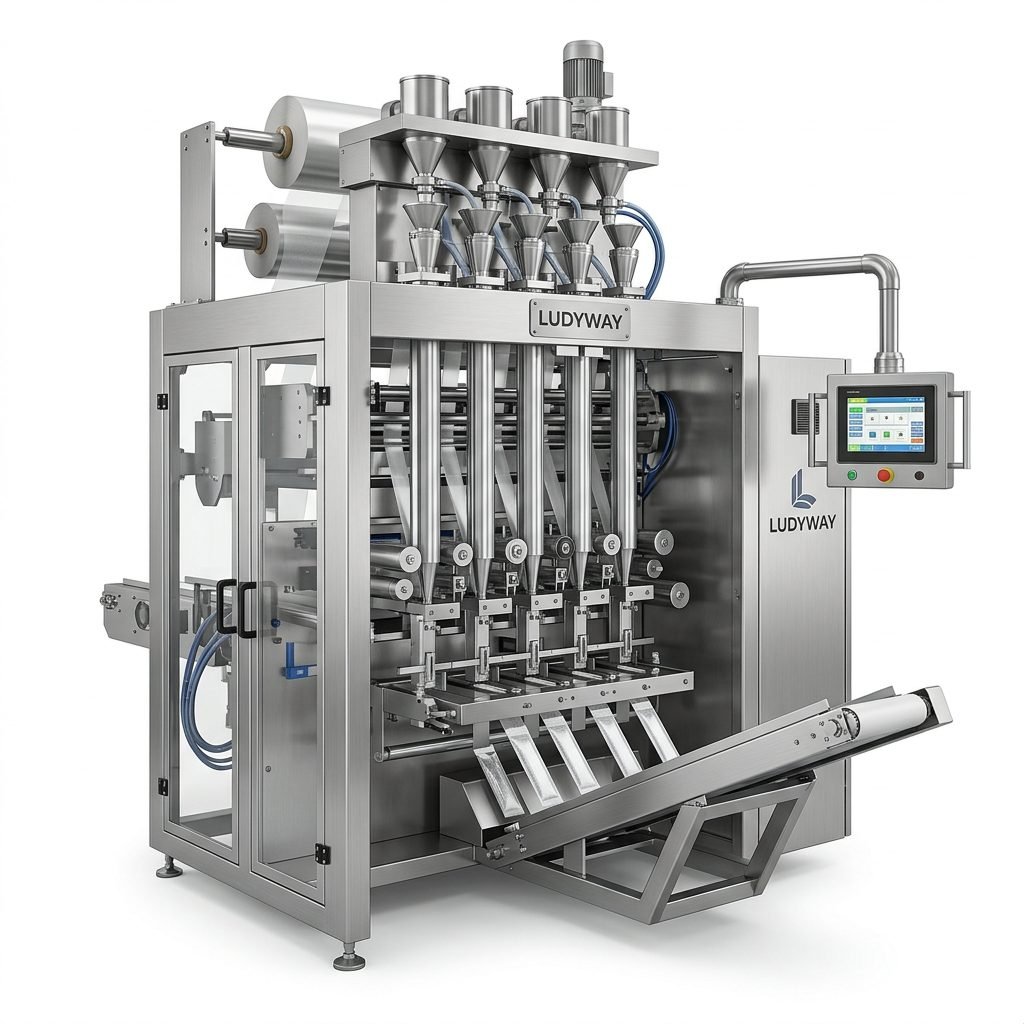
For single-serve and on-the-go products, multi-lane stick pack machines offer exceptionally high output by running multiple packaging lanes simultaneously. These are ideal for powders, granules, and liquids in the nutraceutical, instant beverage, and personal care sectors.
4. Consider Compliance and Industry Standards
Depending on your industry and target market, your wrap packaging machine may need to meet specific regulatory requirements. FDA regulations for food contact substances are critical for food and pharmaceutical packaging. Additionally, ISO packaging standards and GMP guidelines may apply. Machines should be constructed from food-grade stainless steel, with clean-in-place compatibility and validation-ready design if required.
5. Assess Automation and Line Integration
A modern packing strategy often involves more than just the primary wrapper. Consider how the machine will integrate into your broader production line:
- Upstream integration: Can the machine connect seamlessly with existing dosing, weighing, or feeding systems?
- Downstream integration: Does it interface with cartoning, case packing, and palletizing equipment?
- Control systems: Look for PLC-based controls with HMI touchscreens, recipe storage, and remote diagnostic capabilities.
6. Partner with the Right Manufacturer
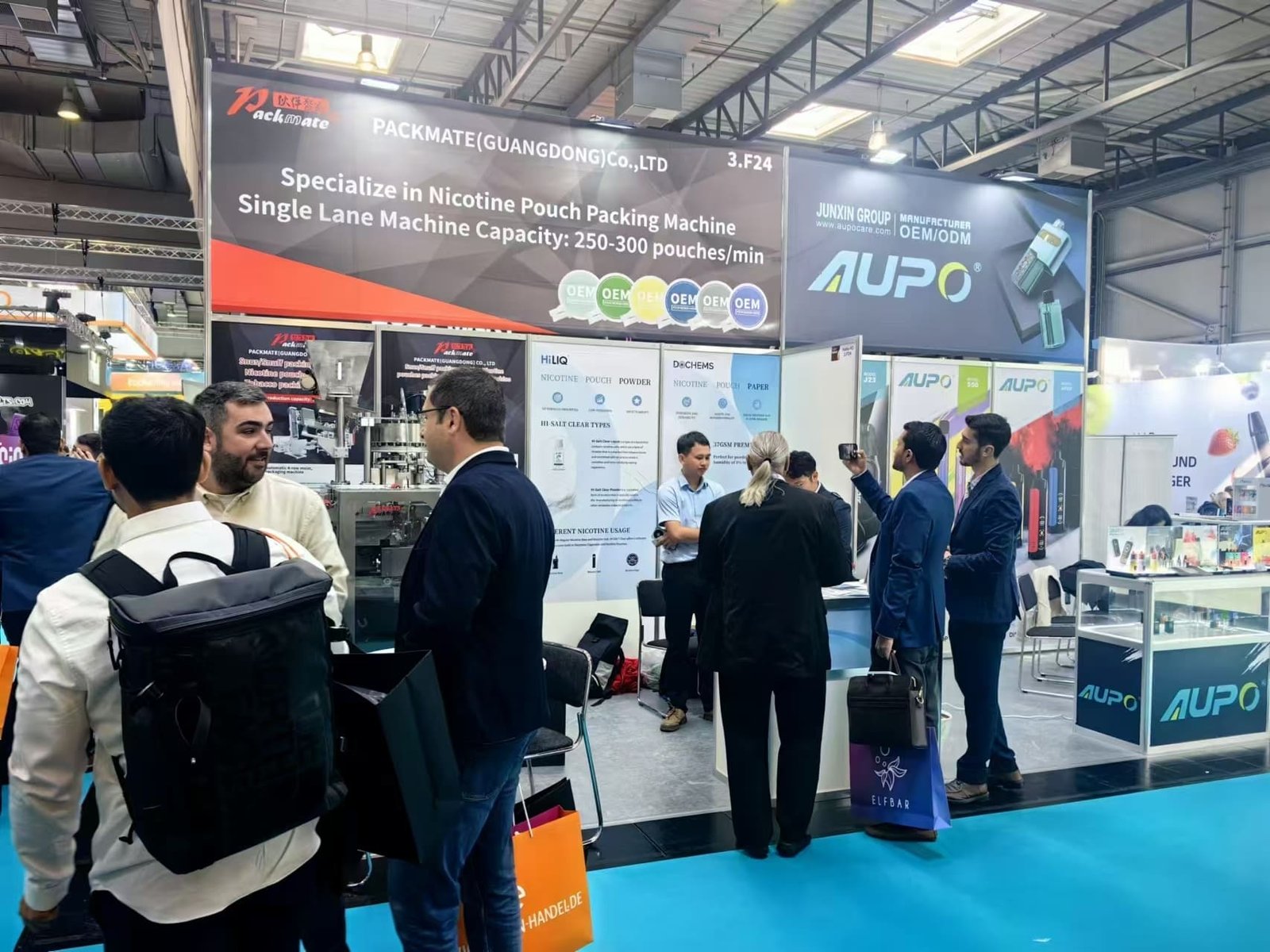
The reliability and longevity of your equipment depend heavily on the manufacturer’s engineering quality and support infrastructure. When researching suppliers, evaluate their manufacturing facilities, quality certifications, component sourcing (such as PLCs, pneumatics, and sensors from recognized global brands), and track record in your specific industry.
For instance, Ludyway Machinery operates a 20,000-square-meter manufacturing facility with over 130 professionals and provides more than 50 packaging machine models. The company offers integrated packaging systems for powder, granule, liquid, stick pack, sachet, and pouch applications, serving industries including food and beverage, pharmaceuticals, cosmetics, and chemicals. With projected export revenue exceeding RMB 500 million in 2025, the company demonstrates strong global manufacturing capabilities.
7. Analyze Total Cost of Ownership (TCO)
The purchase price is only one component. A thorough TCO analysis should include:
- Initial capital expenditure: Machine cost, installation, and commissioning.
- Operational costs: Labor, energy consumption, film material waste, and routine consumables.
- Maintenance and spare parts: Availability, cost, and lead time for critical wear parts.
- Downtime risk: Machine reliability and speed of technical support response.
8. Request Machine Testing and Validation
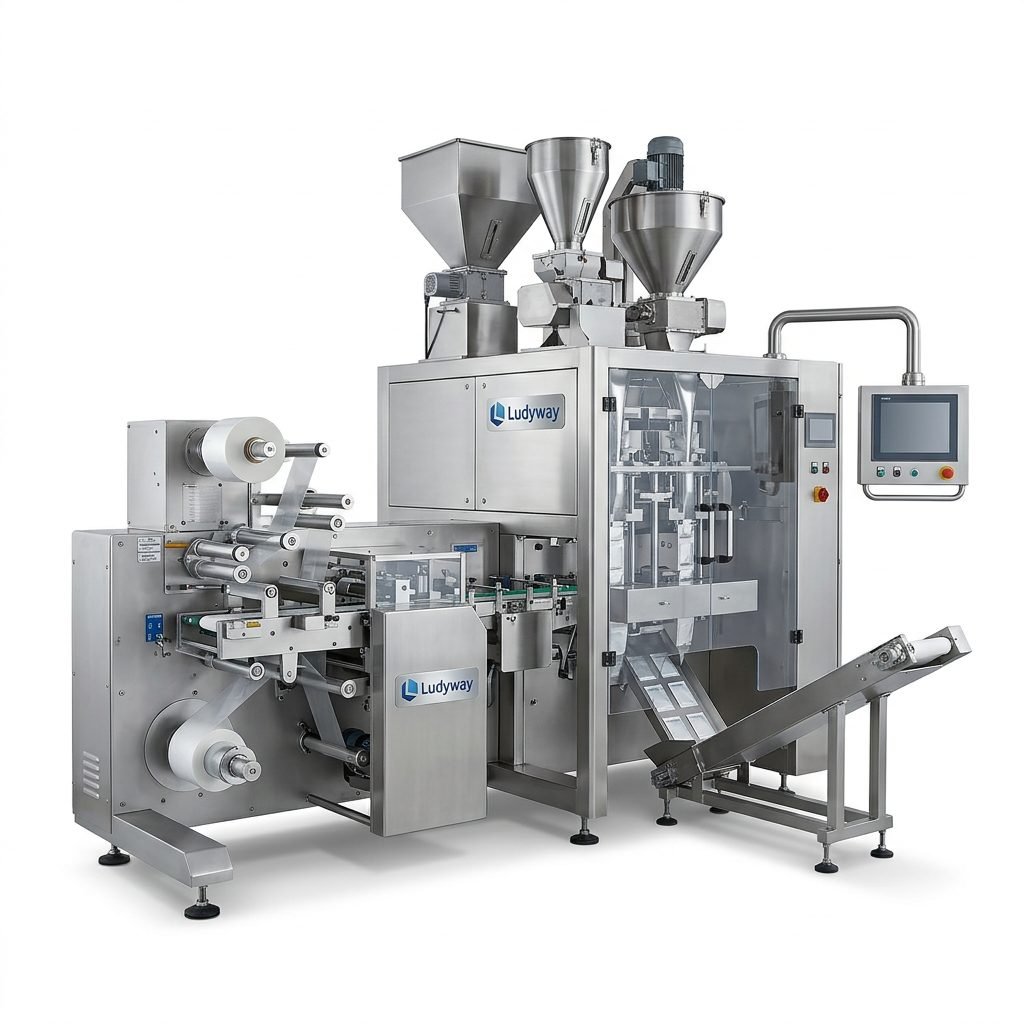
Before finalizing your purchase, insist on factory acceptance testing (FAT) with your actual product and packaging materials. This step validates that the wrap packaging machine performs to specification under real-world conditions. Key elements to evaluate during testing include seal integrity, fill weight accuracy, bag appearance consistency, and speed achievement.
Key Questions to Ask Suppliers
- What is the expected lifespan and recommended preventive maintenance schedule?
- Can you provide references from similar product applications?
- What is the standard lead time for the machine and critical spare parts?
- Do you offer remote troubleshooting and onsite training services?
- Is the machine design compliant with relevant packaging standards for my target markets?
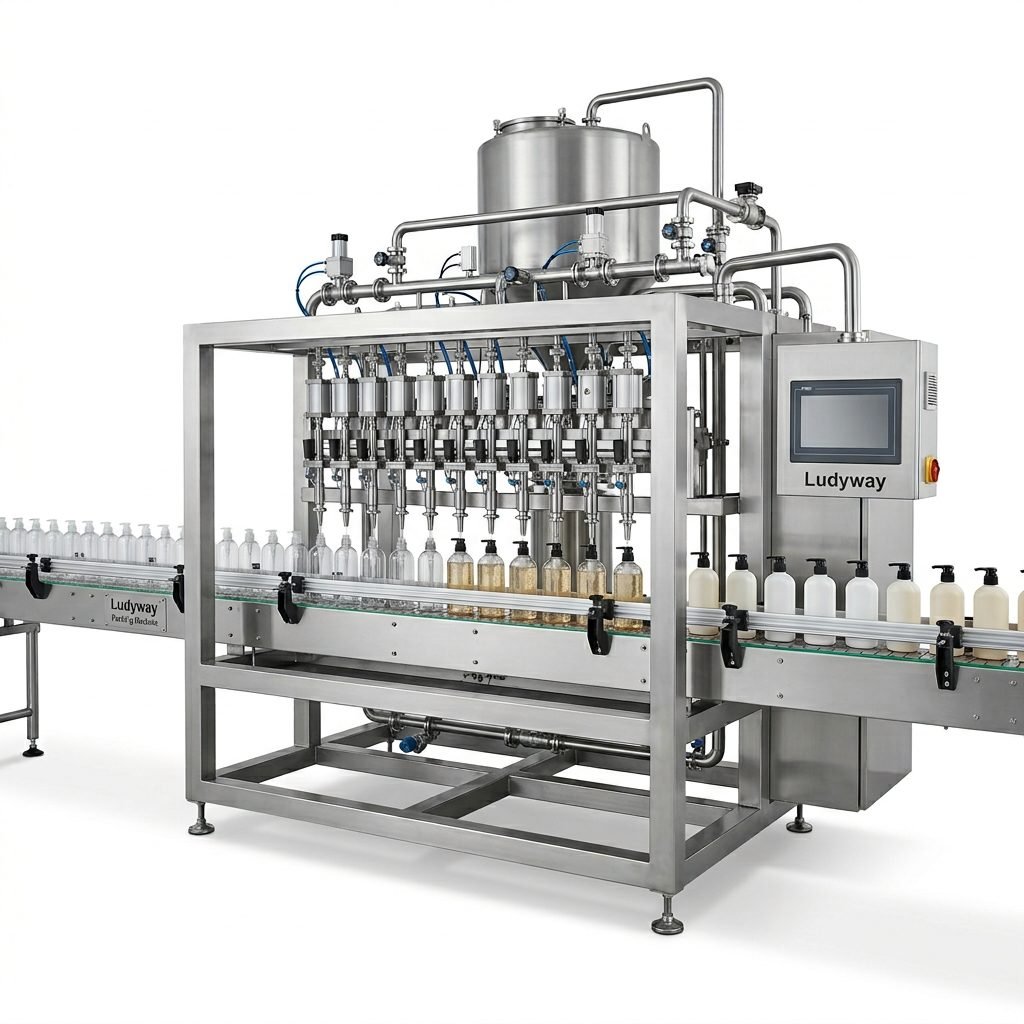
Choosing the right wrap packaging machine requires balancing technical requirements, production goals, compliance needs, and budget. By methodically evaluating your product characteristics, defining clear specifications, and partnering with an experienced manufacturer that understands your industry, you can secure a packaging solution that delivers consistent performance, scalability, and long-term value for your operation.