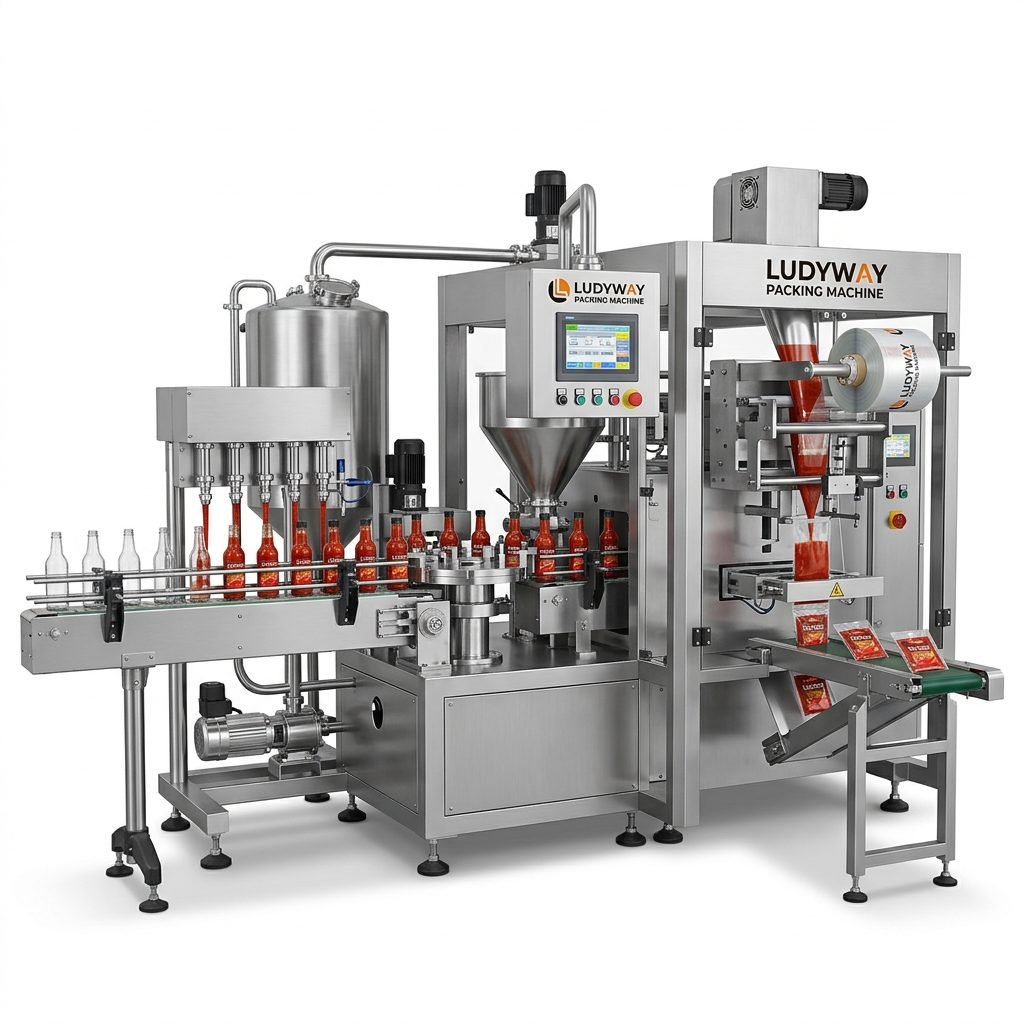
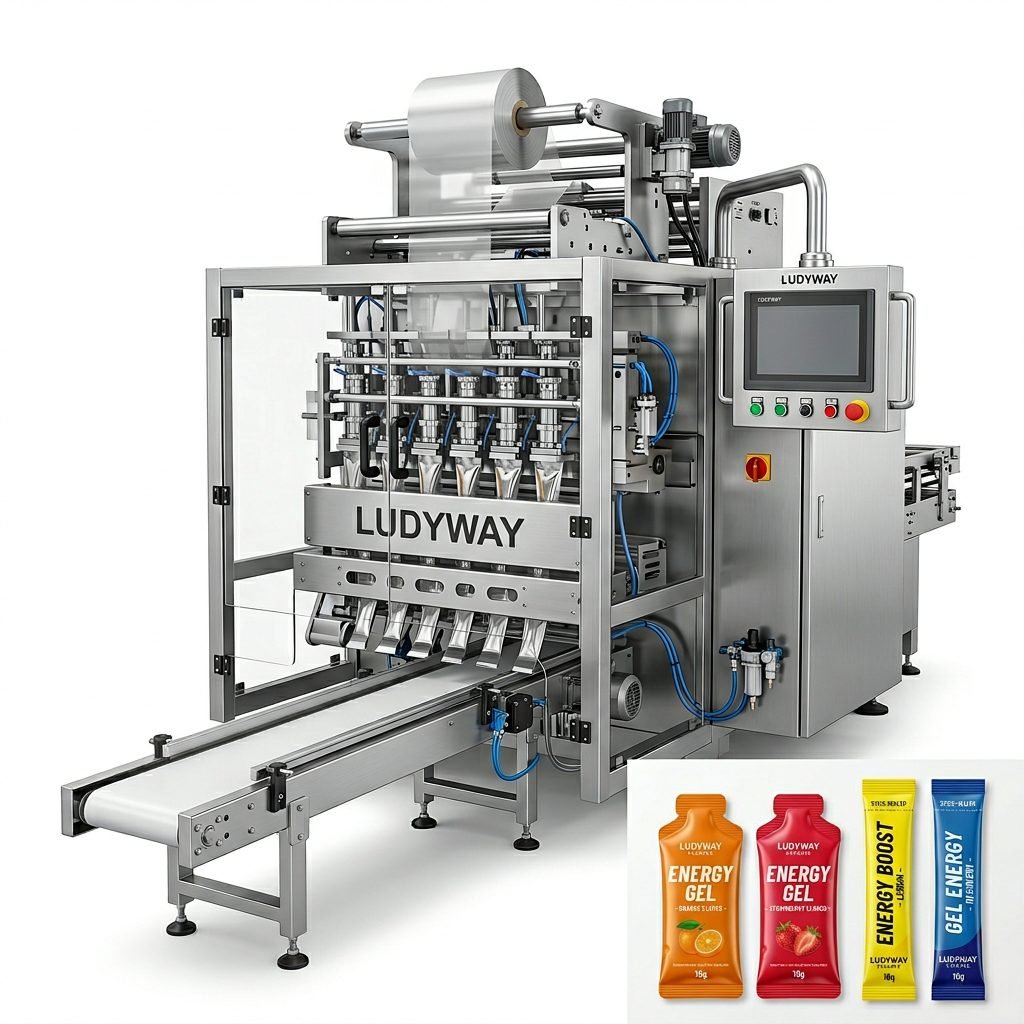
Selecting the right packaging equipment is a critical decision for manufacturers and businesses in Maryland (MD). The state’s diverse industrial landscape, ranging from food processing and agriculture to pharmaceuticals and biotechnology, demands versatile and reliable packaging solutions. In Maryland, where quality, efficiency, and compliance with stringent regulations are paramount, choosing the appropriate machine can significantly impact productivity, product integrity, and overall business success.
Understanding the Primary Types of Packaging Equipment
The packaging machinery market offers a wide array of equipment, each designed for specific applications. Understanding these types is the first step toward making an informed choice.
Filling Machines
These machines are responsible for accurately dispensing product into containers, pouches, or bags. Common types include:
• Volumetric Fillers: Ideal for free-flowing granules, powders, or liquids where consistent volume is key.
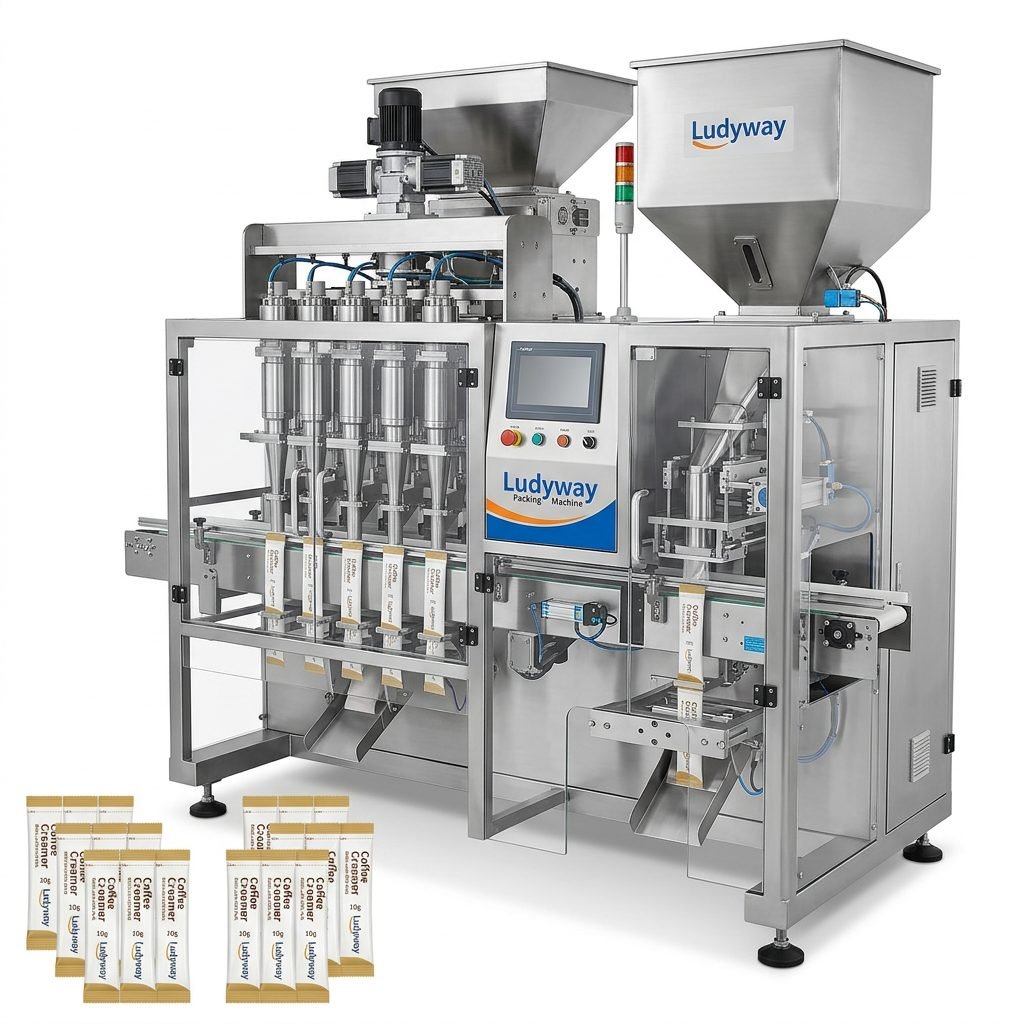
• Auger Fillers: Perfect for precise filling of powders, spices, and fine granules, a common need in Maryland’s food seasoning and supplement sectors.
• Liquid Fillers: Used for beverages, sauces, oils, and pharmaceutical liquids, ranging from simple gravity fillers to sophisticated piston fillers.
Sealing Machines
Once filled, the package must be securely closed. Sealing equipment varies by packaging format:
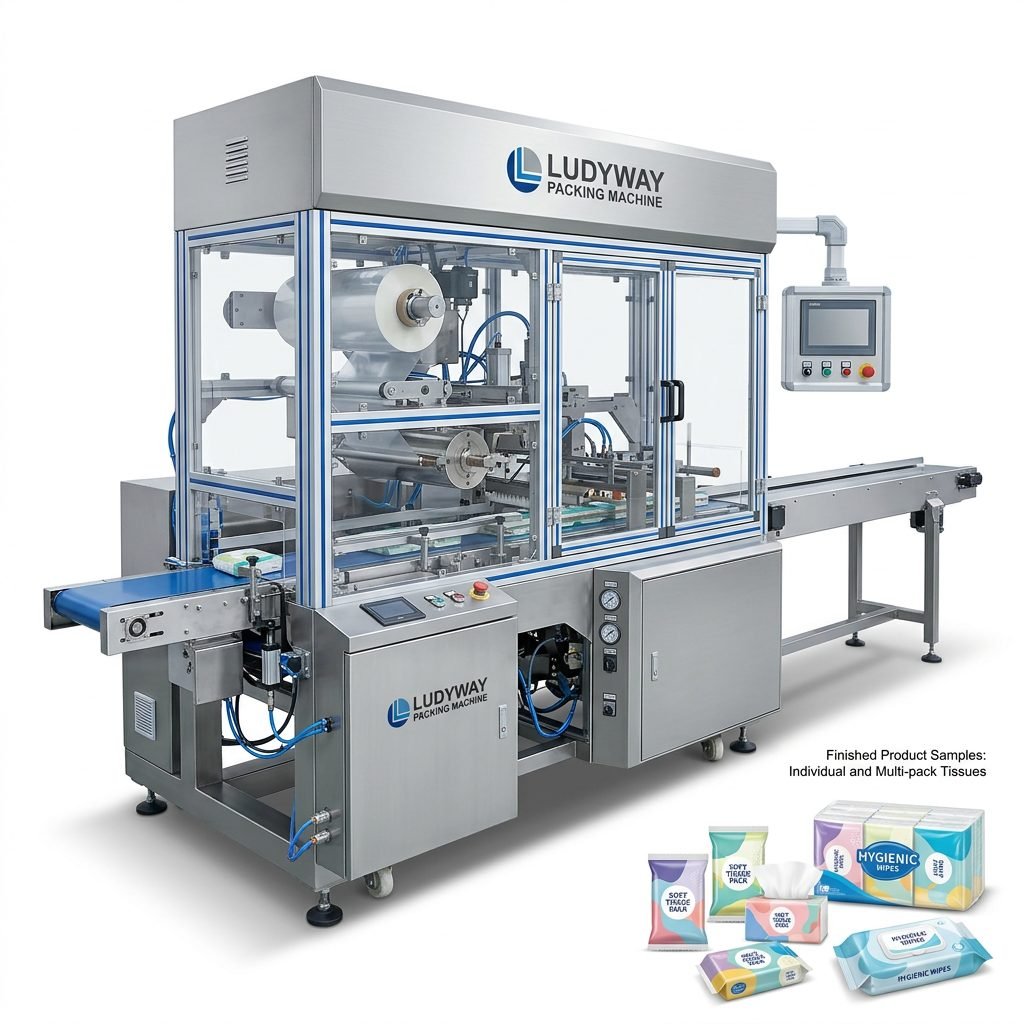
• Heat Sealers: Use heat to melt and fuse thermoplastic layers on pouches, sachets, and stick packs. This is crucial for maintaining freshness in snack foods and single-serve products popular in Maryland’s on-the-go consumer culture.
• Induction Sealers: Create a tamper-evident seal under bottle caps, essential for pharmaceuticals, chemicals, and premium food products.
Form-Fill-Seal (FFS) Machines
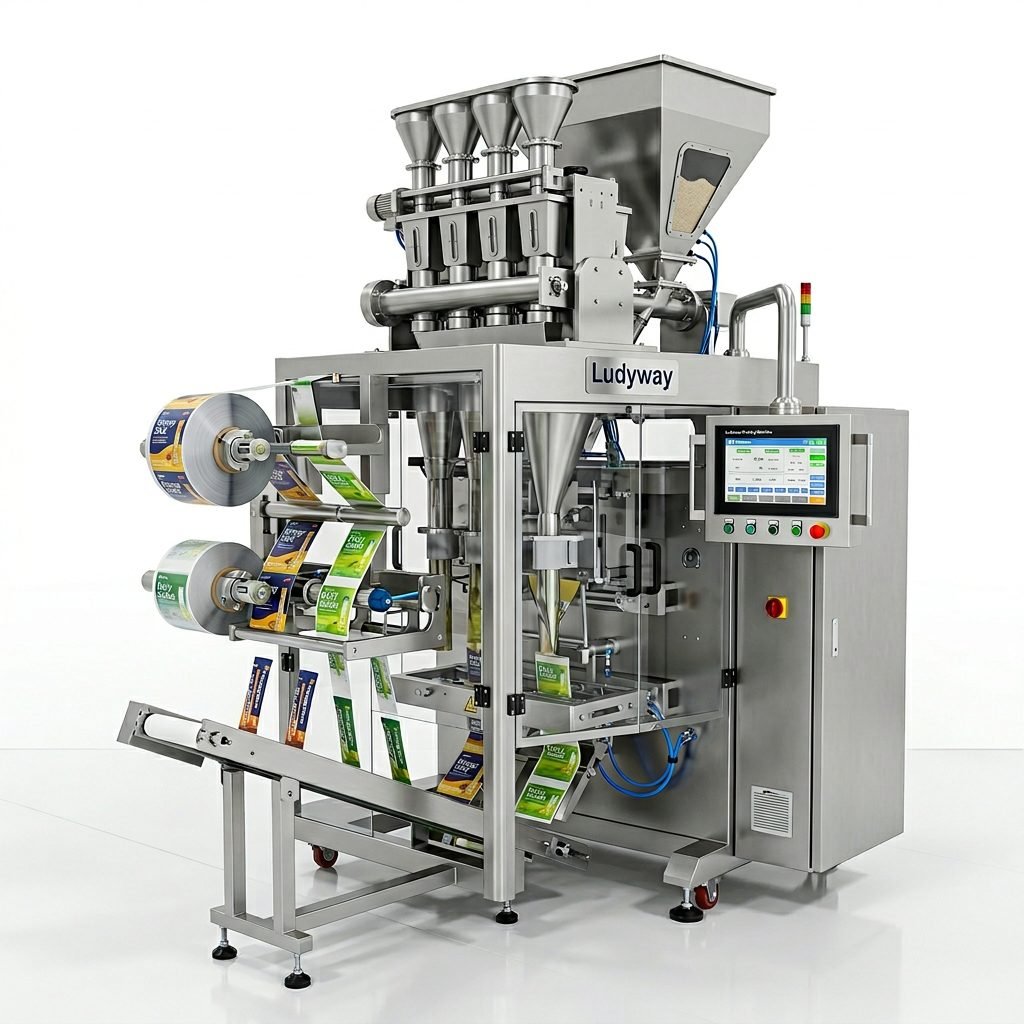
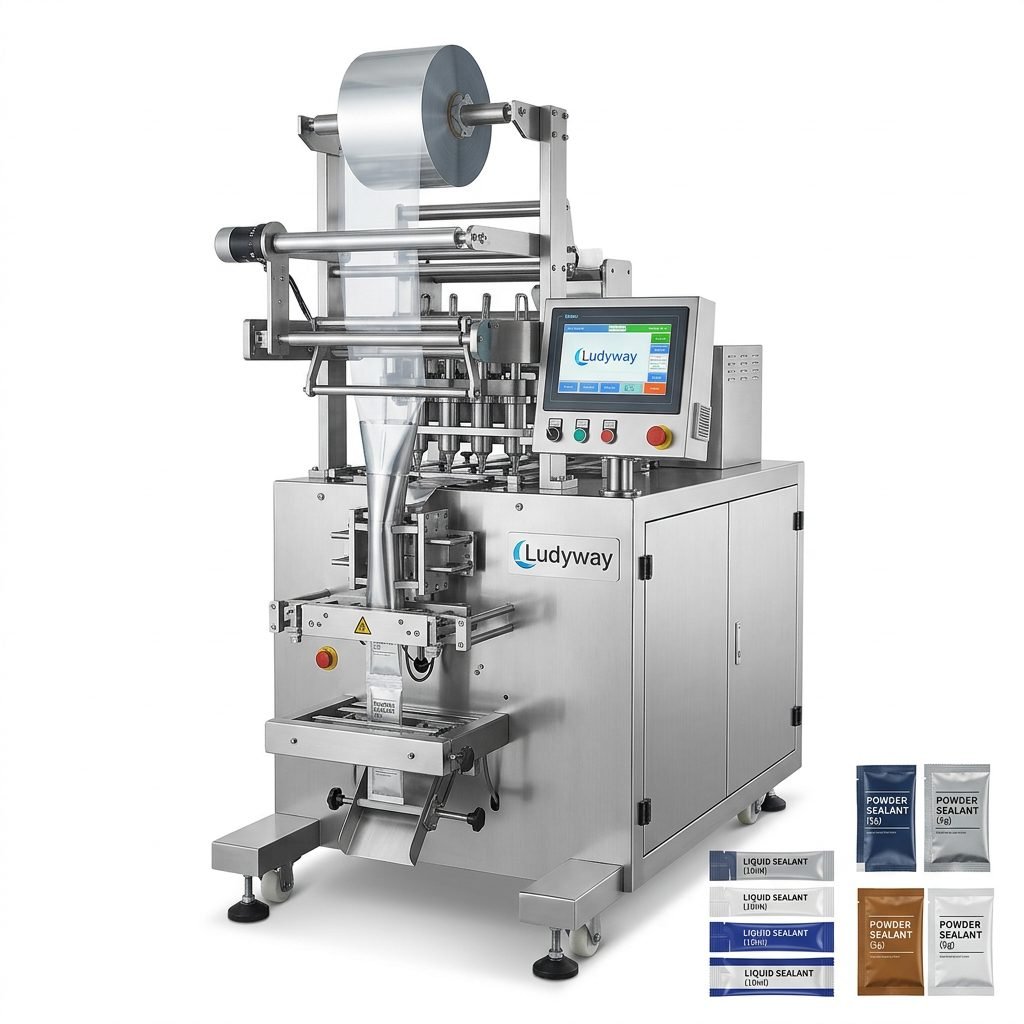
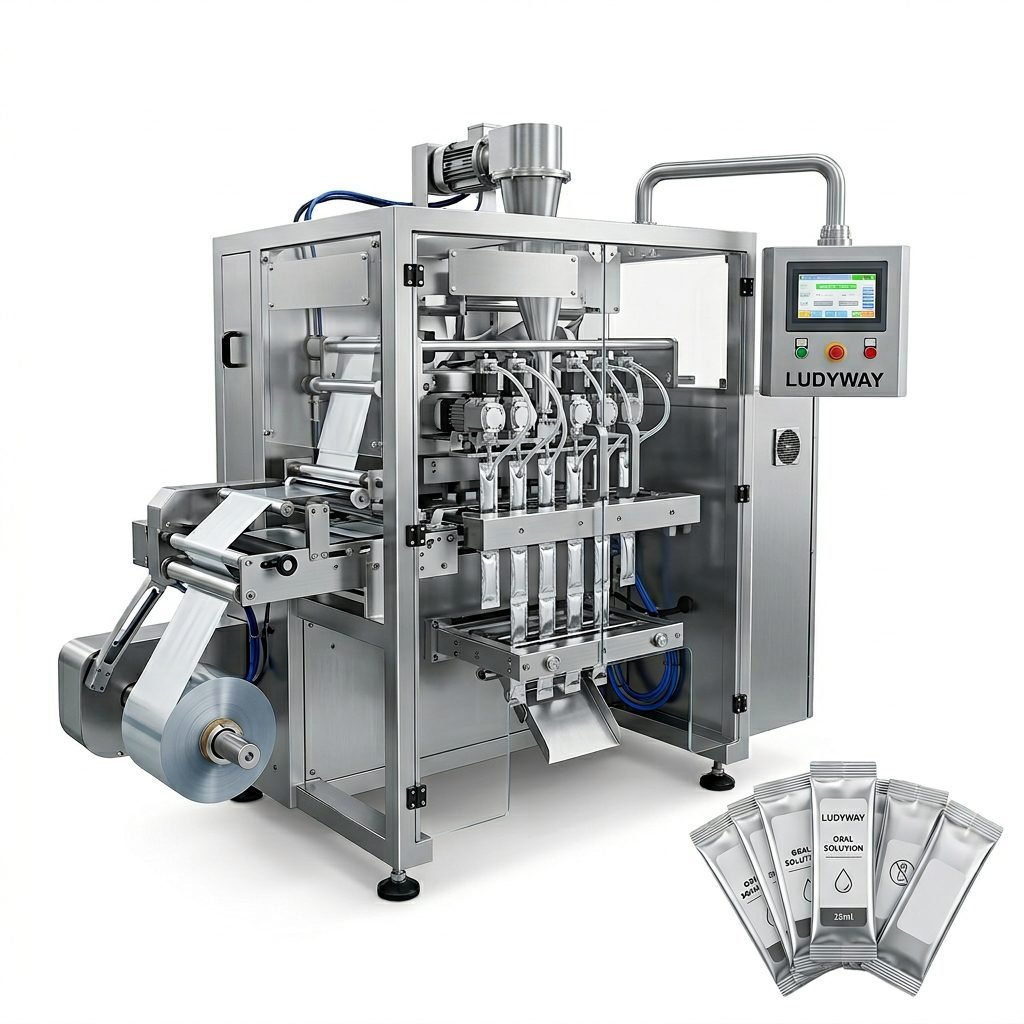
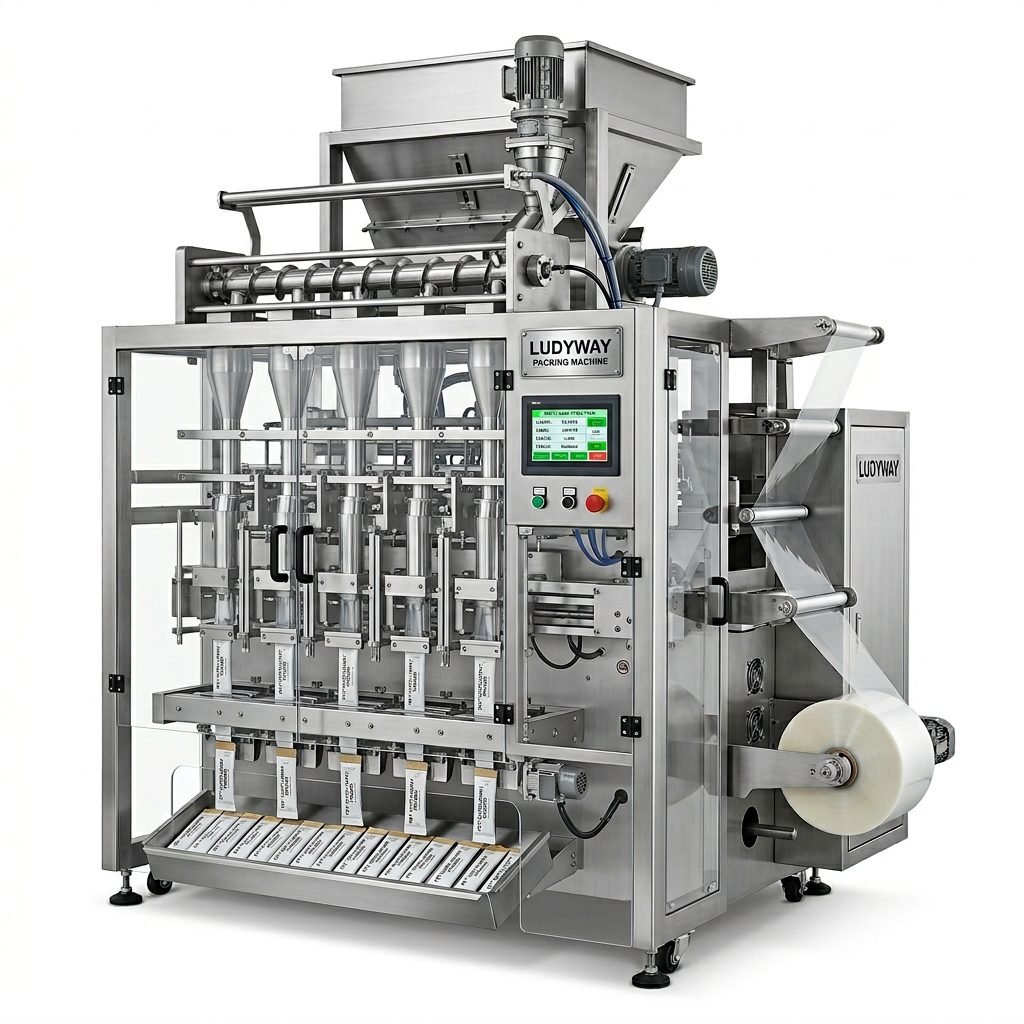
These all-in-one systems form the package from a roll of film, fill it with product, and seal it in a continuous operation. They are highly efficient for producing pouches, sachets, and stick packs. For Maryland businesses looking to package everything from Old Bay seasoning packets to single-dose medical supplements, FFS machines offer exceptional flexibility and speed.
Labeling and Coding Equipment
Proper identification is non-negotiable. This category includes:
• Label Applicators: Automatically apply product labels, barcodes, or nutritional information.
• Inkjet & Laser Coders: Print batch codes, expiration dates, and lot numbers directly onto packaging. Compliance with traceability regulations in Maryland’s food and pharma industries makes this equipment vital.
Key Applications Across Maryland Industries
Maryland’s economic drivers directly influence packaging needs. Here’s how different equipment serves key local sectors:
Food & Beverage
From Chesapeake Bay seafood processors to craft breweries and bakeries, this sector requires equipment that ensures freshness and appeals to consumers. Vertical form-fill-seal machines for snacks, liquid fillers for sauces and dressings, and vacuum sealers for meats are in high demand. Equipment must handle diverse products, from moist to dry, and often needs to be easy to clean for allergen control.
Pharmaceuticals & Life Sciences
With a strong presence in Baltimore and the I-270 corridor, this sector demands precision, sterility, and strict compliance. Blister packaging machines, high-accuracy powder fillers for capsules, and tamper-evident sealing systems are critical. Machines must often be validated for cGMP (current Good Manufacturing Practice) standards.
Agriculture & Specialty Goods
Maryland’s farms produce everything from tomatoes to nursery plants. Packaging equipment for this sector includes weigh-price labelers for fresh produce, baggers for grains or soil amendments, and specialized packaging for value-added products like jams or honey. Durability and the ability to handle organic or delicate products are key considerations.
How to Choose the Right Packaging Machine for Your MD Business
Making the right investment requires a systematic evaluation of your specific needs.
1. Define Your Product and Packaging Specifications
Start with the basics: What are you packaging (powder, liquid, solid)? What is your package type (pouch, bottle, stick pack, canister)? Consider product characteristics like abrasiveness, viscosity, and sensitivity to oxygen or moisture. Also, define your desired package size range and any special features like zippers or spouts.
2. Assess Your Production Volume and Speed Requirements
Are you a small-batch artisanal producer or a large-scale contract manufacturer? Calculate your required output in packages per minute (PPM) or per shift. Choosing a machine that matches your throughput prevents bottlenecks and avoids over-investing in excessive, unused capacity.
3. Prioritize Accuracy and Consistency
For food and pharmaceuticals, accurate fill weight is crucial for cost control and regulatory compliance. Look for machines with high-precision filling systems (e.g., servo-driven augers, net weigh scales) and consistent sealing performance. Inconsistent seals lead to product waste and customer complaints.
4. Evaluate Flexibility and Changeover Time
If you run multiple products or package sizes, quick changeover is essential. Machines with tool-less adjustments, programmable recipes, and easy-to-switch parts minimize downtime and increase overall equipment effectiveness (OEE).
5. Consider Operational and Safety Factors
Ease of operation, cleaning, and maintenance directly impact your labor costs and productivity. Look for user-friendly interfaces (often touchscreen HMIs) and sanitary designs with easy access to key components. Safety features like guarding, emergency stops, and compliance with ANSI or OSHA standards are mandatory for protecting your team.
6. Plan for Support and Service
Your relationship with the equipment supplier doesn’t end at purchase. Ensure they offer reliable technical support, readily available spare parts, and comprehensive training. A supplier with a strong service network can be invaluable for minimizing downtime. Companies like Ludyway Packing Machine, with decades of industry experience, often provide this crucial ongoing partnership.
7. Analyze Total Cost of Ownership (TCO)
Look beyond the initial purchase price. Consider energy consumption, required consumables (like film or labels), maintenance costs, and potential future upgrade paths. A slightly higher initial investment in a more efficient, durable machine often results in a lower TCO over its lifespan.
Partnering for Success in Maryland’s Market
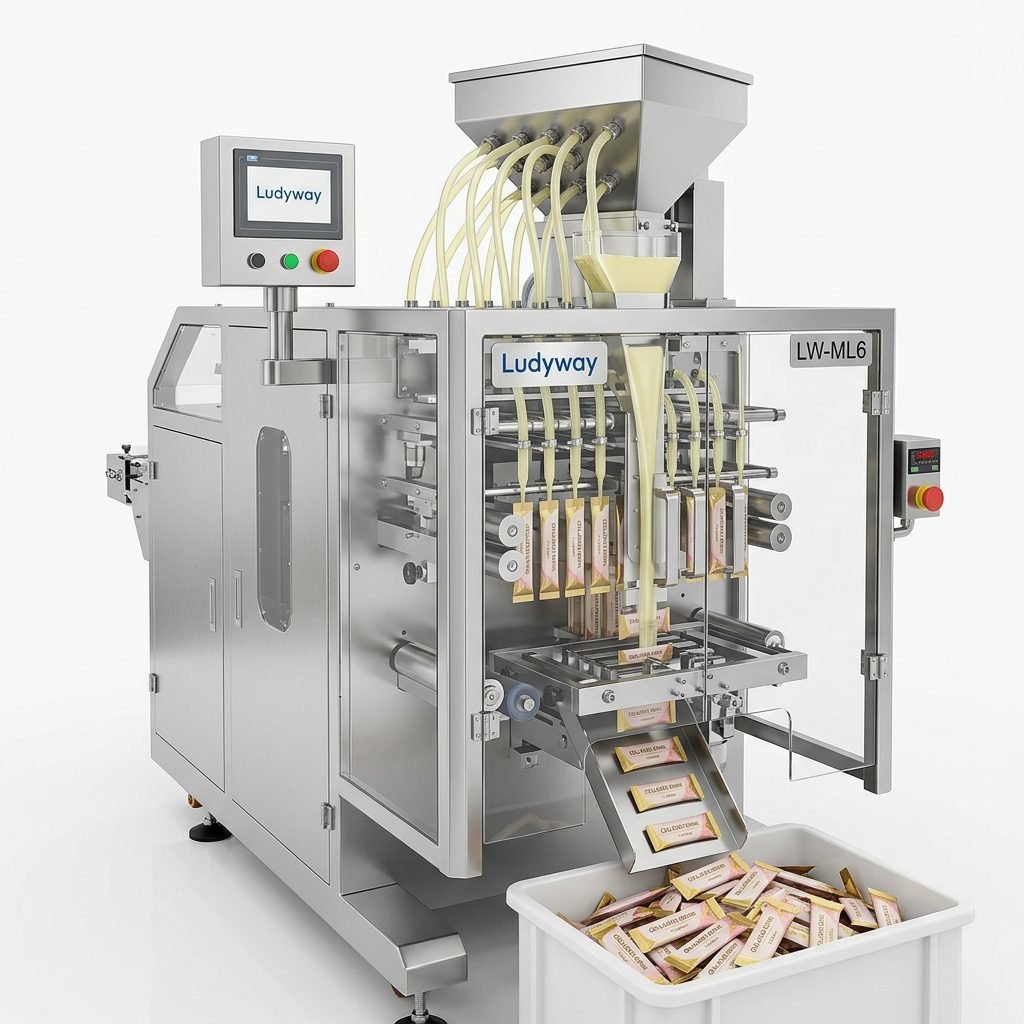
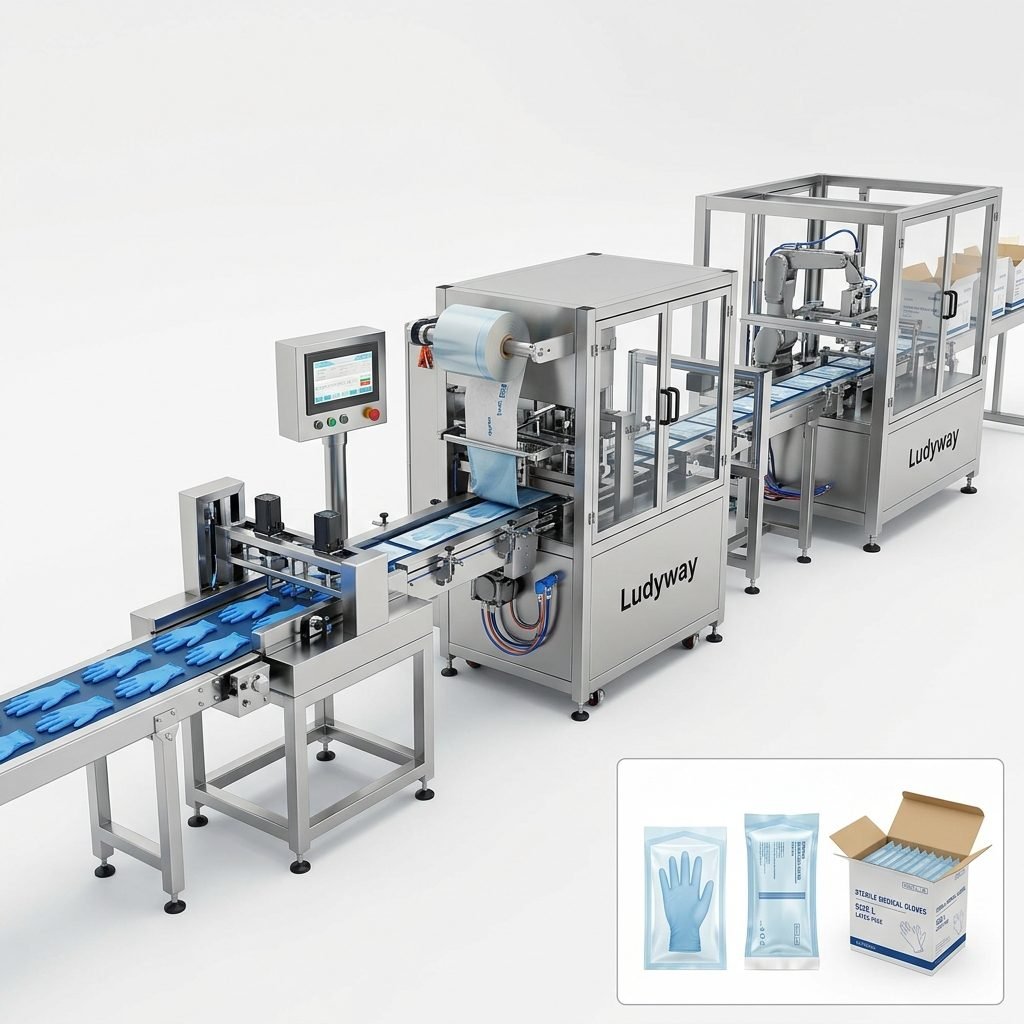
Navigating the complex packaging landscape in Maryland benefits from expert guidance. A knowledgeable partner can help you assess your needs, recommend suitable equipment from a range of options like multi-lane stick pack machines or sachet packaging systems, and ensure a smooth integration into your production line. They understand local industry nuances, from seafood packaging challenges to biotech compliance, and can tailor solutions accordingly.
Ultimately, the right packaging equipment is a strategic asset. It enhances your brand through professional presentation, protects your product quality, improves operational efficiency, and helps you meet the specific demands of Maryland’s discerning markets and regulatory environment. By carefully considering the types, uses, and selection criteria outlined here, you can make a confident investment that supports your business growth for years to come.
Frequently Asked Questions (FAQs)
What is the most important factor when choosing packaging equipment for a small business in Maryland?
Flexibility and ease of use are often paramount. Small businesses frequently handle multiple products or limited runs. A machine that allows for quick, simple changeovers between package sizes or products maximizes uptime and ROI without requiring extensive technical expertise.
How does packaging equipment need to adapt for Maryland’s humid climate, especially near the Chesapeake?
Humidity can affect both packaging materials and machine performance. Equipment should be constructed with corrosion-resistant materials (e.g., stainless steel surfaces). For hygroscopic products (like spices or certain powders), machines with integrated nitrogen flushing or desiccant options in the sealing area may be necessary to prevent moisture absorption and extend shelf life.
Are there specific regulations in Maryland that affect packaging machine selection?
Yes. Businesses must comply with federal regulations (FDA, USDA), which may dictate materials and sealing integrity. Maryland’s environmental initiatives also encourage sustainable packaging. Choosing equipment that can run with recyclable or compostable films can be advantageous. Furthermore, local health codes for food contact surfaces influence the required sanitary design of the machinery.
What is the typical lead time for receiving and installing a new packaging machine?
Lead times vary widely based on machine complexity and customization. Standard models may be available in 4-8 weeks, while fully custom or turnkey lines can take several months. It’s crucial to factor in site preparation, utility hookups, and operator training in your project timeline. Discuss this in detail with your supplier during the planning phase.
Can existing packaging equipment be upgraded or retrofitted instead of replaced?
Often, yes. Many machines can be upgraded with newer controls for better accuracy, additional filling heads for higher speed, or new sealing jaws for different materials. Retrofitting can be a cost-effective way to improve performance, add functionality, or adapt to new packaging formats without the capital expense of a completely new machine. A qualified service provider can assess your current equipment’s upgrade potential.