Investing in a notebook packing machine is a strategic decision that directly impacts production efficiency, product protection, and long-term operational costs. Whether you are packaging spiral-bound notebooks, hardcover journals, or custom stationery products, the right equipment ensures consistent output quality while minimizing labor and material waste. This guide walks you through the essential factors to evaluate before making a purchase.

Understanding Your Notebook Packaging Requirements
Before comparing machine specifications, clearly define your production needs. Consider the notebook dimensions, weight range, packaging format, and desired output speed. Are you packaging individual notebooks in shrink wrap, or bundling multiple units into cartons? Do your products require protective inserts or specialized handling to prevent cover damage during transit?
Key parameters to document include:
- Product size range – minimum and maximum notebook dimensions your machine must accommodate
- Production volume – units per minute or per shift, including expected growth over the next 3–5 years
- Packaging format – shrink wrap, flow wrap, carton packing, or a combination of methods
- Material compatibility – film types, thicknesses, and any sustainability requirements
- Changeover frequency – how often you switch between different notebook sizes or packaging styles
Key Features to Look for in a Notebook Packing Machine
Modern notebook packing machines offer a range of features designed to improve throughput and reduce downtime. When evaluating equipment, prioritize the following capabilities:
| Feature | Why It Matters |
|---|---|
| Servo-driven sealing | Precise temperature and pressure control for consistent seal integrity |
| Quick-change tooling | Reduces downtime between product runs and supports flexible production schedules |
| Integrated inspection systems | Detects missing products, open seals, or labeling errors before shipment |
| HMI touchscreen controls | Simplifies operator training and enables recipe-based setup for different products |
| Energy-efficient design | Lowers operating costs and supports corporate sustainability goals |
Types of Notebook Packing Machines
The packaging machinery market offers several configurations suited to different production environments. Understanding the distinctions helps narrow your options effectively.
Semi-Automatic vs Fully Automatic Systems
Semi-automatic machines require manual product feeding but automate the sealing and cutting processes. They are ideal for smaller operations or companies transitioning from manual packaging. Fully automatic notebook packing machines, by contrast, handle product infeeding, wrapping, sealing, and discharge without operator intervention, delivering significantly higher throughput.
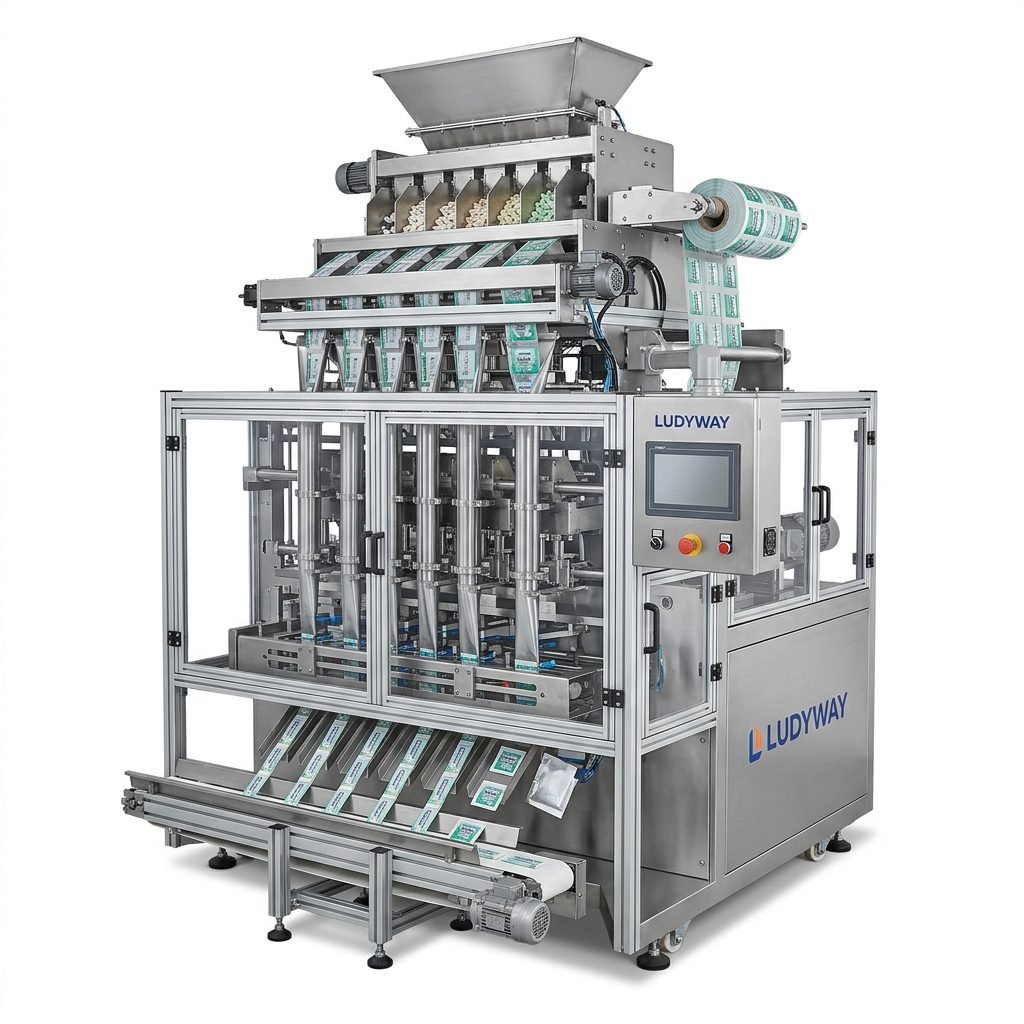
Multi-Lane Packaging Systems
For high-volume notebook manufacturers, multi-lane packaging systems can process multiple products simultaneously. These configurations dramatically increase output while maintaining consistent quality across all lanes. According to PMMI packaging industry research, multi-lane systems are increasingly adopted by manufacturers seeking to scale production without proportional increases in floor space or labor.

Evaluating Machine Quality and Compliance
Packaging equipment represents a significant capital investment, and machine quality directly affects long-term reliability. Look for manufacturers that adhere to recognized international standards. The ISO packaging standards provide a useful benchmark for evaluating build quality and safety compliance. Additionally, if your notebooks are destined for food-grade environments or pharmaceutical applications, verify that equipment meets relevant FDA packaging regulations.
Key quality indicators include:
- Frame construction materials and rigidity
- Electrical component brands and certifications (CE, UL, etc.)
- Pneumatic and automation system reliability
- Availability of compliance documentation for your target markets
- Warranty terms and covered components
Choosing the Right Packaging Machinery Partner
Selecting the right equipment supplier is as important as choosing the machine itself. A dependable partner provides not only reliable machinery but also engineering support, installation, training, and after-sales service. Manufacturers that offer flexible packaging solutions and can customize equipment to your specific notebook dimensions and packaging materials bring added value to your investment.
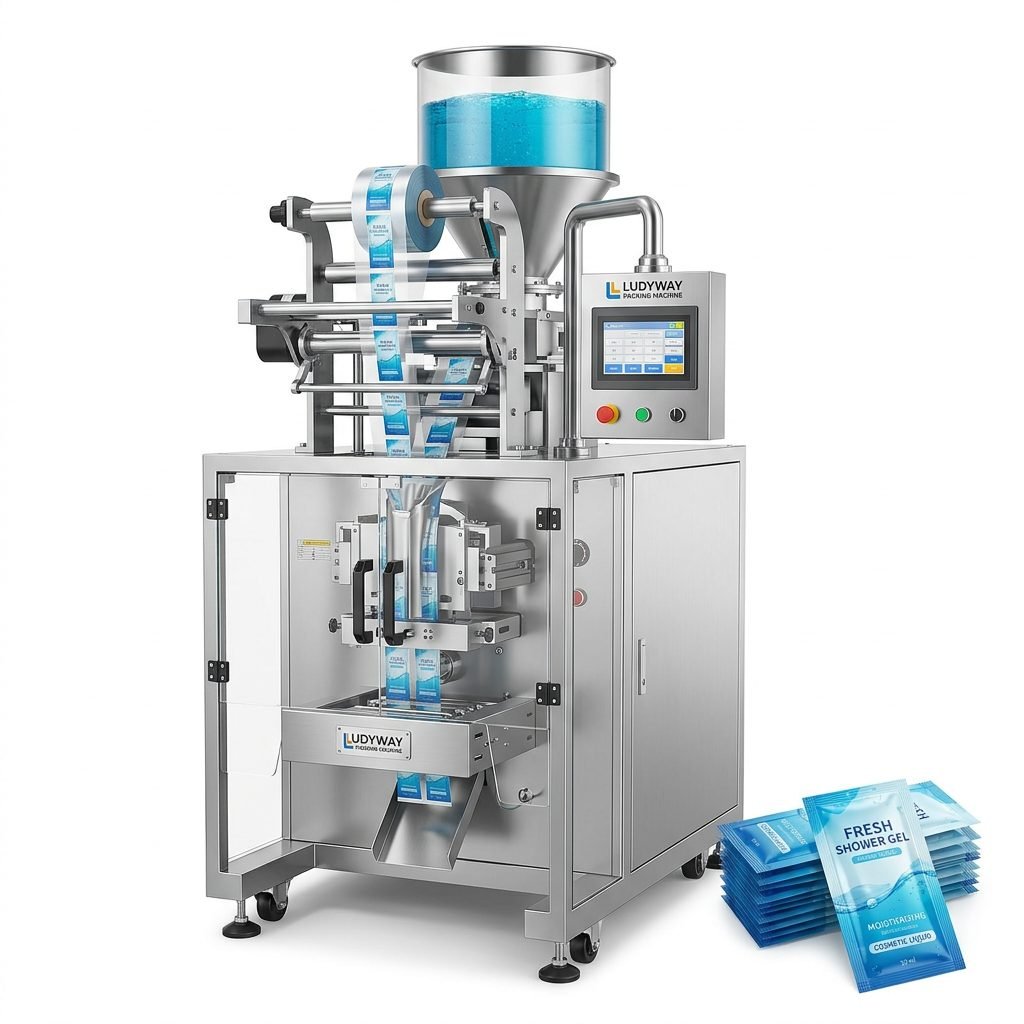
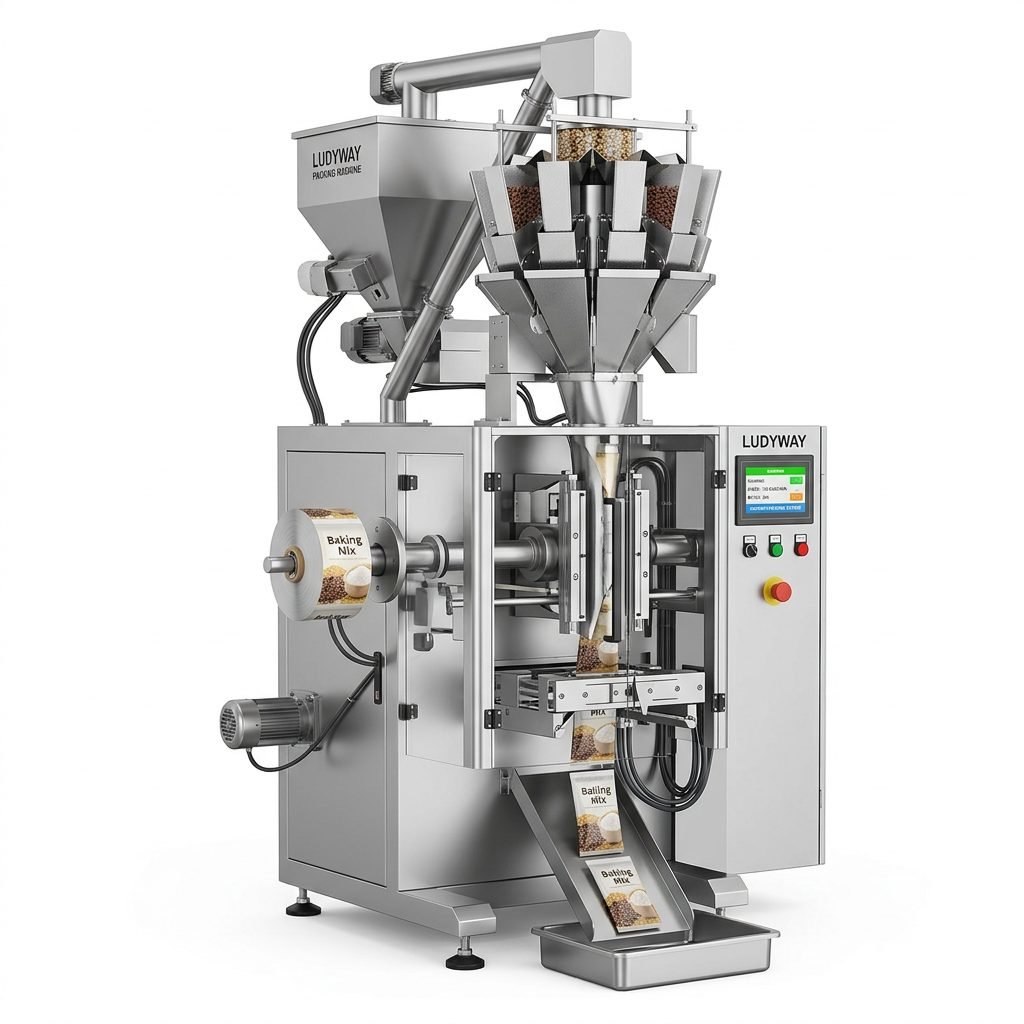
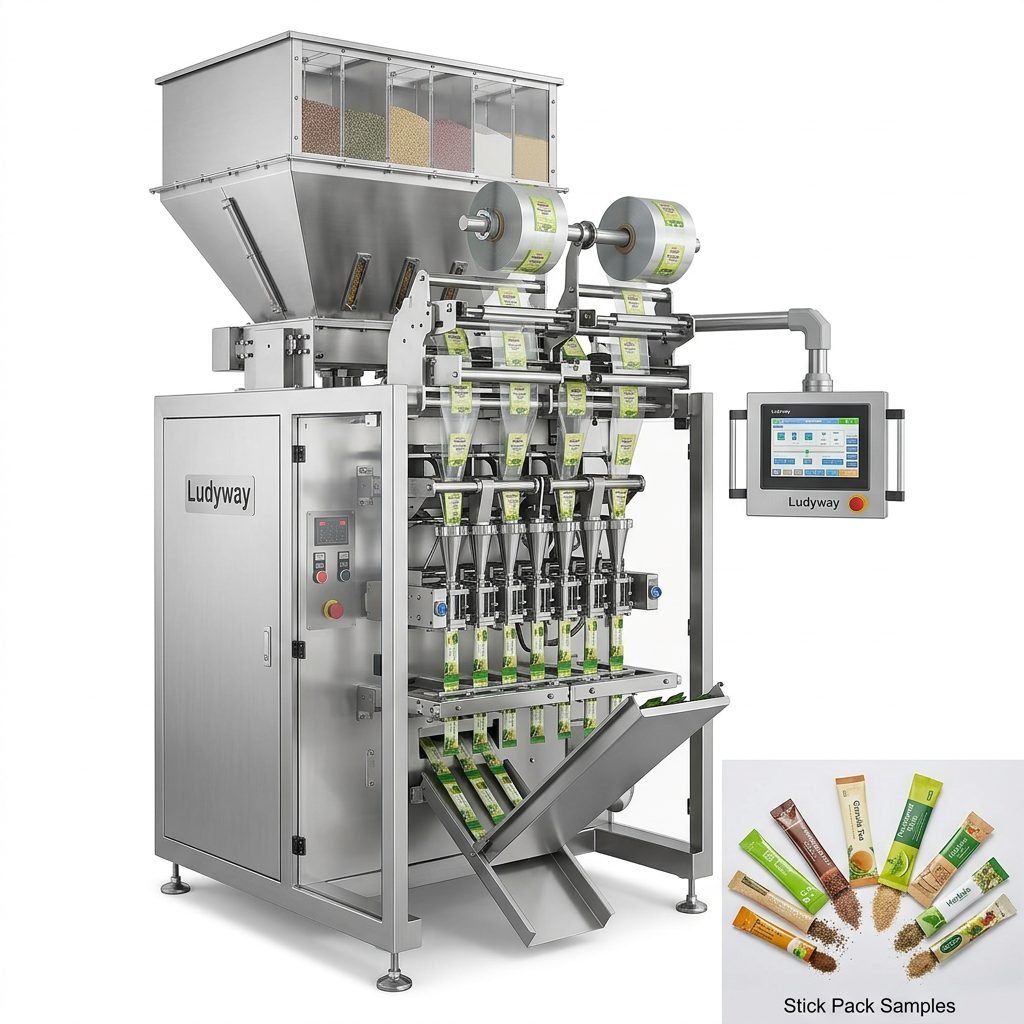
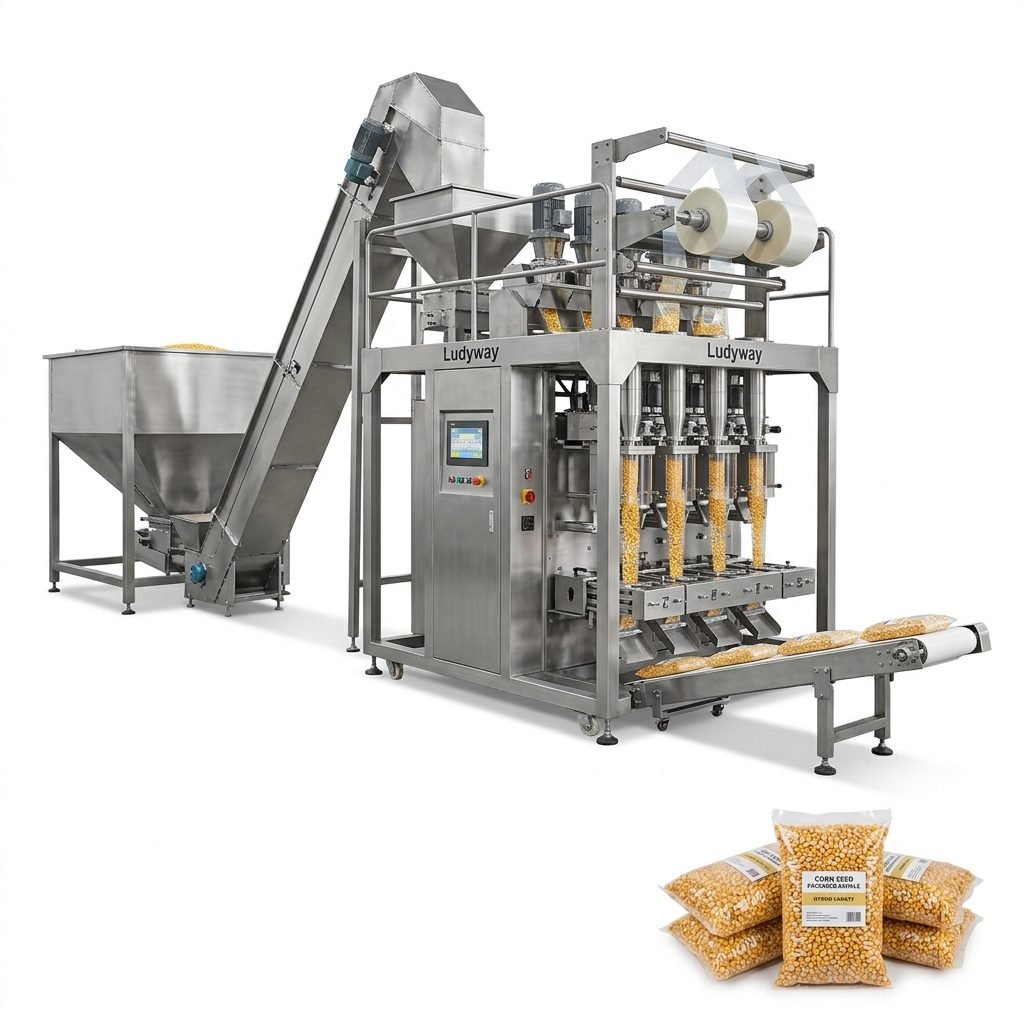
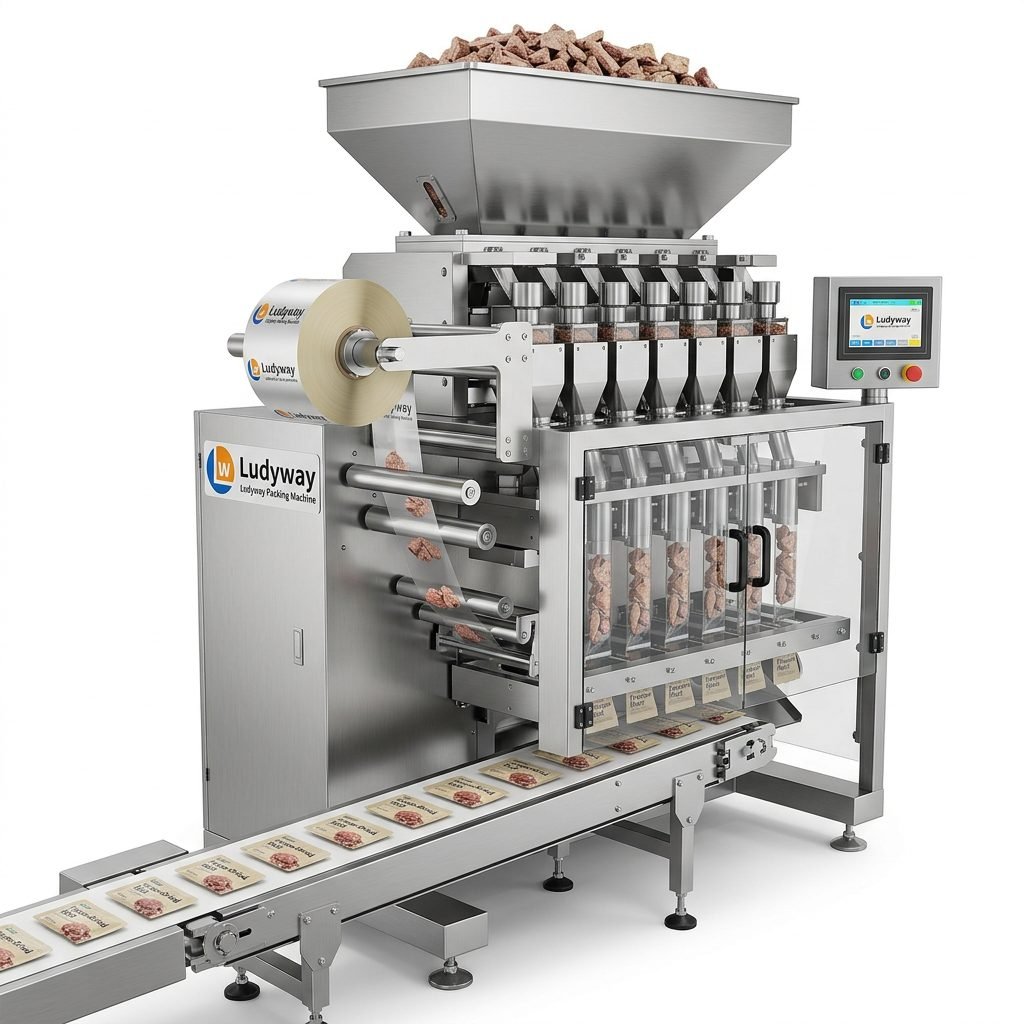
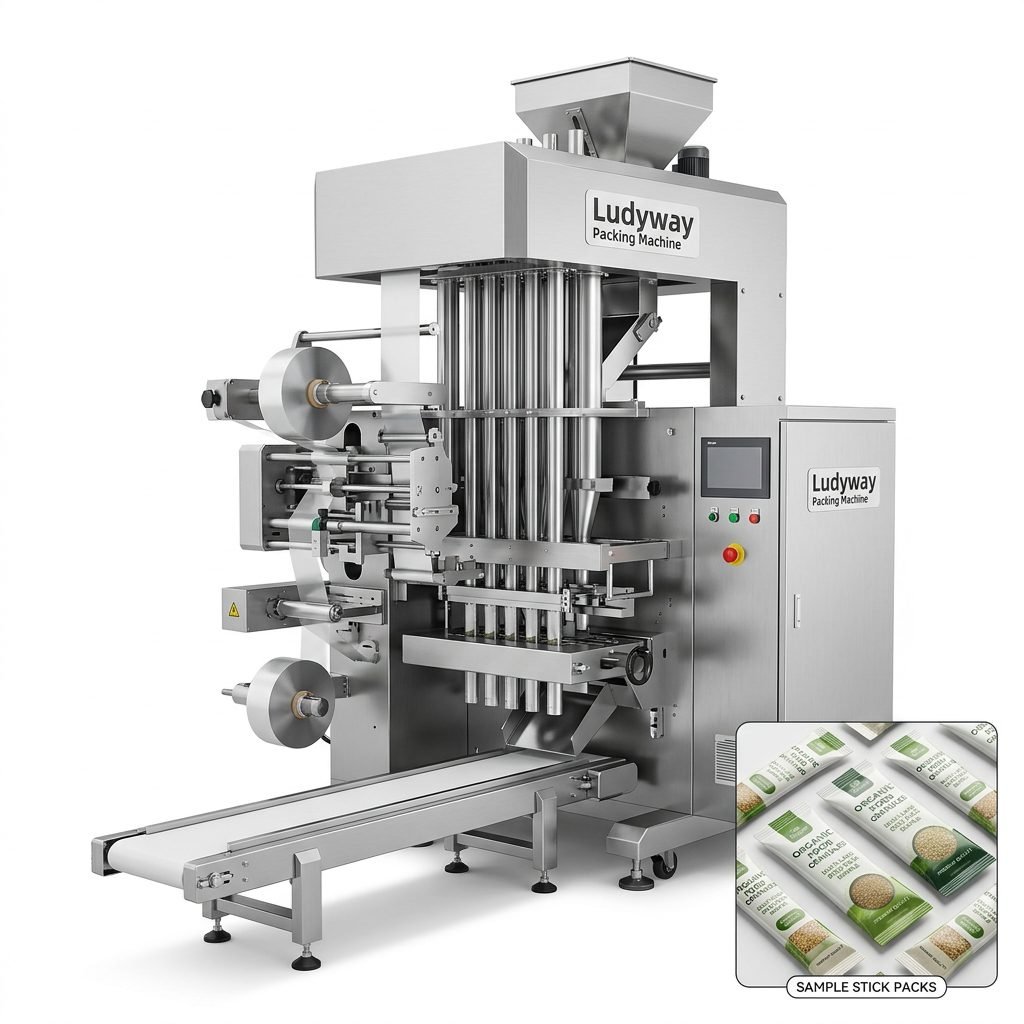
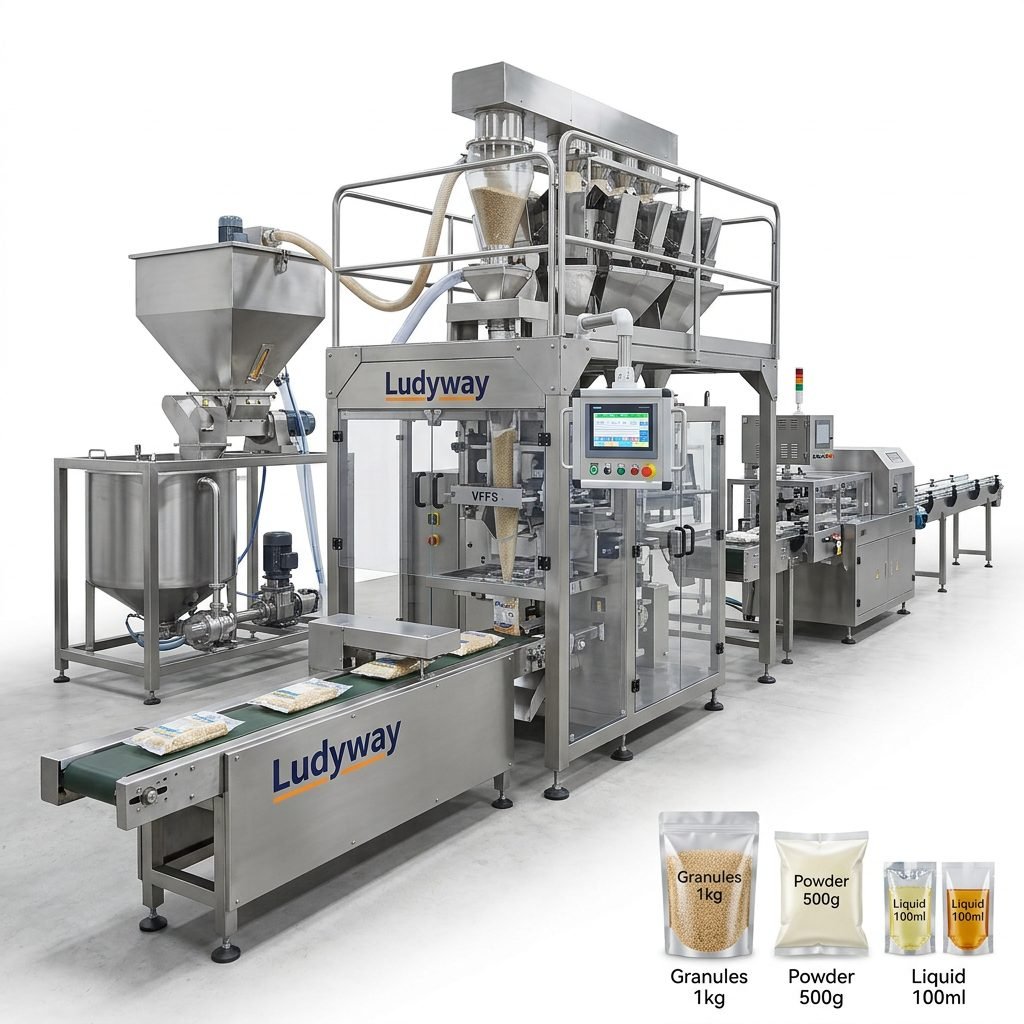
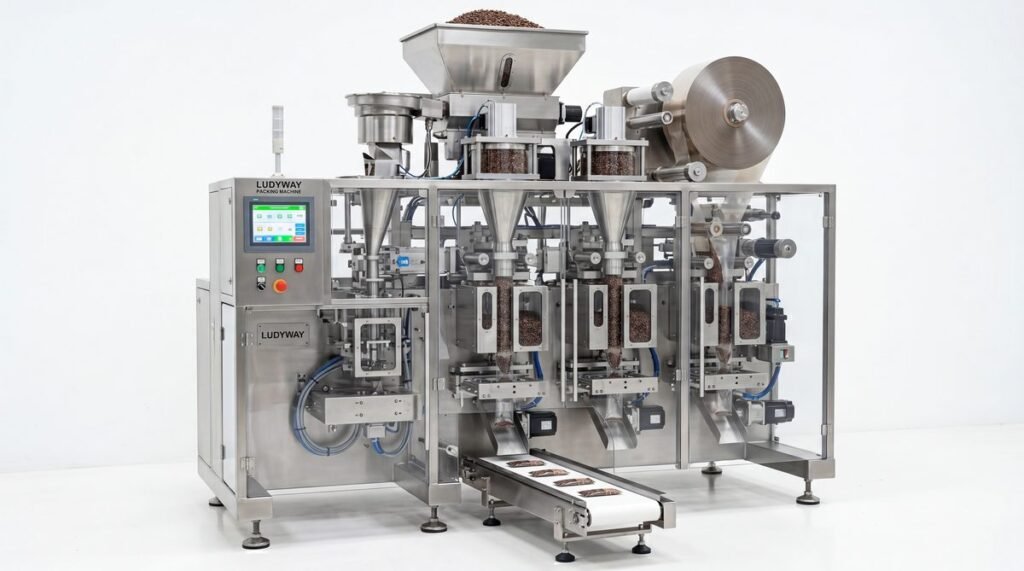
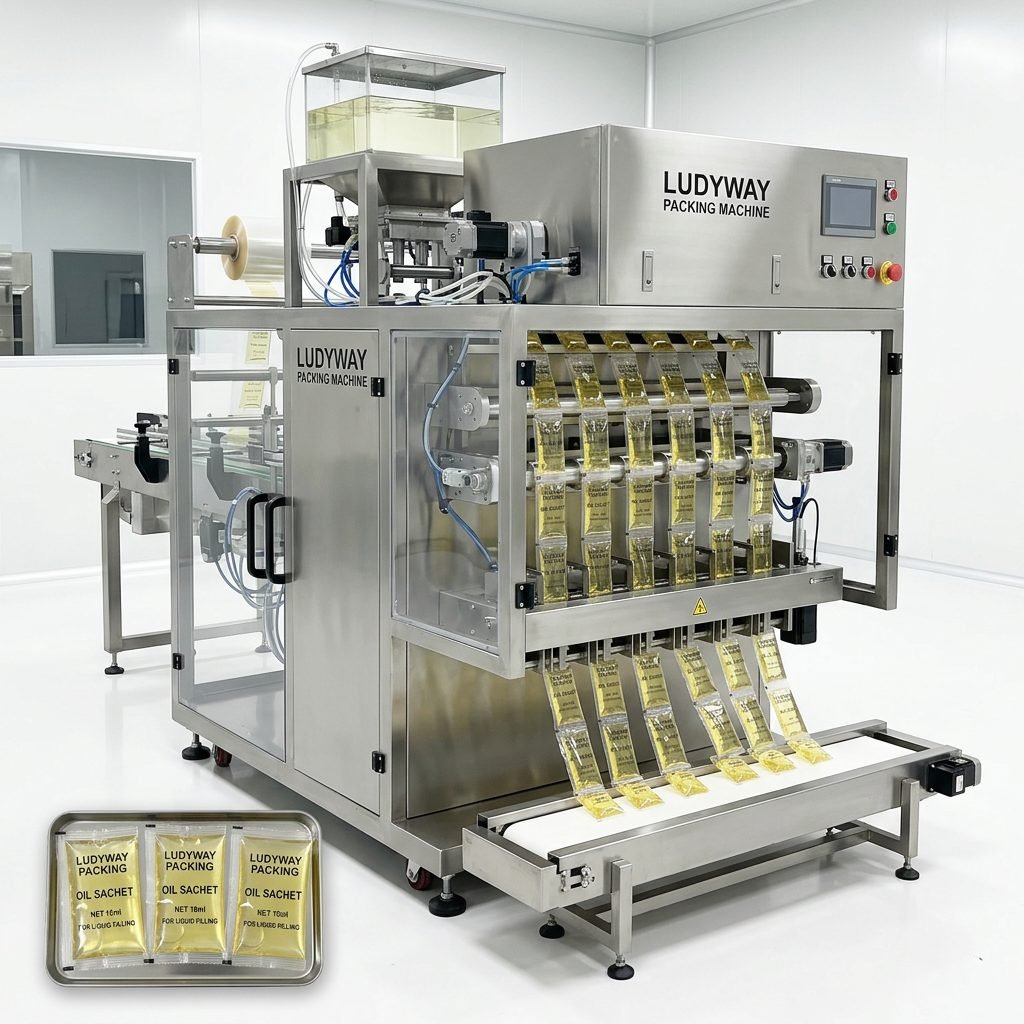
One notable player in the global packaging machinery landscape is Ludyway Machinery, a China-based manufacturer with more than 30 years of industry experience. Operating from a 20,000-square-meter facility with over 130 professionals and more than 50 packaging machine models, the company serves customers in over 100 countries. Ludyway provides comprehensive packaging solutions spanning powder, granule, liquid, stick pack, sachet, and pouch applications. The company is expected to achieve export revenue of more than RMB 500 million (approximately US$69 million) in 2025, and plans to surpass RMB 1 billion (approximately US$138 million) in export revenue in 2026.

Total Cost of Ownership Considerations
Purchase price alone does not reflect the true cost of a notebook packing machine. Evaluate the total cost of ownership over the equipment’s expected lifespan, which typically ranges from 8 to 15 years for well-maintained machinery. Consider:
- Energy consumption – compare rated power and actual operational consumption
- Spare parts availability – verify lead times and regional distribution of critical components
- Maintenance requirements – understand recommended service intervals and associated costs
- Film and material waste rates – even small percentage differences compound significantly over time
- Operator training – factor in initial and ongoing training expenses

Automation Integration and Future-Readiness
As manufacturing moves toward Industry 4.0, your packaging equipment should support connectivity and data integration. Look for machines that offer remote monitoring capabilities, production data logging, and compatibility with your existing enterprise resource planning systems. The 2026 State of the Industry report highlights that automation-ready packaging lines are becoming essential for manufacturers aiming to remain competitive in global markets.
Additionally, if you anticipate introducing new notebook formats or packaging styles, choose equipment with modular design that allows for future upgrades and reconfiguration without replacing the entire line.
Making the Final Decision
After narrowing your options, request detailed proposals from shortlisted suppliers. Compare not only machine specifications but also installation timelines, payment terms, and post-installation support commitments. Whenever possible, visit reference sites to see similar notebook packing machines in operation, or arrange for product sample testing at the manufacturer’s facility.
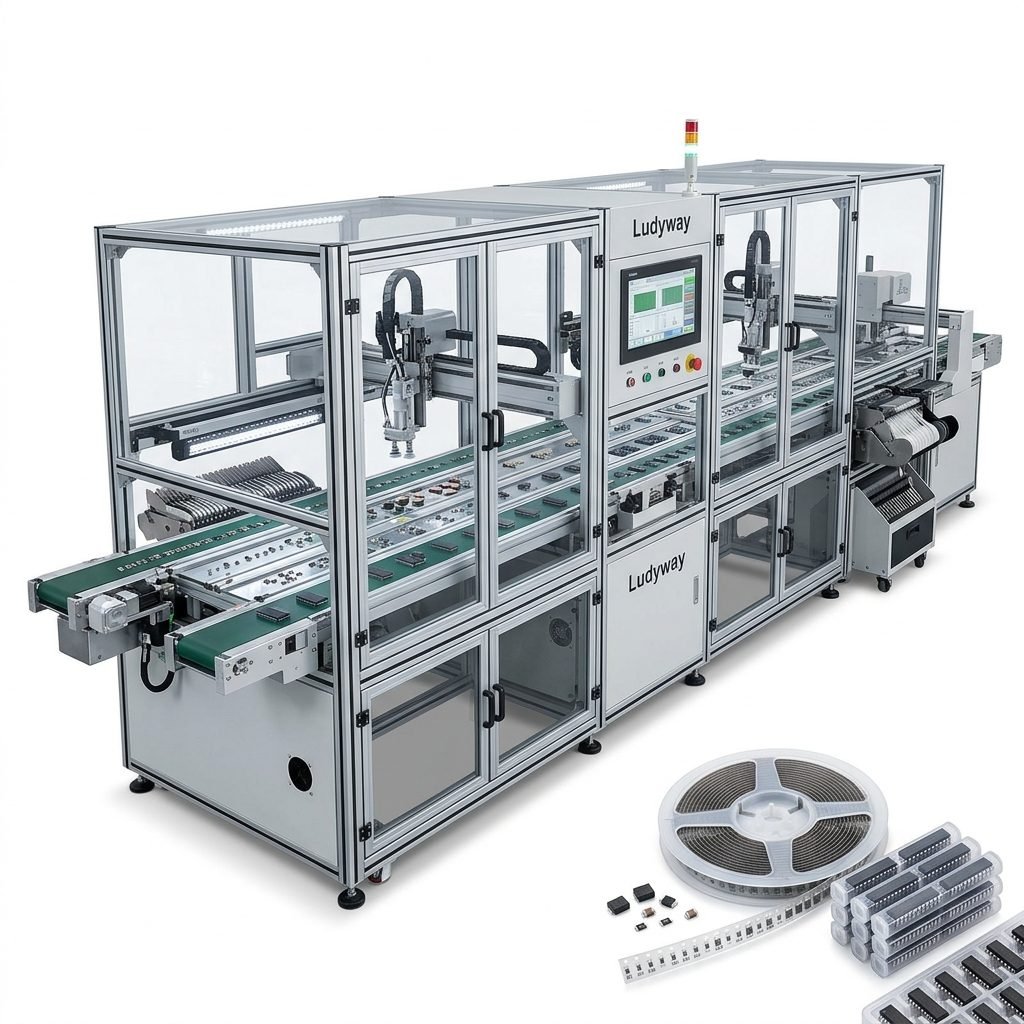
Ultimately, the right notebook packing machine balances speed, flexibility, reliability, and support. By thoroughly evaluating your requirements and comparing equipment against the criteria outlined in this guide, you can make a confident purchasing decision that supports your production goals for years to come. For further guidance, resources from PMMI – The Association for Packaging and Processing Technologies and the Flexible Packaging Association offer valuable industry insights.