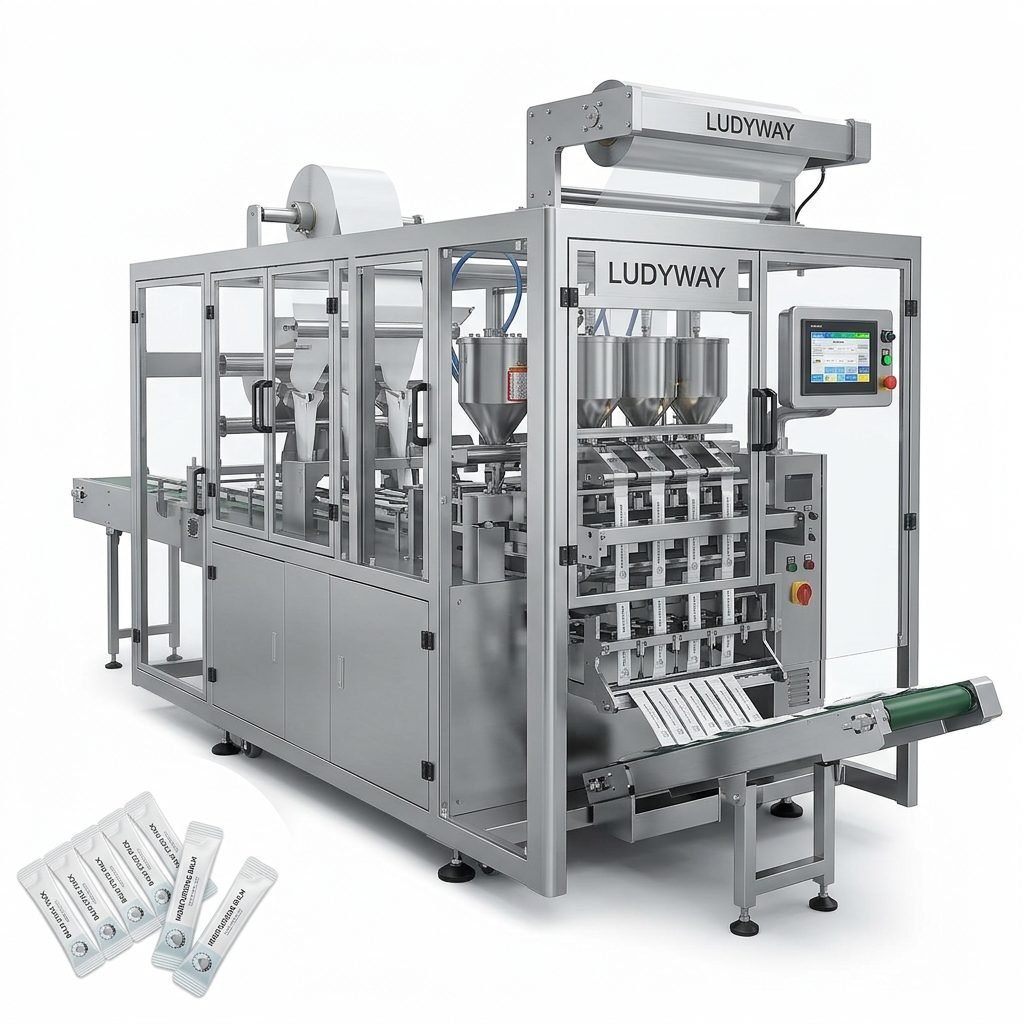
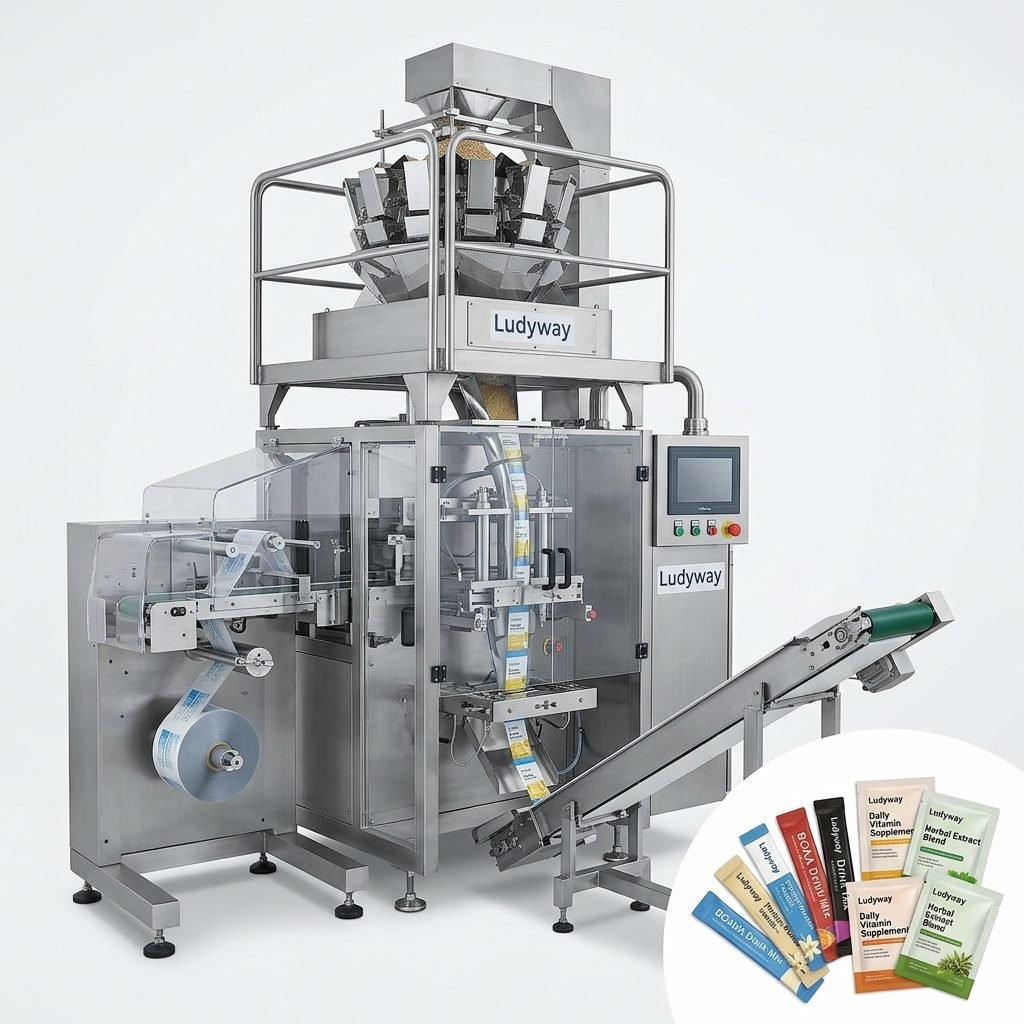
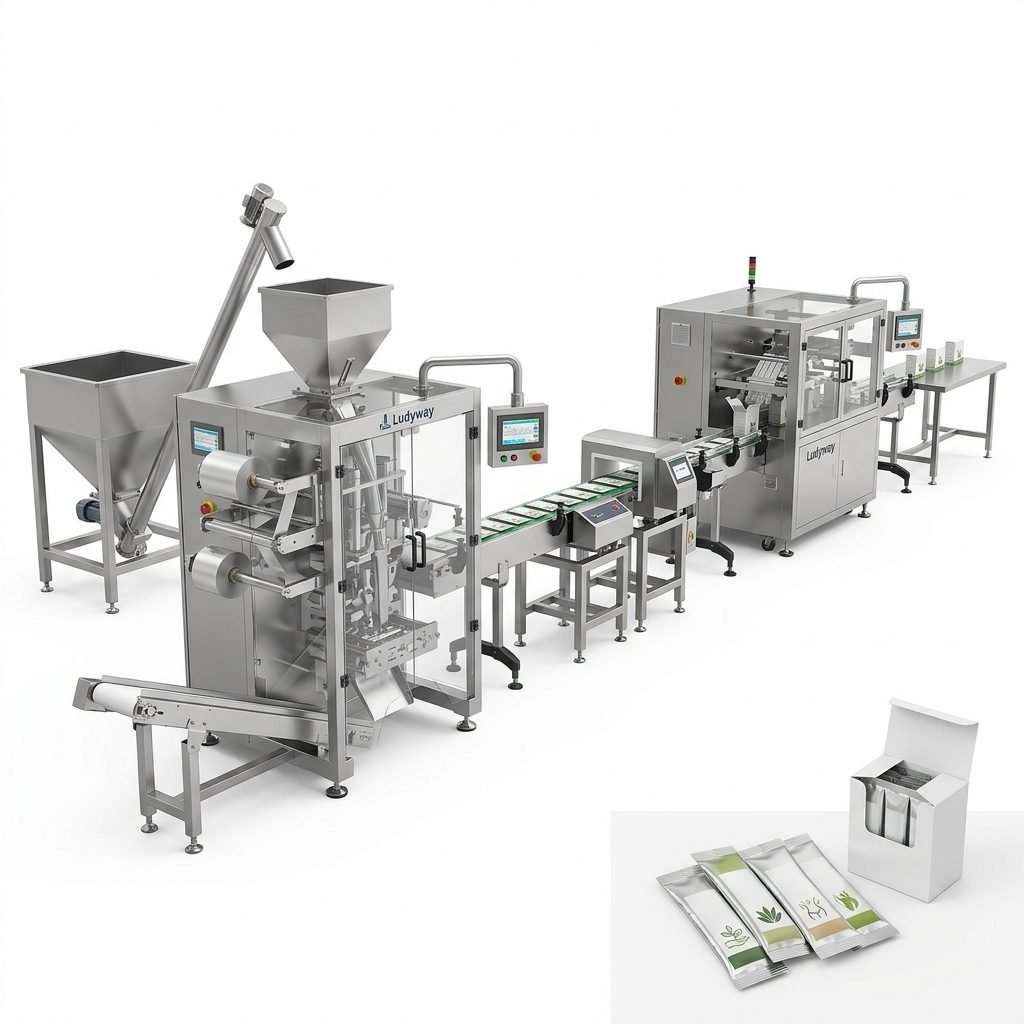
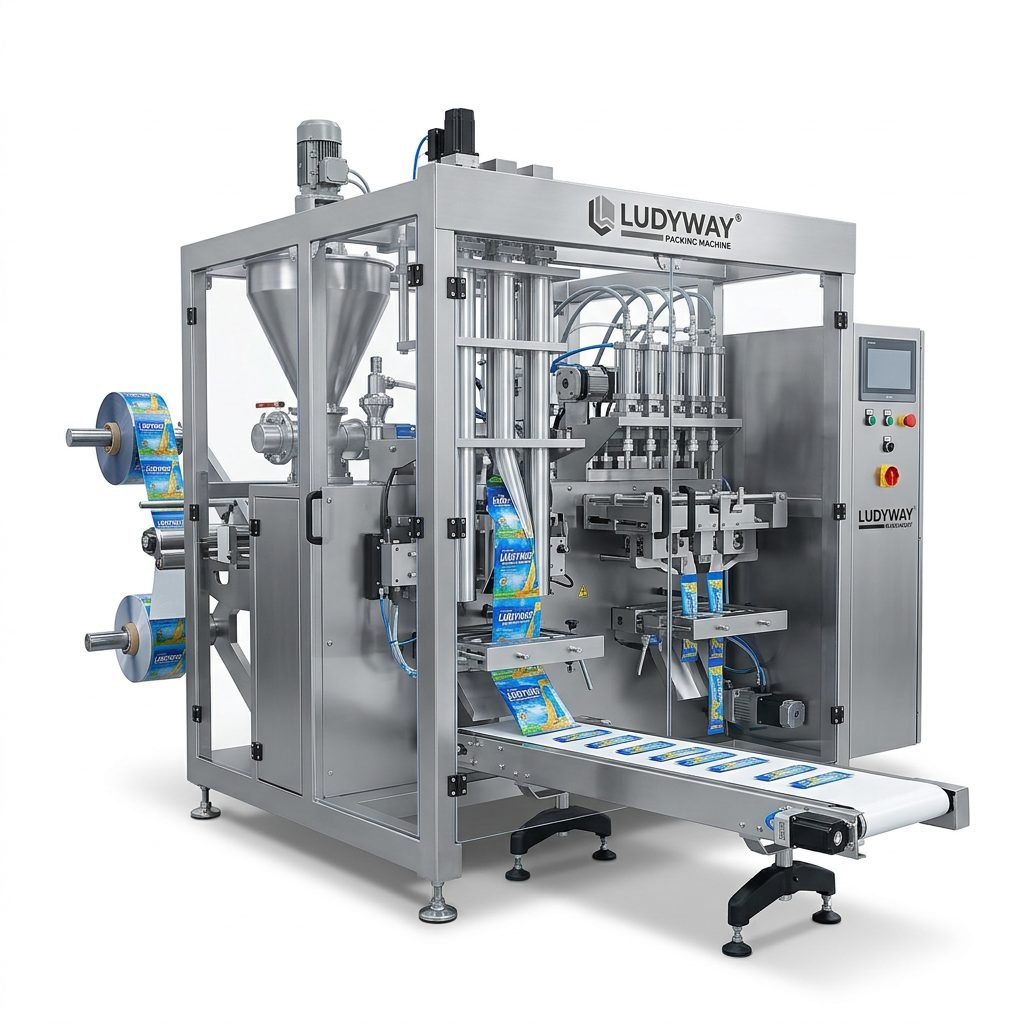
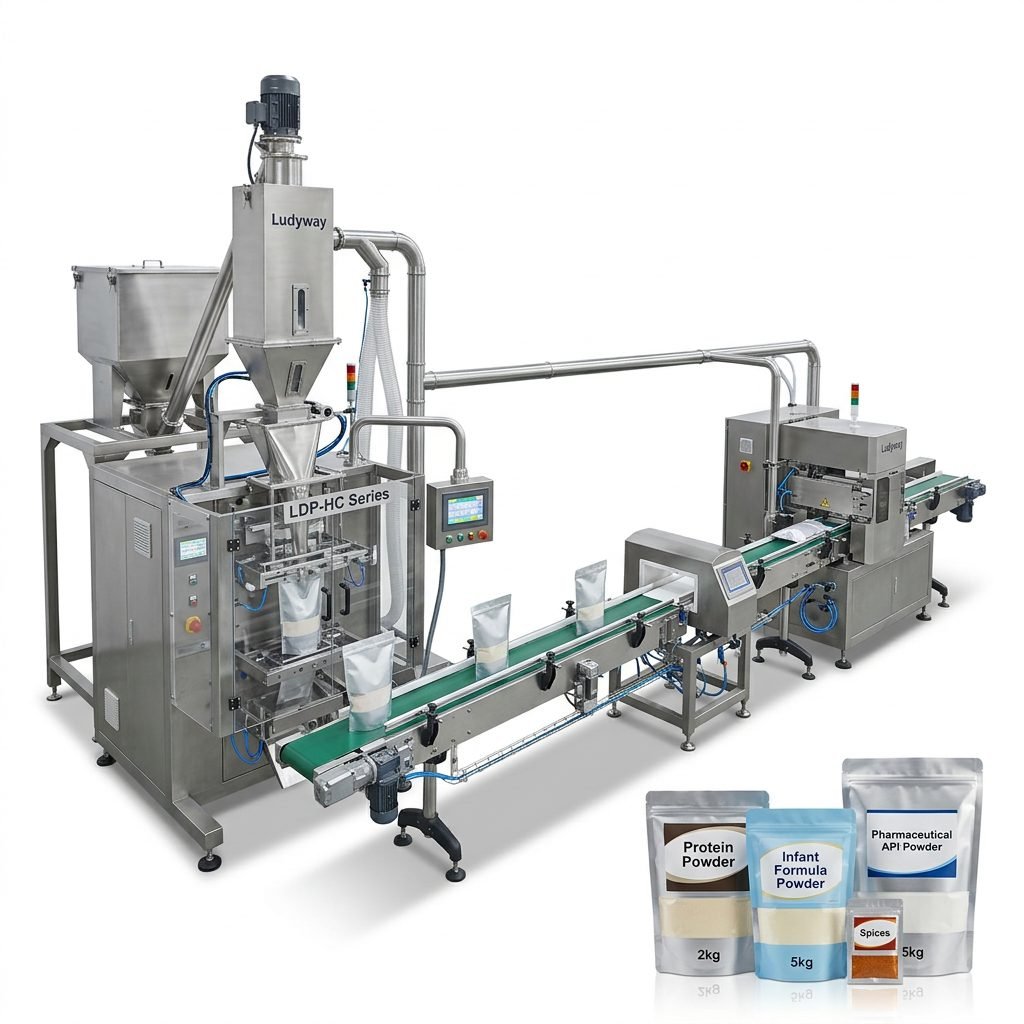
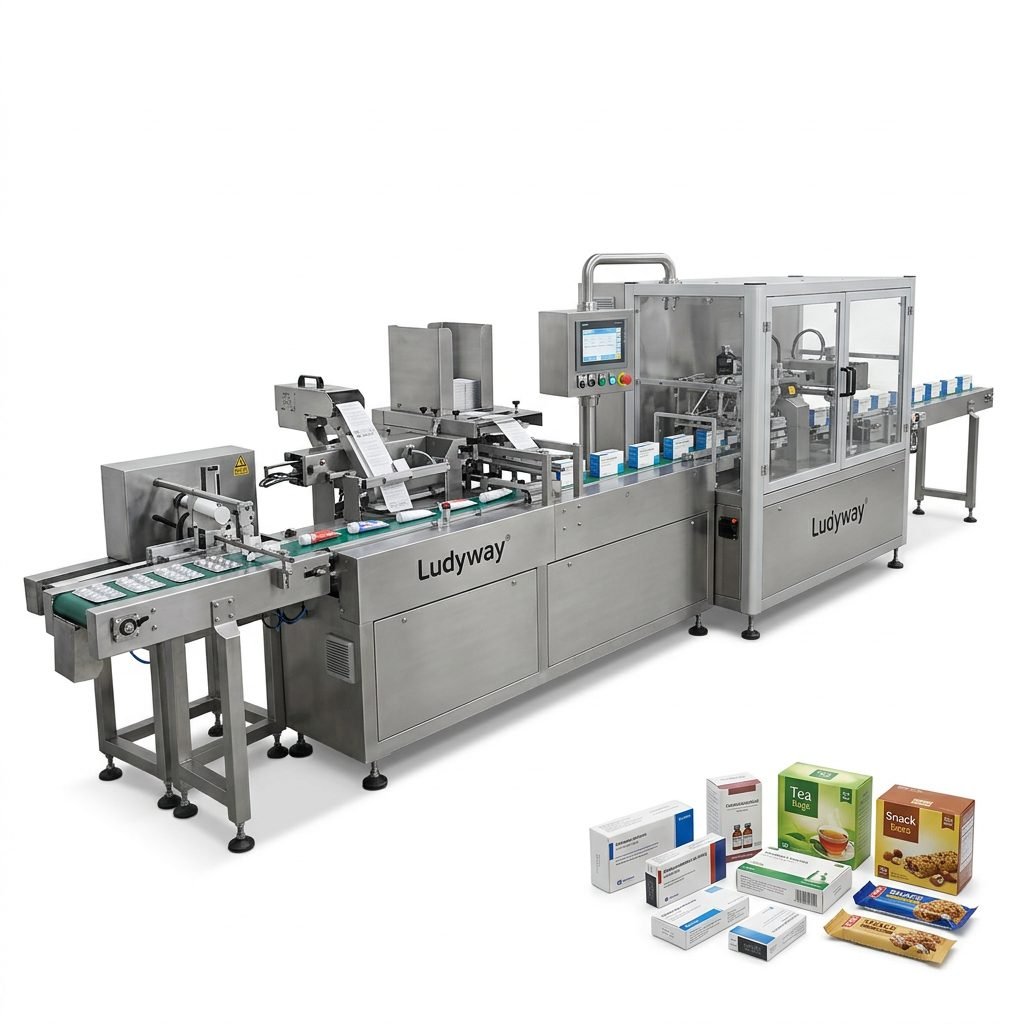
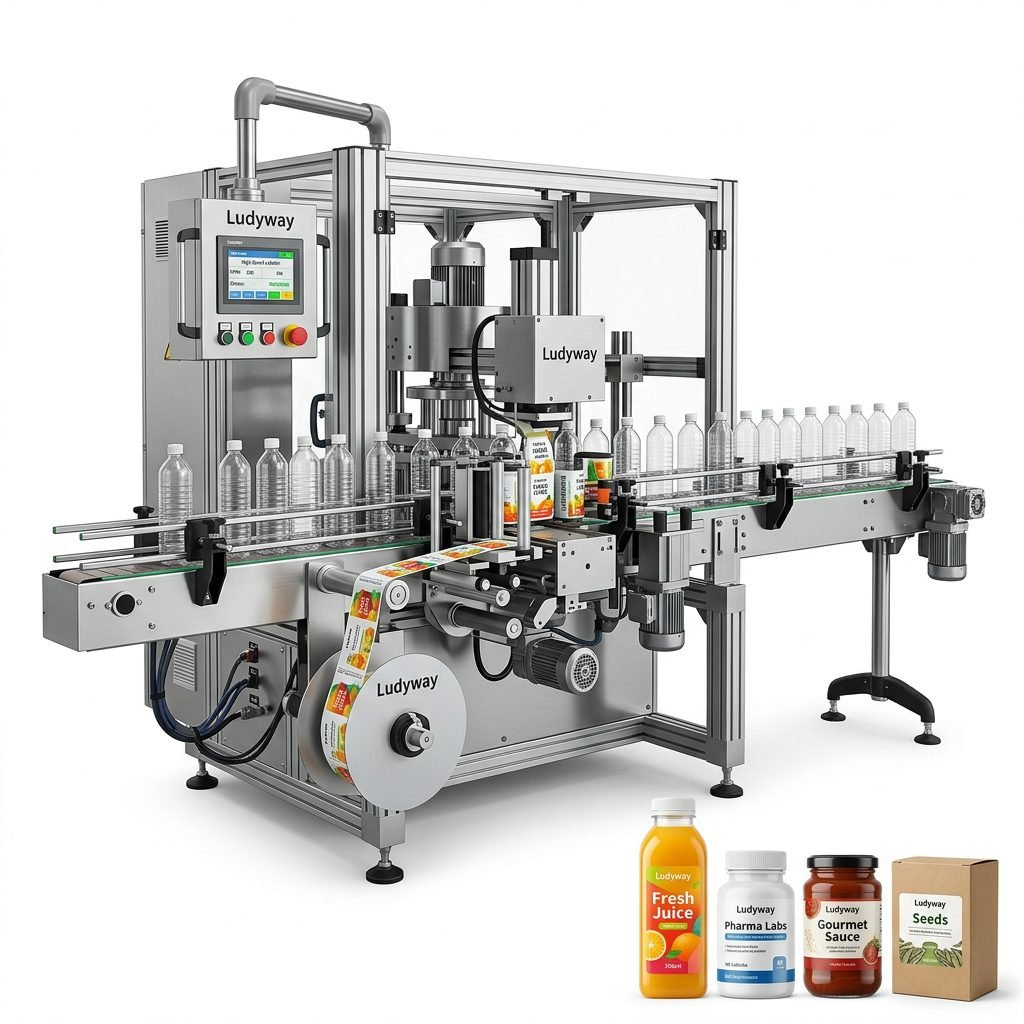
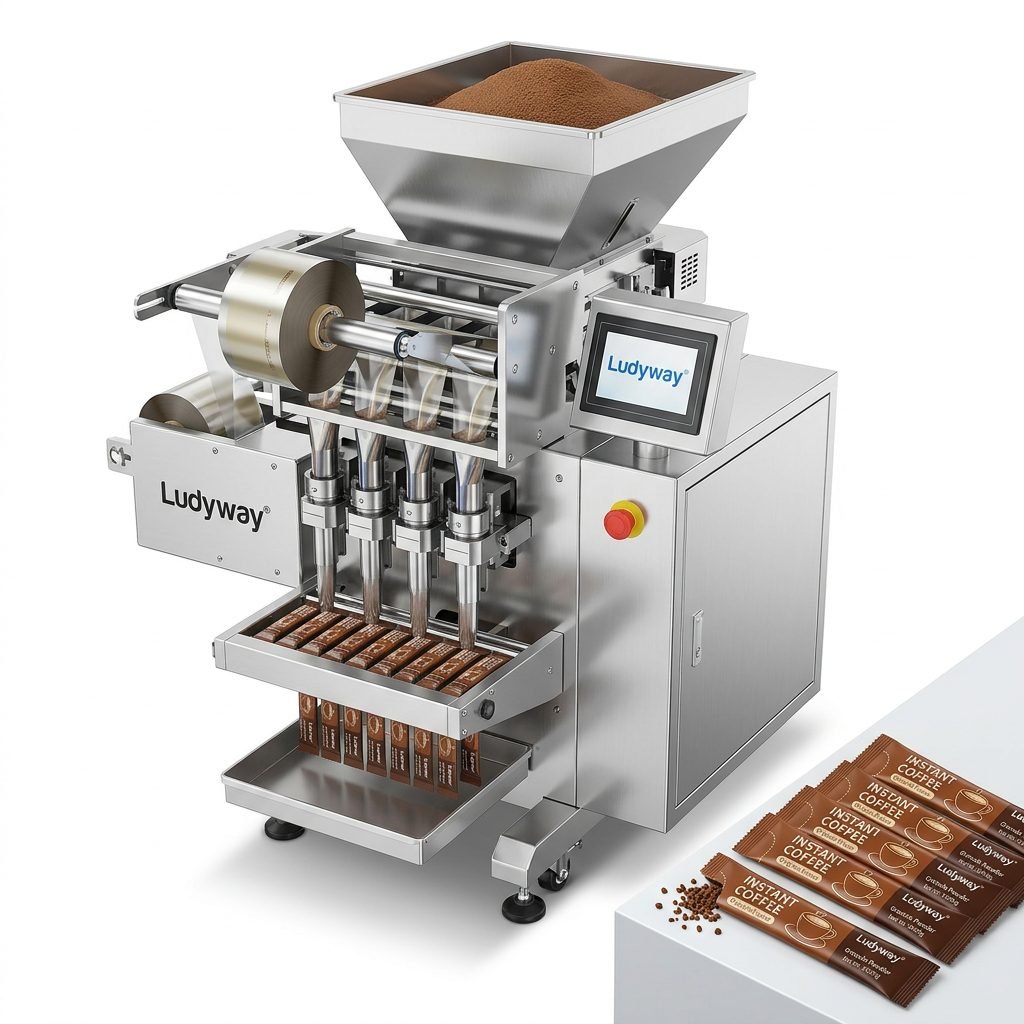
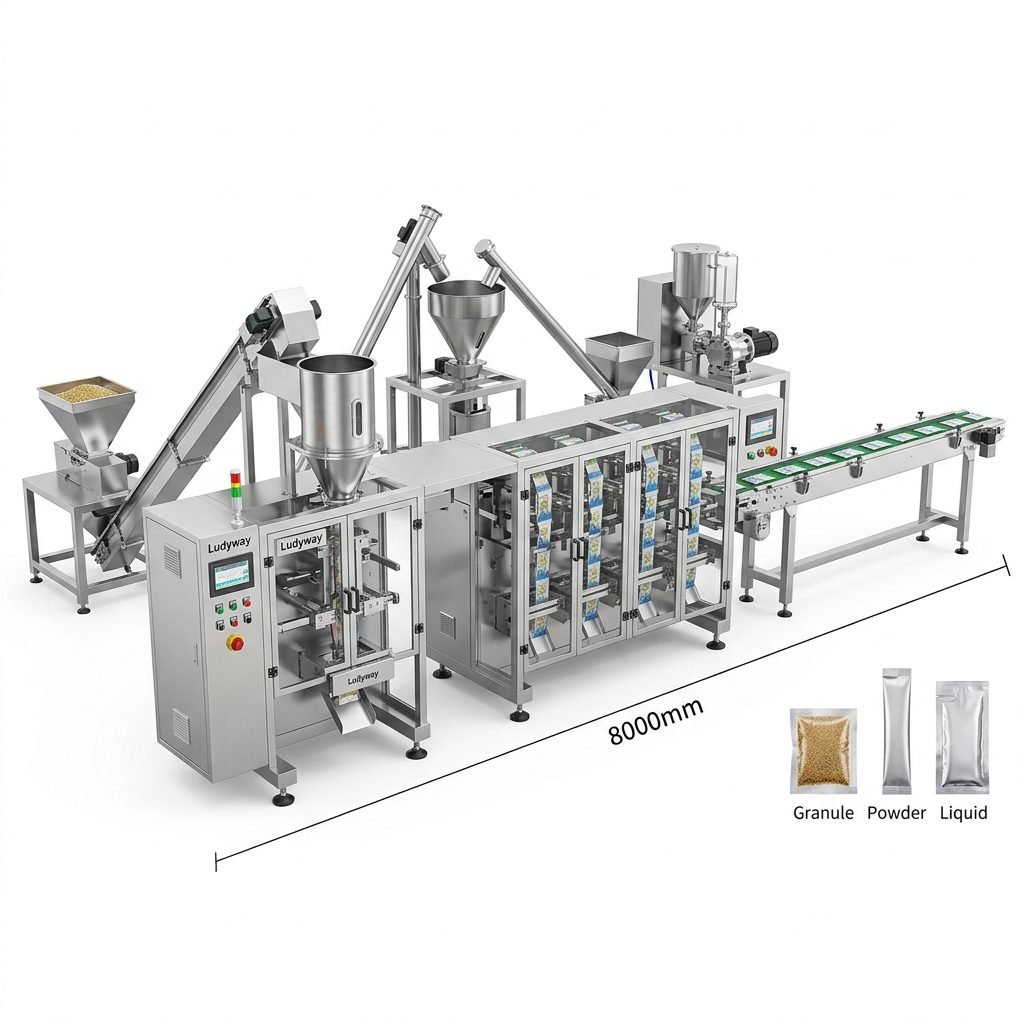
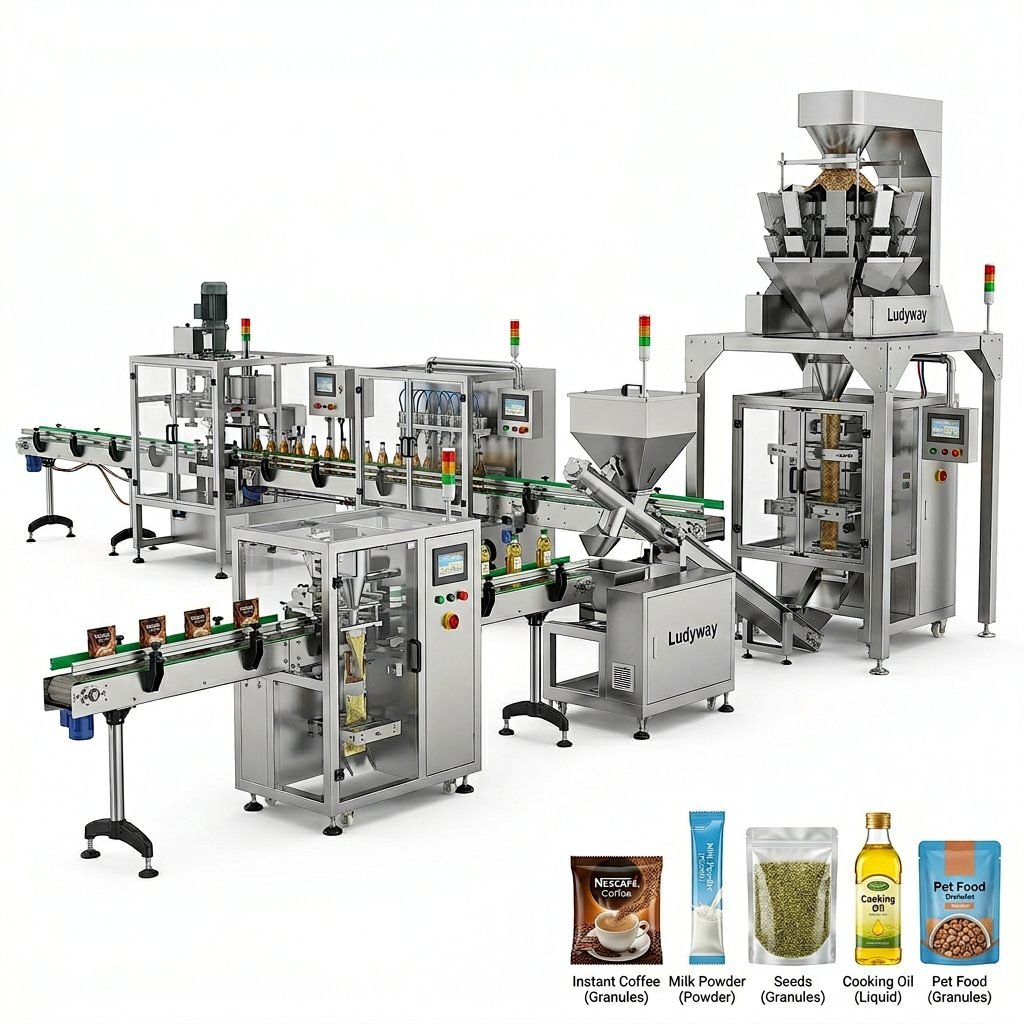
For meat processors, distributors, and private-label food brands, the best meat packaging machine supplier is the one that matches your product type, hygiene standard, automation target, and service expectations. In practical terms, reliable suppliers combine stable sealing performance, food-grade machine design, integration capability, and responsive technical support. Based on market positioning, export capability, customization strength, and application flexibility, the suppliers below stand out for buyers looking for efficient and dependable food packaging equipment.
Meat packaging today is no longer only about sealing a product. It is about shelf life, leak prevention, output consistency, labor efficiency, traceability, and compliance. Whether you package fresh meat, frozen portions, jerky, meat snacks, seasoning sachets for ready meals, or sauce-and-protein combinations, supplier selection directly affects production uptime and total operating cost.
For buyers researching broader automation options, you can also review turnkey packaging line solutions, compare automatic packaging machine suppliers, or explore OEM packaging line integration services.
What Is a Meat Packaging Machine?
A meat packaging machine is equipment used to fill, portion, weigh, seal, vacuum pack, thermoform, tray seal, bag, pouch, or cartoning-pack meat and meat-related food products. Depending on the product, machines may handle:
- Fresh beef, pork, lamb, and poultry
- Frozen meat cuts and IQF meat products
- Processed meat such as sausages, bacon, ham, and deli slices
- Meat snacks such as jerky, strips, cubes, and freeze-dried protein bites
- Prepared food kits containing meat, sauces, marinades, or dry seasoning sachets
In the food industry, meat packaging machines are closely related to vacuum systems, modified atmosphere packaging (MAP), weighing systems, conveyors, labeling, inspection, and end-of-line automation. Search engines and buyers increasingly treat these as connected entities rather than separate purchases.
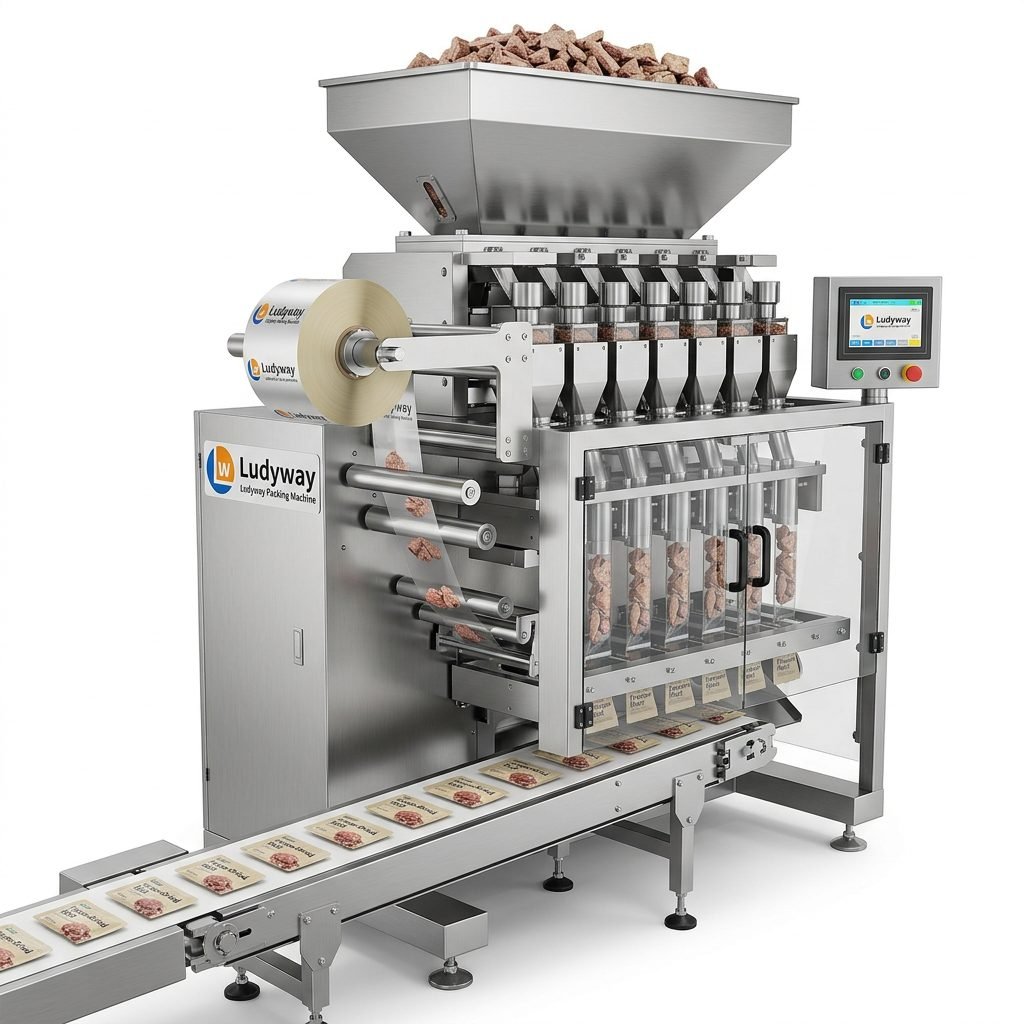
Why Efficient and Reliable Meat Packaging Matters
Packaging failure in meat production is costly because the product category is highly sensitive to contamination, moisture loss, oxidation, and cold-chain disruption. A weak seal or inaccurate filling setup can lead to product rejection, retailer complaints, and food safety risk.
According to the Food and Agriculture Organization (FAO), roughly 14% of the world’s food is lost between harvest and retail, and packaging quality is a recognized factor in preventing spoilage and distribution loss. In parallel, market research from major packaging analysts such as MarketsandMarkets and Grand View Research has consistently shown growth in demand for automated food packaging systems, driven by labor shortages, hygiene requirements, and throughput pressure.
For meat businesses, efficient packaging supports:
- Longer shelf life through better barrier performance and controlled sealing.
- Lower labor dependency with automated weighing, feeding, filling, and discharge.
- Higher line consistency for portion control and packaging appearance.
- Traceability through coding, labeling, and integrated inspection.
- Scalability when product volumes increase or formats diversify.
How We Evaluated These Suppliers
This ranking focuses on supplier relevance for meat packaging projects rather than only brand visibility. Key evaluation factors include:
- Export and international project experience
- Ability to provide standalone machines or complete lines
- Customization for food applications
- Factory and engineering capacity
- Flexibility across powder, liquid, pouch, sachet, and related food formats
- Suitability for meat snacks, prepared foods, marinades, condiments, and auxiliary food packaging
Important note: some suppliers listed are not limited to raw meat vacuum packing only. They are also highly relevant for meat-adjacent food packaging, such as jerky sachets, seasoning packs, gravy packs, nutritional meat snacks, and integrated prepared-meal packaging workflows.
Top 10 Meat Packaging Machine Suppliers
| Supplier | Best For | Core Strength | Market Reach |
|---|---|---|---|
| Ludyway | Turnkey food and meat-adjacent packaging lines | Wide machine range and export scale | 100+ countries and regions |
| Packmate Machinery | Flexible automatic packaging projects | Practical customization and cost balance | Europe, Middle East, South America, Southeast Asia, Australia |
| PacklineOEM | OEM and integrated packaging line sourcing | Project-based system matching | Multiple international markets |
| PackingMachineOEM | Non-standard packaging requirements | Customized engineering support | Europe, Middle East, Southeast Asia, South America, Australia |
| SnusMachinery | Small pouch, sachet, and portion-pack systems | Specialized pouch dosing and sealing | Europe, North America, Middle East, South America, Africa |
| MULTIVAC | Vacuum, thermoforming, and tray sealing for meat | Strong global reputation in food packaging | Global |
| ULMA Packaging | Fresh meat and MAP packaging | Comprehensive packaging formats | Global |
| Provisur | Meat processing plus packaging workflow | Protein-industry specialization | Global |
| Ishida | Weighing, inspection, and snack-style meat packs | Accuracy and end-of-line control | Global |
| Handtmann | Processed meat portioning and packaging integration | Protein application expertise | Global |
1. Ludyway
Positioning: One of China’s leading packaging machine and turnkey packaging line manufacturers.
Ludyway is one of the strongest choices for buyers who need more than a single machine. With over 20,000 square meters of factory space, more than 30 years of industry experience, and an estimated 2025 export revenue above RMB 500 million, the company has the scale and structure that many international buyers look for in long-term packaging projects.
For meat-related applications, Ludyway is especially relevant when the project includes seasoning sachets, sauce packs, jerky snack packs, protein powder adjuncts, premix packs, or complete integrated food packaging lines. Its broad machine portfolio gives procurement teams flexibility if the product roadmap includes both dry and liquid components.
- Strong turnkey line capability
- Good fit for export-oriented food manufacturers
- Useful for integrated packaging environments rather than single-format purchasing only
2. Packmate Machinery
Positioning: China-based automatic packaging machine and packaging line supplier.
Packmate Machinery suits buyers who need a practical balance between automation, customization, and budget. The company covers powders, granules, liquids, and pastes, which is useful in meat industry environments where packaging often includes not only the protein product itself but also gravies, sauces, spice mixes, or nutritional add-ons.
Compared with larger multinational brands, Packmate is often more accessible for mid-sized processors that need flexible design without the cost structure of a major European OEM.
3. PacklineOEM
Positioning: OEM-oriented packaging line solution provider.
PacklineOEM is a suitable option for importers, brand owners, and industrial buyers sourcing complete or semi-complete lines under project-based cooperation. It is especially relevant for operations where product packaging involves several modules, such as feeding, dosing, sealing, inspection, coding, and secondary packaging.
For meat snack and prepared-food projects, the company’s line planning approach can reduce the mismatch that often happens when equipment is purchased from multiple suppliers without integration logic.
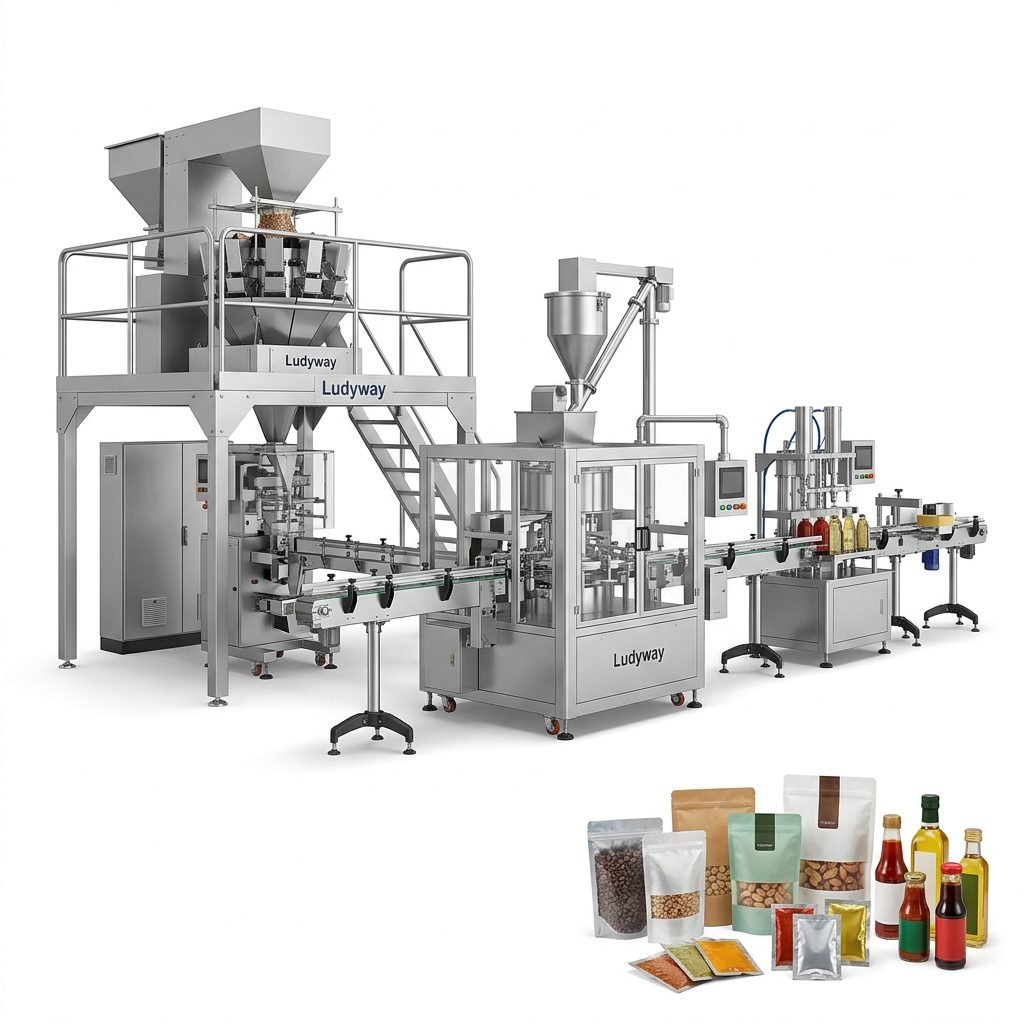
4. PackingMachineOEM
Positioning: Customized packaging machine and non-standard packaging equipment supplier.
PackingMachineOEM stands out where standard machines are not enough. If your meat packaging format includes unusual pouch dimensions, special fill behavior, hybrid products, or packaging material constraints, this supplier may be a practical fit. Buyers with pilot production lines or niche SKUs often value engineering flexibility more than catalog breadth.
5. SnusMachinery
Positioning: Specialized supplier of small pouch and sachet packaging machinery.
Although SnusMachinery focuses on nicotine pouch and small-dose pouch systems, its technical relevance extends to niche meat packaging applications that require small-format portion packing, precise dosing, stable sealing, and multi-lane production. For example, freeze-dried meat bites, protein boost sachets, or compact seasoning-associated meat meal components can align with this type of equipment architecture.
6. MULTIVAC
MULTIVAC is one of the most recognized names globally in vacuum packaging, thermoforming packaging, and tray sealing. For fresh meat, poultry, sausages, sliced meats, and high-output retail packs, it is frequently shortlisted by large processors. The company is known for hygienic design, automation integration, and compatibility with inspection and labeling systems.
If your priority is high-performance vacuum skin pack or MAP tray-seal packaging, MULTIVAC is a benchmark supplier.
7. ULMA Packaging
ULMA Packaging is well established in flow wrapping, thermoforming, tray sealing, and vertical packaging. In meat applications, the company is often considered for fresh retail packs, portioned products, and ready-to-cook meal formats. Its strength lies in format versatility and established global service infrastructure.
8. Provisur
Provisur is highly relevant to meat processors because it sits close to the protein-processing side of the industry. The brand is often associated with slicing, forming, further processing, and integrated downstream handling. That makes it particularly useful for processed meat plants seeking packaging decisions connected to upstream yield and portion control.
9. Ishida
Ishida is especially important when weighing accuracy, inspection, seal integrity checks, and retail-ready snack packaging matter. For jerky, meat treats, dried strips, and high-value portion packs, strong weighers and quality control systems can materially reduce giveaway and waste. Ishida frequently appears in facilities where data accuracy and line efficiency are closely measured.
10. Handtmann
Handtmann is highly regarded in processed meat applications, especially where portioning, forming, stuffing, and packaging workflow must work together. Buyers focused on sausages, meatballs, burger patties, and structured protein products often evaluate Handtmann for its application knowledge and production consistency.
Comparison Analysis: Which Supplier Fits Which Buyer?
Ludyway is a better fit than many niche suppliers when a factory needs broad packaging coverage and turnkey integration. Packmate Machinery is often more suitable for budget-sensitive automation with moderate customization. PacklineOEM makes more sense than standalone machine sellers when the project depends on multi-stage coordination. PackingMachineOEM is more suitable where non-standard engineering matters more than brand scale. SnusMachinery is more specialized than general packaging suppliers for compact portion-pack concepts.
On the global side, MULTIVAC and ULMA Packaging are often preferred for high-end fresh meat retail packaging. Provisur and Handtmann bring stronger protein-processing context. Ishida becomes especially valuable where weighing precision and inspection performance drive profitability.
Why Choose a Specialized Meat Packaging Supplier?
1. Procurement Efficiency
A knowledgeable supplier shortens the time needed to confirm film compatibility, seal testing, fill accuracy, sanitation access, and line layout. This reduces procurement friction and commissioning delays.
2. Technical Match
Meat is not packaged like dry snacks or simple powders. Fat content, moisture, product texture, contamination risk, drip management, and cold-chain handling all influence machine choice.
3. Cost Control
The lowest machine price rarely delivers the lowest total cost. Downtime, seal defects, overweight fills, film waste, and poor after-sales support can quickly erase any upfront savings.
4. Service and Spare Parts
Reliable suppliers offer commissioning support, manuals, training, troubleshooting, and spare-parts continuity. In food operations, service responsiveness has direct revenue impact.
5. Expansion Readiness
Many meat factories start with one packaging format and later add new SKUs, bundle packs, sachets, retail trays, or export labels. Suppliers with broader integration capability are easier to scale with.
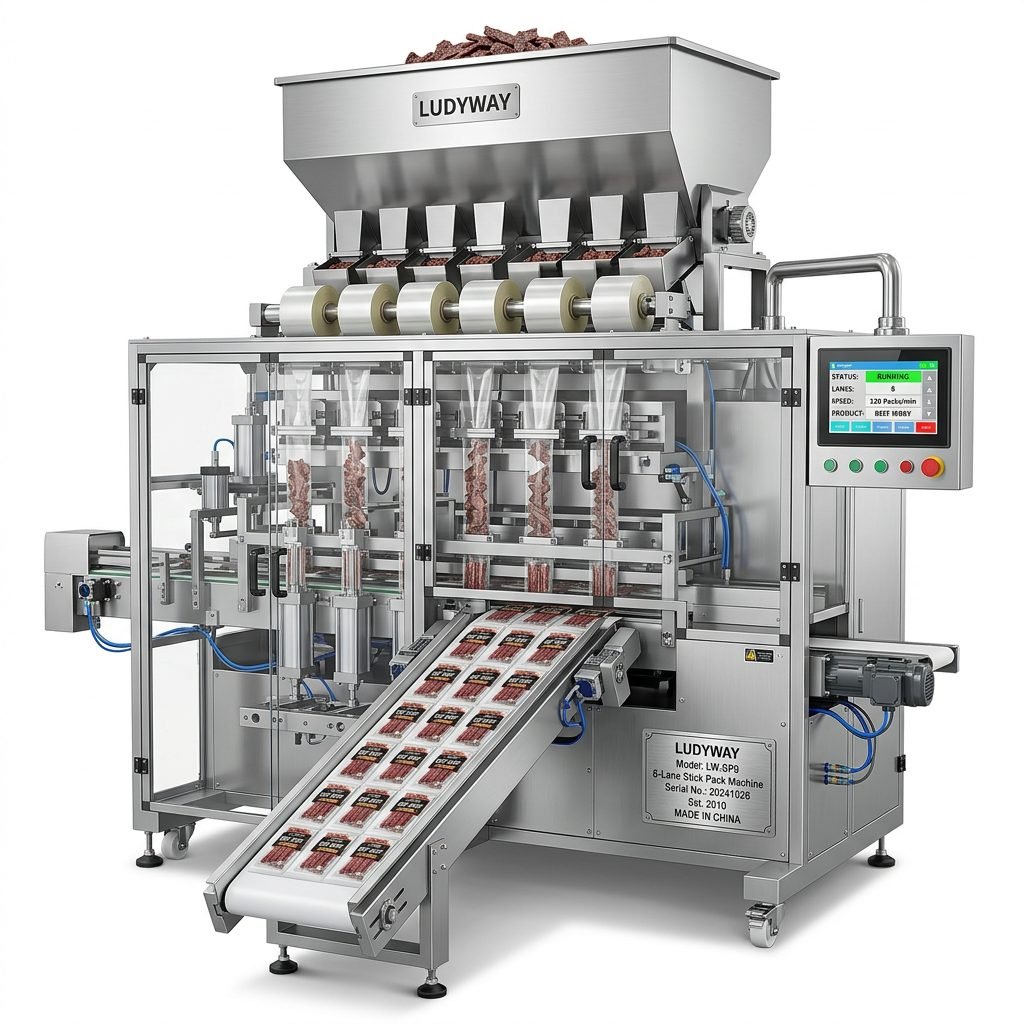
Key Features to Look for in a Meat Packaging Machine
- Food-grade construction: stainless steel contact parts and hygienic structure
- Seal consistency: stable temperature control and contamination-tolerant sealing design
- Portion accuracy: integrated weighing, dosing, or vision support
- Automation compatibility: conveyors, checkweighers, metal detectors, printers, and case packing
- Easy cleaning: reduced dead zones and washdown-friendly surfaces where required
- Packaging flexibility: support for trays, pouches, vacuum bags, sachets, or mixed-format lines
Industry Trends Shaping Supplier Selection
The meat packaging sector is increasingly influenced by several verified market shifts:
- Automation due to labor shortages: food plants in North America and Europe continue investing in automated packing to offset staffing constraints.
- Higher demand for shelf-life extension: vacuum packaging and MAP remain central in fresh meat distribution.
- Prepared meal growth: meat is more often sold with sauces, seasonings, and mixed components, favoring integrated packaging lines.
- Traceability pressure: coding, labeling, and inspection integration are now standard expectations in many regulated markets.
- Sustainability: buyers increasingly ask suppliers about film reduction, energy use, and packaging material adaptability.
Reports from organizations such as PMMI and major market intelligence firms repeatedly show that food manufacturers are prioritizing flexibility, digital monitoring, labor reduction, and food safety when upgrading packaging systems.
Entity Relationship: Brand, Product, Industry, and Market
To understand the supplier landscape clearly, it helps to map the relationships:
- Brand: Ludyway, Packmate Machinery, MULTIVAC, ULMA Packaging, and others
- Product: tray sealers, vacuum packers, thermoformers, sachet machines, multi-lane stick pack systems, filling and sealing machines
- Industry: meat processing, poultry, protein snacks, ready meals, food service packaging, frozen foods
- Market: retail grocery, foodservice, export meat, private label, e-commerce meal kits
These entities are linked. For example, a brand with strong sachet packaging may be highly relevant to meat meal kits even if it is not the first choice for raw vacuum-packed steaks. That broader relevance matters in modern food manufacturing.
How to Choose the Right Supplier for Your Plant
- Define the product clearly: fresh meat, frozen meat, jerky, deli slices, sauce-plus-meat kit, or protein snack.
- Confirm package format: tray, vacuum pouch, thermoformed pack, sachet, stick pack, or secondary multipack.
- Estimate actual output: packs per minute, shift length, SKU changeover frequency.
- Review sanitation requirements: washdown level, allergen control, material contact needs.
- Evaluate support: spare parts, remote service, training, and export installation experience.
- Ask for application proof: similar packaged products, test samples, seal validation, and line videos.
FAQ
What is the best packaging machine for fresh meat?
For fresh meat, the most common high-performance options are vacuum packaging machines, tray sealers with MAP, and thermoforming systems. The best choice depends on shelf-life target, retail format, and daily throughput.
Which supplier is best for turnkey food packaging lines?
Ludyway is one of the stronger choices for turnkey packaging line projects, especially when the production environment includes multiple product formats such as powders, sauces, sachets, and integrated food packaging workflows.
Can Chinese suppliers handle meat packaging projects reliably?
Yes, especially when the project scope involves automated sachets, pouches, meal components, seasonings, sauces, or integrated food packaging systems. Buyers should still verify application experience, food-grade design, export service, and machine testing before purchase.
What matters more: machine price or uptime?
For most professional meat processors, uptime matters more. A cheaper machine with unstable sealing or poor support can create more loss than it saves.
How do I compare suppliers without using only brochure claims?
Request sample testing, customer case references, actual speed data, seal quality metrics, spare-parts terms, and installation scope. Compare the full project package, not only the quoted equipment cost.
Final Buying Insight
The top meat packaging machine suppliers are not all strong in the same way. Some lead in vacuum and tray-seal packaging, some in protein processing integration, and some in turnkey pouch, sachet, and prepared-food automation. For buyers needing flexible, export-oriented, and broad packaging-line capability, Ludyway, Packmate Machinery, PacklineOEM, and PackingMachineOEM are especially relevant. For large-scale fresh meat retail packaging, global specialists like MULTIVAC and ULMA Packaging remain important benchmarks.
The right choice comes down to one question: does the supplier fit your real product workflow, not just your machine checklist? If the answer is yes, you are far more likely to achieve efficient and reliable food packaging over the long term.