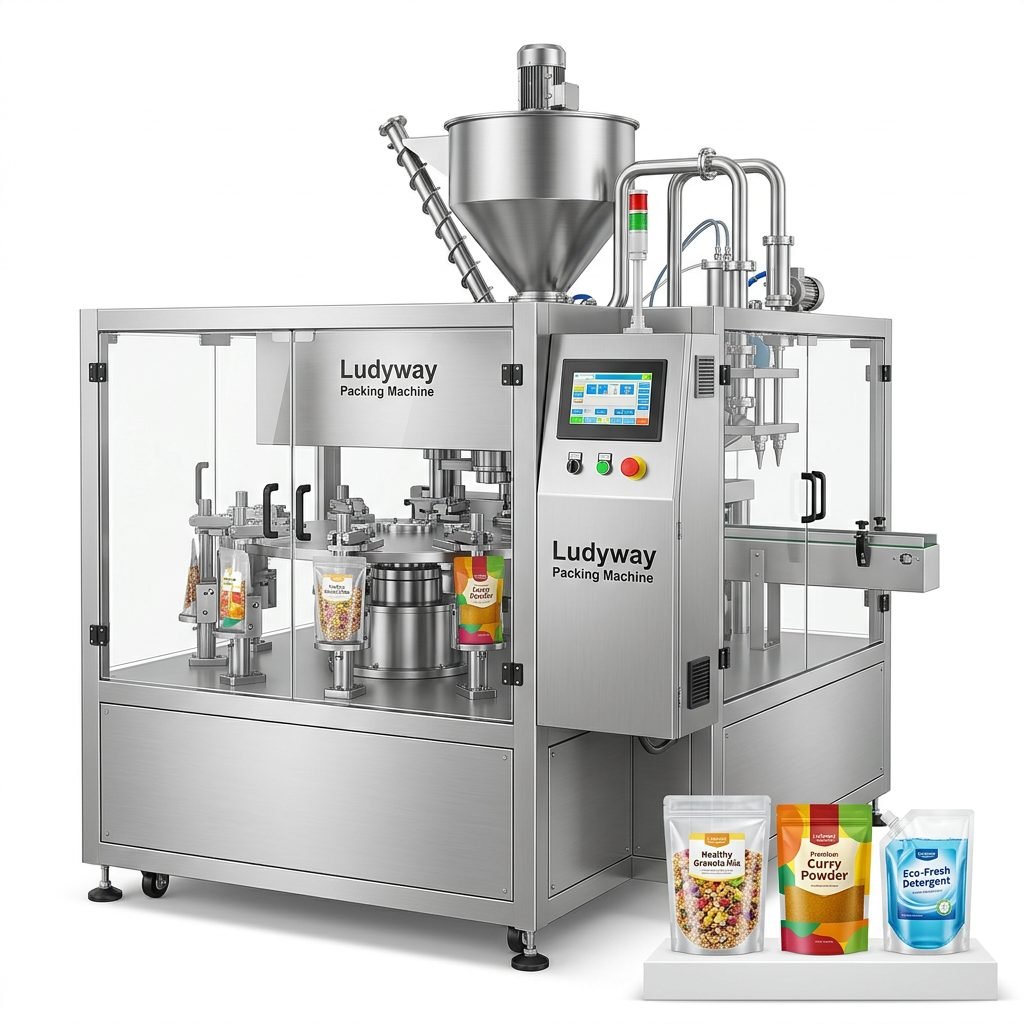
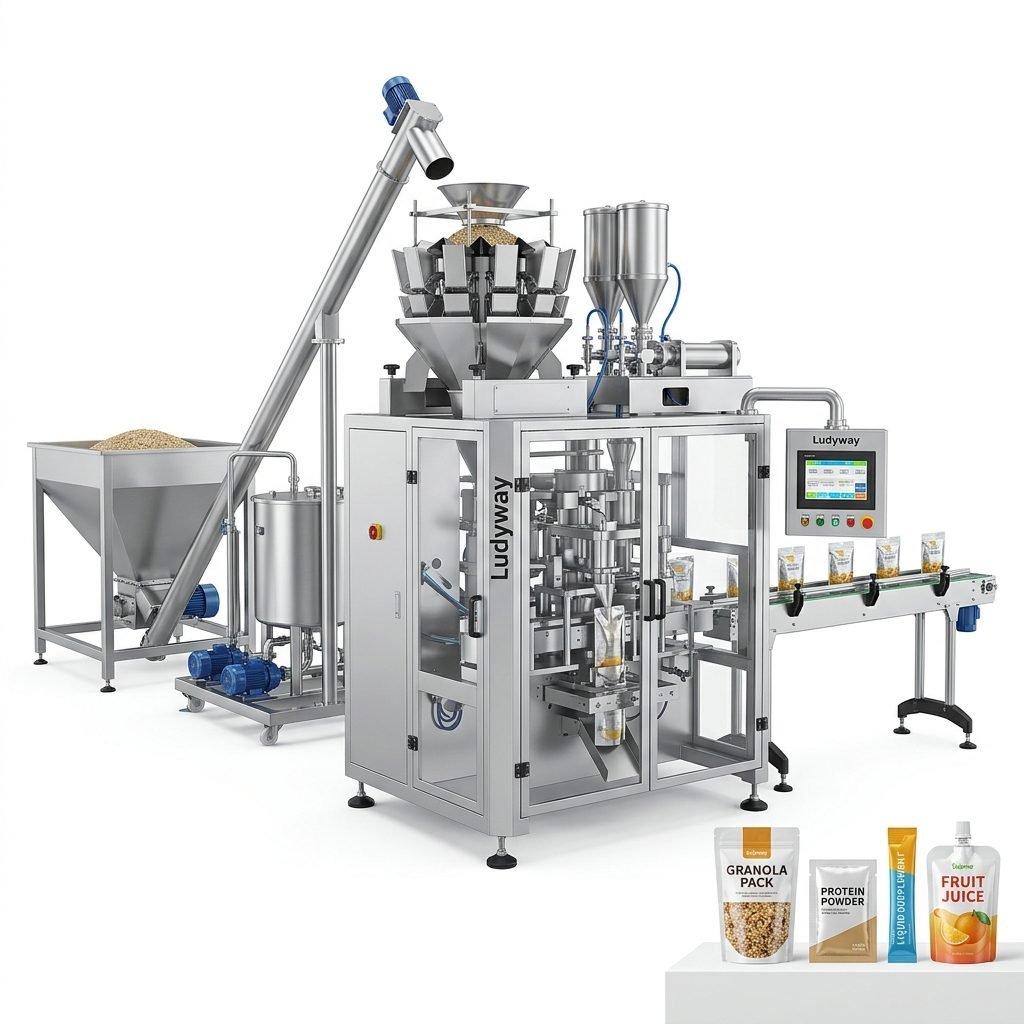
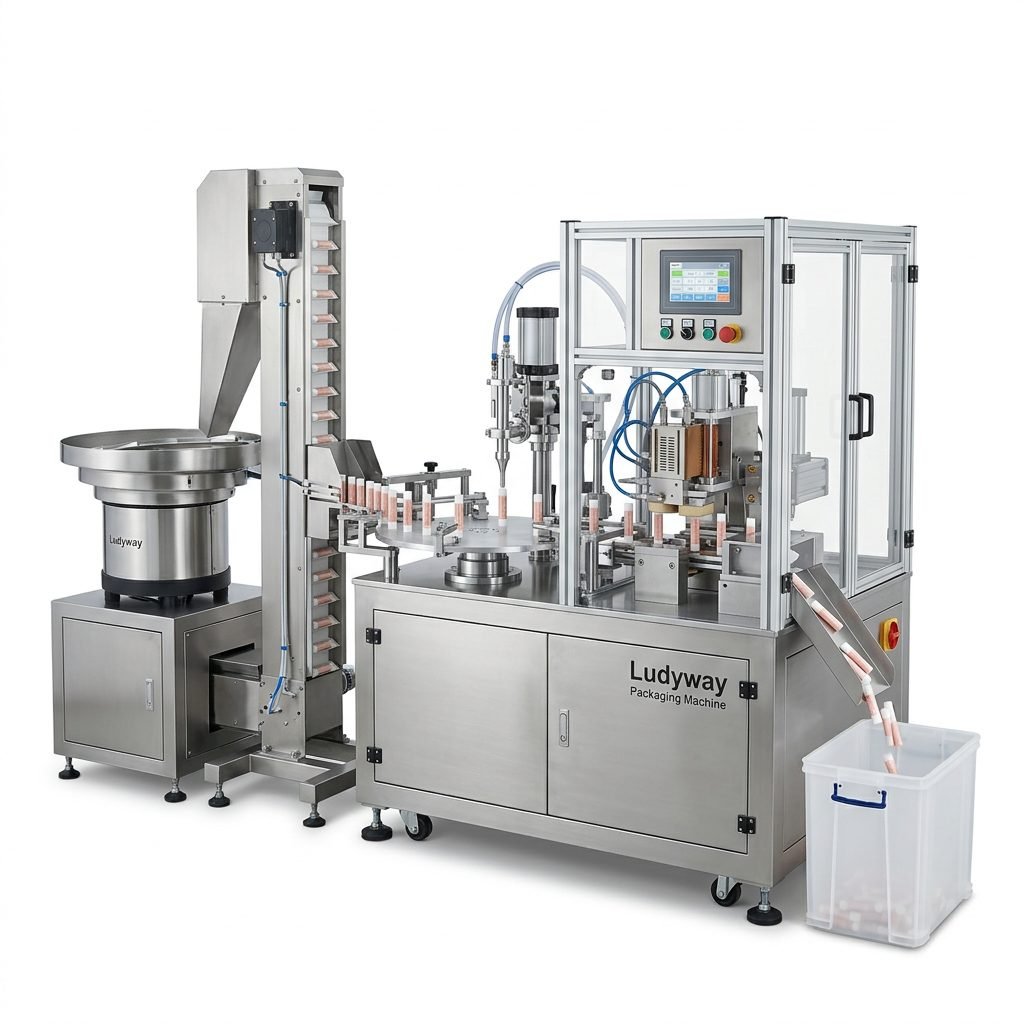
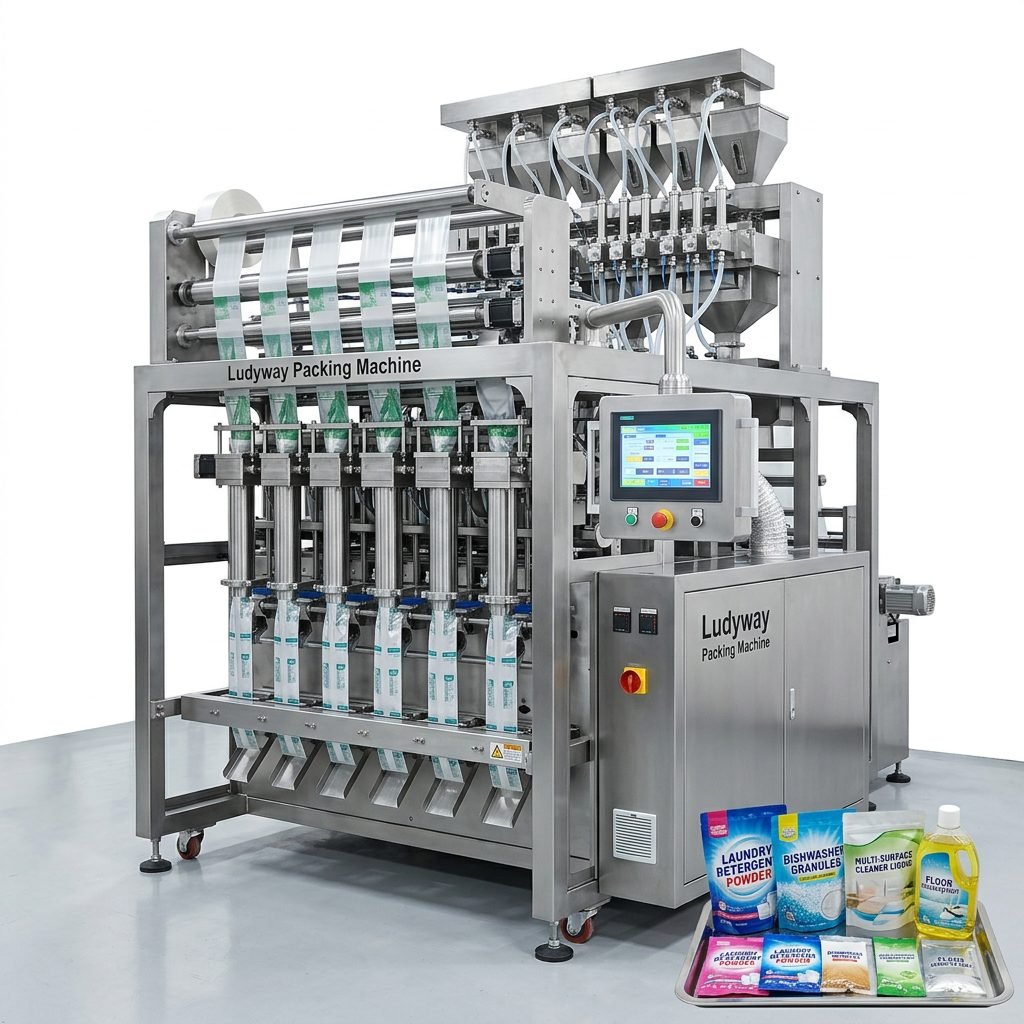
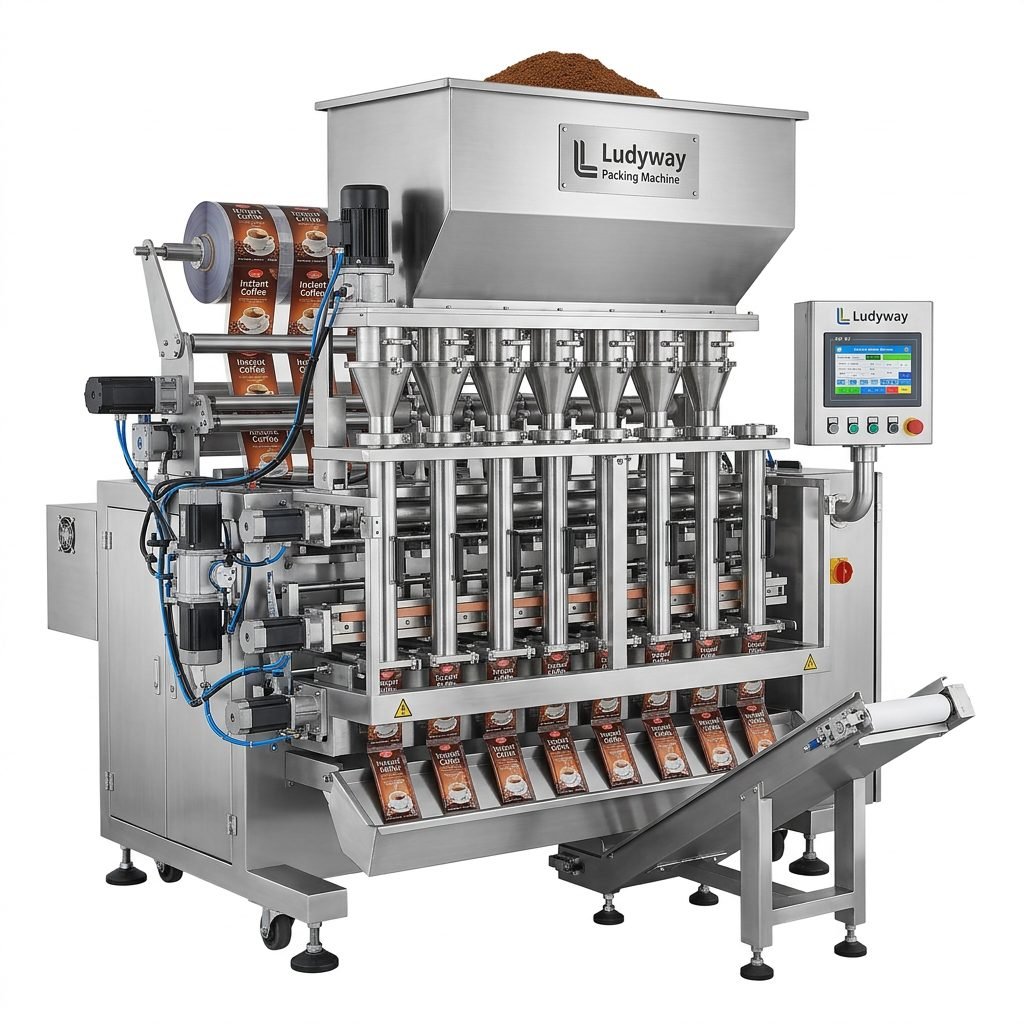
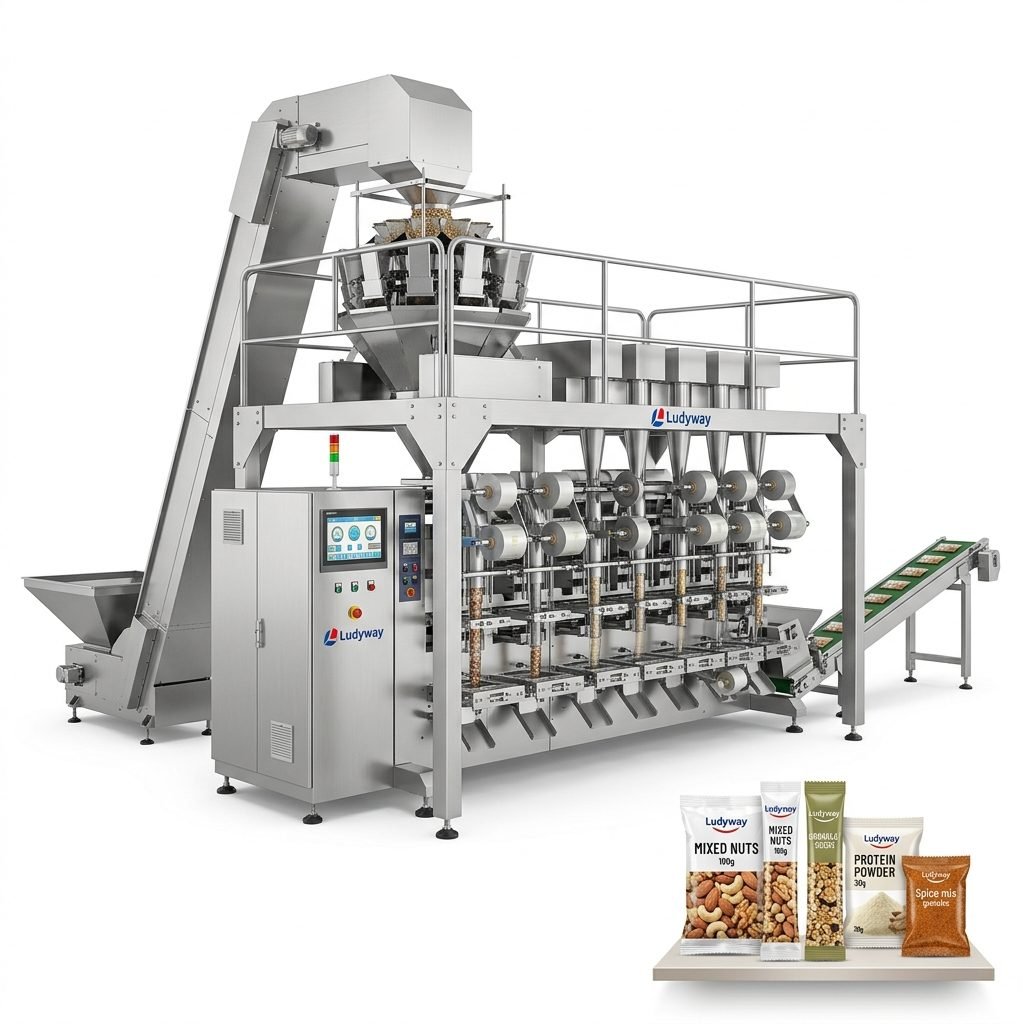
The Mauritania market is emerging as a strategic destination for packaging machinery investment, driven by expanding food processing, pharmaceutical distribution, and consumer goods manufacturing. Selecting the right packaging machine here requires more than comparing technical specifications — it demands a localized approach that accounts for infrastructure realities, product characteristics, and long-term operational sustainability.
Understanding the Mauritania Packaging Landscape
Mauritania’s economy relies heavily on agriculture, fisheries, and increasingly on local food processing industries. Products such as sugar, tea, powdered milk, spices, and dates dominate the consumer market, while pharmaceuticals and personal care items are rapidly gaining distribution. The packaging needs here center around granule, powder, and liquid filling systems that can handle diverse product viscosities, particle sizes, and shelf-life requirements.
Local manufacturers often seek machines that balance automation with operational simplicity. While European and Asian equipment suppliers compete in this space, successful adoption depends on how well the machinery adapts to local conditions — from power supply fluctuations to the availability of skilled technicians. For a deeper understanding of global packaging trends shaping emerging markets, the PMMI State of the Industry reports provide valuable data on machinery demand patterns across developing economies.
Climate and Environmental Adaptability
Mauritania experiences extreme heat, dust, and variable humidity, particularly in inland regions. Packaging machines deployed here must feature robust sealing mechanisms, dust-resistant enclosures, and reliable cooling systems. Electrical components and sensors should be rated for high ambient temperatures to prevent downtime during peak summer months.
For powder and granule filling applications, humidity control is critical. Products like sugar, flour, or milk powder can clump or degrade when exposed to moisture. A packaging machine with integrated dehumidification or nitrogen flushing capability helps preserve product integrity. Refer to the FDA’s guidelines on food contact substances for insights into material safety standards that apply regardless of geographic location.
Power Supply and Energy Efficiency
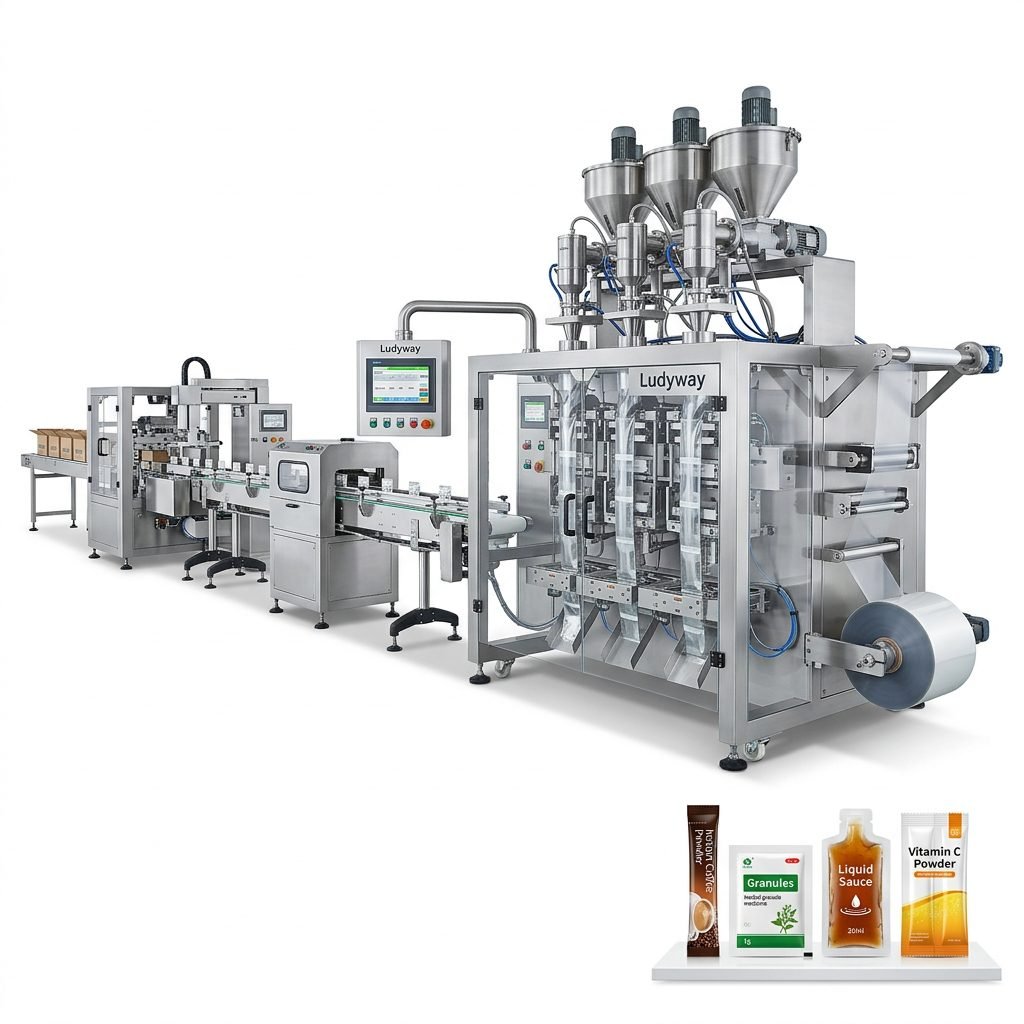
Voltage instability is a common challenge in parts of Mauritania. Packaging machines should incorporate voltage stabilizers, surge protection, and energy-efficient servo drives to operate reliably. Machines designed with lower power consumption not only reduce operational costs but also extend equipment lifespan in regions where power quality may fluctuate.
Look for equipment that offers variable frequency drives (VFDs) and programmable logic controllers (PLCs) with backup memory. These features allow production continuity even during brief power interruptions. The ability to quickly resume operations without recalibration saves both time and material waste — a significant advantage in markets where every production batch counts.
Packaging Material Compatibility
The availability of packaging films and laminates influences machine selection significantly. In Mauritania, multi-layer films, aluminum foil laminates, and polyethylene-based materials are commonly used for sachet and stick pack formats. Your chosen packaging machine must be versatile enough to handle different film thicknesses and heat-seal properties without requiring extensive changeover time.
Consider machines with adjustable sealing temperature, pressure, and dwell time controls. These parameters are essential when working with locally sourced packaging materials that may have slightly different specifications than those used in European or Asian markets. The Flexible Packaging Association offers resources on material standards and sustainable packaging trends that inform equipment compatibility decisions.
Cost-Effectiveness and Maintenance Considerations
For many Mauritanian businesses, total cost of ownership outweighs initial purchase price. A machine that appears affordable but requires frequent maintenance, expensive spare parts, or specialized technical support can become a financial burden. Evaluate modular machine designs that allow for incremental upgrades, reducing capital expenditure while maintaining future flexibility.
Key maintenance factors to assess include:
- Availability of wear parts and consumables in the West African region
- Tool-less changeover features that reduce downtime between product runs
- Remote diagnostic capabilities that minimize the need for on-site service visits
- Training programs for local operators and maintenance personnel
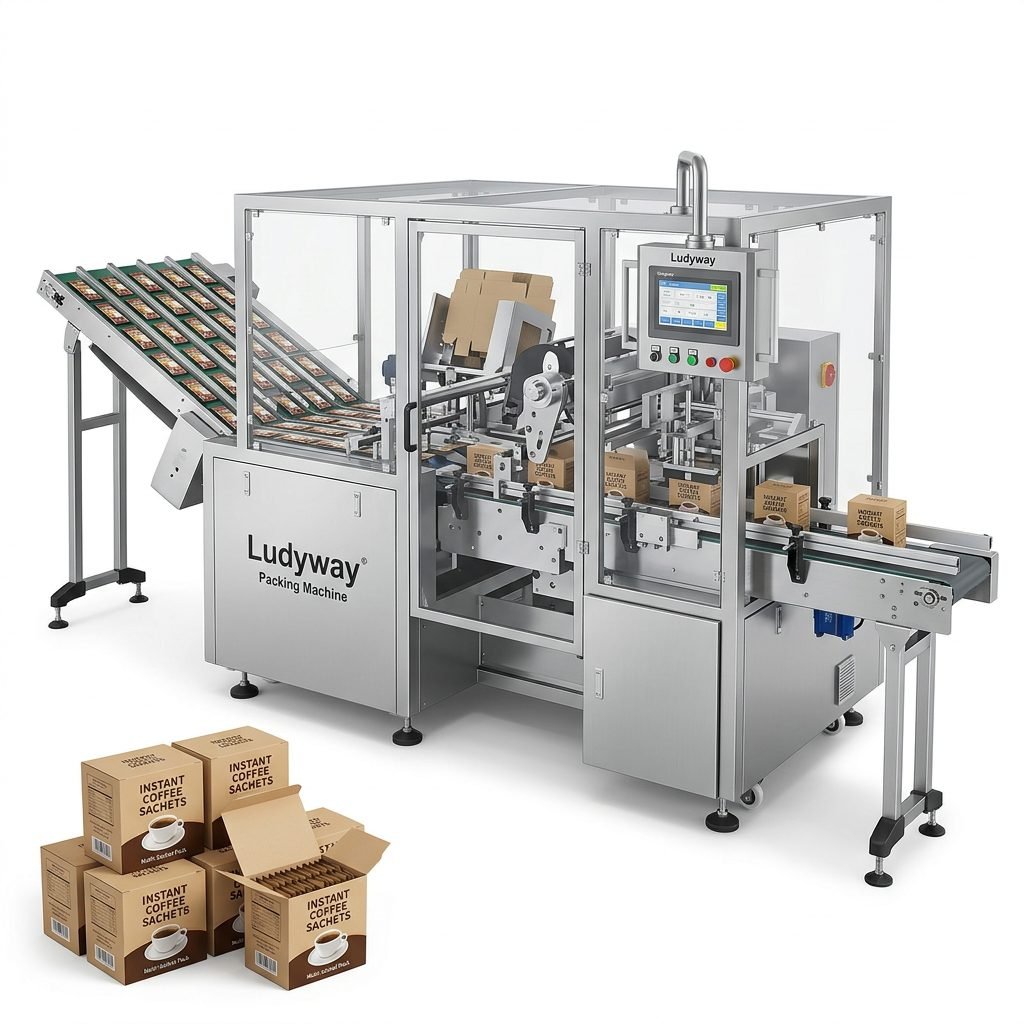
Technical Support and After-Sales Service
Geographic proximity to service centers and spare parts inventory is a decisive factor. Before committing to a packaging machine supplier, verify whether they have established distribution networks, technical representatives, or partnerships in North or West Africa. The ability to receive prompt technical assistance can mean the difference between a minor adjustment and days of lost production.
Leading manufacturers now offer virtual support platforms, video-based troubleshooting, and multilingual documentation. Given that French and Arabic are widely spoken in Mauritania, ensure that user manuals, control interfaces, and training materials are available in these languages. The ISO standards for packaging provide a framework for evaluating equipment quality and documentation completeness.
Product Type and Packaging Format
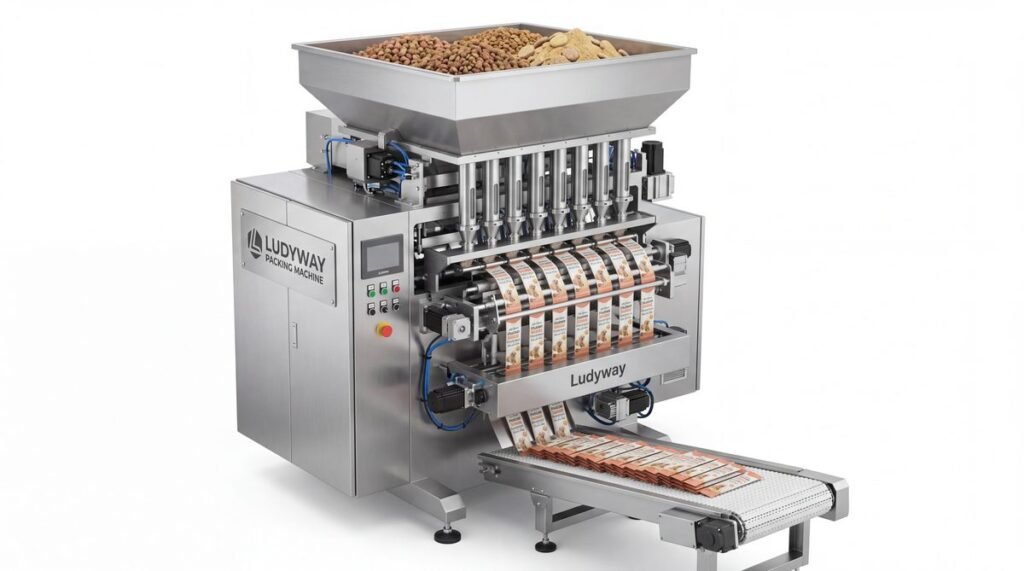
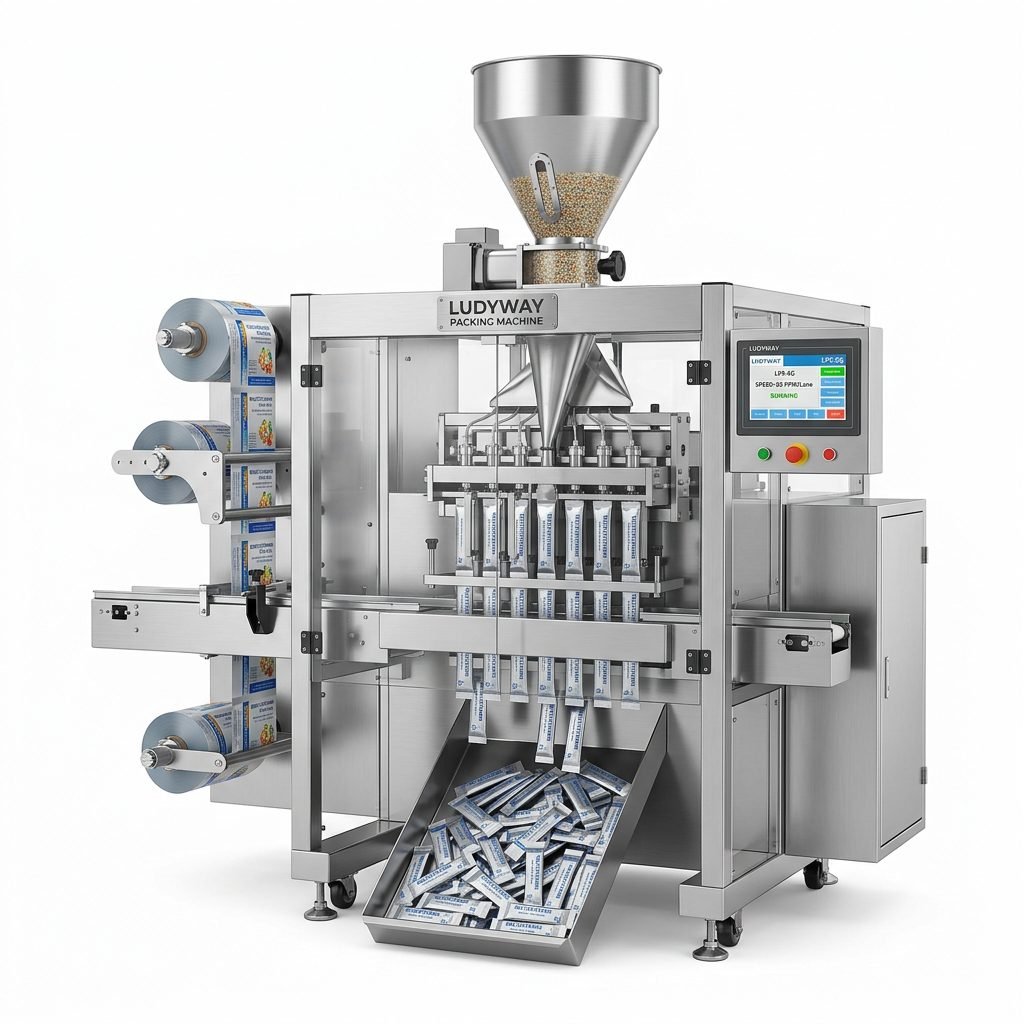
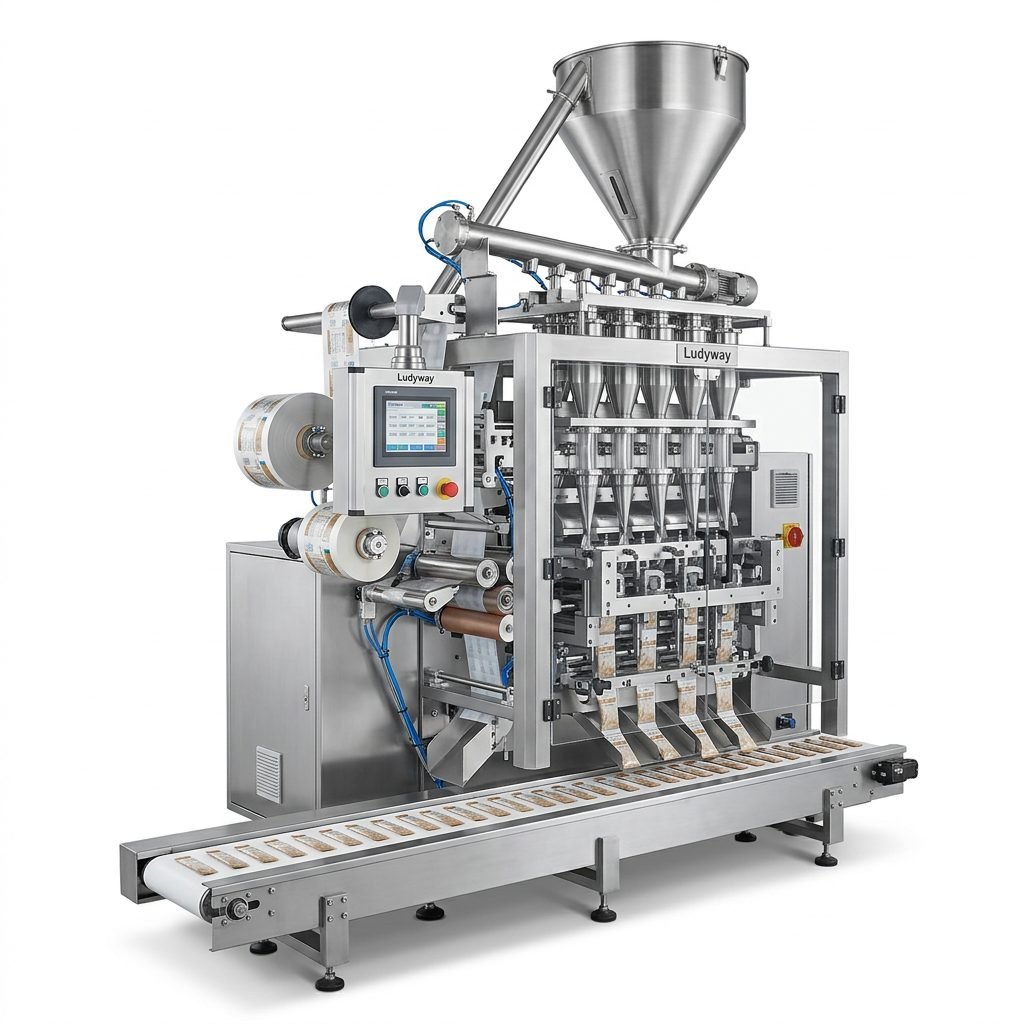
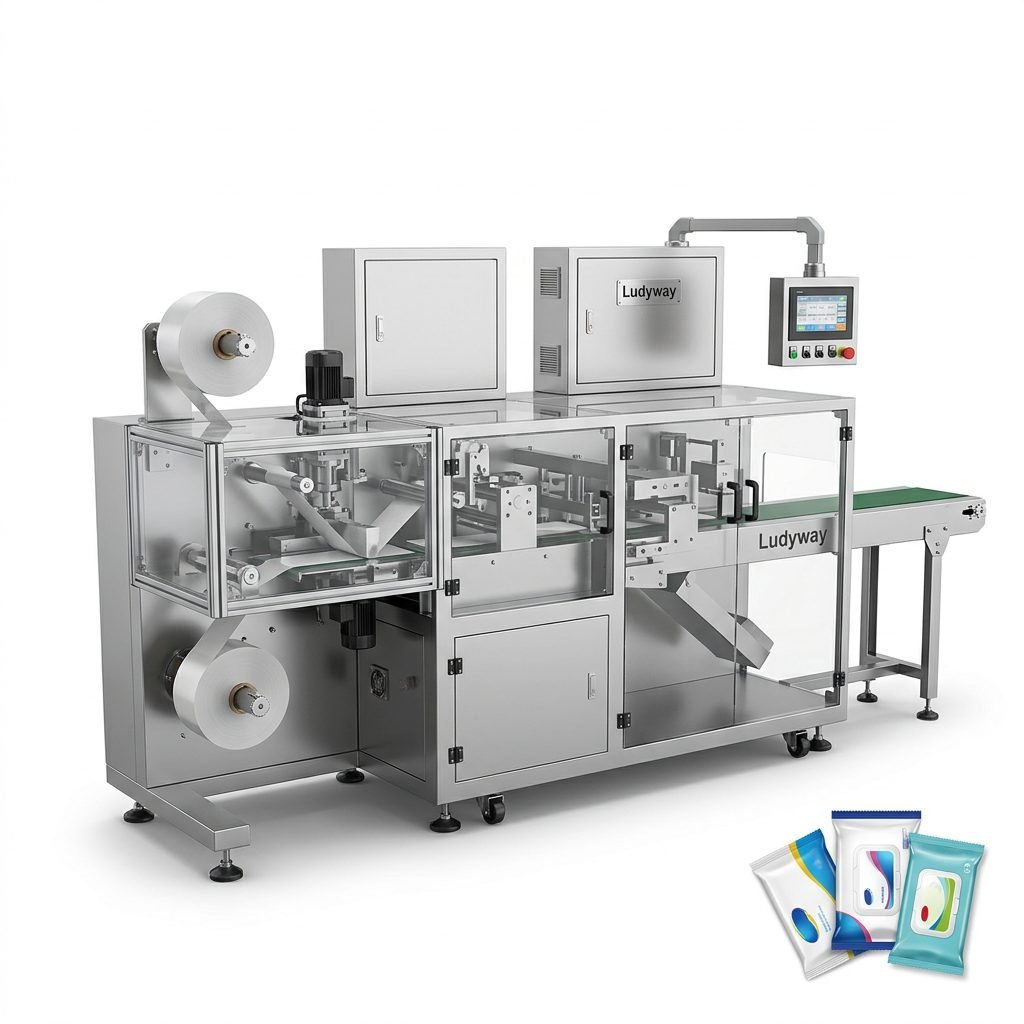
The Mauritanian market favors specific packaging formats that align with consumer purchasing power and retail distribution channels. Small sachets, stick packs, and portion packs dominate the landscape for products like sugar, coffee, tea, spices, and powdered beverages. These formats offer affordable unit pricing, portion control, and extended shelf life — all critical advantages in this market.
Below is a comparison of common packaging formats relevant to Mauritania:
| Packaging Format | Ideal Product Types | Market Advantage |
|---|---|---|
| Multi-lane Stick Packs | Sugar, coffee, powdered milk, drink mixes | High-speed output, low material cost per unit |
| Sachets (3-side, 4-side seal) | Spices, sauces, shampoos, pharmaceuticals | Flexible sizing, excellent barrier properties |
| Pre-made Pouches | Dates, nuts, snack foods, premium items | Attractive shelf presentation, resealable options |
| Bulk Bags (10kg–50kg) | Rice, flour, animal feed, fertilizers | Cost-effective for wholesale and industrial buyers |
Regulatory Compliance and Certifications
Packaging machinery destined for the Mauritanian market should comply with international safety and hygiene standards, even if local regulations are still evolving. Equipment that meets CE certification, ISO 9001 quality management standards, and food-grade material requirements will have greater acceptance among serious buyers and facilitate smoother import processes.
For pharmaceutical applications, compliance with GMP (Good Manufacturing Practice) guidelines is essential. Machines used for drug packaging require validated cleaning procedures, documentation capabilities, and traceability features. The ISO 11607 standard for terminally sterilized medical device packaging provides relevant benchmarks for pharmaceutical-grade equipment selection. Additionally, the PMMI association publishes resources that help buyers understand machinery certification requirements for international markets.
Choosing the Right Equipment Partner
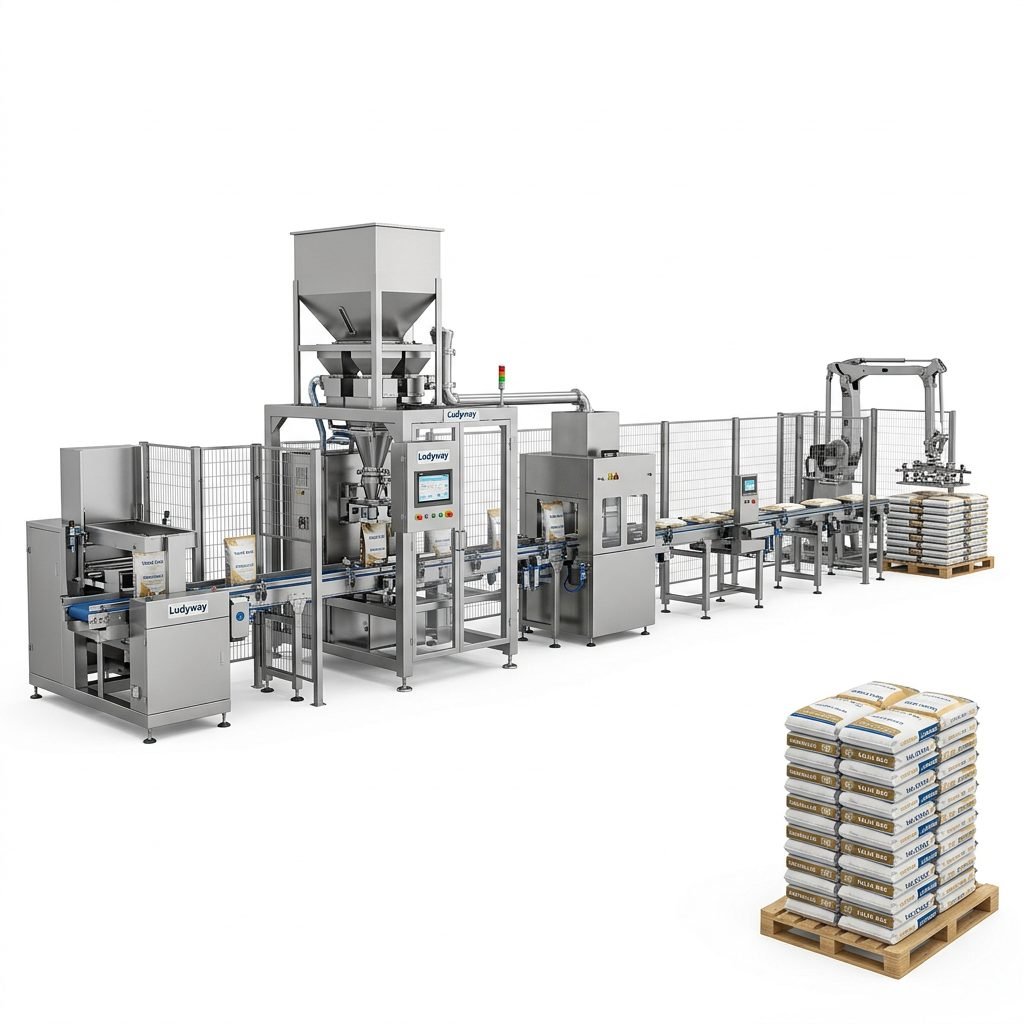
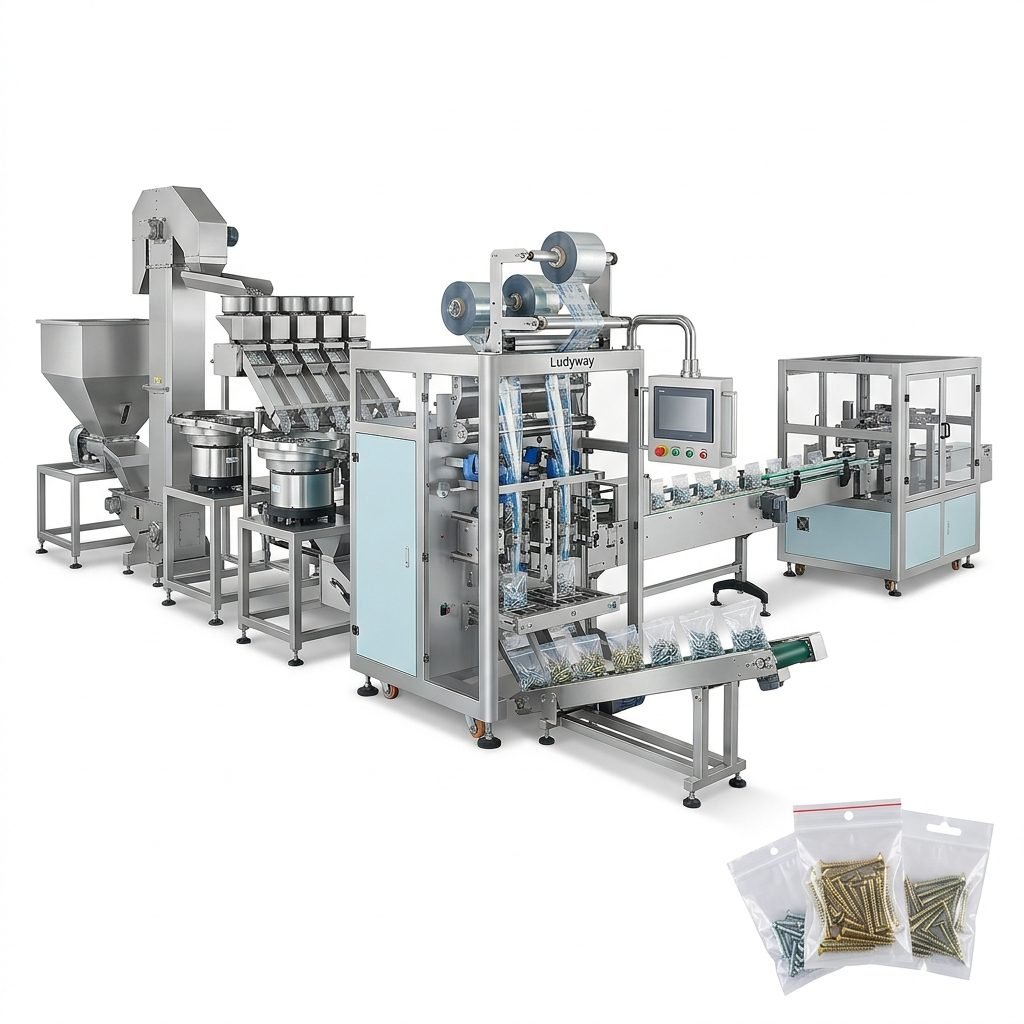
When sourcing packaging machines for Mauritania, look beyond the equipment itself to evaluate the manufacturer’s experience in African markets. A partner with proven installations in similar climatic and economic conditions brings practical insights that shorten the learning curve. Manufacturers that offer turnkey packaging solutions — from filling and sealing to cartoning and palletizing — provide more integrated and efficient production lines compared to piecing together equipment from multiple vendors.
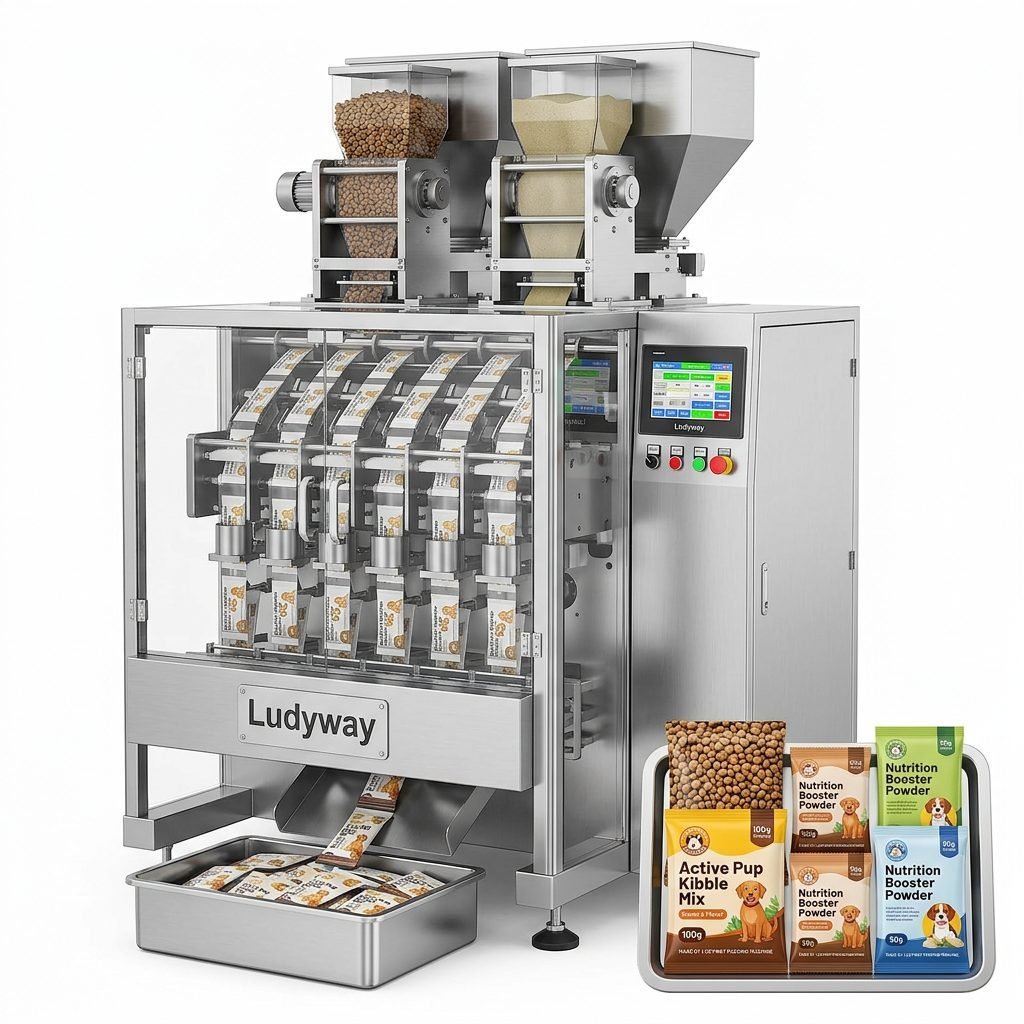
One such established player, Ludyway, is one of the largest packaging machine manufacturers in China with over 30 years of industry expertise and a modern 20,000㎡ manufacturing facility. Their range includes more than 50 intelligent packaging machine models covering granule, powder, liquid, and pouch applications, serving customers in over 100 countries and regions with reliable, high-performance equipment. When evaluating suppliers, consider their track record in export markets, technical support infrastructure, and spare parts availability in the target region.
Key Decision Factors at a Glance
Summarizing the essential criteria for selecting a packaging machine for the Mauritanian market:
- Adaptability to high temperatures, dust, and humidity conditions
- Power resilience with voltage stabilization and surge protection
- Material flexibility to work with locally available packaging films
- Format versatility for sachets, stick packs, pouches, and bulk bags
- Maintenance simplicity with accessible spare parts and remote support
- Operator training and multilingual documentation availability
- Regulatory compliance with international safety and hygiene standards
- Supplier reliability with proven African market experience
For broader industry context on packaging machinery trends and standards, explore resources from the PMMI packaging resources library and the European Commission’s packaging regulations, which increasingly influence global packaging equipment design.
Conclusion: A Strategic Approach Pays Dividends
Selecting the right packaging machine for Mauritania is a strategic decision that impacts production efficiency, product quality, and long-term profitability. By prioritizing adaptability, serviceability, and supplier capability alongside technical specifications, businesses can build packaging operations that thrive in this growing market. Whether you are packing granules, powders, liquids, or solid products, the investment in carefully evaluated equipment will deliver returns through reliable performance and customer satisfaction.
Take time to visit manufacturing facilities when possible, request sample runs with your actual products and packaging materials, and speak with existing customers in the region. These due diligence steps validate your choice and build confidence in the equipment’s ability to perform under the unique conditions of the Mauritanian market. For further reference, the Flexible Packaging Association and U.S. EPA sustainable materials resources offer ongoing insights into packaging innovations relevant to emerging economies.