Selecting the right processing and packaging machinery is a critical decision for any manufacturer. The correct equipment not only ensures product quality and safety but also drives operational efficiency, reduces waste, and enhances your bottom line. This comprehensive guide will walk you through the major types of equipment, their primary uses, and a structured framework for making the optimal investment for your production line.
Core Categories of Processing & Packaging Equipment
The journey from raw material to finished, shelf-ready product involves several key stages. Understanding the machinery at each stage is the first step toward building an efficient line.
1. Processing Equipment
This category encompasses machinery that prepares, mixes, cooks, or otherwise transforms raw materials. Common types include:
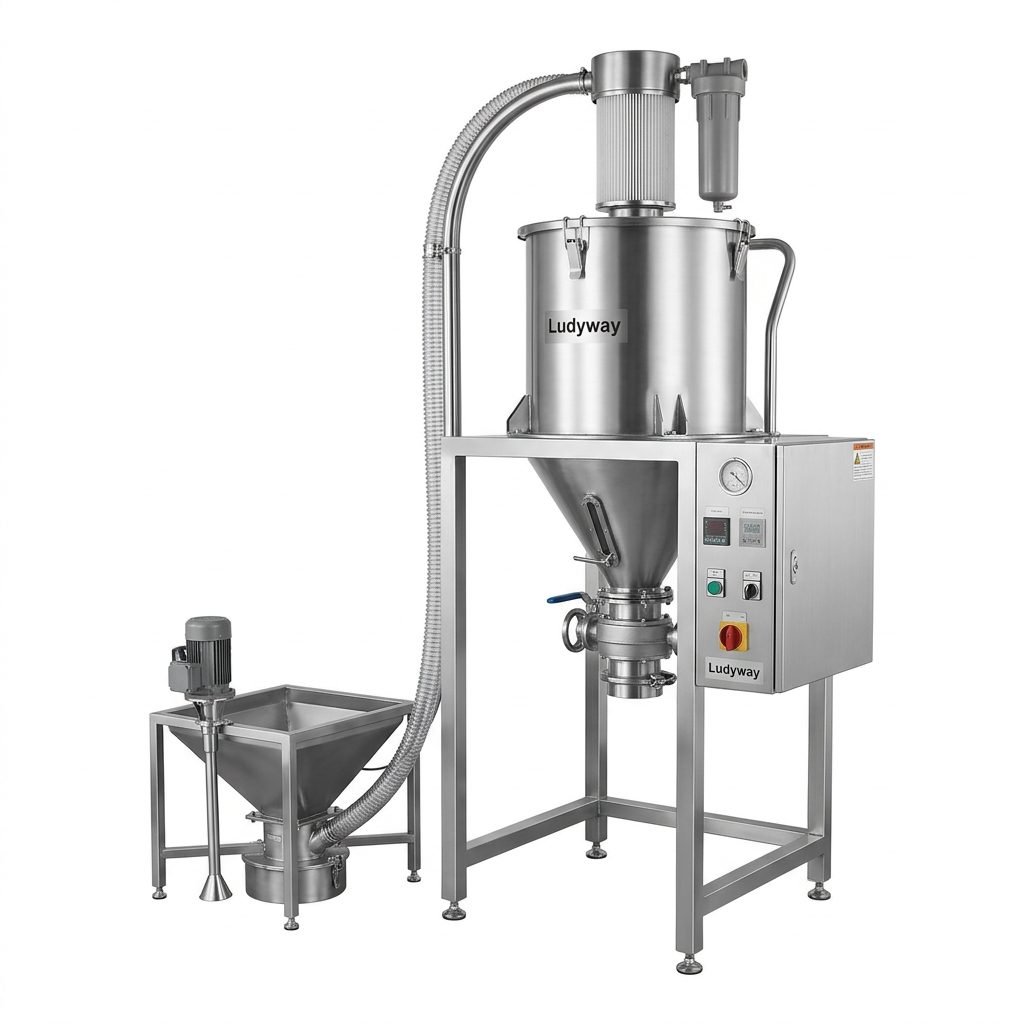
Mixers & Blenders: Essential for achieving uniform consistency in powders, granules, pastes, and liquids. Choices range from ribbon blenders to high-shear mixers.
Heat Processing Equipment: Includes ovens, fryers, autoclaves, and pasteurizers for cooking, baking, sterilizing, or extending shelf life.
Size Reduction Machinery: Grinders, mills, and slicers are used to reduce raw materials to a desired particle size or shape.
2. Primary Packaging Equipment
This machinery forms, fills, and seals the product’s immediate container. It is often the most automated segment of the line.
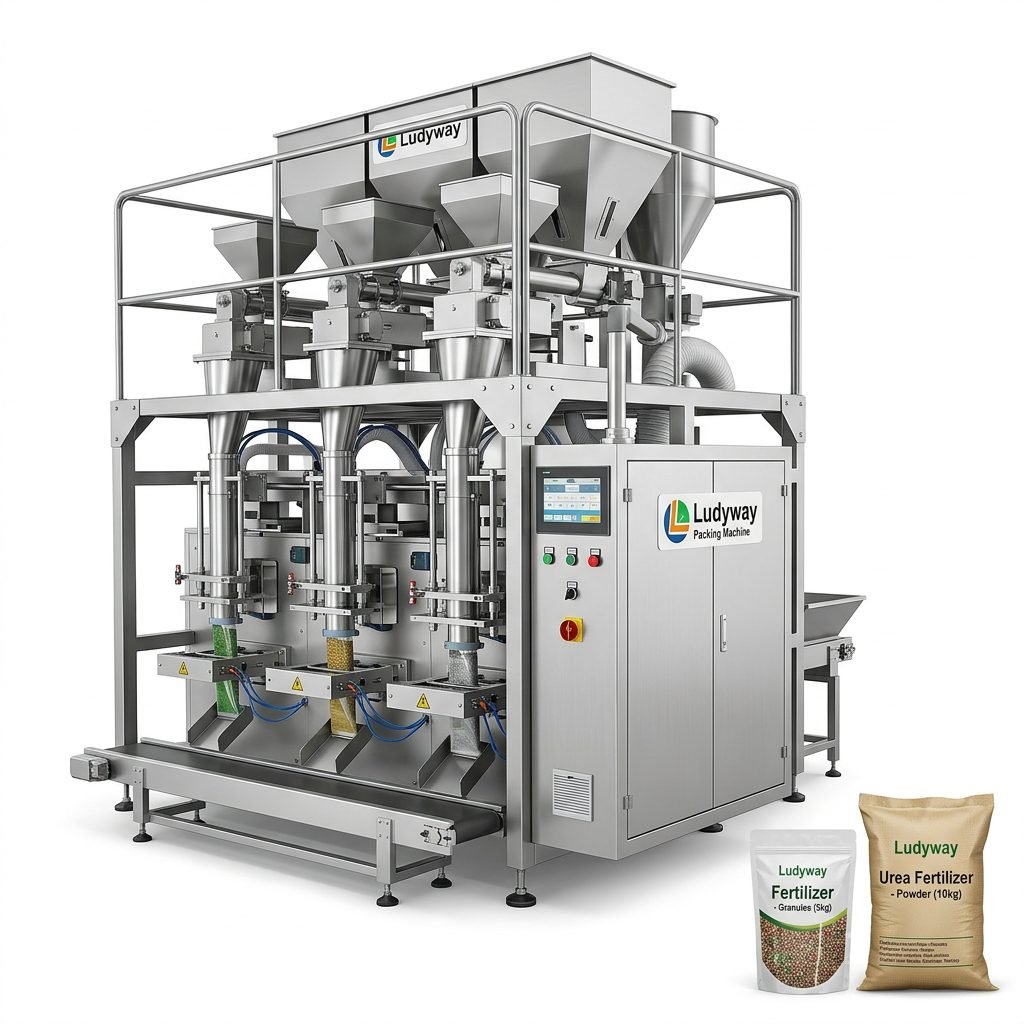
- Vertical Form-Fill-Seal (VFFS) Machines: The industry workhorse for creating bags from a roll of film and filling them with powders, granules, or liquids.
- Horizontal Form-Fill-Seal (HFFS) Machines: Ideal for placing products into pre-formed pouches or creating more complex package shapes, often used for biscuits, bars, or medical devices.
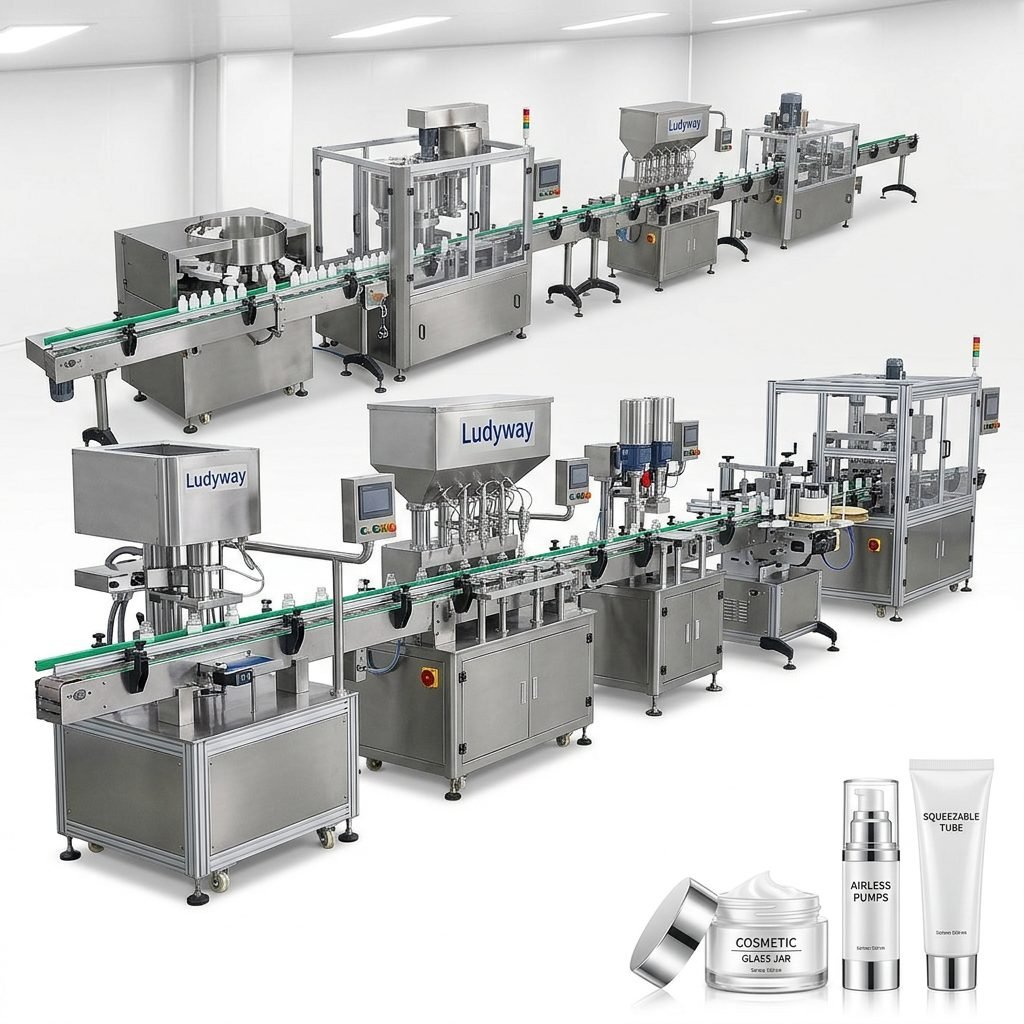
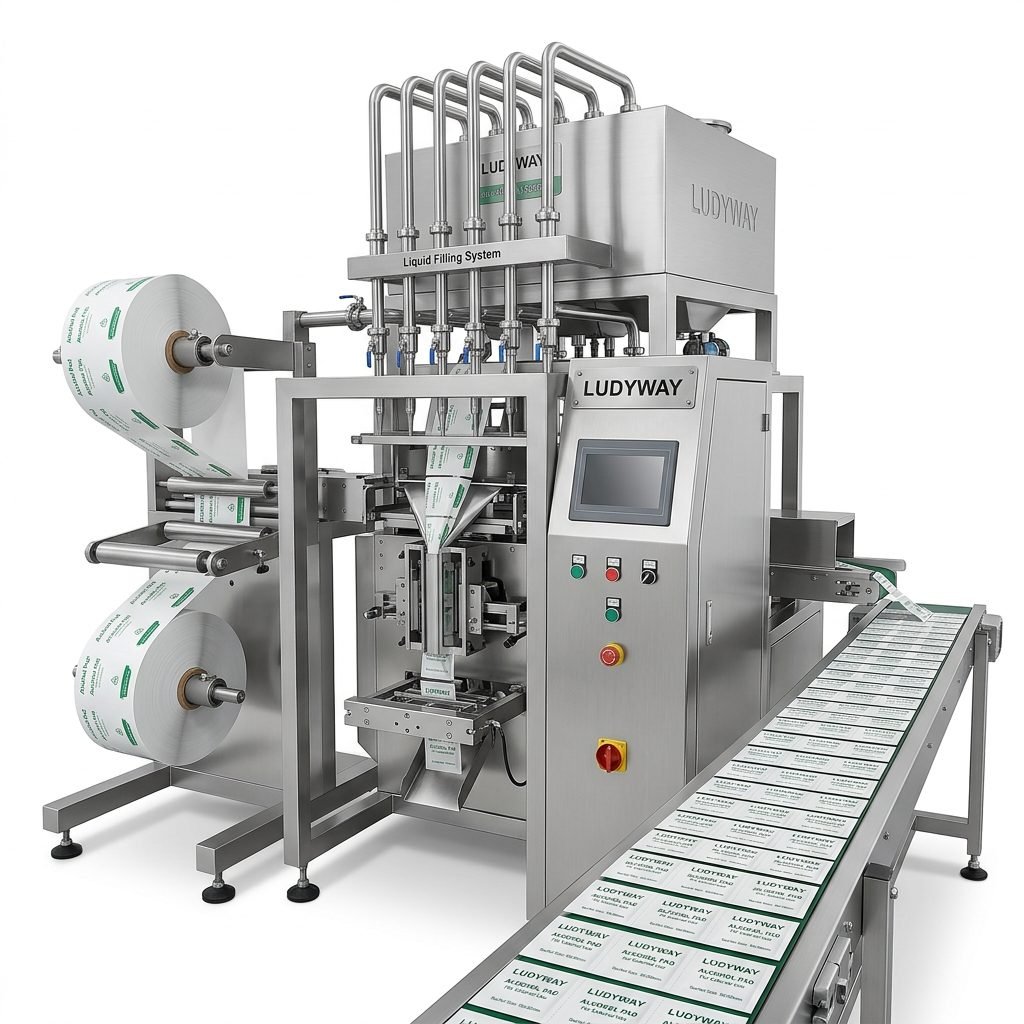
- Liquid & Paste Fillers: Piston, gravity, and pump fillers designed for accurate volumetric or weight-based filling of bottles, tubes, and jars.
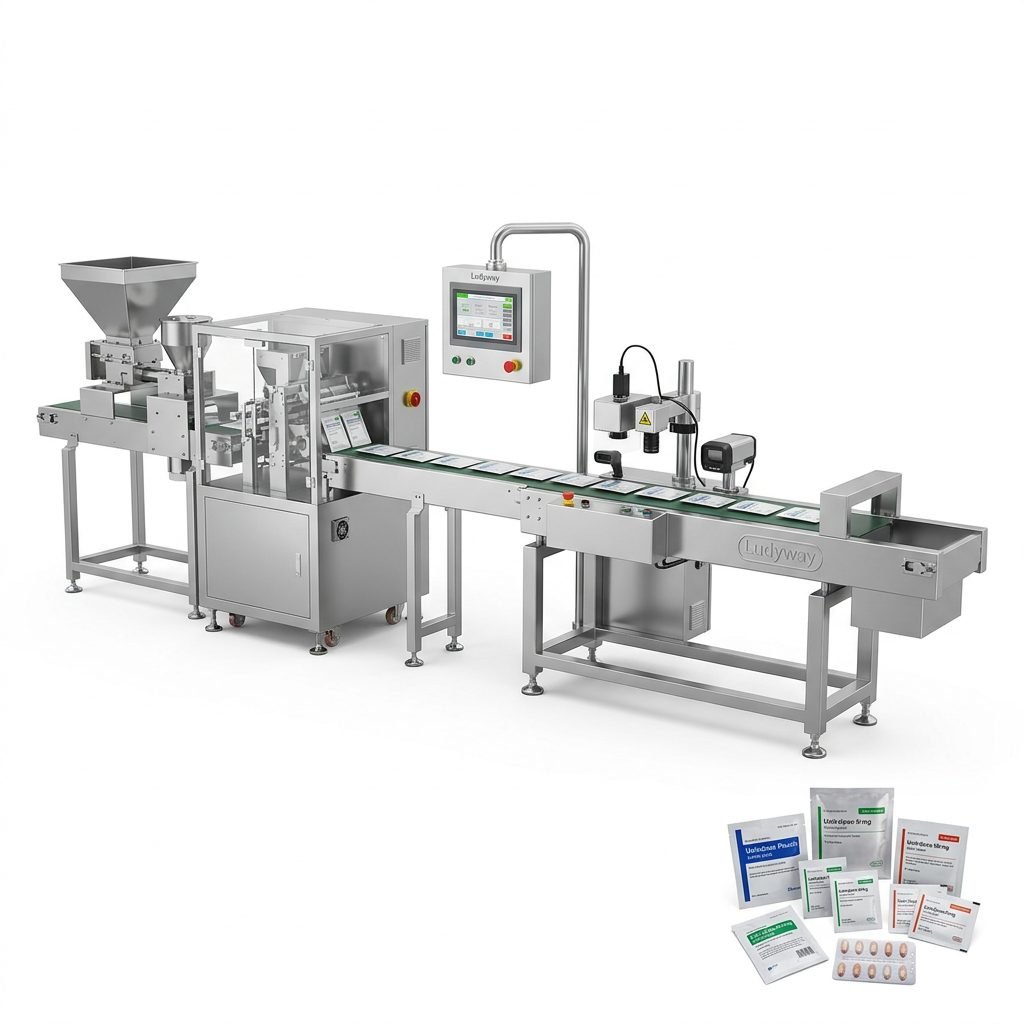
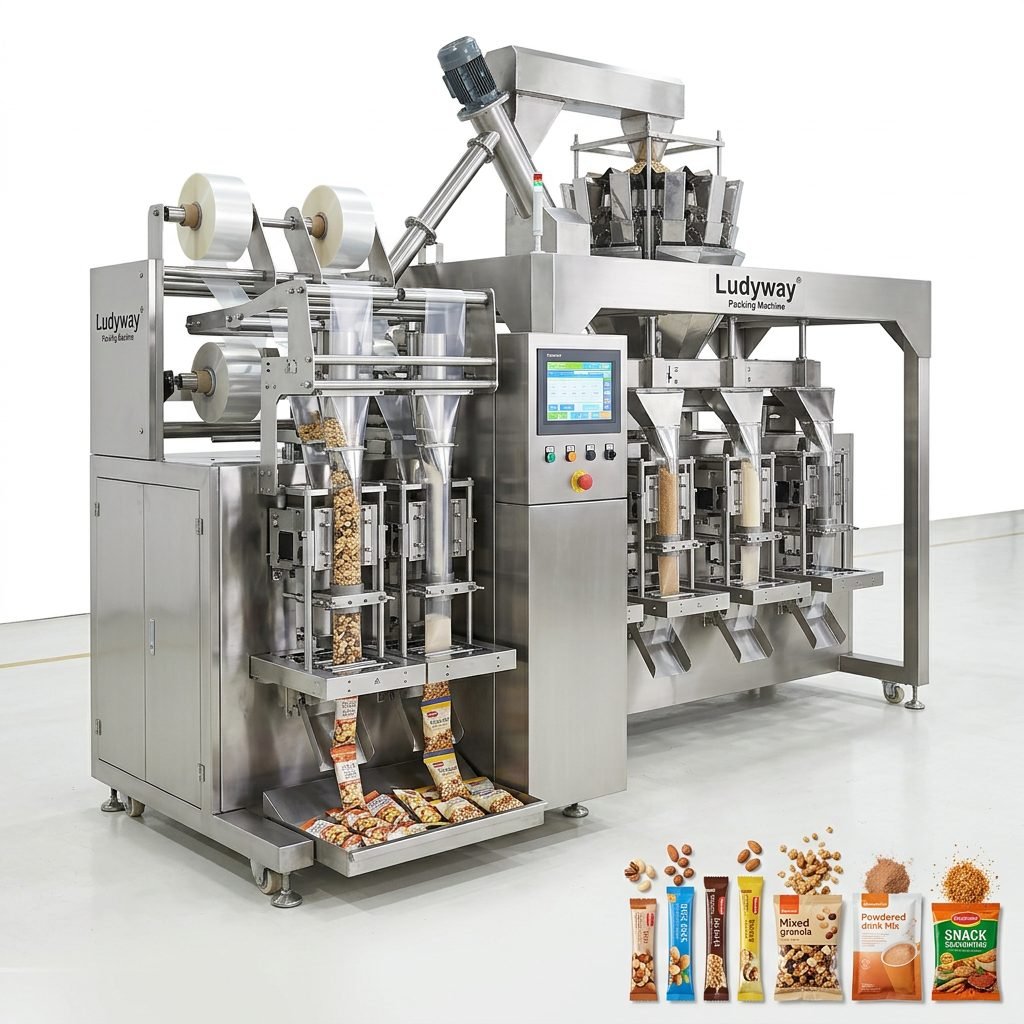
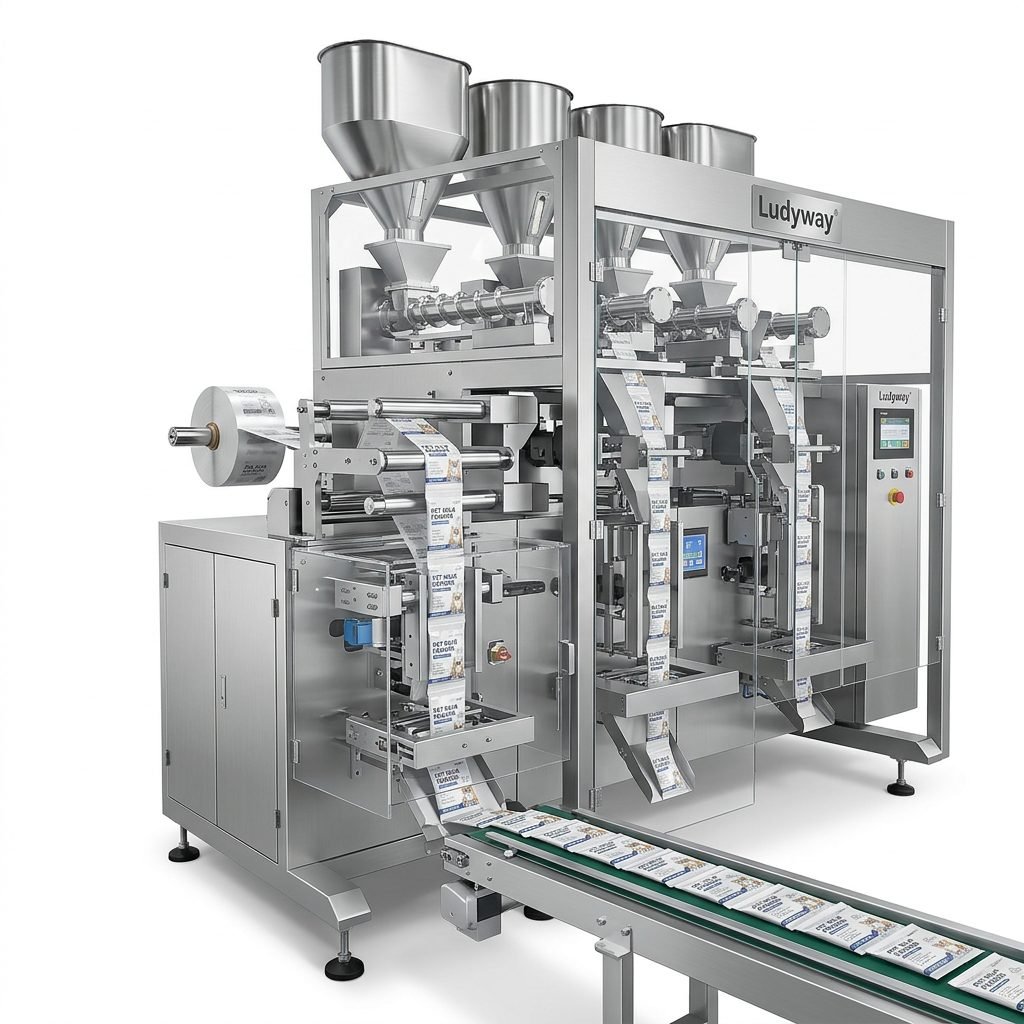
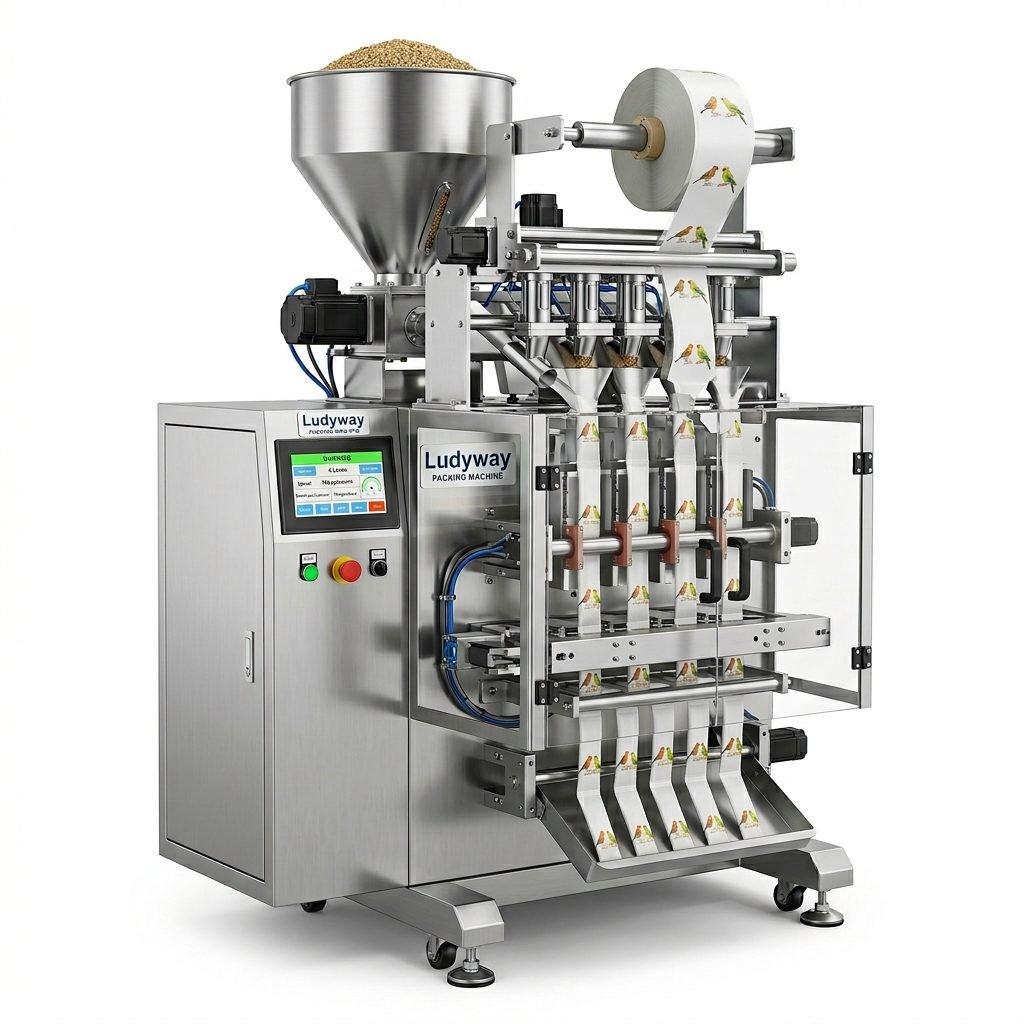
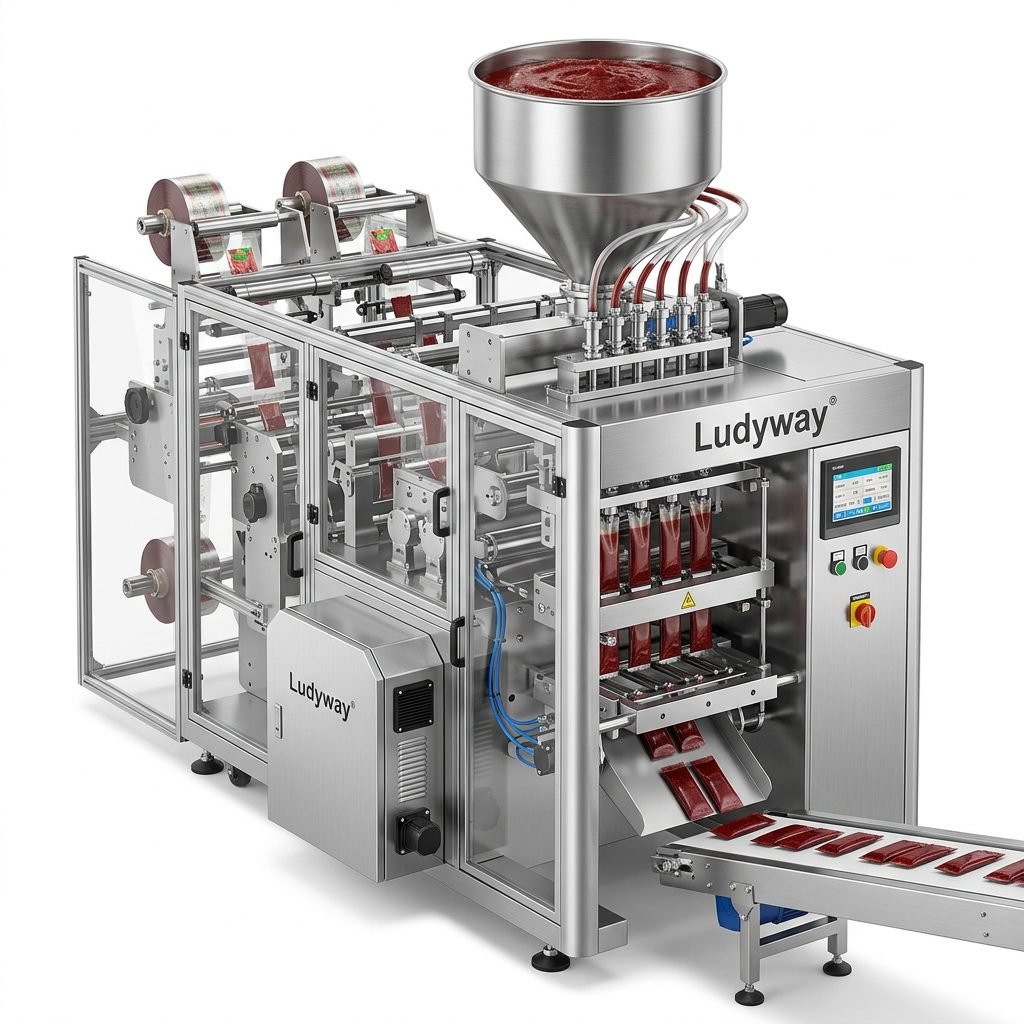
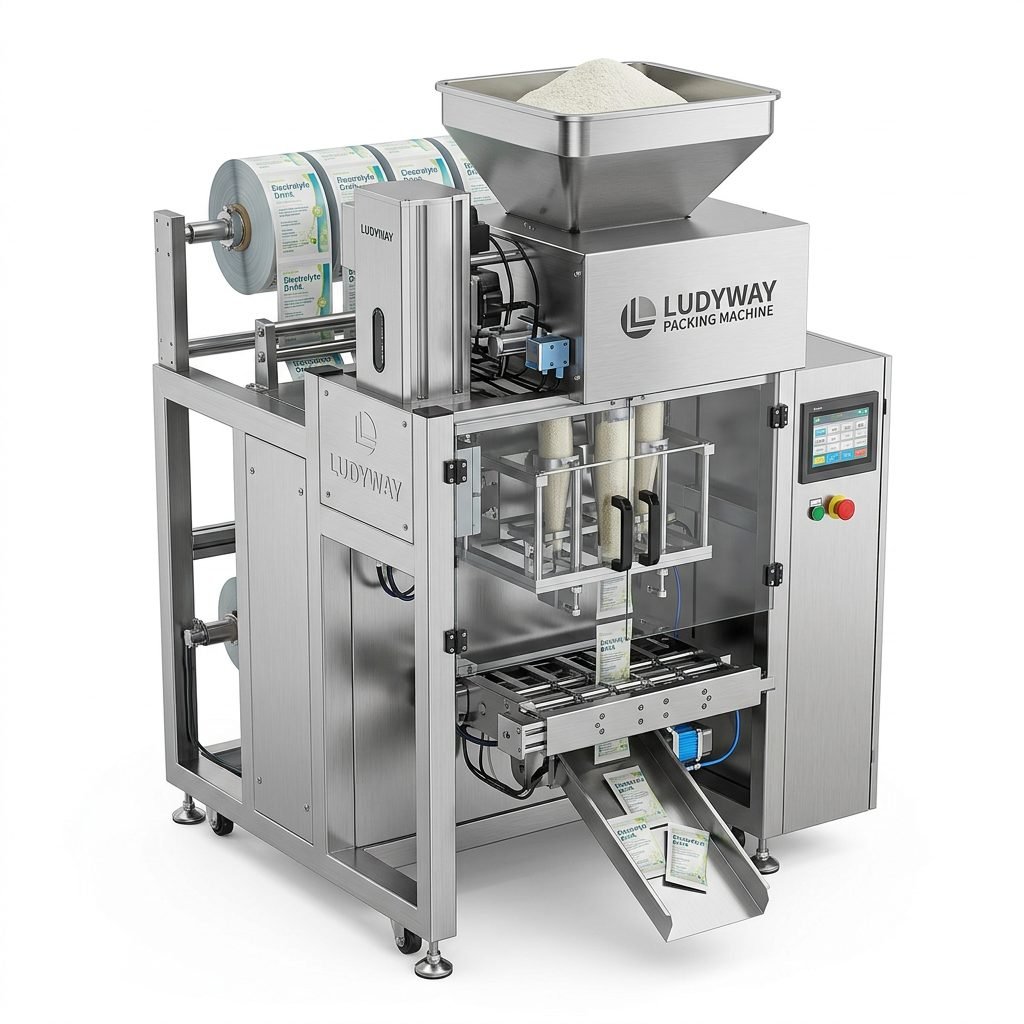
- Stick Pack & Sachet Machines: Compact, high-speed machines perfect for single-serve portions of coffee, sugar, sauces, or pharmaceuticals. Companies like Ludyway Machinery specialize in multi-lane systems that dramatically boost output for these popular formats.
- Capping, Sealing, & Labeling Machines: Appliances that apply caps, induction seals, or labels to bottles, cans, and other rigid containers.
3. Secondary & End-of-Line Packaging
Equipment that groups primary packages for distribution and retail sale.
Cartoners & Case Packers: Automatically erect cartons or cases and load primary packages into them.
Bundlers & Shrink Wrappers: Bundle multiple products together using film, providing stability and tamper evidence.
Palletizers & Stretch Wrappers: Automatically stack cases onto pallets and secure the load with stretch film for shipping.
Key Applications Across Major Industries
The choice of machinery is heavily influenced by the specific industry and its regulatory and product requirements.
Food & Beverage Industry
Demands high-speed, hygienic equipment capable of handling diverse products—from dry snacks to viscous sauces. Features like easy-clean design, food-grade materials, and compliance with standards like USDA or FDA are non-negotiable. Aseptic filling lines are crucial for dairy and juices.
Pharmaceutical & Nutraceutical Industry
Precision and contamination control are paramount. Equipment must often comply with cGMP (Current Good Manufacturing Practice) standards. Blister packers, powder fillers for capsules, and high-accuracy liquid fillers for vials are common. The need for audit trails and validation support is critical.
Chemical & Industrial Products
Durability and chemical resistance define machinery for this sector. Equipment must safely handle abrasive, corrosive, or hazardous materials, often requiring specialized construction materials and explosion-proof components.
How to Choose the Right Machinery: A 5-Step Framework
Investing in new equipment is significant. Follow this structured approach to make a confident decision.
Step 1: Define Your Product & Output Requirements
Start with the basics. What is your product’s form (powder, liquid, solid)? What are its characteristics (viscosity, abrasiveness, hygroscopic)? Most importantly, determine your required production speed (units per minute) and operational hours. This defines the machine’s capacity needs.
Step 2: Evaluate Packaging Materials & Formats
The machine and the packaging material are a system. Decide on your format (pouch, stick pack, bottle, blister) and the specific film, laminate, or container. Ensure the machine you select is compatible with your chosen material and can achieve the desired seal integrity and appearance. For expert guidance on integrating packaging formats with machinery, reviewing a company’s profile and experience can be invaluable.
Step 3: Assess Integration & Automation Level
Will the machine stand alone or integrate into a full line? Consider upstream (feeding) and downstream (conveying, cartoning) connections. The level of automation—from semi-automatic to fully robotic—impacts labor costs, consistency, and throughput. A turnkey solution from a single supplier can simplify integration and responsibility.
Step 4: Analyze Total Cost of Ownership (TCO)
Look beyond the initial purchase price. Calculate the TCO by factoring in:
➤ Installation & Training: Costs for setup and operator instruction.
➤ Maintenance & Spare Parts: Regular service costs and part availability.
➤ Energy & Consumable Usage: Power consumption and costs for seals, filters, etc.
➤ Potential Downtime: Reliability and supplier support speed directly affect this cost.
Step 5: Vet the Manufacturer & Support
Your relationship with the equipment supplier is long-term. Prioritize manufacturers with:
✔ Proven Industry Experience: Look for a track record in your specific sector.
✔ Strong Technical Support: Availability of remote diagnostics, on-site service, and spare parts.
✔ Testing & Validation Capabilities: The ability to run your product and materials before purchase.
✔ Clear Documentation & Training: Comprehensive manuals and training programs.
Choosing a partner with a solid history of innovation and global service can provide peace of mind and ensure your investment is protected for years to come.
Frequently Asked Questions (FAQs)
Q1: What is the main difference between VFFS and HFFS packaging machines?
A: VFFS (Vertical Form-Fill-Seal) machines form bags from a vertical roll of film, fill them, and seal them, best for free-flowing products like chips or granules. HFFS (Horizontal Form-Fill-Seal) machines typically work with pre-made pouches or form packages horizontally, better suited for placing solid items or creating complex multi-compartment packs.
Q2: How important is it to have a machine that is “easy to clean”?
A: Extremely important, especially in food and pharmaceutical industries. Quick and thorough cleaning reduces changeover time, minimizes cross-contamination risk, and is essential for meeting strict hygiene regulations. Look for features like tool-less disassembly, CIP (Clean-in-Place) systems, and smooth, accessible surfaces.
Q3: Can one machine handle multiple different products or package sizes?
A: Many machines offer “changeover” capabilities. However, the ease and speed of changeover vary. For frequent size or product changes, look for machines with quick-adjust mechanisms, digital recipe storage, and servo-driven components that allow for changeovers with minimal manual tooling adjustments.
Q4: What should I prioritize: higher speed or greater flexibility?
A: This depends entirely on your business model. High-volume, single-product lines prioritize speed. Companies with many SKUs or frequent new product launches need flexibility. Often, a balance is sought, perhaps with a modular machine that can be reconfigured as needs evolve.
Q5: Is buying a used or refurbished packaging machine a good idea?
A: It can be a cost-effective option for proven, simple machine models, especially for startups or pilot lines. The critical factor is the reputation and warranty of the refurbisher. Ensure they thoroughly rebuild, test, and provide a solid service guarantee. For complex, high-speed, or hygienic-critical applications, new machinery with the latest technology and full support is often recommended.