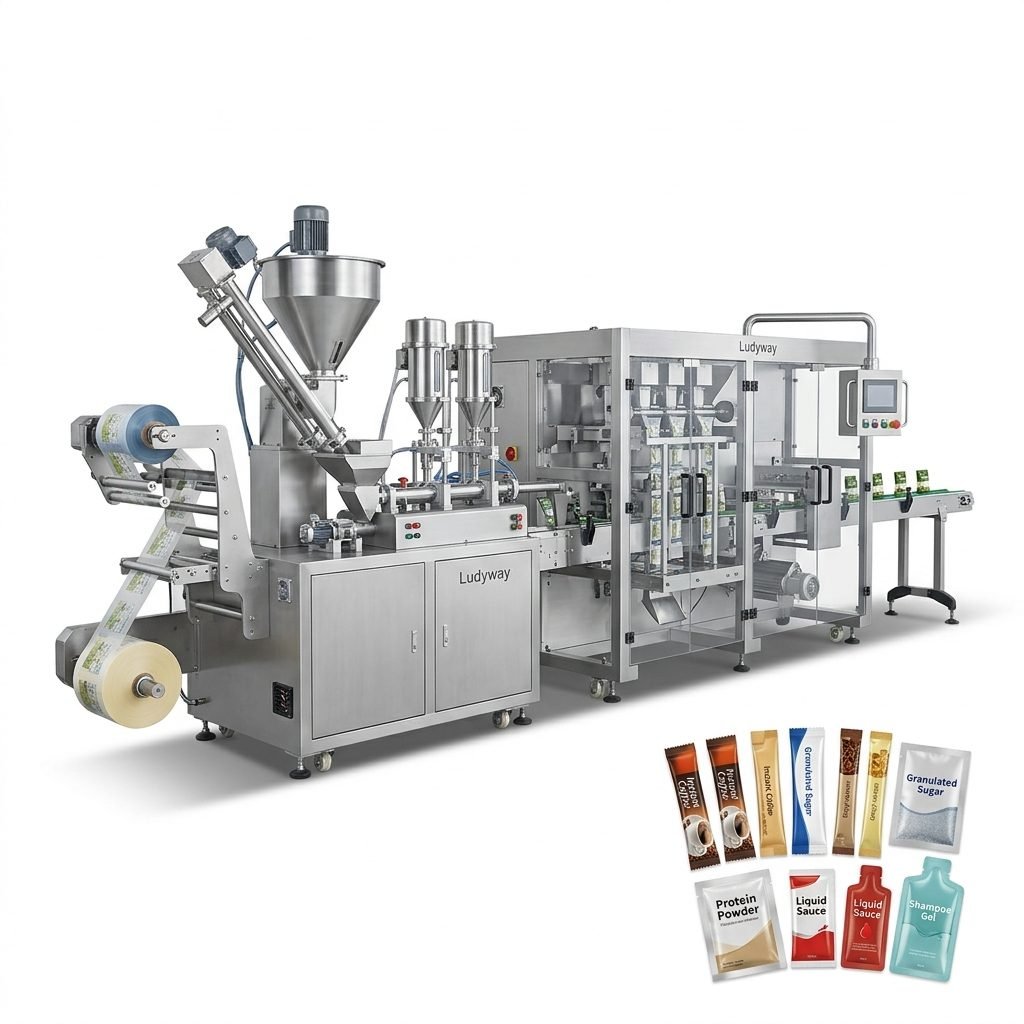
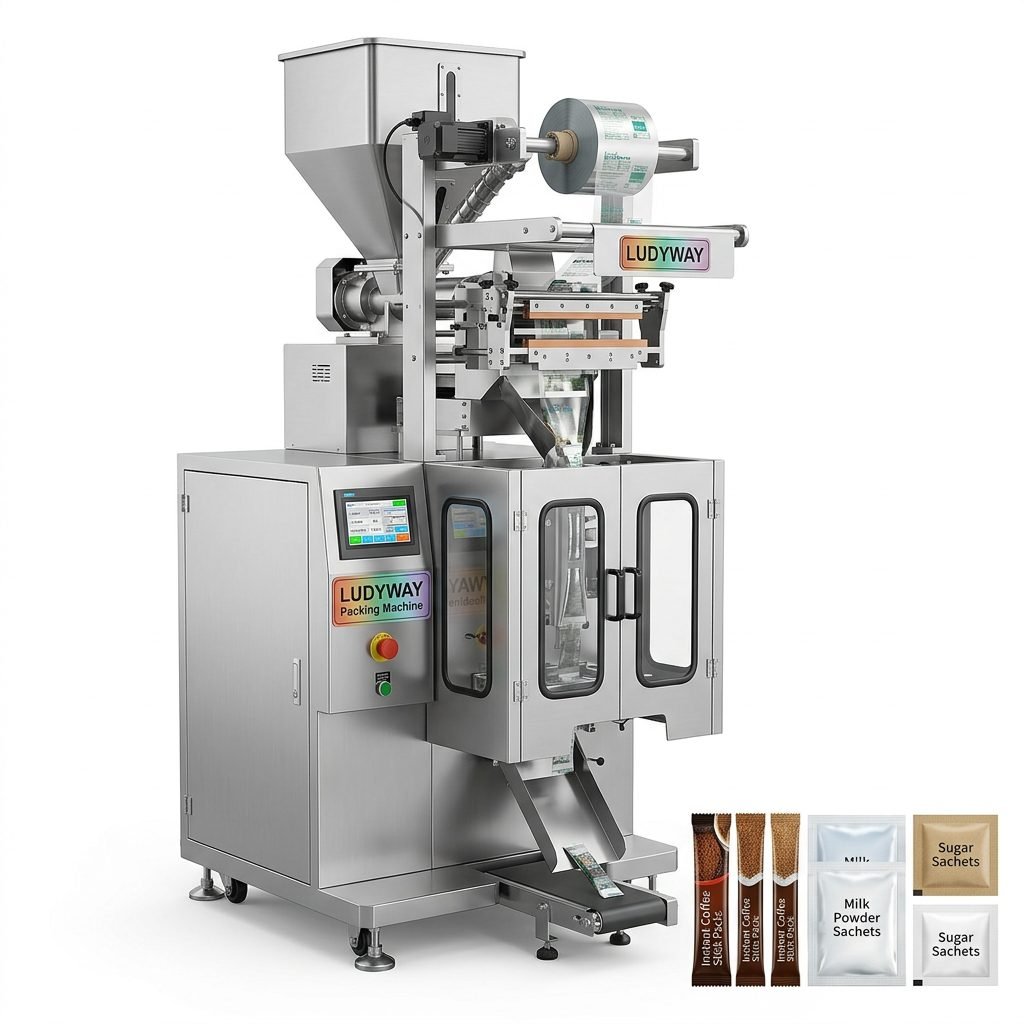
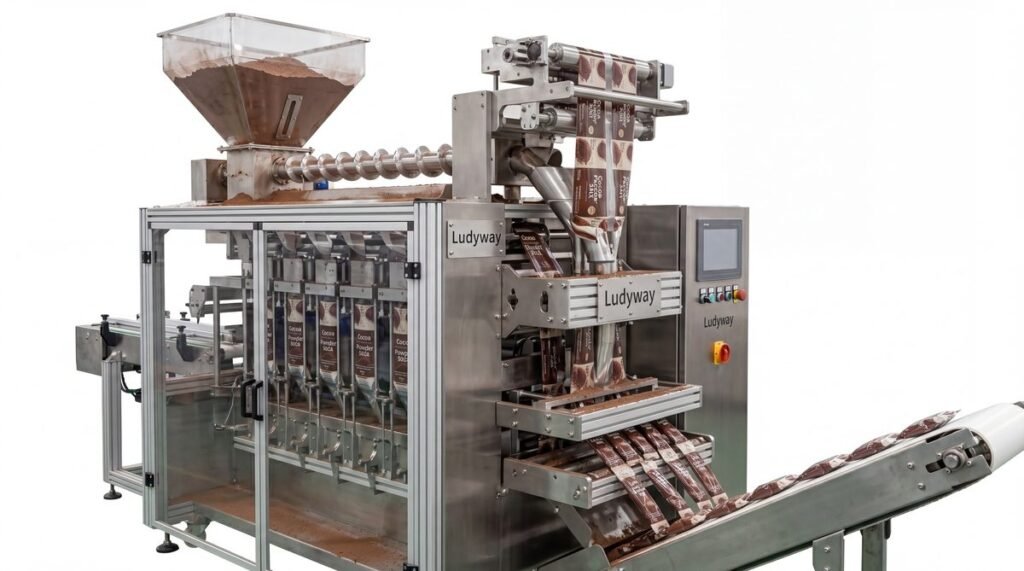
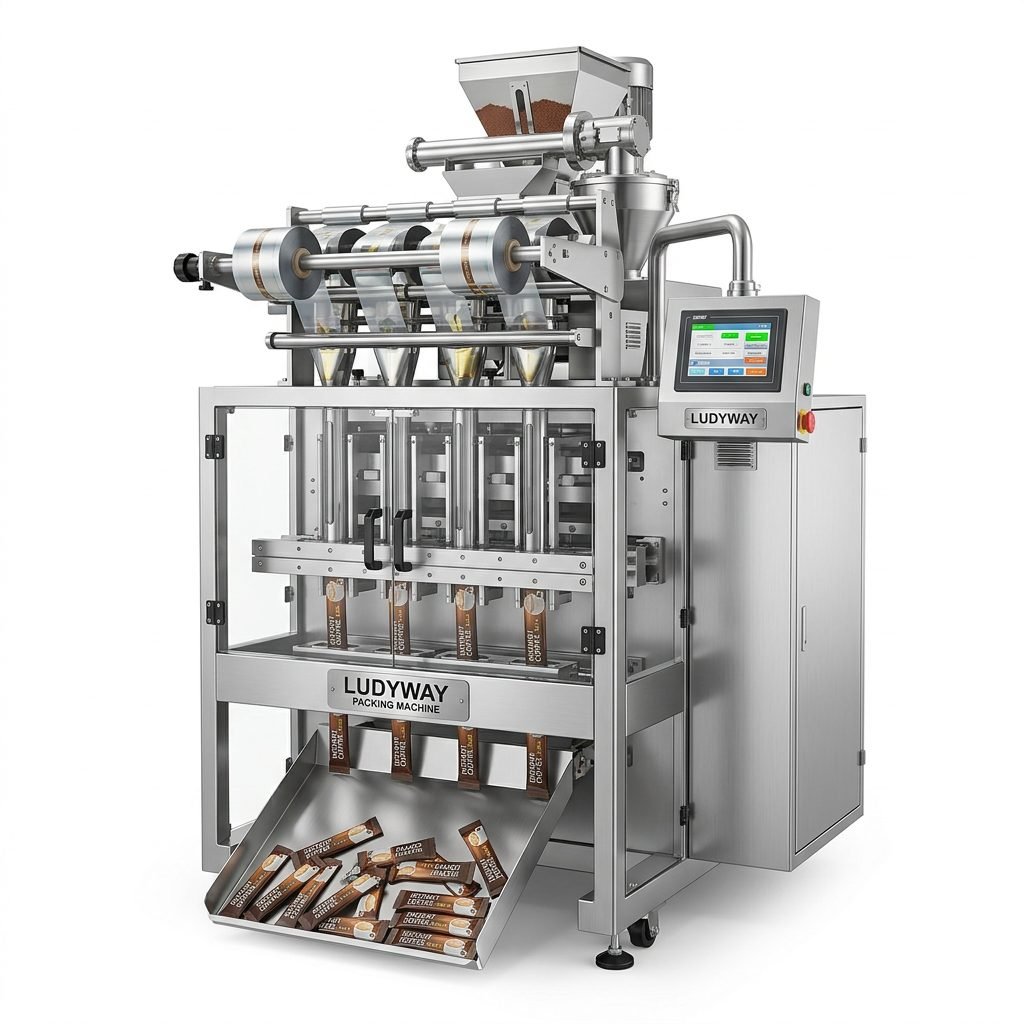
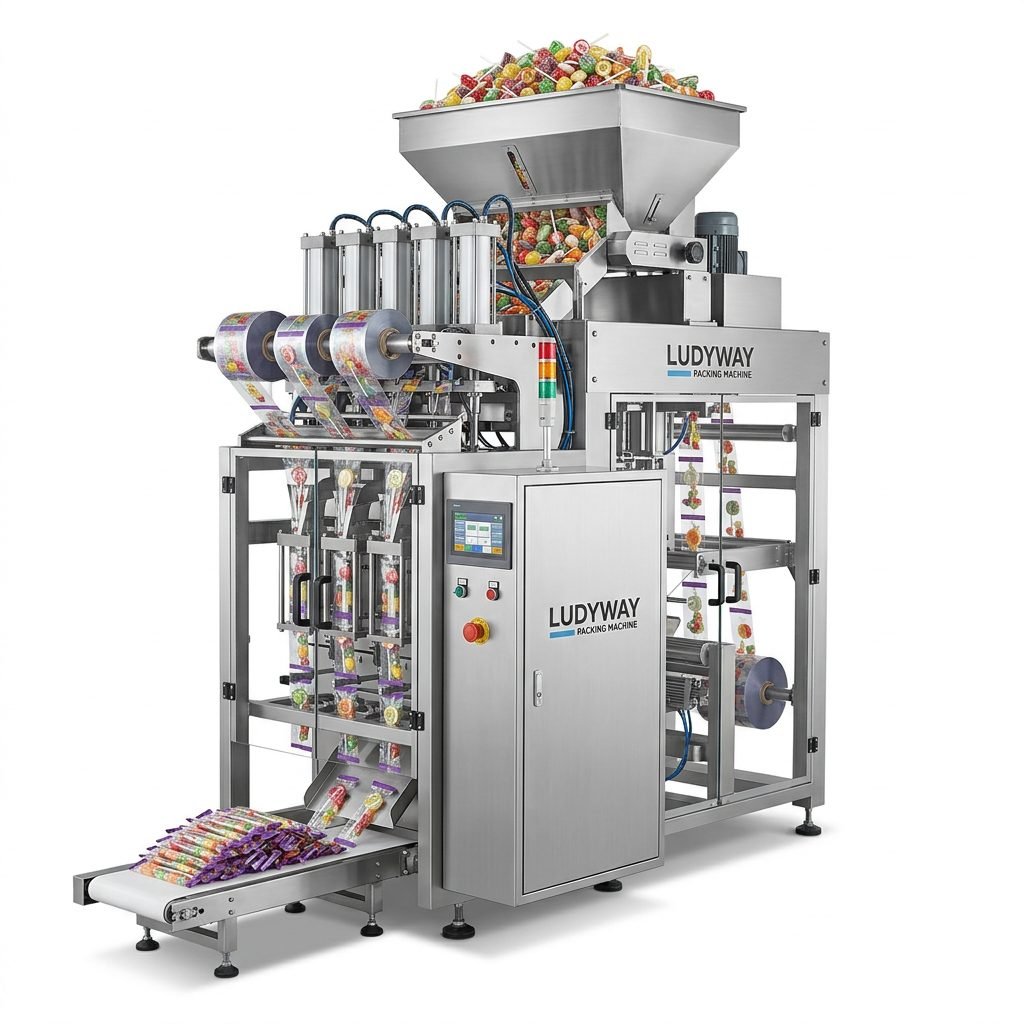
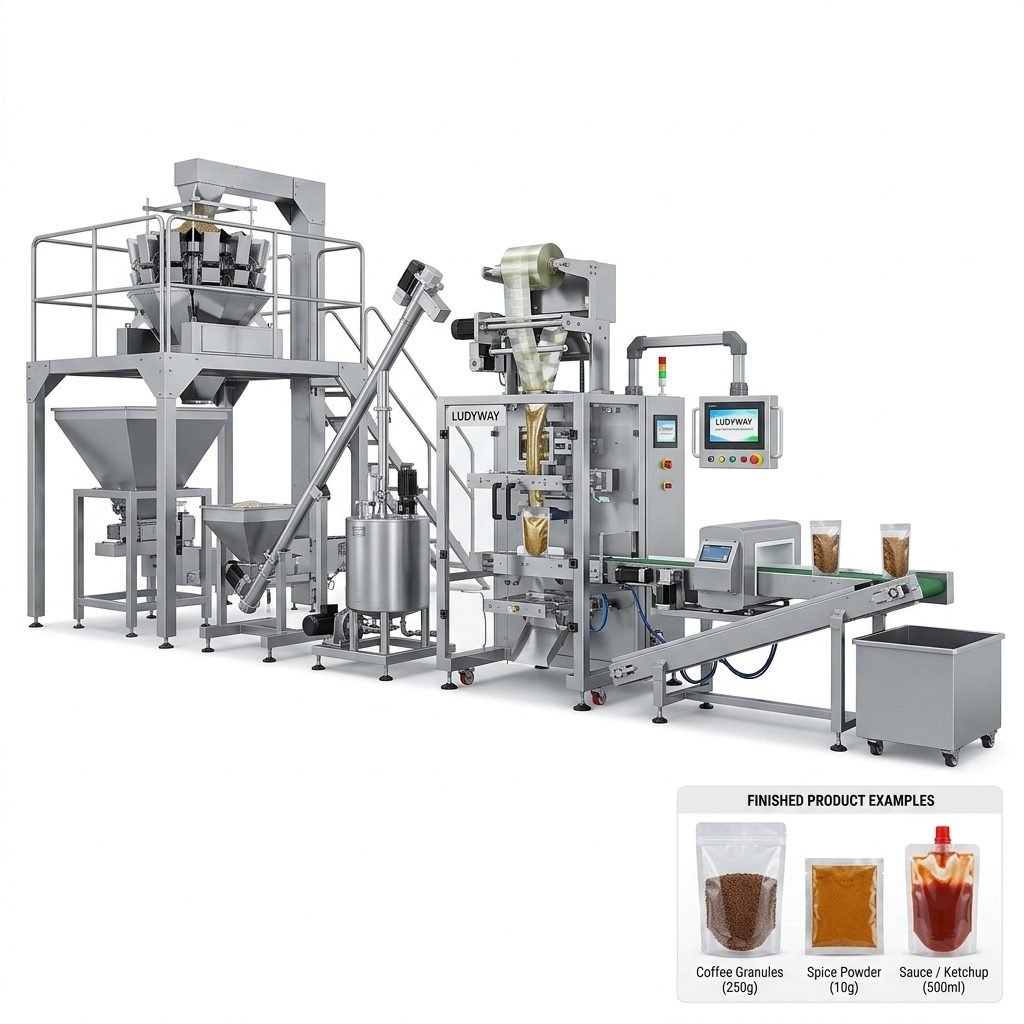
In today’s competitive manufacturing landscape, finding the cheapest packaging machine that meets your operational requirements is a critical step toward optimizing costs and improving efficiency. The term “cheapest” often raises concerns about quality and durability, but with careful selection, businesses can secure low-cost automatic packing equipment that delivers reliable performance. This guide explores key considerations, strategies, and practical tips to help you choose affordable packaging machinery without compromising on essential features.
Understanding “Low Cost” in Packaging Equipment
Low-cost packaging machinery doesn’t necessarily mean low-quality. It refers to equipment that offers the best value for your specific needs—balancing price, functionality, and long-term operational costs. Factors influencing cost include:
- ● Automation Level: Semi-automatic machines are generally cheaper than fully automatic systems.
- ● Production Speed: Machines with moderate output speeds often come at a lower price point than high-speed models.
- ● Material Compatibility: Equipment designed for standard packaging materials (like common plastics or papers) is usually more affordable than those requiring specialized material handling.
- ● Brand and Origin: Well-established brands with efficient manufacturing processes can offer competitive pricing due to scale.
Key Cost-Saving Areas to Evaluate
When assessing low-cost options, focus on these areas to ensure you get capable equipment:
Core Functionality: Ensure the machine performs its primary packaging task reliably. Avoid overpaying for excessive features you don’t need.
Energy Efficiency: Machines with lower power consumption reduce ongoing utility costs.
Maintenance Requirements: Equipment with simpler mechanics and accessible parts typically has lower maintenance costs.
Supplier Support: Choose suppliers offering good technical support and spare part availability to avoid costly downtime.
How to Choose the Right Low-Cost Machine for Your Business
Selecting suitable affordable packaging equipment requires a structured approach:
1. Define Your Packaging Requirements Clearly
Start by detailing your product type (granules, powders, liquids, etc.), packaging format (sachets, stick packs, bags), required output speed, and material specifications. This clarity prevents you from buying underpowered or overly complex machines.
2. Research and Compare Supplier Offerings
Investigate multiple suppliers. Look beyond the initial price quote. Evaluate their industry experience, machine reliability data, and customer service reputation. Suppliers with strong engineering backgrounds often provide more durable machines at competitive prices.
3. Prioritize Essential Features Over “Nice-to-Haves”
Create a list of must-have features (like accurate filling, consistent sealing) versus optional ones (like advanced touchscreen interfaces). Focusing on essentials helps you find cheaper models that still meet core operational needs.
4. Consider Long-Term Operating Costs
The cheapest upfront price might lead to higher costs later. Calculate estimated costs for maintenance, spare parts, energy use, and potential downtime. A slightly higher initial investment in a more robust machine can lower total lifetime costs.
5. Request Demonstrations or Trial Periods
Whenever possible, arrange to see the machine operate, either in person or via video demonstration. Some suppliers may offer short trial periods. This hands-on evaluation confirms the machine’s suitability before purchase.
Spotlight on Practical & Affordable Machine Types
Several packaging machine categories are known for offering good value:
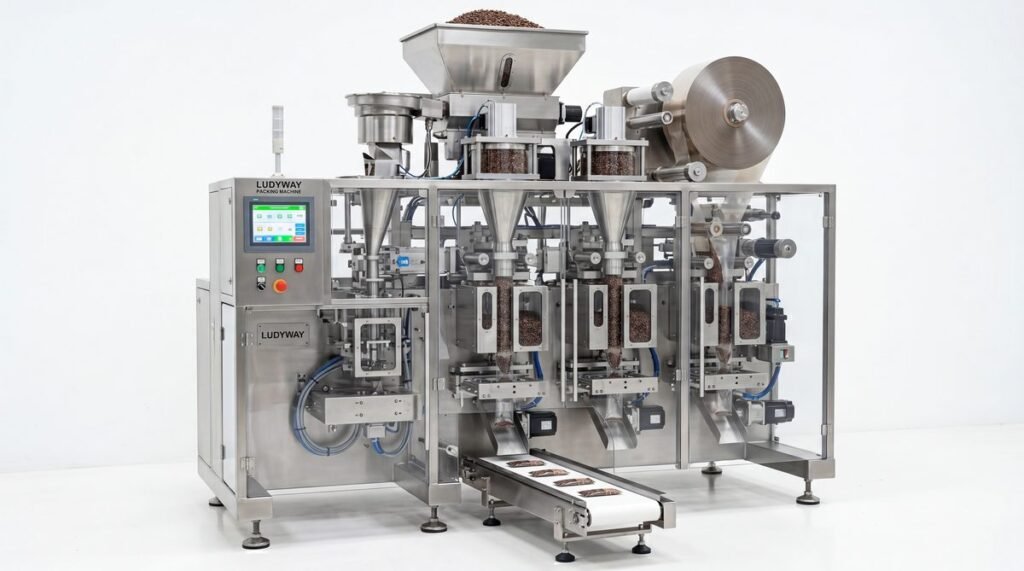
Vertical Form-Fill-Seal (VFFS) Machines: Versatile and widely used for bags and pouches. Many models offer a favorable cost-to-performance ratio.
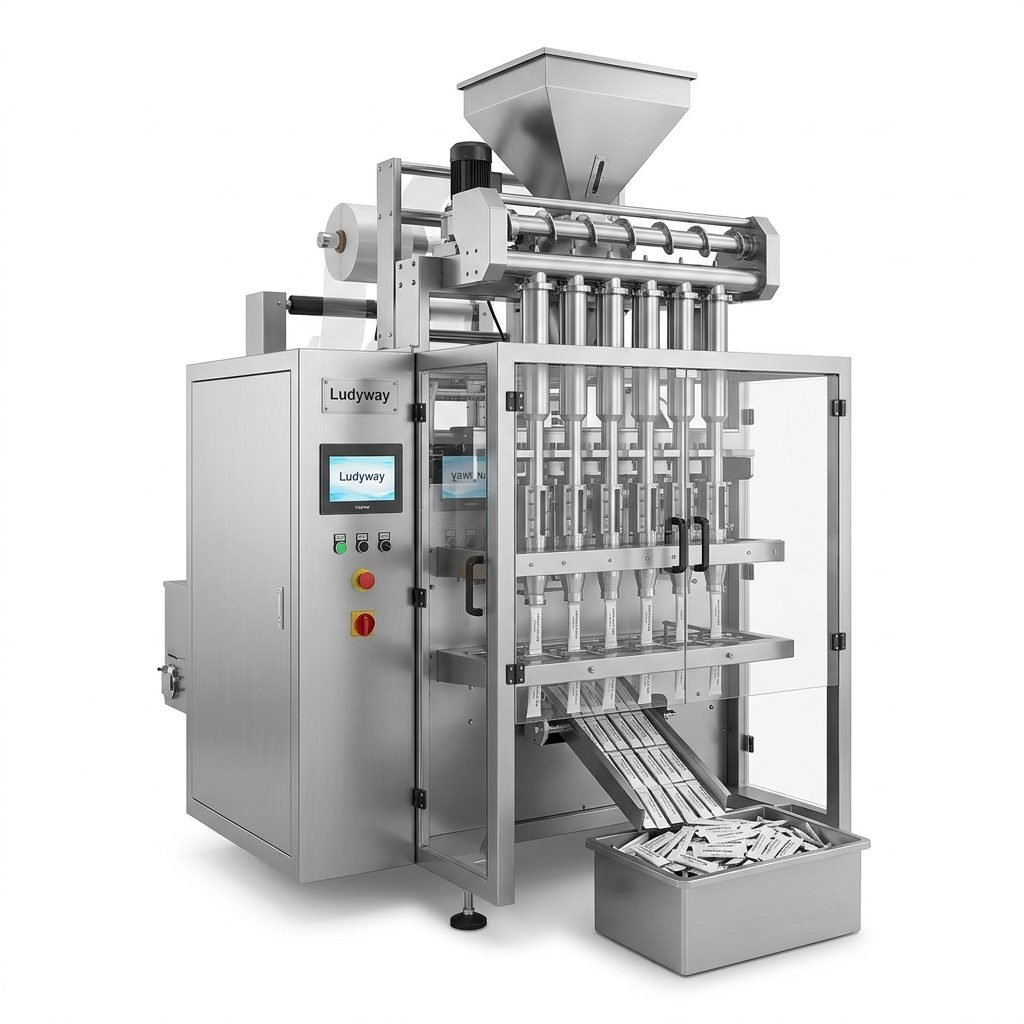
Stick Pack Machines: For packaging powders or granules into slender sticks. Efficient designs can be found at lower costs for moderate production volumes.
Sachet Packaging Machines: Ideal for small portions. Simpler single-lane sachet machines are often affordable entry points.
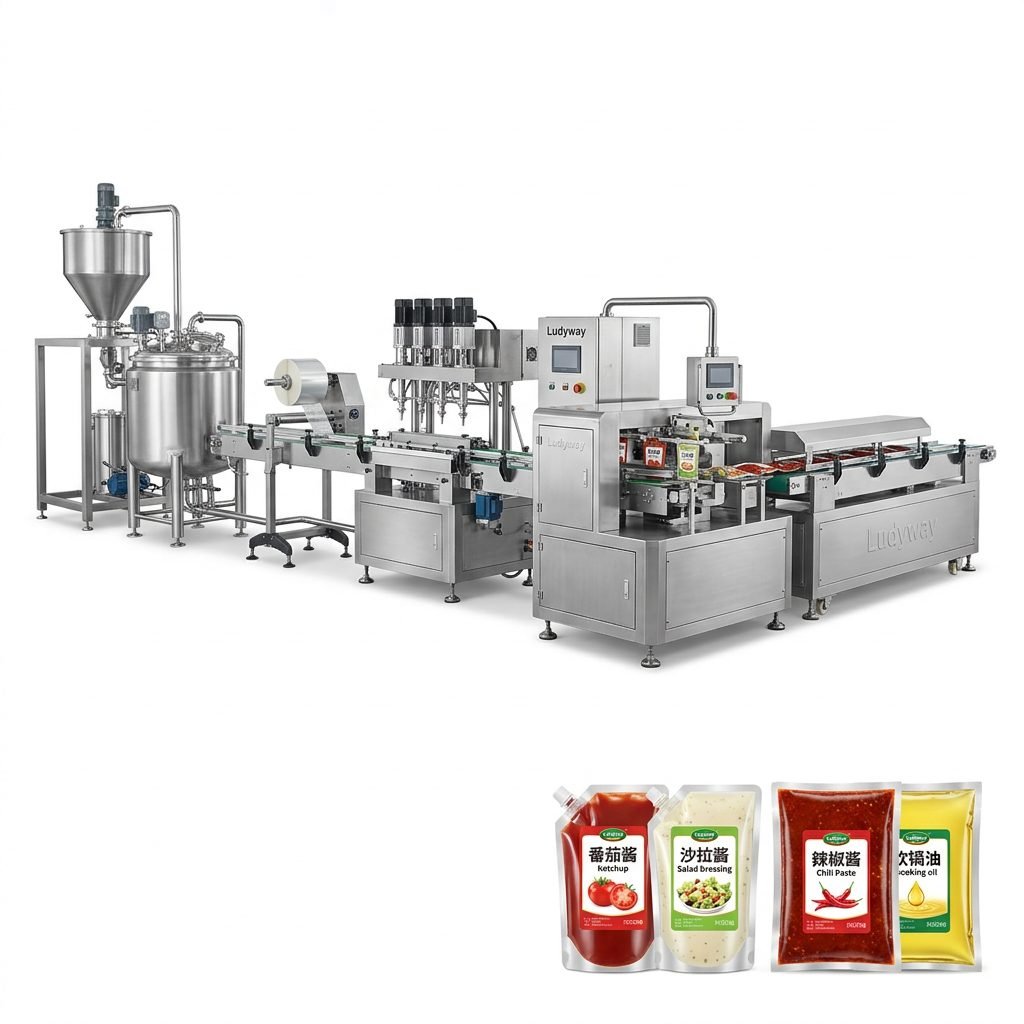
Liquid Filling Machines: Basic volumetric or piston fillers for non-viscous liquids can be cost-effective solutions.
Integrating Low-Cost Equipment into Your Operations
Successfully implementing affordable machinery involves planning:
✔ Staff Training: Ensure operators are properly trained on the machine’s functions and basic maintenance to maximize its lifespan and efficiency.
✔ Progressive Integration: Introduce the new machine gradually alongside existing processes to minimize disruption.
✔ Performance Monitoring: Track key metrics like output rate, defect rate, and downtime to assess the machine’s true cost-effectiveness.
Common Questions About Choosing Cheapest Packaging Machines
1. Is the cheapest packaging machine always unreliable?
Not necessarily. Many affordable machines from reputable suppliers are designed for reliability in specific applications. The key is thorough research into the supplier’s track record and the machine’s intended use case.
2. Can low-cost machines handle high-volume production?
Some can, but often at a slower speed compared to premium models. It’s crucial to match the machine’s rated output speed with your actual production volume requirements.
3. How important is supplier support when buying low-cost equipment?
Very important. Good technical support, accessible spare parts, and clear documentation can significantly reduce long-term operating costs and risks, making a lower-priced machine a viable long-term asset.
4. Should I consider used or refurbished packaging machines to save costs?
Yes, this can be a excellent option, especially from trusted dealers or the original manufacturer. Refurbished machines often come with updated components and testing, offering proven performance at a lower price.
5. What are the biggest pitfalls when choosing the cheapest option?
The main pitfalls are overlooking hidden long-term costs (like frequent repairs), failing to verify machine capability for your specific product, and choosing a supplier with poor support infrastructure.