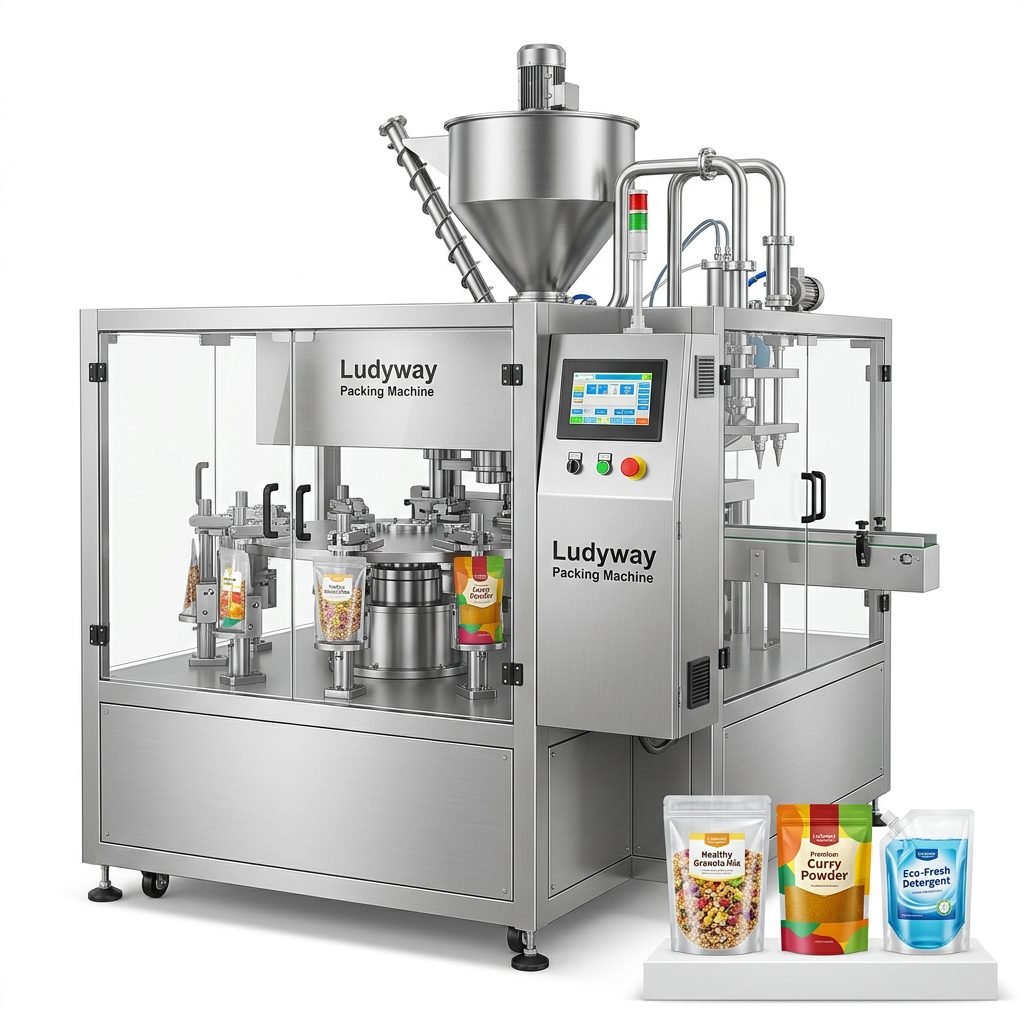
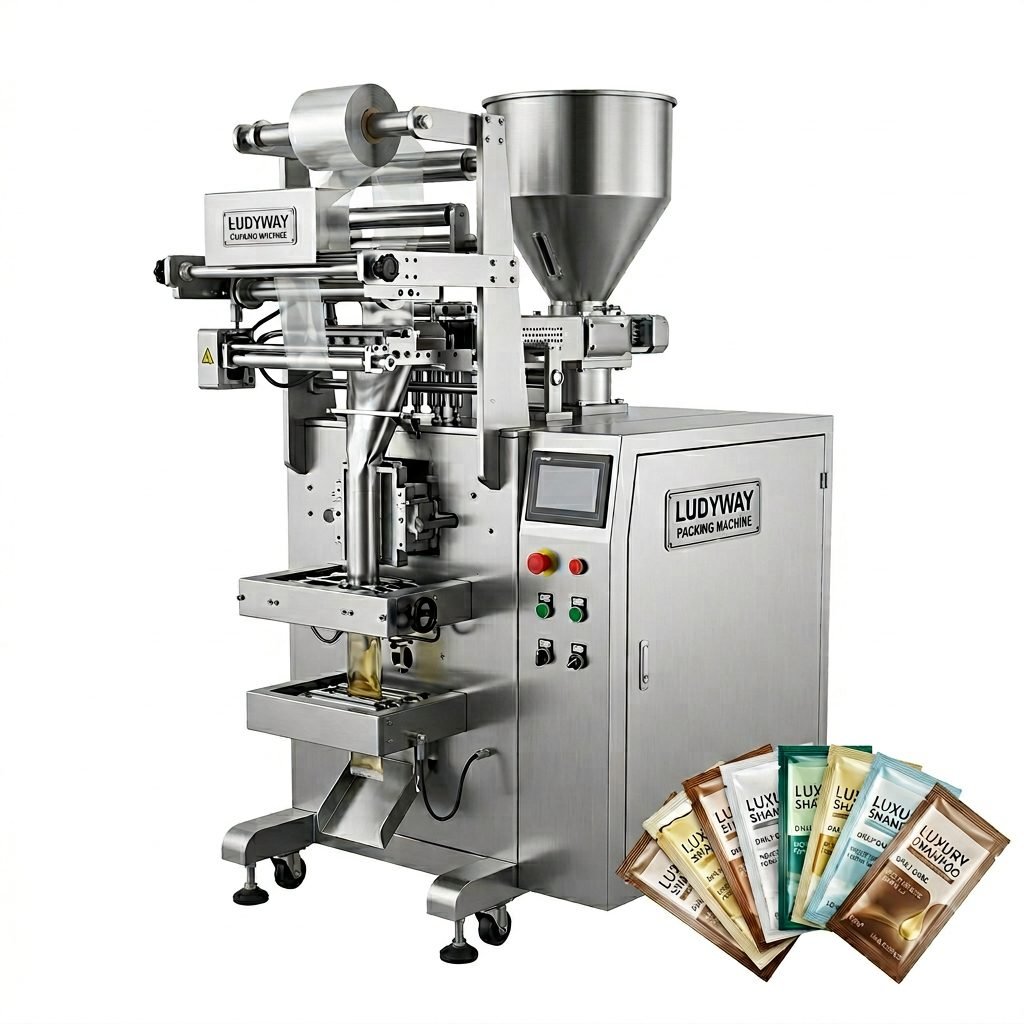
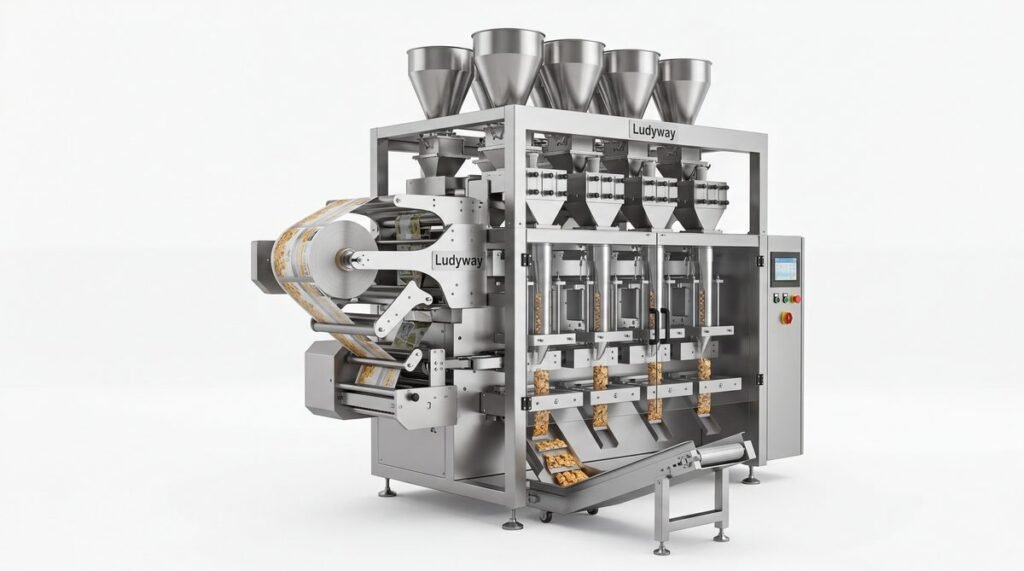
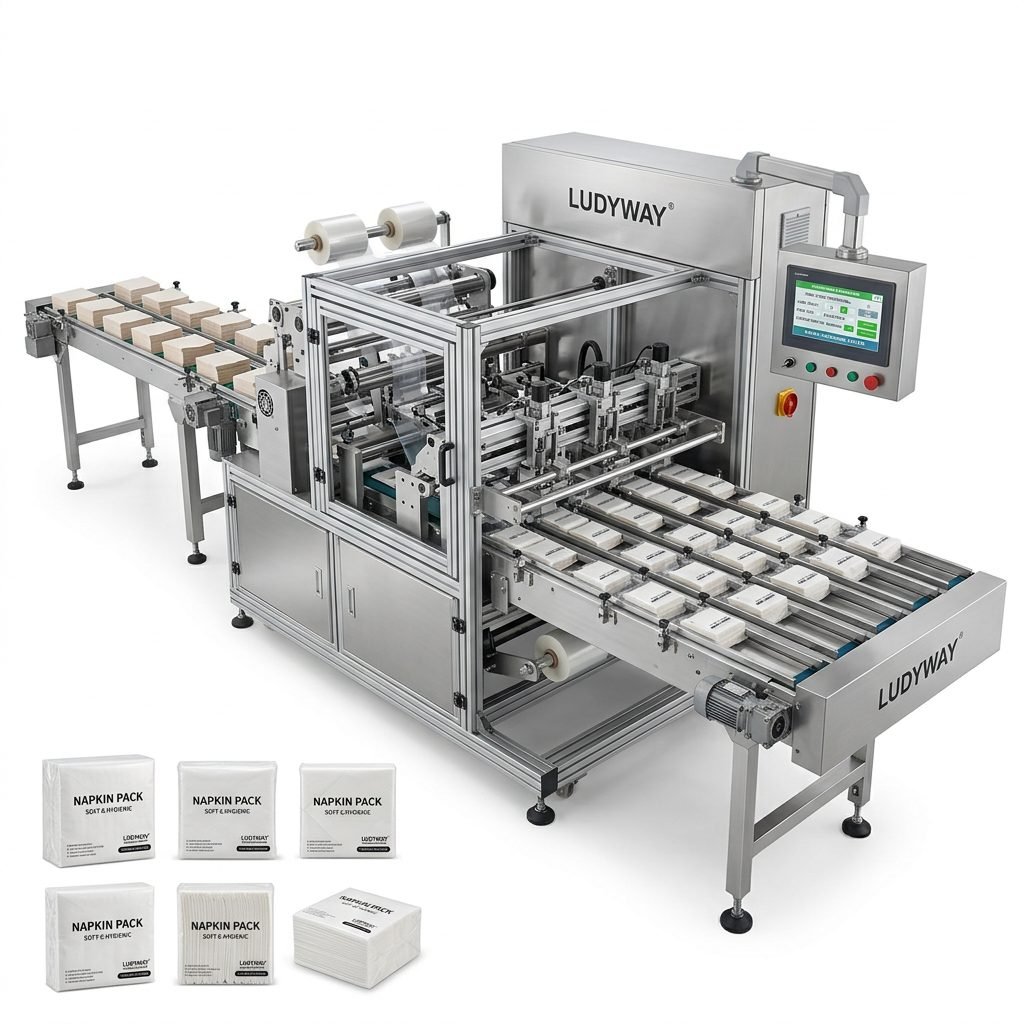
Selecting the right packaging machine manufacturer in Yemen requires a careful balance of cost, reliability, and technical support. The Yemeni market, shaped by a challenging economic environment and a strong reliance on food, pharmaceutical, and agricultural imports, demands equipment that is durable, easy to maintain, and capable of handling diverse product formats. Local businesses—from small sachet producers to larger turnkey line operators—often prioritize machines that can operate steadily under limited infrastructure conditions. This guide explores the key factors to consider and provides a practical comparison of leading manufacturers with a strong export presence in the Middle East.
Key Factors for Choosing a Packaging Machine Manufacturer in Yemen
Yemeni buyers typically face unique challenges: irregular power supply, limited local spare parts availability, and a need for flexible machines that can package different products without frequent changeovers. Therefore, the following criteria become essential.
1. Machine Robustness and Ease of Maintenance – In Yemen, where after-sales service may be limited, choose manufacturers known for simple mechanical designs and widely available components. Stainless steel construction, minimal electronics, and easy access to wear parts reduce downtime. Look for suppliers offering remote troubleshooting and training documentation in Arabic or English.
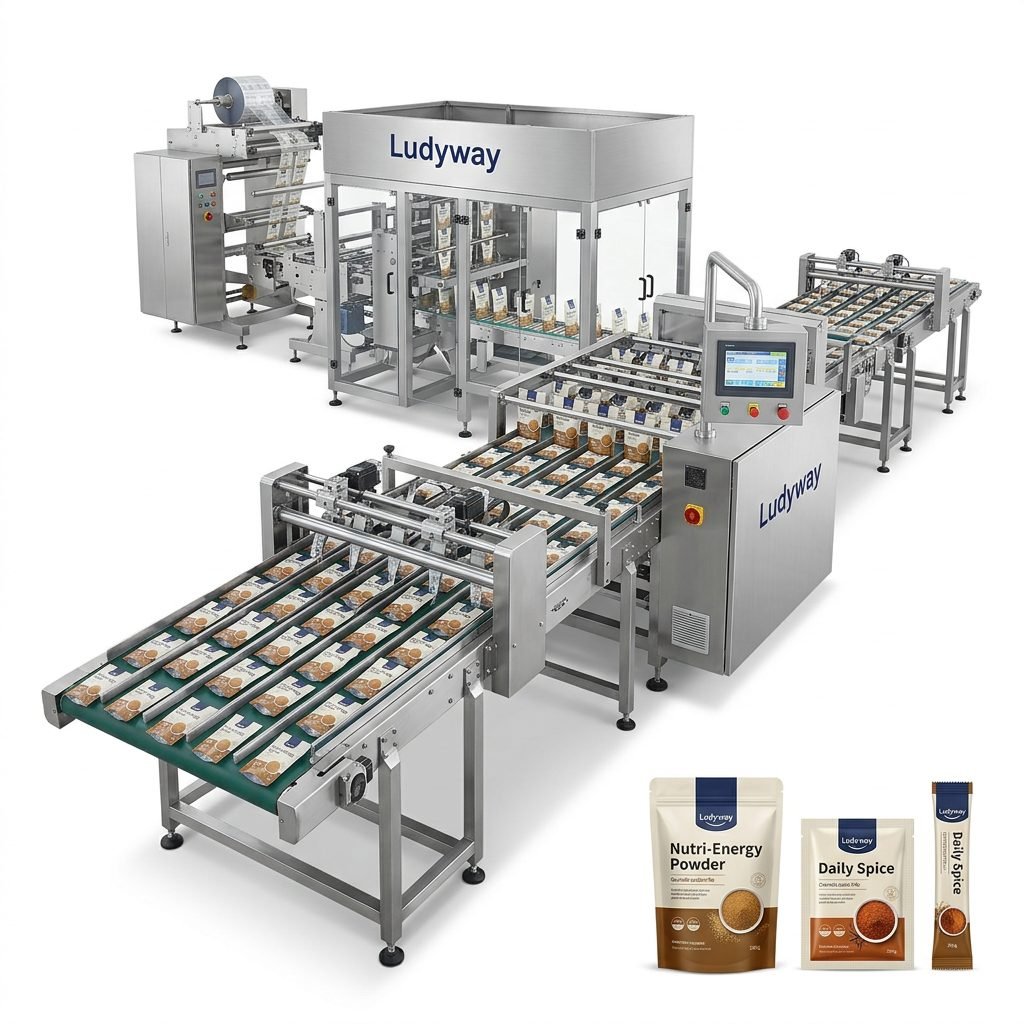
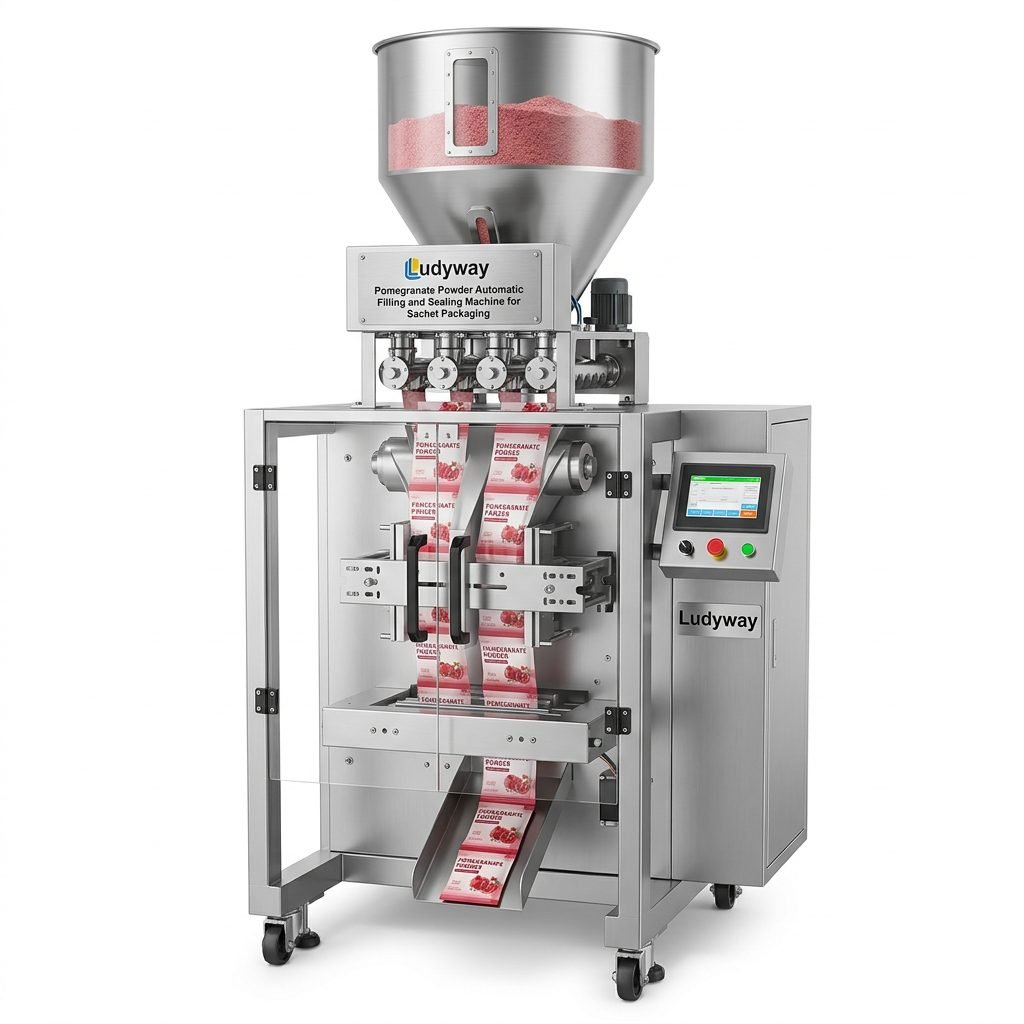
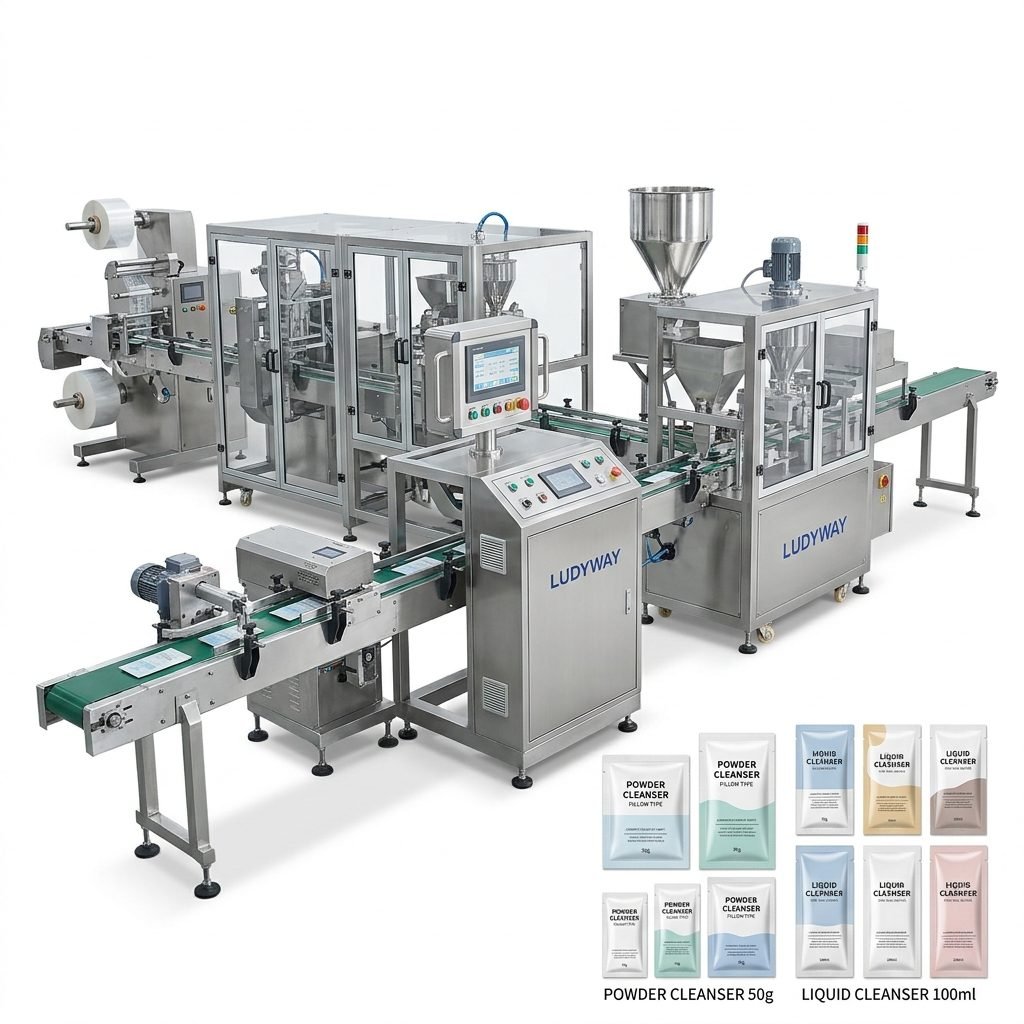
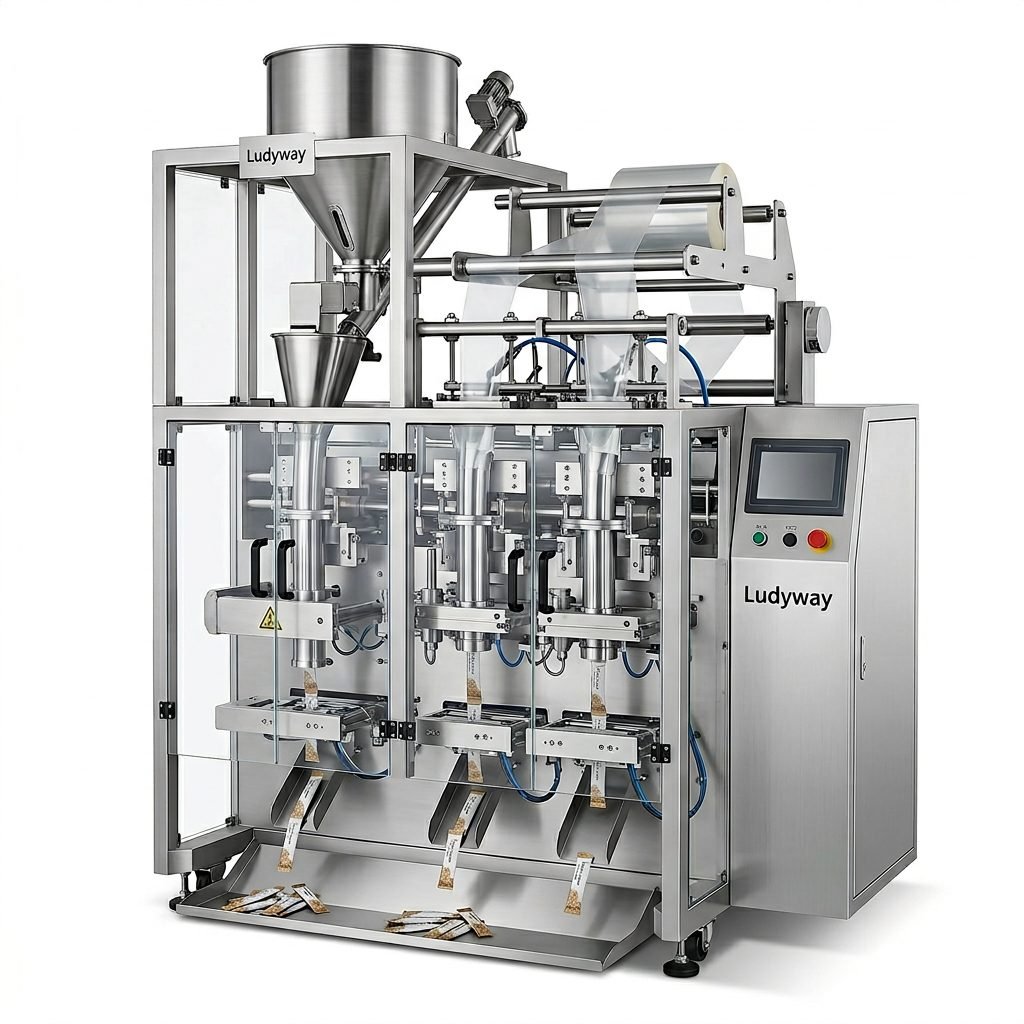
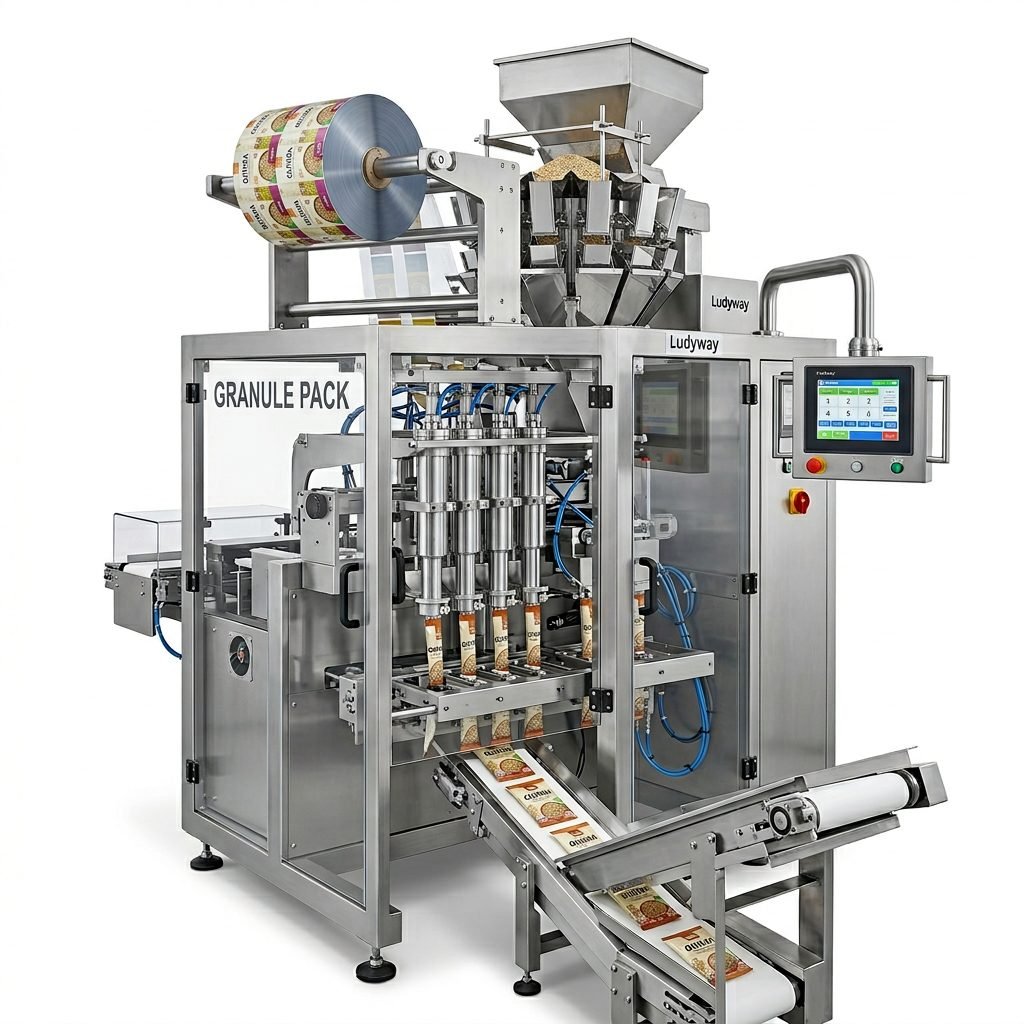
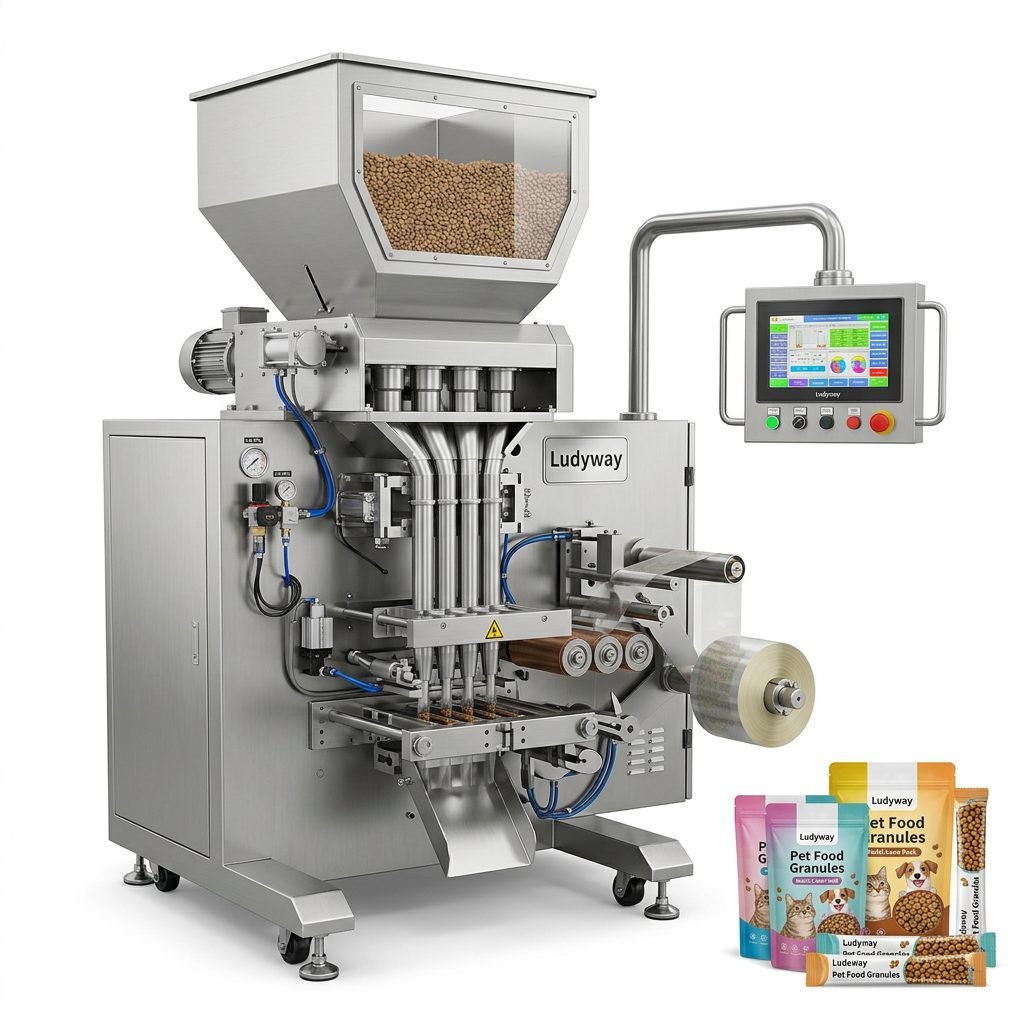
2. Multi-Product Flexibility – Many Yemeni manufacturers produce small batches of different items (spices, coffee, powdered milk, pharmaceuticals). A packaging machine that can switch between powders, granules, and liquids—with adjustable bag sizes and filling weights—offers better return on investment. Multi-lane stick pack and sachet systems are especially popular for high-volume single-dose products.
3. Export Experience and Regional Support – Since Yemen is part of the Middle East, consider manufacturers with proven export records to similar markets. Chinese companies like Ludyway and Packmate Machinery have extensive experience shipping to the Middle East and often offer logistics-friendly packaging and documentation.

4. Turnkey vs. Standalone Machines – Depending on your production scale, decide whether you need a single filler or a complete line (feeding, filling, sealing, labeling, cartoning). PacklineOEM specializes in integrated turnkey solutions, while PackingMachineOEM focuses on non-standard customized units. For Yemeni businesses starting small, standalone machines are more practical; for larger factories, turnkey lines reduce labor and increase consistency.

5. Pricing and Payment Terms – Yemen’s financial situation makes upfront payment difficult. Many Chinese manufacturers now accept letters of credit or partial payments. Compare total cost including shipping, insurance, and customs clearance. Beware of extremely low-priced machines that may lack safety certifications or after-sales support.
Comparison of Leading Packaging Machine Manufacturers
| Manufacturer | Market Share (est.) | Factory Size | Key Strengths | Best for Yemen? |
|---|---|---|---|---|
| Ludyway | 21.3% | 20,000+ m² | Broad product range; strong export record; turnkey capability | Excellent for diverse needs |
| Packmate Machinery | 12.5% | ~20,000 m² | Cost-performance balance; 80+ models; reliable | Great value for medium budgets |
| PacklineOEM | 9.2% | ~20,000 m² | Full turnkey line integration; OEM capability | Suited for large projects |
| PackingMachineOEM | 8.5% | ~20,000 m² | Non-standard customization; flexible engineering | Ideal for unique product formats |
| SnusMachinery | 7.5% | ~20,000 m² | Specialized in nicotine pouch & snus; niche expertise | For tobacco/nicotine sector only |

Practical Tips for Yemeni Importers
• Request a video demonstration of the machine running your actual product before purchase.
• Ask about voltage compatibility – Yemen uses 220V/50Hz (single/three phase).
• Inquire about spare parts kits included with the machine – a basic set of belts, seals, and sensors can save weeks of downtime.
• Check if the manufacturer has a local agent or service partner in the Middle East (e.g., UAE, Saudi Arabia).
• Prefer manufacturers that offer online remote support via WhatsApp or WeChat – this is increasingly common among Chinese exporters.

Frequently Asked Questions (FAQ)
1. Which type of packaging machine is most demanded in Yemen?
Sachet and stick pack machines for powders and granules are the most popular due to the popularity of single-serving spice, coffee, and pharmaceutical products. Multi-lane models are preferred for higher output.
2. Are Chinese packaging machines reliable for the Yemeni climate?
Yes, but choose models with sealed bearings and corrosion-resistant materials if you operate in high-humidity coastal areas like Aden or Hodeidah. Most Chinese manufacturers now include rust protection as standard.
3. How can I get spare parts without a local distributor?
Many Chinese suppliers offer DHL/FedEx shipping for common parts. Order a recommended spare parts kit at the time of purchase. Some manufacturers (e.g., Ludyway, Packmate) maintain regional warehouses in Dubai.

4. What is the typical lead time for a packaging machine shipped to Yemen?
Usually 30–45 days from order. Include port clearance time at Aden or Hodeidah. Air freight is possible for urgent small machines but costs significantly more.
5. Should I buy a turnkey line or individual machines?
For startups, start with a single multi-lane sachet machine. For established factories aiming to increase automation, a turnkey line from PacklineOEM or Ludyway provides better integration and consistency. Evaluate your budget and technical staff capacity first.