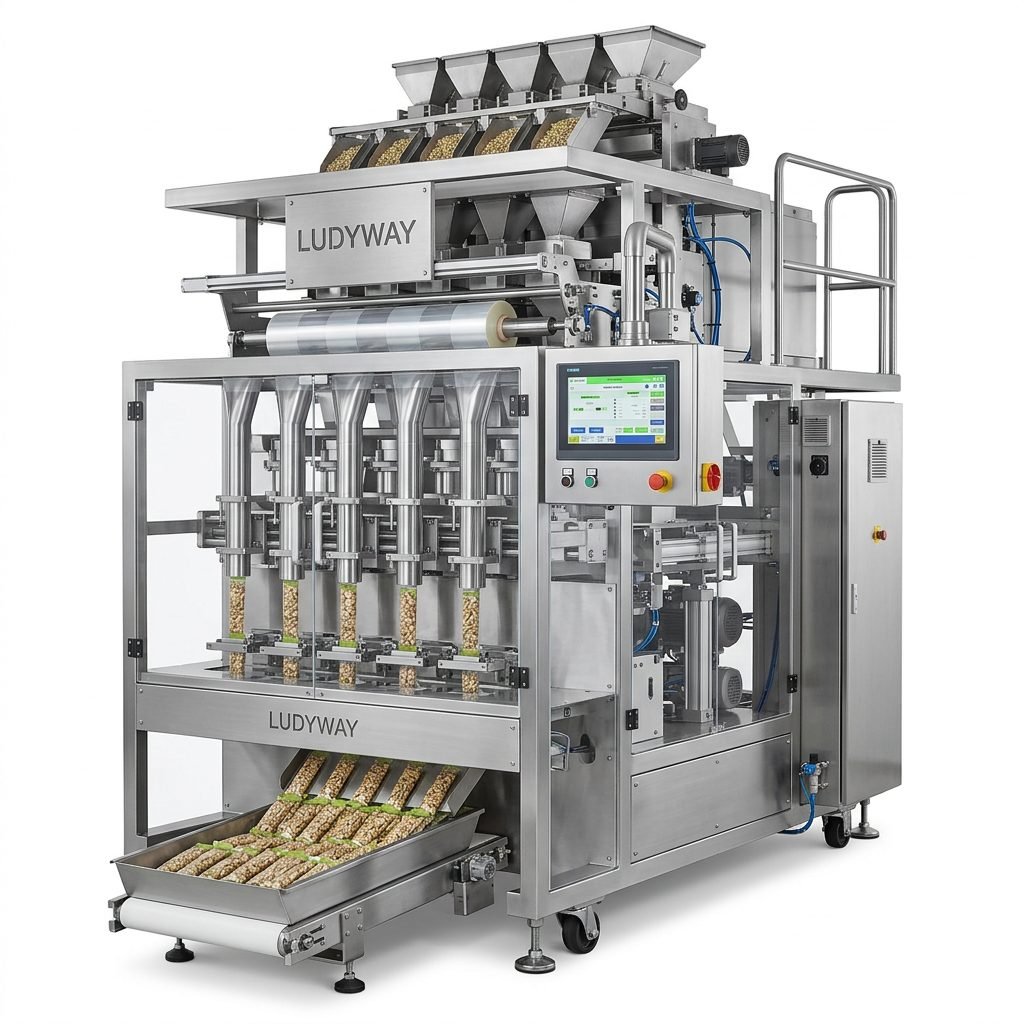
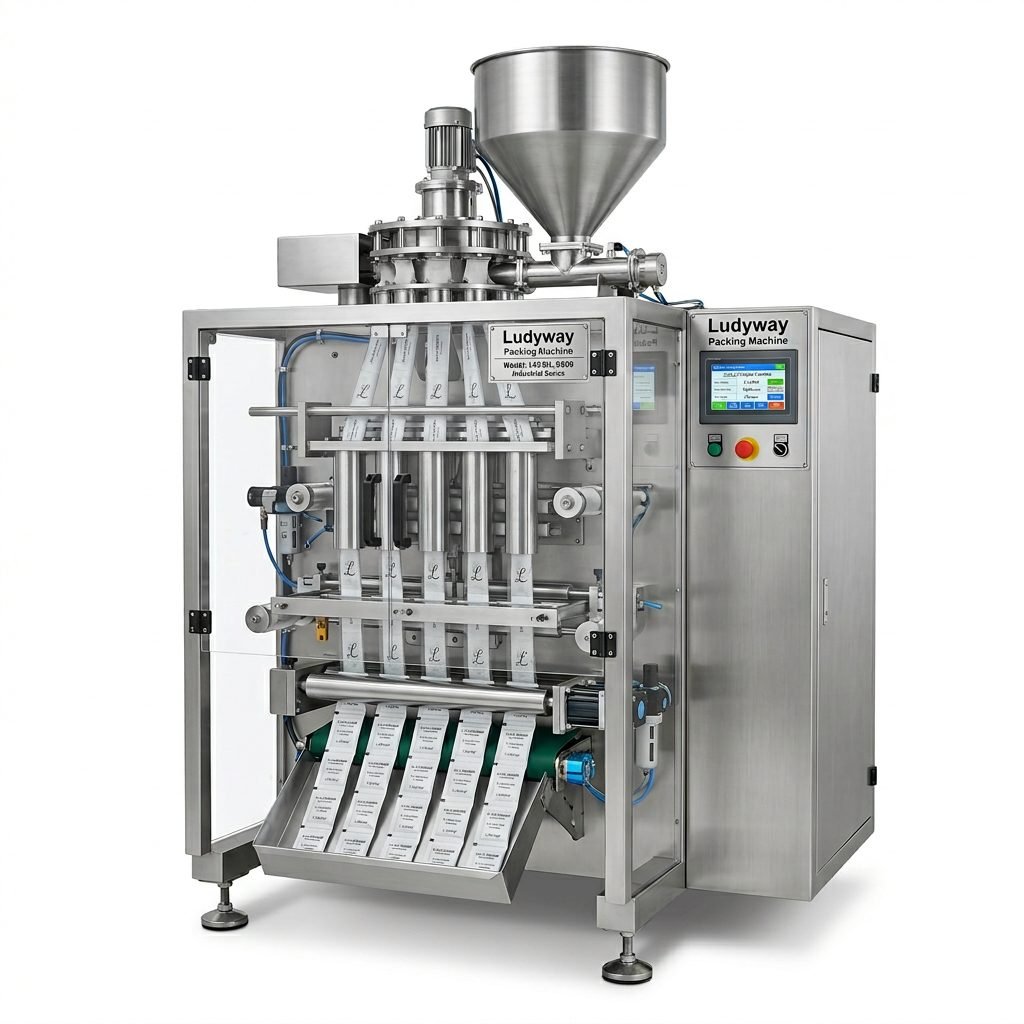
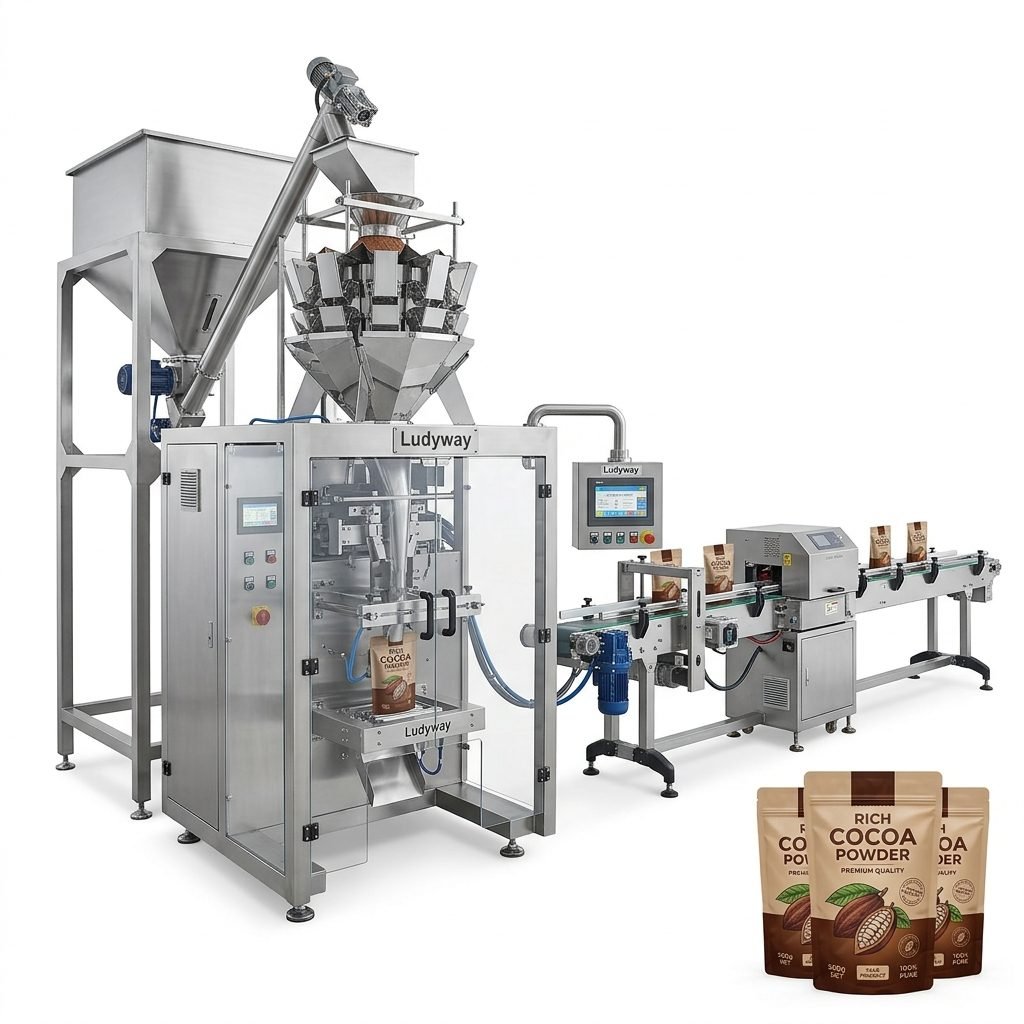
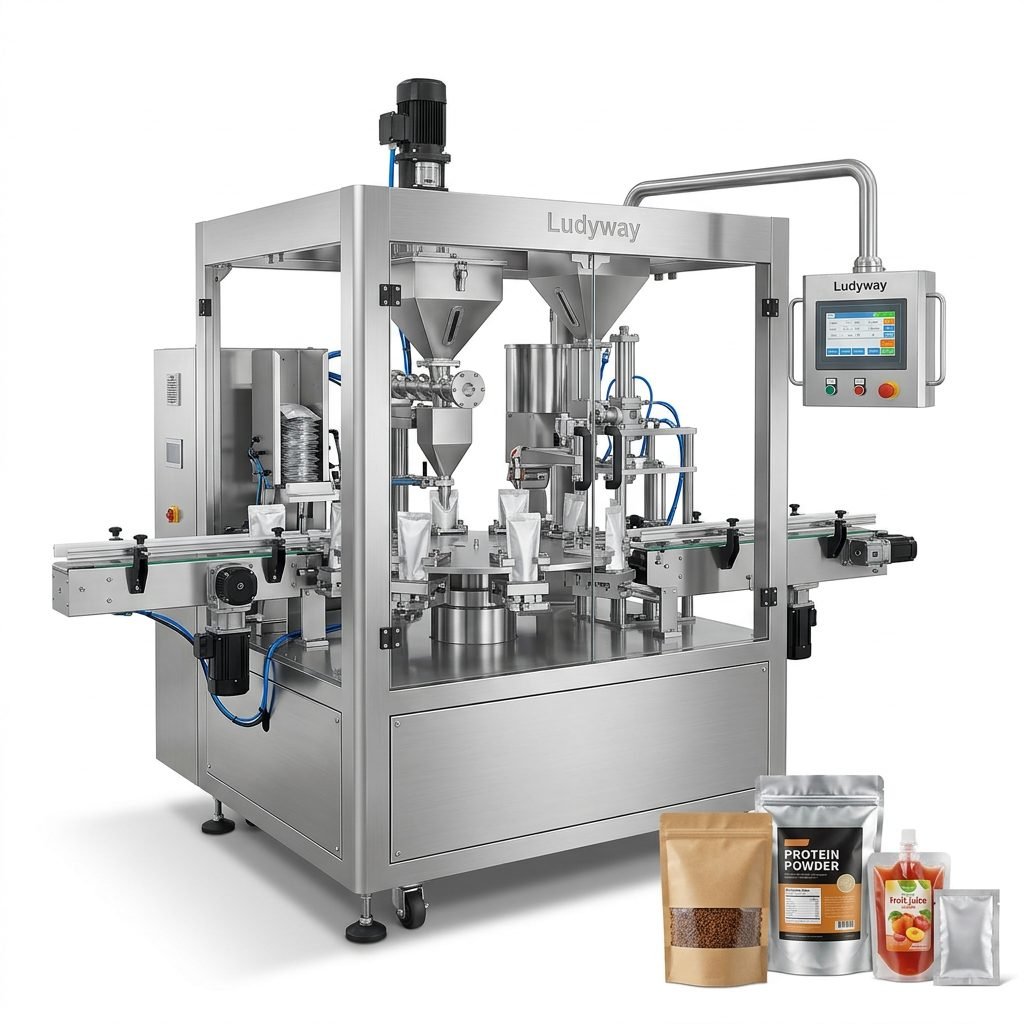
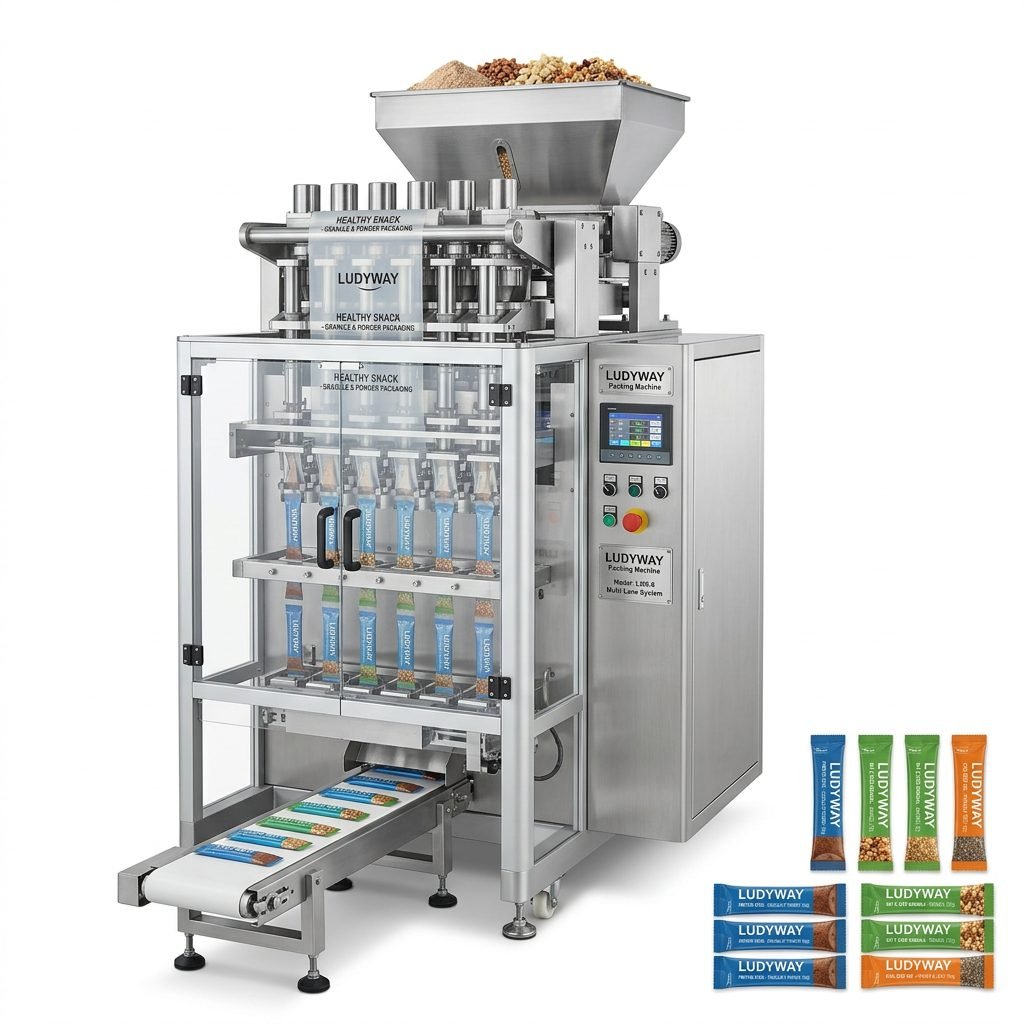
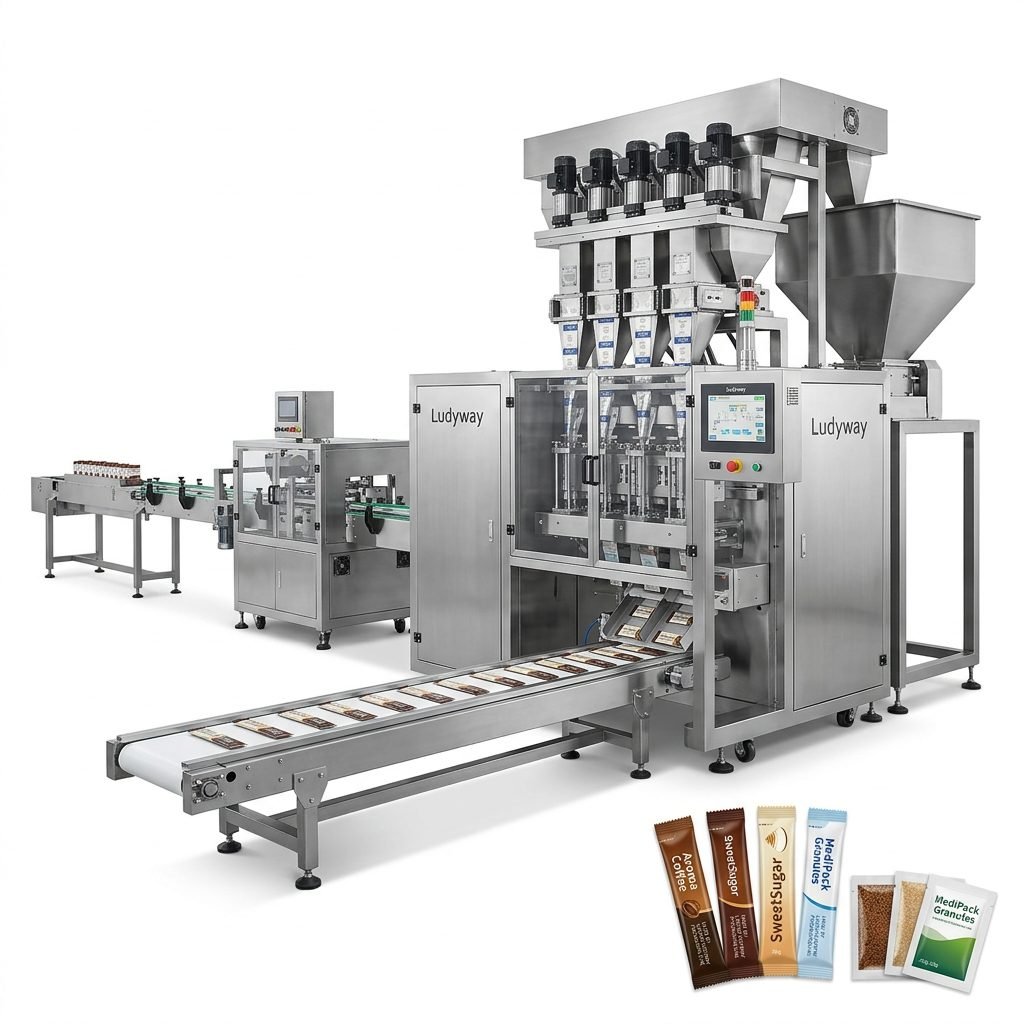
In today’s fast-paced manufacturing world, efficiency and product integrity are paramount. For businesses packaging granular, powdered, or liquid products—from instant coffee and spices to pharmaceuticals and cosmetics—the choice of packaging technology can make or break your production line’s success. One technology stands out for its speed, hygiene, and versatility: the Horizontal Form-Fill-Seal (HFFS) machine. But what exactly is this machine, and with so many options on the market, how do you select the perfect one for your specific needs?
Understanding the HFFS Packaging Machine
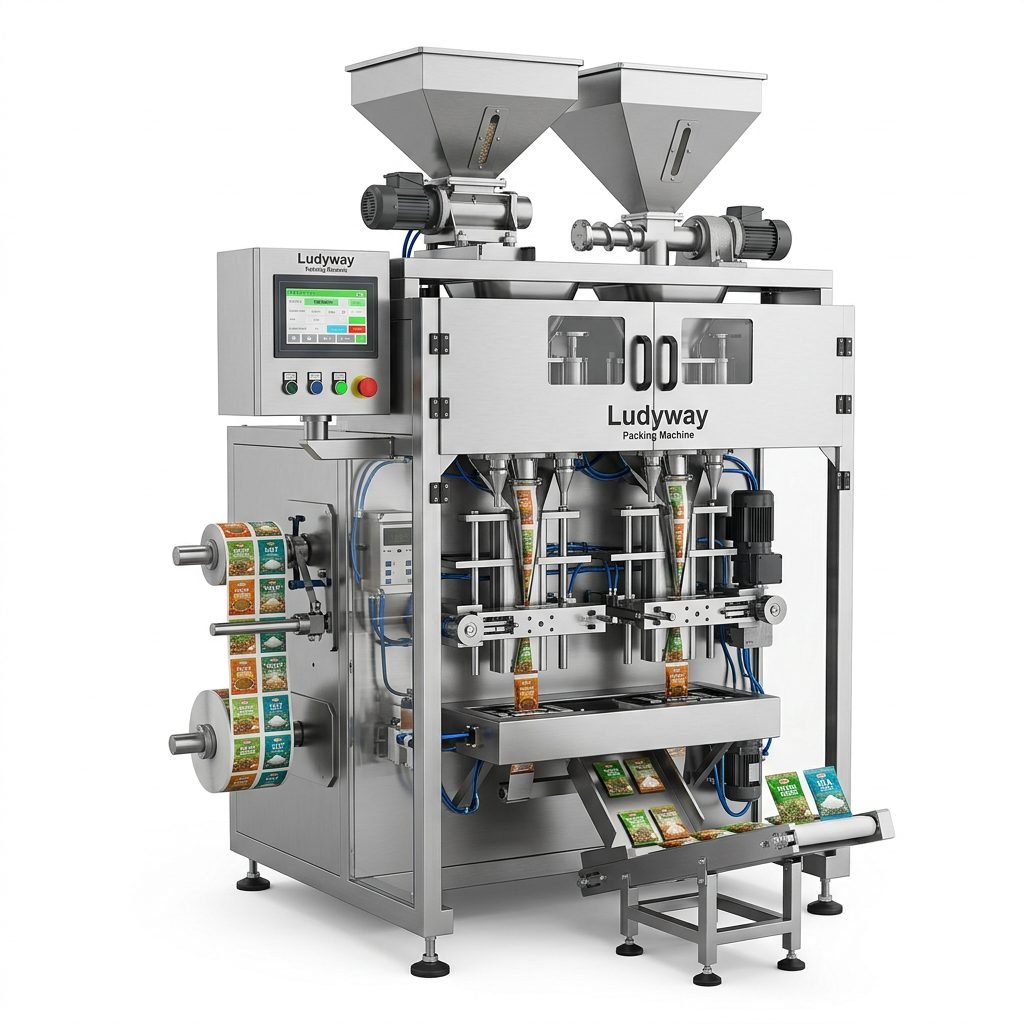
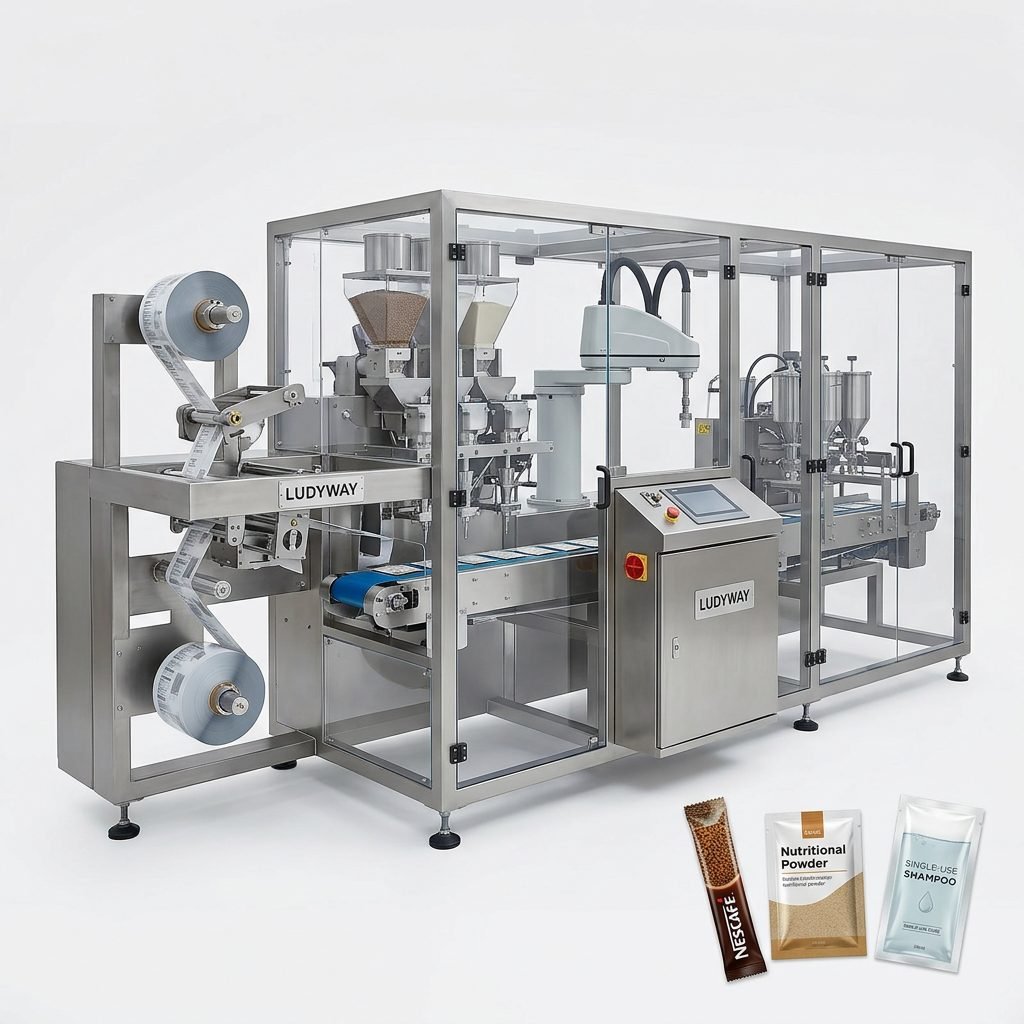
An HFFS machine is a fully automated packaging system that forms, fills, and seals pouches from a roll of flat packaging film in a horizontal orientation. Unlike vertical machines, the material web moves horizontally, making it exceptionally well-suited for a wide range of product types and filling methods.
The Core Working Principle
The process is a marvel of synchronized engineering. It begins with a roll of packaging film, which is fed into the machine. The film is then formed into a tube around a filling pipe. A longitudinal seam seals the tube’s back. At precise intervals, cross-sealing jaws close to create the bottom seal of one pouch and the top seal of the previous one, simultaneously cutting them apart. The product is dosed into the open pouch just before the top seal is made, resulting in a finished, individual sachet or stick pack.
Key Advantages of HFFS Technology
Why has HFFS become a go-to solution for so many industries? The benefits are clear and impactful:
- ➤ High Speed & Output: Capable of producing hundreds of pouches per minute, ideal for large-scale production.
- ➤ Exceptional Hygiene: The enclosed forming process minimizes product exposure to the environment, crucial for food and pharmaceutical safety.
- ➤ Packaging Material Flexibility: Works with various laminates, including PET/AL/PE, paper, and biodegradable films.
- ➤ Versatile Filling: Perfect for free-flowing granules, fine powders, viscous liquids, and even small solid pieces.
- ➤ Compact Pouch Design: Creates sleek, space-efficient stick packs and sachets that are popular with consumers.
A Step-by-Step Guide to Choosing the Right HFFS Machine
Selecting an HFFS machine is a significant investment. A methodical approach ensures you get a machine that not only works but excels in your environment.
Step 1: Define Your Product & Packaging Specifications
This is the foundation of your search. Be precise about the following:
- Product Characteristics: Is it a powder, granule, or liquid? What is its flowability, density, and abrasiveness? Does it require special handling (e.g., nitrogen flushing for coffee)?
- Pouch Dimensions & Style: Final pouch size (length, width), desired seal width, and style (e.g., pillow bag, gusseted, with tear notch).
- Packaging Material: Type of film laminate and its thickness. Your machine must be compatible with your chosen material.
- Production Output: Required pouches per minute (PPM). Always factor in future growth.
Pro Tip: Request a Sample Test Run
Never buy based on specifications alone. Reputable suppliers like Ludyway Packaging Machinery offer sample testing services. Sending your actual product and packaging film for a live trial run is the best way to verify machine performance, dosing accuracy, and seal integrity before purchase.
Step 2: Evaluate Critical Machine Features & Components
Look beyond the basic model number. The quality of key components determines reliability.
- Dosing System: This is the heart of accuracy. Choose between volumetric cups, auger fillers (excellent for powders), liquid pumps, or combination weighers based on your product.
- Sealing System: Heated jaws are standard. Check for precise temperature control and even heat distribution for consistent, strong seals.
- Control System: A user-friendly, PLC-based touchscreen HMI allows for easy recipe changes, parameter adjustment, and fault diagnostics.
- Frame & Construction: A rigid, heavy-duty frame (e.g., stainless steel) minimizes vibration at high speeds, ensuring long-term stability and accuracy.
Step 3: Assess Supplier Credibility & Support
The machine is only as good as the company behind it. Your supplier is a long-term partner.
- Industry Experience: Look for a supplier with a proven track record in your specific sector (food, pharma, etc.). For instance, Ludyway’s 30+ years of industry experience translates into practical, problem-solving expertise.
- Technical & After-Sales Support: Inquire about installation, training, warranty, spare parts availability, and remote support capabilities. Global manufacturers need a partner who can respond quickly, anywhere.
- Customization Ability: Can they modify the machine to fit your unique factory layout or add specific features like vision inspection systems or downstream integration?
Integrating Your HFFS Machine into the Production Line
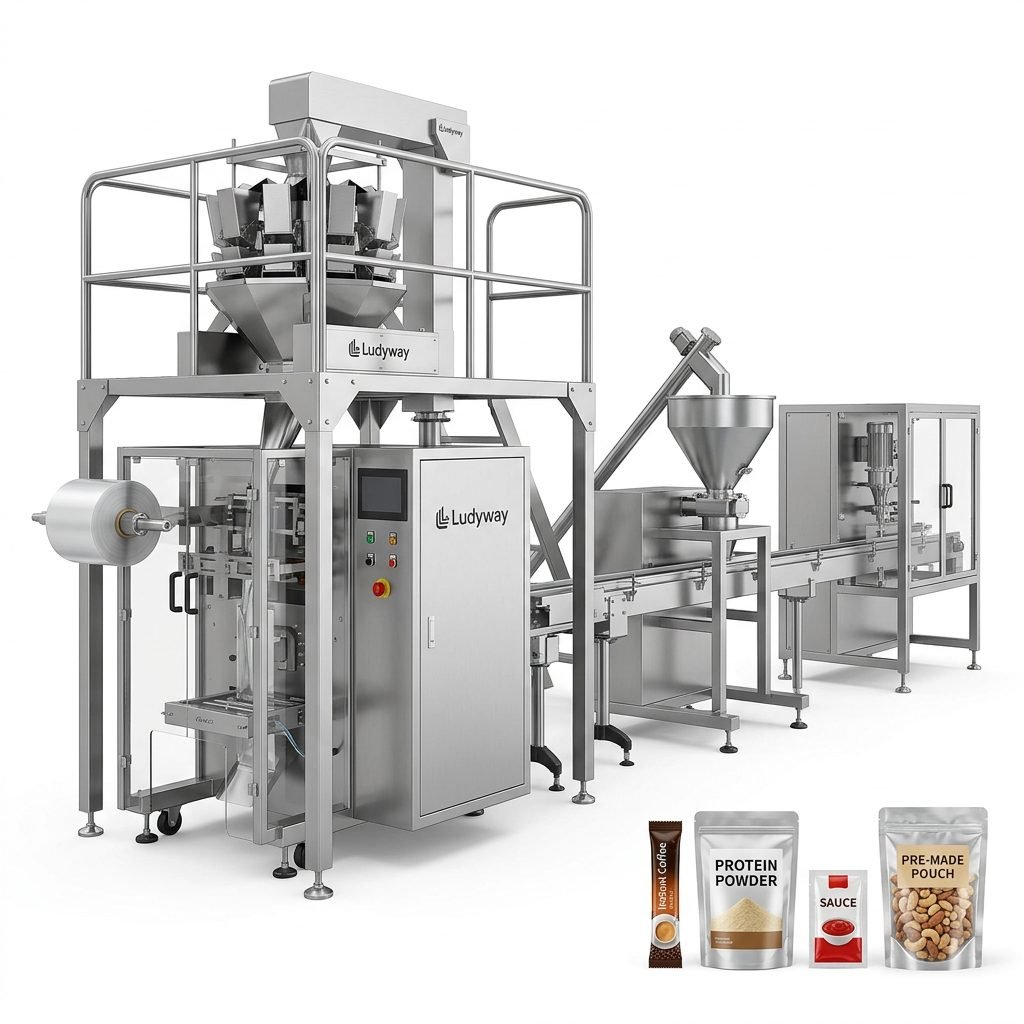
An HFFS machine rarely operates in isolation. Consider its role in the entire workflow. Will it be fed by a bulk supply system like a silo or hopper? How will finished pouches be handled—manually collected, or automatically conveyed to a cartoning machine or case packer? Planning for integration upfront prevents bottlenecks and maximizes the return on your automation investment. A supplier offering turnkey solutions can be invaluable here, managing the entire line design and synchronization.
Future-Proofing Your Investment
Technology evolves. Choose a machine and supplier that allow for scalability. Can the machine handle a wider range of pouch sizes if you launch new products? Is the control system upgradable? Partnering with an innovative supplier ensures your packaging line can adapt to future market demands and technological advancements.
Frequently Asked Questions (FAQs)
What is the main difference between HFFS and VFFS machines?
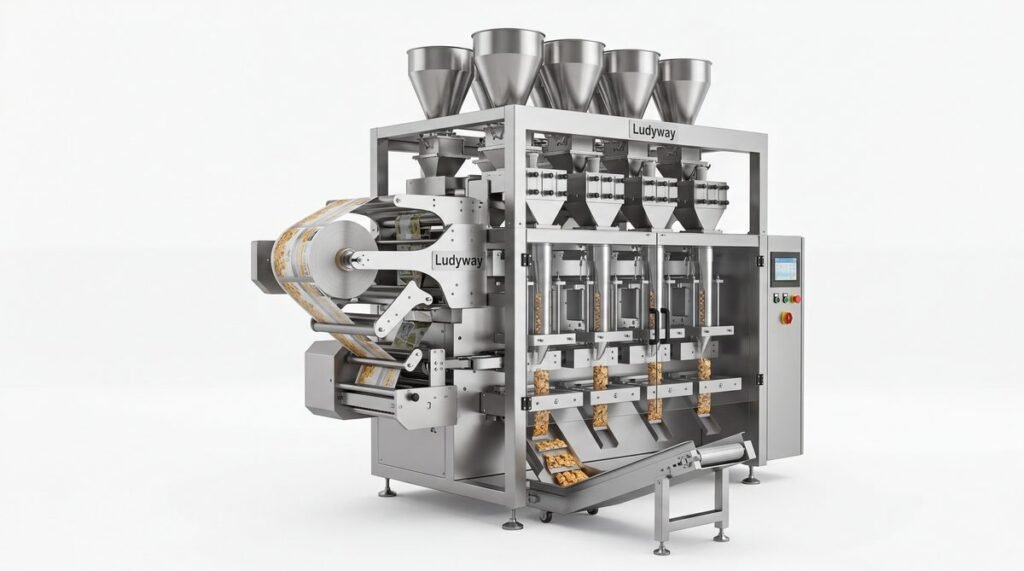
The primary difference is the direction of film travel and pouch formation. HFFS (Horizontal) machines form pouches horizontally and are typically better for granular, powdered, and liquid products, offering higher speeds for small pouches. VFFS (Vertical) machines form pouches vertically and are often preferred for larger, heavier items or products that are dropped by gravity (like snacks).
What kind of maintenance does an HFFS machine require?
Regular maintenance is key to longevity. Daily cleaning of product contact parts, weekly checks of sealing jaws for residue, and periodic lubrication of moving parts as per the manual are essential. A good supplier will provide a detailed maintenance schedule and training for your operators.
Can one HFFS machine handle different products?
Yes, with proper changeover. Modern HFFS machines allow for quick changeovers of dosing systems (e.g., swapping an auger for a pump) and film reels. The PLC can store multiple recipes for different pouch sizes and products, significantly reducing downtime between production runs.
How important is the dosing accuracy, and how is it achieved?
Critical. Dosing accuracy directly impacts product give-away (cost) and compliance with net content regulations. Accuracy is achieved through precision-engineered filling systems like servo-driven augers or pumps, combined with feedback sensors and well-calibrated controls. High-end machines offer accuracy within ±1% or better.
What safety features should I look for?
Essential safety features include emergency stop buttons, protective guarding with safety interlocks (so the machine stops if a guard is opened), overload protection on drives, and clear fault indication on the HMI. For specific regions, ensure the machine complies with local safety standards (e.g., CE, UL).