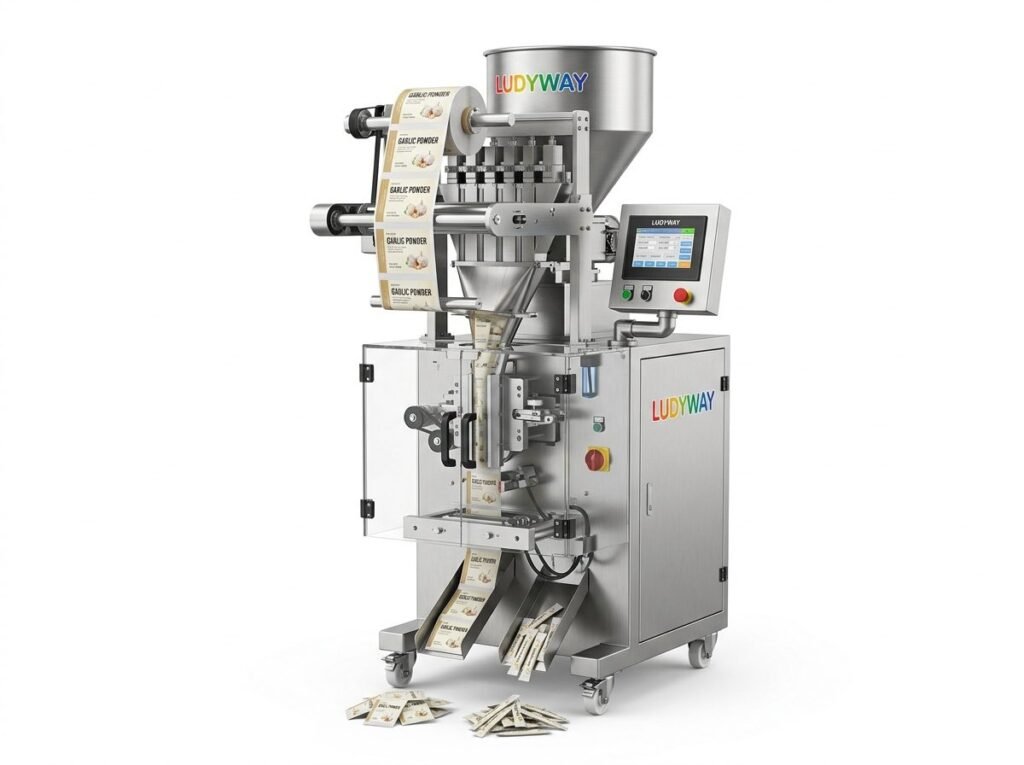
The Indian frozen food market is experiencing unprecedented growth, driven by urbanization, changing consumer lifestyles, and increasing demand for convenience foods. According to industry reports, India’s frozen food sector is projected to expand at a CAGR of over 15% through 2030, making it one of the fastest-growing markets globally. For manufacturers looking to capitalize on this opportunity, setting up a frozen food packaging machine production line requires careful planning, the right equipment selection, and a thorough understanding of local regulations and market dynamics.
Understanding the Indian Frozen Food Packaging Landscape
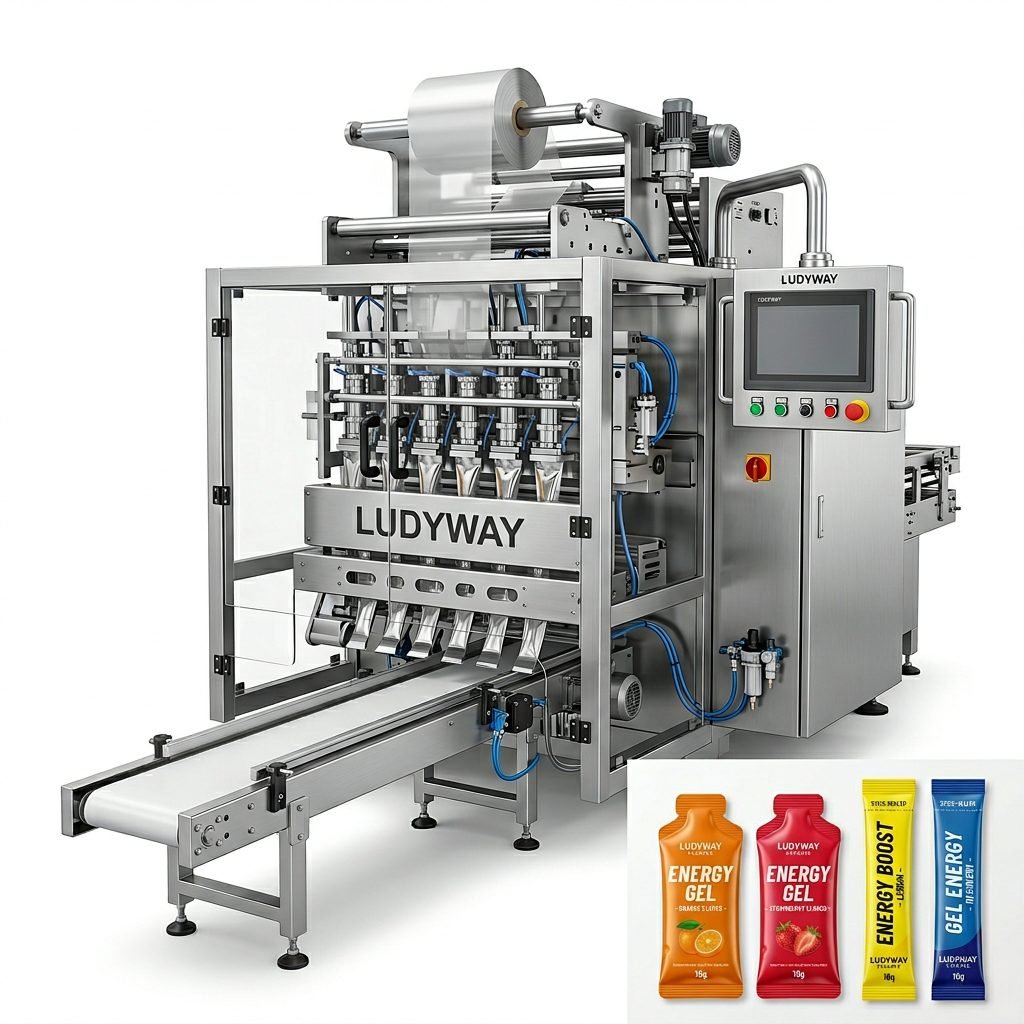
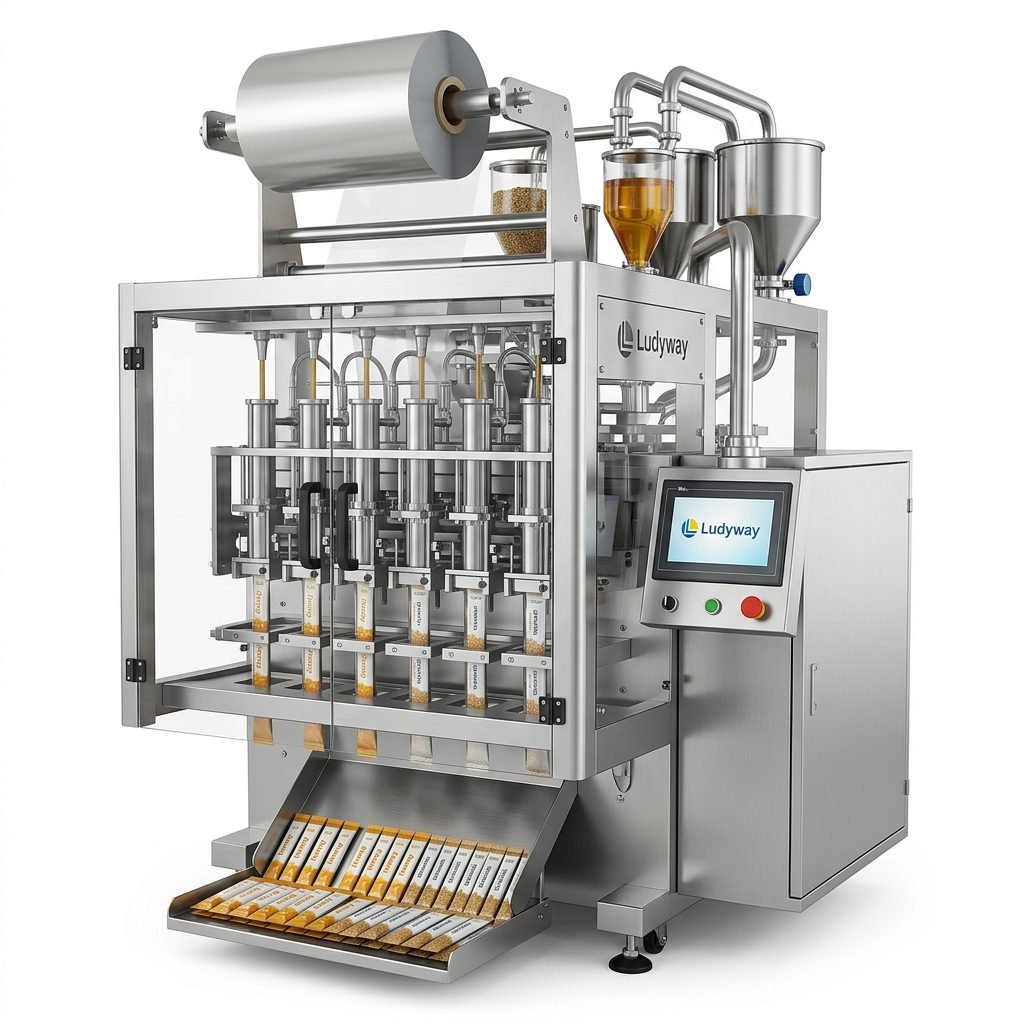
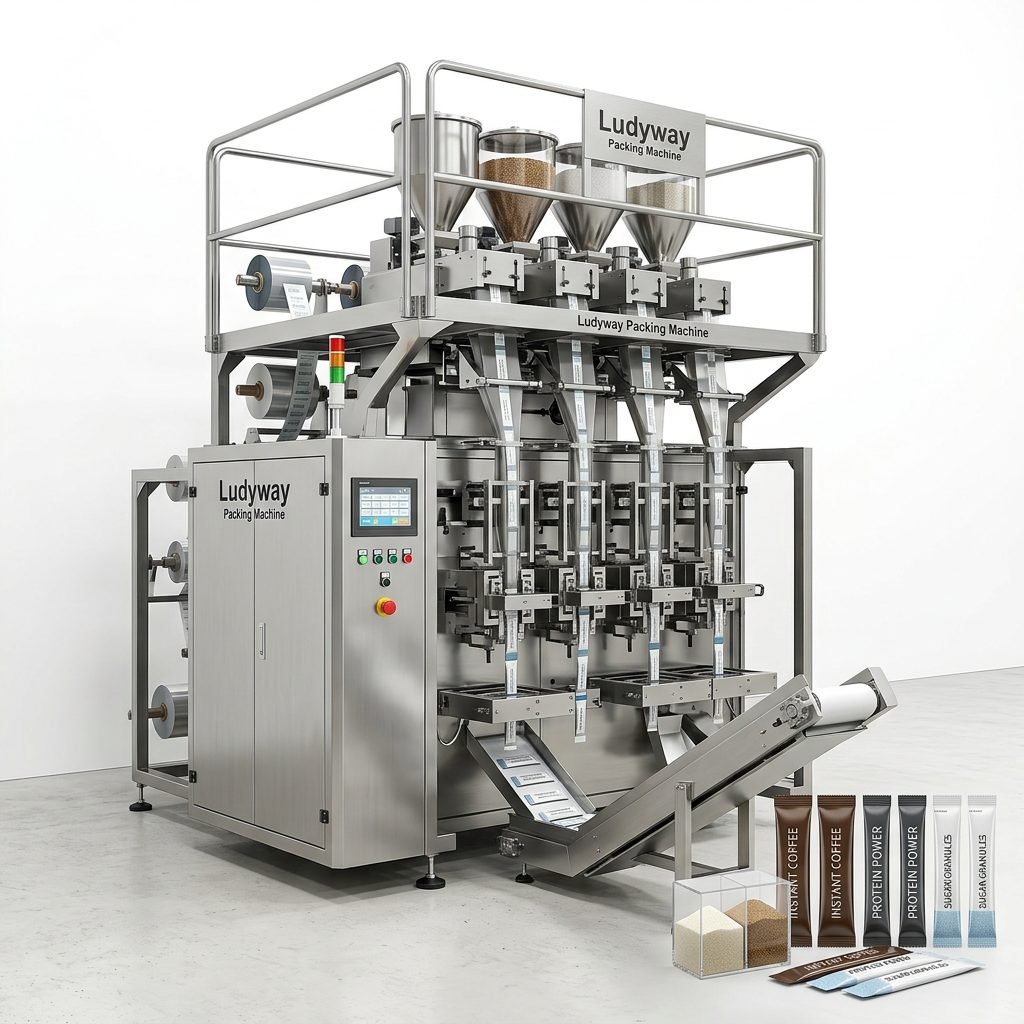
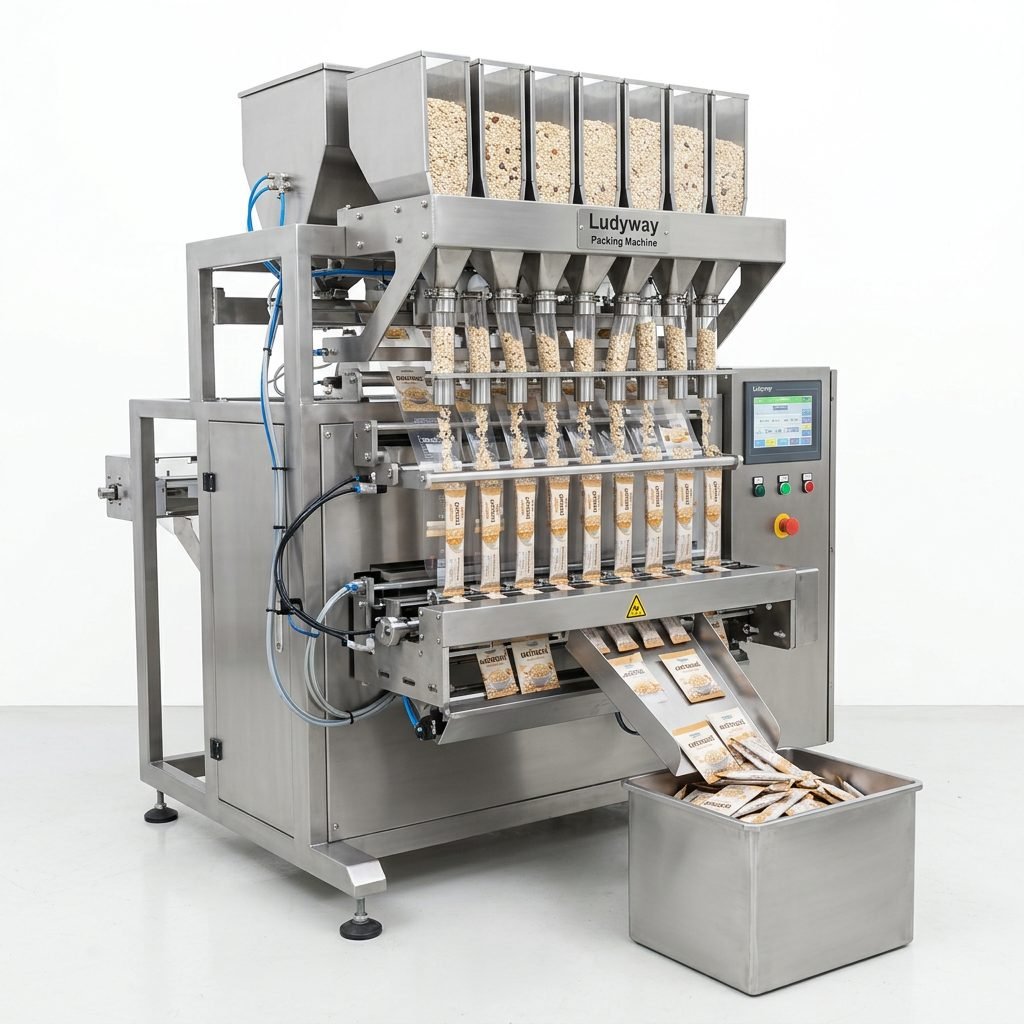
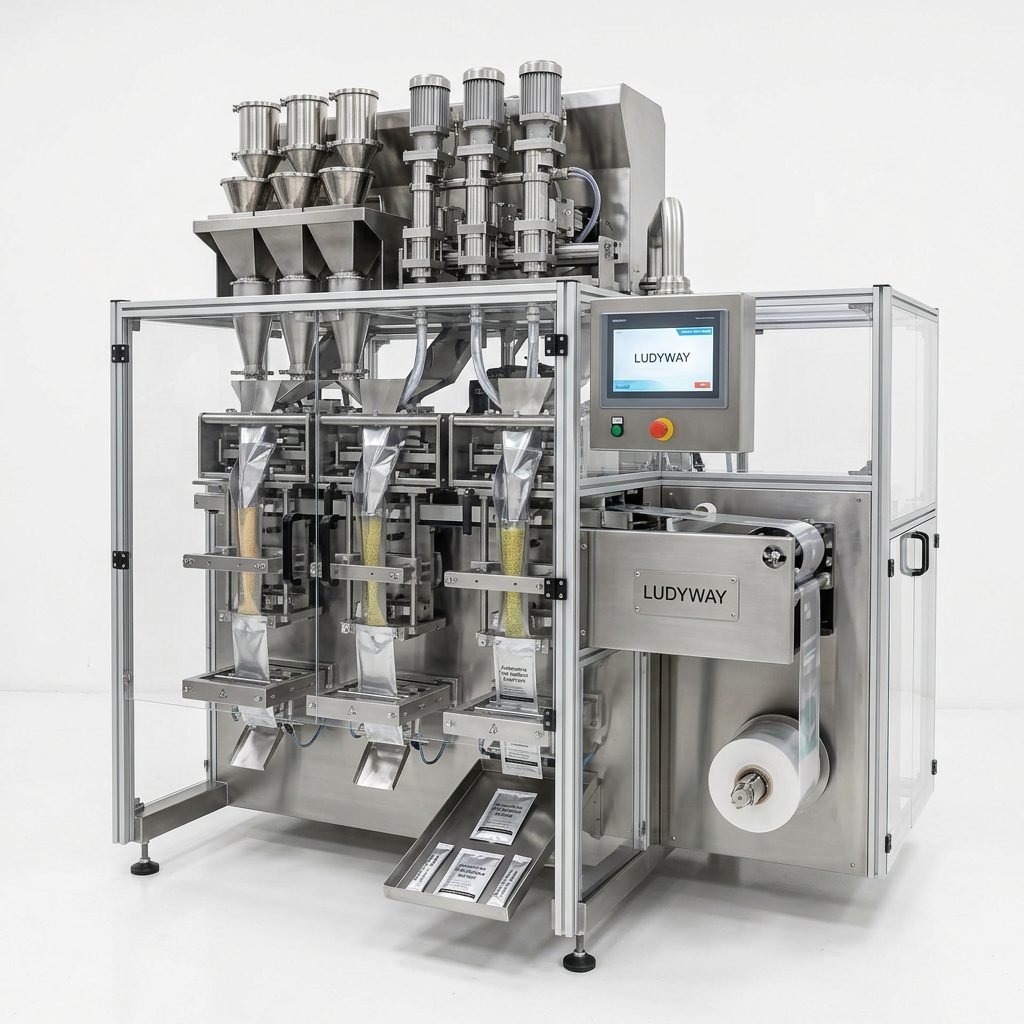
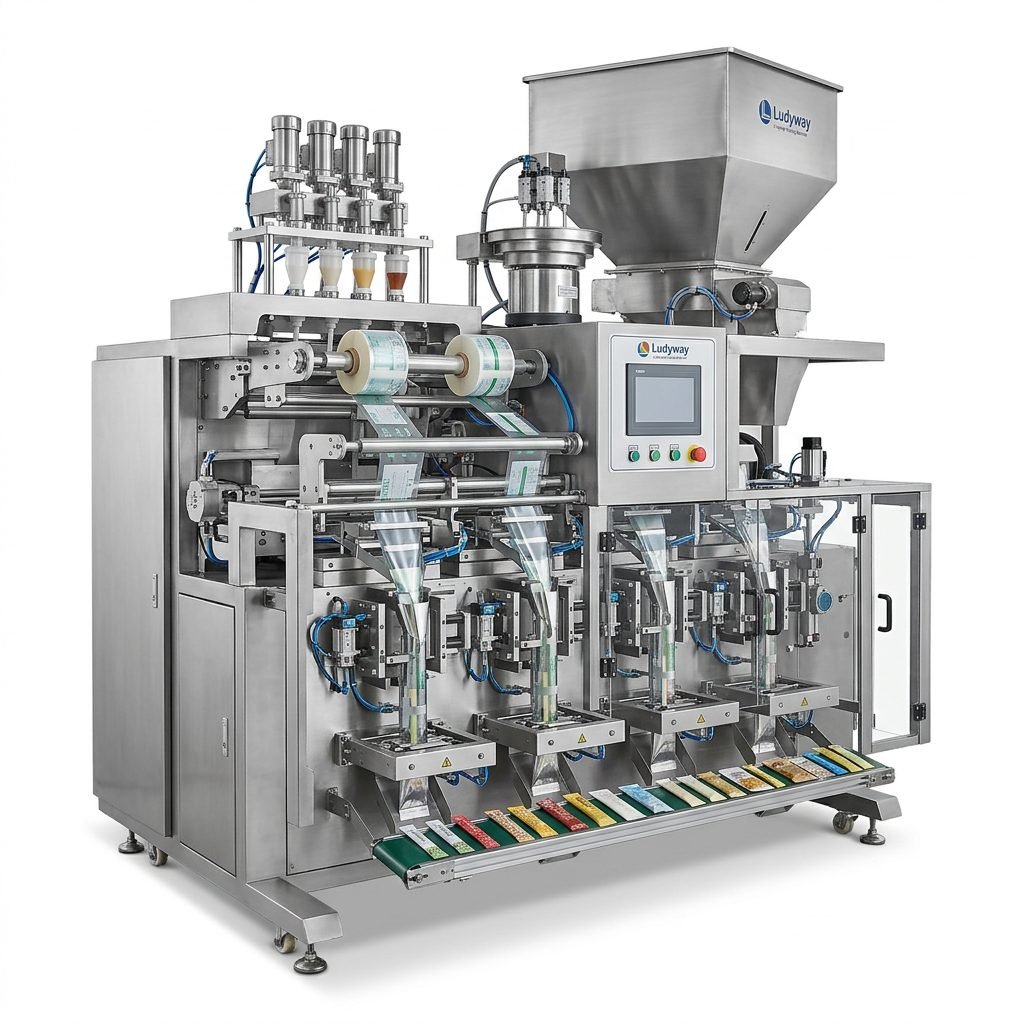
India’s frozen food industry spans multiple categories, including frozen vegetables, ready-to-eat meals, frozen snacks, seafood, meat products, and dairy-based frozen items. Each category demands specific packaging machinery configurations tailored to product characteristics such as granule size, moisture content, and shelf-life requirements. The most common packaging formats in the Indian market include multi-lane sachets, stick packs, pillow pouches, and vacuum-sealed bags, each offering distinct advantages for different frozen food applications.
Before investing in equipment, manufacturers must evaluate several critical factors that will determine the success of their packaging line setup:
- Production capacity requirements — daily or hourly output targets
- Product specifications — granule size, powder characteristics, or liquid content
- Packaging material compatibility — cold-resistant films and laminates
- Cold chain infrastructure — storage and transportation considerations
- Regulatory compliance — food contact substance regulations and labeling requirements
- Budget allocation — equipment, installation, training, and maintenance
Types of Frozen Food Packaging Machines
Selecting the appropriate packaging machinery is the cornerstone of a successful frozen food production line. Different machine types serve different purposes, and understanding their capabilities is essential for making informed investment decisions. Below is a comprehensive overview of the most commonly deployed packaging systems for frozen food applications in India:
| Machine Type | Best Suited For | Packaging Format | Typical Speed Range |
|---|---|---|---|
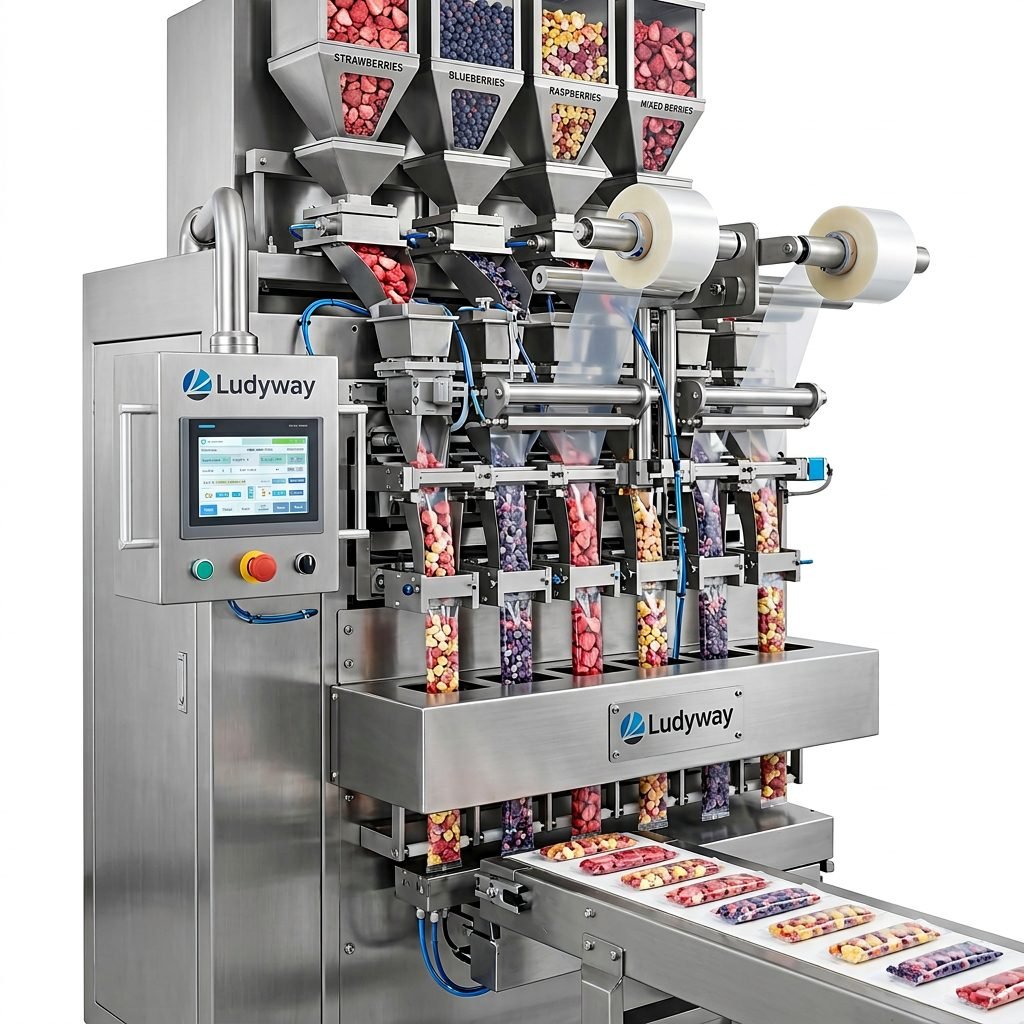
| Multi-Lane Sachet Machine | Frozen vegetables, snacks, granules | 4-16 lane sachets | 200-800 packs/min |
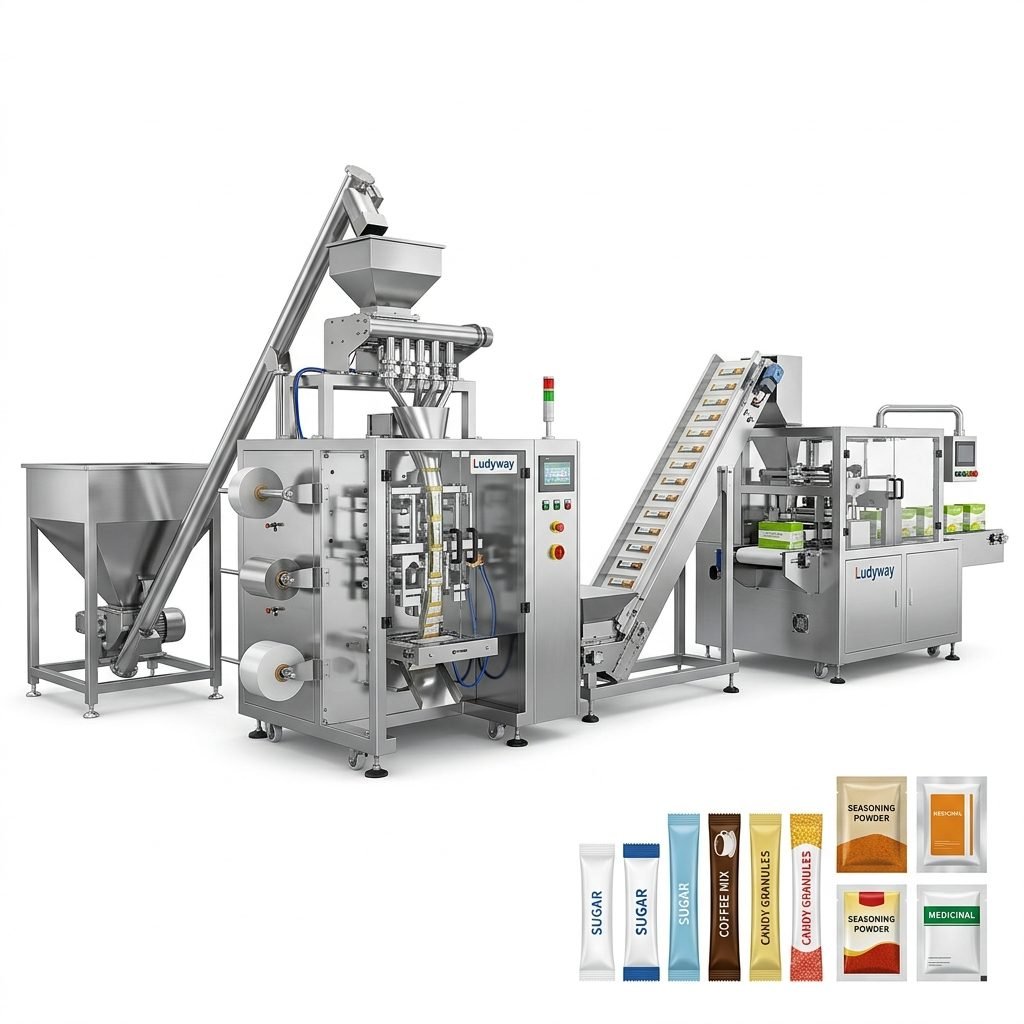
| Stick Pack Machine | Frozen powders, spices, seasonings | Single or multi-lane sticks | 150-600 packs/min |
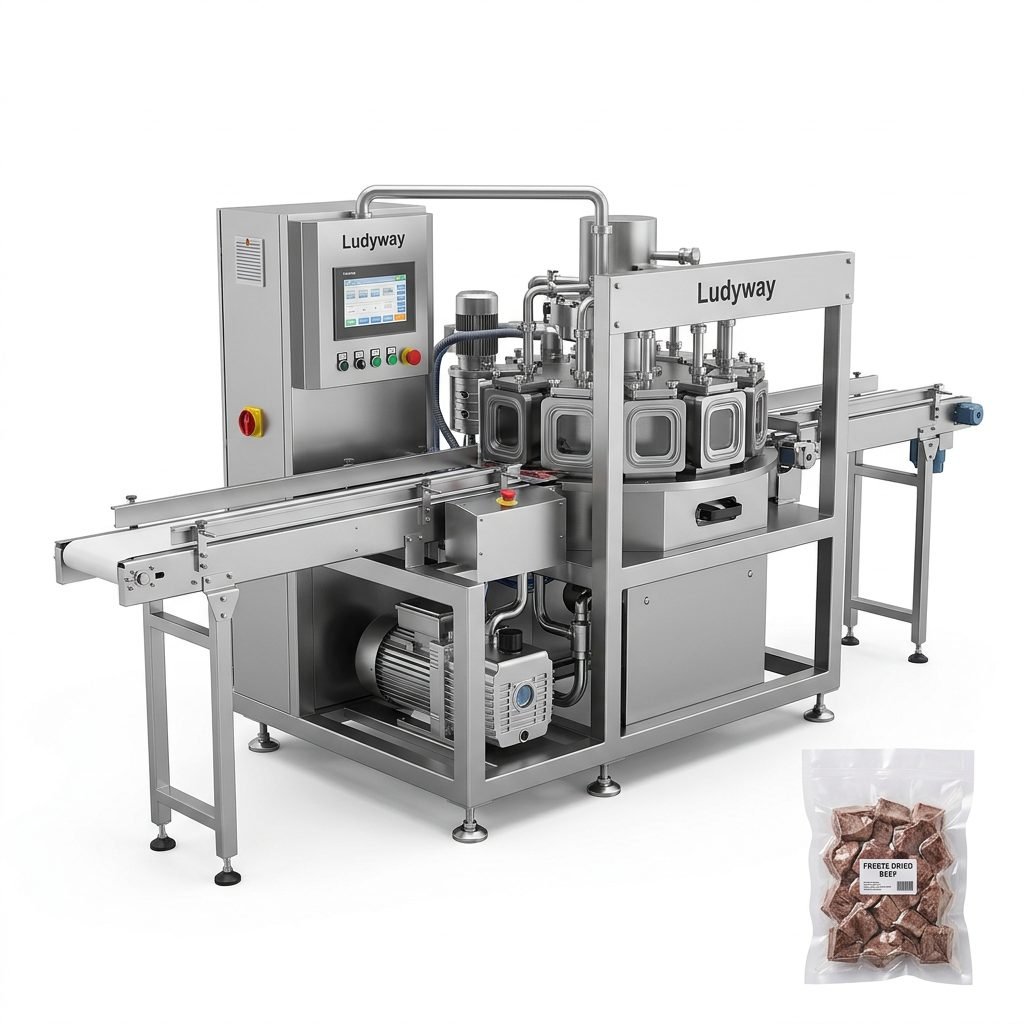
| Vacuum Packaging System | Frozen meat, seafood, ready meals | Vacuum pouches, trays | 20-80 packs/min |
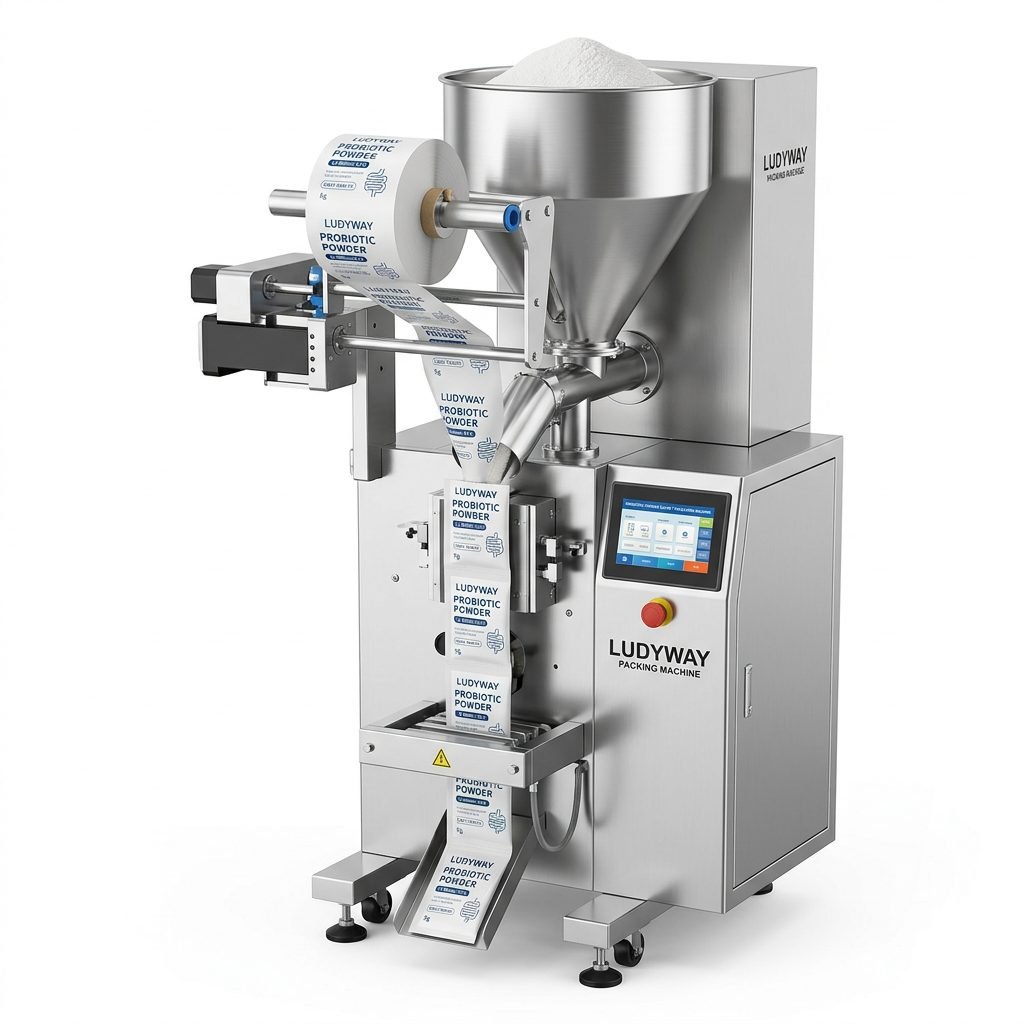
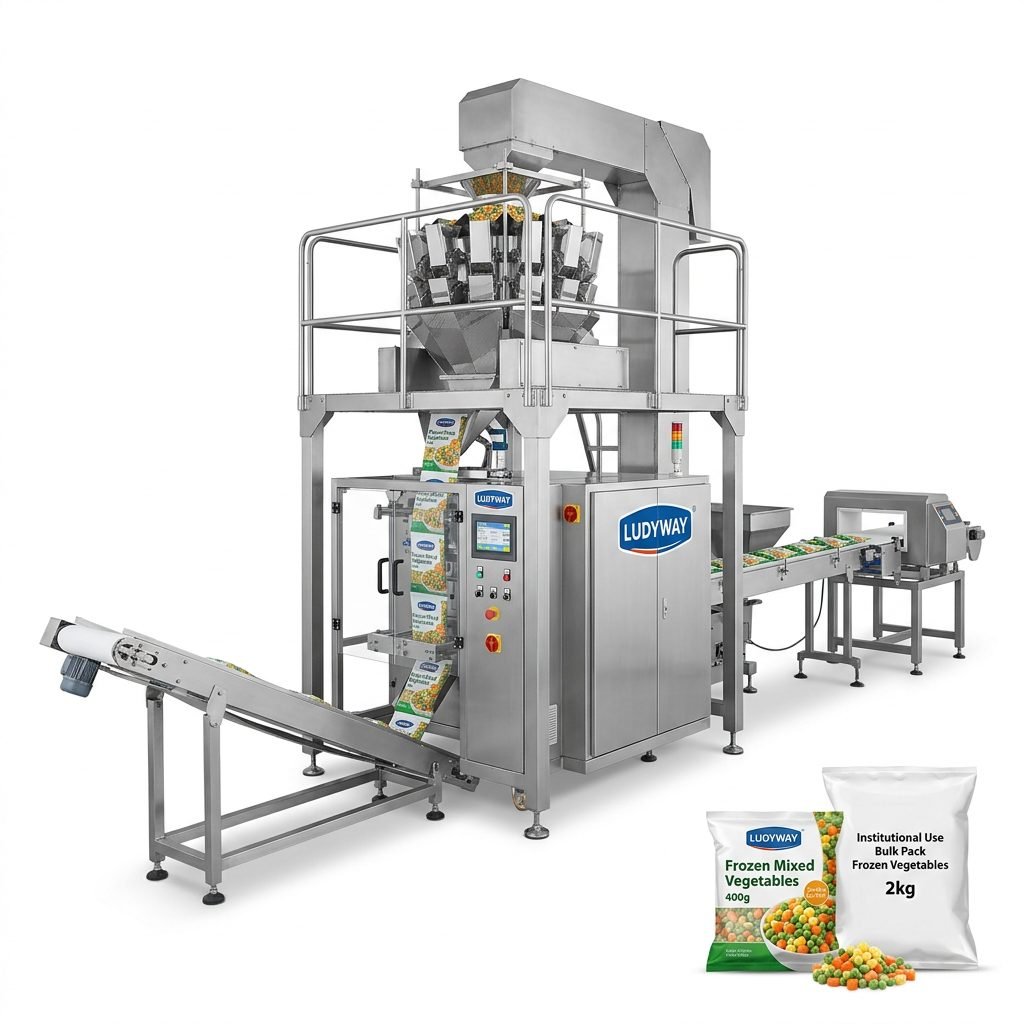
| Vertical Form Fill Seal | Frozen peas, corn, mixed vegetables | Pillow pouches, gusseted bags | 40-120 packs/min |
| Premade Pouch Filler | Premium frozen meals, bulk packs | Stand-up pouches, zipper bags | 30-60 packs/min |
Key Considerations for Production Line Design
Designing an efficient frozen food packaging line involves more than just selecting individual machines. The entire workflow must be optimized for cold environment operation, where low temperatures can affect machine performance, film properties, and seal integrity. Here are the critical design elements to address:
Temperature-Controlled Environment
Frozen food packaging must occur in temperature-controlled zones to maintain product integrity. Packaging machines should be capable of operating reliably at temperatures as low as -18°C to -25°C. Specialized lubricants, cold-resistant electrical components, and anti-frost mechanisms are essential features to look for in industrial packaging equipment designed for frozen applications.
Material Handling and Feeding Systems
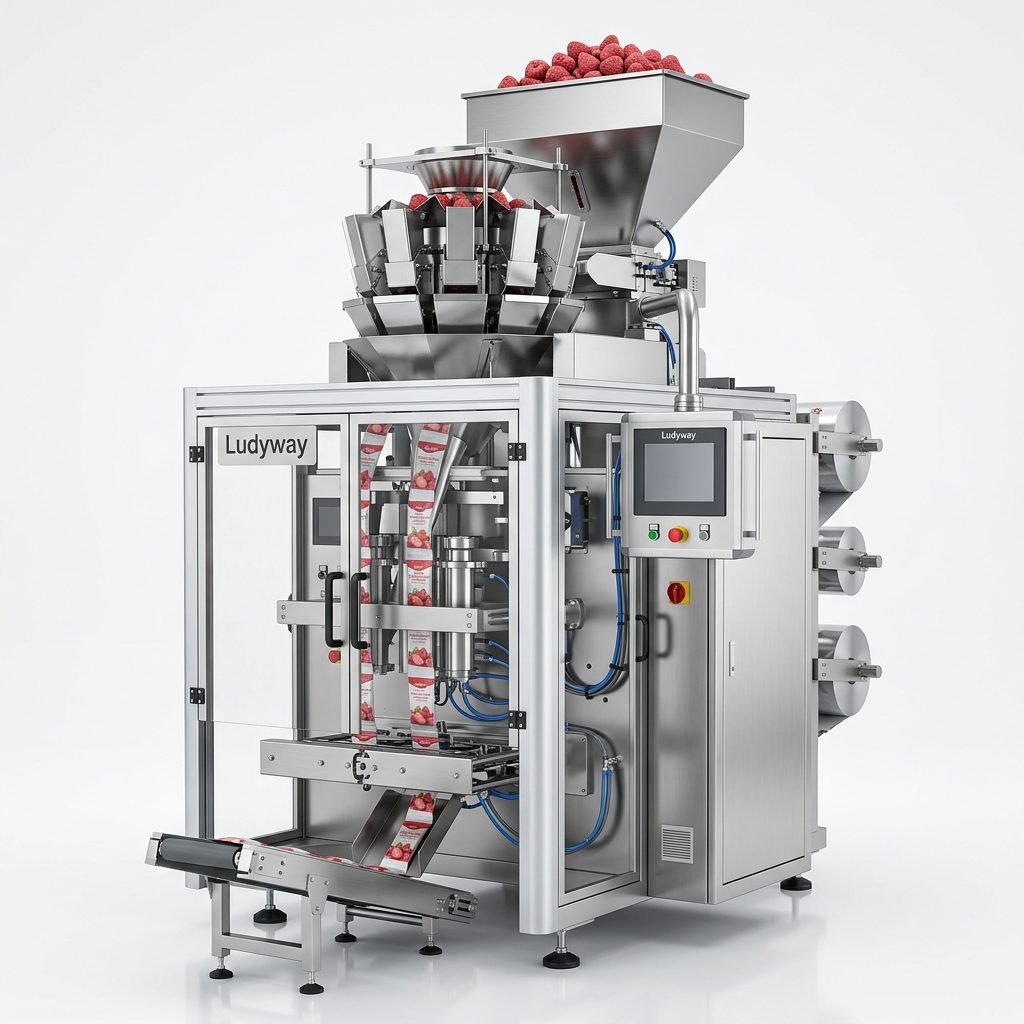
Automated feeding systems, including bucket elevators, vibratory feeders, and conveyor belts, must handle frozen products gently to prevent breakage and clumping. For granule and powder frozen products, multi-head weighers with cold-temperature calibration ensure accurate portion control without product damage.
Seal Integrity and Packaging Materials
The packaging material must withstand extreme cold without becoming brittle or losing seal strength. Cold-resistant laminated films with excellent moisture barrier properties are essential. Packaging machines should offer precise temperature control on sealing jaws to ensure hermetic seals that prevent freezer burn and extend shelf life.
Step-by-Step Guide to Setting Up Your Production Line
Establishing a frozen food packaging line in India requires a methodical approach. Follow this structured process to ensure a smooth implementation from planning to full-scale production:
Step 1: Feasibility Study and Market Analysis
Conduct a thorough analysis of your target market segment within the Indian frozen food industry. Identify your primary products, understand competitor packaging formats, and determine the optimal production volume. This stage should also include a preliminary assessment of cold storage requirements and distribution logistics across Indian cities, where infrastructure varies significantly between metro areas and tier-2 or tier-3 cities.
Step 2: Regulatory Compliance Planning
Indian frozen food manufacturers must comply with FSSAI (Food Safety and Standards Authority of India) regulations, which govern food packaging materials, labeling requirements, and hygiene standards. Additionally, if you plan to export frozen products, compliance with international standards such as FDA food contact substance regulations and ISO packaging standards becomes mandatory. Engage with local regulatory consultants early in the planning process to avoid costly delays.
Step 3: Equipment Selection and Supplier Evaluation
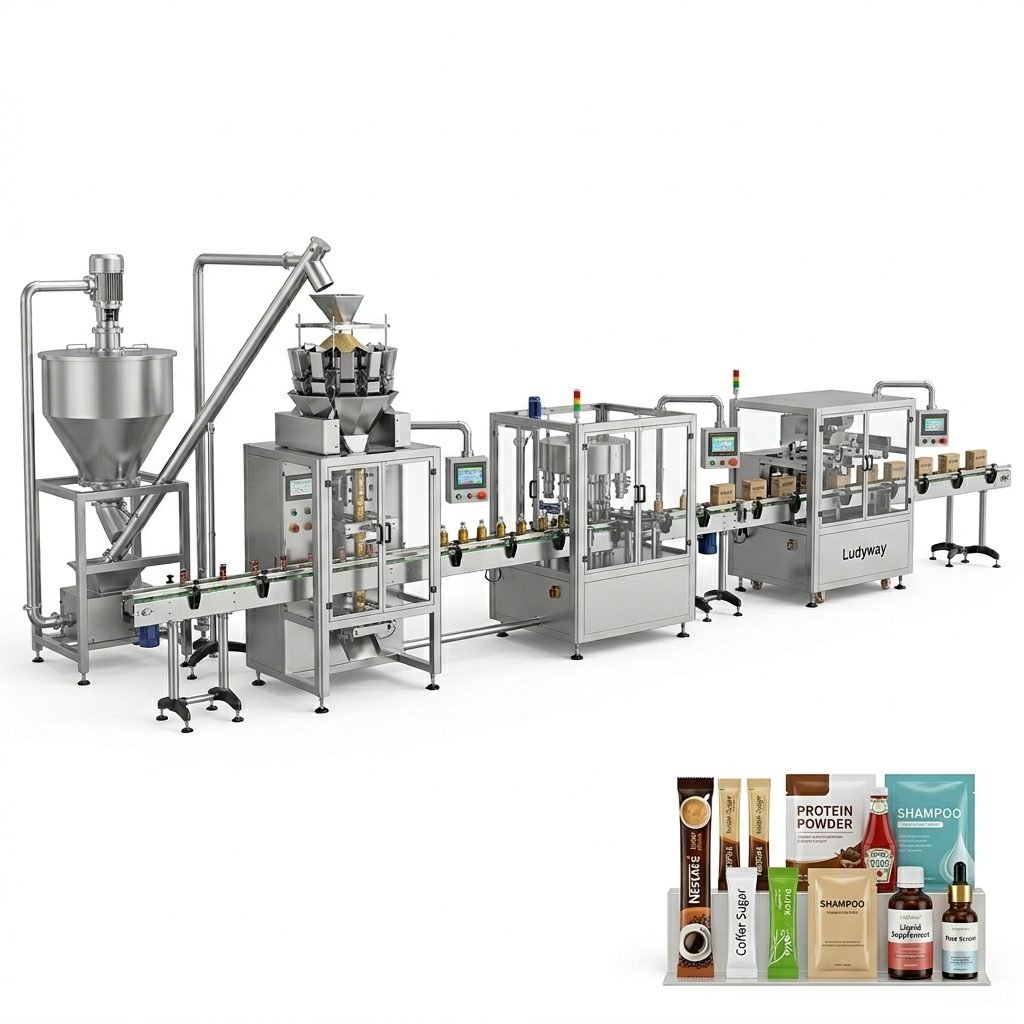
Choose packaging machinery that aligns with your product specifications and production goals. When evaluating suppliers, prioritize those with proven experience in frozen food applications. Ludyway, one of the leading packaging machine manufacturers, offers a comprehensive range of multi-lane sachet, stick pack, and fully automated packaging systems suitable for frozen food production. Request detailed equipment specifications, review case studies from similar applications, and whenever possible, visit existing installations or conduct factory acceptance tests before finalizing your purchase.
Step 4: Facility Preparation and Layout Planning
Design your production floor with a logical flow from raw material receiving to finished goods storage. Key zones include:
- Cold storage area for incoming frozen raw materials
- Conditioned packaging hall maintained at appropriate temperatures
- Machine placement zones with adequate clearance for maintenance access
- Quality control stations equipped with checkweighers and metal detectors
- Finished goods cold storage with FIFO inventory management
Step 5: Installation, Commissioning, and Training
Professional installation by experienced technicians ensures optimal machine performance. Commissioning should include comprehensive testing with your actual frozen products to fine-tune parameters such as sealing temperature, filling speed, and film tension. Operator training is equally critical — invest in thorough training programs that cover machine operation, cleaning procedures, basic troubleshooting, and safety protocols.
Common Challenges and Solutions in Frozen Food Packaging
Operating a frozen food packaging line presents unique challenges that differ significantly from ambient temperature packaging. Understanding these challenges and implementing proactive solutions can dramatically improve line efficiency and product quality:
| Challenge | Impact | Solution |
|---|---|---|
| Product clumping and bridging | Uneven filling, machine downtime | Agitated hoppers, anti-bridging devices, controlled feeding |
| Seal failure at low temperatures | Product spoilage, consumer complaints | Cold-grade films, precise temperature control, regular seal testing |
| Condensation and frost buildup | Machine malfunction, hygiene issues | Dehumidification systems, stainless steel construction, regular defrost cycles |
| Film brittleness in cold | Packaging material waste, jams | Select films rated for -20°C and below, proper film storage conditions |
| Inconsistent product temperature | Quality variations, regulatory non-compliance | Blast freezing before packaging, temperature monitoring systems |
Automation and Smart Factory Integration
Modern frozen food packaging lines increasingly incorporate Industry 4.0 technologies to enhance efficiency, traceability, and quality control. Automated systems reduce manual handling, minimize contamination risks, and provide real-time production data. Key automation features to consider include:
- Automatic checkweighing systems that reject underweight or overweight packs in real time
- Metal detection and X-ray inspection integrated into the packaging line for food safety compliance
- Vision inspection systems for seal integrity verification and print quality checking
- Robotic case packing and palletizing to reduce labor costs and improve consistency
- IoT-enabled machine monitoring for predictive maintenance and OEE tracking
For Indian manufacturers targeting export markets, ISO 11607 packaging validation requirements for terminally sterilized and aseptic products may also apply depending on the product category and destination market regulations.
Cost Analysis and ROI Considerations
Investing in a frozen food packaging production line represents a significant capital expenditure, but the long-term returns can be substantial when planned correctly. A typical multi-lane frozen food packaging line suitable for the Indian market, including primary packaging machines, conveyors, checkweighers, and ancillary equipment, can range from $50,000 to $500,000+ depending on automation level, production capacity, and customization requirements.
When calculating ROI, consider these factors beyond the initial equipment cost:
- Labor cost savings through automation (Indian labor rates vs. machine output)
- Reduction in packaging material waste through precise filling and sealing
- Extended product shelf life resulting from superior packaging quality
- Market access to premium retail chains requiring specific packaging standards
- Scalability for future production increases without complete line replacement
- Energy efficiency and maintenance costs over the equipment lifespan
Maintenance and After-Sales Support in India
Reliable after-sales support is crucial when operating packaging machinery in India, where access to spare parts and technical expertise can vary by region. When selecting a packaging machine supplier, evaluate their service infrastructure carefully. Look for suppliers that offer:
- Local service engineers or authorized service partners within India
- Readily available spare parts inventory with fast delivery times
- Remote troubleshooting capabilities through video calls and IoT diagnostics
- Comprehensive operator and maintenance training programs
- Annual maintenance contracts (AMC) tailored to Indian operating conditions
- Warranty terms that cover parts and labor for a reasonable period
A well-maintained frozen food packaging line can deliver 10-15 years or more of reliable service. Establish a preventive maintenance schedule from day one, including daily cleaning protocols, weekly inspections, monthly component checks, and annual overhauls to maximize your equipment investment.
Future Trends in Frozen Food Packaging
The Indian frozen food packaging landscape continues to evolve, driven by sustainability concerns, technological advancements, and changing consumer preferences. Manufacturers planning new production lines should consider these emerging trends:
- Sustainable packaging materials — recyclable mono-material films and bio-based laminates gaining traction
- Smart packaging features — QR codes for traceability, temperature indicators, and augmented reality experiences
- Smaller portion packs — growing demand for single-serve and small-family packs in urban India
- E-commerce optimized packaging — durable formats designed for direct-to-consumer frozen food delivery
- Energy-efficient machinery — reduced power consumption and heat recovery systems in packaging equipment
Setting up a frozen food packaging machine production line in India is a strategic investment that requires careful planning, the right technology partners, and a clear understanding of both local market demands and international quality standards. By focusing on equipment reliability, cold-chain compatibility, and regulatory compliance, manufacturers can build production lines that deliver consistent quality, operational efficiency, and long-term profitability in one of the world’s most dynamic frozen food markets.
For more information on packaging machinery market research and industry best practices, consult authoritative resources such as the Association for Packaging and Processing Technologies (PMMI) and the Flexible Packaging Association, which provide valuable insights into packaging trends, standards, and technological developments relevant to frozen food applications worldwide.