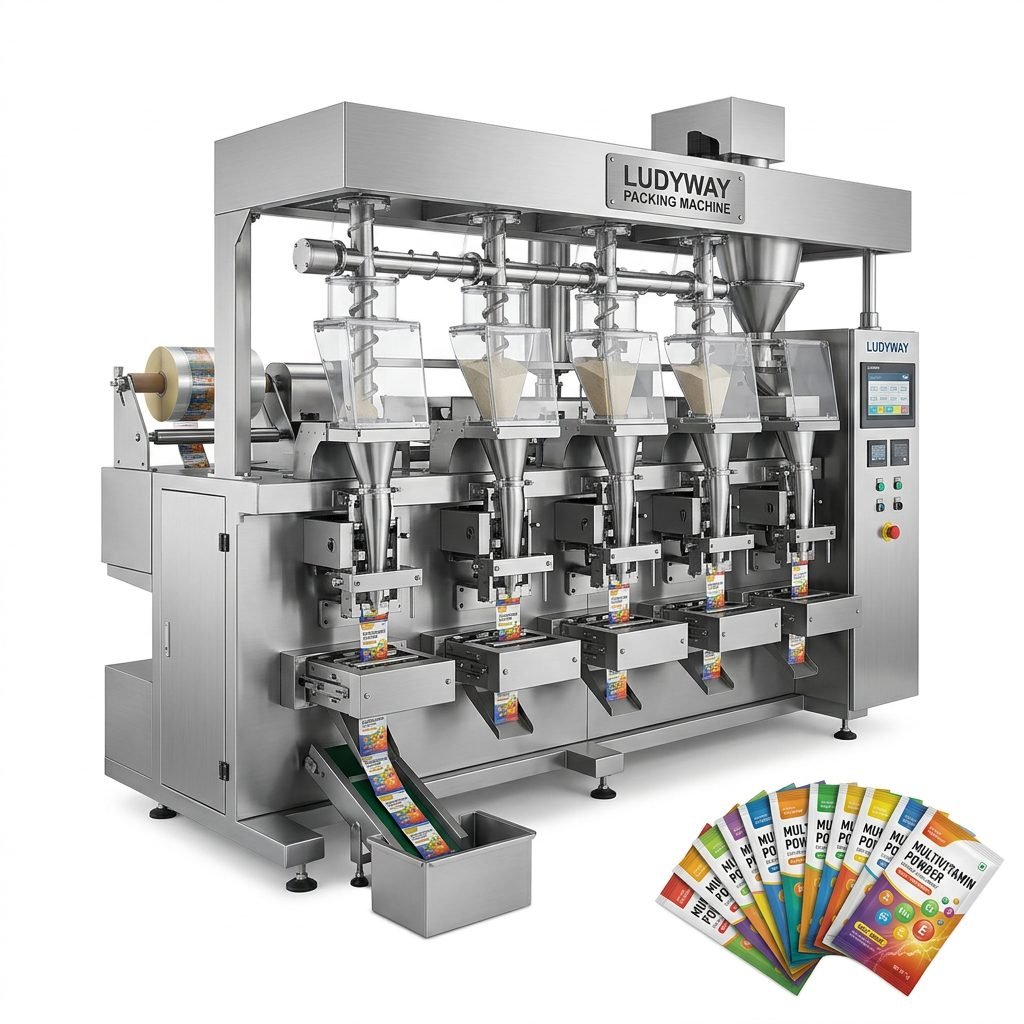
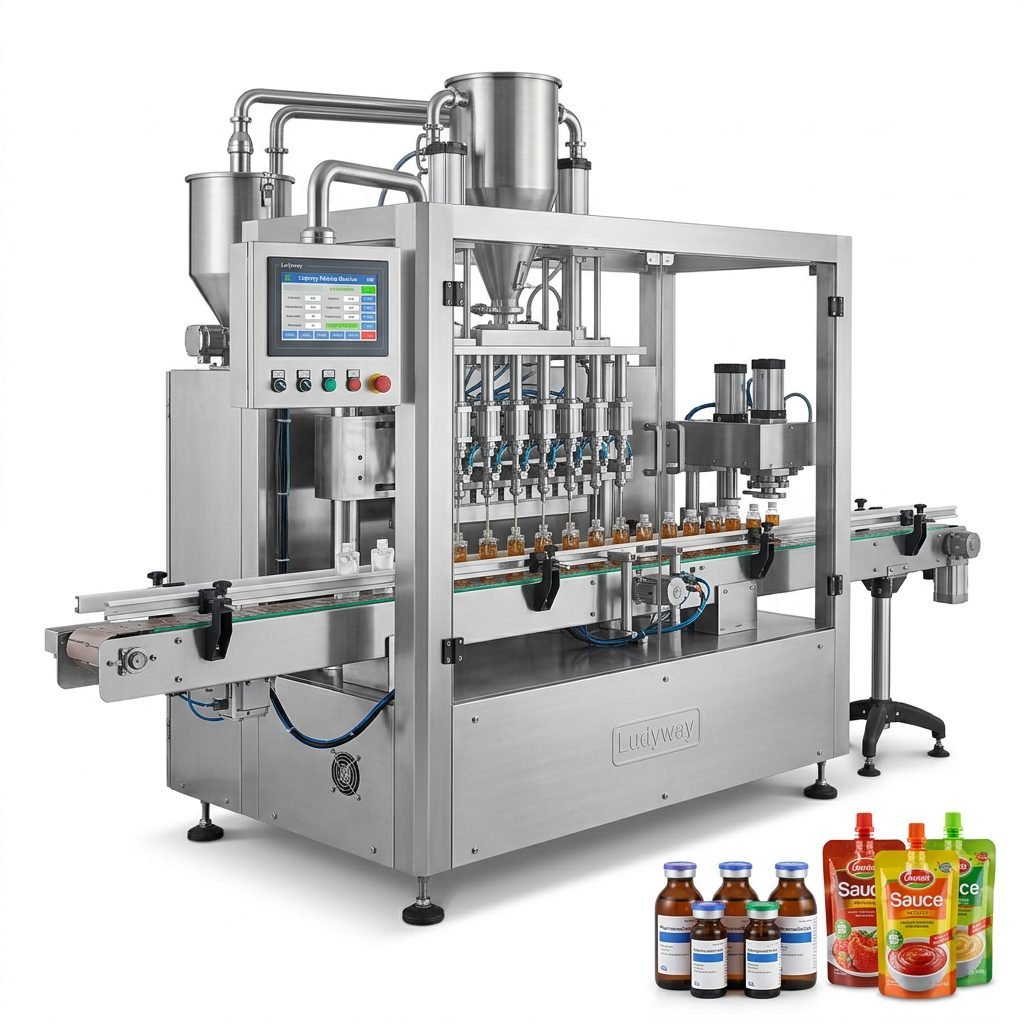
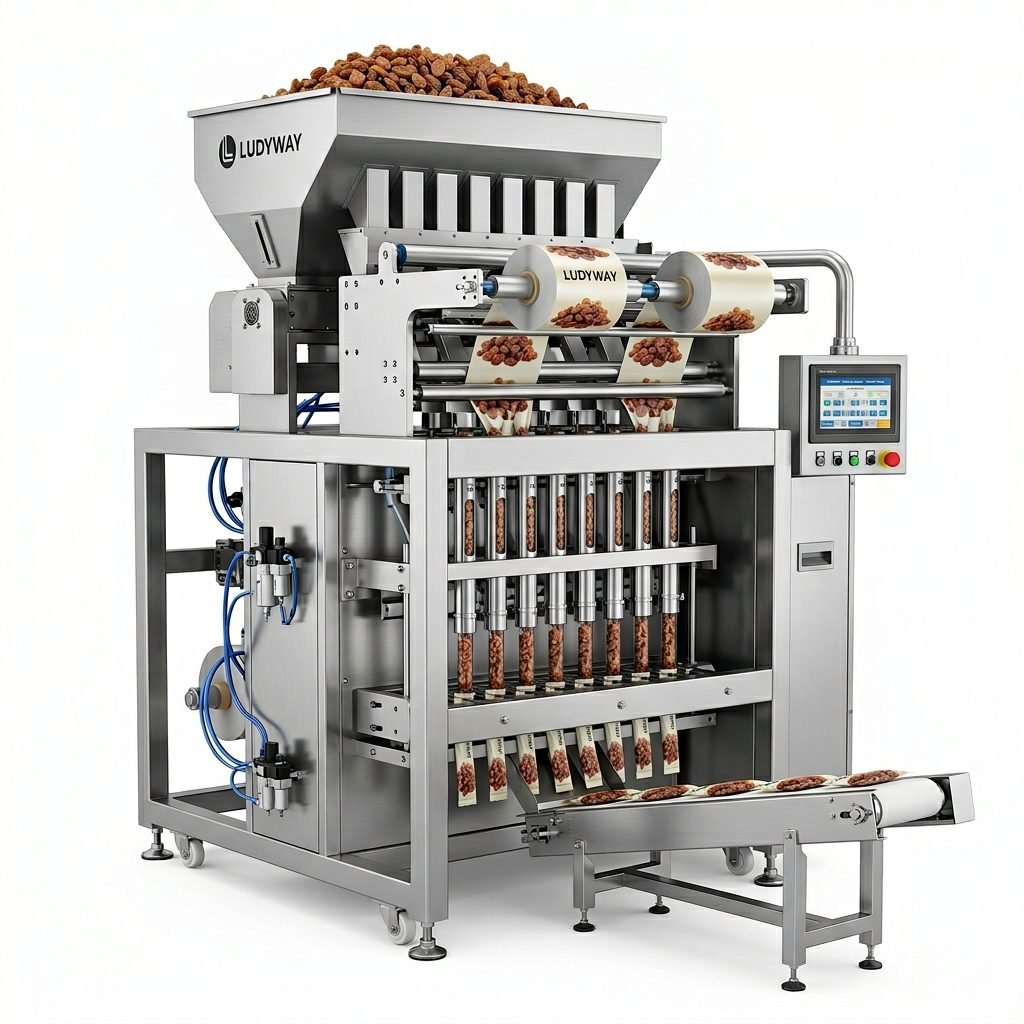
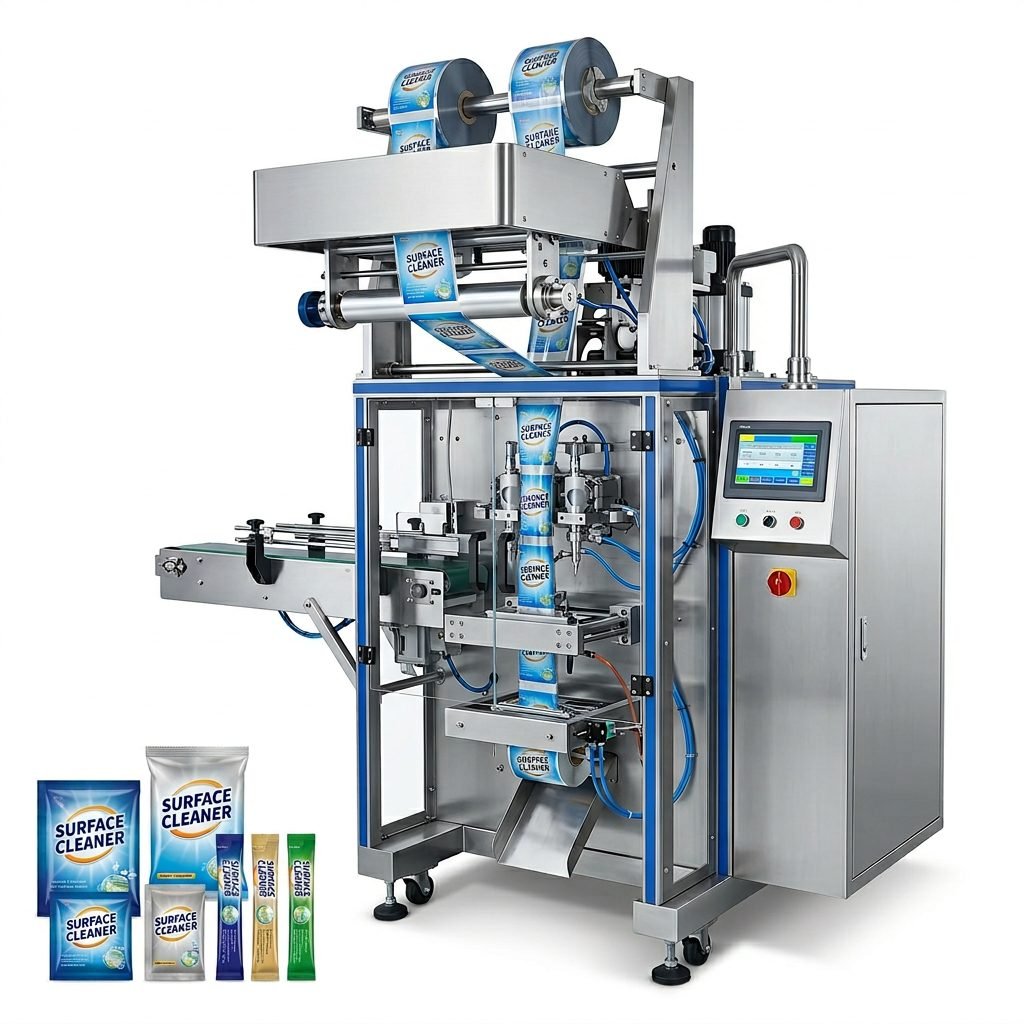
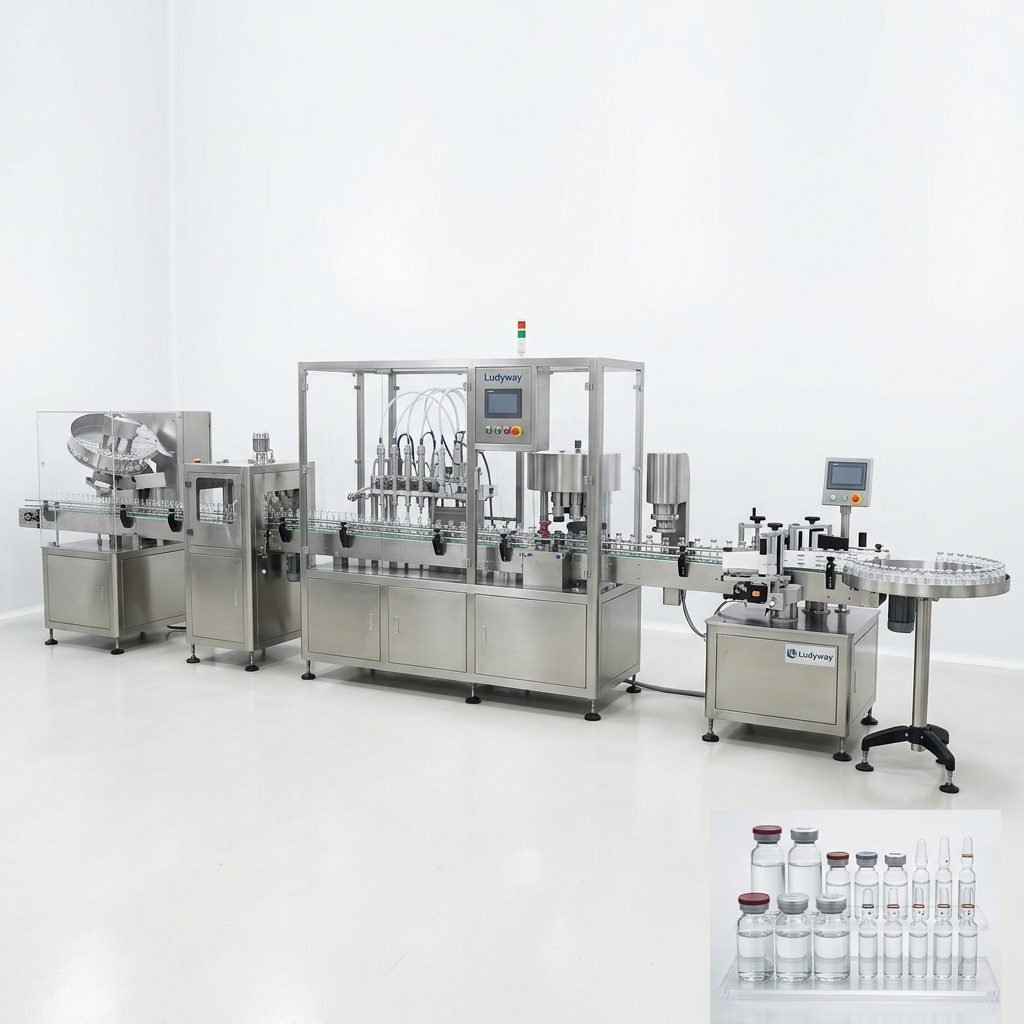
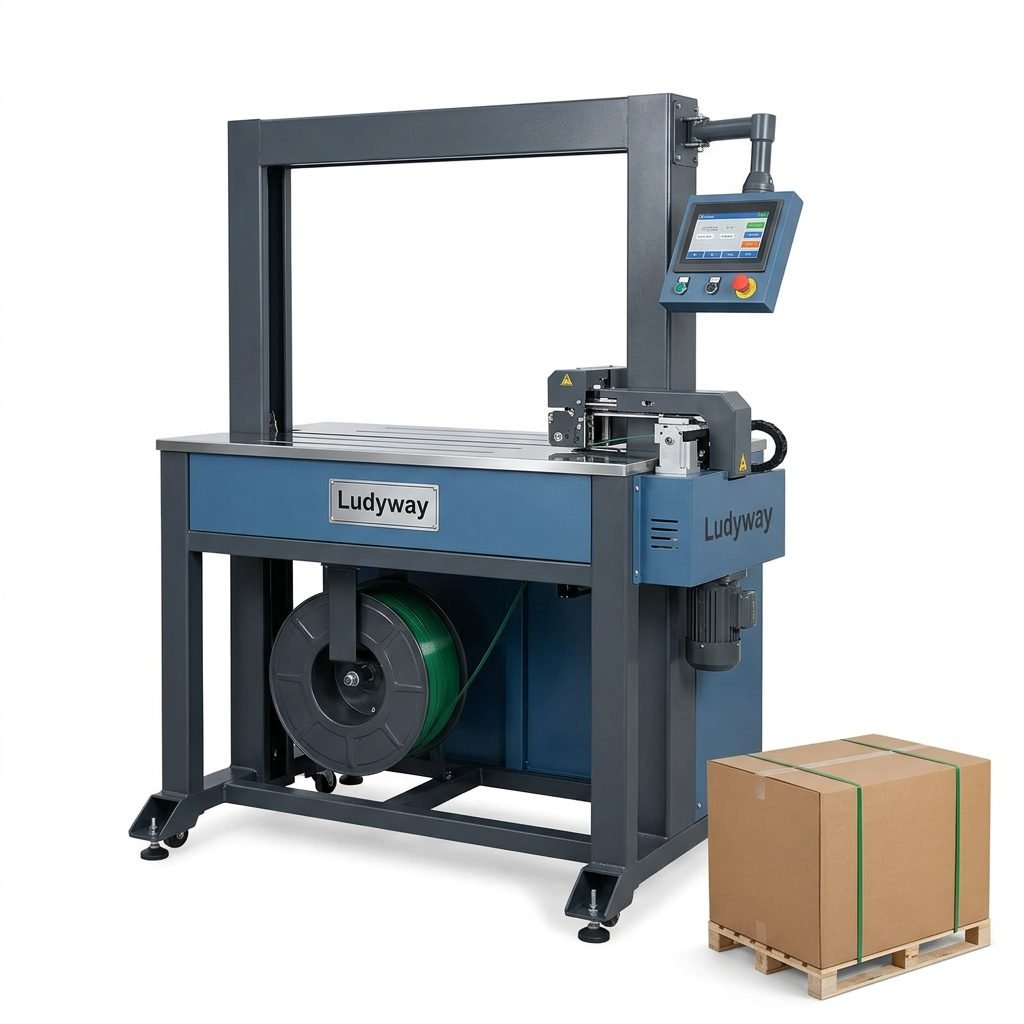
Investing in the right hamburger packaging machine is a critical decision for food manufacturers, QSR suppliers, and meat processing businesses across Oceania. Whether you operate in Australia, New Zealand, or the Pacific Islands, the equipment you choose directly impacts product shelf life, operational efficiency, and compliance with food safety regulations. This guide walks you through the essential factors to evaluate before making a purchase, helping you select a solution that aligns with your production goals and regional requirements.
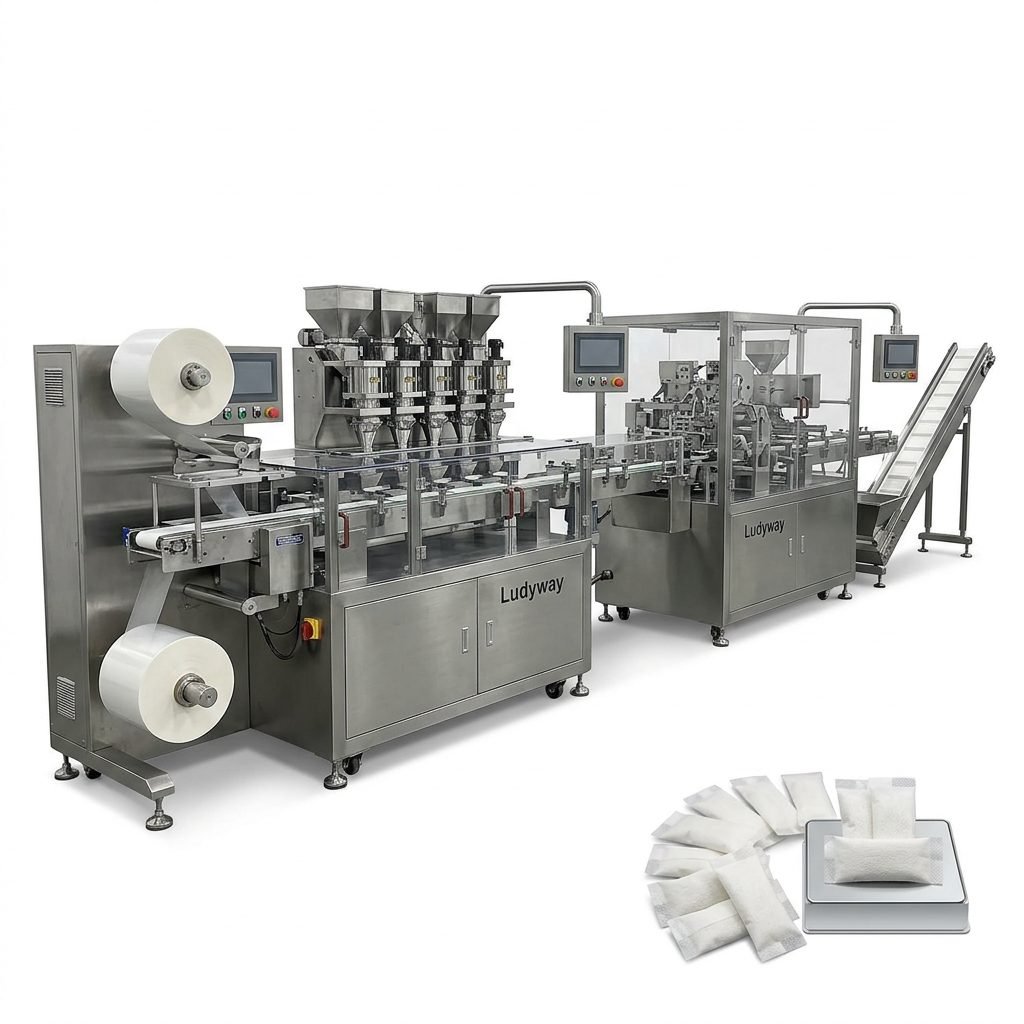
Understanding Hamburger Packaging Requirements in Oceania
The Oceania food market has unique characteristics that influence packaging equipment needs. Consumer expectations for freshness, convenience, and sustainability continue to rise across Australia and New Zealand, while emerging markets in the Pacific region demand cost-effective yet reliable solutions. Hamburger patty packaging must address multiple considerations: protection against contamination, moisture control, extended shelf life, and attractive retail presentation. According to Flexible Packaging Association industry data, flexible packaging formats are experiencing significant growth in protein packaging applications throughout the region.
Key Factors to Consider When Choosing a Hamburger Packaging Machine
Selecting the right equipment requires careful evaluation of several technical and operational parameters. Below are the most critical factors that Oceania-based food manufacturers should prioritize during the procurement process:
- Production volume requirements — daily or hourly throughput targets
- Packaging format flexibility — flow wrap, tray seal, vacuum, or MAP options
- Material compatibility — ability to handle various film types and thicknesses
- Automation level — manual, semi-automatic, or fully automated systems
- Cleaning and sanitation — compliance with ISO packaging standards
- Footprint and facility integration — space constraints in production environments
- After-sales support availability — service coverage across Oceania
Production Capacity and Speed
Hamburger packaging machines vary widely in throughput, ranging from 30 packs per minute for entry-level models to over 120 packs per minute for high-speed industrial systems. Australian and New Zealand meat processors with high-volume operations should prioritize machines with servo-driven motion control and quick changeover capabilities. For smaller Pacific Island operations, semi-automatic equipment may offer a better balance between cost and output.
Packaging Material Compatibility
Modern hamburger packaging equipment must accommodate a diverse range of materials including polyethylene (PE), polypropylene (PP), laminates, and bio-based films. The growing emphasis on sustainable packaging in Oceania markets means your machine should handle recyclable and compostable film structures without compromising seal integrity. Verify that the equipment supports the material specifications recommended for your product category.
Automation Level
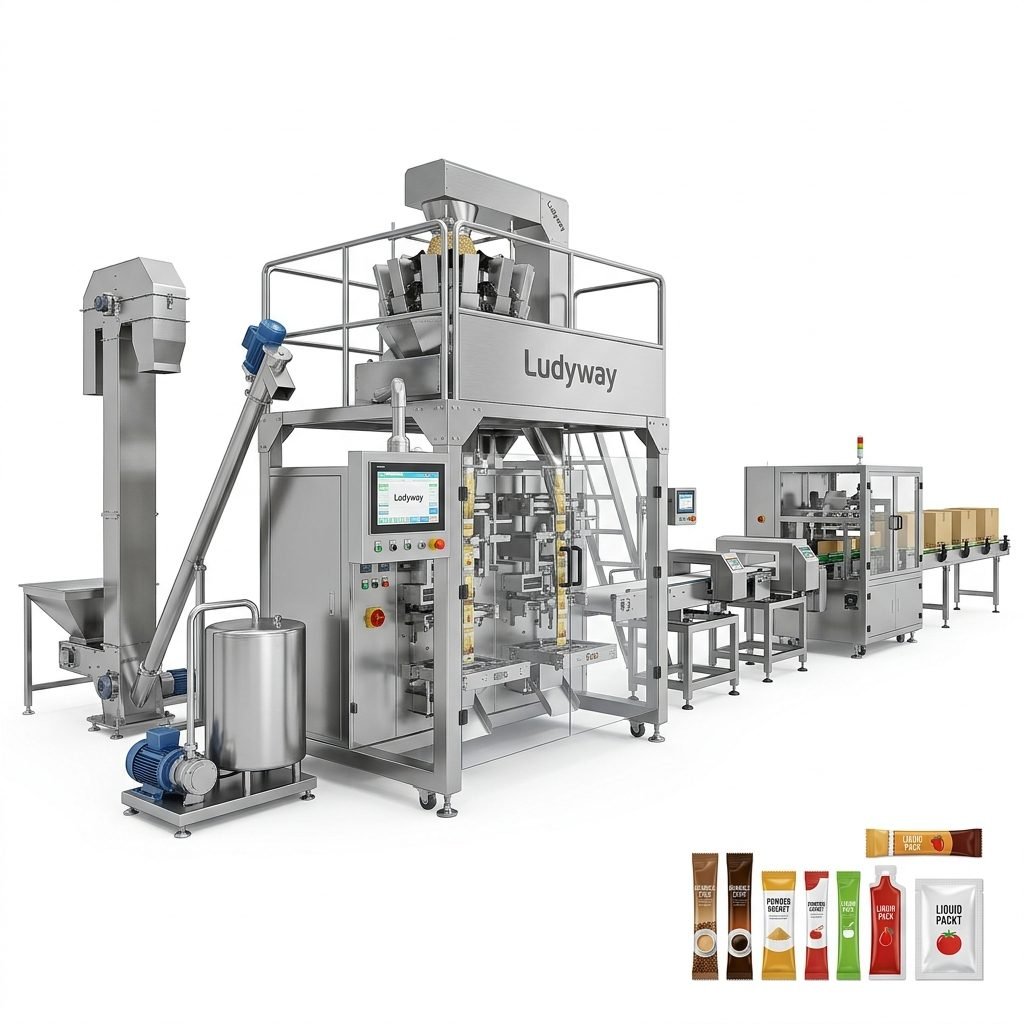
The degree of automation significantly impacts labor requirements and consistency. Fully automated systems integrate infeeding, portioning, wrapping, sealing, labeling, and inspection into a single continuous workflow. These are ideal for high-output facilities in Australia and New Zealand where labor costs are substantial. Semi-automated solutions, on the other hand, provide flexibility for smaller producers and seasonal operations common in several Oceania markets.

Types of Hamburger Packaging Machines
Different packaging technologies serve distinct market segments and product presentations. The table below compares the four primary machine types used for hamburger patty packaging across Oceania:
| Machine Type | Best For | Speed Range | Shelf Life Impact |
|---|---|---|---|
| Flow Wrapping | Retail-ready single patties | 40–120 ppm | Standard ambient |
| Tray Sealing | Multi-pack family portions | 15–60 ppm | Extended with MAP |
| Vacuum Packaging | Frozen export patties | 10–40 ppm | Maximum frozen |
| MAP Systems | Premium chilled patties | 20–80 ppm | Significantly extended |
Flow Wrapping Machines
Flow wrappers are the most commonly deployed solution for individual hamburger patty packaging in Oceania’s retail sector. These machines create a tight, attractive wrap that protects the product while maximizing display appeal. Modern flow wrapping equipment incorporates features such as automatic film tracking, rotary sealing jaws, and integrated date coding to streamline operations.
Tray Sealing Machines
For family-sized packs and foodservice formats, tray sealing technology provides excellent product presentation and stackability. These machines can accommodate rigid or semi-rigid trays and are compatible with modified atmosphere packaging (MAP) technology. Australian supermarkets increasingly favor tray-sealed hamburger formats for their premium shelf appearance and extended freshness.
Vacuum Packaging Machines
Vacuum packaging remains the standard for frozen hamburger patties destined for export markets across the Pacific. By removing oxygen from the package, vacuum sealing dramatically reduces freezer burn and extends storage life. Equipment options range from compact single-chamber units to high-throughput double-chamber and continuous belt systems suitable for large-scale processing facilities.
Modified Atmosphere Packaging (MAP) Systems
MAP technology has gained significant traction in Oceania’s premium burger segment. By replacing atmospheric air with a carefully controlled gas mixture, MAP systems can extend refrigerated shelf life by several days compared to conventional packaging. This technology is particularly valuable for distribution networks spanning Australia’s vast geography and for export shipments to neighboring Pacific nations.
Compliance with Oceania Food Safety Standards
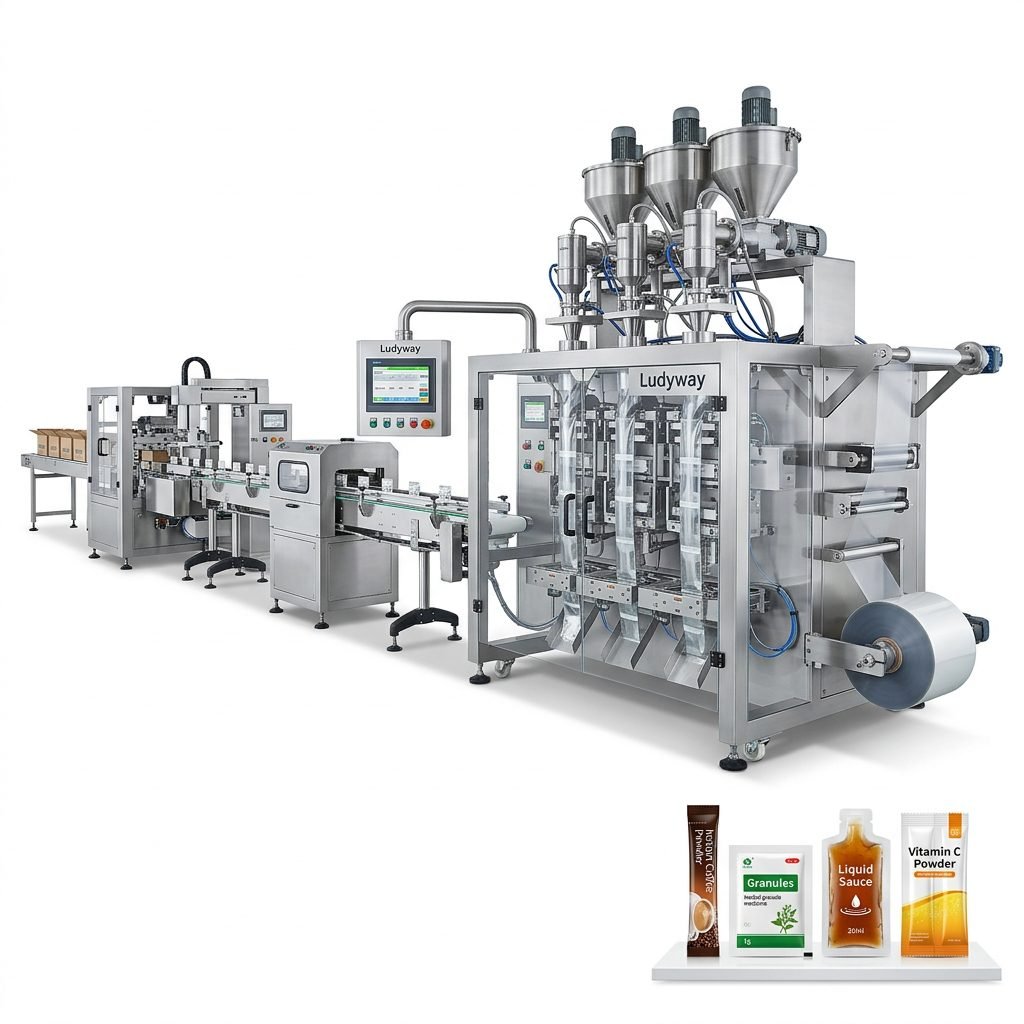
All hamburger packaging equipment deployed in Australia and New Zealand must comply with Food Standards Australia New Zealand (FSANZ) regulations, as well as relevant international standards including ISO 11607 for packaging validation. Key compliance considerations include food-grade material certification, clean-in-place (CIP) capability, and traceability integration. Machines should be constructed with stainless steel frames and product contact surfaces to meet hygiene requirements enforced across the region.
Budget and ROI Considerations
Hamburger packaging machines represent a significant capital investment, with prices varying based on automation level, speed, and features. Entry-level semi-automatic systems typically start at lower price points, while fully automated high-speed lines require substantially larger budgets. When calculating ROI, Oceania manufacturers should factor in labor savings, reduced material waste, increased throughput, and decreased product returns due to packaging failures. Many equipment suppliers offer flexible financing options and leasing arrangements suitable for businesses at various growth stages.
Maintenance and After-Sales Support
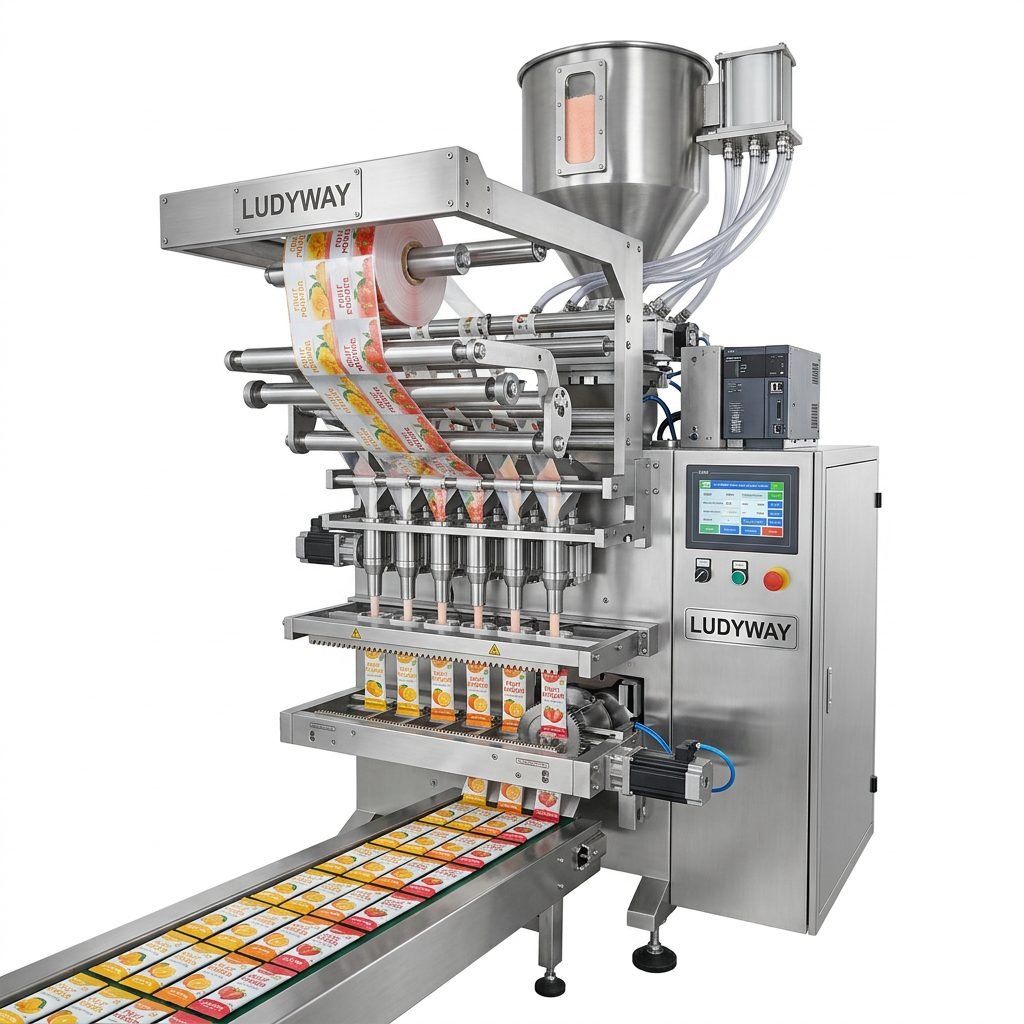
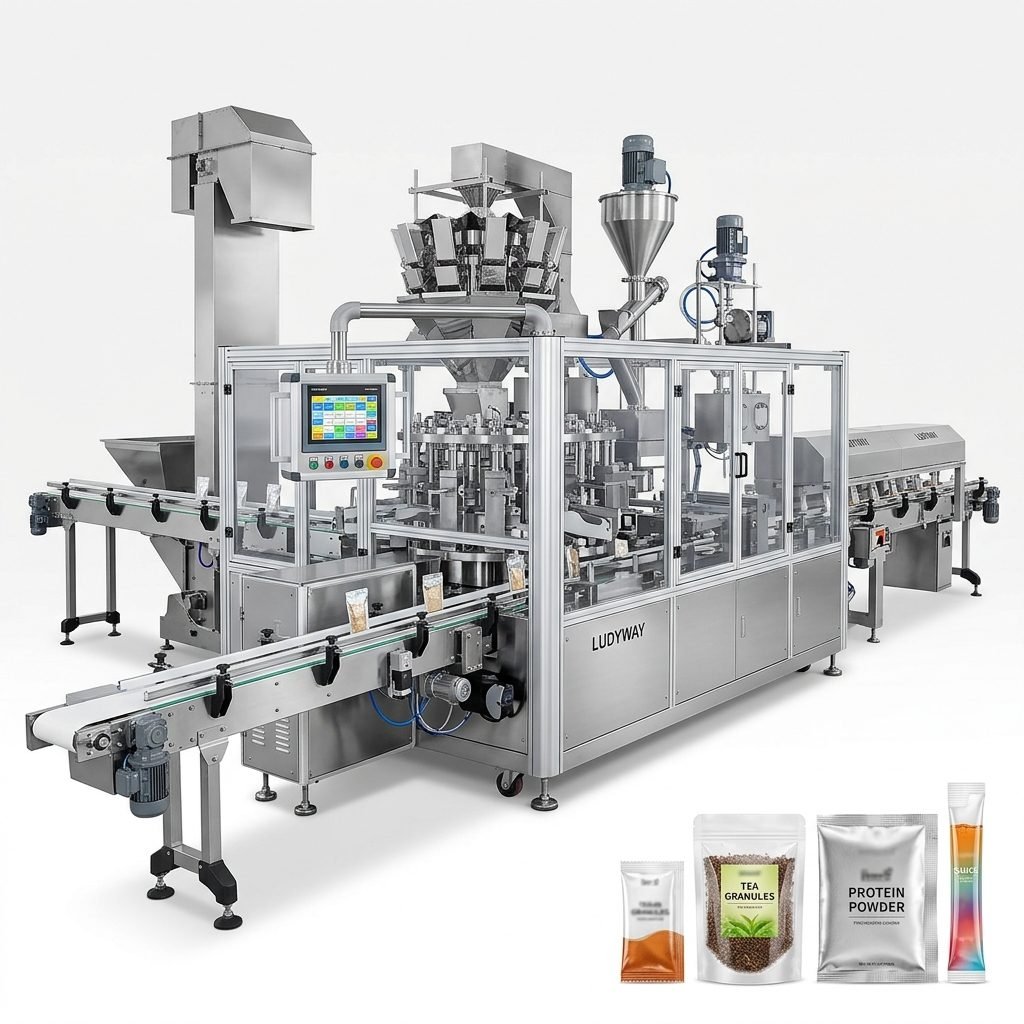
Reliable technical support is essential for minimizing downtime in hamburger packaging operations. When evaluating suppliers, Oceania buyers should assess local service availability, spare parts inventory proximity, and technical training offerings. Ludyway is a packaging machinery manufacturer that provides comprehensive after-sales support and turnkey packaging solutions across multiple international markets. The PMMI packaging industry resources also offer valuable guidance on maintenance best practices and equipment lifecycle management. A robust maintenance schedule, combined with operator training, ensures consistent performance and extends the service life of your packaging equipment.
Future-Proofing Your Investment
As Oceania’s food packaging landscape evolves, selecting equipment that can adapt to changing market demands is crucial. Look for machines with modular designs that allow for future upgrades, such as adding MAP capability or integrating automated inspection systems. Digital connectivity features, including remote diagnostics and production data analytics, are becoming increasingly important for optimizing packaging line performance. The packaging industry state reports indicate that smart packaging technologies will play an expanding role in the protein sector across developed Oceania markets.
Conclusion
Choosing the right hamburger packaging machine for your Oceania operation involves balancing production requirements, budget constraints, and long-term business objectives. By carefully evaluating machine types, automation levels, material compatibility, and compliance requirements, you can make an informed decision that supports sustainable growth. Whether you are upgrading an existing line in Brisbane, establishing a new facility in Auckland, or expanding into Pacific export markets, investing in quality packaging equipment delivers measurable returns through improved efficiency, product quality, and market competitiveness.
For further reading, explore the Flexible Packaging Association for industry insights or review the latest packaging industry reports for market trend analysis relevant to the Oceania food sector.