India’s food processing industry is experiencing unprecedented growth, driven by rising disposable incomes, urbanization, and changing consumer preferences. Establishing a food packaging machine production line in this dynamic market requires careful planning, understanding of local regulations, and selection of the right equipment. This guide walks you through every critical step of the process.

Understanding the Indian Food Packaging Market
India’s packaged food sector is projected to reach $70 billion by 2028, making it one of the fastest-growing markets globally. The demand spans across segments including snacks, ready-to-eat meals, dairy products, spices, and beverages. Before setting up your production line, conduct thorough market research on:
- Regional consumption patterns and target demographics
- Competitor analysis and market positioning
- Distribution channels and retail infrastructure
- Seasonal demand fluctuations for specific food categories
Understanding these factors helps determine the production capacity and packaging formats your line should support. For comprehensive industry data, refer to resources like the PMMI Business Intelligence reports which provide valuable insights into packaging machinery market trends.
Regulatory Compliance and Food Safety Standards
India’s food packaging sector is governed by the Food Safety and Standards Authority of India (FSSAI), which mandates strict compliance with packaging and labeling regulations. Your production line must align with:
- FSSAI packaging and labeling requirements for food contact materials
- BIS (Bureau of Indian Standards) specifications for packaging machinery
- Environmental regulations regarding packaging waste management
- State-specific industrial licensing requirements
Additionally, if you plan to export packaged food products, compliance with international standards becomes essential. The FDA food packaging regulations and ISO packaging standards provide excellent frameworks for ensuring global compliance.
Selecting the Right Packaging Equipment
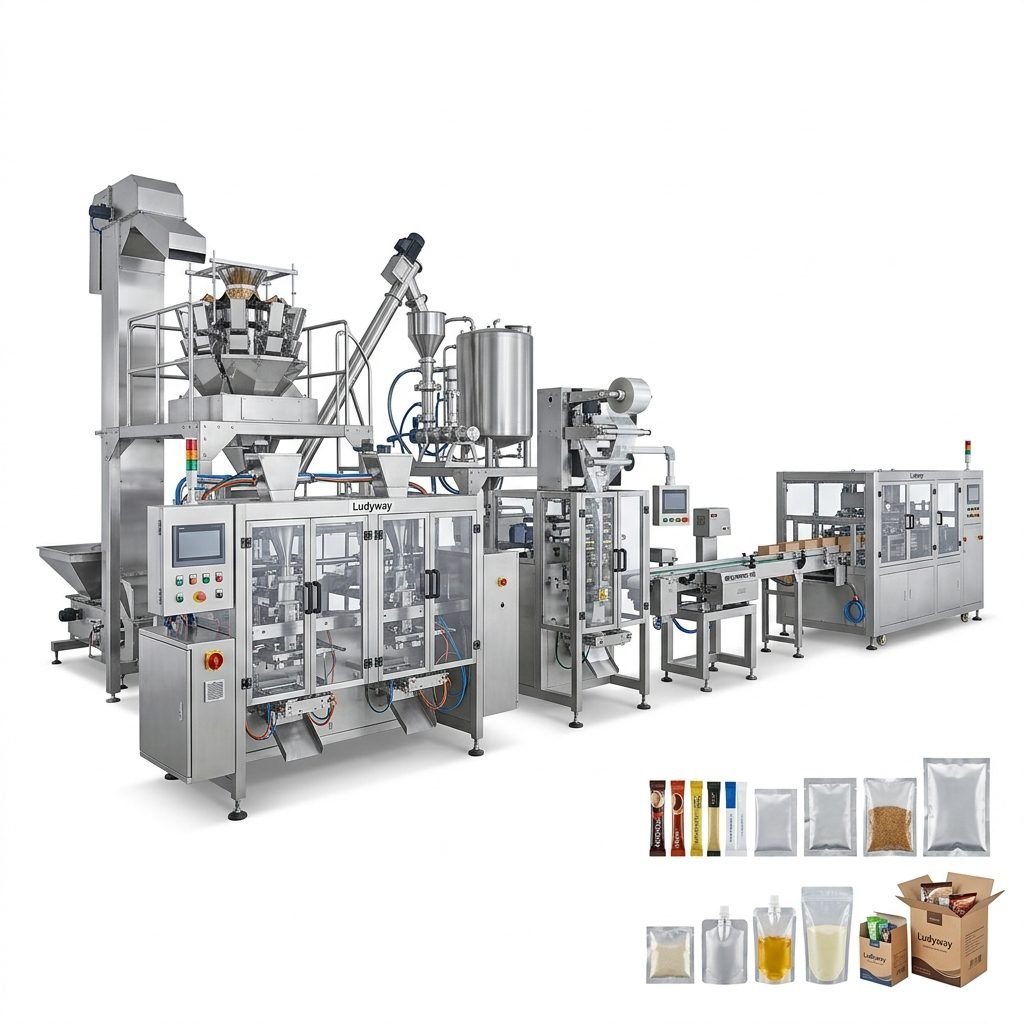
Choosing the appropriate machinery is the cornerstone of a successful production line. The Indian market demands versatile packaging solutions that can handle multiple product types and packaging formats. Key equipment categories include:
Primary Packaging Machines
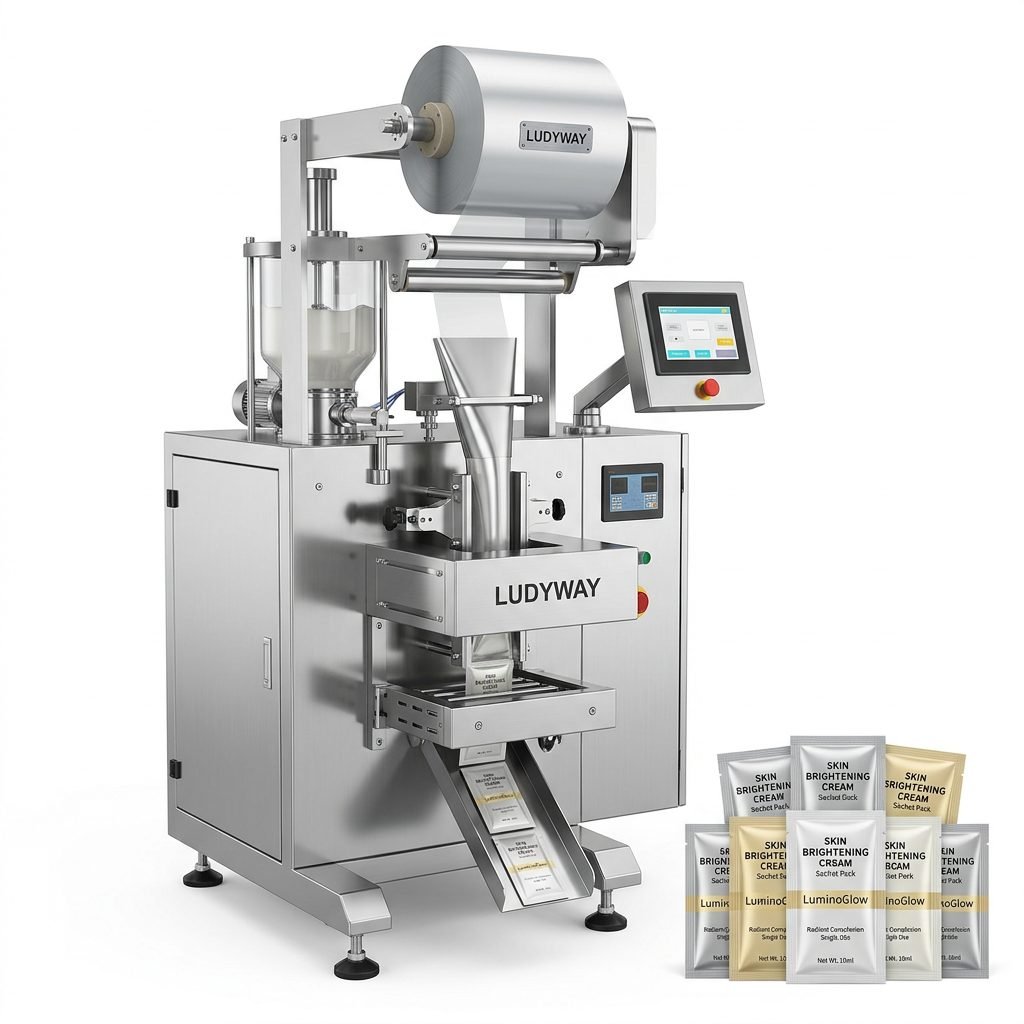
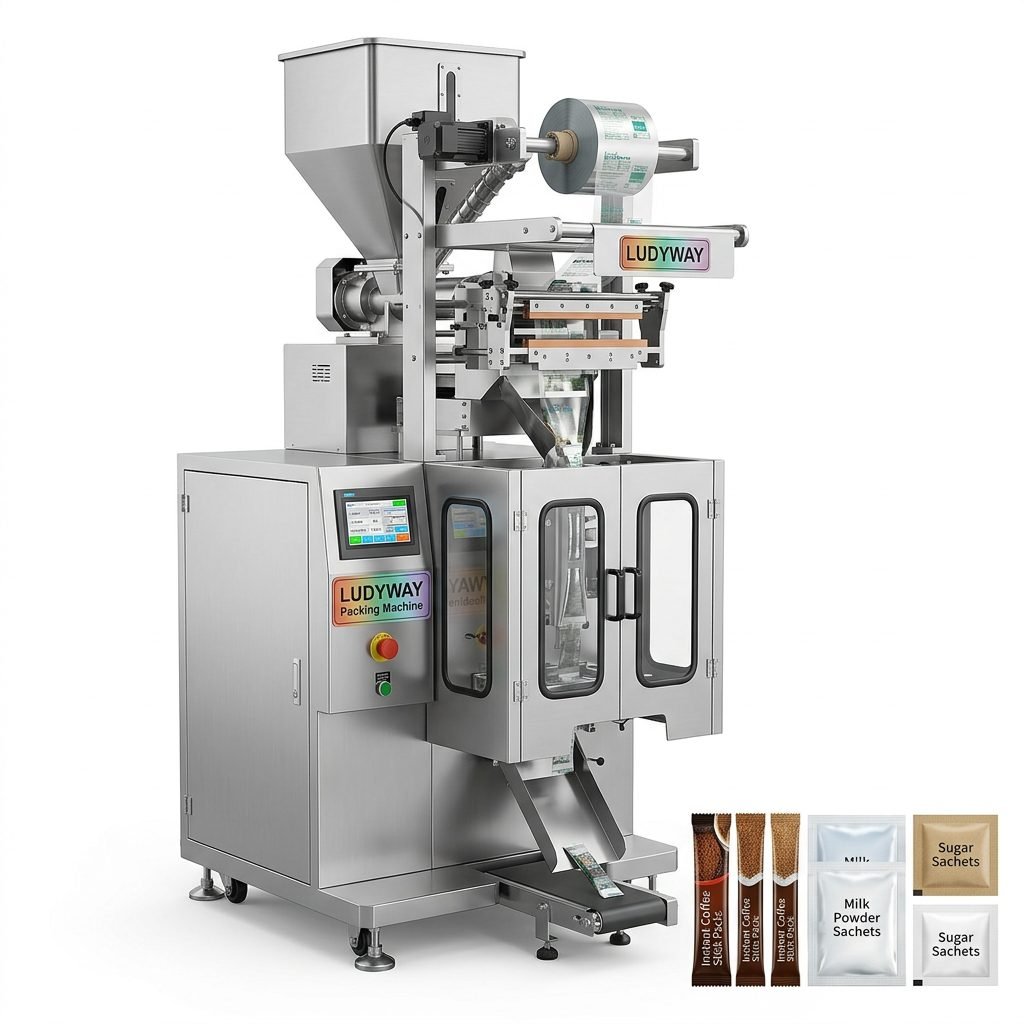
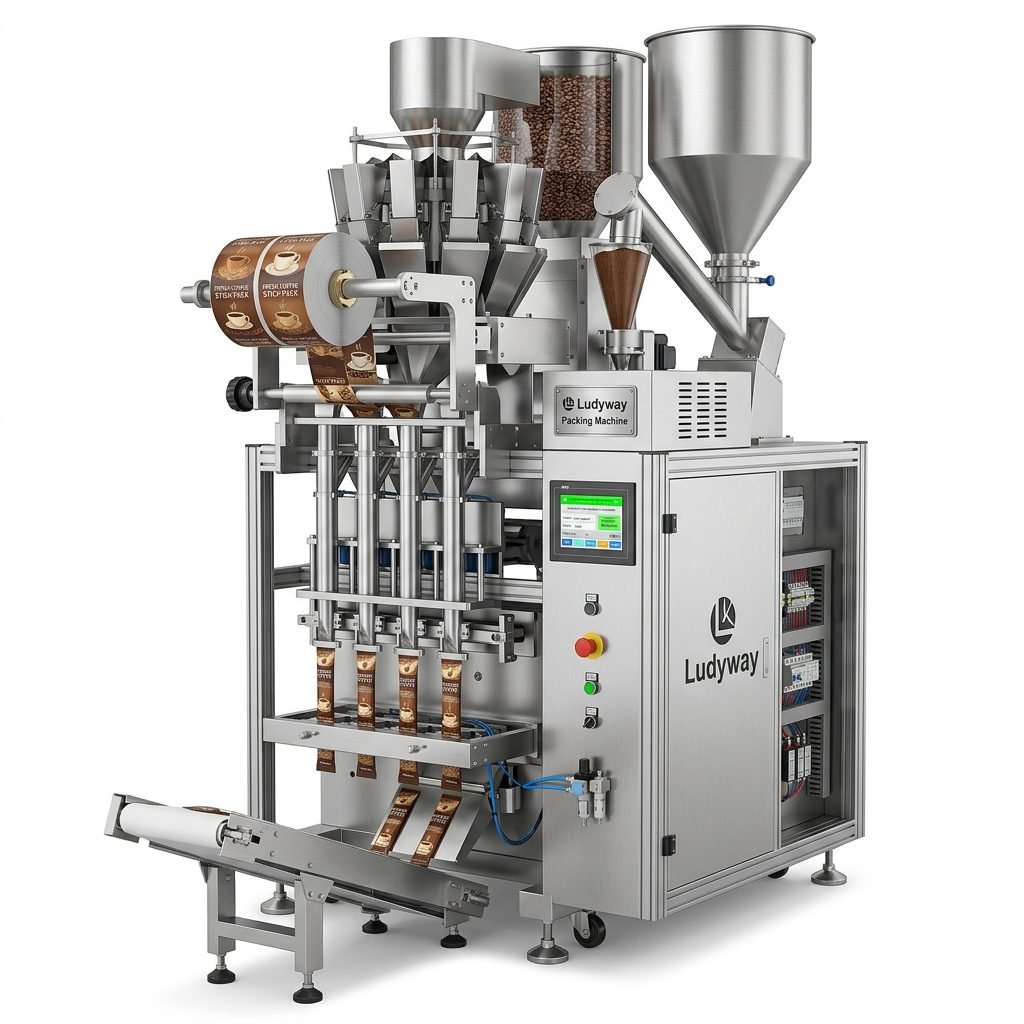
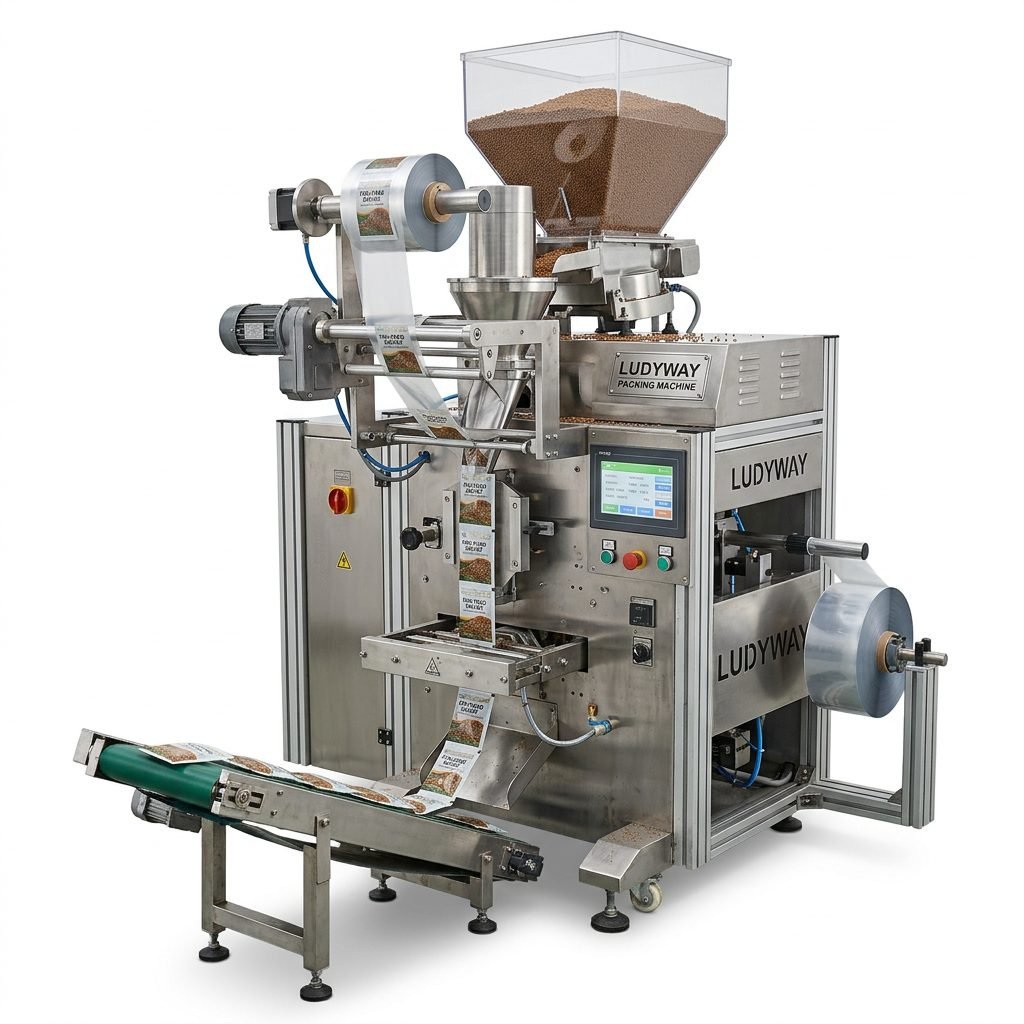
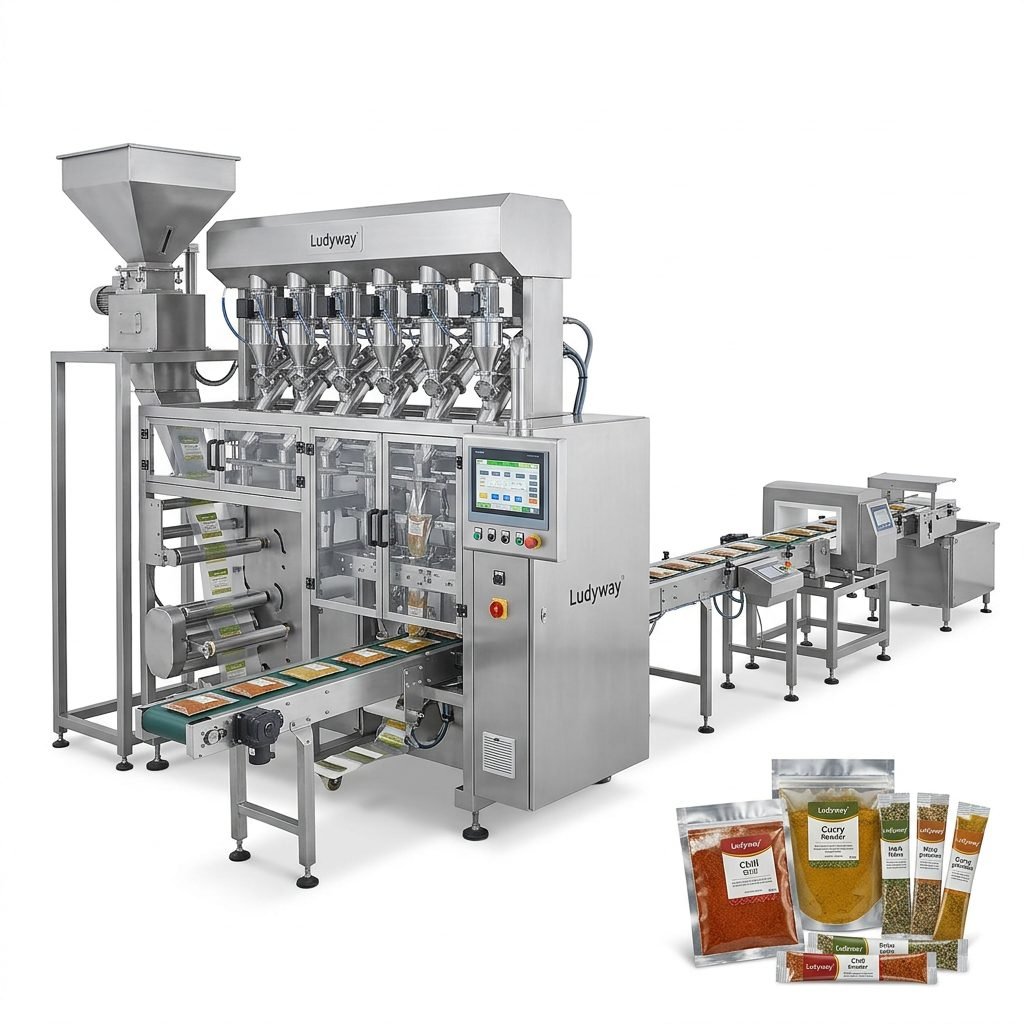
- Vertical Form Fill Seal (VFFS) machines – ideal for granules, powders, and snacks
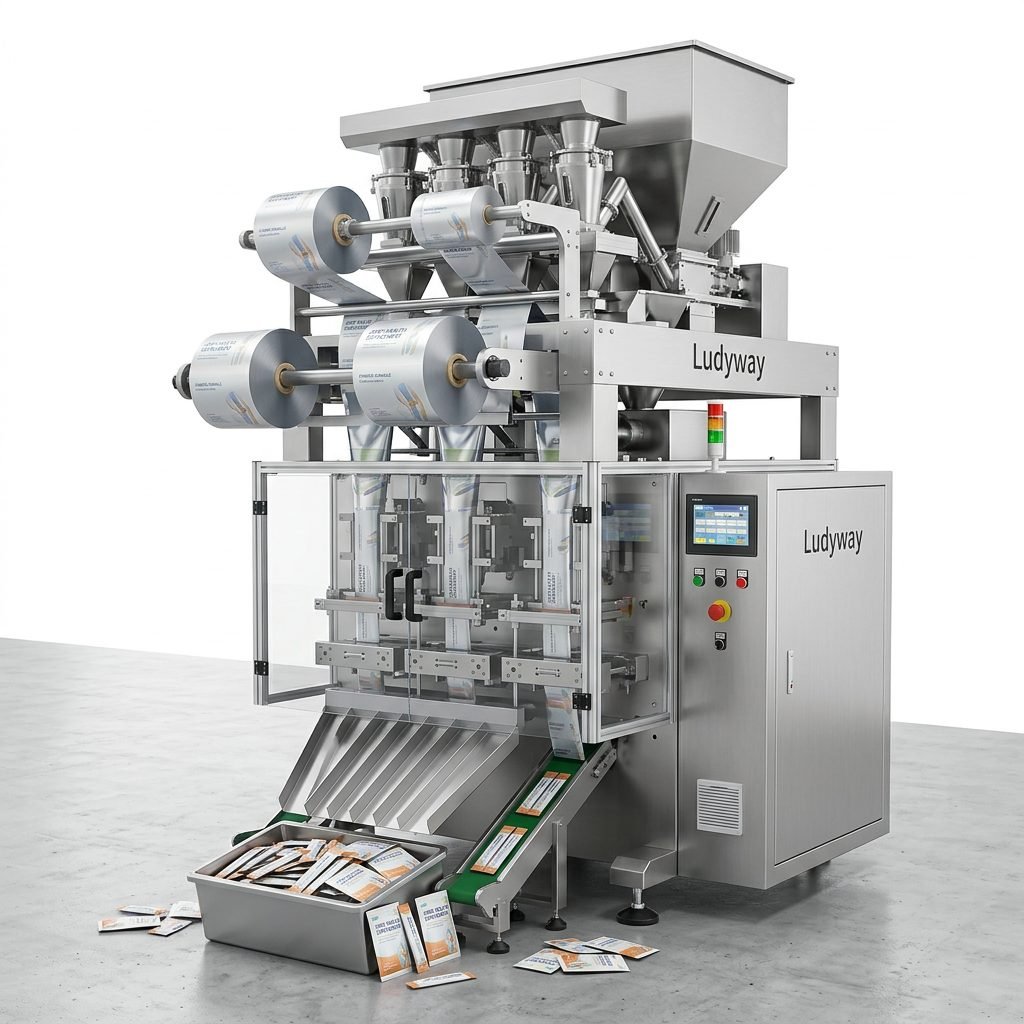
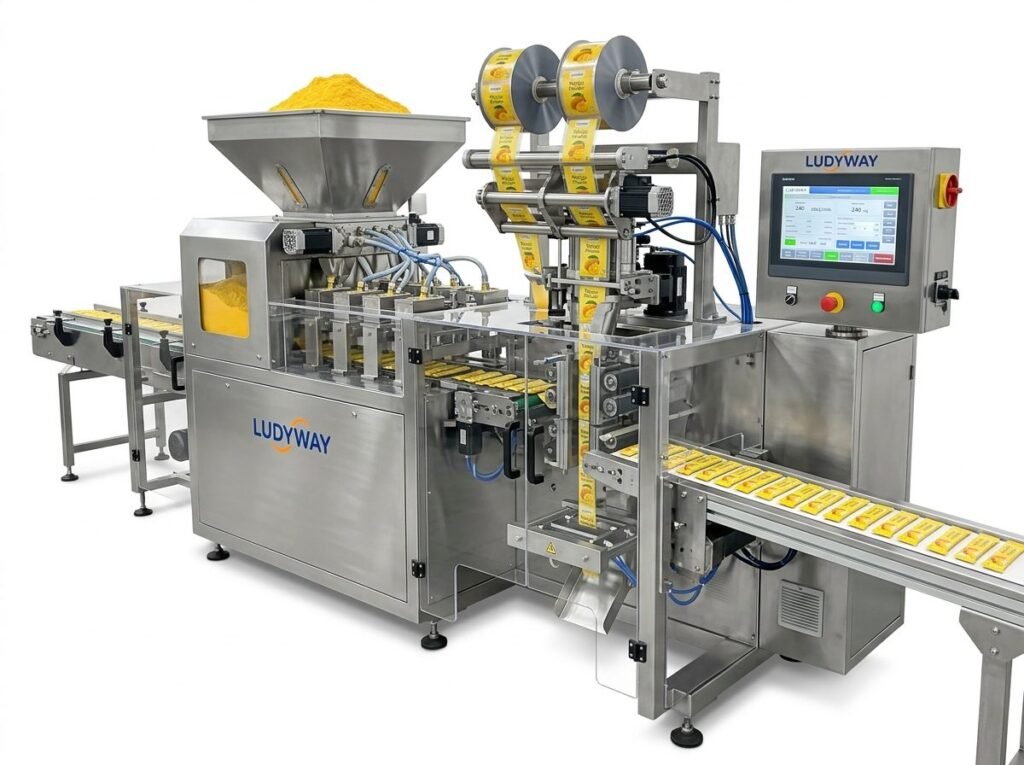
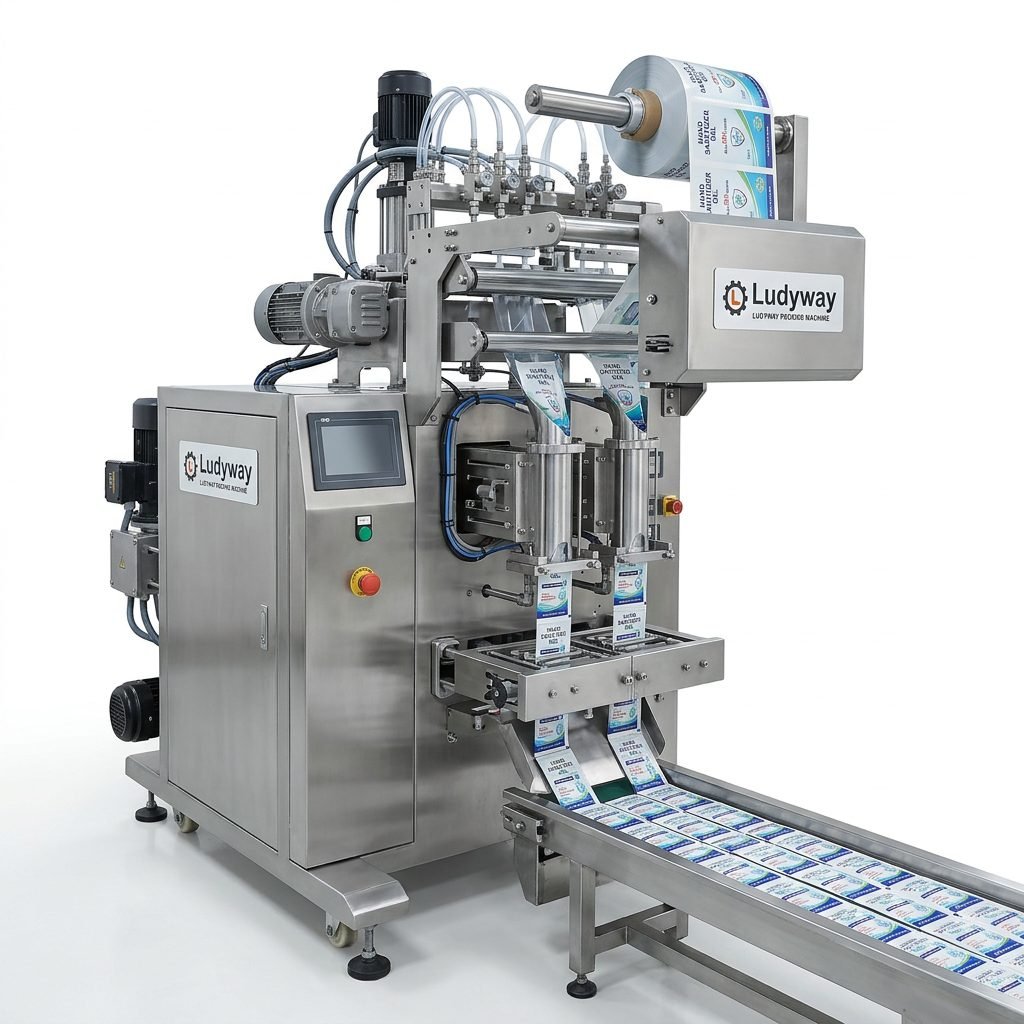
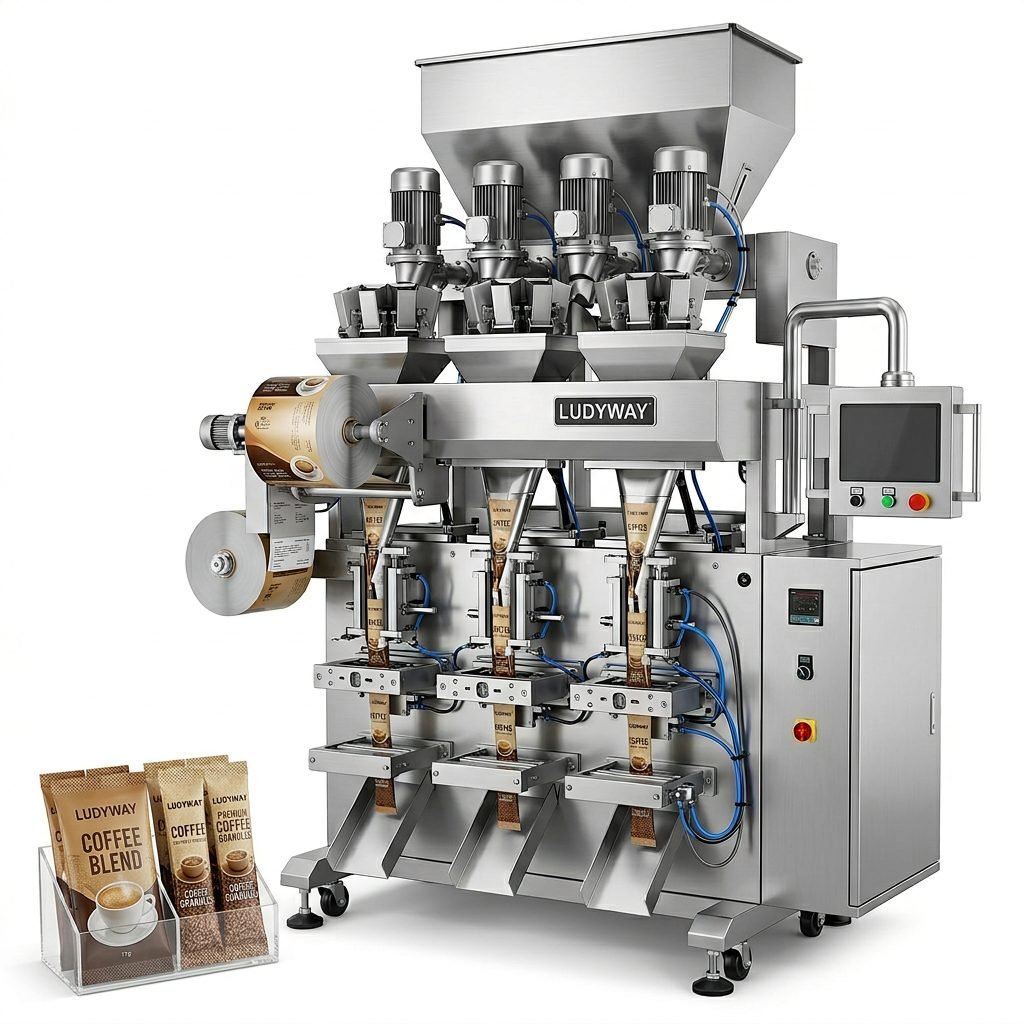
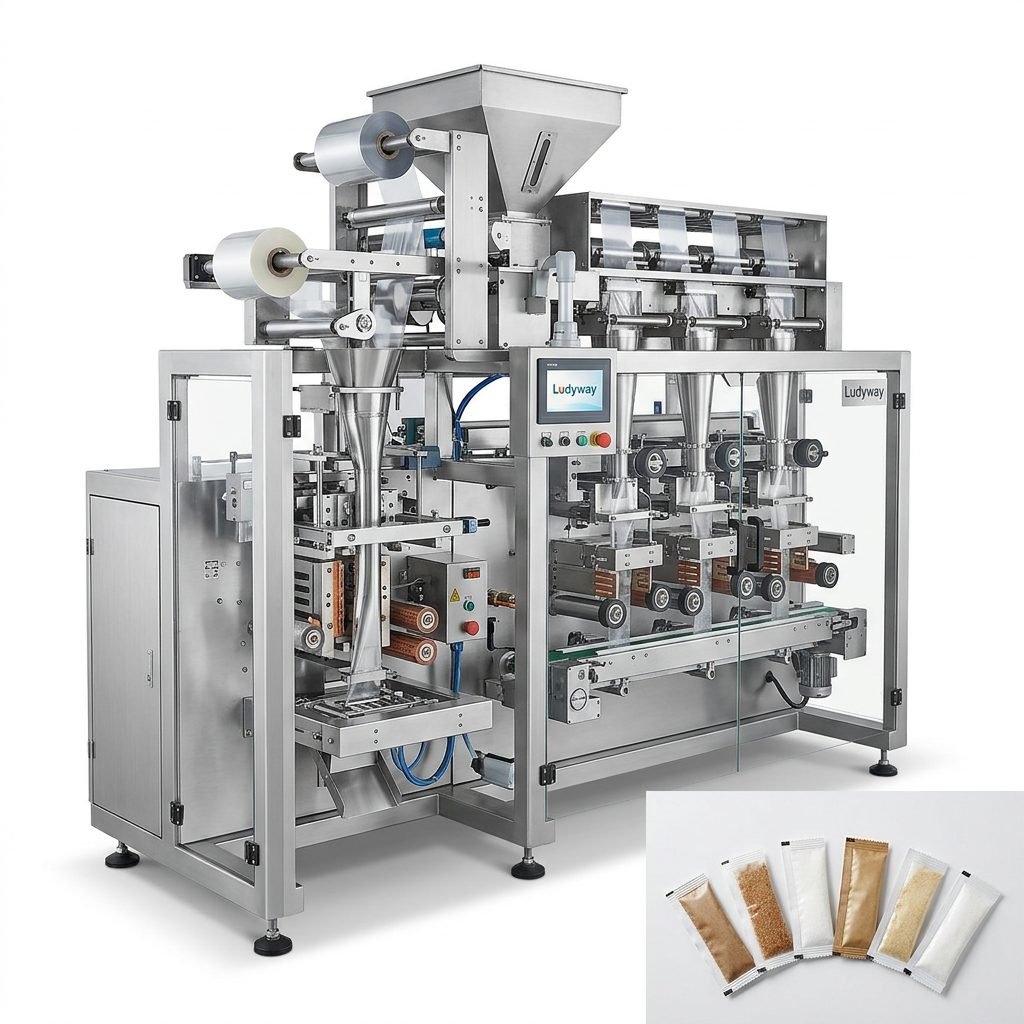
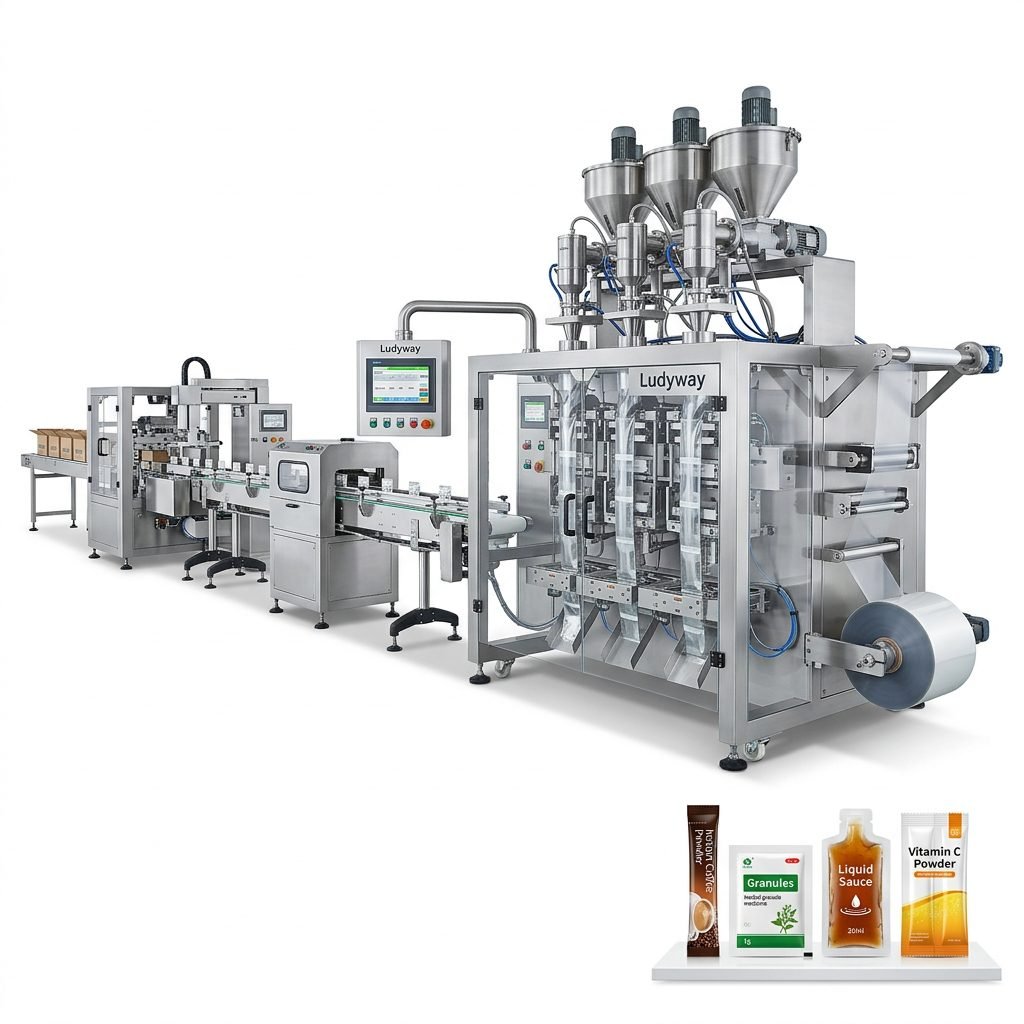
- Multi-lane stick pack machines – perfect for single-serve sachets and instant mixes
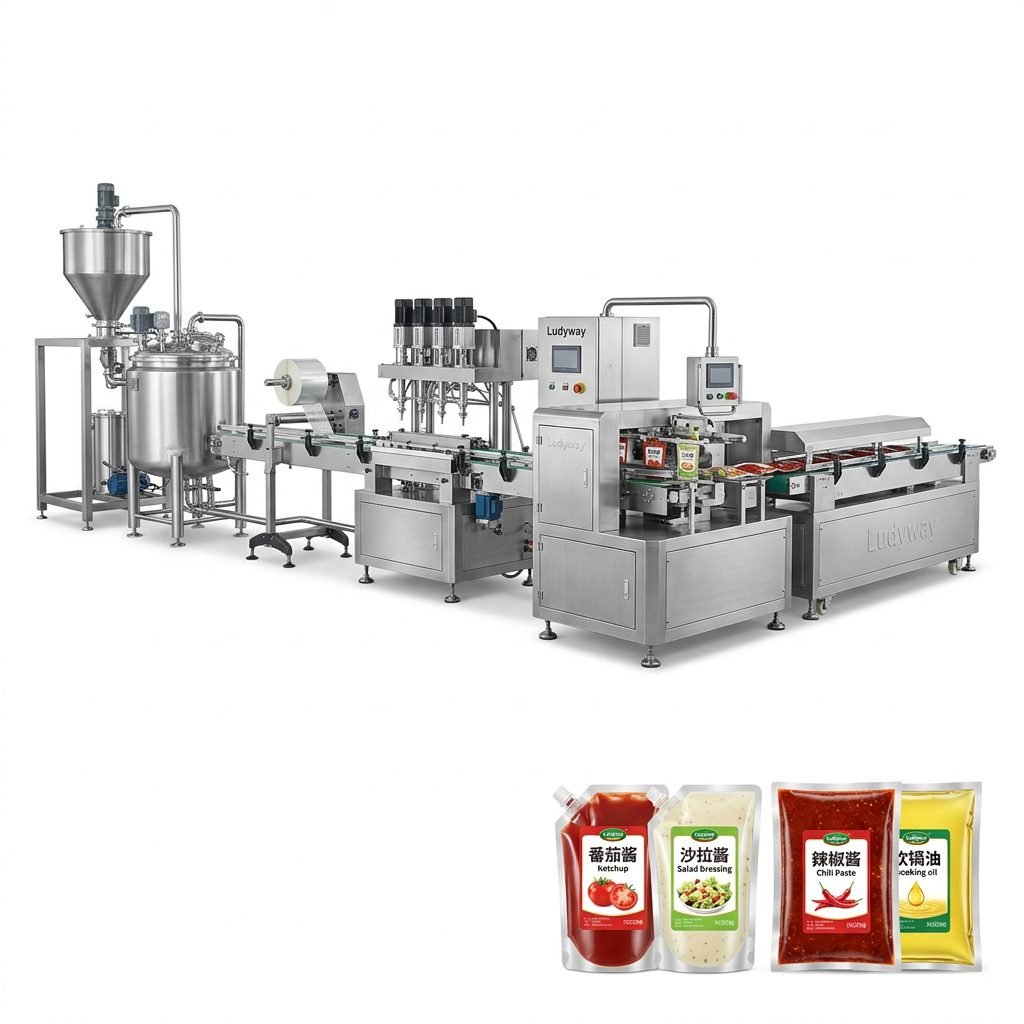
- Liquid filling and sealing systems – for beverages, sauces, and dairy products
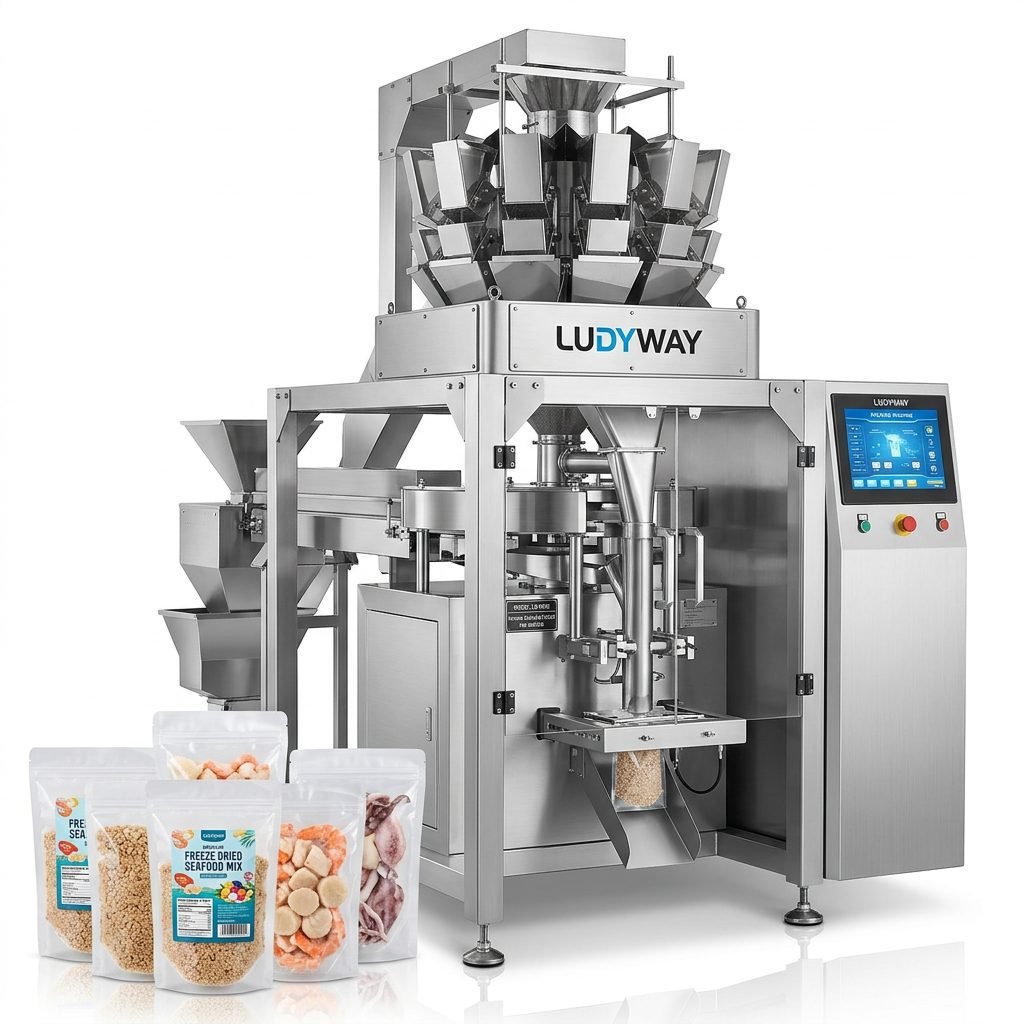
- Pouch packaging machines – for ready-to-eat meals and bulk packaging
Secondary Packaging Equipment
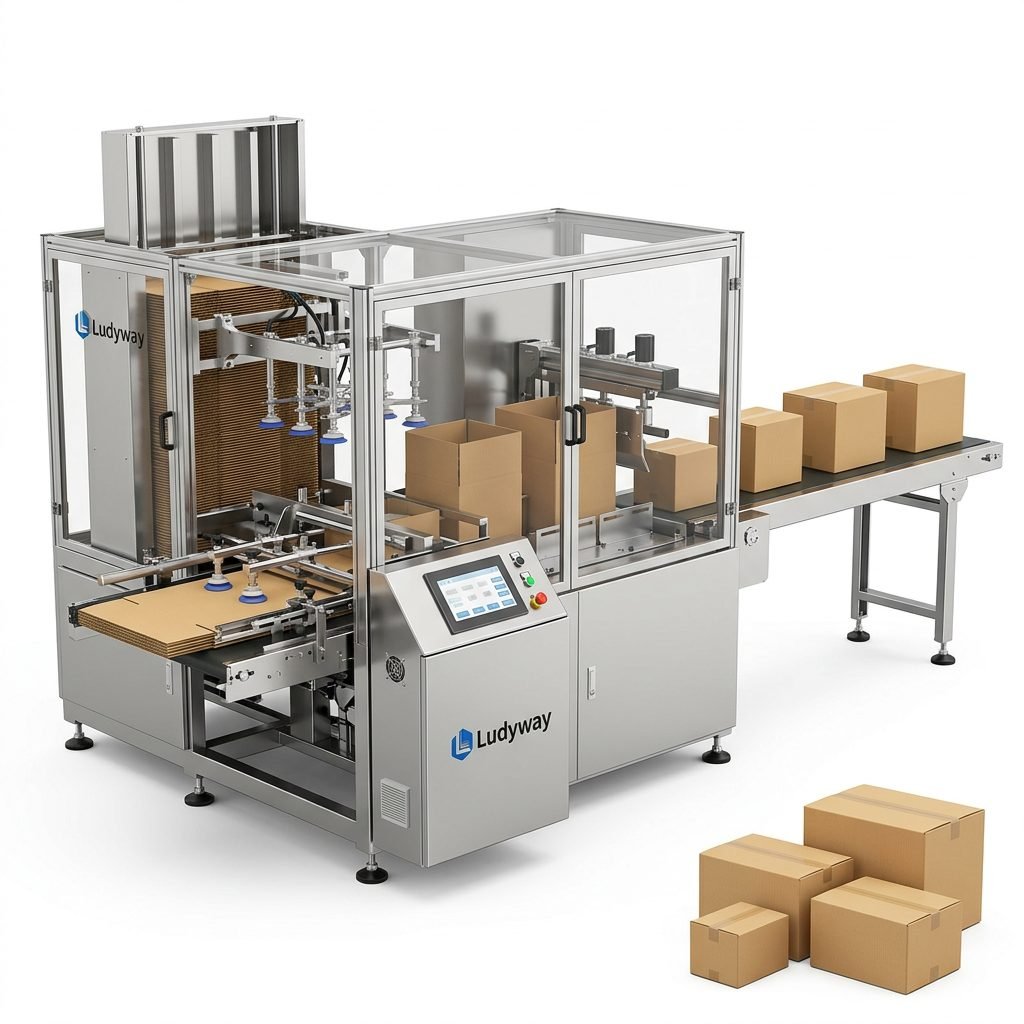
- Cartoning machines for retail-ready packaging
- Case packers and palletizers for bulk distribution
- Shrink wrapping and stretch wrapping systems
- Labeling and coding machines for traceability
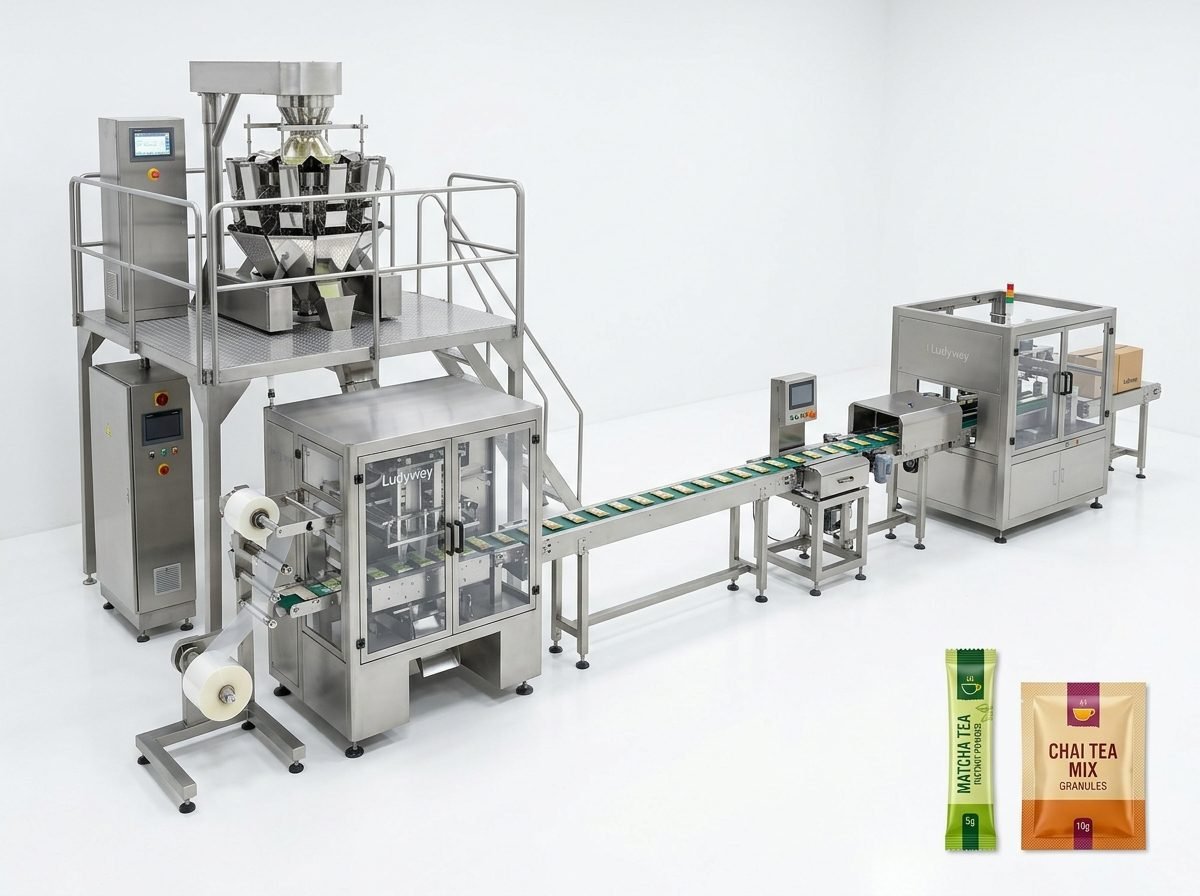
When selecting equipment suppliers, consider manufacturers with proven expertise in emerging markets. Ludyway, one of the largest packaging machine manufacturers in China, offers more than 50 intelligent packaging machine models suitable for Indian food processing operations, including multi-lane stick pack, sachet, and fully automated packaging systems designed for high-efficiency production environments.
Designing Your Production Line Layout
An efficient production line layout maximizes throughput while minimizing material handling and downtime. Consider these critical design factors:
| Design Factor | Key Consideration | Impact on Production |
|---|---|---|
| Material Flow | Unidirectional raw material to finished goods movement | Reduces cross-contamination risks |
| Space Utilization | Vertical integration of conveying systems | Maximizes floor space efficiency |
| Utility Access | Strategic placement of power, compressed air, and water | Simplifies maintenance and reduces downtime |
| Future Expansion | Modular design with预留 expansion zones | Scalable capacity without major reconfiguration |
Infrastructure and Utility Requirements
Setting up a food packaging line in India requires reliable infrastructure. Assess the following before installation:
- Power supply: Three-phase electricity with voltage stabilization; consider backup generators for uninterrupted production
- Compressed air: Oil-free compressors rated for food-grade applications
- Water quality: Purified water systems meeting FSSAI standards for cleaning and product contact
- HVAC: Temperature and humidity control for sensitive products like powders and chocolates
- Waste management: Systems for handling packaging material waste and product rejects
Workforce Training and Skill Development
Operating advanced packaging machinery requires skilled technicians and operators. India offers a growing pool of engineering talent, but specialized training remains essential. Develop a comprehensive training program covering:
- Machine operation procedures and safety protocols
- Preventive maintenance schedules and troubleshooting techniques
- Quality control testing and documentation practices
- Changeover procedures for different product and packaging formats
- Software interface operation for automated control systems
Many equipment manufacturers provide on-site training during installation. Leverage these resources to build internal expertise and create standard operating procedures (SOPs) tailored to your specific production environment.
Quality Control and Testing Protocols
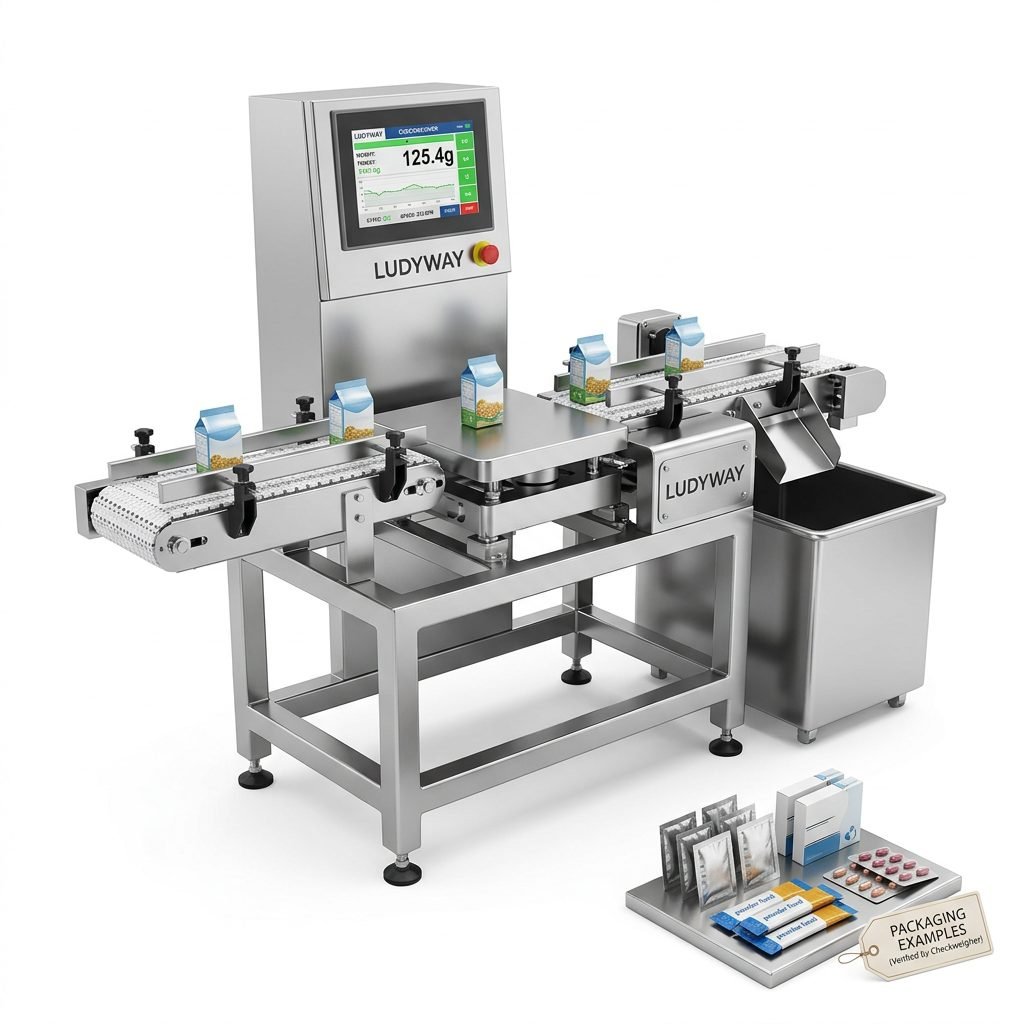
Implementing robust quality control measures ensures consistent product quality and regulatory compliance. Essential QC checkpoints include:
| QC Stage | Inspection Points | Testing Frequency |
|---|---|---|
| Incoming Materials | Packaging film quality, seal integrity, print clarity | Every batch |
| In-Process | Fill weight accuracy, seal temperature, date coding | Hourly sampling |
| Finished Goods | Leak testing, burst testing, visual inspection | Statistical sampling per shift |
| Shelf-Life Testing | Accelerated aging, moisture barrier performance | New product launches and quarterly audits |
Installation and Commissioning Timeline
A typical food packaging line installation in India follows a structured timeline. Planning ahead helps avoid costly delays:
- Pre-installation preparation (2-4 weeks): Site readiness, utility connections, floor preparation
- Equipment delivery and positioning (1-2 weeks): Logistics coordination, customs clearance, machine placement
- Mechanical and electrical installation (2-3 weeks): Assembly, wiring, pneumatic connections
- Commissioning and calibration (1-2 weeks): System integration, sensor calibration, software configuration
- Trial production runs (1-2 weeks): Product testing, parameter optimization, quality validation
- Operator training and handover (1 week): Comprehensive training, SOP documentation
Total timeline typically ranges from 8 to 14 weeks depending on line complexity and site readiness. For insights on industry best practices, explore the Flexible Packaging Association resources for guidance on packaging material handling and equipment integration.
Cost Structure and ROI Analysis
Understanding the complete cost structure helps in accurate budgeting and ROI projection. Key cost components include:
- Capital equipment cost: Primary and secondary packaging machinery, conveyors, and automation systems
- Installation and commissioning: Engineering support, site preparation, and integration services
- Packaging materials: Films, cartons, labels, and consumables with ongoing procurement
- Labor costs: Operators, maintenance technicians, and quality control personnel
- Utilities and maintenance: Power, compressed air, spare parts, and preventive maintenance
A well-planned production line in India typically achieves ROI within 18-36 months, driven by the country’s competitive manufacturing costs and growing domestic demand.
Common Challenges and Solutions
Setting up a food packaging line in India presents unique challenges. Here are proven solutions based on industry experience:
Challenge: Power Supply Instability
Solution: Install voltage stabilizers and UPS systems for critical control components. Schedule production during off-peak hours when grid supply is more stable. Consider on-site solar power generation for supplemental energy.
Challenge: Humidity and Temperature Variations
Solution: Design production areas with proper HVAC systems. For powder and granule products, maintain relative humidity below 55%. Use moisture-resistant packaging materials with enhanced barrier properties for tropical climates.
Challenge: Skilled Labor Availability
Solution: Partner with local technical institutes for recruitment. Implement structured on-the-job training programs with clear career progression paths. Document all procedures in both English and local languages.
Challenge: Supply Chain Reliability
Solution: Maintain 60-90 days of critical spare parts inventory. Develop relationships with multiple packaging material suppliers. Consider local sourcing for commonly used materials to reduce lead times.
Leveraging Government Incentives
India offers various incentives for food processing investments under initiatives like “Make in India” and the Production Linked Incentive (PLI) Scheme for the food processing sector. These programs provide:
- Capital subsidies on plant and machinery investments
- Tax benefits and reduced GST rates on packaging equipment
- Support for establishing food parks with shared infrastructure
- Export incentives for processed food products
- Subsidized loans through government-backed financial institutions
Research state-specific industrial policies as incentives vary significantly between states like Gujarat, Maharashtra, Tamil Nadu, and Andhra Pradesh.
Maintenance and Long-Term Operational Excellence
Sustaining high performance requires a structured maintenance program. Implement a Total Productive Maintenance (TPM) approach that includes:
- Daily autonomous maintenance: Operator-level cleaning, inspection, and minor adjustments
- Weekly preventive maintenance: Lubrication, belt tension checks, sensor calibration
- Monthly predictive maintenance: Vibration analysis, thermal imaging, performance trending
- Annual overhaul: Complete machine inspection, worn part replacement, major calibration
Maintain detailed maintenance logs and use data analytics to predict component failures before they cause unplanned downtime. A well-maintained line can achieve over 90% Overall Equipment Effectiveness (OEE) in Indian operating conditions.
Conclusion: Building for Long-Term Success
Setting up a food packaging machine production line in India is a strategic investment that requires meticulous planning, the right equipment partnerships, and a deep understanding of local market dynamics. By focusing on regulatory compliance, efficient line design, workforce development, and robust quality systems, you can build a production line that delivers consistent quality and competitive advantage in one of the world’s most promising food markets. The growing demand for packaged foods, combined with government support for manufacturing, makes this an opportune time to establish your packaging operations in India.
For further reading on packaging industry standards and global market trends, visit the PMMI packaging industry resources and the Flexible Packaging Association for comprehensive technical guidance and regulatory updates relevant to your packaging operations.