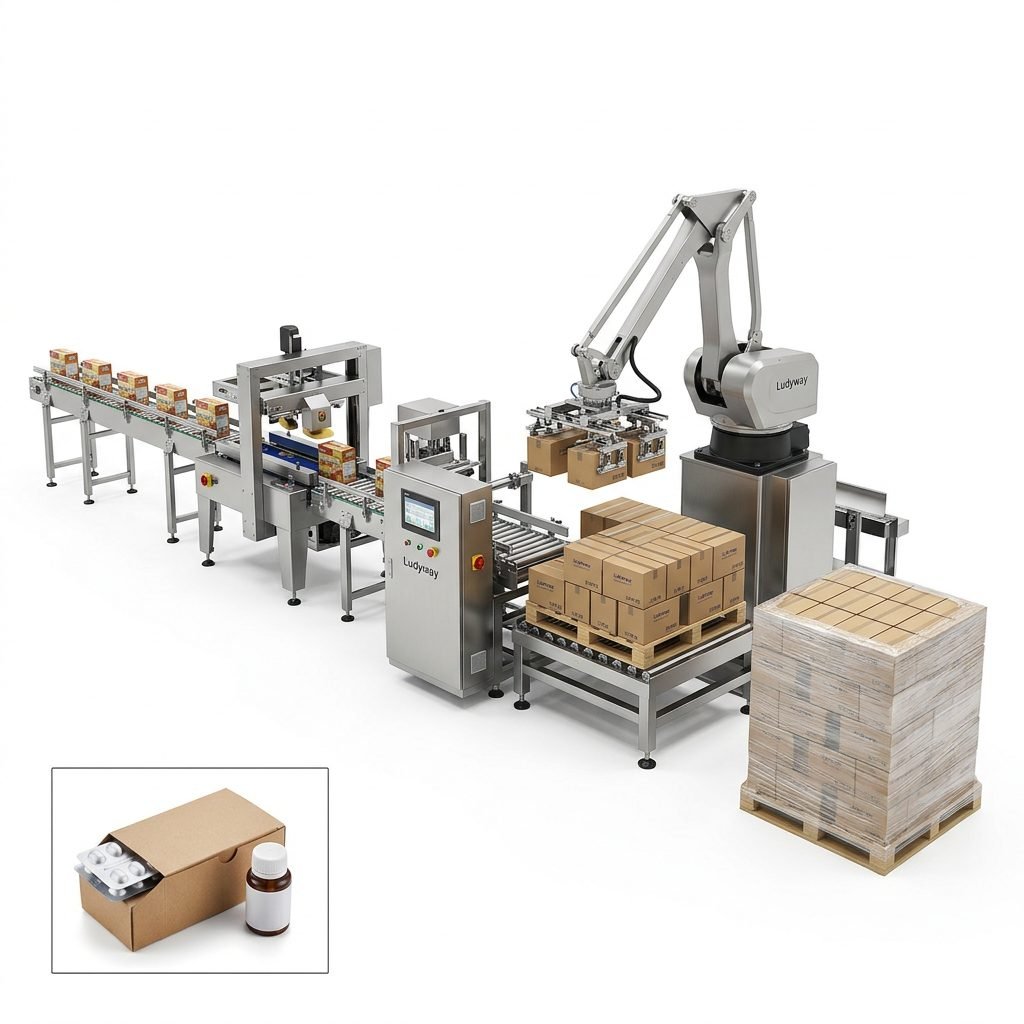
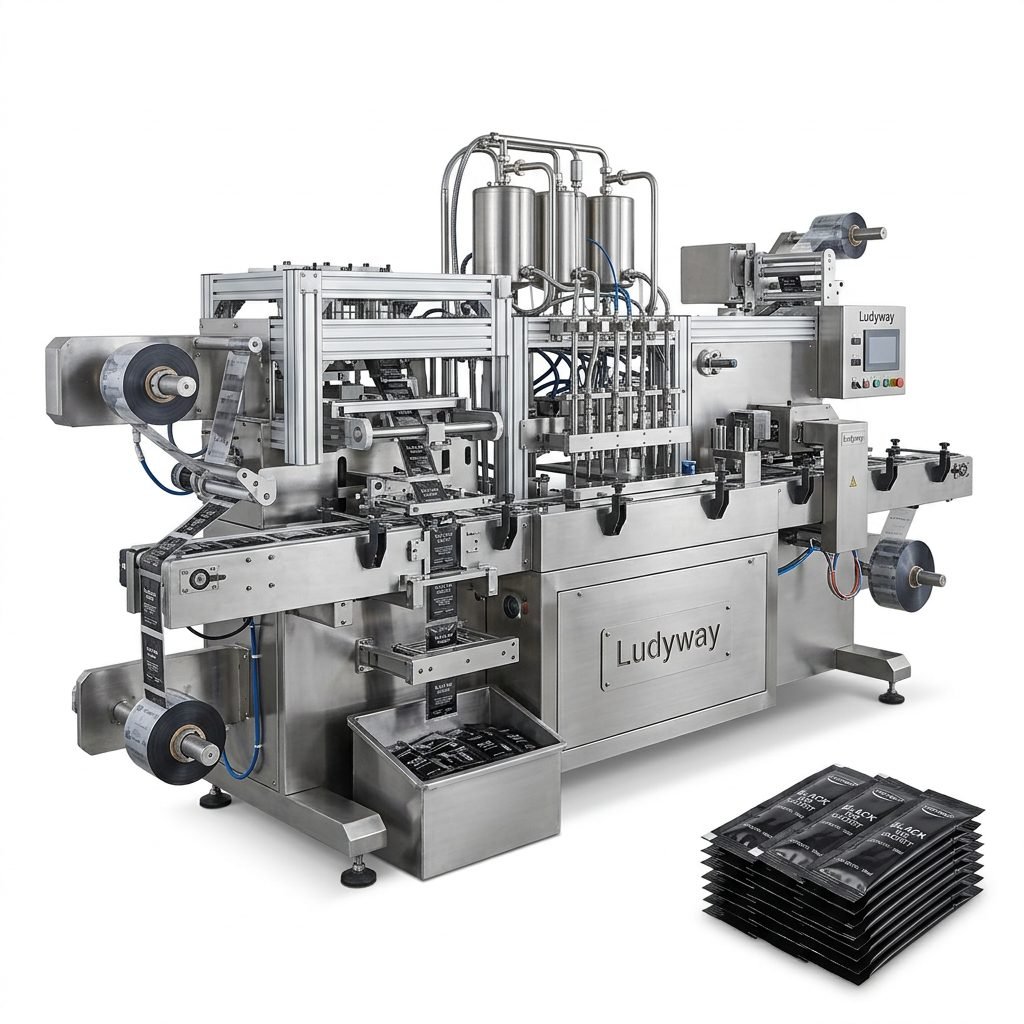
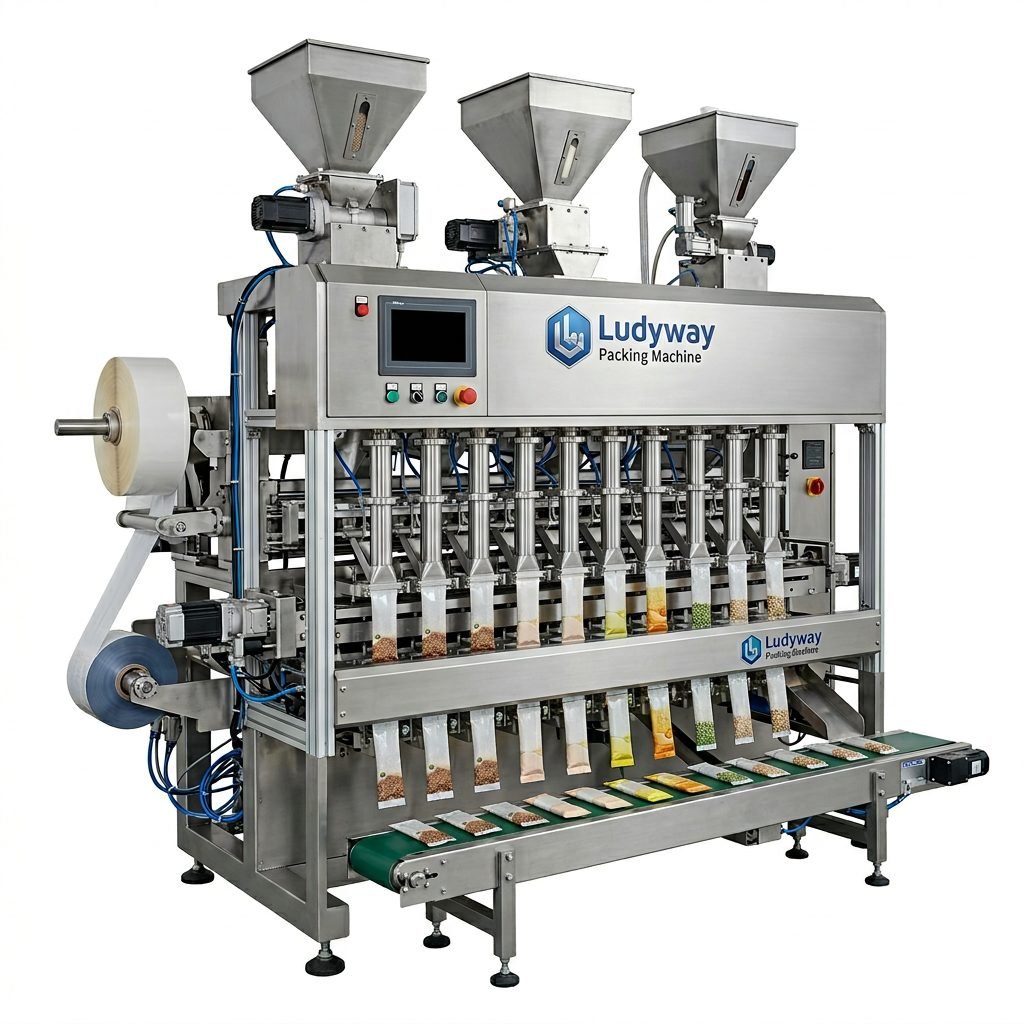
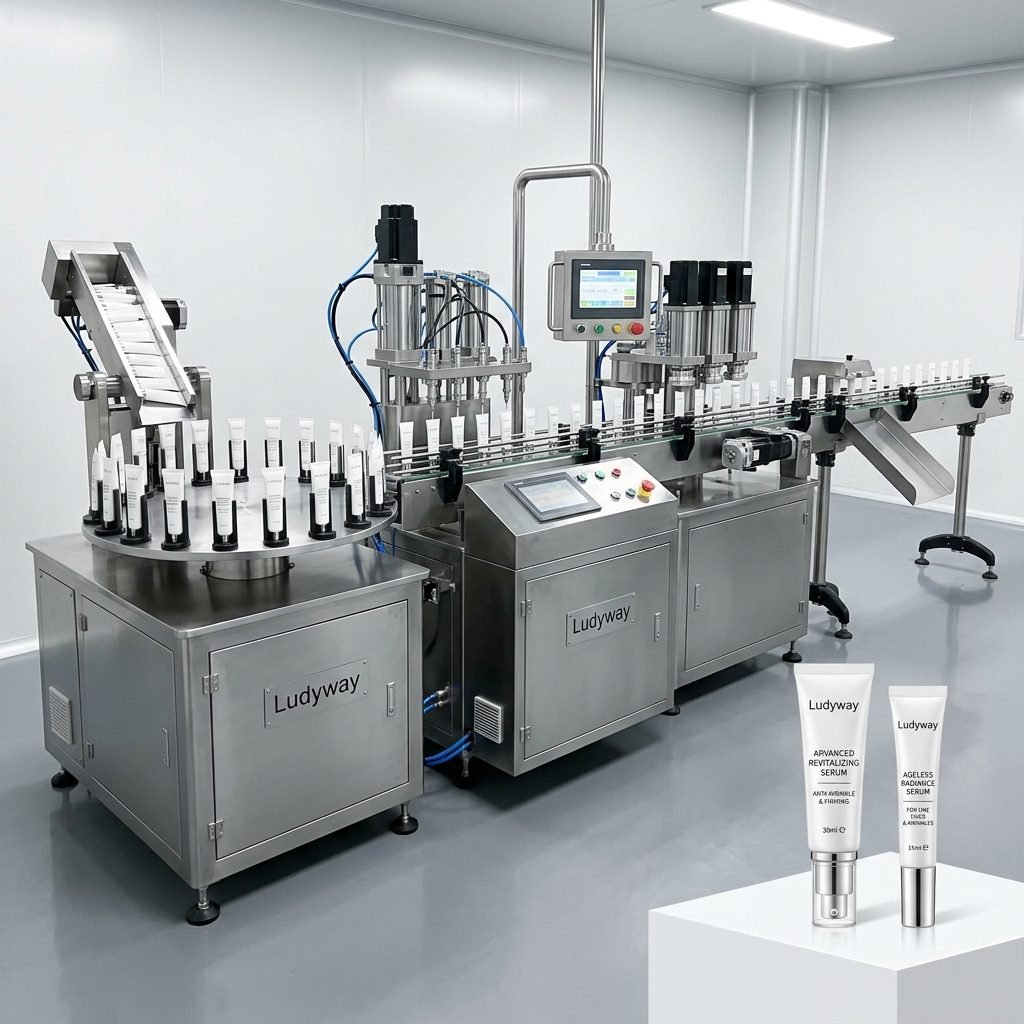
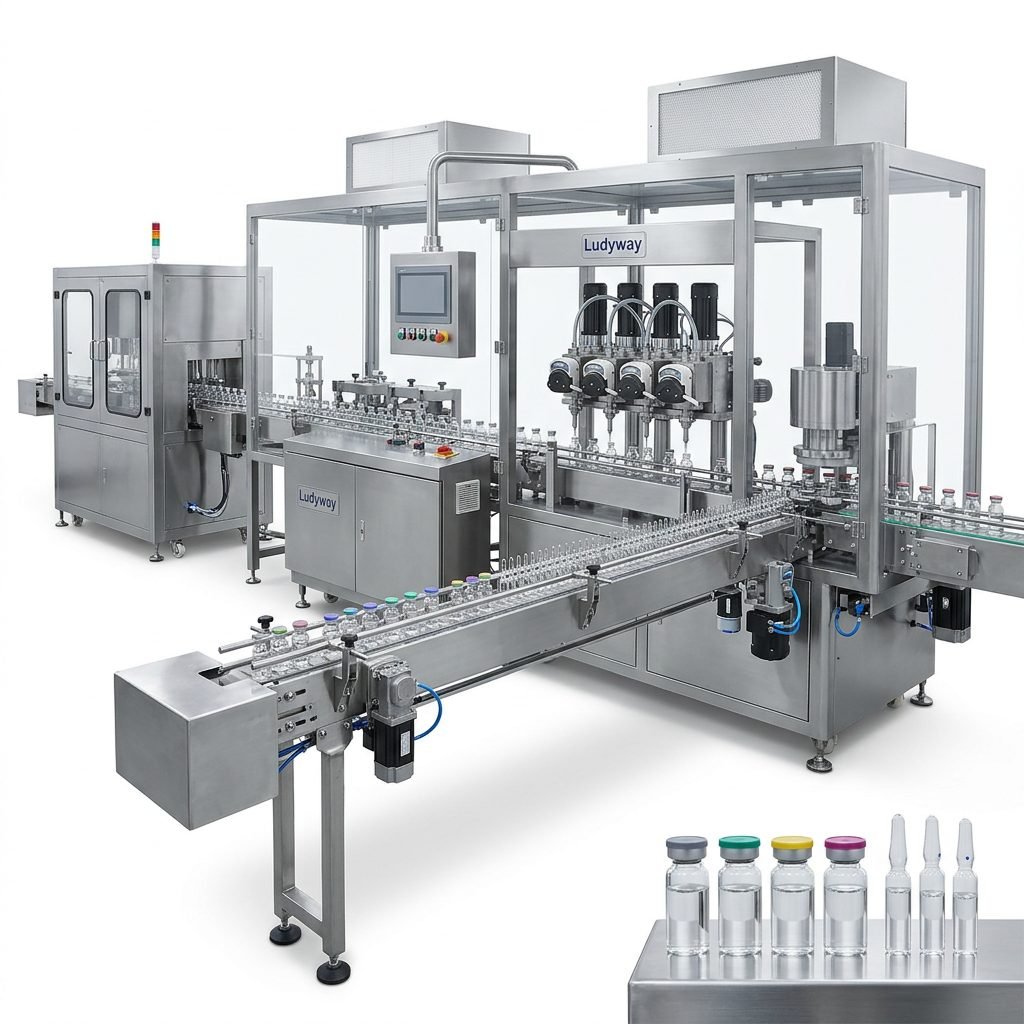
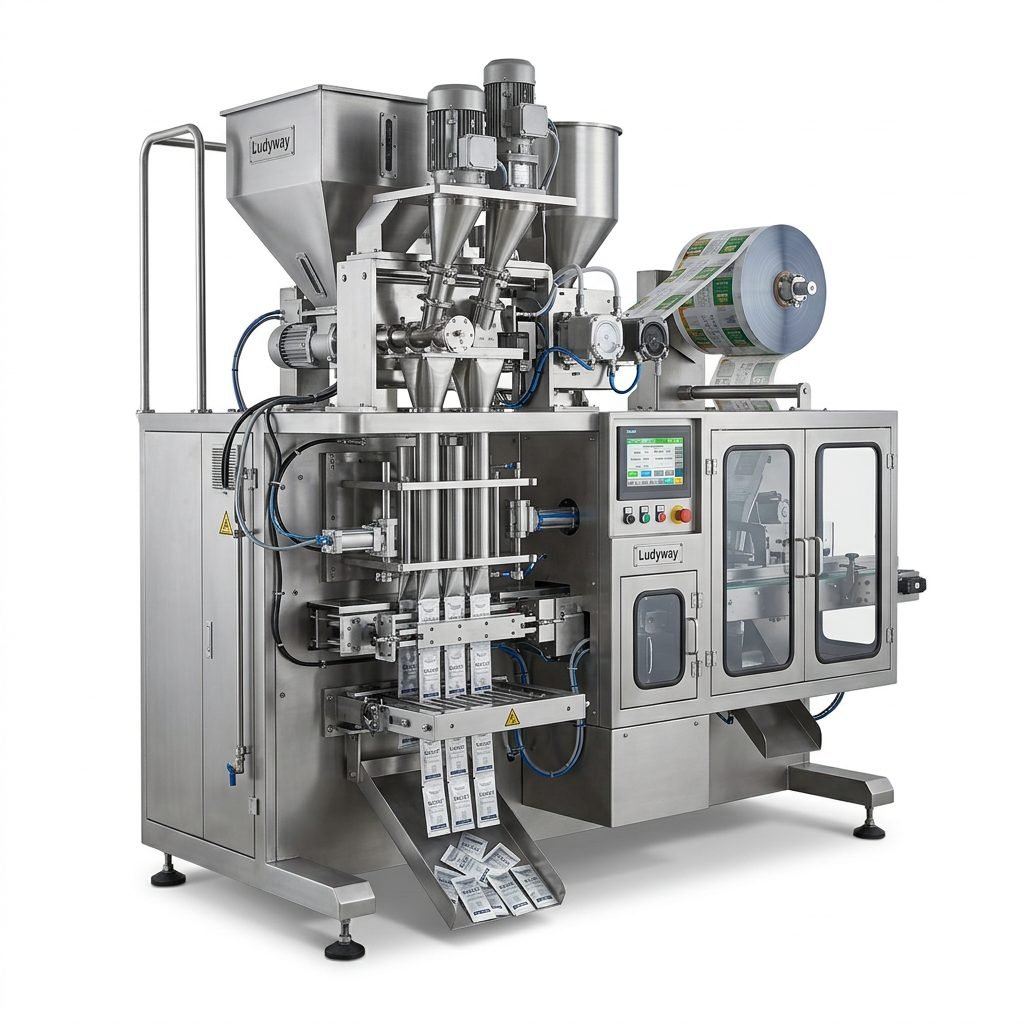
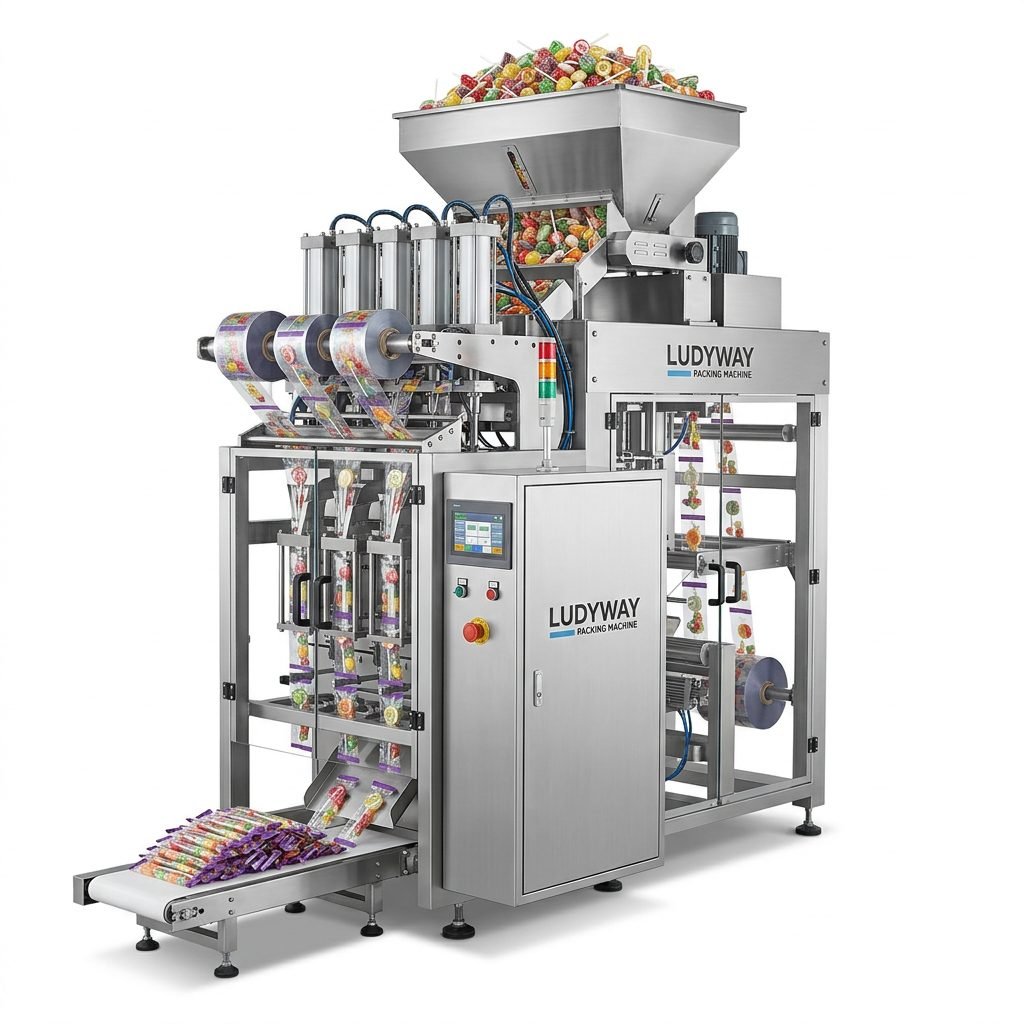
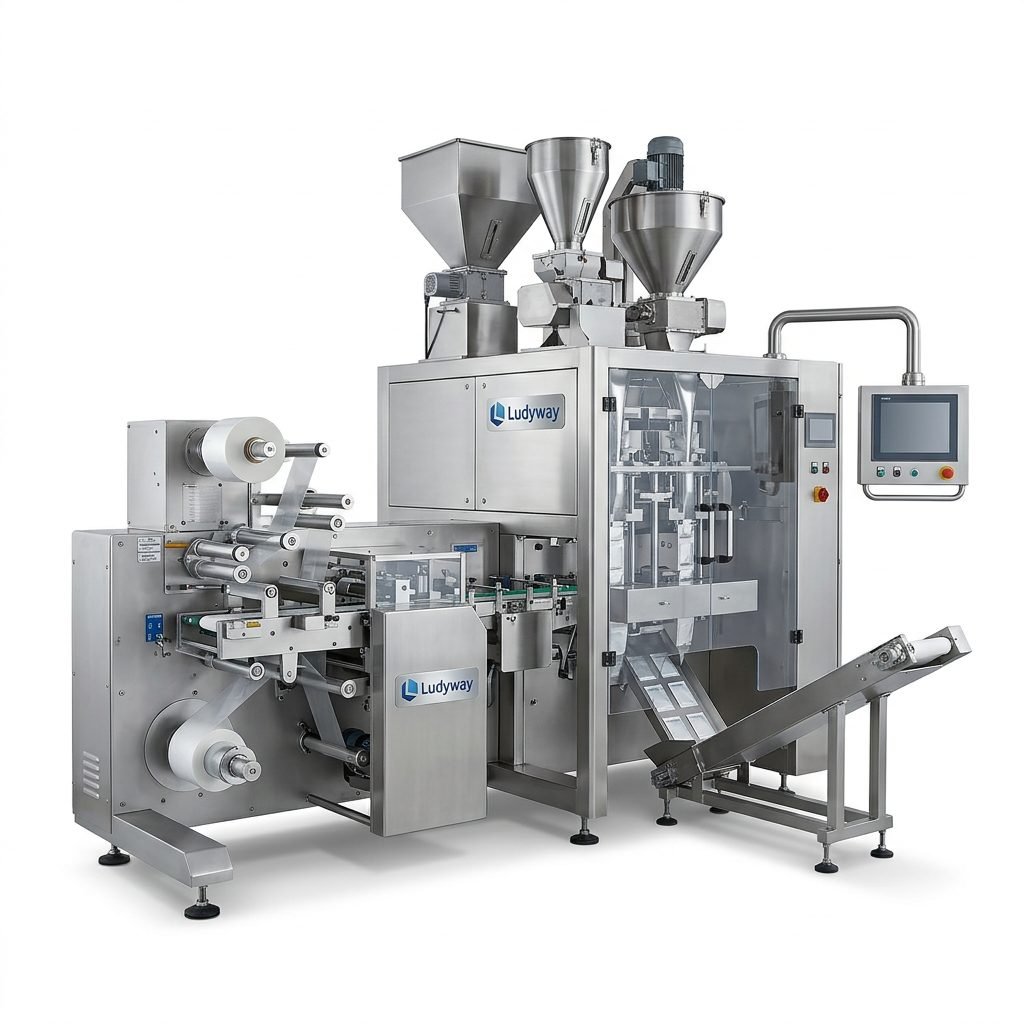
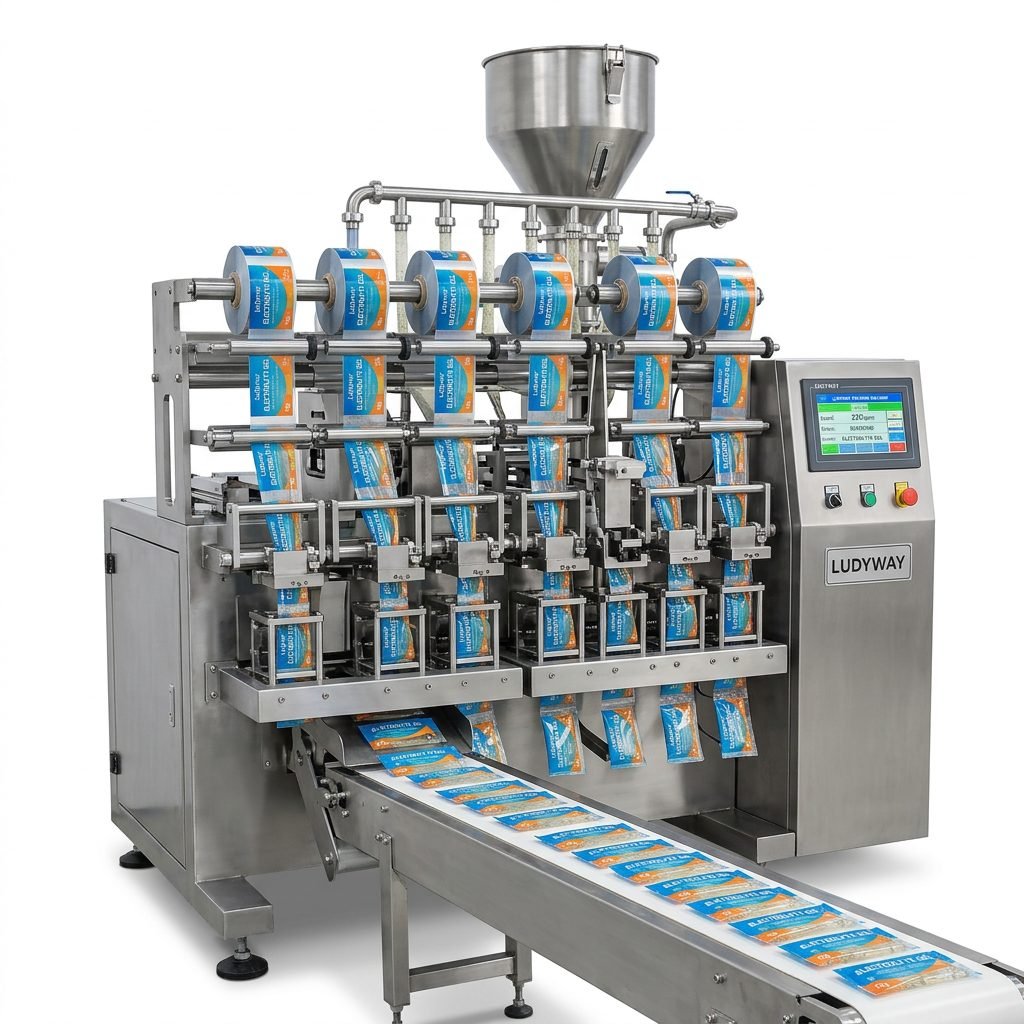
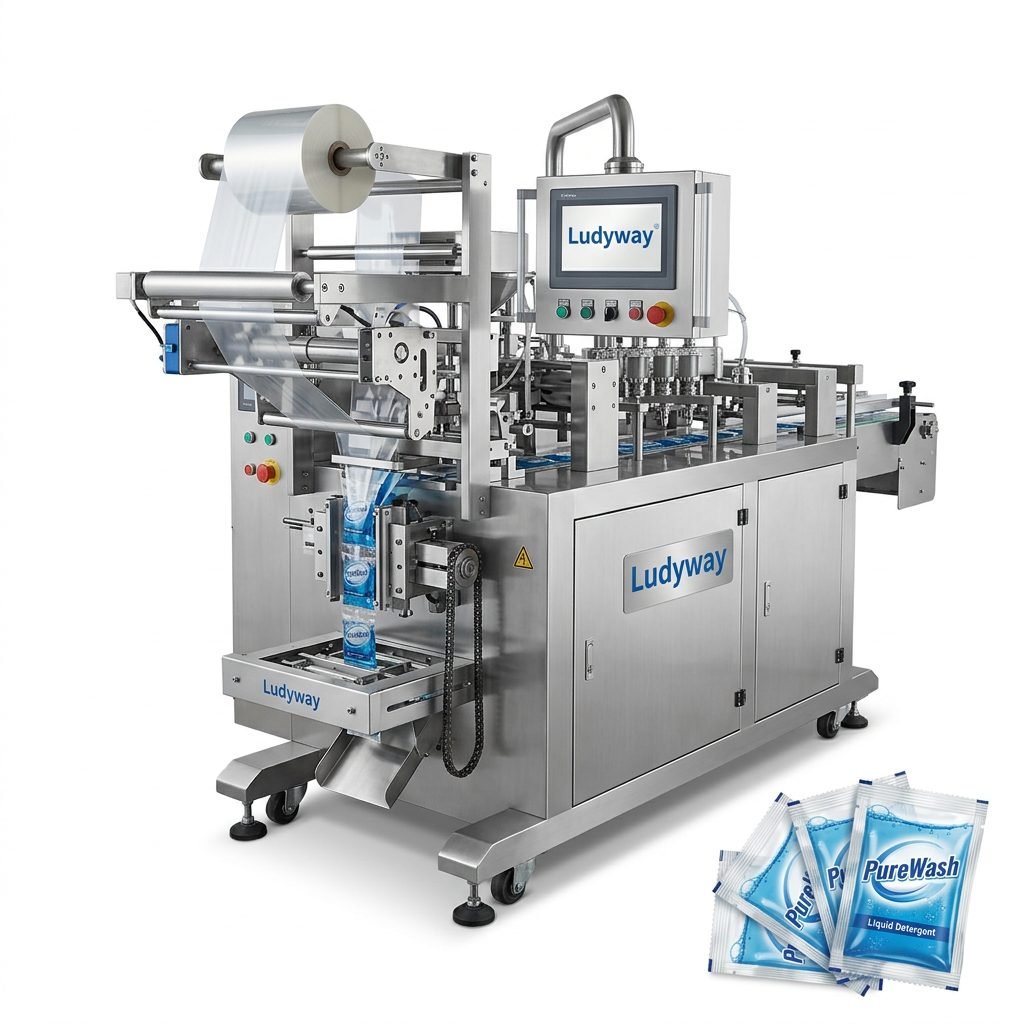
Investing in a packing bubble machine is a strategic decision that directly impacts your operational efficiency, product protection, and shipping costs. With the rapid expansion of e-commerce and global logistics, the demand for reliable protective packaging equipment has never been higher. According to the PMMI State of the Industry Report, the packaging machinery market continues to grow as manufacturers seek automated solutions to meet increasing throughput demands. However, not all bubble machines are created equal — choosing the wrong one can lead to film waste, downtime, and inconsistent cushioning. This guide will walk you through every factor you need to consider before making a purchase.
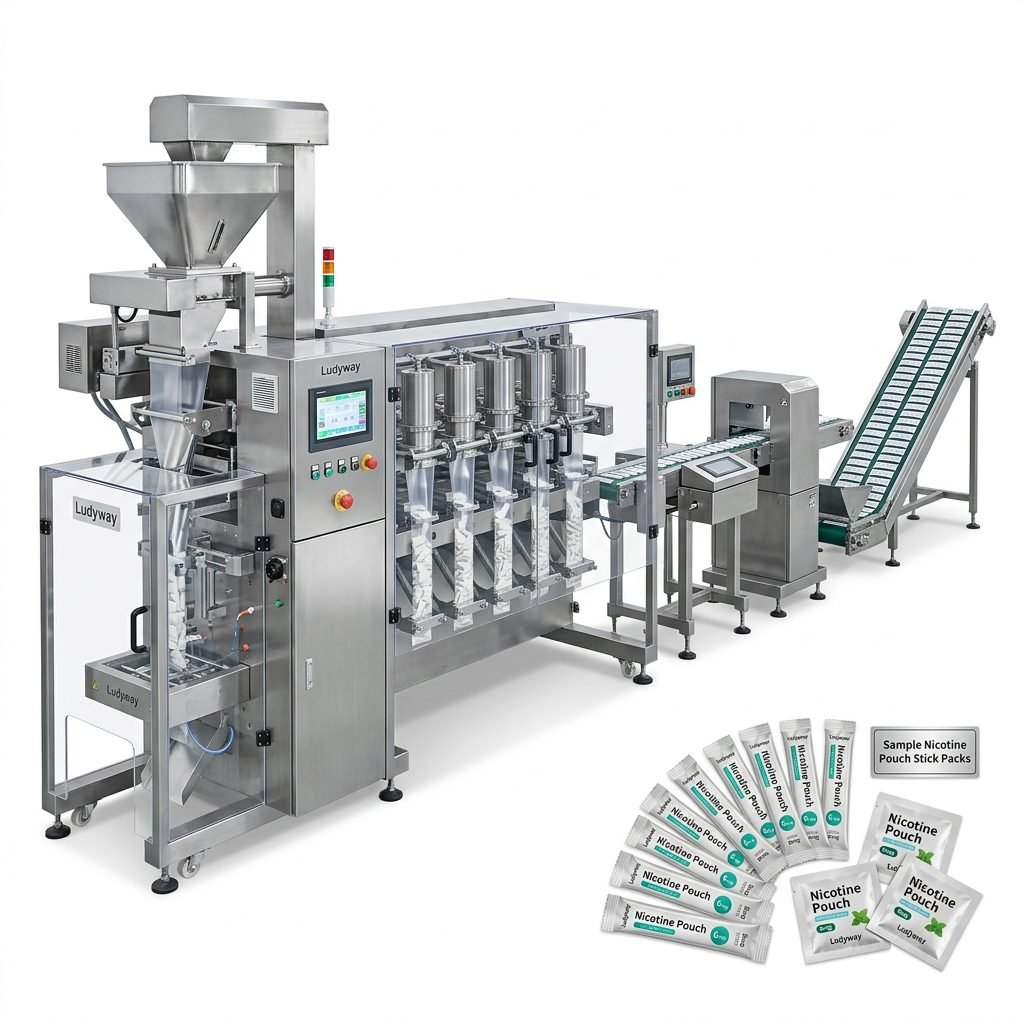
Understanding Your Production Requirements
Before comparing models and specifications, you need to clearly define what you expect from a packing bubble machine. The right equipment should match your specific packaging workflow, product types, and volume demands.
Key Questions to Ask Before Buying
- What is your daily production volume? Low-speed machines may suffice for small operations, while high-speed systems are essential for fulfillment centers processing thousands of orders per day.
- What types of products are you packaging? Fragile electronics require different cushioning than apparel or books. The bubble size, film thickness, and cushioning pattern all matter.
- What packaging format do you need? Some machines produce ready-to-use bubble rolls, while others create on-demand bubble sheets or inflated cushions.
- Do you need integration with existing lines? If the machine needs to work alongside conveyors, sealers, or other equipment, compatibility is critical.
- What is your available floor space? Industrial bubble machines vary significantly in footprint, and some require additional clearance for film roll changes.
Types of Packing Bubble Machines
The term “packing bubble machine” actually encompasses several distinct equipment categories. Understanding the differences helps narrow your selection. The Flexible Packaging Association provides valuable resources on protective packaging materials and their applications.
| Machine Type | Best Suited For | Key Advantage |
|---|---|---|
| Bubble Film Extrusion Line | High-volume bubble sheet production | Produces raw bubble film in bulk rolls |
| Air Cushion Machine | On-demand void fill and cushioning | Compact footprint, instant material creation |
| Bubble Pouch Making Machine | Pre-formed bubble pouches and envelopes | Combines bubble film production with pouch sealing |
| Automatic Bubble Wrapping System | Wrapping individual products in bubble film | Fully automated wrapping for e-commerce items |
Key Features to Evaluate
When comparing different packing bubble machine models, focus on features that directly contribute to productivity, reliability, and cost-efficiency. Here are the most critical aspects:
Production Speed and Output Capacity
The machine’s throughput should comfortably exceed your peak demand. Consider not just the rated speed, but also the sustained production rate accounting for film changes, maintenance, and operator breaks. High-speed lines may produce 60-120 meters of bubble film per minute, while compact on-demand systems might generate 15-30 cushions per minute.
Film Compatibility and Material Flexibility
Not every machine works with every film type. Verify compatibility with:
- Standard polyethylene bubble film
- Anti-static bubble film for electronics
- Biodegradable and recycled content films
- Various bubble sizes (10mm, 20mm, 30mm, and custom patterns)
- Different film thicknesses and layer configurations
Automation and Control Features
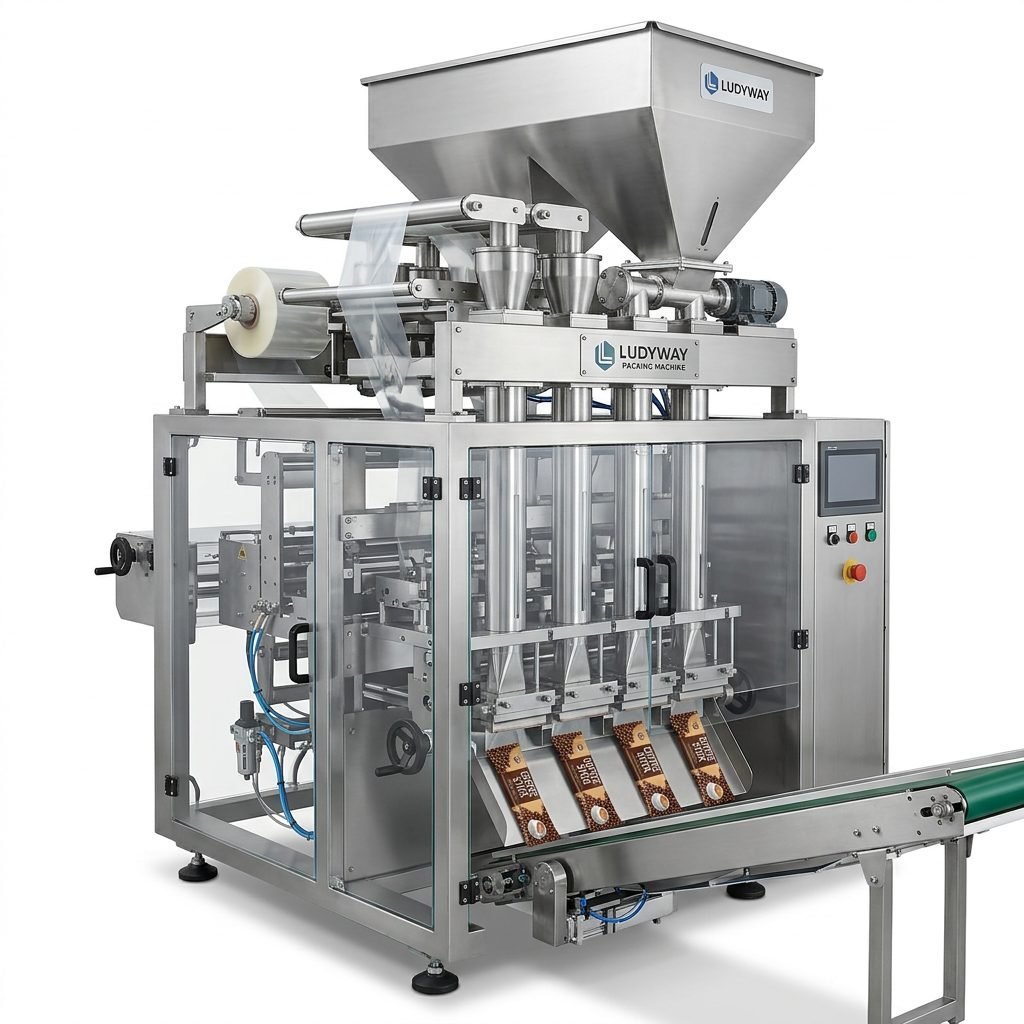
Modern packing bubble machines often include PLC controls, touchscreen interfaces, automatic film tension adjustment, and fault detection systems. These features reduce operator intervention and improve consistency. Look for programmable settings that allow quick changeovers between different bubble sizes or patterns.
Technical Specifications That Matter
Beyond marketing claims, the actual technical specifications determine long-term performance. Here is a reference table of key specifications to verify before purchasing:
| Specification | Why It Matters | What to Look For |
|---|---|---|
| Max Film Width | Determines bubble sheet dimensions | 600mm to 2000mm depending on application |
| Sealing Temperature Range | Affects seal integrity and film compatibility | Precise digital control with ±1°C accuracy |
| Motor Power | Impacts energy consumption and torque capacity | Matched to production speed requirements |
| Noise Level | Workplace safety and operator comfort | Below 75 dB(A) for continuous operation areas |
Evaluating the Supplier
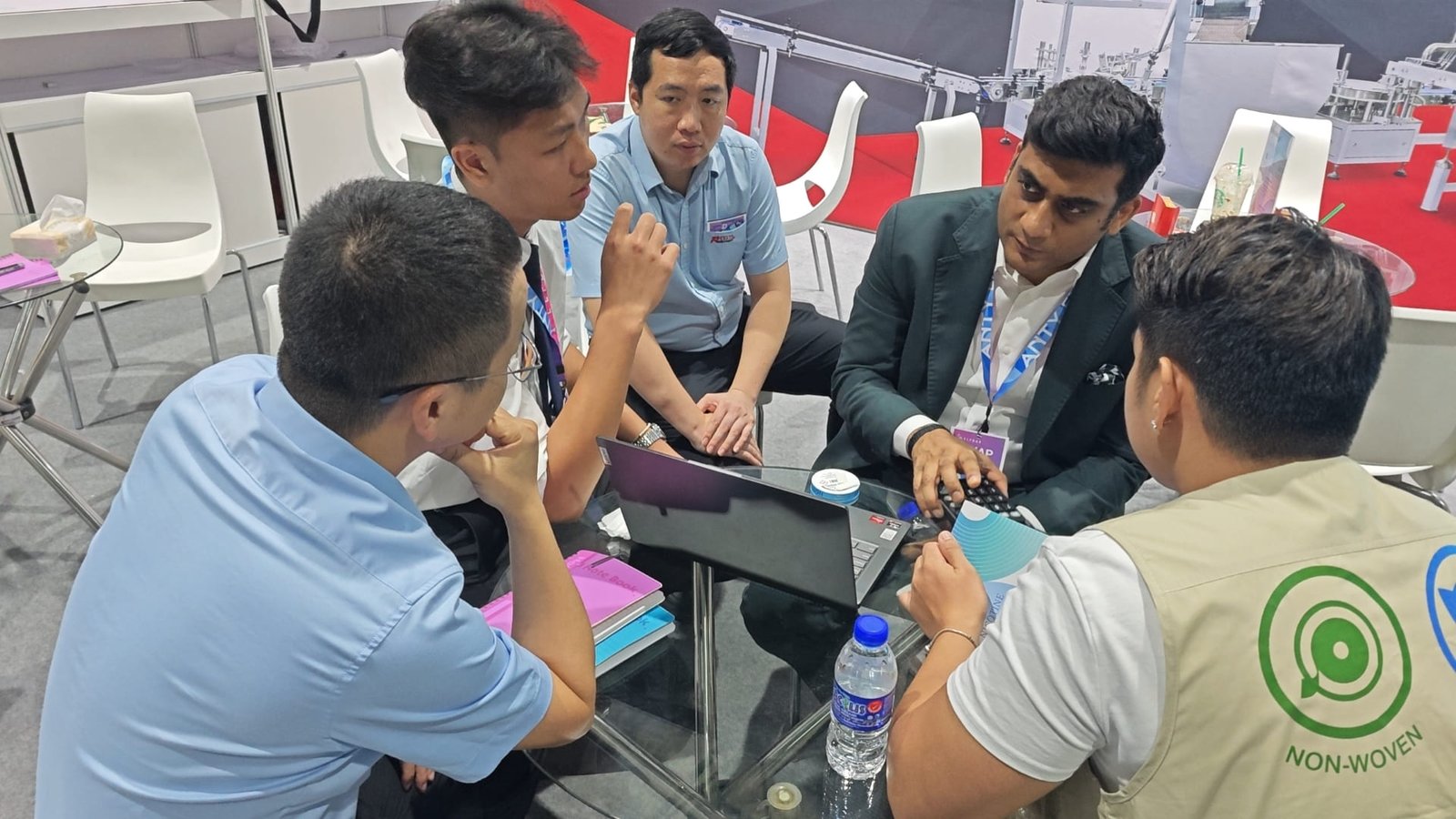
The reliability of your packing bubble machine depends as much on the supplier as on the equipment itself. A manufacturer with extensive industry experience, engineering capabilities, and responsive support infrastructure is invaluable. Companies like Ludyway Machinery, a China-based packaging machinery manufacturer with more than 30 years of industry experience and over 50 packaging machine models, demonstrate the kind of comprehensive expertise that buyers should look for — from equipment selection and system integration to installation, commissioning, and ongoing technical support.
When vetting potential suppliers, assess these critical areas:
- Manufacturing facility — A well-equipped production plant with quality control processes
- Engineering team — In-house design and automation expertise for customized solutions
- International certifications — Compliance with ISO packaging standards and relevant safety regulations
- Global service network — Availability of remote technical support, spare parts, and field service
- Customer references — Verifiable case studies and testimonials from similar industries
- Warranty terms — Clear coverage for parts, labor, and response times
Cost Considerations Beyond the Purchase Price
The initial capital expenditure is just one part of the total cost equation. A comprehensive cost analysis for a packing bubble machine should include:
| Cost Category | Typical Range (% of TCO) | Key Influencing Factors |
|---|---|---|
| Equipment Purchase | 40-55% | Machine type, automation level, brand |
| Installation and Setup | 5-10% | Complexity of integration, site preparation |
| Consumables (Film, Spare Parts) | 25-35% | Film type, production volume, part longevity |
| Maintenance and Service | 5-10% | Service contract terms, machine reliability |
| Energy and Utilities | 3-5% | Motor efficiency, heating system design |
Buyers should request a detailed total cost of ownership (TCO) projection from potential suppliers, covering at least a 3-5 year operational period. A slightly more expensive machine with lower film waste, reduced energy consumption, and better reliability often delivers superior long-term value.
Installation, Training, and After-Sales Support
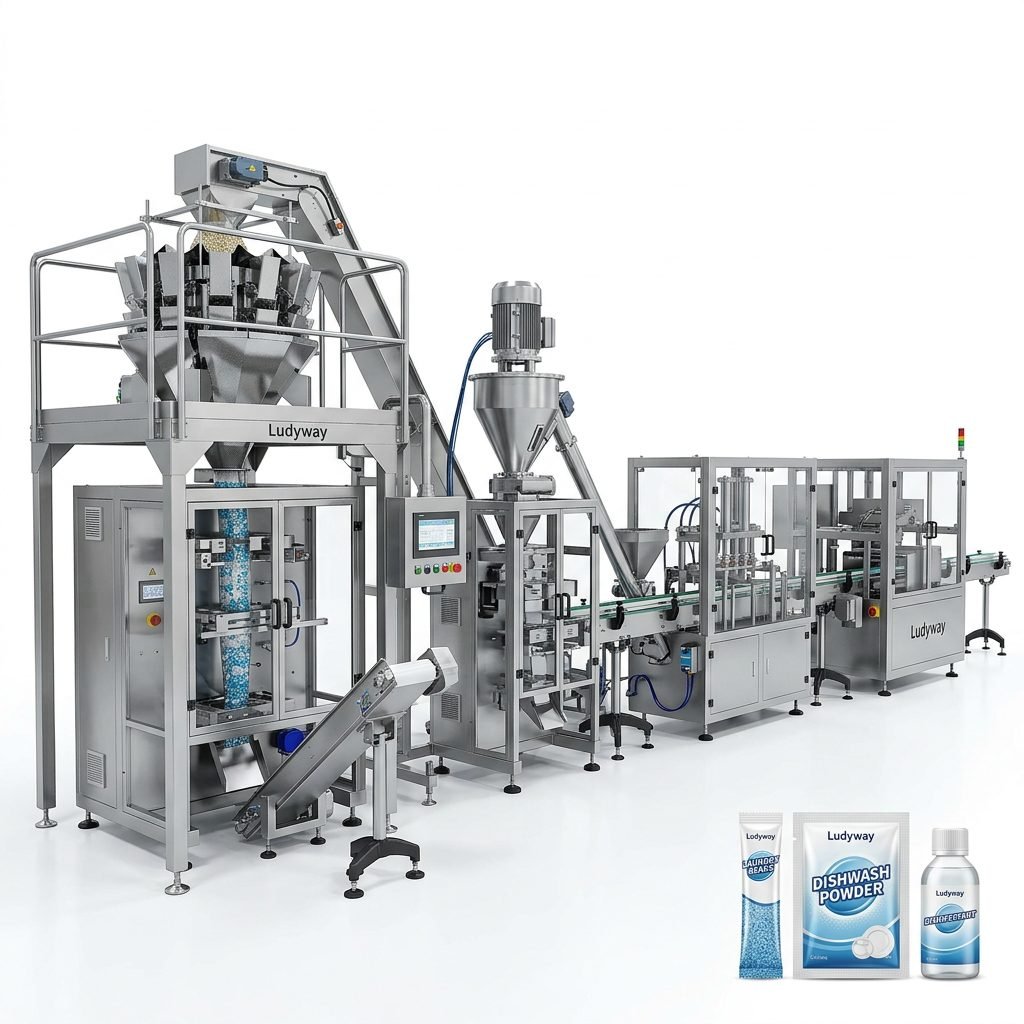
Even the best packing bubble machine will underperform without proper installation and operator training. Before finalizing a purchase, confirm that the supplier provides:
- On-site installation supervision — Ensuring the machine is correctly positioned, leveled, and connected
- Comprehensive operator training — Covering startup, shutdown, troubleshooting, and routine maintenance procedures
- Documentation and manuals — Available in your preferred language with detailed technical specifications
- Remote diagnostics capability — Many modern machines support remote troubleshooting via secure connections
- Spare parts availability — Critical consumable and wear parts should be in stock and shippable within agreed timeframes
- Ongoing technical support — Access to engineering expertise for process optimization and future upgrades
Making the Final Decision
Selecting the right packing bubble machine requires balancing multiple factors — production needs, technical specifications, supplier reliability, and total cost. The most successful buyers approach the decision methodically, involving both operational and engineering stakeholders in the evaluation process. Reference resources like the PACK EXPO International events can also provide valuable exposure to the latest equipment and supplier capabilities.
Remember that the best machine is not necessarily the most expensive or the fastest — it is the one that aligns most closely with your specific packaging requirements, integrates smoothly into your existing workflow, and is backed by a supplier committed to your long-term success. Take the time to visit supplier facilities when possible, request sample production runs with your actual packaging materials, and speak directly with existing customers about their real-world experiences.
By following this comprehensive guide, you will be well-positioned to select a packing bubble machine that delivers consistent protective packaging, operational efficiency, and a strong return on investment for years to come.