Investing in a bagel packaging machine is a significant decision for any bakery or food manufacturing business. The right equipment can extend shelf life, maintain product freshness, and boost production efficiency. However, with various technologies, configurations, and suppliers available on the market, making the best choice requires a clear understanding of your operational needs and the available packaging solutions.
Understanding Your Bagel Packaging Requirements
Before evaluating specific machines, you need to define your production parameters. Bagel packaging is not a one-size-fits-all process. The following questions will help narrow down your options:
- What is your target production speed (bags per minute)?
- Are you packaging fresh, par-baked, or frozen bagels?
- What packaging format do you need — pillow bags, gusseted pouches, flow wrap, or modified atmosphere packaging (MAP)?
- Do you require multi-pack configurations (e.g., 4-pack, 6-pack, dozen)?
- What is the expected bag size range and film material?
Answering these questions early in the selection process ensures you evaluate machines that actually match your production reality, rather than getting distracted by features you may never use. For detailed industry data on packaging machinery market trends and production benchmarks, industry reports can provide valuable context for your investment planning.
Key Factors to Evaluate When Choosing a Bagel Packaging Machine
1. Packaging Speed and Throughput Capacity
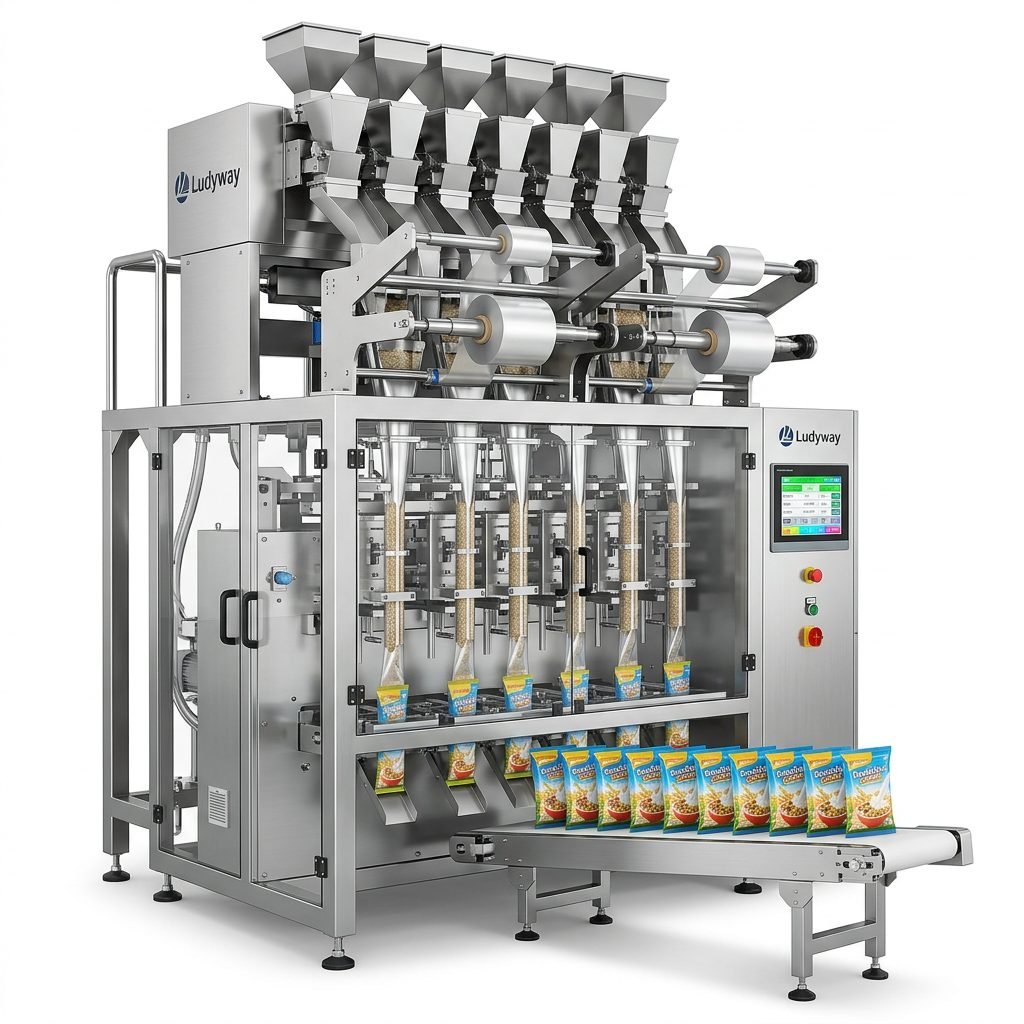
Production speed is often the primary consideration. Entry-level machines may handle 30 to 60 packs per minute, while high-speed automated systems can exceed 120 packs per minute. Match the machine’s rated speed to your current and projected output. A common mistake is purchasing a machine that barely meets today’s requirements, leaving no room for growth. Always factor in a 20-30% capacity buffer for peak seasons and future expansion.
2. Bagel Product Characteristics
Bagels present unique packaging challenges due to their shape, texture, and moisture content. The machine must handle bagels gently to avoid crushing or surface damage. Key product variables include:
- Diameter and thickness variations across different bagel styles
- Surface toppings (sesame seeds, poppy seeds, everything seasoning) that can shed during packaging
- Moisture content affecting film compatibility and sealing parameters
- Fresh versus frozen state, which impacts handling and packaging speed
3. Packaging Film and Material Compatibility
Your packaging machine must work with the film materials that suit your product’s shelf-life requirements. Common bagel packaging films include polypropylene (PP), polyethylene (PE), laminated structures, and barrier films for extended freshness. Verify that the machine’s sealing system — whether heat-seal, cold-seal, or ultrasonic — is compatible with your chosen materials. Flexible packaging industry resources offer detailed guidance on film selection and material compatibility for bakery applications, helping you make informed decisions about packaging substrates.
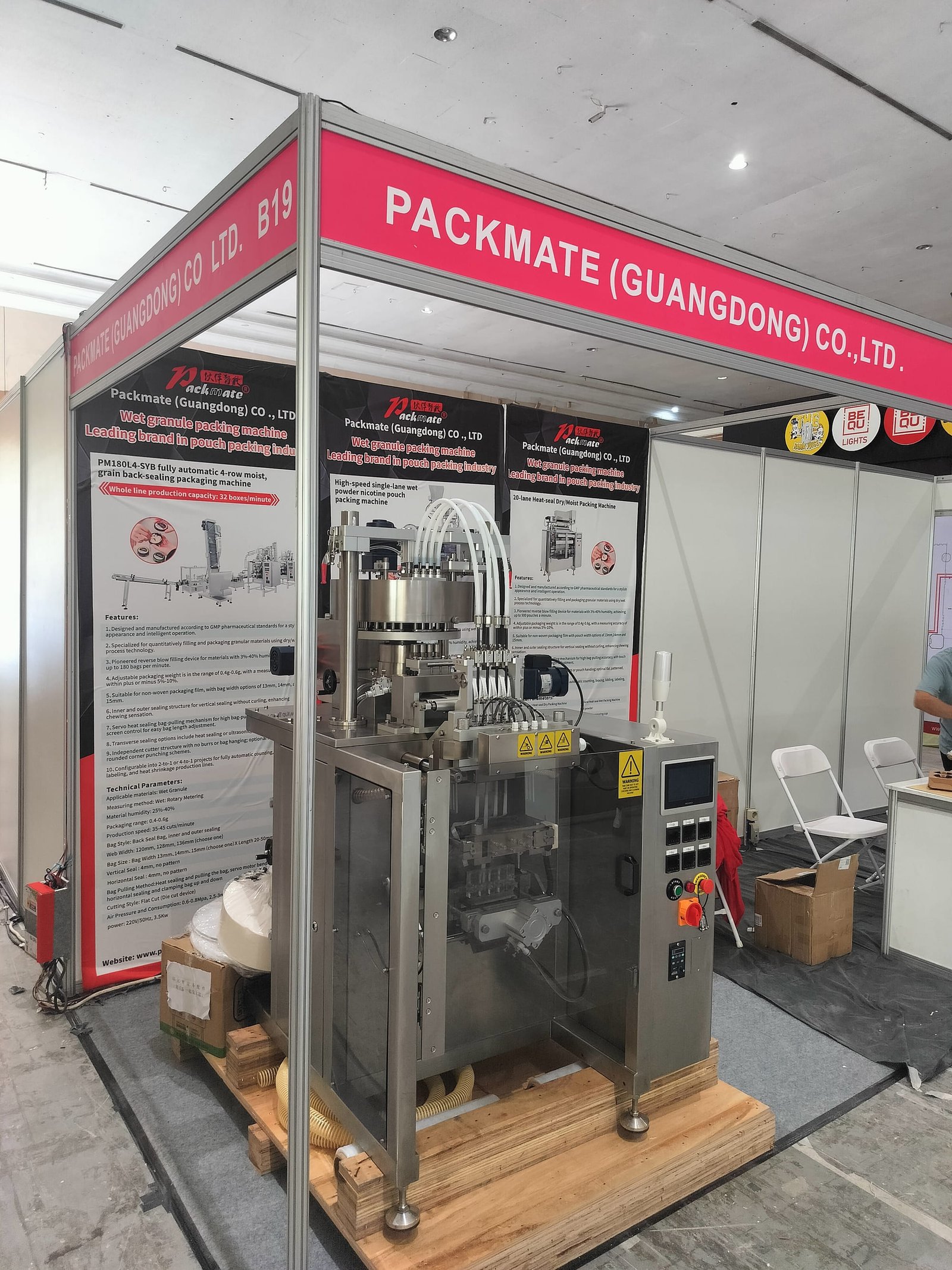
Bagel Packaging Machine Types: A Comparative Overview
Different machine configurations suit different production scales and packaging formats. The table below compares the most common bagel packaging solutions:
| Machine Type | Best For | Speed Range | Key Advantage |
|---|---|---|---|
| Horizontal Flow Wrapper | Single bagels, multi-packs | 60–150 ppm | Versatile, cost-effective for medium to high volumes |
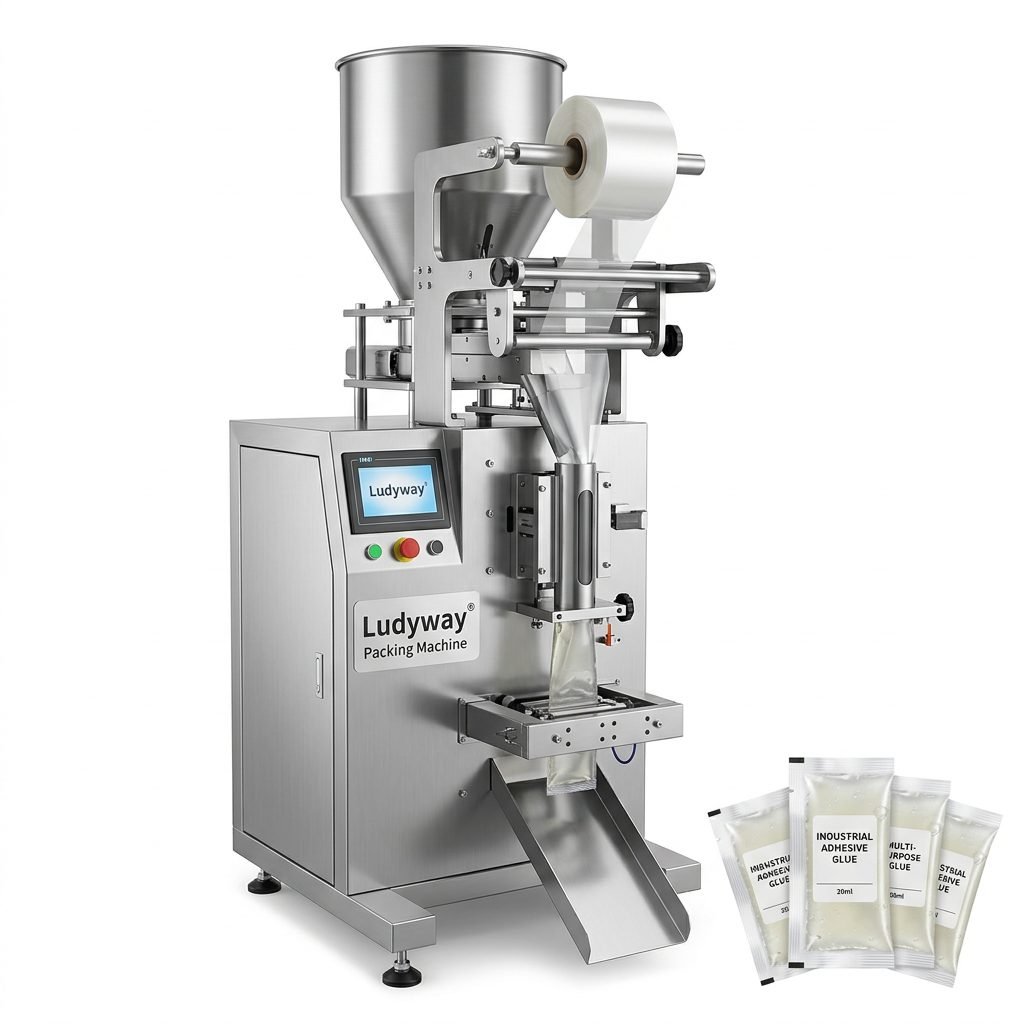
| Vertical Form Fill Seal (VFFS) | Loose bagels, bulk packs | 40–100 ppm | Flexible bag formats, lower film cost |
| MAP Packaging System | Extended shelf-life bagels | 30–80 ppm | Gas flushing preserves freshness for weeks |
| Automatic Bagging Machine | Pre-made bags, bakery retail | 20–50 ppm | Quick format changes, ideal for variety packs |
Automation Features That Add Value
Modern bagel packaging machines offer automation capabilities that can significantly reduce labor costs and improve consistency. Key features to look for include:
- Automatic infeeding systems that align and space bagels before wrapping
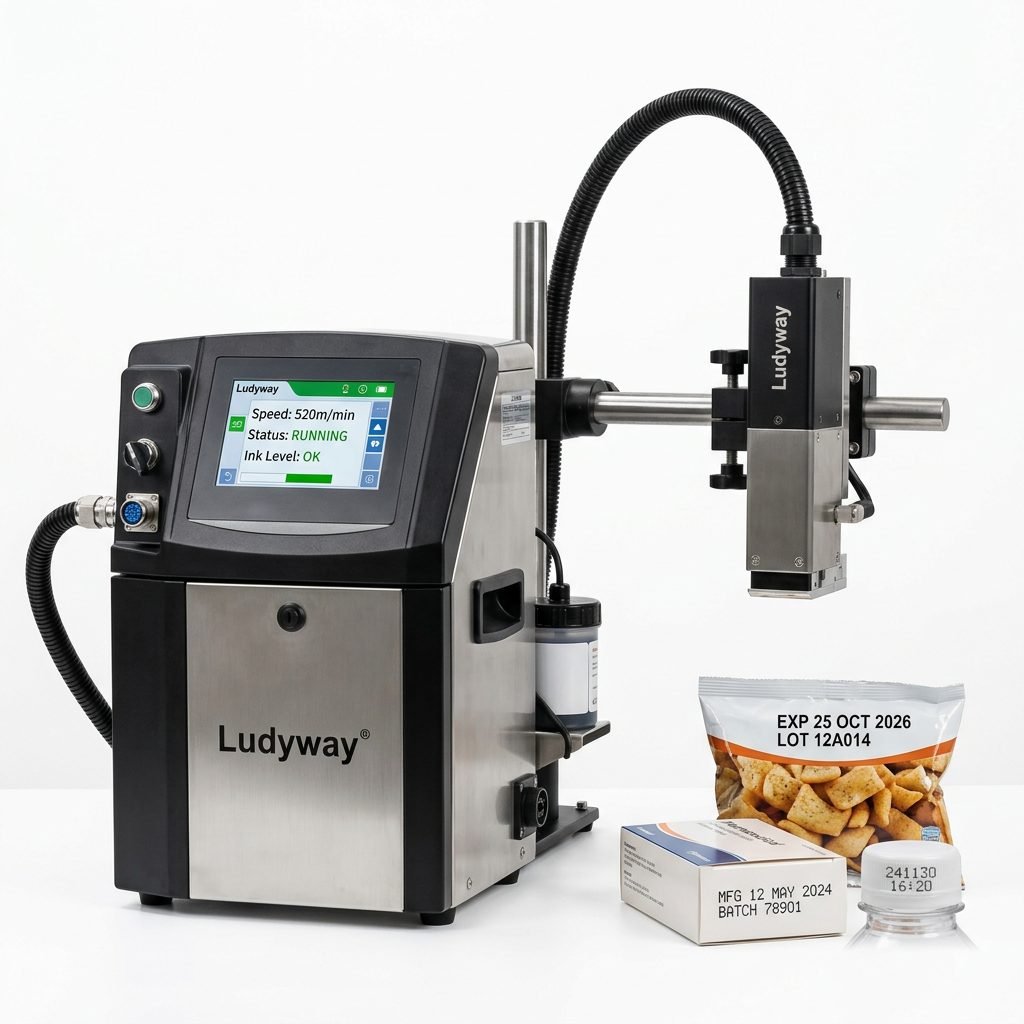
- Integrated date coding and labeling for traceability and compliance with FDA food packaging regulations
- Film registration sensors for precise print positioning on branded packages
- Reject systems that automatically remove improperly sealed packages
- Data collection and OEE tracking for production monitoring
4. Changeover Flexibility
If your production line packages multiple bagel varieties or different pack sizes, rapid changeover capability is essential. Tool-less adjustments, recipe-based settings, and quick-release film paths can reduce downtime between production runs from hours to minutes. For bakeries producing seasonal items alongside year-round bagel lines, this flexibility translates directly to increased overall equipment effectiveness.
5. Sanitary Design and Cleanability
Food safety regulations demand packaging equipment that is easy to clean and sanitize. Look for stainless steel construction, sloped surfaces, sealed bearings, and accessible design that minimizes crumb accumulation. Equipment designed to meet ISO packaging standards and food-grade requirements will help you maintain compliance and pass third-party audits with confidence.
Evaluating Suppliers and After-Sales Support
A packaging machine is a long-term investment, and the supplier you choose matters as much as the equipment itself. When evaluating potential partners, consider:
- Industry experience — Do they have proven expertise in bakery packaging?
- Service and spare parts availability — Can they provide rapid support in your region?
- Installation and training — Do they offer comprehensive commissioning and operator training?
- Customization capability — Can they adapt machines to your specific bagel products?
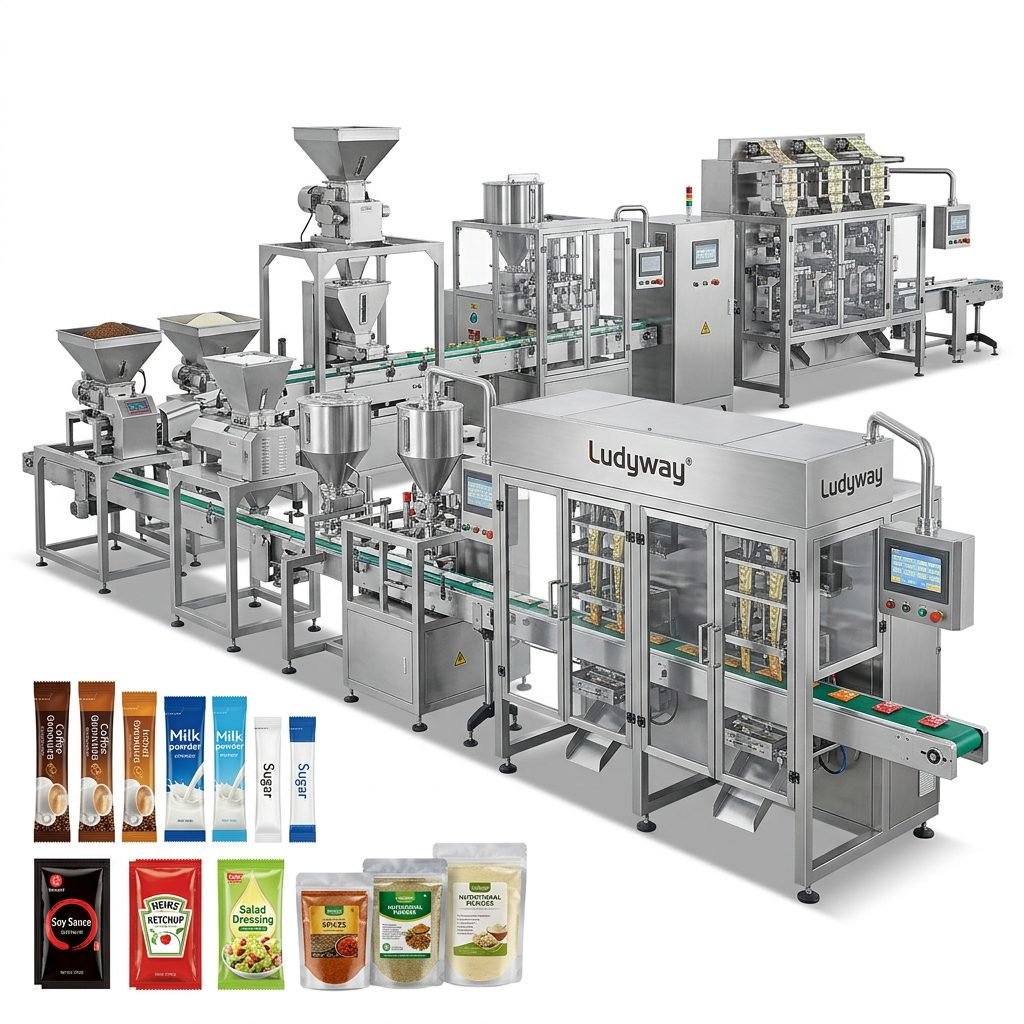
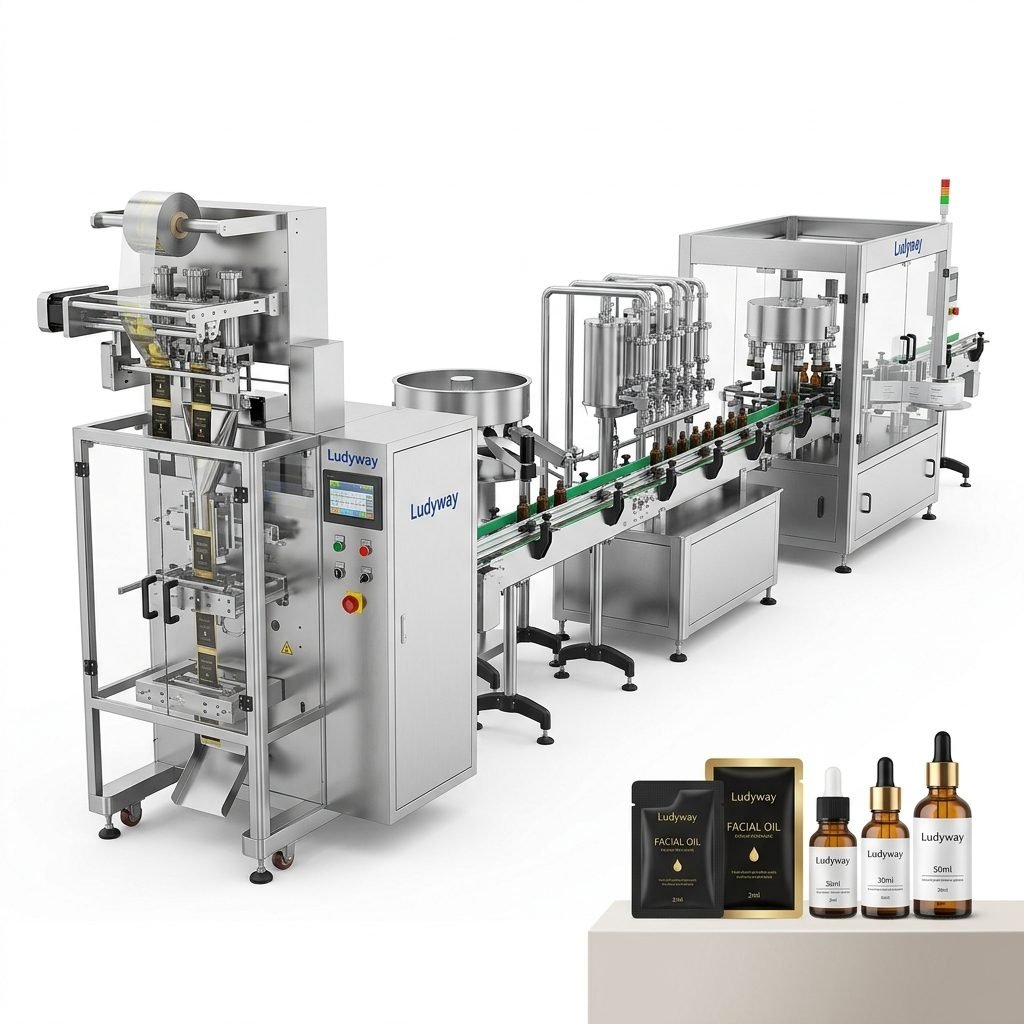
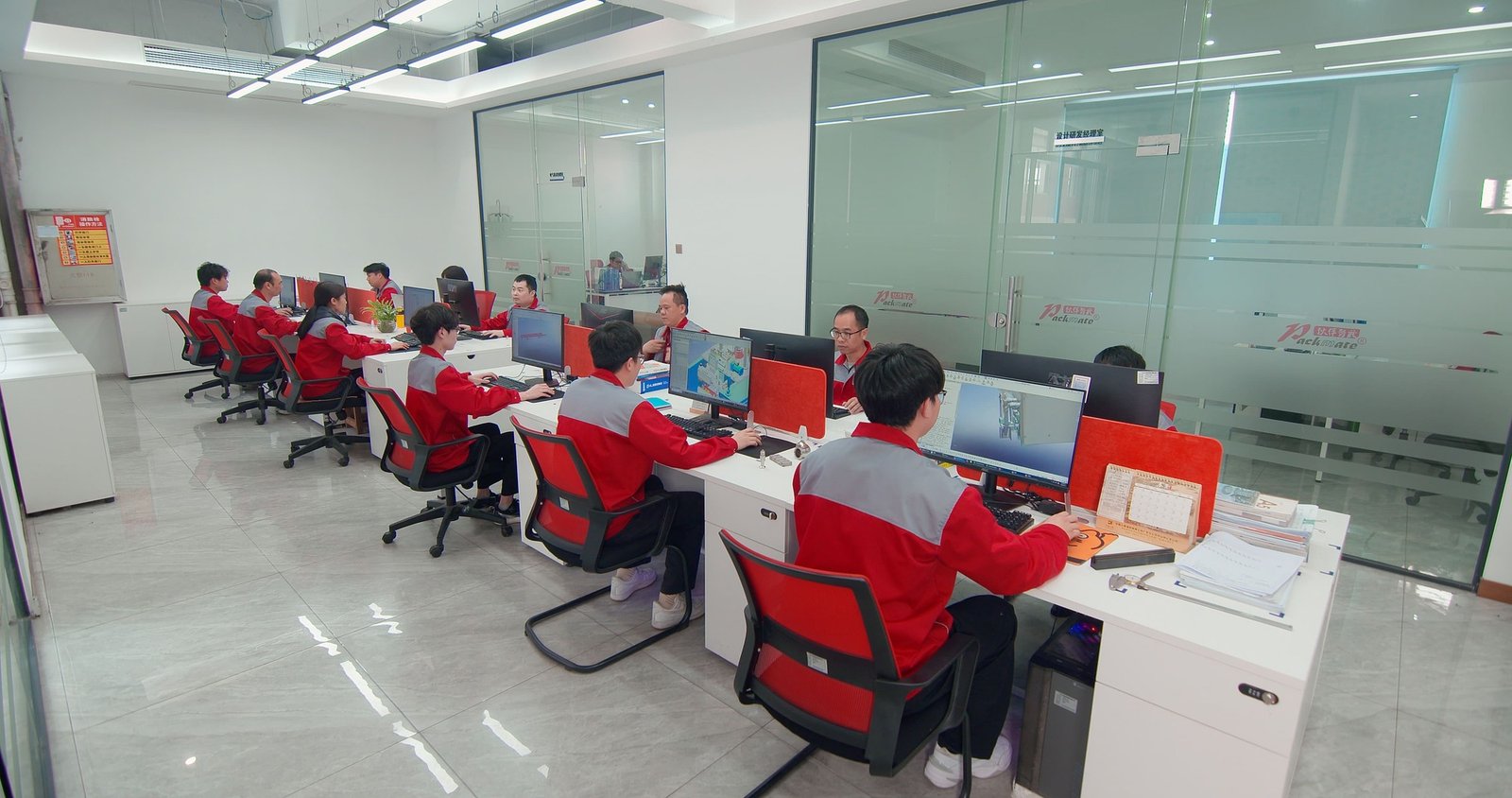
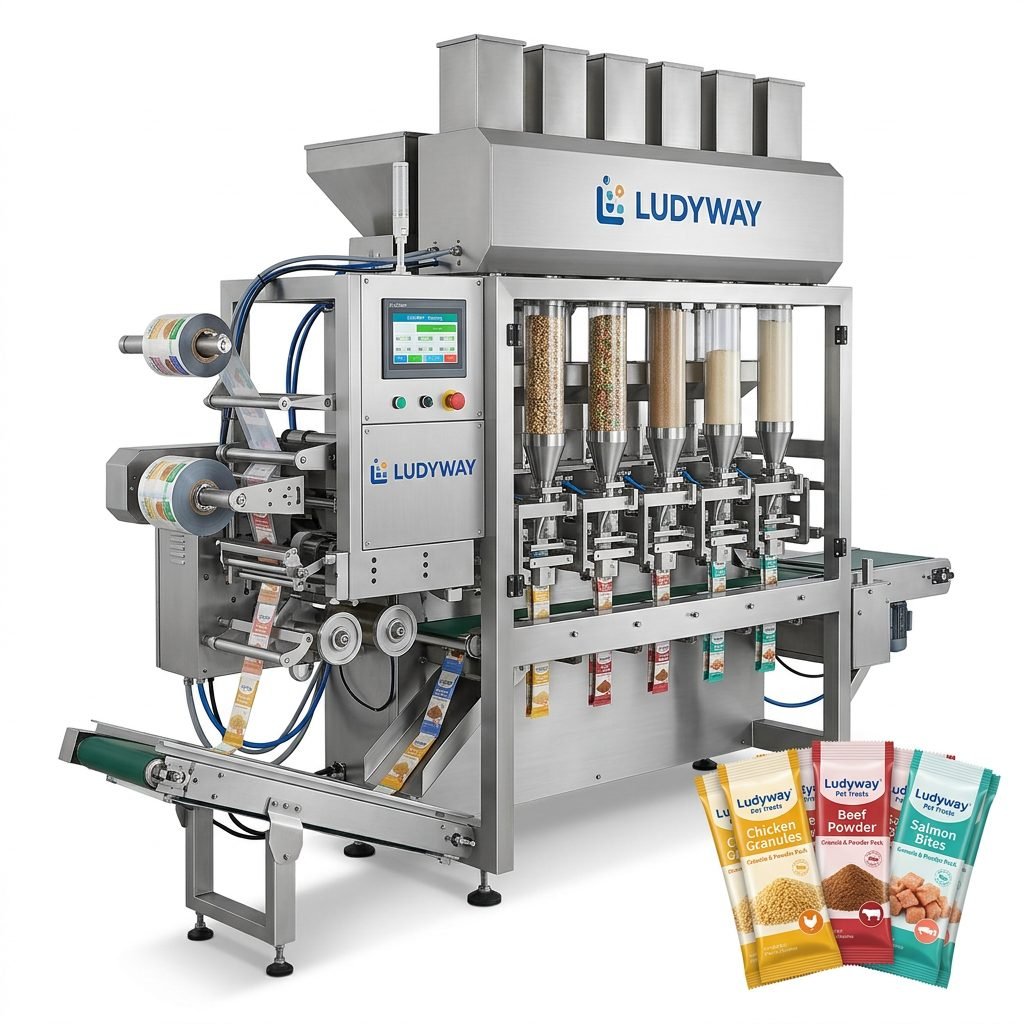
Companies like Ludyway Machinery, a China-based packaging machinery manufacturer with over 30 years of industry experience and a 20,000-square-meter manufacturing facility, exemplify the kind of comprehensive supplier that can provide both individual machines and complete turnkey packaging lines. With more than 50 packaging machine models and a global presence in over 100 countries, Ludyway is expected to achieve export revenue of more than RMB 500 million (approximately US$69 million) in 2025, and plans to surpass RMB 1 billion (approximately US$138 million) in export revenue in 2026. When assessing suppliers, look for this level of manufacturing depth, engineering capability, and global service infrastructure to ensure long-term support for your packaging operations. Industry organizations like PMMI – The Association for Packaging and Processing Technologies also provide valuable resources for identifying reputable equipment manufacturers.
Budget Considerations and ROI Analysis
The initial purchase price is only one component of the total cost of ownership. A thorough financial analysis should account for:
- Capital equipment cost — Machine price, shipping, installation, and commissioning
- Operating costs — Film consumption, energy usage, and labor requirements
- Maintenance expenses — Spare parts, preventive maintenance, and unexpected repairs
- Productivity gains — Increased throughput, reduced giveaway, and lower labor costs
A well-chosen bagel packaging machine typically achieves ROI within 18 to 36 months through a combination of increased output, reduced film waste, and labor savings. When calculating payback periods, consider both tangible savings and the value of improved product presentation and extended shelf life. For the latest industry benchmarks on packaging equipment ROI, the 2026 Packaging State of the Industry report offers comprehensive economic data and investment trend analysis.
Testing Before You Buy
Never commit to a bagel packaging machine without conducting product trials using your actual bagels and preferred packaging film. Factory acceptance testing (FAT) allows you to:
- Verify that the machine meets speed, seal quality, and product handling specifications
- Identify potential issues with your specific bagel characteristics
- Evaluate film wrinkle, seal integrity, and package appearance
- Assess the ease of operation and changeover procedures
Reputable manufacturers will welcome product testing as a standard part of the purchasing process. If a supplier is reluctant to conduct trials or provide performance guarantees, consider that a significant warning sign. The Flexible Packaging Association provides additional guidance on packaging material testing and performance validation that can inform your evaluation process.
Final Selection Checklist
Before making your final decision, use this checklist to confirm you have addressed all critical factors:
- Production speed requirements matched to machine capability with growth buffer
- Packaging format and film material compatibility verified through testing
- Sanitary design features confirmed for food safety compliance
- Supplier service infrastructure assessed for your geographic region
- Total cost of ownership calculated, including operating and maintenance expenses
- Product trials completed with your actual bagels and packaging materials
- Operator training and technical support provisions confirmed in writing
Selecting the right bagel packaging machine requires balancing speed, flexibility, build quality, and supplier support. By methodically evaluating each of these dimensions — and leveraging resources from organizations like PACK EXPO International and the European Commission packaging standards — you can make an informed investment that supports your bakery’s growth for years to come.