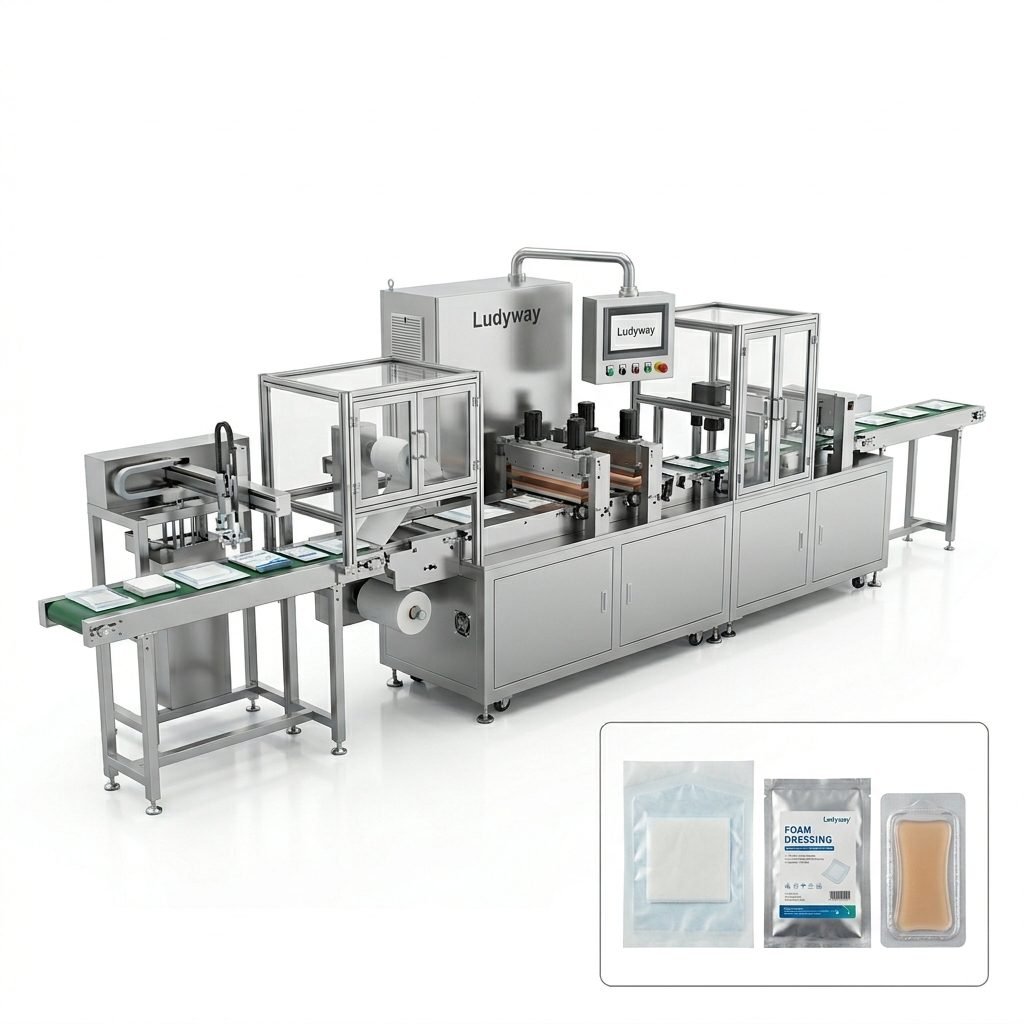
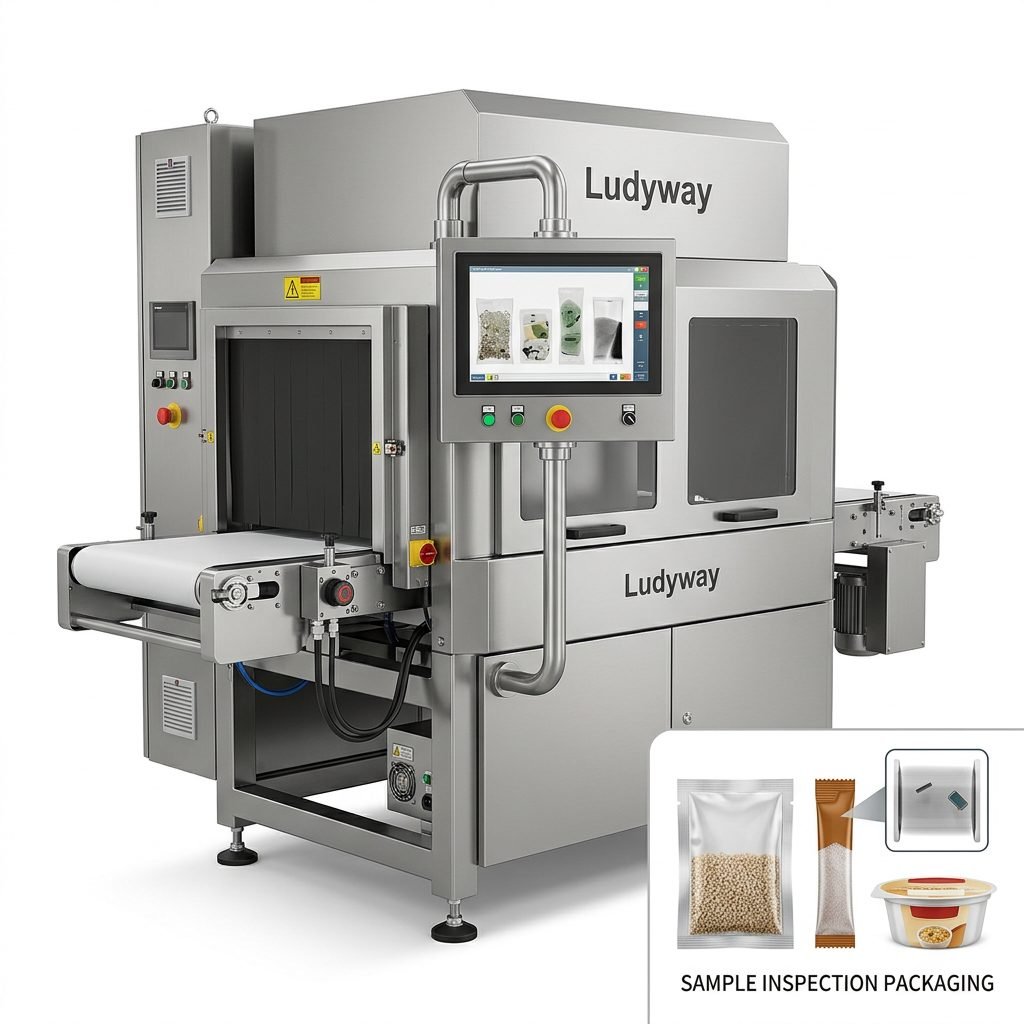
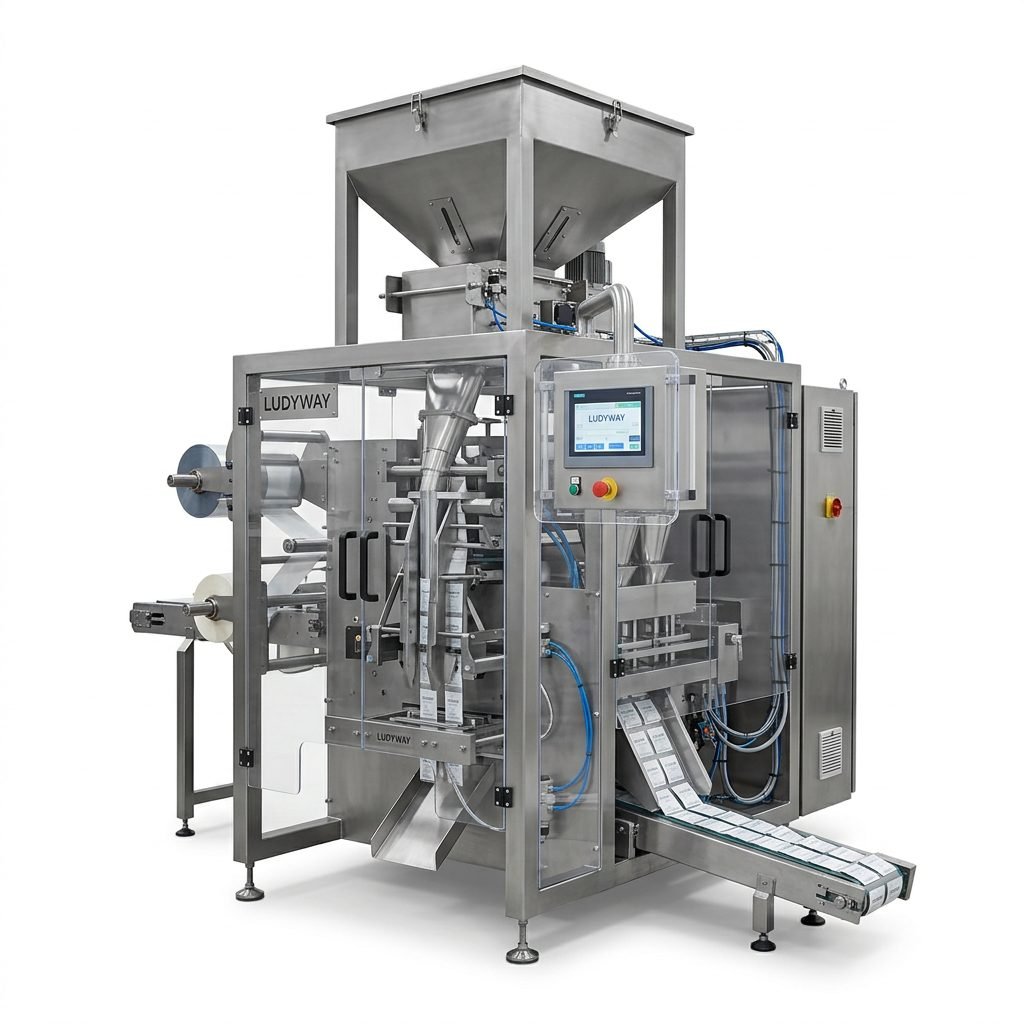
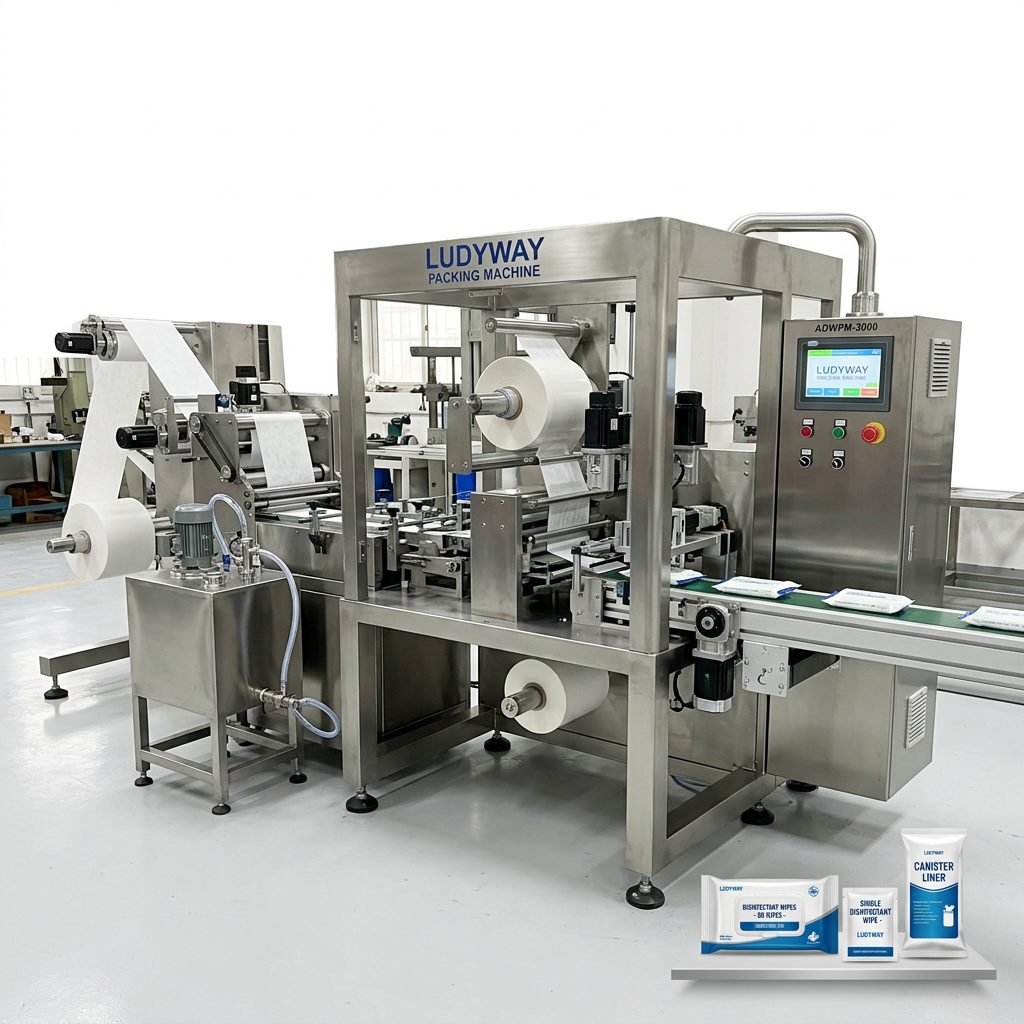
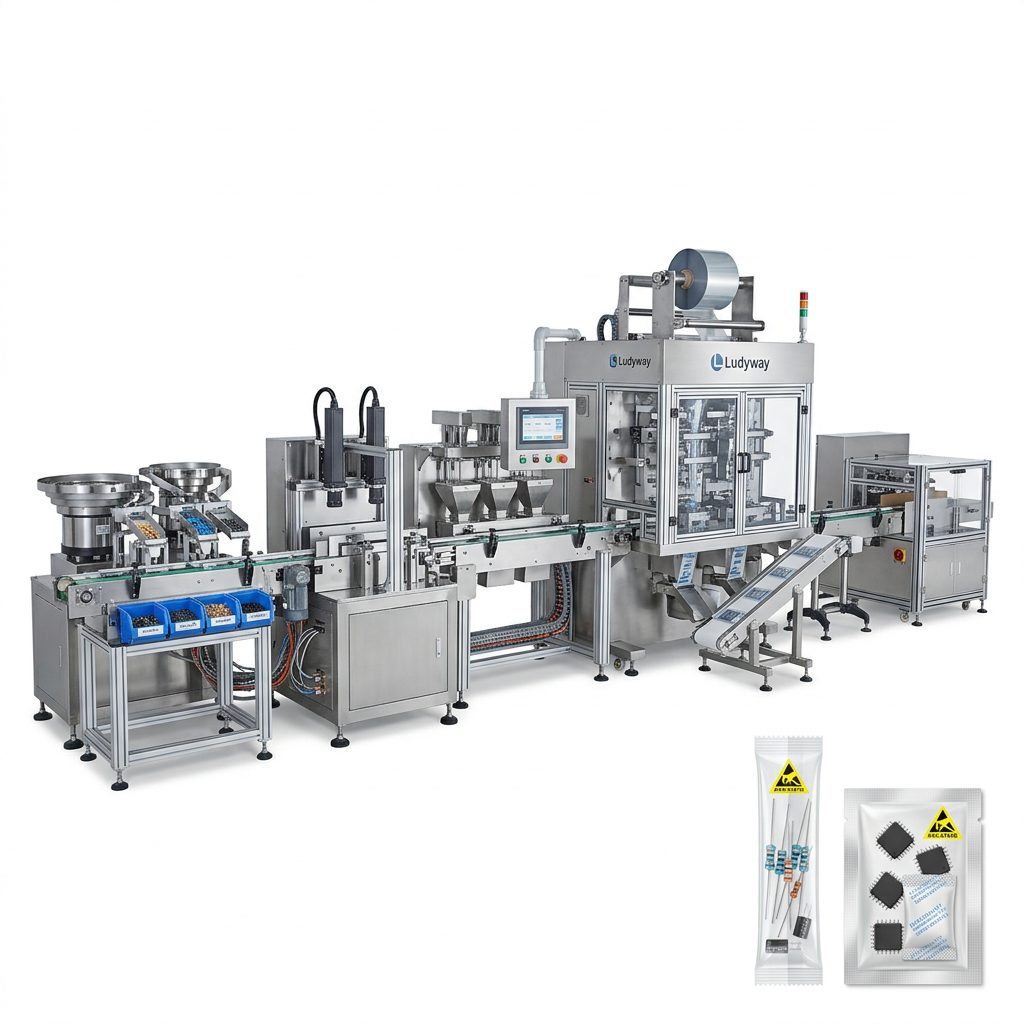
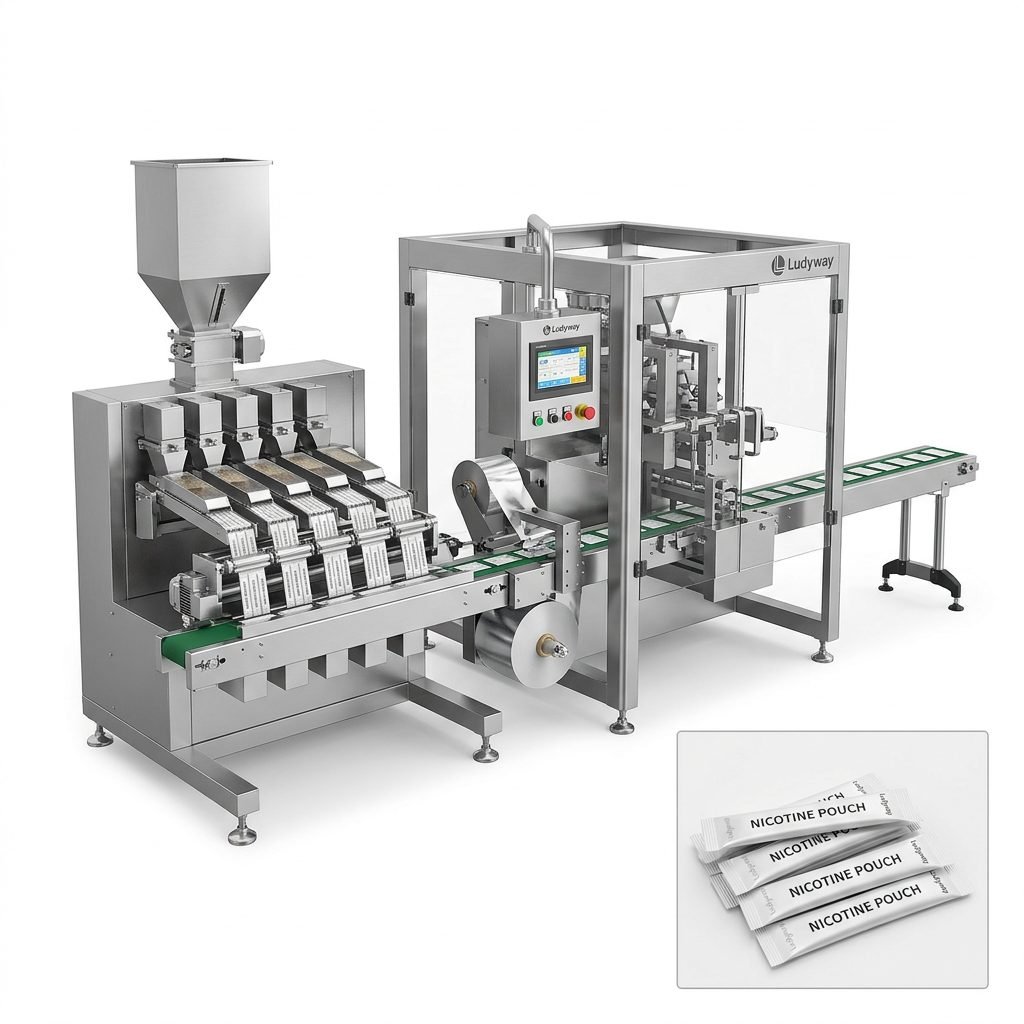
Investing in a packing machine is a critical decision that directly impacts your production efficiency, product quality, and long-term operational costs. Whether you are a startup looking to automate manual processes or an established manufacturer scaling up a turnkey packaging line, selecting the right equipment requires a structured evaluation of your products, production goals, and technical requirements. This guide will walk you through the essential factors to consider when choosing a packing machine that fits your manufacturing needs.
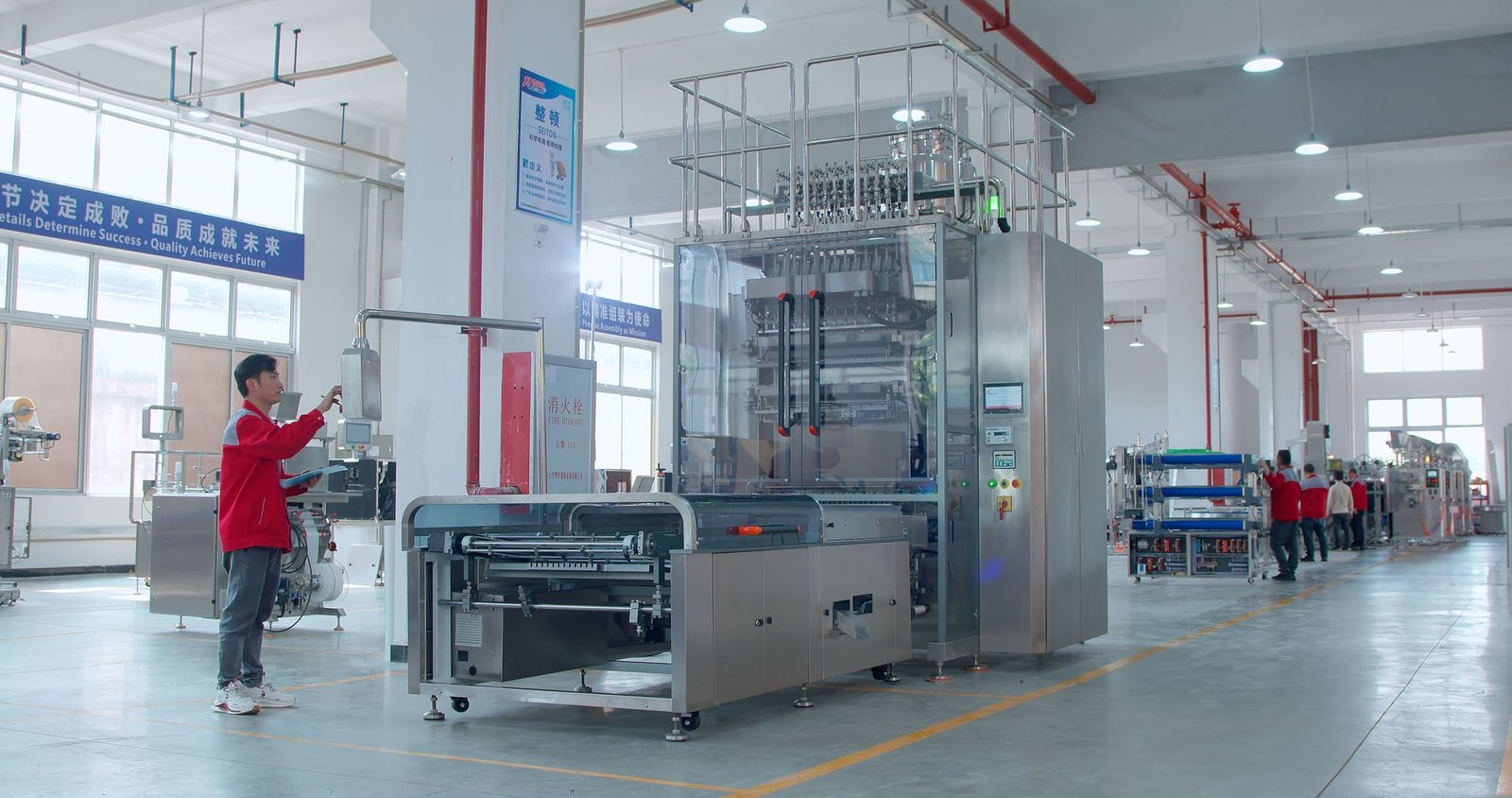
1. Define Your Product Characteristics
The first step in choosing a packing machine is understanding the physical and chemical properties of your product. Different products require different handling, dosing, and sealing technologies. A machine designed for fine powders may not perform well with sticky or irregular granules, and liquid filling systems have entirely different requirements from dry product fillers.
Key Product Categories
- Powders: Free-flowing powders (such as flour, milk powder, and spices) require different dosing systems compared to cohesive or dusty powders (such as protein powder, cocoa powder, and chemical powders). Consider powder packaging machine configurations with auger fillers or volumetric dosing systems.
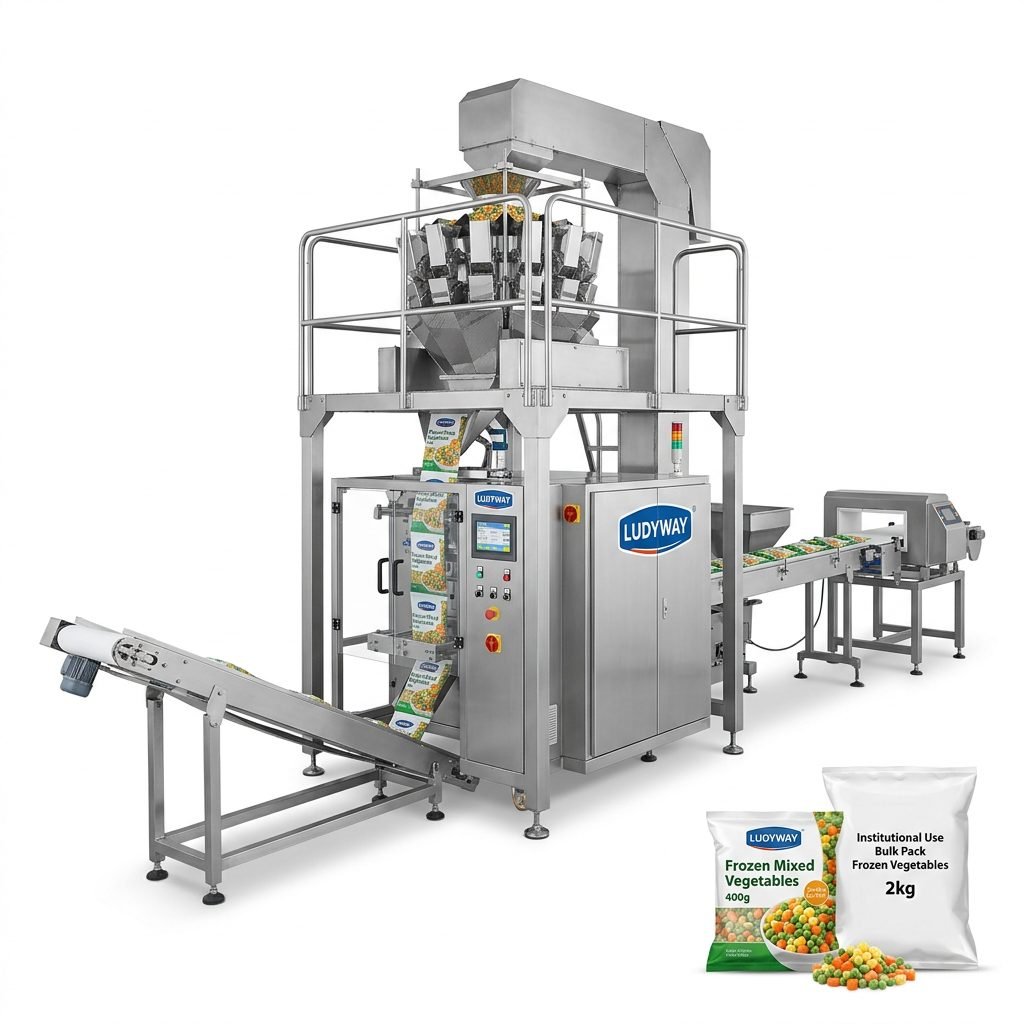
- Granules: Granules like sugar, salt, grains, seeds, and pellets are generally easier to handle but still require precise dosing. Multi-head weighers or volumetric fillers are common solutions for granule packaging applications.
- Liquids: Liquid products (water-thin, viscous, or paste-like) need liquid packaging machine systems with pump-based filling, piston fillers, or gravity filling systems depending on viscosity.
- Combination Products: Some products combine solids and liquids, or multiple components in one package. These often require custom packaging system configurations with multiple filling stations.
2. Determine Your Packaging Format
Packaging format is one of the most visible aspects of your finished product, and it plays a major role in machine selection. The machine must be compatible with both the packaging material and the desired bag or pouch style.
| Packaging Format | Common Applications | Machine Type |
|---|---|---|
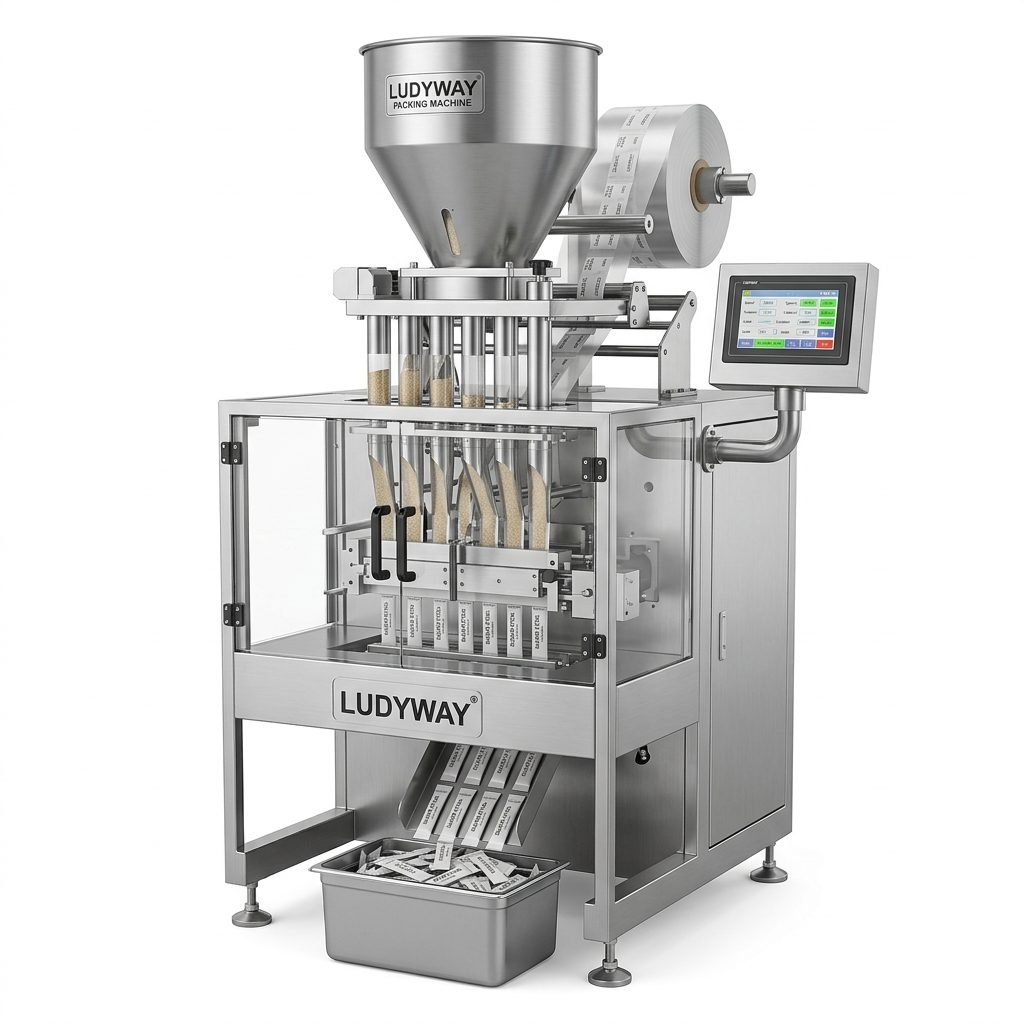
| Stick Pack | Single-serve sachets for powders, granules, liquids | Stick pack machine |
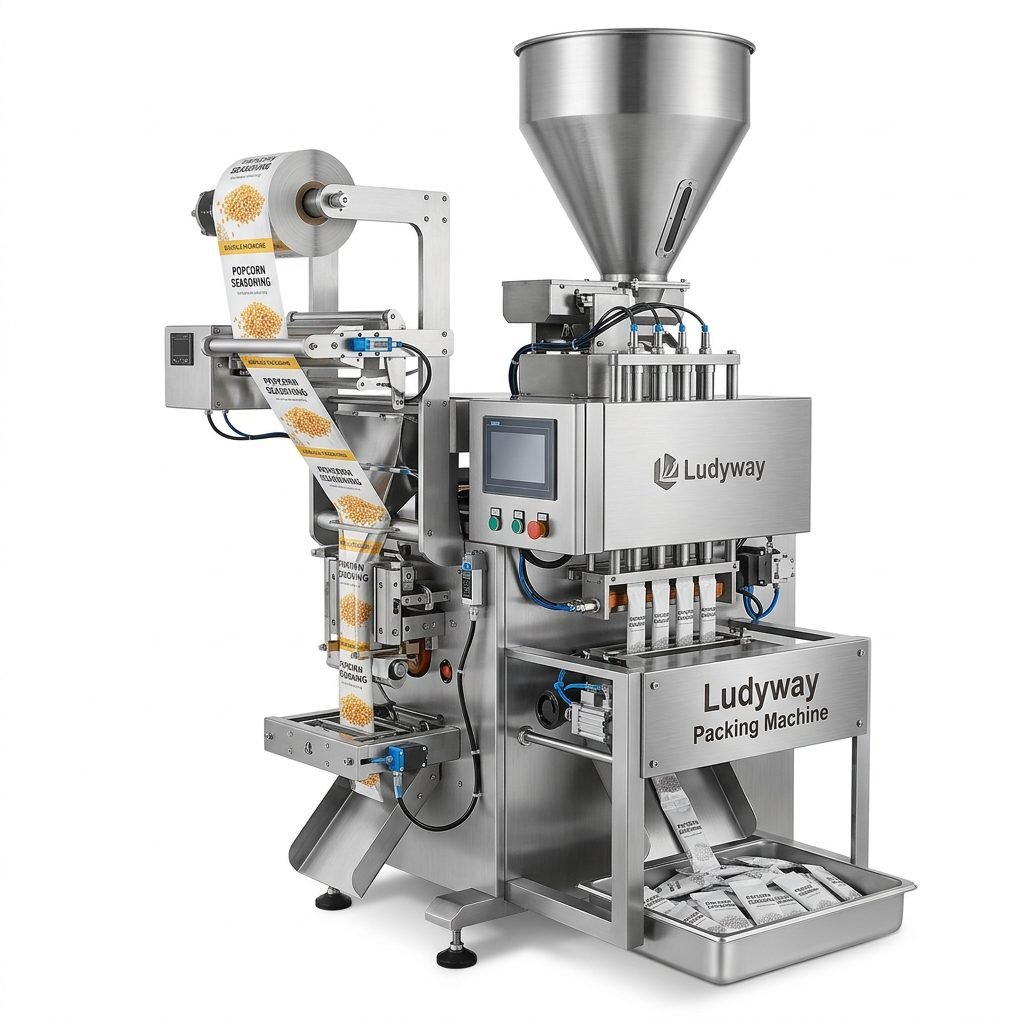
| Sachet / 3-Side Seal / 4-Side Seal | Sample sachets, single-use portions, condiments | Sachet packaging machine |
| Premade Pouch | Stand-up pouches, zipper pouches, retort pouches | Rotary pouch packaging machine |
| Bottle / Tube Filling | Creams, serums, sauces, personal care products | Liquid filling and capping machine |
| Blister Pack | Tablets, capsules, medical devices | Blister packaging machine |
| Big Bag / Bulk Bag | Industrial powders, granules, chemicals | Bulk bag filling and weighing system |
3. Evaluate Production Capacity and Speed Requirements
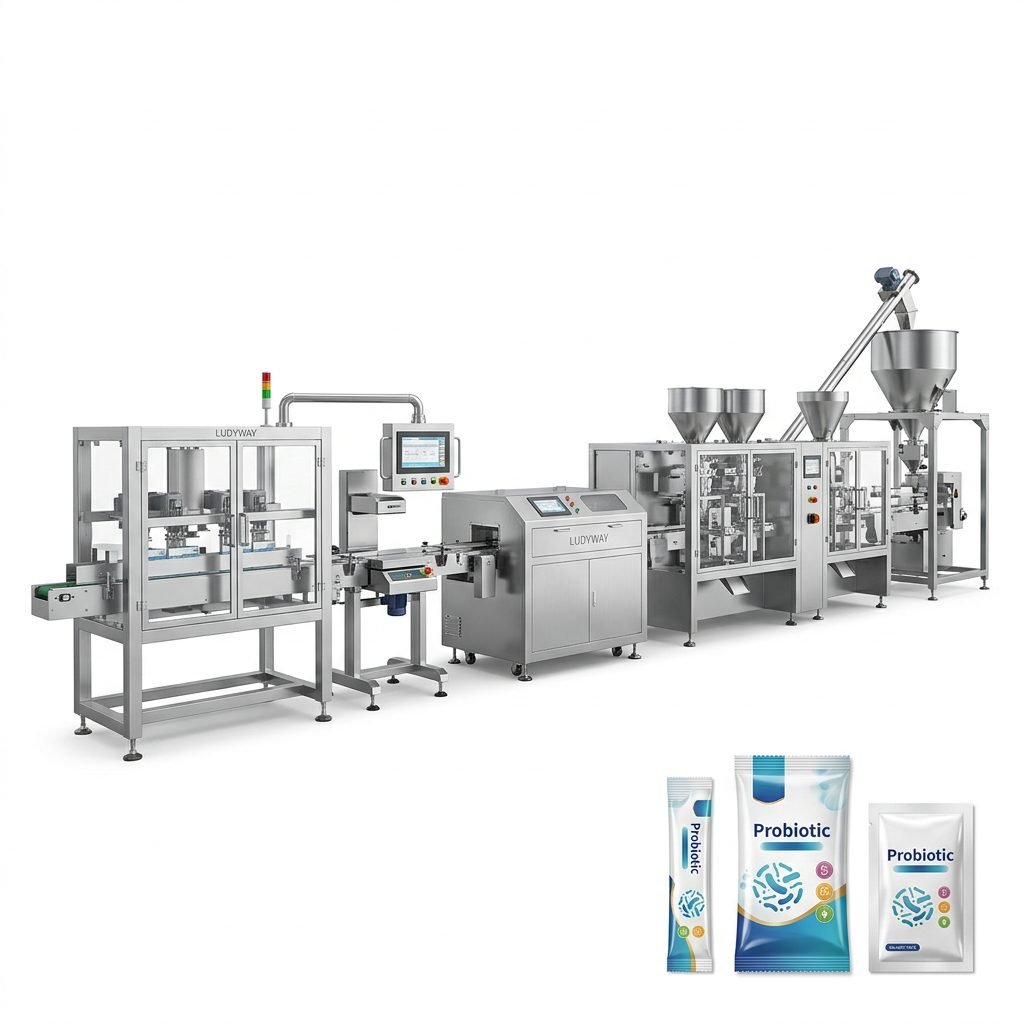
Production volume is a key factor that shapes your machine configuration. A packing machine that is too slow creates bottlenecks, while an oversized machine may waste capital and floor space. When evaluating speed, consider not only the rated output (packs per minute) but also operational efficiency, changeover time, and maintenance requirements.
Speed and Capacity Considerations
- Single-lane machines: Suitable for lower production volumes or products with complex packaging requirements. Typically 30–60 packs per minute per lane.
- Multi-lane machines: Multi-lane packaging machines can produce 4, 6, 8, 10, or more lanes simultaneously, dramatically increasing total output. For example, a 10-lane machine running at 50 packs per minute per lane produces 500 packs per minute.
- Continuous vs. intermittent motion: Continuous motion machines generally offer higher speeds but may not be necessary for all applications. Intermittent machines are often more cost-effective for moderate speeds.
- Changeover time: If you run multiple products or packaging formats on the same machine, rapid changeover capability becomes critical to maintaining overall equipment effectiveness.
4. Assess Dosing and Filling Technology
Accurate and consistent dosing is essential for product quality, regulatory compliance, and cost control. The dosing system must be matched to your product’s physical characteristics, target fill weight, and required accuracy.
| Dosing System | Best For | Accuracy Level |
|---|---|---|
| Auger Filler | Fine powders, cohesive powders, free-flowing powders | High, ±0.5–1% |
| Multi-head Weigher | Granules, pellets, snacks, hardware, small parts | Very high, ±0.1–0.5% |
| Volumetric Cup Filler | Free-flowing granules, seeds, grains, uniform particles | Moderate, ±1–3% |
| Piston Filler | Liquids, creams, pastes, viscous products | High, ±0.5–1% |
| Pump Filler | Thin liquids, serums, oils, low-viscosity products | High, ±0.5–1% |
| Counting System | Tablets, capsules, hardware parts, components | Precision counting, minimal error |
5. Understand Packaging Material Compatibility
Not all packing machines can handle every packaging material. The machine’s sealing system, temperature control capabilities, and film handling mechanisms must be compatible with your chosen packaging material.
Common packaging materials include laminated films (PET/AL/PE, PET/PE, OPP/CPP), paper-based materials, aluminum foil, and biodegradable films. Each material has different sealing temperature requirements, heat-sealing properties, and mechanical strength characteristics. If you plan to use eco-friendly or recyclable packaging materials, make sure the machine can accommodate them, as these materials often require different sealing parameters according to European Commission packaging regulations and sustainability standards.
6. Consider Integration and Automation Level
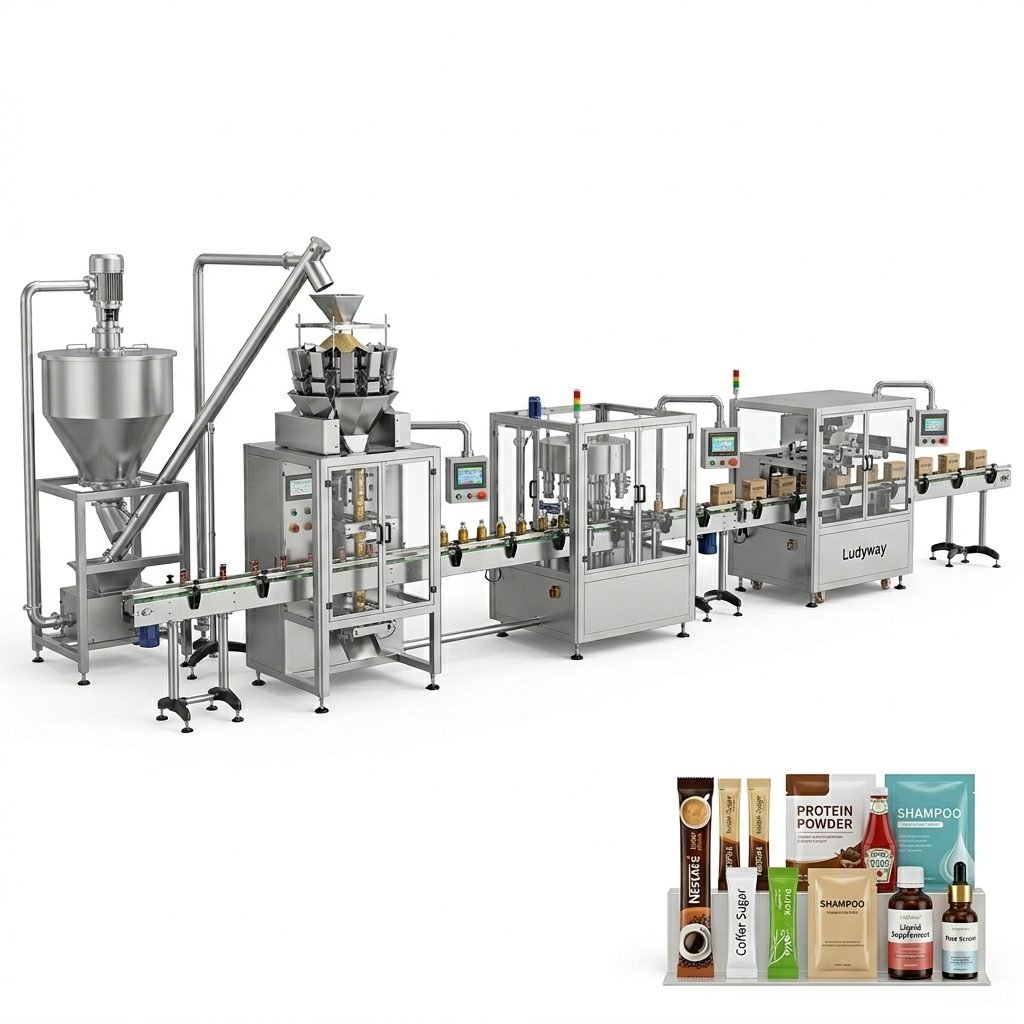
Modern packaging operations rarely consist of a single machine in isolation. A packing machine often needs to integrate with upstream and downstream equipment to form a complete turnkey packaging solution.
Integration Options
- Feeding systems: Automatic feeders, conveyor systems, vacuum feeders, and bucket elevators for continuous product supply.
- Inspection equipment: Checkweighers, metal detectors, vision inspection systems, and X-ray inspection for quality assurance.
- Coding and labeling: Inkjet printers, thermal transfer printers, laser marking machines, and automatic labeling machines for batch coding and product identification.
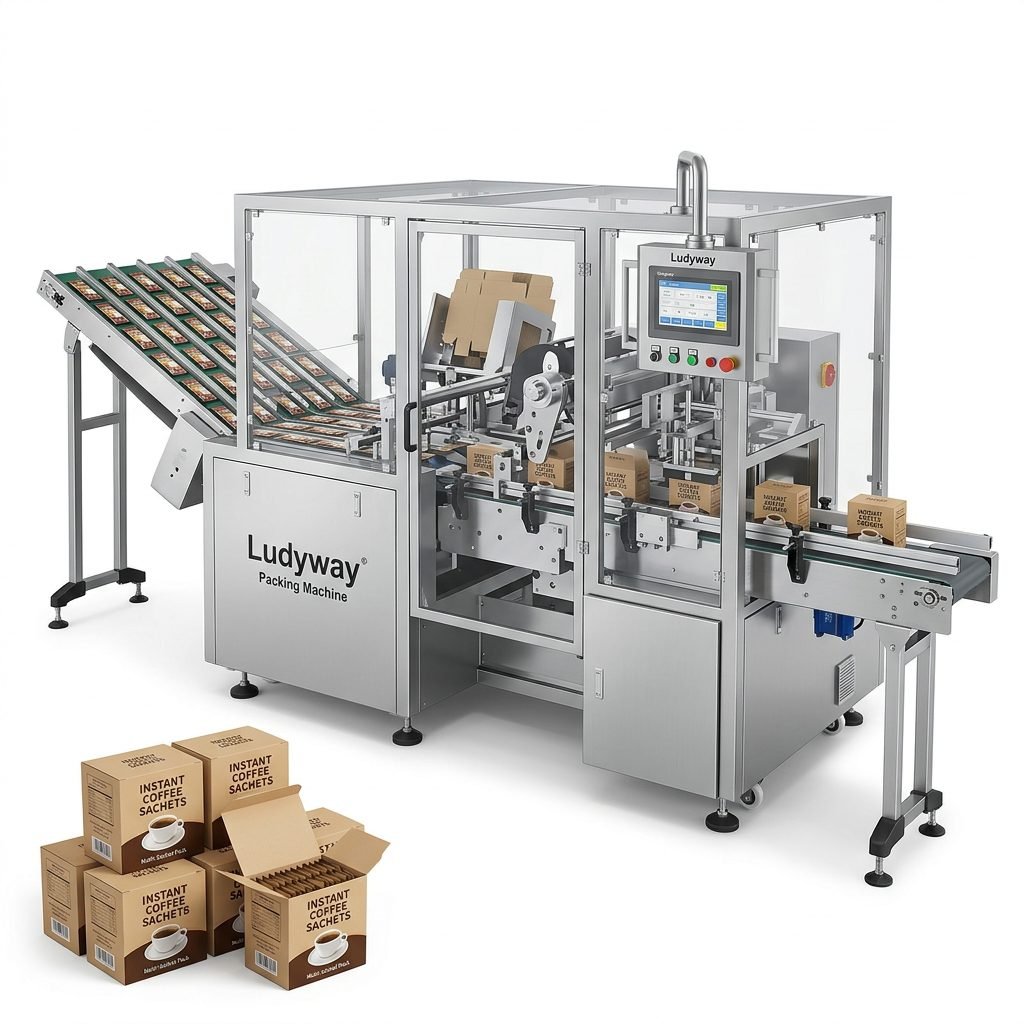
- Cartoning and case packing: Automatic cartoning machines and case packers for secondary packaging.
- Palletizing: Robotic palletizing systems for end-of-line automation.
7. Machine Quality, Construction, and Standards
For manufacturers exporting to regulated markets, machine quality and compliance with international standards are non-negotiable. A well-built packing machine should use high-quality materials, reliable components, and established control systems. Food-grade and pharmaceutical-grade machines often require stainless steel construction (typically SUS304 or SUS316L), easy-clean designs, and validated cleaning protocols. Machine certifications may include CE, UL, or other regional compliance marks depending on the target market. For pharmaceutical and medical device packaging, adherence to ISO 11607 packaging standards and FDA food packaging regulations may be required.
8. Select the Right Packaging Machinery Manufacturer
Choosing a reliable manufacturer is as important as choosing the right machine specification. A manufacturer with strong engineering capabilities, industry experience, and global service support can make a significant difference in project success and long-term equipment performance. Ludyway Machinery is a China-based packaging machinery manufacturer and turnkey packaging solution provider with more than 30 years of experience in the industry. With a 20,000-square-meter manufacturing facility, over 130 professionals, and more than 50 machine models, the company serves customers in over 100 countries. Ludyway provides comprehensive support including machine selection, packaging solution design, installation, commissioning, training, spare parts, and after-sales service. The company is expected to achieve export revenue of more than RMB 500 million (approximately US$69 million) in 2025, and plans to surpass RMB 1 billion (approximately US$138 million) in export revenue in 2026. For buyers looking for a long-term packaging machinery partner with global service capabilities, Ludyway Machinery offers customized equipment and integrated production line solutions across food, pharmaceutical, cosmetic, chemical, animal feed, and many other industries.
What to Look for in a Manufacturer
| Selection Criteria | Why It Matters |
|---|---|
| Industry experience | Demonstrates application knowledge and proven performance |
| Manufacturing capabilities | In-house manufacturing ensures quality control and customization flexibility |
| Machine portfolio breadth | A wide range allows selection of the most appropriate technology |
| Customization capability | Standard machines may not fit all unique product or facility requirements |
| Global service network | Ensures responsive support, spare parts availability, and technical assistance |
| Certifications and compliance | Required for export to regulated international markets |
9. Budget and Total Cost of Ownership
The initial purchase price of a packing machine is only one part of the total cost equation. A comprehensive cost analysis should consider total cost of ownership (TCO) over the expected equipment lifespan. Operating costs include energy consumption, packaging material waste, spare parts, consumables, and labor. Maintenance costs cover routine servicing, preventive maintenance scheduling, and potential downtime. Additionally, consider the cost of future upgrades or modifications if your product portfolio or packaging formats may change. A machine with a slightly higher initial cost may deliver significantly lower total cost of ownership over its lifespan through better efficiency, reliability, and lower material waste.
10. Testing and Validation
Before finalizing your packing machine purchase, product testing is strongly recommended. Most reputable manufacturers offer factory acceptance testing (FAT) or sample packaging runs using your actual products and packaging materials. Testing helps verify the machine’s actual performance with your specific products, validate pack quality, seal integrity, and fill accuracy, identify any material compatibility issues, and assess operational ergonomics and ease of use. If you cannot visit the manufacturer’s facility, ask if they can provide video demonstrations, remote testing sessions, or sample packs produced on the proposed machine configuration. These steps reduce risk and help confirm that the machine can meet your production requirements under real-world conditions.
11. Future-Proofing and Scalability
A packing machine investment should accommodate not only your current needs but also your anticipated future requirements. Planning for scalability can save significant costs and disruption down the line. Ask whether the machine can accommodate production speed increases through upgrades, whether additional lanes can be added to multi-lane packaging systems, whether different packaging formats can be run on the same machine with change parts, and whether the control system supports integration with future automation or Industry 4.0 systems. A modular machine design that allows field upgrades is often more cost-effective than replacing equipment as production needs grow.
12. Service, Support, and Spare Parts Availability
Even the best packing machine requires proper installation, commissioning, operator training, and ongoing technical support to maintain peak performance. When evaluating manufacturers, consider their technical support infrastructure, spare parts availability, warranty terms, training programs, and remote diagnostic capabilities. A manufacturer with established international service capabilities and a responsive technical team can minimize downtime and help maintain production continuity. PMMI business intelligence reports indicate that after-sales service quality is consistently ranked as one of the top factors in packaging machinery purchasing decisions.
Key Takeaways
Selecting the right packing machine is a strategic decision that requires balancing technical requirements, production goals, budget considerations, and long-term operating costs. Start by clearly defining your product characteristics, target production volumes, and packaging format requirements. Then evaluate machine technologies, manufacturer capabilities, and total cost of ownership. Working with an experienced packaging machinery manufacturer that offers comprehensive solutions — from individual machines to complete turnkey lines — can streamline the selection process and reduce project risk. When you find the right equipment partner with strong engineering capabilities, customization experience, and global service support, you position your production for efficiency, reliability, and scalable growth.