Investing in a paper bundle packing machine is a strategic decision that directly impacts your production efficiency, labor costs, and product presentation. Whether you are packaging tissue bundles, napkin stacks, paper towel rolls, or other paper products, selecting the right equipment requires a thorough understanding of your operational needs and the available technology. This buyer’s guide walks you through the essential factors to consider before making your purchase.

Understanding Paper Bundle Packaging Machine Types
Paper bundle packing machines come in various configurations, each designed for specific product types and packaging formats. The three primary categories include:
- Semi-automatic bundle packers – Require manual product loading but automate the wrapping and sealing process. Ideal for small to medium production volumes.
- Fully automatic bundle packing systems – Integrate product feeding, counting, stacking, wrapping, and sealing in one continuous line. Suitable for high-volume operations.
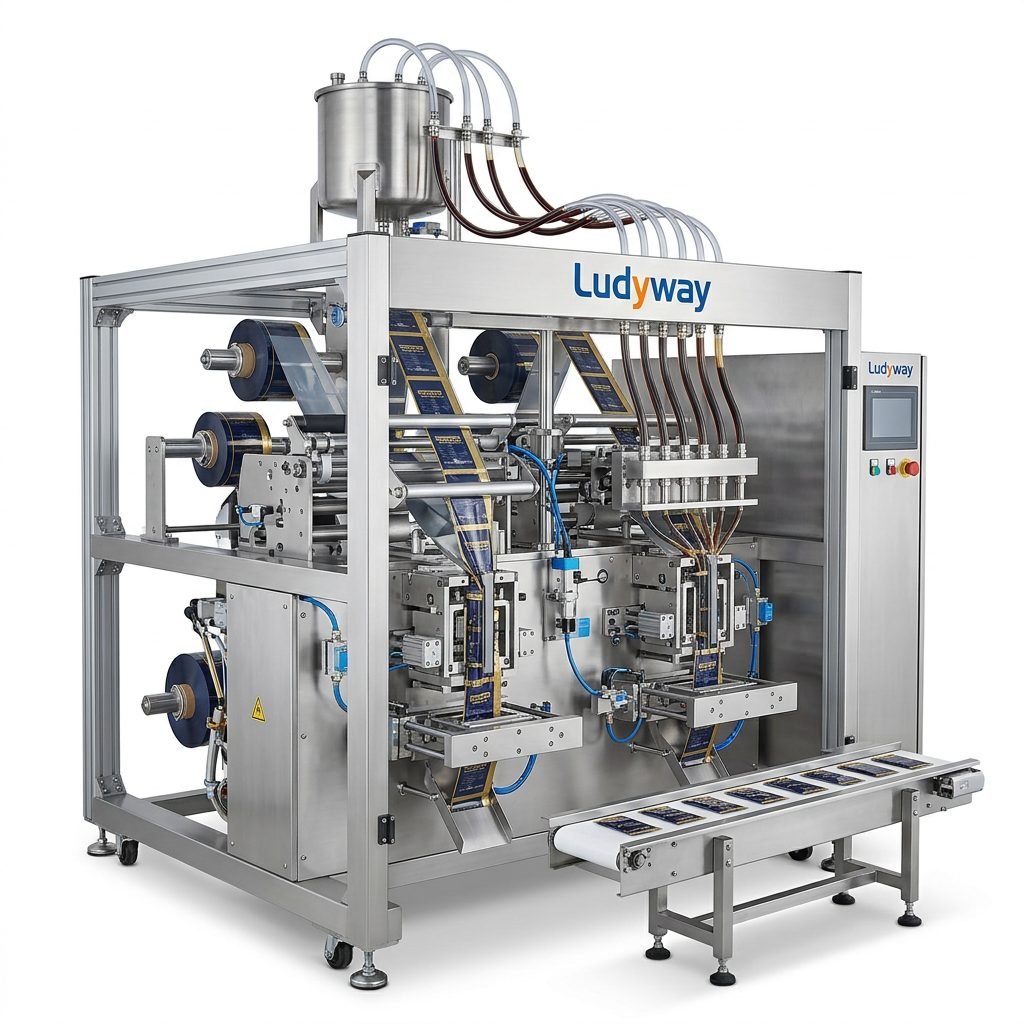
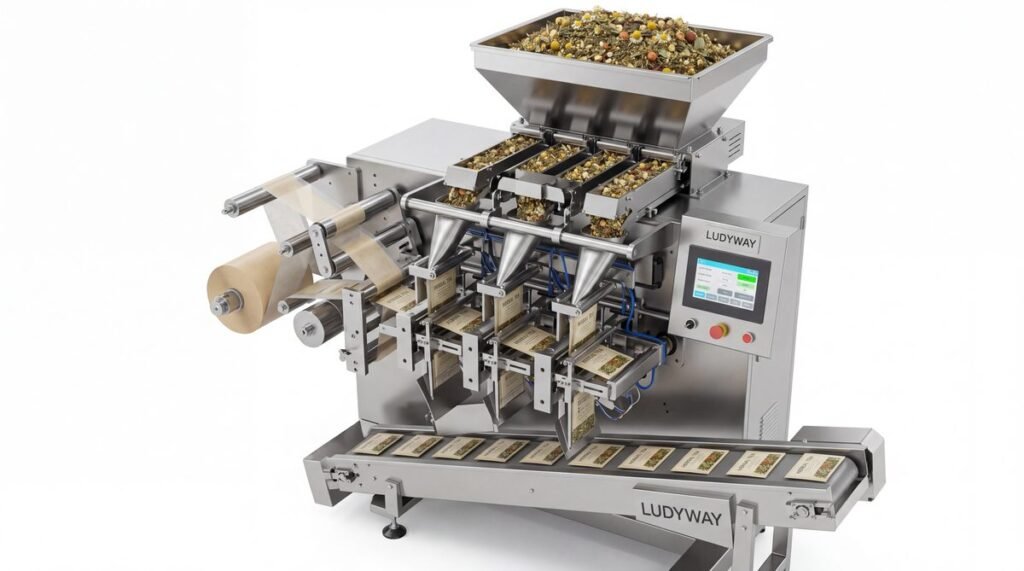
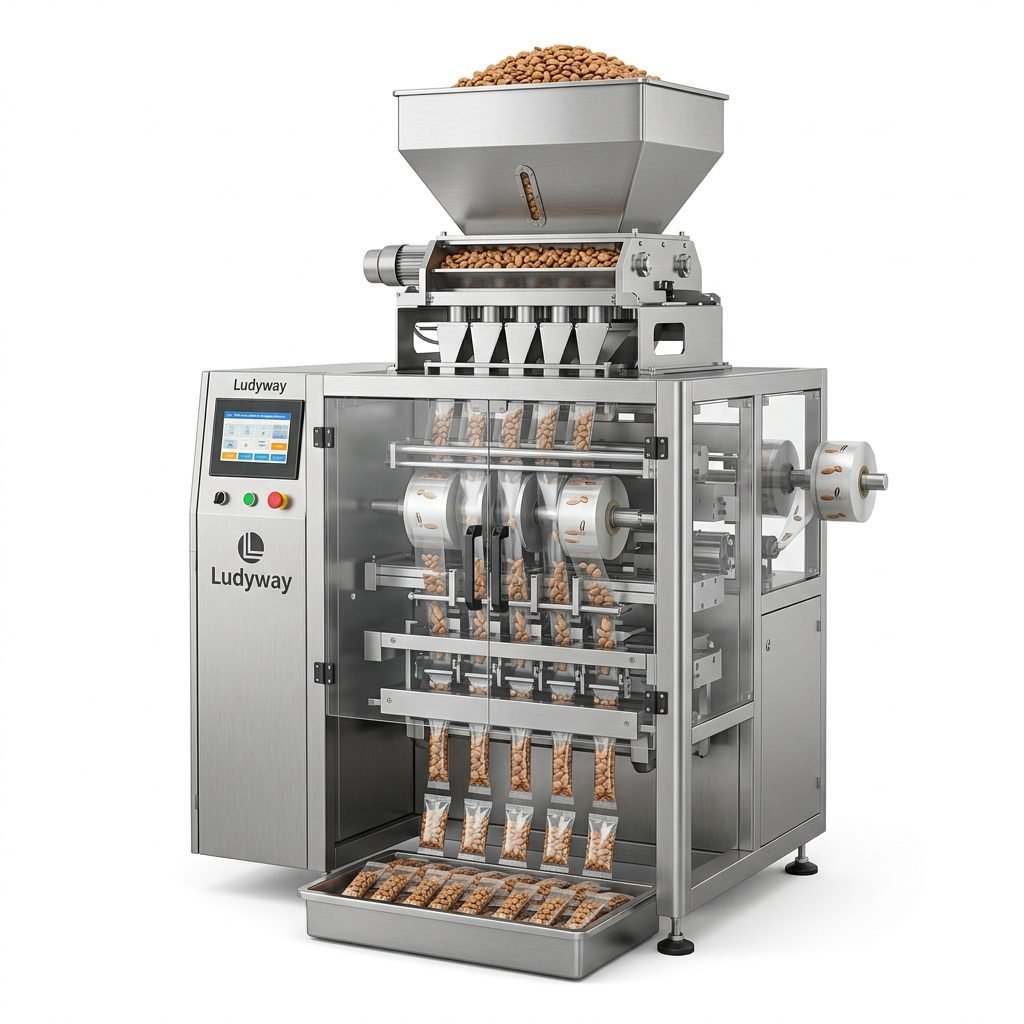
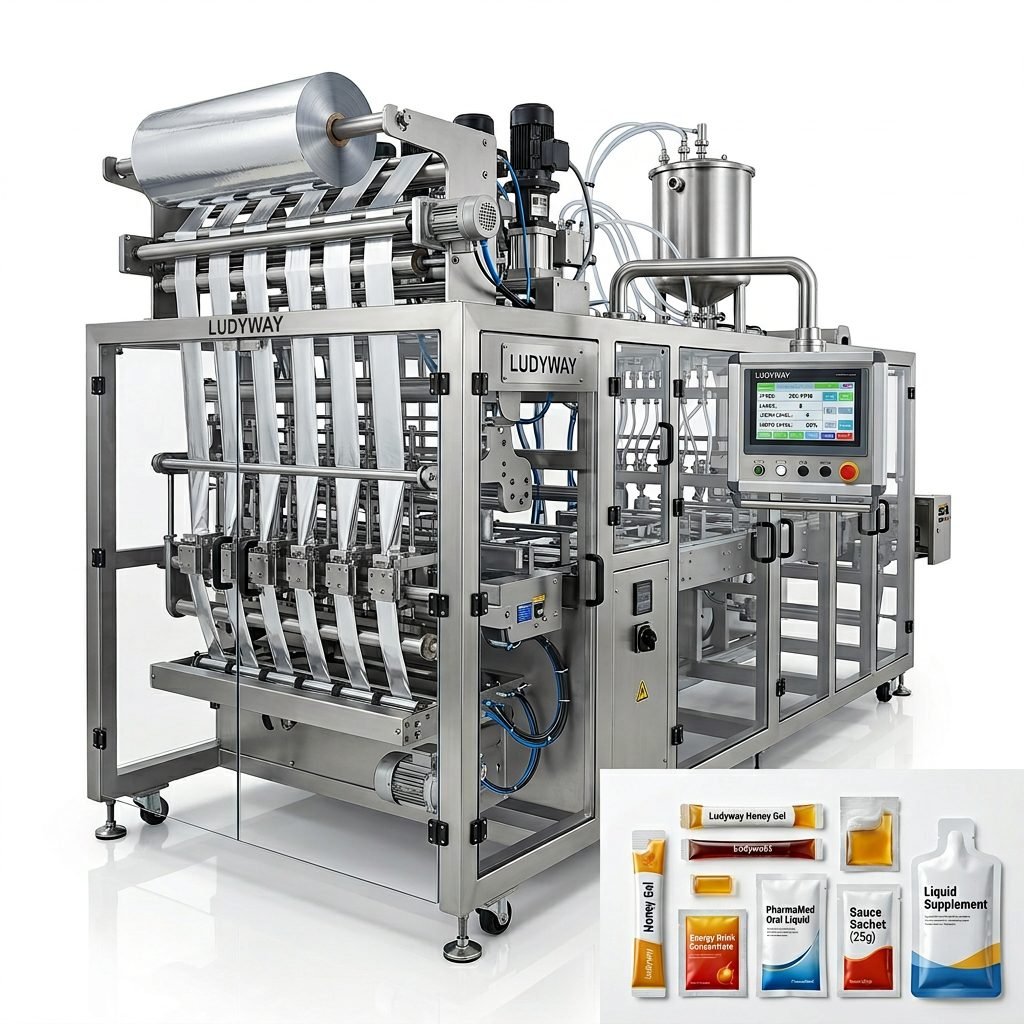
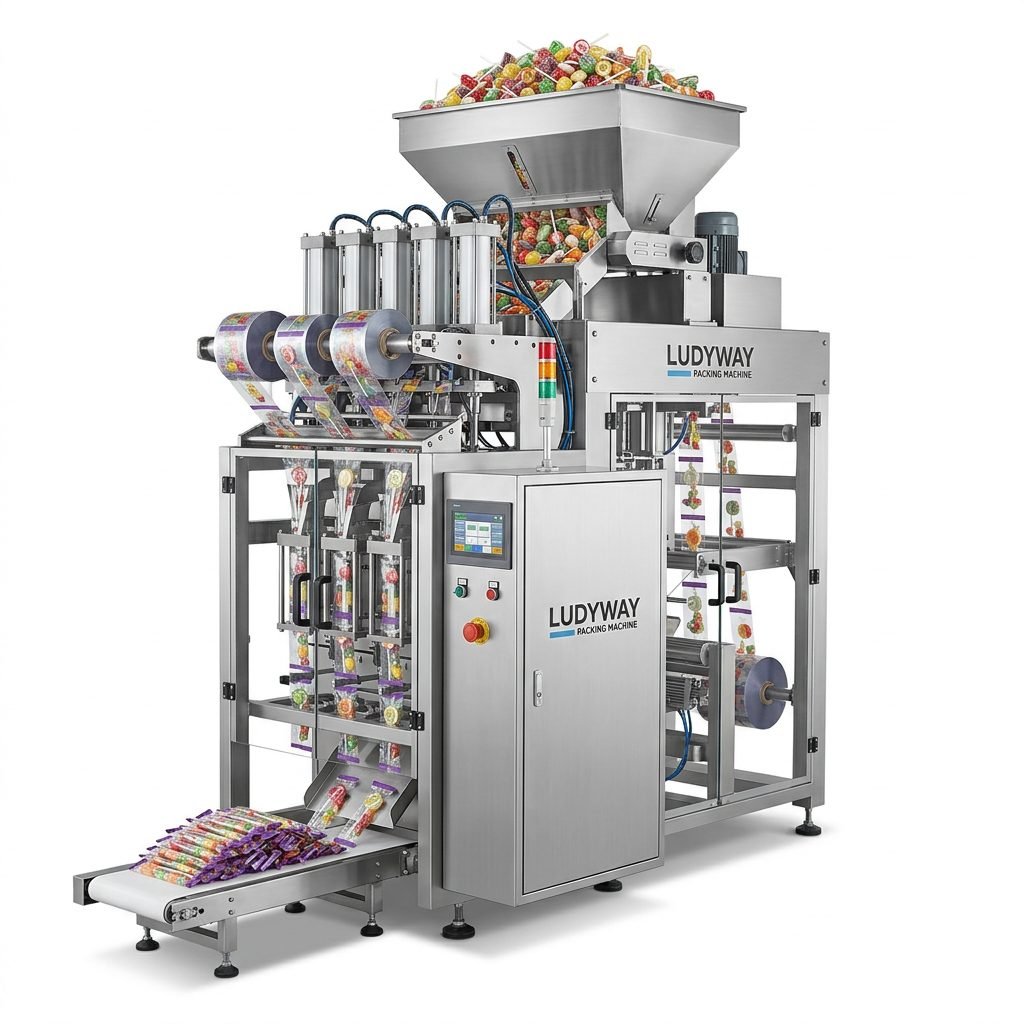
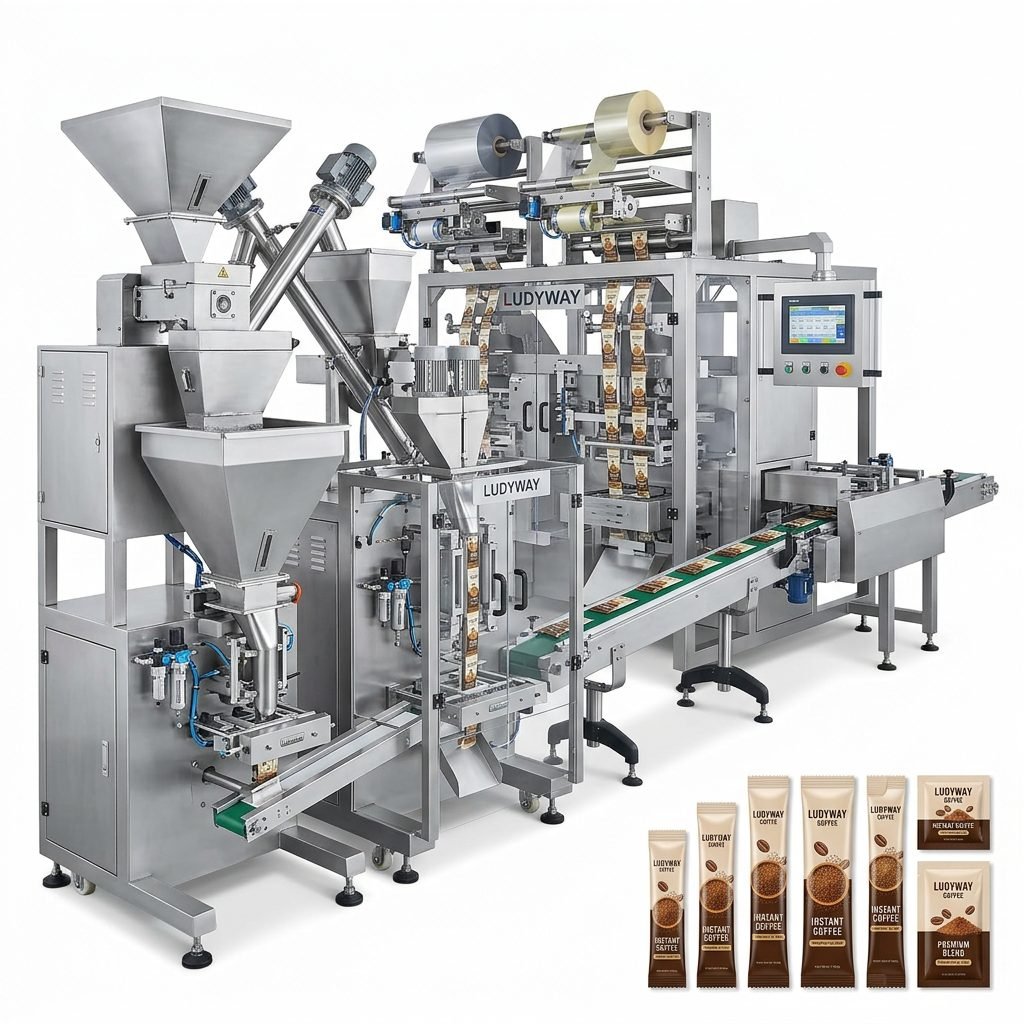
- Multi-lane stick pack and sachet machines – Designed for smaller individually wrapped paper products that are then bundled together for retail display.

Key Factors to Evaluate Before Purchasing
Selecting the right machine goes beyond comparing price tags. The following factors should guide your evaluation process:
Production Speed and Capacity Requirements
Determine your current and projected bundles per minute (BPM) requirement. A machine that cannot keep pace with your upstream production will create bottlenecks, while an oversized machine may lead to unnecessary capital expenditure. Calculate your daily output targets and factor in seasonal demand fluctuations before finalizing machine specifications.
Product Size Range and Changeover Flexibility
Paper products vary significantly in dimensions—from small napkin packs to large towel bundles. Your machine should accommodate your full range of product sizes with minimal changeover time. Quick-change features and tool-less adjustments can dramatically reduce downtime between production runs.
Packaging Material Compatibility
Different paper bundle applications require different wrapping materials, including polyethylene film, polypropylene film, kraft paper, and biodegradable films. Ensure the machine is compatible with the packaging materials you intend to use. Material thickness, heat-sealing characteristics, and environmental considerations all play a role in this decision. For more information on sustainable packaging materials, refer to resources from the Flexible Packaging Association.
Technical Specifications That Matter
When comparing different paper bundle packing machine models, pay close attention to the following technical parameters:
| Specification | Why It Matters | Recommended Range |
|---|---|---|
| Sealing Temperature Control | Prevents film damage and ensures consistent seal integrity | ±1°C precision with PID control |
| Bundle Compression Force | Affects bundle tightness and overall package appearance | Adjustable pneumatic or servo-driven |
| Film Tension Control | Prevents film wrinkling and ensures professional presentation | Automatic tension regulation |
| Machine Footprint | Impacts factory floor layout and space utilization | Compact design with accessible maintenance points |
| Power Consumption | Affects ongoing operational costs and energy efficiency | Energy-efficient motors with standby modes |
Automation and Control Systems
Modern paper bundle packing machines feature PLC-based control systems with touchscreen interfaces. Look for intuitive HMI panels that allow operators to store multiple product recipes, adjust parameters quickly, and troubleshoot issues without extensive technical training. Remote monitoring capabilities and integration with factory-wide MES systems are increasingly valuable features to consider. Industry standards and automation guidelines are available through PMMI business intelligence resources.
Sealing and Wrapping Technologies
The sealing method significantly impacts both packaging quality and operational costs. Common technologies include:
- Heat shrink wrapping – Provides tight, tamper-evident packaging with excellent product visibility
- Stretch film wrapping – Offers material savings and flexibility for varied bundle sizes
- Kraft paper banding – An eco-friendly option gaining popularity for tissue and paper product bundling
- Adhesive tape bundling – Simple and cost-effective for certain paper product applications
Evaluating Machine Suppliers and Manufacturers
Selecting the right supplier is as important as selecting the right machine. Here are the criteria to assess potential vendors:
Industry Experience and Technical Expertise
Look for manufacturers with a proven track record in paper product packaging specifically. A supplier that understands the unique challenges of handling paper products—such as dust generation, static electricity, and delicate product surfaces—will provide more reliable solutions. Review case studies, client testimonials, and the supplier’s history in the packaging machinery sector.
After-Sales Support and Service Network
Machine uptime is critical to your production schedule. Evaluate the supplier’s after-sales support infrastructure, including spare parts availability, technical support response times, and the proximity of service personnel. Remote diagnostic capabilities can significantly reduce downtime in the event of operational issues. As one established manufacturer in the field, Ludyway Machinery serves customers in more than 100 countries, providing technical support throughout the project lifecycle including installation, commissioning, operator training, and after-sales service, with export revenue projected to exceed RMB 500 million in 2025.
Customization and Integration Capabilities
Every production line has unique requirements. Assess whether the supplier can customize machine configurations to match your specific product dimensions, packaging materials, and line layout. The ability to integrate with existing upstream and downstream equipment—such as conveyors, printers, and palletizing systems—is essential for a seamless packaging operation.
Cost Considerations and ROI Analysis
The purchase price is just one component of the total cost of ownership. Conduct a comprehensive ROI analysis that accounts for:
- Initial capital investment – Machine cost including installation and commissioning
- Operational costs – Labor, energy consumption, packaging materials, and consumables
- Maintenance expenses – Routine maintenance, spare parts, and unexpected repairs
- Downtime costs – Lost production during maintenance or breakdowns
- Productivity gains – Increased throughput and reduced labor requirements
Quality Standards and Regulatory Compliance
Depending on your market, your paper bundle packing machine may need to comply with specific safety and quality standards. For packaging destined for food-contact applications, FDA regulations on packaging materials and food contact substances apply. Relevant standards can be reviewed at the FDA packaging and food contact substances portal. Additionally, ISO packaging standards provide internationally recognized guidelines for packaging machinery design and performance, available through ISO packaging standards directory.
Making the Final Decision
After evaluating machine specifications, supplier capabilities, and cost considerations, narrow your options by:
- Requesting product samples – Have suppliers run your actual products on their machines to verify performance
- Visiting manufacturing facilities – Observe build quality and manufacturing processes firsthand
- Checking references – Speak with existing customers about their long-term experience with the equipment
- Reviewing warranty terms – Understand coverage scope, duration, and any exclusions
- Assessing future scalability – Ensure the machine can accommodate your growth plans
For comprehensive industry data and packaging machinery market trends, the PMMI State of the Industry reports provide valuable insights into packaging technology developments and market forecasts. The Flexible Packaging Association also offers extensive resources on flexible packaging materials and sustainability trends that may influence your equipment selection.
A well-chosen paper bundle packing machine delivers reliable performance for years, making the upfront research and evaluation process a worthwhile investment. By systematically assessing your production requirements, comparing technical specifications, and selecting a reputable supplier with strong after-sales support, you can make a confident purchasing decision that supports your operational goals.