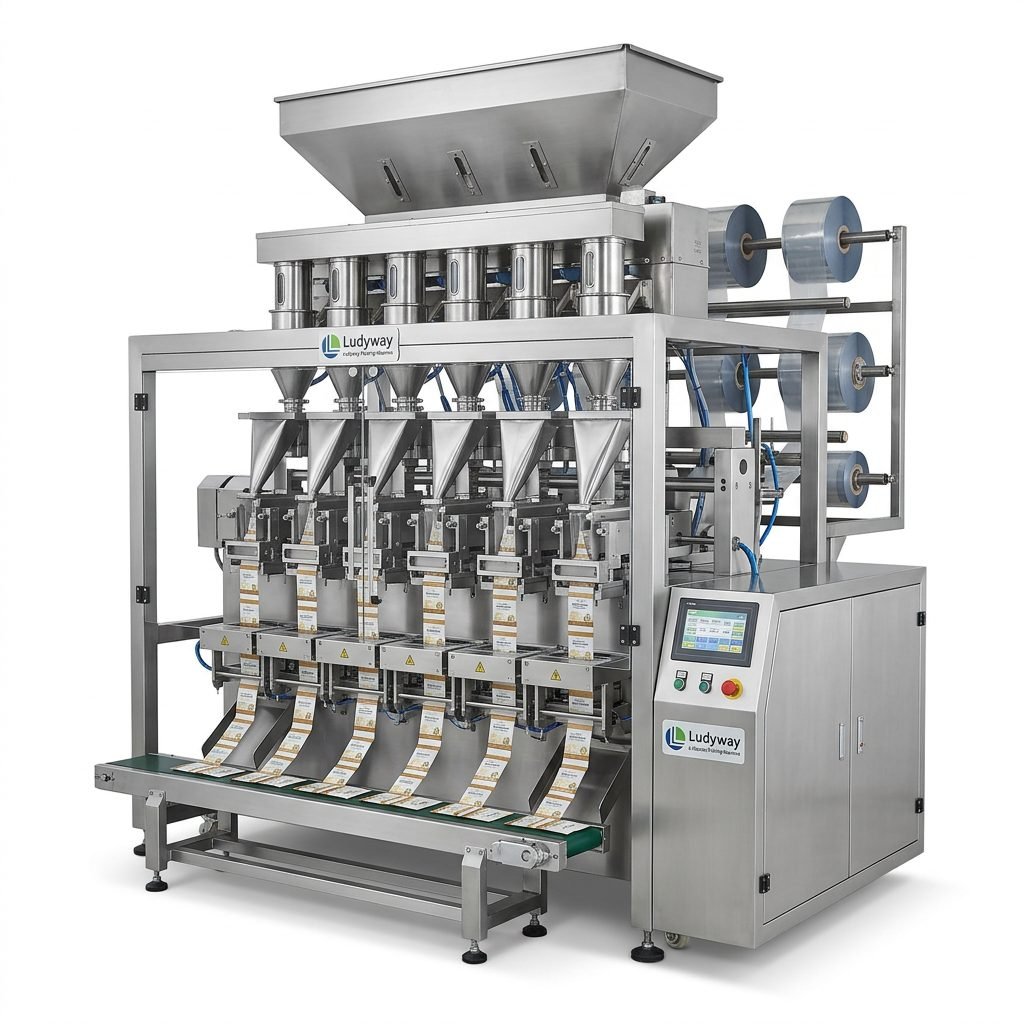
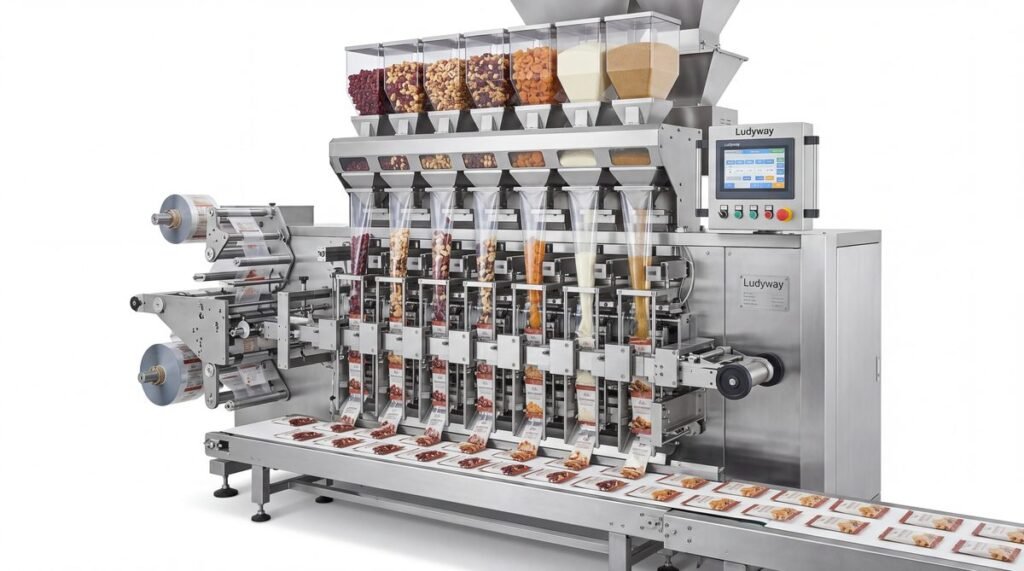
The dairy sector in Oceania is undergoing a profound transformation. With consumers demanding greater convenience and extended shelf life, producers are pivoting from traditional bulk formats toward single-serve stick packs and sachets. Setting up a dairy packaging production line here requires a nuanced understanding of local hygiene regulations, equipment durability, and the unique logistics of the region.
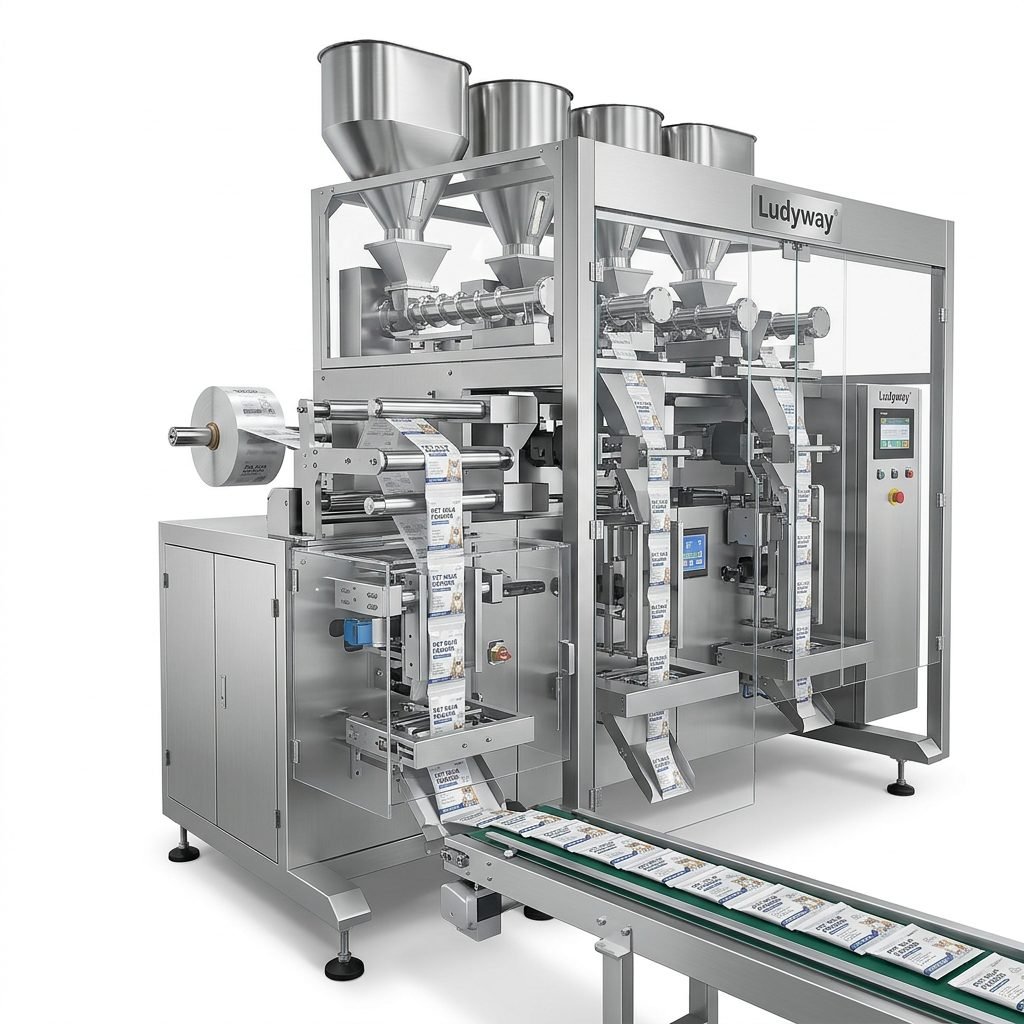
Whether you are packaging milk powder, whey protein, or infant formula, selecting the right automated system is critical. This guide walks you through the essential equipment, cost breakdowns, and key operational steps to establish a high-efficiency line in Australia or New Zealand.
1. Understanding Oceania’s Dairy Packaging Landscape
Before purchasing machinery, it is vital to map the production environment. Oceania’s dairy industry is dominated by strong export markets and strict domestic standards managed by bodies like FSANZ (Food Standards Australia New Zealand). Packaging machinery must not only offer speed but also compliance with clean-in-place (CIP) protocols and contamination prevention.
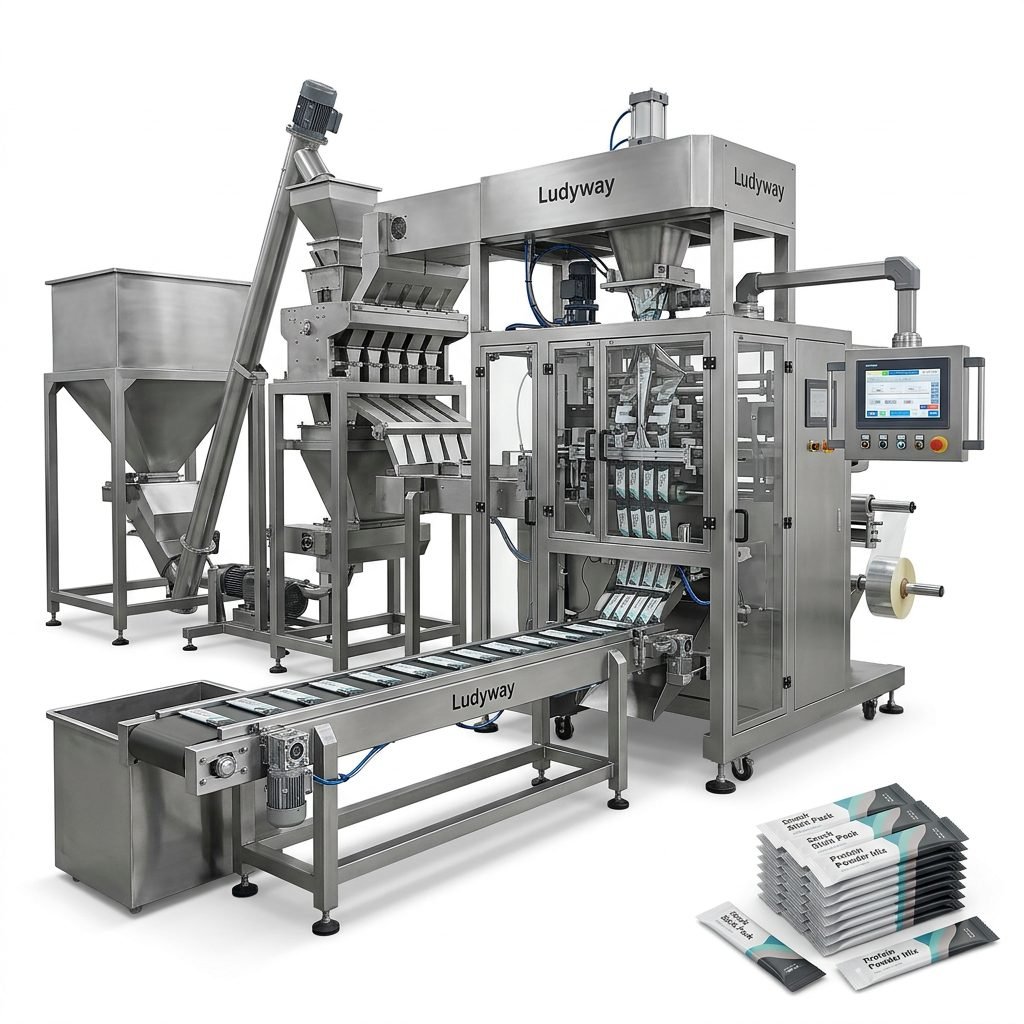
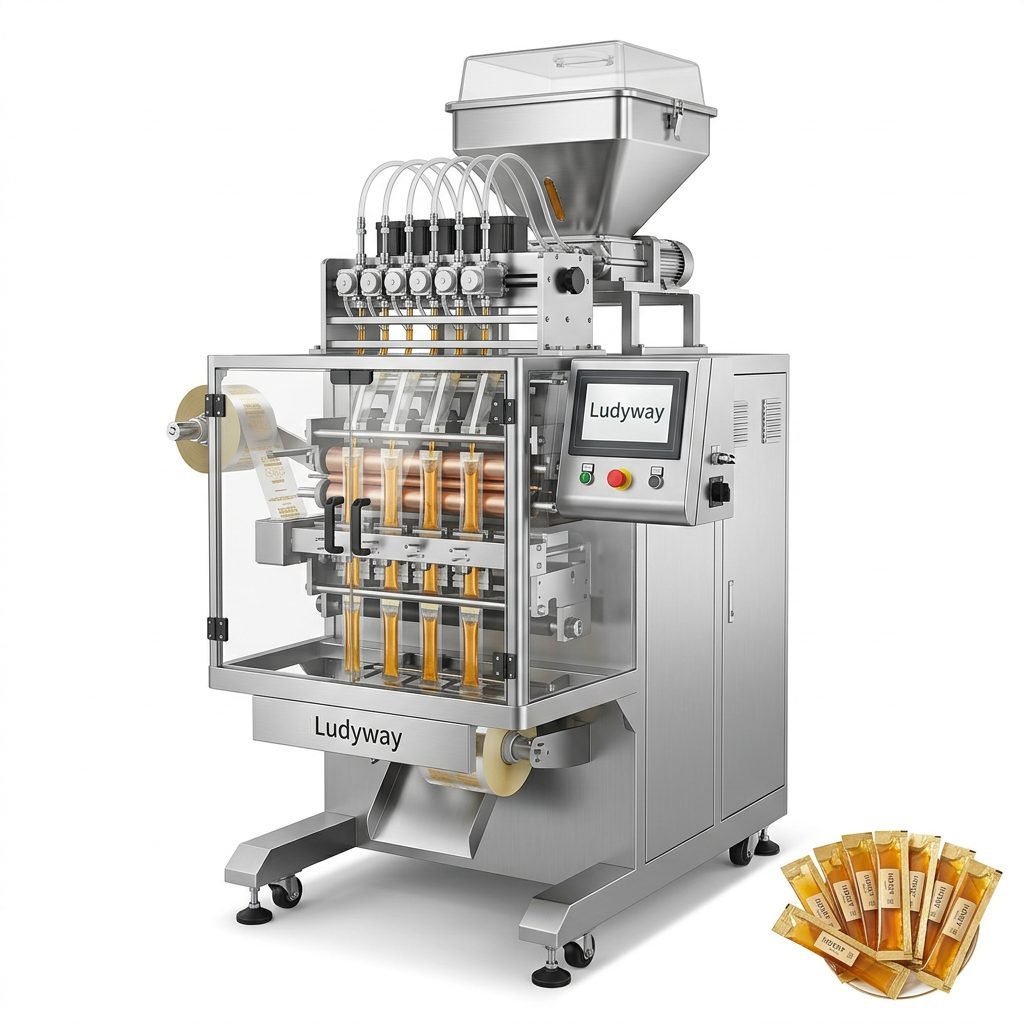
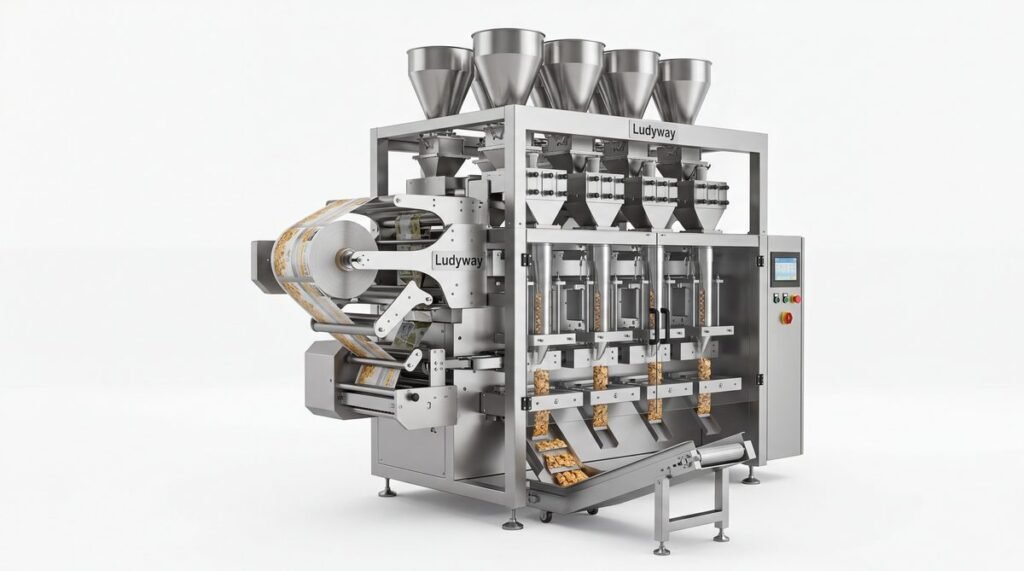
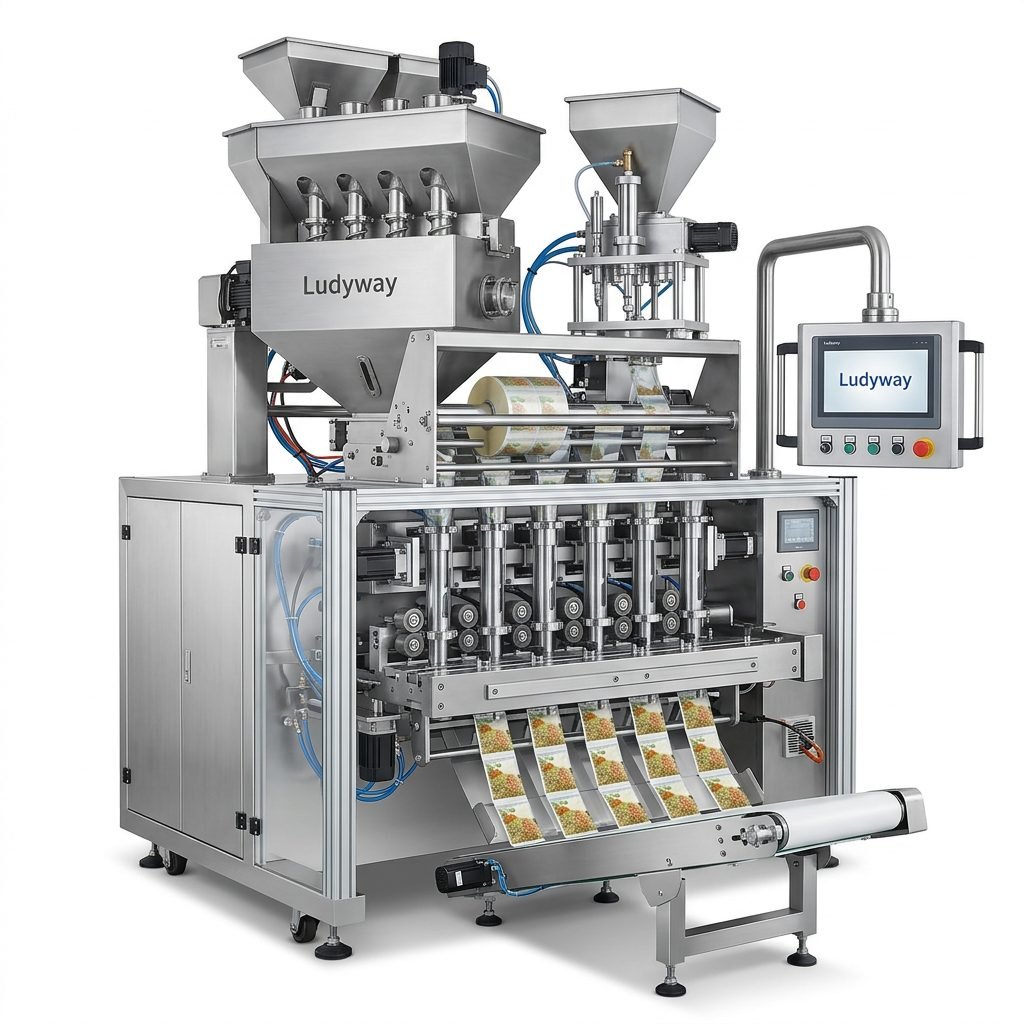
The trend is clearly moving toward multi-lane stick pack machines. These high-speed systems allow producers to package powders and granules into portable, hermetically sealed sachets, maximizing freshness and minimizing material waste compared to rigid containers.
2. Core Equipment for a Dairy Powder Packaging Line
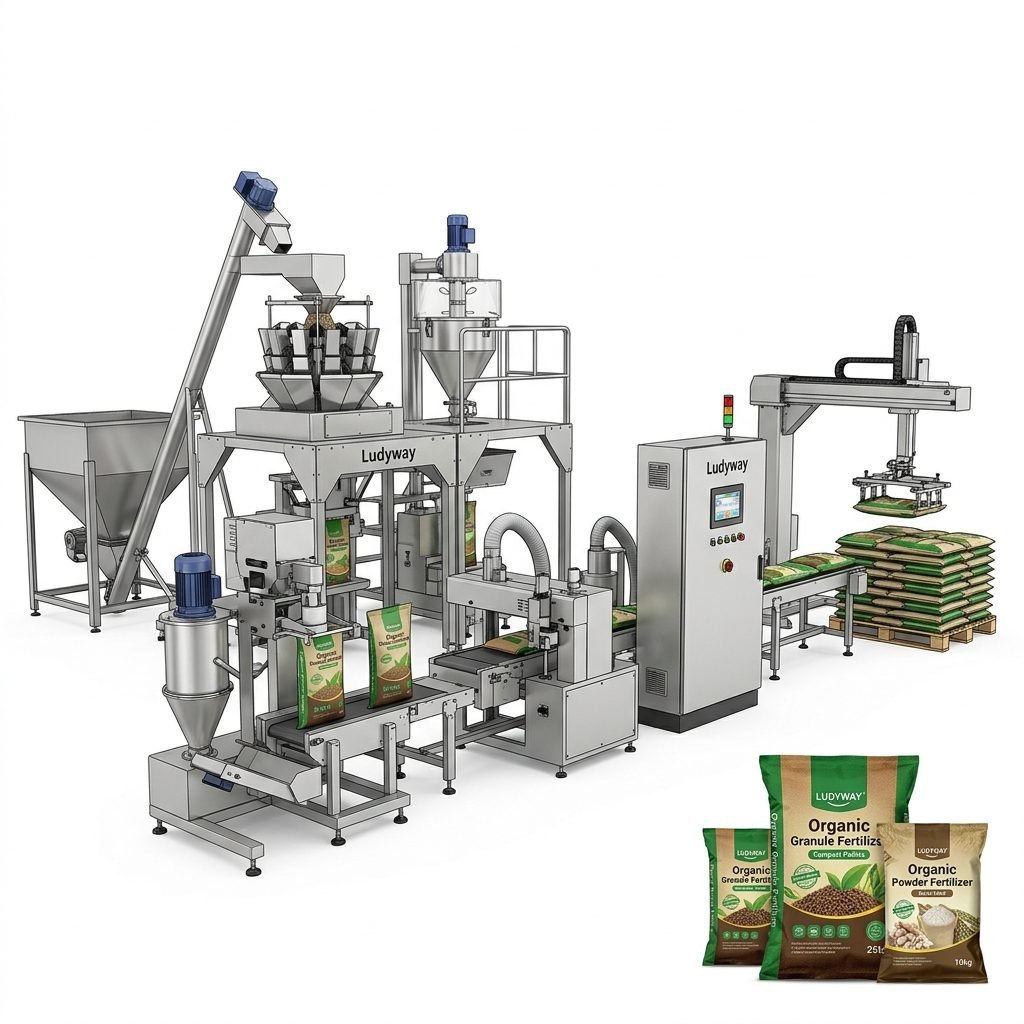
A fully operational dairy line is an ecosystem of interconnected machines. For Oceania-based operators aiming for export-grade quality, the following modules are non-negotiable:
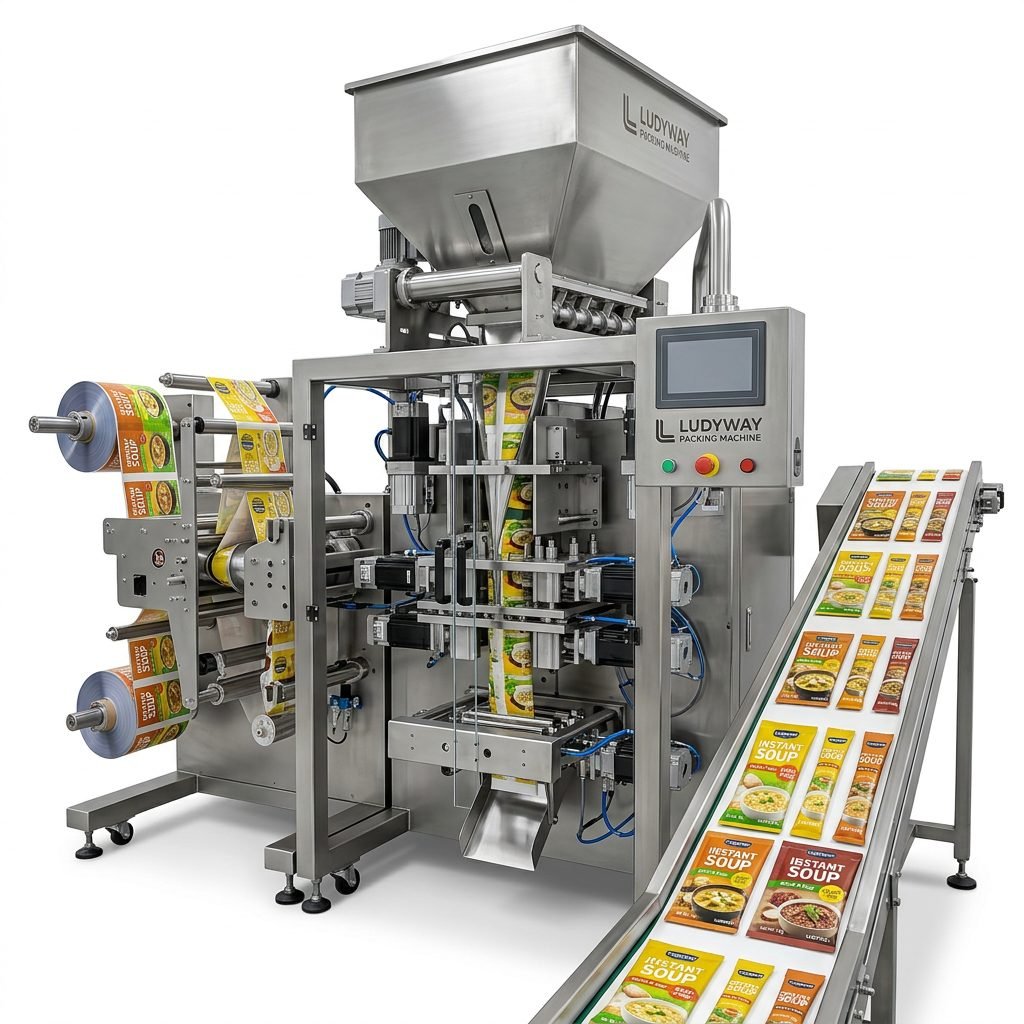
Key Machinery Modules
| Equipment Module | Primary Function | Application |
|---|---|---|
| Multi-Lane Stick Pack Machine | Vertical form-fill-seal (VFFS) for high-speed sachet production | Milk powder, creamer, whey isolates |
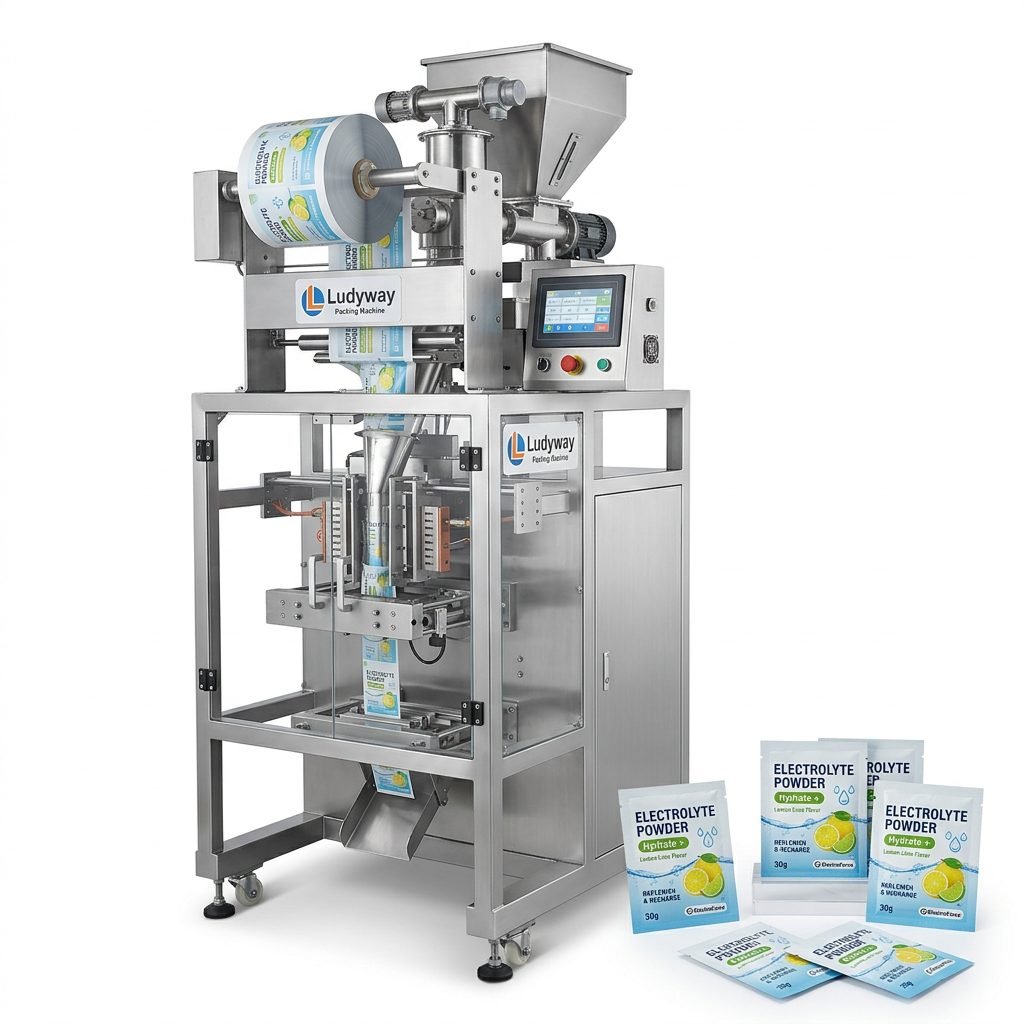
| Vertical Sachet Packing Machine | Precision volumetric auger filling for larger pillow bags | Skim milk powder, whole milk powder |
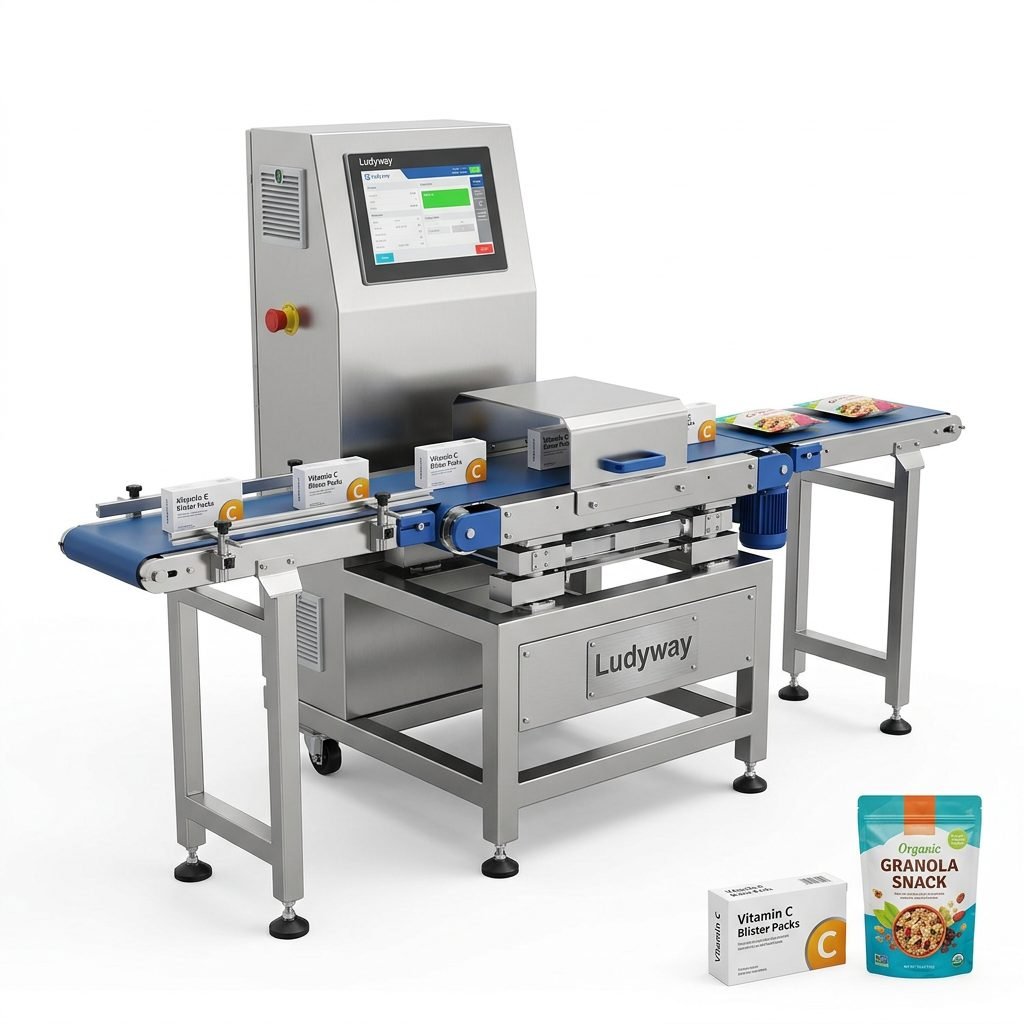
| Dynamic Checkweigher | Weight verification and rejection of off-spec packs | Mid-fill quality control |
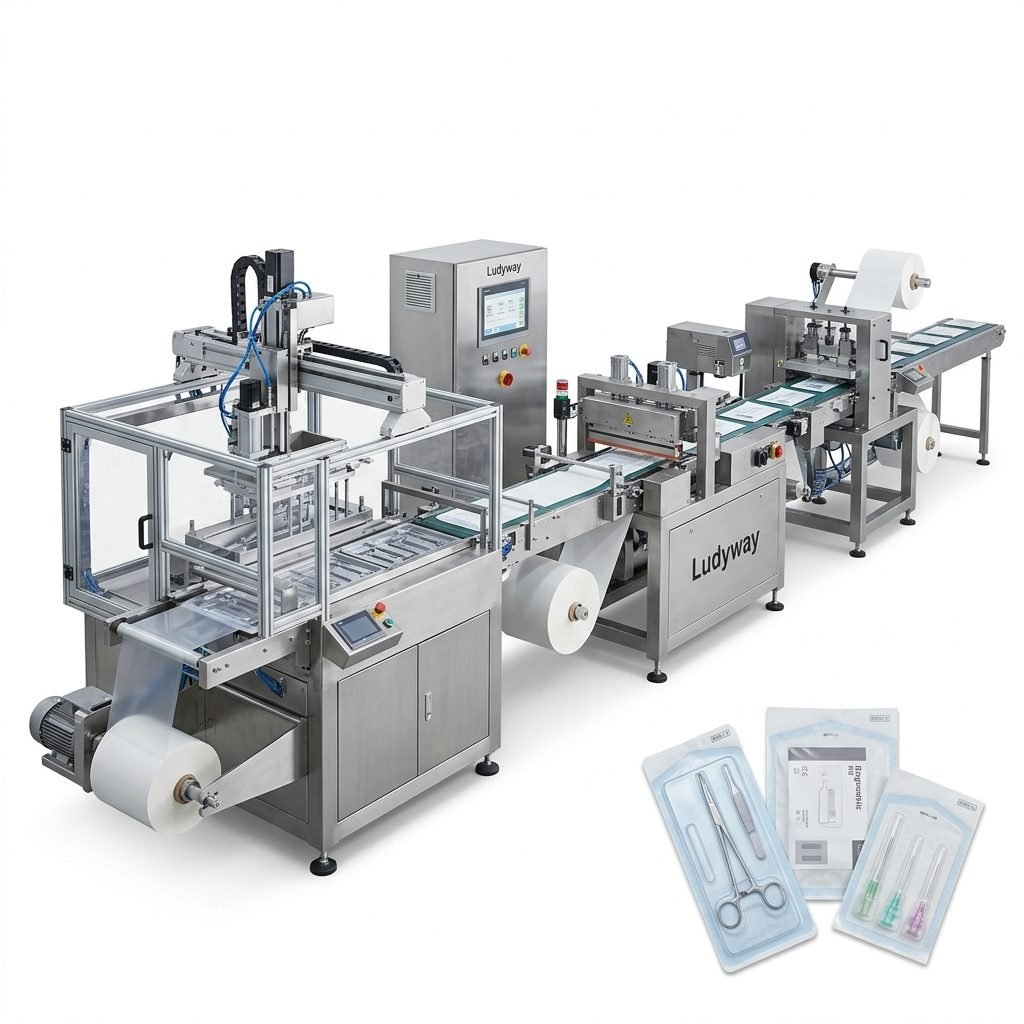
| Case Packer & Cartoner | Secondary packaging into retail-ready boxes | Export carton consolidation |
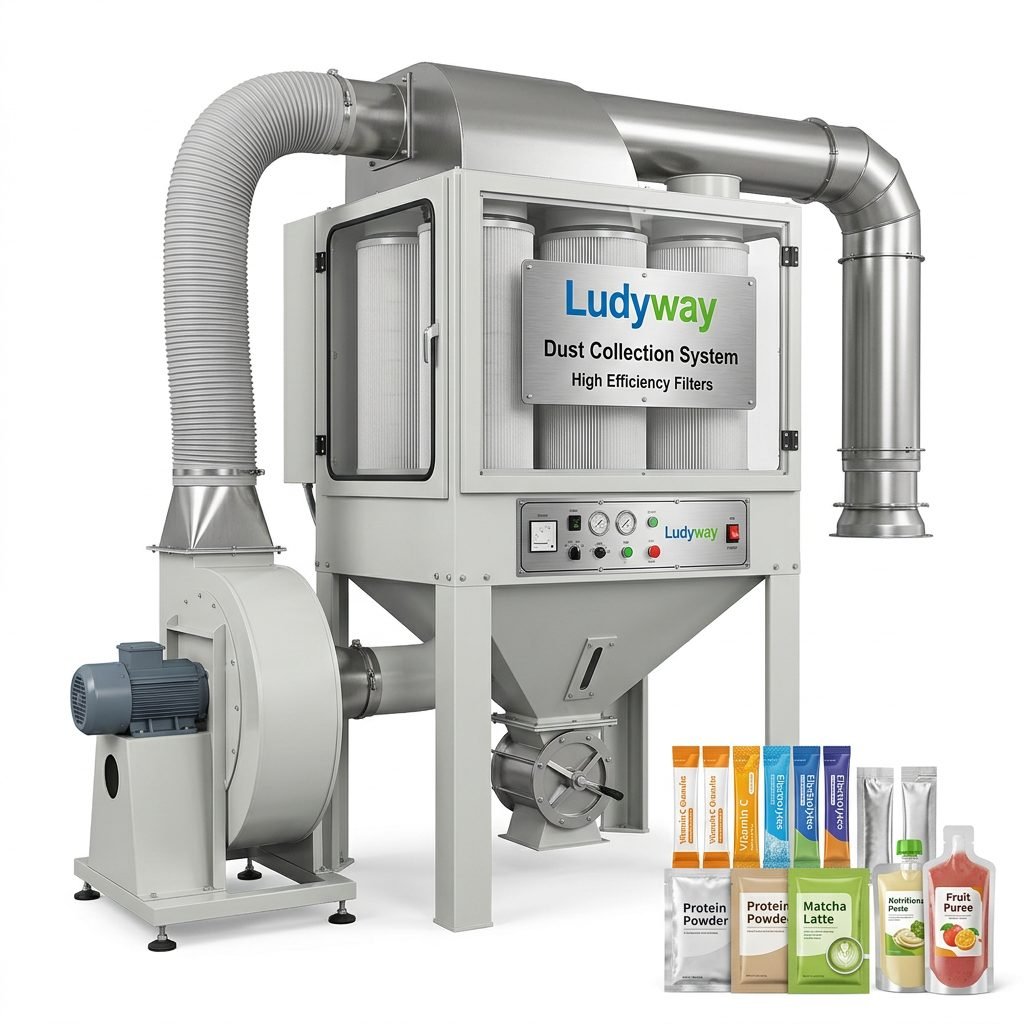
Dust extraction is particularly critical for dairy powder. Fine milk particles can become airborne and compromise both operator safety and equipment longevity. Integrated dust collection hoods at the filling station are strongly advised.
3. Step-by-Step Setup Process
Step 1: Facility Preparation & Utilities
- Ensure the production room meets ISO 8 (Class 100,000) cleanliness or higher.
- Install dedicated compressed air lines (oil-free) and stabilized electrical supplies (typically 415V 50Hz in Australia).
- Verify floor load capacity for heavy automated packaging machine frames.
Step 2: Primary Filling & Sealing Calibration
- Configure the auger filler based on the target weight (e.g., 15g to 50g stick packs).
- Perform seal integrity tests using vacuum leak detection to prevent spoilage in Oceania’s varied climate.
- Set up Nitrogen flushing if packaging high-fat whole milk powders to remove residual oxygen.
Step 3: Integration of Quality Control
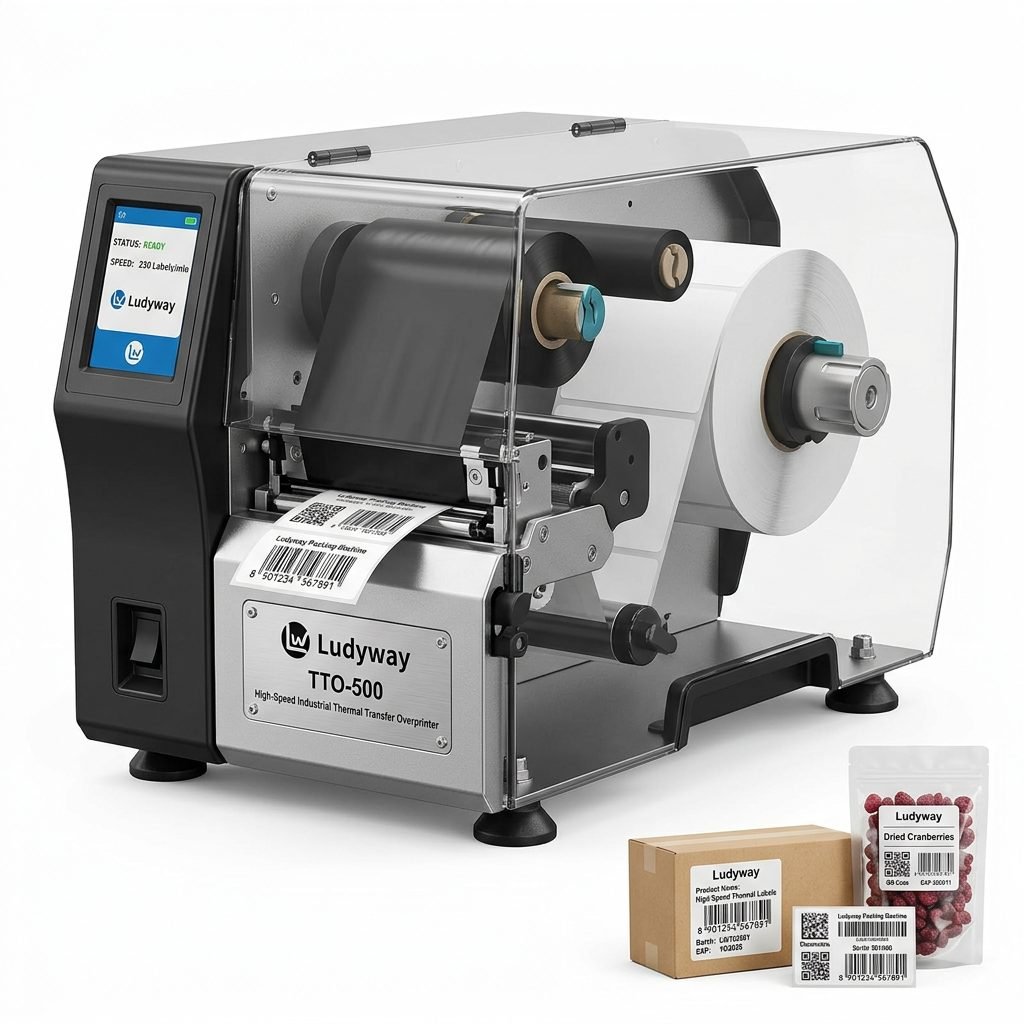
Install an industrial x-ray inspection machine or advanced metal detector post-filling to catch foreign bodies before the cartoning stage. Serialization and date coding via thermal transfer printers (TTO) are mandatory for Oceania’s FSANZ traceability requirements.
4. Cost Analysis for Oceania Operations
Budgeting for a dairy line in Australia or New Zealand must account for import logistics and local commissioning. The total capital expenditure varies significantly based on capacity, typically measured in packs-per-minute (ppm).
| Capacity Tier | Estimated Equipment Cost (USD) | Footprint |
|---|---|---|
| Entry-Level (60-80 ppm) | $85,000 – $120,000 | 400 – 600 sq. ft. |
| Mid-Range (200-400 ppm) | $180,000 – $350,000 | 1,200 – 2,000 sq. ft. |
| High-Speed Turnkey (600+ ppm) | $450,000 – $800,000+ | 3,000+ sq. ft. |
Note: These estimates include the primary filler, conveyor systems, checkweigher, and cartoner. Freight, customs duties (consult the current Australian Customs Tariff Act for Chapter 84 rates), and local installation by certified electricians are additional.
5. Regional Compliance and Material Selection
Oceania has a unique focus on sustainability. The Australian Packaging Covenant Organisation (APCO) encourages the use of recyclable packaging. When selecting film stocks for your multi-lane sachet machine, consider:
- Mono-material PE/PE laminates: Easier to recycle than mixed plastics.
- High-barrier films: Essential for infant formula to prevent oxygen ingress without aluminum foil if targeting plastic-reduction goals.
6. Selecting a Reliable Equipment Partner
For Oceania manufacturers, local support is as critical as machine quality. While the region has a strong engineering base, import lead times for parts must be factored in. Partnering with a manufacturer that offers remote troubleshooting and rapid spare parts supply is a decisive advantage. Ludyway, one of the largest packaging machine manufacturers, provides turnkey solutions from a modern 20,000㎡ facility, specializing in multi-lane stick pack and sachet systems for the food and health industries, with support spanning over 100 countries.
7. Operational Checklist for Day 1
- ✅ Training: Operators must be certified on HMI navigation and emergency stops.
- ✅ SOPs: Document clean-down procedures between flavor/batch changes.
- ✅ Validation: Confirm weight accuracy is within ±1% of target for dairy powders.
- ✅ Spares: Maintain safety stock of critical parts (heating elements, formers, pull belts) in your Oceania warehouse.
By meticulously planning the equipment layout and prioritizing precision filling and robust sealing, your Oceania dairy packaging line can achieve world-class output, capturing the growing demand for convenient, high-protein dairy products across the Asia-Pacific corridor.