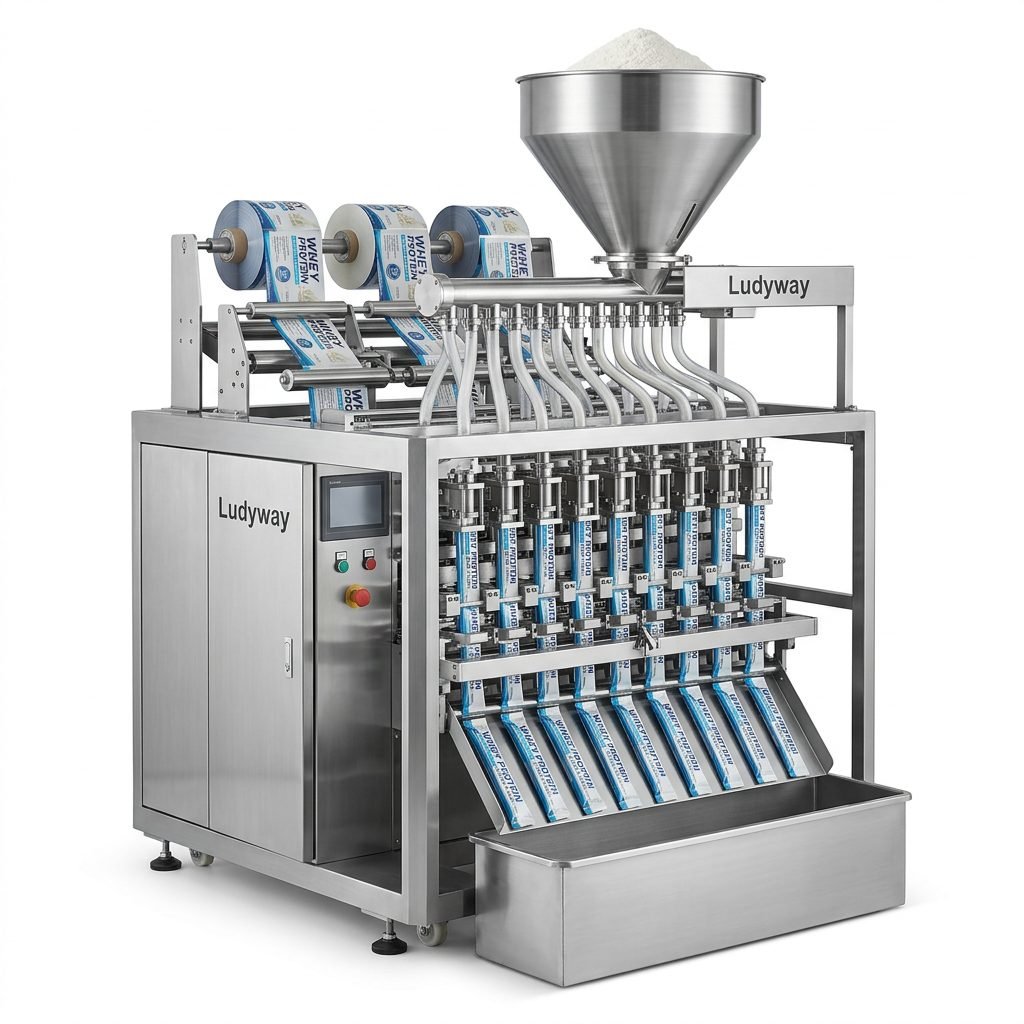
Selecting the right pillow pouch packaging machine is one of the most important equipment decisions a manufacturer can make. The wrong choice can lead to production bottlenecks, excessive material waste, inconsistent seal quality, and unplanned downtime. The right machine, however, becomes a reliable production asset that supports throughput targets, reduces operating costs, and adapts to evolving packaging requirements.
This guide walks through the key factors to evaluate when choosing a pillow pouch packaging machine, from product characteristics and production speed to material compatibility and after-sales support. Whether you are automating a manual process, expanding capacity, or entering a new product category, understanding these considerations will help you make a more informed equipment decision.

Understanding Pillow Pouch Packaging Machines
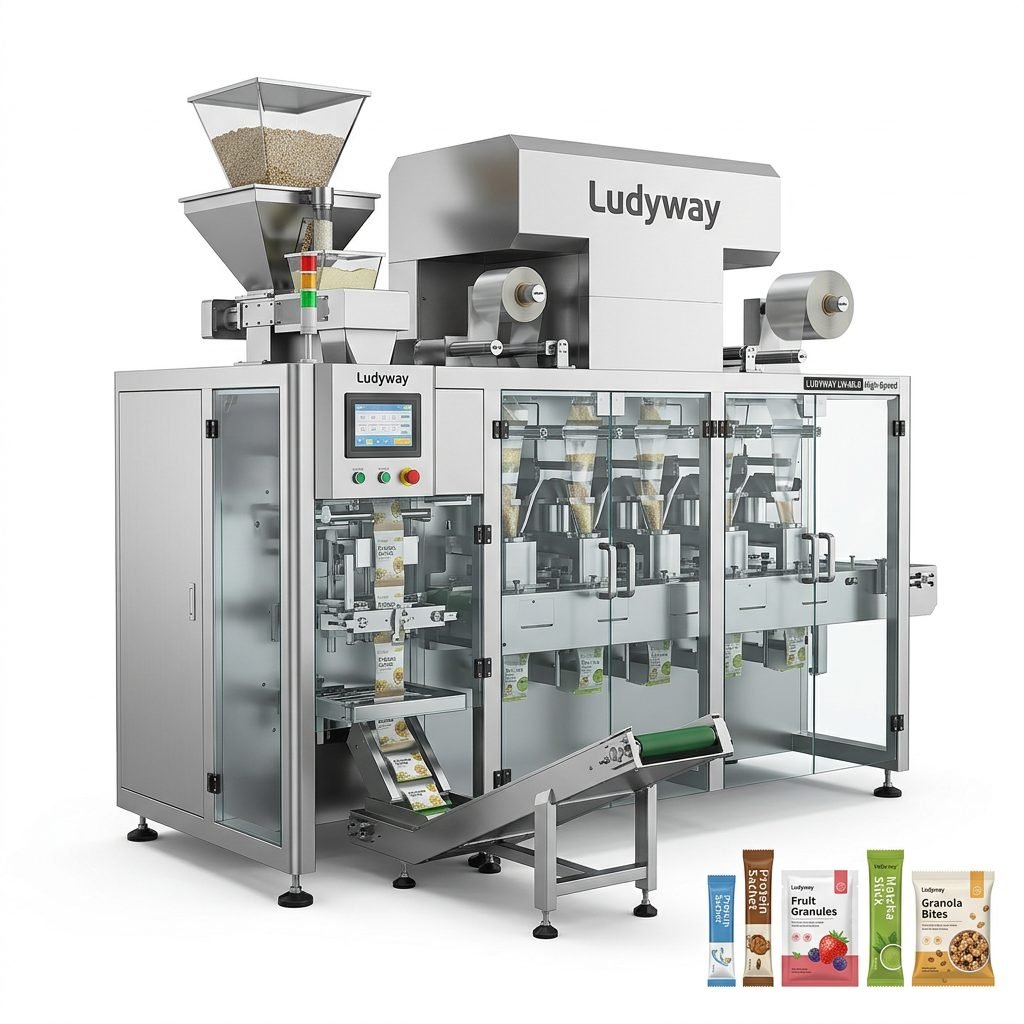
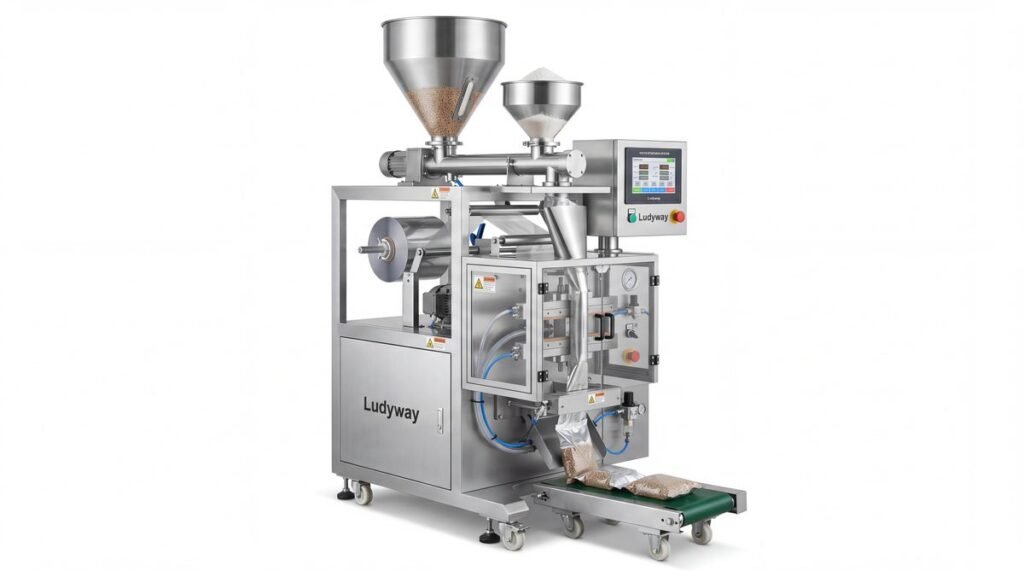
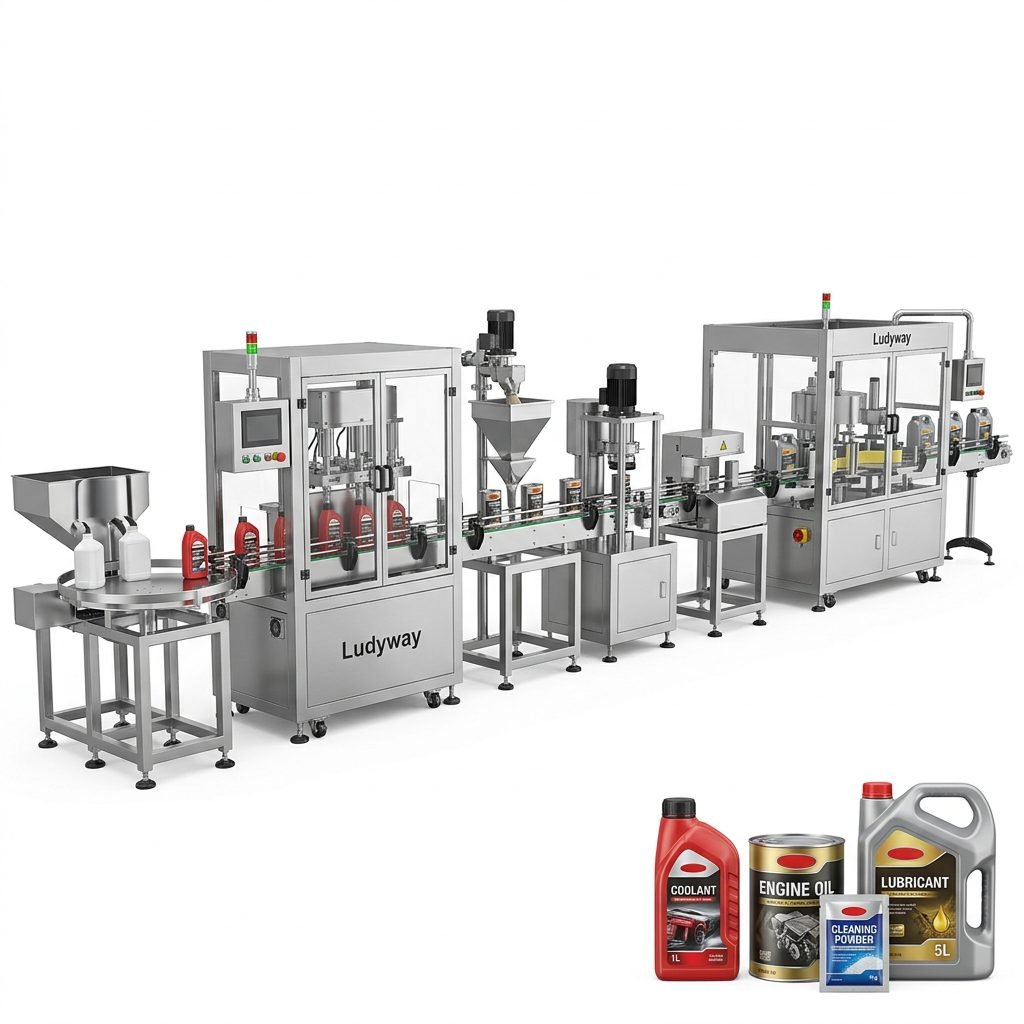
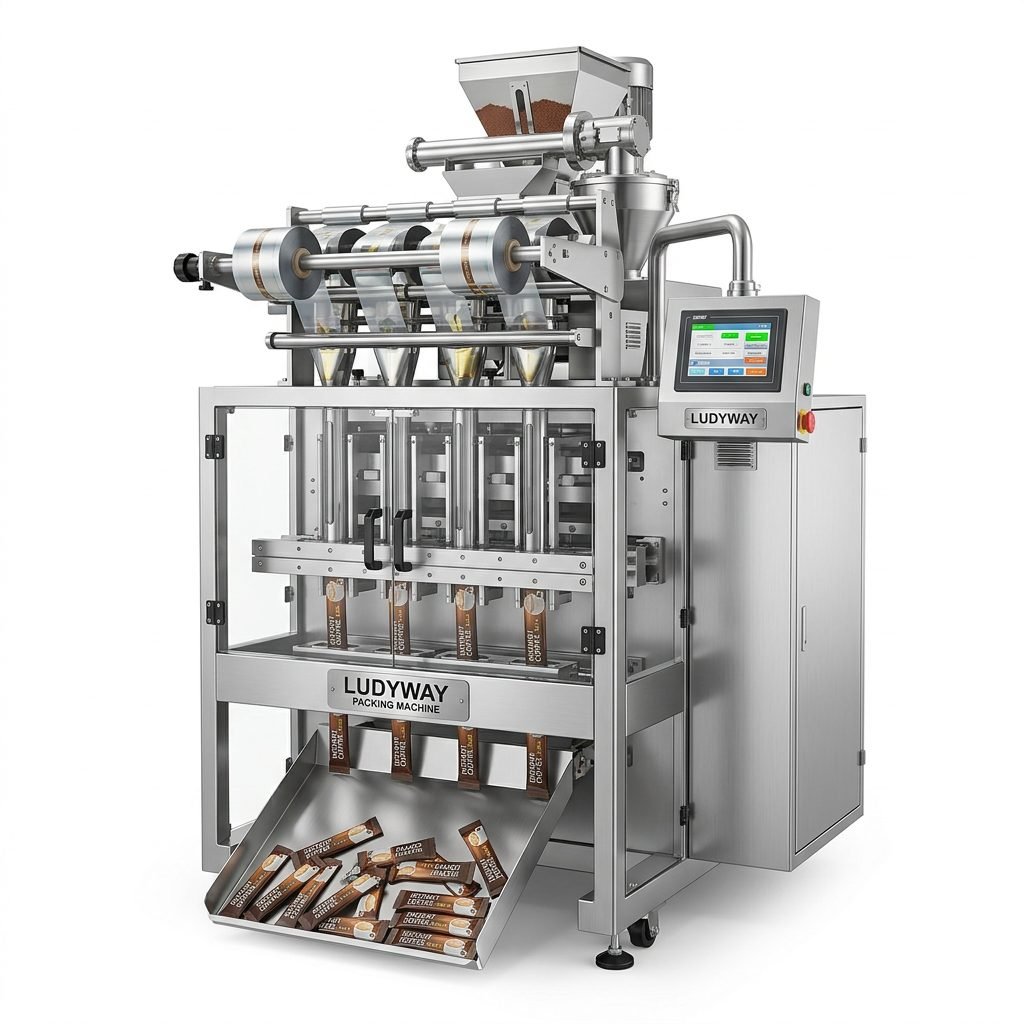
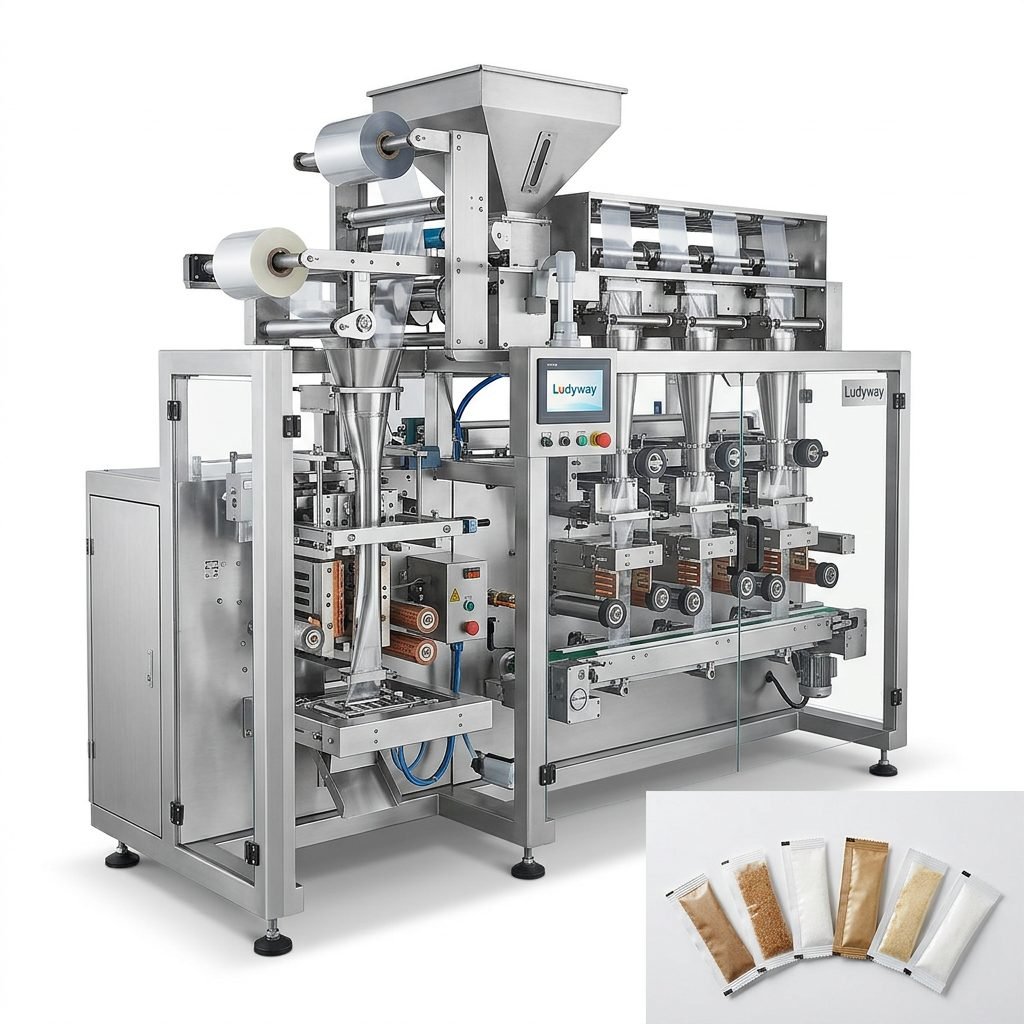
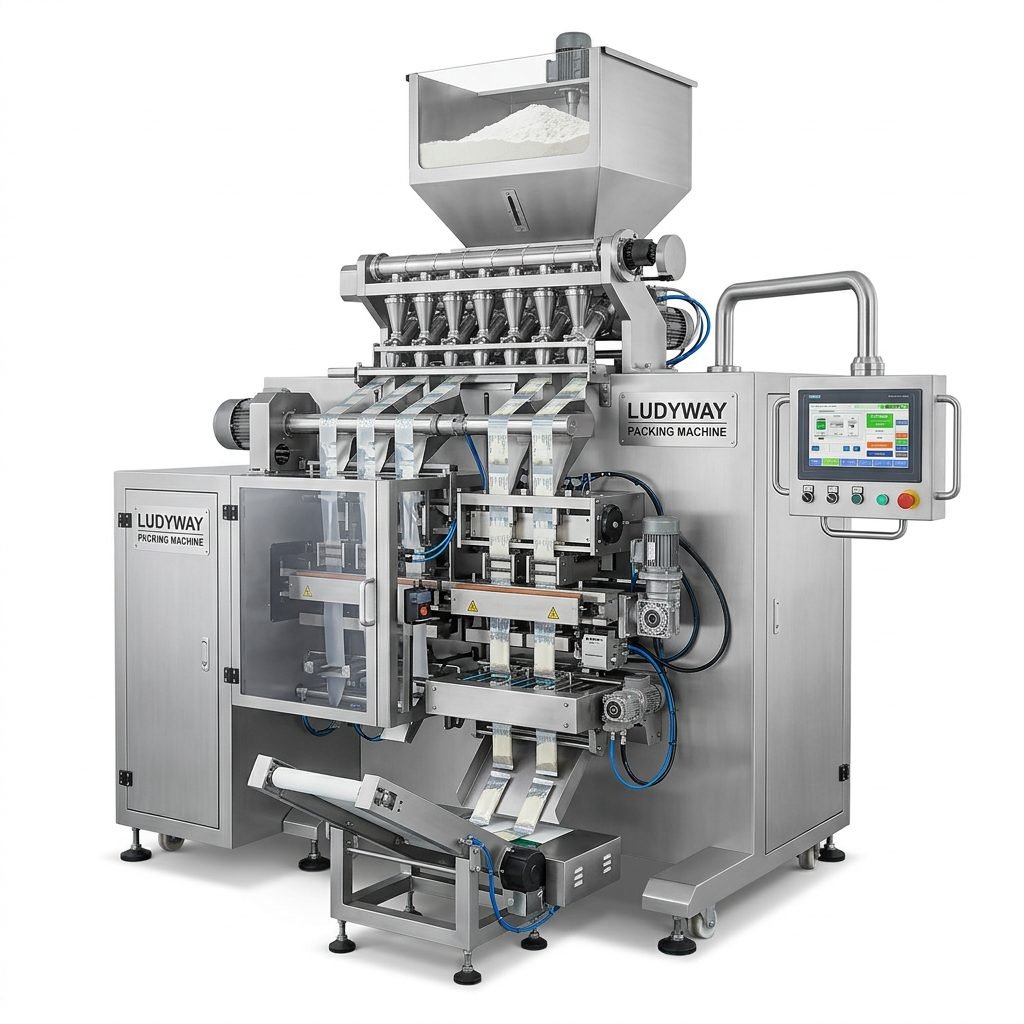
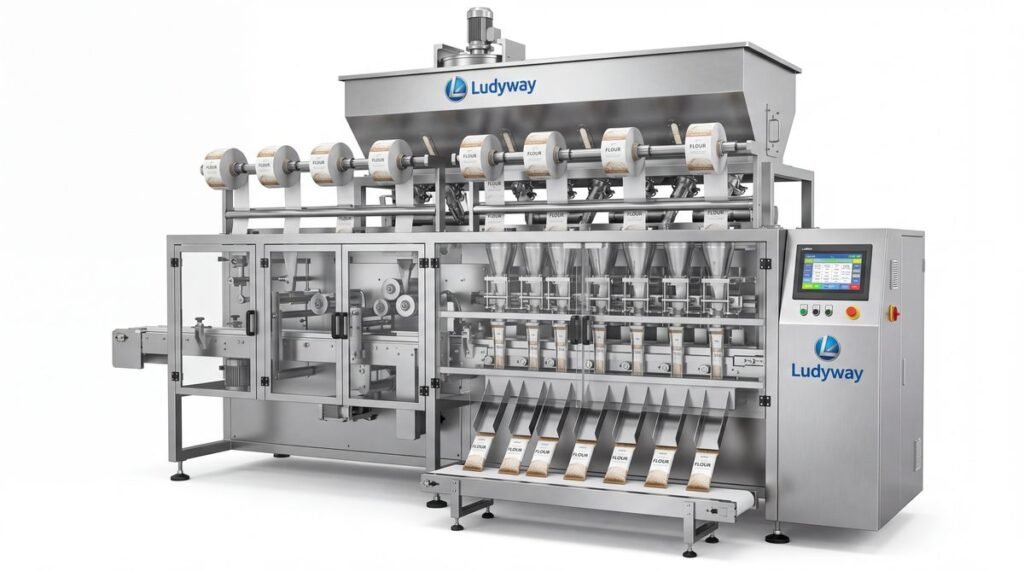
A pillow pouch packaging machine is a type of form-fill-seal (FFS) equipment that forms a tube from flat roll stock film, fills it with product, and seals it to create a pillow-shaped pouch. These machines are widely used across food, pharmaceutical, cosmetic, chemical, and agricultural industries for packaging powders, granules, liquids, pastes, and solid products.
Pillow pouches are among the most cost-effective flexible packaging formats. They use less material than many rigid packaging alternatives and can be produced at high speeds on automated equipment. According to the Flexible Packaging Association, flexible packaging continues to gain market share due to its material efficiency, product protection capabilities, and consumer convenience.
Key Factors to Evaluate Before Purchasing
Every packaging application has unique requirements. Evaluating the following factors before comparing machine models will help narrow your options and focus on equipment that matches your actual production needs.
Product Characteristics and Flow Properties
Your product’s physical properties directly determine which filling and dosing systems will work reliably. Key characteristics to assess include:
- Flowability: Free-flowing granules behave very differently from cohesive powders. Machines must be configured with the appropriate feeding mechanism — auger fillers for fine powders, volumetric cup fillers for free-flowing granules, or piston fillers for liquids and pastes.
- Bulk density: Variations in bulk density affect fill accuracy. Products with consistent density are easier to dose accurately at high speeds.
- Particle size and shape: Irregular or large particles may require specialized feeding systems to prevent bridging or clogging.
- Moisture sensitivity: Hygroscopic products may require additional environmental controls or barrier packaging materials.
- Temperature sensitivity: Heat-sensitive products need careful attention to sealing parameters to avoid product degradation.
Production Speed and Capacity Requirements
Production speed is typically measured in pouches per minute (PPM). The speed you need depends on your current and projected output requirements. Single-lane machines may produce 30–80 PPM, while multi-lane pillow pouch packaging machines can achieve 200–600+ PPM by running multiple lanes simultaneously.
When evaluating speed, consider not just the machine’s maximum rated speed but its sustainable operating speed with your specific product and packaging material. A machine rated at 120 PPM may realistically run at 80–90 PPM in continuous production depending on product characteristics, film quality, and environmental conditions.
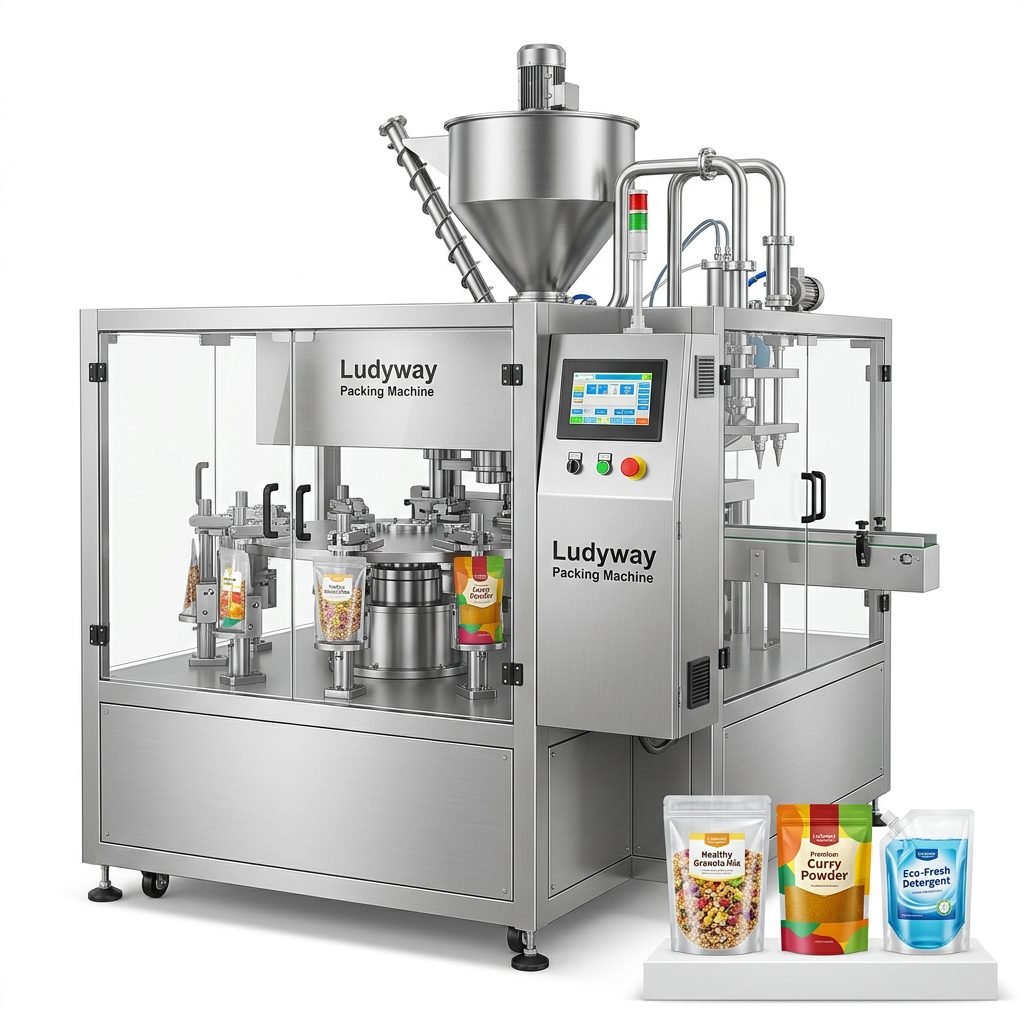
Packaging Material Compatibility
The machine must be compatible with your chosen packaging film. Common materials for pillow pouches include:
- Laminated films: PET/PE, PET/AL/PE, OPP/CPP, and other multi-layer structures
- Monolayer films: PE, PP, and other single-layer materials for specific applications
- Barrier films: Aluminum foil laminates and high-barrier coated films for moisture-sensitive or oxygen-sensitive products
- Recyclable structures: Mono-material laminates designed for recyclability
The machine’s sealing system — thermal, ultrasonic, or impulse — must be selected based on the film type and thickness. The PMMI packaging machinery market research indicates that material compatibility remains one of the most common causes of packaging line inefficiency.
Pouch Size Range and Changeover Flexibility
Pillow pouch machines have minimum and maximum pouch dimensions they can produce. Consider whether you need a machine that can handle multiple pouch sizes. If you package different products or plan to introduce new SKUs, quick changeover capability becomes important. Look for features like:
- Tool-less size change adjustments
- Recipe-based settings stored in the control system
- Modular design that allows format changes without extensive downtime
- Adjustable forming tube and sealing jaw configurations
Essential Features to Look For
Modern pillow pouch packaging machines offer a range of features that improve reliability, ease of use, and product quality. Key features to evaluate include:
| Feature Category | What to Look For | Why It Matters |
|---|---|---|
| Filling System | Auger, volumetric cup, piston, multi-head weigher | Directly affects fill accuracy and product waste |
| Sealing Technology | Thermal, ultrasonic, or impulse sealing | Determines seal integrity and material compatibility |
| Control System | PLC with HMI touchscreen, recipe storage | Enables precise parameter control and reduces operator error |
| Film Tracking | Automatic edge guiding, registration mark sensors | Maintains consistent pouch quality at high speeds |
| Safety Features | Guarding, emergency stops, safety interlocks | Protects operators and ensures regulatory compliance |
| Integration Capability | Compatibility with upstream/downstream equipment | Enables automated production line connectivity |
Industry Standards and Regulatory Compliance
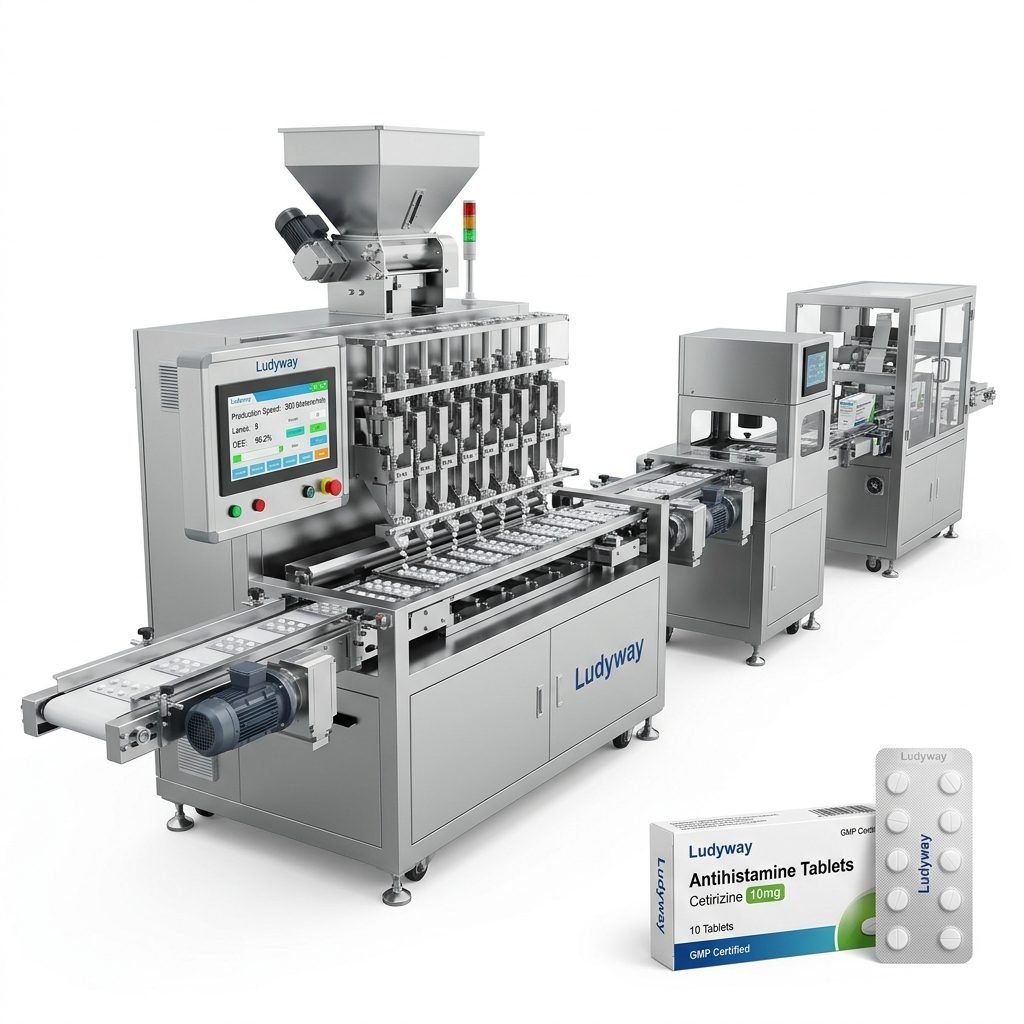
Depending on your industry and target market, your packaging equipment may need to meet specific standards. For food packaging applications, the FDA food packaging regulations govern materials and processes that come into contact with food products. Pharmaceutical applications typically require compliance with GMP guidelines and may need validation documentation.
For medical device packaging, ISO 11607 standards specify requirements for packaging terminally sterilized medical devices. Machines used in these applications must be capable of producing pouches with validated seal integrity. Equipment designed for international markets may need to meet CE marking requirements or other regional certification standards.

Evaluating Total Cost of Ownership
The purchase price of a pillow pouch packaging machine is only one part of the total cost equation. A comprehensive cost evaluation should include:
- Initial investment: Machine cost, installation, and commissioning
- Operating costs: Energy consumption, film waste rates, labor requirements
- Maintenance costs: Spare parts availability, service intervals, technician training
- Downtime costs: Reliability track record and mean time between failures (MTBF)
- Changeover costs: Time and labor required for format changes between products
A machine with a lower purchase price but higher film waste, more frequent downtime, or longer changeover times may cost significantly more over its service life than a higher-quality machine with better operational efficiency.
Single-Lane vs. Multi-Lane Configurations
One of the most significant configuration decisions is choosing between single-lane and multi-lane machines:
- Single-lane machines are typically simpler, more affordable, and easier to operate and maintain. They are well-suited for lower to medium production volumes, frequent product changeovers, and applications where floor space is limited.
- Multi-lane machines multiply throughput by running 2–12+ lanes simultaneously. They are ideal for high-volume production of consistent products, particularly in the food, pharmaceutical, and consumer goods sectors. While they require a higher initial investment, the per-unit packaging cost is typically lower at scale.
After-Sales Support and Technical Service
A packaging machine is a long-term production asset, and the quality of after-sales support directly impacts its lifetime value. Key support considerations include:
- Installation and commissioning: Does the manufacturer provide on-site setup and calibration?
- Operator training: Comprehensive training reduces startup time and operating errors.
- Spare parts availability: Readily available parts minimize downtime when components need replacement.
- Technical support: Remote and on-site assistance for troubleshooting and optimization.
- Preventive maintenance programs: Scheduled service visits to maintain peak performance.
Manufacturers with extensive industry experience and global service capabilities can provide more reliable long-term support. For example, Ludyway Machinery, a China-based packaging machinery manufacturer with more than 30 years of experience, serves customers in over 100 countries and provides technical support throughout the project lifecycle — from machine selection and installation to commissioning, training, and after-sales service. Their global growth trajectory reflects the increasing demand for reliable packaging solutions in international markets.

Questions to Ask Before Making a Decision
When you are evaluating specific machine models, asking the right questions can help reveal differences that are not obvious from specification sheets alone. Key questions to ask potential suppliers include:
- What is the sustainable operating speed with my specific product and film, not just the maximum rated speed?
- Can you provide references from customers running similar products and production volumes?
- What is the expected film waste rate during startup and continuous operation?
- How long does a complete format changeover take, and what tools are required?
- What are the recommended spare parts to keep in inventory, and what are the lead times for critical components?
- Is the control system compatible with Industry 4.0 connectivity and data integration protocols?
- What warranty coverage is included, and what extended warranty or service contract options are available?
Making the Final Decision
Choosing the right pillow pouch packaging machine requires balancing technical requirements, production goals, budget constraints, and long-term operational considerations. A systematic evaluation process that includes product testing, supplier assessment, and total cost analysis will help you select equipment that delivers reliable performance throughout its service life.
The most successful equipment decisions often come from working with a packaging machinery partner that offers not just a machine but comprehensive engineering support, customization capabilities, and ongoing technical service. Whether you need a single machine or a complete turnkey packaging line, investing time in the selection process pays off through higher efficiency, lower operating costs, and fewer production disruptions.
Additional Resources
- PMMI State of the Industry Reports — Annual packaging industry data and trends
- Flexible Packaging Association — Resources on flexible packaging materials and technologies
- ISO Packaging Standards — International standards for packaging machinery and processes
- European Commission Packaging Regulations — EU packaging and packaging waste requirements