Navigating the market for used miscellaneous packaging equipment can be a highly strategic move for businesses looking to expand capabilities or upgrade production lines without the capital expenditure of new machinery. This comprehensive guide will walk you through the complete buying process, highlight key equipment types, and share essential cost-saving tips to ensure you make a smart investment.
Why Consider Used Packaging Equipment?
The primary driver for purchasing used machinery is significant cost savings. You can often acquire high-quality, previously owned equipment at 30% to 60% of the cost of a new equivalent. This allows for faster ROI and frees up capital for other business areas. Furthermore, the lead time for delivery and installation is typically much shorter compared to waiting for a new machine to be built and shipped.
Key Advantages at a Glance:
• Lower Initial Investment: The most compelling benefit, reducing financial strain.
• Proven Reliability: Many used machines have a long track record of performance in real-world conditions.
• Faster Deployment: Get your production line up and running in weeks, not months.
• Access to Discontinued Models: Find reliable workhorse machines that are no longer in production.
Complete Buyer’s Guide: A Step-by-Step Process
Purchasing used equipment requires diligence. Follow this structured approach to minimize risk and ensure a successful acquisition.
Step 1: Define Your Requirements
Start by clearly outlining your production needs. What type of product are you packaging (granules, powder, liquids)? What is your required output speed (bags/min, packs/hour)? What are the package dimensions and materials? Answering these questions will narrow your search to suitable machine types.
Step 2: Source Reputable Sellers
Look for established dealers, machinery brokers, or direct sellers from companies upgrading their lines. Reputable sellers, like experienced packaging solution providers such as Ludyway Machinery, often refurbish and test equipment before sale, providing greater peace of mind than a private auction.
Step 3: Conduct Thorough Due Diligence
Never buy based on photos alone. Request a detailed equipment history, including maintenance records, hours of operation, and reason for sale. A live video inspection is a minimum requirement. Ask to see the machine running under load, if possible.
Step 4: Evaluate Total Cost of Ownership
The purchase price is just the beginning. Factor in costs for:
• Disassembly, shipping, and reinstallation.
• Necessary repairs or reconditioning.
• Replacement of worn parts (sealing jaws, pumps, sensors).
• Potential electrical/control upgrades for compatibility.
Step 5: Negotiate Terms and Secure Support
Negotiate a fair price based on the machine’s condition and age. Crucially, ensure you have access to technical support, operational manuals, and spare parts. A seller who offers a short warranty or post-sale support is generally more trustworthy.
Key Types of Used Misc. Packaging Equipment
The “miscellaneous” category encompasses a wide range of secondary and support equipment vital for a complete packaging line.
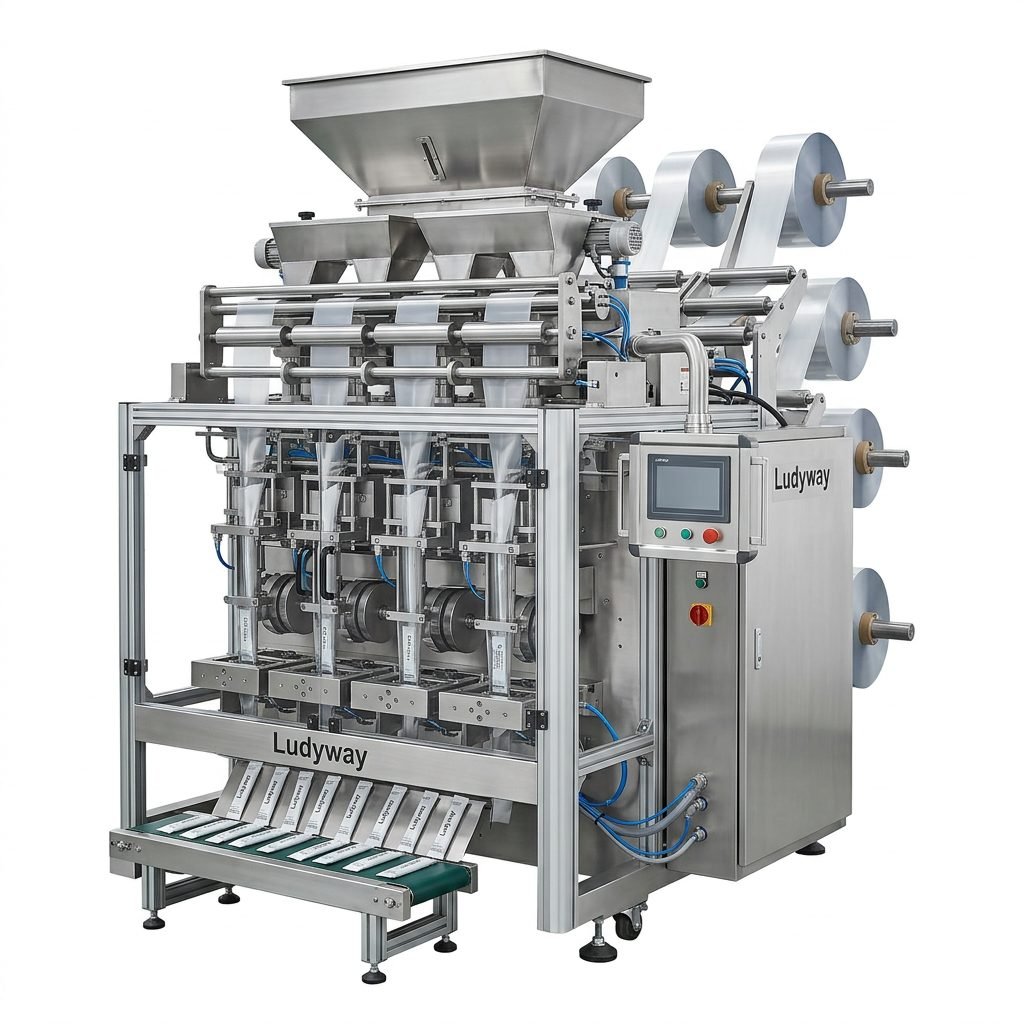
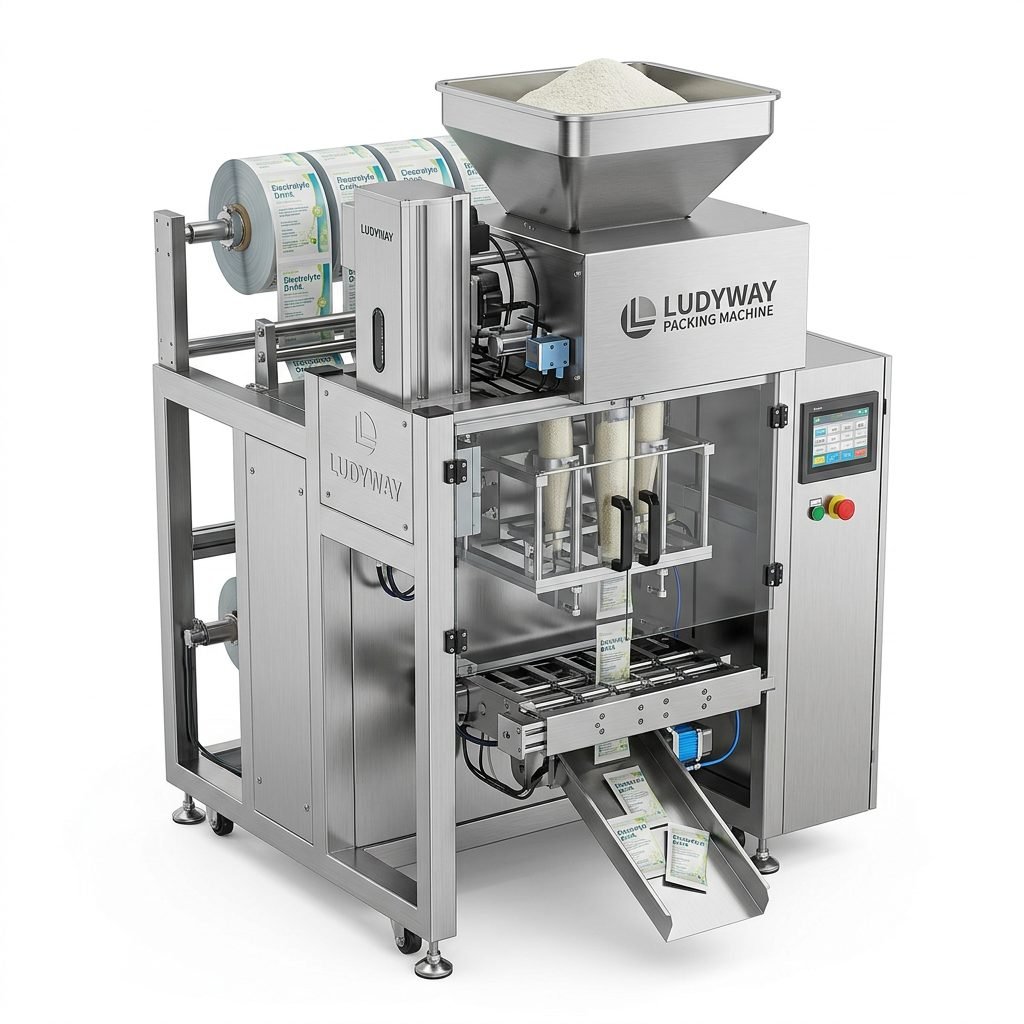
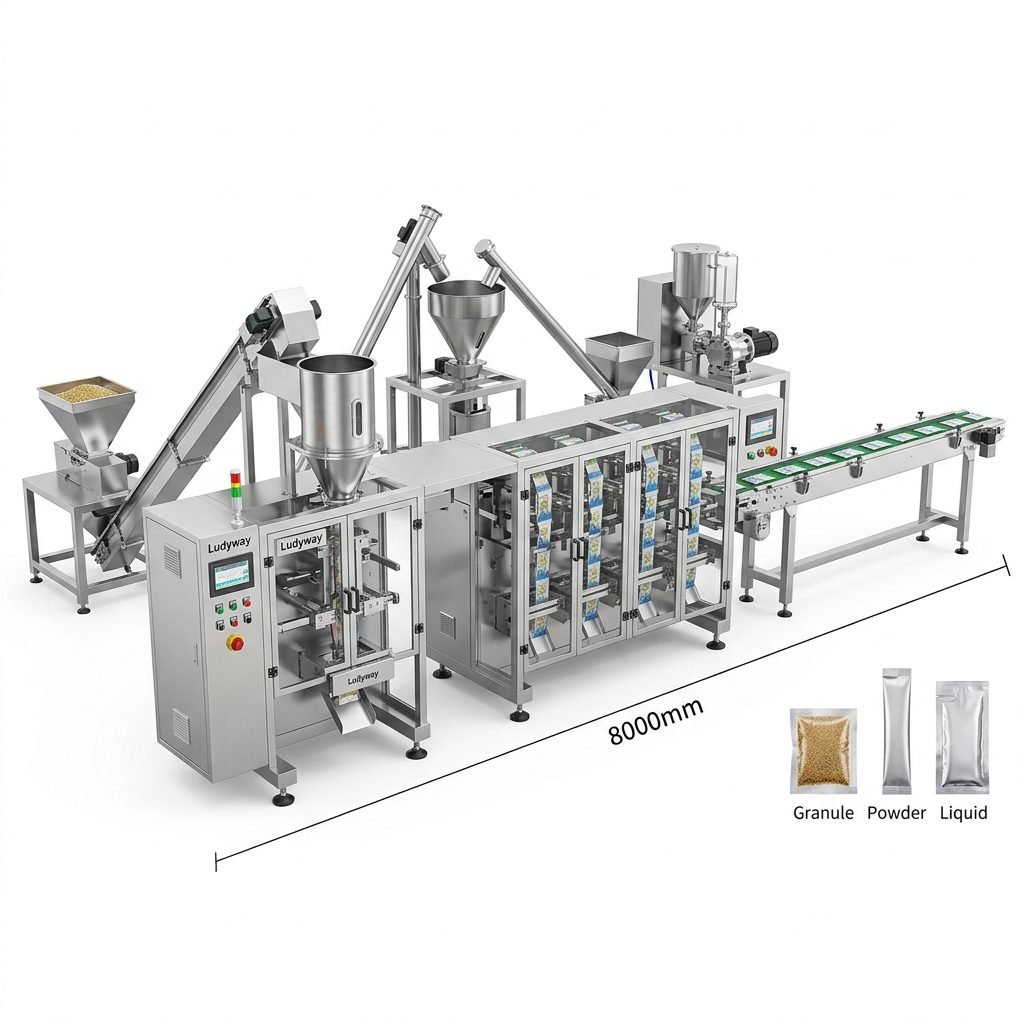
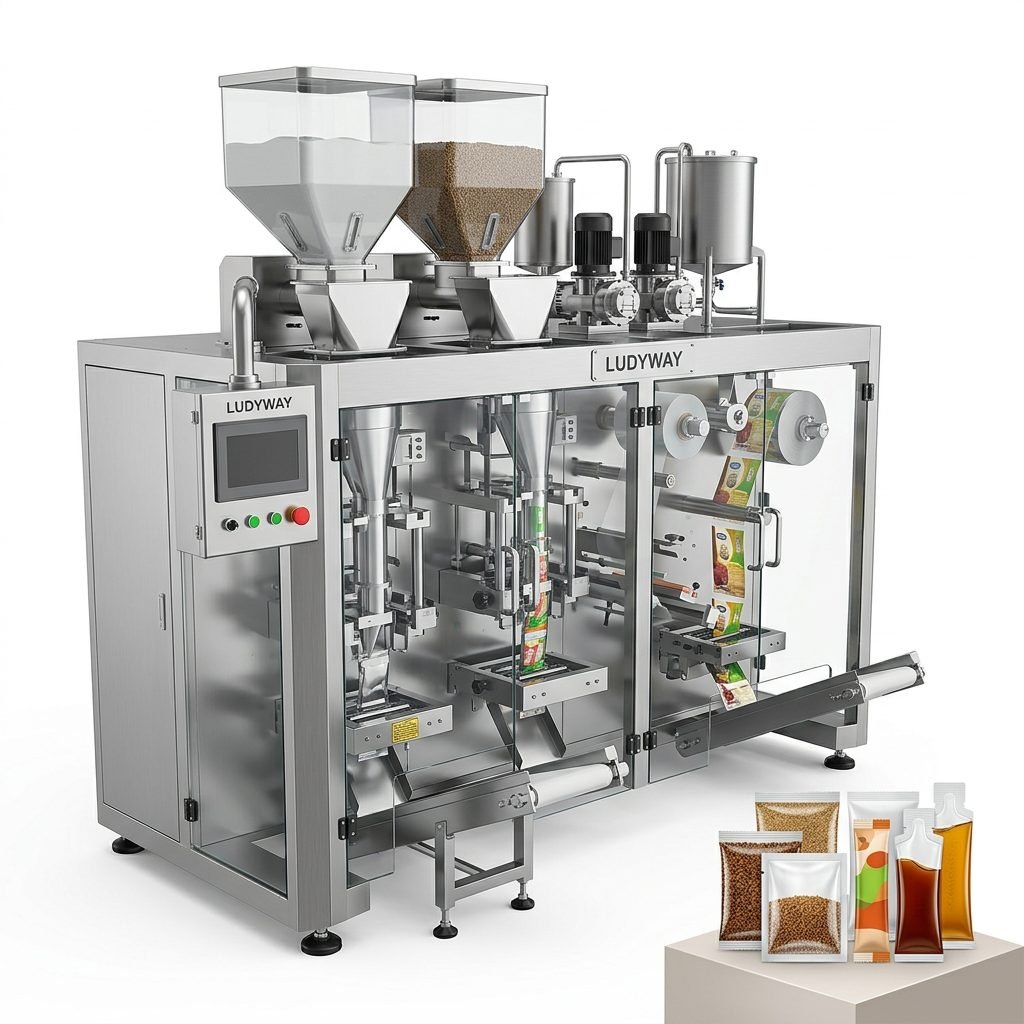
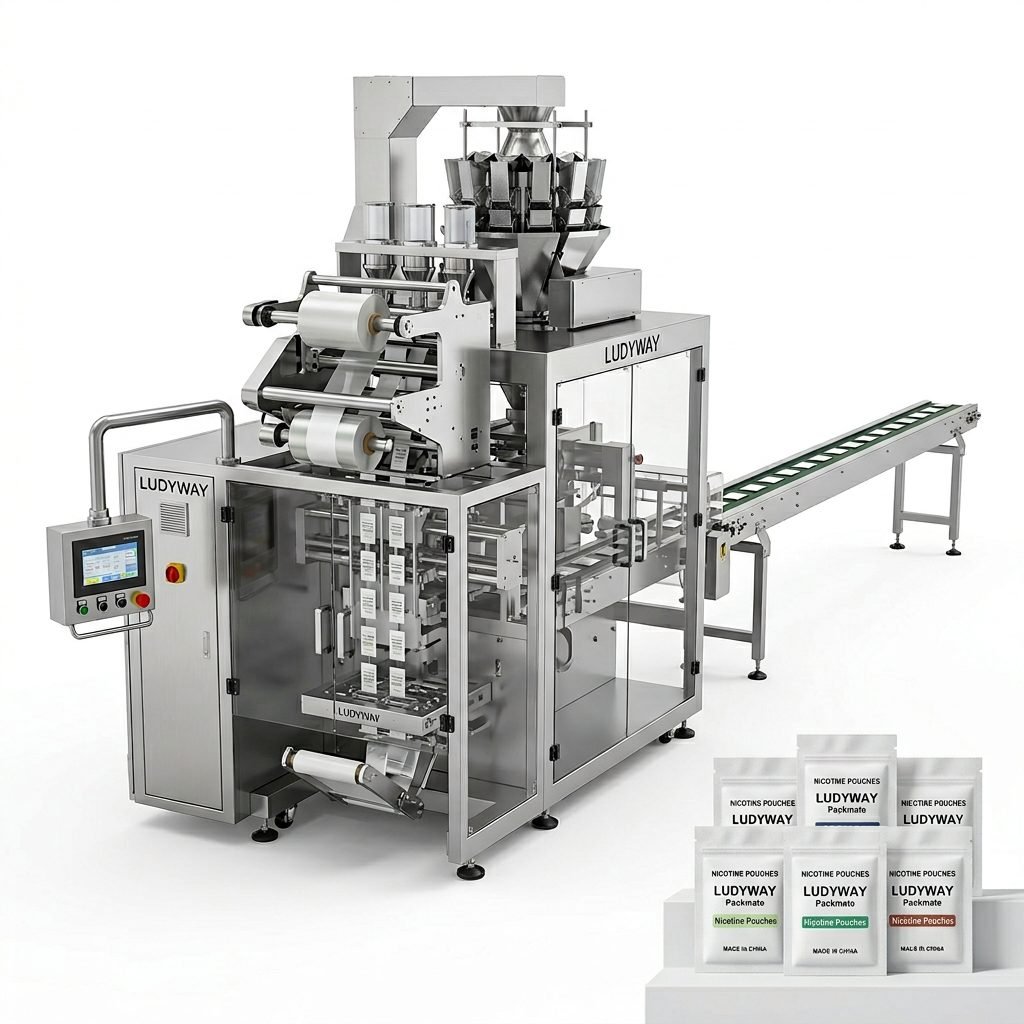
1. Used Vertical Form-Fill-Seal (VFFS) Machines
These are the workhorses for creating bags from a roll of film and filling them with product. Ideal for snacks, granules, powders, and some liquids. When buying used, pay close attention to the condition of the film pull belts, sealing jaws, and auger fill systems.
2. Used Horizontal Flow Wrappers
Used for wrapping individual products like candy bars, baked goods, or medical devices. Key inspection points include the film feed system, sealing crimpers, and product infeed chain.
3. Used Cartoning & Case Packing Equipment
This includes automatic cartoners, case erectors, and case packers. These machines involve complex mechanical motion. Check for wear on tucking flaps, product pushers, and robotic pick-and-place end effectors.
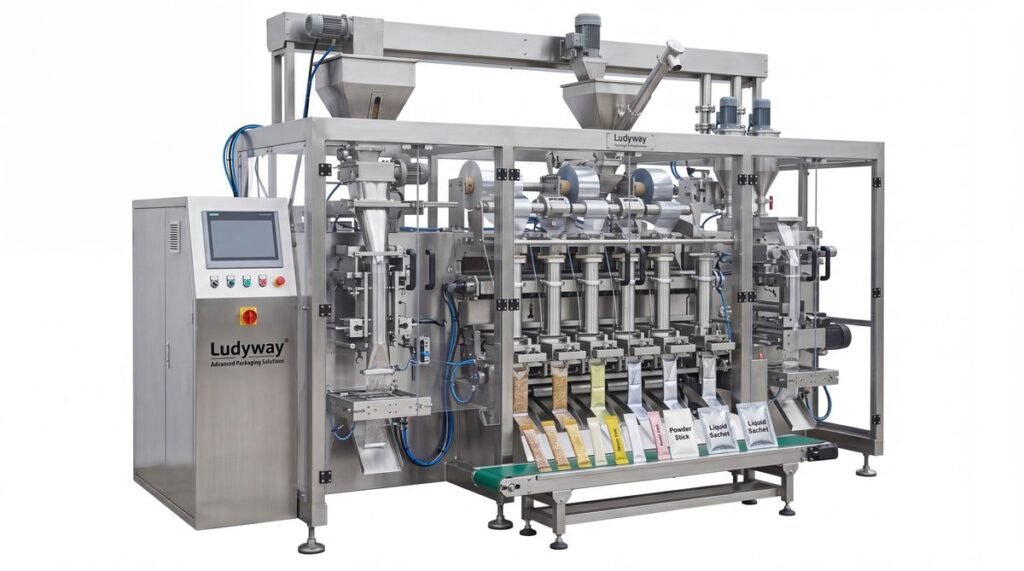
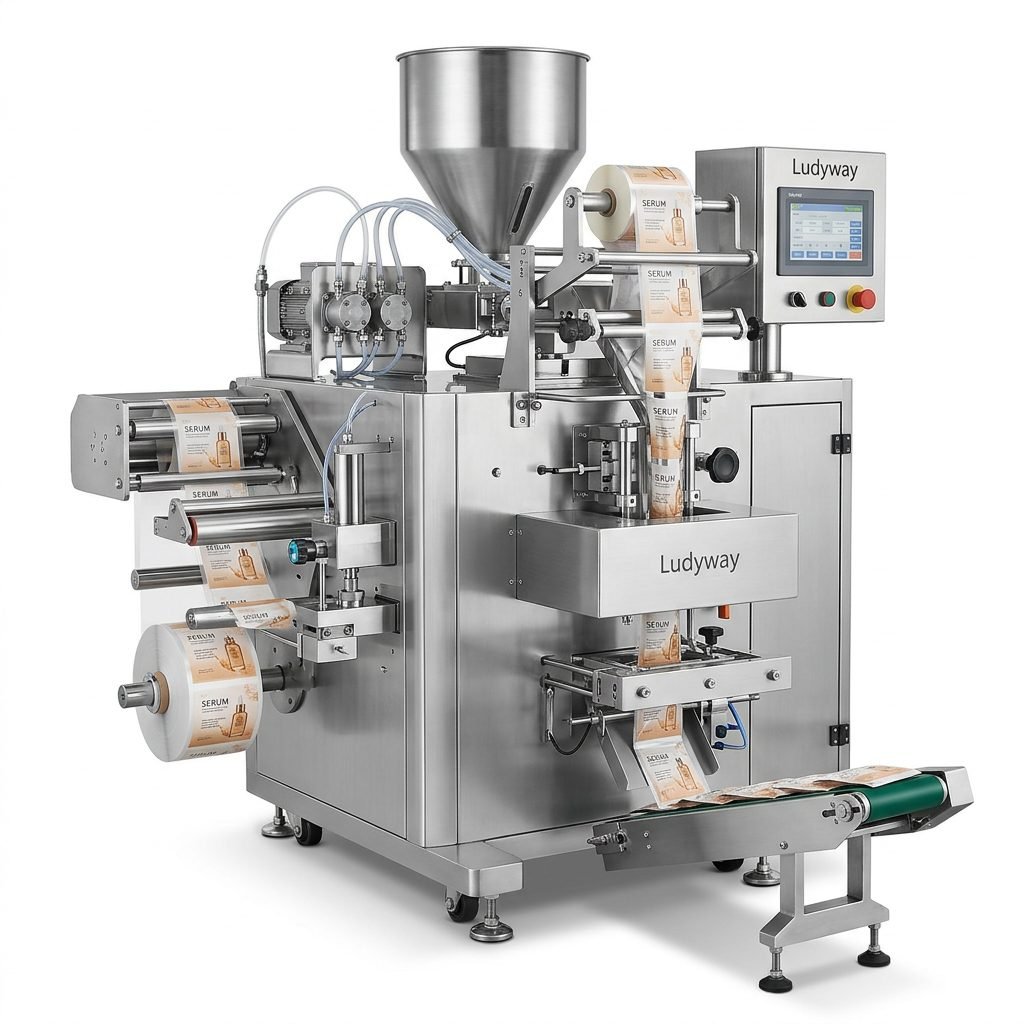
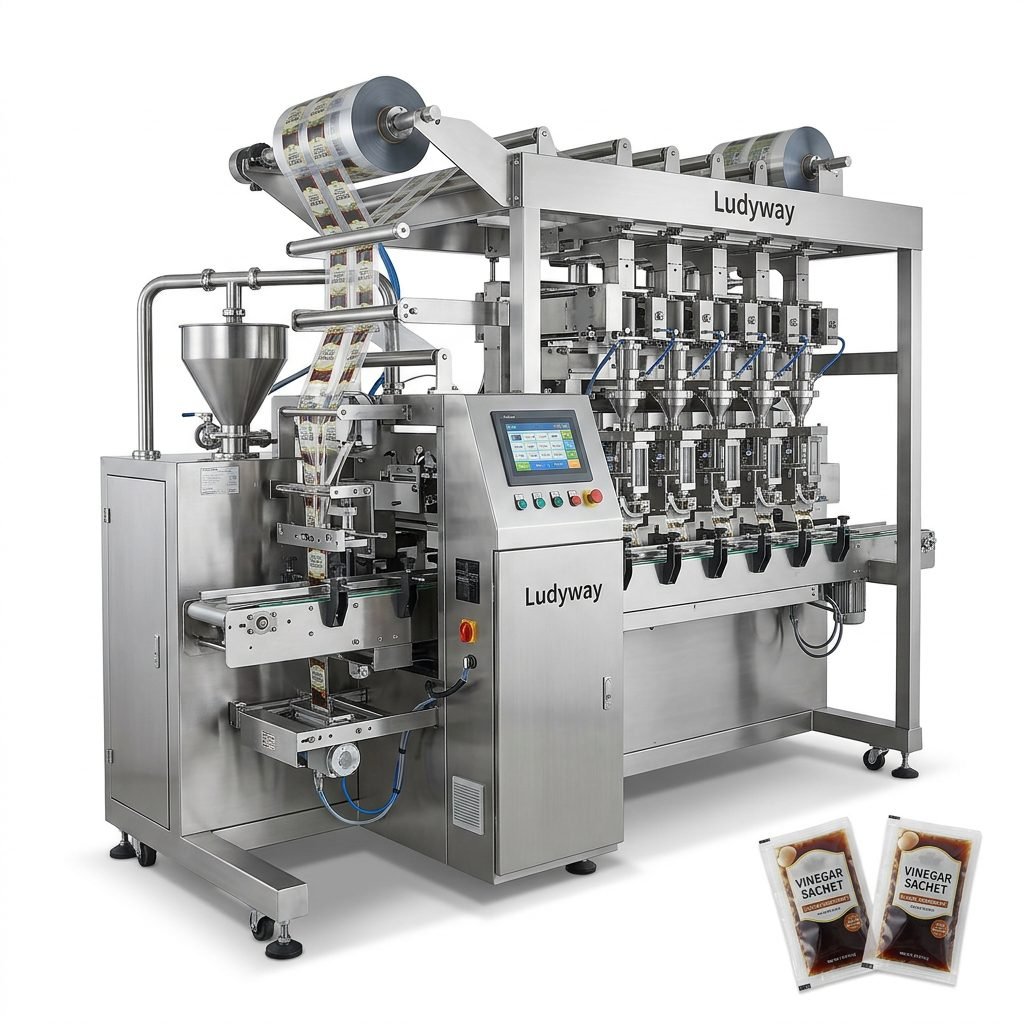
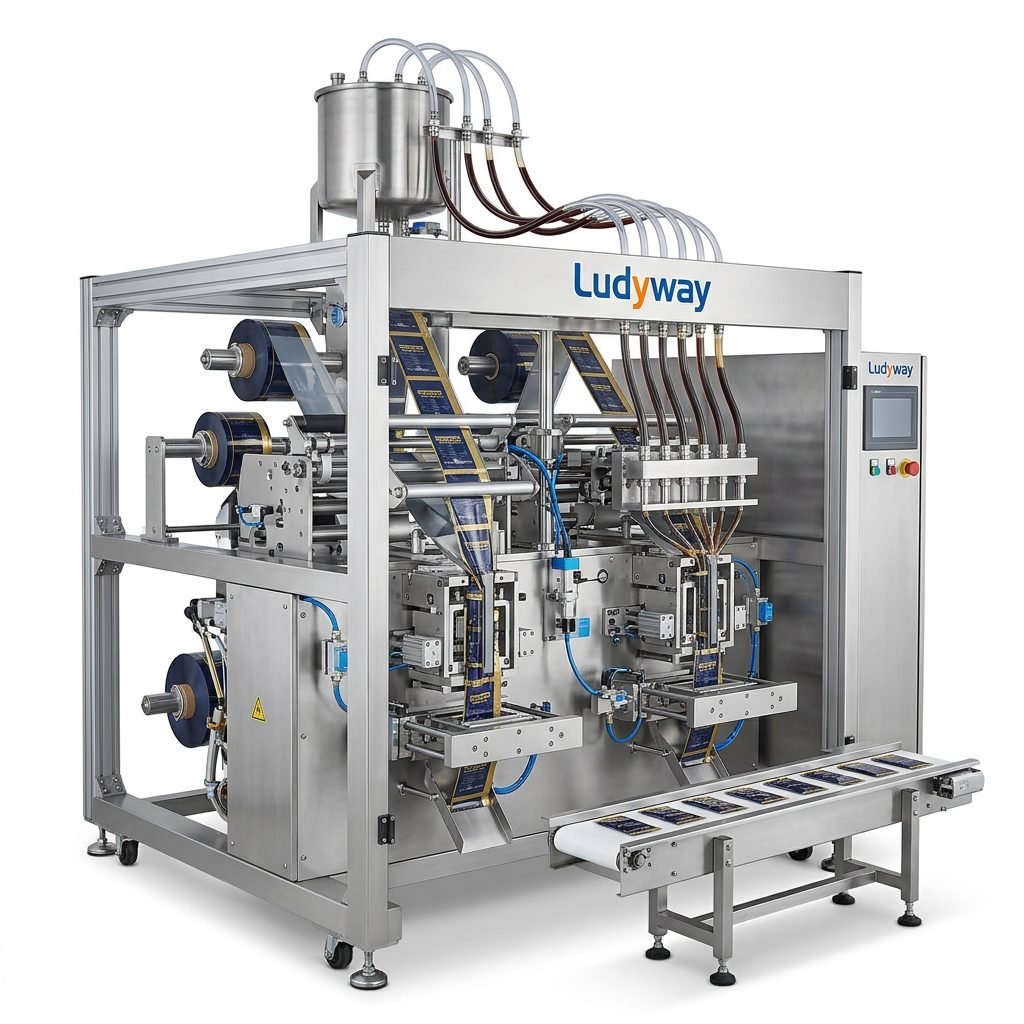
4. Used Sachet & Stick Pack Machines
Perfect for single-serve portions of sauces, condiments, powders, or pharmaceuticals. Companies with deep expertise in this niche, like Ludyway, often provide well-maintained used models. Inspect the piston fillers, sealing rollers, and cutting mechanisms for precision.
5. Used Ancillary Equipment
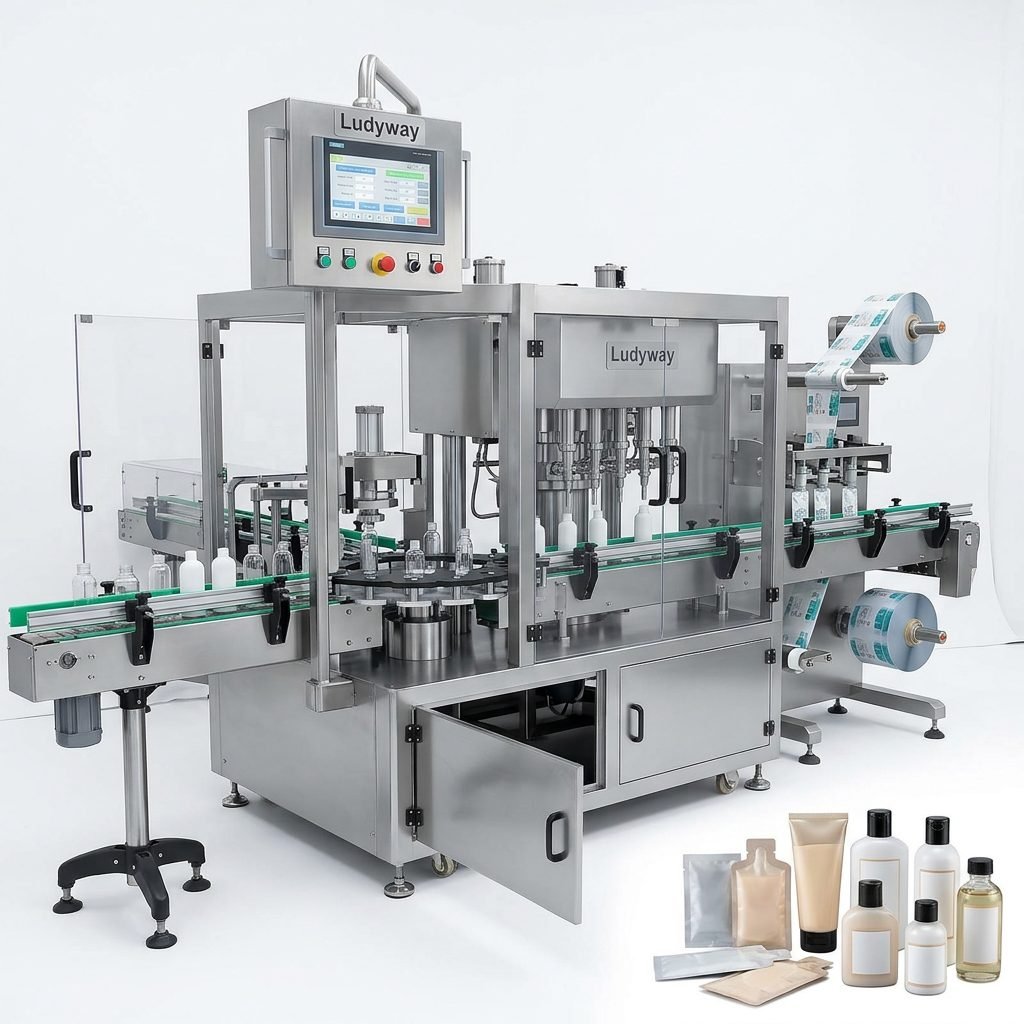
Don’t forget supporting machines: checkweighers, metal detectors, labelers, coders, and accumulators. Ensure their electronics are functional and they can integrate with your main line controls.
Essential Cost-Saving Tips for Buyers
Maximize your budget with these practical strategies.
Tip 1: Prioritize Mechanical Condition Over Cosmetic Appearance
A machine with minor scratches but excellent mechanical and electrical health is a far better buy than a shiny machine with hidden wear. Focus on the core components that affect performance.
Tip 2: Consider “As-Is” vs. “Refurbished”
“As-is” offers the lowest price but highest risk. “Refurbished” or “reconditioned” machines from a reliable source often include replaced wear parts, testing, and a warranty, offering better long-term value and less downtime.
Tip 3: Plan for Integration Costs Upfront
Unexpected integration costs can blow your budget. Consult with a packaging engineer or the seller early in the process to understand what modifications, conveyors, or control interfaces are needed to connect the used machine to your existing line.
Tip 4: Build a Spare Parts Kit
Once you purchase a machine, immediately invest in a kit of common wear parts (seals, O-rings, sensors, belts). This proactive step prevents extended production halts while waiting for a single, critical component to arrive.
Tip 5: Leverage Seller Expertise
Choose a seller who is also a technical expert. Their ability to provide installation guidance, troubleshooting support, and reliable spare parts sourcing is invaluable and can save thousands in third-party service calls later.
Common Questions (FAQs)
What is the biggest risk when buying used packaging equipment?
The greatest risk is hidden mechanical or electrical damage that leads to excessive downtime and repair costs after installation. This is mitigated by thorough inspections, buying from reputable sources, and reviewing maintenance history.
How can I verify the operational speed of a used machine?
Request a live video demonstration where the seller runs the machine with a product similar to yours. Do not rely solely on the manufacturer’s original rated speed, as wear over time can reduce maximum sustainable output.
Are spare parts available for older used models?
Availability varies. Before purchasing, research or ask the seller about the availability of critical spare parts. Reputable suppliers often maintain an inventory for the models they sell, ensuring continued support.
Is it worth buying a used machine that needs some reconditioning?
Yes, if the core framework is sound and the cost of repairs is factored into a significantly lower purchase price. This can be an excellent value, especially if you have in-house maintenance capability or a trusted technical partner.
Can used equipment be upgraded with modern features?
Often, yes. Many used machines can be retrofitted with new servo motors, touchscreen HMIs, or advanced safety guards to improve performance, usability, and compliance. Discuss upgrade possibilities with your supplier during the evaluation phase.