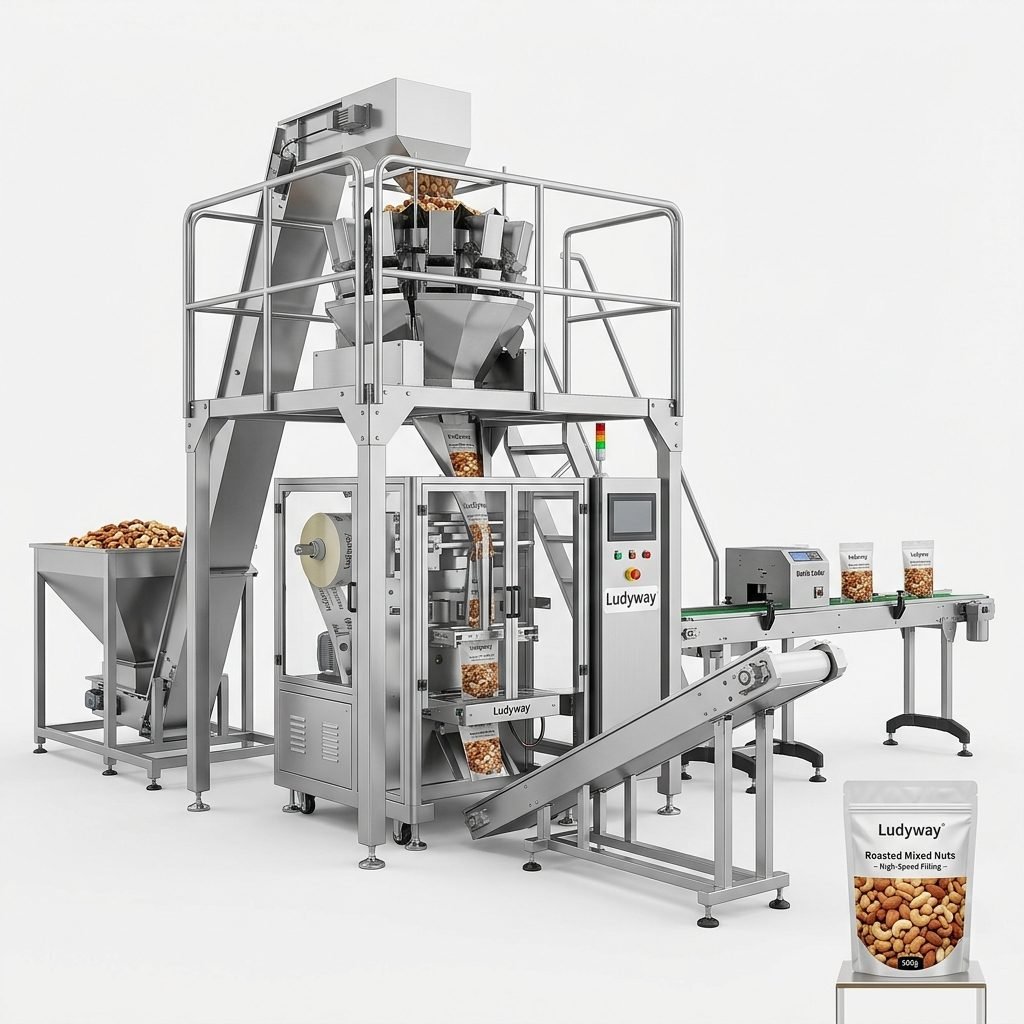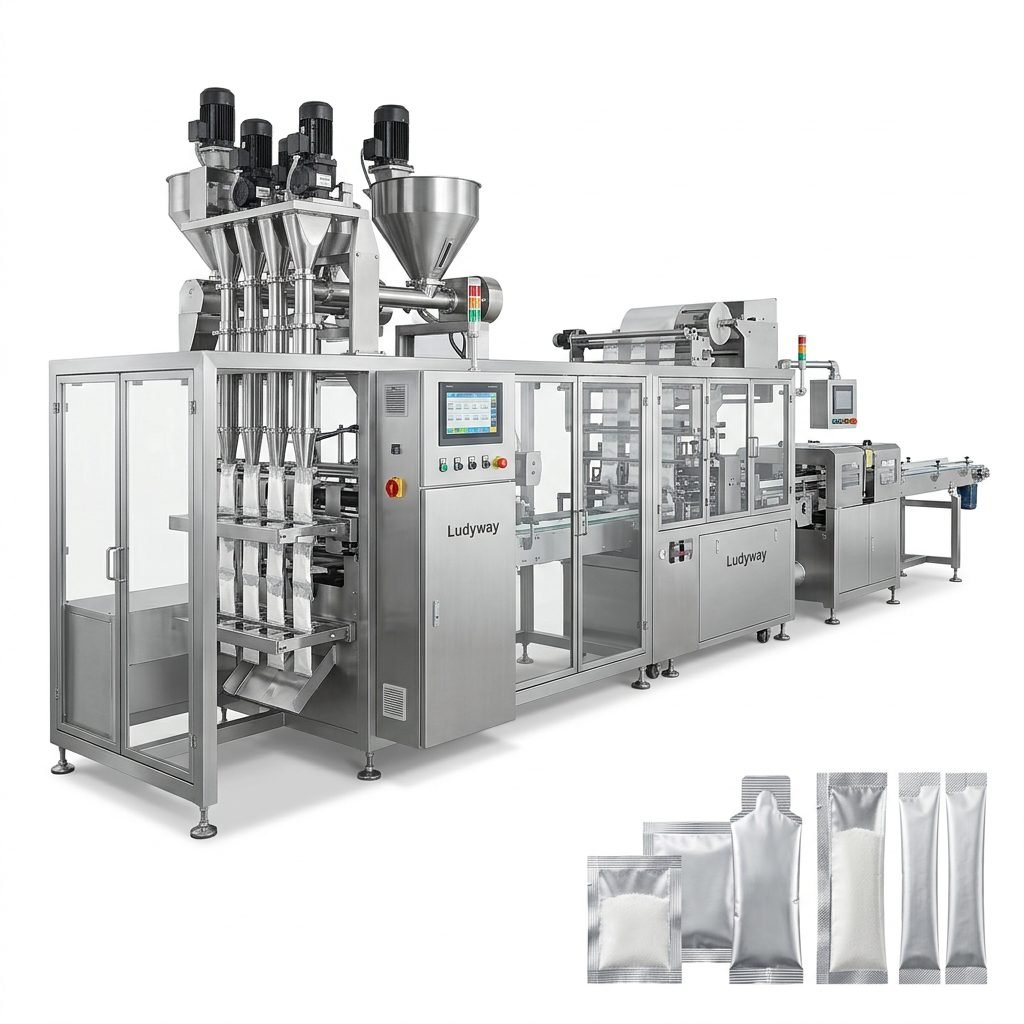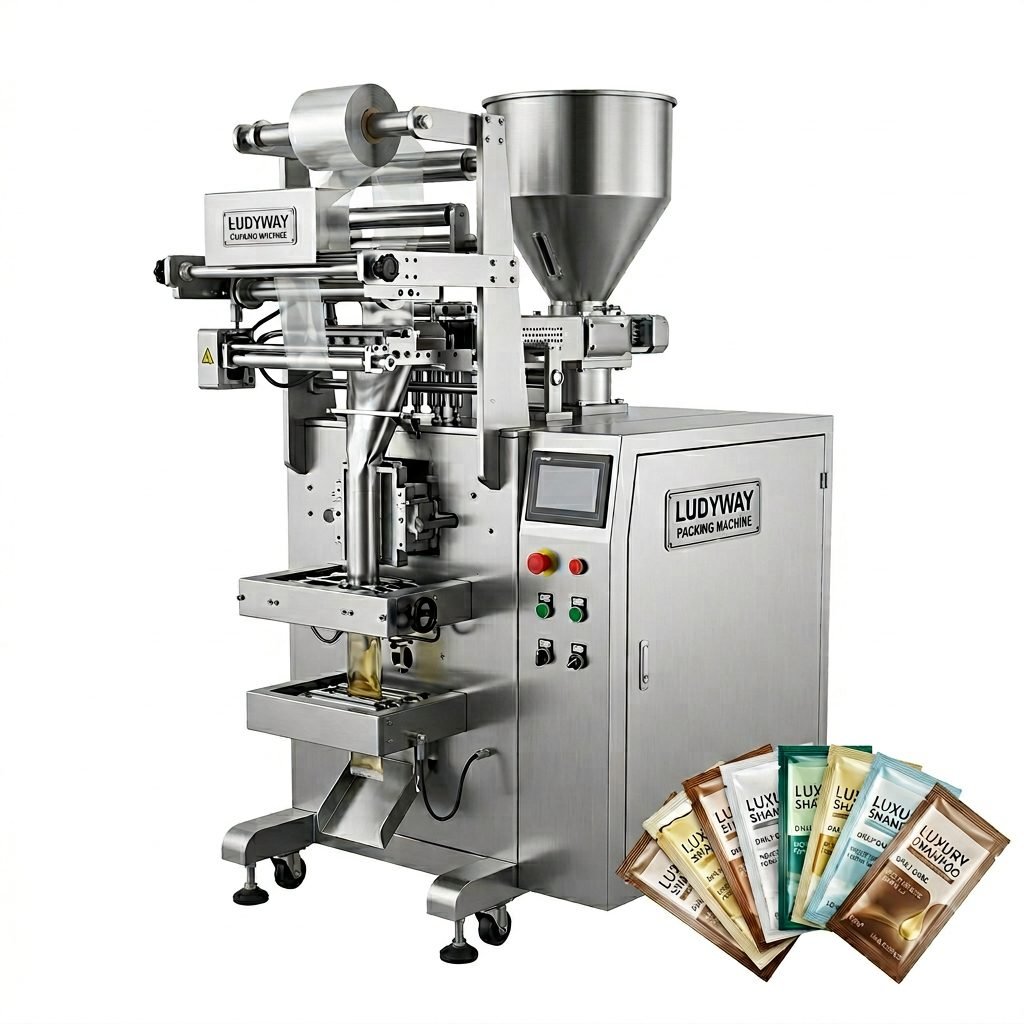
Selecting a plastic cover packing machine represents a significant operational and financial decision for manufacturers across food, pharmaceutical, cosmetic, and chemical industries. The right equipment directly affects production efficiency, packaging consistency, and long-term operational costs. This guide outlines the essential factors you should evaluate before making a purchase, helping you match machine capabilities with your specific production requirements.
Understanding Plastic Cover Packing Machine Types
Plastic cover packing equipment varies widely in automation level, speed, and configuration. Categorizing your needs upfront streamlines the selection process and prevents costly mismatches between machine capabilities and production demands.
Semi-Automatic vs. Fully Automatic Systems
Semi-automatic machines require operator involvement for tasks such as product loading, cover placement, or finished package removal. These systems suit lower-volume production, start-up operations, or facilities where labor costs remain manageable. Fully automatic systems, by contrast, handle the entire process—from feeding and orienting covers to sealing, coding, and ejection—with minimal human intervention, making them ideal for high-speed production lines requiring consistent output.
Inline vs. Rotary Configurations
The mechanical layout of a plastic cover packing machine influences both footprint and throughput. Inline machines process products along a straight conveyor path, offering easier integration into existing lines and simpler maintenance access. Rotary machines use a rotating turret with multiple stations, achieving higher speeds because several operations occur simultaneously. Your choice depends on available floor space, required output rate, and the complexity of the packaging process.
Key Technical Specifications to Evaluate
Before comparing suppliers, define your operational parameters. The following table summarizes the critical specifications you should confirm with any manufacturer.
| Specification | Why It Matters | Typical Range |
|---|---|---|
| Production Speed | Directly determines daily output capacity and line efficiency | 30–200+ packs per minute |
| Cover Compatibility | Diameter, thickness, and material type must match the machine’s design range | 20–120 mm diameter |
| Container Size Range | Adjustability for different product lines without excessive changeover time | Height: 30–300 mm |
| Sealing Method | Heat sealing, induction sealing, or ultrasonic welding—each suits different materials | Material-dependent |
| Changeover Time | Minimizing downtime between product batches improves overall equipment effectiveness | 5–30 minutes (automated) |
Material Compatibility and Product Characteristics
The physical properties of your plastic covers and the products being packaged substantially influence machine selection and long-term reliability. Evaluate these factors carefully with potential suppliers.
- Cover material: PE, PP, PET, and multi-layer laminates each behave differently under heat and pressure. Confirm that the machine’s sealing system is designed for your specific material type.
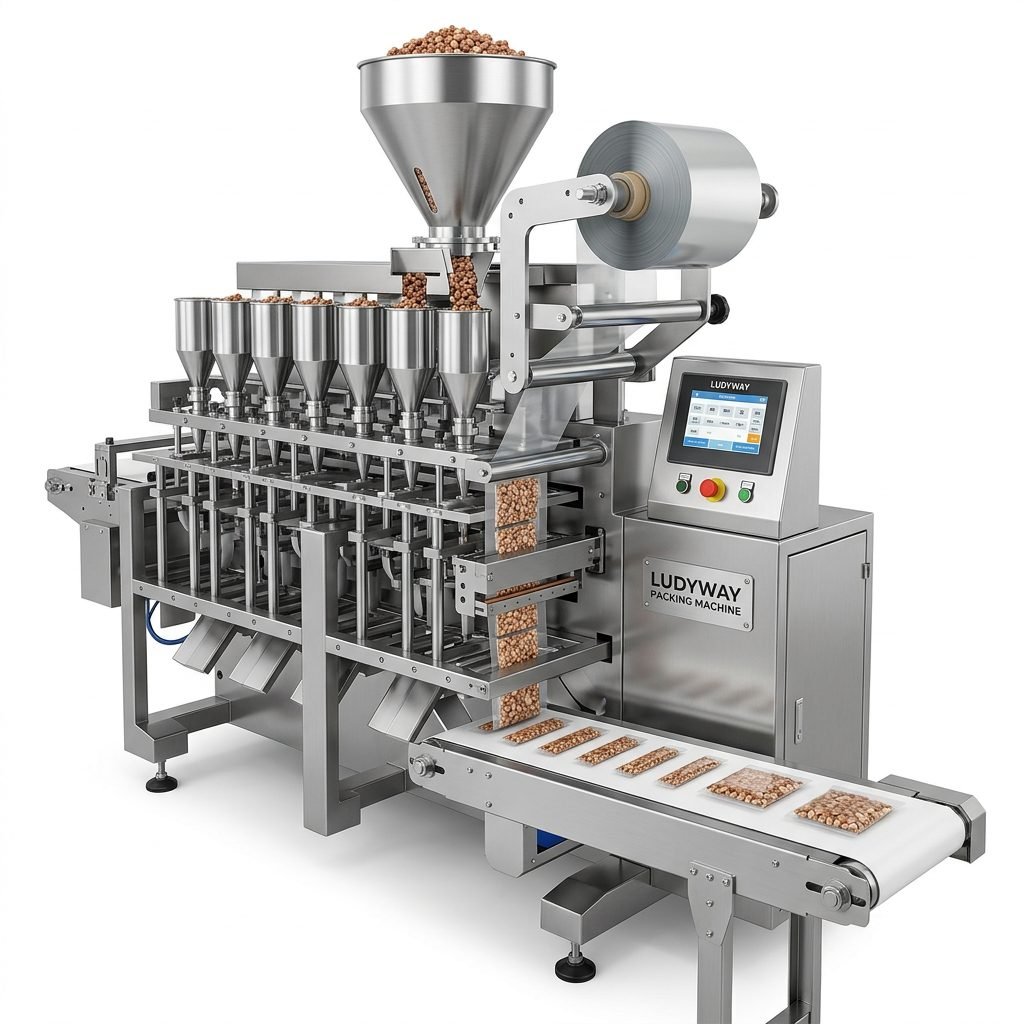
- Product nature: Dry powders, granules, liquids, pastes, and fragile items all demand different handling approaches. The dosing system must match product flow characteristics to avoid bridging, clumping, or spillage.
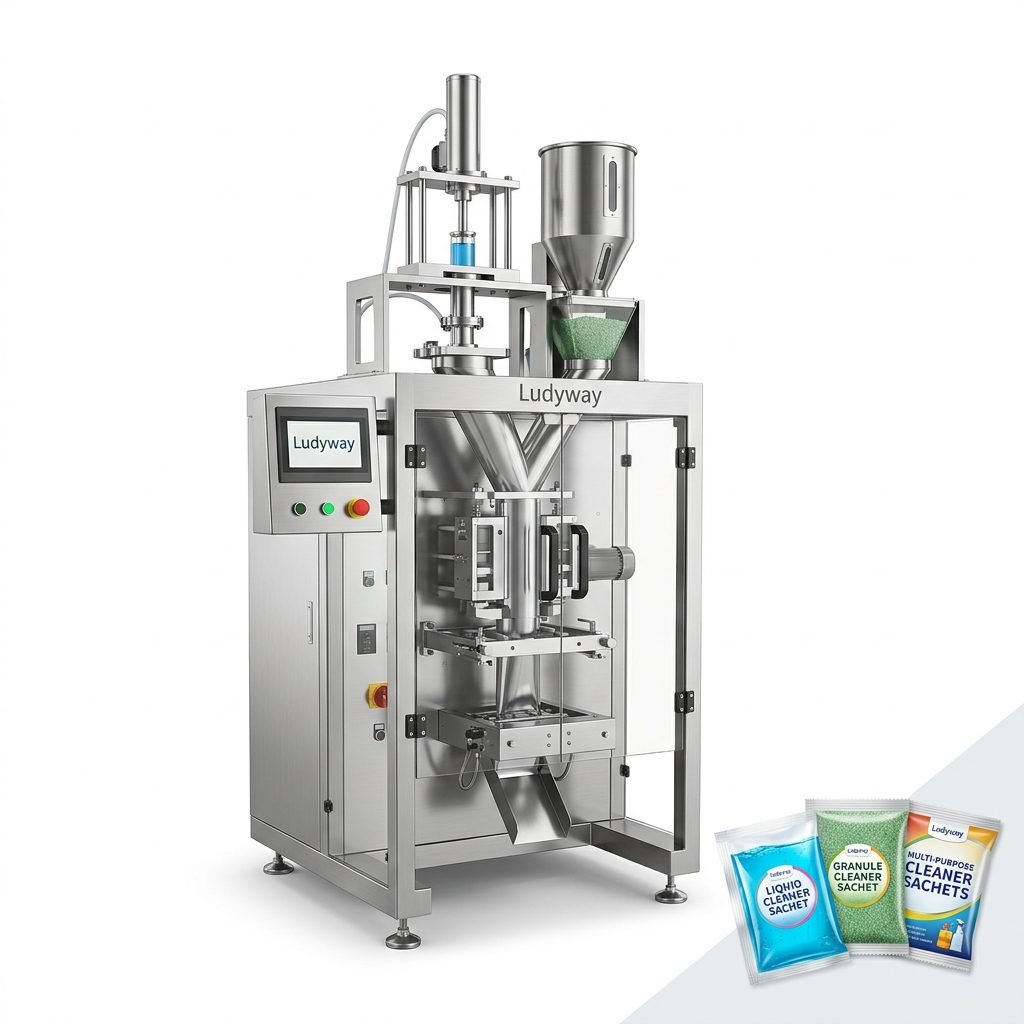
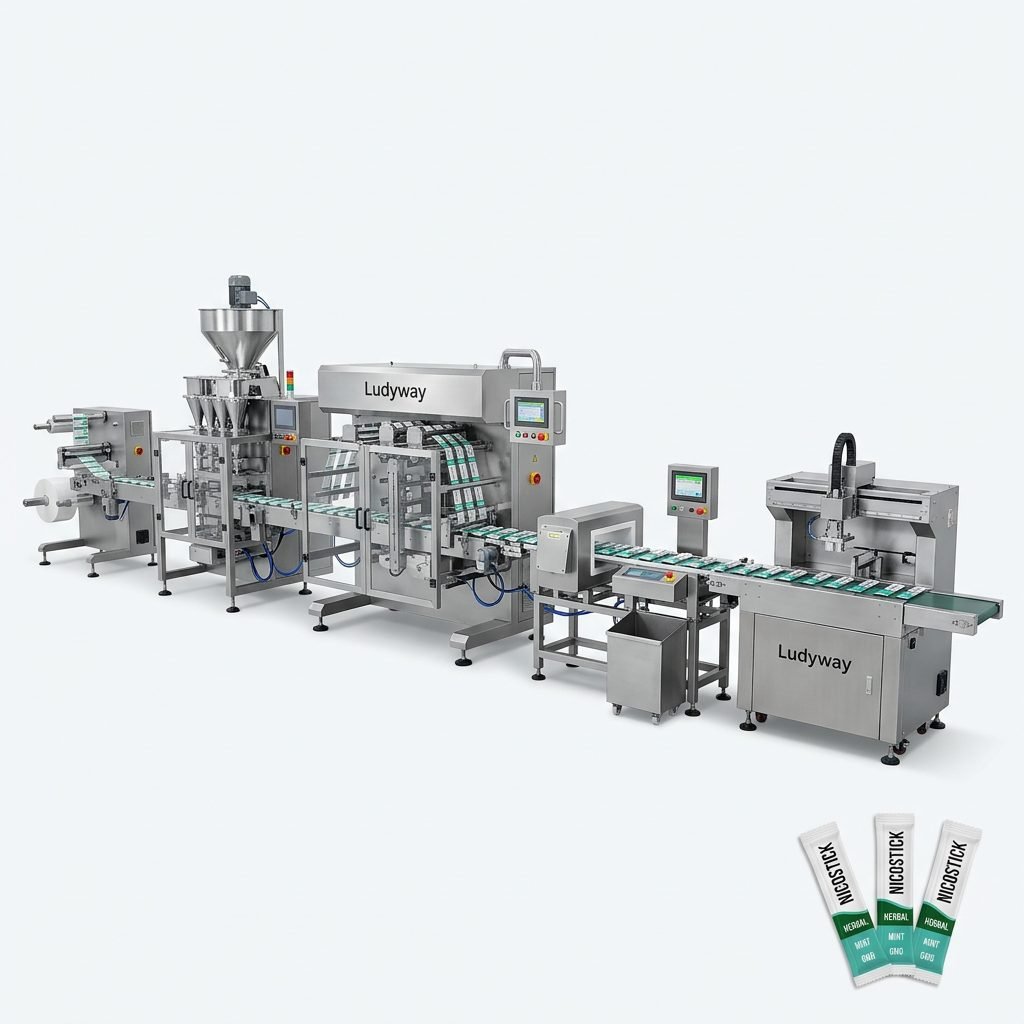
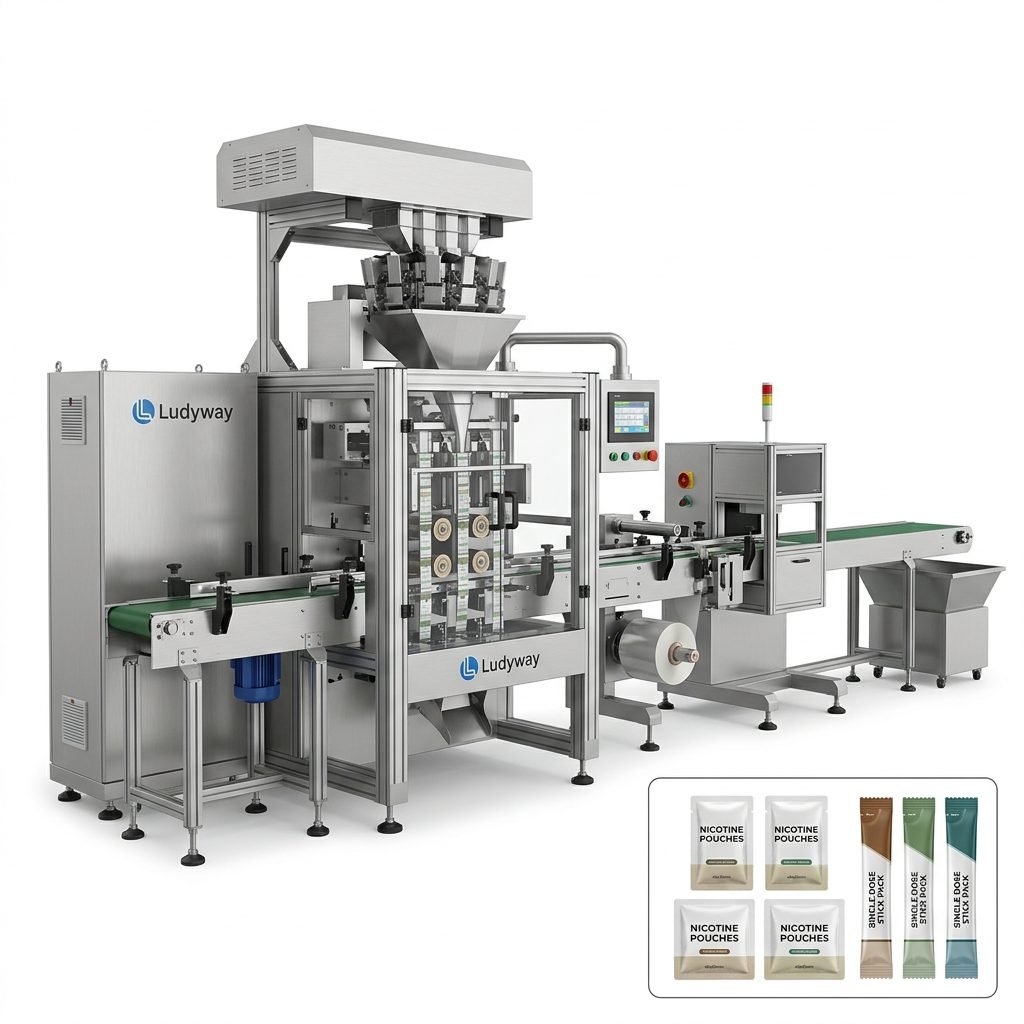
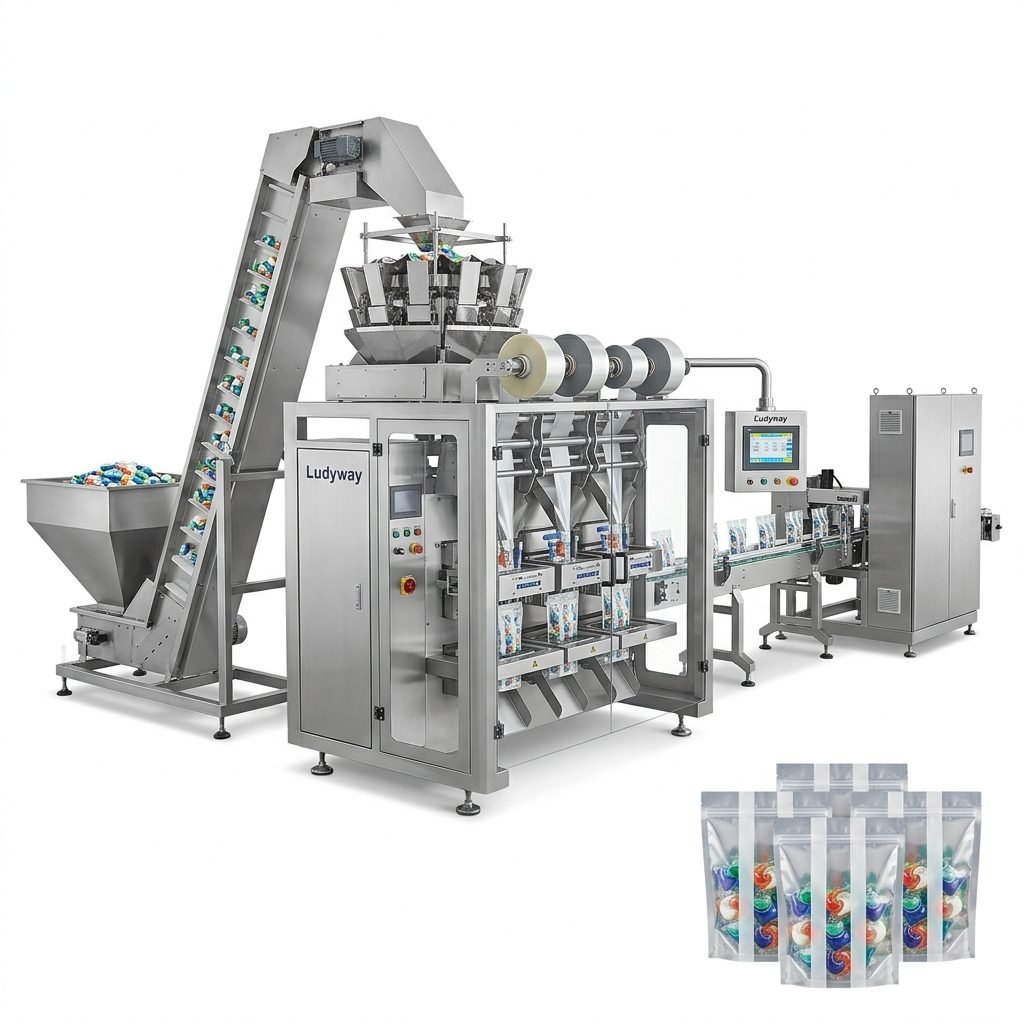
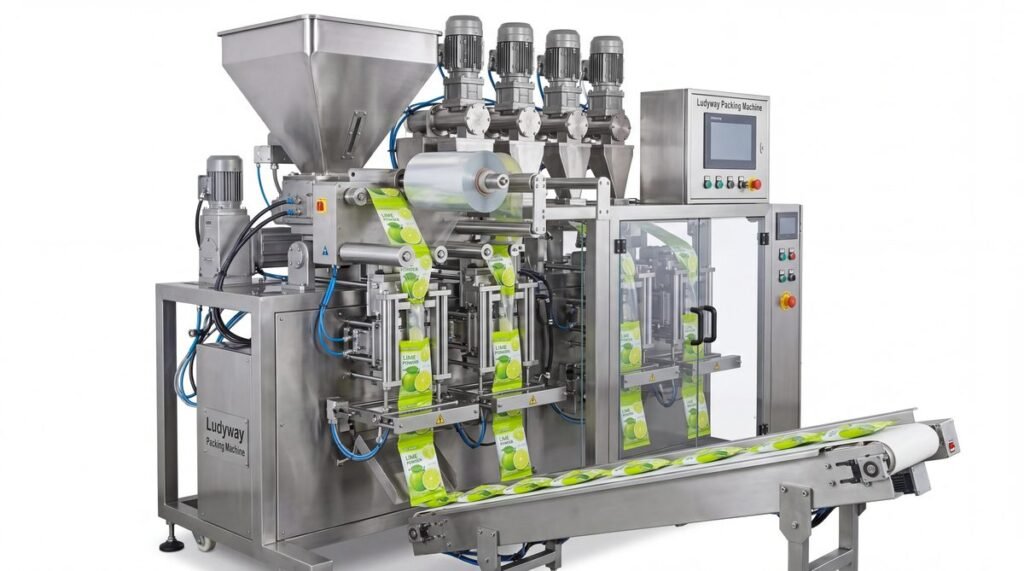
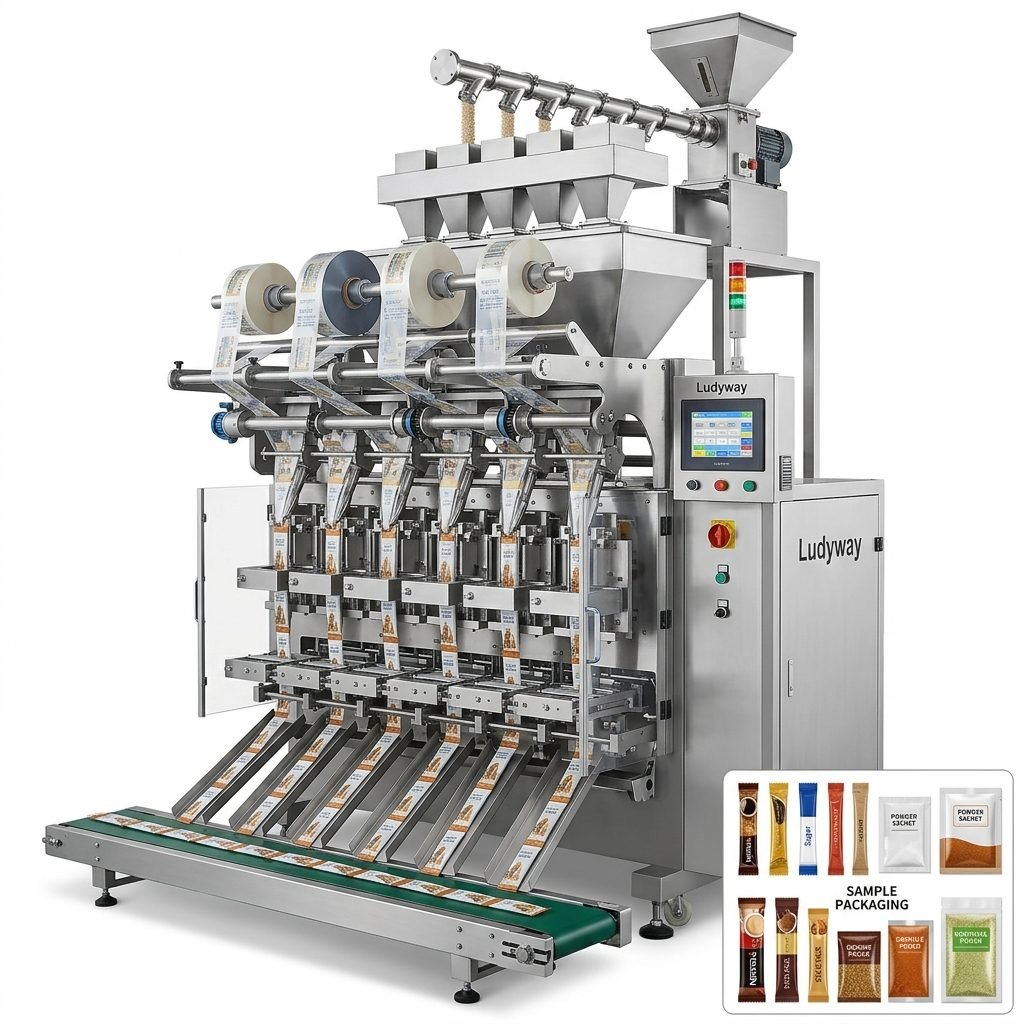
- Packaging format: Whether you need sachets, stick packs, pouches, or rigid container covering affects machine configuration. A plastic cover packing machine manufacturer with broad format experience can advise on the most suitable approach.
- Hygiene requirements: Food-grade and pharmaceutical applications may require stainless steel construction, washdown capability, and dust extraction systems.
Automation, Controls, and Integration Capabilities
Modern plastic cover packing machines increasingly function as components within broader production ecosystems. Evaluating control architecture and connectivity ensures your investment supports future growth rather than creating bottlenecks.
PLC and HMI Systems
Look for machines equipped with programmable logic controllers (PLC) from established industrial automation brands. A user-friendly human-machine interface (HMI) with recipe management, production data logging, and diagnostic displays simplifies operator training and troubleshooting. Touchscreen interfaces with multi-language support add operational flexibility.
Line Integration and Auxiliary Equipment
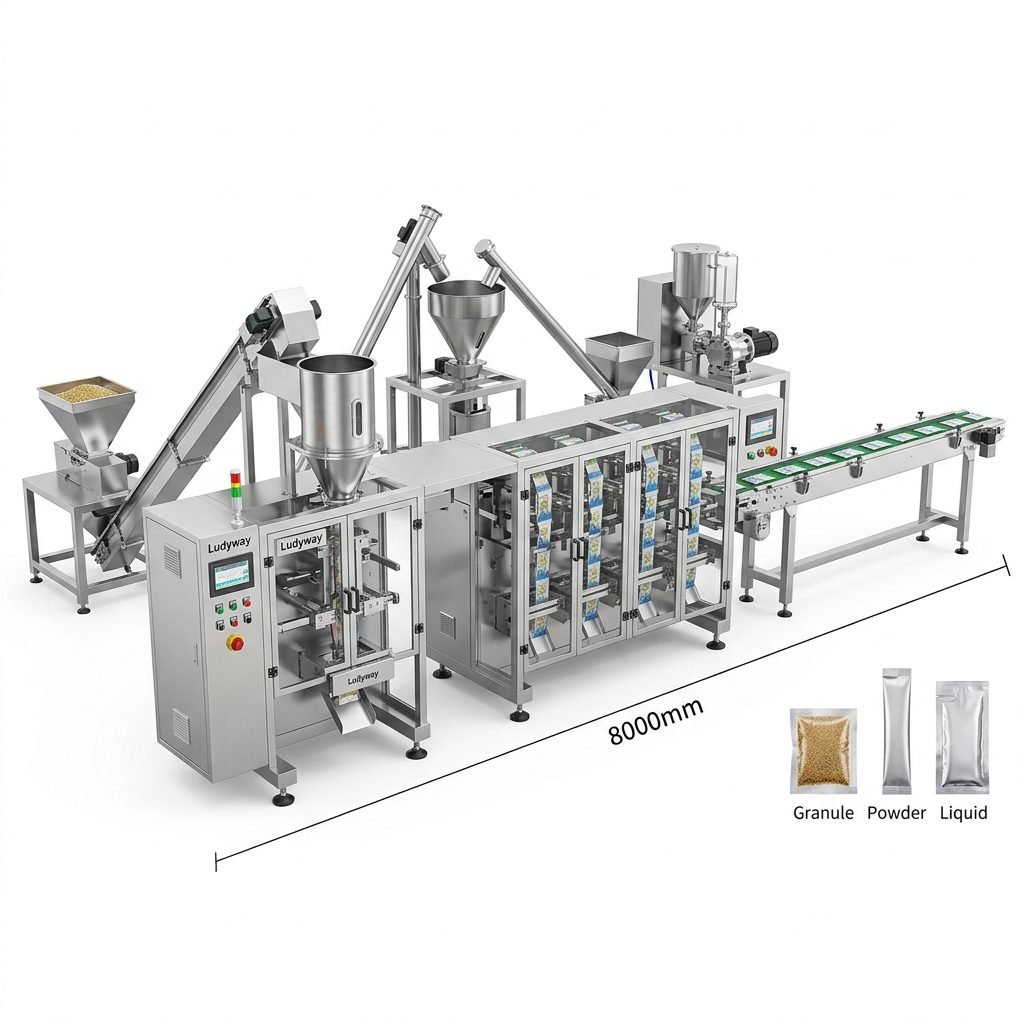
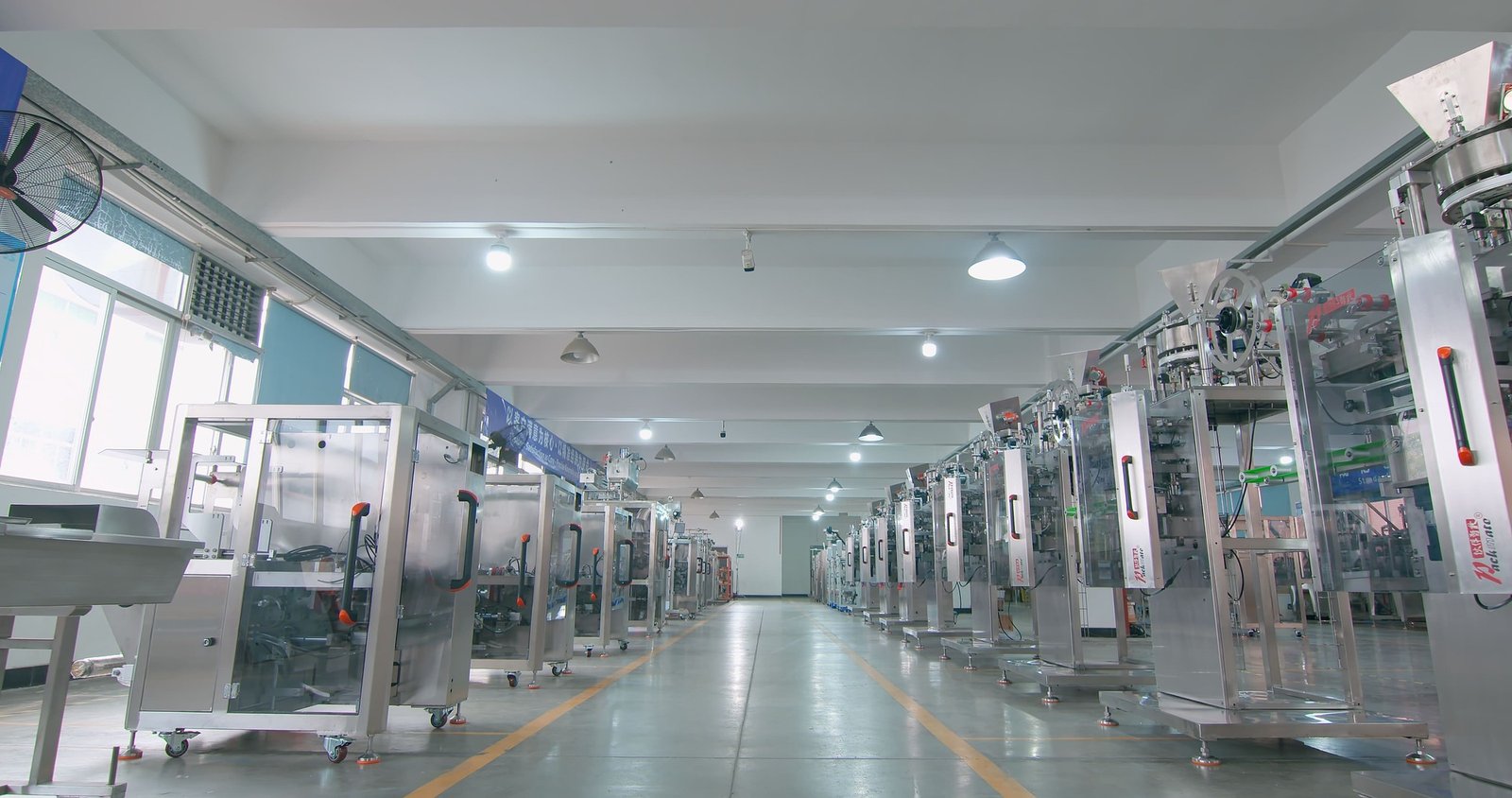
Consider whether you need a standalone machine or an integrated packaging system that connects with upstream filling, coding, labeling, and downstream cartoning or palletizing equipment. Suppliers offering turnkey solutions—such as Ludyway Machinery, a China-based packaging machinery manufacturer with over 30 years of experience and more than 50 machine models—can coordinate equipment selection, system integration, and commissioning as a single point of responsibility, which simplifies project management and technical support.
Evaluating Supplier Credentials and Support
Purchasing a plastic cover packing machine extends beyond the equipment itself. Your relationship with the manufacturer affects installation success, ongoing maintenance, and the total cost of ownership. Assess these areas when vetting suppliers.
- Manufacturing experience: Companies with decades of industry presence have typically refined their engineering processes and resolved common application challenges across multiple sectors.
- Technical documentation: Comprehensive manuals, electrical diagrams, and maintenance schedules reduce dependency on external support for routine tasks.
- Spare parts availability: Confirm that critical wear components are stocked and can be dispatched quickly to minimize production downtime.
- Remote and on-site support: Evaluate whether the supplier provides installation supervision, operator training, and remote diagnostic assistance as standard offerings.
Total Cost of Ownership Considerations
Purchase price alone provides an incomplete picture. A comprehensive total cost of ownership (TCO) analysis accounts for these elements over the machine’s expected service life.
- Energy consumption: Efficient motors, optimized heating elements, and standby modes reduce operational electricity costs.
- Consumable parts: Sealing elements, cutting blades, filters, and belts require periodic replacement. Inquire about typical service intervals and costs.
- Maintenance labor: Machines designed with accessible service points and modular components reduce technician time per intervention.
- Scrap reduction: Precision dosing and accurate sealing minimize product waste and packaging material loss over millions of cycles.
Compliance and Certification Requirements
For manufacturers serving regulated markets, machine certifications can be as important as mechanical performance. Verify that the plastic cover packing machine can be configured to meet applicable standards for your target markets. Relevant frameworks include ISO packaging standards, FDA requirements for food contact materials, and regional regulations such as those outlined by the European Commission on packaging. Discuss documentation availability early in the procurement process to avoid compliance gaps later.
Making the Final Decision
After narrowing your options, consider these practical steps before finalizing your order.
- Request sample packaging trials using your actual products and cover materials rather than relying solely on specifications.
- Visit the manufacturer’s facility or arrange a virtual factory tour to evaluate production capabilities, quality control processes, and testing procedures firsthand.
- Speak with existing customers in your industry segment to understand real-world performance, support responsiveness, and any operational challenges encountered.
- Review the warranty terms and after-sales service agreements in detail, clarifying what is covered, for how long, and under what conditions.
For additional market data and industry benchmarks to inform your investment, resources from organizations like PMMI’s business intelligence library and the Flexible Packaging Association provide valuable context on packaging machinery trends and performance expectations.
Choosing the right plastic cover packing machine demands a systematic approach that balances technical specifications, supplier capabilities, and lifecycle costs. By defining your requirements clearly, evaluating machines against objective criteria, and partnering with an experienced manufacturer, you position your production line for reliable performance and scalable growth.